Ursus americanus: American Black Bear

As demonstrated by the shaded areas in the two range maps below Black Bears, which were once ubiquitous to most of North America, occupy only a small fraction of their historical range.

Due to habitat loss and other human factors Black Bears numbers are currently only a fraction of what they once were.

Historical Range:

Current Range:

Vaughan, M.R., and M.R. Pelton. 1995. Black bears in North America, pages 100-103 in E.T. LaRoe III, ed. Our Living Resources. USDI-NBS, Washington, D.C.

Imagine a time of abundance, no not not all you can eat buffets and free soda refills, but a time where animals we share the planet were more than occasional encounters.

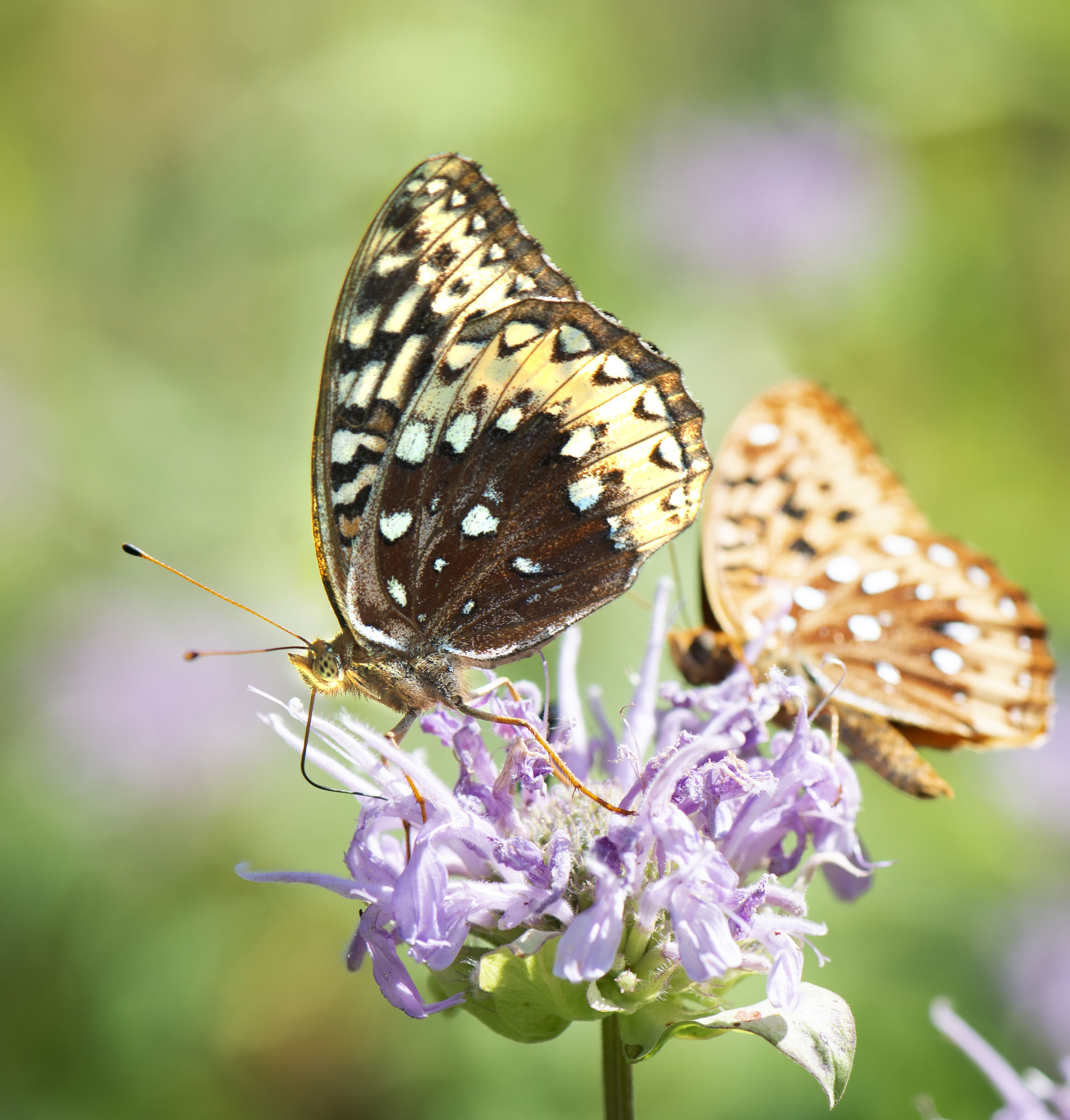
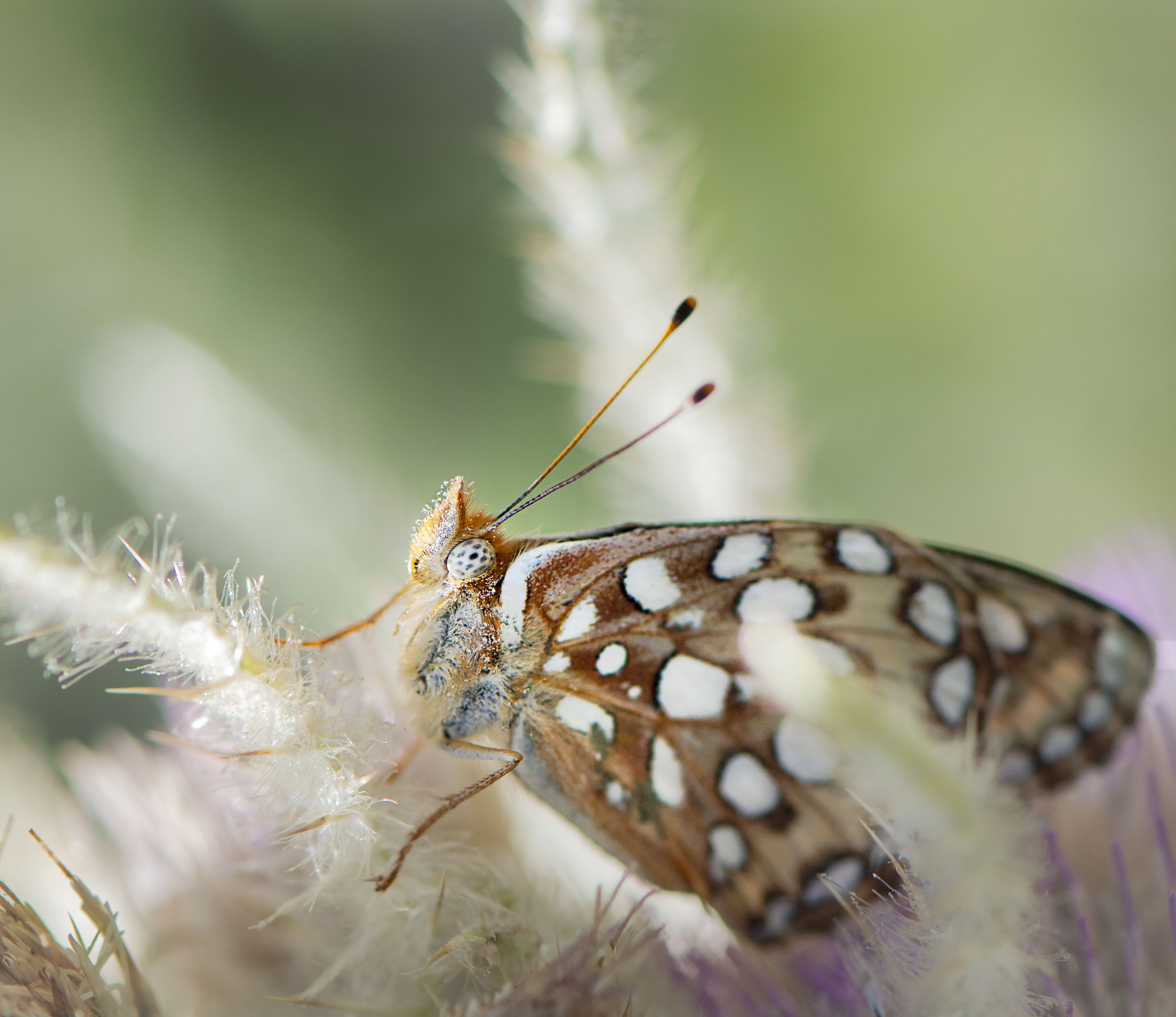
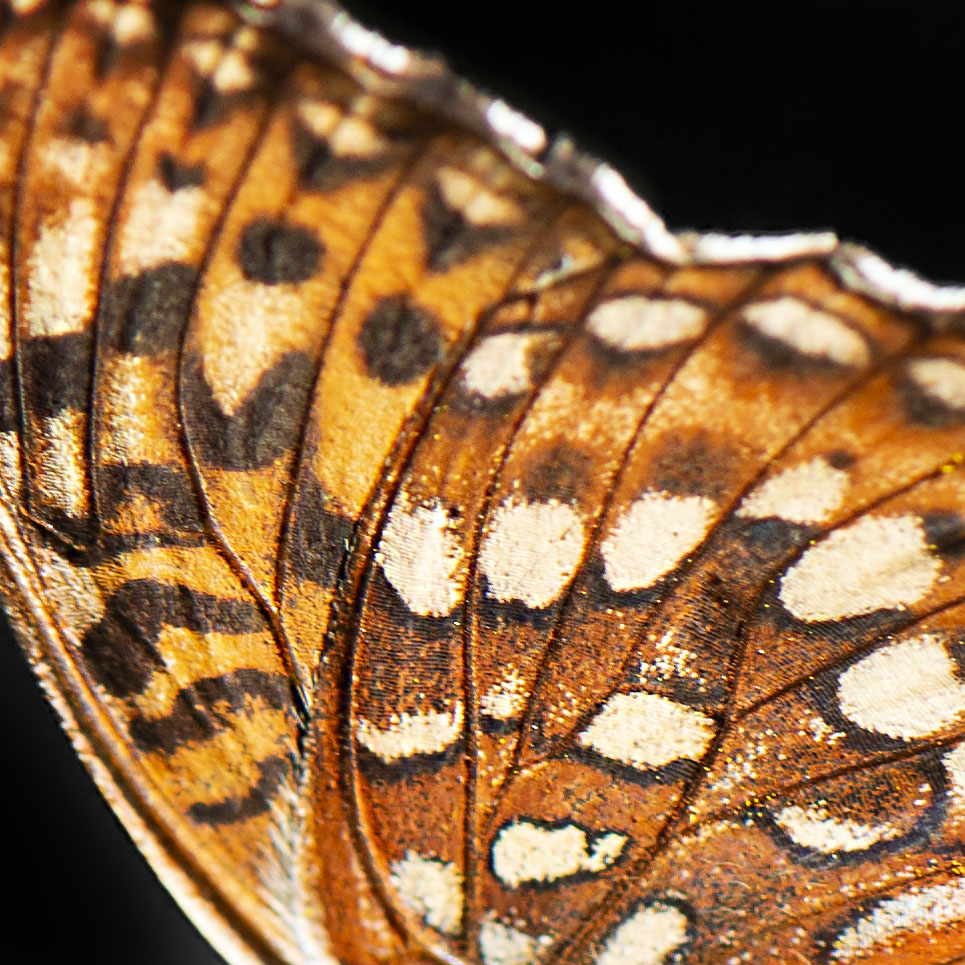
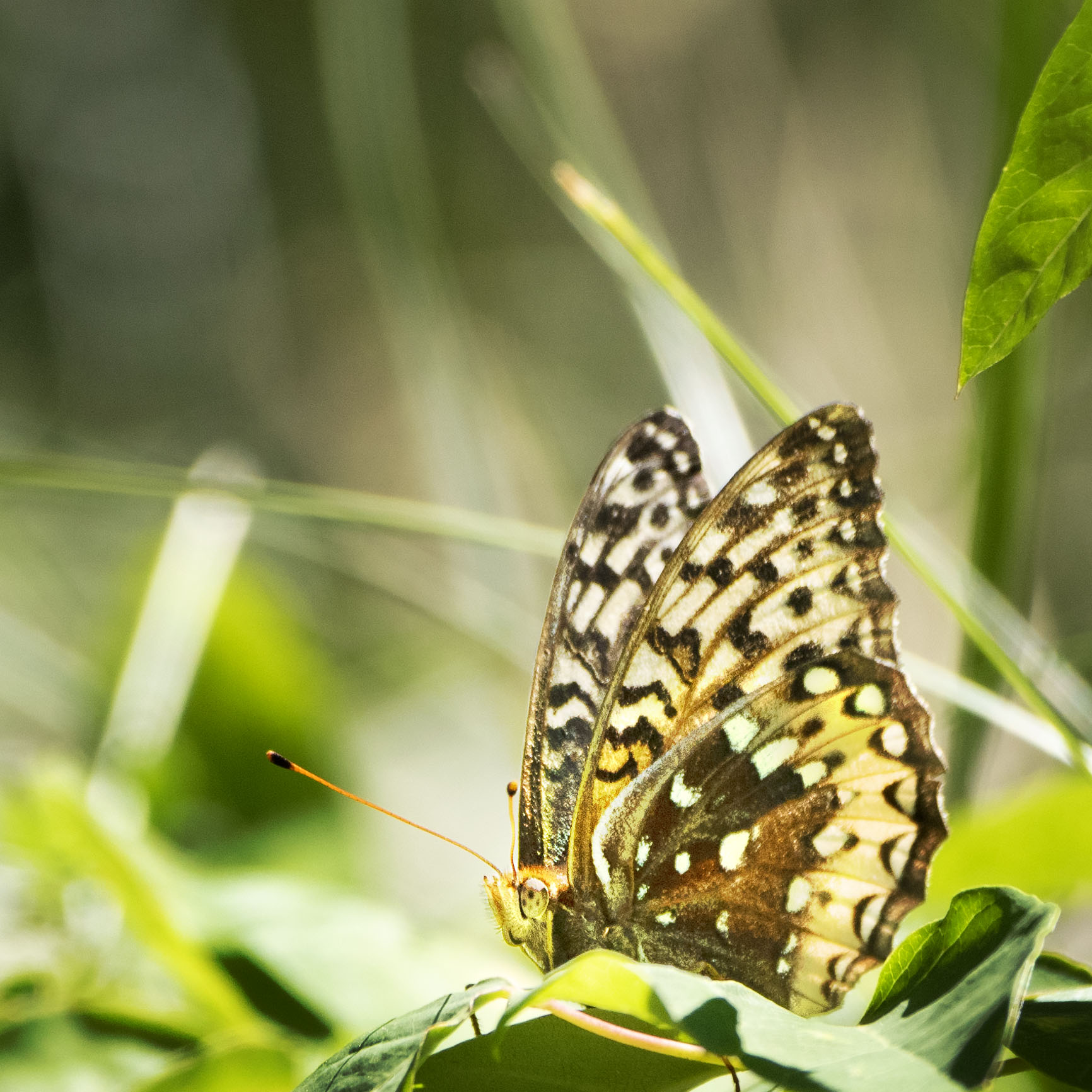
Fritillary Friday

Is there a word you run across that no matter how many times you say it it just is a struggle to get past your brain and out your lips?

Well for me that word is Fritillary.

A beautiful species of butterflies, I confess,  but I sure would rather look at them than have to address one directly… Hello Mr. or Mrs. Fritillary….that would not go well.

With that in mind here are some photos of these beautiful butterflies (notice how I did not say Fritillary) that we encountered this past summer.

Happy Fritillary Friday and have a wonderful weekend.

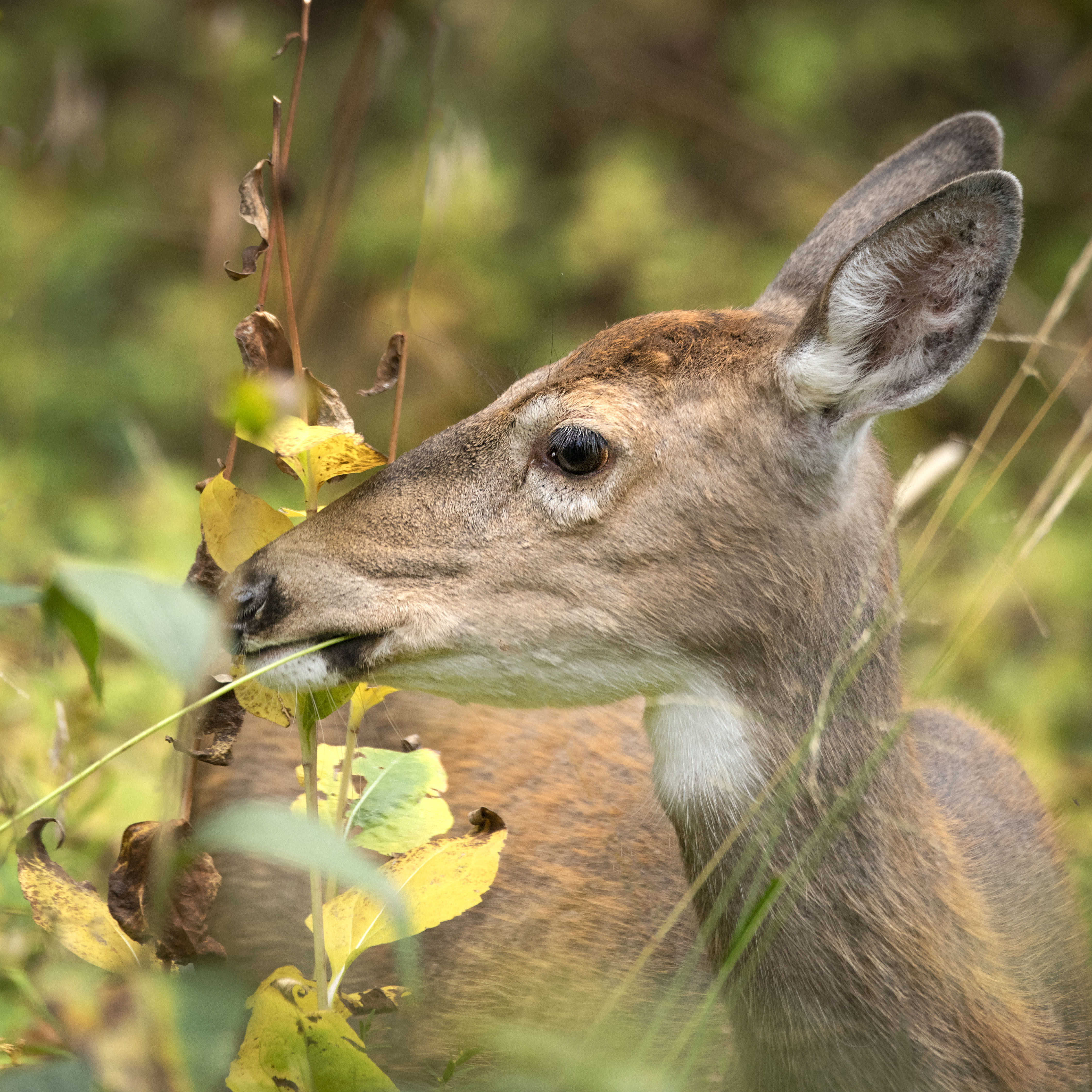
White Tailed Doe

Usually when we see a White Tailed Deer on the the trail they are a bit more skittish than the Mule Deer we encounter but on this day a White Tailed Doe walked along in the same direction we were going keeping her distance but foraging away unalarmed. We also noticed that while the mule deer in our area are turning much grayer right now the while tailed deer seem to be getting a rusty red color to their coats.

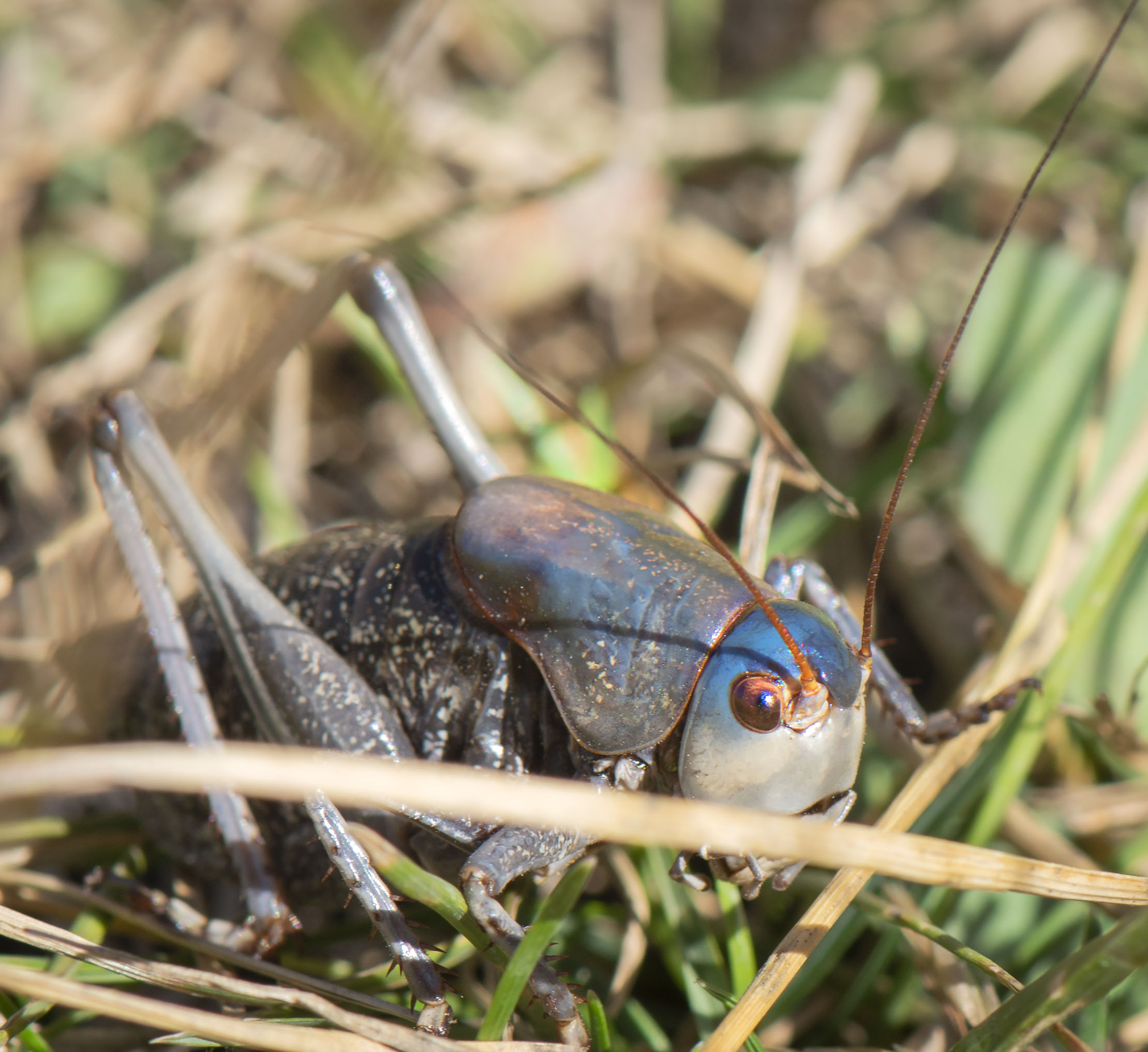
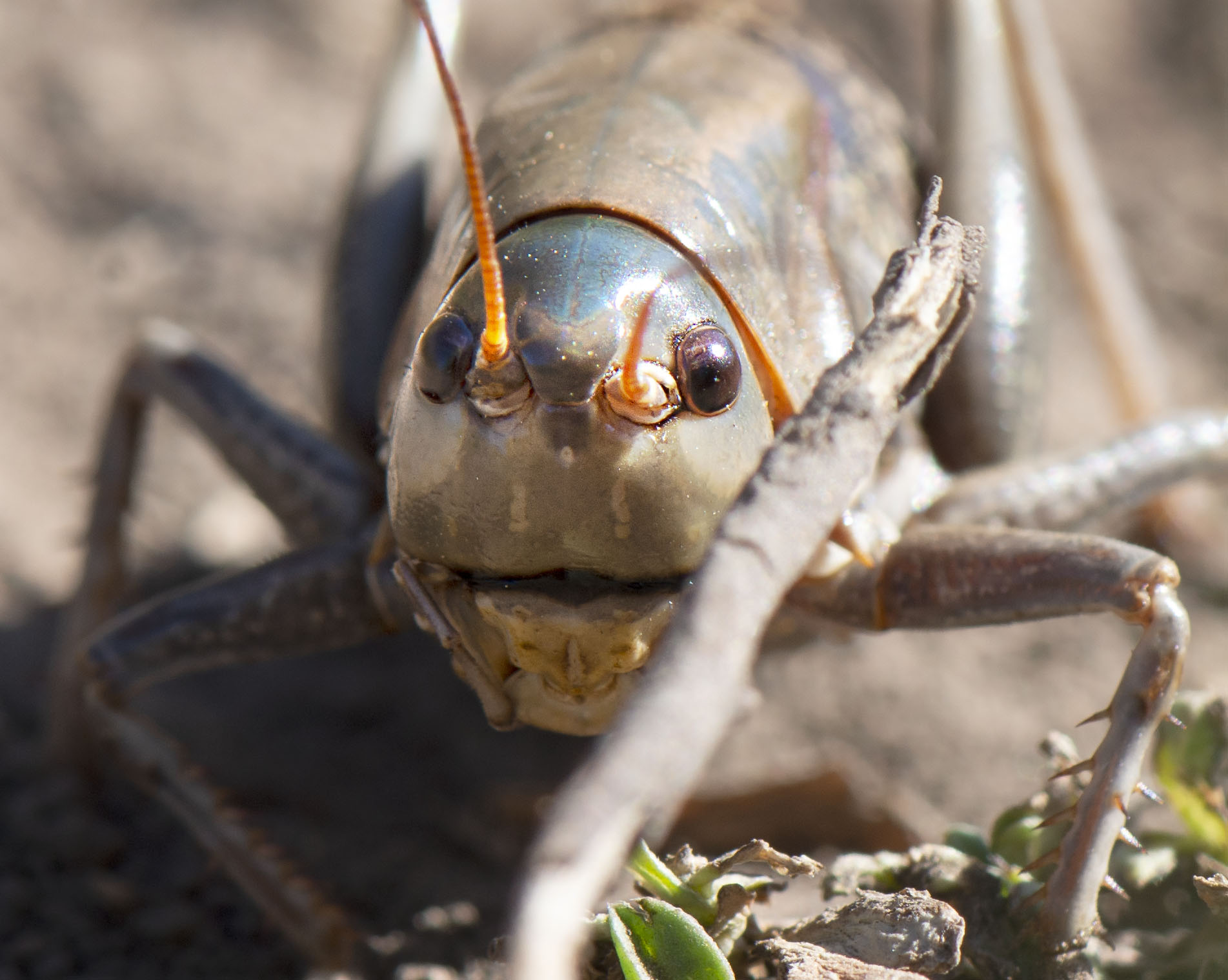
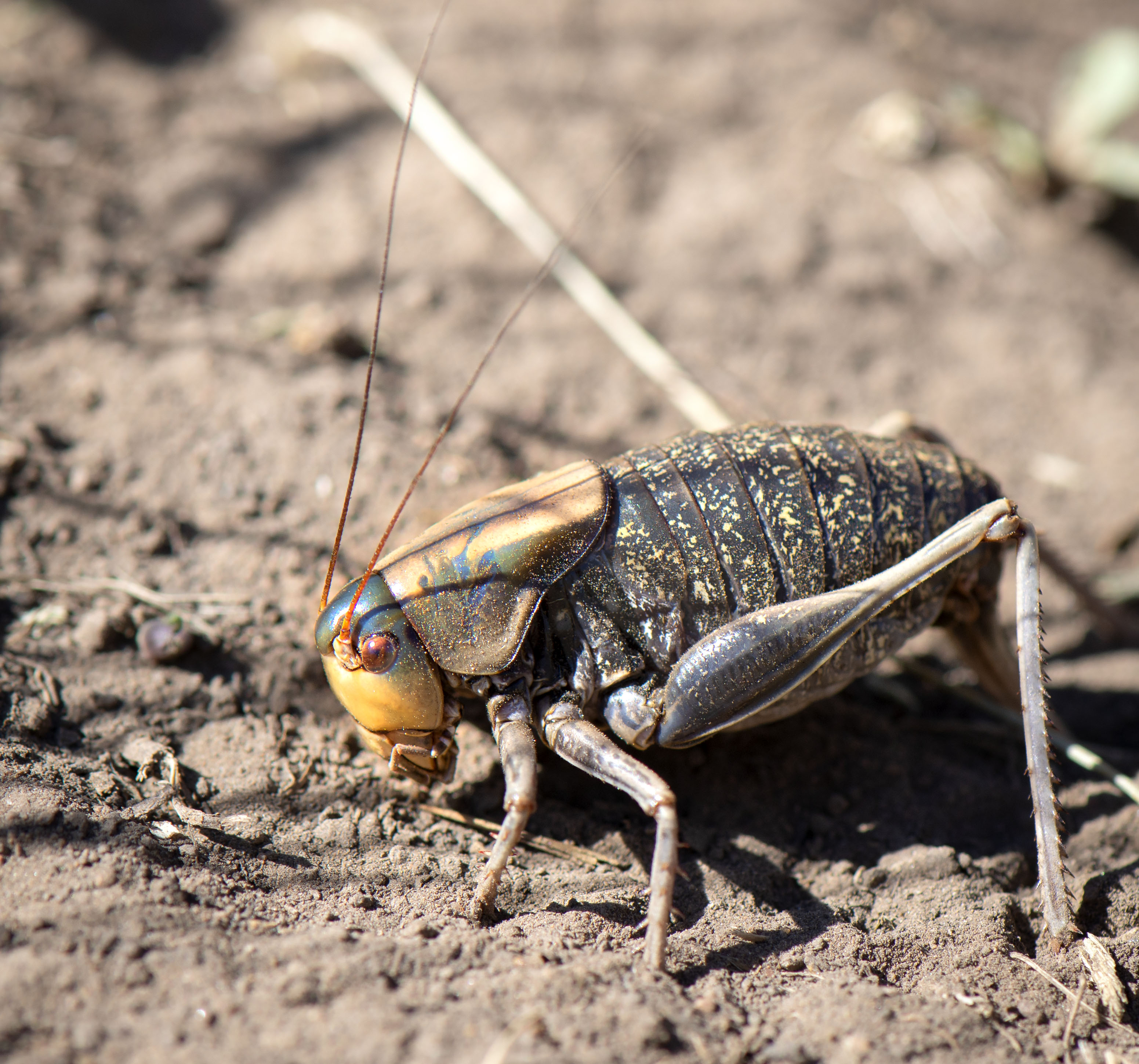
Mormon Cricket: Anabrus simplex

The Mormon cricket is actually not a true cricket, but rather a shield-backed katydid. The common name derives from an invasion of the crops of Mormon settlers in the Salt Lake area in the mid-1800s.

We ran across plenty of these katydids on a recent hike although not in the numbers depicted in this video https://www.youtube.com/watch?v=Yy3dQJYquoY. While these insects can be quite destructive to crops they do eat the grasses and plants in natural rangelands much as large grazing mammals do (or did). I also find them quite interning to look at as each has subtle color variations.

Given these were not marching across our hiking trail in plague proportions I enjoyed seeing them on a late fall afternoon moving through the already dry grasses.