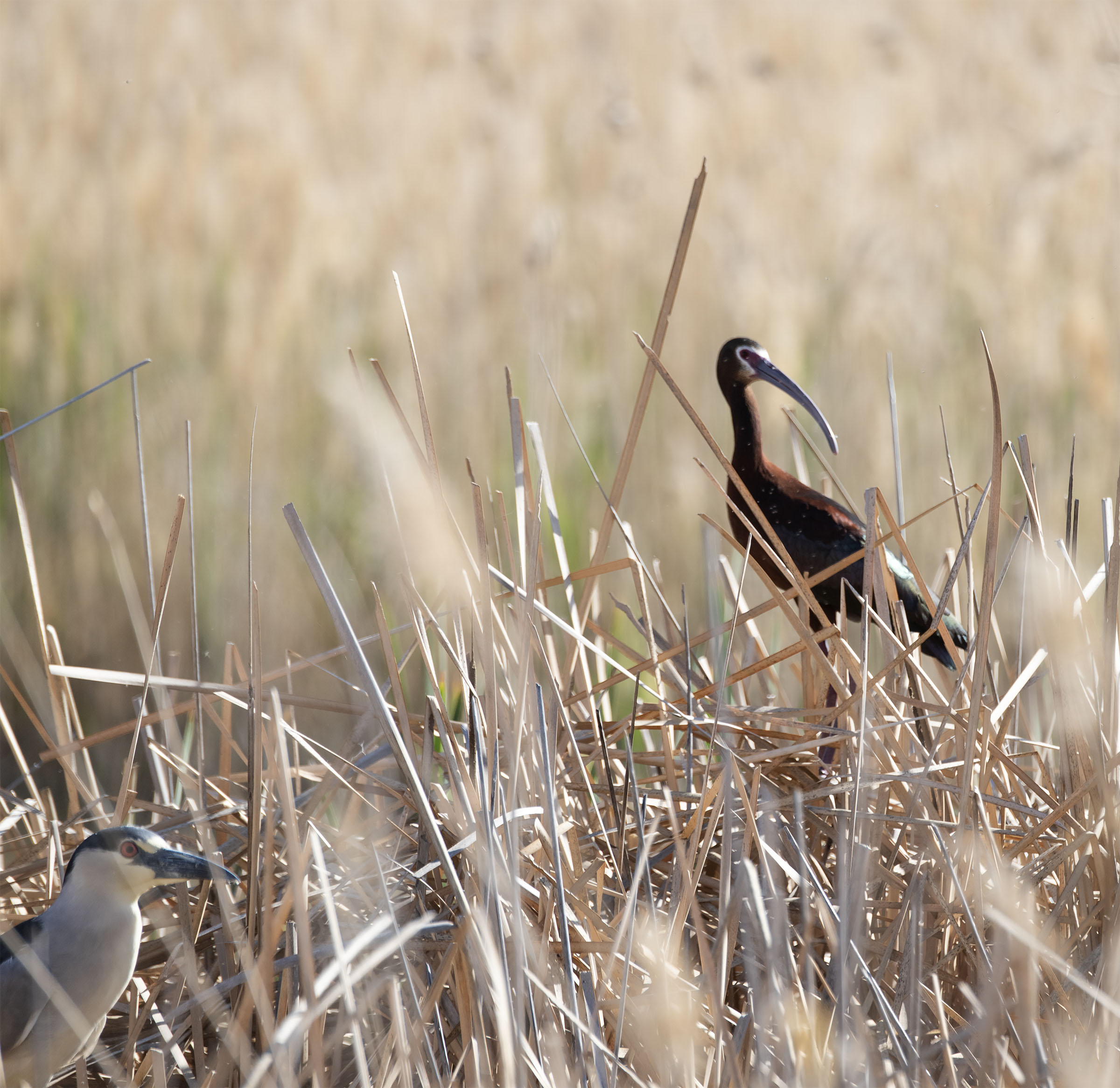
Not sure what I was missing out on but the White Faced Ibis and Black Crowned Night Heron were sure not looking at the camera as we peered into the cattails this afternoon.
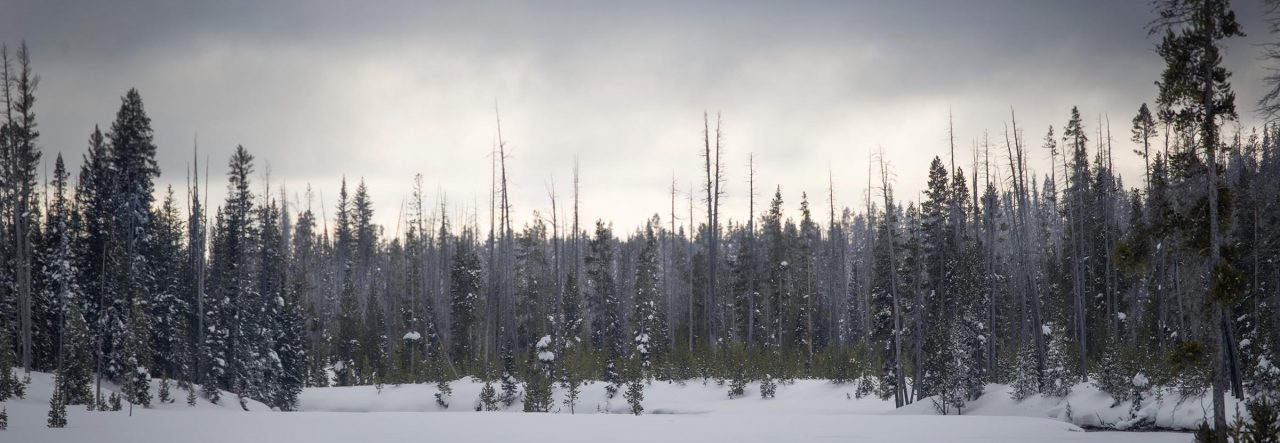
Not sure what I was missing out on but the White Faced Ibis and Black Crowned Night Heron were sure not looking at the camera as we peered into the cattails this afternoon.
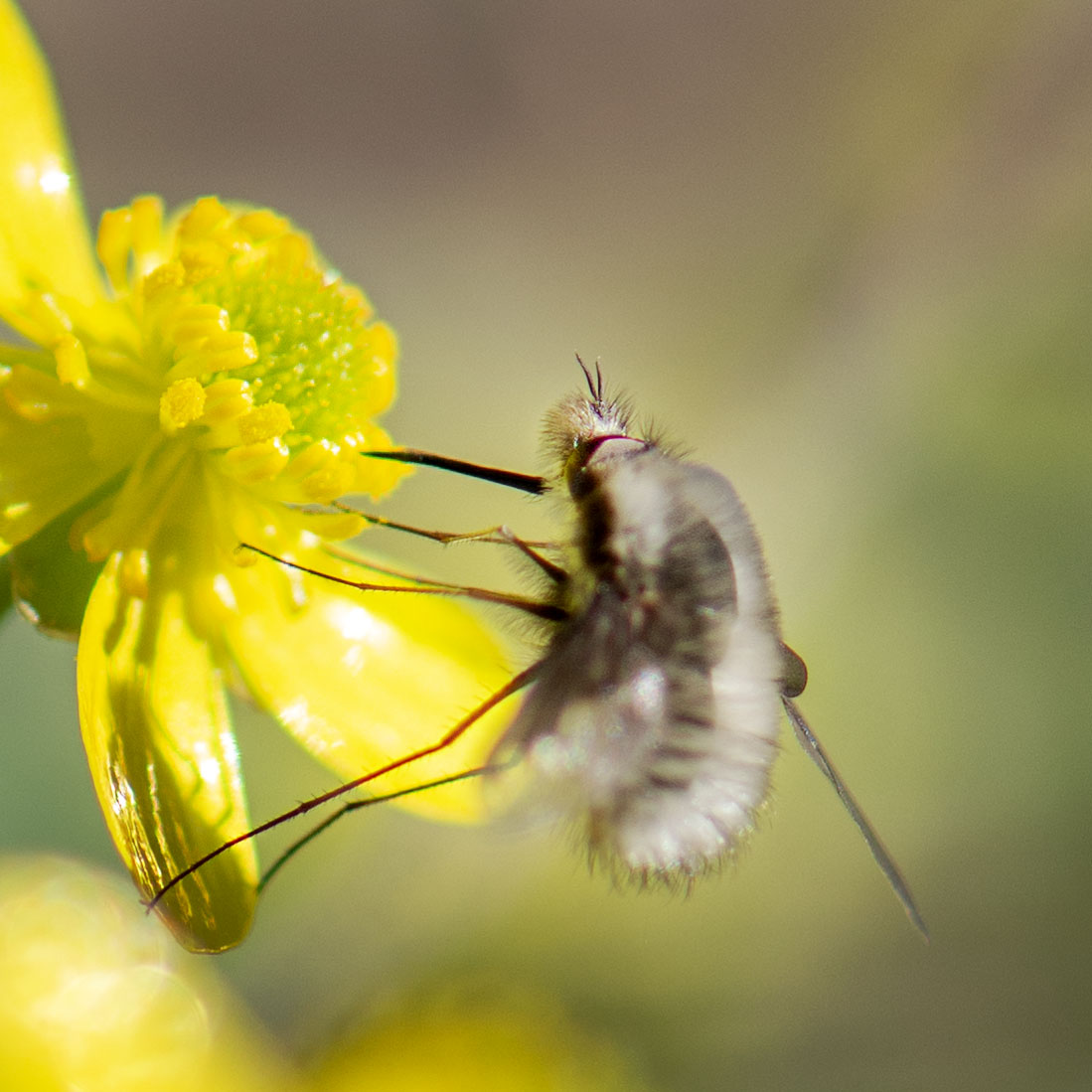
An early arrival as the first spring wildflowers spring is Bombylis major a bee-fly mimic. Bomblyis is about 1/2-3/4 inches long and fuzzy as a cuddly teddy bear. At first thought you might think that probosces is quite the stinger but it is harmless and used to collect nectar.
These guys move very quickly from flower to flower early in the spring and seem to be gone by July which coincides with the decrease ins spring wildflowers.
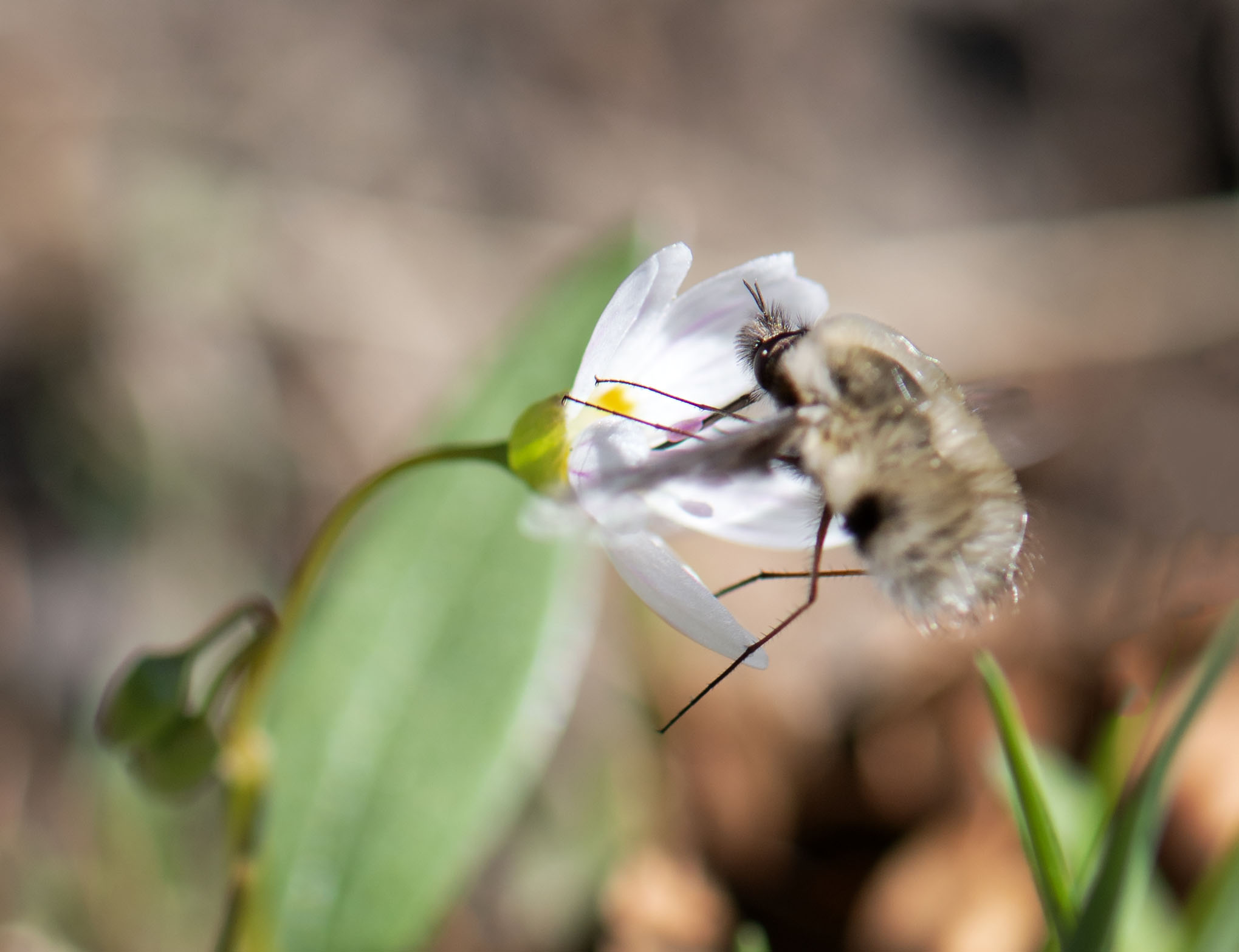
Gotta love these little guys with the long proboscis, spindly legs and fuzzball bodies pollinating the spring flowers.
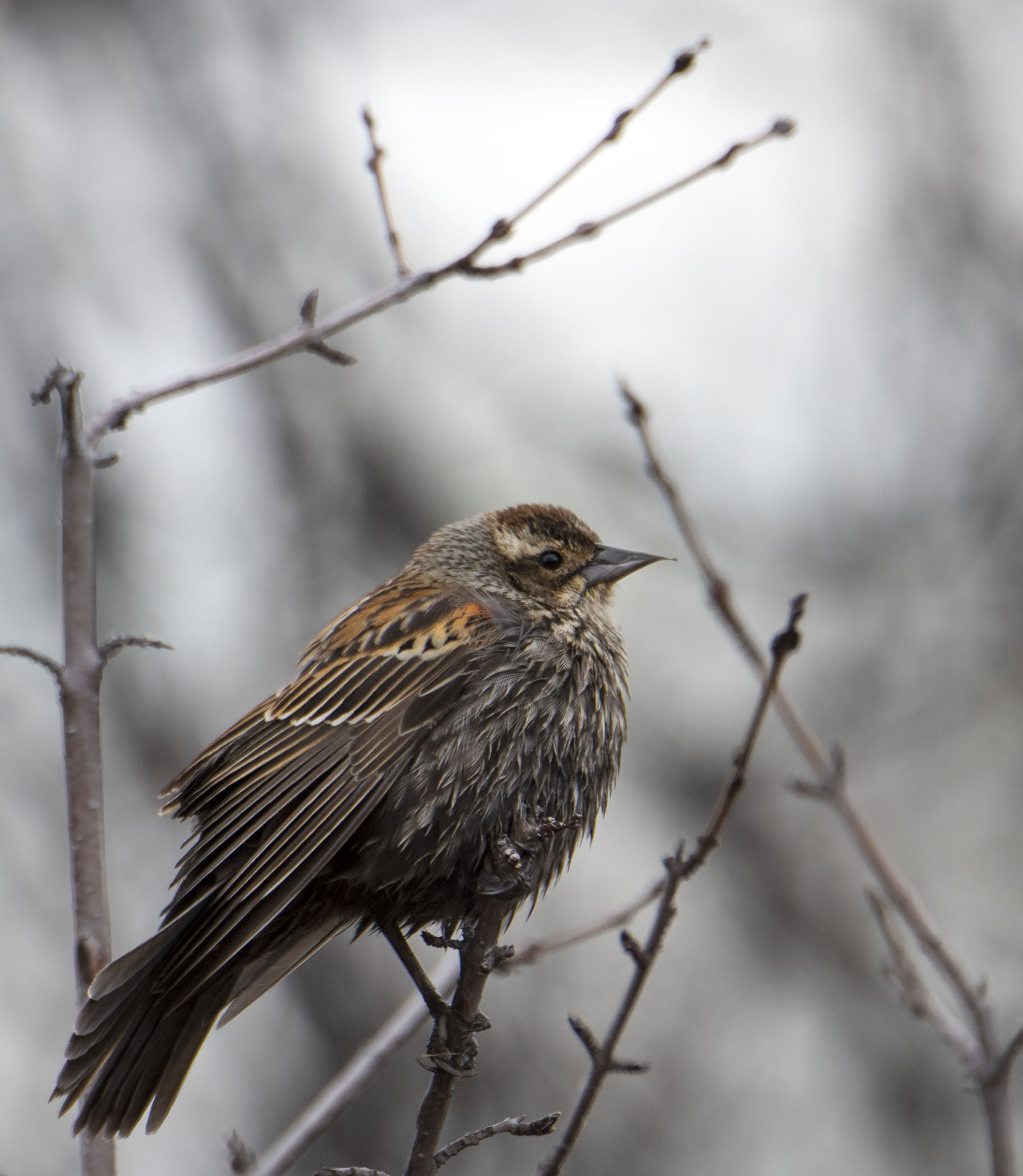
A female Red Winged Blackbird content and alert on an early spring morning as the males sang their courtship songs in the distance.
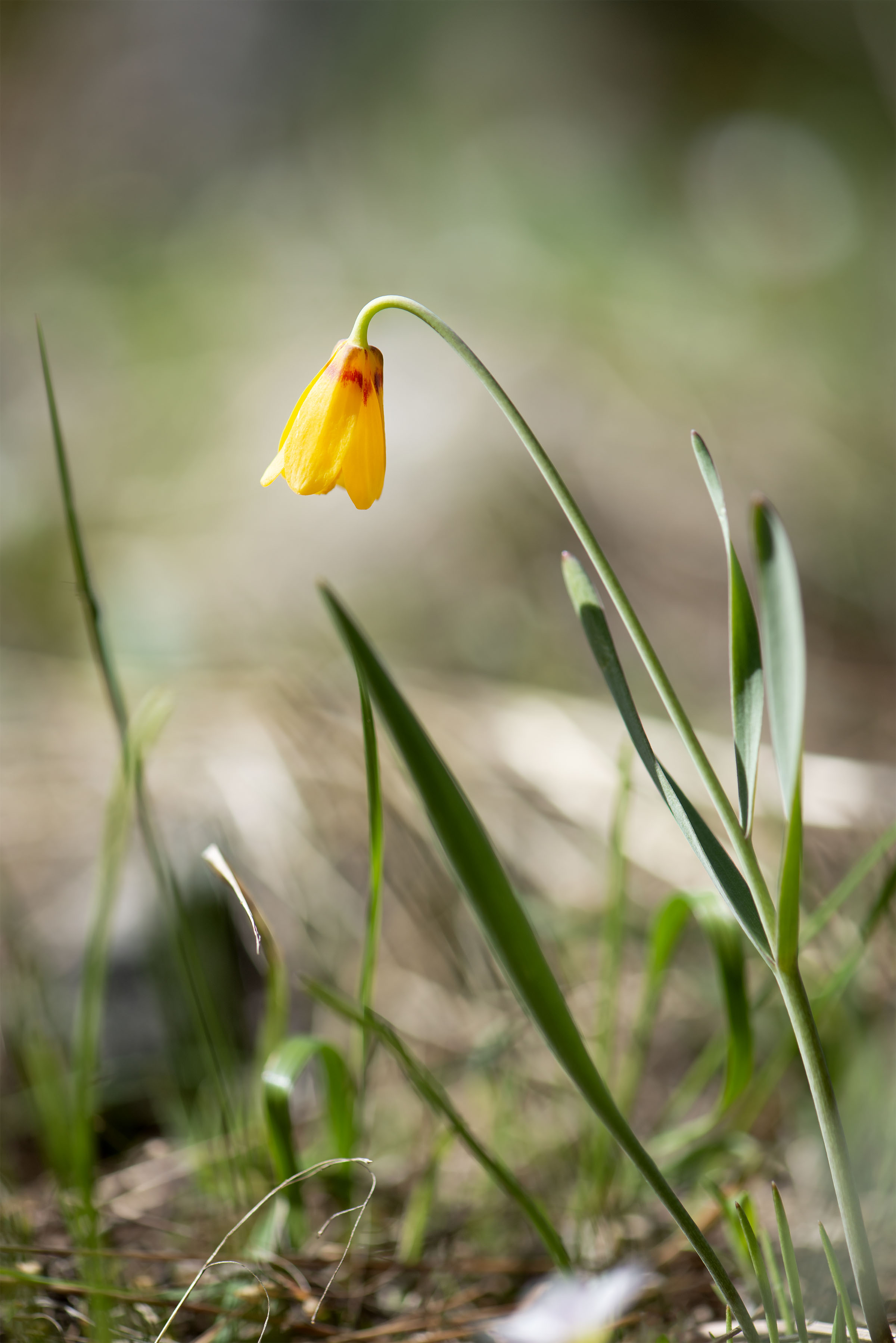
In addition to the Glacier Lillies carpeting the forest floor these small Yellow Bells, which are also in the Lilly family, have kept us company this spring. The plants are only 10-30cm tall and usually contain a single flower. They grow scattered in patches both in open areas as shown below and in more forested areas as well.


We found flowers that ranged from the typical yellow to some that were a deep orange.


A small treasure that springs from the ground and one to look forward to again.

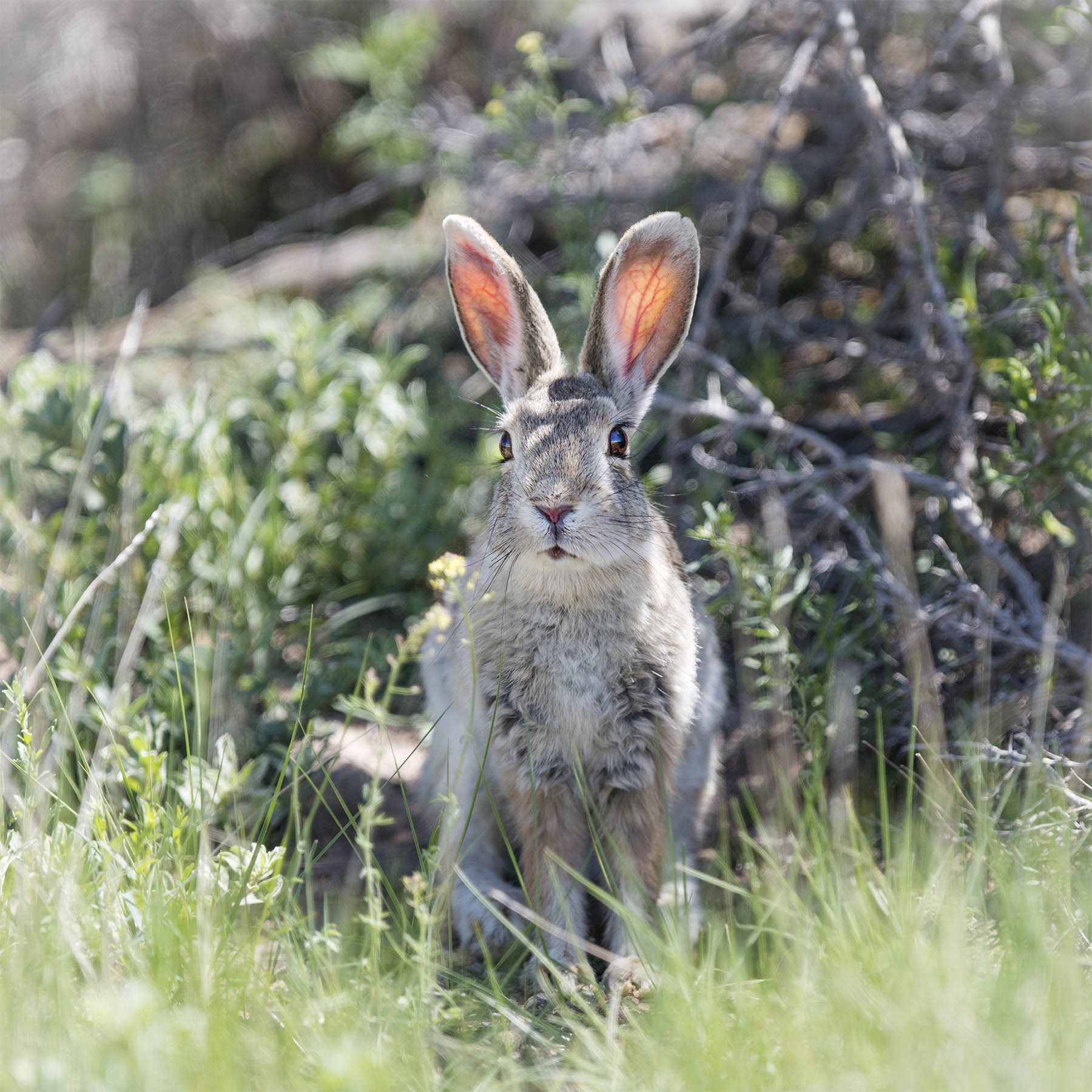
Spring time is Rabbit time. Last weekend we saw plenty of healthy rabbits roaming the sagebrush and grasslands of the Arapahoe Wildlife Refuge as well as plenty of Hawks looking for an easy meal. Luckily for this guy he stayed on guard and was reluctant to stray too far from the cover of the sage.
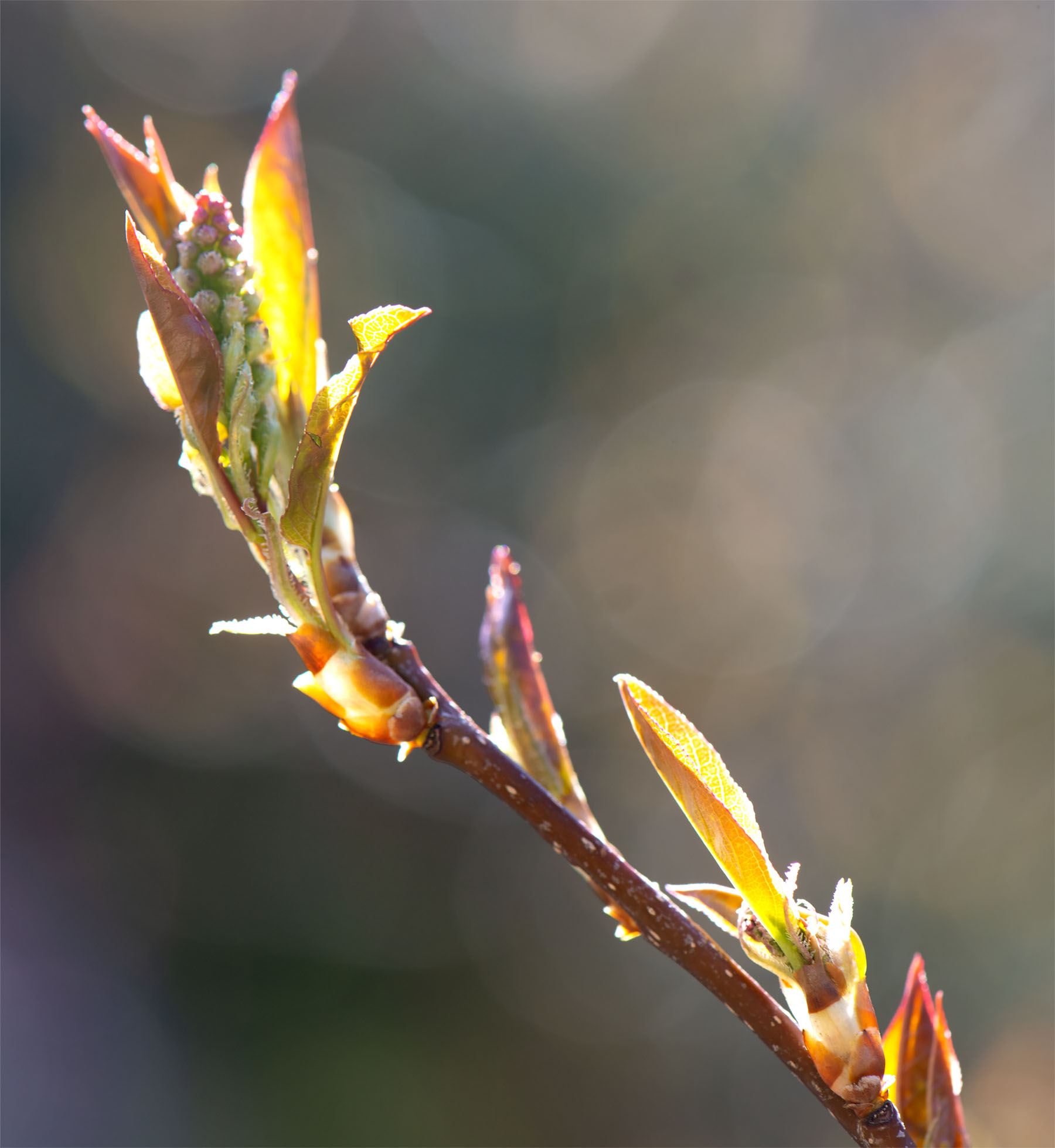
A morning walk springs to life as fresh new leaves and vibrant colors paint the still brisk morning air.


The surprise of the day was a Dragonfly lurking about on wild roses trimmed short by the deer. Not much prey for this little predator so early in the season but don’t worry the bugs will come.

And even the coniferous trees were getting in on the action this morning.
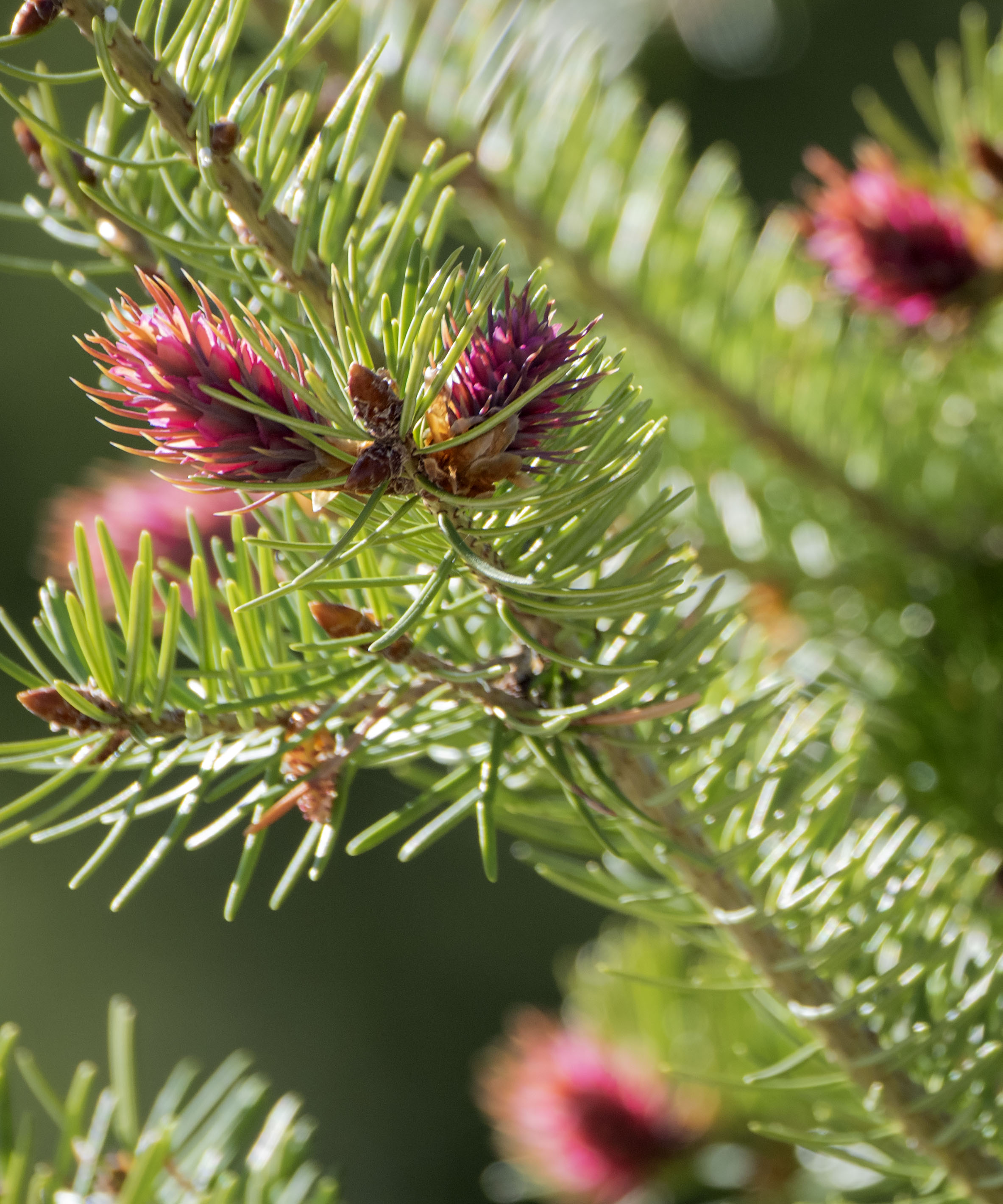
Nothing fancy today….simply spring.
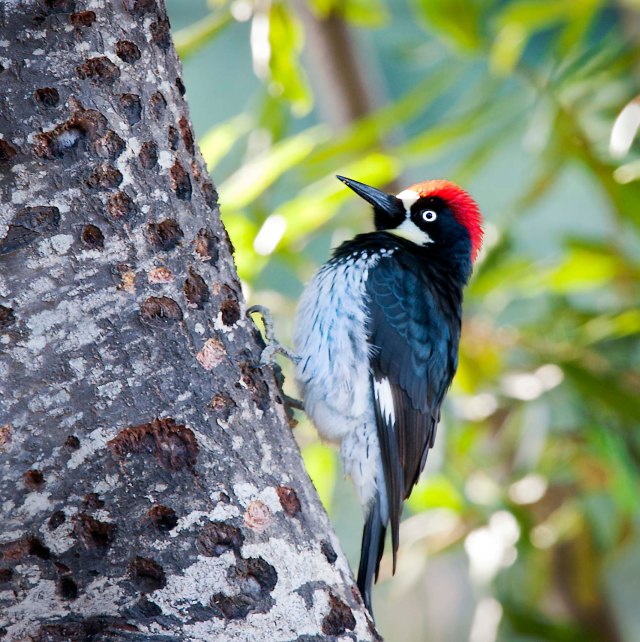
It is always fun to see species not common to where you live when you travel. Wonderful colors on this acorn woodpecker which was photographed along the coast in northern CA.
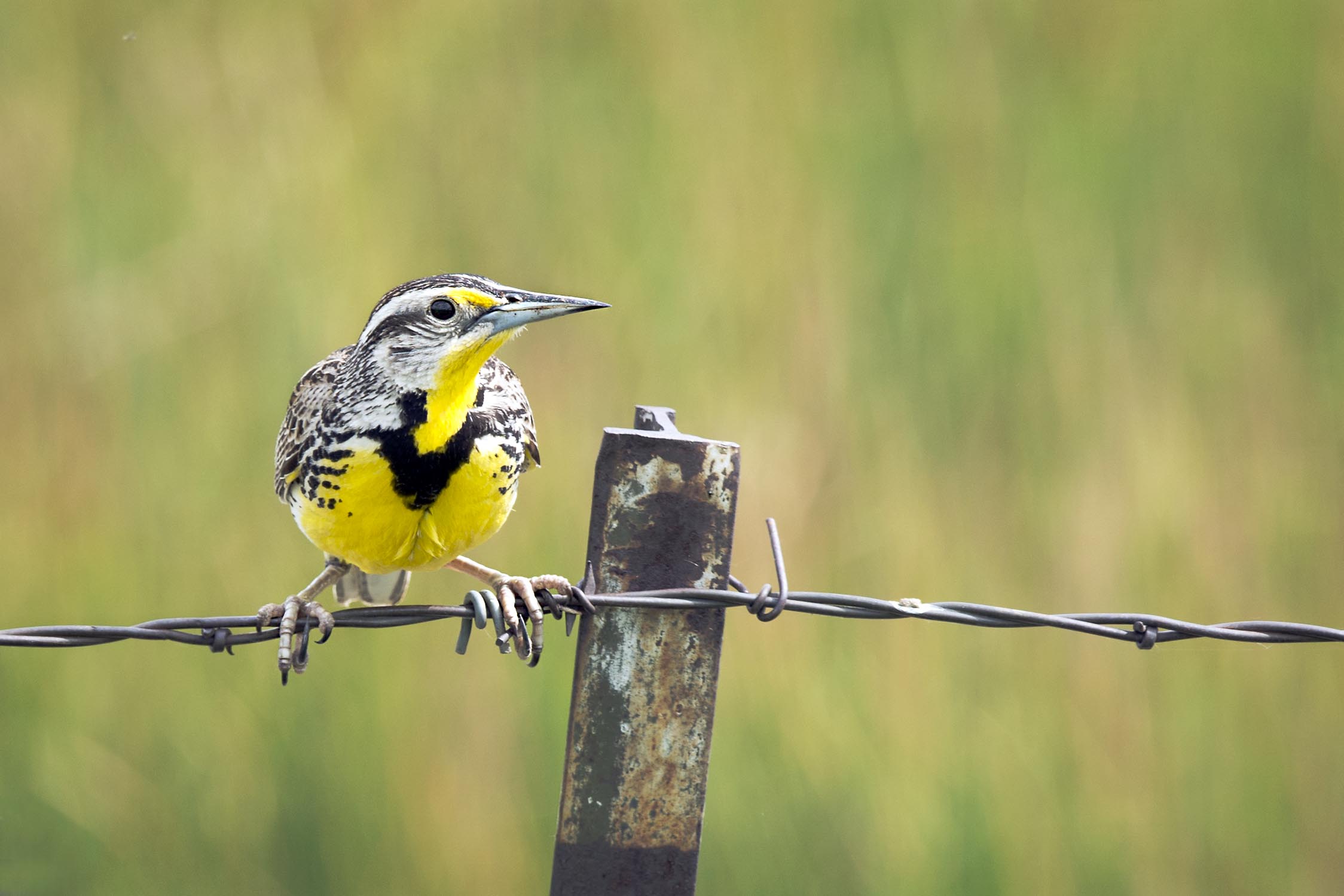
Sharp Beak…Check
Sharp Claws…Check
Sharp Fence Post…Check
Sharp Song…Check,Check.
A Western Meadowlark perches on a somewhat overcast day adding a bit of color to an early spring day.
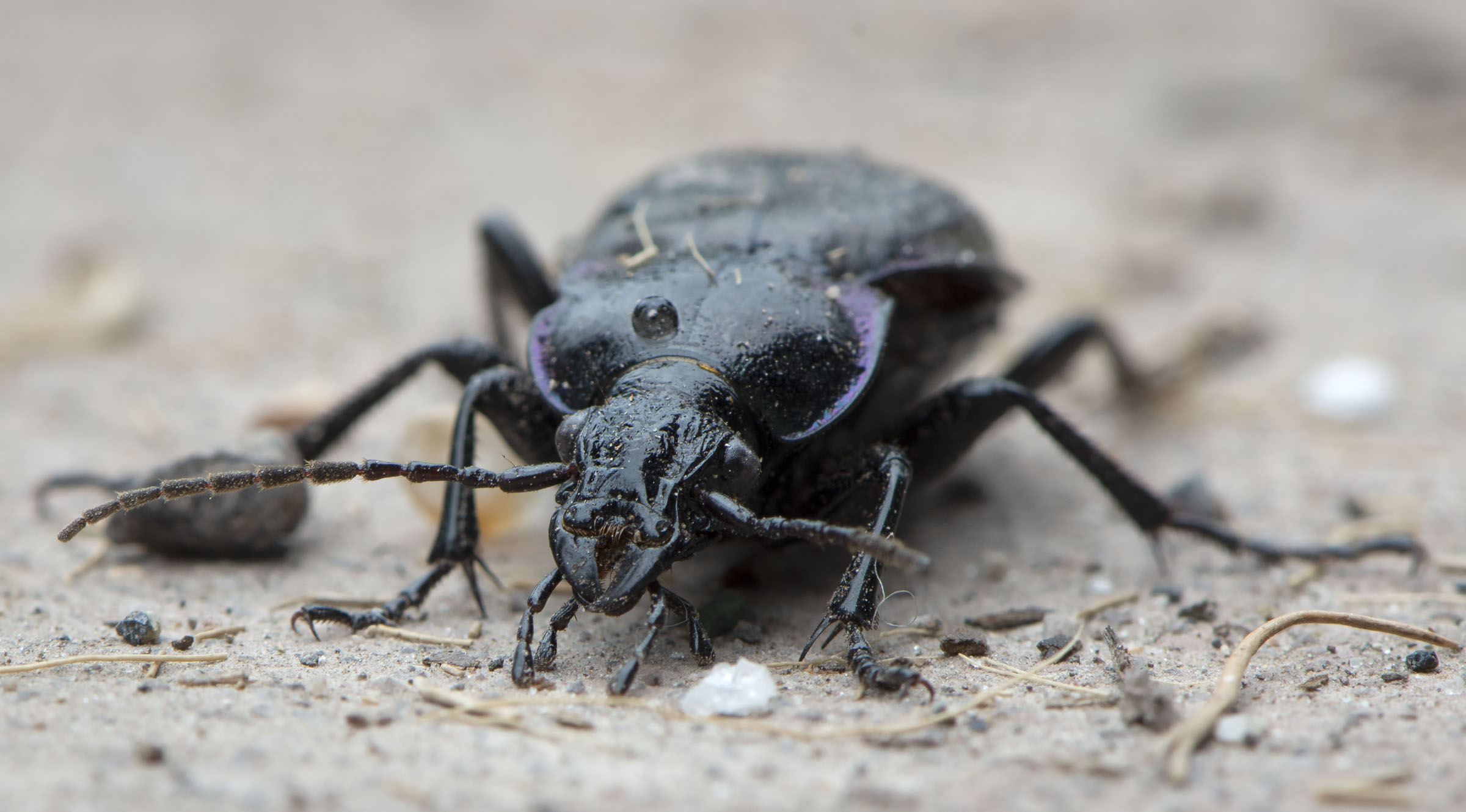
Carabus Sylvosus a Woodland Ground Beetle looking back at me as I uncovered them while cleaning the yard last week. Given that these beetles are nocturnal foragers I am sure it were not too pleased with my removing their cover from the daylight while cleaning up some yard debris.
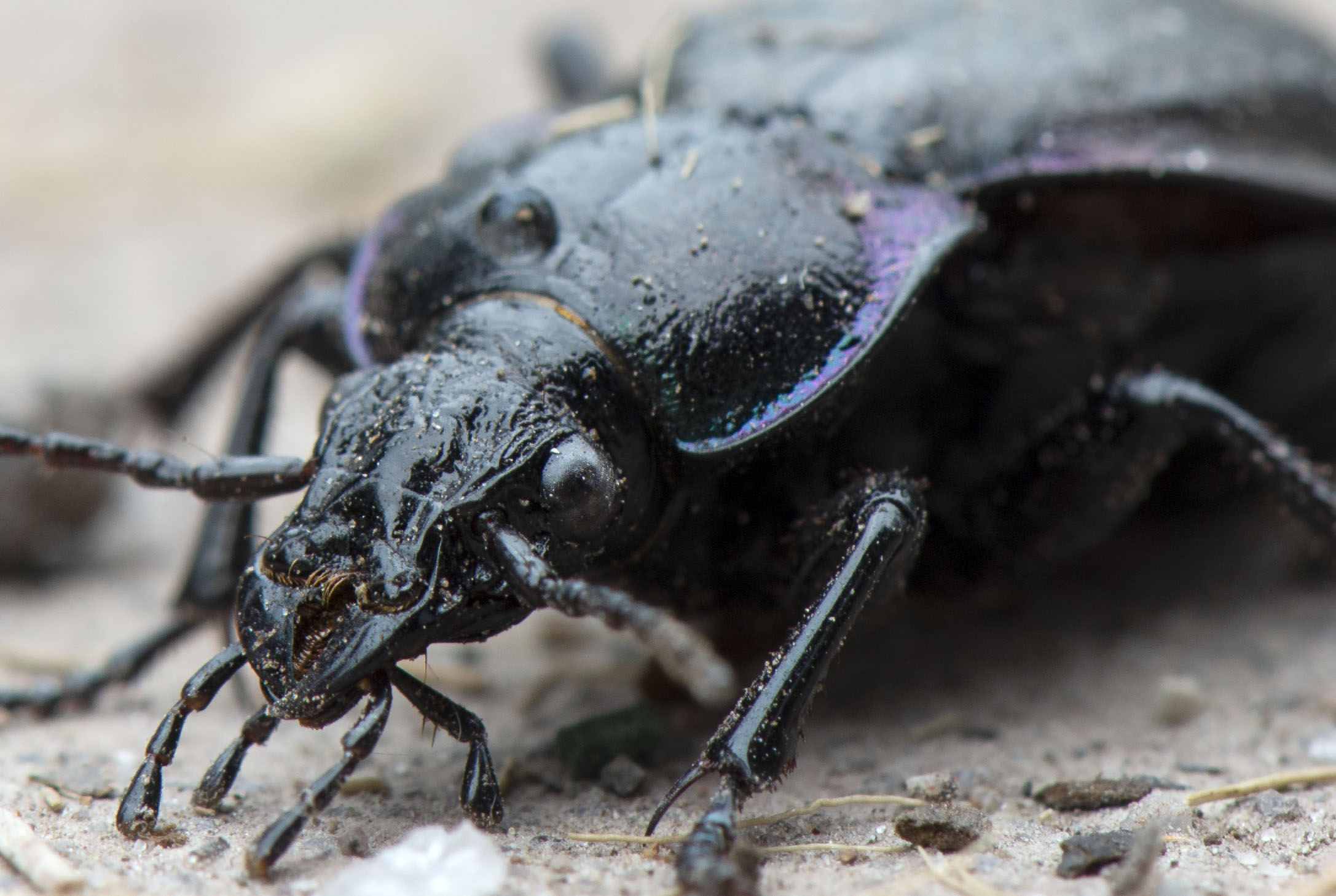
Beetles are always fascinating to observe from the purple on their shell, the anatomy of their from limbs and what looks like special antennae in front that act as additional legs in some way.
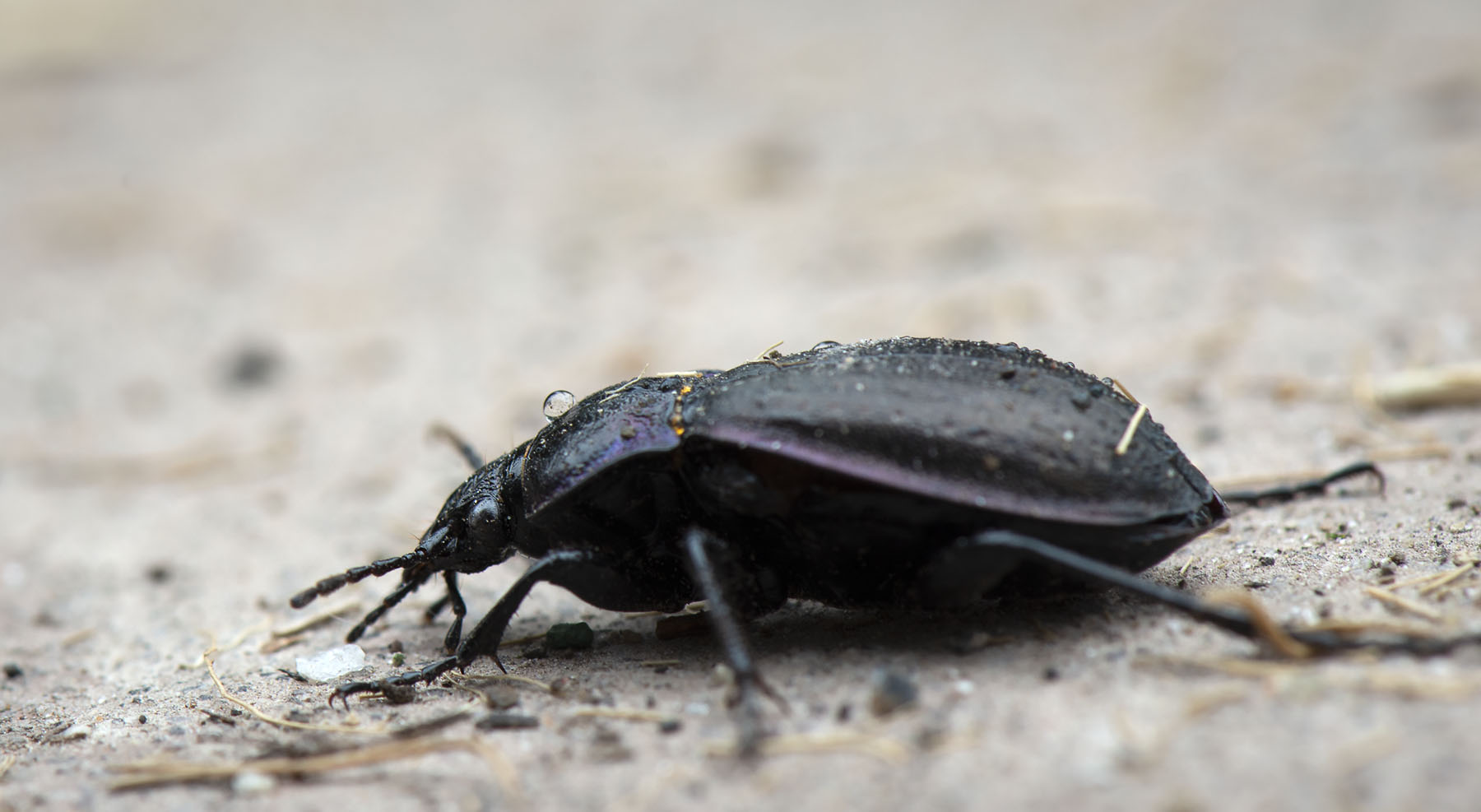
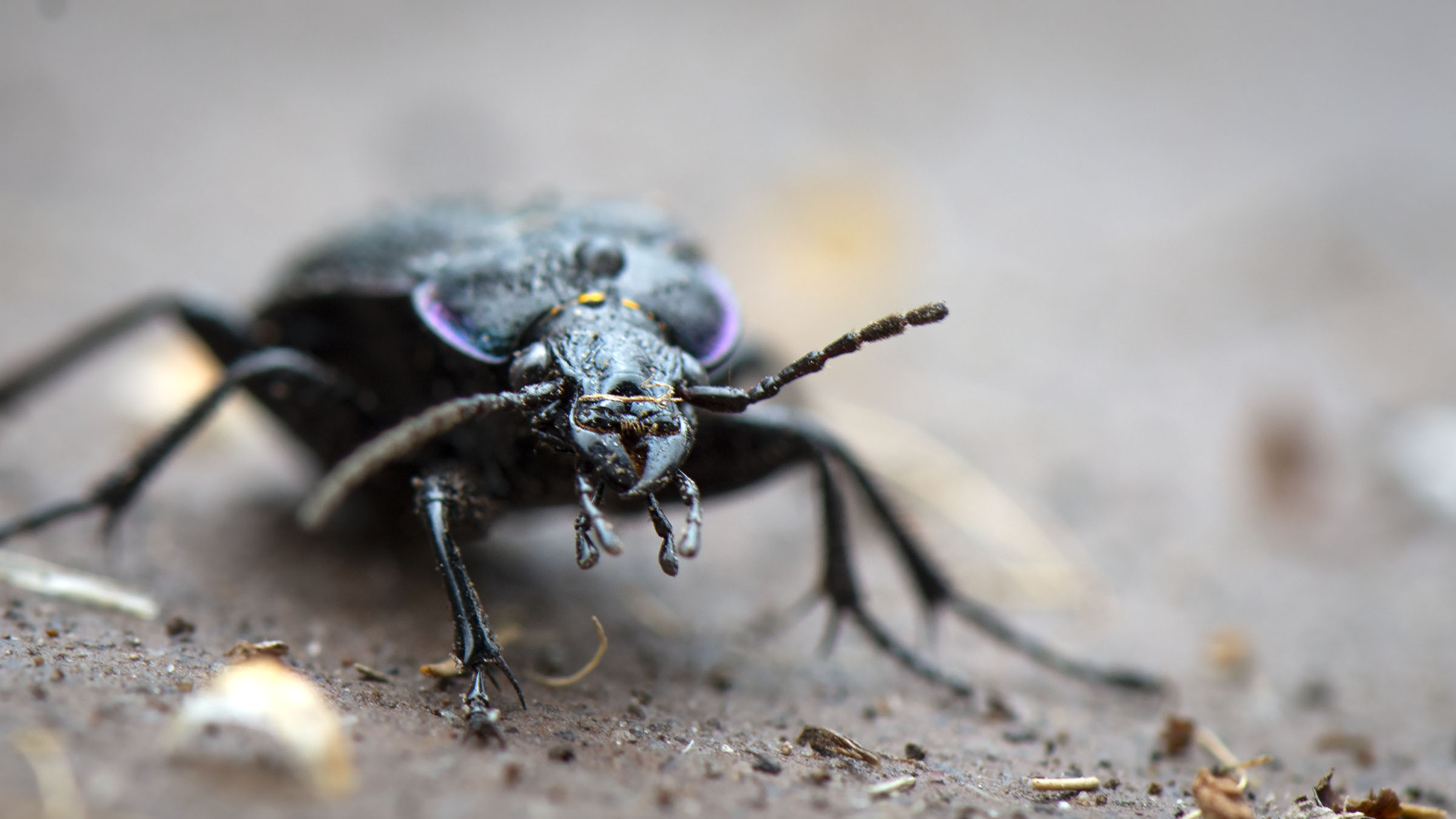
Ground Beetles comprise a family of beetles with over 40,000 species so next time you are out in the forest turn over a rock or mess about in the leaf litter and chances are you might find one looking back at you.

This is the time of year for the magnificent Pasqueflowers to bloom and brighten the hillsides, forests and meadows near town.
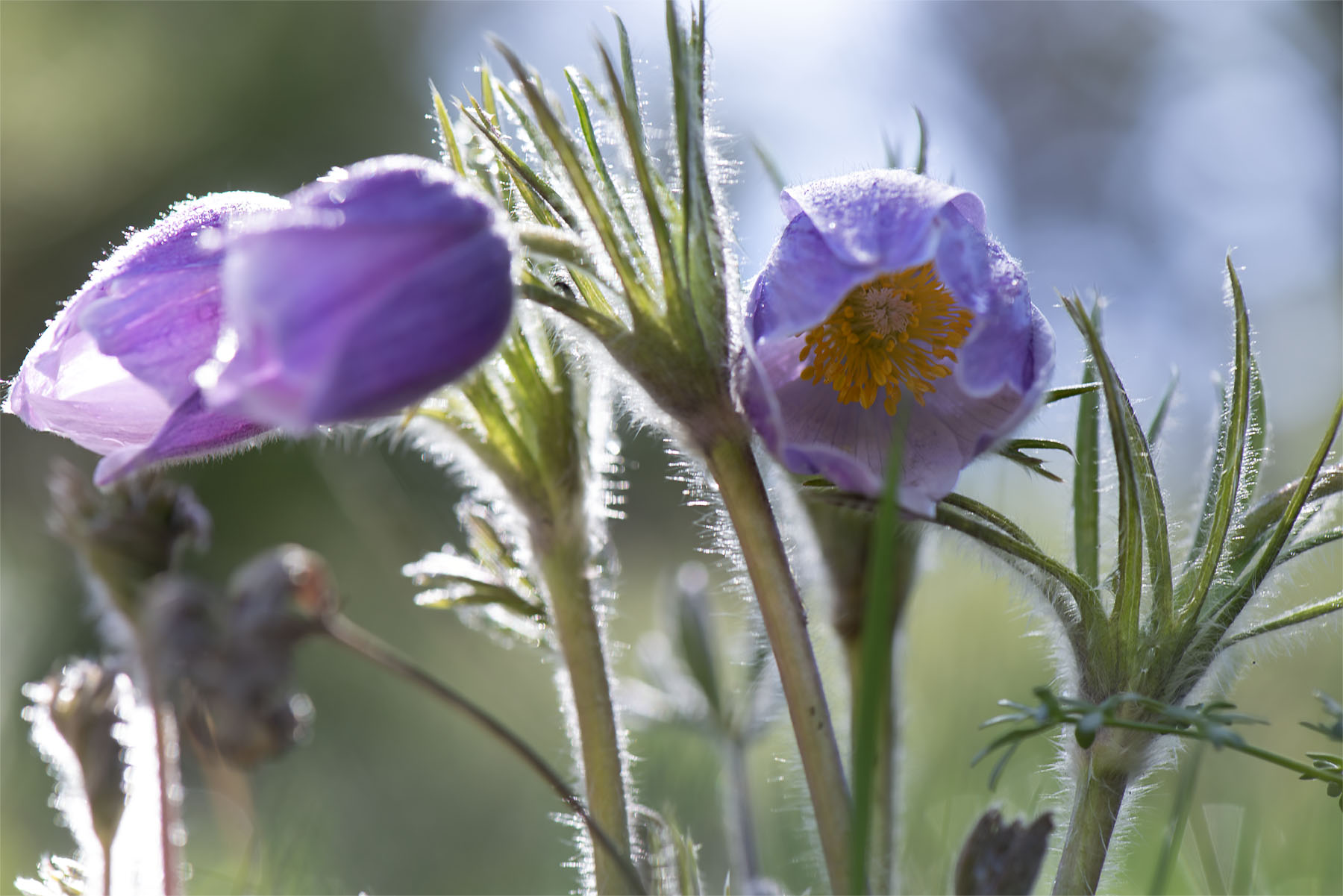
These flowers are part of the genus Pulsitilla family which contains numerous species spread across the globe and are the state flower of South Dakota. We noticed two distinct species while on a recent walk with both growing along the sunny hillsides and one growing just about everywhere in both sun and shade.


Hope we can get back out before they are done blooming and wishing you all a Pasque morning.

 nature has no boss
You must be logged in to post a comment.