
A favorite at picnics near and far.
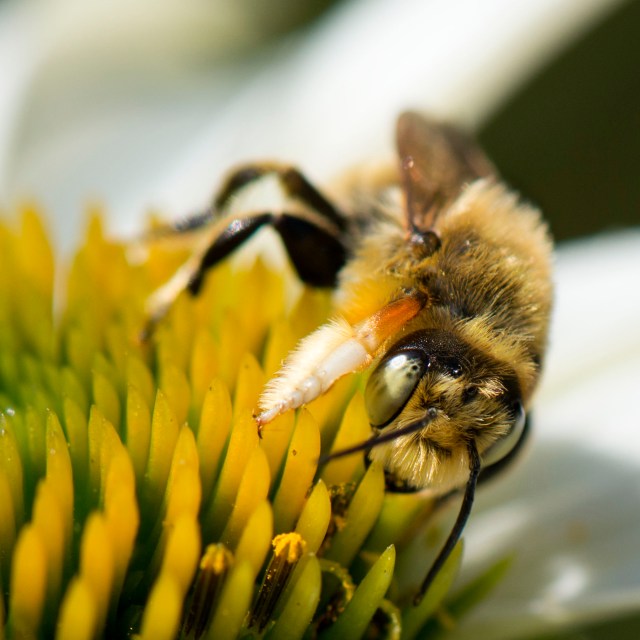
Take three bees, an assortment of flowers, dash of pollen and splash of nectar, blend together and voila, a fine little dish recreating the bounty of summer.

Enjoy and have a wonderful weekend.
A favorite at picnics near and far.
Take three bees, an assortment of flowers, dash of pollen and splash of nectar, blend together and voila, a fine little dish recreating the bounty of summer.
Enjoy and have a wonderful weekend.


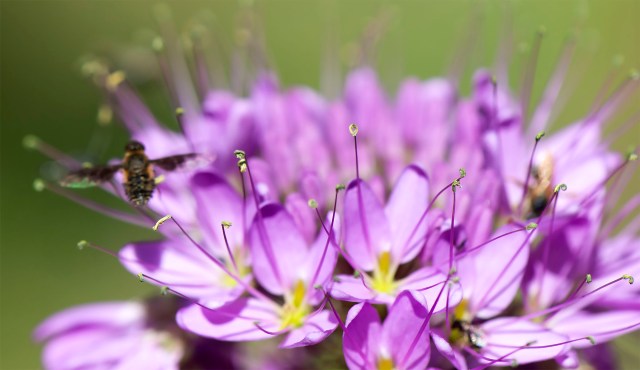
Rocky Mountain Bee Plant: Cleome serrulata was a wonderful late blooming wildflower near us this year. It drew numerous species of bees, and butterflies, from near and far and always had visitors when in bloom providing pollinators with a generous sip of nectar.

Growing up to 4 ft tall Bee Plant stands out in the fields of tall fall grasses.A beautiful and very sculptural wildflower Bee Plant is fun to photograph as well.

According to the USDA “Cleome serrulata is an important cultural plant for many Southwestern Indian tribes. The young, tender shoots and leaves are good sources of vitamin A and calcium. In the past they were used as potherbs or medicinally as teas for fevers and other ailments. The seeds were ground and used to make gruel or bread. The Navajo still use the plant as a source of yellow-green dye for their beautiful wool rugs and blankets. Many pueblo tribes use a concentrated form of dye, made from boiling the plant into a thick black resin, to paint designs on pottery or for decorating their baskets.”

On this particular afternoon the little green sweat bees were enjoying the plant to no end.

Every flower seems to have a visitor.

And one last look as even the bee fly mimics got in on the action.
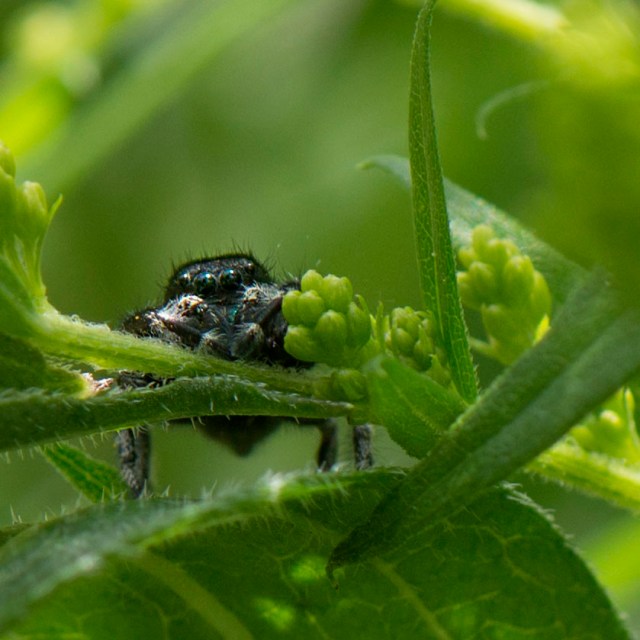
Jumping into the weekend with Phidippus audax the Bold Jumping Spider.
Have a wonderful and adventurous weekend.


Purple wildflowers in may shades filled the meadows all summer long. From the Bergamot or Bee Balm: Monarda fistulosa L. to the purple flowers in grass filled meadows.

The Lupine in the alpine meadows offer a bit of pollen to the bees.

And the Rocky Mountain Columbine. 
All purple of a different shade and a wonderful way to remember a summer filled with flowers.
So just a bit more purple before all thought of summer fades.
Happy weekend to all.
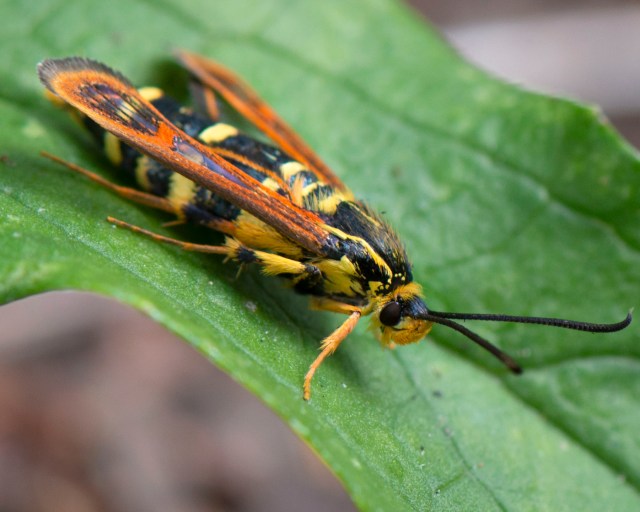
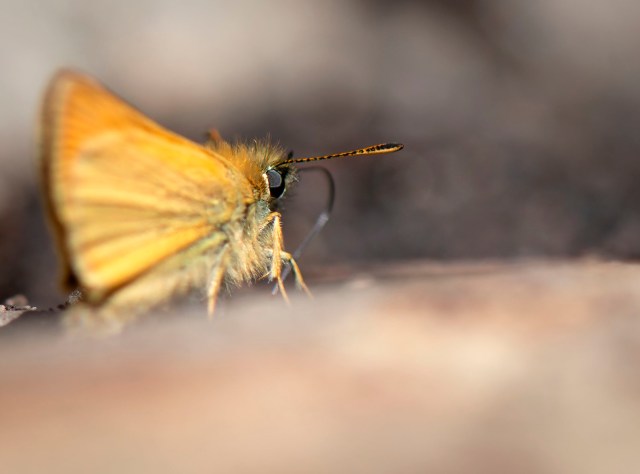
It is always fun to see a new one. Here are two views of a new and interesting looking insect which we think to be a bee but could well be a fly. It smaller than a honey bee, has long antennae, a hairy body like a bee and interesting orange wings. This was the only one like this we have encountered and is not shown in the guide to local bees making me think it may be a bee-fly mimic.

Yes, it is indeed fun to encounter a new species of any kind to reinforce just how wonderful the diversity of life on our planet.
Thanks for everyones help in identification of this insect. Looks to be a Hornet-Moth.
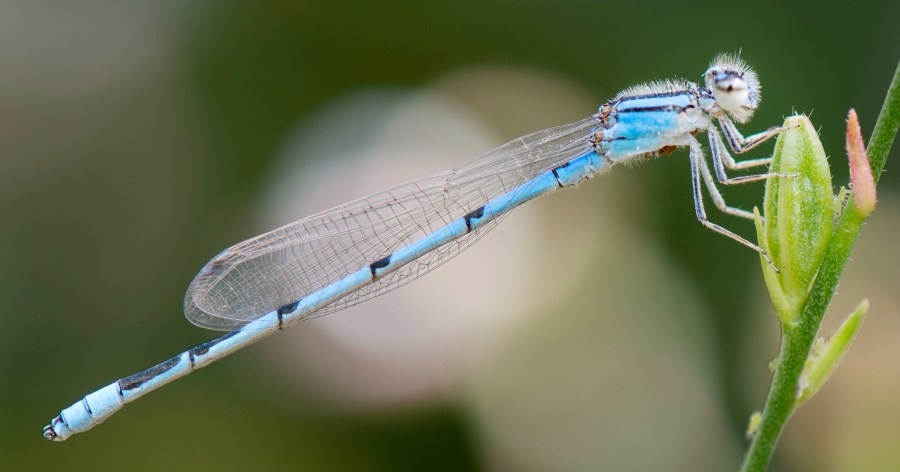
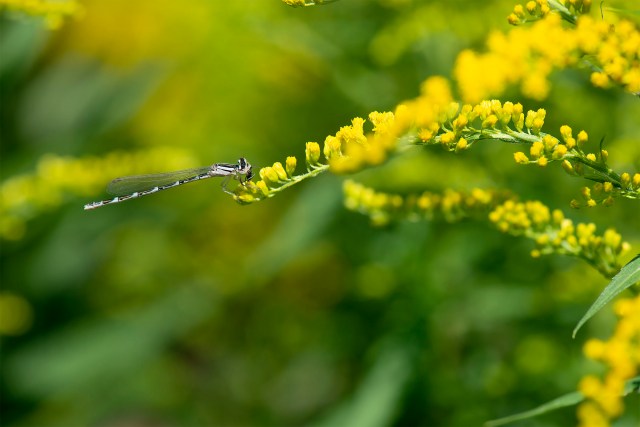
One sunny afternoon we noticed these little (less than an inch in length) Bluet Damselflies hovering and sometimes landing on the tiny flowers of a goldenrod plant. After taking a closer look and a few photos we discover why. They were hunting even smaller flies that were pollinating the flowers. The hunting forays appeared to be quite successful as they nabbed numerous meals on this one little stem.
Little hunters with a big appetite.
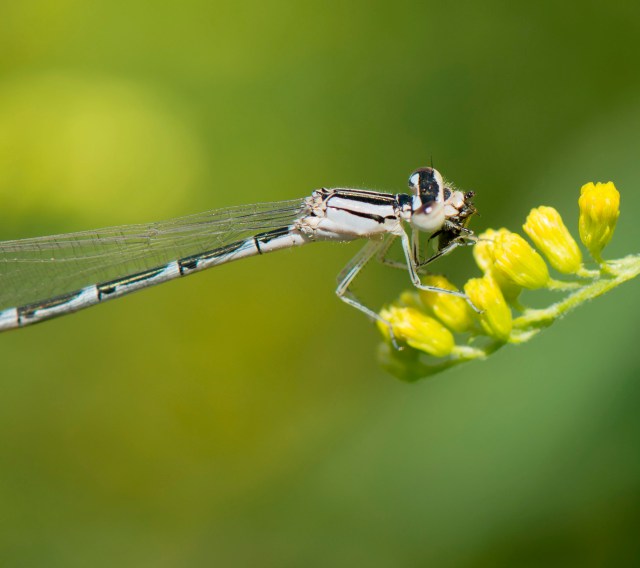
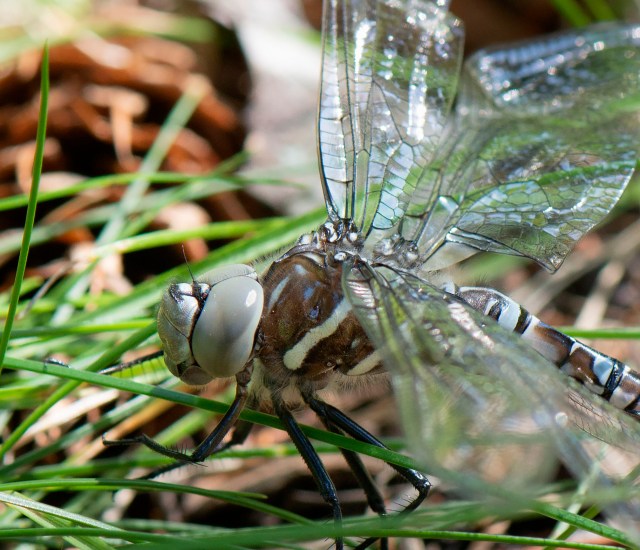
Along the waters edge a dragonfly sits.

Bees are pretty amazing, don’t you think?
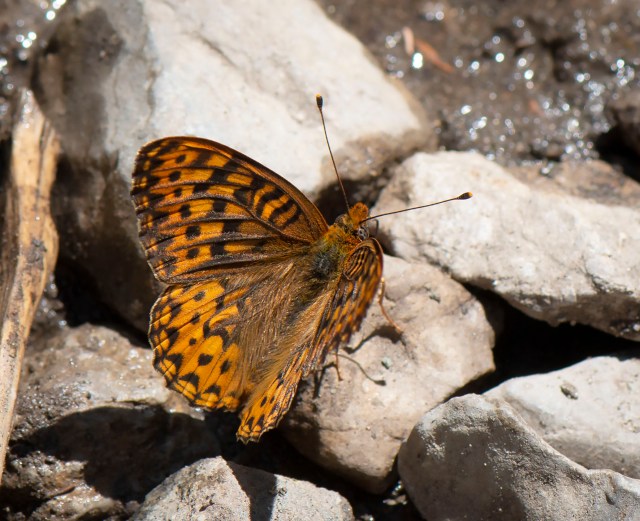
The summer sun has melted the snow up high reducing the flow in this streamed to no more than a trickle. Even so, this stream bed was a place where butterflies met perhaps to get a drink of water or maybe a taste of the minerals on the rocks lining the stream bed.
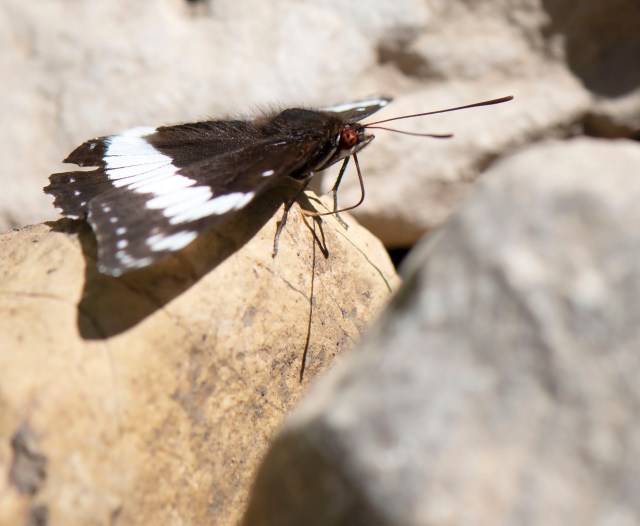
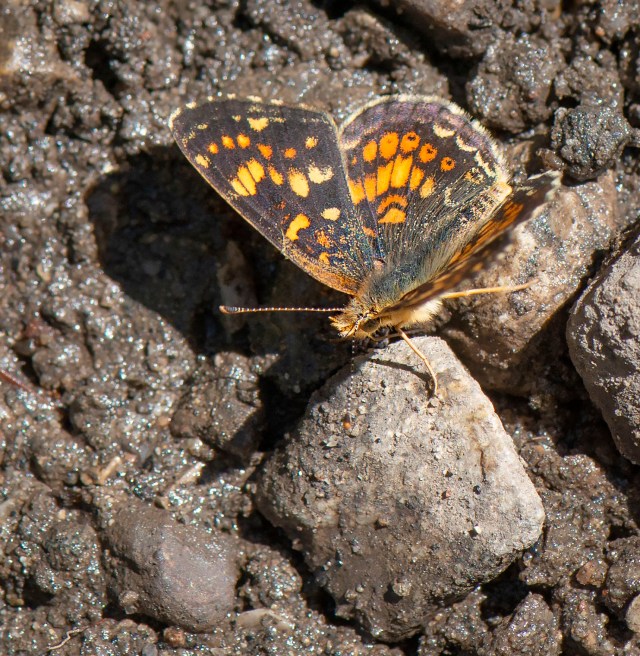
While crossing the steam we took a long break to watch the butterflies do their thing. From Fritillaries, to Admirals and Skippers the stream bed was the place to be that day for butterflies and humans alike.
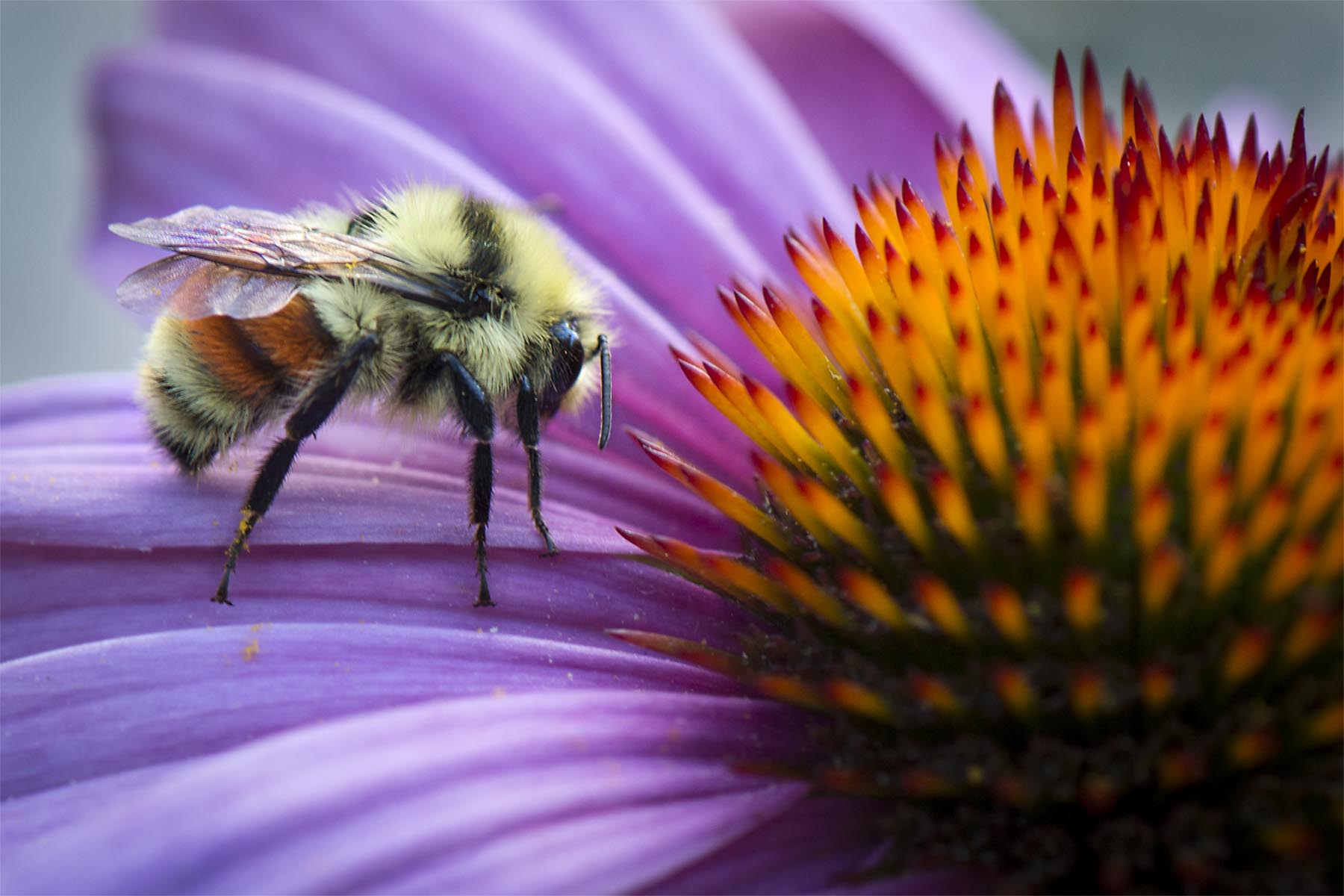
A Tri-Colored Bumble Bee getting acquainted with a Purple Coneflower. Although the introductions were awkward the date was a success.
 nature has no boss
You must be logged in to post a comment.