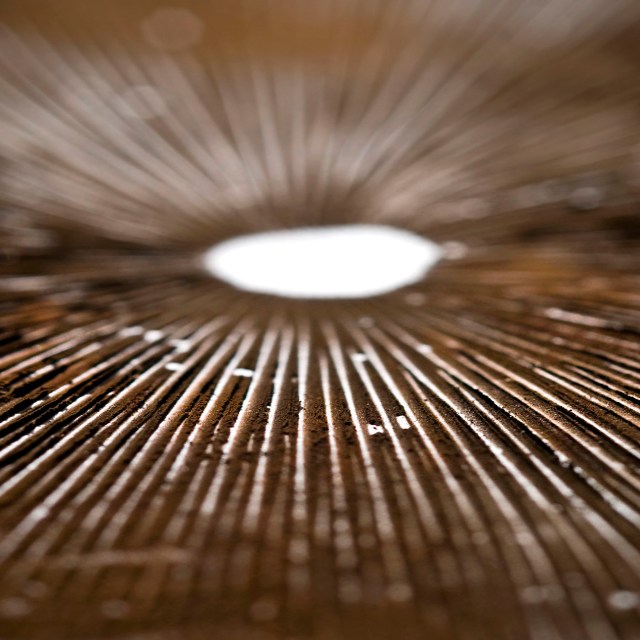
Fun with fungus, or maybe fungart for short, making spore prints is a wonderful way to get a snapshot of how mushrooms work.
Sometimes we scan the spore prints but this day we decided to photograph a few and the results were interesting.
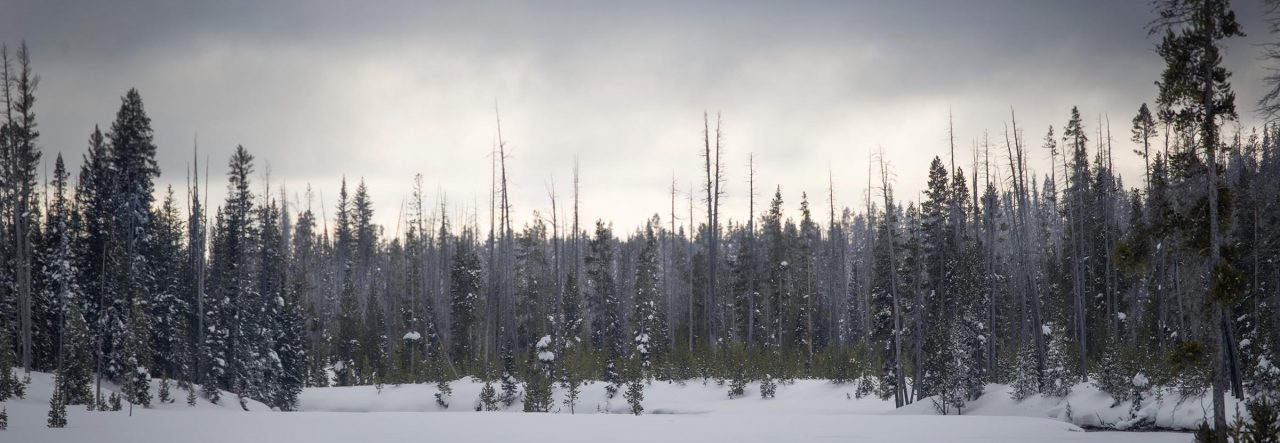
Fun with fungus, or maybe fungart for short, making spore prints is a wonderful way to get a snapshot of how mushrooms work.
Sometimes we scan the spore prints but this day we decided to photograph a few and the results were interesting.
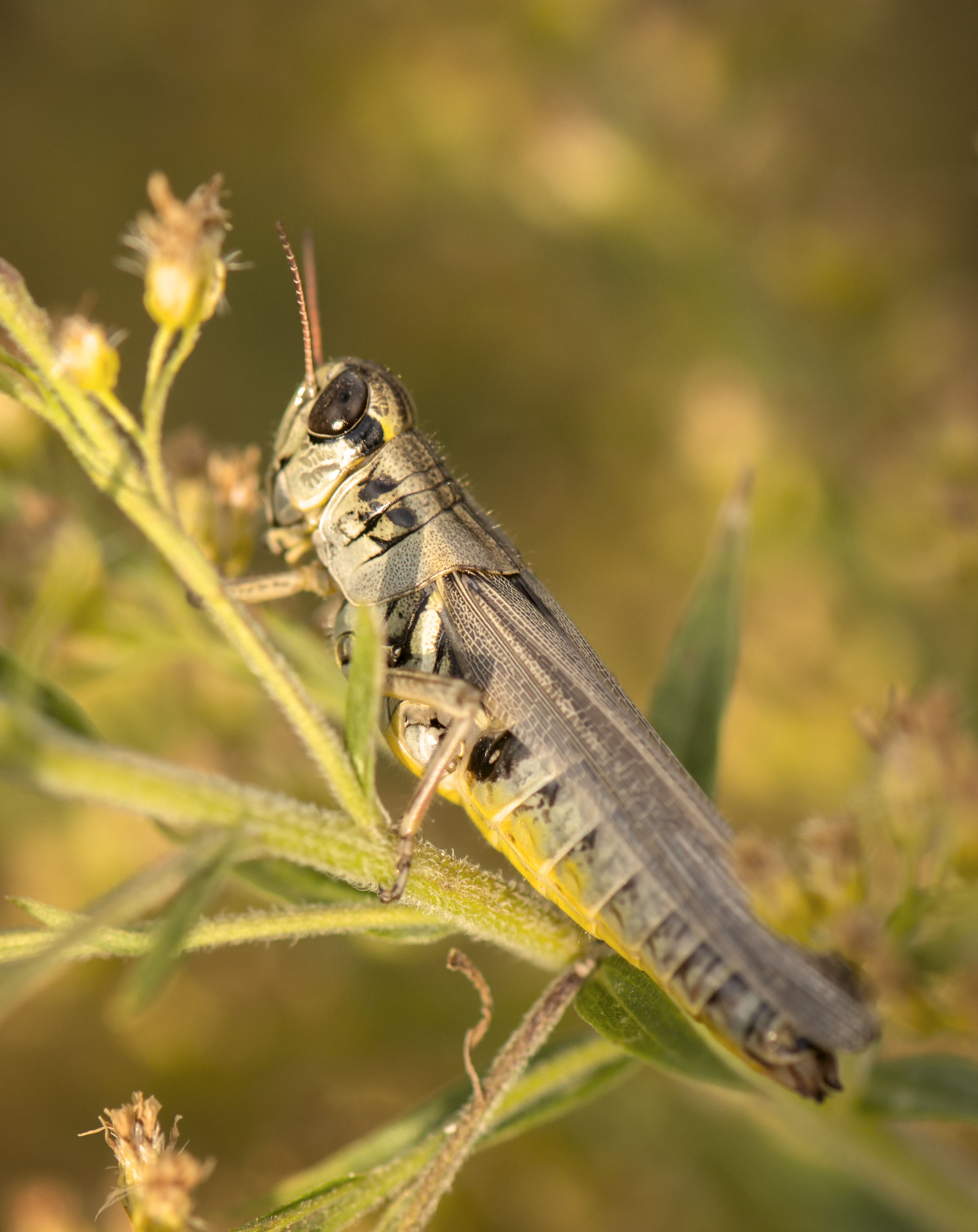
Bathed in its golden glow a Grasshopper enjoys a fine late August sunset.
I bet he can tell the days are getting shorter and shorter each and every day.

We noticed this Bumble Bee loaded full with pollen climbing a small gravel bank.
Was his load to heavy for him to fly?
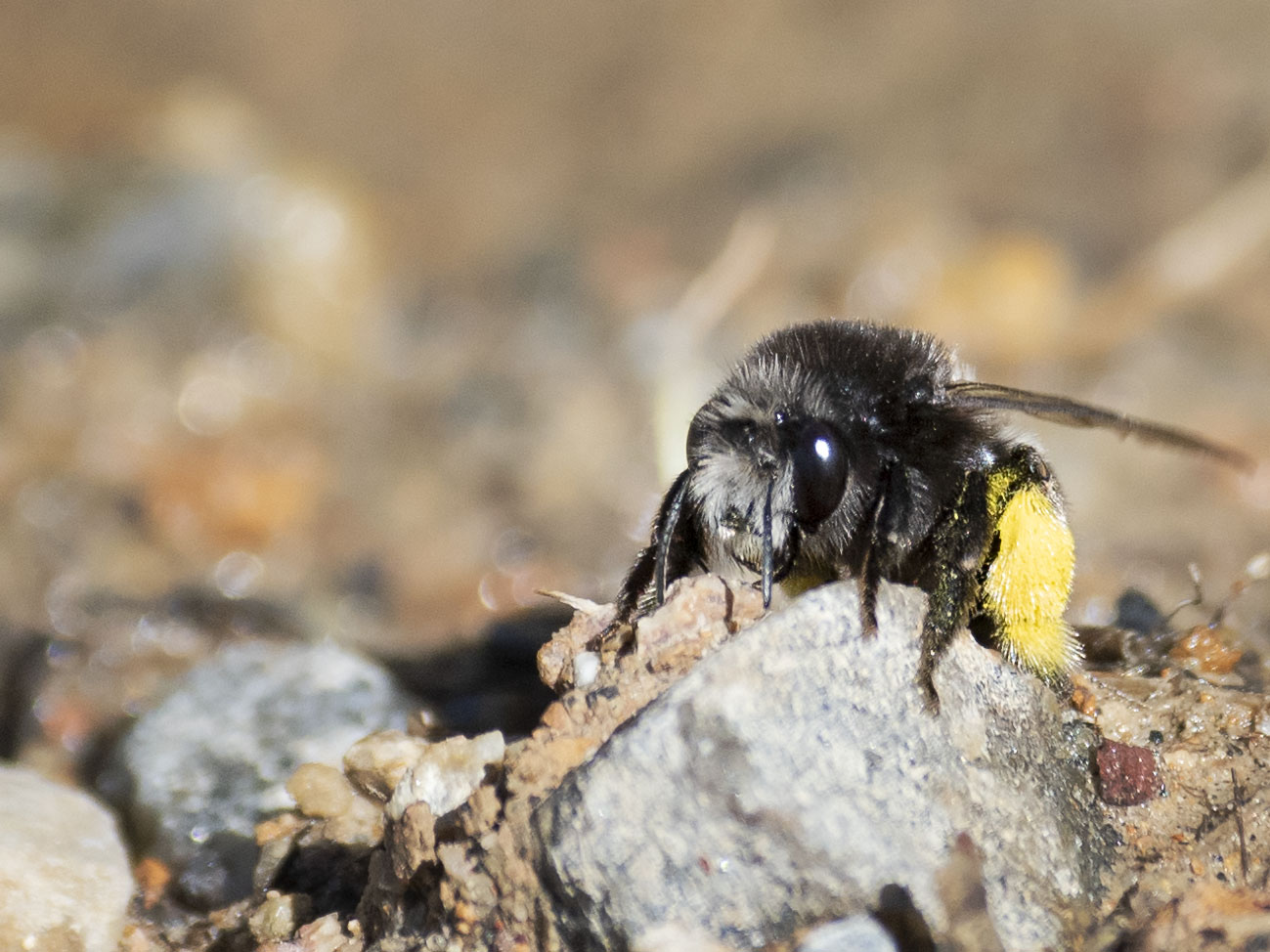
Further up the bank he clambered clearly on mission.
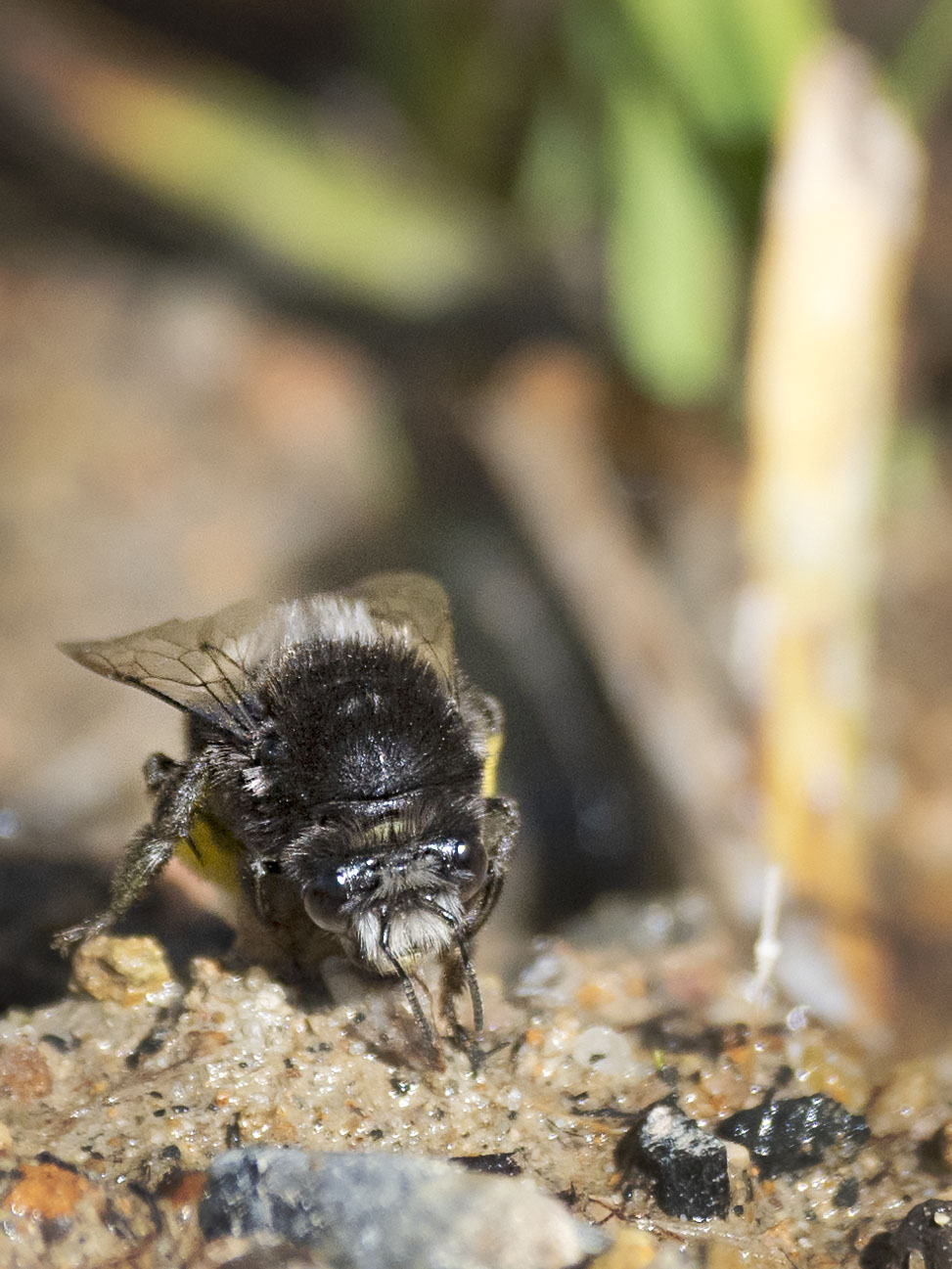
Ahhh, mission revealed, a small sip of water from along this gravel bank was what he climbed up for.
Clearly this bee knows hydration is key for a hard days work in the sun.
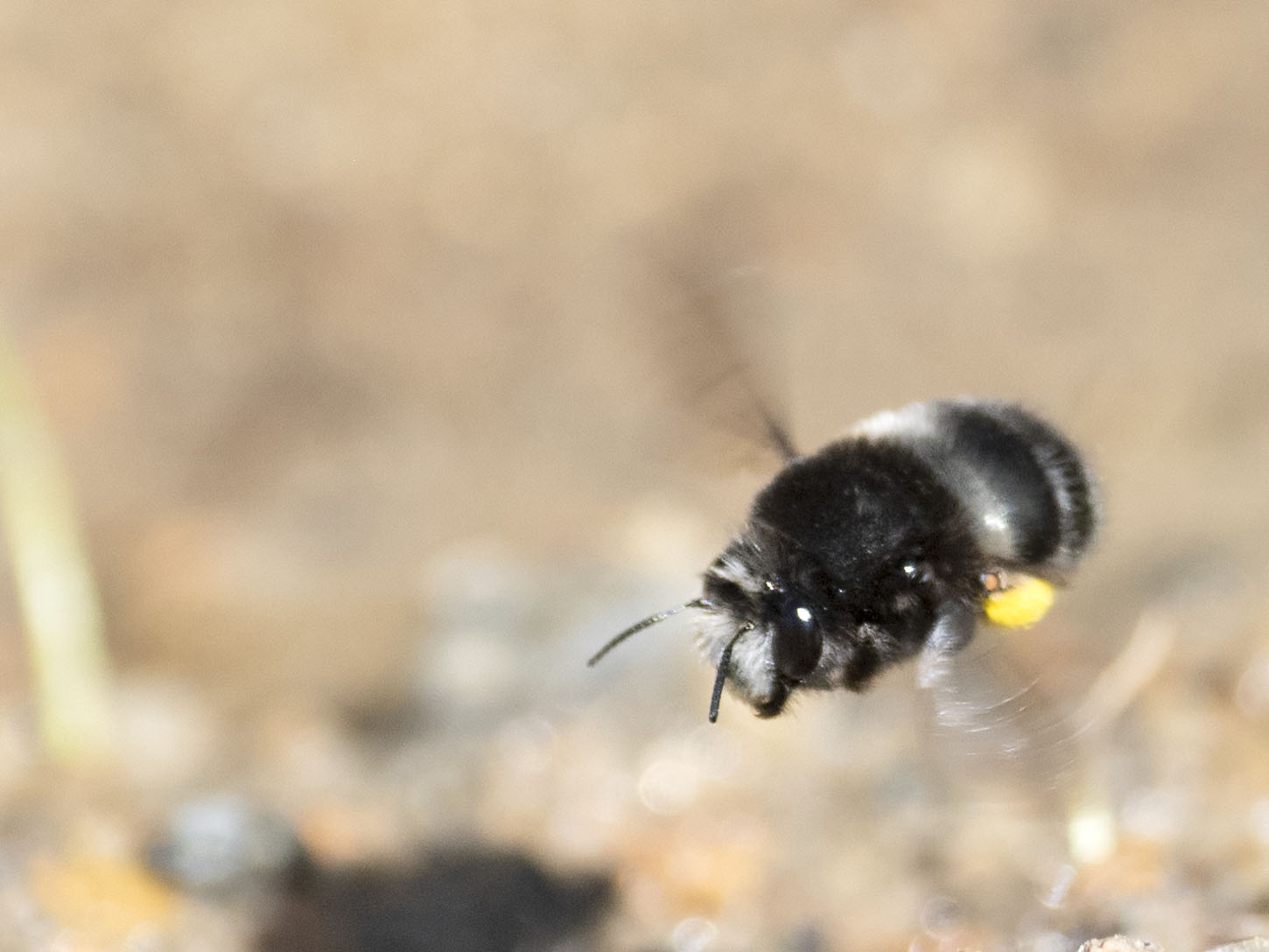
A few quick sips and off he flew to deliver his goods to the hive.
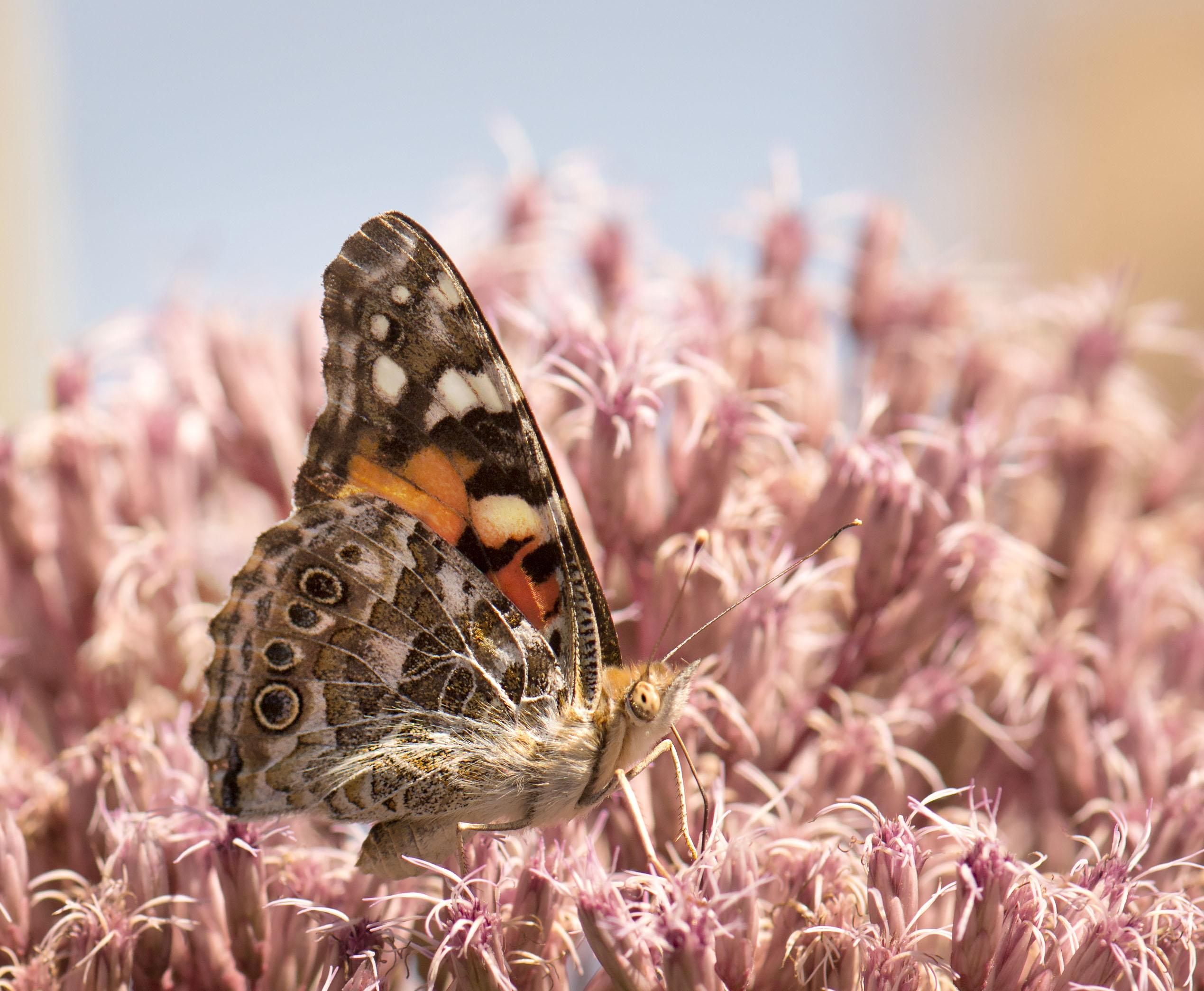
The Joe Pye Weed is in full bloom and this painted Lady Butterfly is happy about that. Although known for attracting butterflies we have noticed others to find Joe Pye quite to their liking as well.
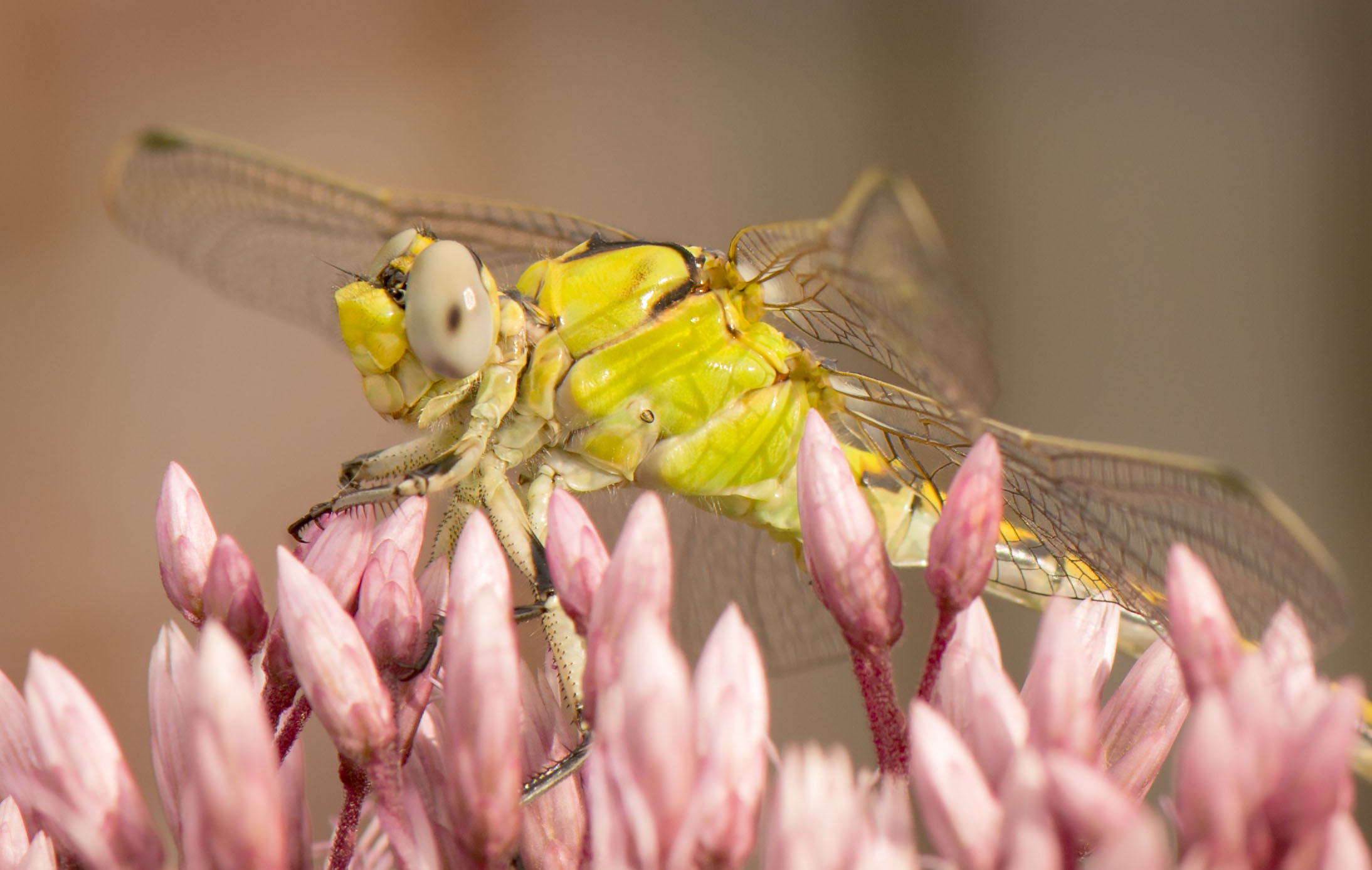
Dragonflies like Joe Pye.

As well as this wasp.

And this lovely looking bee with pincers you don’t want to mess with like Joe Pye.
A hub of activity with lovely flower to boot.

We saw each of these fuzzy little caterpillars on two consecutive hikes. It is just amazing the forms that life on this wonderful plant takes.

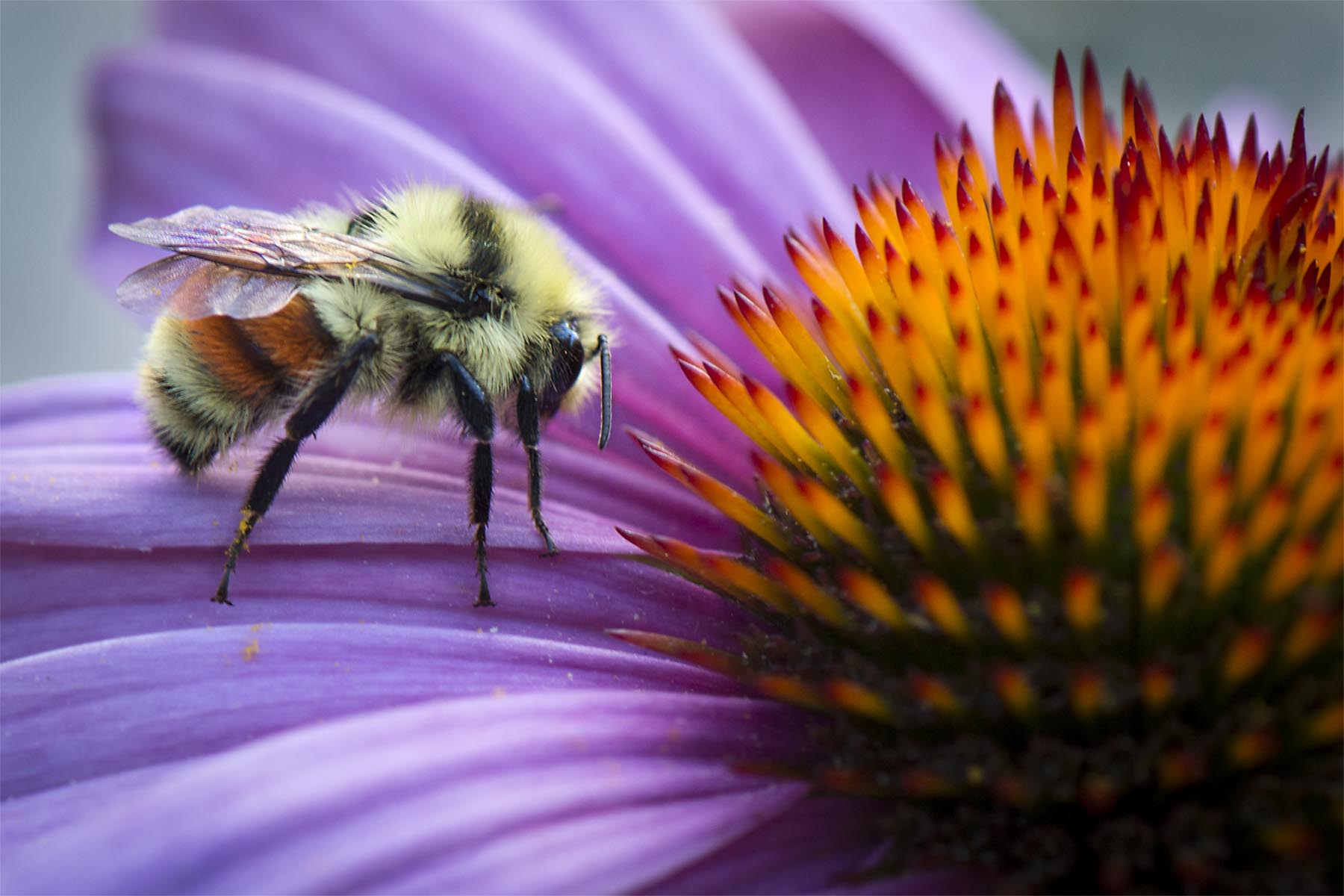
A Tri-Colored Bumble Bee getting acquainted with a Purple Coneflower. Although the introductions were awkward the date was a success.
This version of Green Gentain called Monument Plant or more specifically Frasera speciosa is one of our favorite wildflowers.
From it’s humble beginnings…
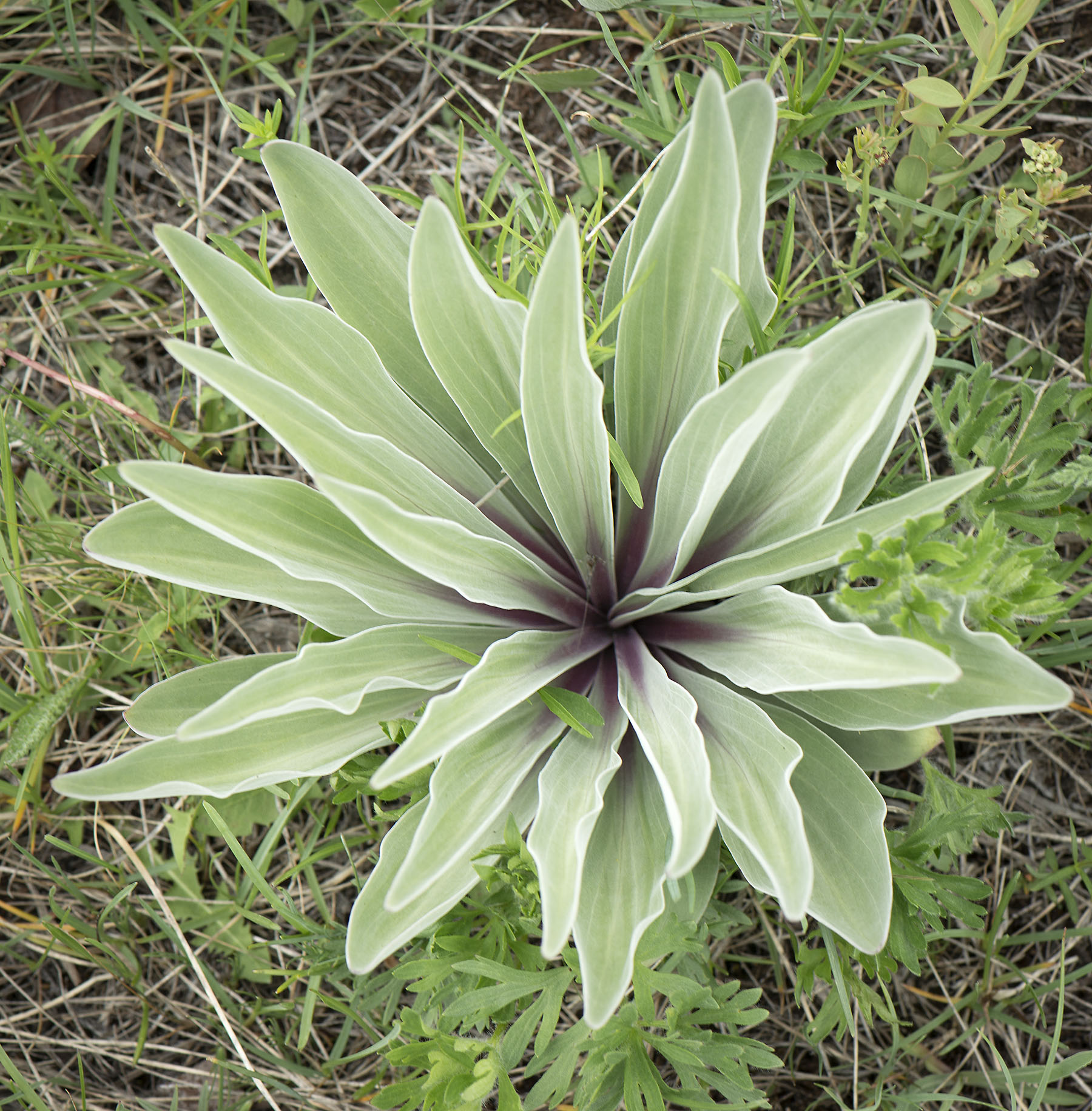
Monument plant grows into a beautiful, tall, cone shaped plant which produces innumerable intricate sculptural flowers each a work of art in their own right.

Frasera speciosa is also commonly called elkweed as it is good browsing material for both deer and elk but the little guys seem to find Monument Plant to their liking as well.

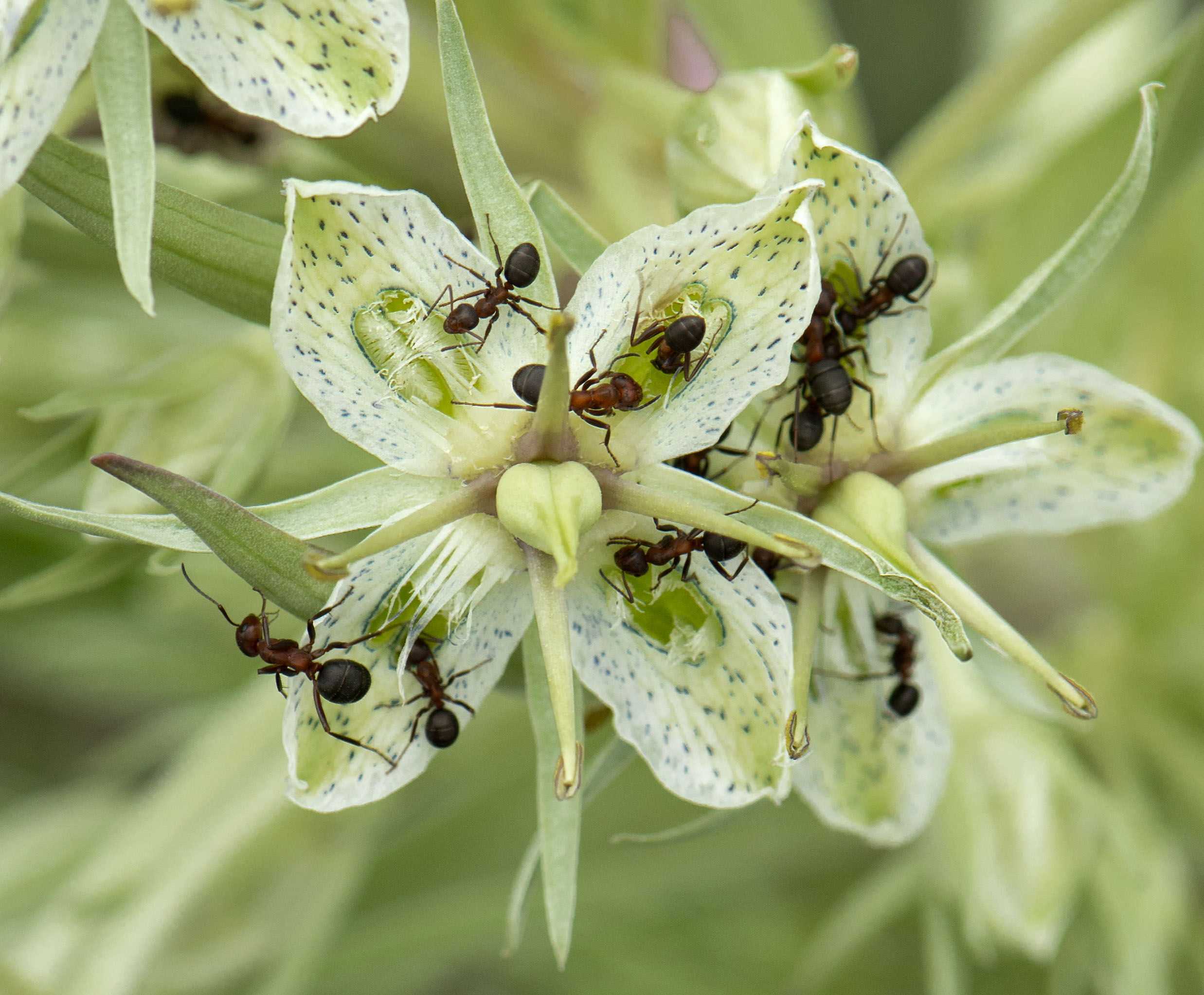
And to top it all off a couple of photographers find Green Gentian fascinating as well and never tire of photographing it when it appears in the open meadows and grasslands each spring.

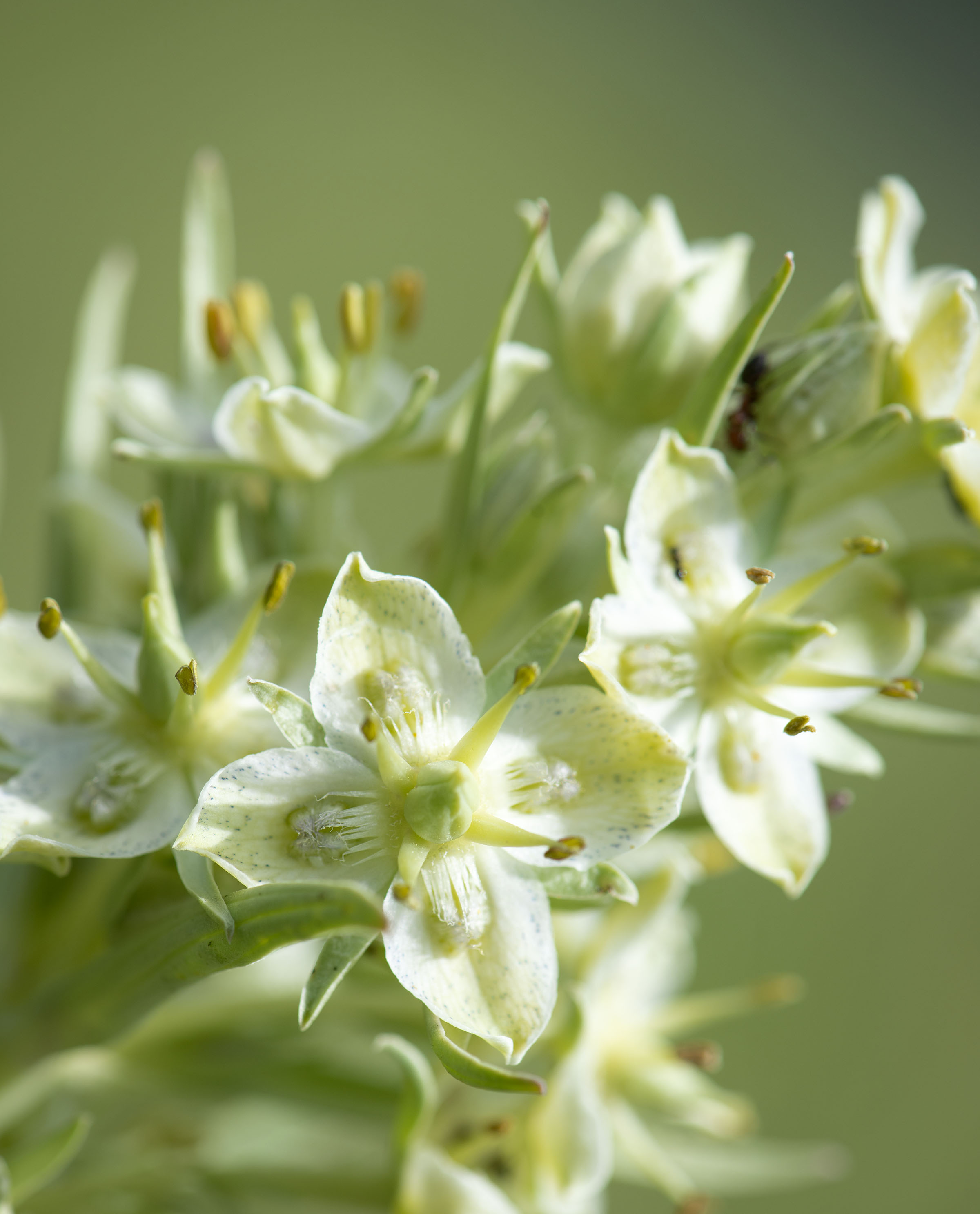
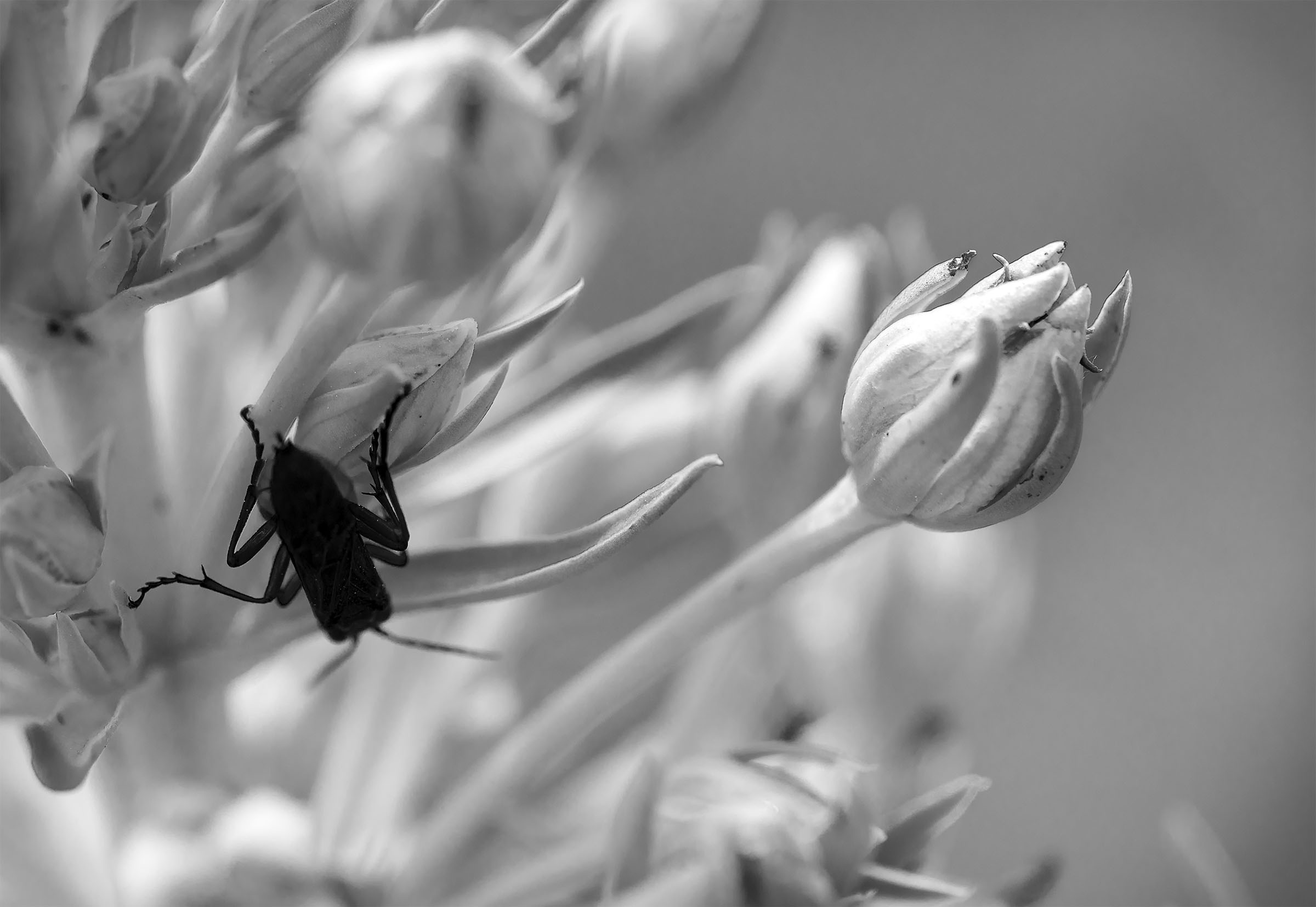
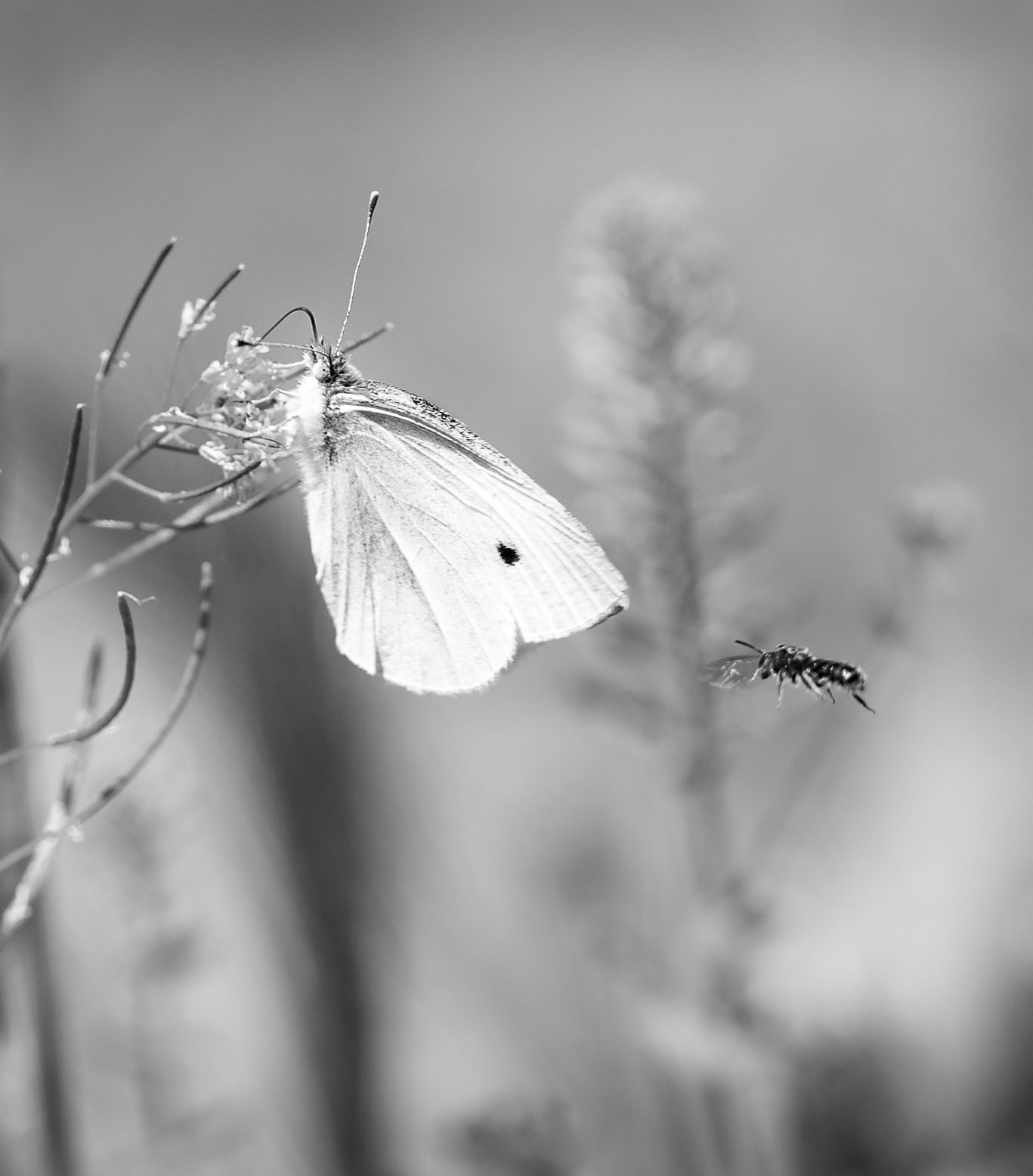
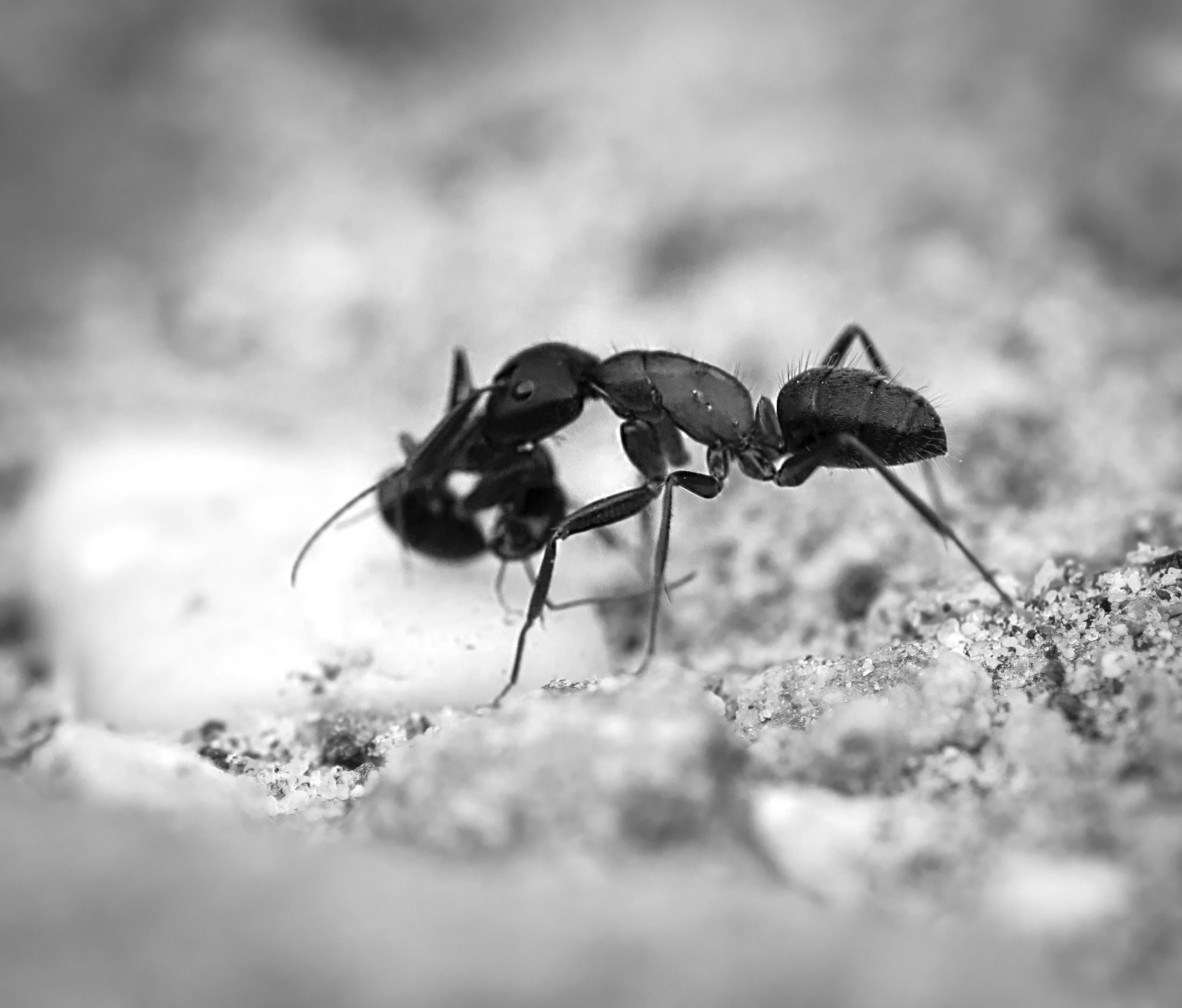
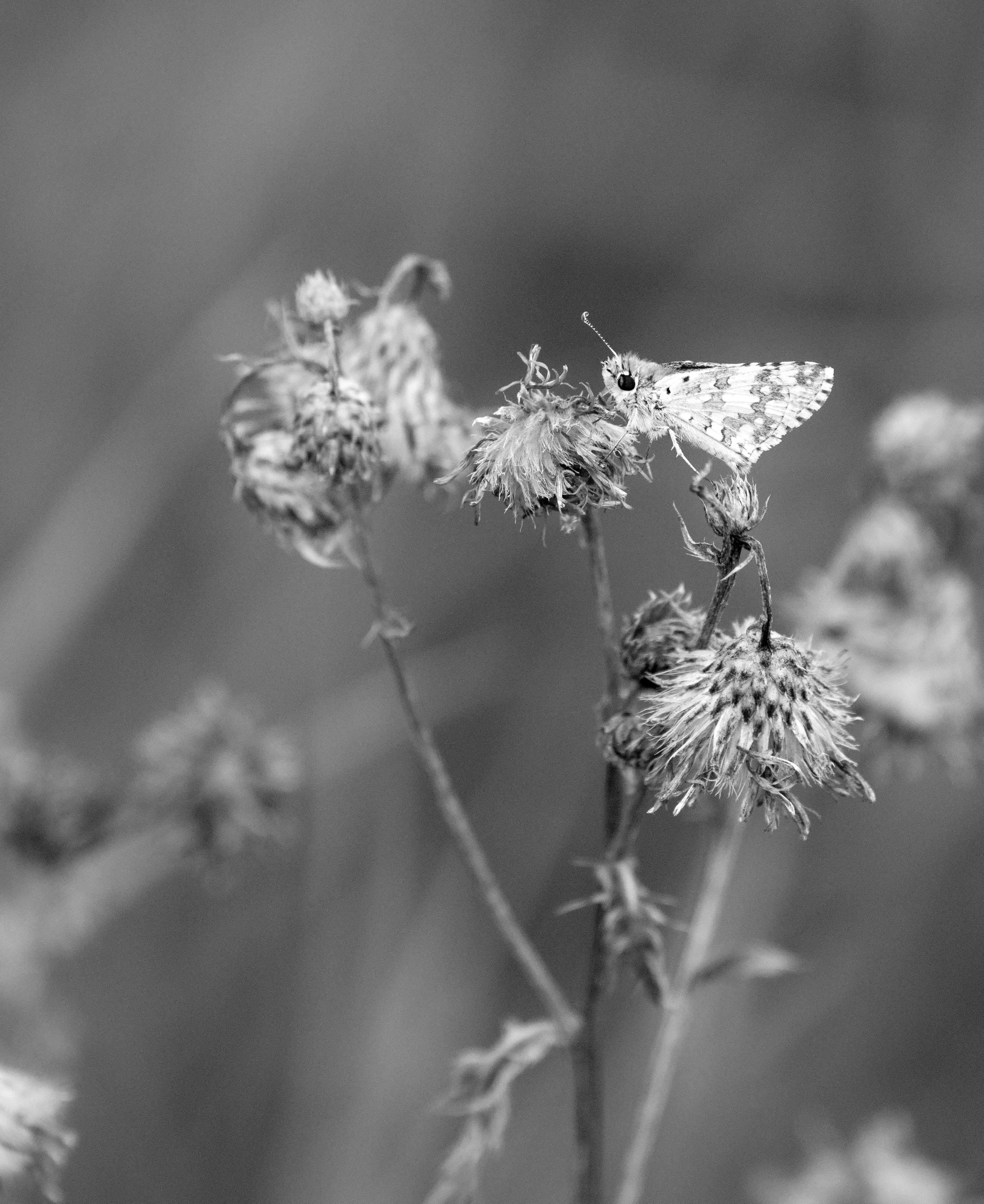
While reality begs to differ
Some stories are better told in black and white
and who doesn’t like a good story.
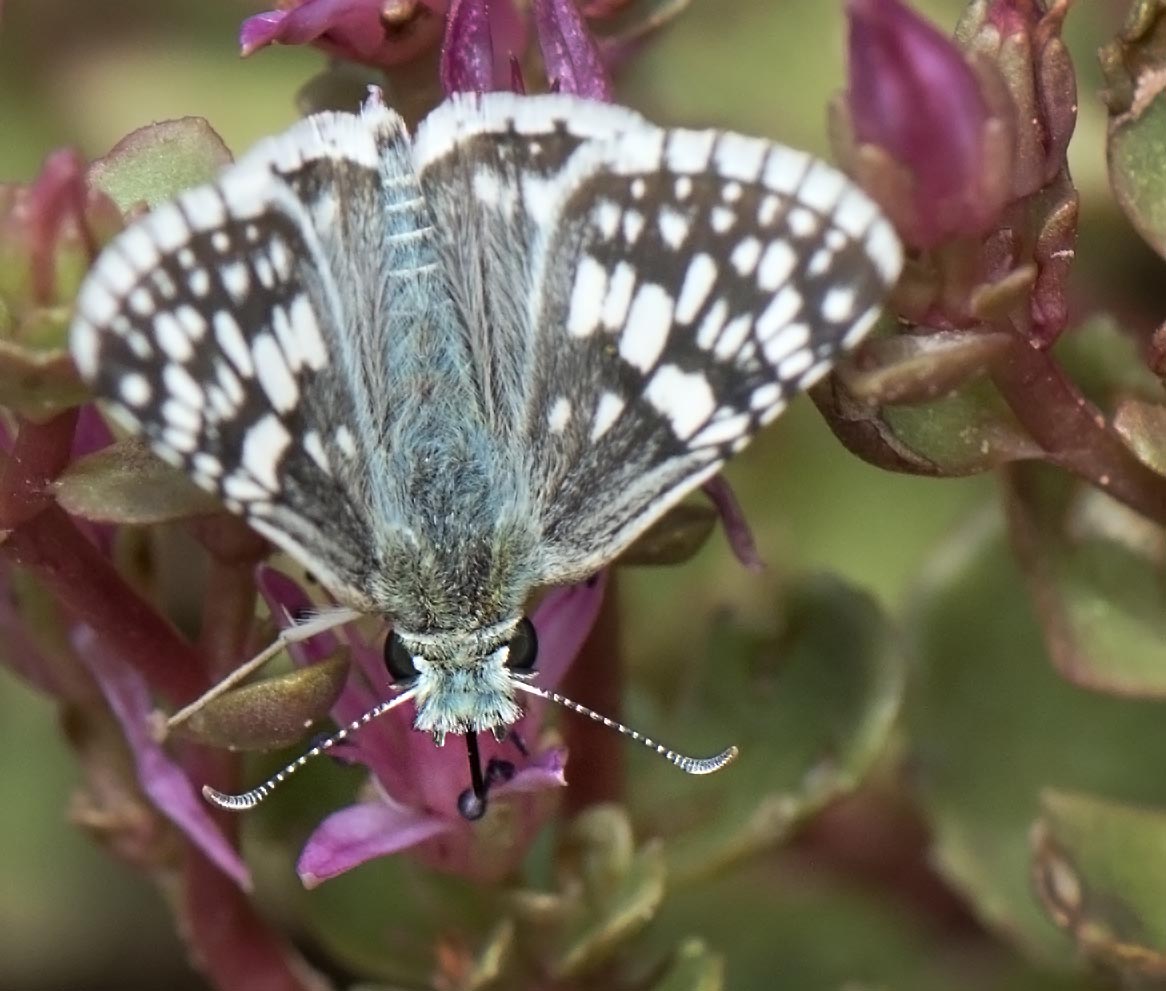
This little butterfly made a short visit to these small plants for just a quick sip of nectar. That tongue was digging deep but perfectly designed to do the job. Amazing.
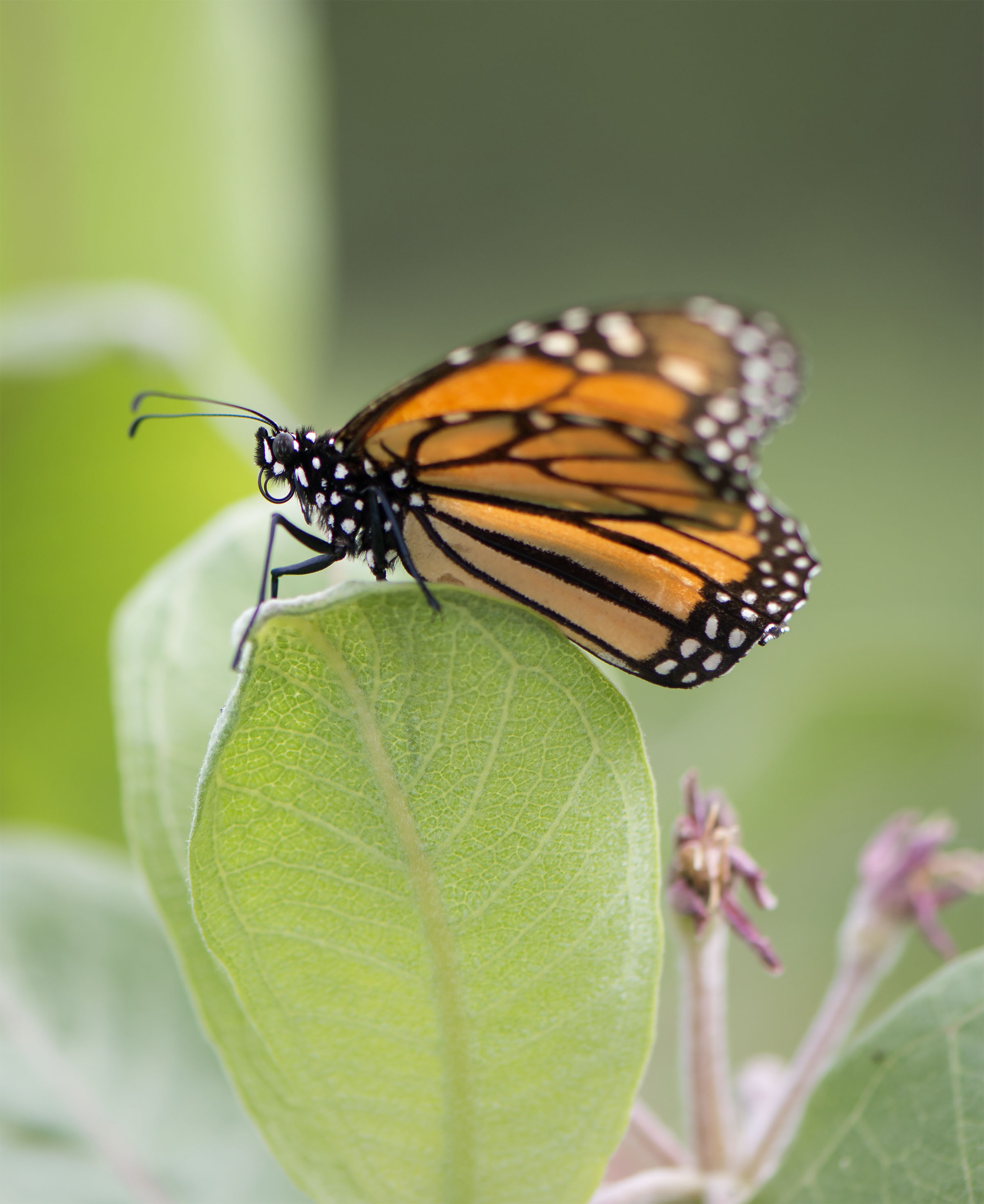
Two of a kind the Monarch Butterfly and its beautiful host plant Milkweed. It is well understood that loss Milkweed results in decreased numbers of Monarch Butterflies. A recent study by Bret Elderd and Matthew Faldyn from Louisiana State University suggest climate change can alter the chemical composition of Milkweed making it poisonous to Monarchs. Climate change, habitat loss and other human activities. Sometimes I wonder when the tipping point will come, if it has no already. Not just for Monarchs but for all life on earth.
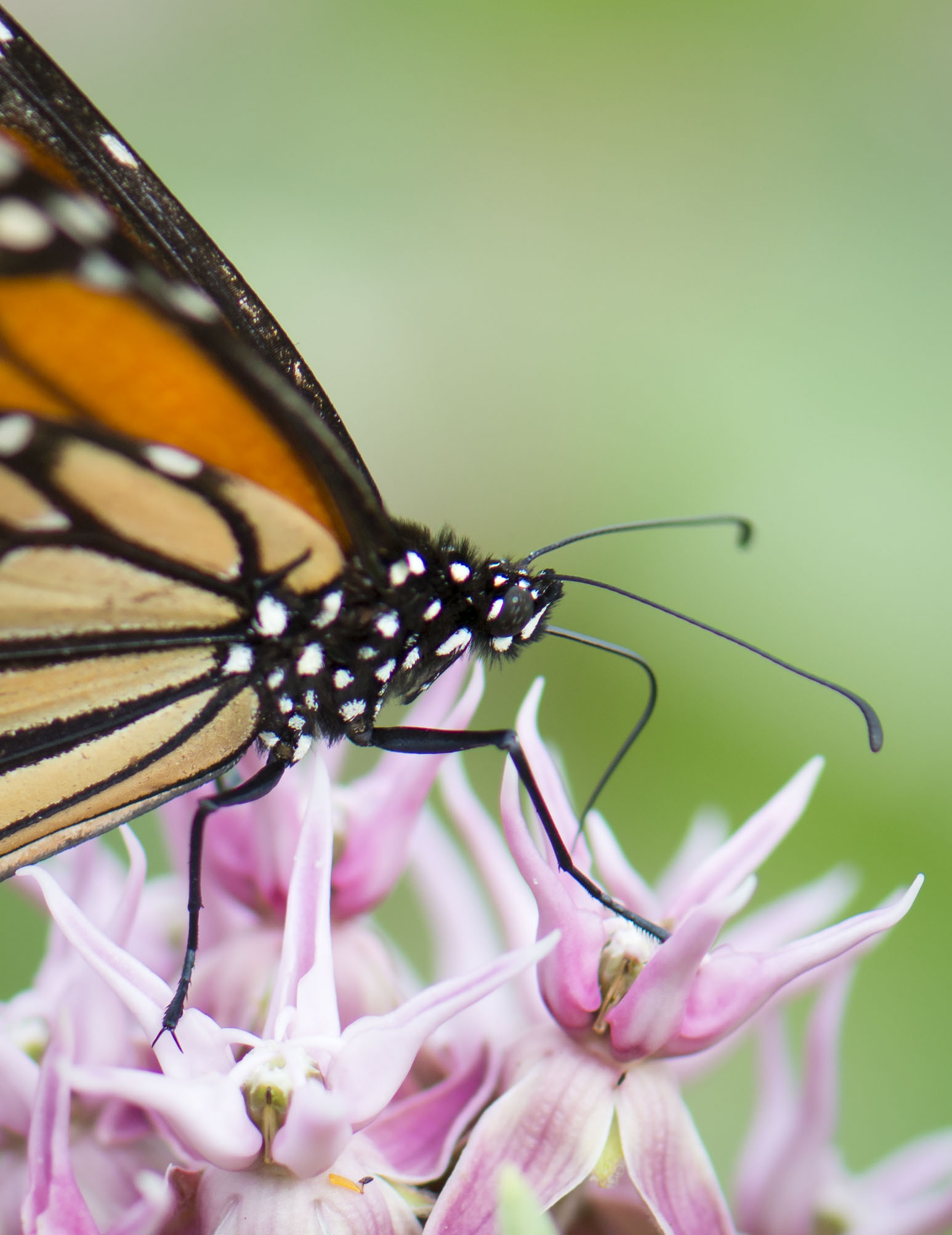
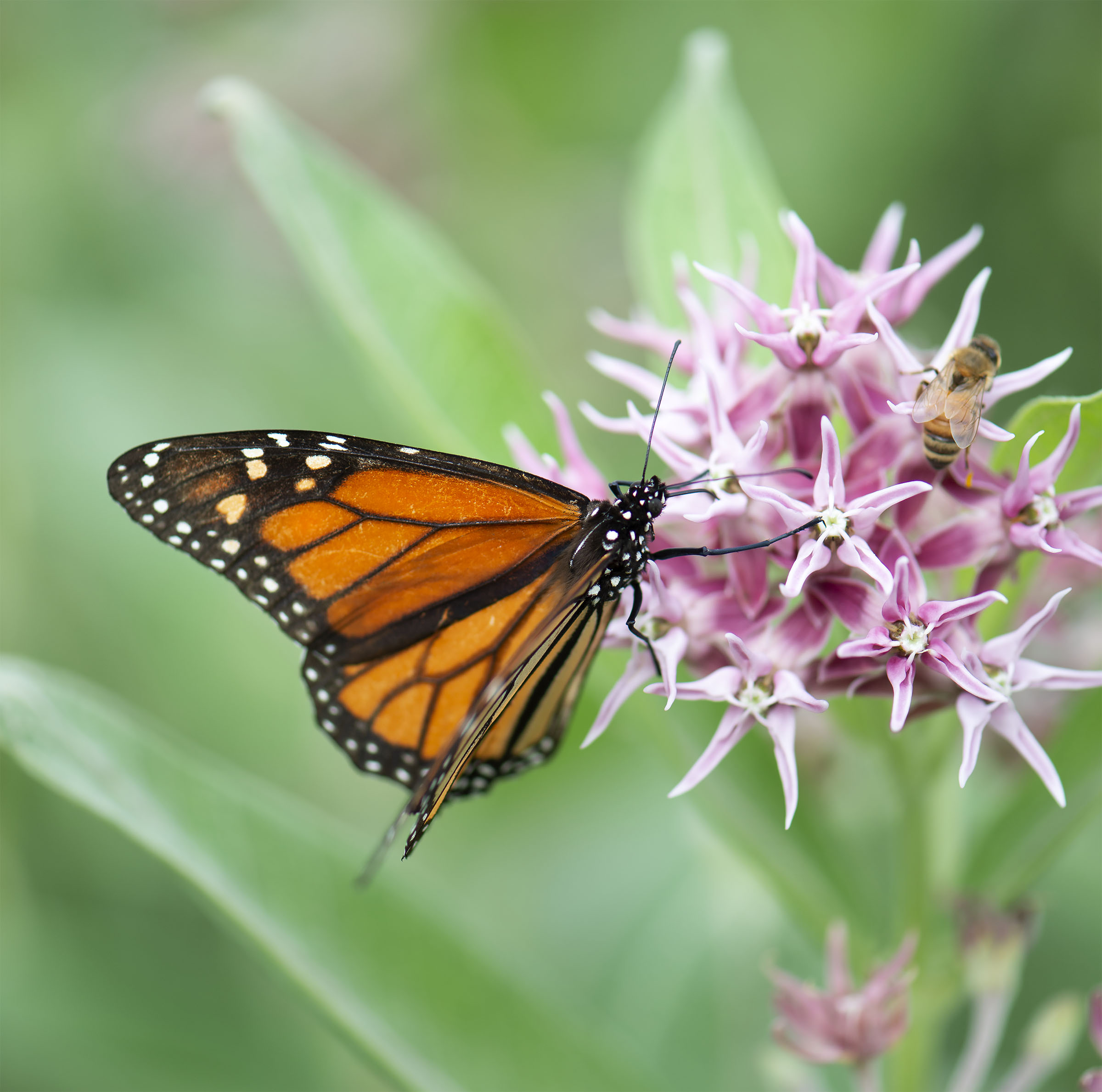

For more Monarch Butterfly research articles I might suggest science daily.
 nature has no boss
You must be logged in to post a comment.