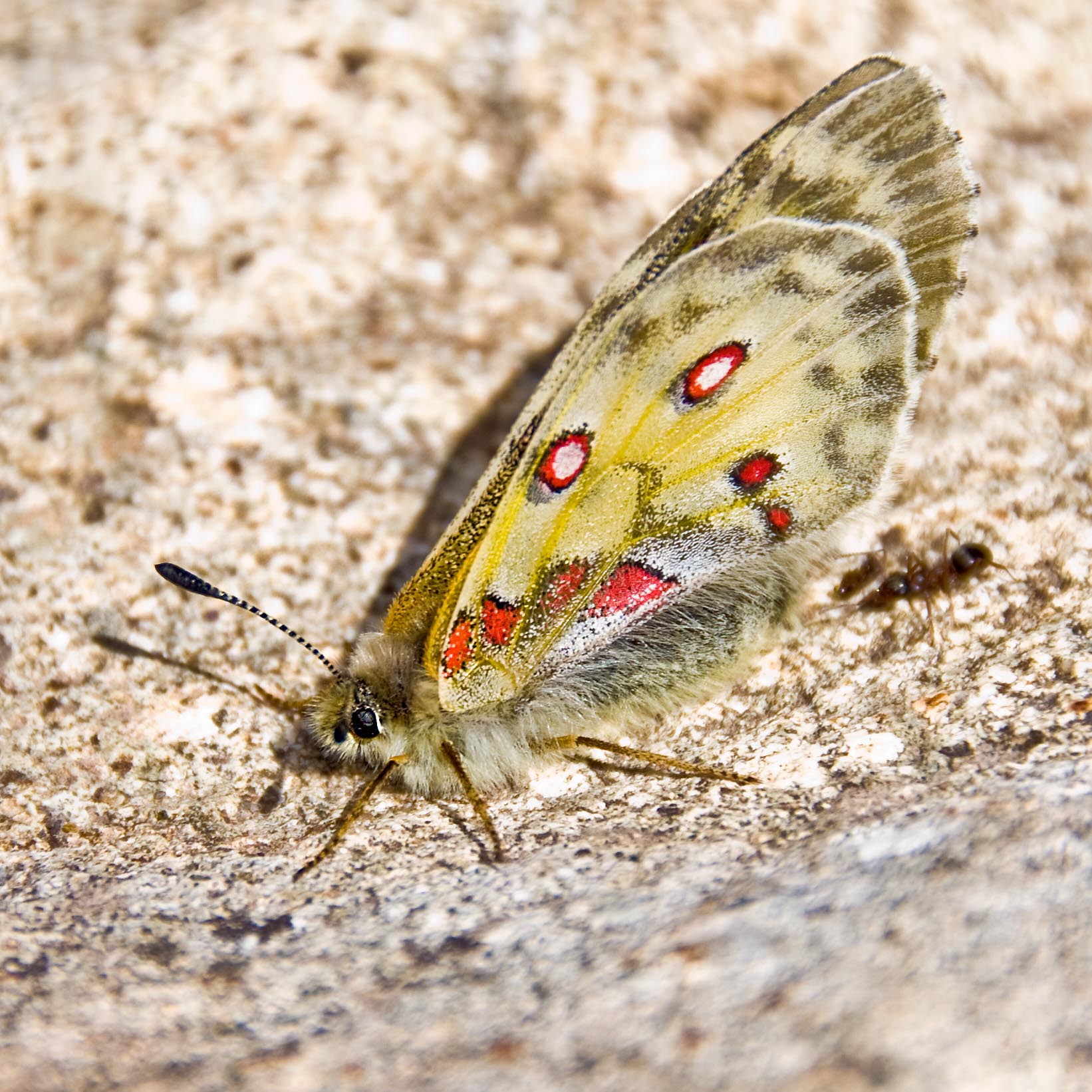
Found this beautiful fuzzy little moth warming up in the morning sun up near timberline while hiking on a cool summer morning. All that fuzz must help keep her and perhaps her little ant friend warm through the night.
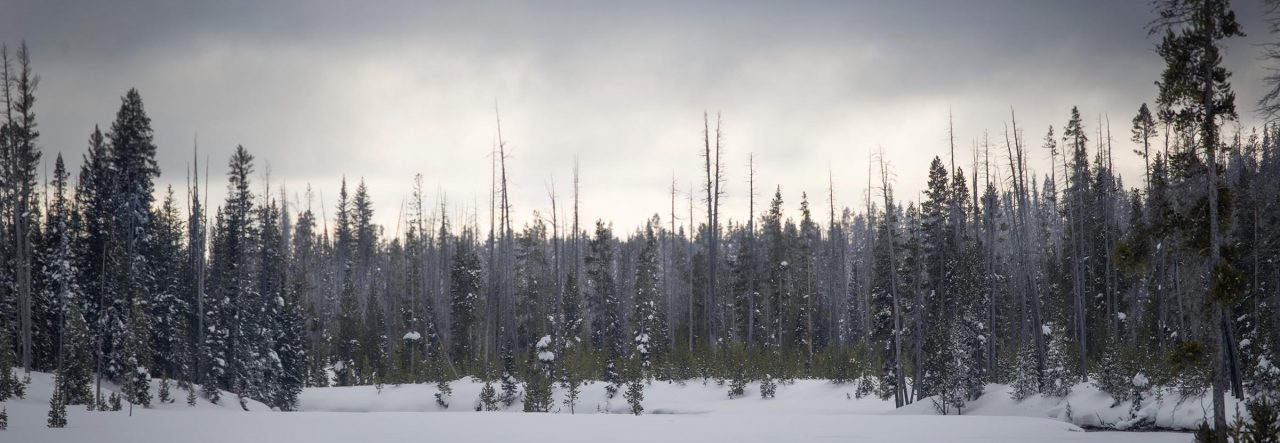
Found this beautiful fuzzy little moth warming up in the morning sun up near timberline while hiking on a cool summer morning. All that fuzz must help keep her and perhaps her little ant friend warm through the night.
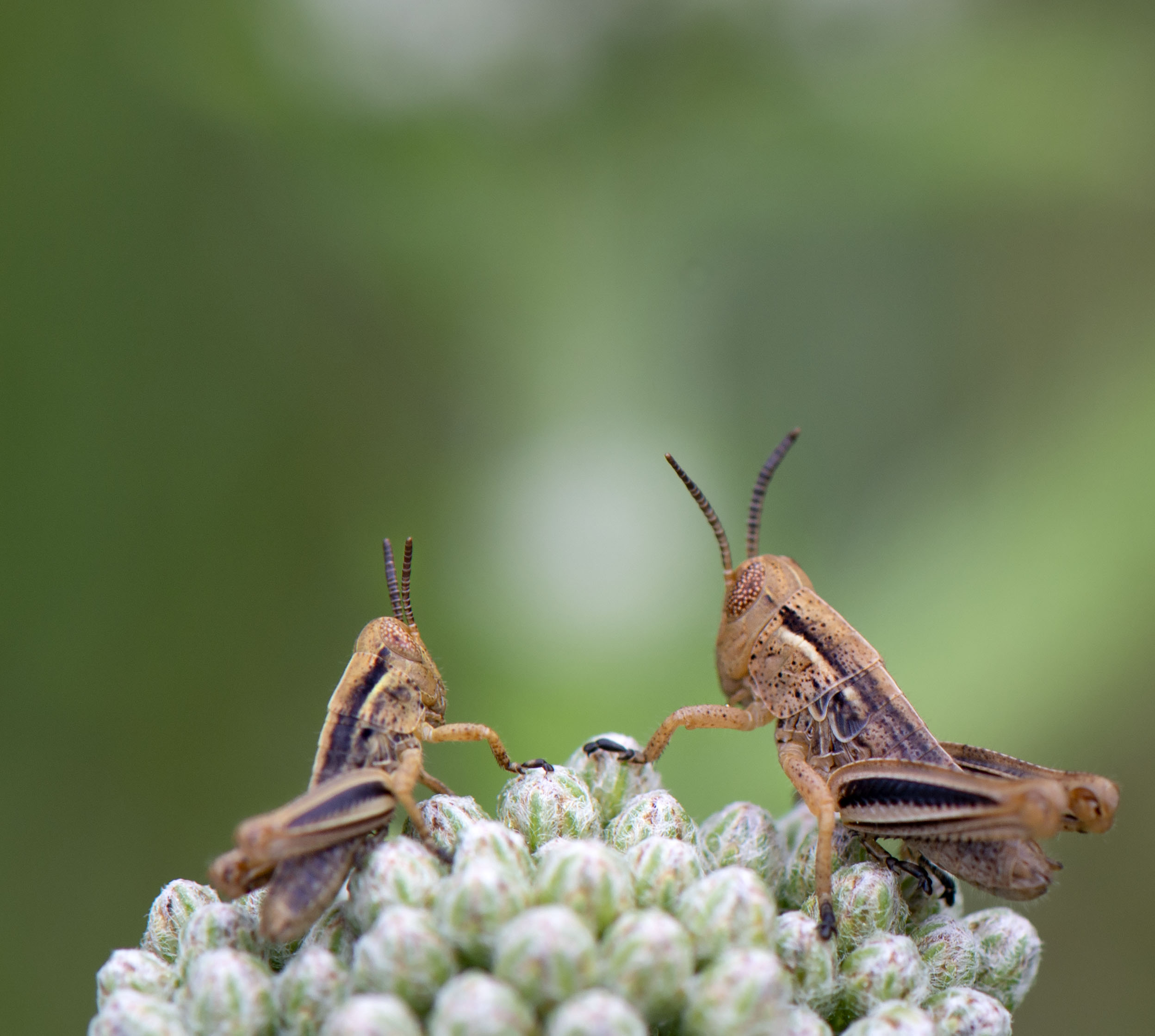
Two very little grasshopper nymphs enjoying a fine beginning to life atop a wildflower just starting to bud.
Hope you get to enjoy some time with your favorite buddy this weekend.
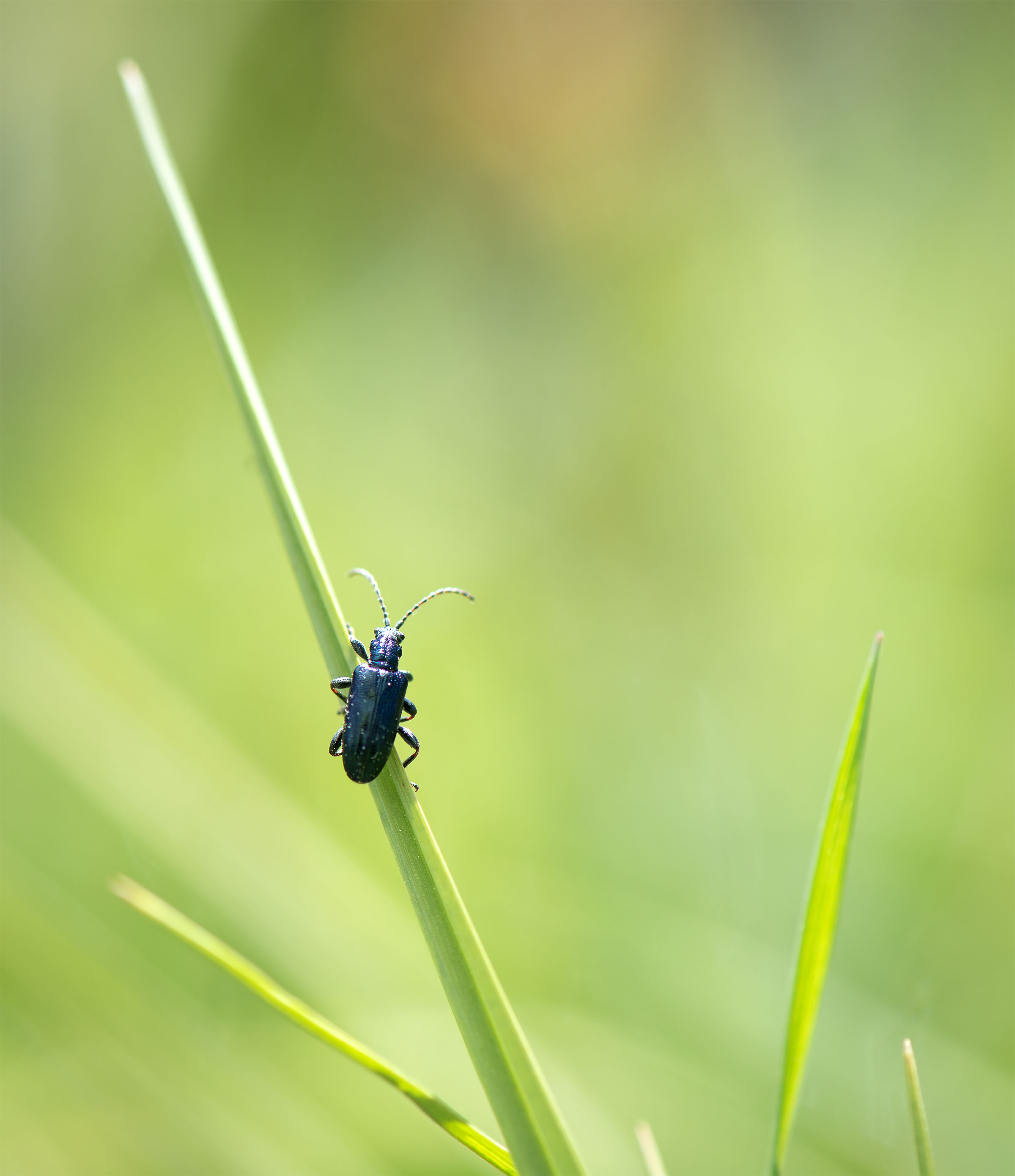
Looking closely at a blade of grass there is more than meets the eye.
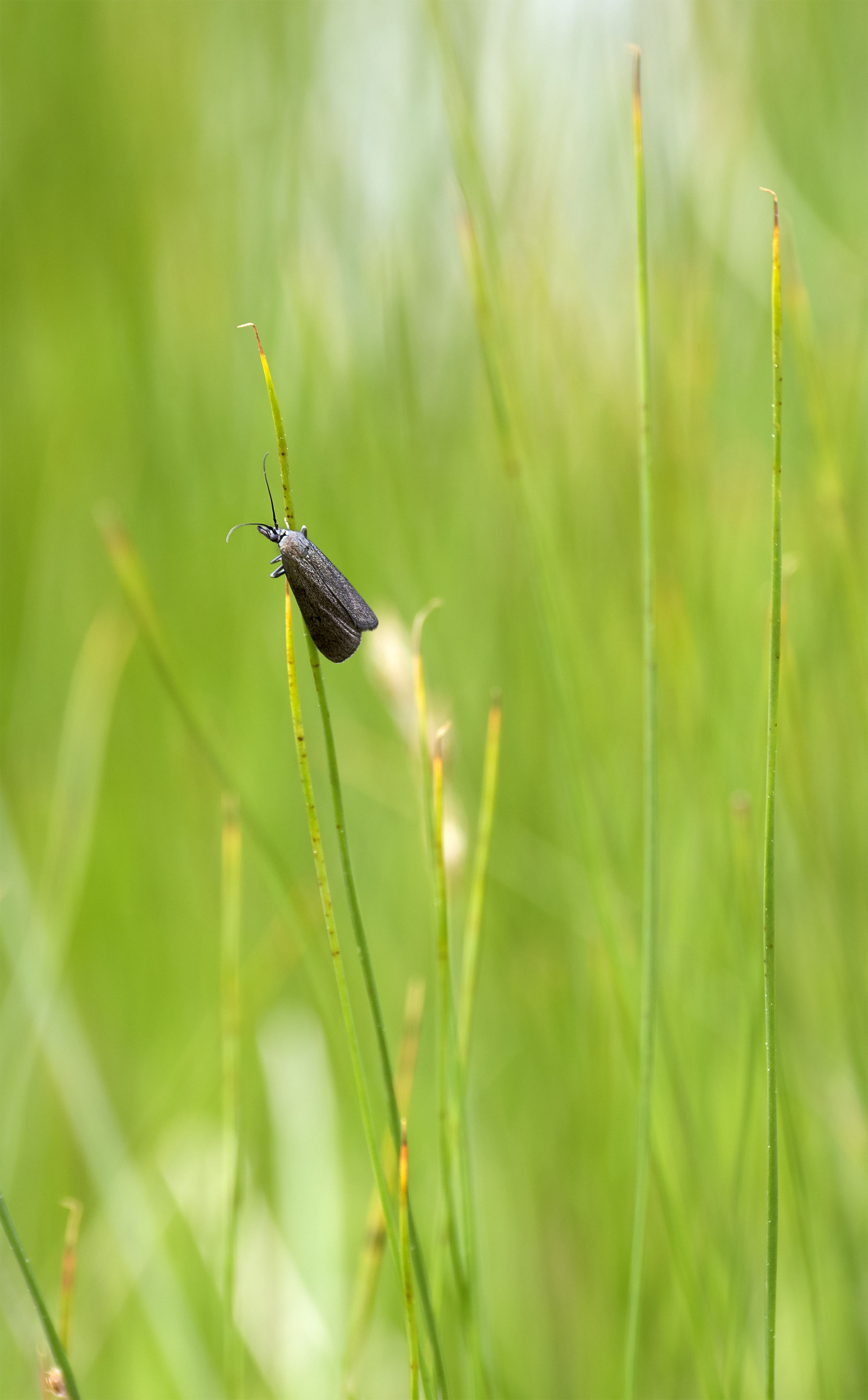
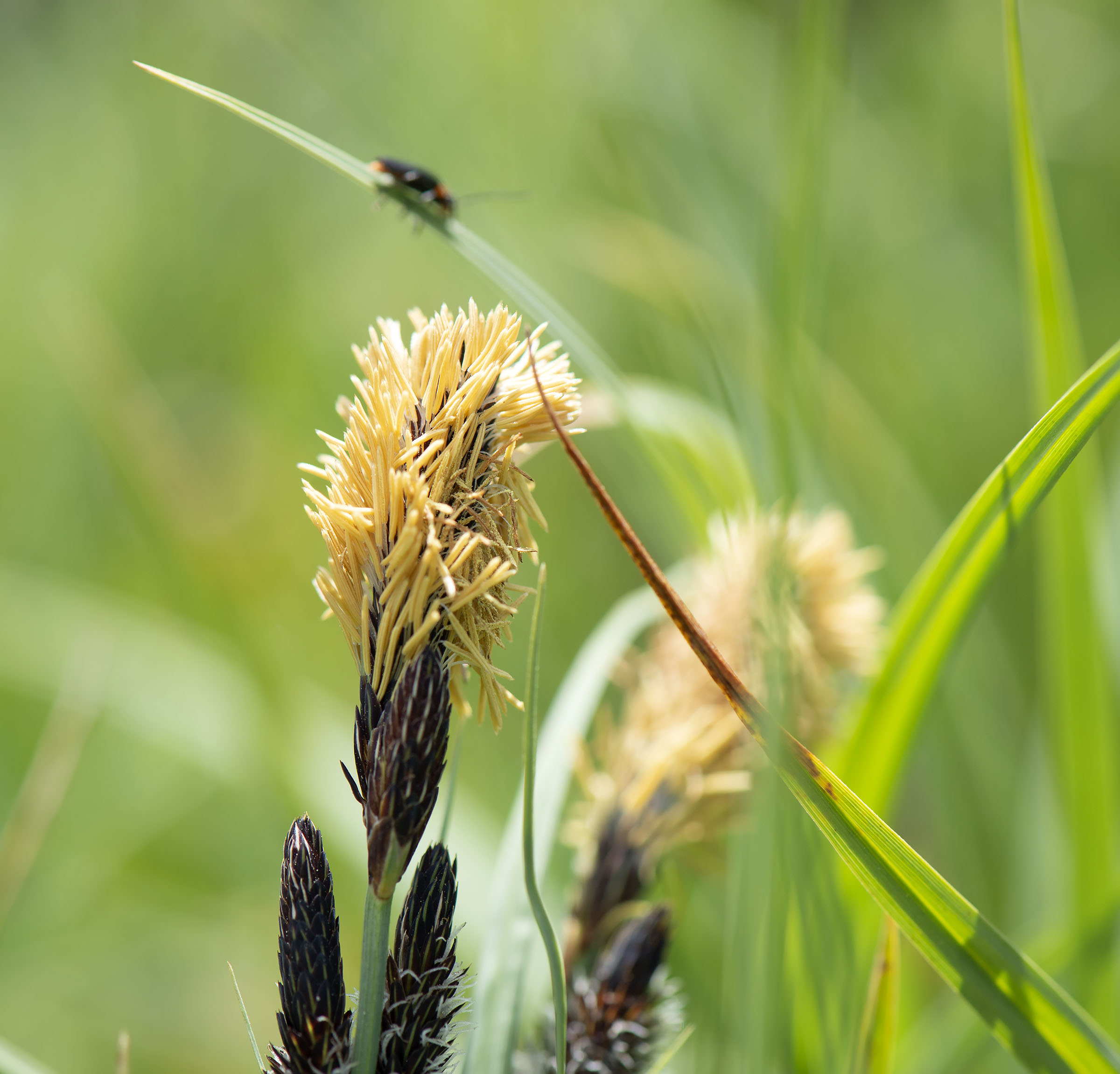
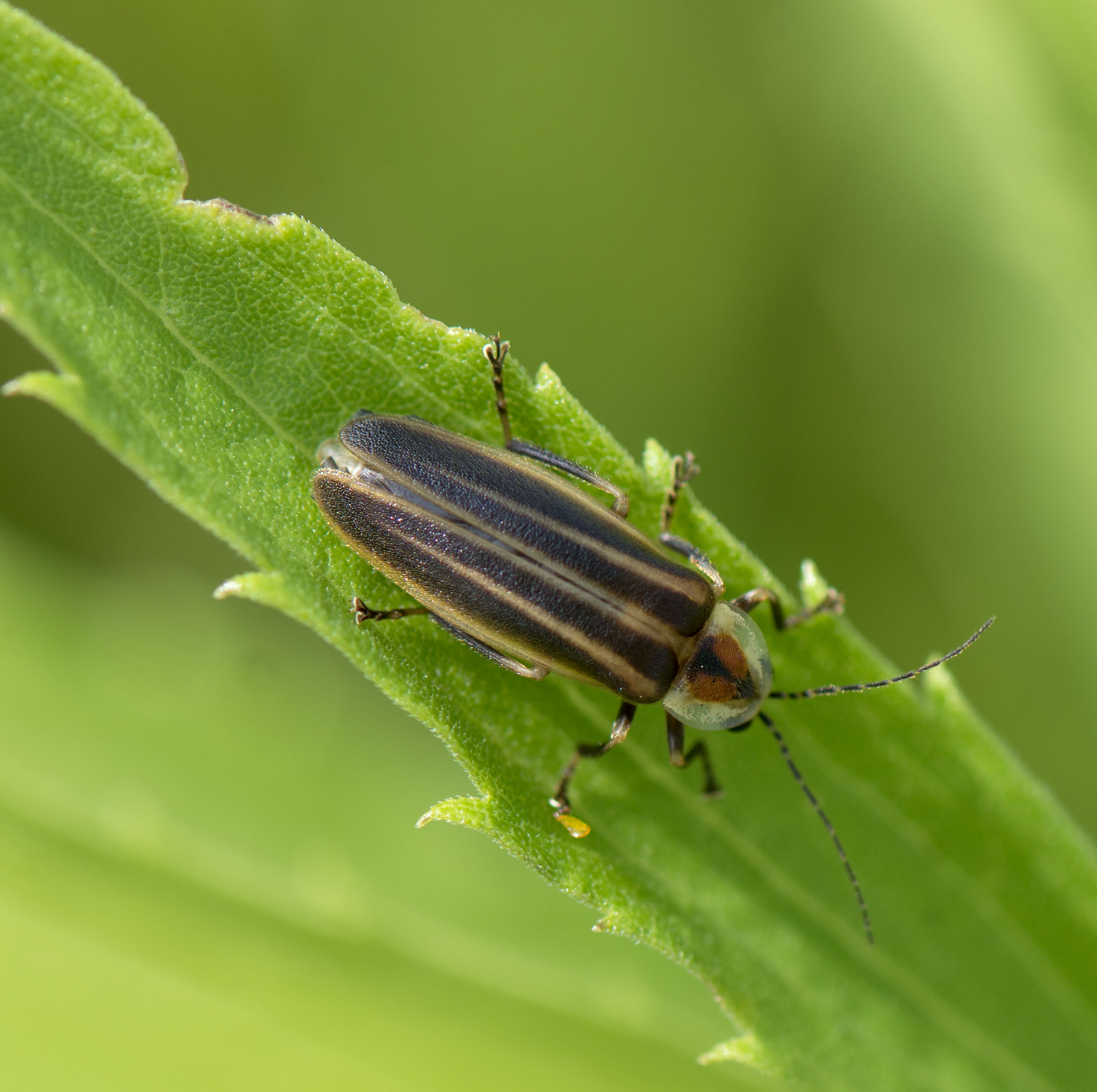
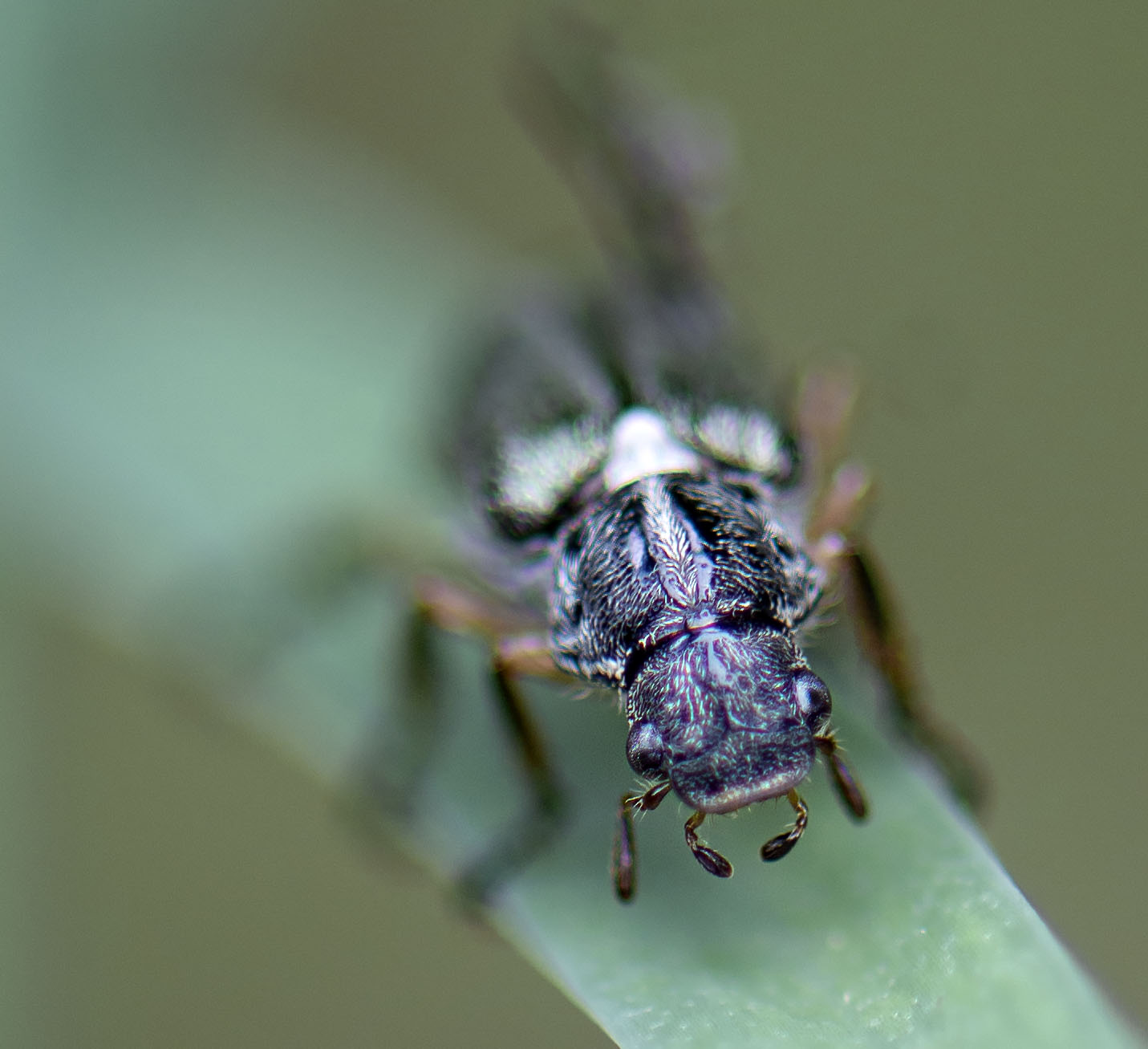
Yes, there is always more than meets the eye and it’s sure fun trying to meet it.
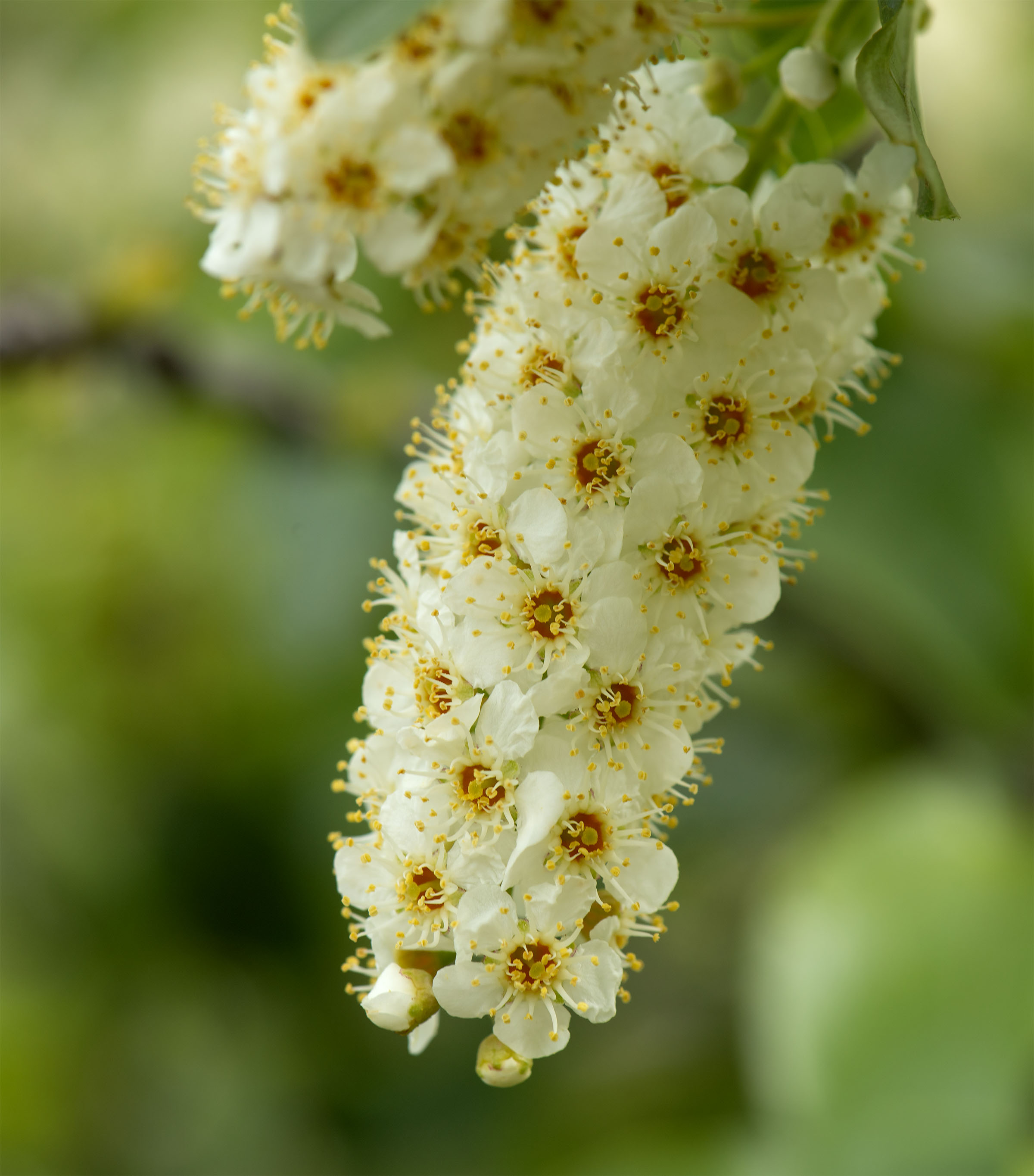
While the last blossoms of the Choke Cherry shrubs, which line the road near our home, have faded away their sweet smell still lingers in my head. Most of June was filled with that sweet smell as different bushes bloomed at different times of the month and thus we were treated to a wonderful progression of fragrance and sights.
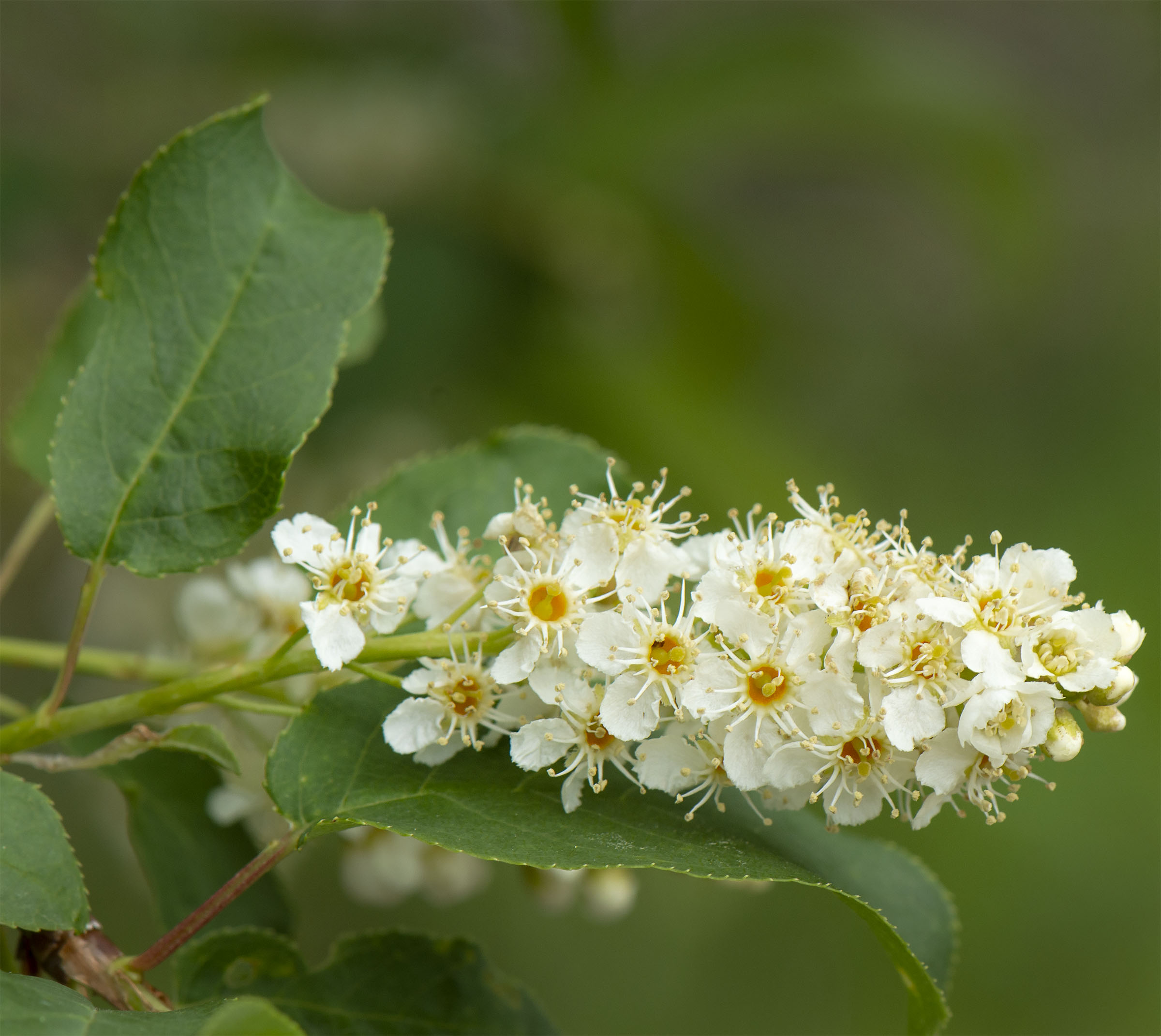
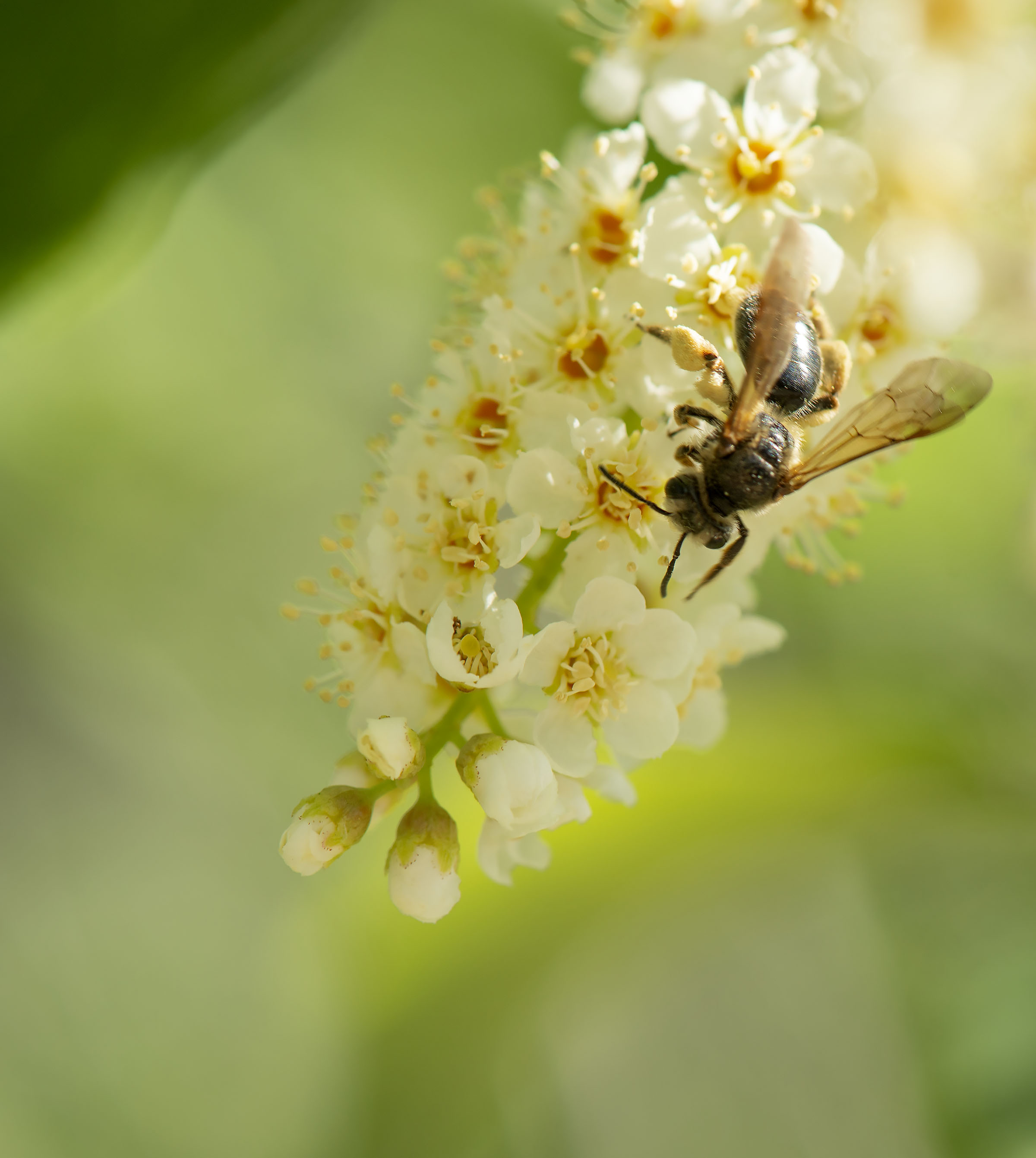
The astringent fruits and even the leaves and branches of the Choke Cherry are considered an important food plant for wildlife. Both large and small mammals as well as birds utilize Choke Cherry for food. In addition to food Choke Cherry provides wildlife habitat and protection for watershed in the areas in which it grows.
Human uses include Chokecherry Jams, wine as well a medicinal uses by native cultures. New growth on the leaves can be toxic to humans and cattle especially those leaves injured by frost or draught. So do not eat the leaves.
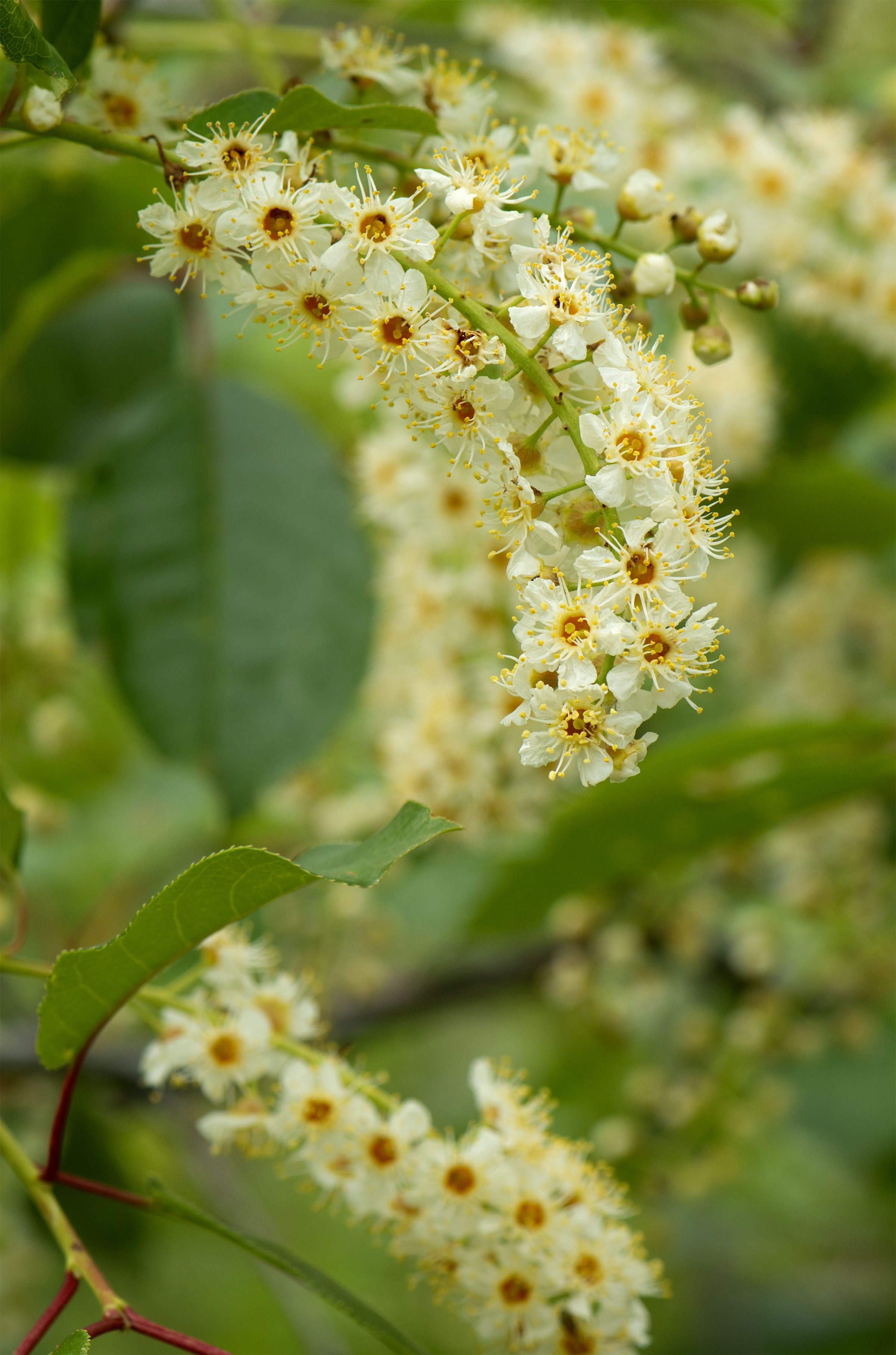
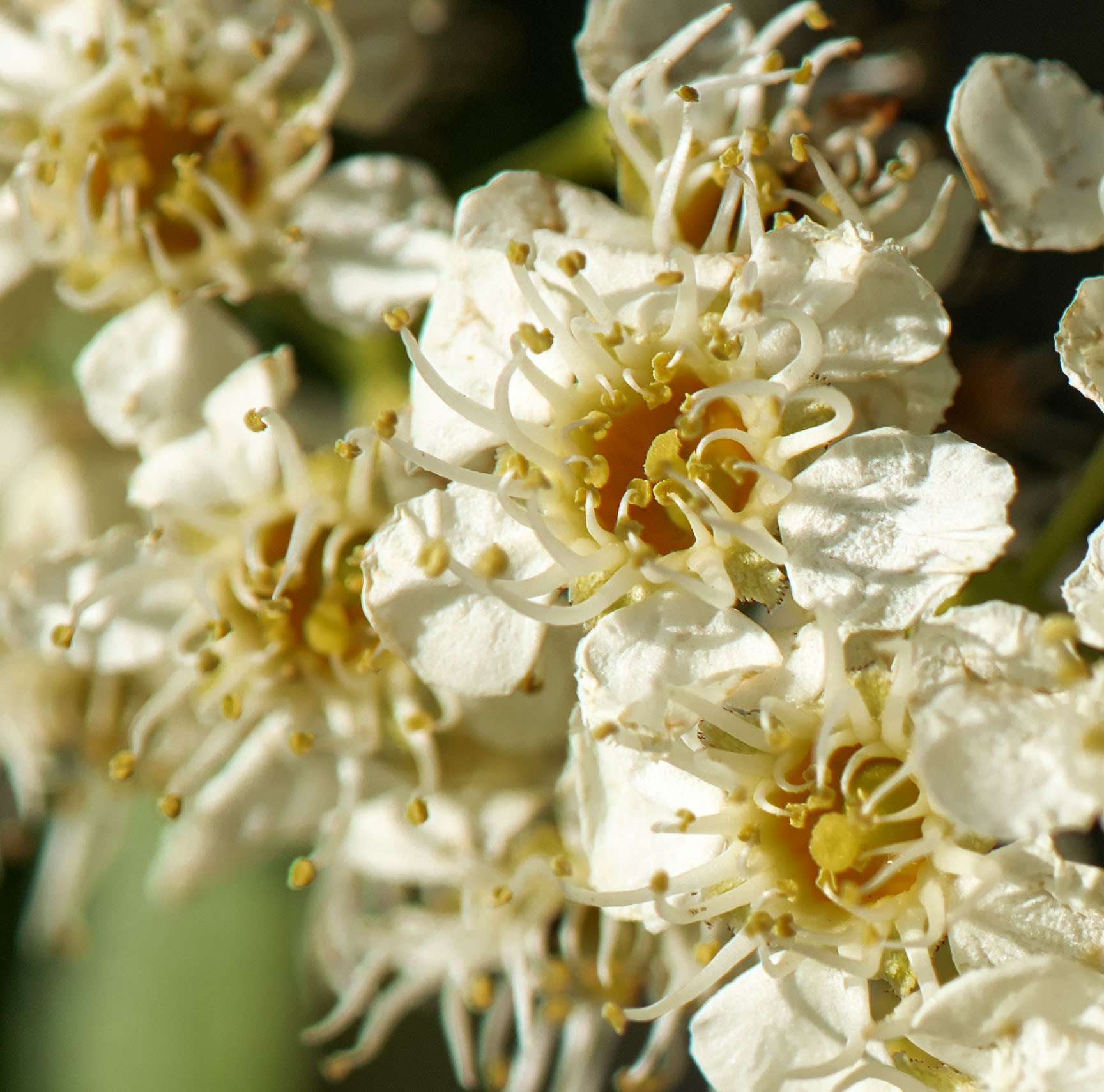
While the fruits are quite useful it is always the blossoms that take the cake for me and somehow posting on Choke Cherry seems a fitting thing to do on the forth of July.
References:
Lady Bird Johnson Wildflower Center.
United States Department of Agriculture.

A Wood Nymph Butterfly taking a break in the shade on a warm summer afternoon.
The exact species I hesitate to take a guess on so if anyone can help out it would be appreciated.
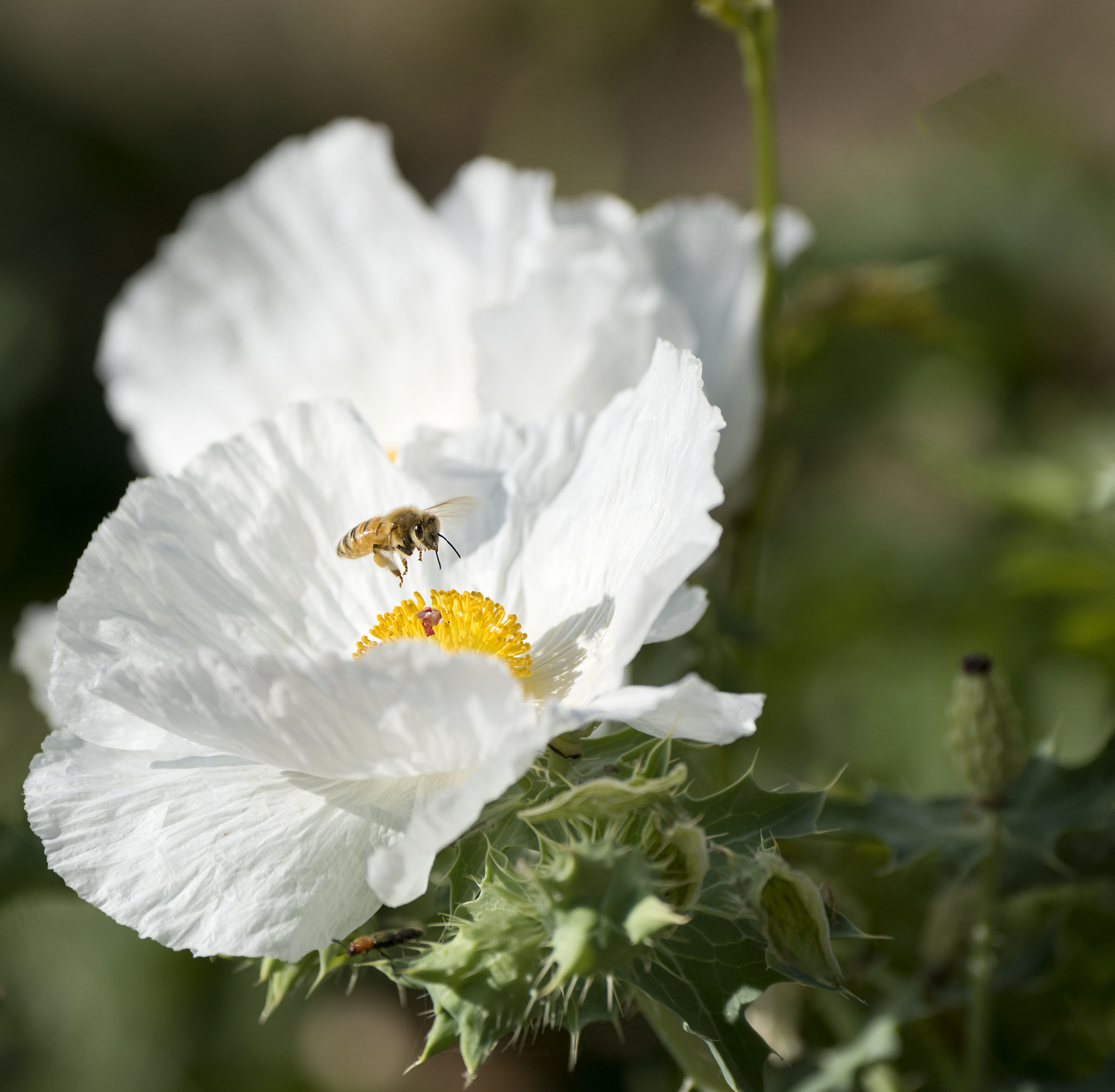
A little Honey Bee Checking out one of our favorite wildflowers the Prickly Poppy.
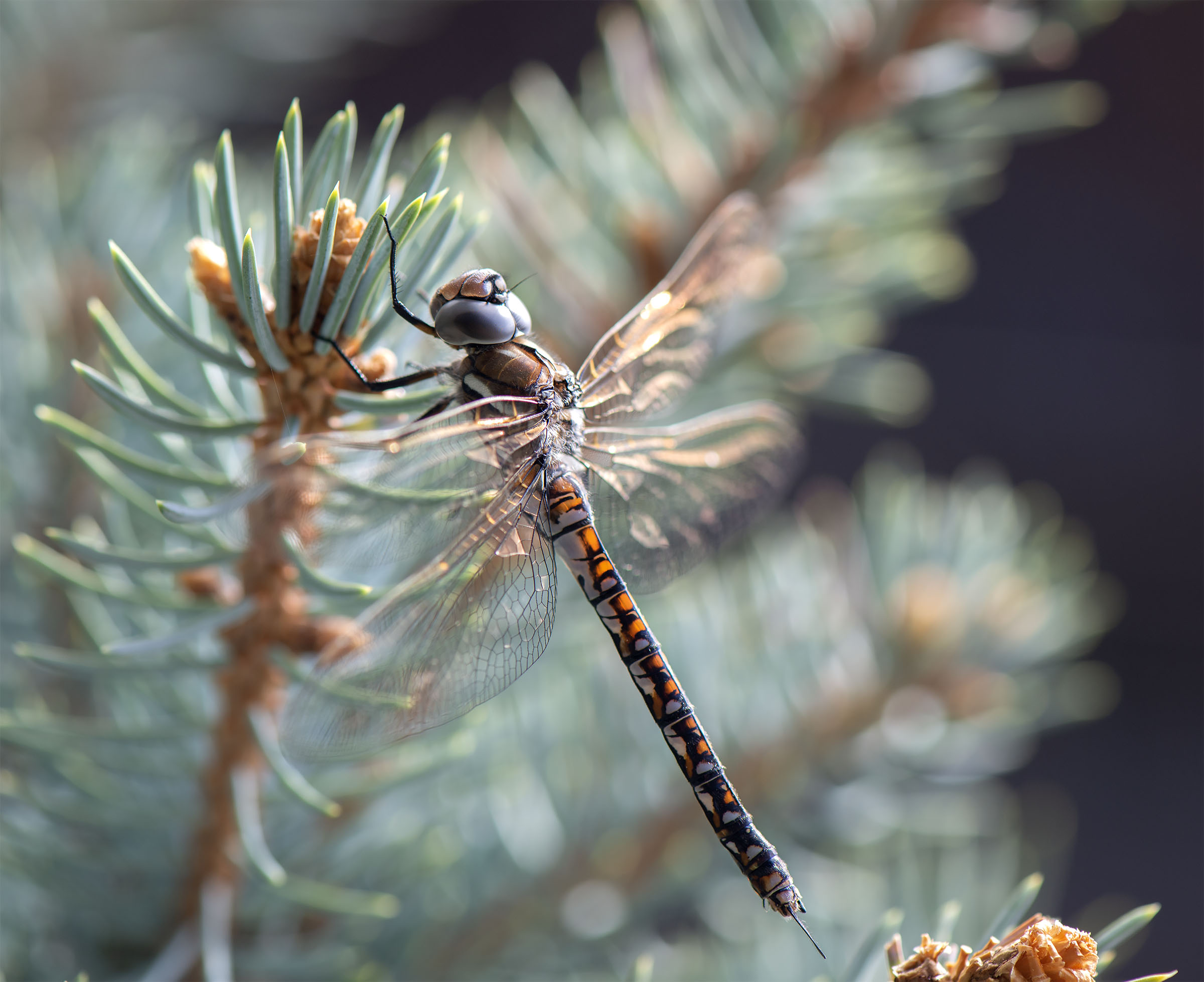
I am terrible at dragonfly identification so if anyone out there can help with giving this guy the proper respect he deserves with a common and scientific name it would be appreciated.
Anyway this guy was sitting in the afternoon light glowing a wonderful copper glow on a small spruce tree which if I can say so complimented his color well.
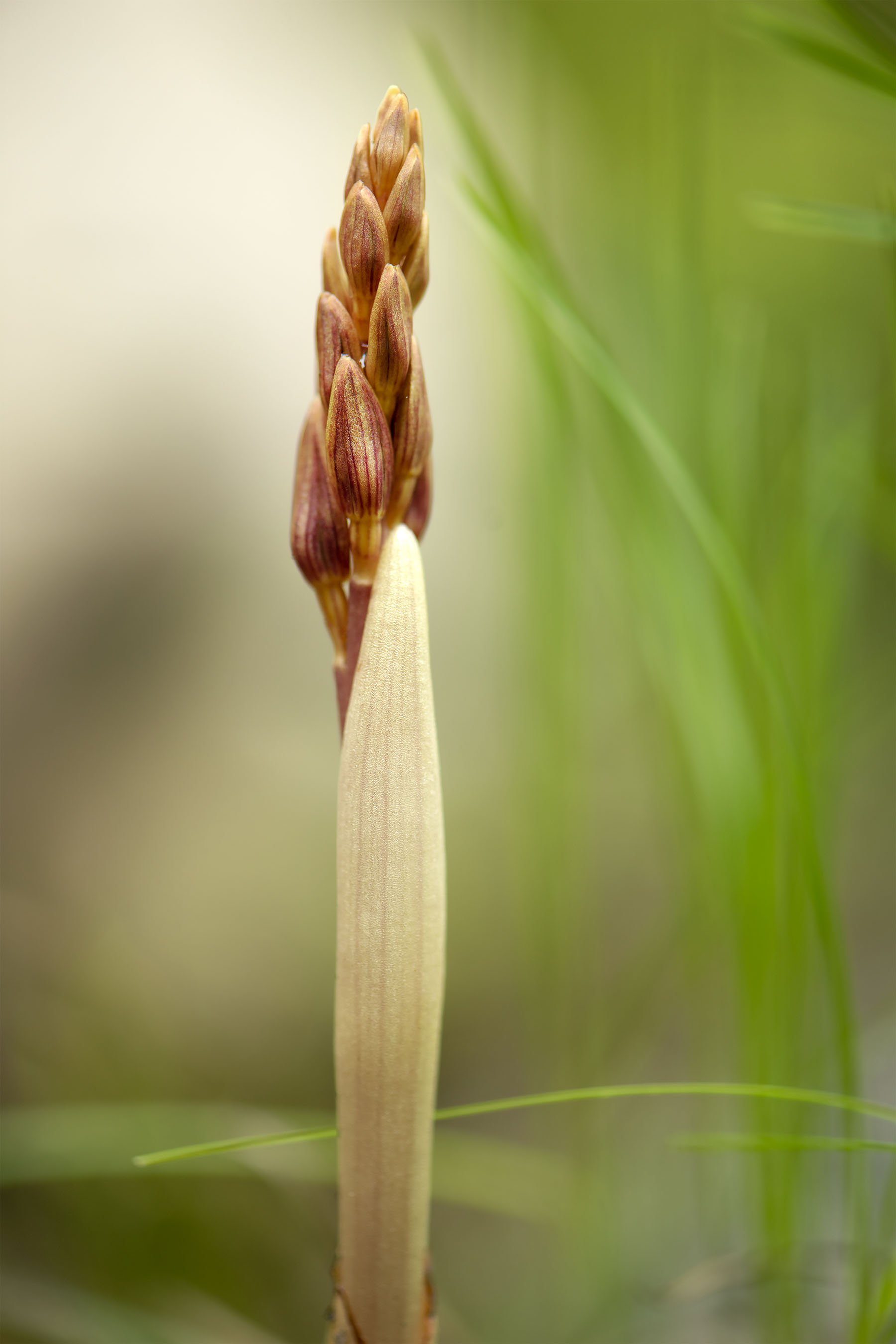
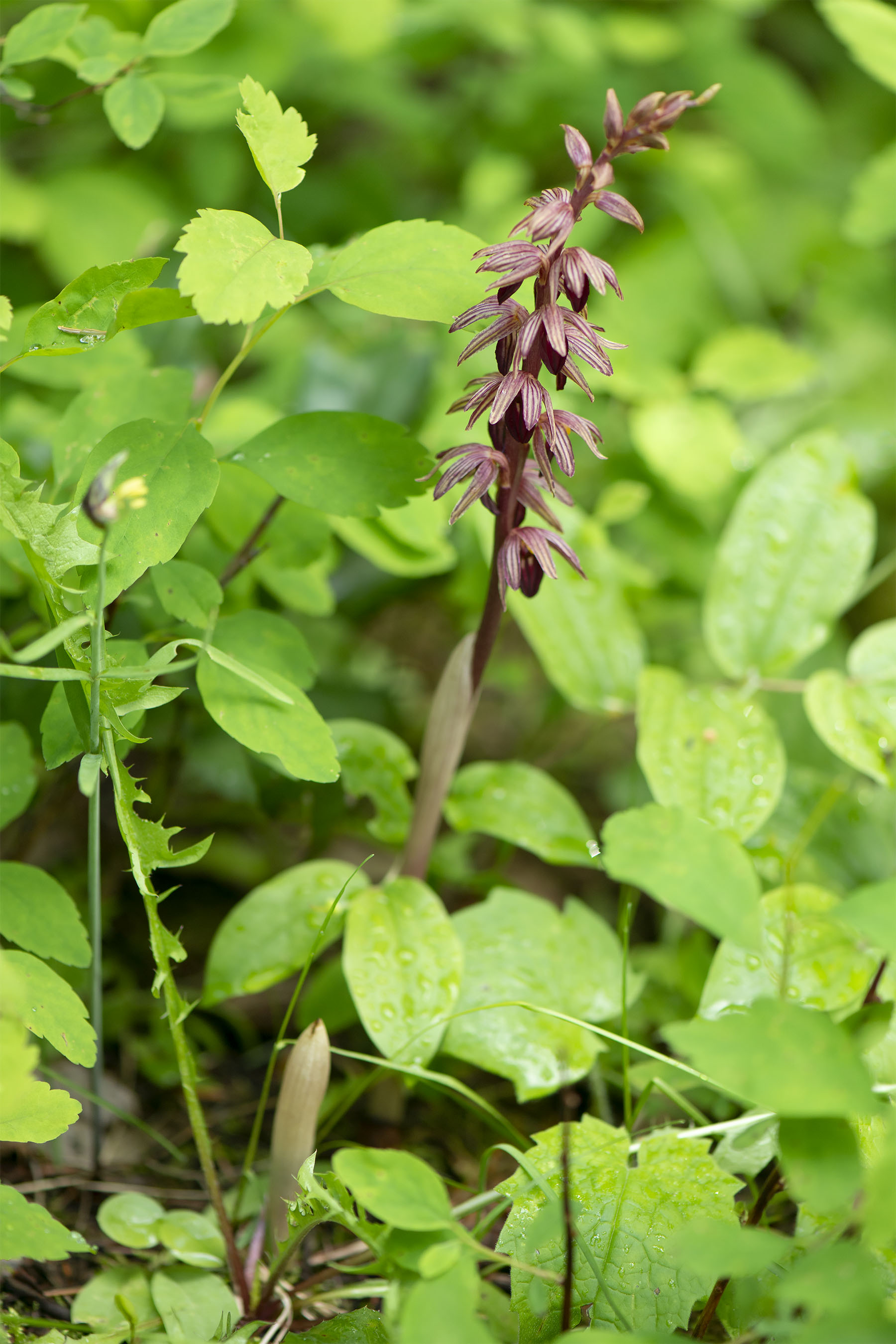
Hidden deep in the forest, or happily saying hello in small forest clearings, this spring has brought an abundance of Striped Coralroot:Corallorhiza striata.
Corallorhiza striata is mycohetertrophic and uses fungus to provide nutrients for its own growth as Corallorhiza does not photosynthesize.
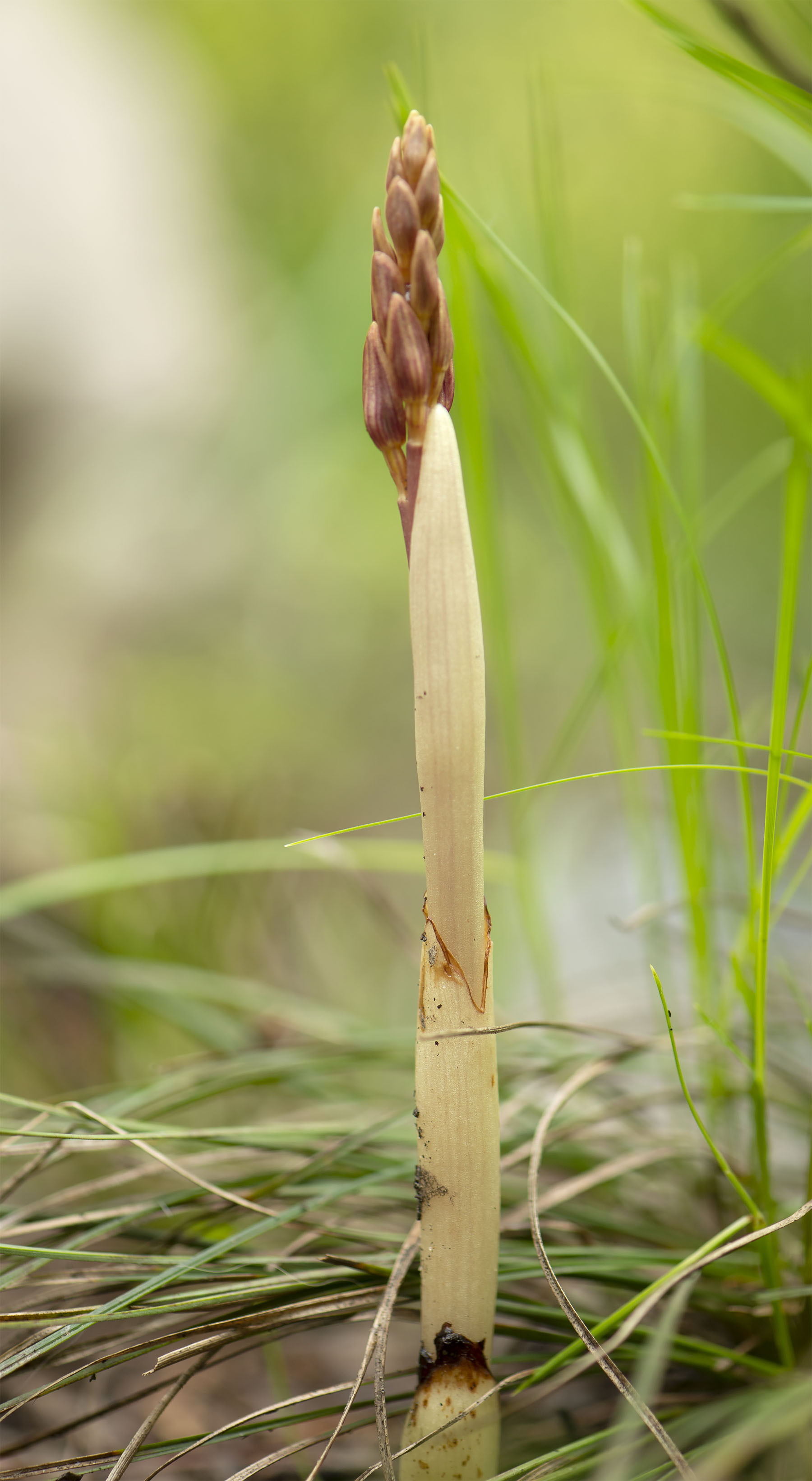
This orchid was just pushing up through the soil in a small clearing in the forest covered with grass.

Others were hidden in the dense undergrowth in the forest.
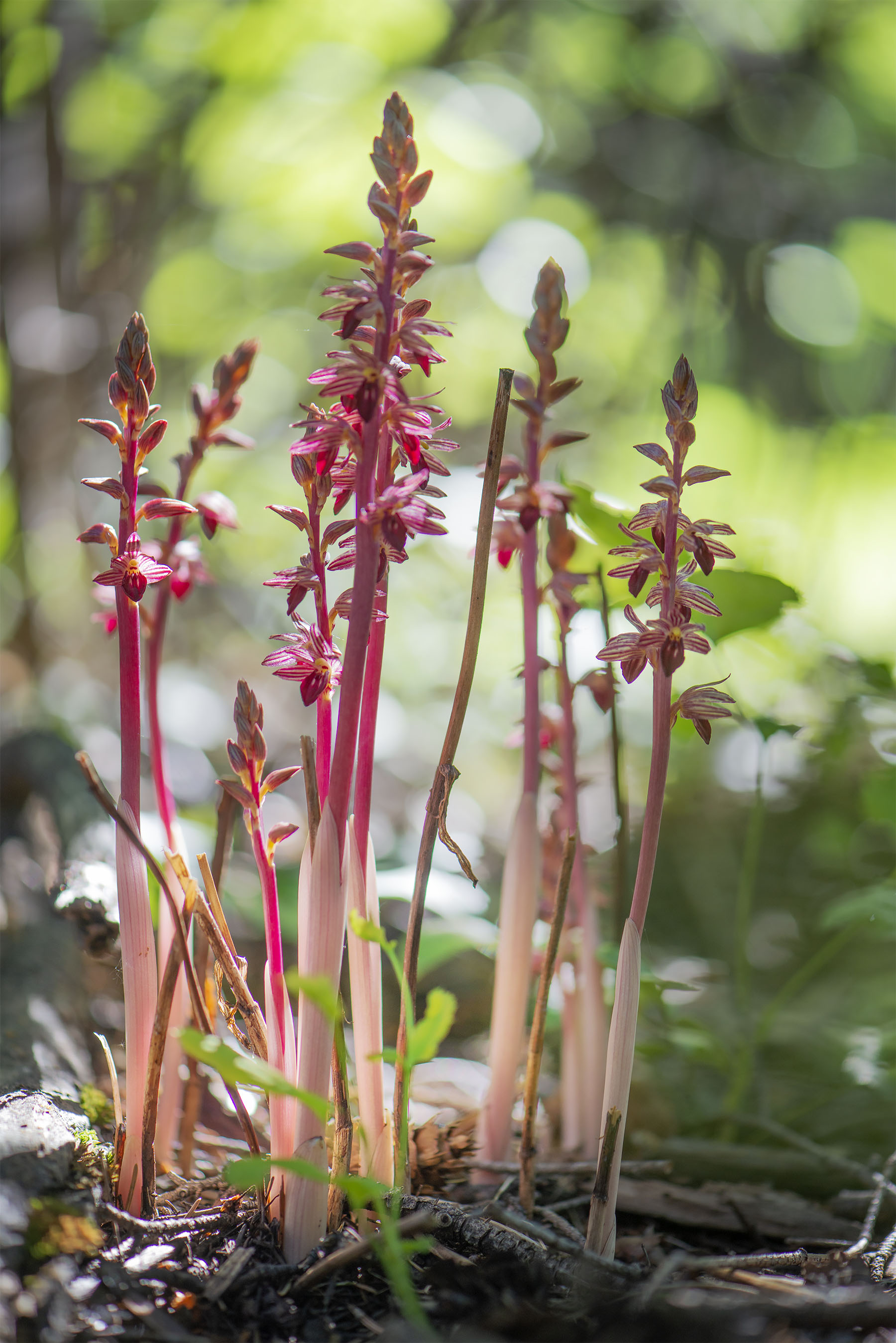
While many we found grew as single stalks or in groups of two or three some grew in larger clusters.
Corallorhiza striata is found in a wide geographical range encompassing all of Canada and most of the western United States and prefers cooler climates.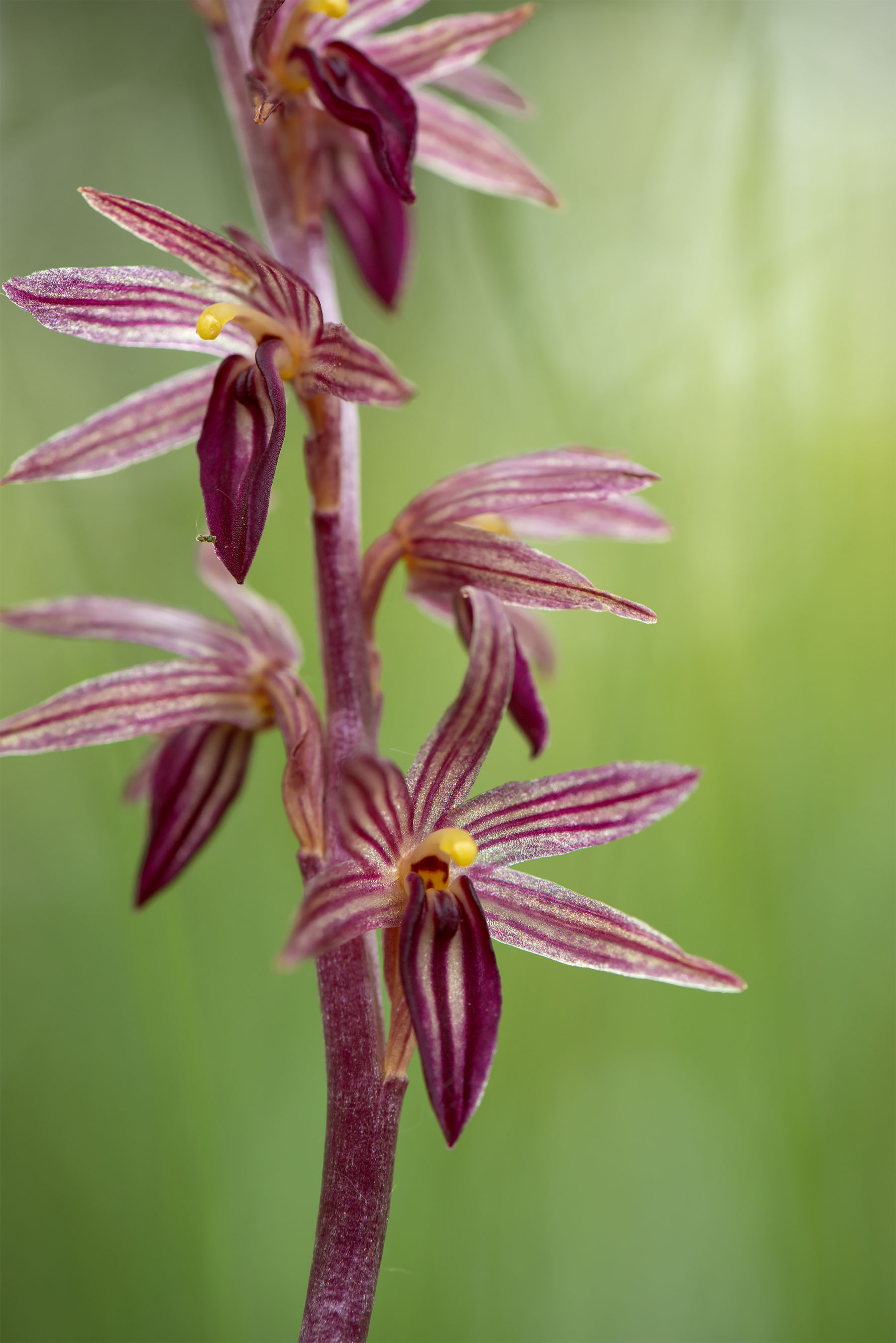
According to the Lady Bird Johnson Wildflower Center “After producing flower stalks, the rhizomes may remain dormant for several years so seeing them in bloom may not occurs again next year but I sure hope so.

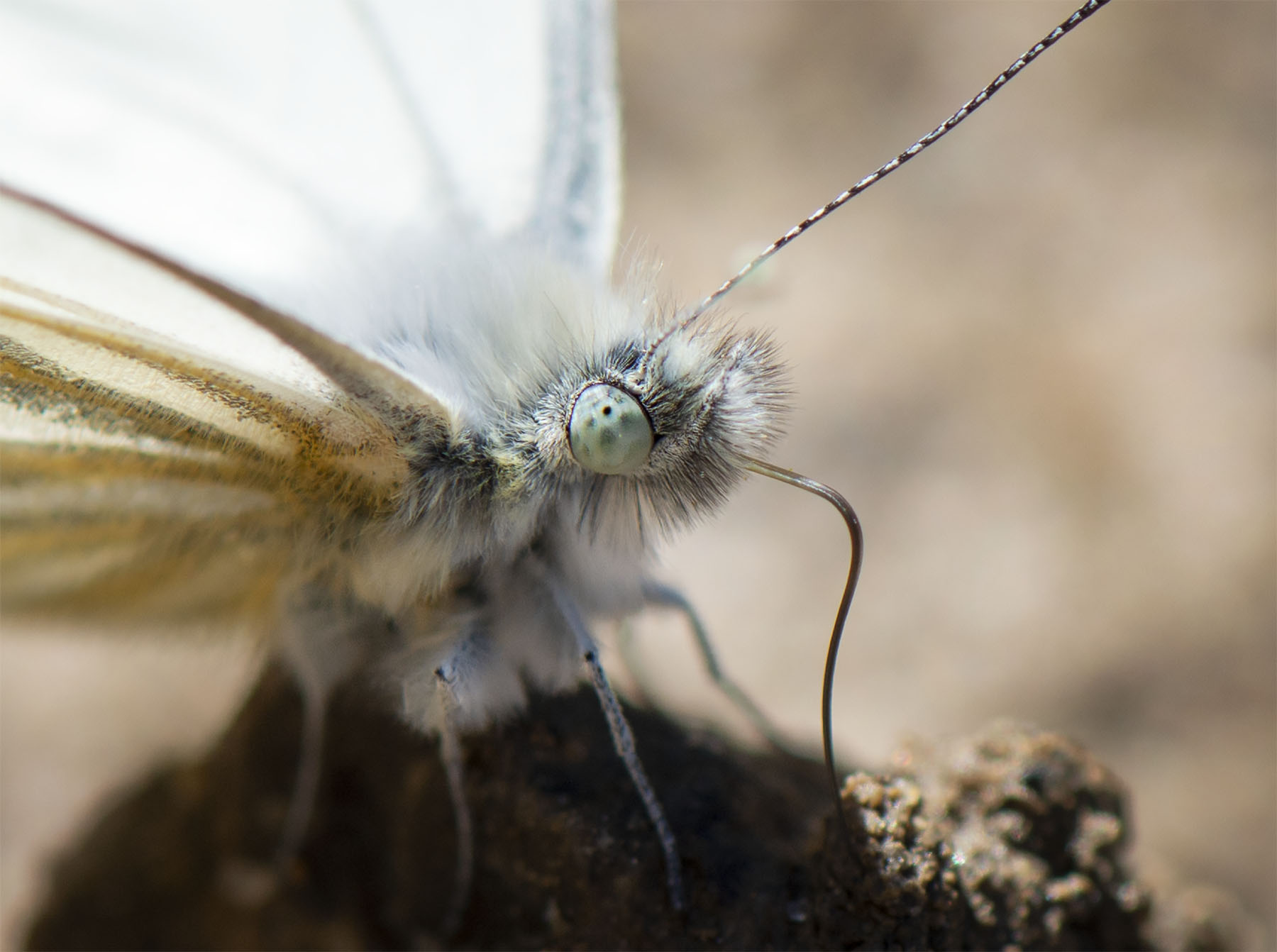
Looks like this little guy could use a shave but that will have to wait until he is done enjoying a nice cool drink.
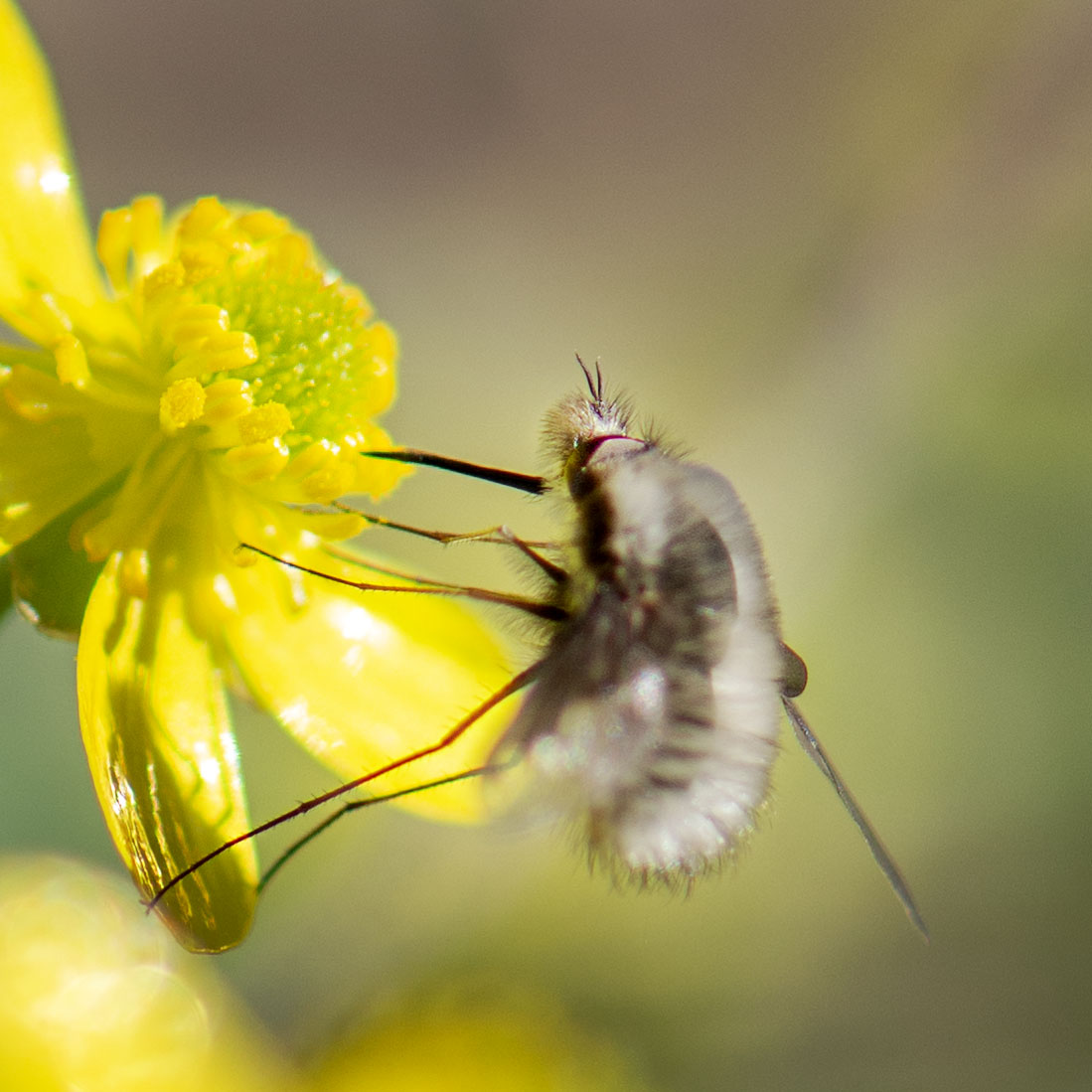
An early arrival as the first spring wildflowers spring is Bombylis major a bee-fly mimic. Bomblyis is about 1/2-3/4 inches long and fuzzy as a cuddly teddy bear. At first thought you might think that probosces is quite the stinger but it is harmless and used to collect nectar.
These guys move very quickly from flower to flower early in the spring and seem to be gone by July which coincides with the decrease ins spring wildflowers.
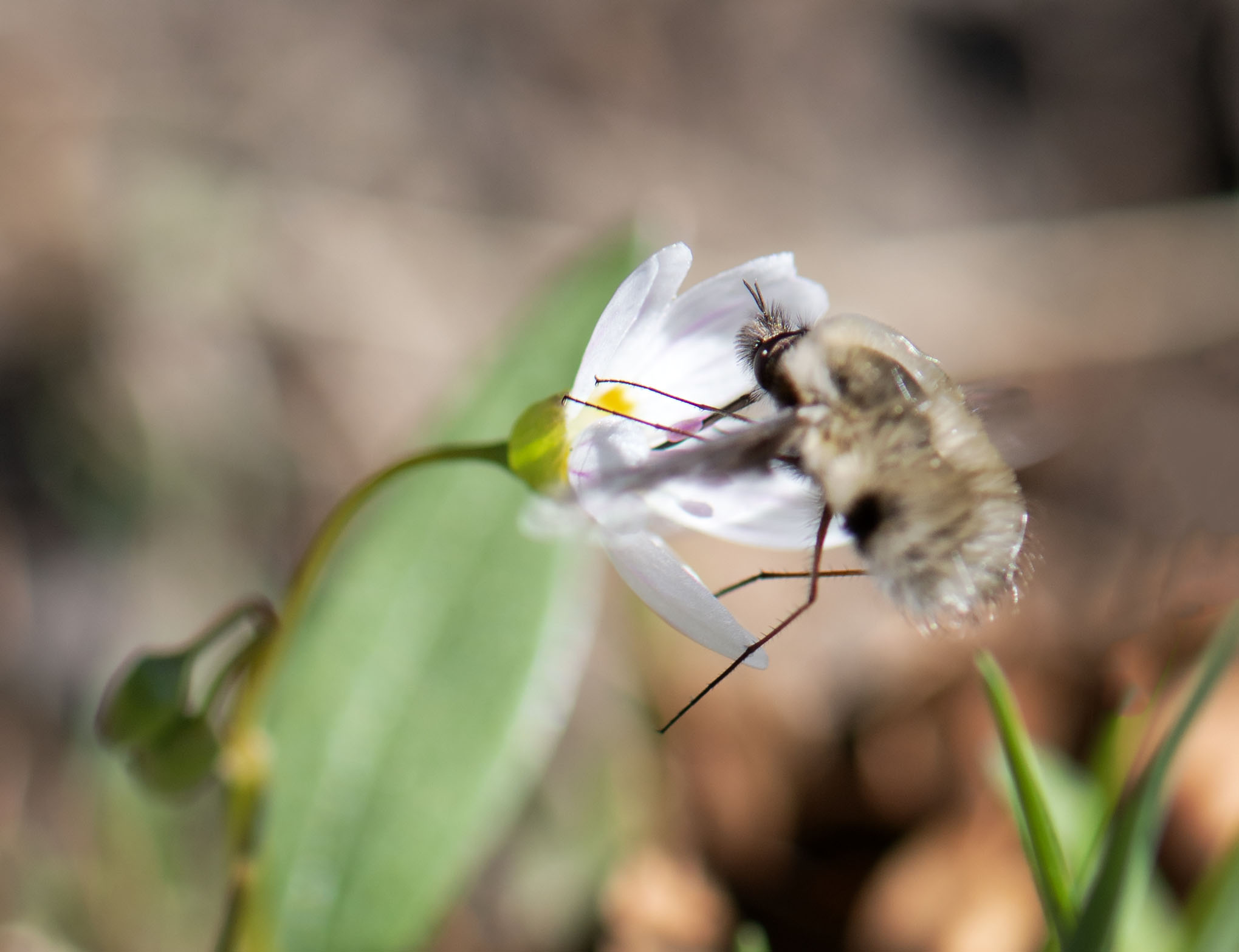
Gotta love these little guys with the long proboscis, spindly legs and fuzzball bodies pollinating the spring flowers.
 nature has no boss
You must be logged in to post a comment.