Parting ways

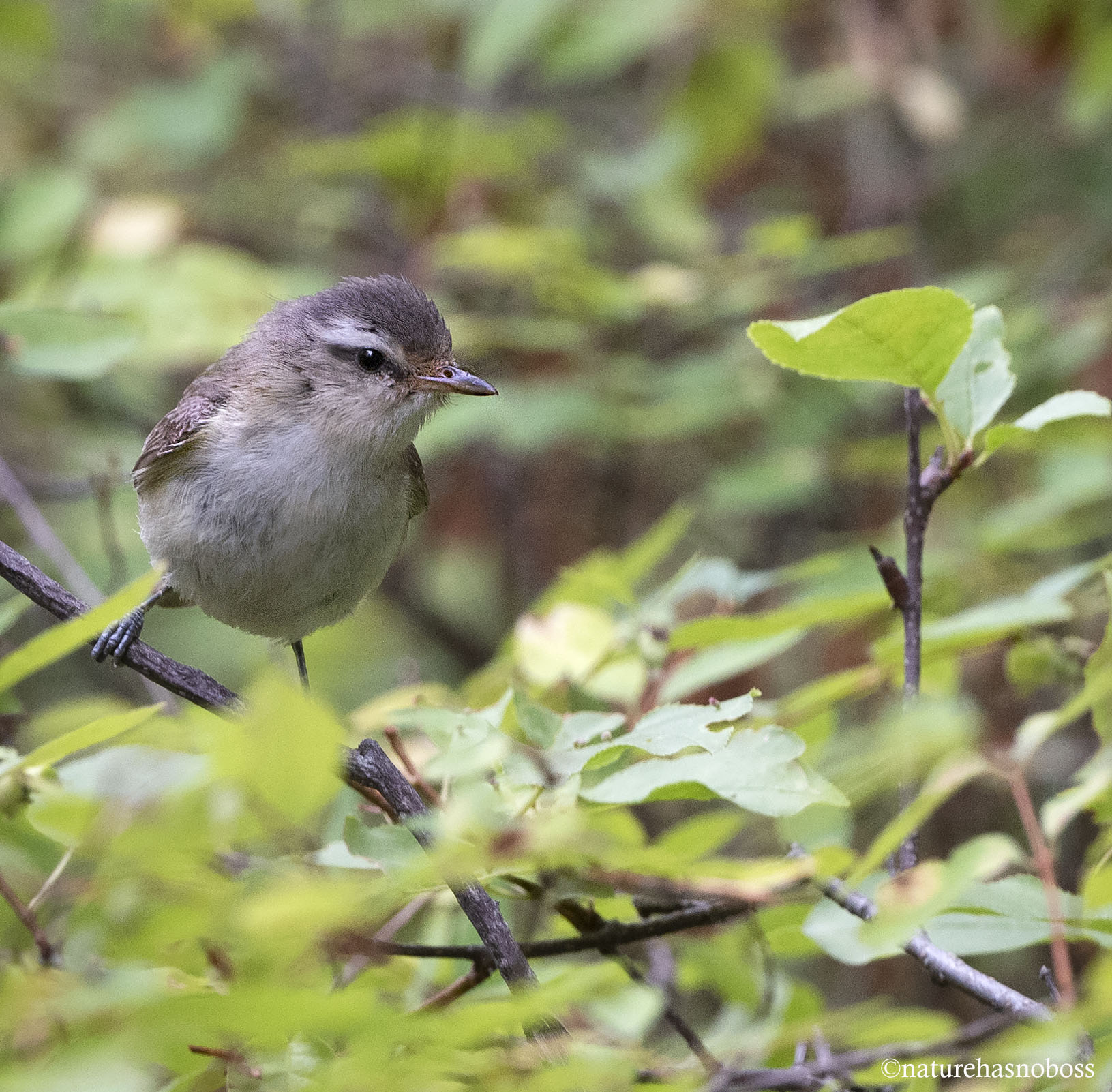
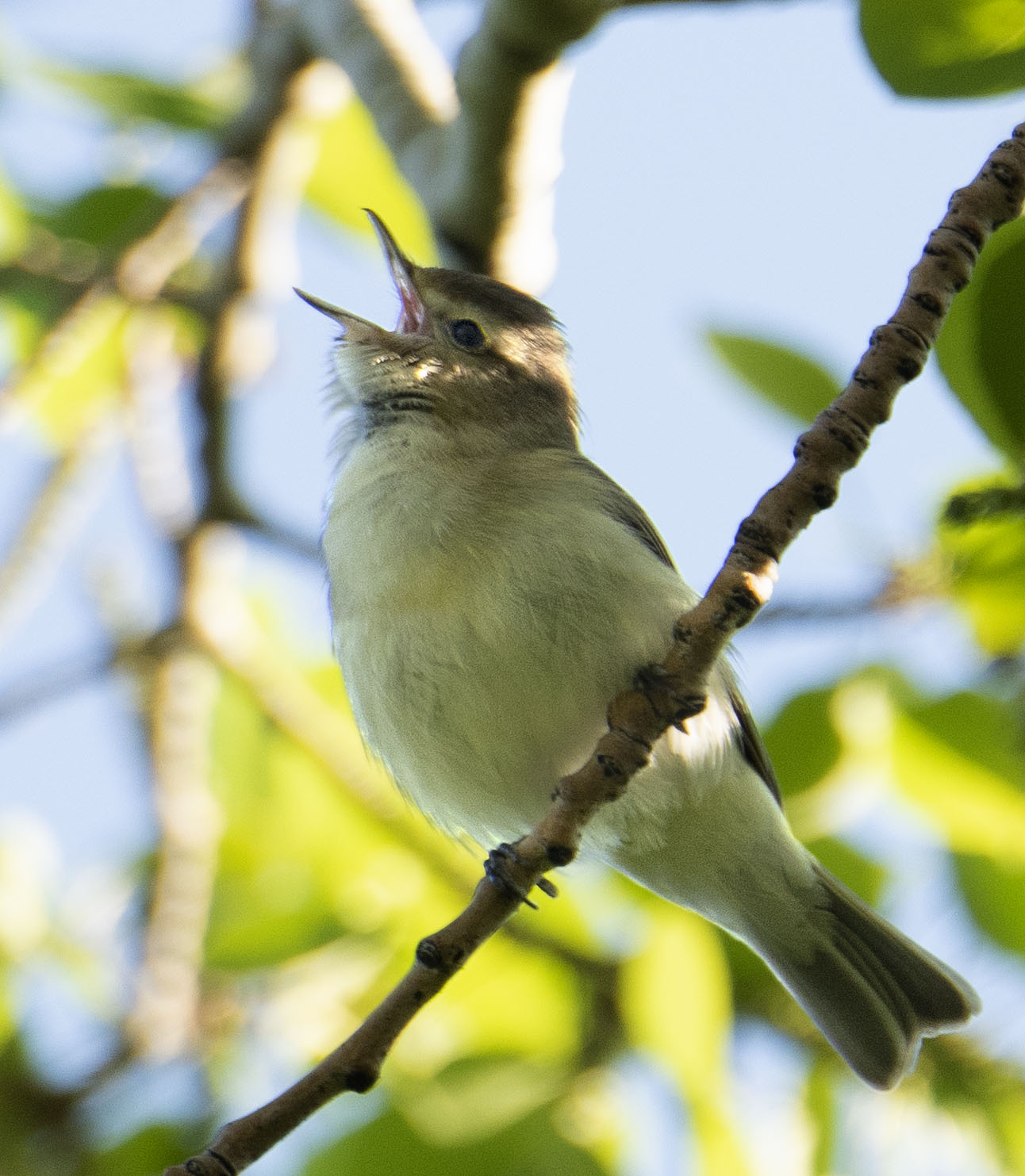
Late summer is always a bit of a down time for birders living in the more northern reaches. A time when the forest goes eerily silent and a feeling of loss seems to enter your heart. Thus it was a wonderful surprise to see this Warbling Vireo hop into plain sight a few days ago. While they look a bit low keyed they are prolific singers who had graced our forests with their songs most of June and early July. Then silence.

Before you leave

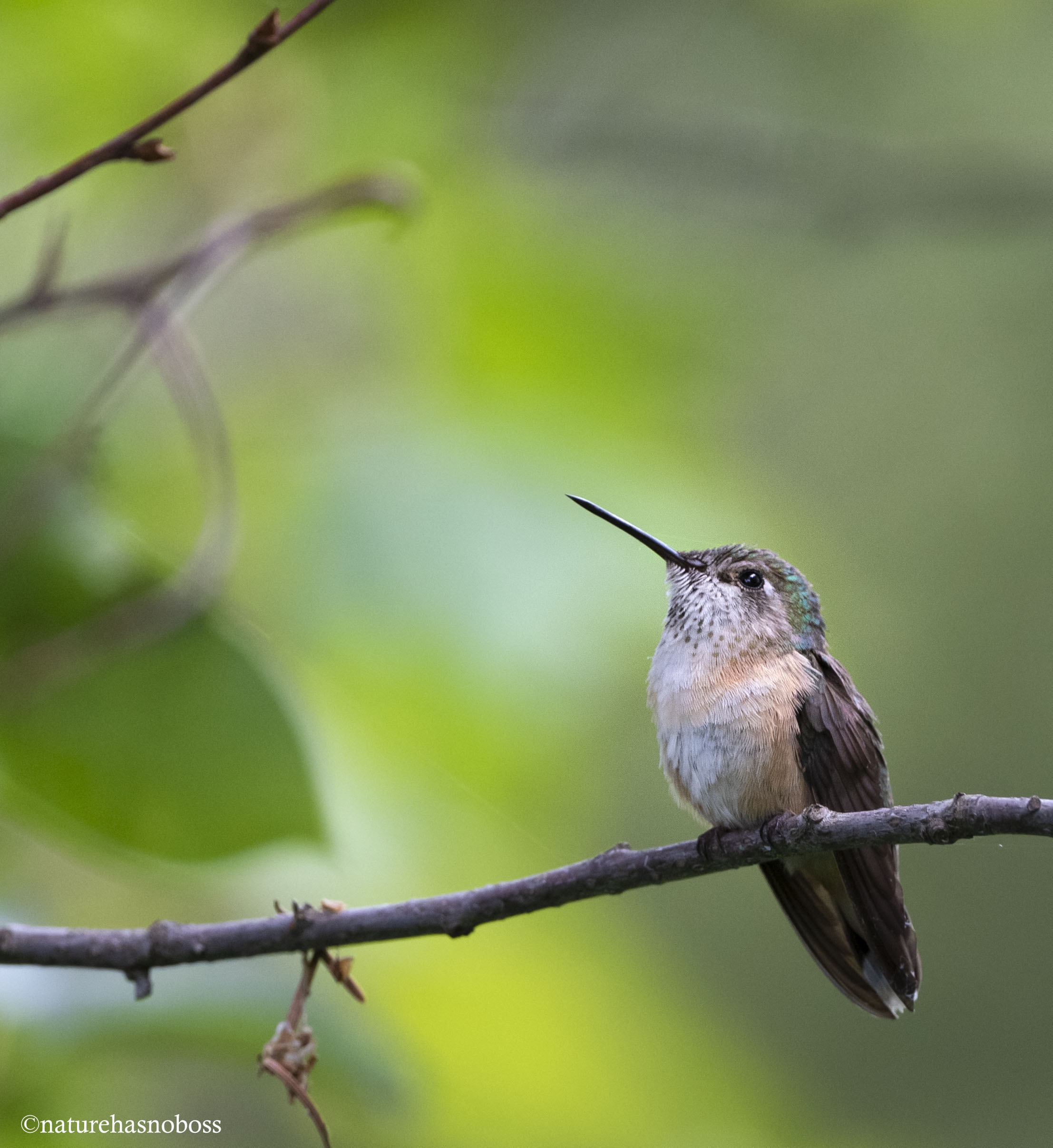
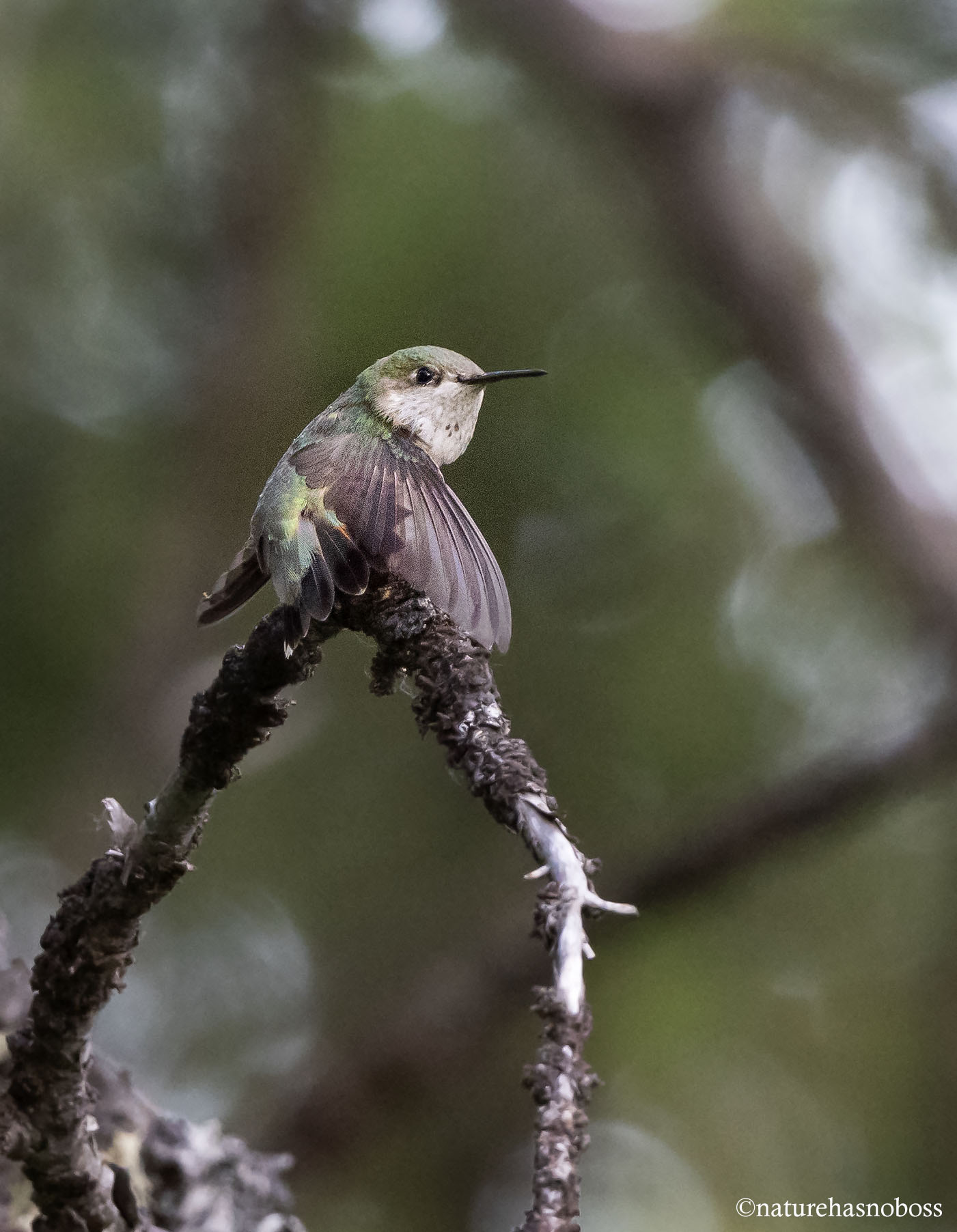
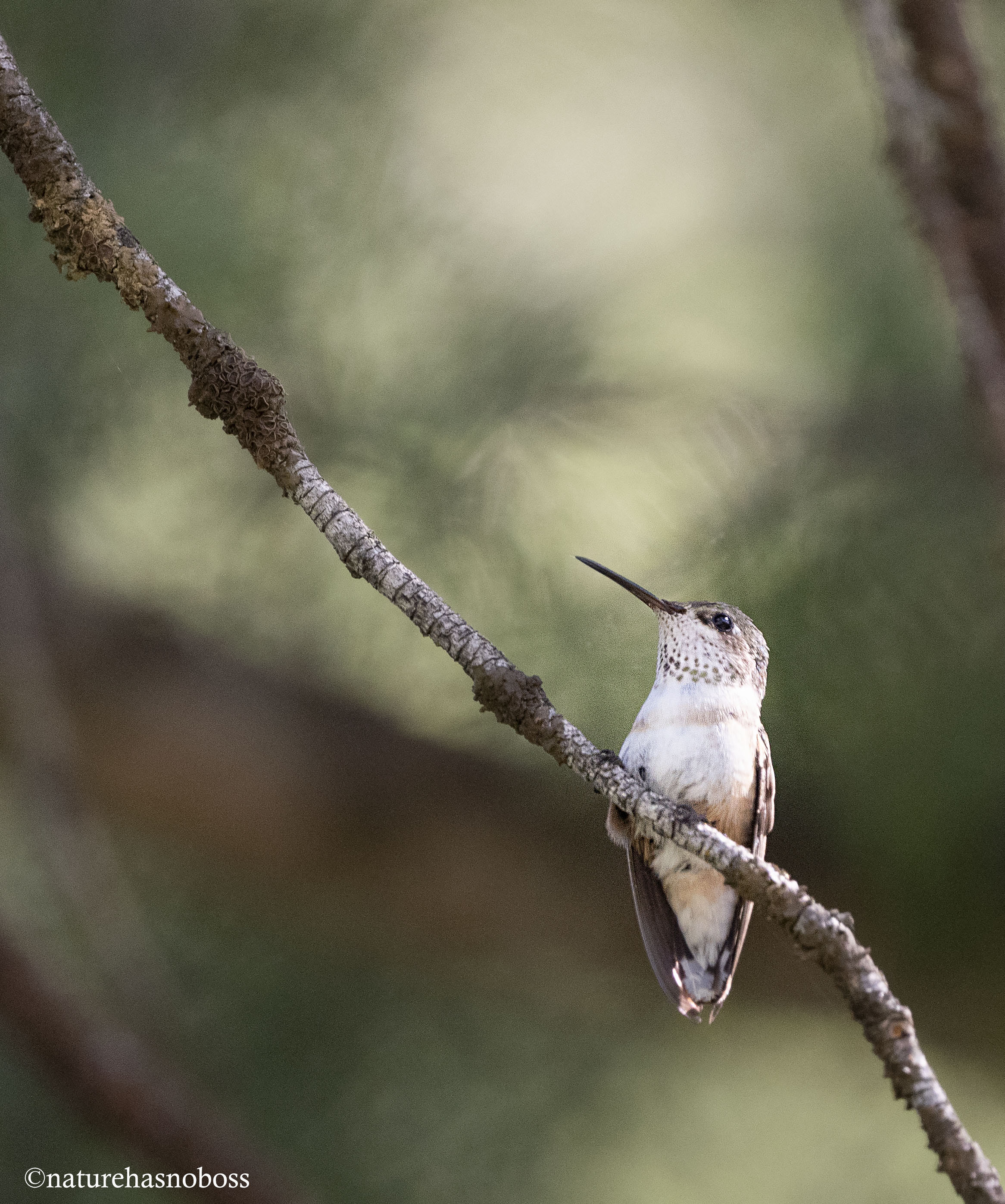
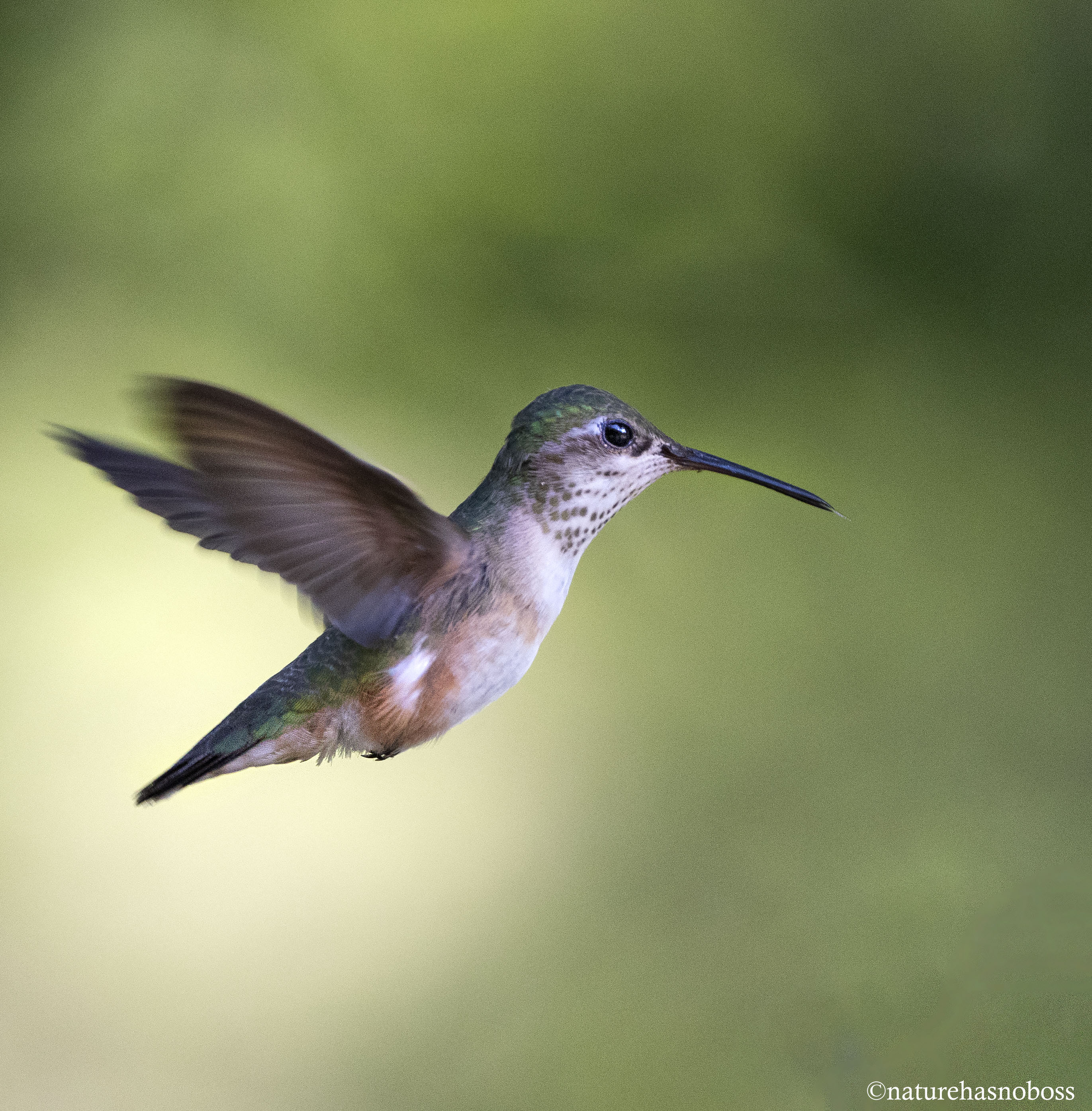
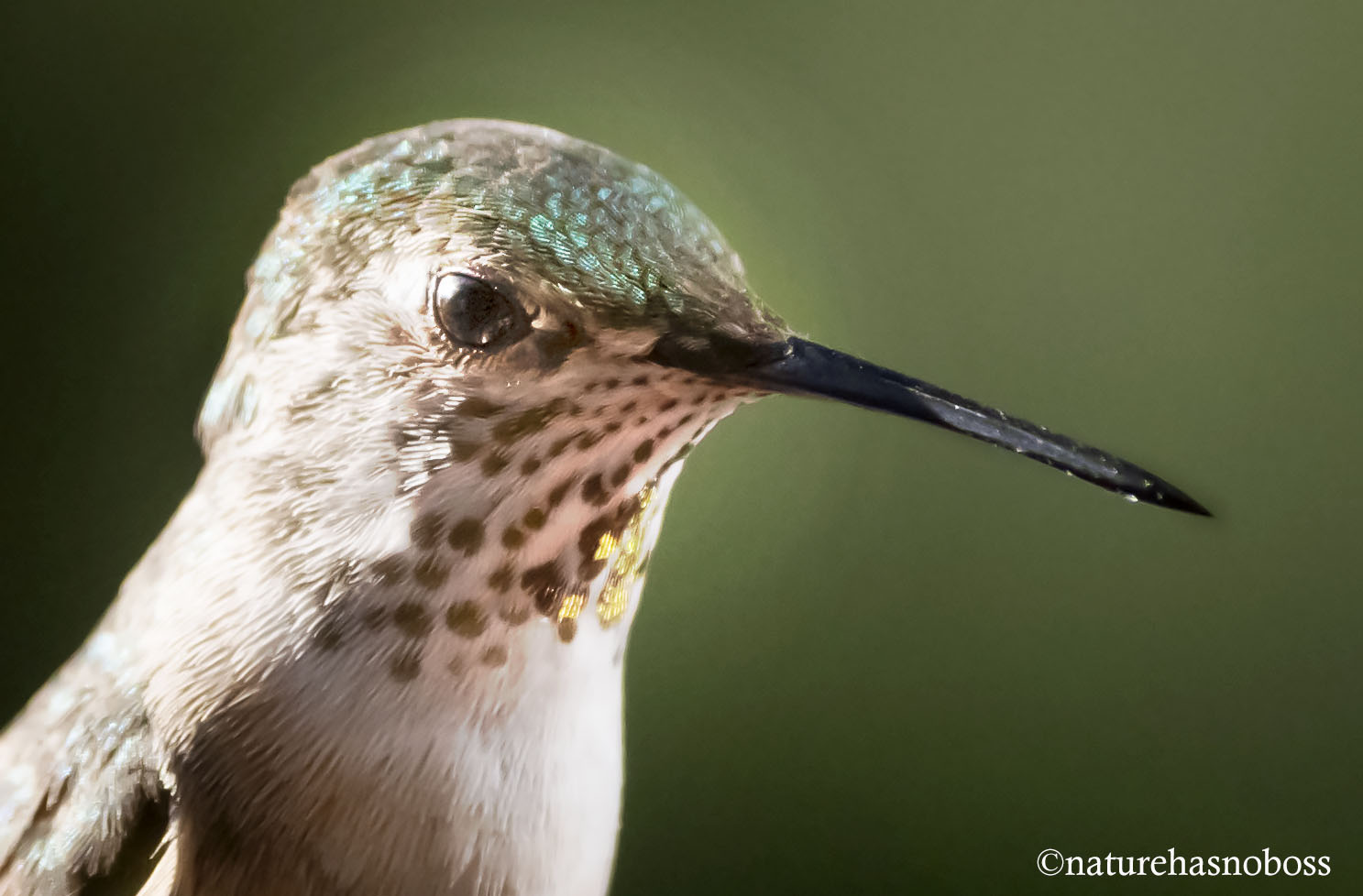
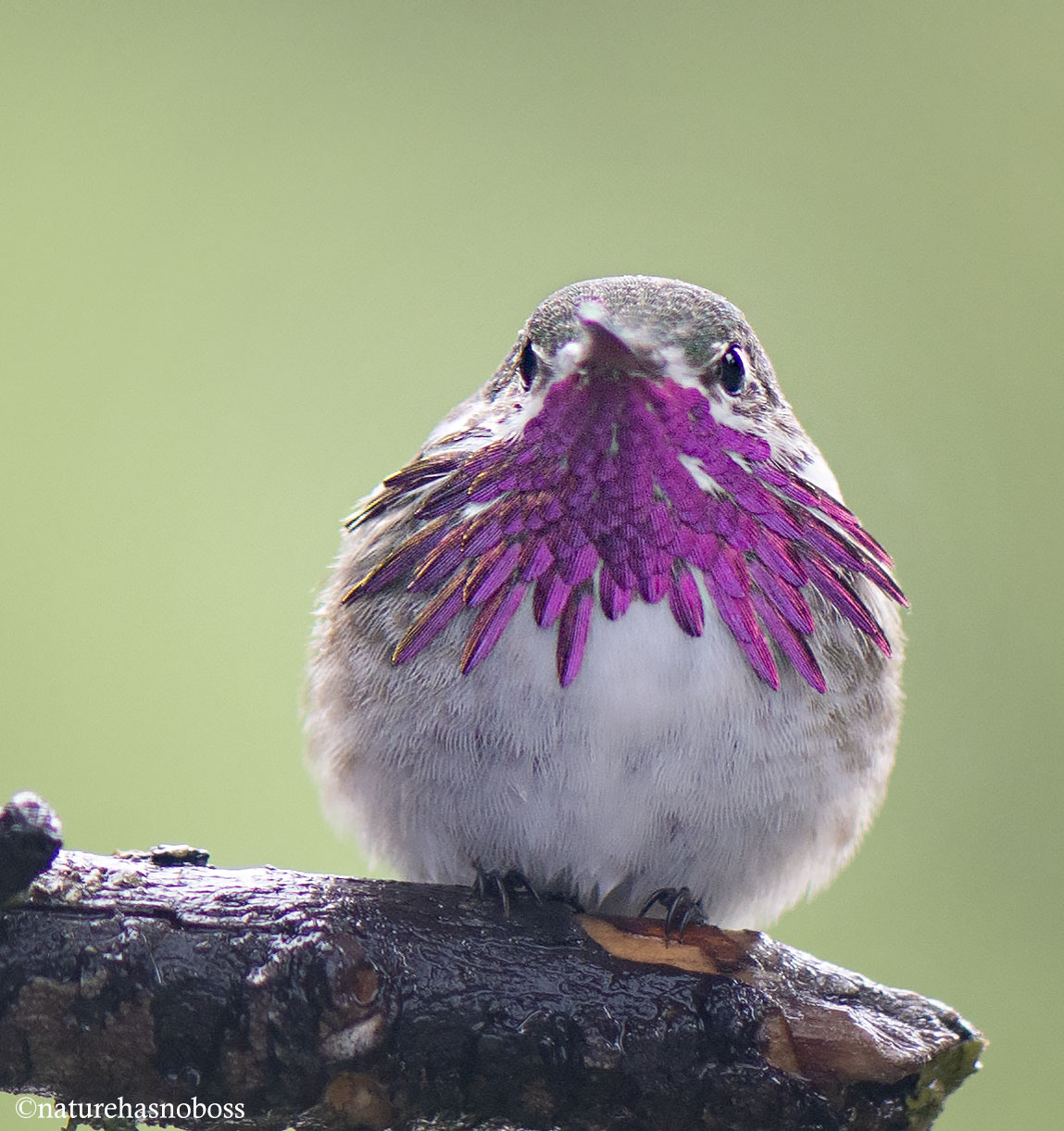
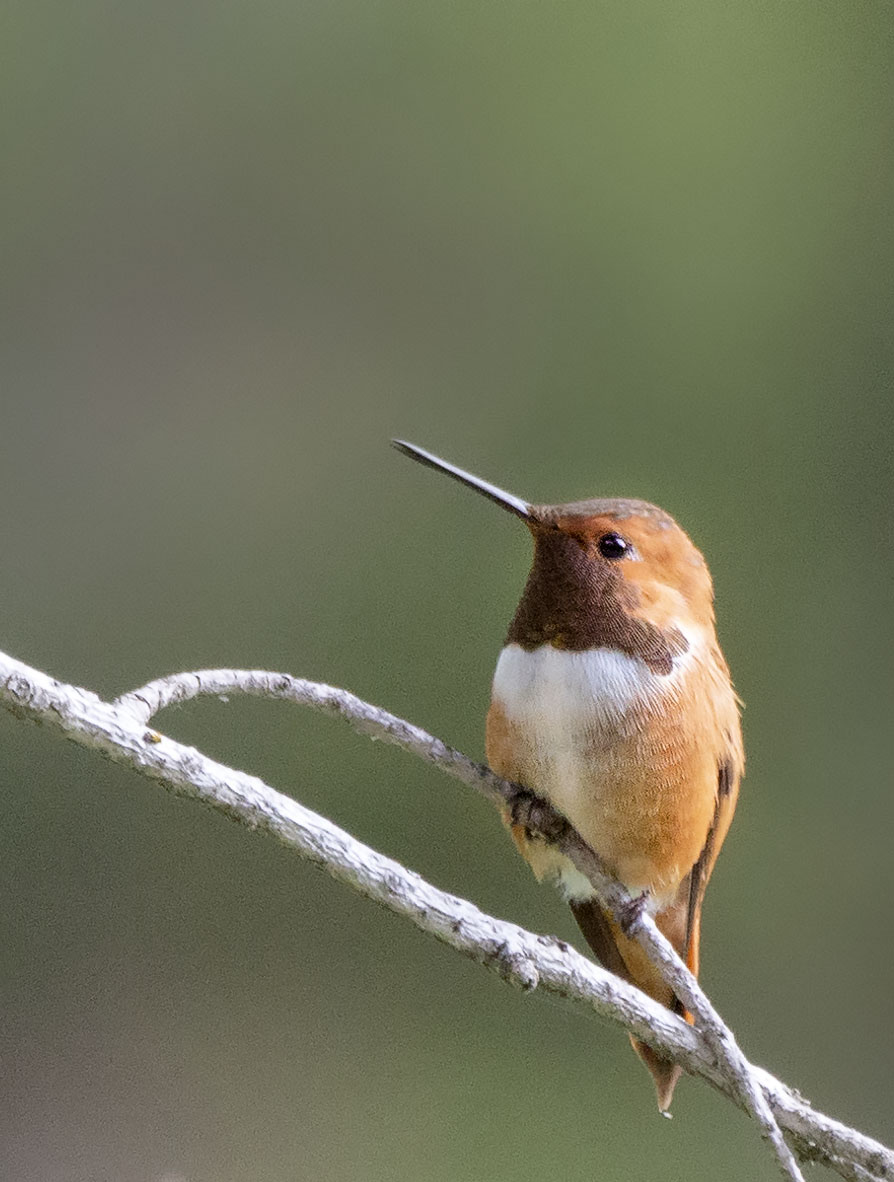
It’s hard to fathom but the time for one of our closest summer friends to depart for their annual journey south is very near. Typically by mid-August the small in size yet large in personality Calliope Hummingbirds begin their fall migration. This summer we have been blessed to have a handful of Calliopes living in the forest nearby and have enjoyed seeing them buzzing about the forest and also visiting the feeders in our yard.

Today we feature a few photographs of the females. Quiet and strong in every way.

The Calliope Hummingbird is the smallest bird in the United States. It weighs about one-third as much as the smallest North American warblers and about the same as a ping pong ball.

https://www.allaboutbirds.org/guide/Calliope_Hummingbird/overview

This tiny hummingbird is the smallest long-distance migrant in the world. Calliope Hummingbirds travel around 5,000 miles each year in a big oval from the breeding to wintering grounds. They migrate north along the Pacific Coast in the spring, but return to the wintering grounds in Mexico via an inland route along the Rocky Mountains.

https://www.allaboutbirds.org/guide/Calliope_Hummingbird/overview

We bid you adieu and look forward to seeing you soon. Perhaps we could visit you this winter?

Wising you a wonderful weekend.

Strutting their stuff

Strutting their stuff

Two male goldeneyes working hard to impress a female in the late afternoon light. These guys will likely only be around here a few more weeks. As spring arrives most of the waterfowl leave my area. Their yearly coming and going gives rhythm to life. Have a great trip north and someday I hope to join you.

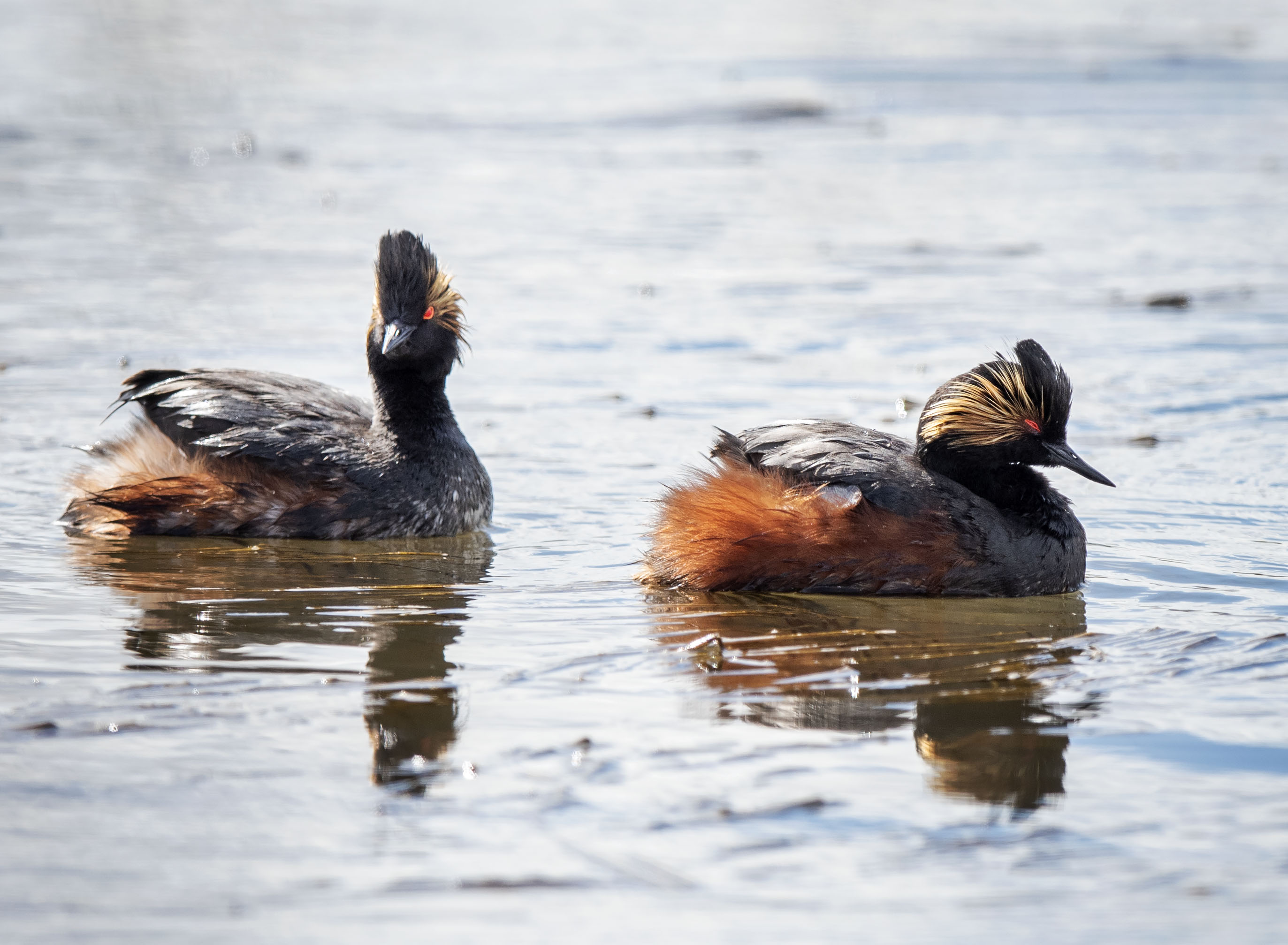
Eared Grebes

Gang_of_grebes_12143

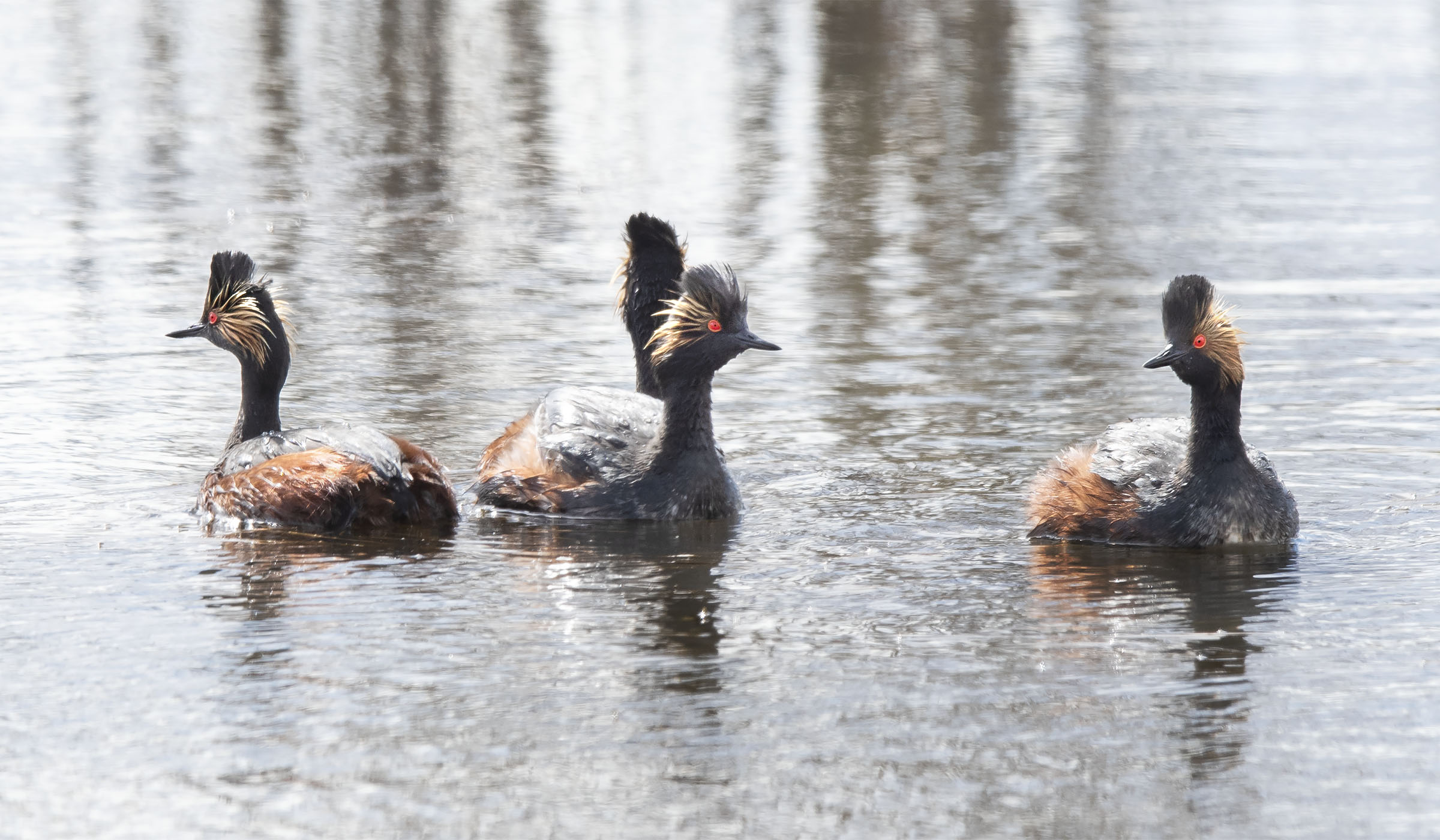
A small group of Eared Grebes patrolling the waters on a nearby reservoir as they migrate north towards their breeding grounds. I guess it’s those cinnamon red-hot eyes that give them such an intense look as well as their alert posture but they sure look like  a tough lot to me.

Eared_grebes_9012145

According to the All About Birds website eared Grebes spend 9-10 months of the year flightless. This is the longest period of flightlessness of any bird species capable of flight. Beautiful Birds and always a pleasure to observe.

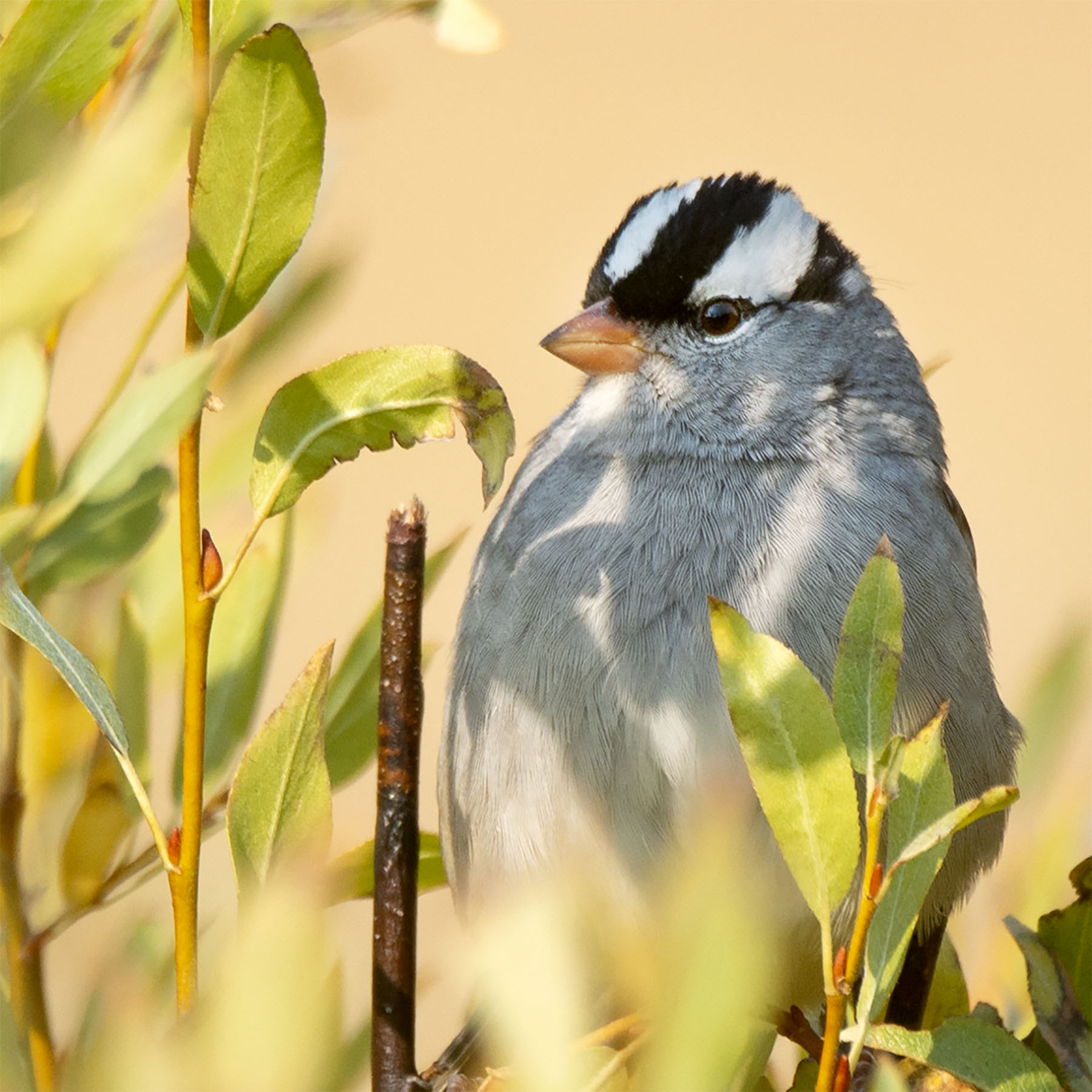
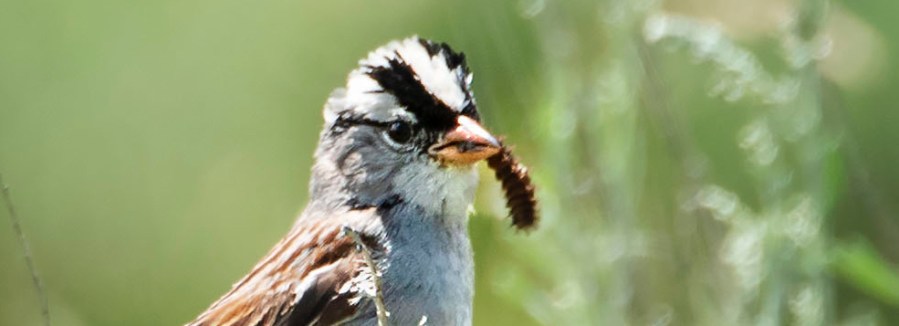
A common pesticide delays migration and causes significant weight loss in white crowned sparrows.

Neonicotinoids are the most commonly used class of pesticides in the world protecting crops from insects but not without untoward side effects including killing beneficial insects that pollinate the crops we need. Additionally this class of pesticides has been show to have negative effects on songbirds in laboratory studies.1 Migrating songbirds frequently forage and ingest seeds treated with these pesticides during their migrations. Until now the effects of neonicotinoids on free living wild birds had not been studied.

As reported by Kristine Liao in Audubon:

“A new study published online today in Science provides the first evidence that neonics harm songbird populations in the wild. University of Saskatchewan researchers found that White-crowned Sparrows that consumed small doses of a neonic called imidacloprid suffered rapid weight loss and delayed migration, both of which can hinder birds’ survival and ability to reproduce.”2

This is an interesting study where researches captured free-living White Crowned Sparrow and feed them them either a low dose, high dose pesticide or a control meal as well as fitting them with a tiny radio transmitter that allowed  the freed birds to be tracked over a 100,000 square-kilometer area.

The sparrows fed the highest dose lost on average 6% of their body weight and 17% of their fat reserves both of which are vital for fueling successful migrations.3 Sparrows who consumed the pesticide then delayed their migration between 2-4 days compared to the control fed birds.

As for the potential consequences of songbirds delaying their migration in response to pesticide intake, one of the studies authors, Bridget Stuchbury,was quoted in a report by Smithsonian as saying:

“that extended rest stops can leave birds—already disoriented by the toxic chemical—vulnerable to predators. At the same time, she explains, late arrival to a final migration destination may reduce a bird’s chances of finding a mate, particularly if it has a shorter breeding season.”

Neonicotinoids are considered cheap insurance against insect-pests for many crops including corn, canola and soybeans and one of the most widely-applied pesticides in the world. The scientific evidence is now clear that these pesticides have harmful effects on bees, fish and now bird populations. How much more evidence will be required before we stop using these chemical willy-nilly… Before, or after,  we loose innumerable bees, birds and fish?

References:
1. https://www.sciencemag.org/news/2019/09/common-pesticide-makes-migrating-birds-anorexic

2. https://www.audubon.org/news/a-widespread-pesticide-causes-weight-loss-and-delayed-migration-songbirds

3. A neonicotinoid insecticide reduces fueling and delays migration in songbirds. Margaret L. Eng, Bridget J. M. Stutchbury,  Christy A. Morrissey, Science  13 Sep 2019:Vol. 365, Issue 6458, pp. 1177-1180.  DOI: 10.1126/science.aaw9419

Roosting

Roosting

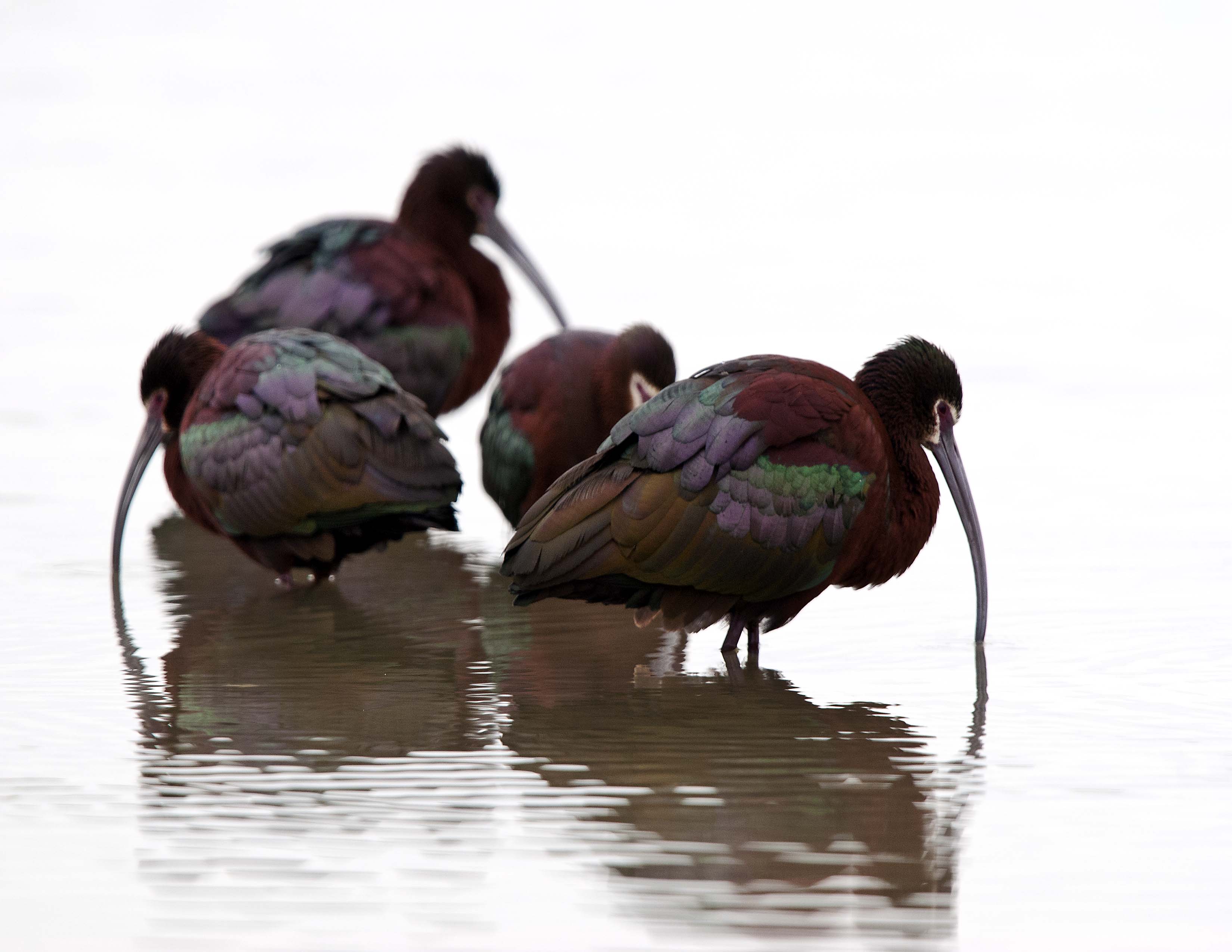
Early one morning we spotted these White Faced Ibis resting on a local lake. Not a common sight around here and within a half hours after taking this photo they flew off. I have yet to see them on this lake again.


For the next couple of weeks we will be posting some of our favorite posts from the past as we take a small respite from the digital world.