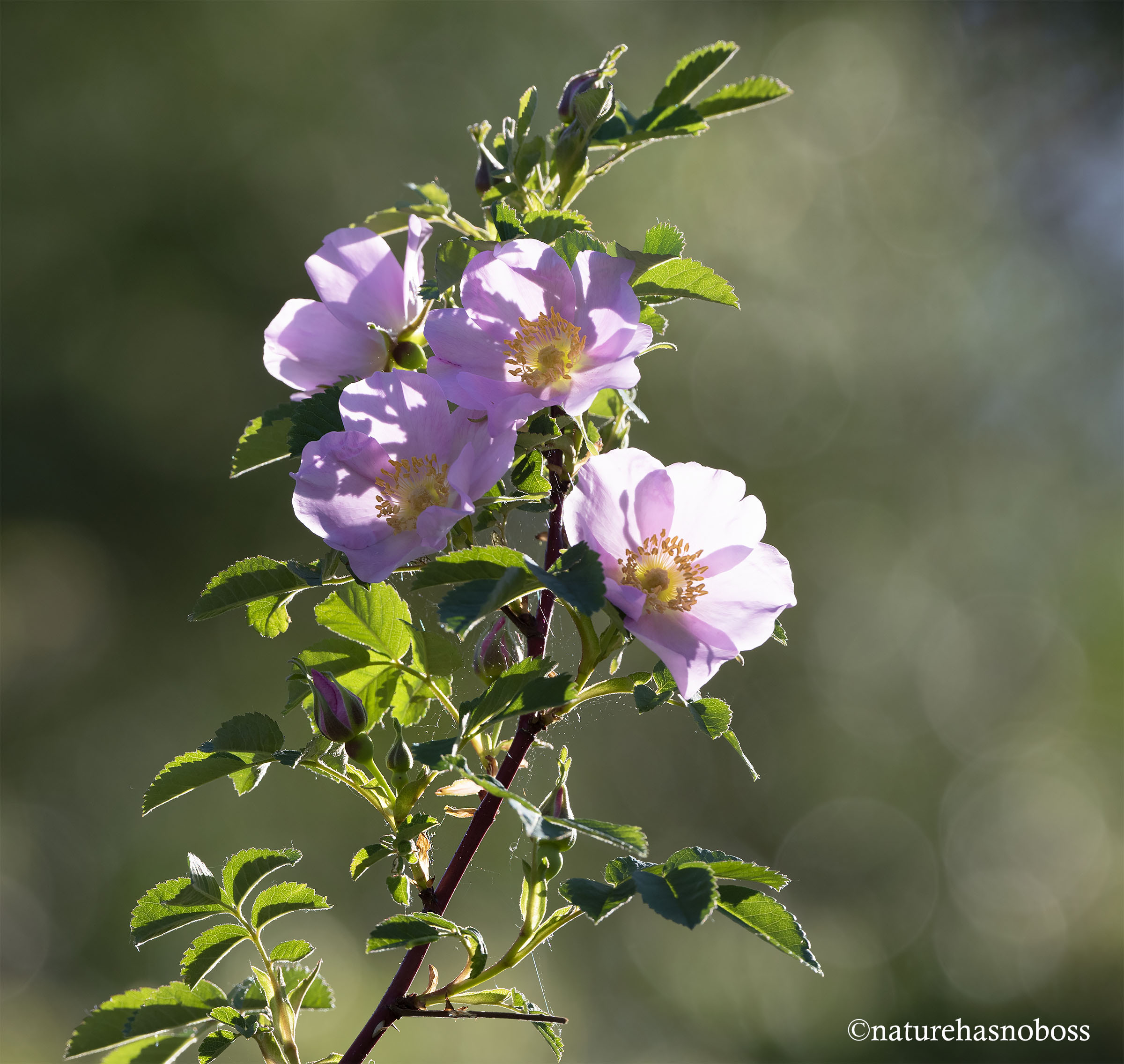
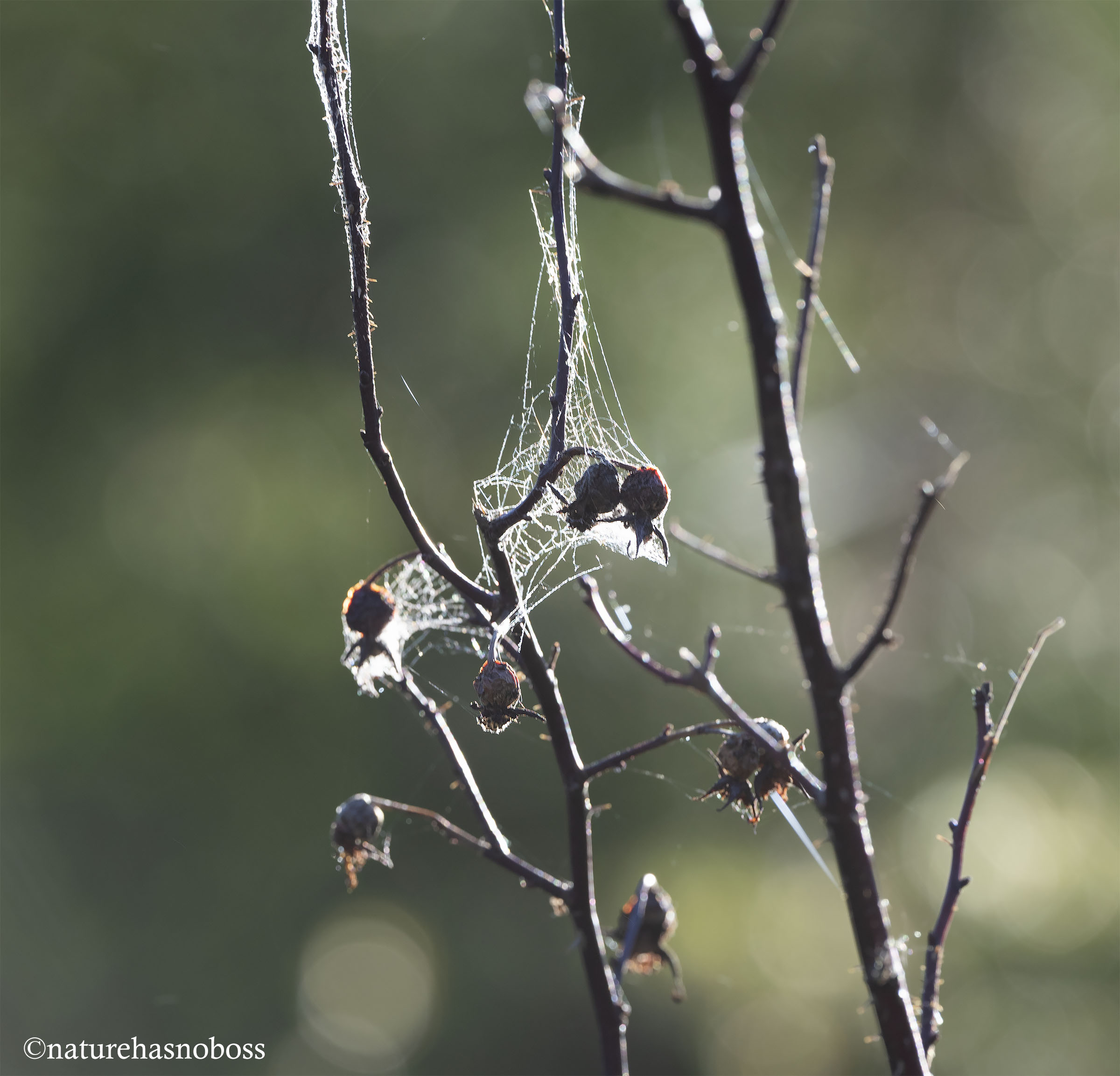
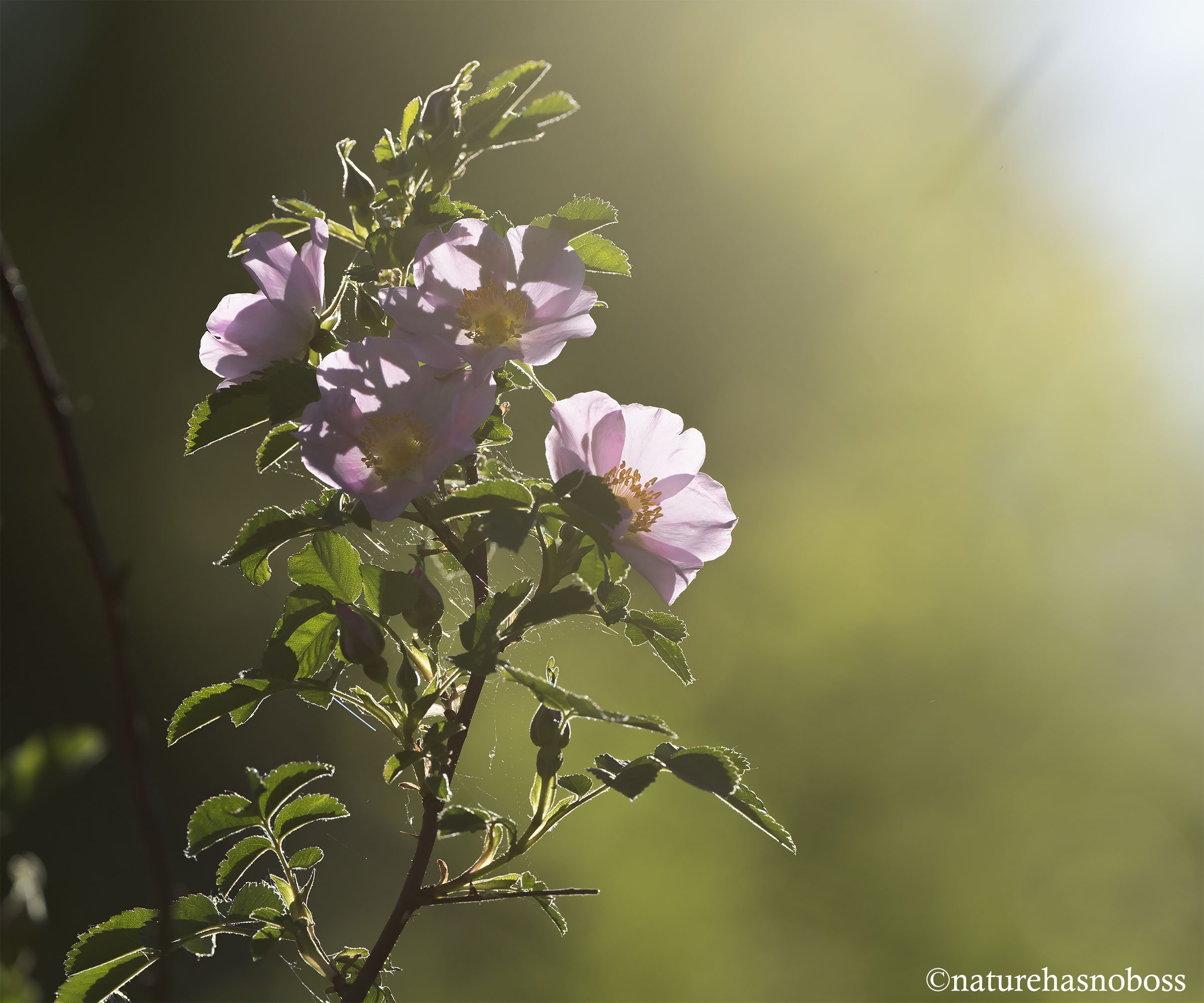
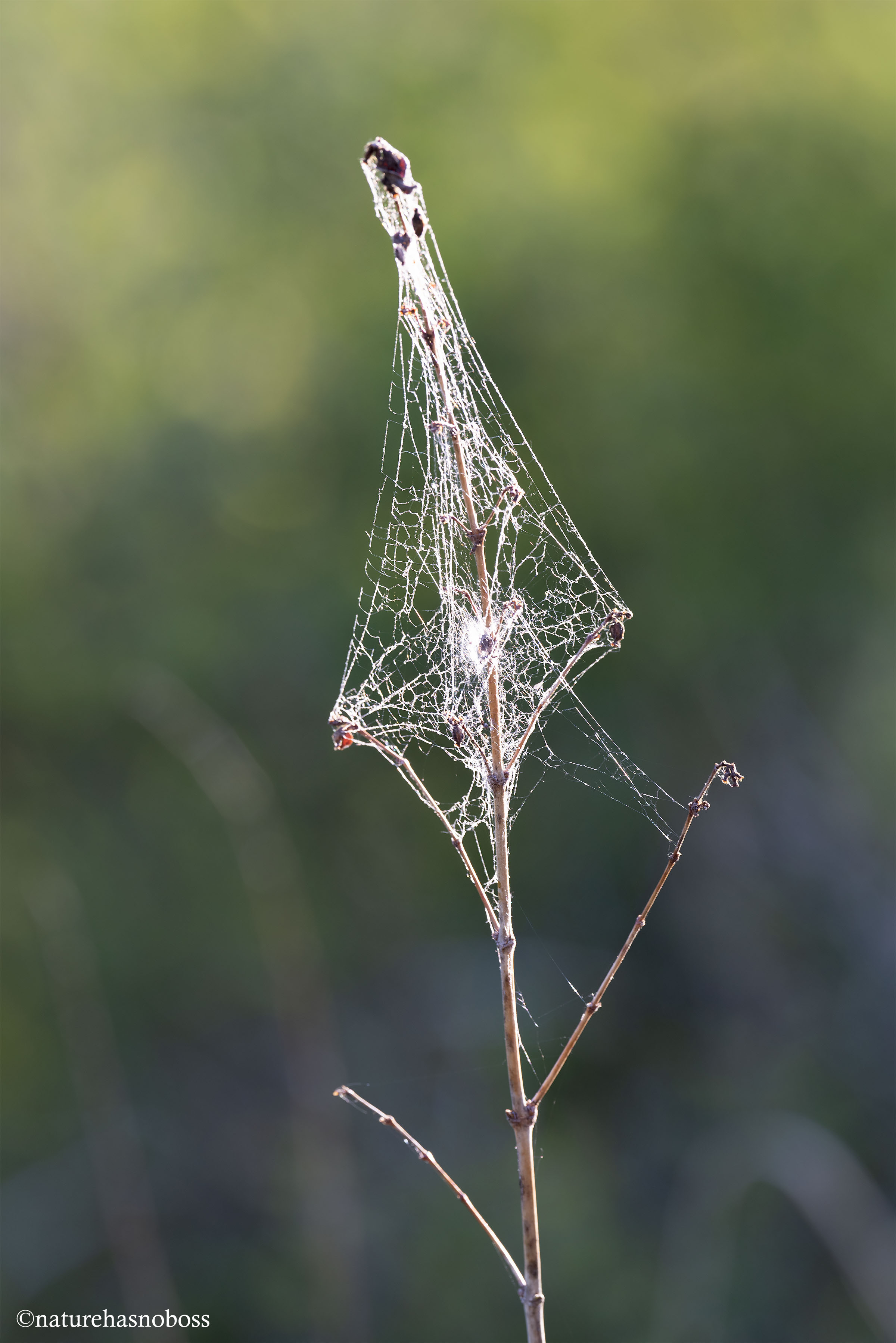
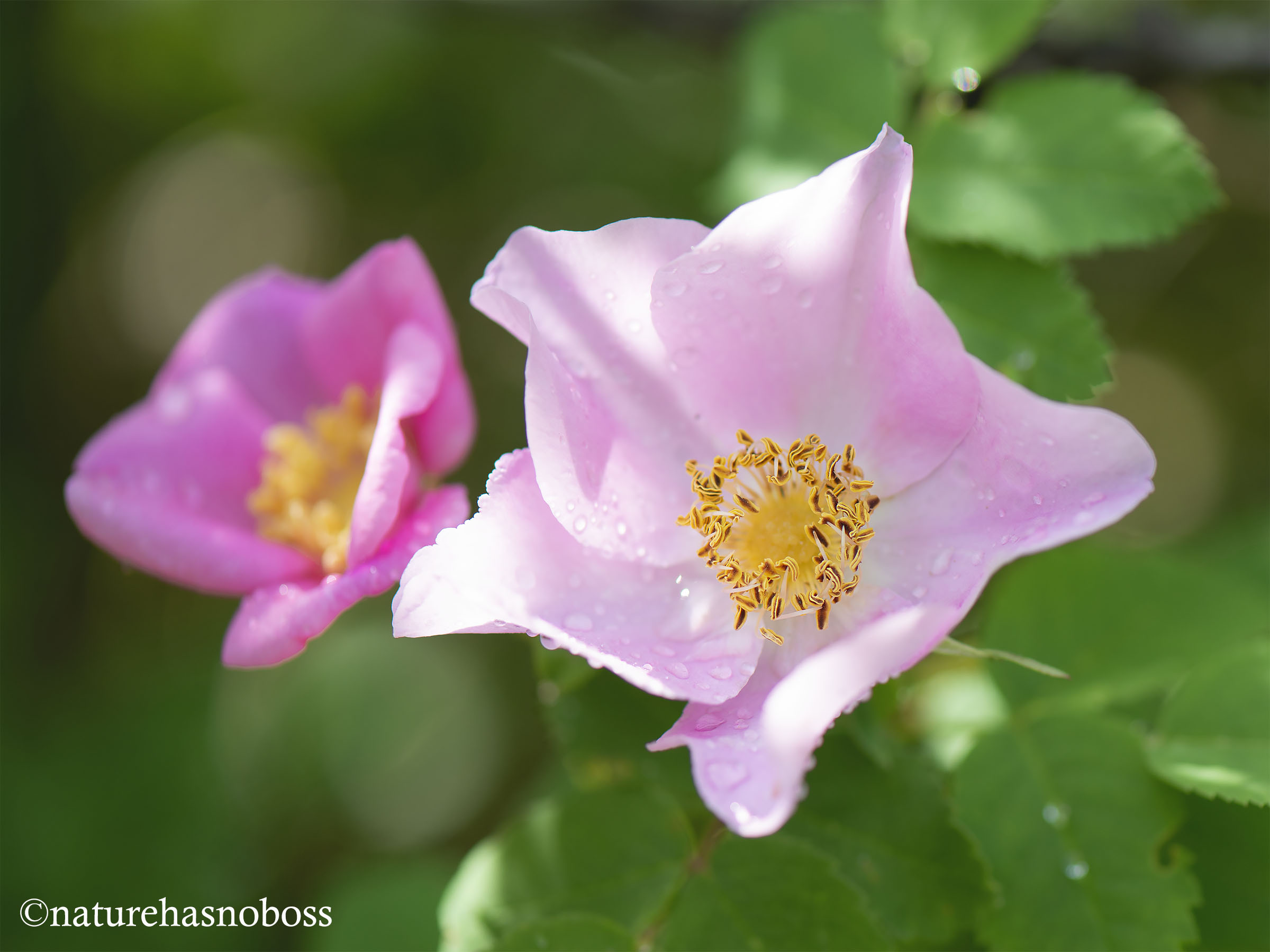
Just a couple of weeks ago the wild roses along the road were in full bloom and evening light made them oh so appealing. Yet just a few steps away were older rose bushes rose-hips still attached and full of cobwebs.
As we walked this road the pattern seems to repeat young and old, new and old over and over again.
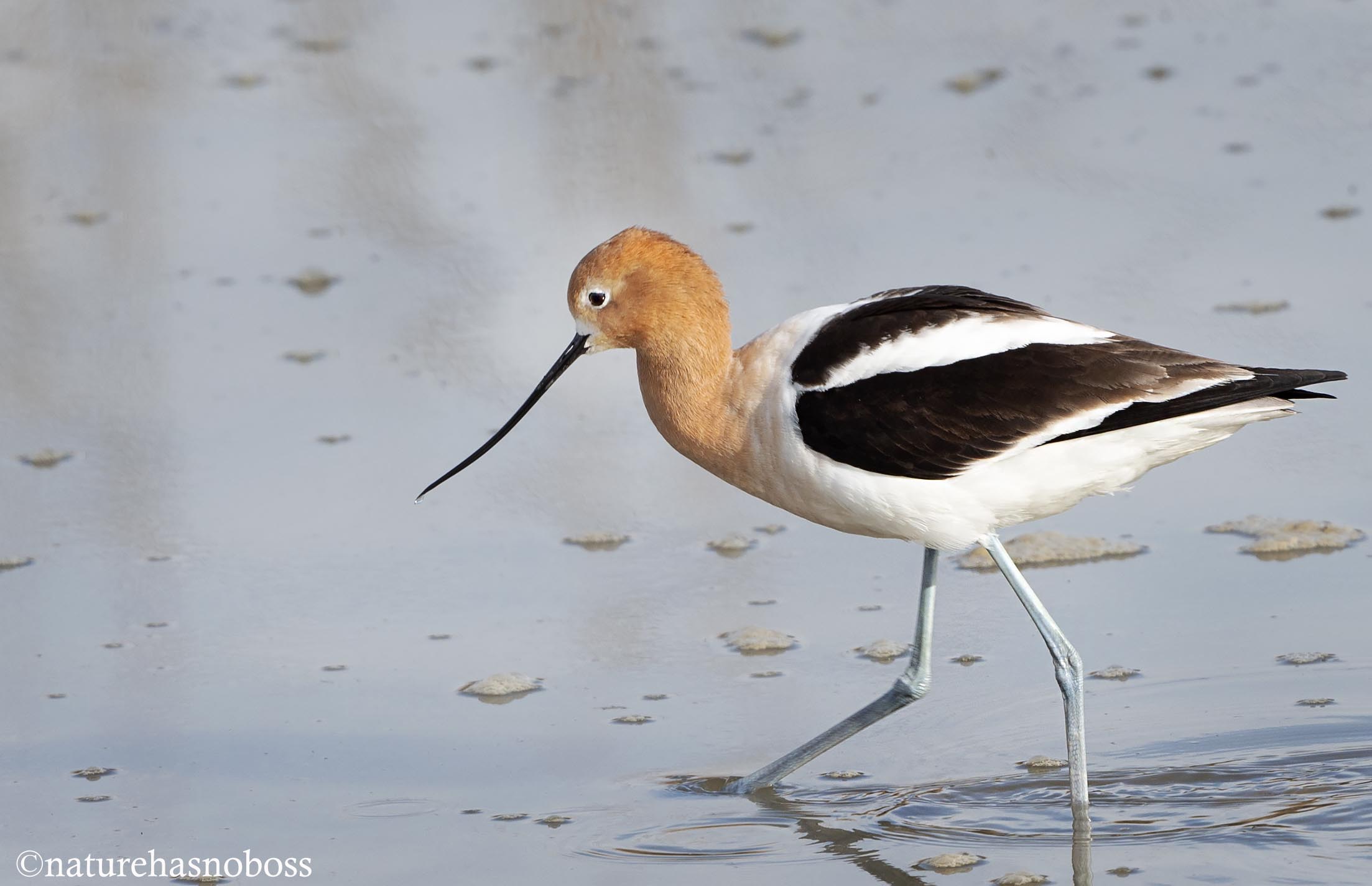
Always looking delicate and elegant and with those beautiful blue legs in full display and American Avocet wades through a shallow poll in search of a meal earlier this spring.
It’s hard to believe many wading birds will soon begin the perilous journey back south for the winter. Given this summers heat wave across the American west we hope some the the pools and ponds these birds rely on for their fall migration have not dried up to the point of leaving them high and dry. Migration is a dangerous business and climate change is making it more dangerous every year.
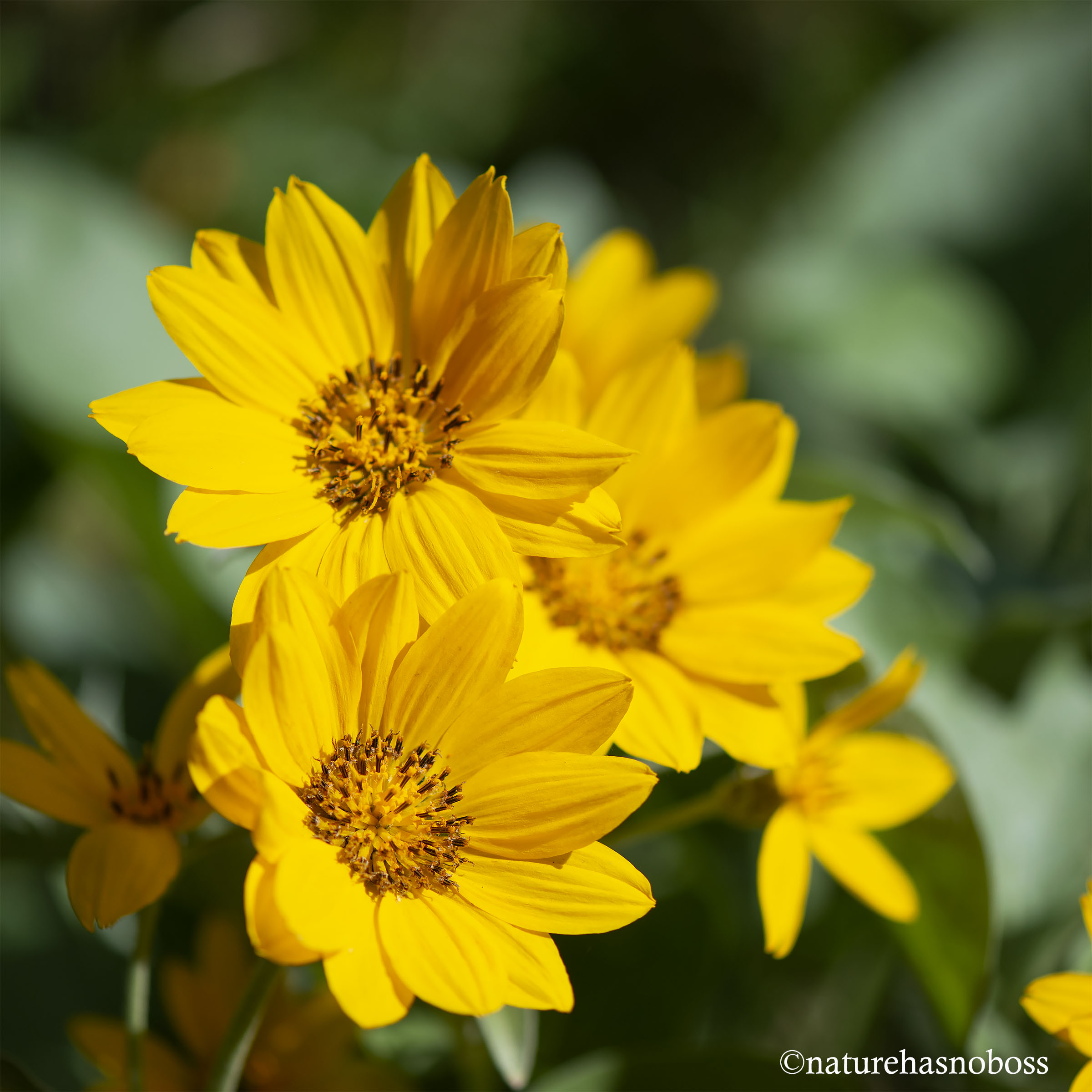
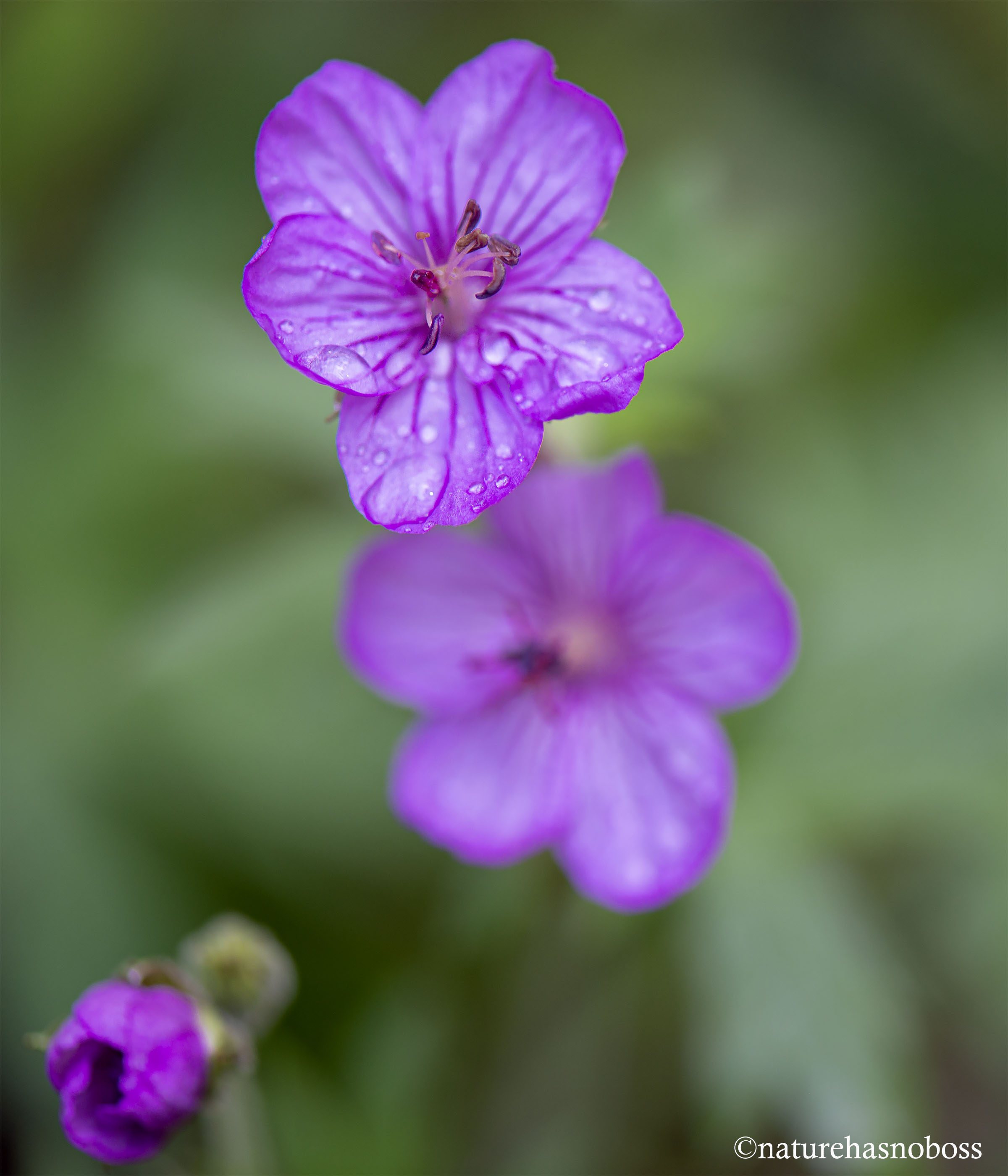
With summer chugging along at breakneck speed a small bouquet of wildflowers, picked via camera, from a recent mornings walk feels a fitting way to start another week.
oh, and don’t forget to stop and smell the roses. They just don’t last that long.
Lupine, Wild Rose, Arrowleaf-Balsamroot and Sticky Geranium.
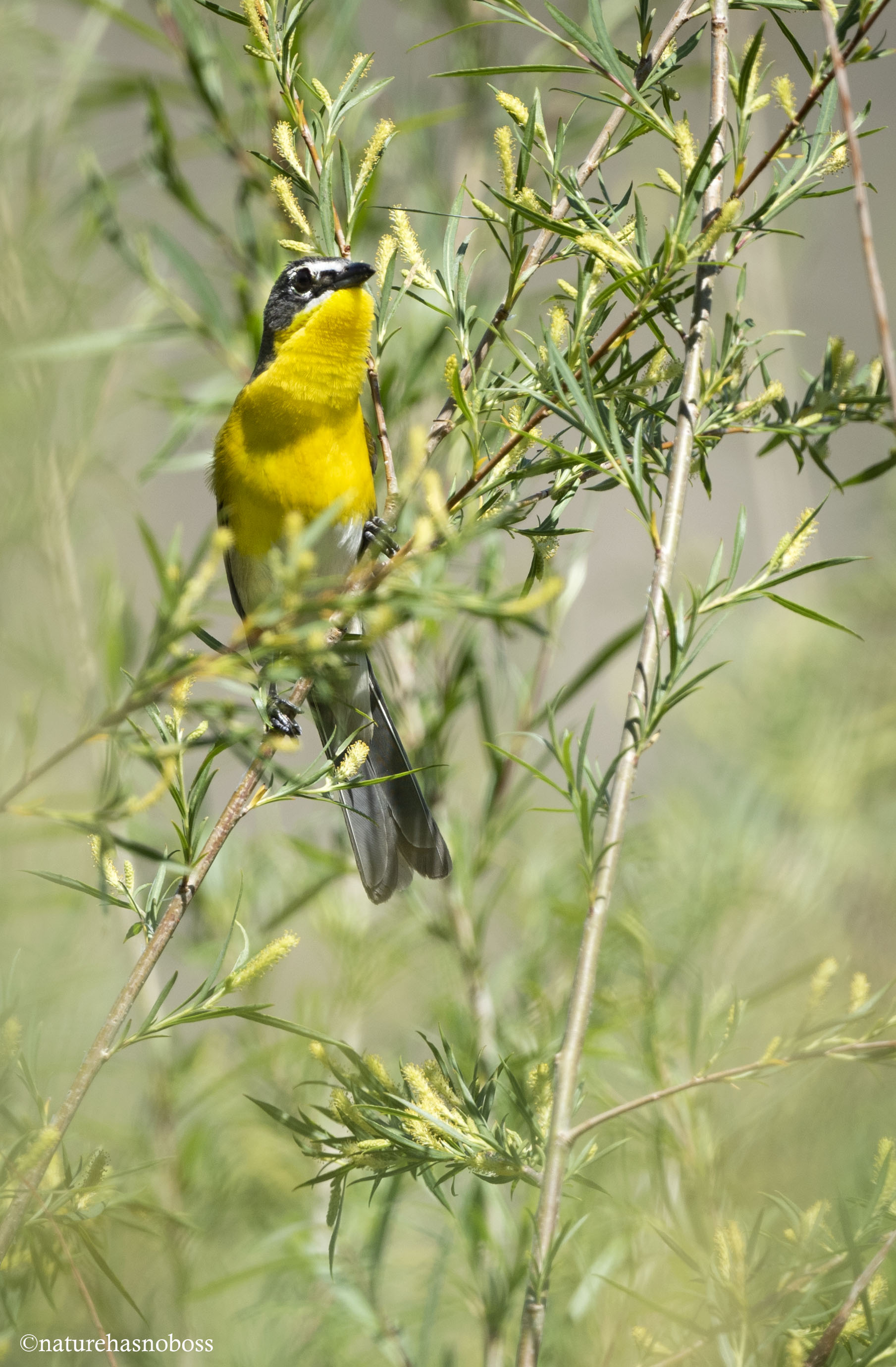
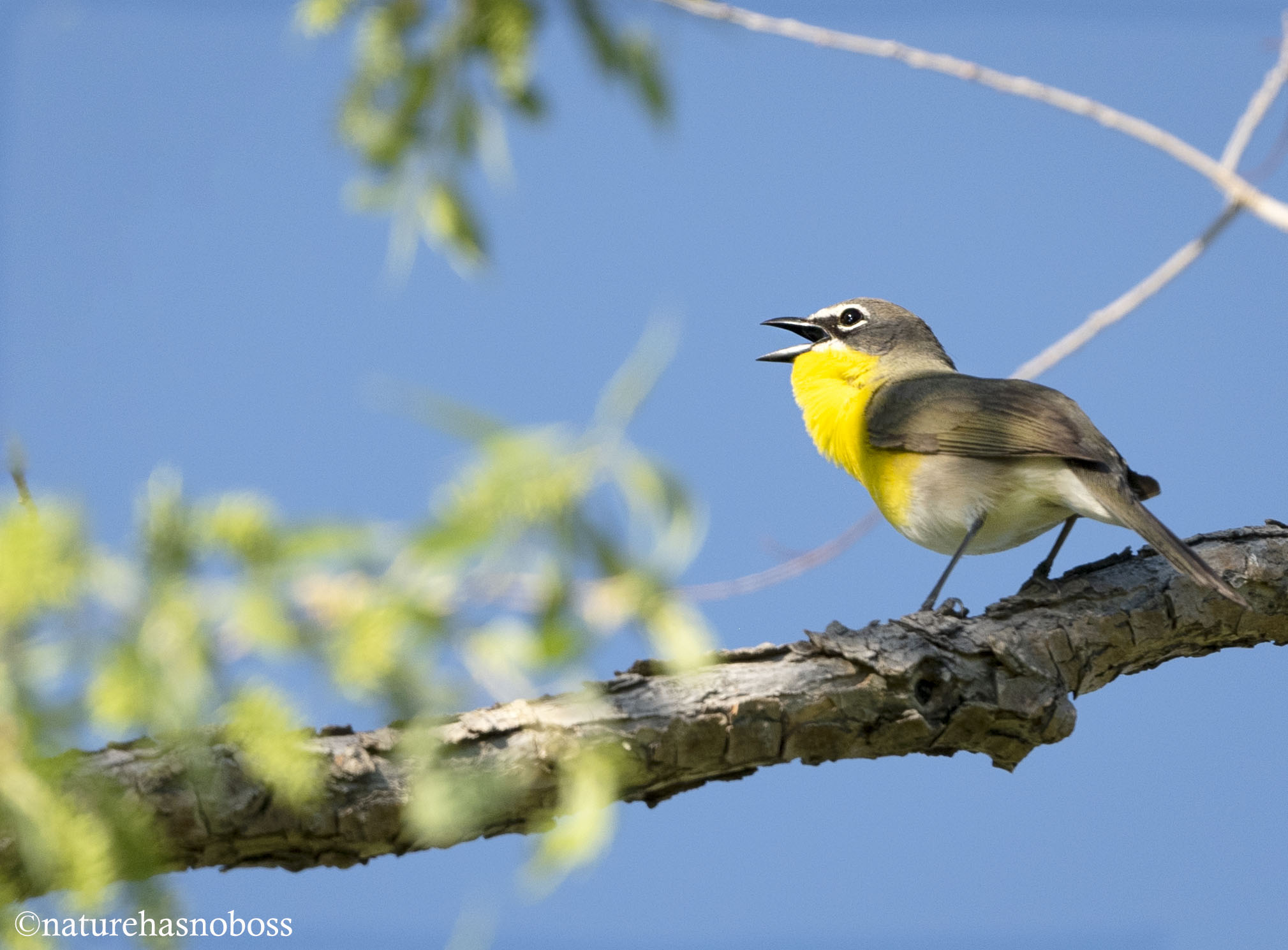
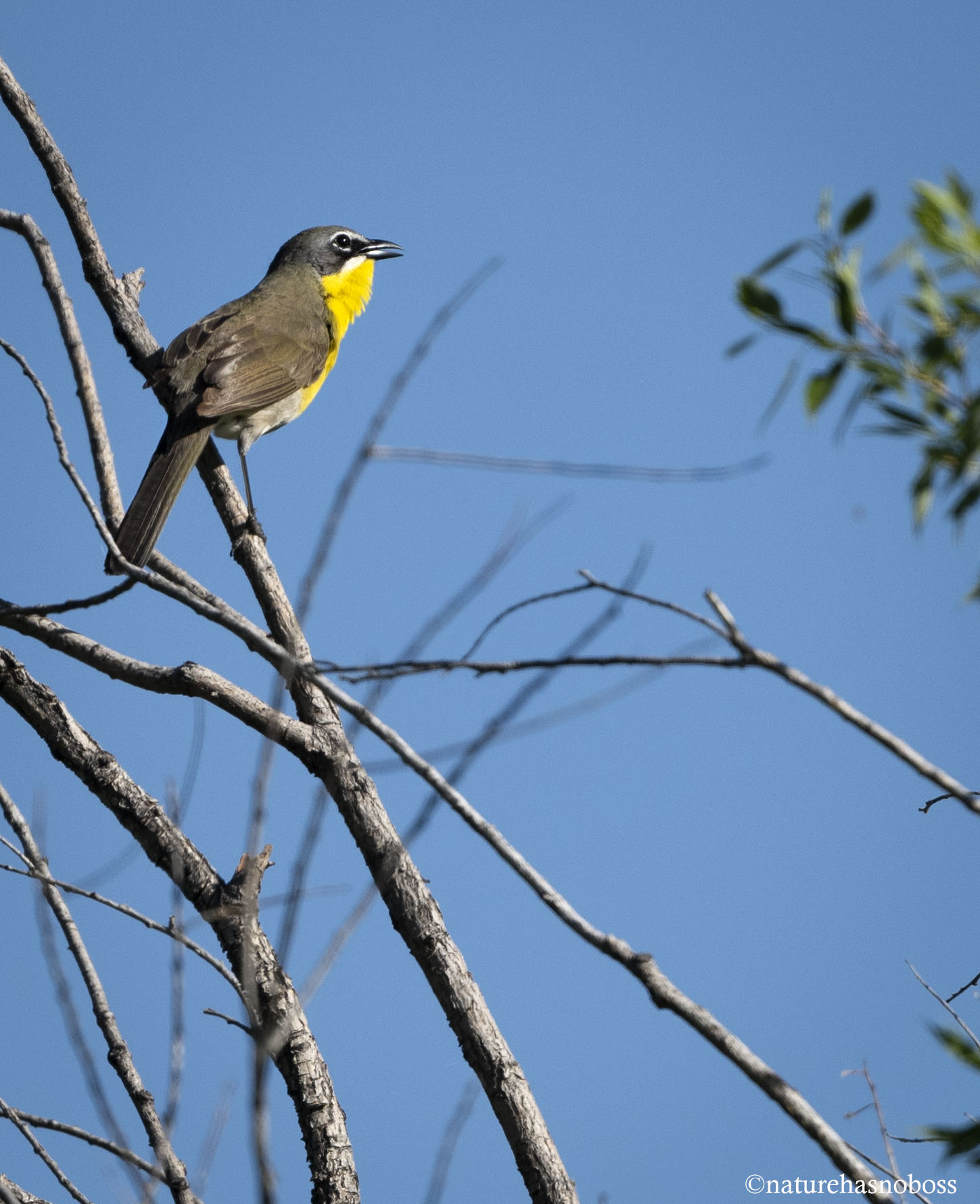
There is a unique pleasure associated with spending a night camping next to the homes of a couple a male Yellow-breasted Chats during the spring courting season. Prolific singers in early morning and evening light but it was the all night singing during the breeding season that made for a memorable experience.
Males have a large repertoire of songs made up of whistles, cackles, mews, catcalls, caw notes, chuckles, rattles, squawks, gurgles, and pops, which they repeat and string together with great variety.
That all night singing had us thinking it was dawn yet it was only 1 a.m. and wondering wonder….is this a dream?
The Yellow Breasted Chat is classified as a warbler but a warbler head and tails above other warblers in size as well as having a somewhat distinct shape A large head and neck as well as a long tail really make the Chat a very unique looking bird.
Yes, an evening spent in chat is an evening well spent.
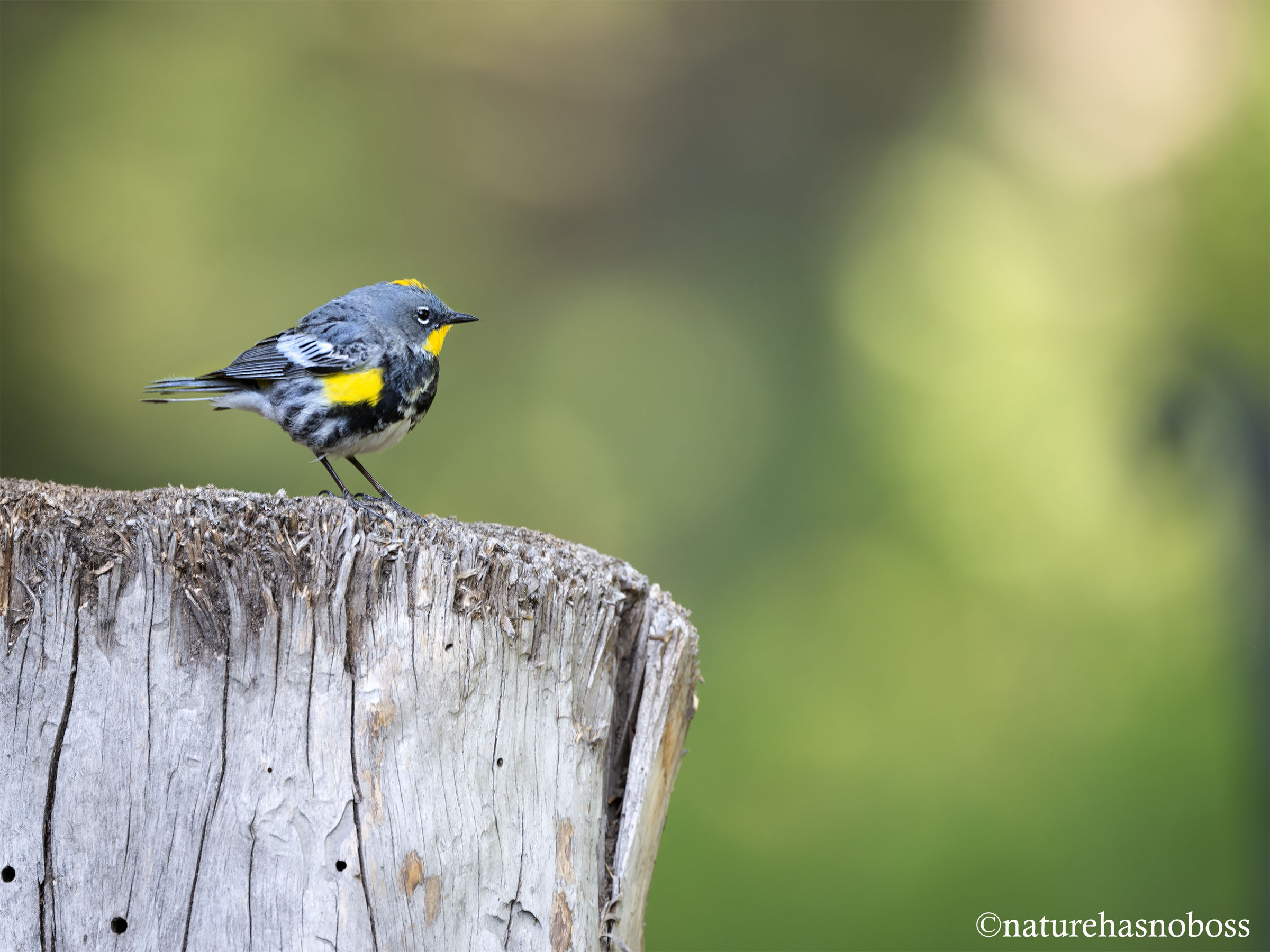
A male Yellow-rumped Warbler makes a rare appearance from the forest canopy to rest on the firewood chopping block. Although we here them all day long in the spring and early summer we only get glimpses of them moving in the canopy of the fir trees high above.
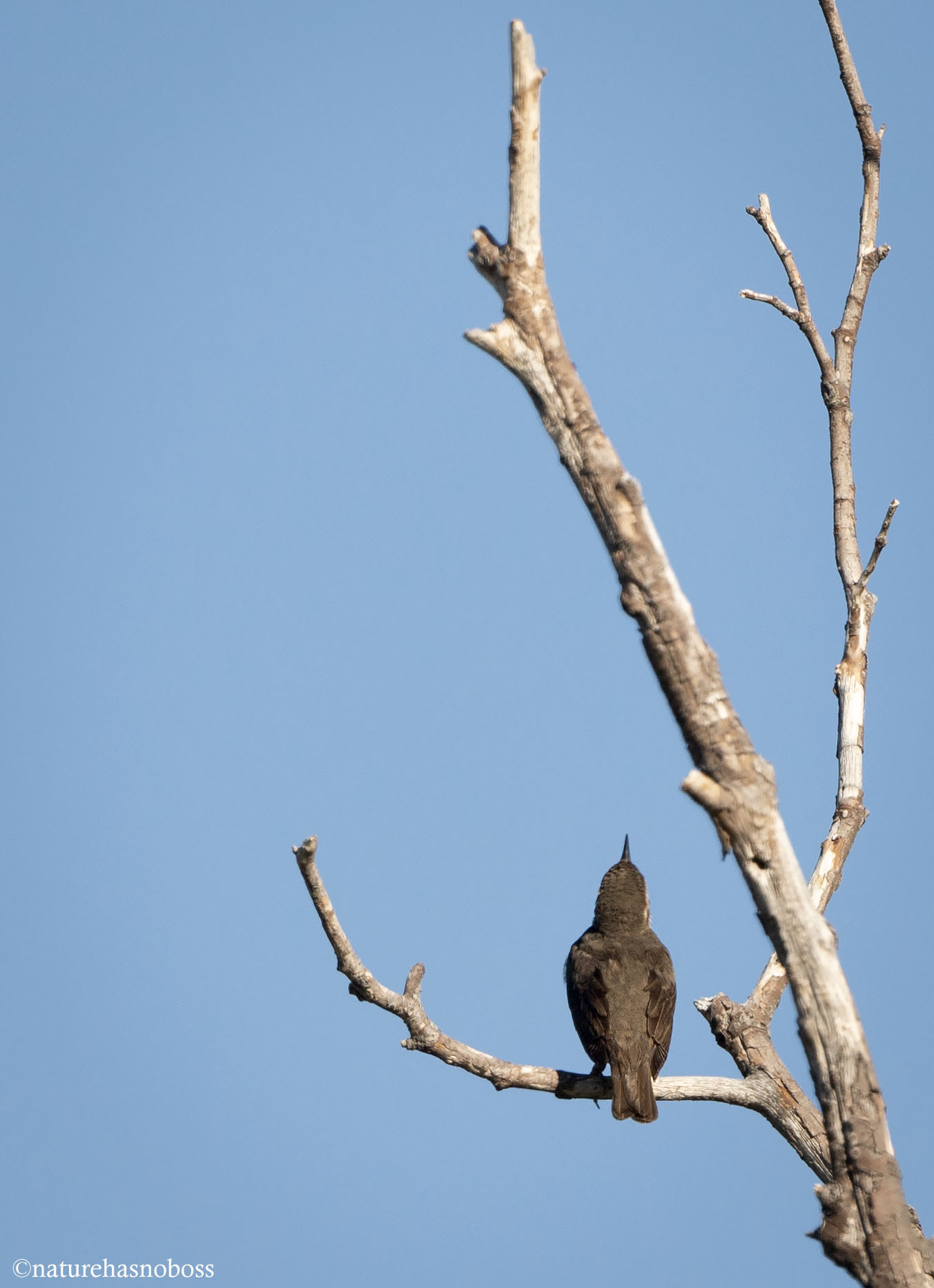
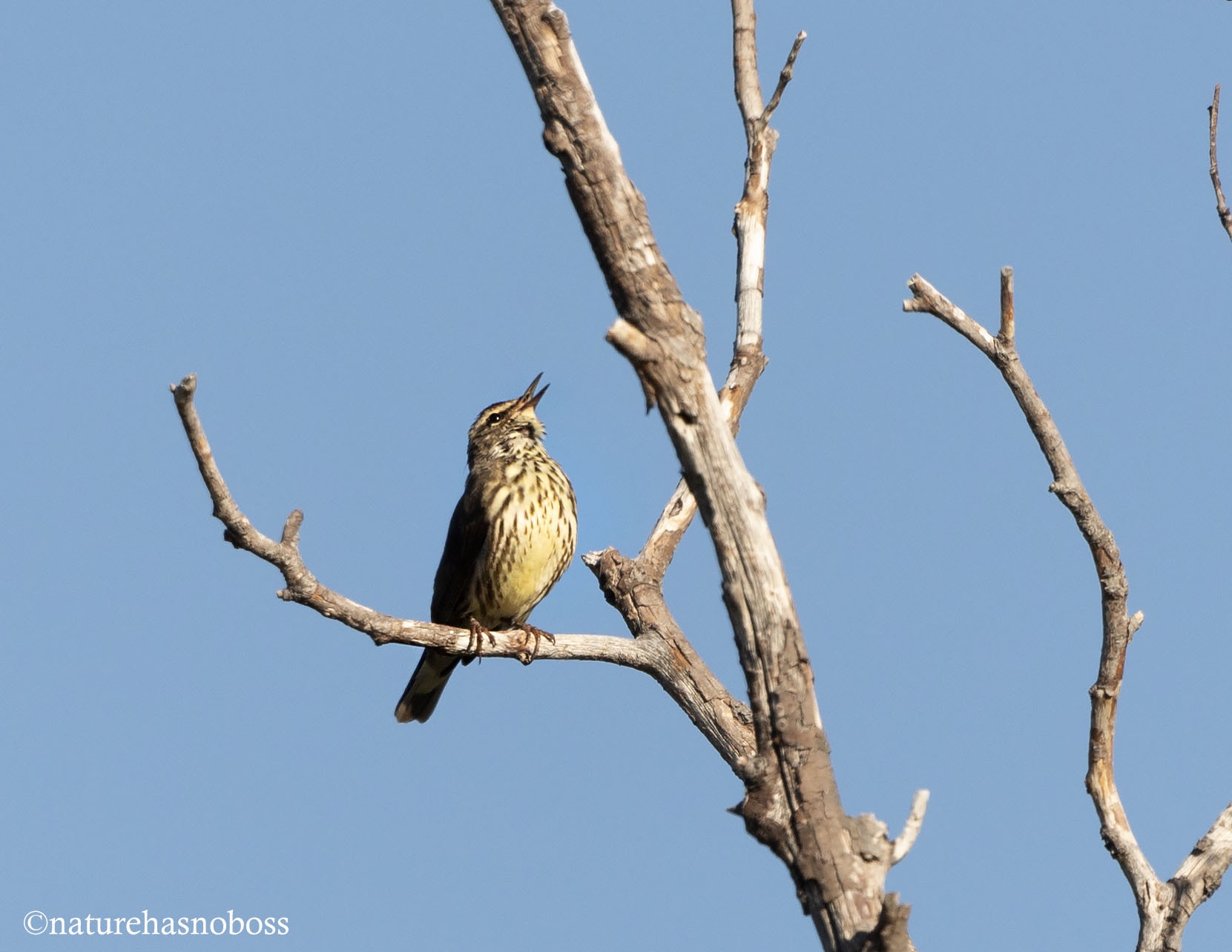
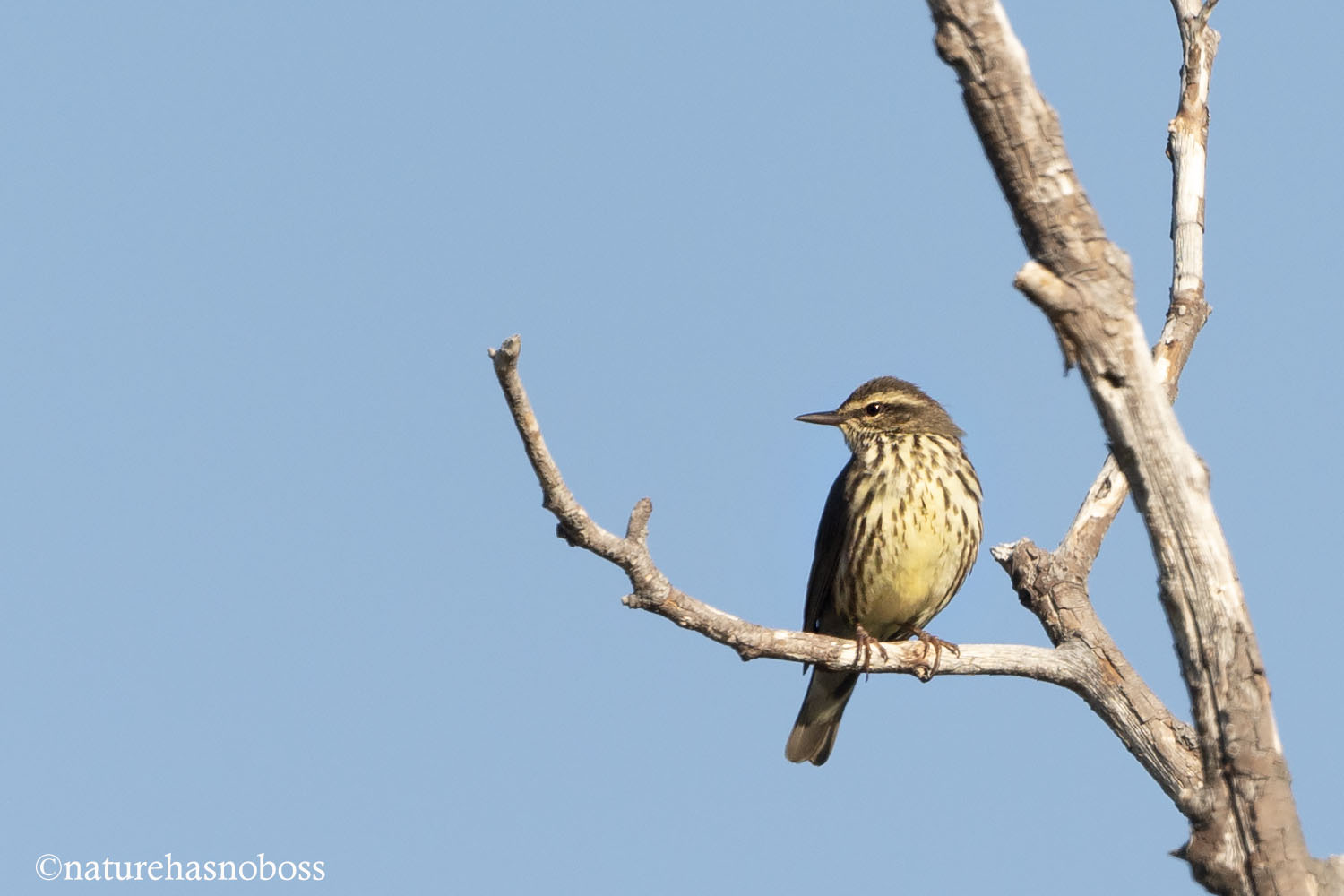
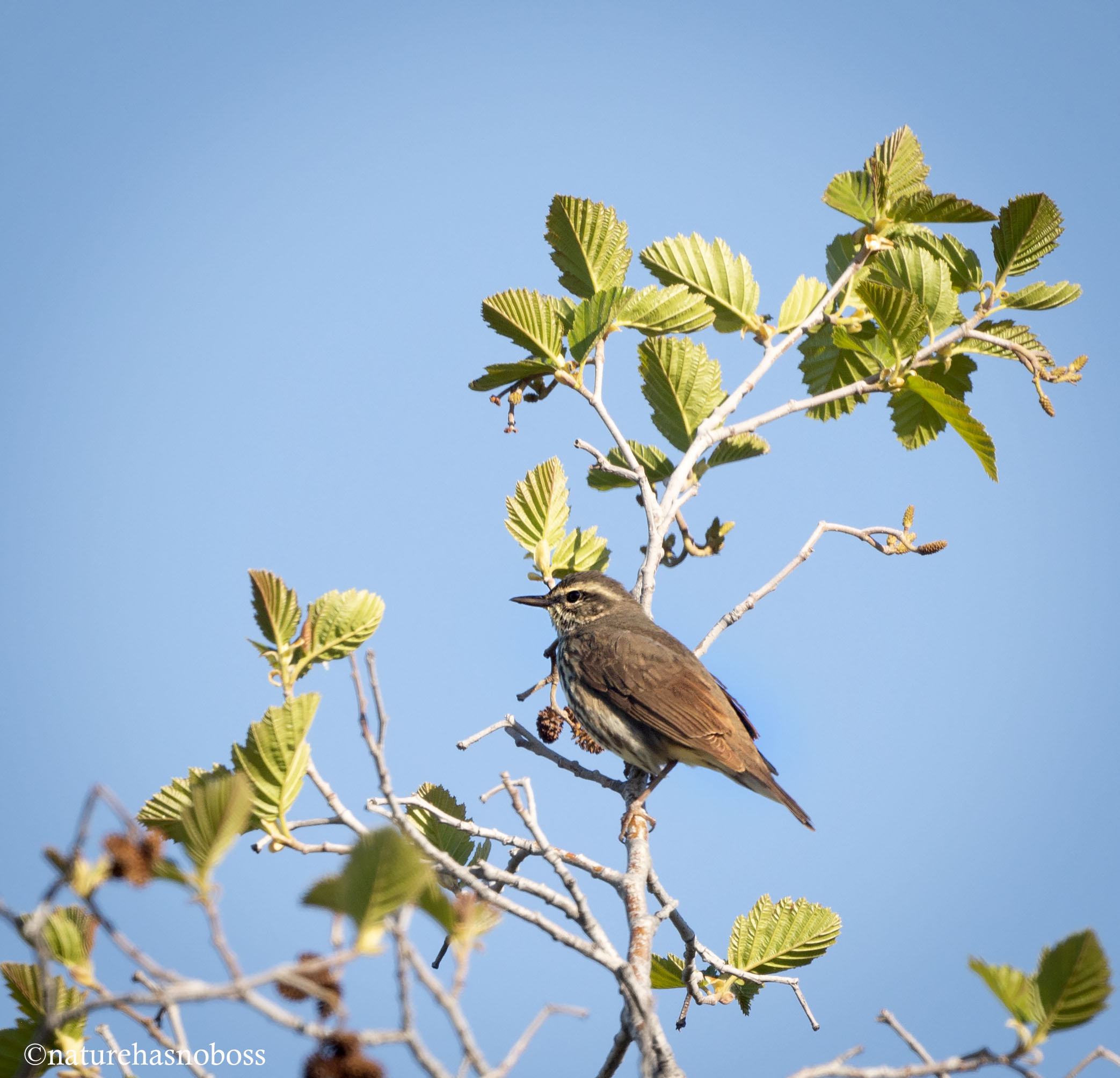
Although he had is back to us we could hear this Northern Waterthrushserenading the females across the creek from a fair distance as we walked through our small wetlands area one morning.
“The Northern Waterthrush is often an unseen singer whose rich, sweet whistles lure listeners into its attractive habitats, the wooded swamps and bogs of northern North America. These streaky brown songbirds lack the bold colors of many other warblers and don’t forage in forest canopies. They forage at the water’s edge in bogs and still water, where they hunt aquatic insects and small salamanders, all the while bobbing the rear of the body, much like a Solitary Sandpiper, another denizen of shady swamps.”1
This individual had a very sweet song and continued singing off and on for 15-20 minutes while perched up high along the creek.
After about 20 minutes perched in one location they moved nearby for one final look.





 nature has no boss
You must be logged in to post a comment.