One last look

More_chippy_2345

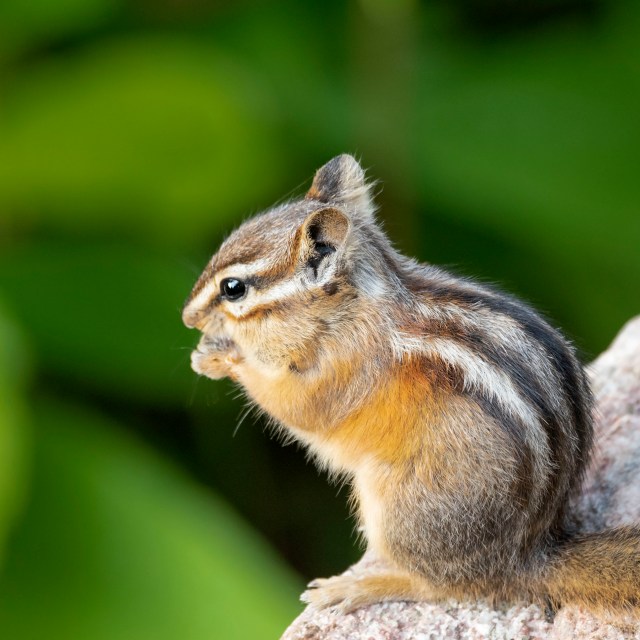
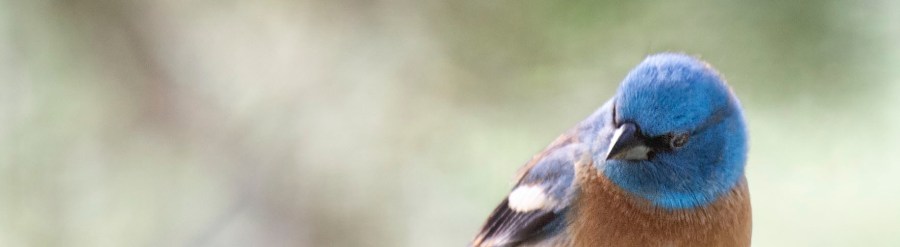
This year Chippy was a constant companion around the yard. Darting back and forth and to and fro collecting morsels to munch on and them finding the perfect perch to munch them on. We don’t see much of this guy as the temperatures cool and the flakes begin to fly so one last look was in order.

a flies eyes

FLies_eyes_1

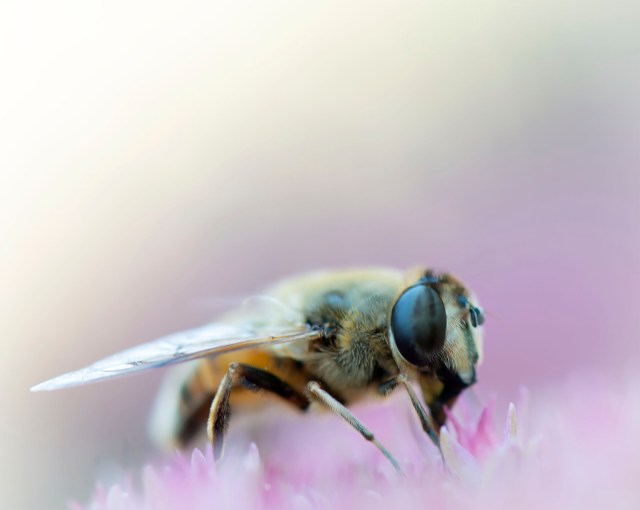
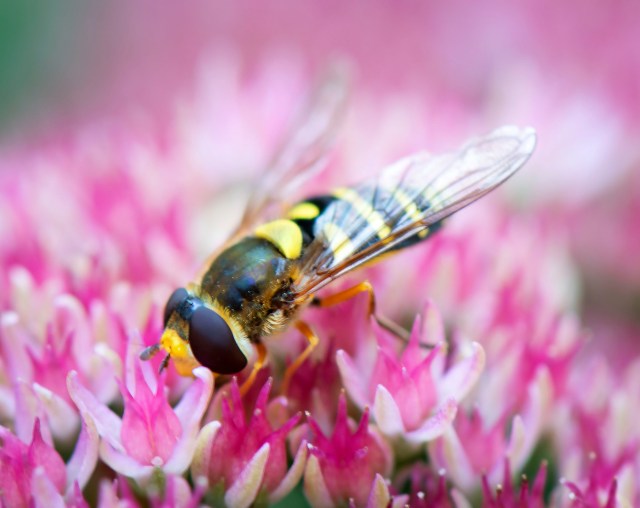
It is always a surprise when we look closely and find a flies eyes attached to what we thought was a bees body. Using Batesian mimicry to look like a bee when your really a fly a bee-fly mimic and yellow-jacket mmimic enjoy a sip of nectar from a late blooming sedum plant.

Flies_eyes_2

It is always a surprise and reason to take a closer look at the insects in the garden.


finding color

Finding_color_1

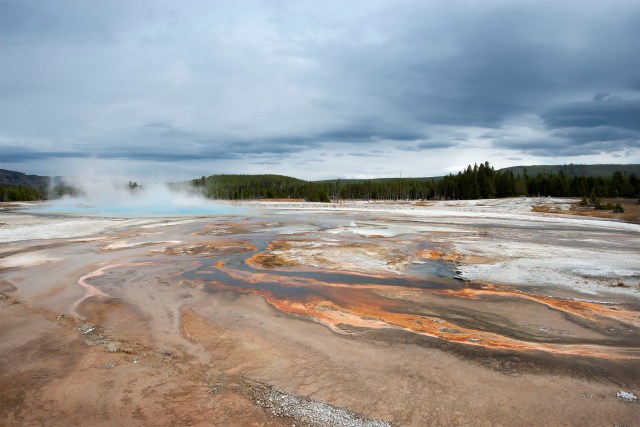
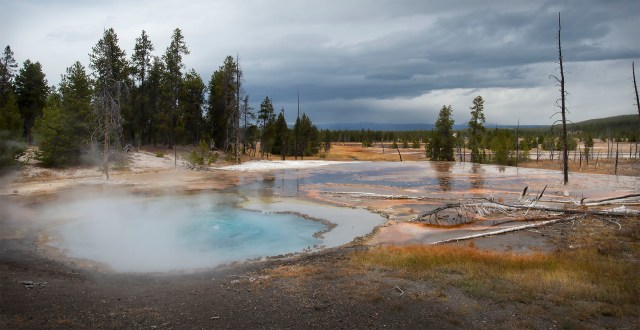
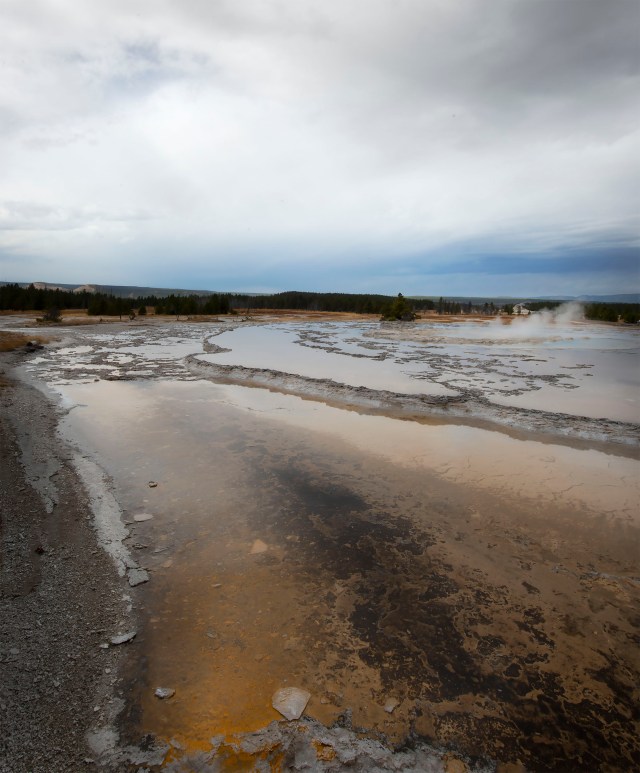
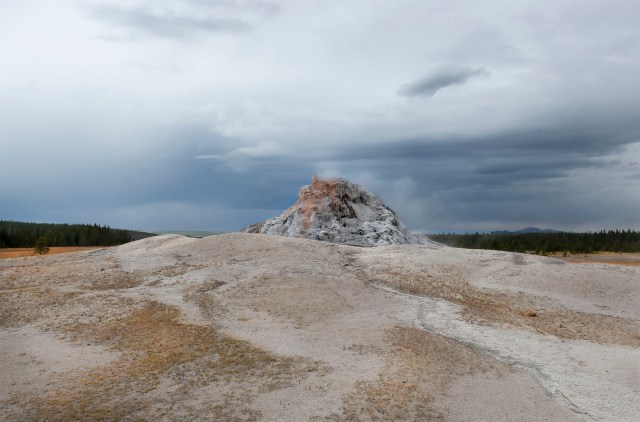
The clouds weighed on the earth like a weight on this October day yet colors sprang forth to brighten the landscape.

Finding_color_2

Just a bit of snow lingers around the thermal features on Firehole drive although the next round is on its way.

Finding_color_3

Finding color on a cloudy day where color abounds.

Finding_color_4

Hey Daddy-O

Long_daddy_legs_1

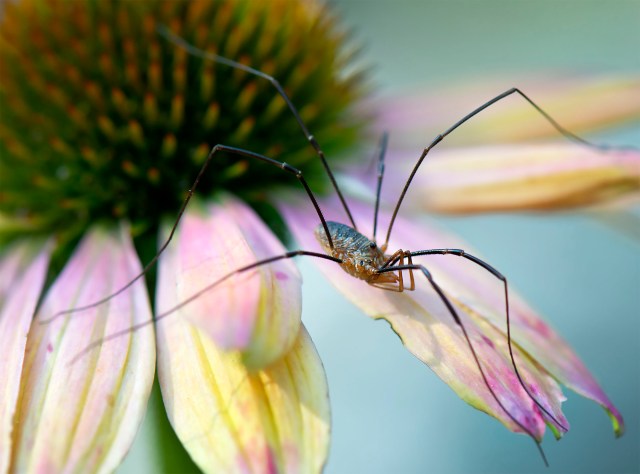
Hey daddy-o what’s up?

Just hanging out enjoying the flowers in the garden.

Daddy Long Legs belong to a family of spiders Pholcidae, commonly known as cellar spiders, daddy long-legs spider, granddaddy long-legs spider, carpenter spider, daddy long-legger, vibrating spider and skull spider, is a family of araneomorph spiders first described by Ludwig Carl Christian Koch in 1850. It contains over 1800 species divided in 94 genera.”

Given the huge number of species might explain why we see them running about everywhere in the yard and often in the house all the time.

Listening for Grey Jays

One_of_those_days_1

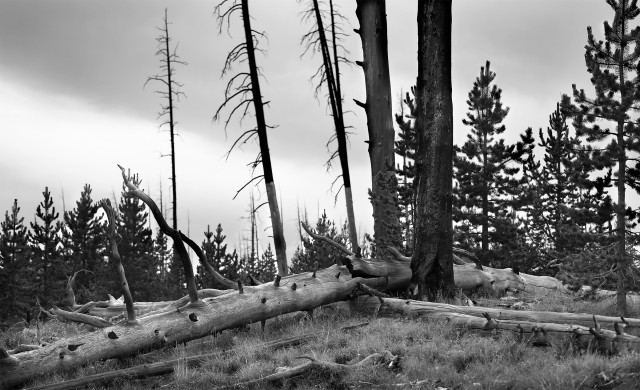
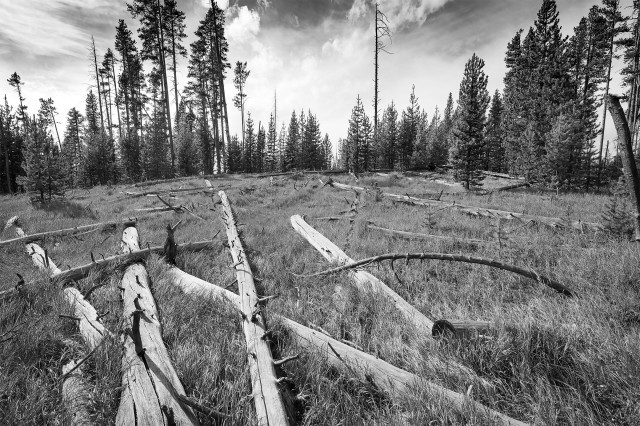
With the silence only punctuated by a infrequent call of a pair of Grey Jays we walked through the grasses and lodgepole pines on a fall day with the sun veiled by cloud yet still somewhat present.

One_of_those_days_2

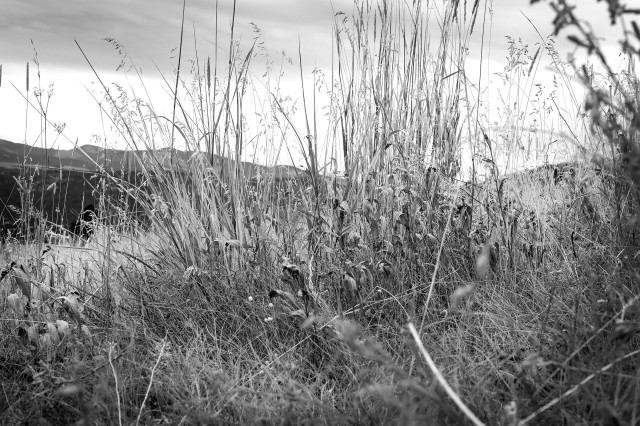
Listening for a deer or perhaps a bear the forest remained silent. Even the tall dry grasses stood still as statues.

One_of_those_days_3

Just when you thought it could not get any quieter a Grey Jay would call one of their various calls but were never seen, only heard. as we walk through the forest and meadows that day.

One_of_those_days_4


Footnote: The Grey Jays is now Officially called the Canada Jay but Grey Jay just felt appropriate on this slightly grey and very quiet fall afternoon.

The fruits of their labor

Fruits_1

Working hard from spring through summer the plants have done their thing. Now all that hard work is  proudly on display.

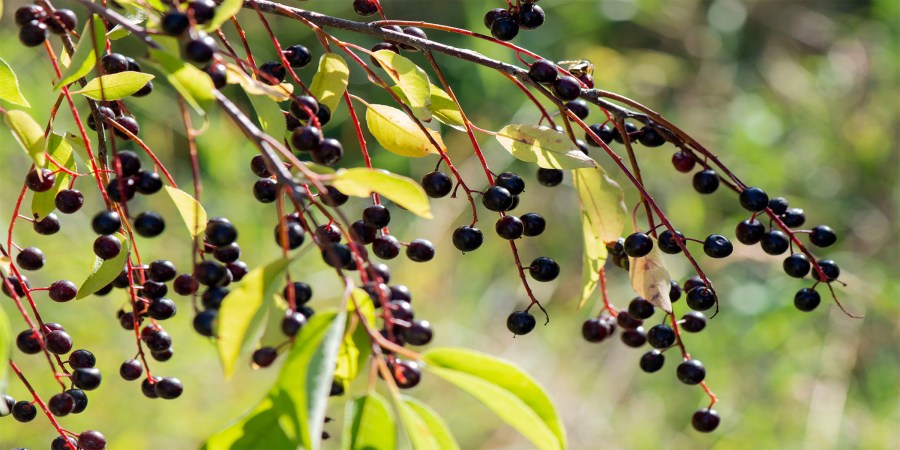
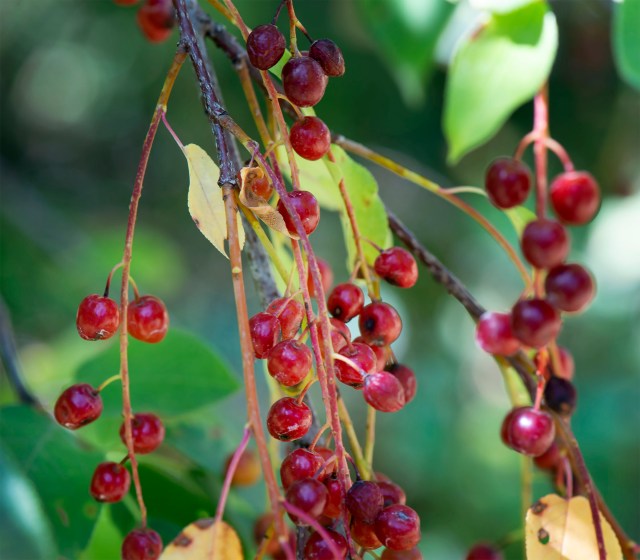
The Choke Cherries have ripened and will provide food for bears and birds and even a human or two.

Fruits_2

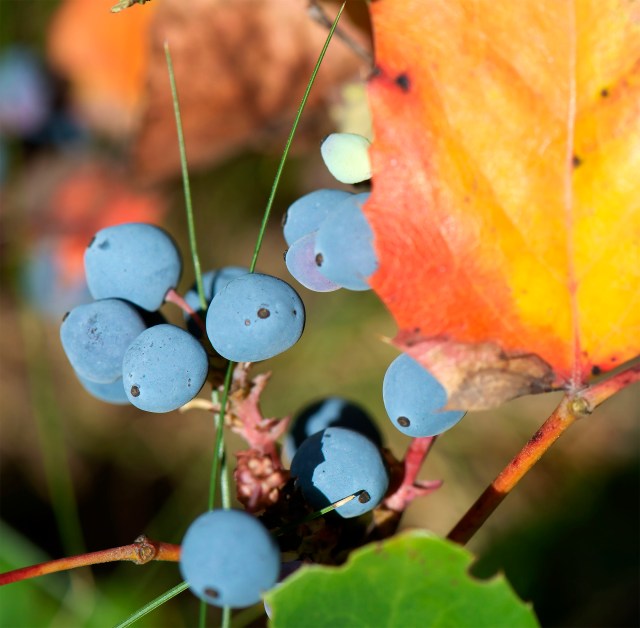
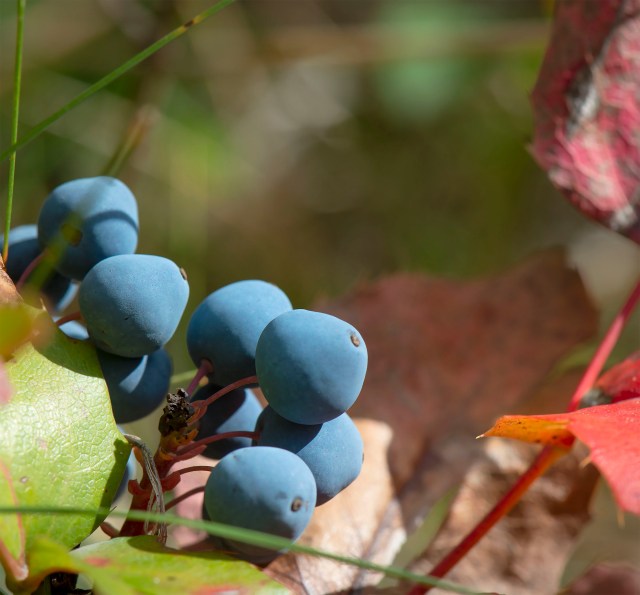
The Oregon Grape has produced berries of purple-blue that will help feed the grouse and pheasants as well as waxwings.
Fruits_3Fruits_4

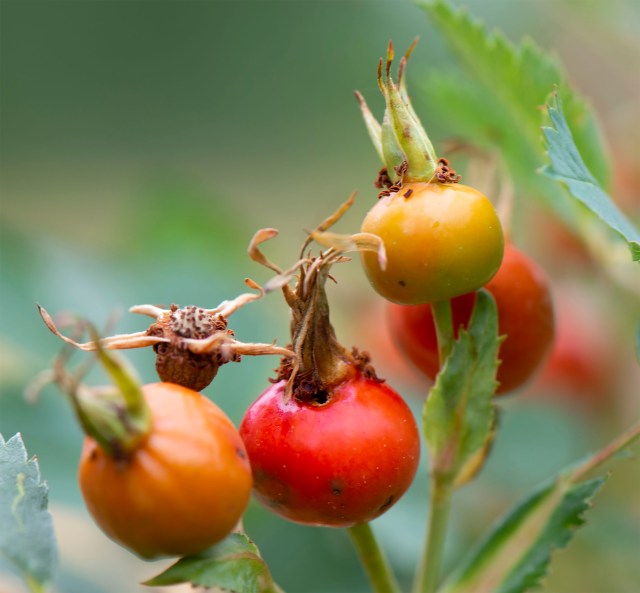
The wild rose has a a tough go of it as these bushes are a favorite food of deer. These Rose Hips were hanging high on the only branch not trimmed low to the ground by a local family of deer. A mother Mule Deer and her two fawns can really make quick work of a rose bush.

Fruits_5Fruits_6

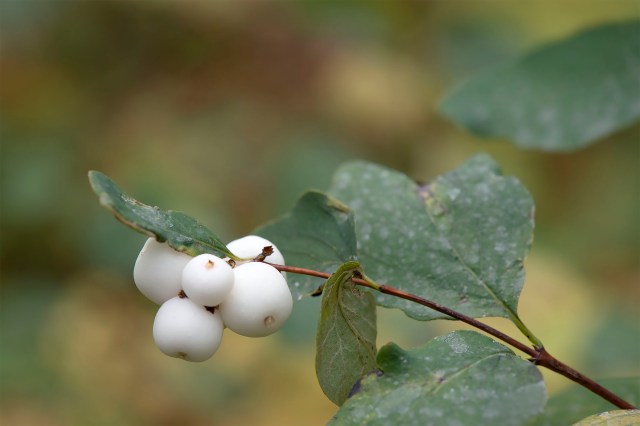
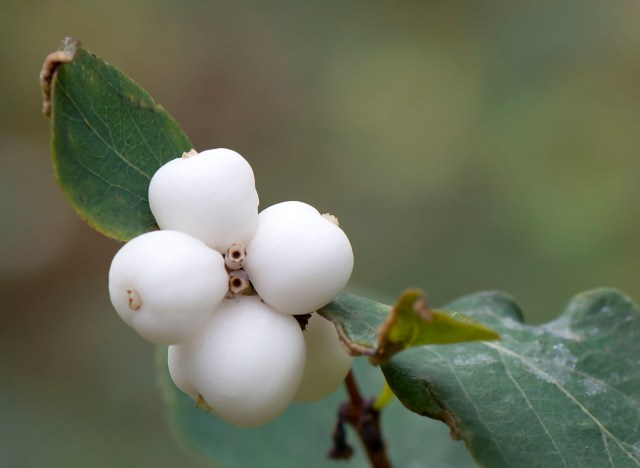
The snowberry bushes are numerous and cover the forest understory. This year they have done well and the berries will provide food for songbirds, game birds and many small mammals as winter rolls into town.
Fruits_7Fruits_8

The plants have been busy and the fruits of their labor show.
Three billion birds.

The findings of a study published yesterday in the Journal Science demonstrate that North America has lost 30% of it’s birds population since 1970. The authors of this study suggest that this loss of almost 3 billion birds is like a canary in the coal mine and conclude their abstract with the statement “This loss of bird abundance signals an urgent need to address threats to avert future avifaunal collapse and associated loss of ecosystem integrity, function and services.”

National Geographic summarizes the Science article well touching on the reasons why bird populations are in decline and why birds matter. 

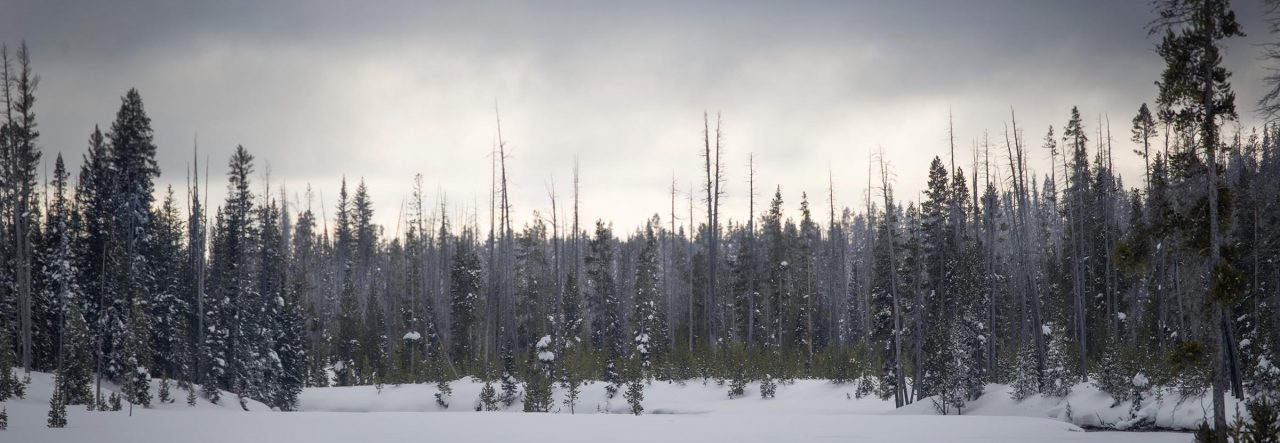
Habitat loss in the name of development another example of a fools progress.

Another strip mine, another strip mall.  The human population is striping the planet bare. Time to take action and make sure your local governmental representatives at all levels work to protect habitat, the environment and the future of every species that inhabit the planet.