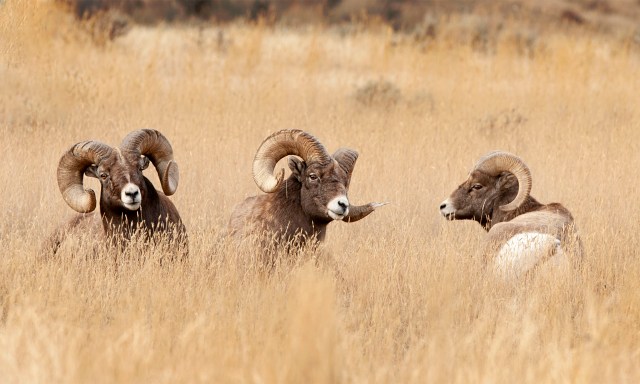
Three big guys enjoying the golden grass and just laying low.
Maybe that is a cue for the weekend just lay low and kick back or, better yet, get outside a bit then kick back.
Have a wonderful weekend however you choose to spend it.
Three big guys enjoying the golden grass and just laying low.
Maybe that is a cue for the weekend just lay low and kick back or, better yet, get outside a bit then kick back.
Have a wonderful weekend however you choose to spend it.

A new study reported on in Science Daily suggests that complex decision making occurs in at least one single celled organism. 1
Perhaps our first thoughts when considering single celled organisms is that they are primitive relics of the past with simple physiologies and perhaps only programmed behaviors. However we must consider the simple fact that for several billions of years single cell organisms lived and thrived on the planet and evolved into innumerable species and eventually into multicellular organisms.
Recently a team of researches at Harvard Medical School replicated a century old experiment demonstrating that Stentor roeselii exhibits a complex hierarchy of avoidance behaviors. The evolutionary advantage for the development of this complex avoidance behavior in Stentor roeselii can only be hypothesized but the authors offer this speculation in the paper:
“Such behavioral complexity may have had an evolutionary advantage in protist ecosystems, and the ciliate cortex may have provided mechanisms for implementing such behavior prior to the emergence of multicellularity.” 2
This is an interesting article not only for demonstrating that life, in all it’s forms, may exhibit behaviors we have yet to document but also for the fact that there may be great scientific value in replicating other forgotten studies from decades past.
Additionally, studies like this one make it clearer that all life is indeed life — and that– is something worth pondering.
References:
Our world is vast and much is still to be discovered and described by science.
A recent article published in Science Daily reports on the discovery of 71 new species by researchers at the California Academy of Sciences in 2019. The article provides a nice overview of the species discovered and includes the following quote remaining us that there is much work to do to identify what we have on this wonderful planet. A nice short read if you can find the time.
“Despite decades of tirelessly scouring some of the most familiar and remote places on Earth,” says Shannon Bennett, PhD, and Academy Chief of Science, “biodiversity scientists estimate that more than 90% of nature’s species remain unknown. A rich diversity of plants and animals is what allows life on our planet to thrive: the interconnectedness of all living systems provides collective resilience in the face of our climate crisis. Each newly discovered species serves as an important reminder of the critical role we play in better understanding and preserving these precious ecosystems.”
References:
1.California Academy of Sciences. (2019, December 5). Scientists at the California Academy of Sciences describe 71 new species in 2019. ScienceDaily. Retrieved December 10, 2019 from http://www.sciencedaily.com/releases/2019/12/191205155818.htm
And just for fun a smattering of those species we already know.


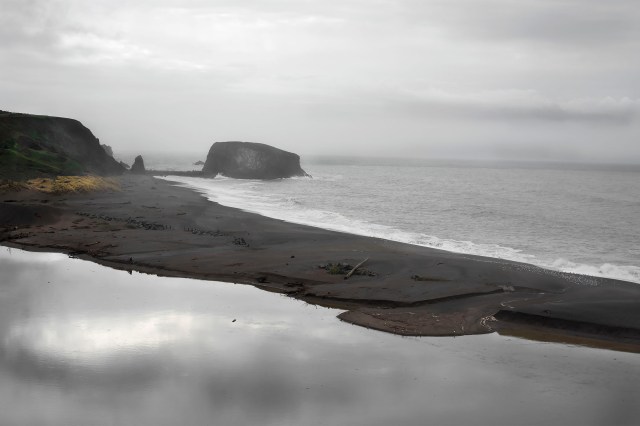
A quiet morning where the river meets the sea. All is good. The grass is green, the rain has stoped and life in many forms hauled up on the beech to spend a quiet day.
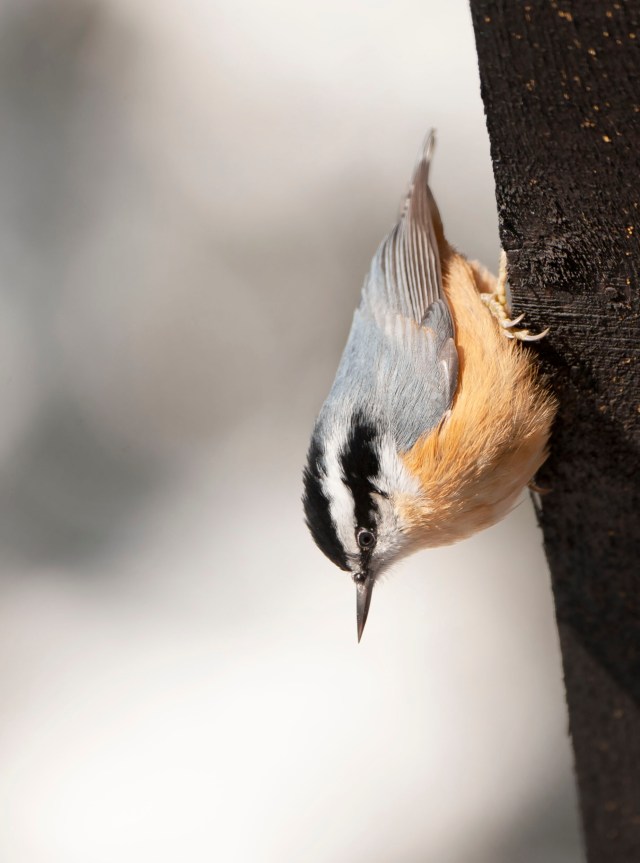
One of our favorites and a constant companion through the season is the diminutive Red Breasted Nuthatch weighing in at about 10 grams yet feisty as all can get out and with a song to match.
Just think how different and special it must be to have the ability to view the world upside down like this little nuthatch can.
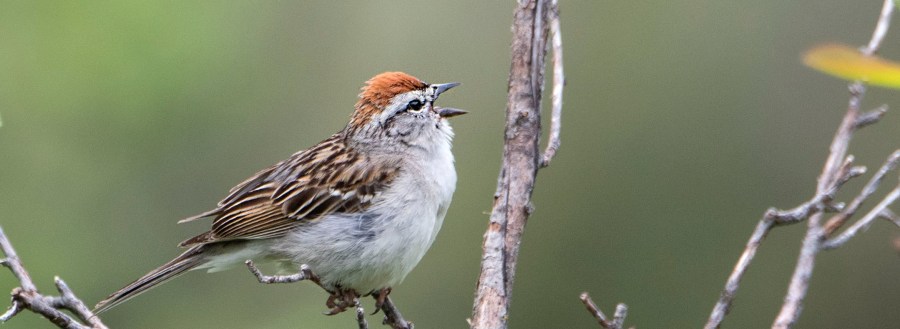
Bergmann’s rule posits that populations and species of larger sizes are found in colder regions while in warmer regions species are smaller.
A study published yesterday in the Journal Ecology Letters reports that over the pervious four decades there has been, on average, a 2.4 percent decrease in the size of the length of the tarsus bone, a standard marker for bird size, in a sample population of over 70,000 birds from 52 species. The changes in tarsus length were correlated with the increase temperature. The lead authors of the study suggested two explanations for the decrease in body size.
In addition, the study found consistent increases in the wing length of 1.3 percent in 40 of the species. The reason for in increase in wing length is unclear but the authors hypothesized that increasing wing length may represent a compensatory adaptation to maintain migration as reductions in body size have increased the metabolic cost of flight. Like many of the consequences of climate change, the changes measured in bird size, are not perceptible to the naked eye.
There is a good summary of the study here by the Audubon society.
Click any image for slide show.


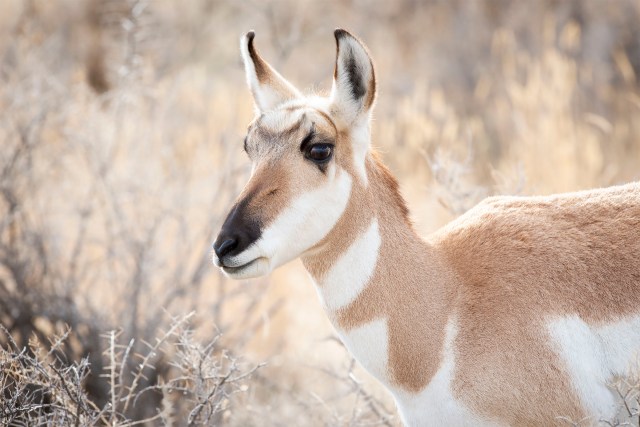
She’s a beauty don’t you think?
There is just something special, call it perfection if yo will, about how pronghorn fit in so well with the dry fall grasses in their habitat. A beauty that is laid bare and obvious. A beauty in nature’s design. A beauty we could perhaps call truth.
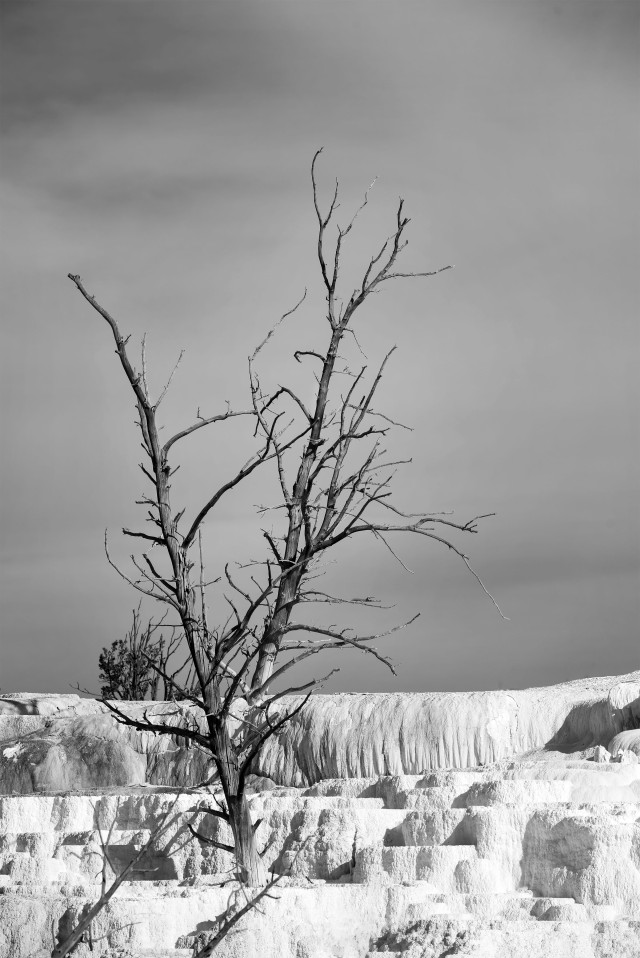
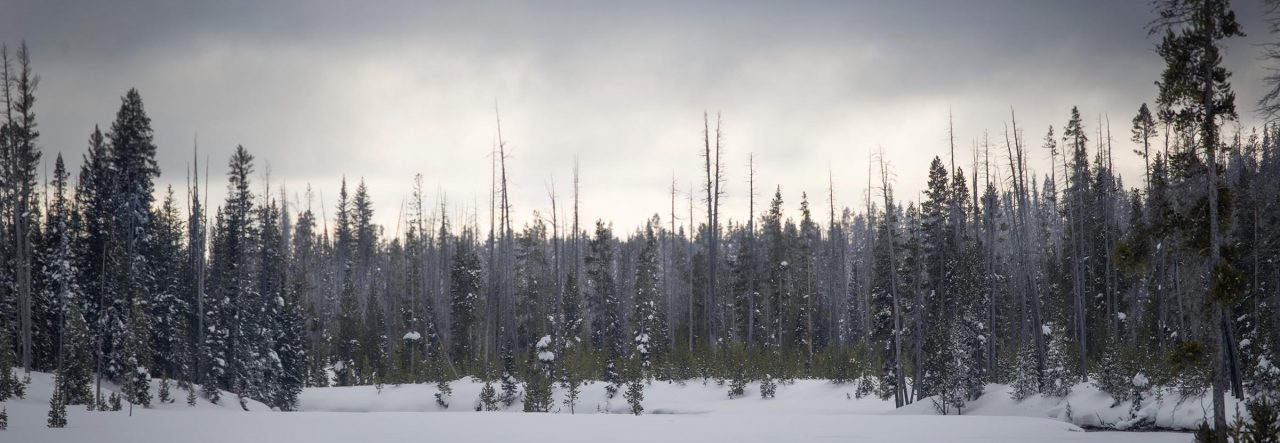
A monochrome afternoon on monochrome late November day. The air had a bit of chill and the sky full of cloud yet not threatening in any way.
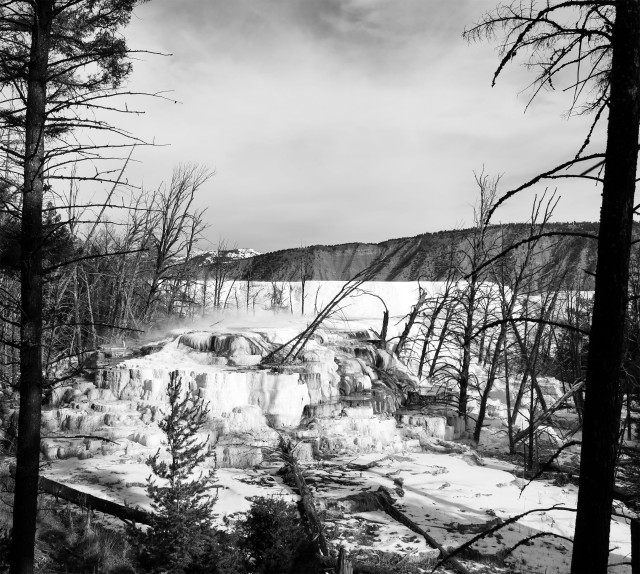
Peeking between trees for a wonderful views.
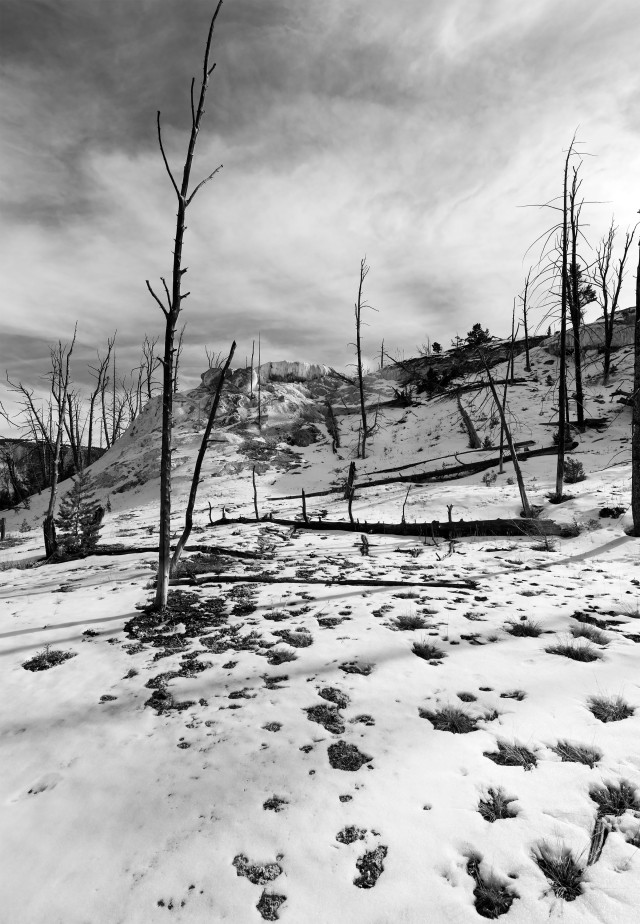
A few inches of snow still on the ground from a recent storm letting you know real winter is only a storm away.
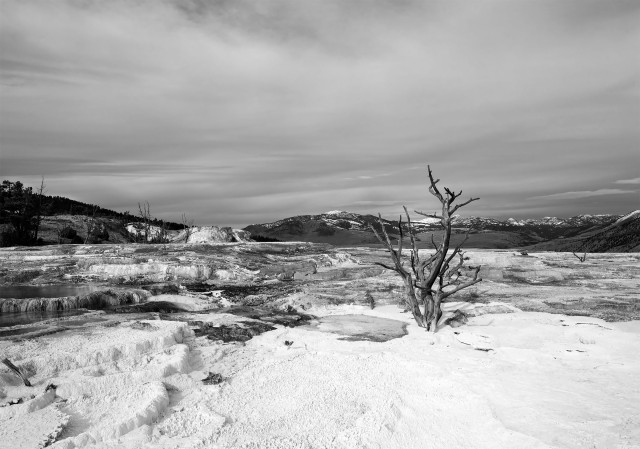
Big views across terraces where the earth demonstrates it is indeed alive.
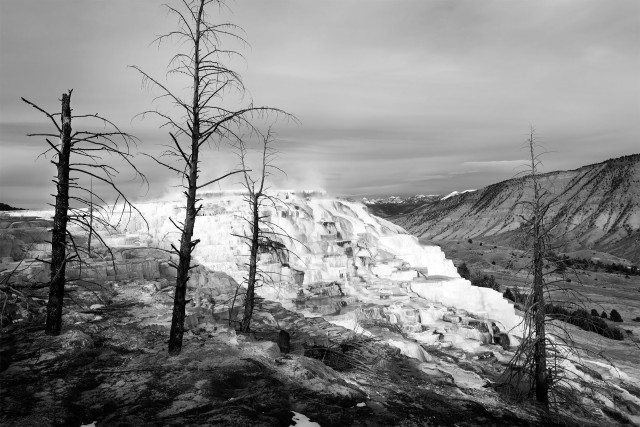
A beautiful afternoon despite the flatness of the sky.

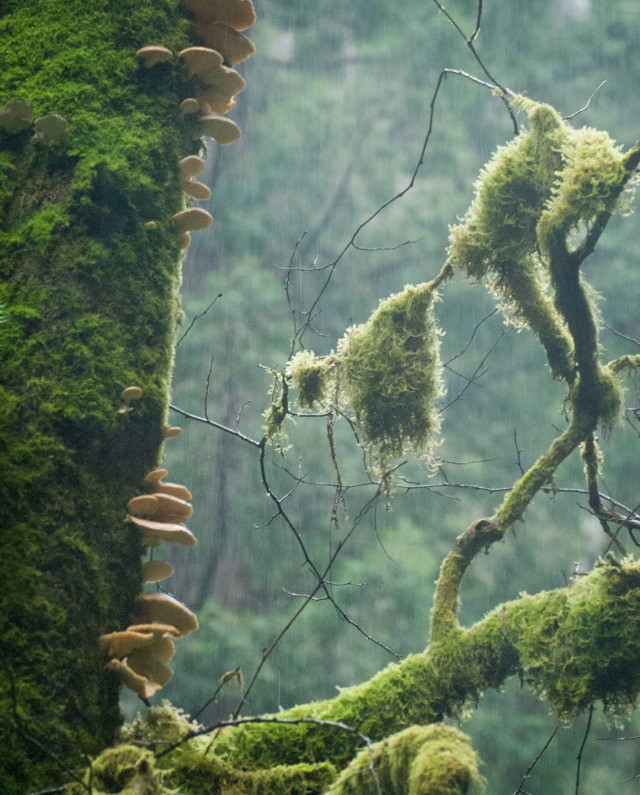
As humanity marches on seemingly ignorant, yet keenly aware, the earths climate continues to warm faster than predicted and the sixth-extinction event picks up momentum like a snowball rolling down hill one group of scientists recently published a paper titled “A Global Deal For Nature: Guiding principles, milestones, and targets” in the journal Science Advances proposing a solution to put a halt to our global crises. In this paper the authors make the case that:
“the most logical path to avoid the approaching crisis is maintaining and restoring at least 50% of the Earth’s land area as intact natural ecosystems, in combination with energy transition measures.”
The authors clearly state that measures to protect ecosystems, biodiversity and any aversion or mitigation of anthropogenic climate change is a time bound matter and action must come sooner than later.
The paper lists five major goals of the project:
(3) maintain ecological function and ecosystem services
(4) maximize carbon sequestration by natural ecosystems
In addition the paper gives clear scientific evidence for their proposal and priorities that include: protecting biodiversity, mitigating climate change and reducing future threats. This is a well presented paper and one clearly worth reading.
A short article summarizing the project can be found here and is a good jumping off point prior to reading the whole study. It’s a beautiful world and diverse world and something too important to loose.
Click image to view slideshow.


One of our frequent winter visitors is the Townsends Solitaire. Usually sitting high up on a tree or on top of a juniper bush singing either a wonderful melodious song or calling out a high pitched tew-tew-tew.
 nature has no boss
You must be logged in to post a comment.