Orobanche uniflora

Broomrape_1

I can’t say it better than it is stated in this NY Times article “There’s simply no way to talk about the beauty of Orobanche uniflora without raising a lot of eyebrows.”

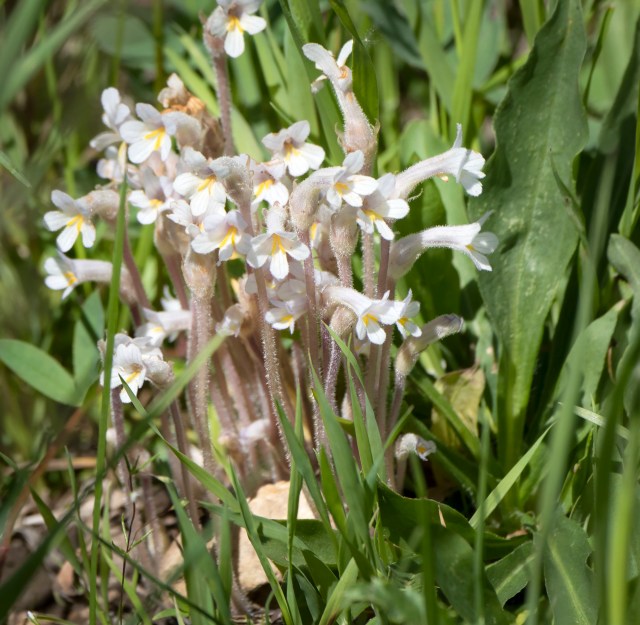
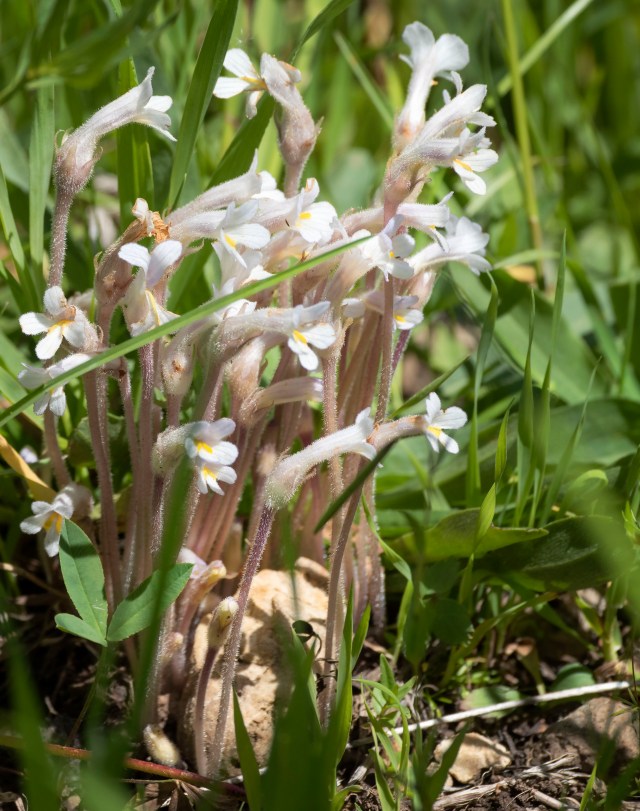
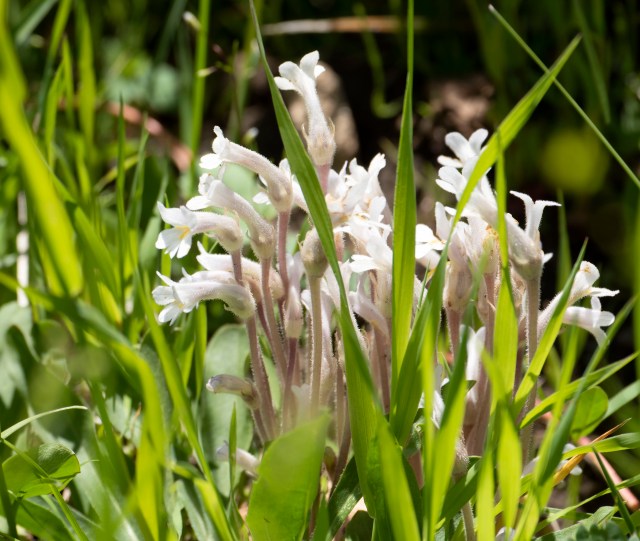
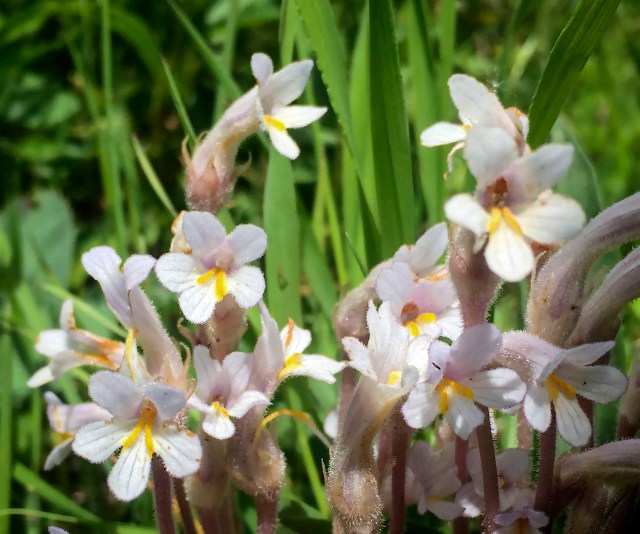
Commonly called Naked Broomrape or sometimes Flowered Cancer Root this wonderful flower with unflattering common names was a new one to us when we came across it in meadow on a recent hike.
Broomrape_2

It is a short leafless plant unable to photosynthsize thus gaining it’s nutrients by parasitism. Often using sedum, saxifrages and asters as a host plant. Typically growing only up to 3 inches tall we found this cluster buried deep in the grass.
Broomrape_3

It is a beautiful little flower and very unique to say the least.
Broomrape_4

On Buckwheat

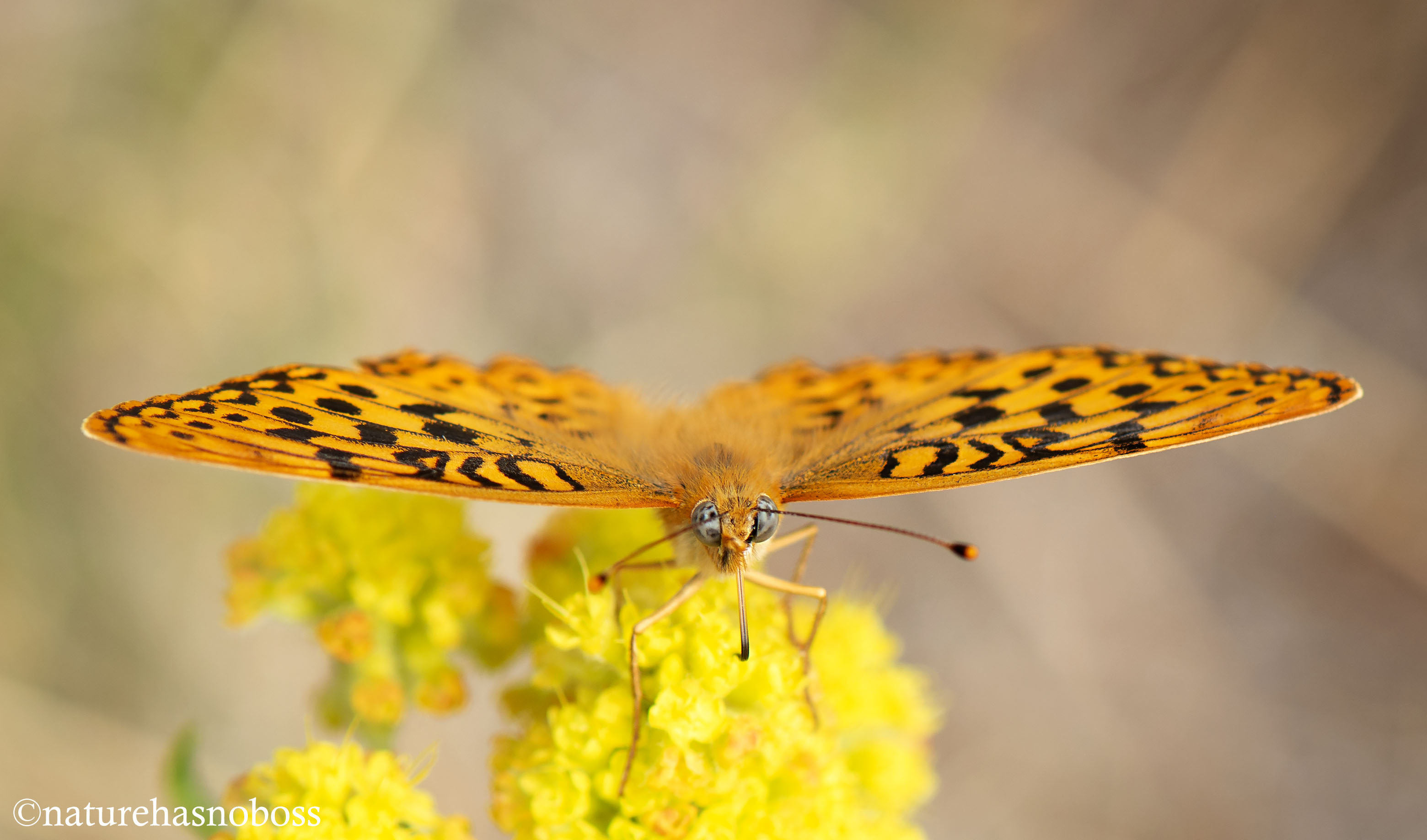
A few weeks back the wild Buckwheat plants we in full bloom along a trail we were hiking and they proved irresistible to a wide variety of butterflies seeking a nice sip of nectar on a hot summer afternoon. With both the Sulfur-flowered and Yellow-flowered species both in full bloom there was a buckwheat to meet the tastes of even the most discriminating species. While the Acadain Blue and Juniper Hairstreak we more partial to the Sulfur-flowered buckwheat….

The Fritillaries, Checkerspots and this beautiful Field Crescent favored the Yellow-flowered variety.

A beautiful collection of butterflies all within the span of 50 meters along the trail.

Time With Chip

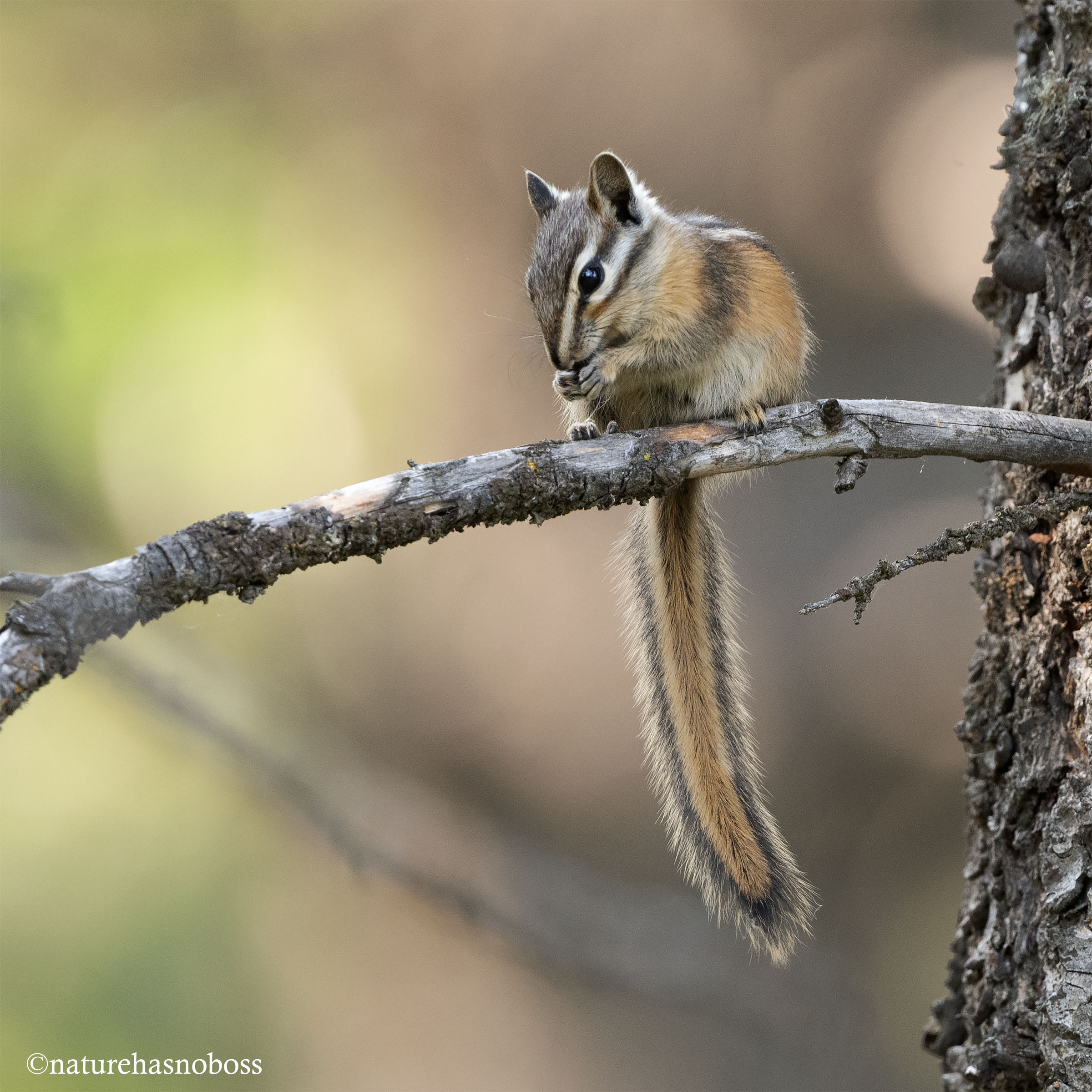
Spending a little time with Chip. This summer a Chipmunk family seems to have made a home nearby and we were happy to spend some time observing them feeding, playing and just hanging out doing what Chipmunks do.

Play was on the menu this afternoon under the shade of an old Douglas Fir.

After expending all the energy a quick snack of Service Berry was in order. Better save a few for winter.

We all know what follows a big meal. Yes, a little afternoon snooze. Who wouldn’t like that on s sultry summer afternoon.

Have a wonderful and happy weekend.

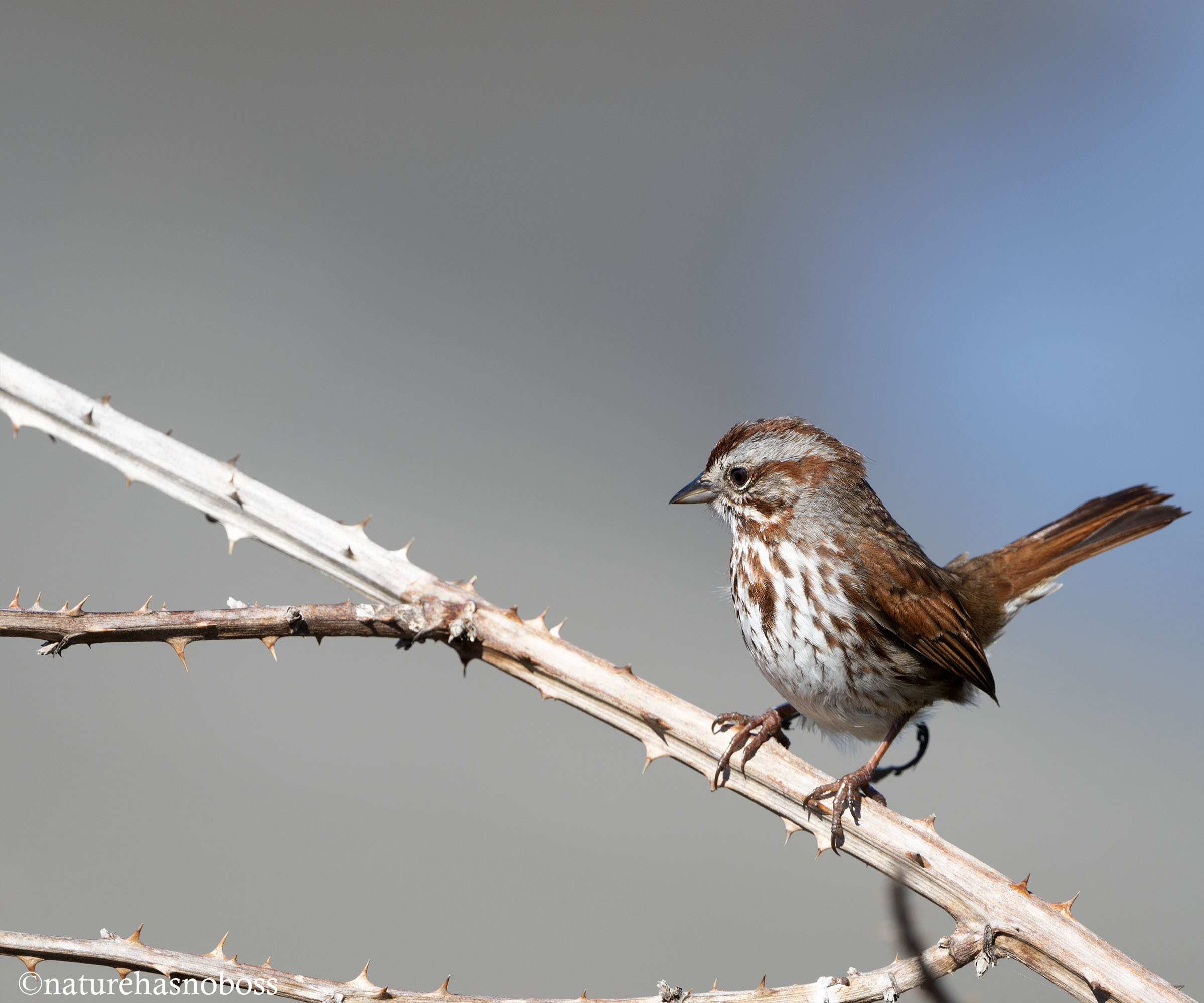
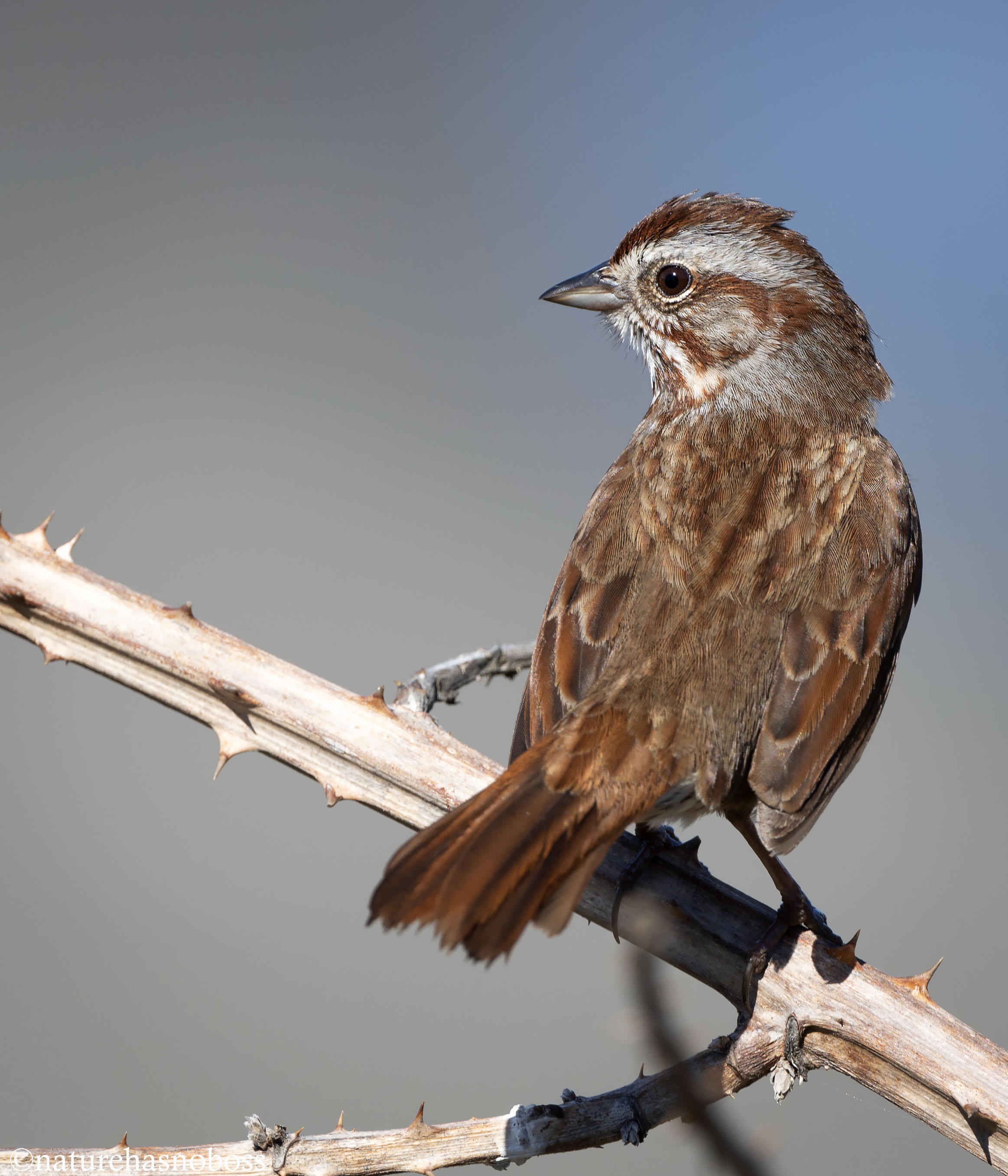
Song Sparrow: Melospiza melodia

Given the enormous variety of regional differences it took a few looks and luckily photographs, to be certain this indeed was a Song Sparrow. And what a fine looking Song Sparrow it was.

For quite some time this birds perched upon a thorny branch of a small shrub. Moving back and forth and allowing us a nice long look during which were were able to inch ever closer.

After a few minutes this bird moved just a few yards away to a shrub containing leaves. While it was the same bird the image seemed to take on a different feeling. From pure blue sky and thorny shrub to a fresh field of green.

Wishing you a wonderful weekend.

Young and old

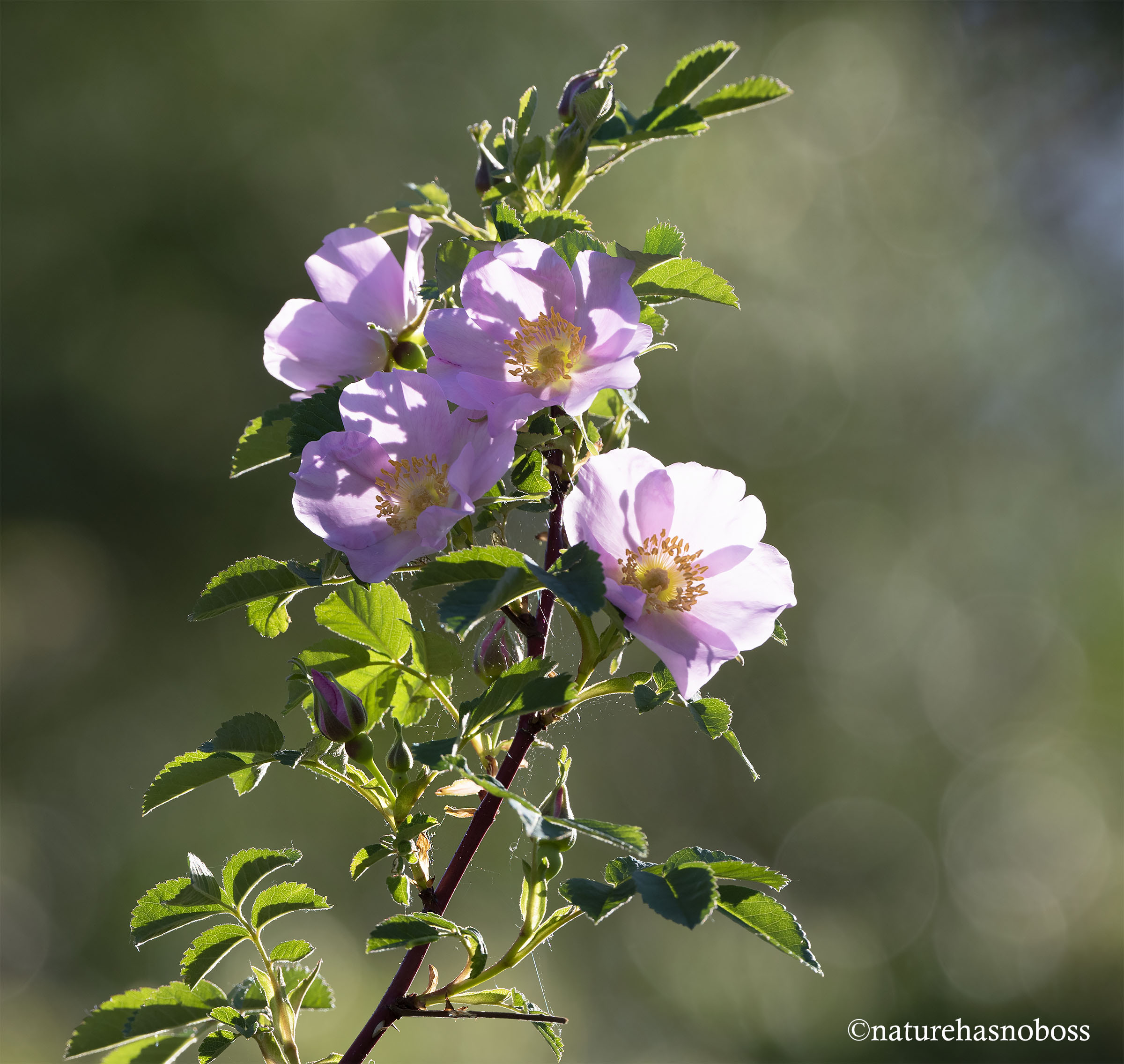
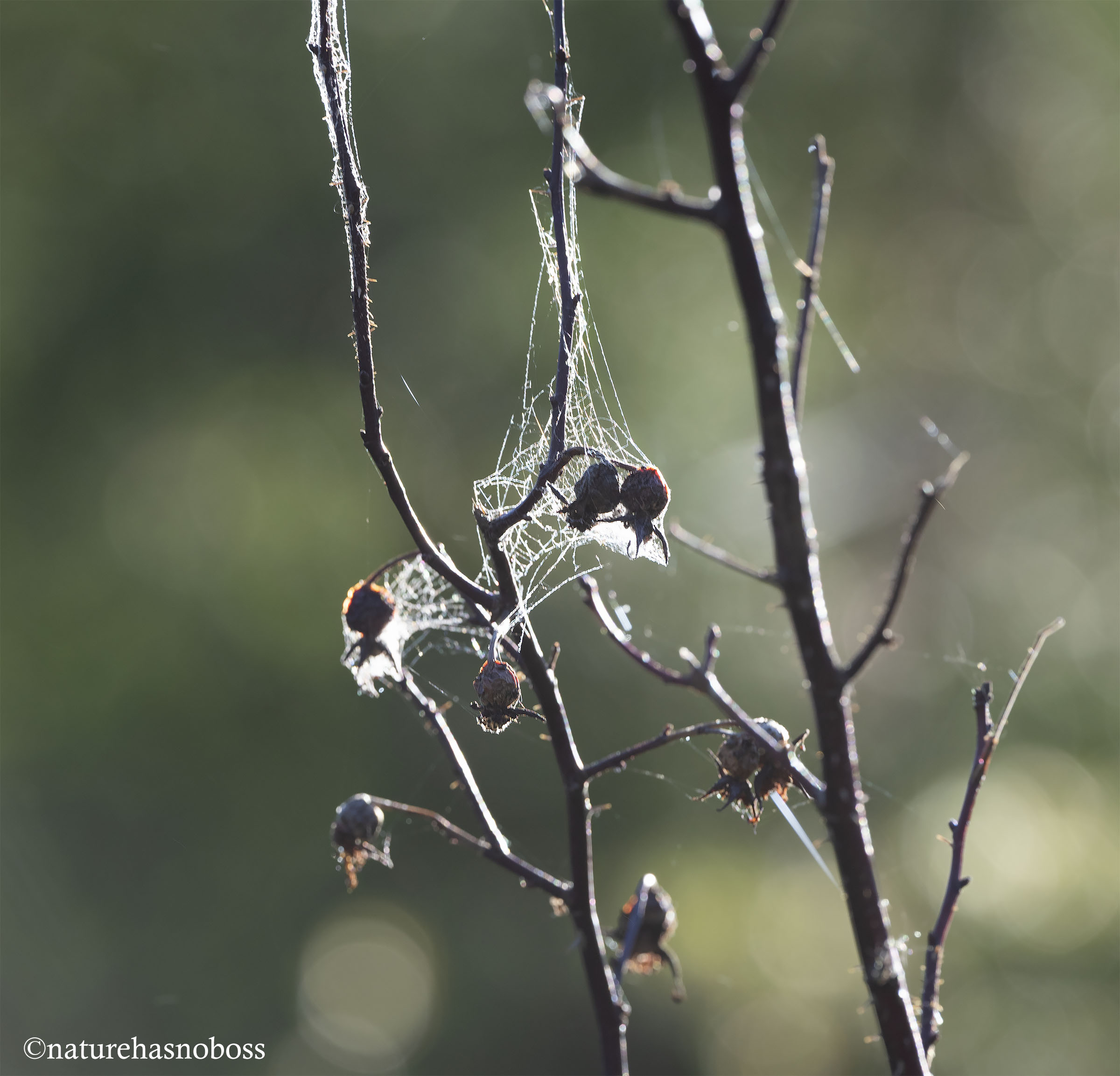
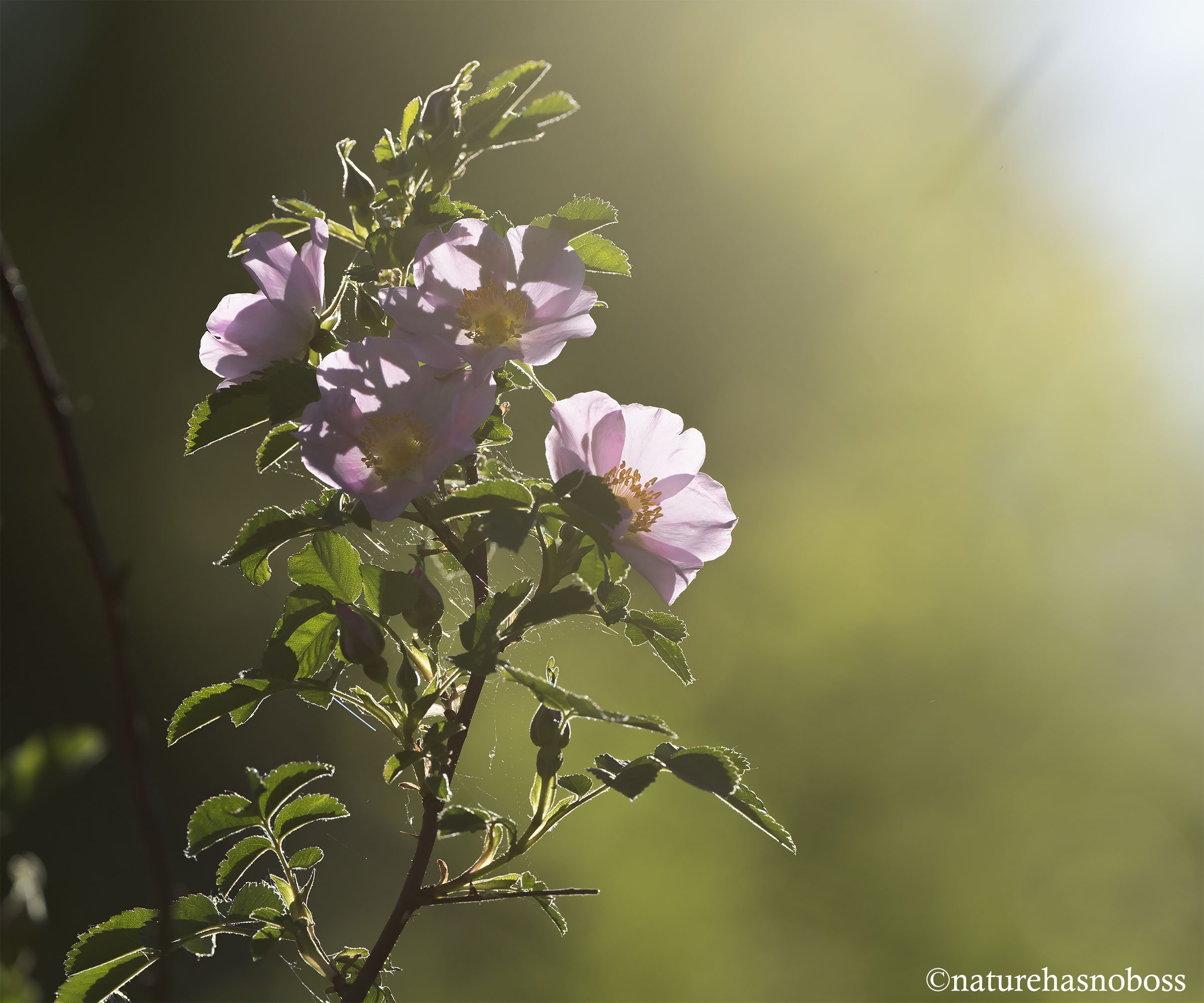
Just a couple of weeks ago the wild roses along the road were in full bloom and evening light made them oh so appealing. Yet just a few steps away were older rose bushes rose-hips still attached and full of cobwebs.

As we walked this road the pattern seems to repeat young and old, new and old over and over again.

A fine study in contrast yet none really exists.

Northern Waterthrush

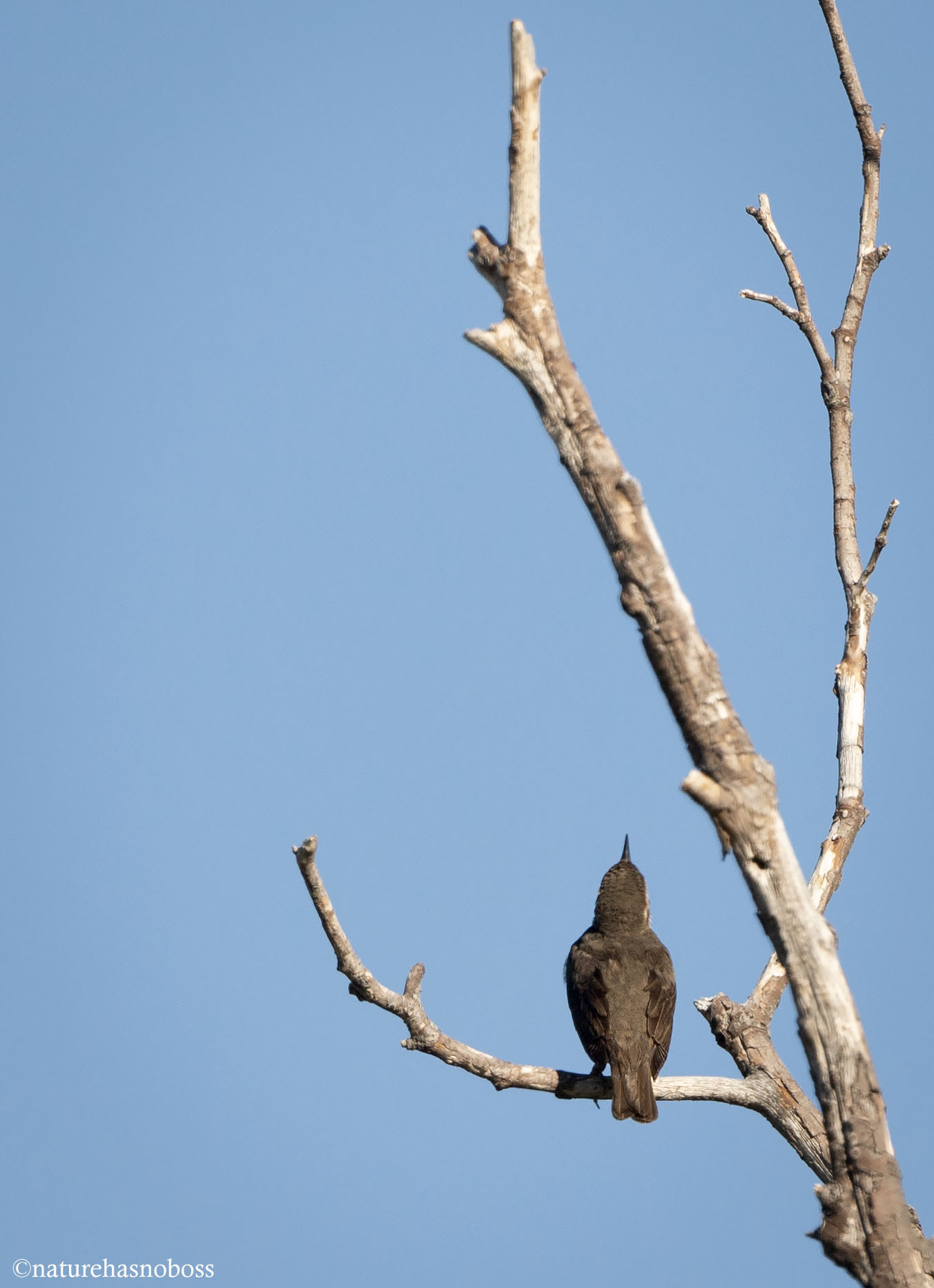
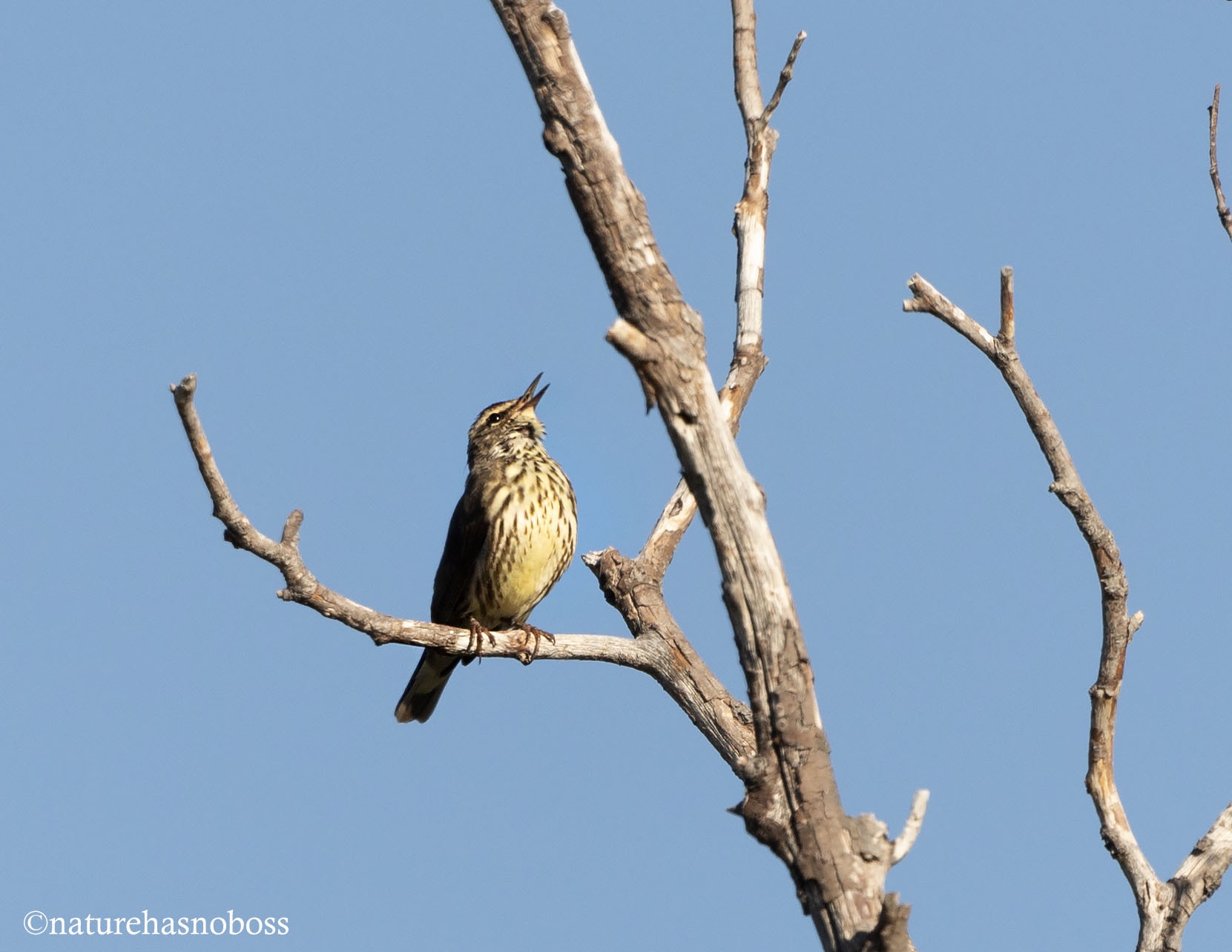
Although he had is back to us we could hear this Northern Waterthrush serenading the females across the creek from a fair distance as we walked through our small wetlands area one morning.

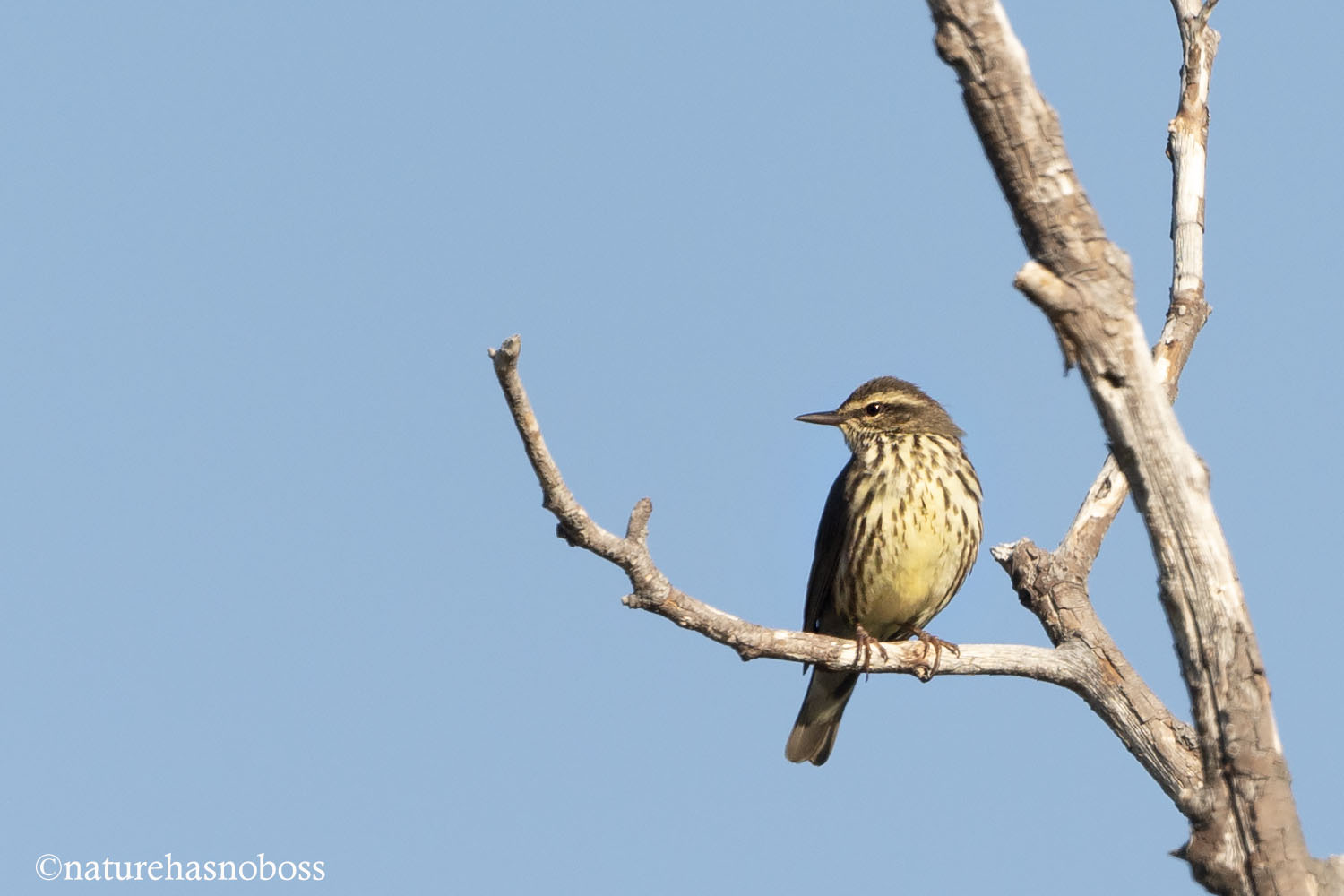
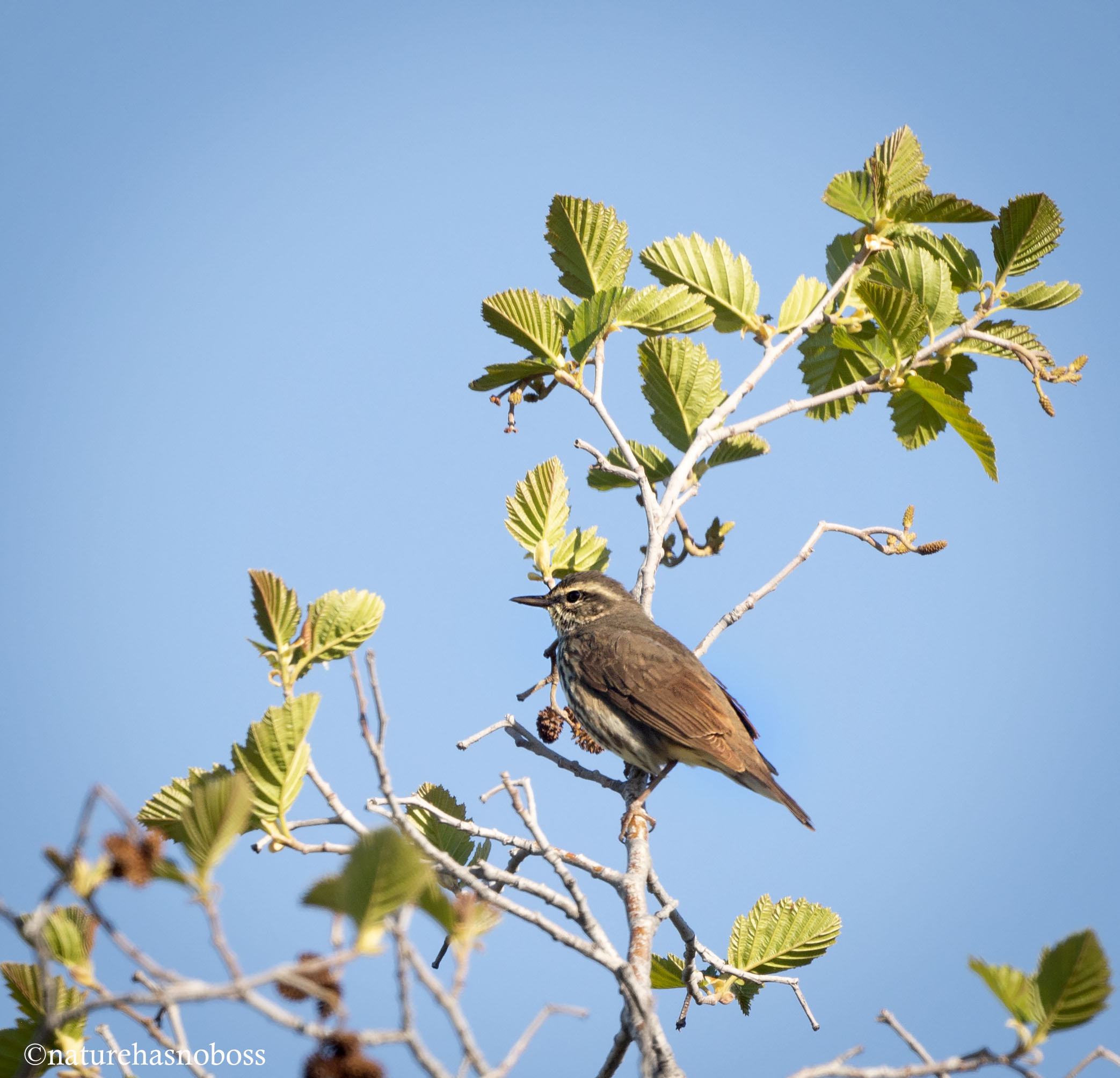
The Northern Waterthrush is often an unseen singer whose rich, sweet whistles lure listeners into its attractive habitats, the wooded swamps and bogs of northern North America. These streaky brown songbirds lack the bold colors of many other warblers and don’t forage in forest canopies. They forage at the water’s edge in bogs and still water, where they hunt aquatic insects and small salamanders, all the while bobbing the rear of the body, much like a Solitary Sandpiper, another denizen of shady swamps.1

This individual had a very sweet song and continued singing off and on for 15-20 minutes while perched up high along the creek.

After about 20 minutes perched in one location they moved nearby for one final look.

Reference:

  1. https://www.allaboutbirds.org/guide/Northern_Waterthrush/overview