Little Hunters

Bluet_1

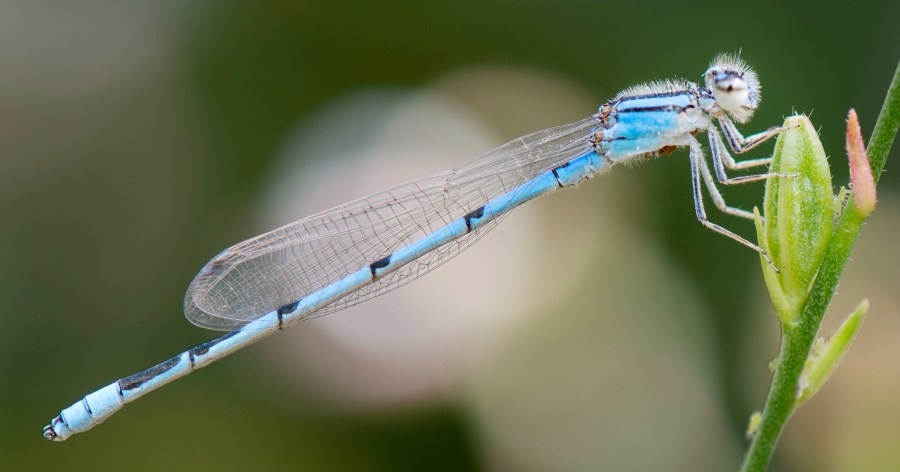
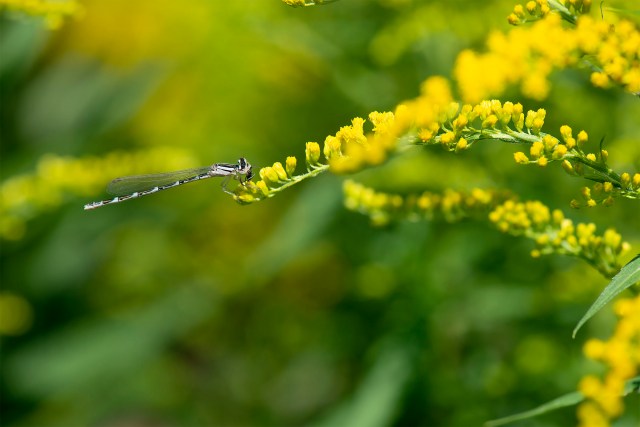
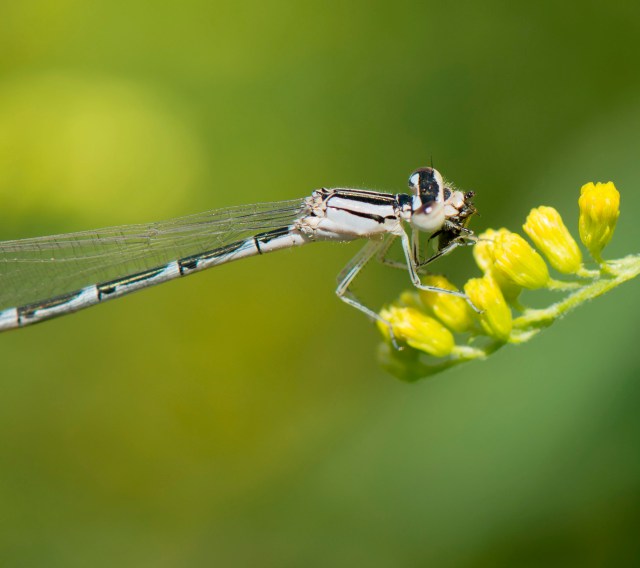
One sunny afternoon we noticed these little (less than an inch in length) Bluet Damselflies  hovering and sometimes landing on the tiny flowers of a goldenrod plant. After taking a closer look and a few photos we discover why. They were hunting even smaller flies that were pollinating the flowers. The hunting forays appeared to be quite successful as they nabbed numerous meals on this one little stem.

Little hunters with a big appetite.

BLuet_2

On the forest floor

Forest_floor_1

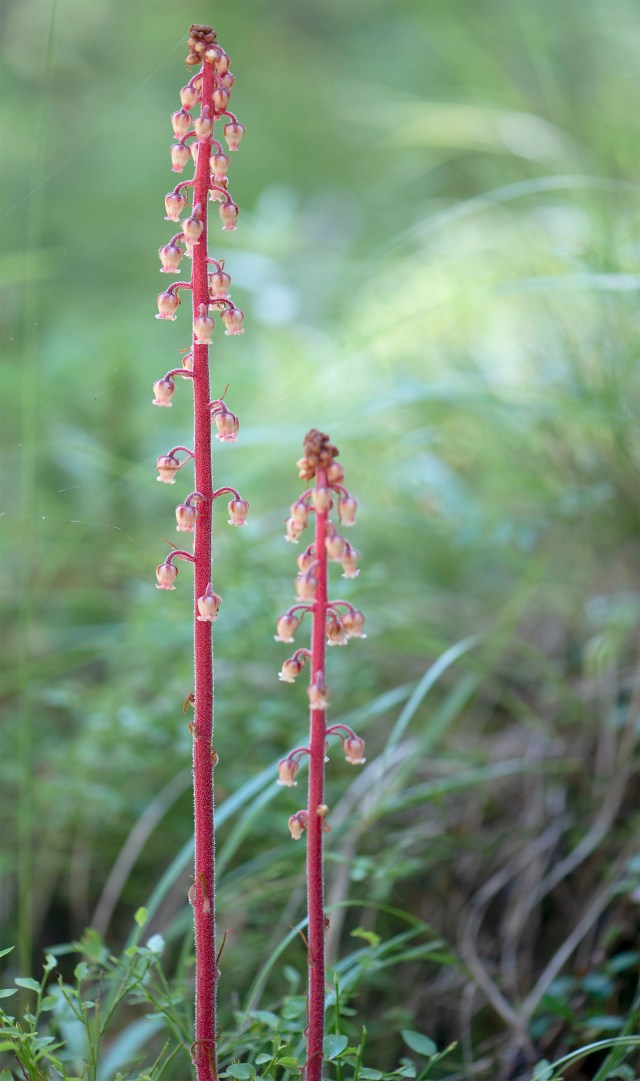
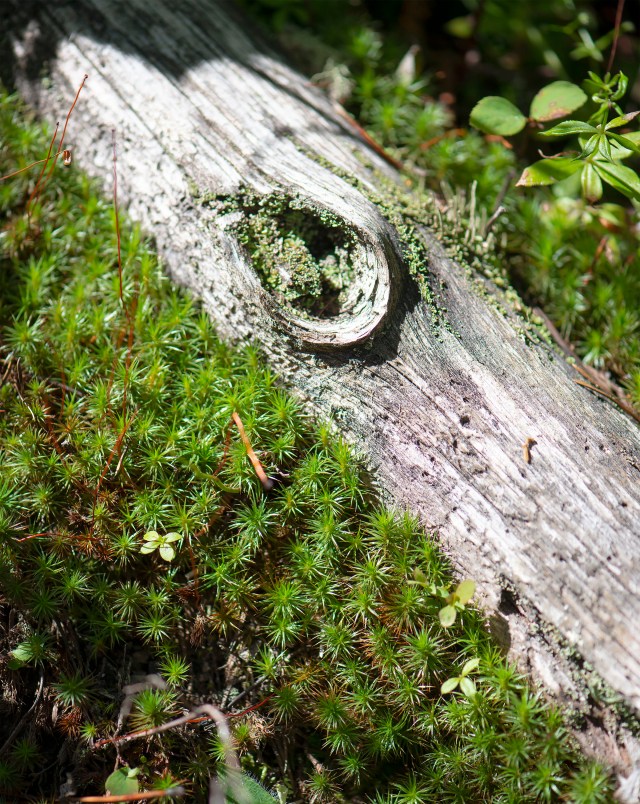
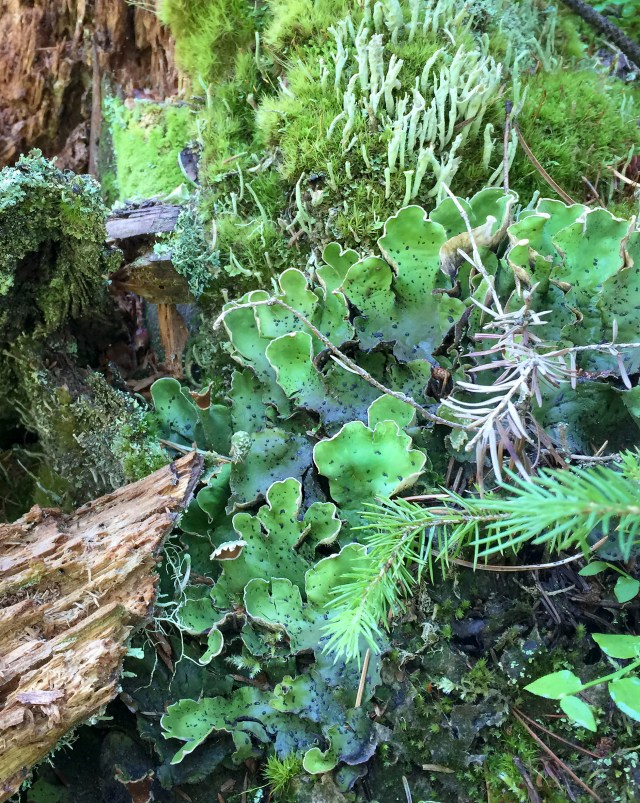
After a mile or two of a hike that began in tall grassland and meadows we suddenly entered a stretch of trail that wound it’s way through a luxuriant forest filled with treasures of all kind. From beautiful Woodland Pinedrops to what seemed an unending variety of ground covers, the landscape was transformed. From dry to wet, from brown to green, you never know what you’ll find on the forest floor.

Forest_floor_2

Forest_floor_3

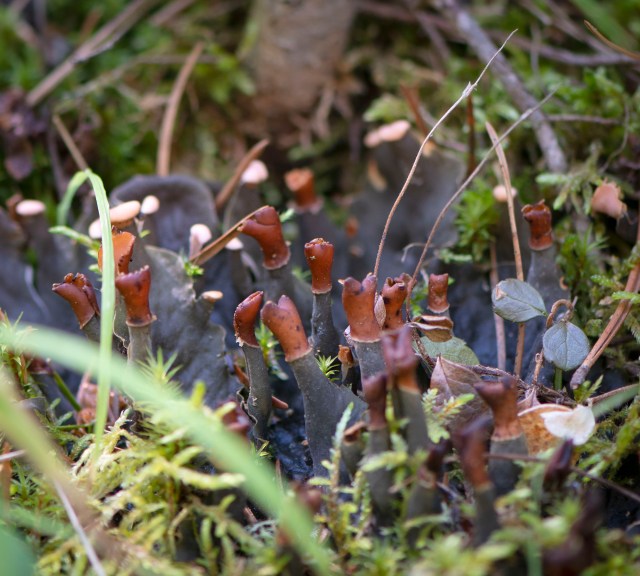
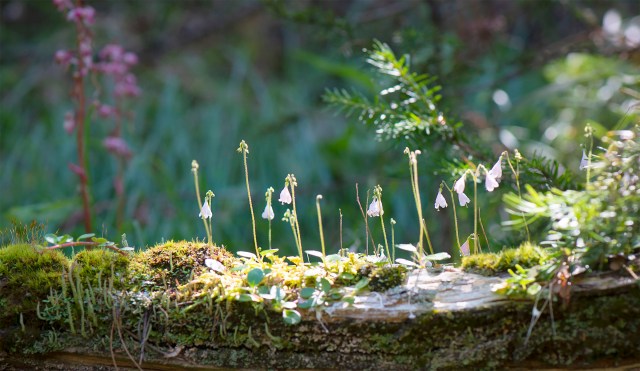
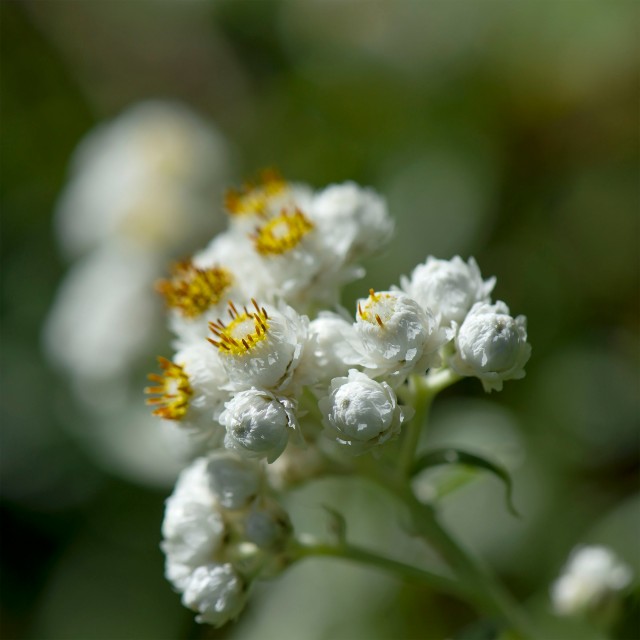
Unusual fungi and tiny white bells.

Forest_floor_4

Forest_floor_5

Life took many forms and all play a part in the ecosystem of the forest floor.

Forest_floor_6

Wishing you a wonderful week and perhaps some time to explore.

A new one.

Bee_2546

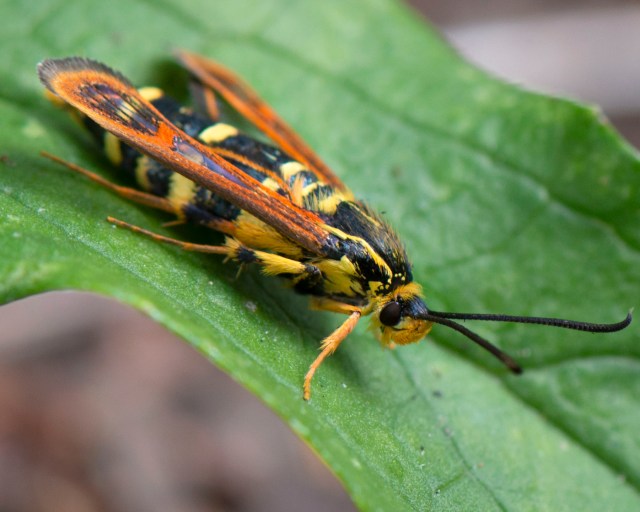
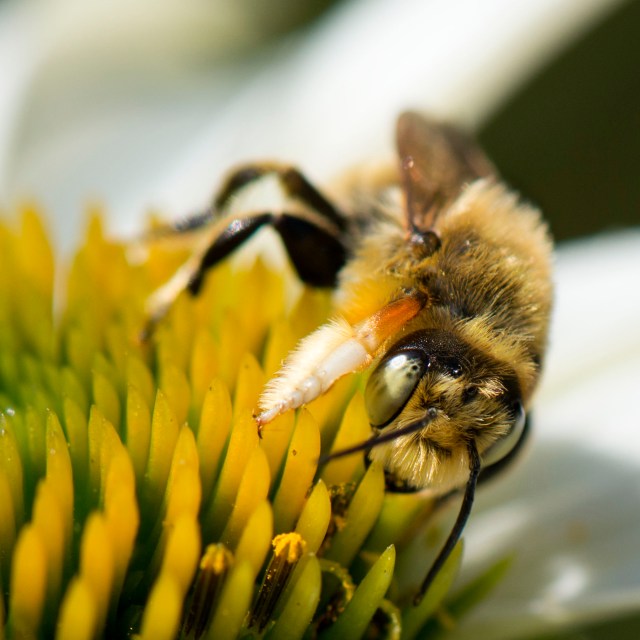
It is always fun to see a new one. Here are two views of a new and interesting looking insect which we think to be a bee but could well be a fly. It smaller than a honey bee, has long antennae,  a hairy body like a bee and interesting orange wings. This was the only one like this we have encountered and is not shown in the guide to local bees making me think it may be a bee-fly mimic.

Bee_3456

Yes, it is indeed fun to encounter a new species of any kind to reinforce just how wonderful the diversity of life on our planet.


Thanks for everyones help in identification of this insect. Looks to be a Hornet-Moth.


Like fingers

IMG_6536

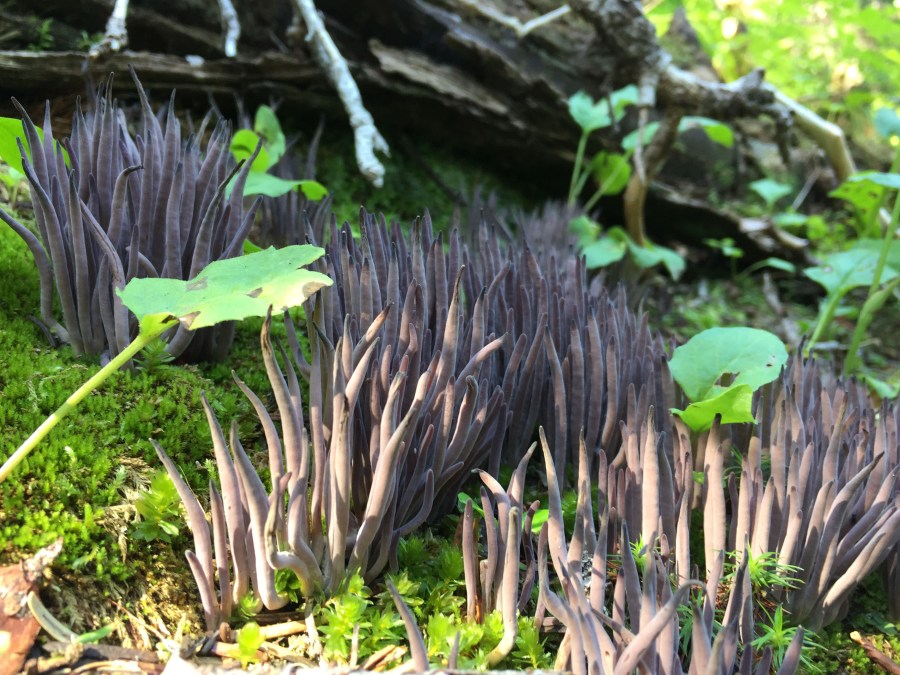
A wonderful and unusual fungus growing like fingers from the earth along the path of  old tree decomposing lying just below the earths surface.

IMG_6537

There were several cluster each with a wonderful beauty that made us ponder life myriad forms. Each form with a place and each important to the whole.

IMG_6538

The diversity of life is natures greatest gift.

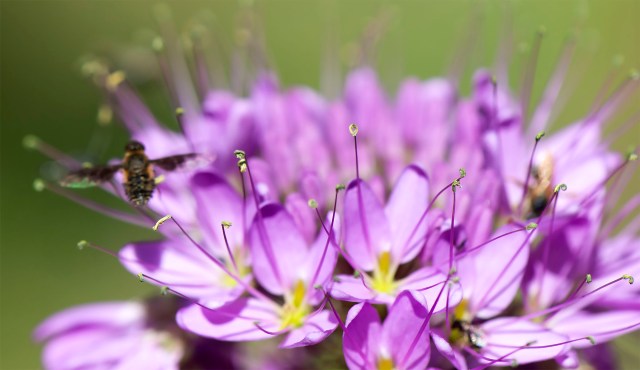
Rocky Mountain Bee Plant: Cleome serrulata

Bee_101
Rocky Mountain Bee Plant: Cleome serrulata was a wonderful late blooming wildflower near us this year. It drew numerous species of bees, and butterflies, from near and far and always had visitors when in bloom providing pollinators with a generous sip of nectar.

Bee_102

Growing up to 4 ft tall Bee Plant stands out in the fields of tall fall grasses.A beautiful and very sculptural wildflower Bee Plant is fun to photograph as well.

Bee_103

According to the USDA “Cleome serrulata is an important cultural plant for many Southwestern Indian tribes. The young, tender shoots and leaves are good sources of vitamin A and calcium. In the past they were used as potherbs or medicinally as teas for fevers and other ailments. The seeds were ground and used to make gruel or bread. The Navajo still use the plant as a source of yellow-green dye for their beautiful wool rugs and blankets. Many pueblo tribes use a concentrated form of dye, made from boiling the plant into a thick black resin, to paint designs on pottery or for decorating their baskets.”

Bee_104

On this particular afternoon the little green sweat bees were enjoying the plant to no end.

Bee_105

Every flower seems to have a visitor.

Bee_106

And one last look as even the bee fly mimics got in on the action.
Bee_107