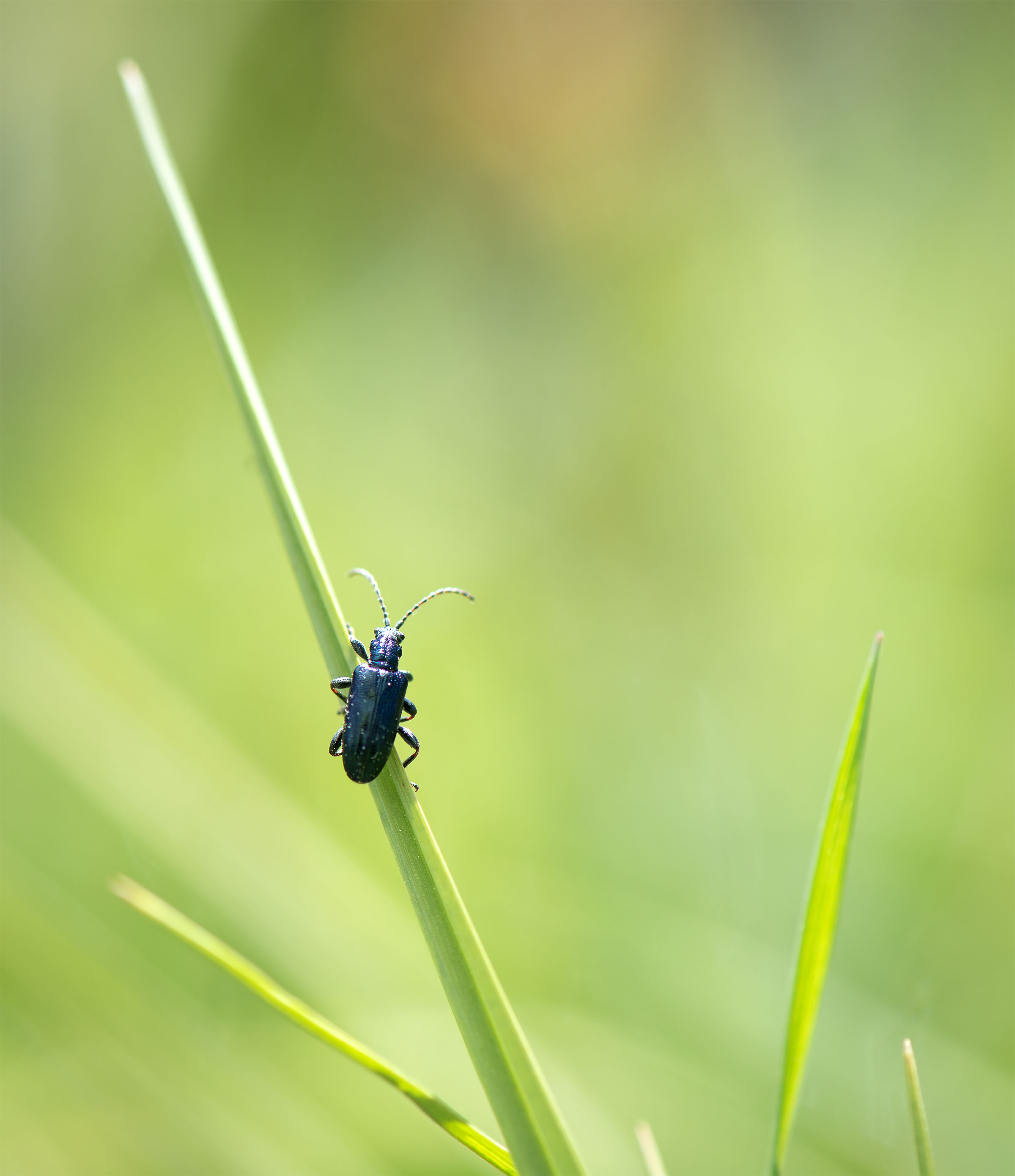
Looking closely at a blade of grass there is more than meets the eye.
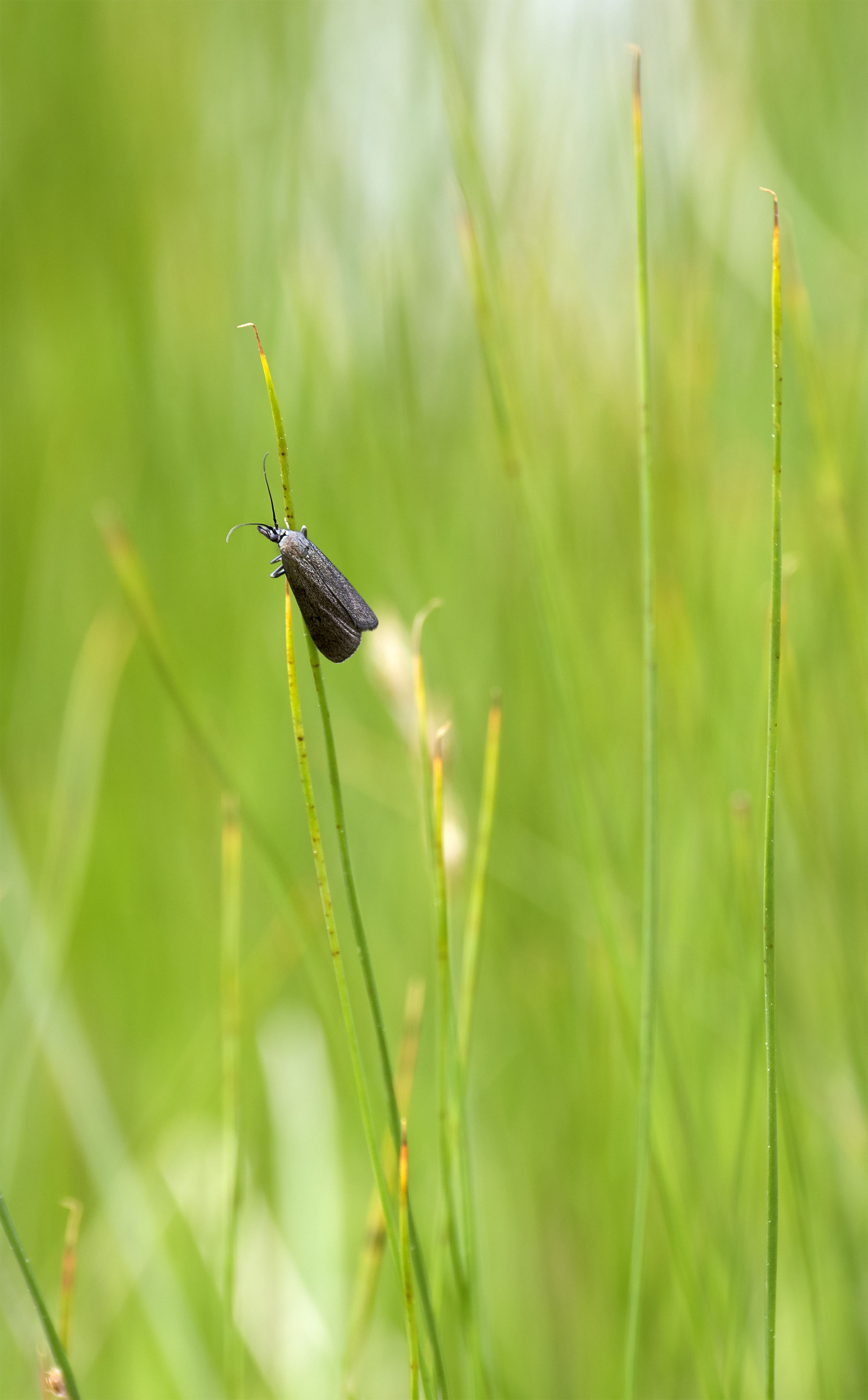
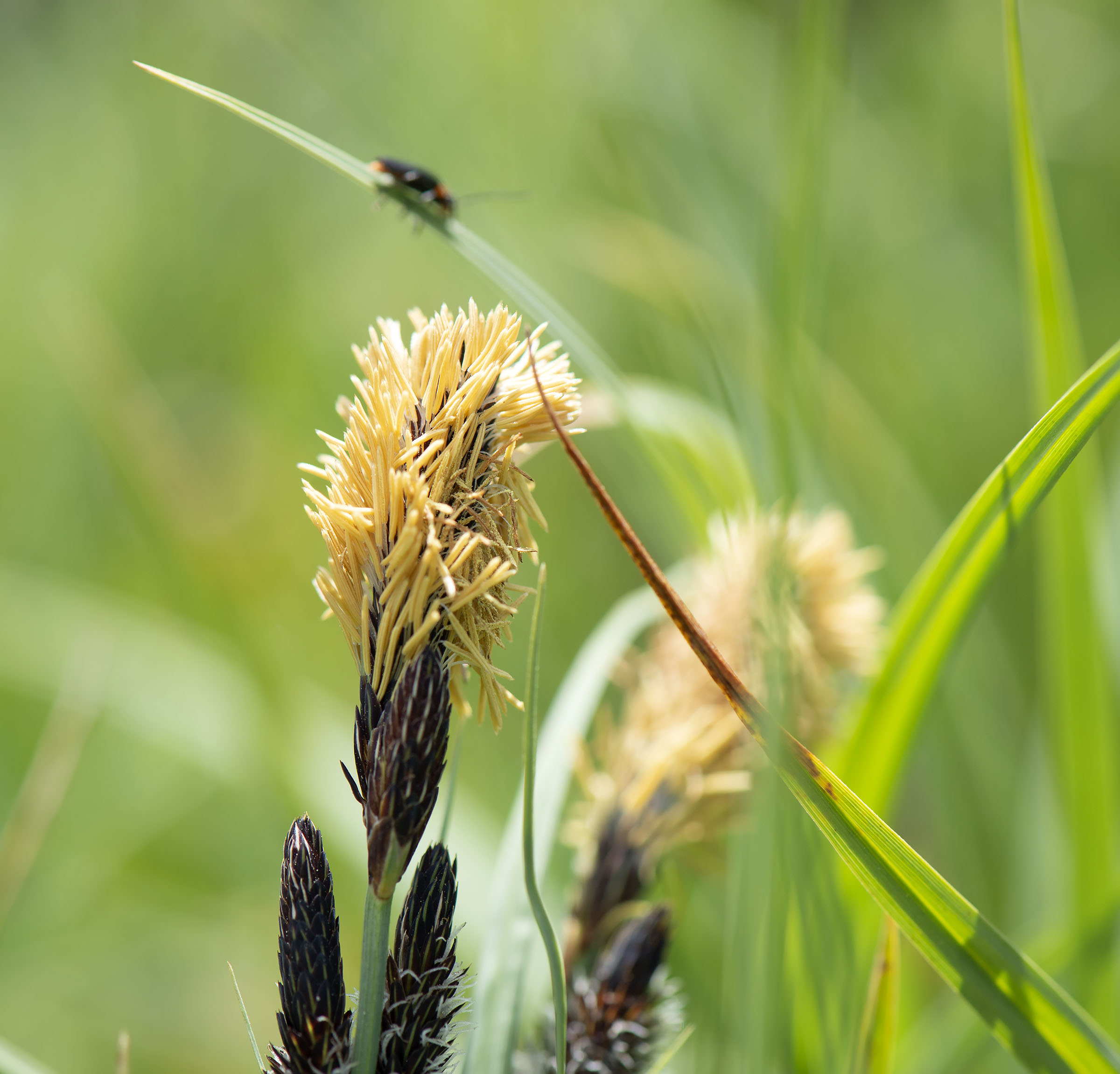
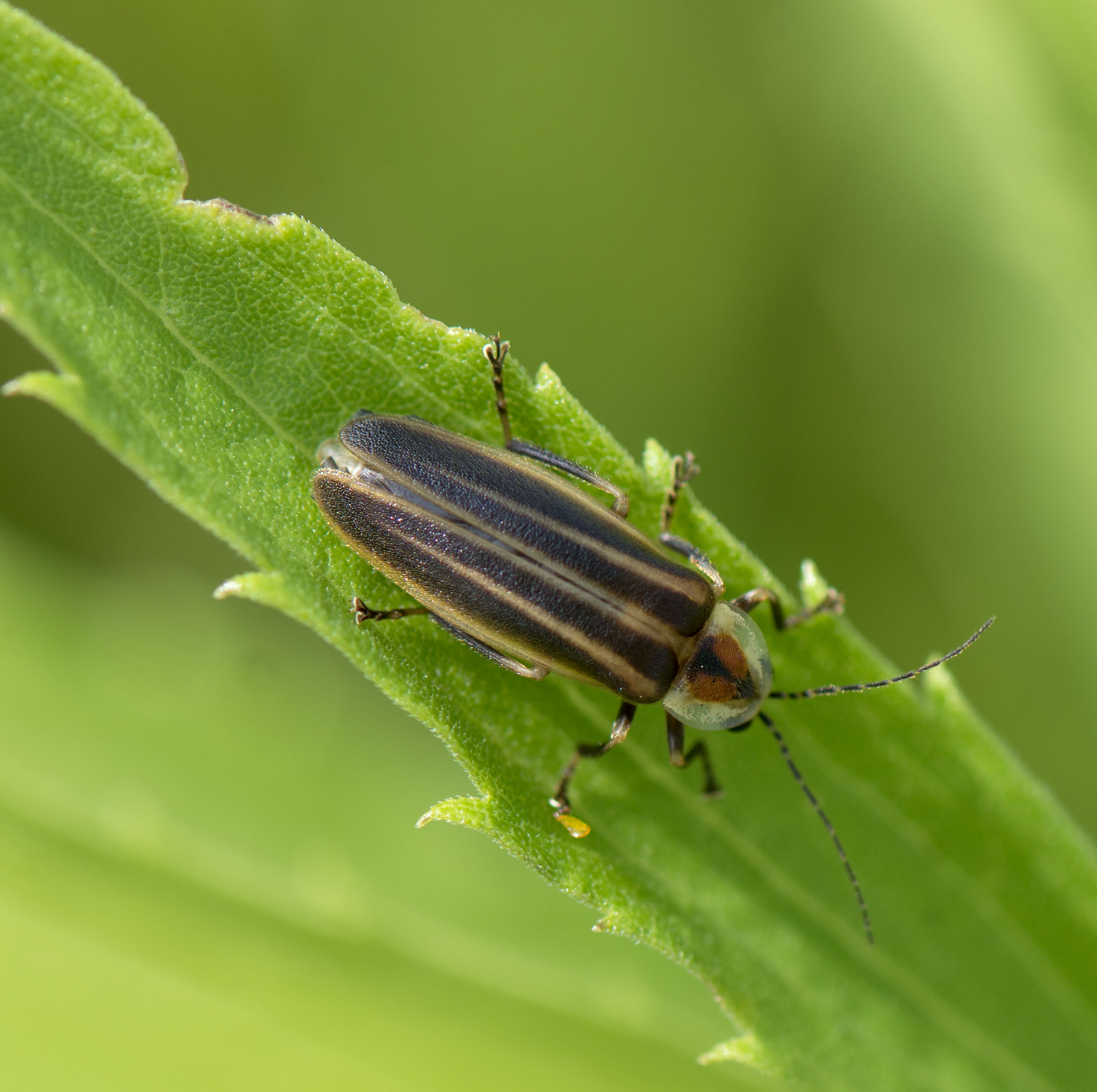
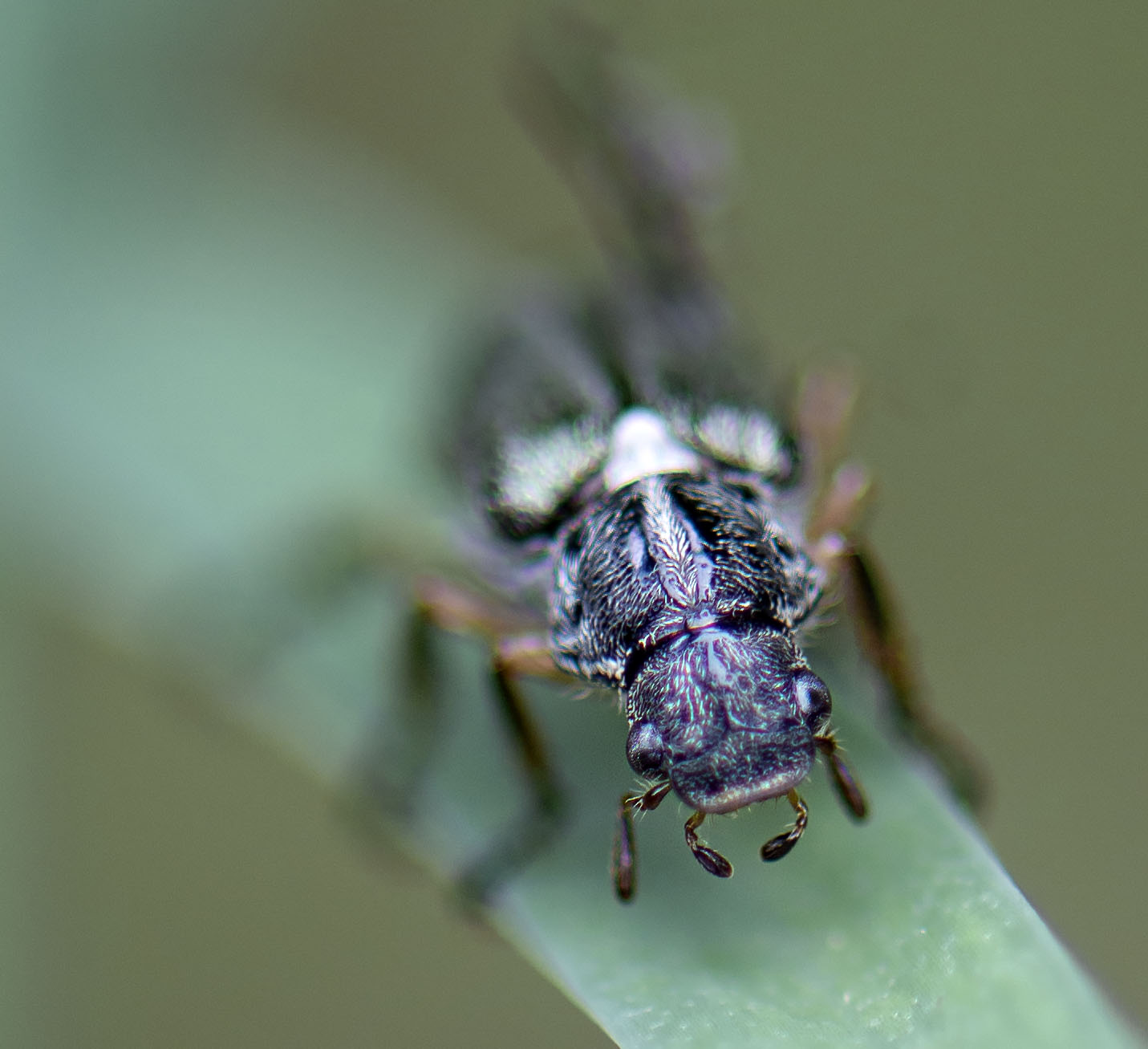
Yes, there is always more than meets the eye and it’s sure fun trying to meet it.
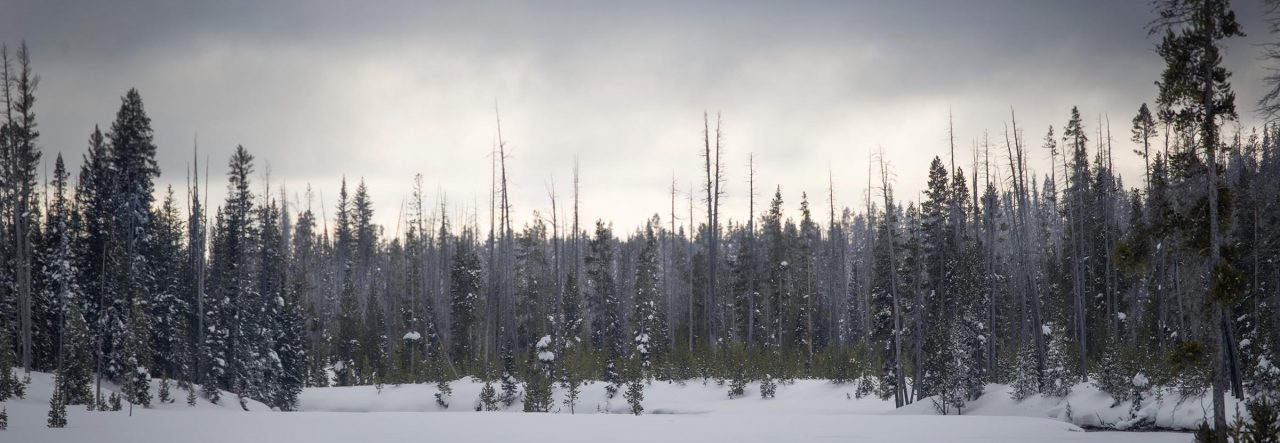
Looking closely at a blade of grass there is more than meets the eye.
Yes, there is always more than meets the eye and it’s sure fun trying to meet it.
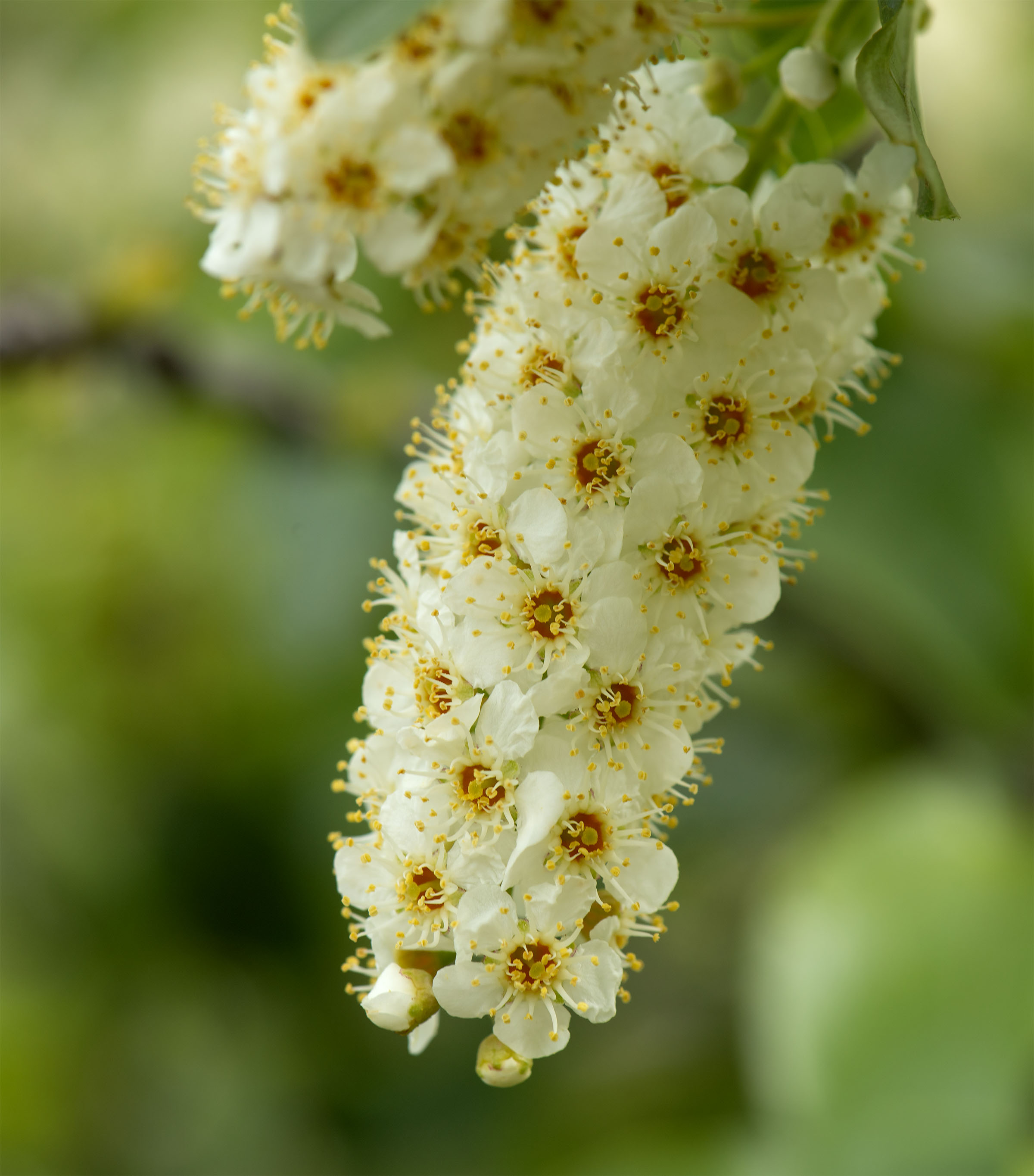
While the last blossoms of the Choke Cherry shrubs, which line the road near our home, have faded away their sweet smell still lingers in my head. Most of June was filled with that sweet smell as different bushes bloomed at different times of the month and thus we were treated to a wonderful progression of fragrance and sights.
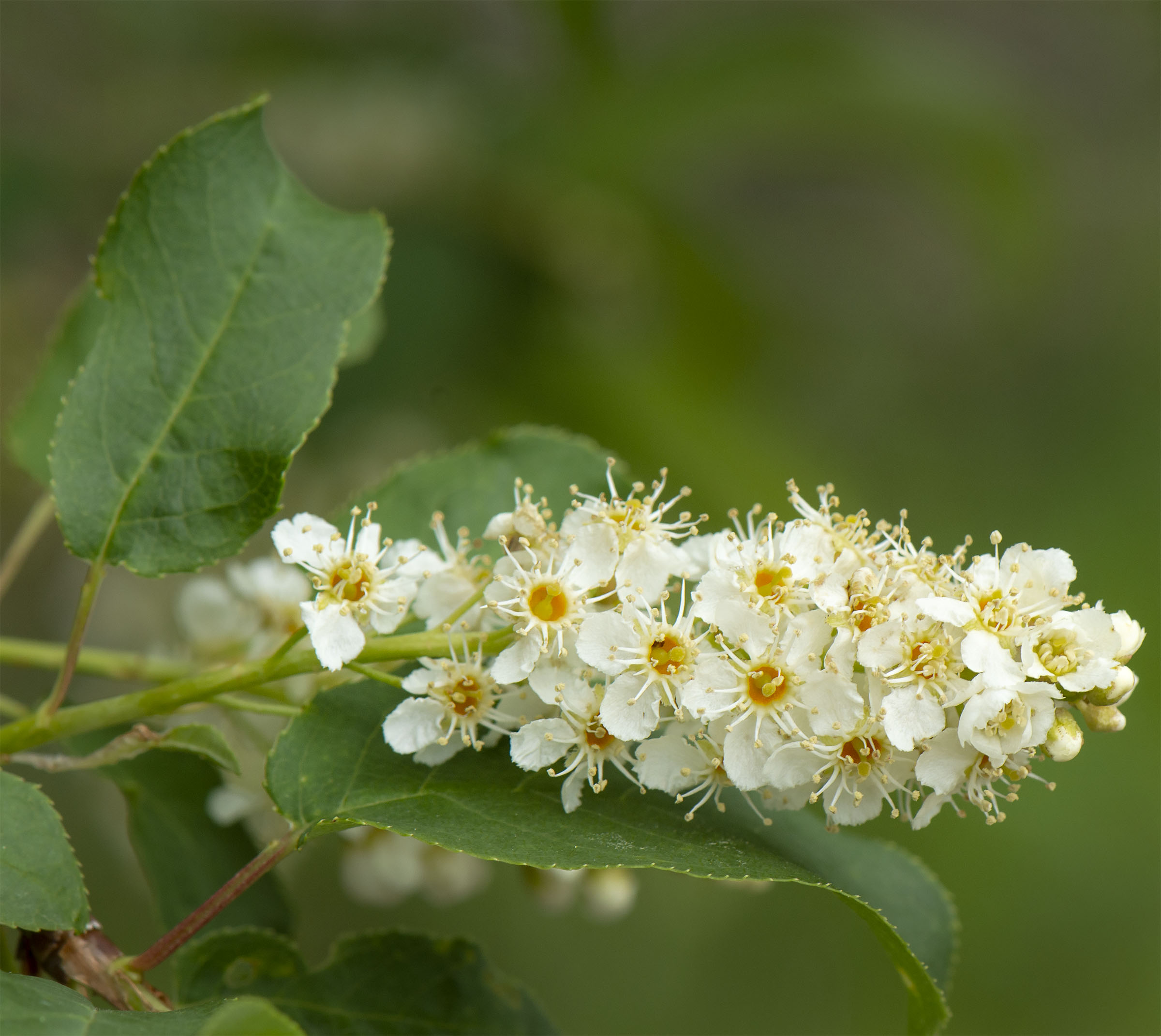
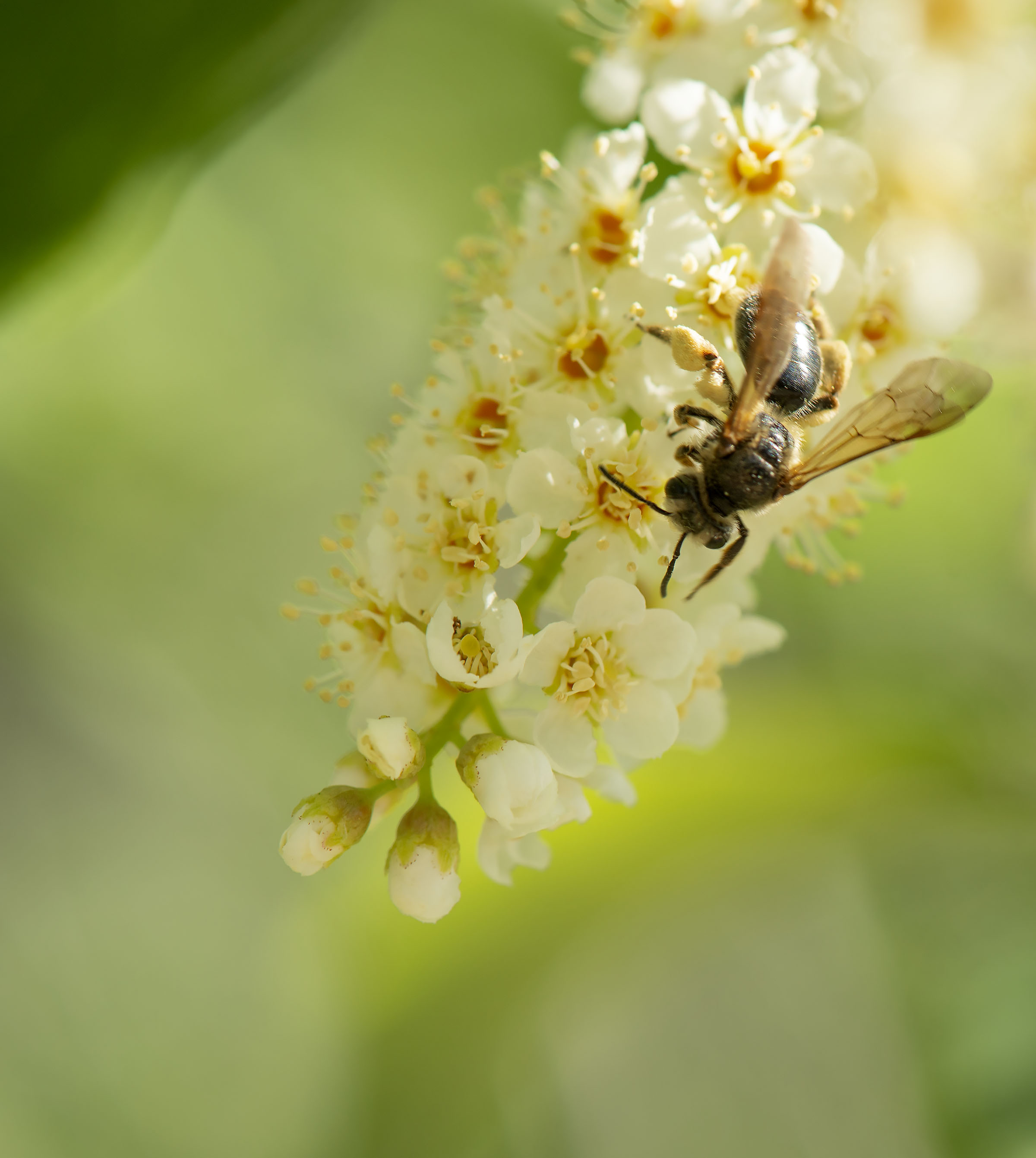
The astringent fruits and even the leaves and branches of the Choke Cherry are considered an important food plant for wildlife. Both large and small mammals as well as birds utilize Choke Cherry for food. In addition to food Choke Cherry provides wildlife habitat and protection for watershed in the areas in which it grows.
Human uses include Chokecherry Jams, wine as well a medicinal uses by native cultures. New growth on the leaves can be toxic to humans and cattle especially those leaves injured by frost or draught. So do not eat the leaves.
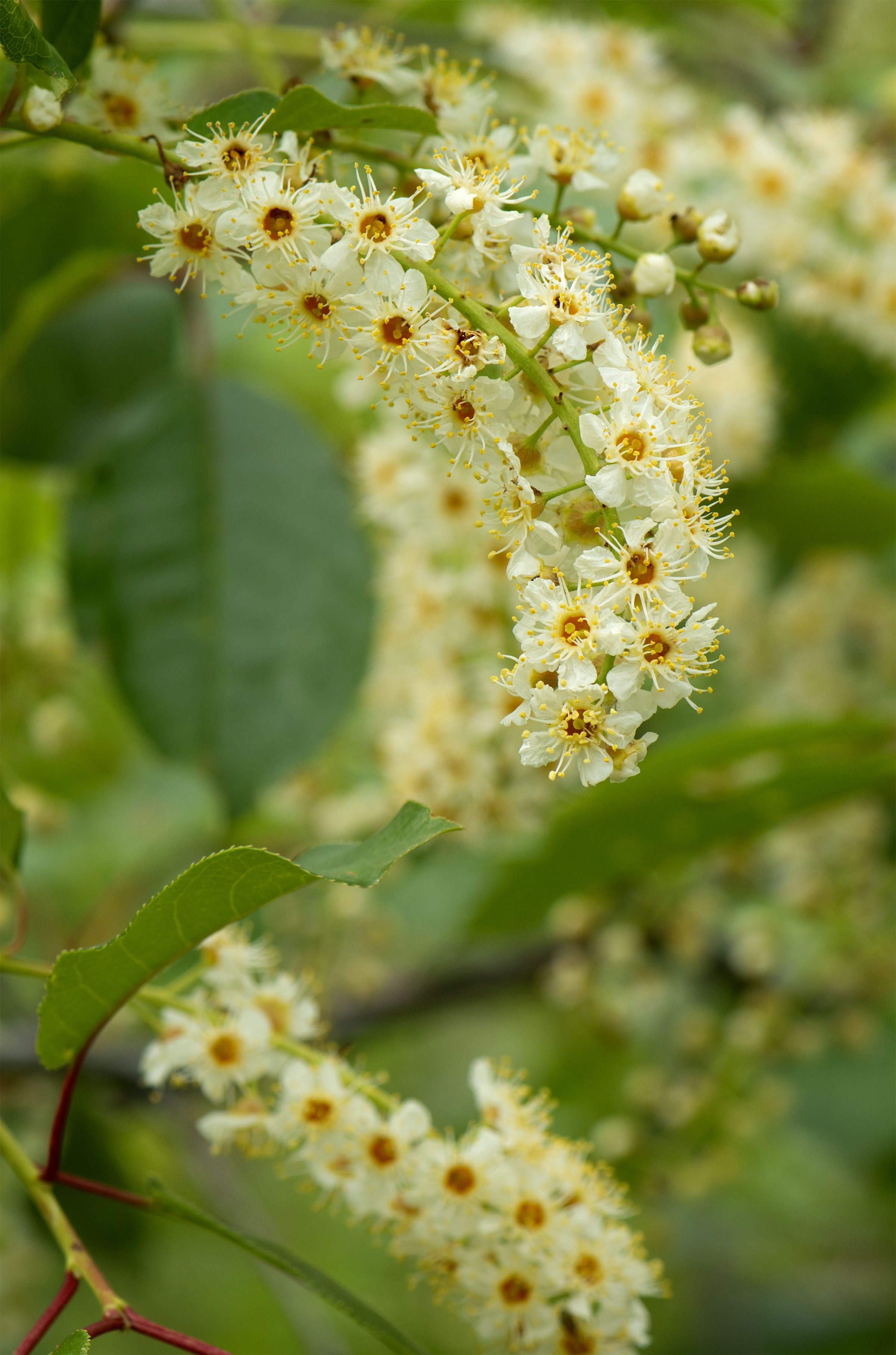
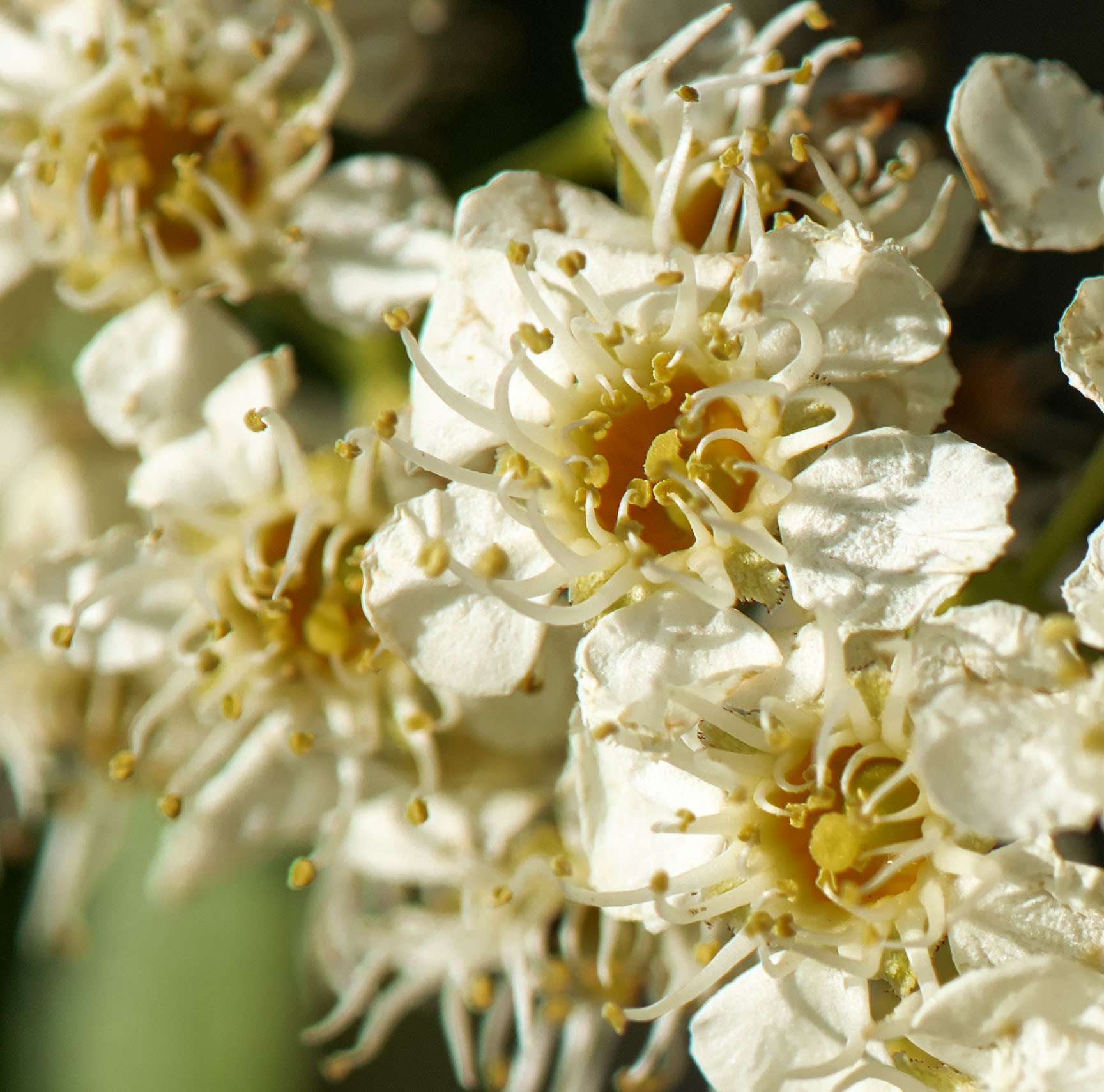
While the fruits are quite useful it is always the blossoms that take the cake for me and somehow posting on Choke Cherry seems a fitting thing to do on the forth of July.
References:
Lady Bird Johnson Wildflower Center.
United States Department of Agriculture.
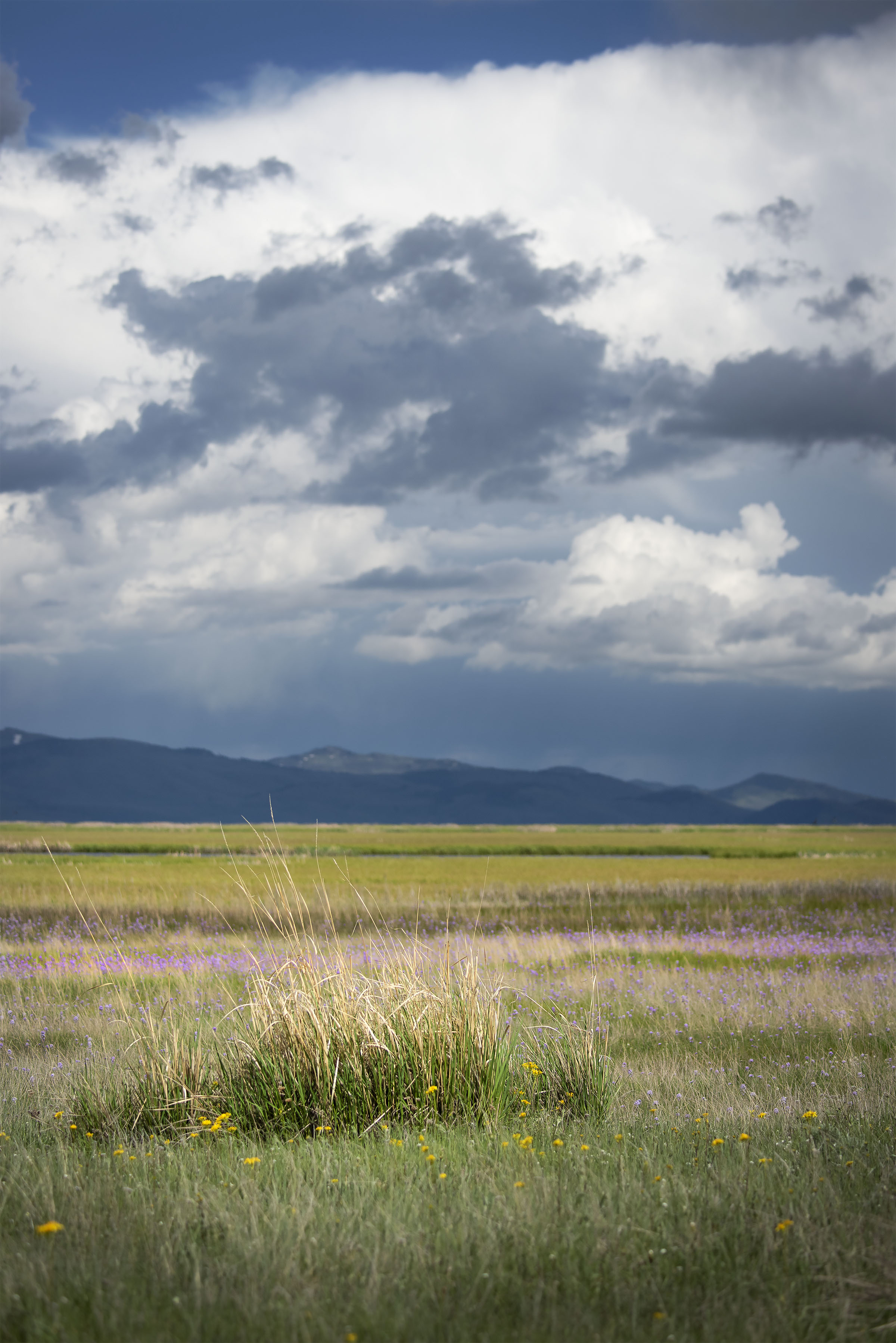
There are those places where it is said there are only three seasons, July, August and winter. While perhaps not always that way, this year, spring arrived late to this high mountain valley and when it arrived it was a welcome sight indeed.
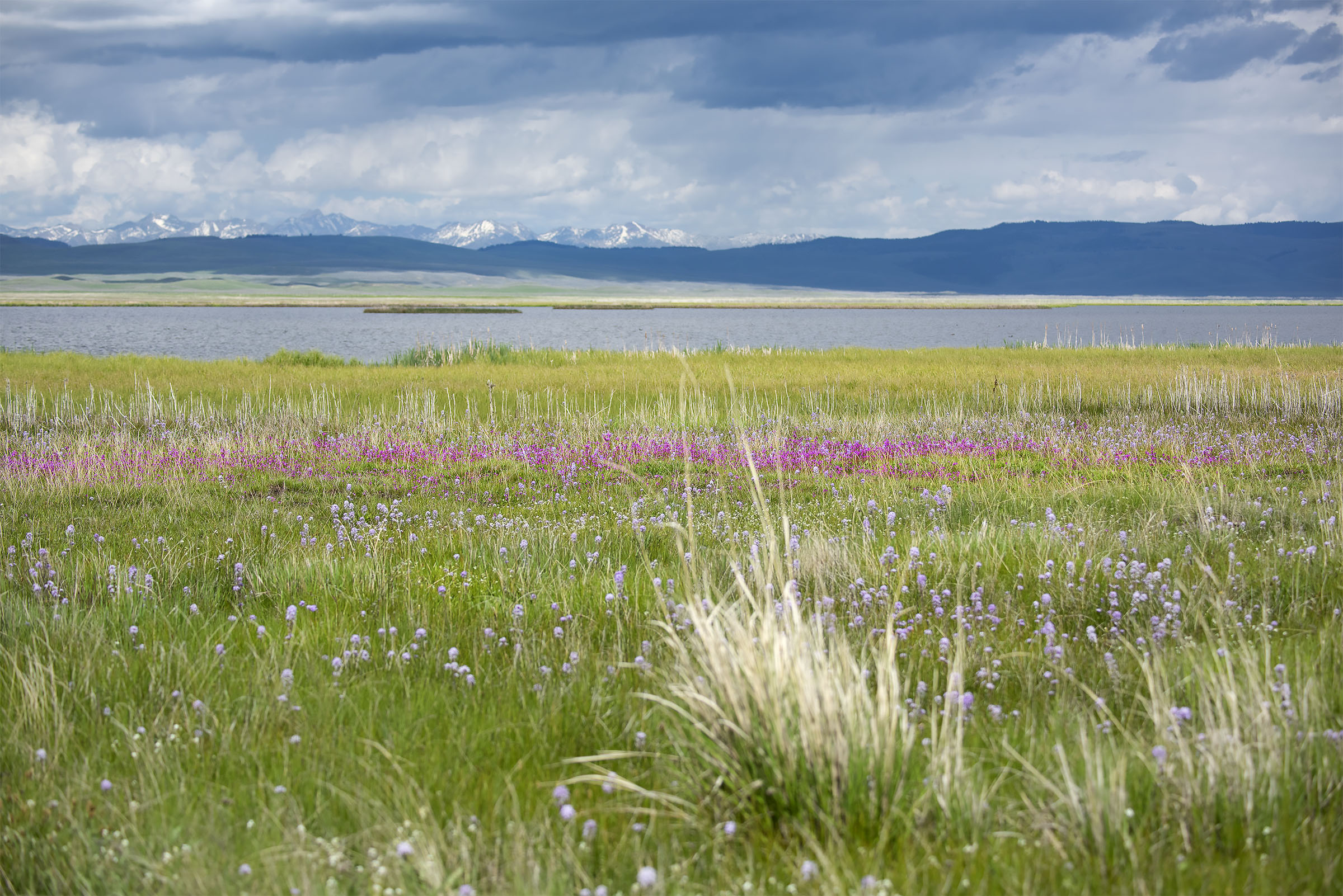
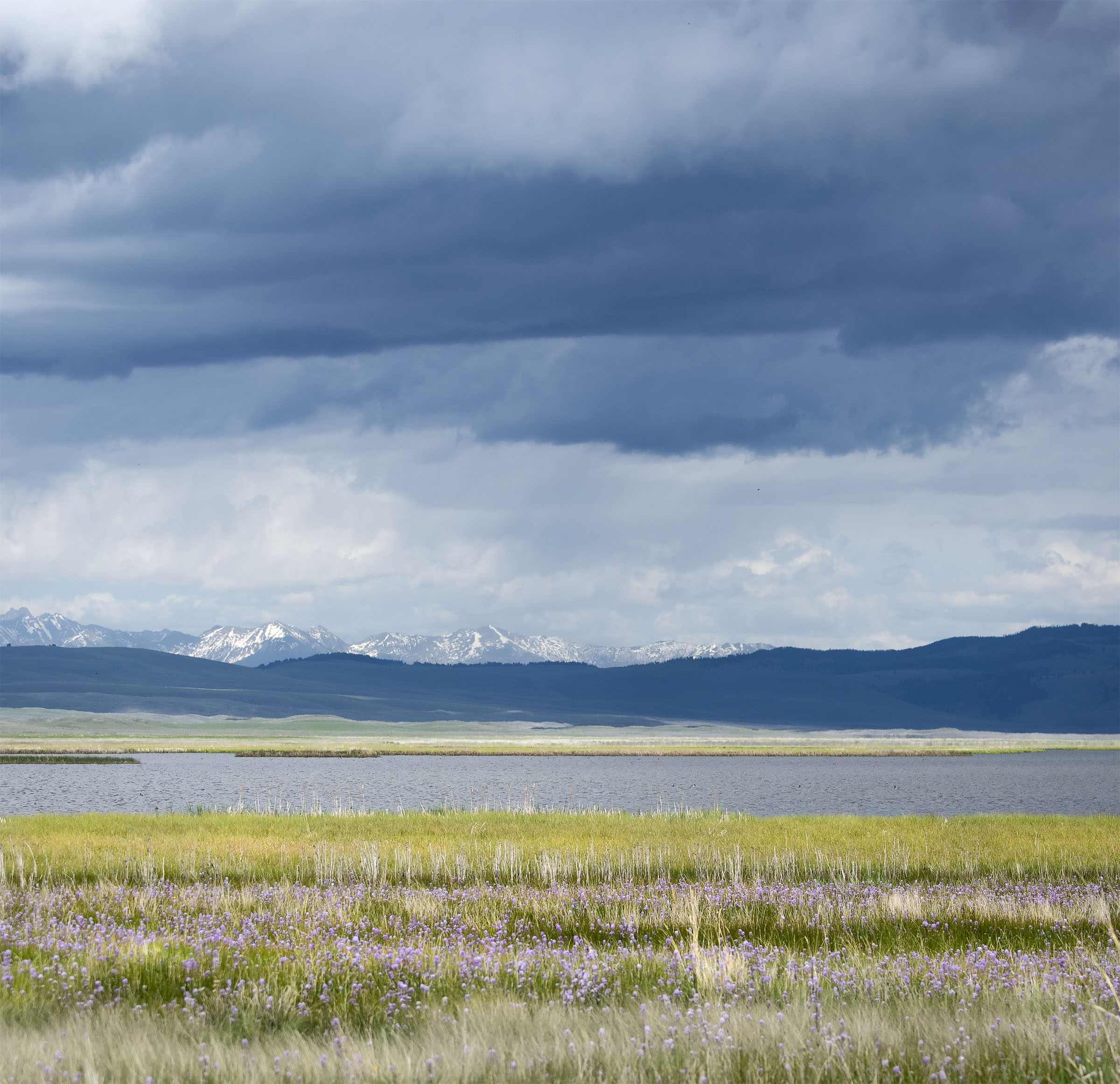
Grass grew and flowers bloomed just like it always has.
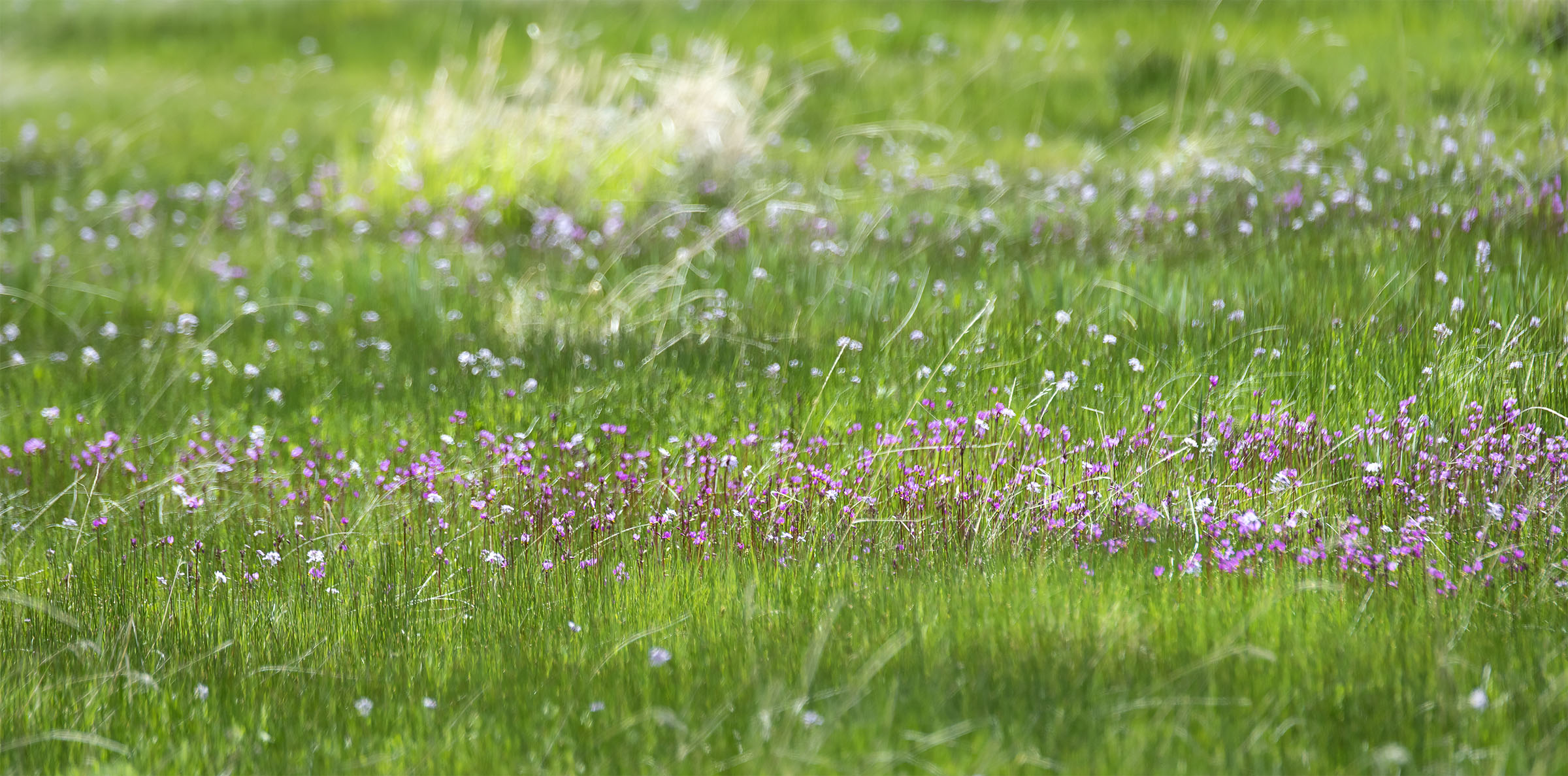
Early June 2018

Perhaps the most colorful of the summer visitors to our local tree-tops is the Western Tanager. Although the male sports conspicuous bright colors we hear him much more often than we see him. However, once or twice per day, we are treated to an occasional streak of color passing through the tress and every now and again a nice long view of these colorful birds of the summer forest.
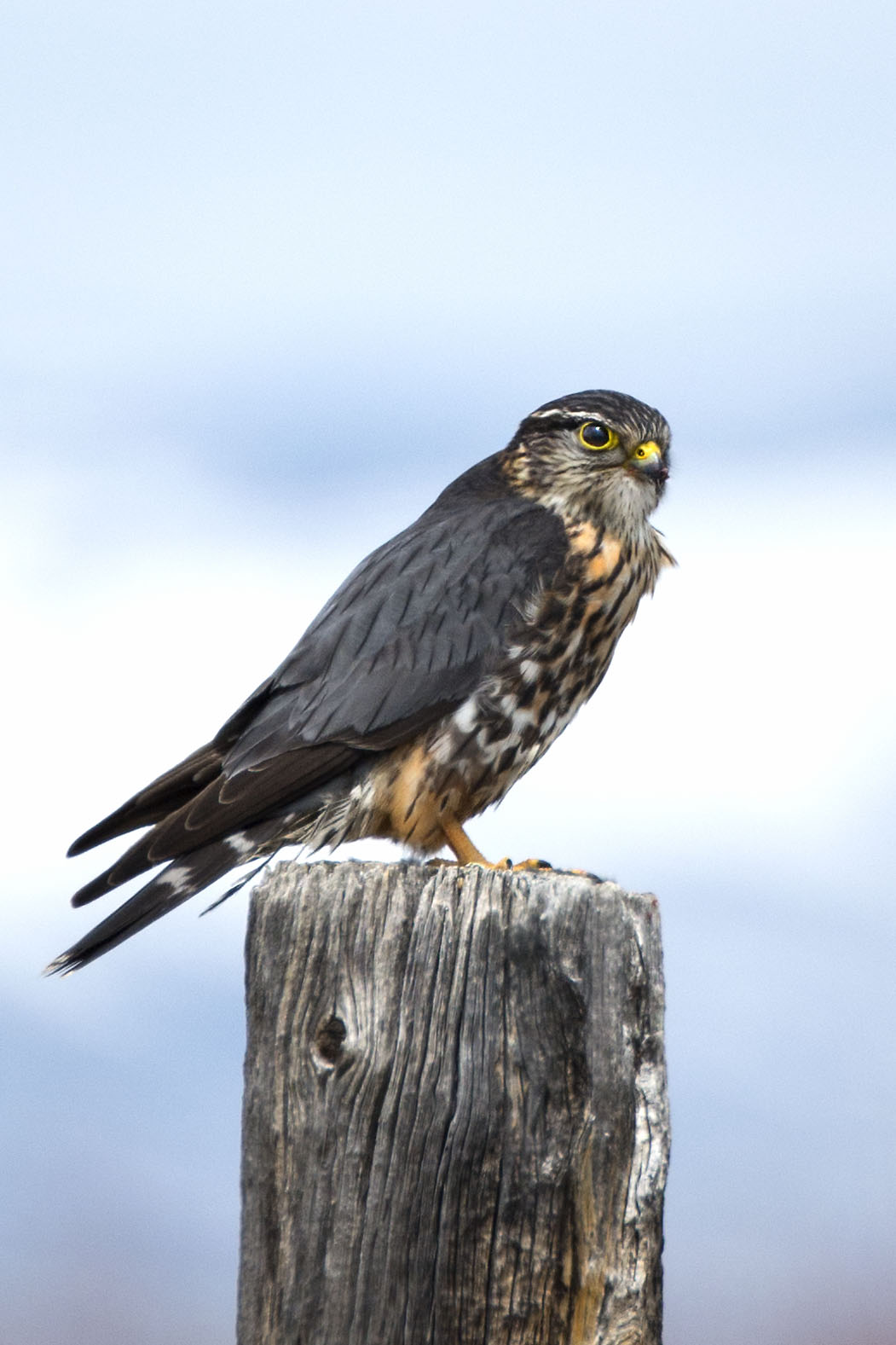
This Merlin was sitting quietly on a post along the road near Walden Colorado. We stopped for a few quick photos and were quickly on our way leaving him to enjoy their afternoon.
Walden, CO.

Stepping back and slowing down.
Symmetry between sea and sky.
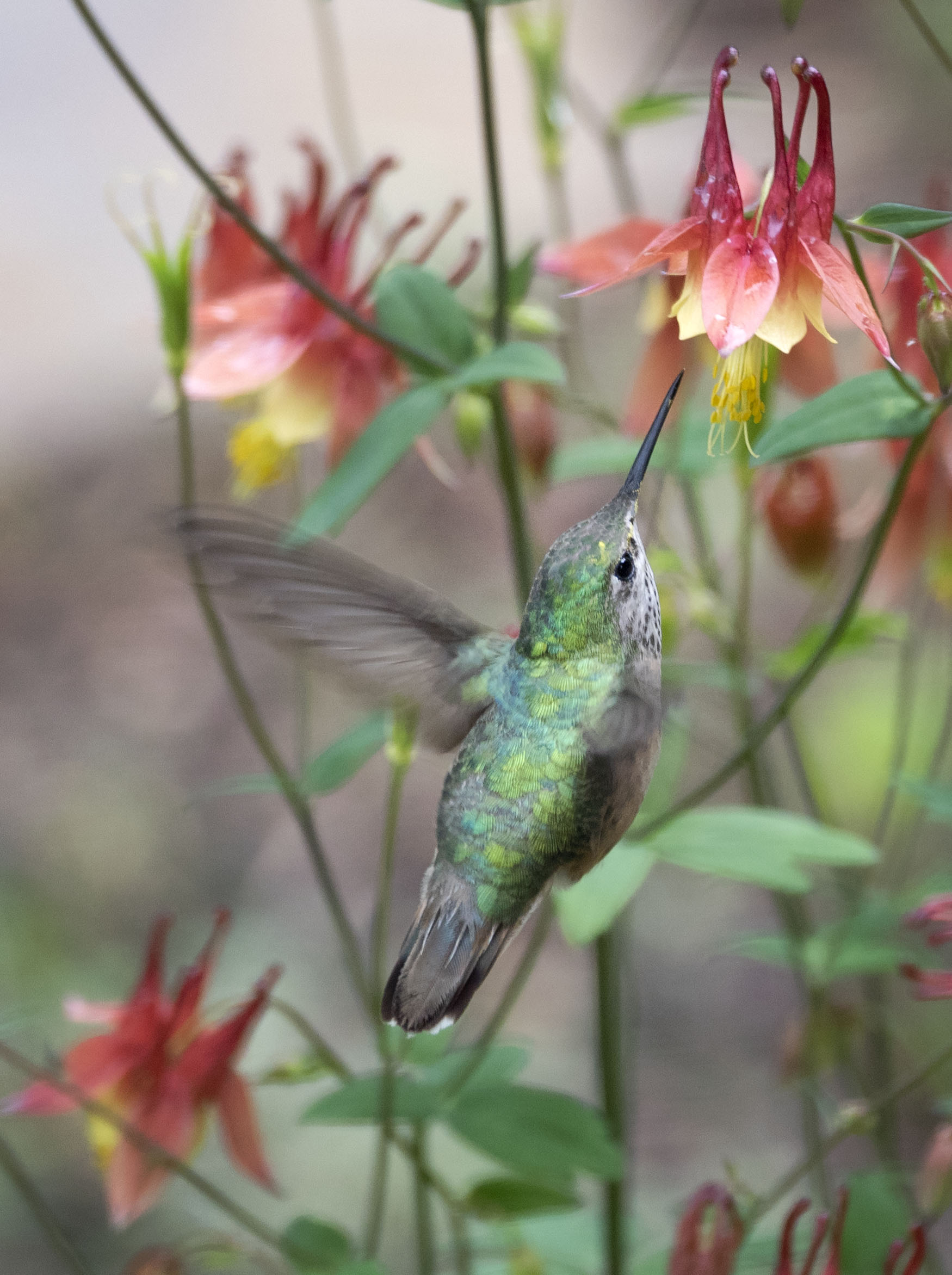
A male Calliope Hummingbird measuring in at a mere 3 inches visiting a Sitka Columbine.
Two of summers treats rolled into a single meal .

A Wood Nymph Butterfly taking a break in the shade on a warm summer afternoon.
The exact species I hesitate to take a guess on so if anyone can help out it would be appreciated.
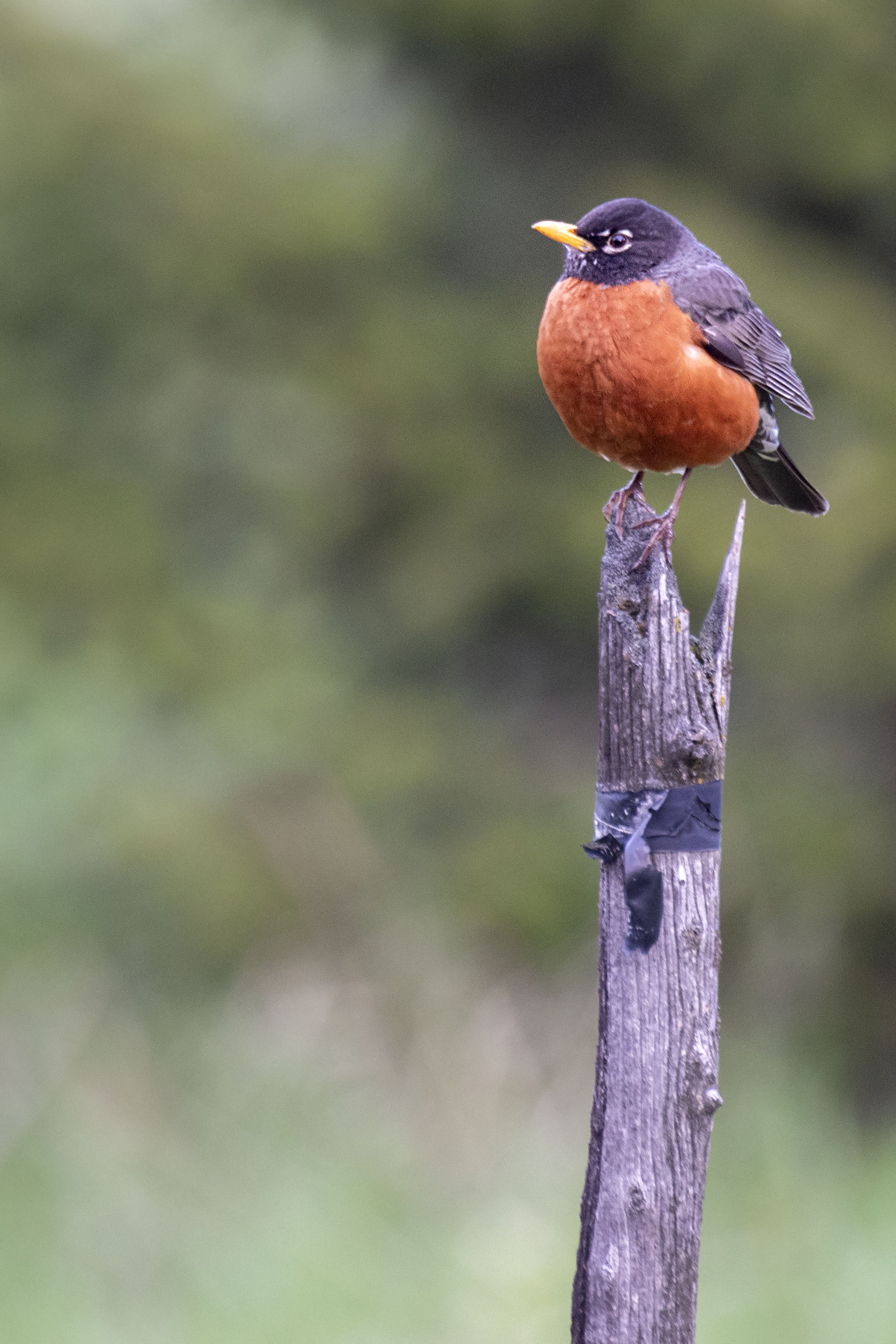
Well not a tomato but a wonderful plump and healthy looking male American Robin giving me the left profile.

Straight on head shot.
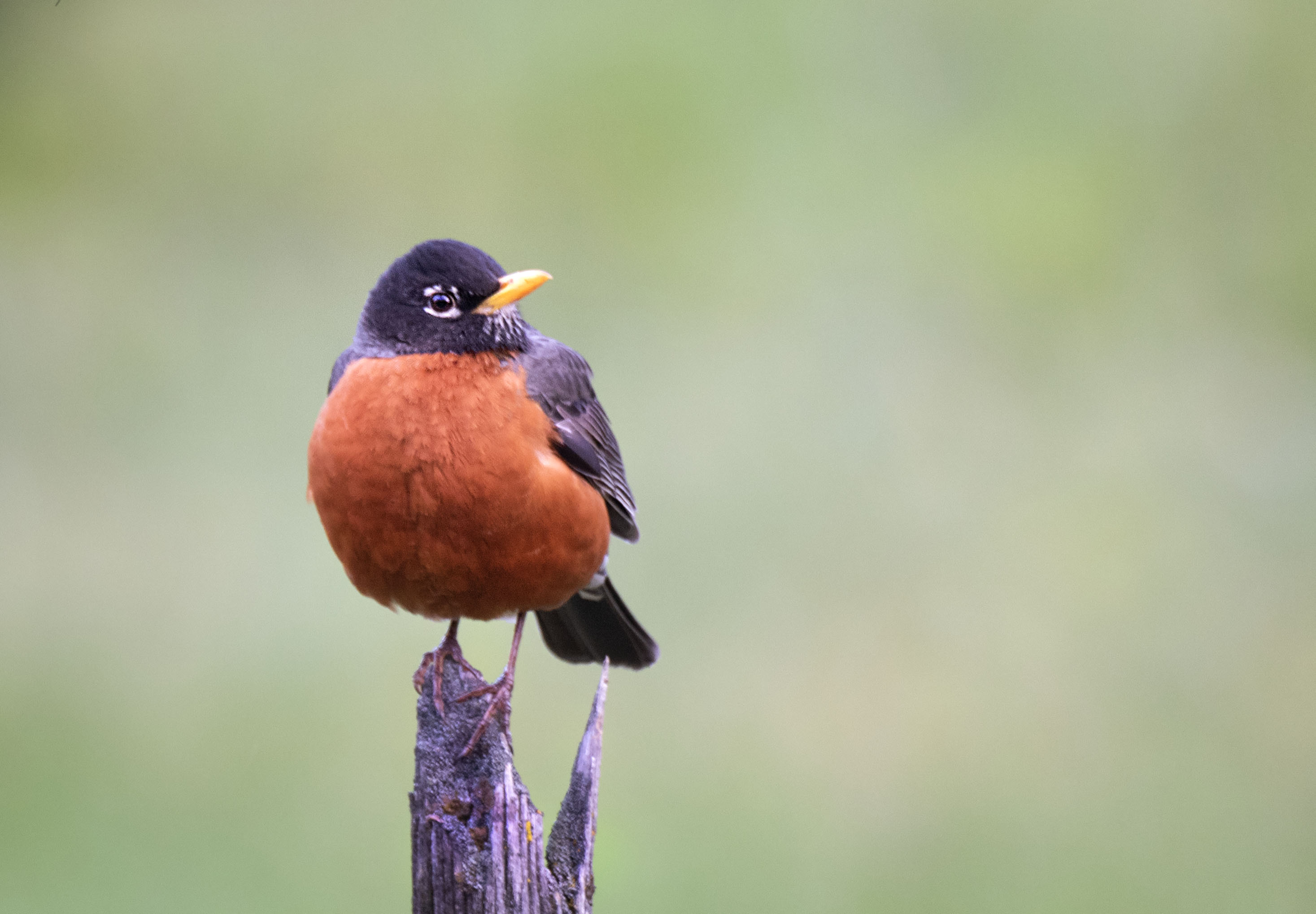
And to cap it off the right profile.
Yes a common bird but just consider how much pleasure a common bird gives. A wonderful sight to see, song to listen to and those debates on how a Robin hunts their worms…they are listening, no they are looking.
Hats of to the American Robin.
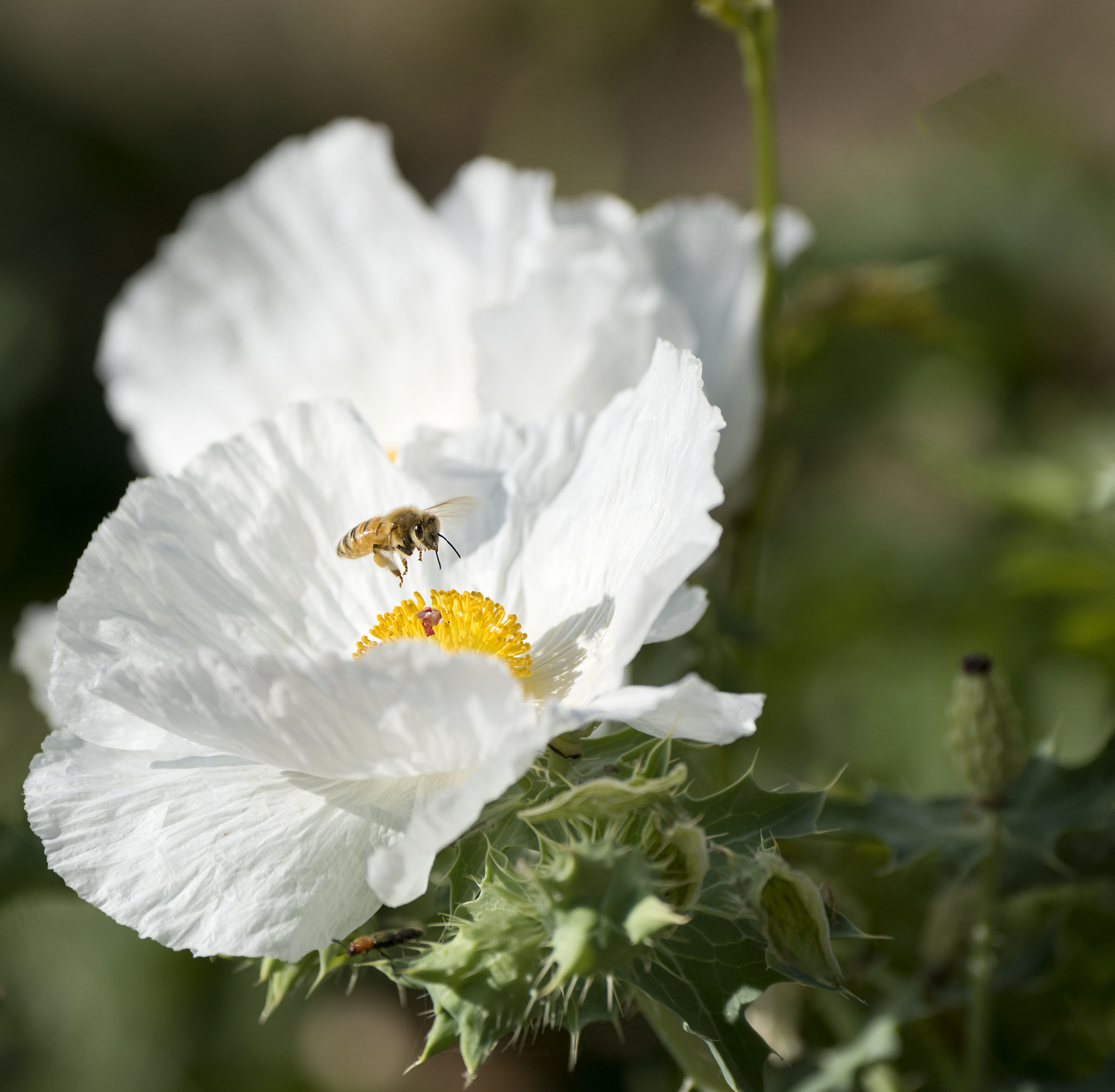
A little Honey Bee Checking out one of our favorite wildflowers the Prickly Poppy.
 nature has no boss
You must be logged in to post a comment.