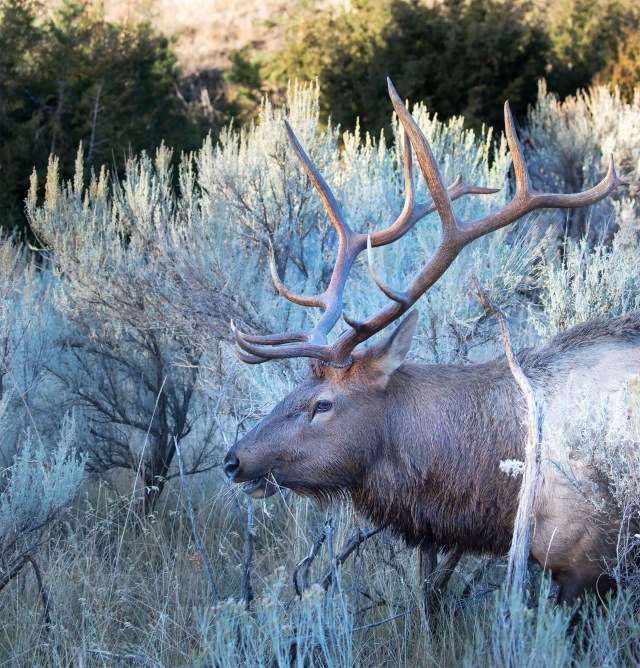
A Fine looking Bull Elk peeking out from the sagebrush on an early October day. Eating all he can before the rut begins in earnest. We wish him well and a bit of luck when needed.
A Fine looking Bull Elk peeking out from the sagebrush on an early October day. Eating all he can before the rut begins in earnest. We wish him well and a bit of luck when needed.
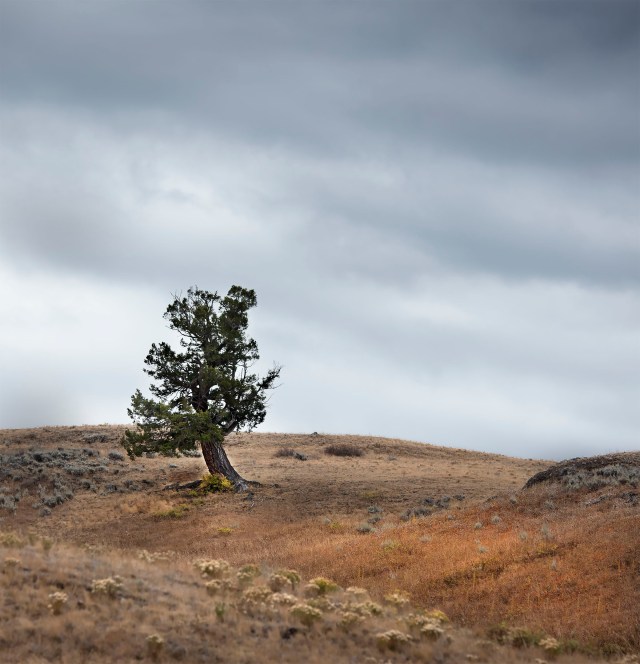
A ponderosa pine strong and silent sits high upon the Blacktail Plateau.
Welcome to October.
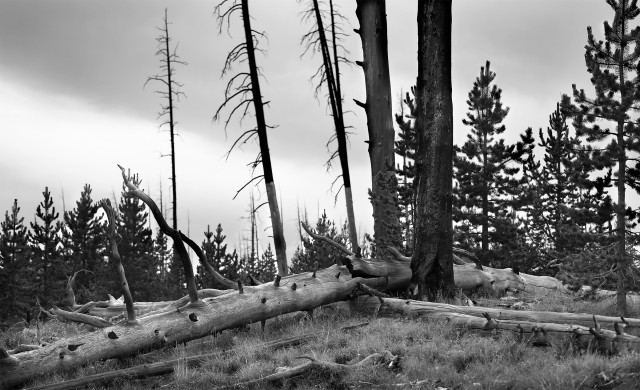
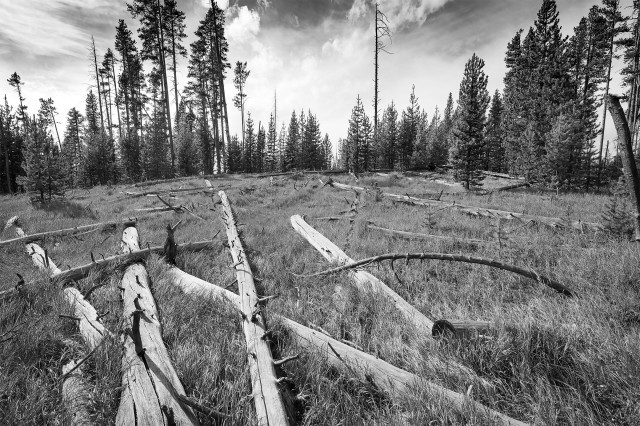
With the silence only punctuated by a infrequent call of a pair of Grey Jays we walked through the grasses and lodgepole pines on a fall day with the sun veiled by cloud yet still somewhat present.

Listening for a deer or perhaps a bear the forest remained silent. Even the tall dry grasses stood still as statues.
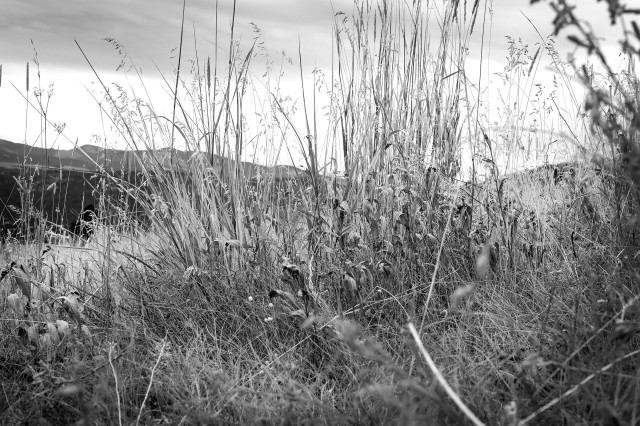
Just when you thought it could not get any quieter a Grey Jay would call one of their various calls but were never seen, only heard. as we walk through the forest and meadows that day.
Footnote: The Grey Jays is now Officially called the Canada Jay but Grey Jay just felt appropriate on this slightly grey and very quiet fall afternoon.

Photographing wildlife from a moving kayak is fun but the results are always uncertain due to the movement of the river and the subject. Luck happened to be on our side as we watched this elk in Grand Teton National Park.

After 4 days of drizzle, rain, drizzle, rain..a rosy sunset was well…just rosy. Photographed in the Bunsby Islands off the west coast of Vancouver Island, Canada.

A favorite at picnics near and far.
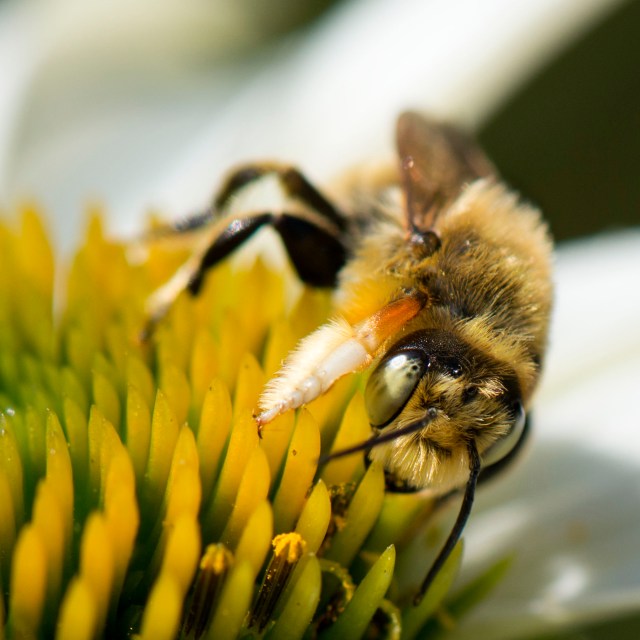
Take three bees, an assortment of flowers, dash of pollen and splash of nectar, blend together and voila, a fine little dish recreating the bounty of summer.

Enjoy and have a wonderful weekend.
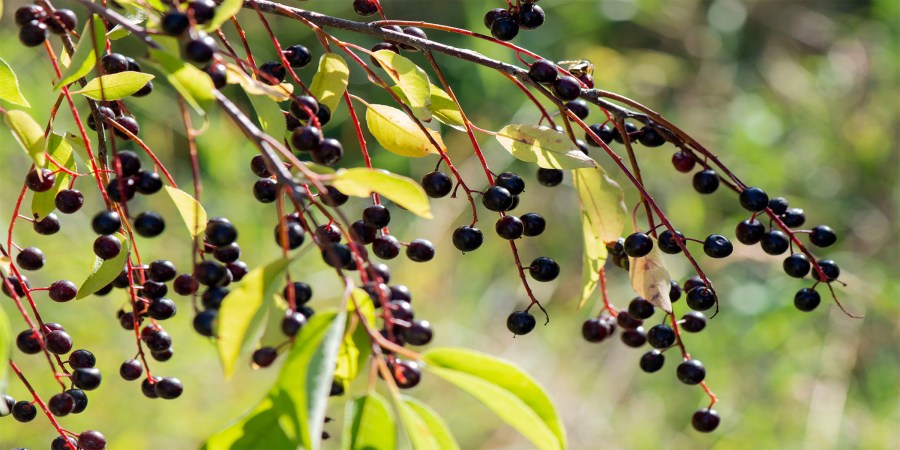
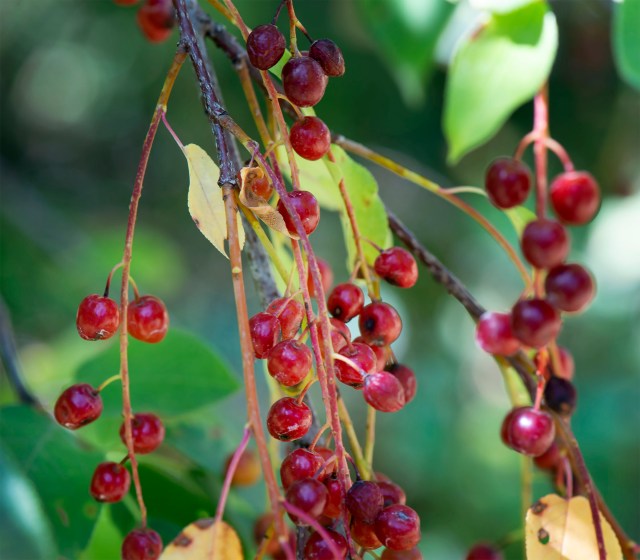
Working hard from spring through summer the plants have done their thing. Now all that hard work is proudly on display.
The Choke Cherries have ripened and will provide food for bears and birds and even a human or two.

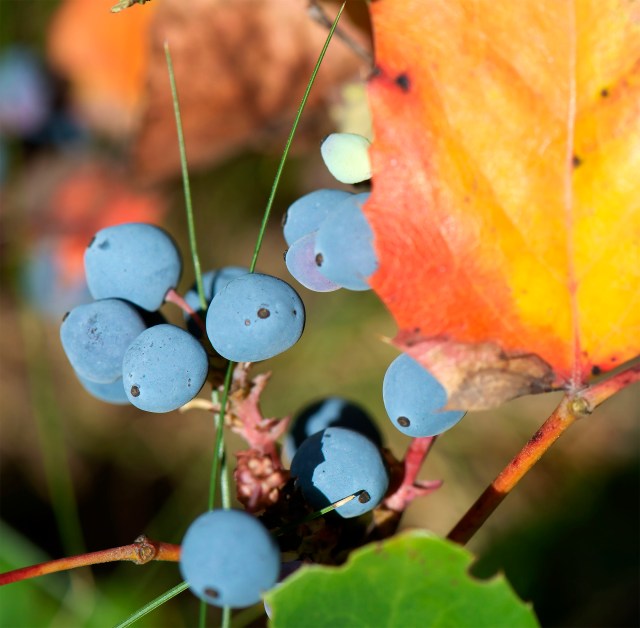
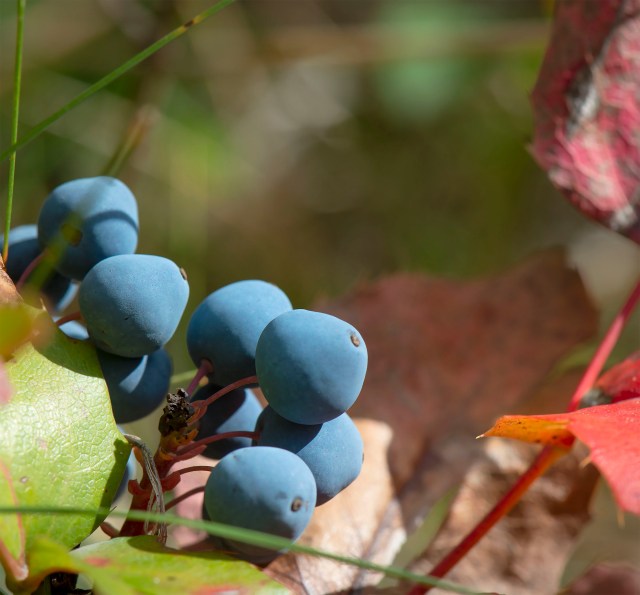
The Oregon Grape has produced berries of purple-blue that will help feed the grouse and pheasants as well as waxwings.
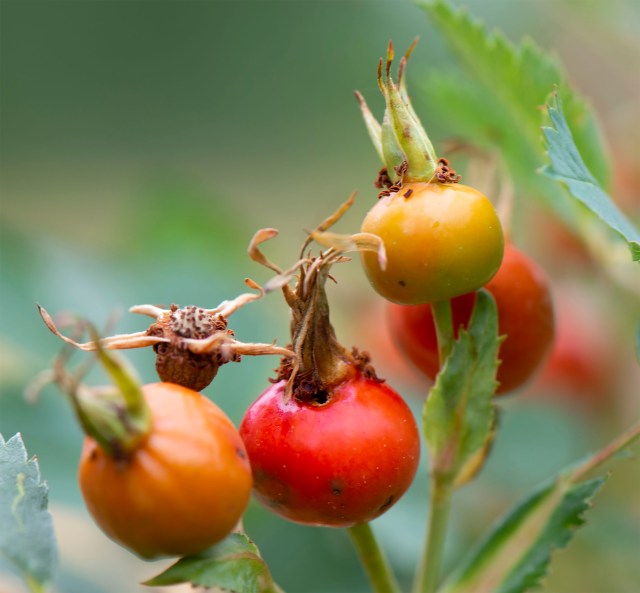
The wild rose has a a tough go of it as these bushes are a favorite food of deer. These Rose Hips were hanging high on the only branch not trimmed low to the ground by a local family of deer. A mother Mule Deer and her two fawns can really make quick work of a rose bush.

The snowberry bushes are numerous and cover the forest understory. This year they have done well and the berries will provide food for songbirds, game birds and many small mammals as winter rolls into town.
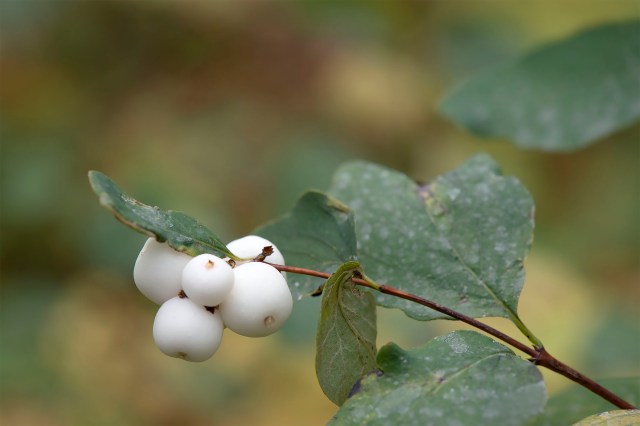
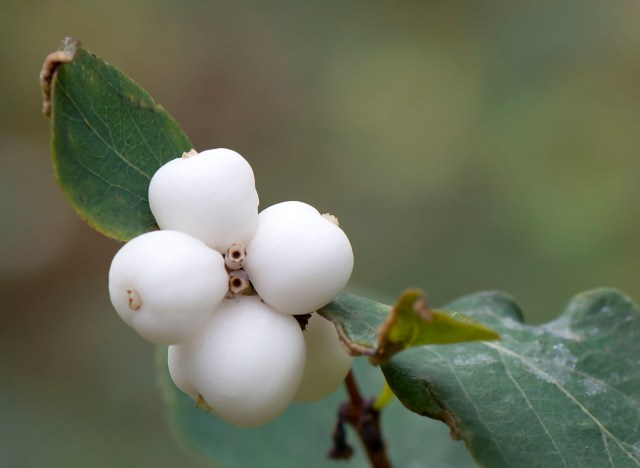
The plants have been busy and the fruits of their labor show.

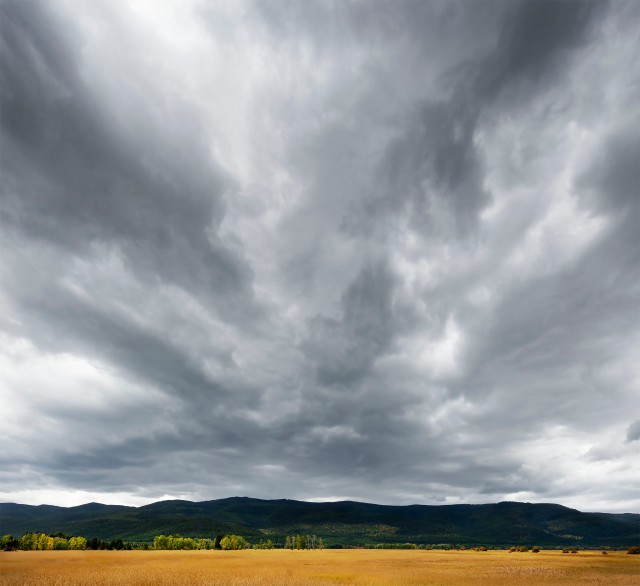
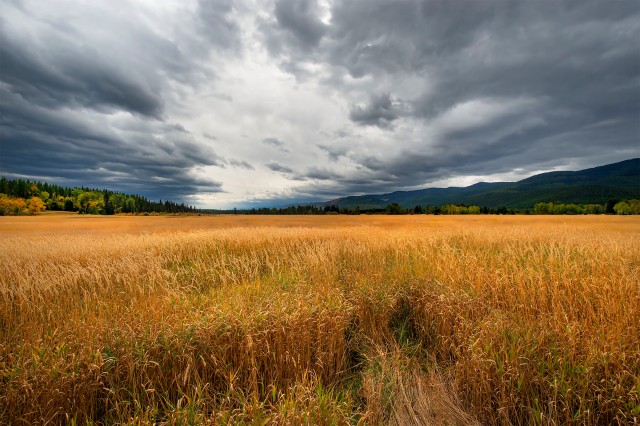
Dramatic skies contrast with gentle golden grasses whispering change is on the way.


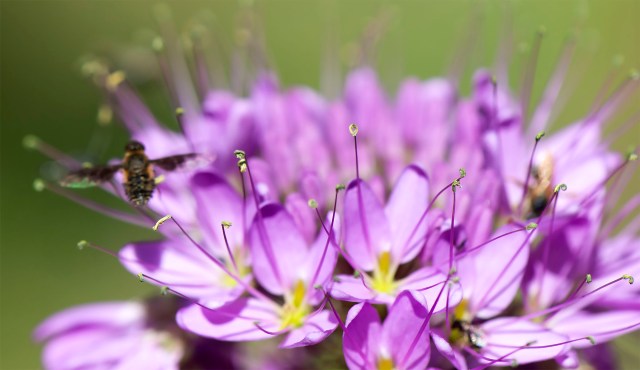
Rocky Mountain Bee Plant: Cleome serrulata was a wonderful late blooming wildflower near us this year. It drew numerous species of bees, and butterflies, from near and far and always had visitors when in bloom providing pollinators with a generous sip of nectar.

Growing up to 4 ft tall Bee Plant stands out in the fields of tall fall grasses.A beautiful and very sculptural wildflower Bee Plant is fun to photograph as well.

According to the USDA “Cleome serrulata is an important cultural plant for many Southwestern Indian tribes. The young, tender shoots and leaves are good sources of vitamin A and calcium. In the past they were used as potherbs or medicinally as teas for fevers and other ailments. The seeds were ground and used to make gruel or bread. The Navajo still use the plant as a source of yellow-green dye for their beautiful wool rugs and blankets. Many pueblo tribes use a concentrated form of dye, made from boiling the plant into a thick black resin, to paint designs on pottery or for decorating their baskets.”

On this particular afternoon the little green sweat bees were enjoying the plant to no end.

Every flower seems to have a visitor.

And one last look as even the bee fly mimics got in on the action.
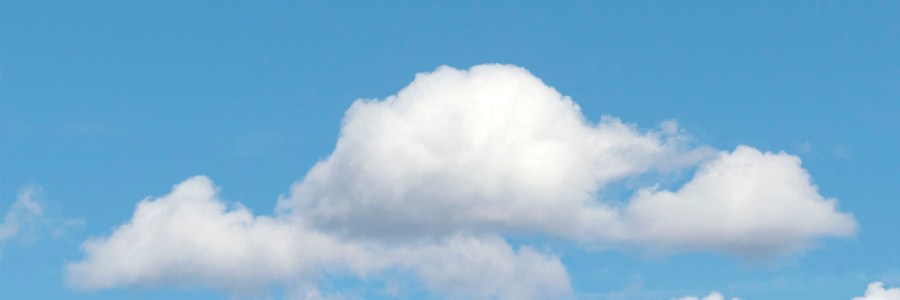
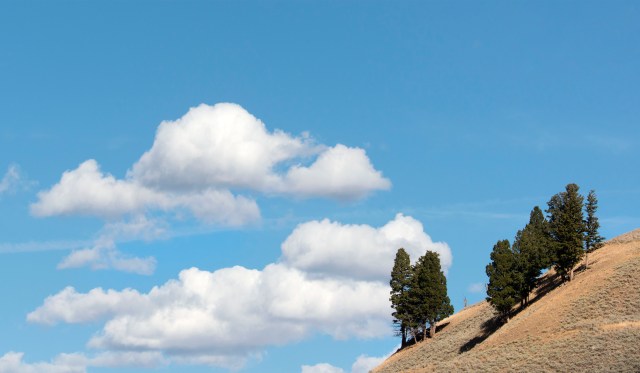
Grass browning, trees growing and clouds floating by as another season begins. Just a small slice of a big pie an infinite to be enjoyed.
Happy Autumn.
Or Spring.
 nature has no boss
You must be logged in to post a comment.