A new one.

Bee_2546

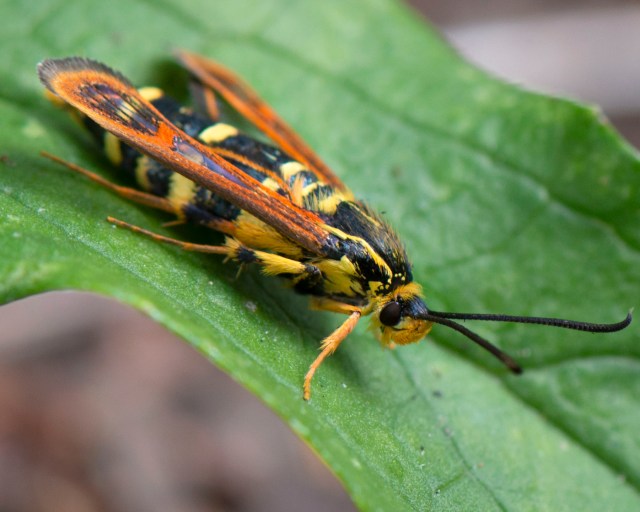
It is always fun to see a new one. Here are two views of a new and interesting looking insect which we think to be a bee but could well be a fly. It smaller than a honey bee, has long antennae,  a hairy body like a bee and interesting orange wings. This was the only one like this we have encountered and is not shown in the guide to local bees making me think it may be a bee-fly mimic.

Bee_3456

Yes, it is indeed fun to encounter a new species of any kind to reinforce just how wonderful the diversity of life on our planet.


Thanks for everyones help in identification of this insect. Looks to be a Hornet-Moth.


Just Nibbles

nibbles

Fall is here and it is time to fatten up. This little Chipmunk was spending their afternoon scurrying about finding and then quickly scarfing down small little nibbles along side of the trail. Yellowstone National Park.

On the forest floor

Forest_floor_1

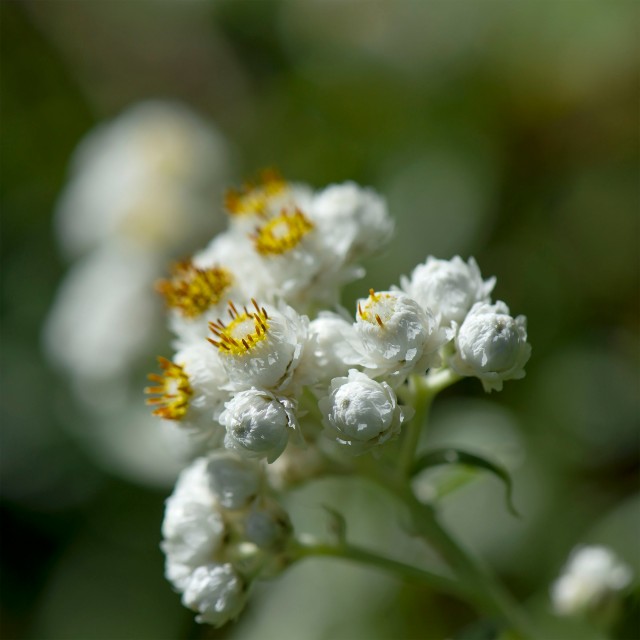
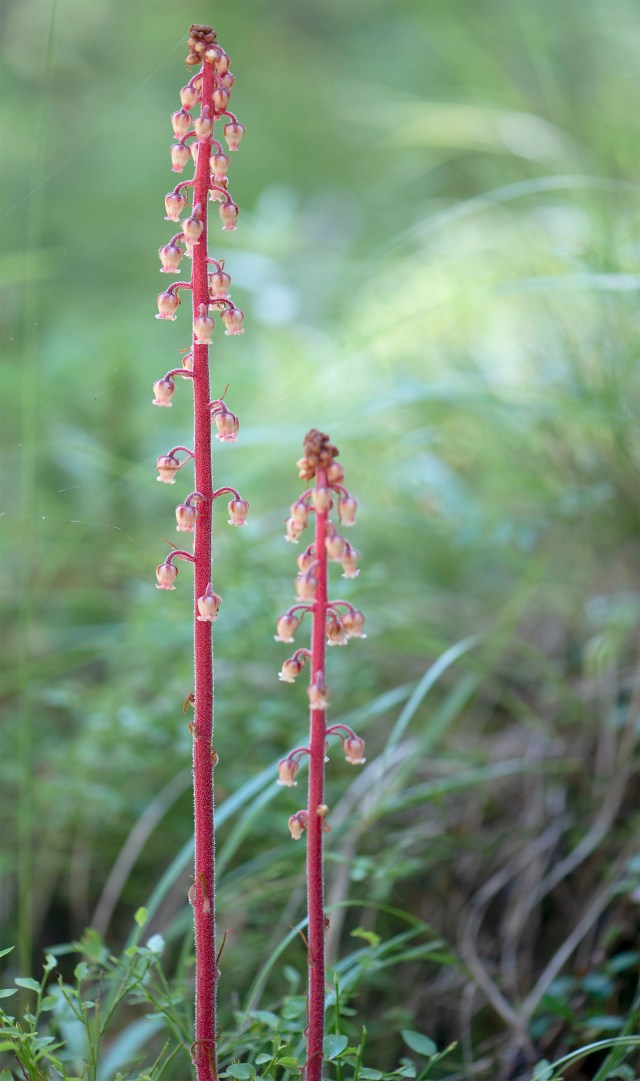
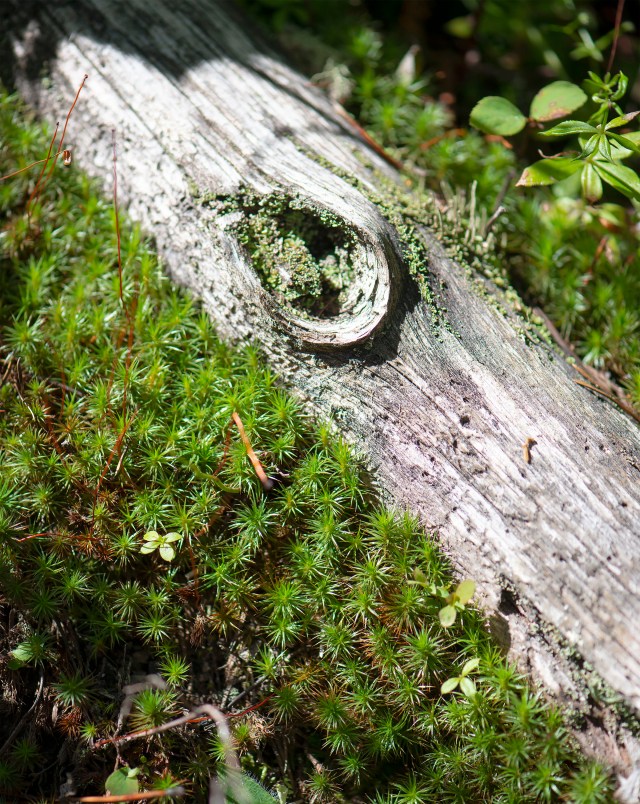
After a mile or two of a hike that began in tall grassland and meadows we suddenly entered a stretch of trail that wound it’s way through a luxuriant forest filled with treasures of all kind. From beautiful Woodland Pinedrops to what seemed an unending variety of ground covers, the landscape was transformed. From dry to wet, from brown to green, you never know what you’ll find on the forest floor.

Forest_floor_2

Forest_floor_3

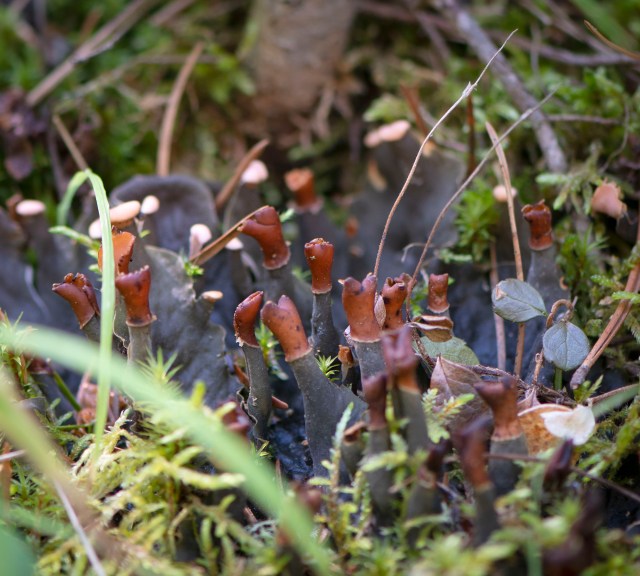
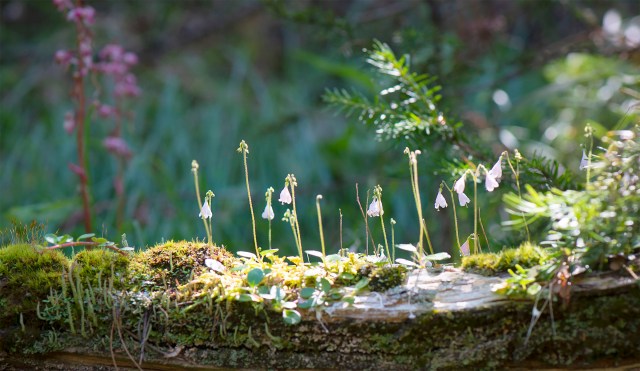
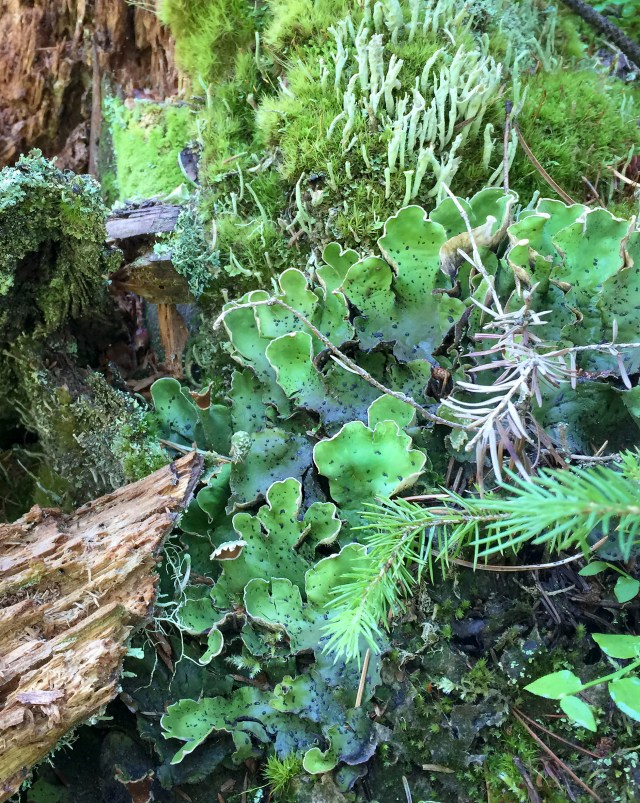
Unusual fungi and tiny white bells.

Forest_floor_4

Forest_floor_5

Life took many forms and all play a part in the ecosystem of the forest floor.

Forest_floor_6

Wishing you a wonderful weekend and some time to explore.

Pipsissewa:Chimaphila umbellata

Pipsisswea_1

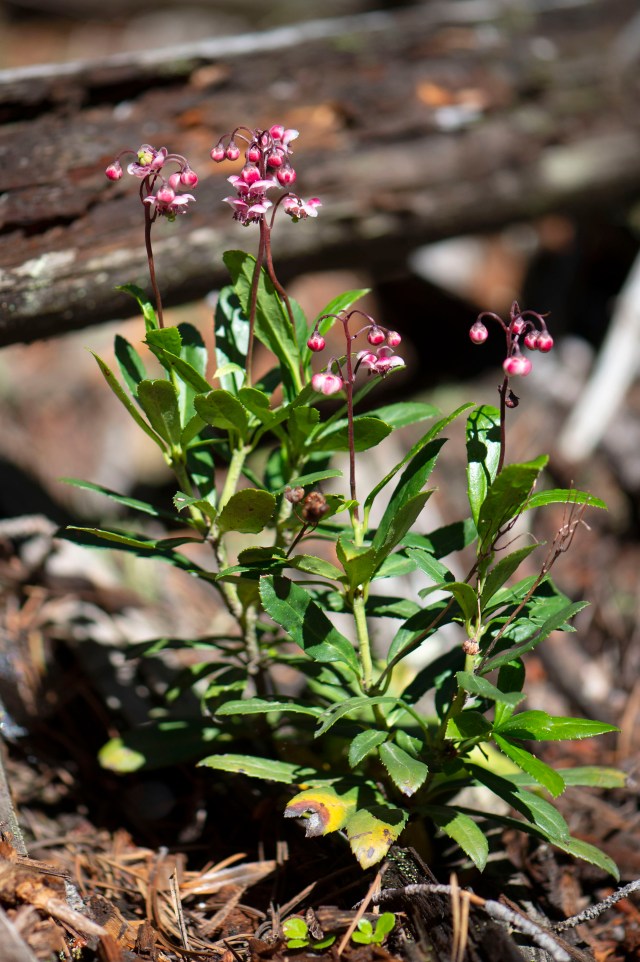
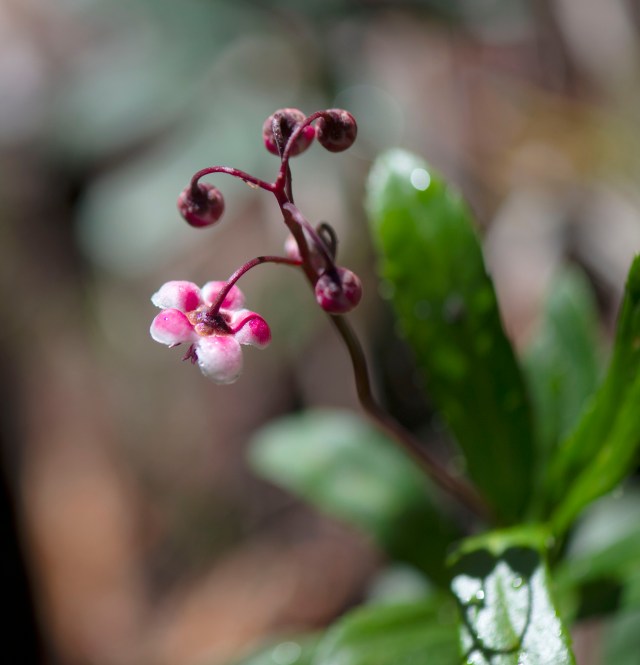
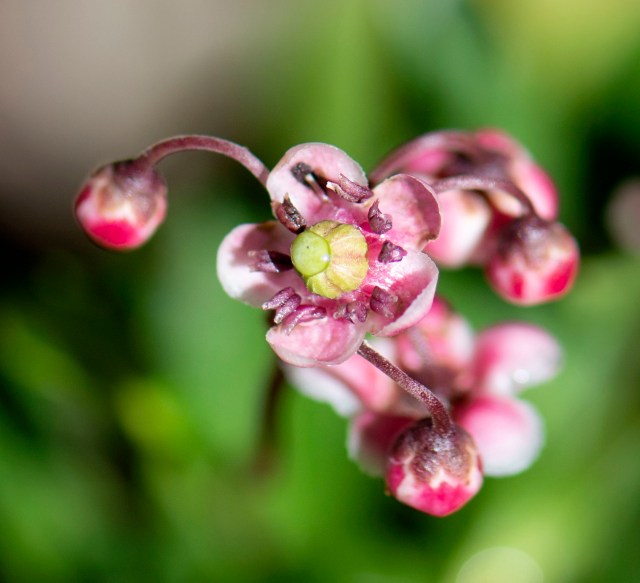
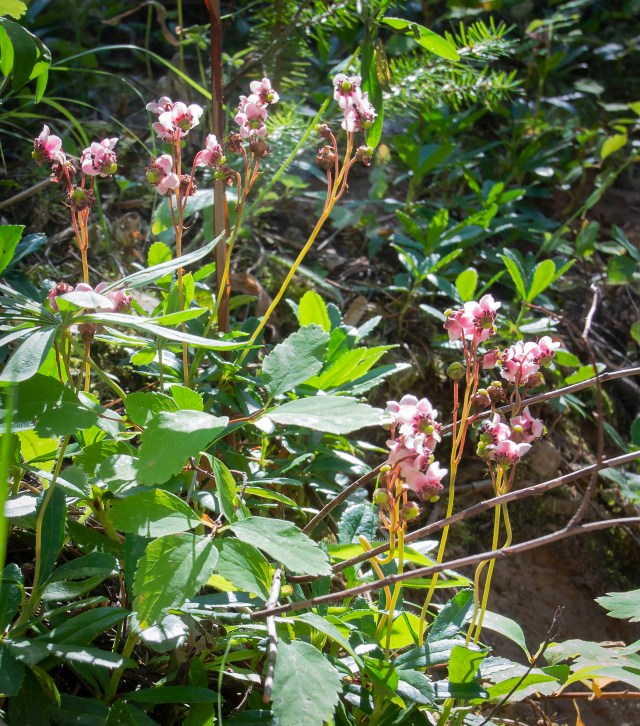
Pipisissewa is a beautiful and distinct wildflower found on the forest floor not to mention a fun name to say. With its long stem and single umbrella shaped flower it is  hard to miss while hiking through the woods and native to much of cool temperate forest across the northern hemisphere. A member of the wintergreen family Pipsissewa has green leaves year-round, it receives a significant portion of its nutrition from fungi in the soil.

Pipsisswea_2

Pipsisswea_3

Pipsisswea_4

Pipsissewa, as much fun to observe as it is to say and wonderful companion on any forested walk.

Little Hunters

Bluet_1

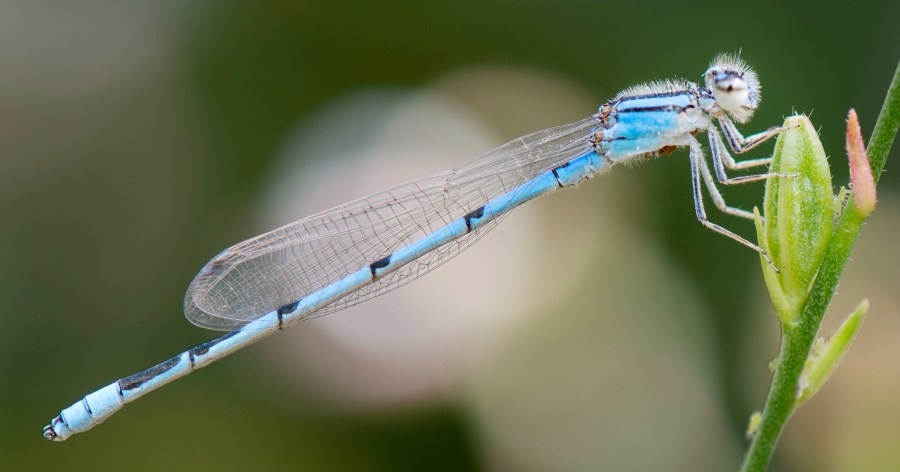
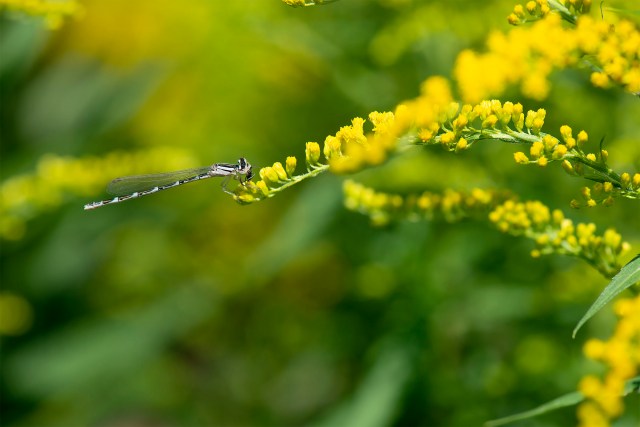
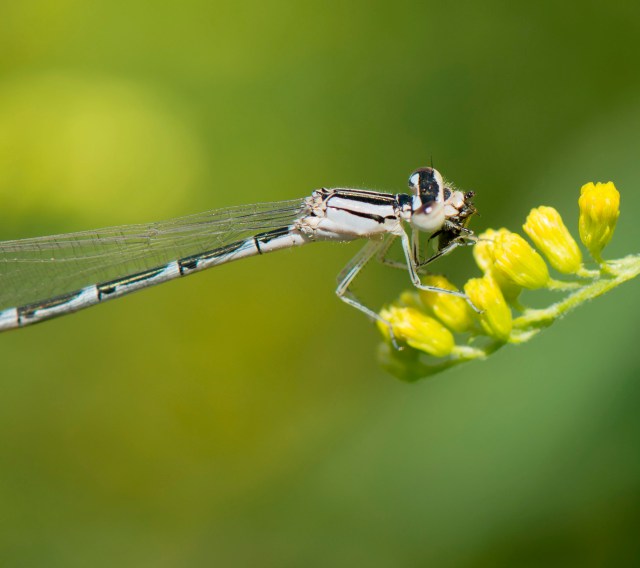
One sunny afternoon we noticed these little (less than an inch in length) Bluet Damselflies  hovering and sometimes landing on the tiny flowers of a goldenrod plant. After taking a closer look and a few photos we discover why. They were hunting even smaller flies that were pollinating the flowers. The hunting forays appeared to be quite successful as they nabbed numerous meals on this one little stem.

Little hunters with a big appetite.

BLuet_2