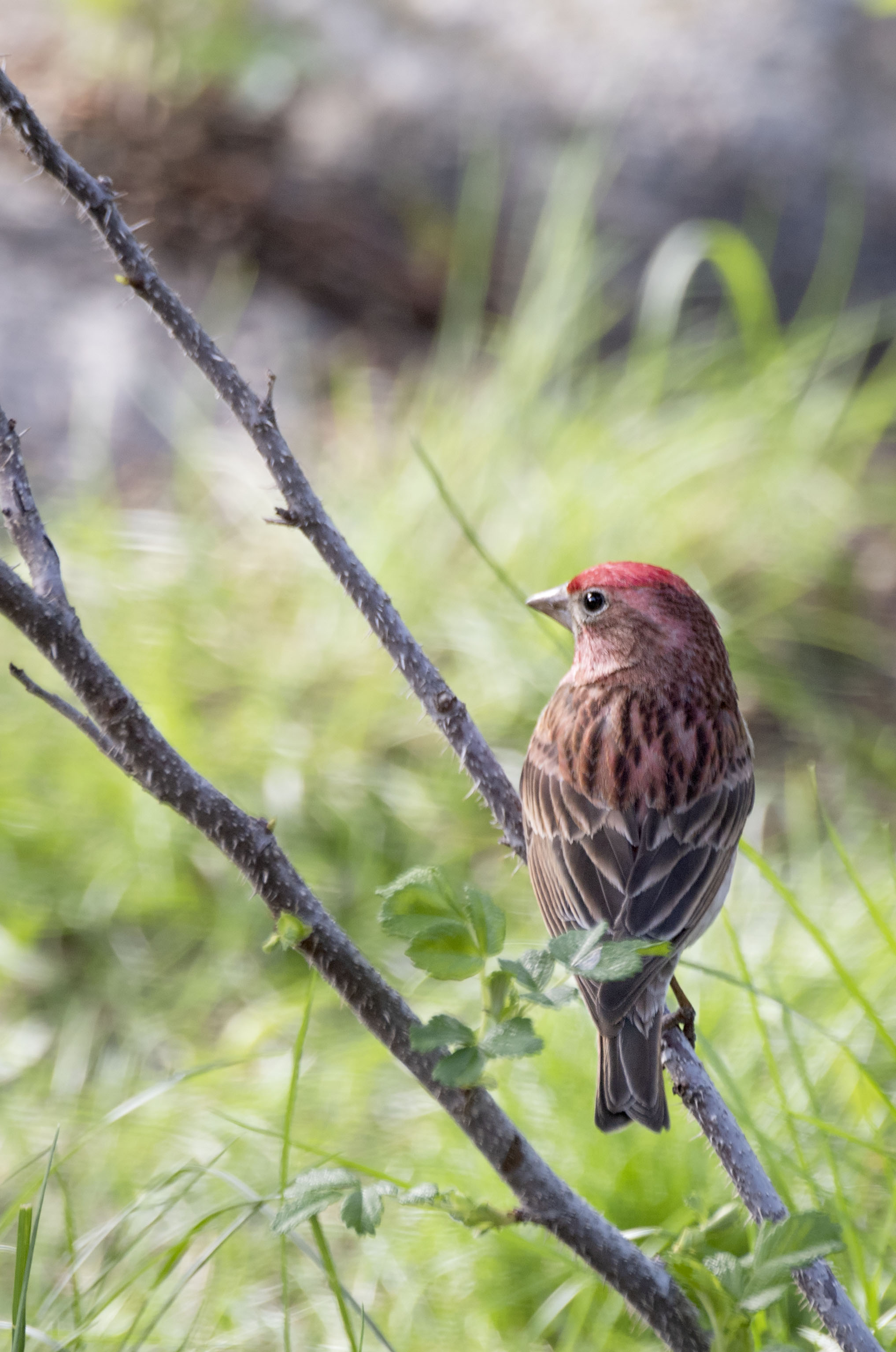
A male Cassin’s Finch enjoying an afternoon break on a small wild rose-bush. These guys have a wonderful song distinct from other small finches and a pleasure to the ear.
P.S. Happy summer or winter to everyone out there.
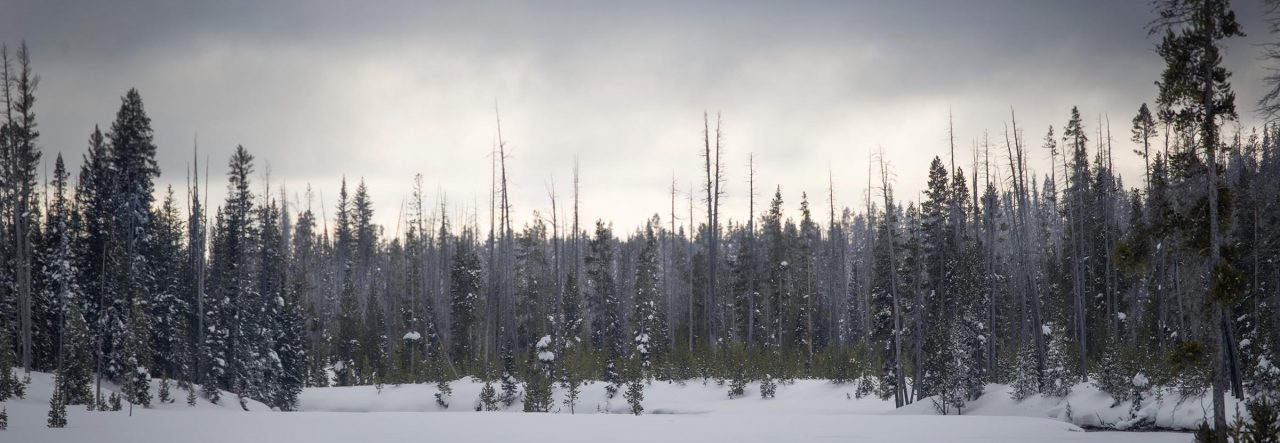
A male Cassin’s Finch enjoying an afternoon break on a small wild rose-bush. These guys have a wonderful song distinct from other small finches and a pleasure to the ear.
P.S. Happy summer or winter to everyone out there.
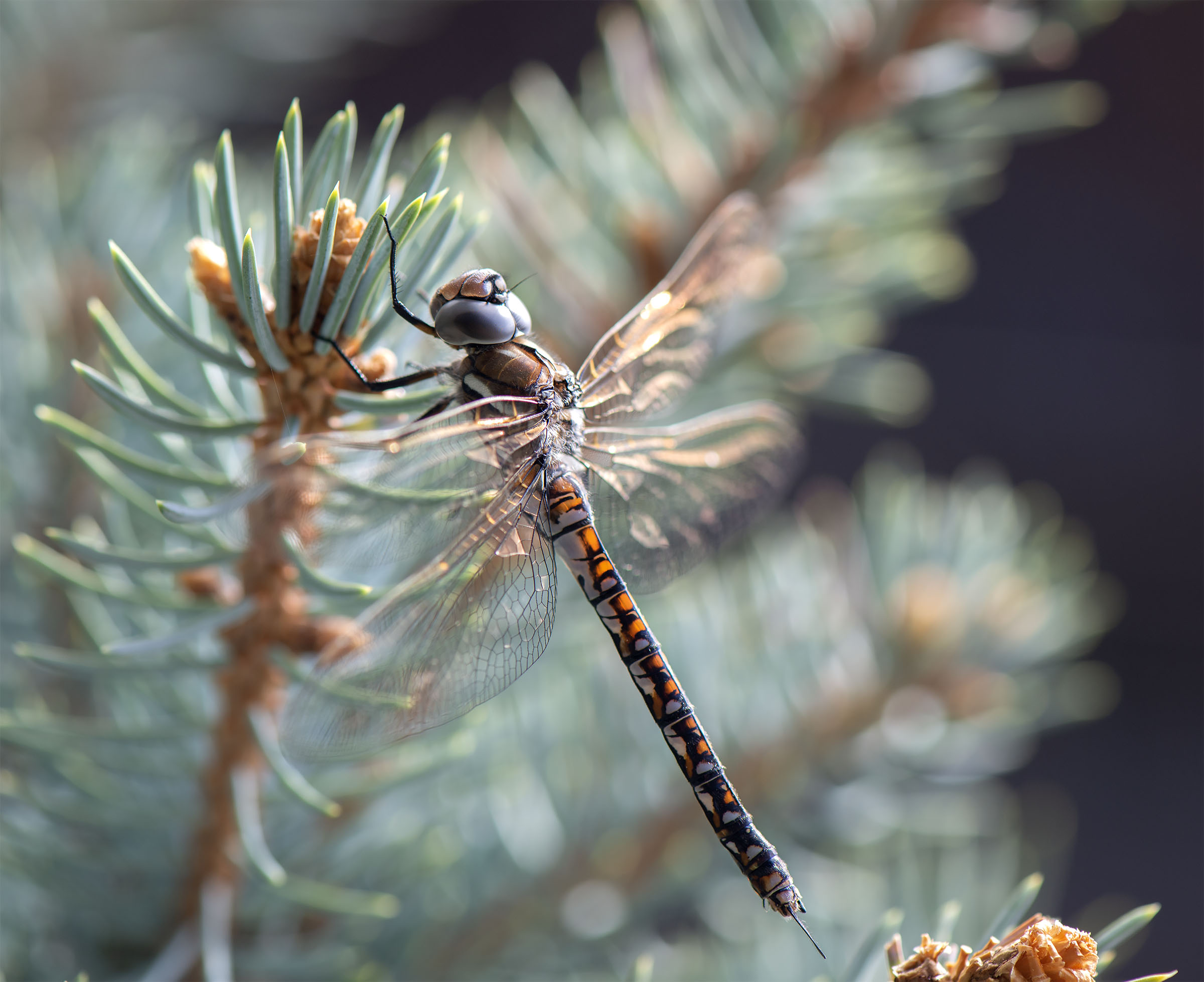
I am terrible at dragonfly identification so if anyone out there can help with giving this guy the proper respect he deserves with a common and scientific name it would be appreciated.
Anyway this guy was sitting in the afternoon light glowing a wonderful copper glow on a small spruce tree which if I can say so complimented his color well.
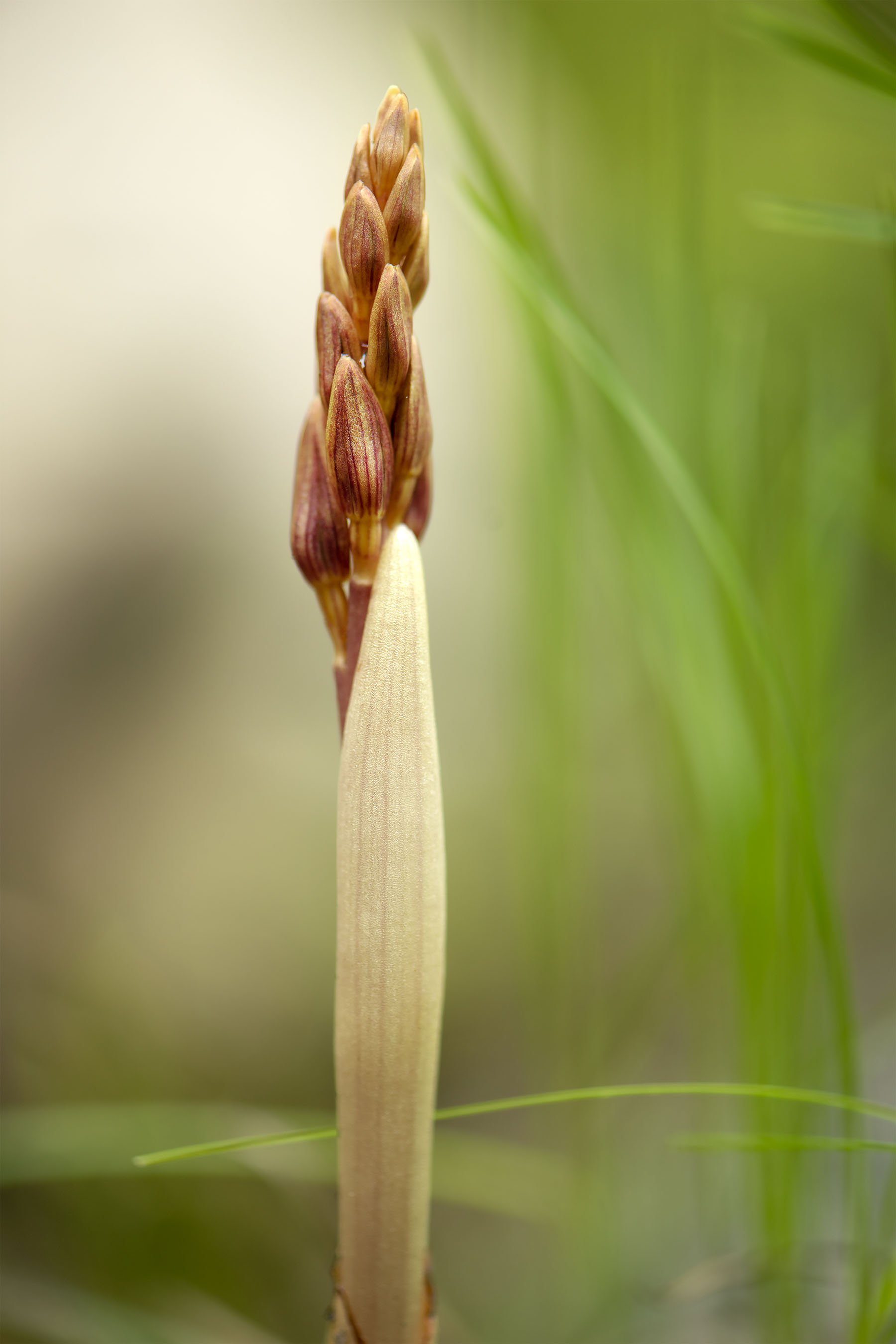
Hidden deep in the forest, or happily saying hello in small forest clearings, this spring has brought an abundance of Striped Coralroot:Corallorhiza striata.
Corallorhiza striata is mycohetertrophic and uses fungus to provide nutrients for its own growth as Corallorhiza does not photosynthesize.
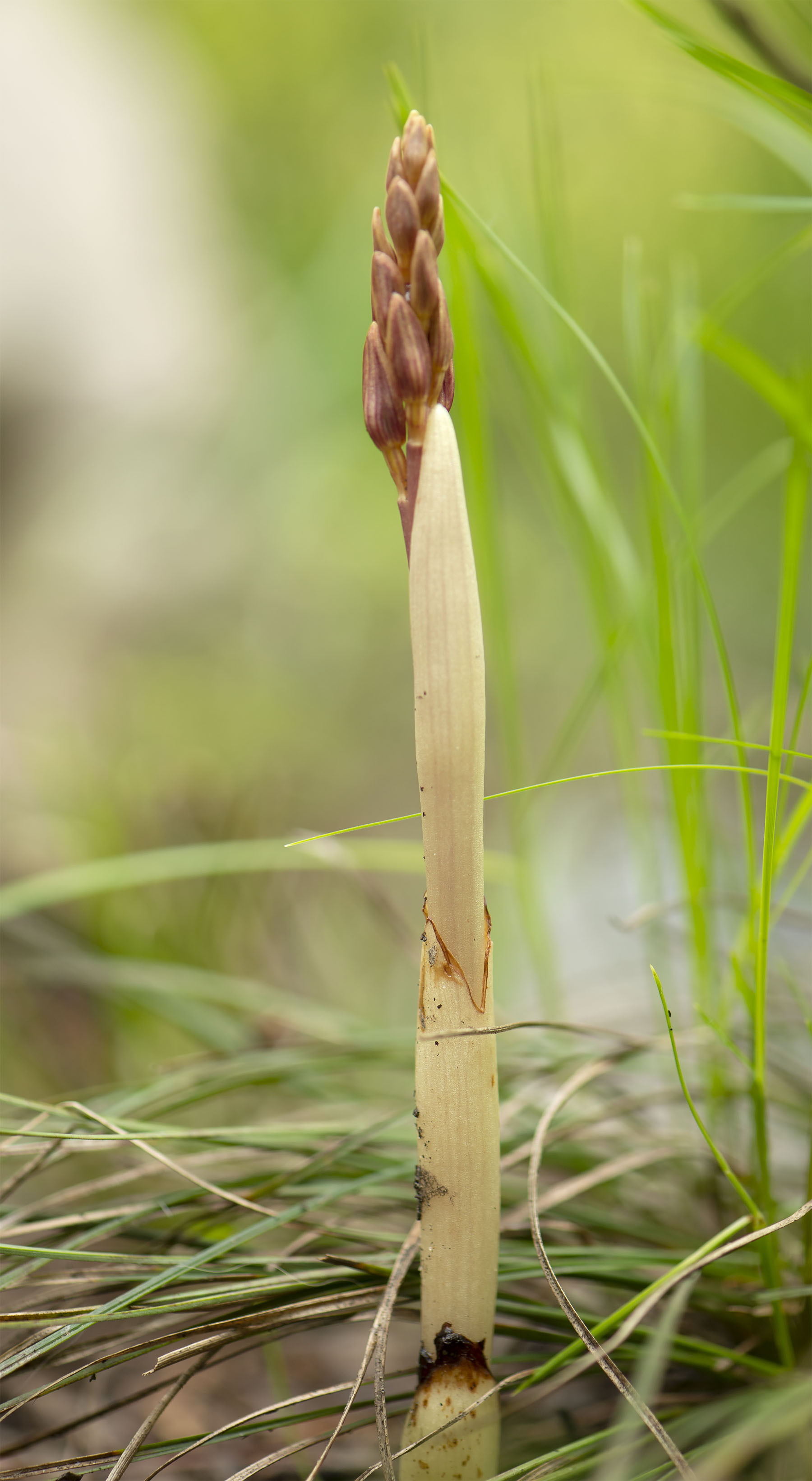
This orchid was just pushing up through the soil in a small clearing in the forest covered with grass.

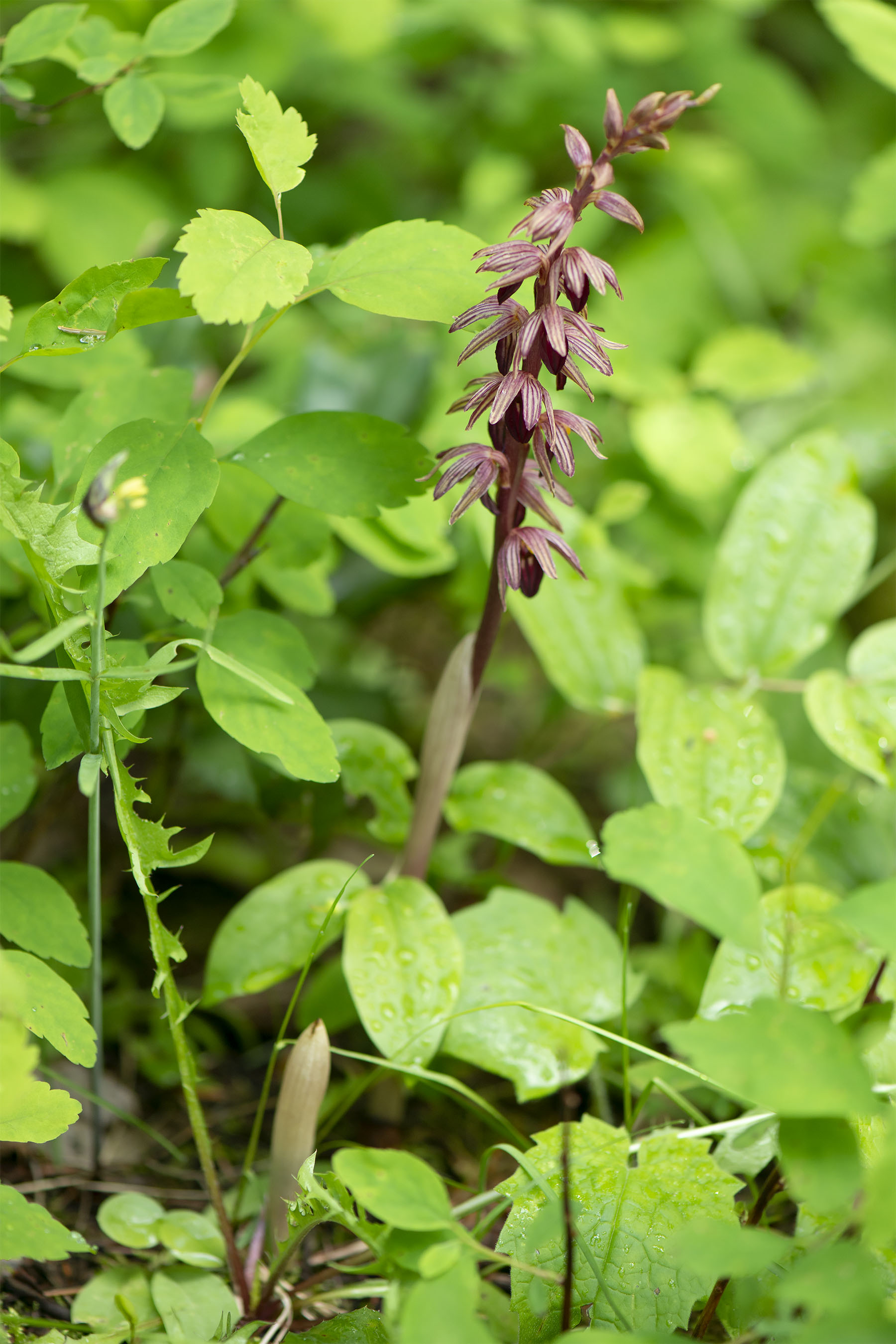
Others were hidden in the dense undergrowth in the forest.
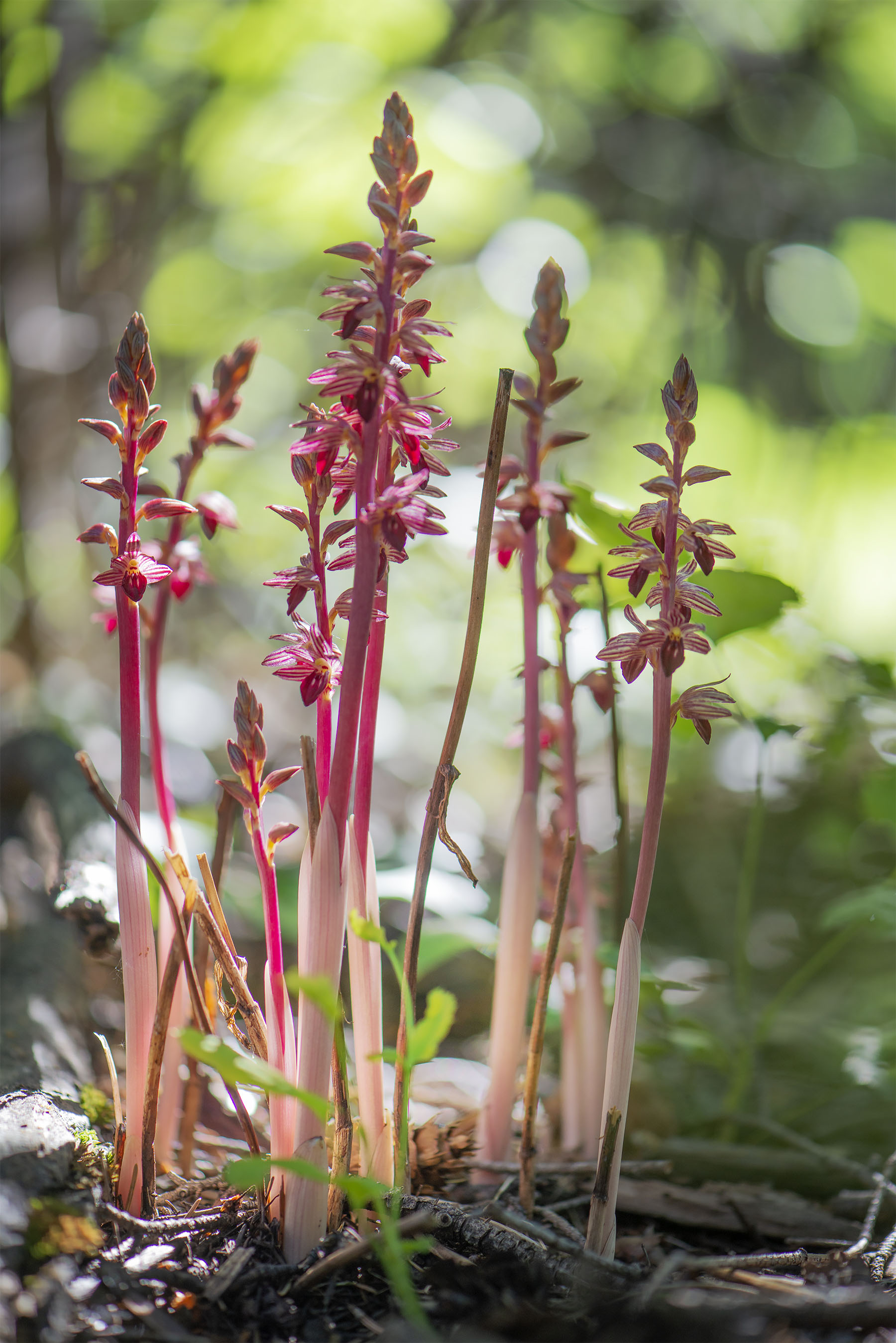
While many we found grew as single stalks or in groups of two or three some grew in larger clusters.
Corallorhiza striata is found in a wide geographical range encompassing all of Canada and most of the western United States and prefers cooler climates.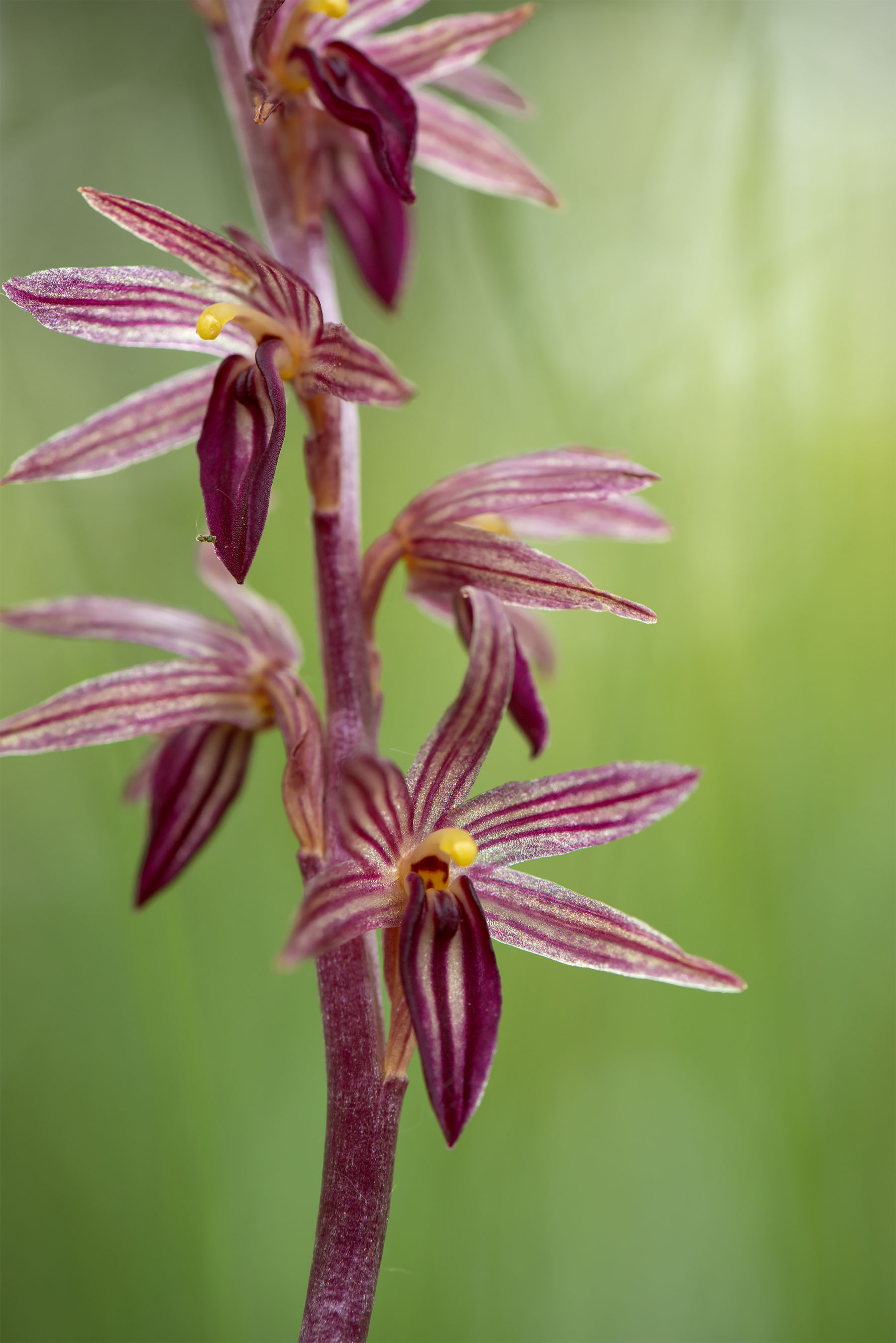
According to the Lady Bird Johnson Wildflower Center “After producing flower stalks, the rhizomes may remain dormant for several years so seeing them in bloom may not occurs again next year but I sure hope so.

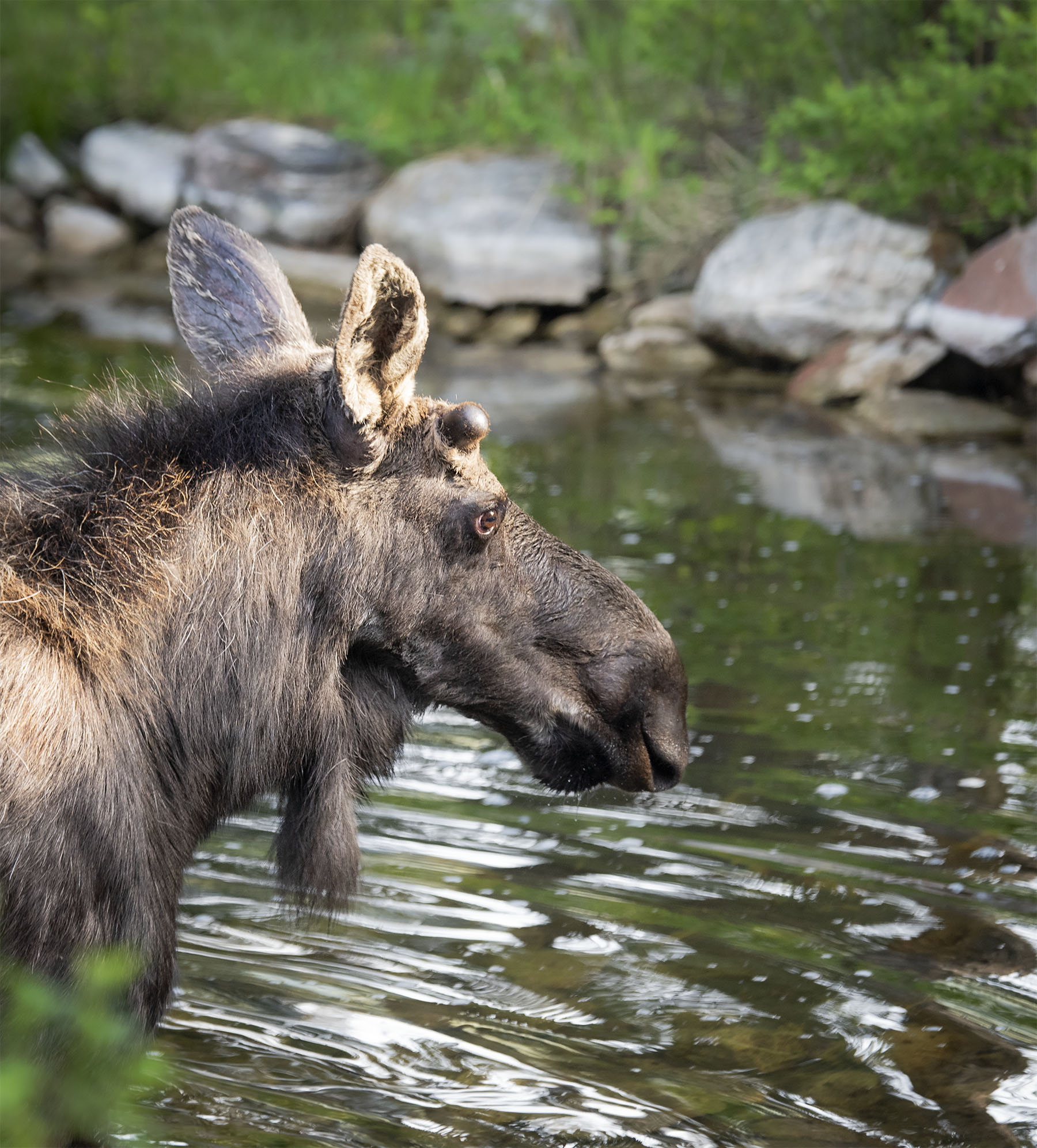
A cool drink of water and warm sunrise. Not a bad start to the week for this male moose just growing this years antlers.
Happy Monday and have a great week.
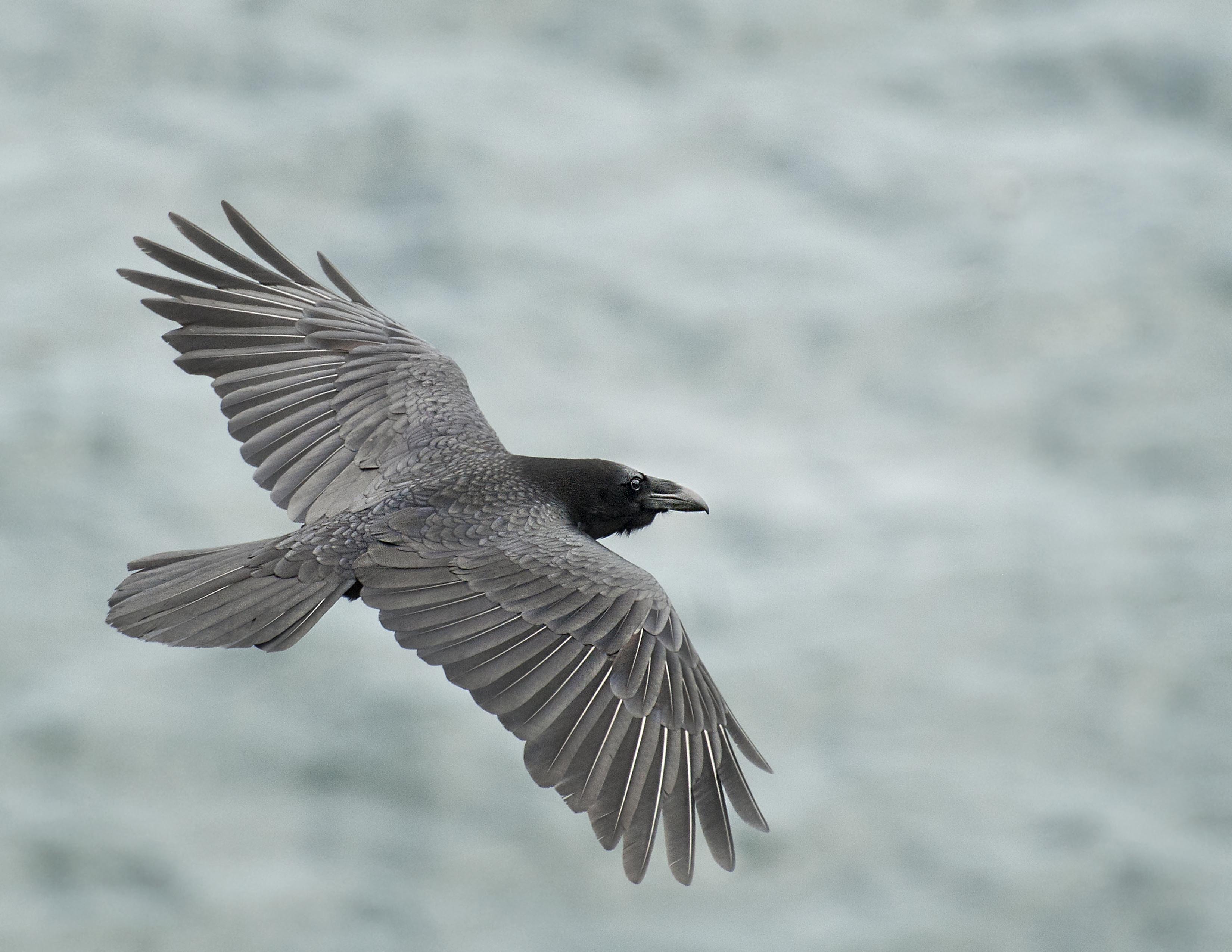
A Raven soars below as we walk above.
Freedom to roam is freedom indeed.

Peeking out through a slot in the rocks into the great pacific ocean. This days end was filled with light. Yashica A TLR and Kodak Tmax 100iso film.
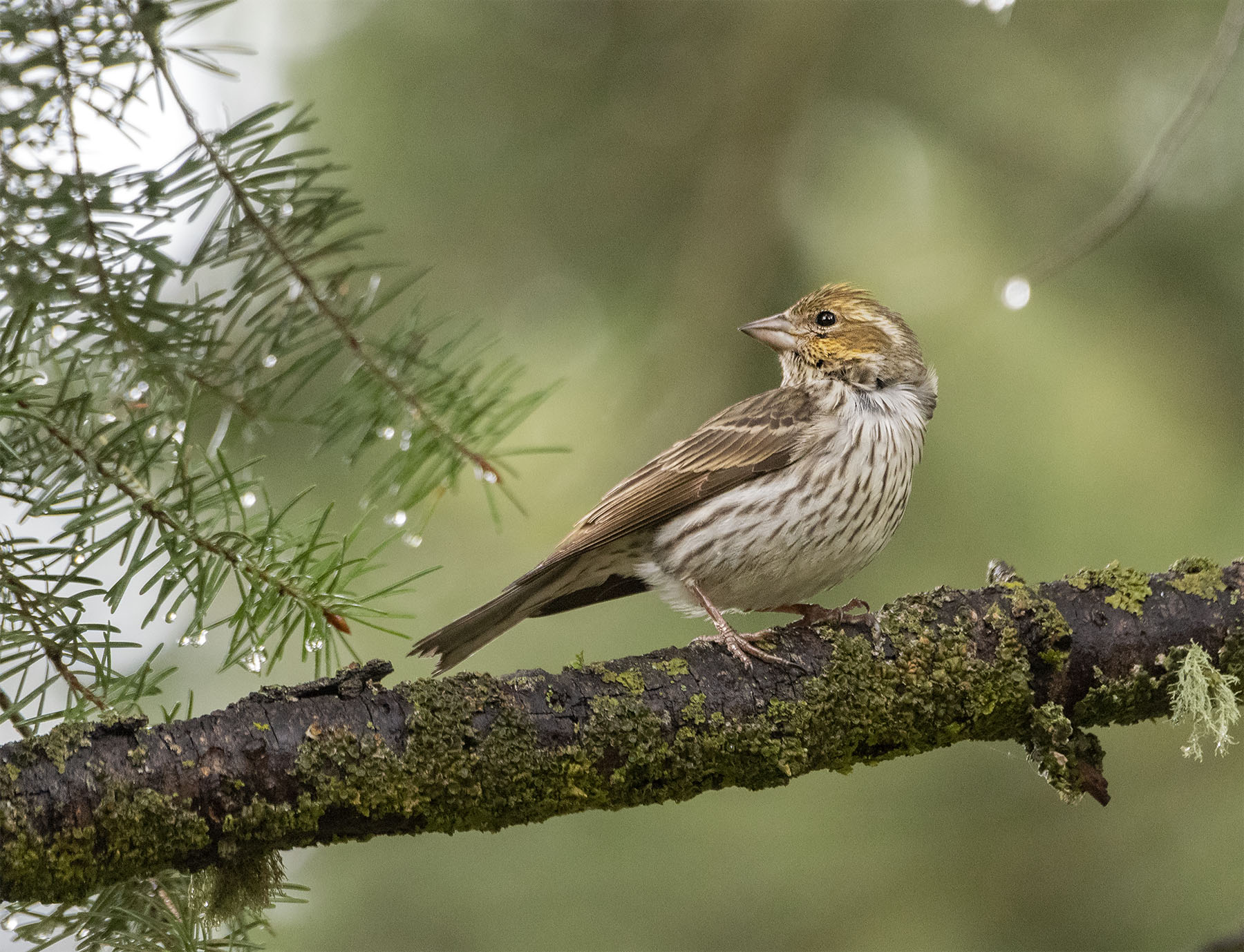
A female Cassin’s Finch finds ample shelter under a large spruce on a recent rain-soaked afternoon.
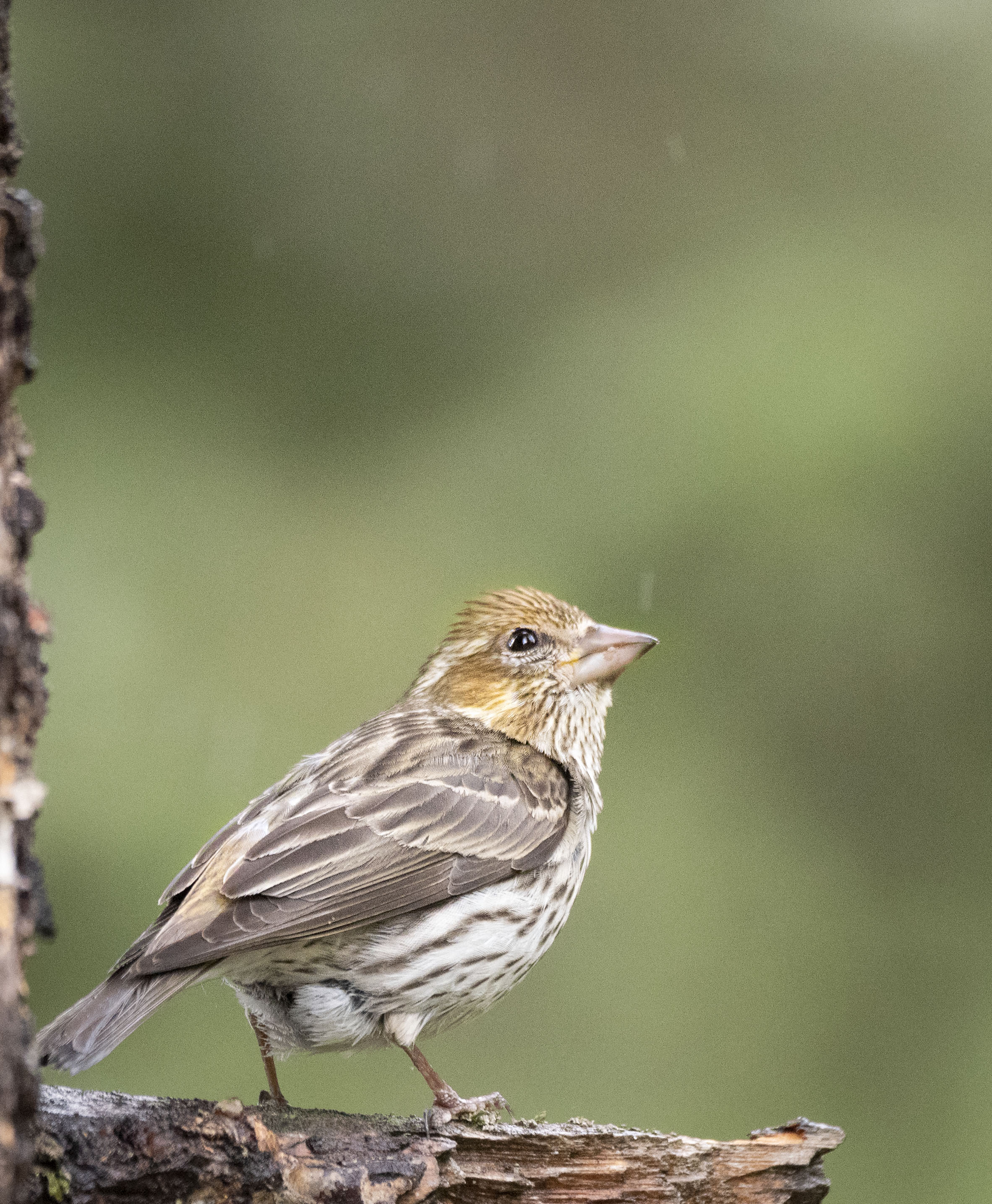
A quick look up and …hey the sky looks lighter to the west.
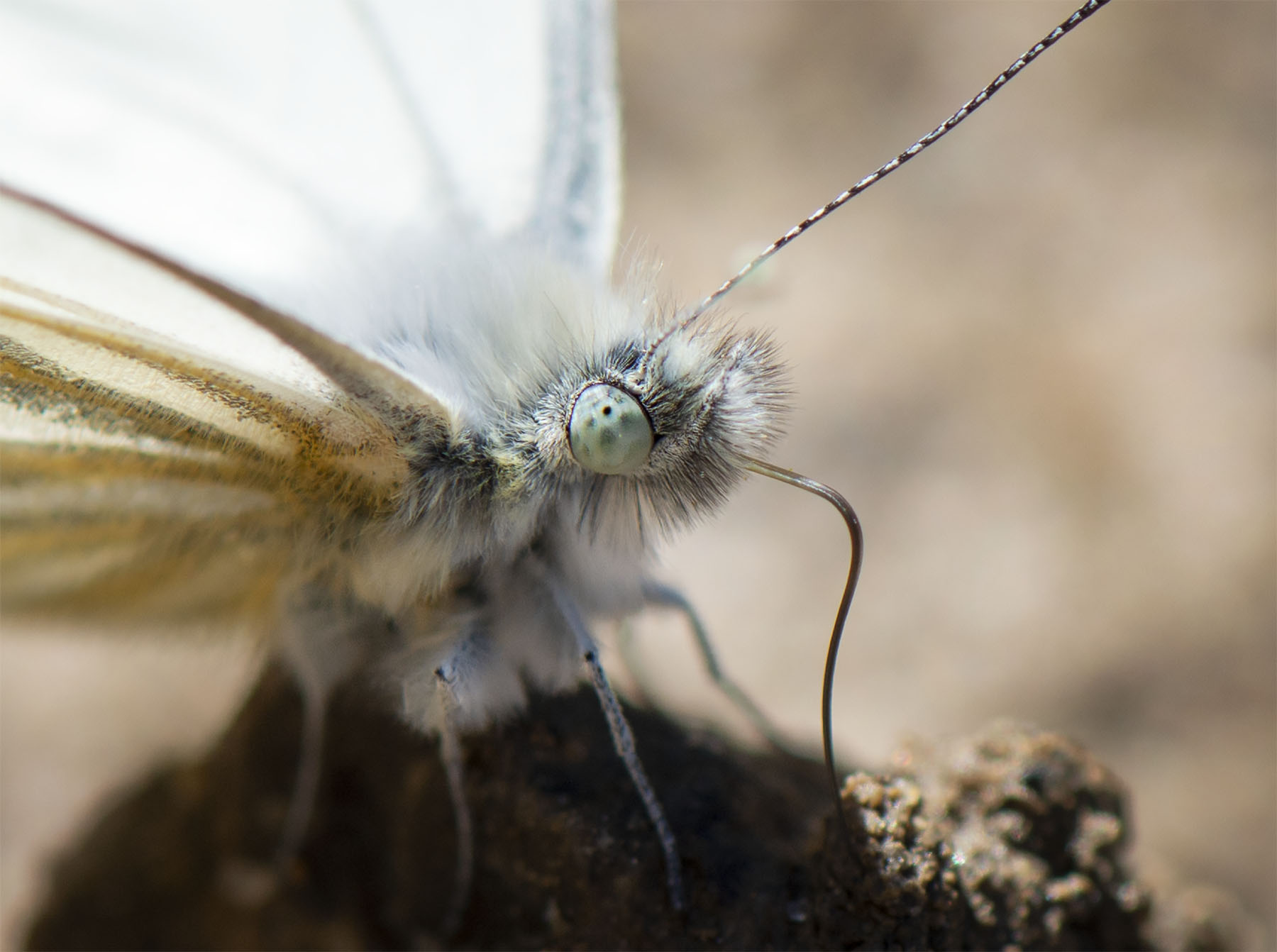
Looks like this little guy could use a shave but that will have to wait until he is done enjoying a nice cool drink.
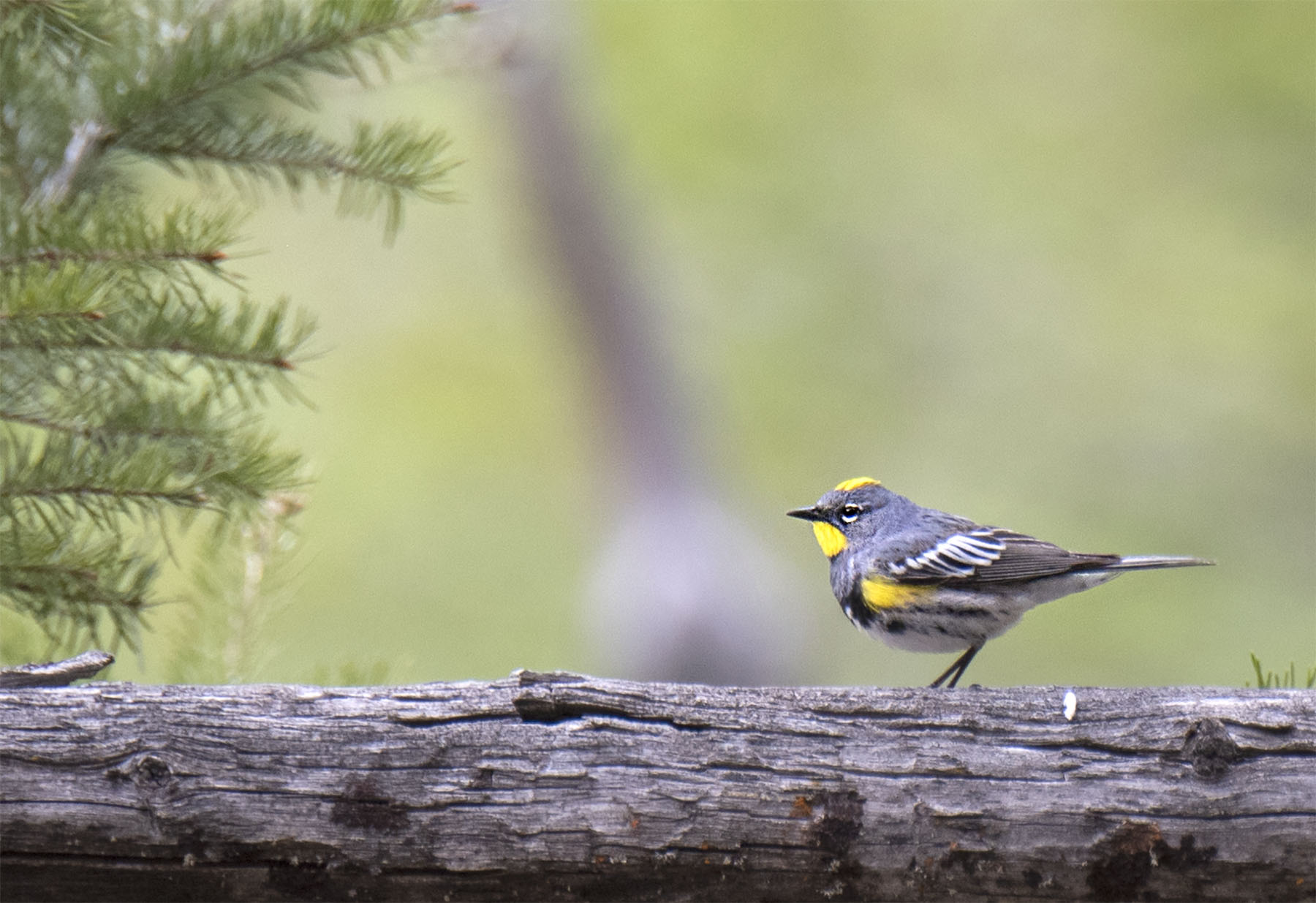
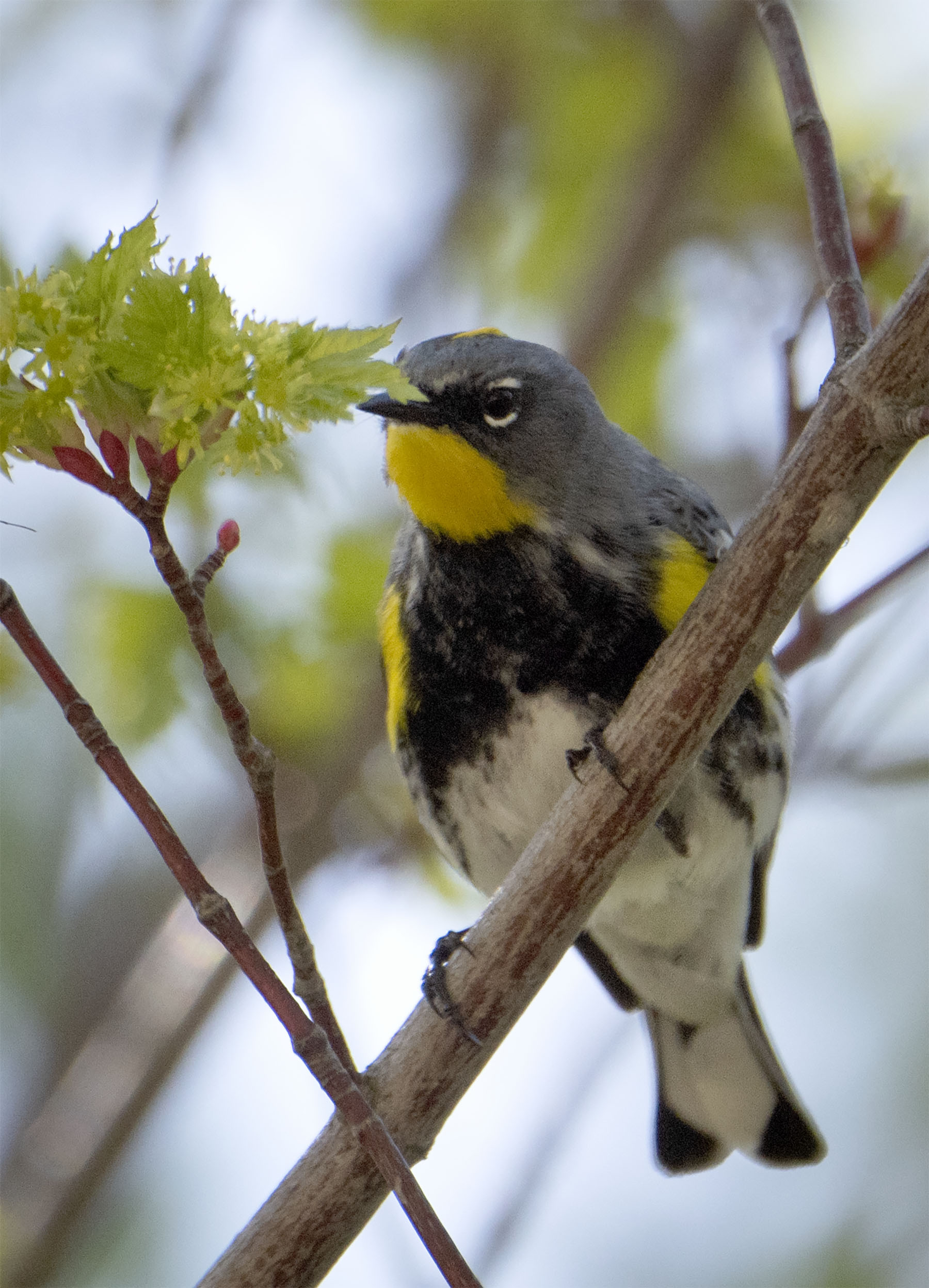
Nothing like the sound and the all to uncommon sight of a male Audobons Warbler on a cool overcast afternoon. All to often this bird spends most of its time up high in the canopy of the spruce trees in our area so it was nice to see him down low that afternoon.

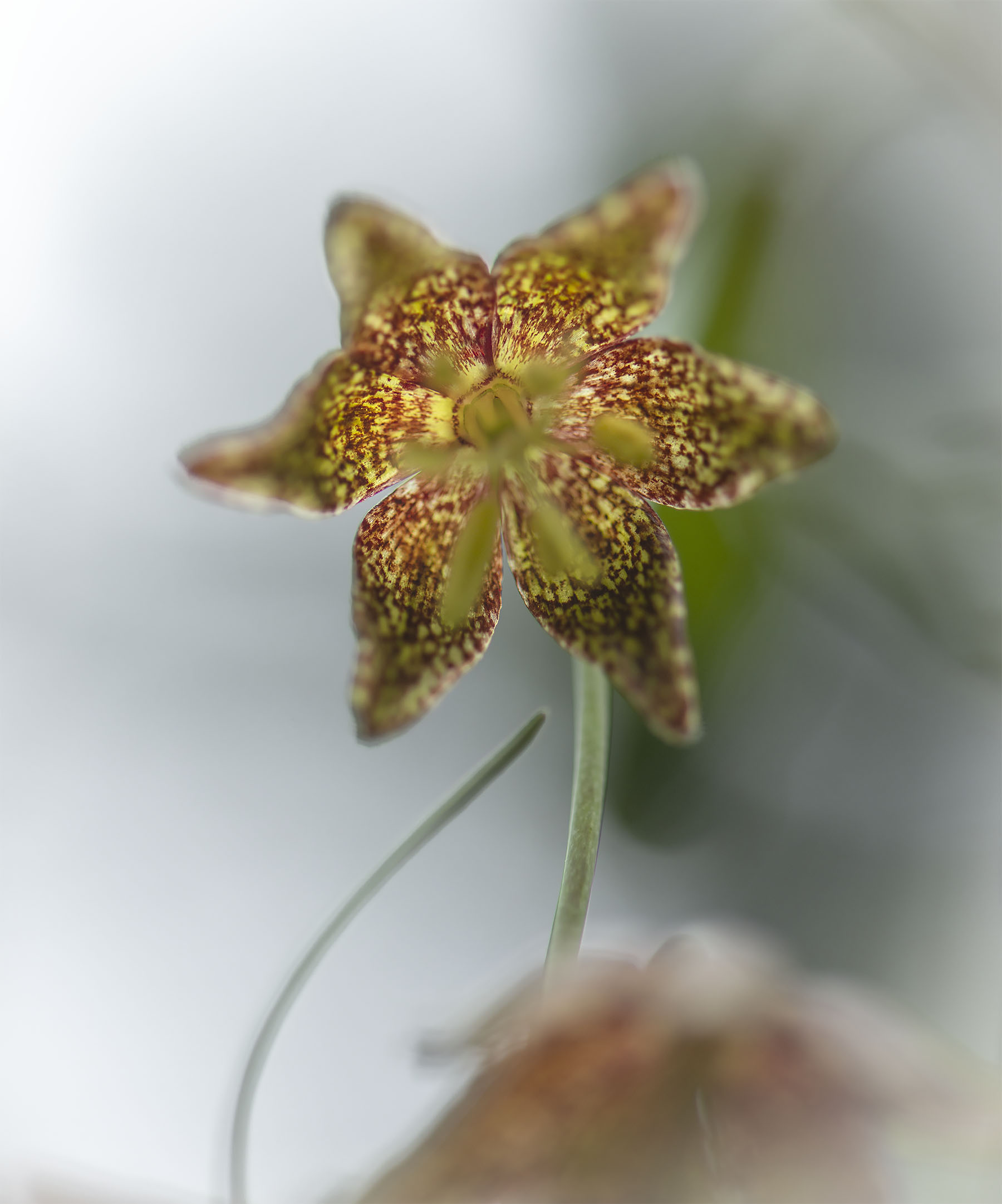
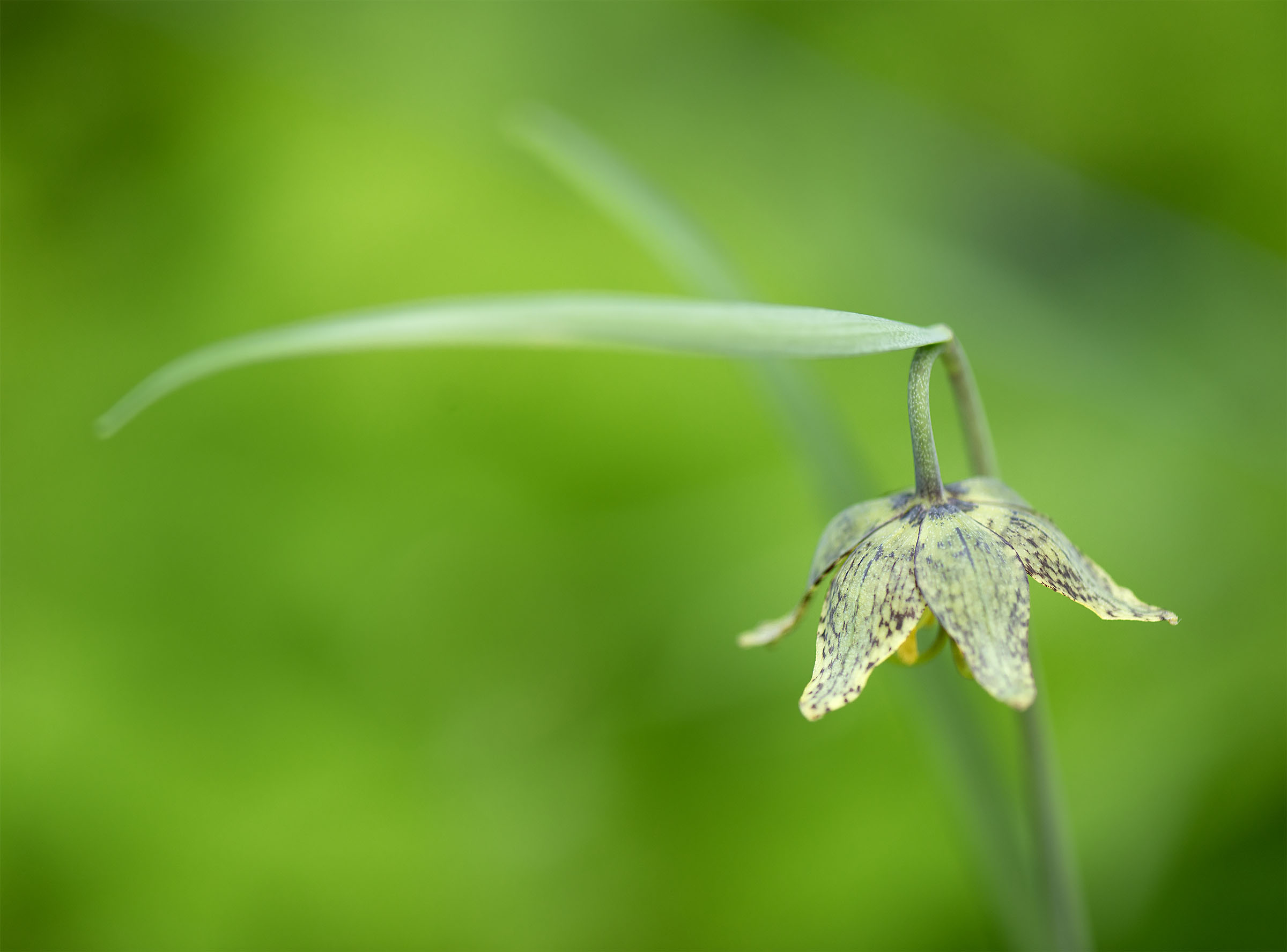
This year we have been lucky to find several of these wonderful Chocolate Lilies blooming on the trails nearby. I am a bit up in the air as to the specific species as two reliable websites list the chocolate lily as two species one being Fritillaria affinis var. affinis and the other lists the plant as Fritillaria atropurpurea.


The plant is fairly inconspicuous and without the flower not very showy at all. It is a beautiful plant and we were glad to come across it as according to Lady Bird Johnson Wildflower Center database it is one that frequently takes years off from flowering.
 nature has no boss
You must be logged in to post a comment.