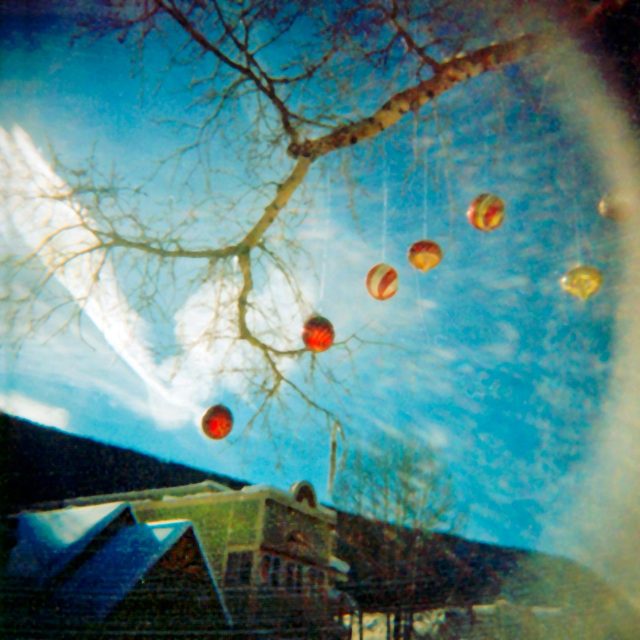
Wishing everyone a very happy holiday season. May santa leave a few rolls of film and a pinhole camera in your stocking…just for fun.
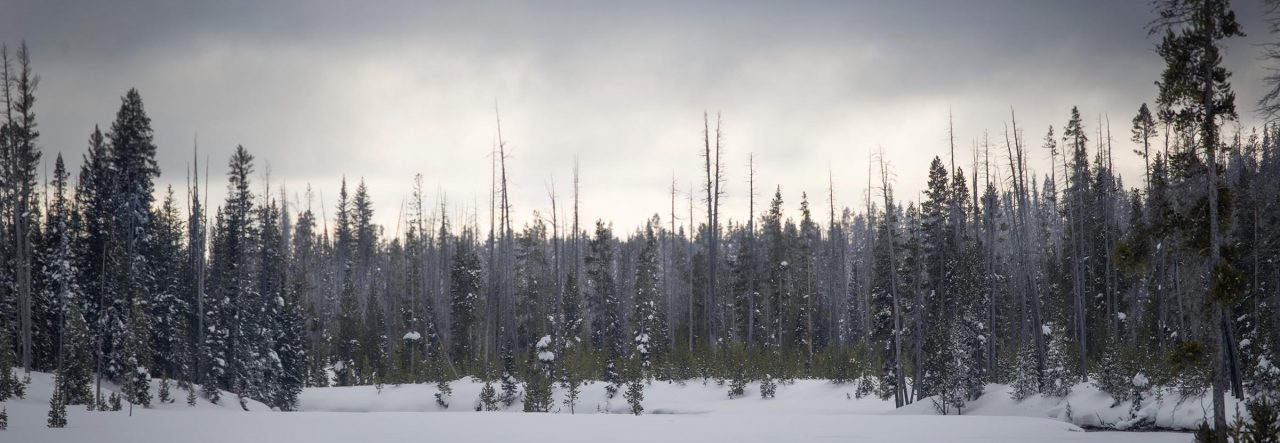
Wishing everyone a very happy holiday season. May santa leave a few rolls of film and a pinhole camera in your stocking…just for fun.
While this past year has felt like one negative story after another with respect to environmental and conservation news there are successes to be recognized and accomplishments lauded.
The national Audubon Society recently published a list of their success stories for this year that will bring a little cheer to a birders holiday season.
Successes occurred on numerous fronts including clean energy projects, local conservation measures, increasing awareness for endangered bird species, protection of habitats and several others all of which are detailed here.
For me the Audubon report entitled “Survival by Degrees” will stand out as a crowning accomplishment. It is bringing widespread awareness to how climate change will endanger up to 389 bird species in North America and was widely reported on in the media.
Yes, there is good news to be found and reading it felt like a much needed gift from Santa himself.
Wishing you all a very Happy Holidays.


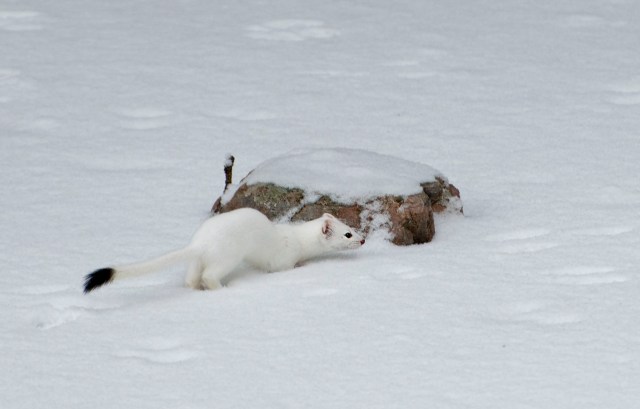
Spring loaded and tightly wound may be an understatement.
Back and forth and all around following the rabbit tracks this Ermine moved so fast it made us dizzy. As he hunted rabbits darted with lightening speed in every direction gravity would allow. Excitedly we watched yet feared for the rabbits lives. Yet when all was said and done we think the Winter Bunn made it out alive. How she escaped this mighty hunter is a testament to the difficulty of finding a meal even for a hunter as fierce as the Ermine.
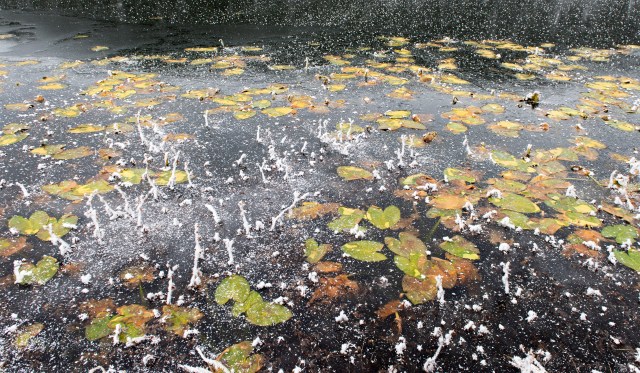
Looking back at summer’s remains as winter tightens it’s grip on the landscape. Silent now, yet oh so temporal, the ice will melt and flowers bloom again.
But for now summer remains just a memory of what will be.

We saw this guy while out walking on cold foggy morning. He looks charming enough but a gut feeling told me to not get so close that he could wrap his frosty arms around you. I kept him at camera length and admired his beauty and thanked him for allowing us to take a photo.
Grand Teton National Park, WY.
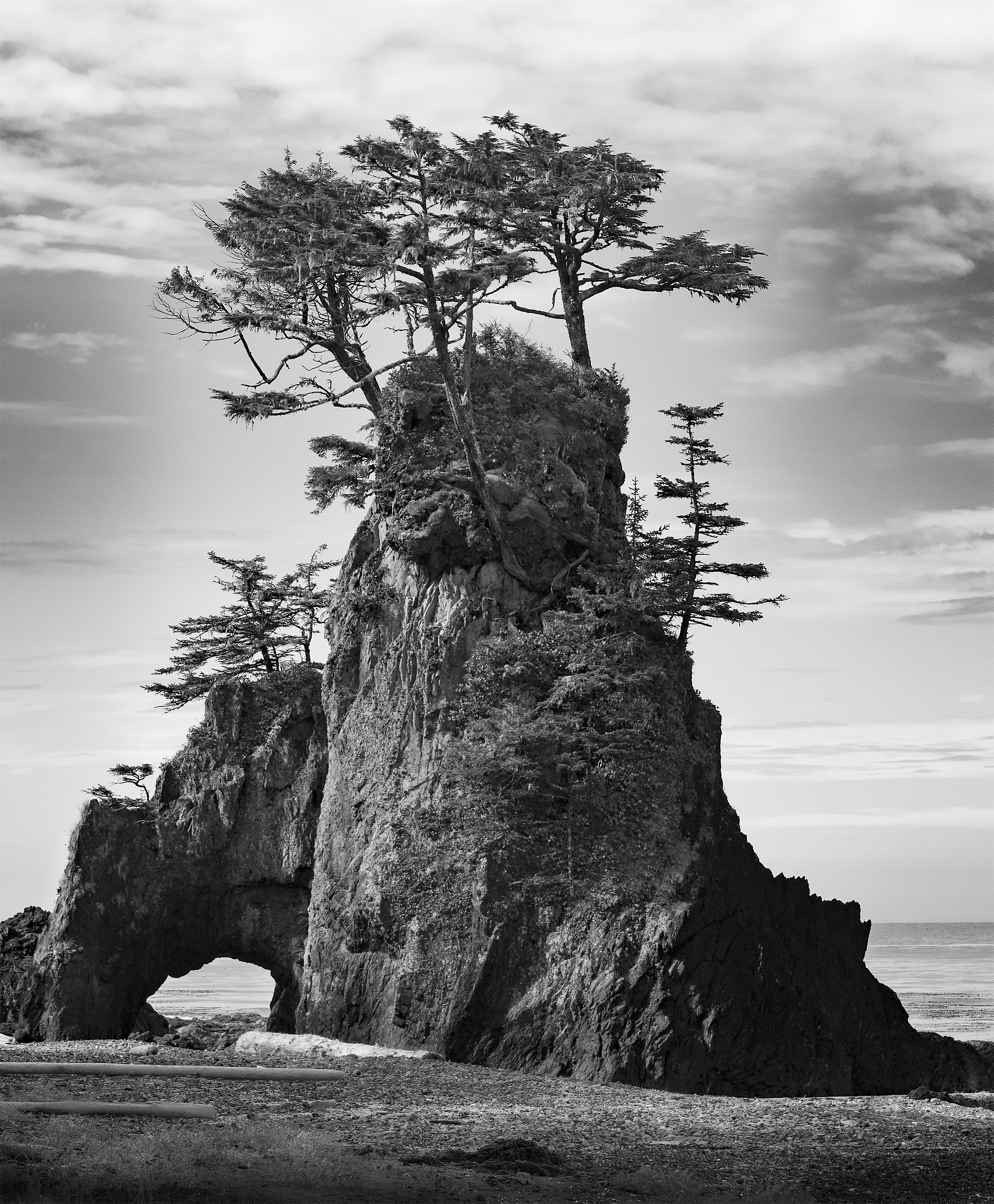
Built form the earth and carved by the sea.
Nature’s a fortress protecting me.
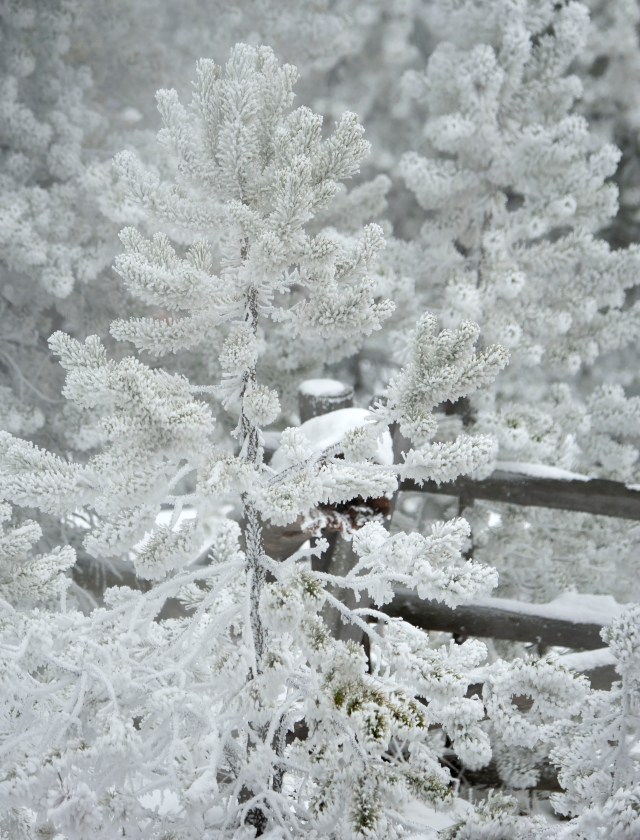
A bit of moisture in the air made for a wonderful frosty morning.
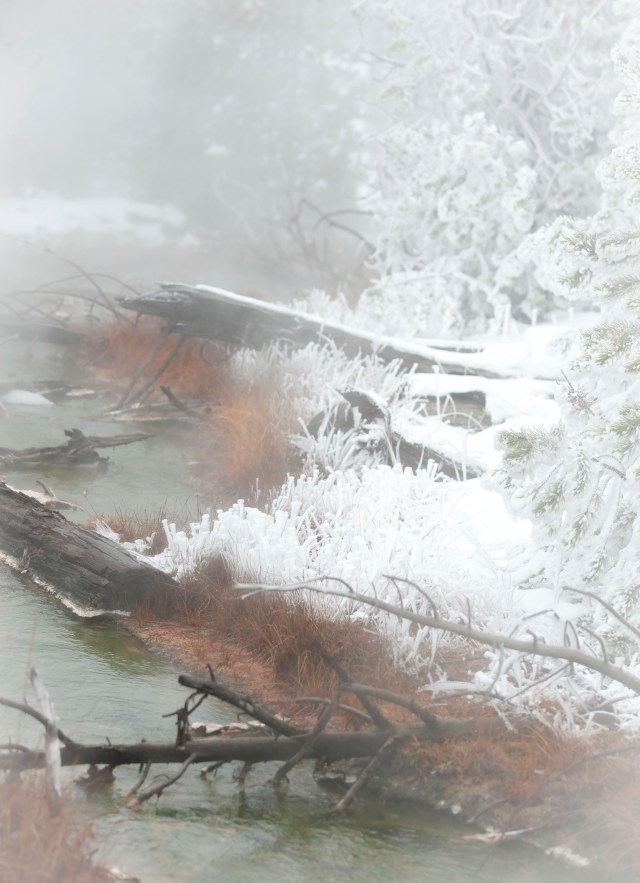
Warm water and cold air combined to give quite the show on a frosty Friday morning.

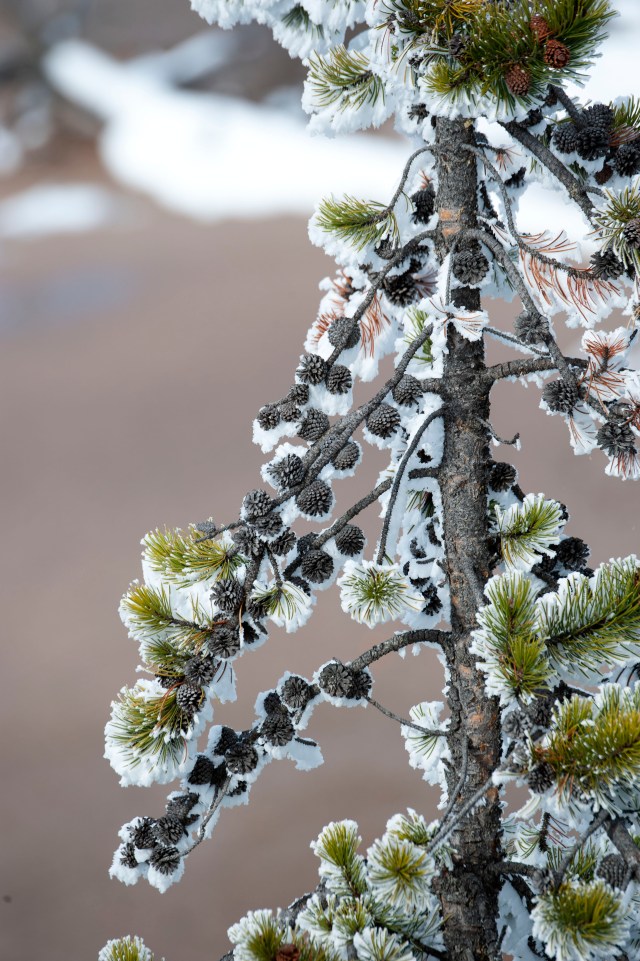
Happy Friday and a wonderful weekend to all.

Rare is common?
A recent report published in Science Advances suggests that up to 40% of plant species are actually very rare and these rare species are extremely vulnerable to extinction via climate change as well as destruction of native ecosystems for human land use.
In the introduction to the paper the authors state:
“Why some species are common and others are rare has intrigued ecologists at least, since Darwin. Rare species are orders of magnitude more likely to go extinct, making it puzzling how so many rare species can be maintained.”
To make their conclusions thirty-five research teams form over 20 institutions complied 20 million observational records of plants from around the globe. Their analysis revealed over 435,00 plant species with about 36.5% being classified are rare.
The rare species were clustered in regions around the globe that through time have had more stable climates especially during the planets last ice-age. These rare plant hotspots included regions of the Northern Andes, Costa Rica, Madagascar and regions of Southeast Asia. However as the planet warms and the ever present march of human conversion of land for agriculture, housing and tourism continues these rare plant regions are threatened.
The authors state that:
A very interesting report and a short summary can be found at Science Daily.
While none of these photos depict rare plants, or so I think, these are the types of places rare plants might live.
What will be lost when we only have the common left?
Click Image for slide show


References:

Just look at those beautiful feathers…bluer than blue and many shades to say the least.
A stellar’s jay sitting quietly on a snowy afternoon.
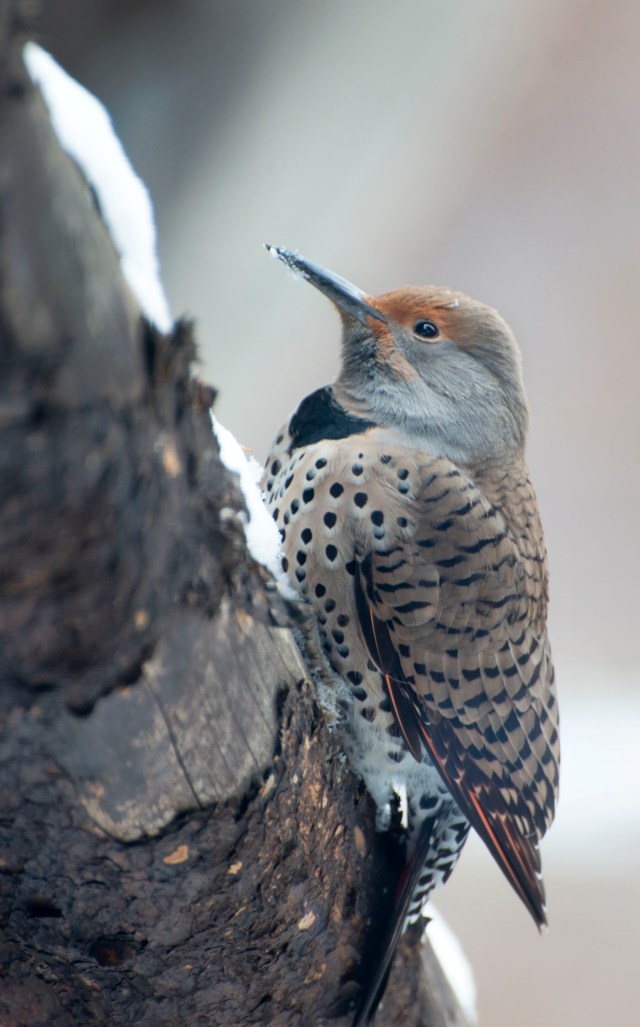
A Northern Flicker adding a wonderful splash of color to a December afternoon.
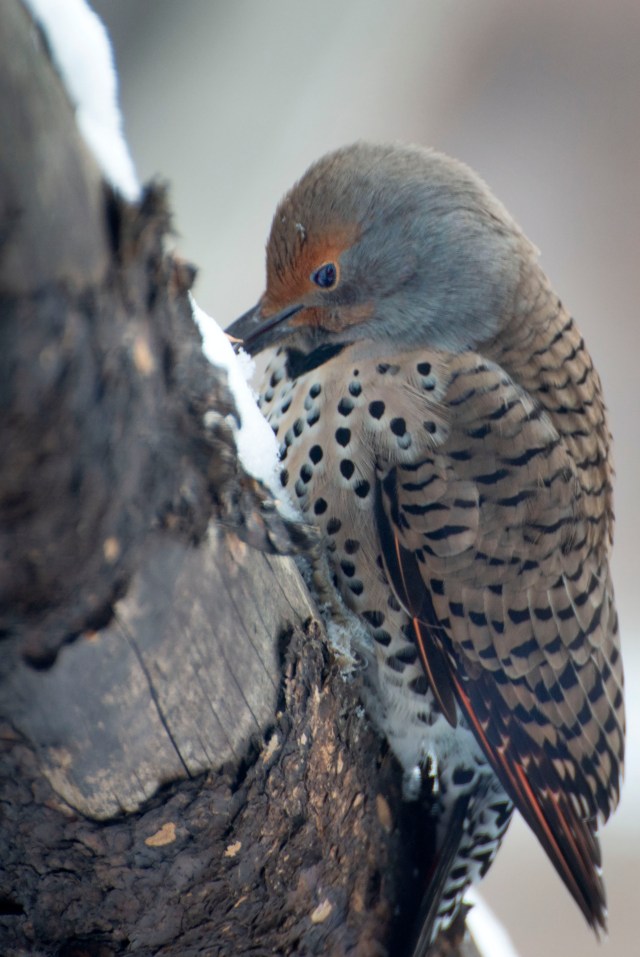
Foraging away…
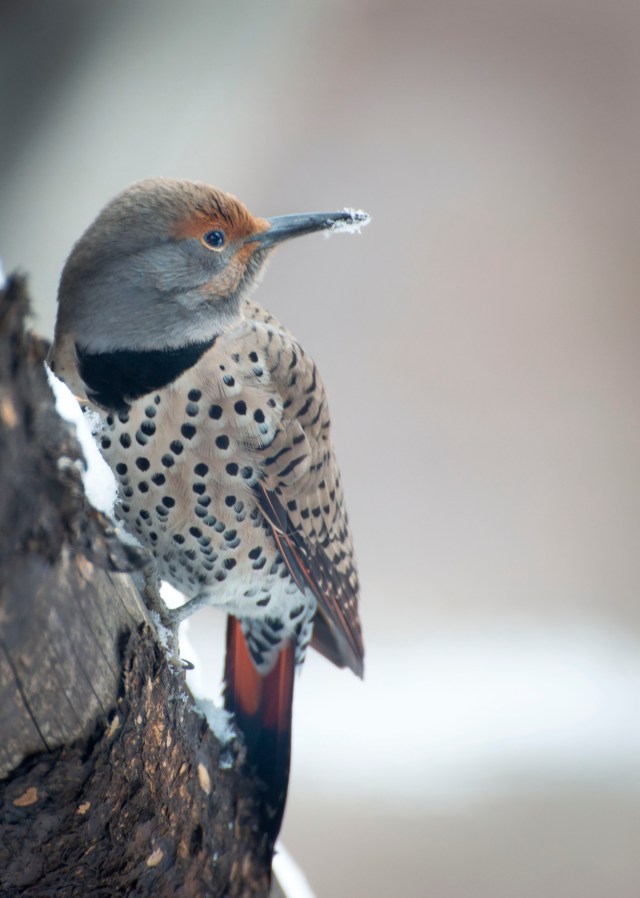
or just sitting quietly brightening up the day.
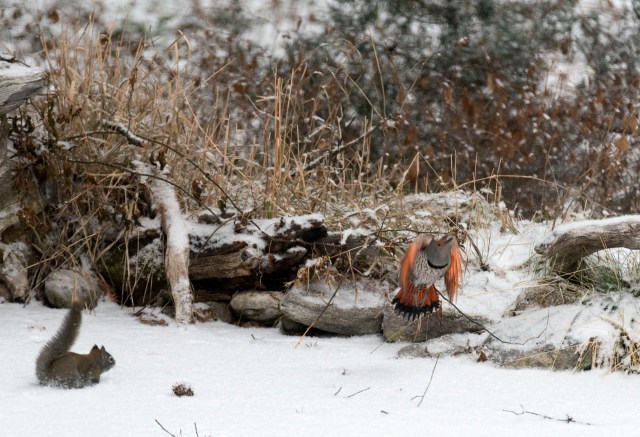
Side note: It appears the flicker has the same frenemy as we do. This day the flicker landed within the territory of one very aggressive red squirrel who charged the flicker from a distance of at least ten feet forcing the Flicker to quickly take flight. The upside of the altercation was we got a nice view of those very colorful wing and tail feathers on the underside of the Flicker.


You must be logged in to post a comment.