The World Wildlife Fund just released their living planet report for 2018. Up front it seems it seem the report could well be titled the dying planet instead of the living planet report given the summary states “On average, we’ve seen an astonishing 60% decline in the size of populations of mammals, birds, fish, reptiles, and amphibians in just over 40 years, according to WWF’s Living Planet Report 2018. The top threats to species identified in the report link directly to human activities, including habitat loss and degradation and the excessive use of wildlife such as overfishing and overhunting.”
You can read the full report here.
or here
https://www.worldwildlife.org/pages/living-planet-report-2018
Please pass along the report to all who care and even those that may not.
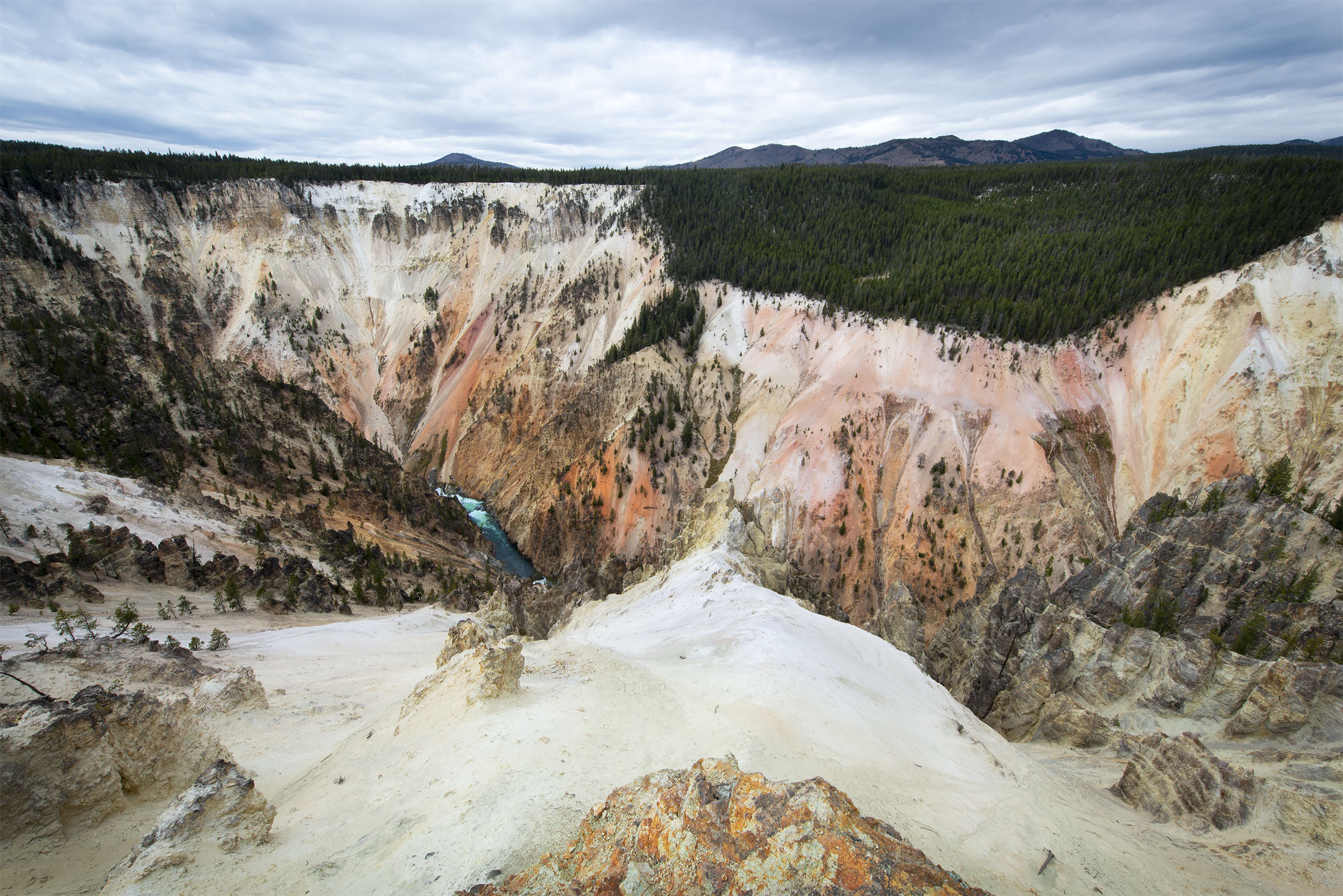
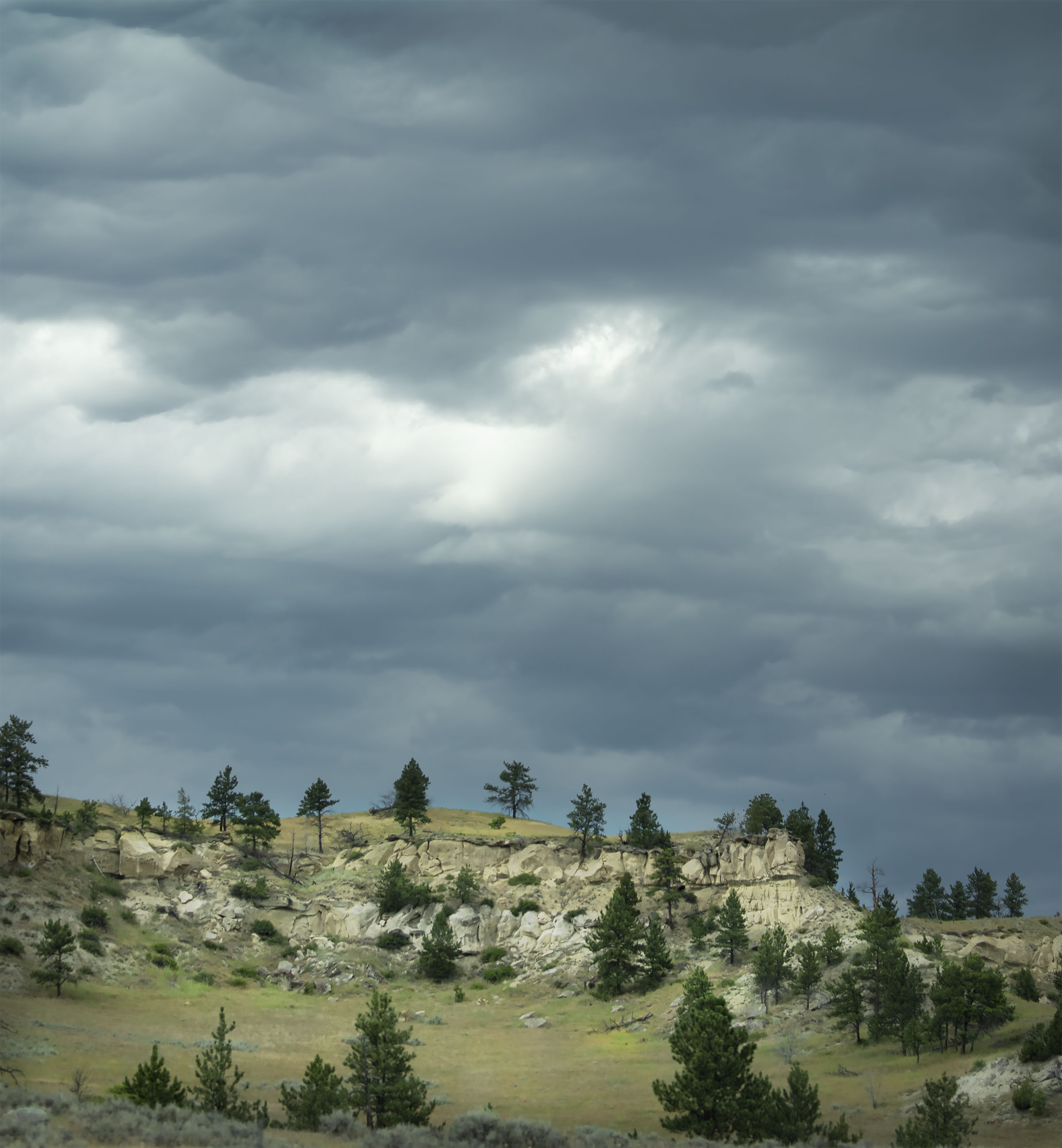
Photo: Grand Canyon of the Yellowstone, 2018.






 nature has no boss
You must be logged in to post a comment.