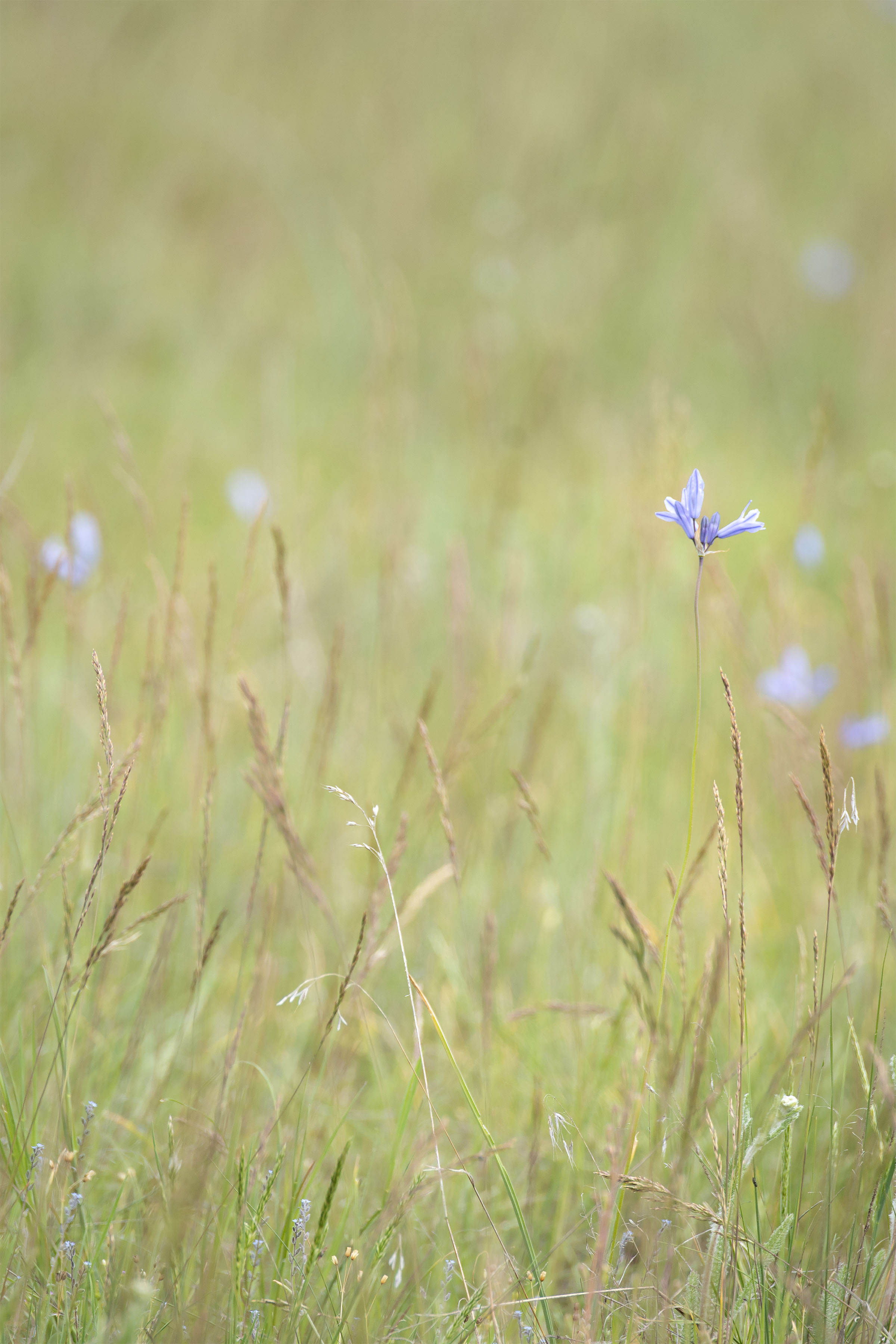
There are landscapes you hear as well as see.
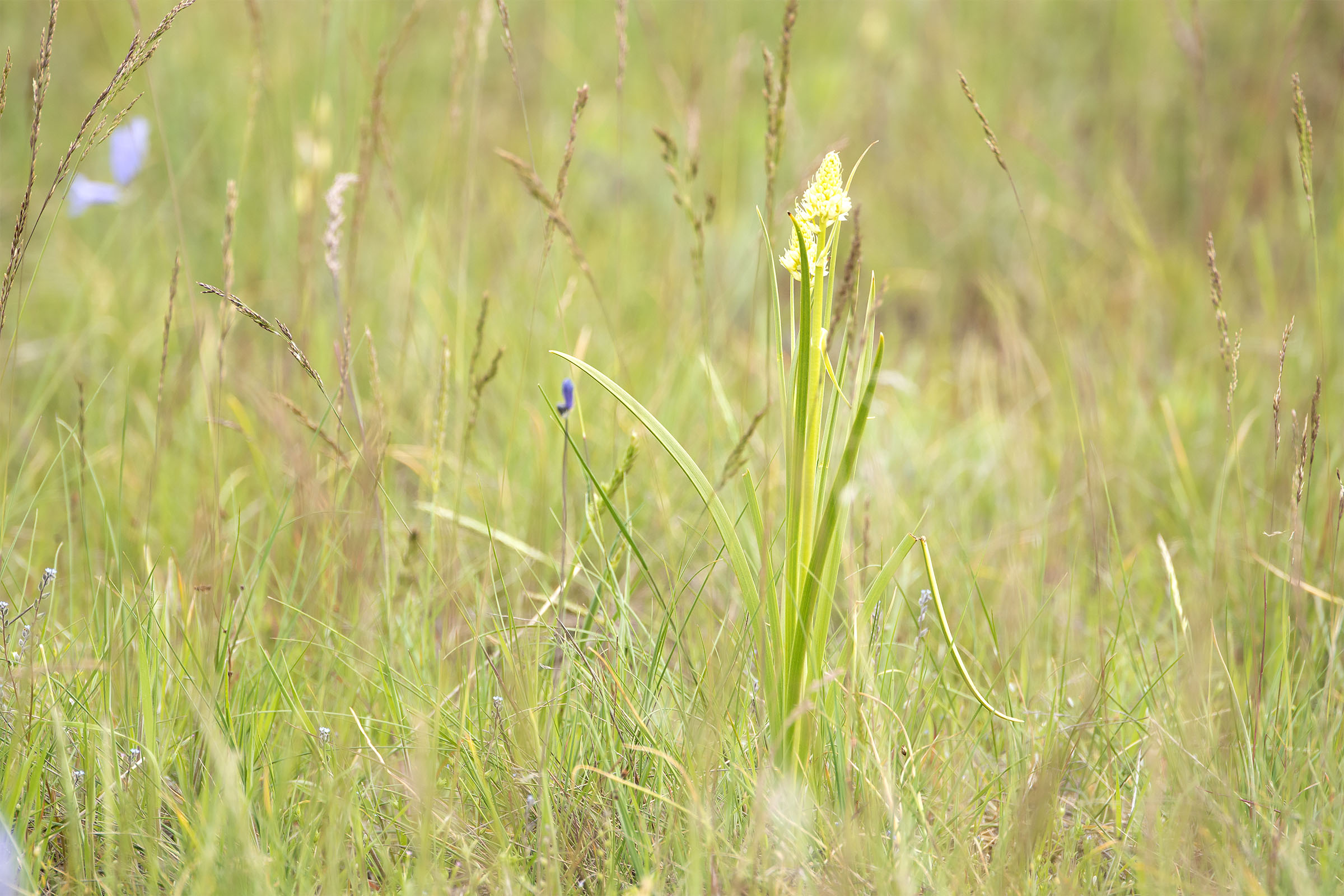
Playing you a subtle symphony.

A composition rich with harmony and a subtle quiet melody.

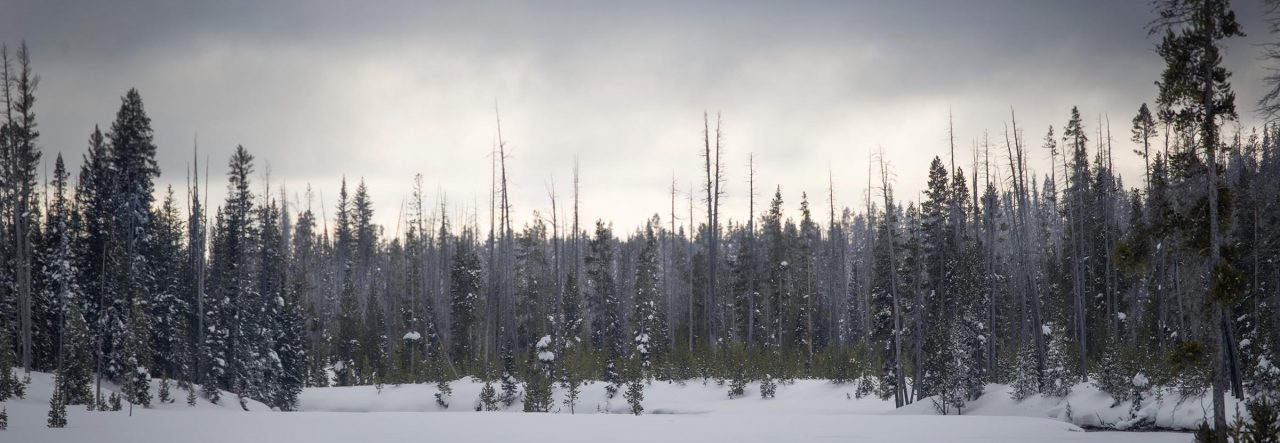
There are landscapes you hear as well as see.
Playing you a subtle symphony.
A composition rich with harmony and a subtle quiet melody.
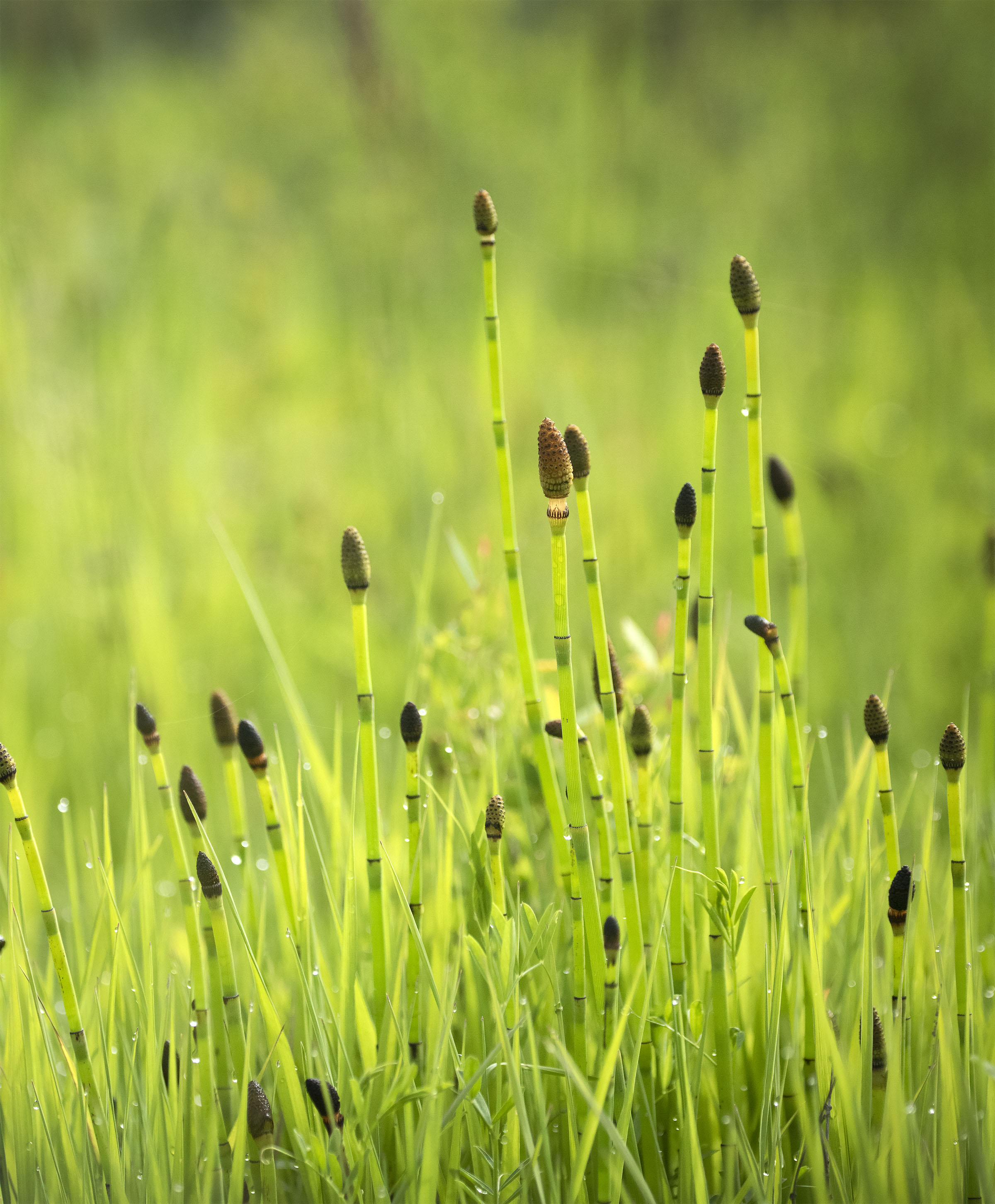
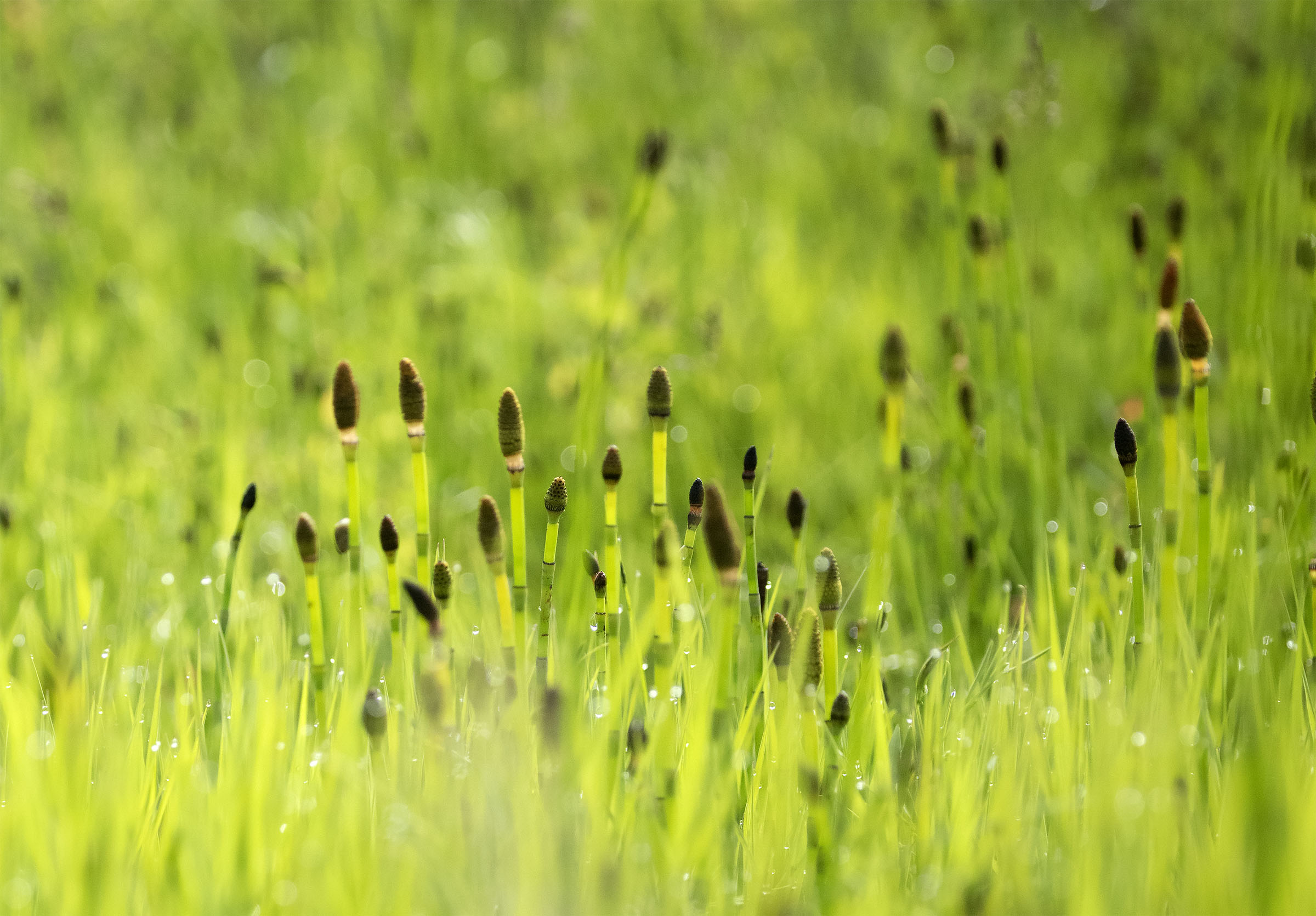
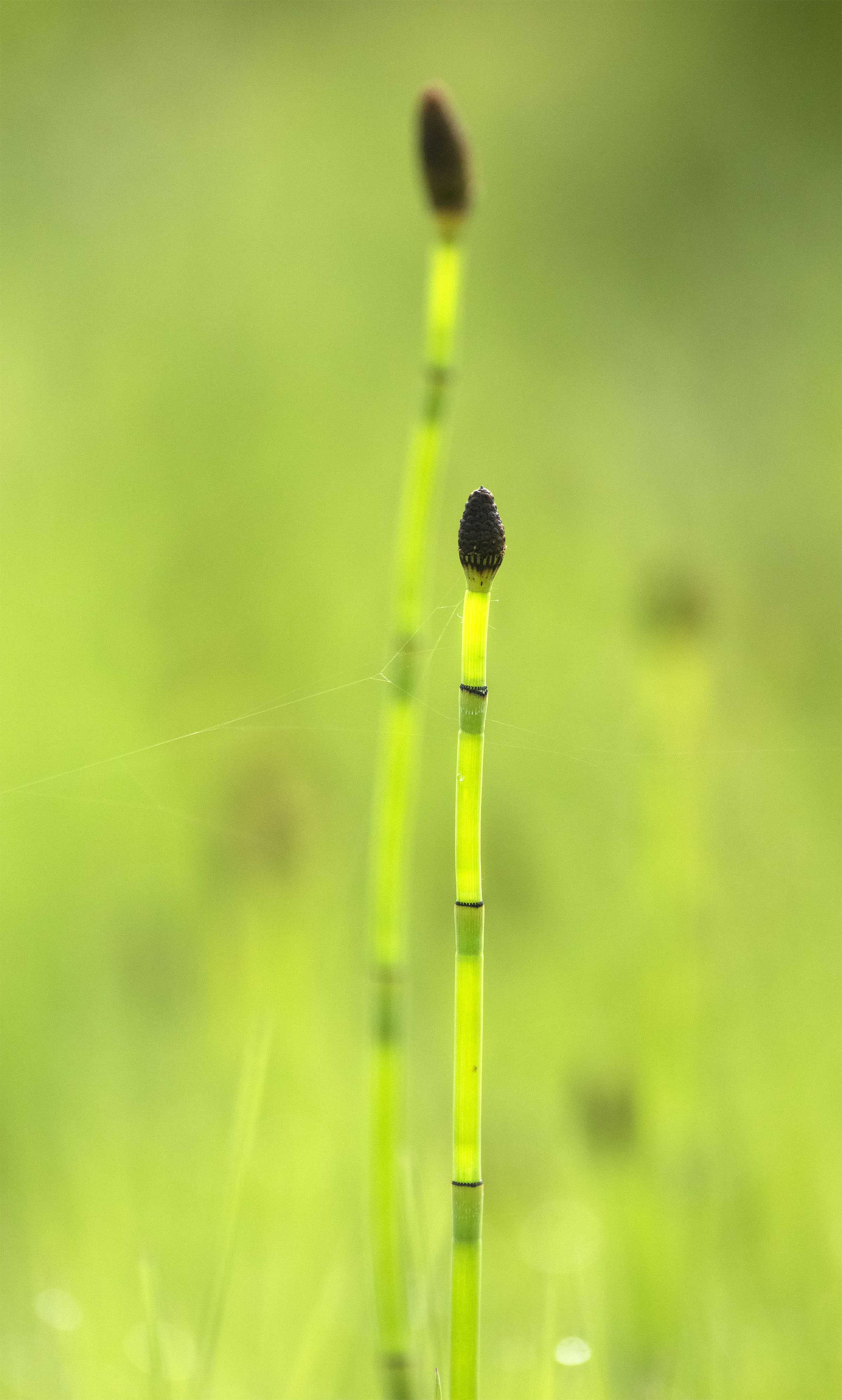
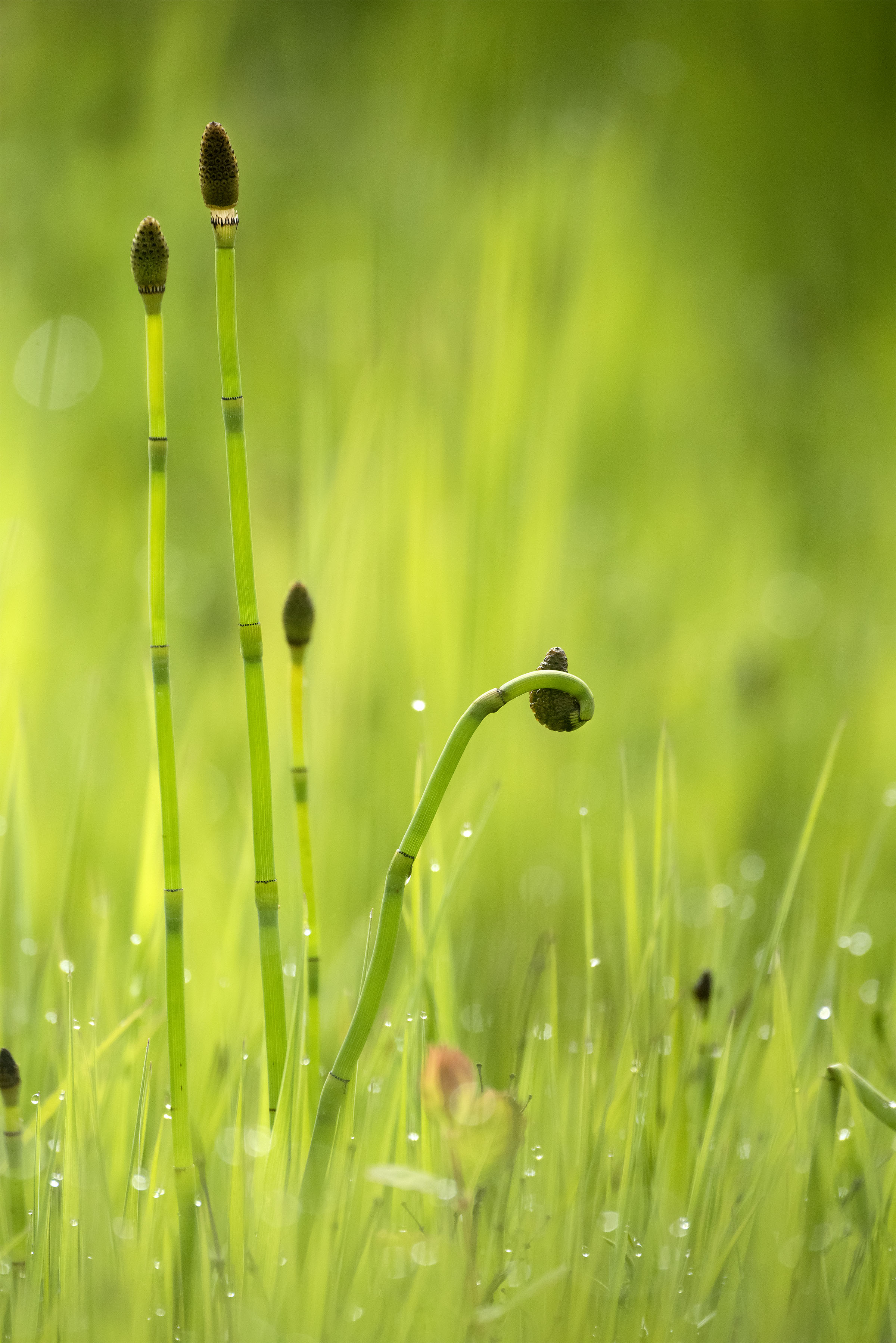
According to recent scientific and lay sources the family Equisetum is a “living fossil”. It is the only living genus of the entire class Equisetopsida a family of vascular plants that reproduce by spores rather than seeds.

These plant date back to the Devonian period which to my my reckoning is really, really old. I am no botanist or will not pretend to be so I have always enjoyed snake grass for its beauty but with each little drop of new understanding comes greater beauty and perhaps beauty is part of the design of universe to begin with.
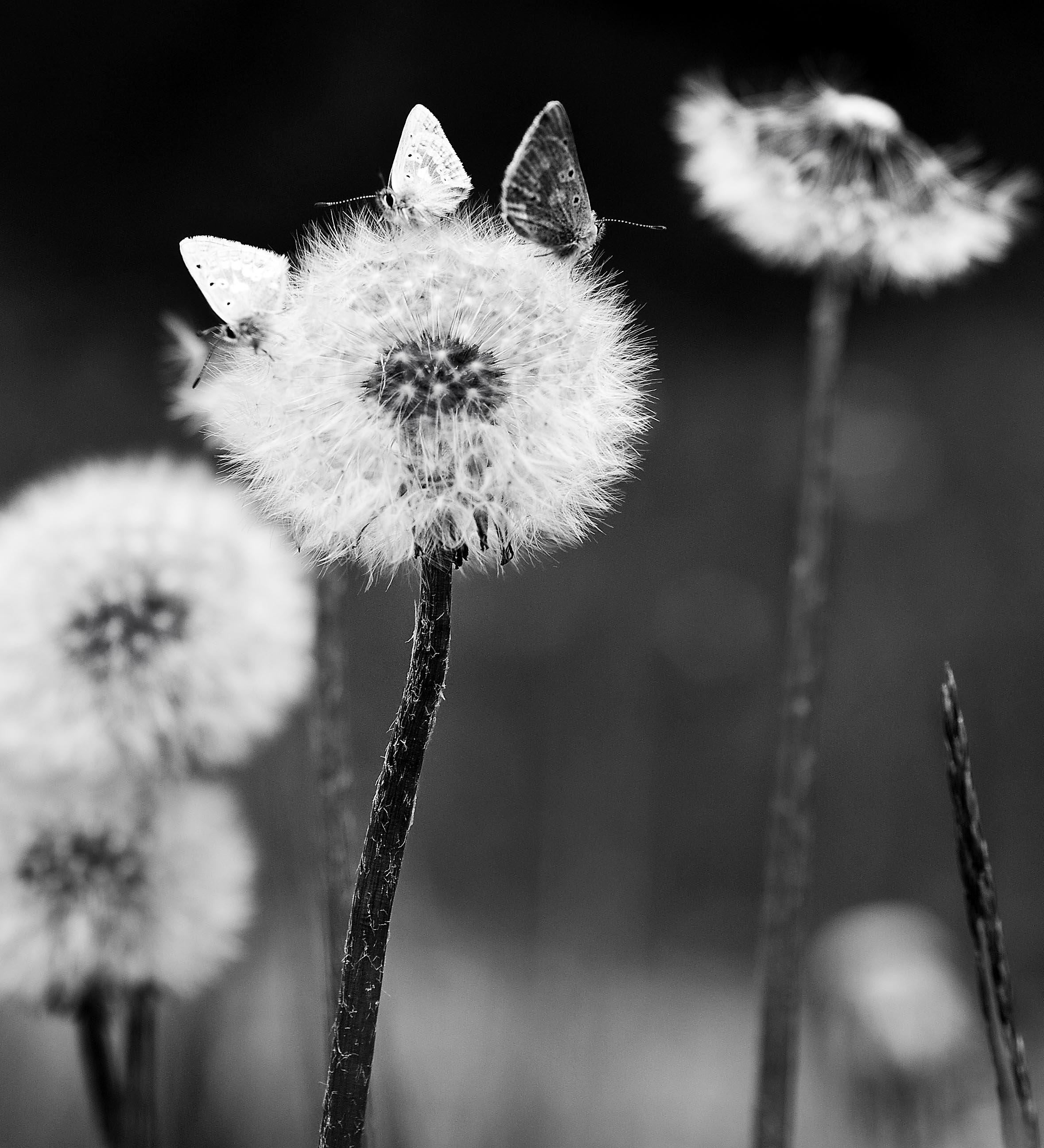
Something about this dandelion must have been just right. Cement Creek near Crested Butte, CO.
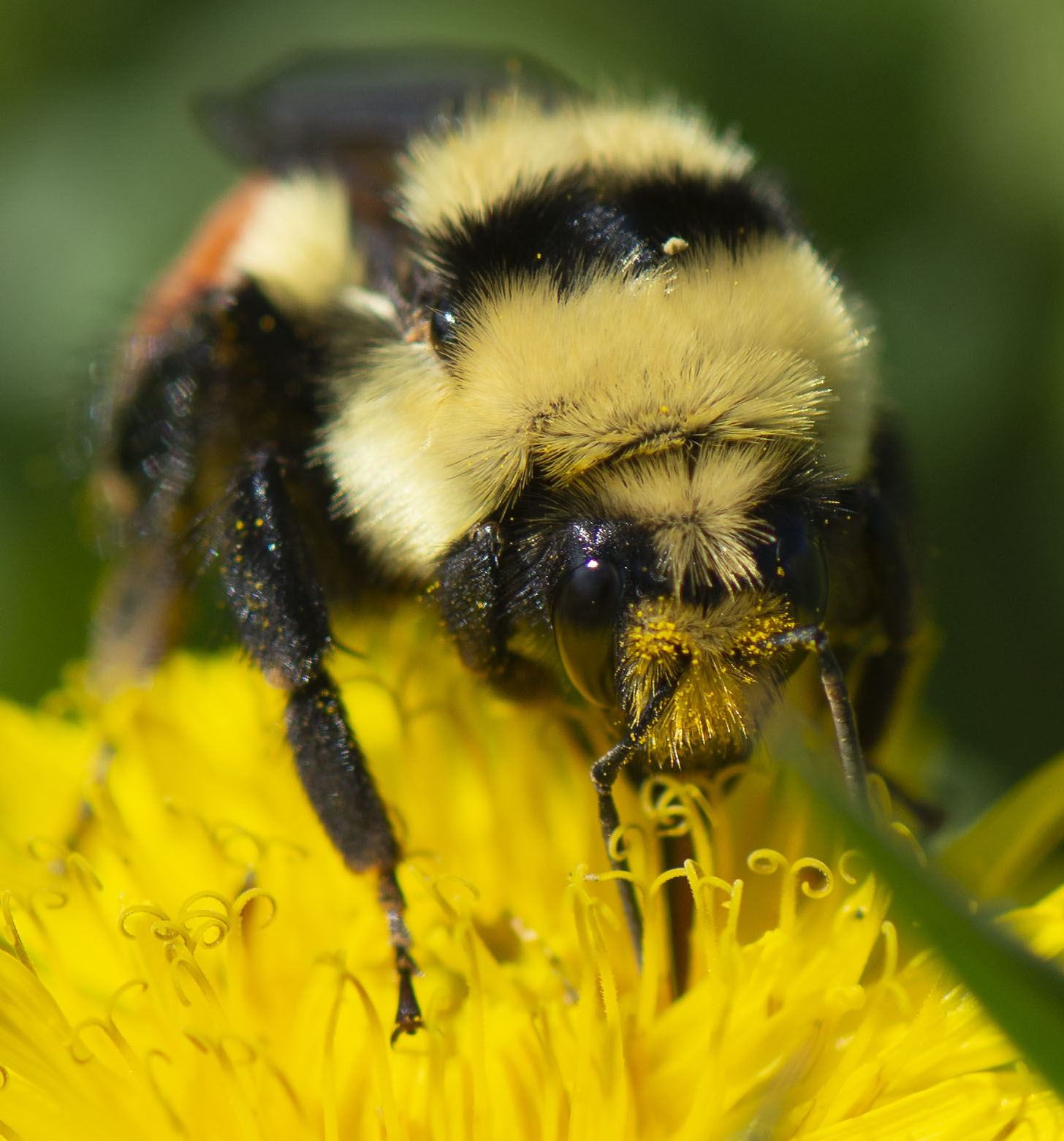
Just a few quick photos of a wonderful bumble bee Bombus ternarius the tri-colored bee. This time buzzing about on a not so dandy wildflower but the tri-colored bee is sure a marvel and any chance we can get to enjoy seeing our favorite bee close up is worth it.
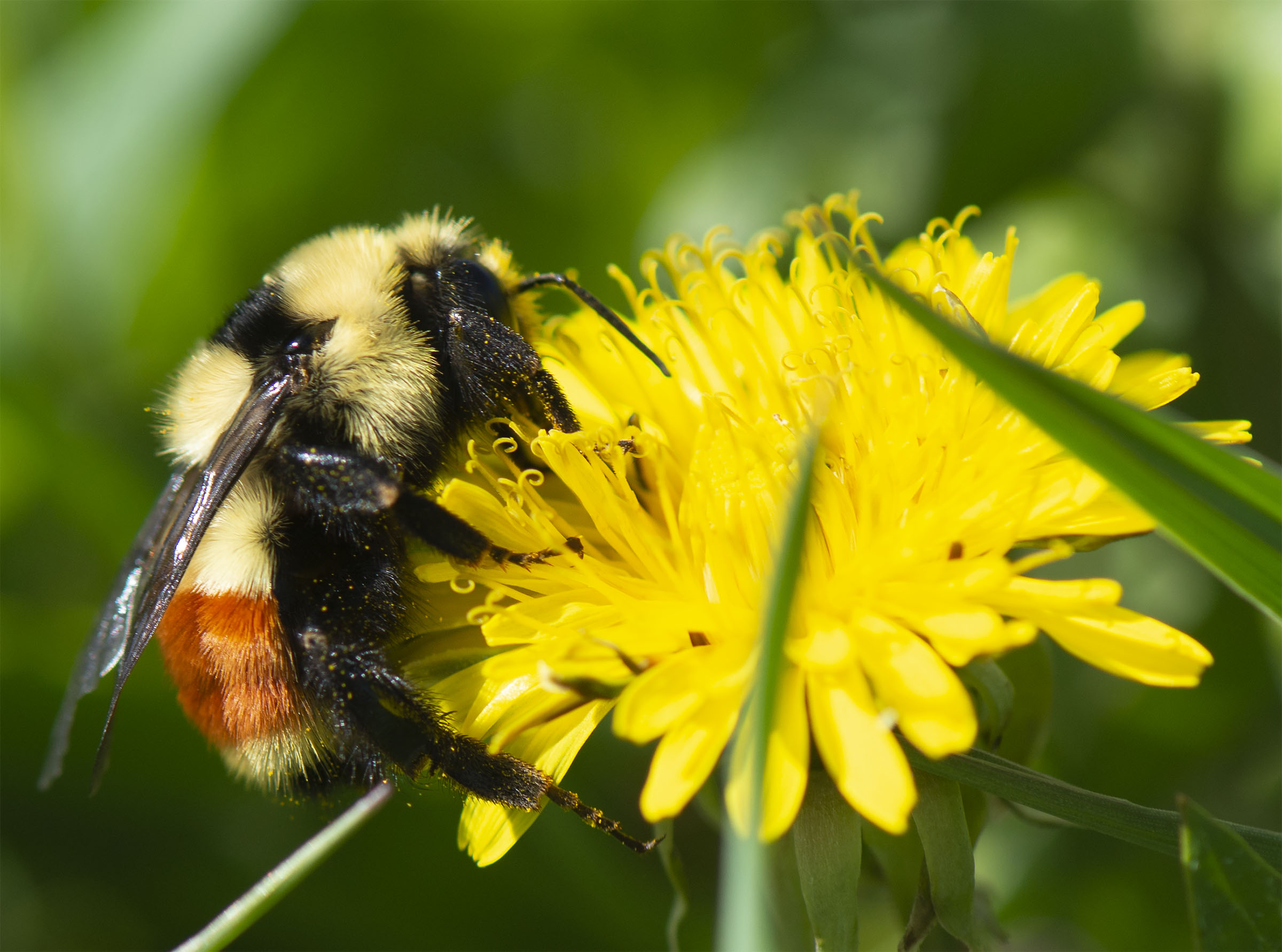
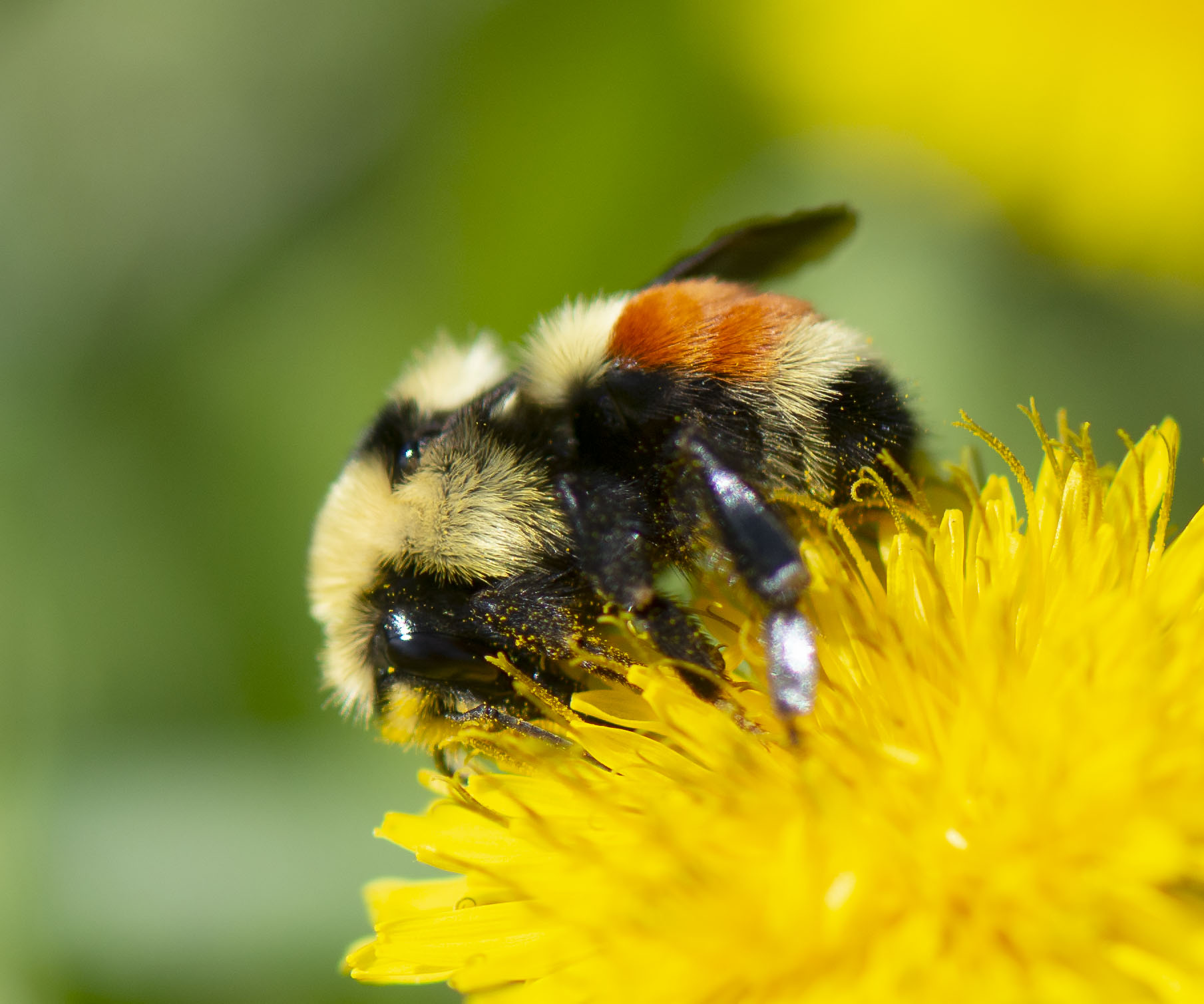
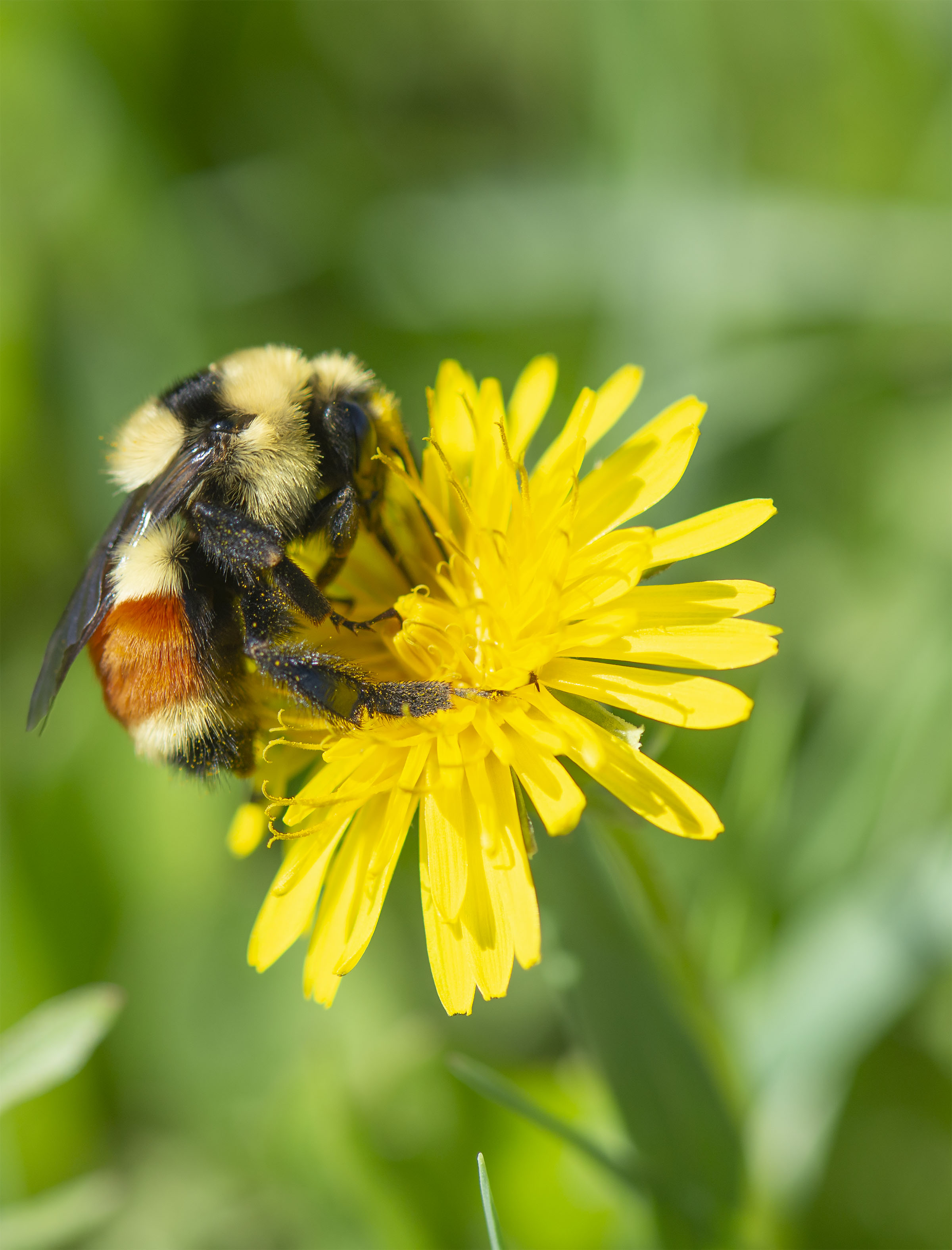
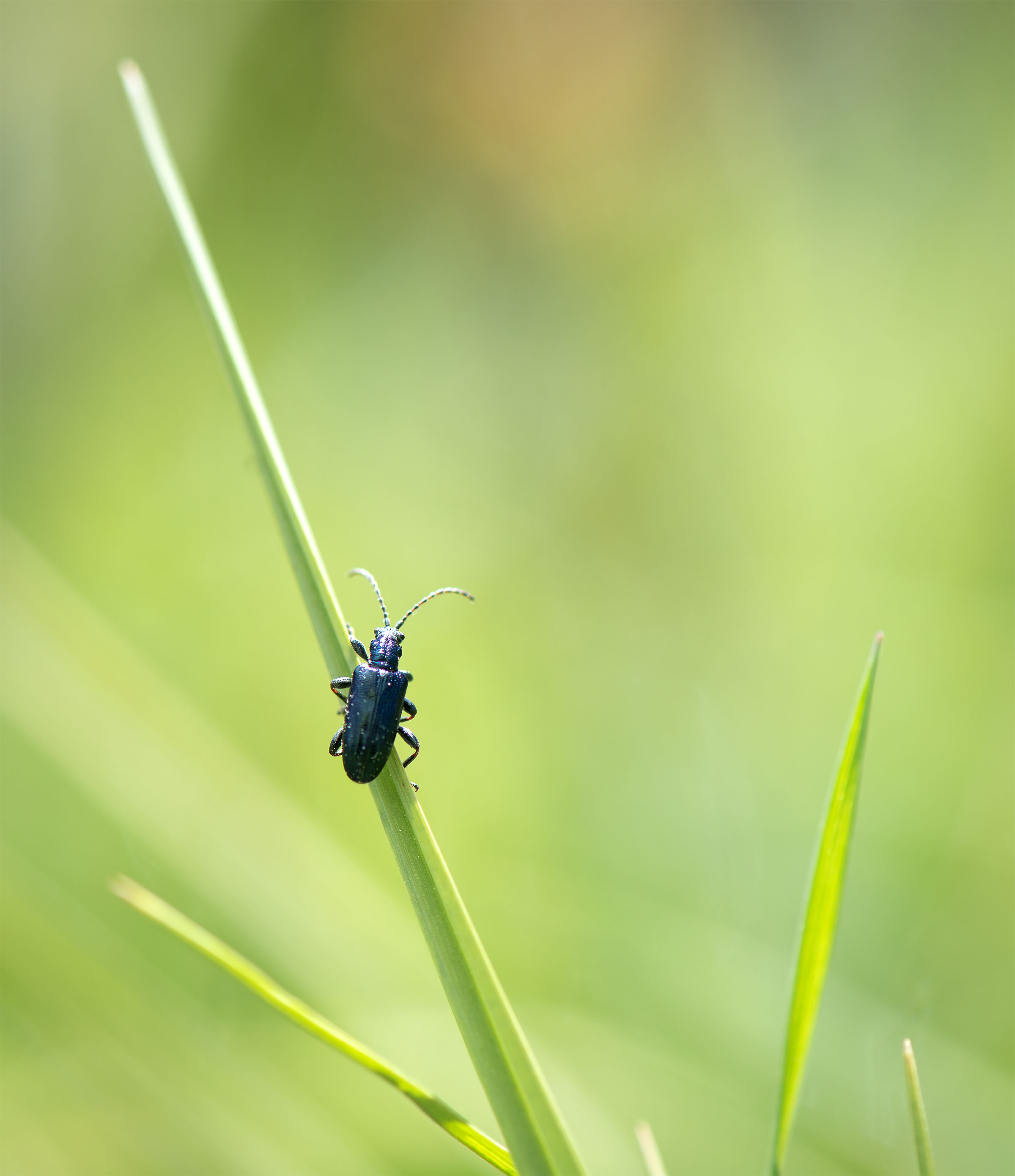
Looking closely at a blade of grass there is more than meets the eye.
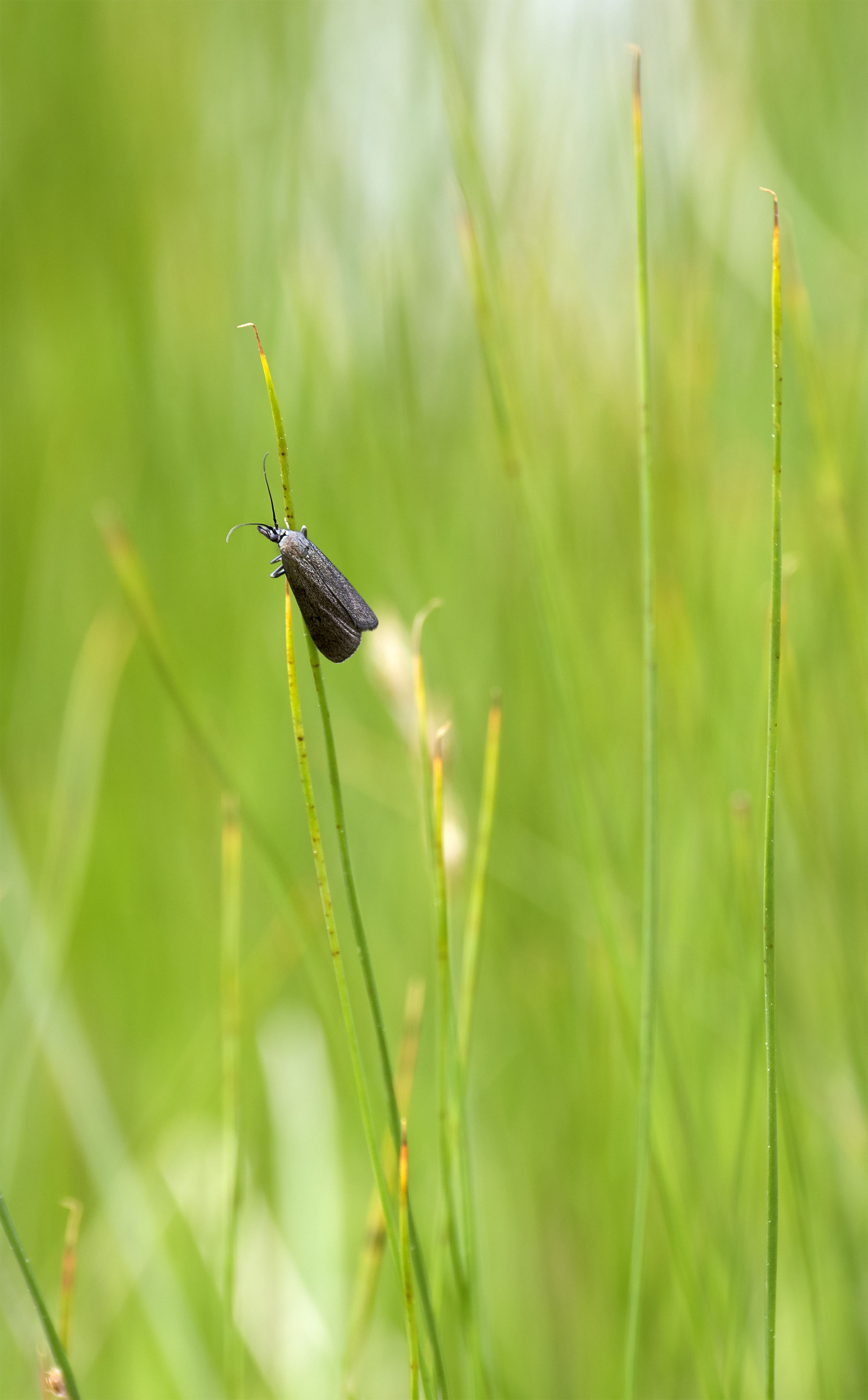
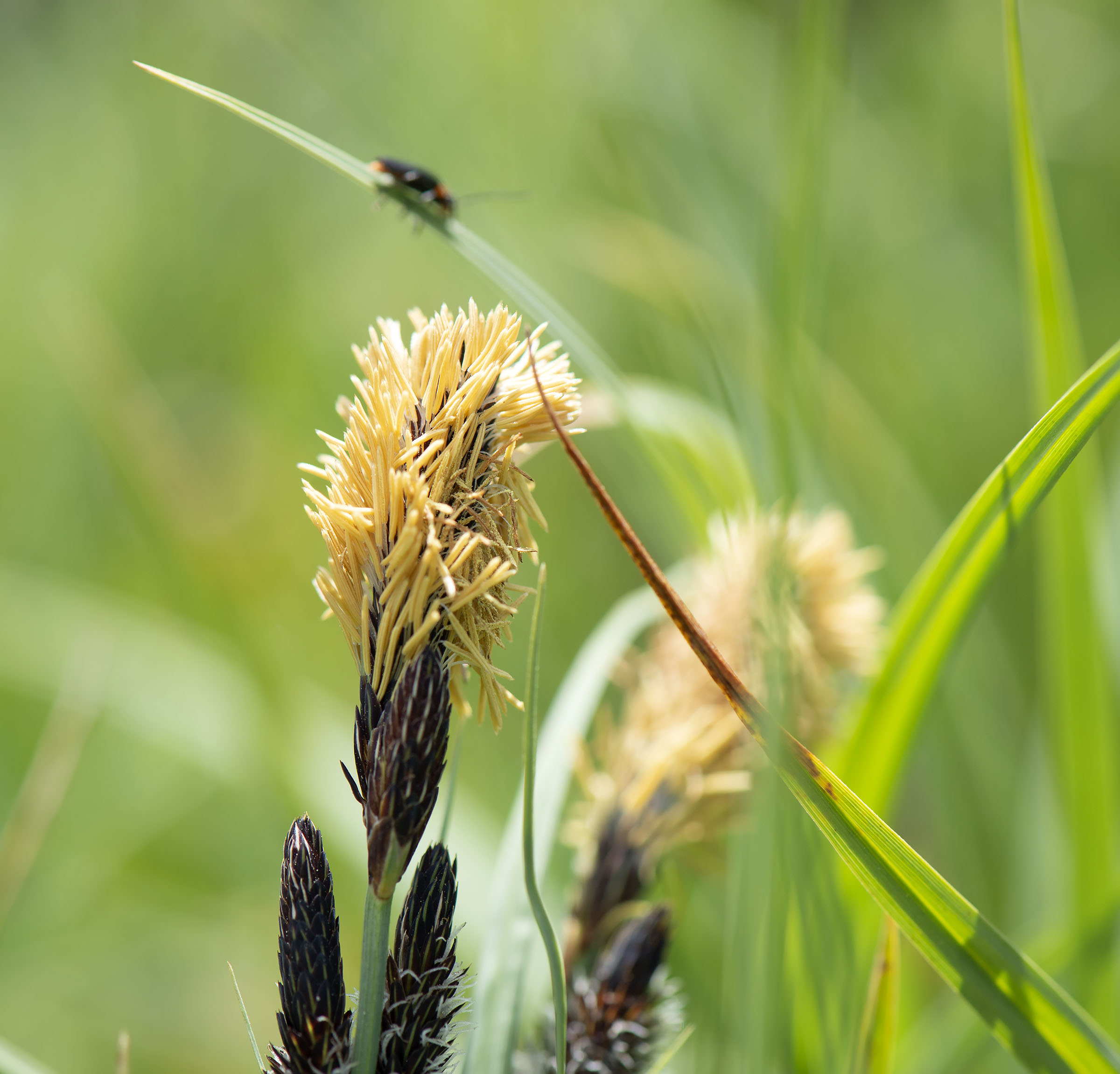
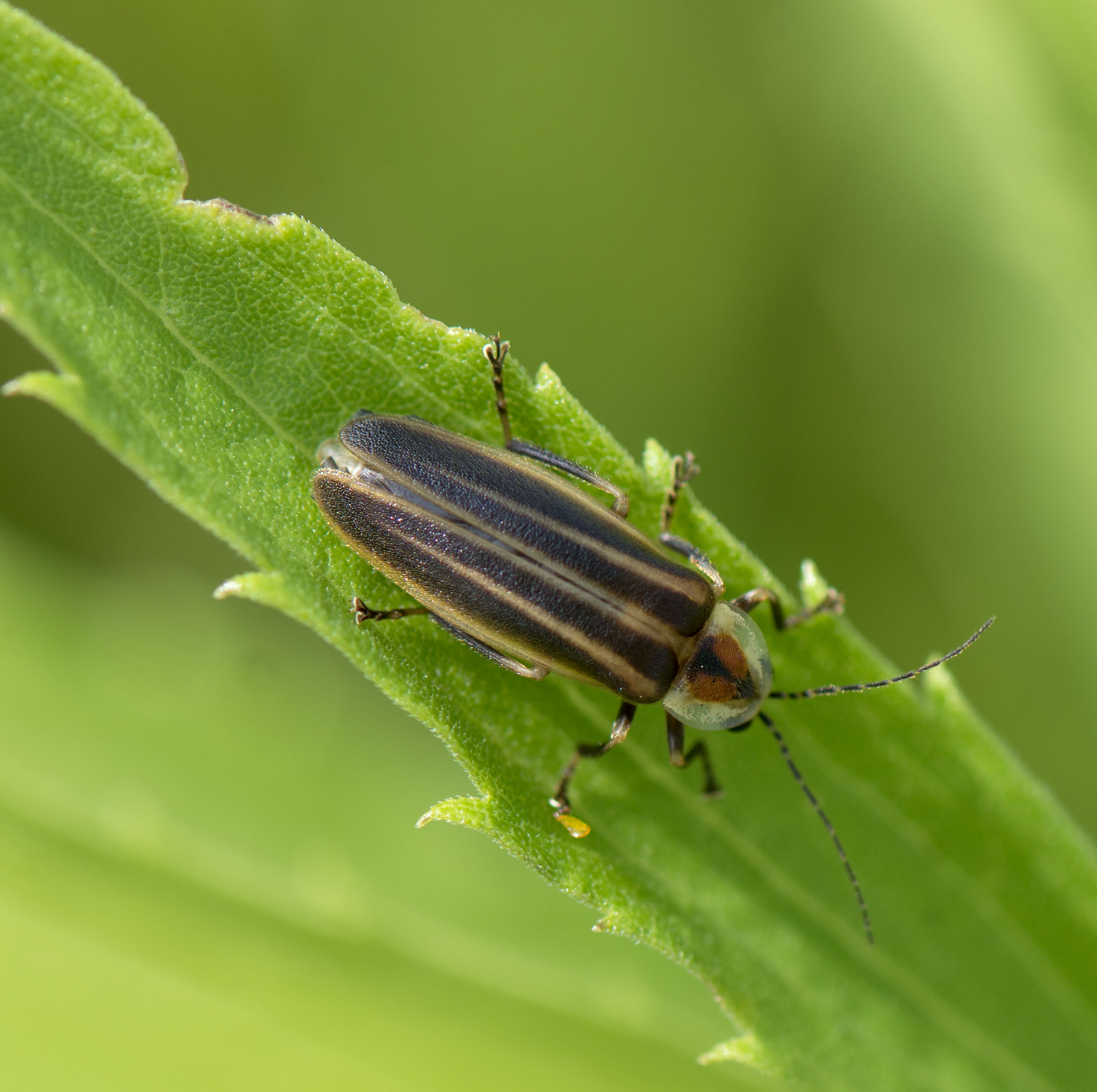
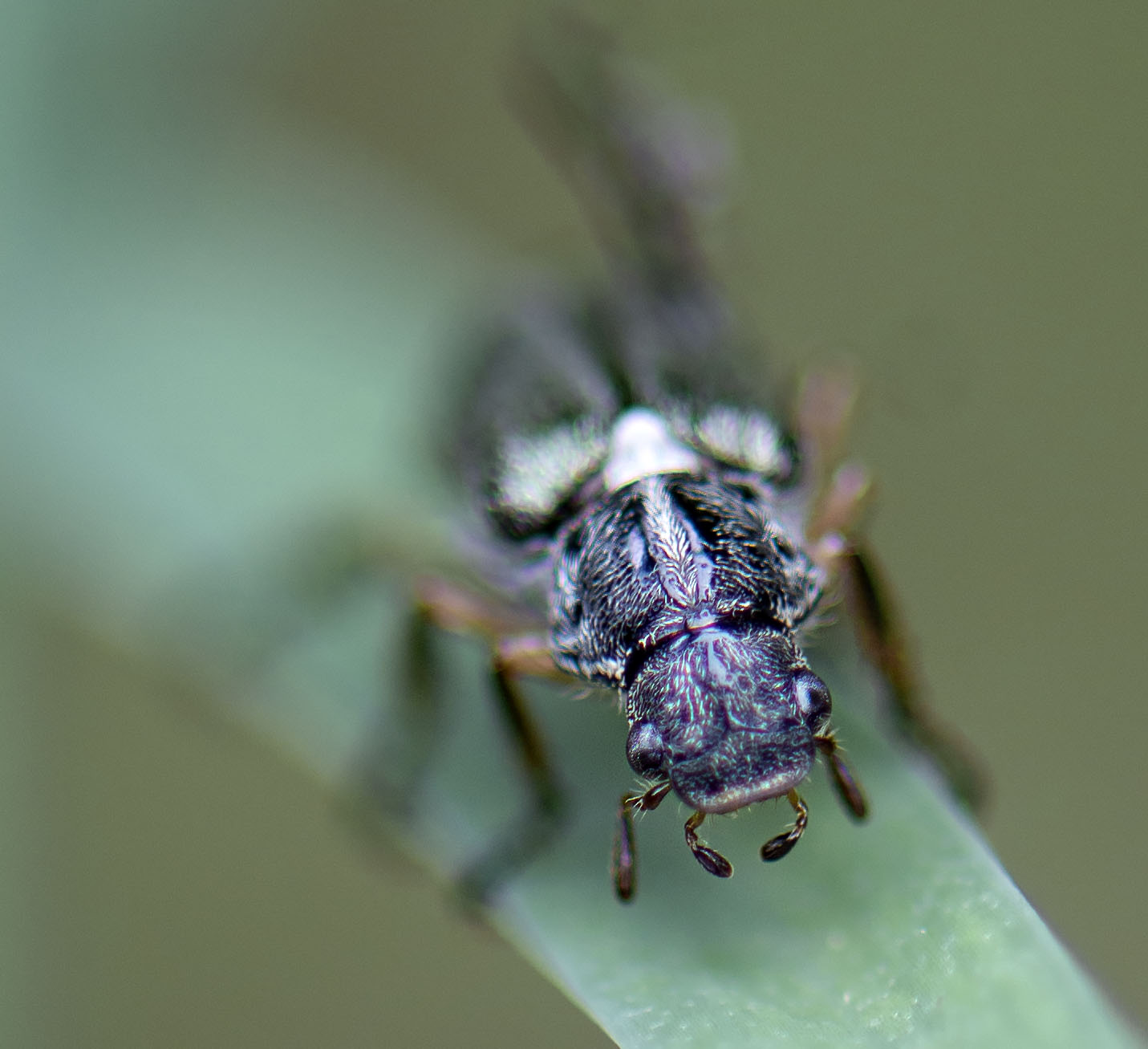
Yes, there is always more than meets the eye and it’s sure fun trying to meet it.
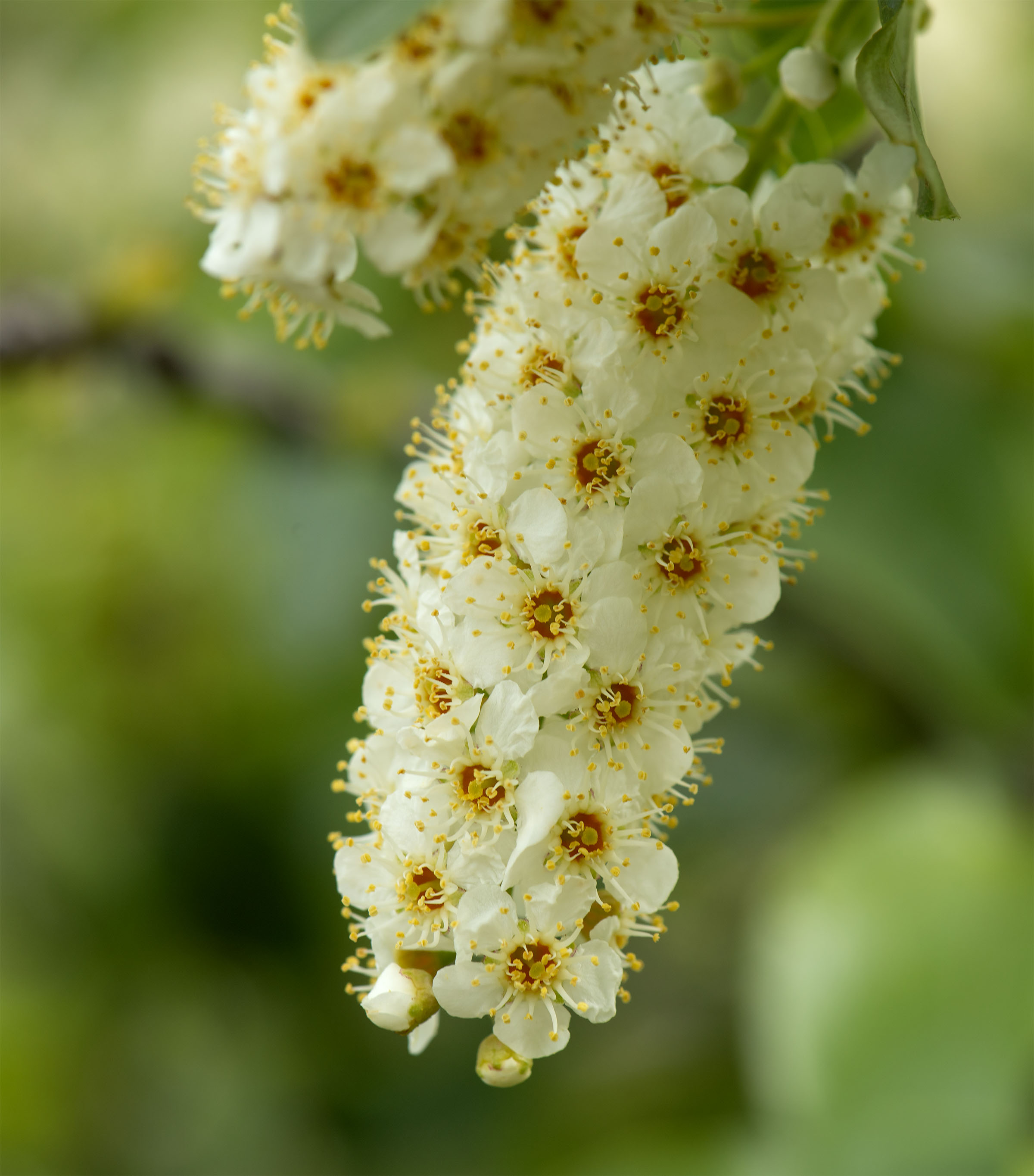
While the last blossoms of the Choke Cherry shrubs, which line the road near our home, have faded away their sweet smell still lingers in my head. Most of June was filled with that sweet smell as different bushes bloomed at different times of the month and thus we were treated to a wonderful progression of fragrance and sights.
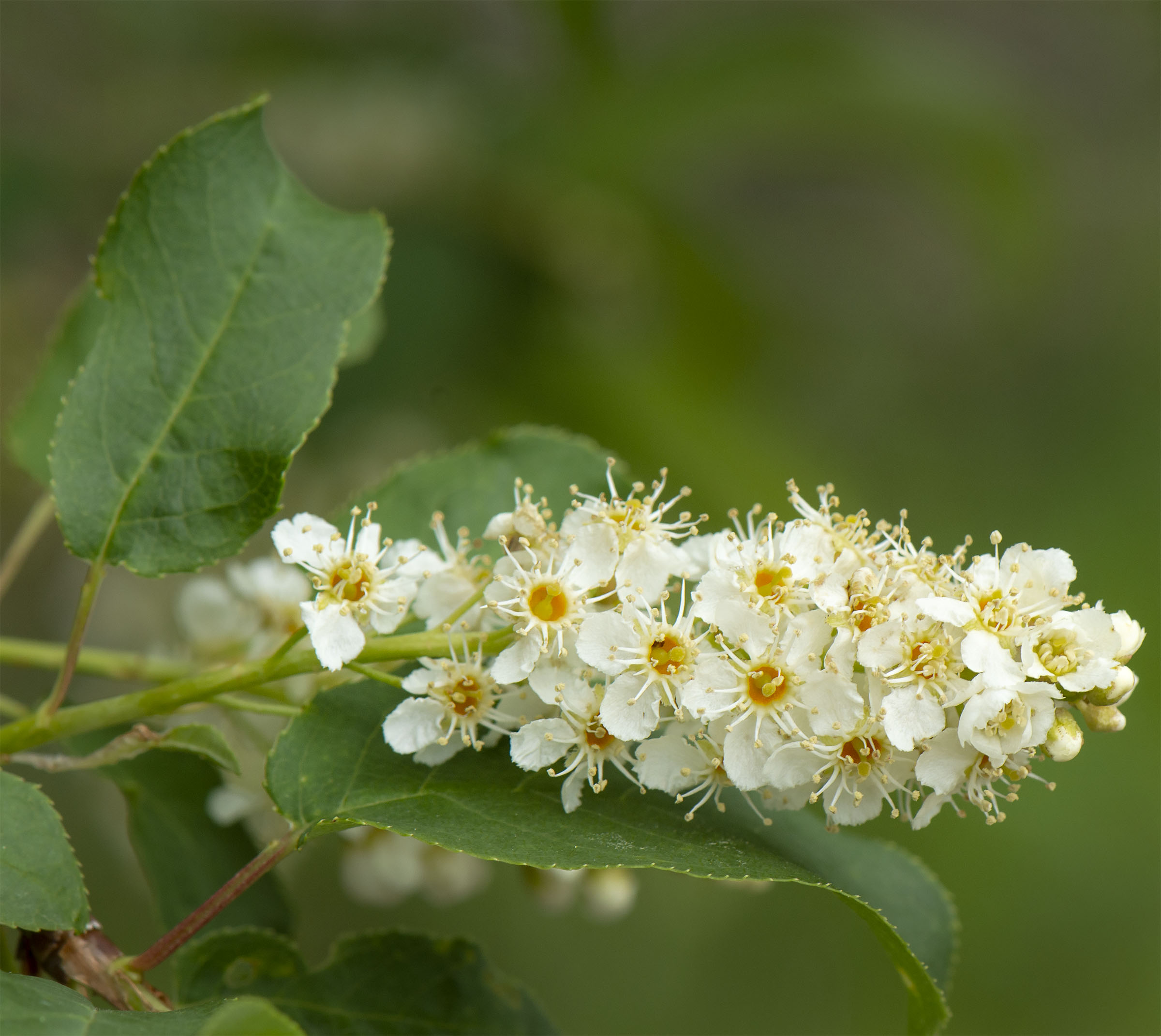
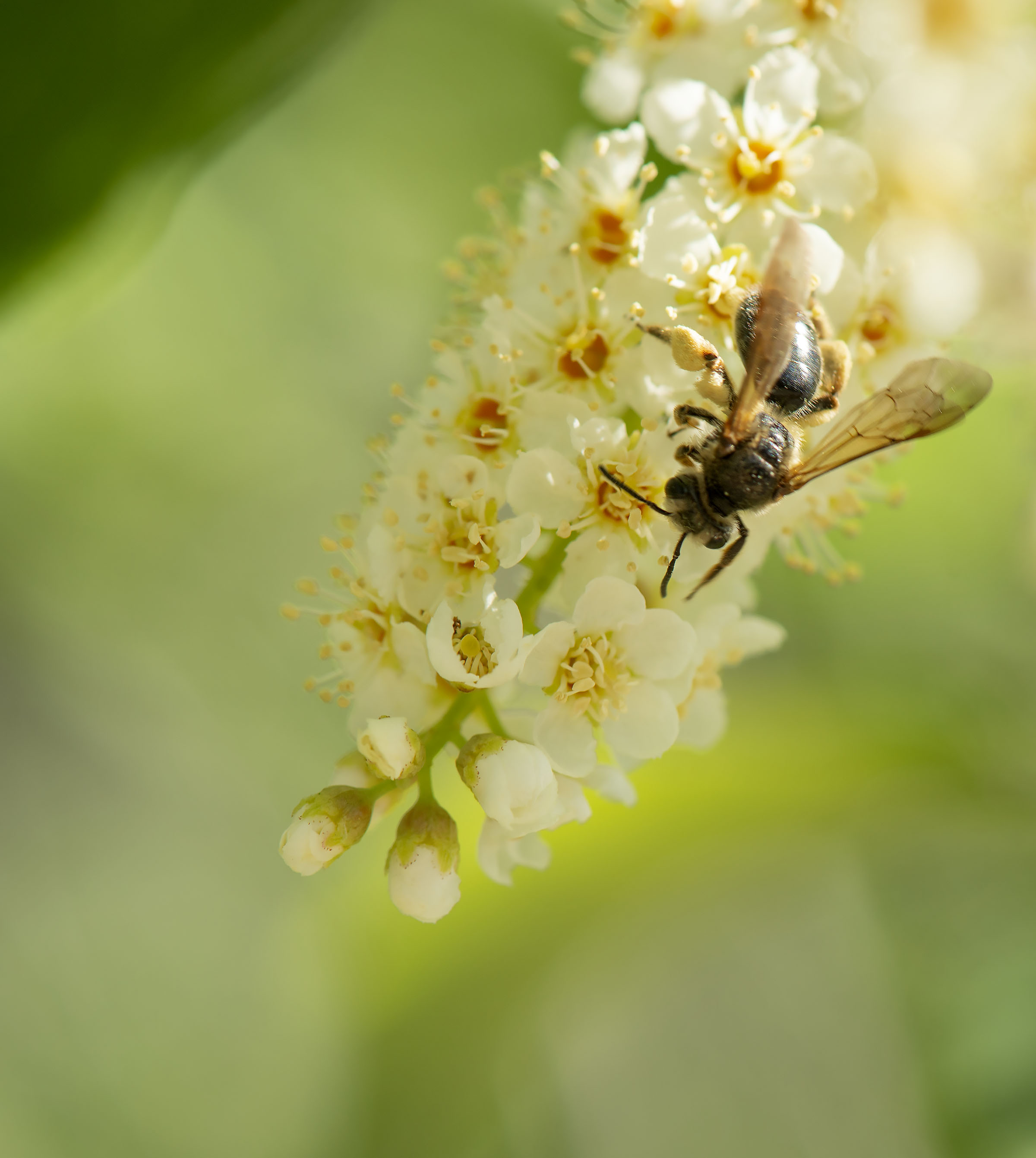
The astringent fruits and even the leaves and branches of the Choke Cherry are considered an important food plant for wildlife. Both large and small mammals as well as birds utilize Choke Cherry for food. In addition to food Choke Cherry provides wildlife habitat and protection for watershed in the areas in which it grows.
Human uses include Chokecherry Jams, wine as well a medicinal uses by native cultures. New growth on the leaves can be toxic to humans and cattle especially those leaves injured by frost or draught. So do not eat the leaves.
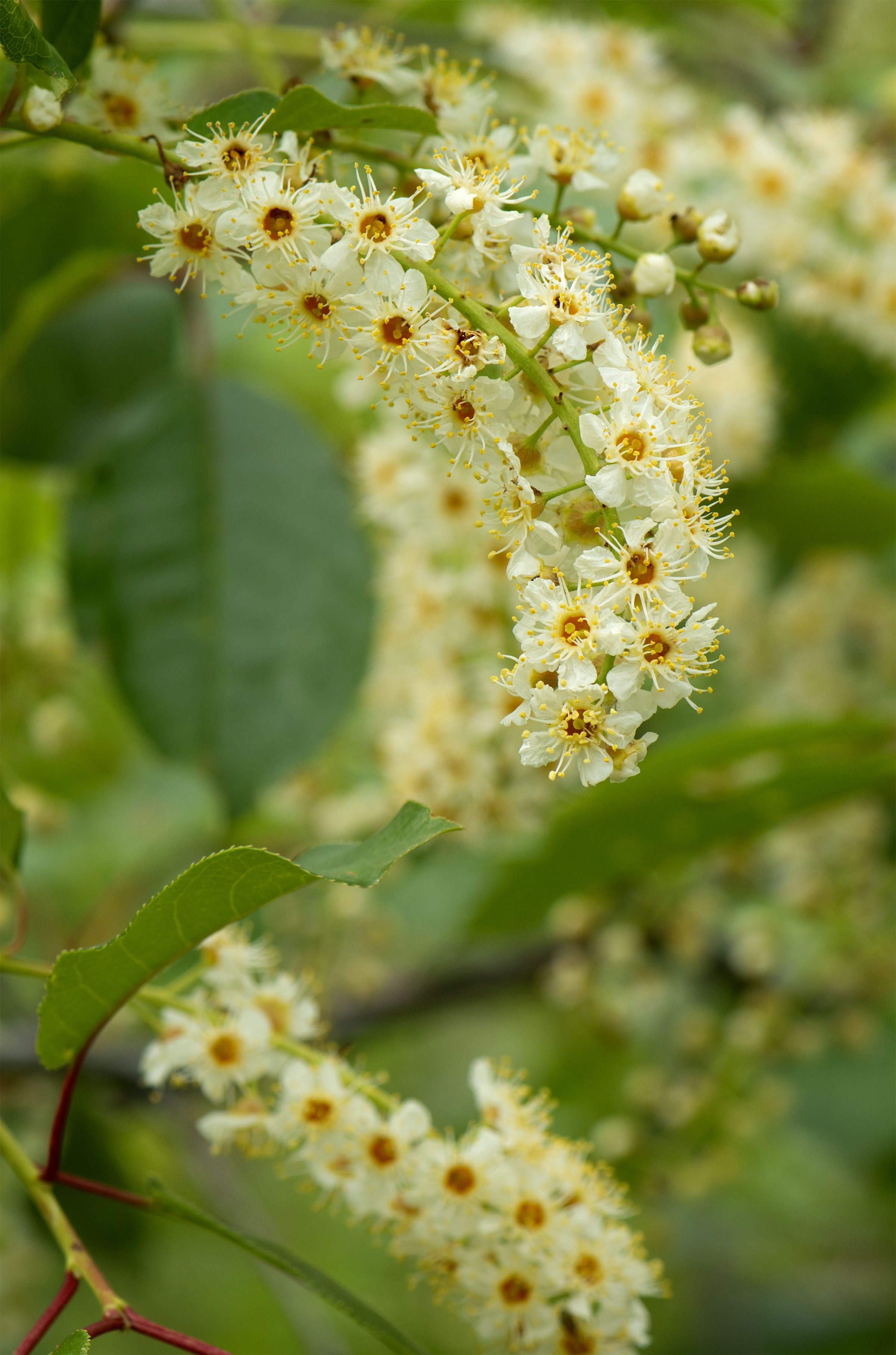
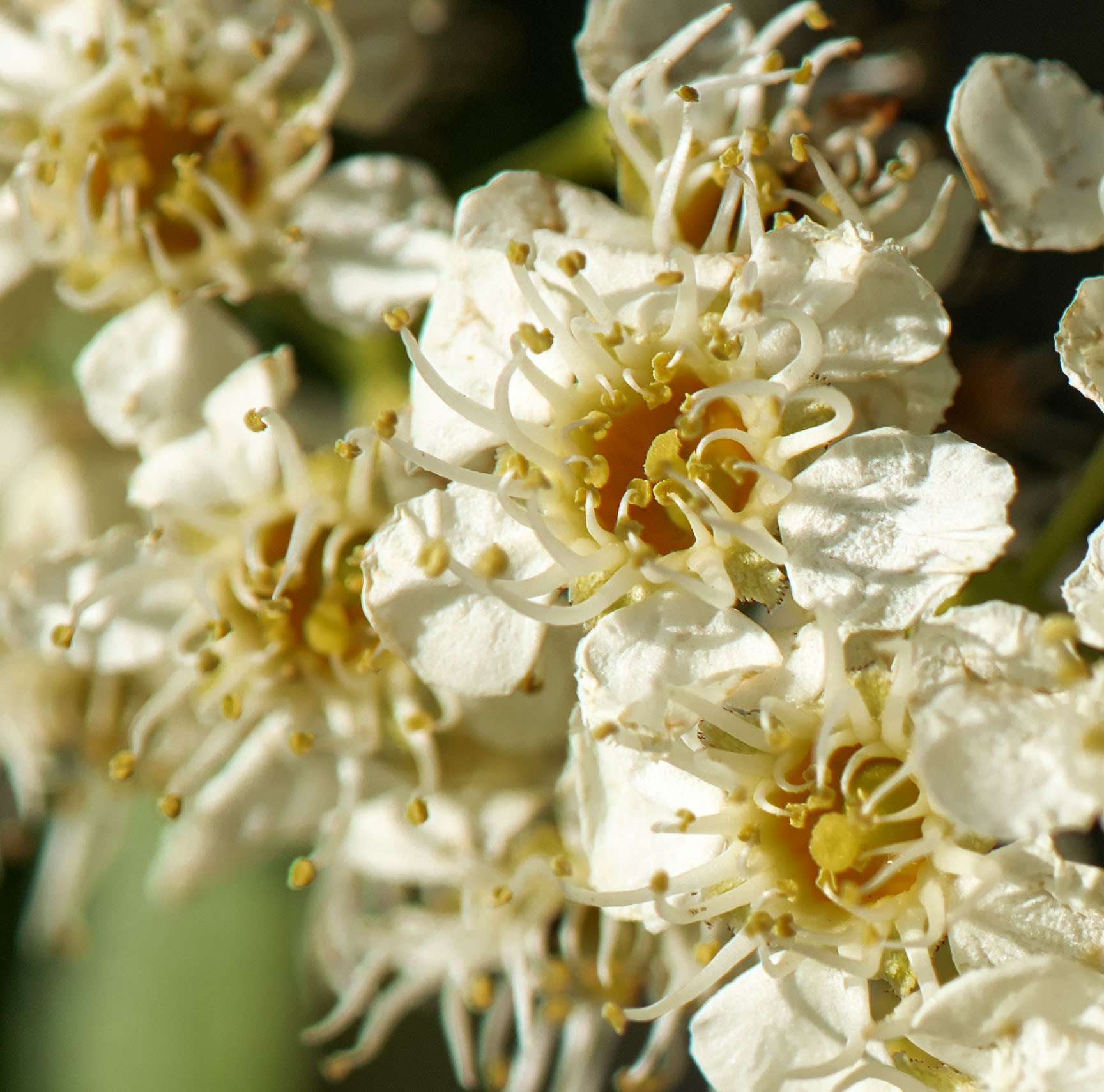
While the fruits are quite useful it is always the blossoms that take the cake for me and somehow posting on Choke Cherry seems a fitting thing to do on the forth of July.
References:
Lady Bird Johnson Wildflower Center.
United States Department of Agriculture.
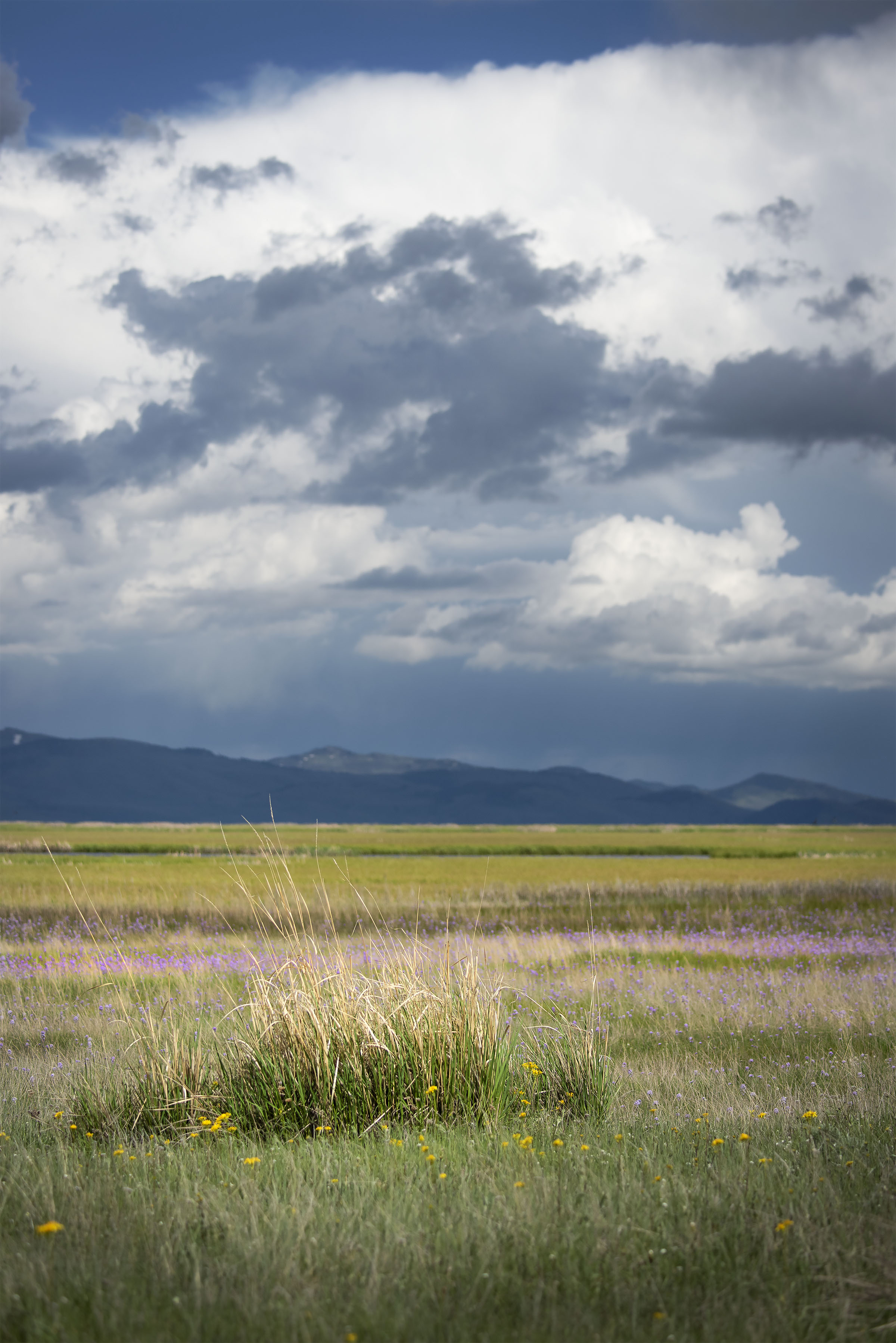
There are those places where it is said there are only three seasons, July, August and winter. While perhaps not always that way, this year, spring arrived late to this high mountain valley and when it arrived it was a welcome sight indeed.
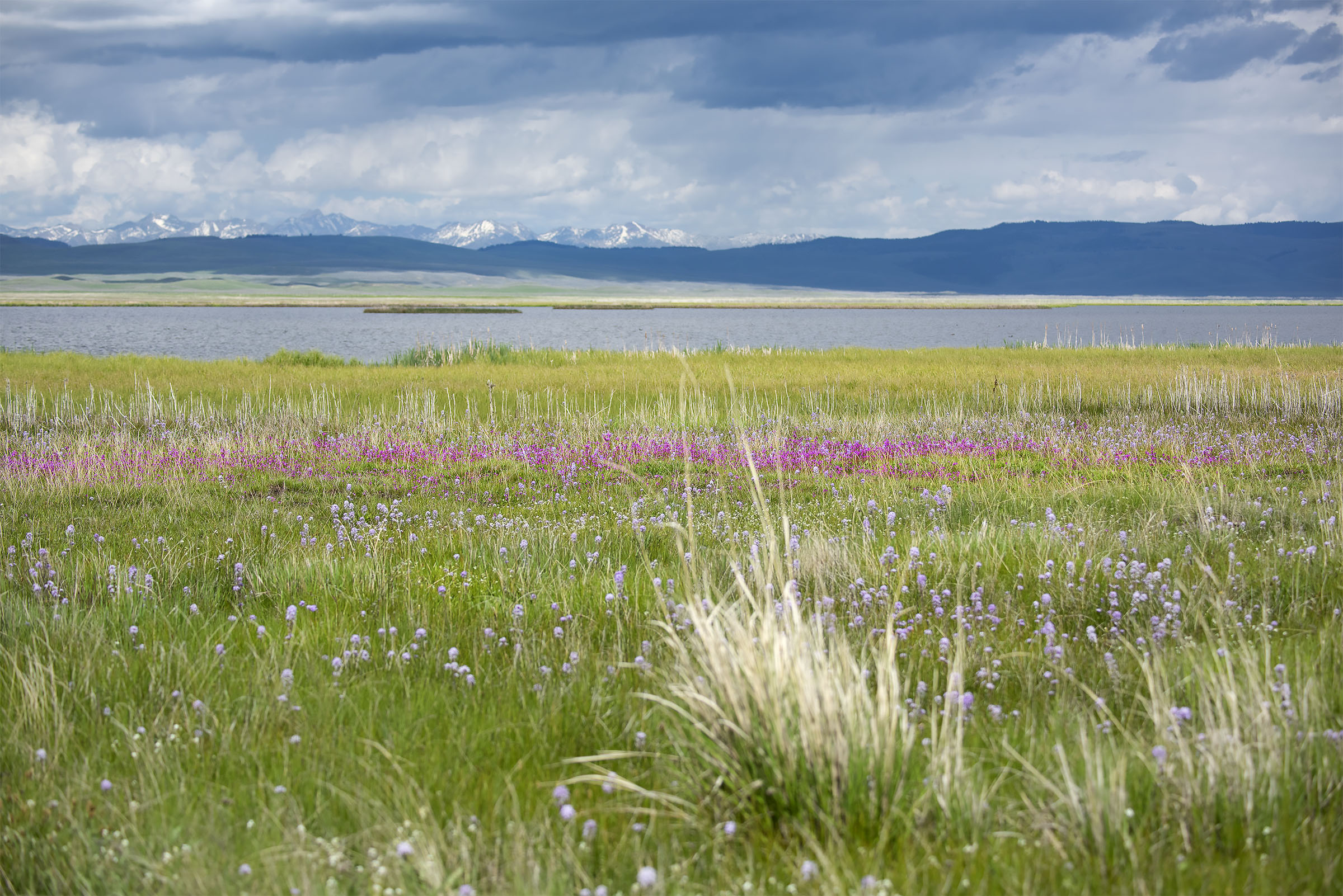
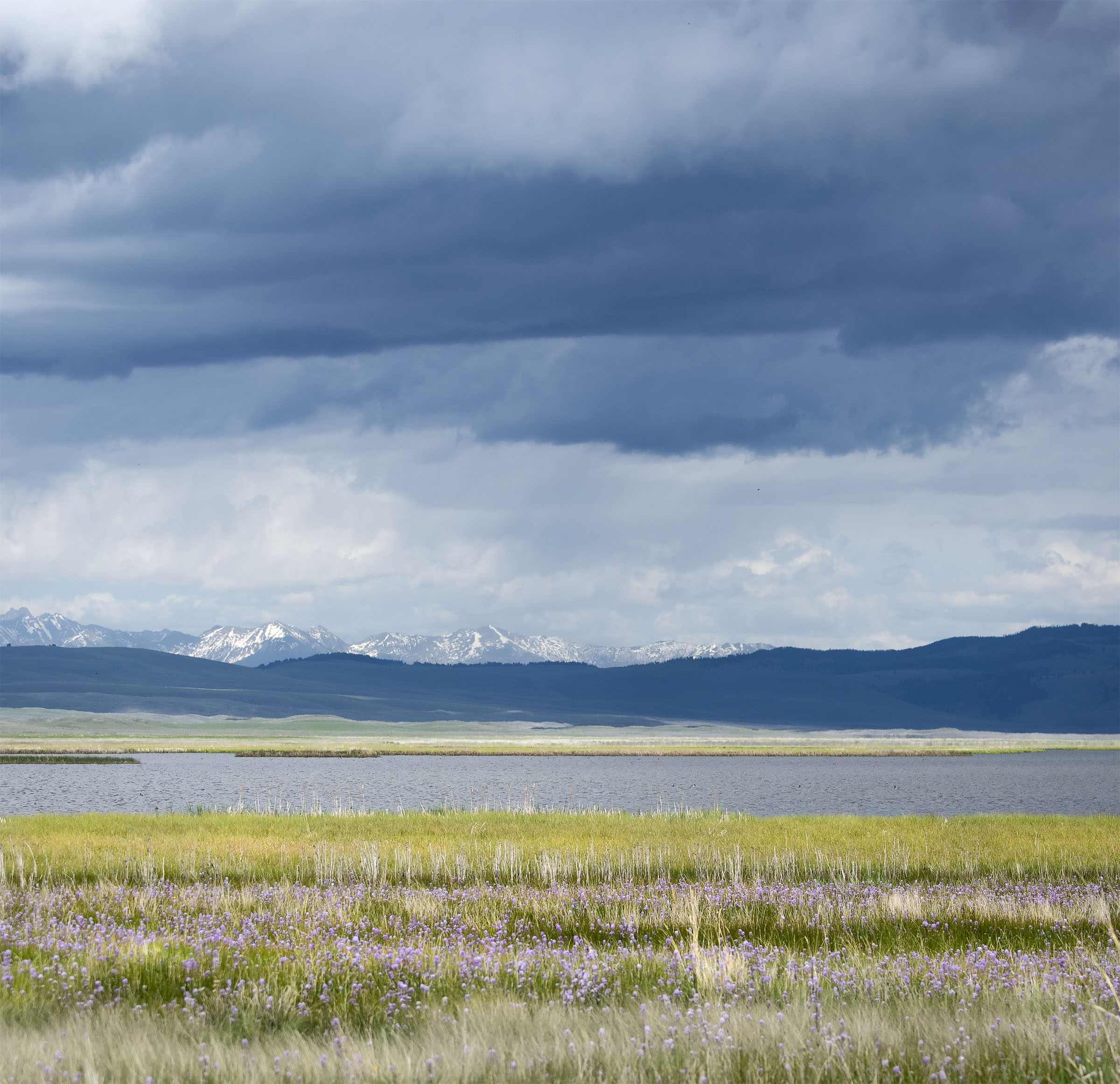
Grass grew and flowers bloomed just like it always has.
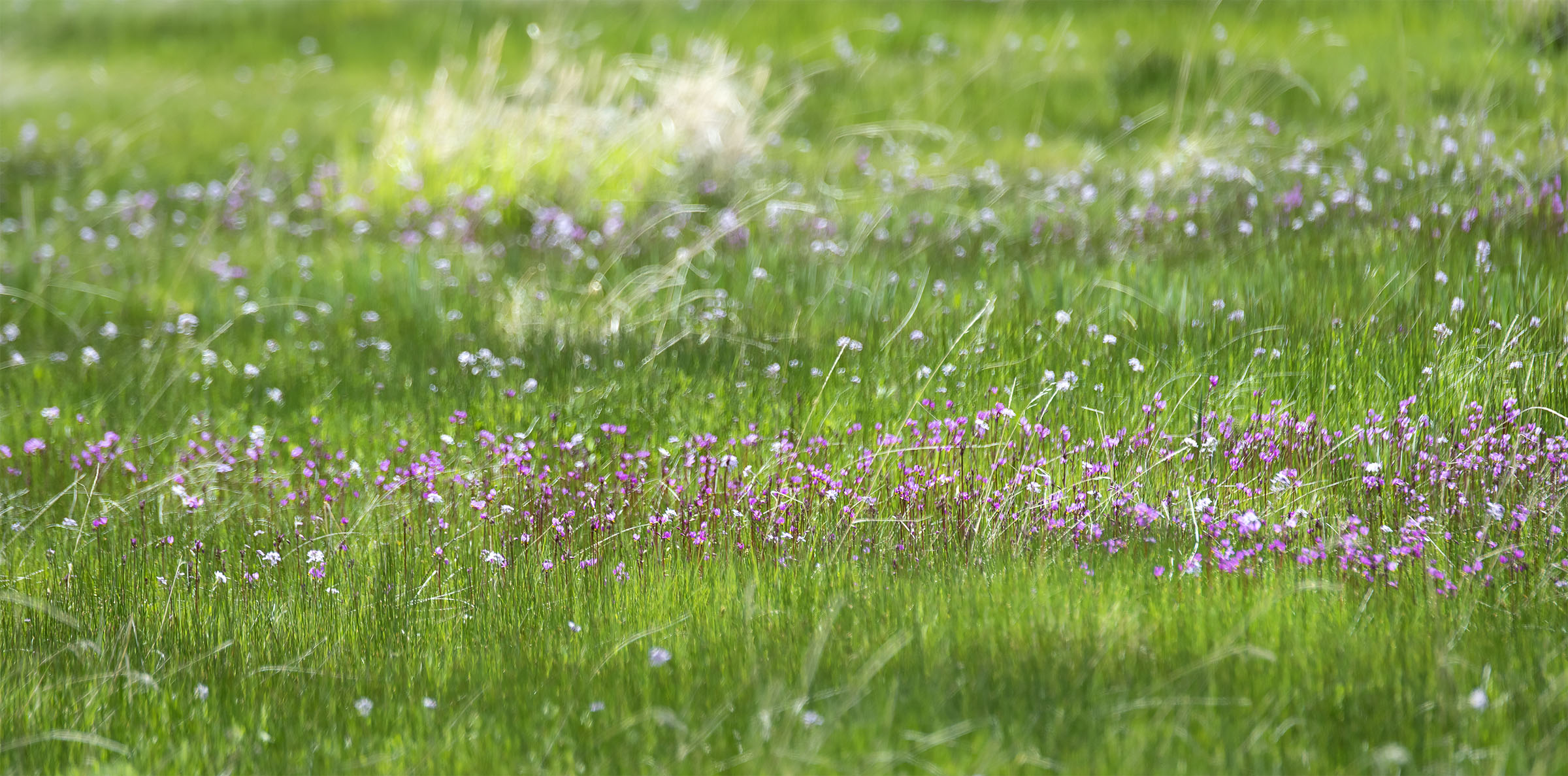
Early June 2018
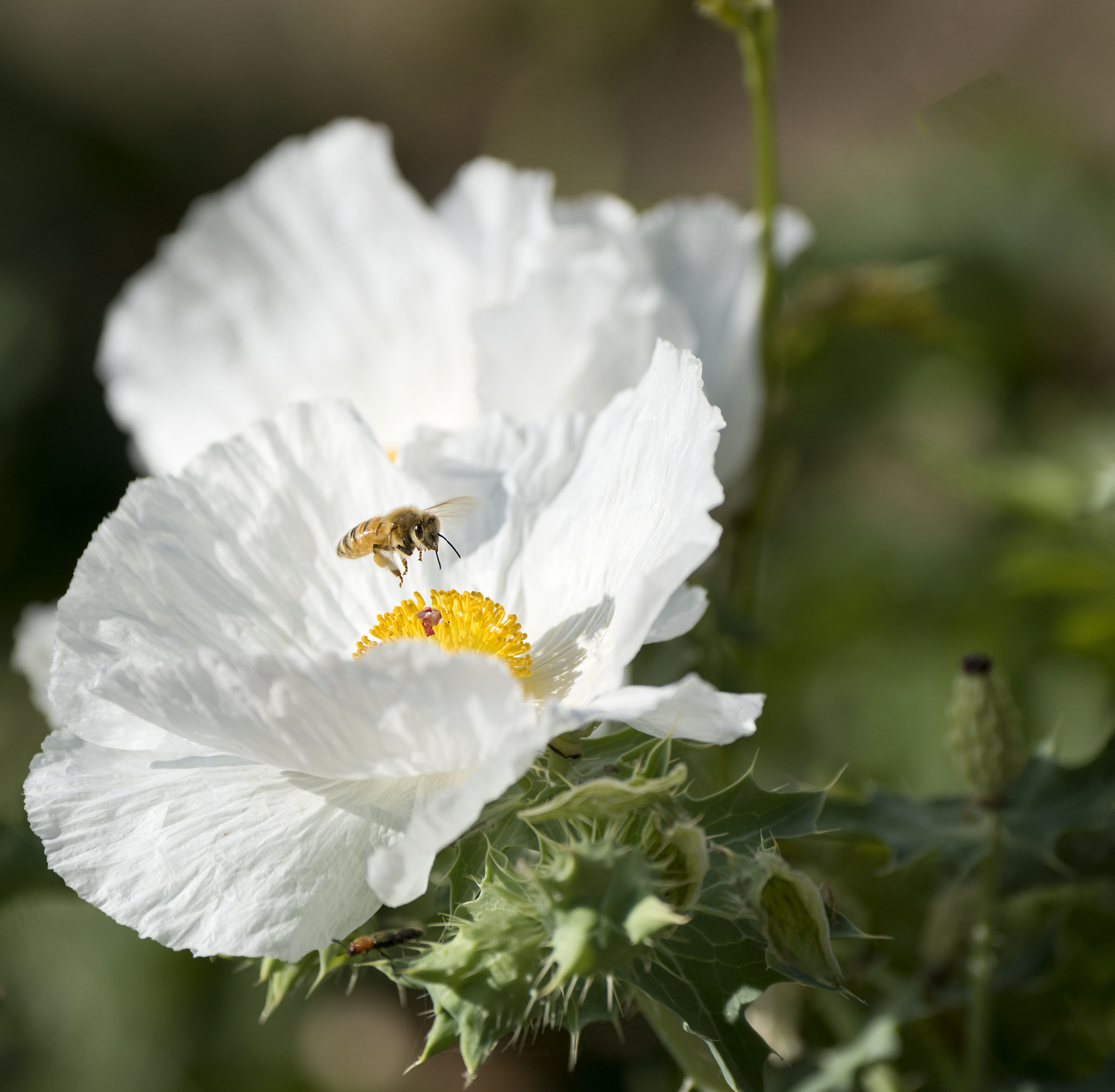
A little Honey Bee Checking out one of our favorite wildflowers the Prickly Poppy.
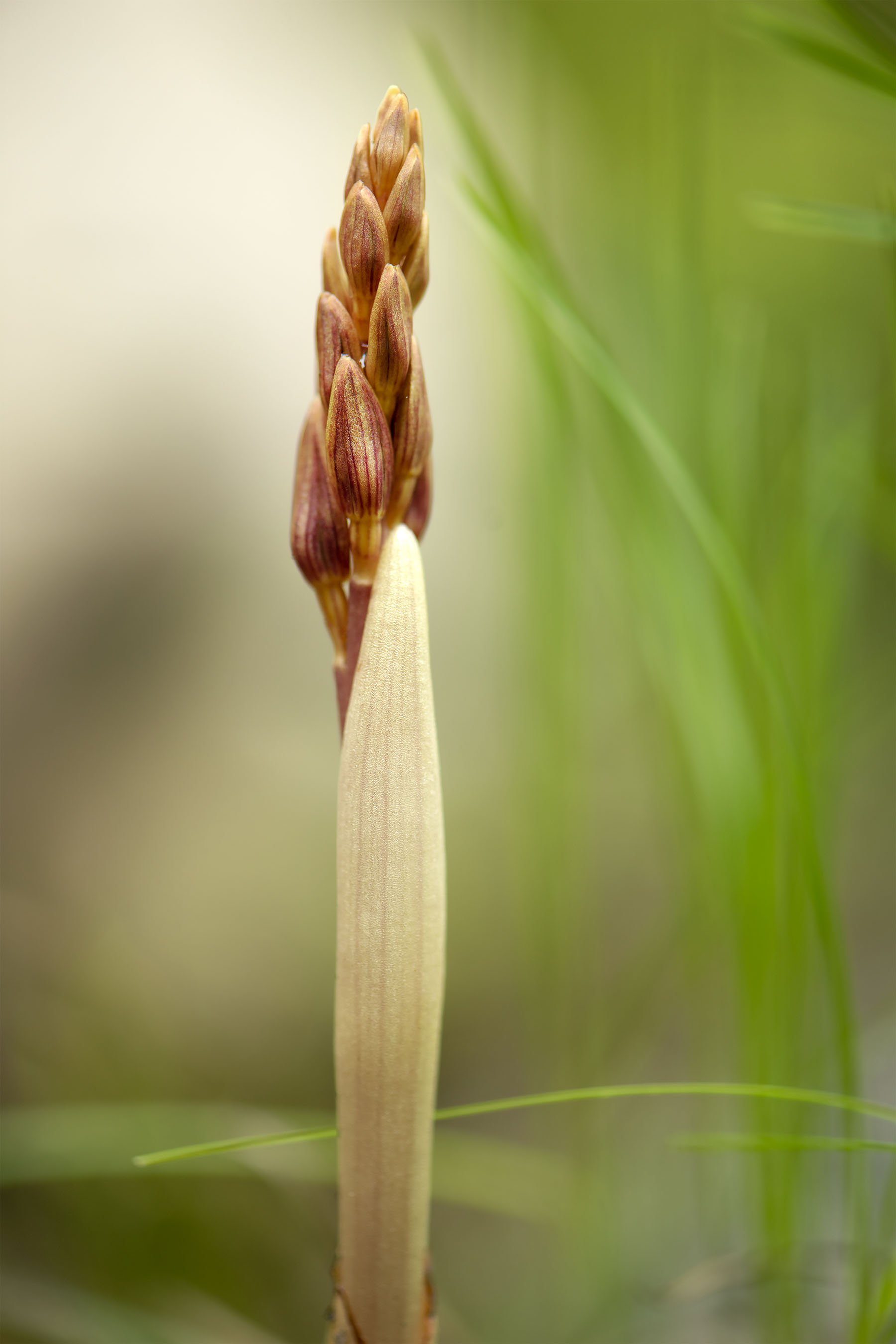
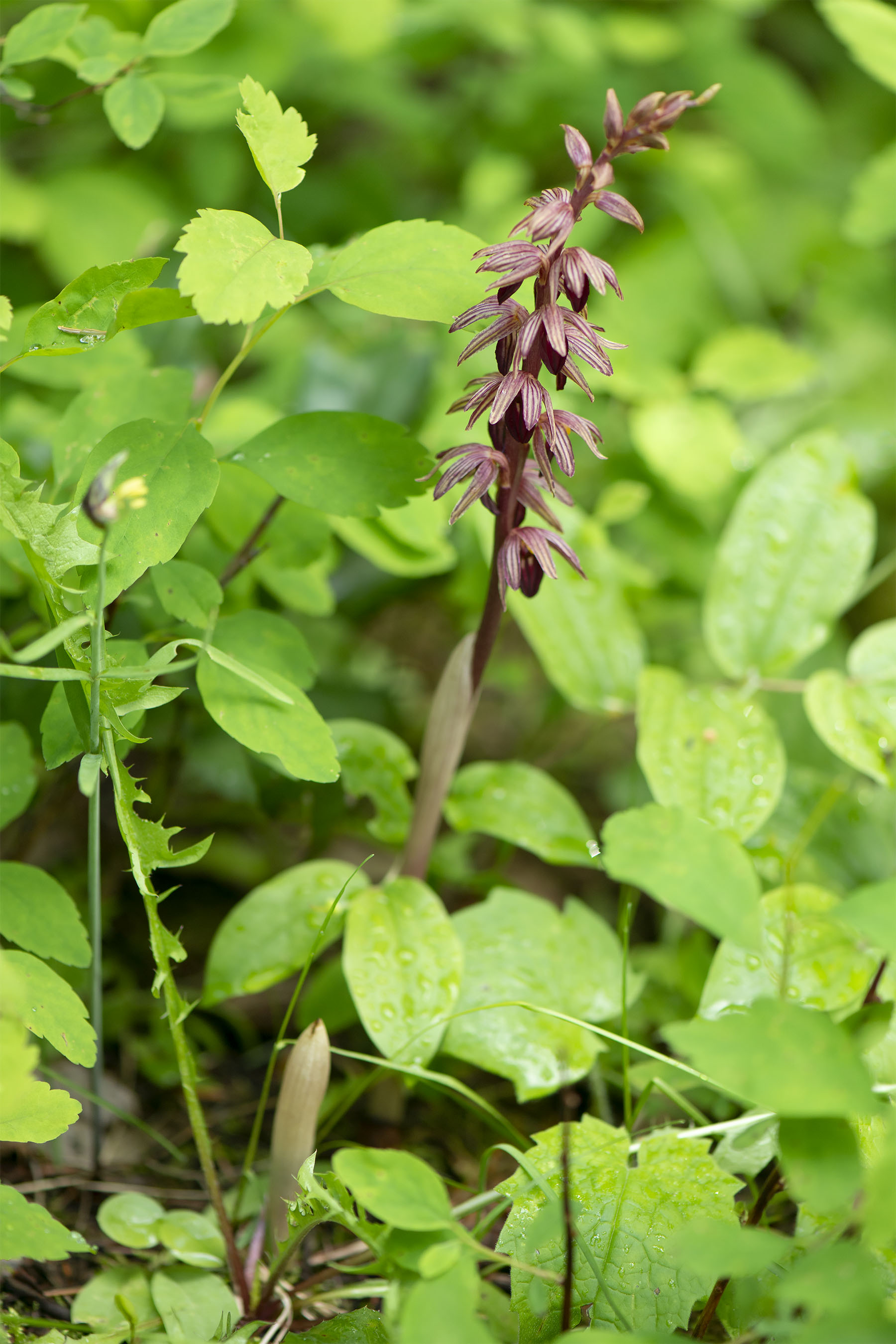
Hidden deep in the forest, or happily saying hello in small forest clearings, this spring has brought an abundance of Striped Coralroot:Corallorhiza striata.
Corallorhiza striata is mycohetertrophic and uses fungus to provide nutrients for its own growth as Corallorhiza does not photosynthesize.
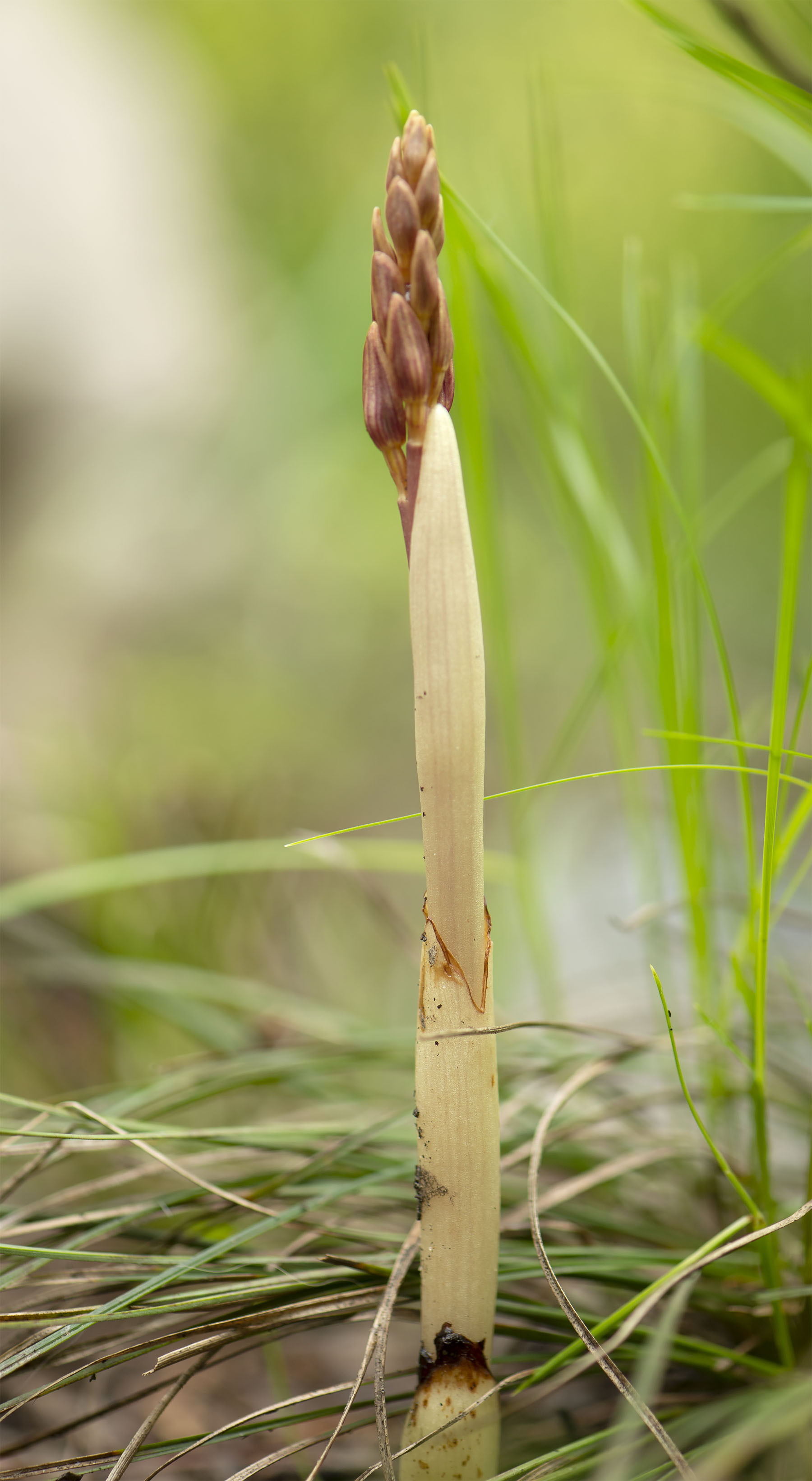
This orchid was just pushing up through the soil in a small clearing in the forest covered with grass.

Others were hidden in the dense undergrowth in the forest.
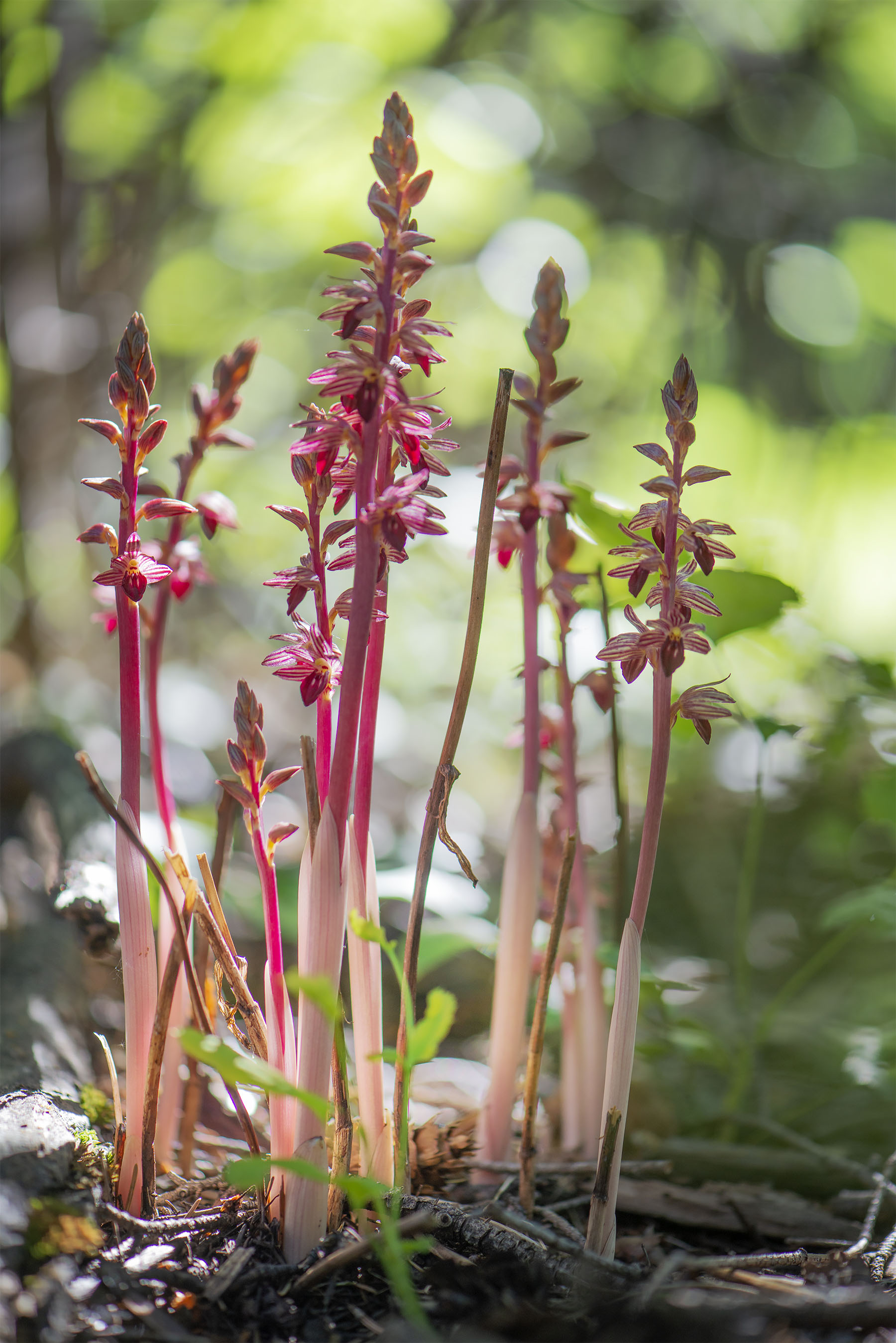
While many we found grew as single stalks or in groups of two or three some grew in larger clusters.
Corallorhiza striata is found in a wide geographical range encompassing all of Canada and most of the western United States and prefers cooler climates.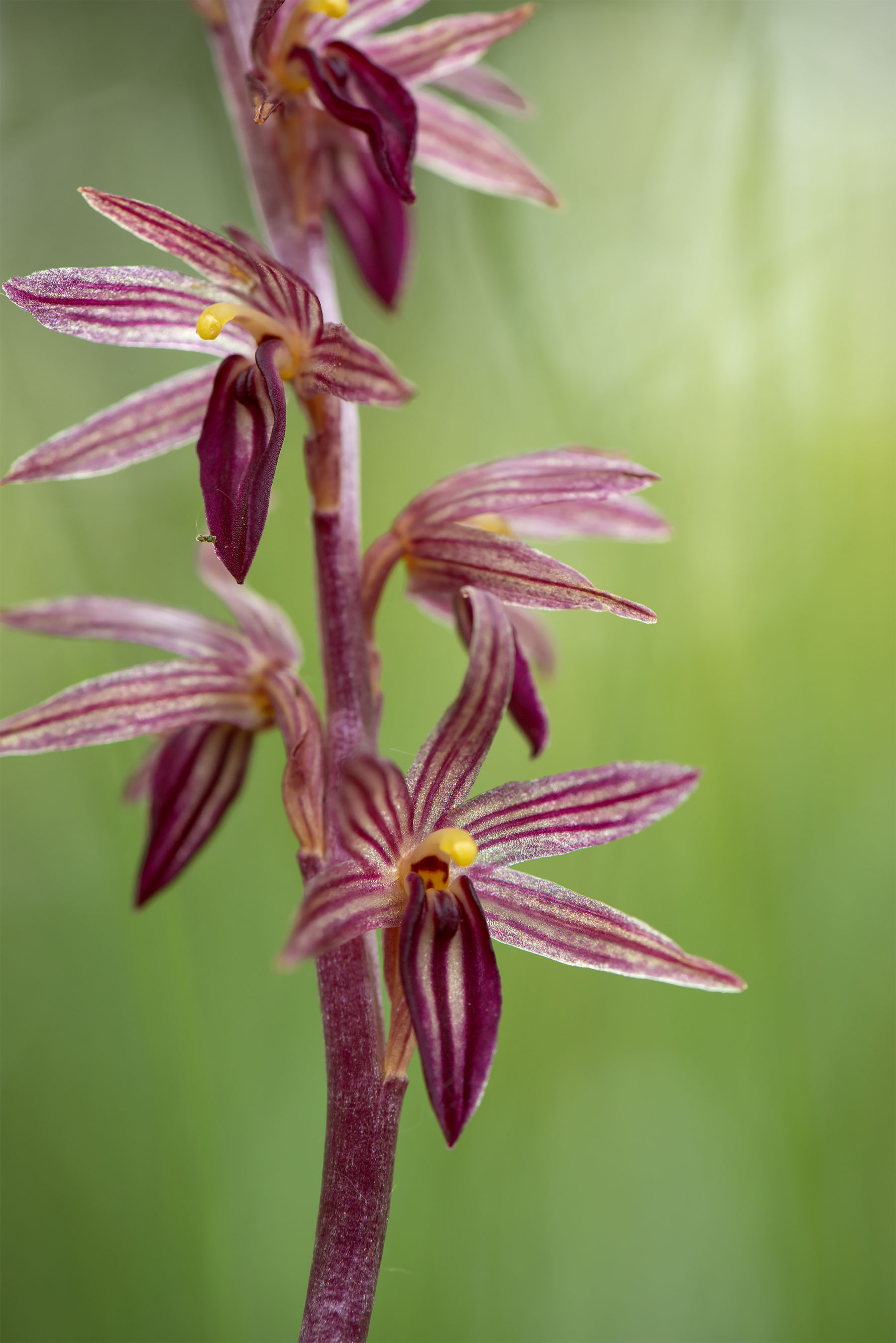
According to the Lady Bird Johnson Wildflower Center “After producing flower stalks, the rhizomes may remain dormant for several years so seeing them in bloom may not occurs again next year but I sure hope so.


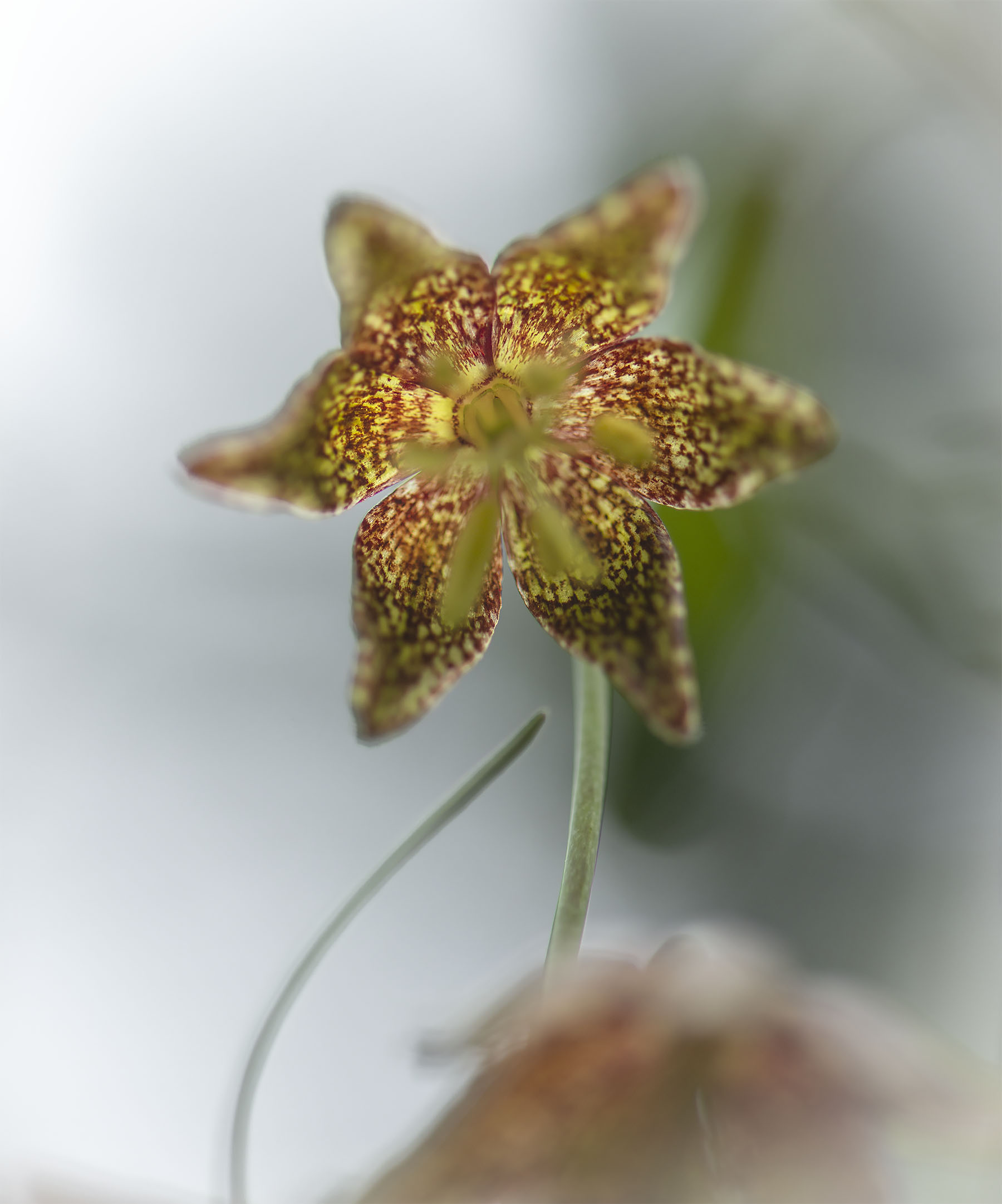
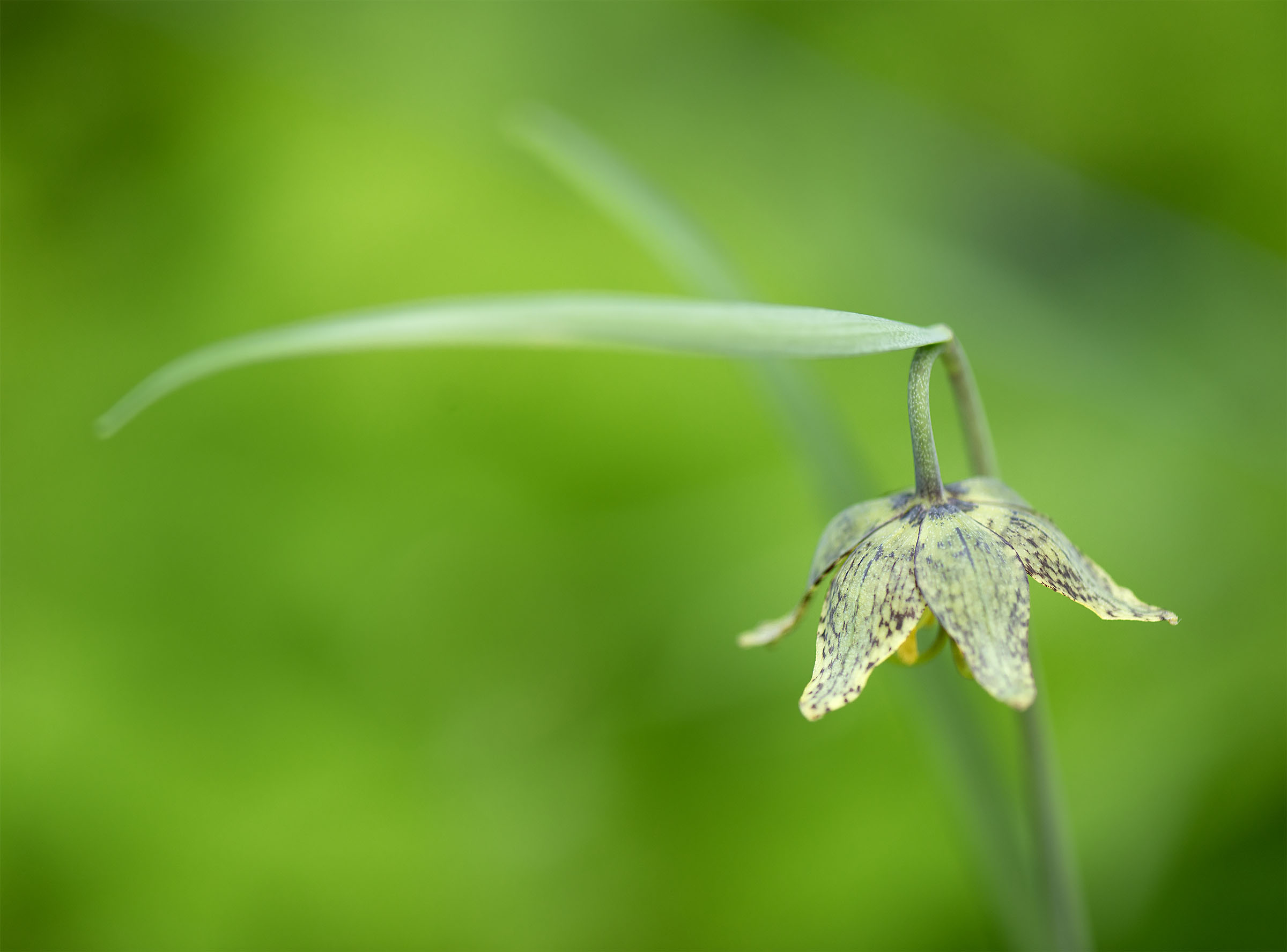
This year we have been lucky to find several of these wonderful Chocolate Lilies blooming on the trails nearby. I am a bit up in the air as to the specific species as two reliable websites list the chocolate lily as two species one being Fritillaria affinis var. affinis and the other lists the plant as Fritillaria atropurpurea.


The plant is fairly inconspicuous and without the flower not very showy at all. It is a beautiful plant and we were glad to come across it as according to Lady Bird Johnson Wildflower Center database it is one that frequently takes years off from flowering.
 nature has no boss
You must be logged in to post a comment.