So much to look at, think about and just marvel over. Well, we better get back to look as we have more than the usual number of these amazing birds visiting our little patch this year.
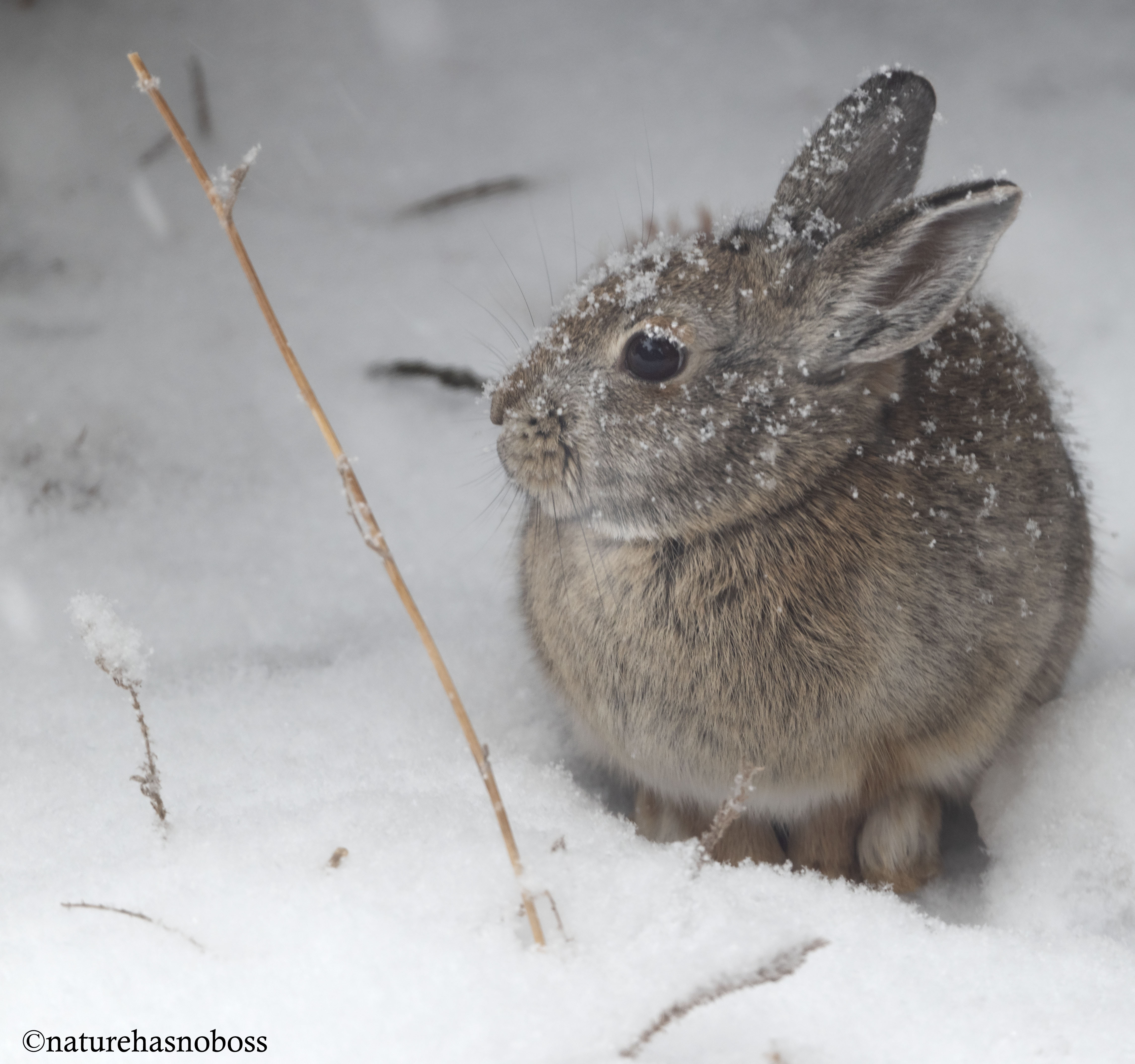
After a light snow the prior evening bunny tracks lead to a spot under a small spruce tree that was somewhat protected from the light snow that was now falling and much to ur delight we found her. Winter Bunn 2021 is her name on from what we have observed the lone Rocky Mountain Cottontail in our vicinity. Some winters there are many, some winters there are few and this winter she appears to be the only one.
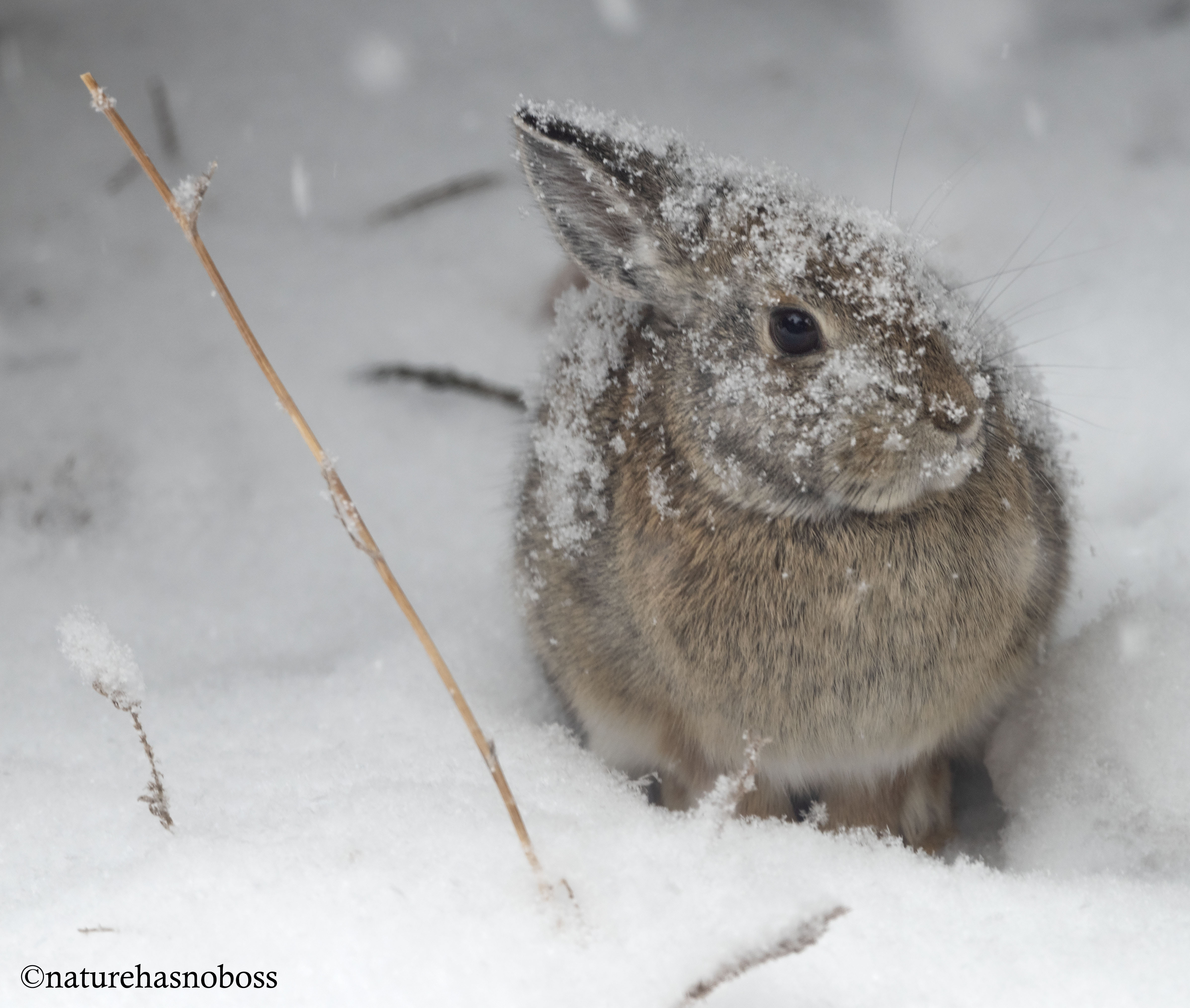
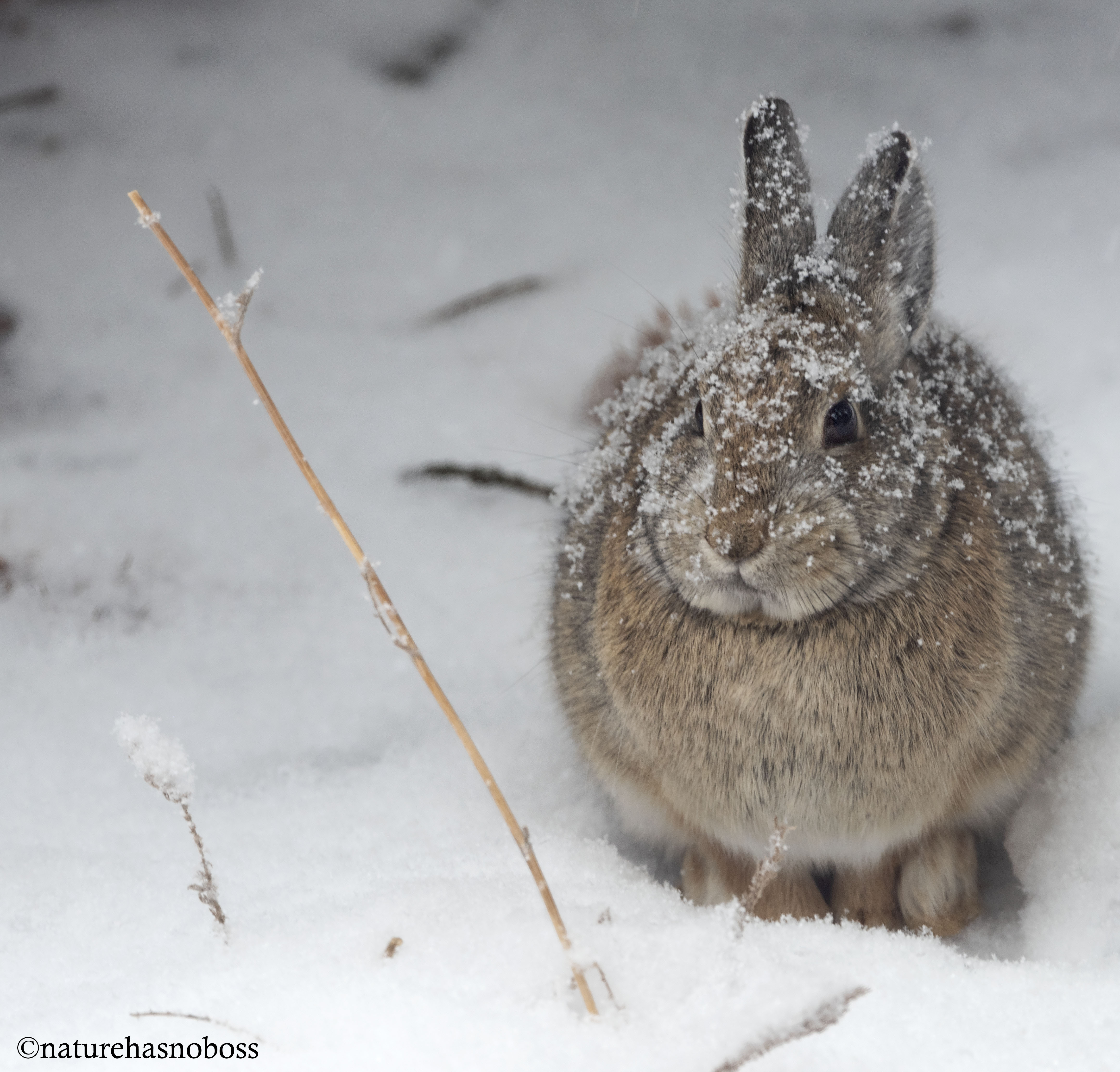
In the short time between seeing her hop into sight the snow flurries intensified into a snow shower and even under the protection of the spruce the flakes began to accumulated on her fur.
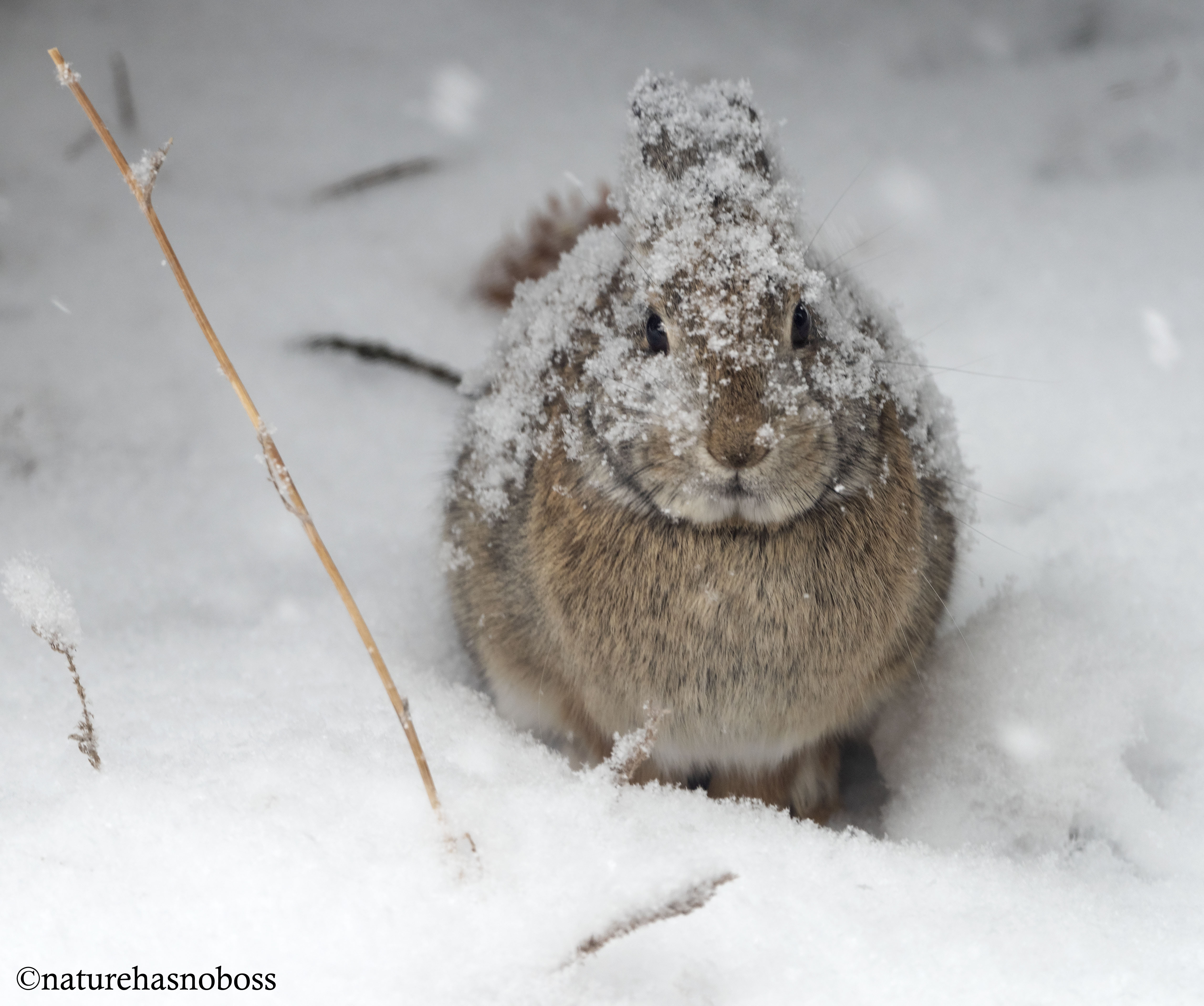
In a matter of minutes her face became covered with snow and she seemed to be taking it quite in stride.
Now that her face was coved with s now she said enough is is enough an hopped away through the snow to the a thick stand of junipers that provided better protection.
Two male goldeneyes working hard to impress a female in the late afternoon light. These guys will likely only be around here a few more weeks. As spring arrives most of the waterfowl leave my area. Their yearly coming and going gives rhythm to life. Have a great trip north and someday I hope to join you.
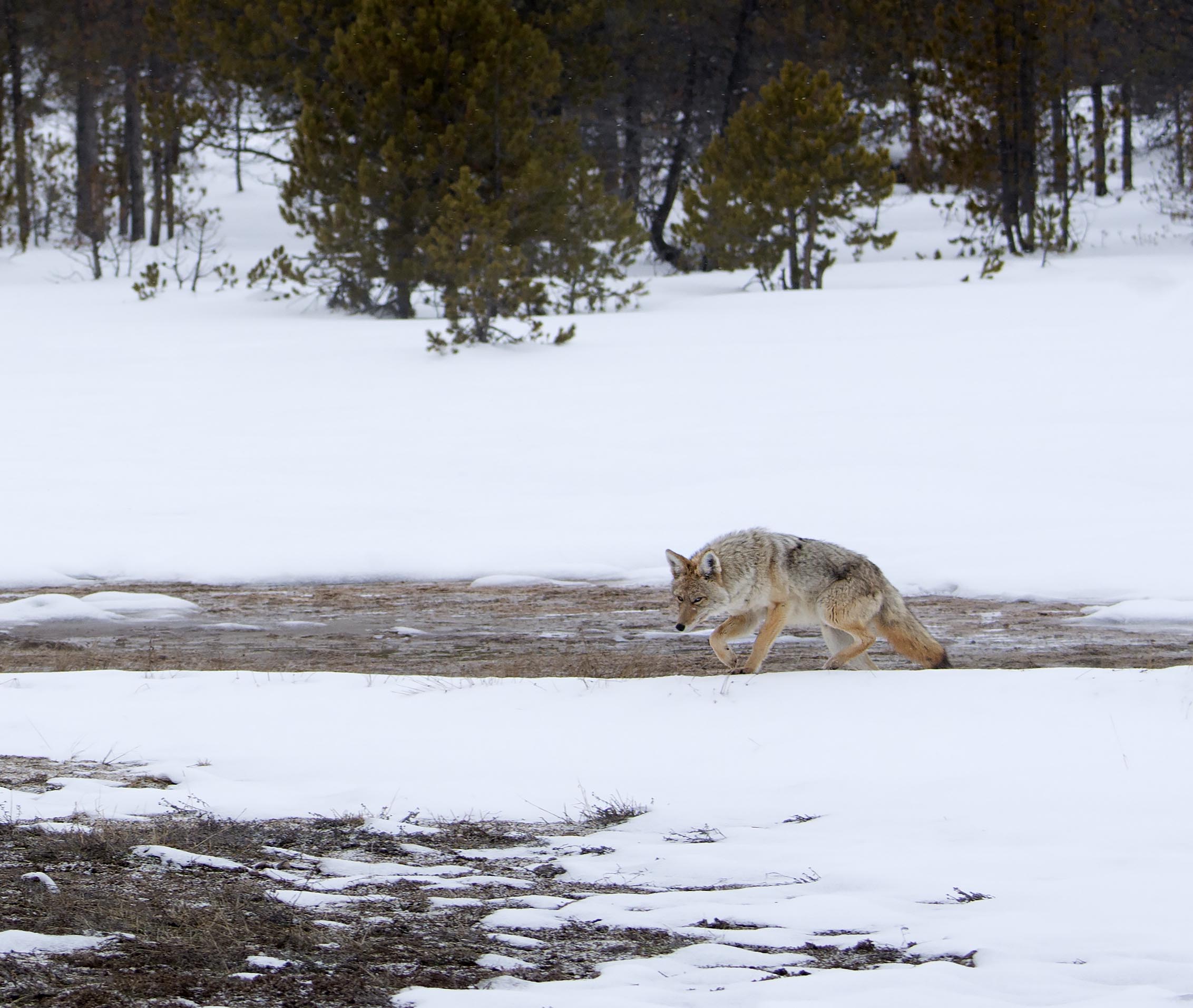
This guy almost got away with it. While we were photographing a bison in front of us this guys came slinking behind us trying as hard as possible not to be noticed but alas we got a glimpse of him in the corner of our eye. He sure was trying hard and the look in his eyes whispered to us…You don’t see me.
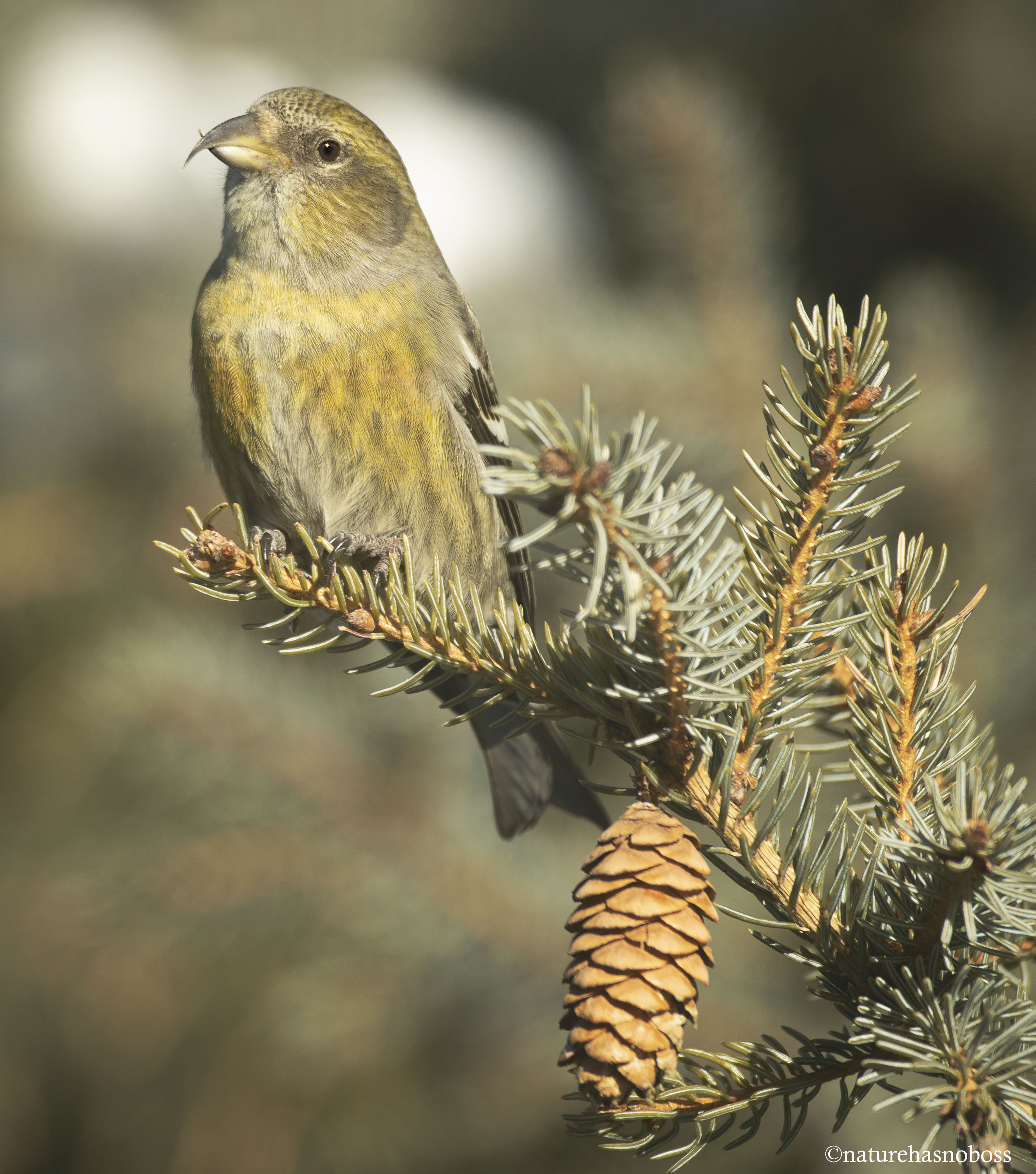
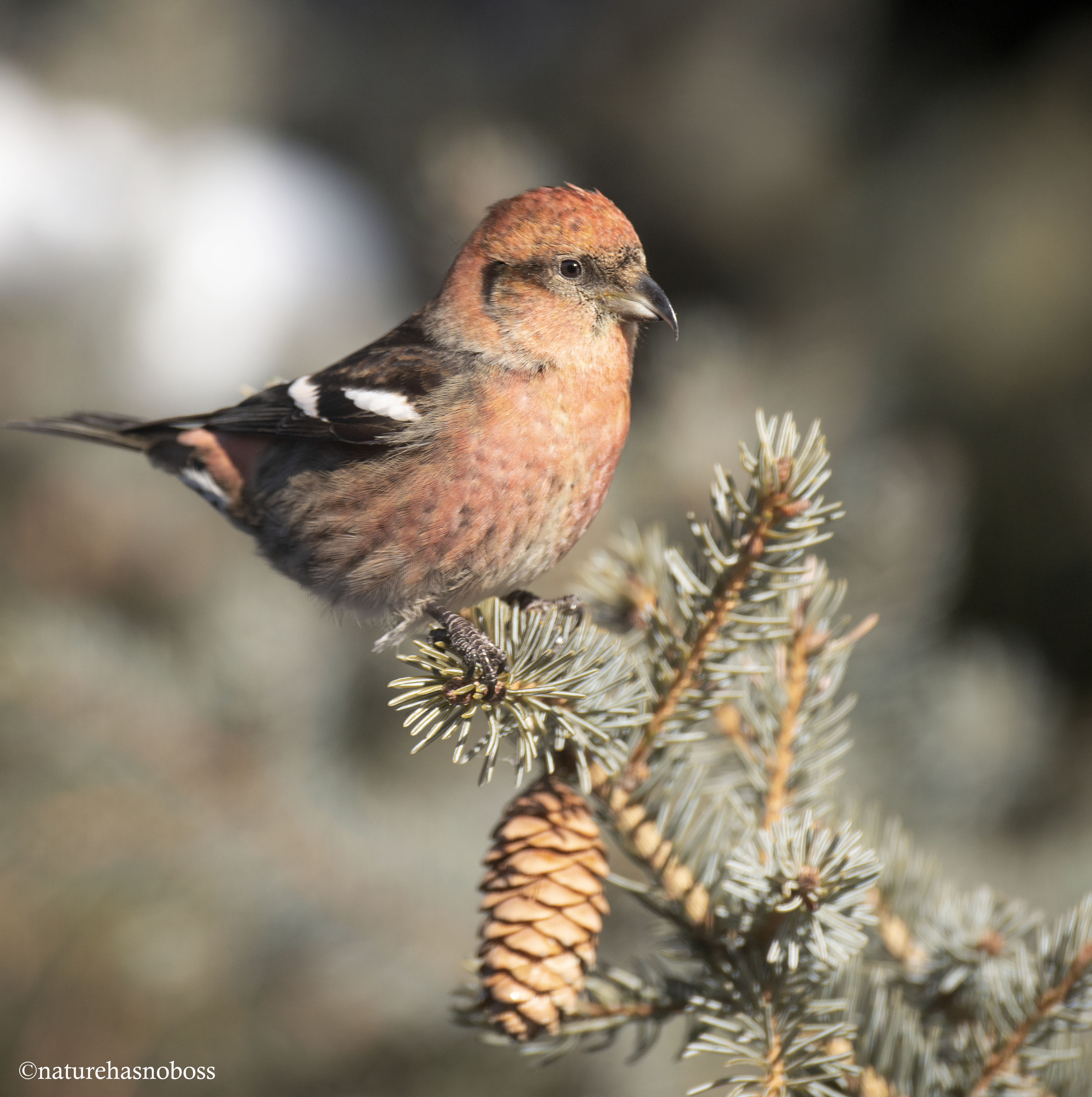
A female White-winged Crossbill rests close to their next meal on a fine winters day. Crossbill and their namesake bills are specialized to feed on conifer seeds. Prying open open the cone scales and then extracting the seeds with their tongues a single Crossbill can consume up to 3,000 seeds per day. Crossbill often travel in large flocks and seek out numerous species of conifer seeds just as they are ready to consume.
Crossbill typically are nomadic and wander across the boreal forests in search of food. Large Flocks containing up to 10,000 individuals have been reported to move through an area in a single day.
A wonderful and specialized bird and one in need of study as climate change descends upon the boreal forests they call home.
Reference:
Benkman, C. W. (2020). White-winged Crossbill (Loxia leucoptera), version 1.0. In Birds of the World (S. M. Billerman, Editor). Cornell Lab of Ornithology, Ithaca, NY, USA. https://doi.org/10.2173/bow.whwcro.01
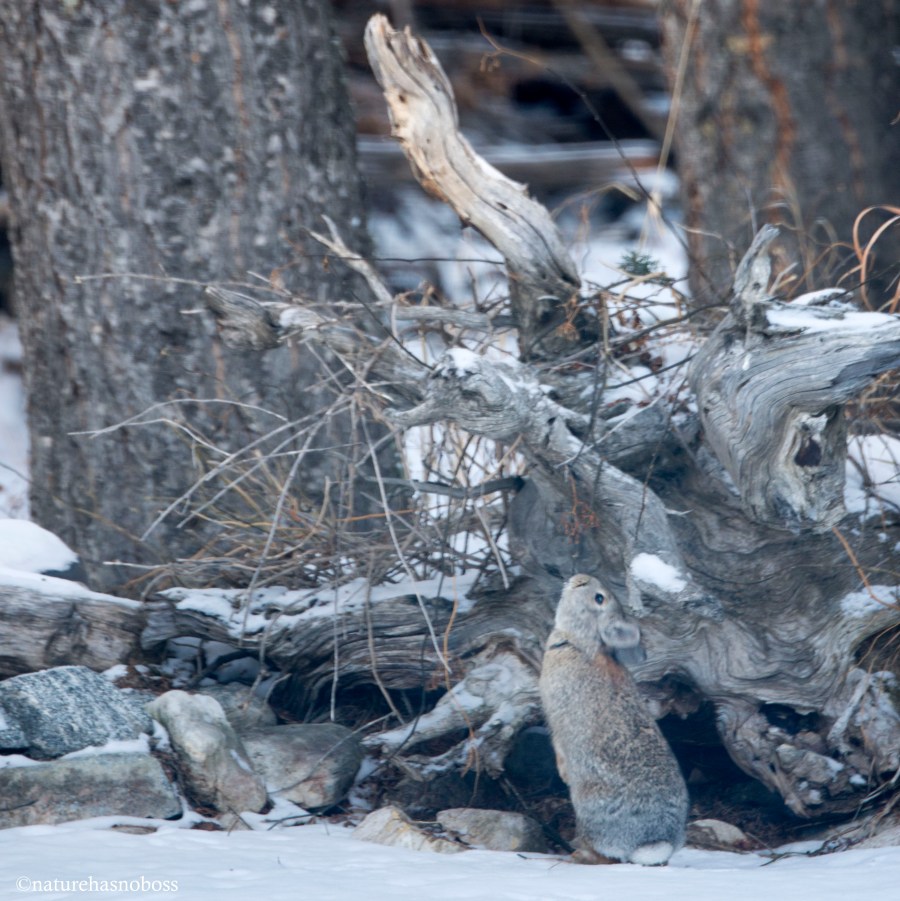
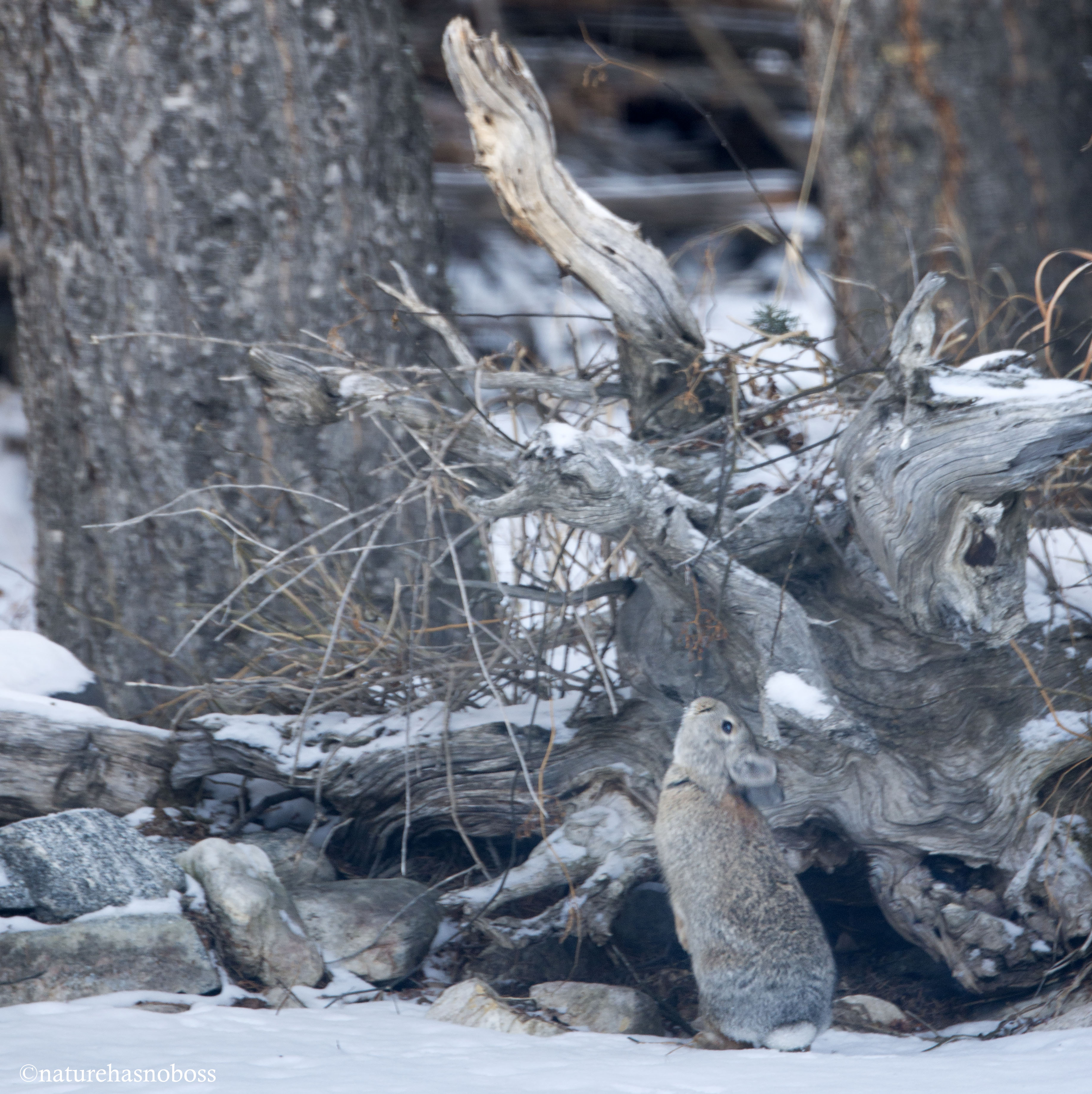
One of our favorite companions reaching for just a nibble of long dried out bitter nightshade berries. We are glad to have Bunn around and thankfully avoiding the predators as winter moves along.
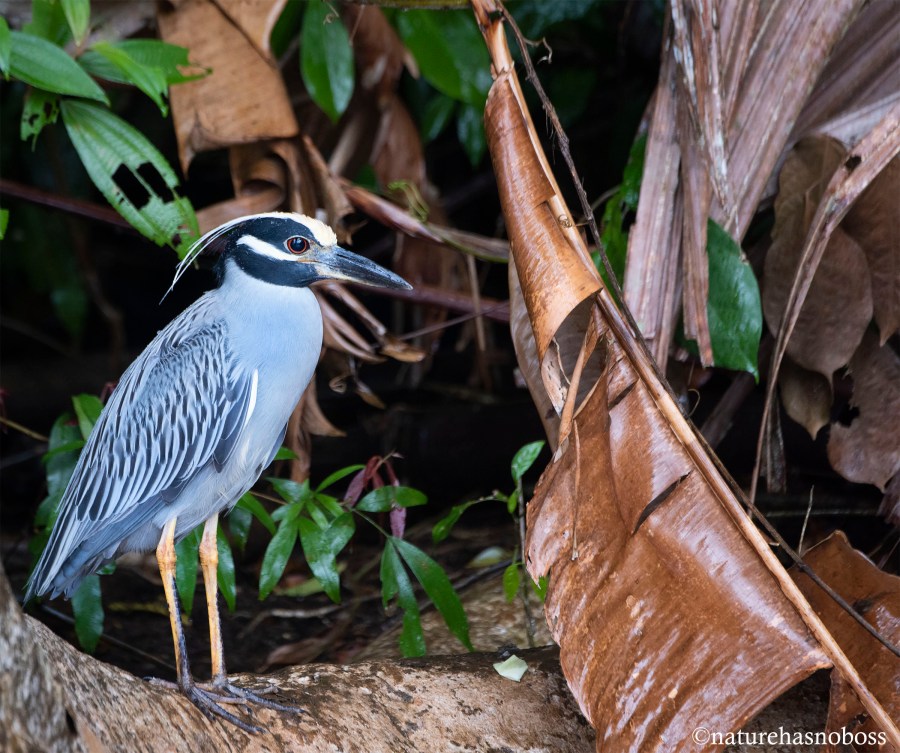
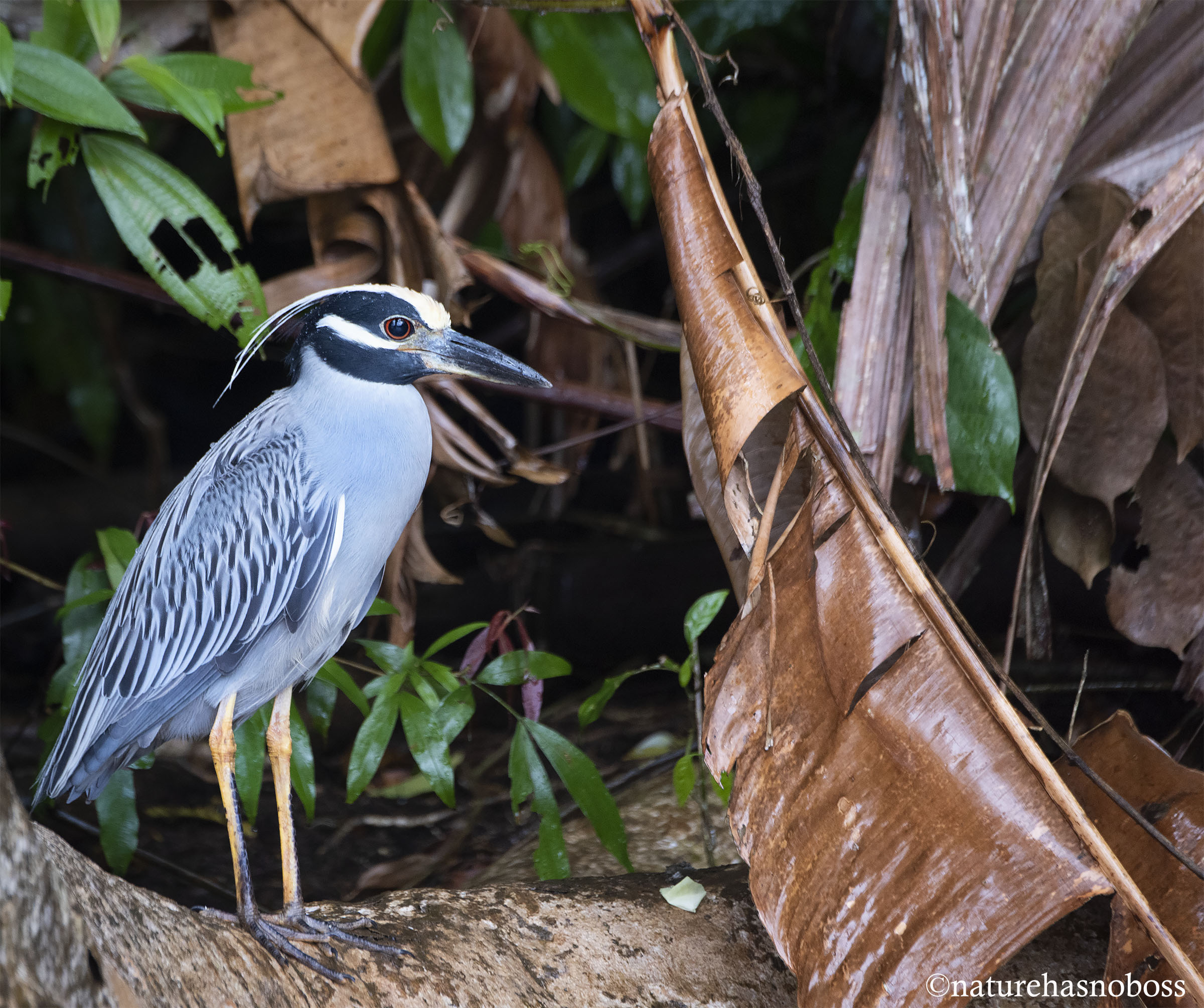
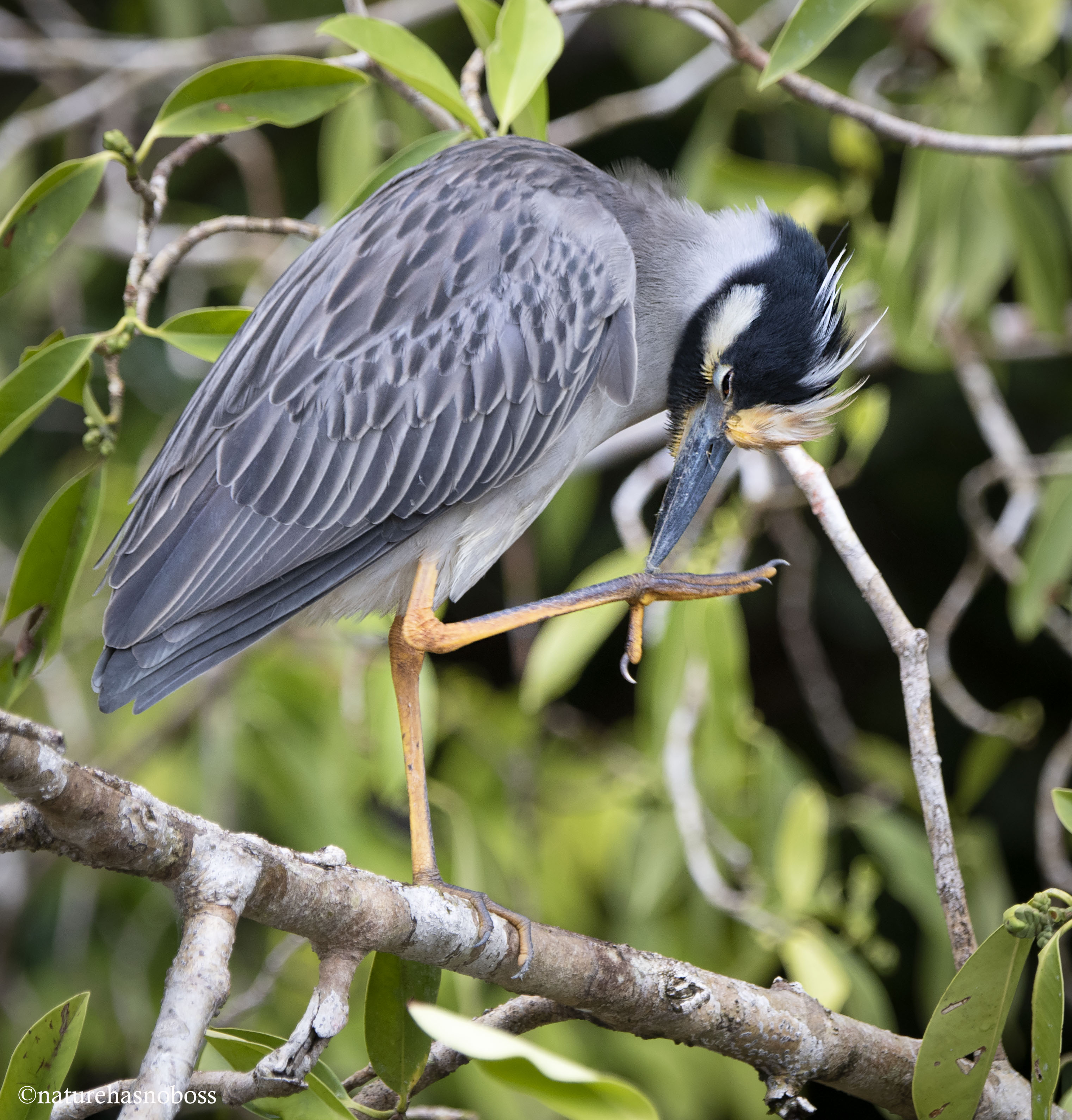
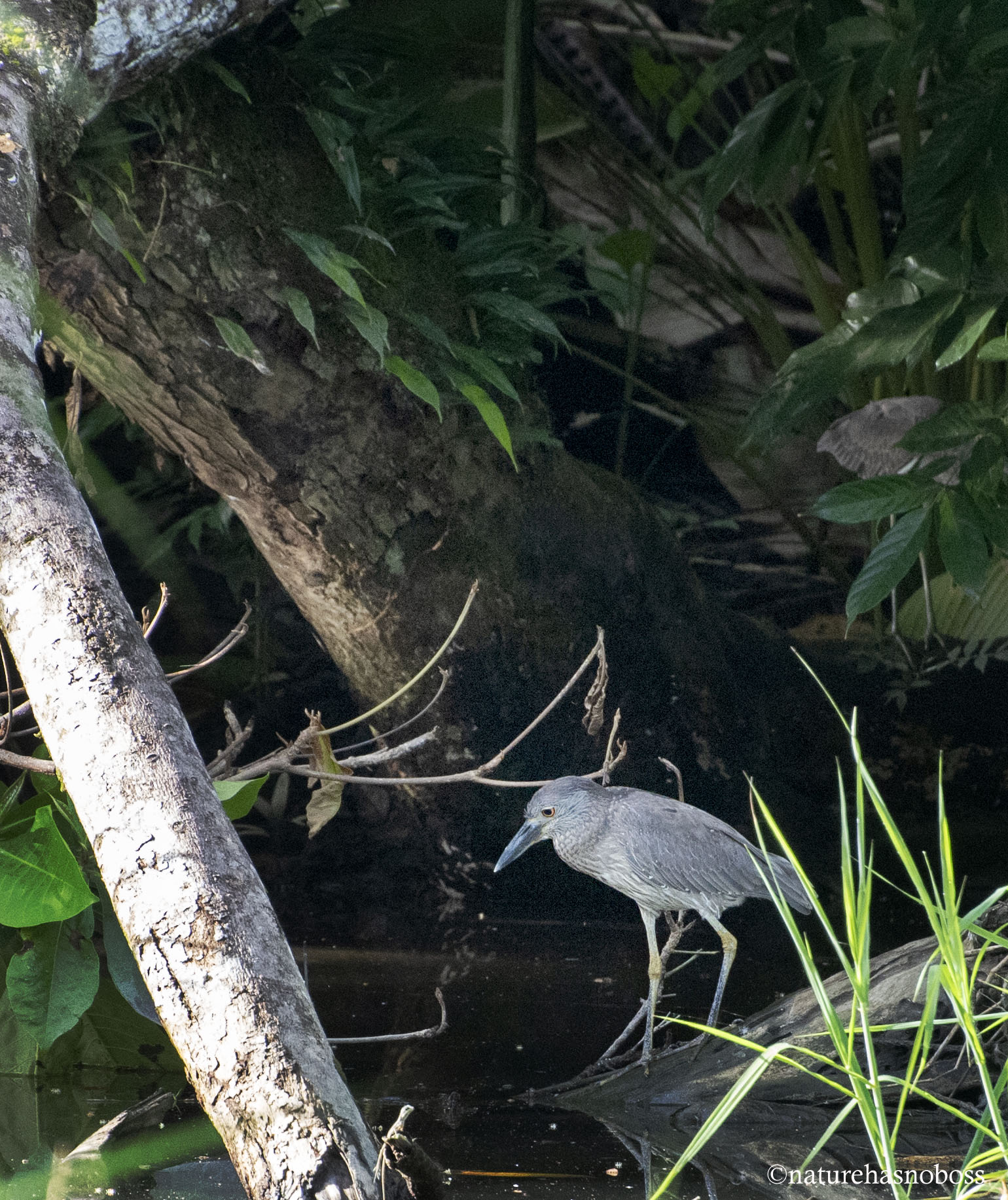
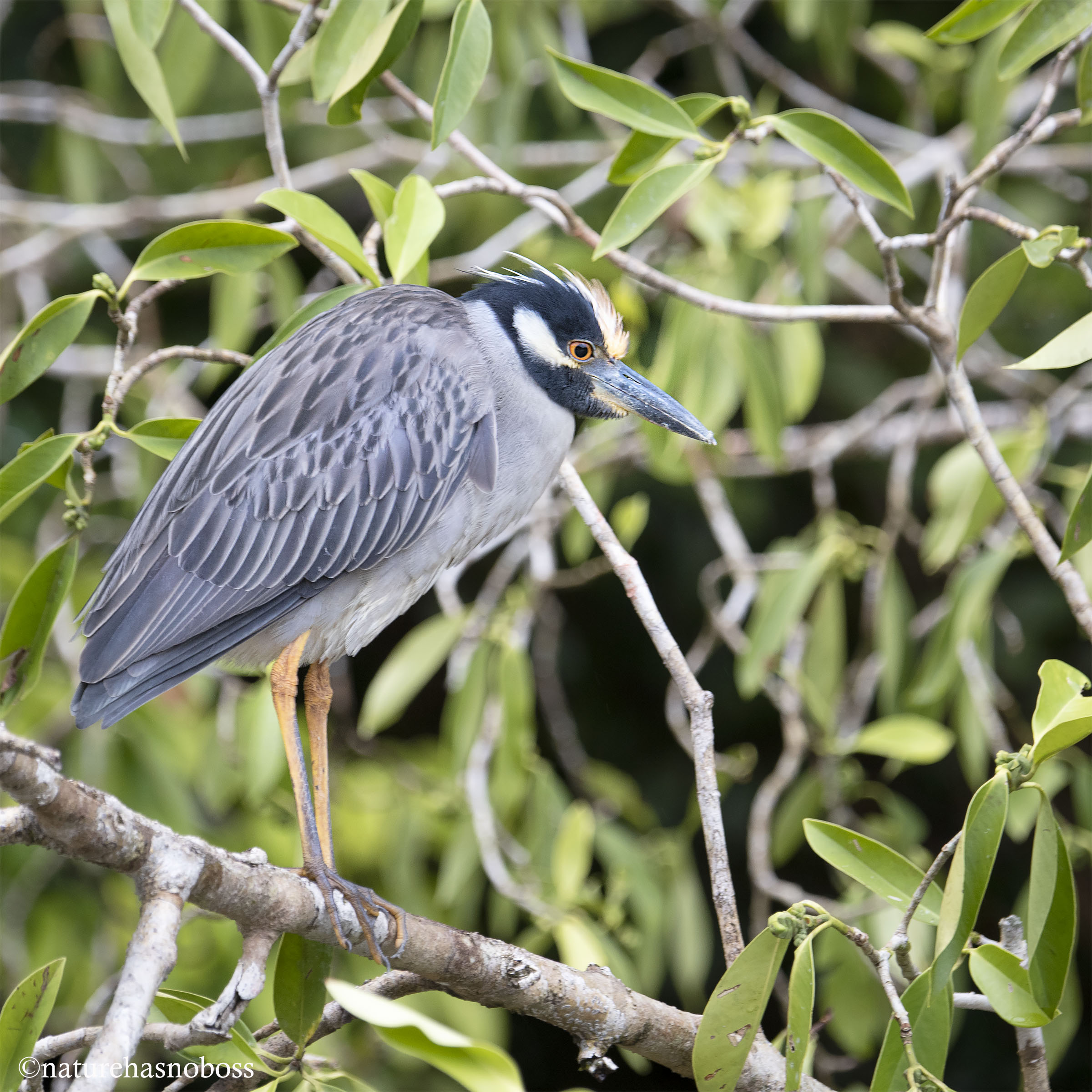
A dapper Yellow-crowned Night Heron along the edge of a costal marsh patiently waiting for their next meal (preferentially crab) to appear. These wonderful birds breed in coastal and inland lowlands, wooded swamps, mangroves, and lagoons. Feeding and foraging areas almost always are associated with high concentrations of crustaceans, their food of choice.
This bird preening which is a common behavior after foraging and feeding. Full adult plumage like that in birds we photographed this day may take 3-4 years to develop. Along the way Yellow-Crowned Night Herons may display 4-5 distinct plumages.
Watts, B. D. (2020). Yellow-crowned Night-Heron (Nyctanassa violacea), version 1.0. In Birds of the World (A. F. Poole, Editor). Cornell Lab of Ornithology, Ithaca, NY, USA. https://doi.org/10.2173/bow.ycnher.01
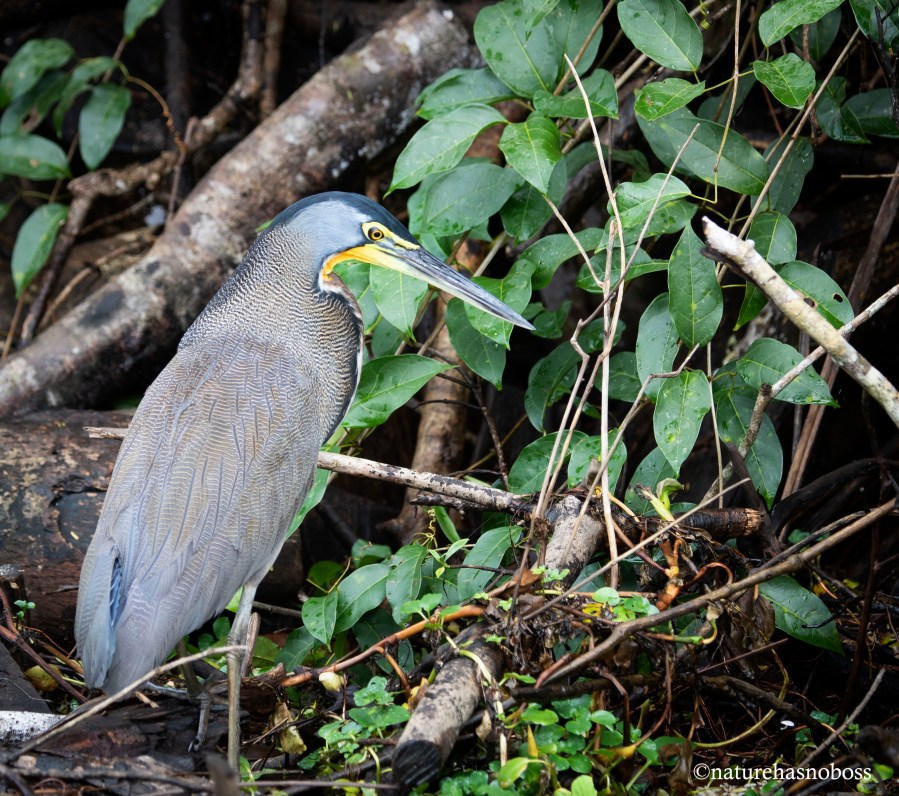
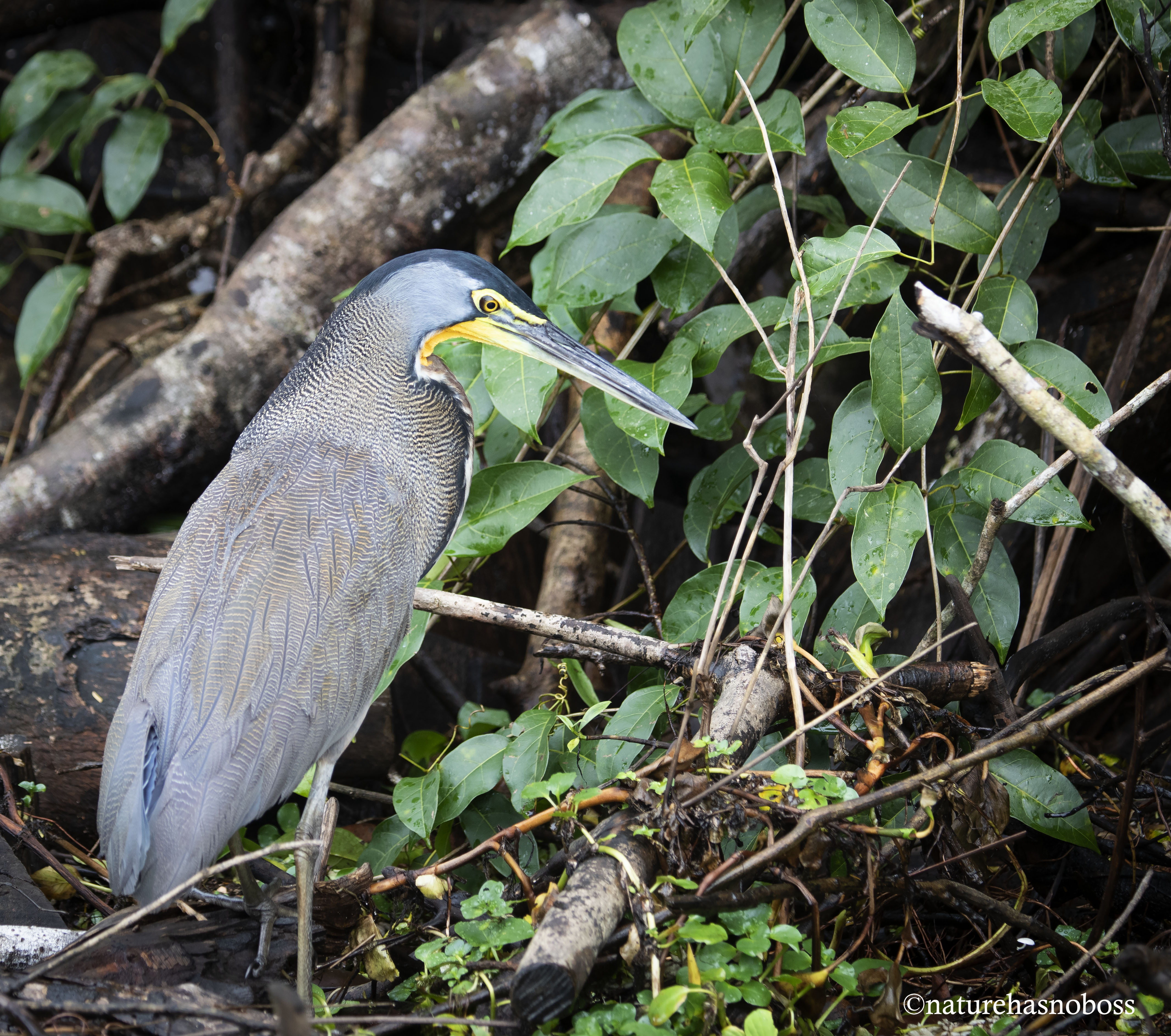
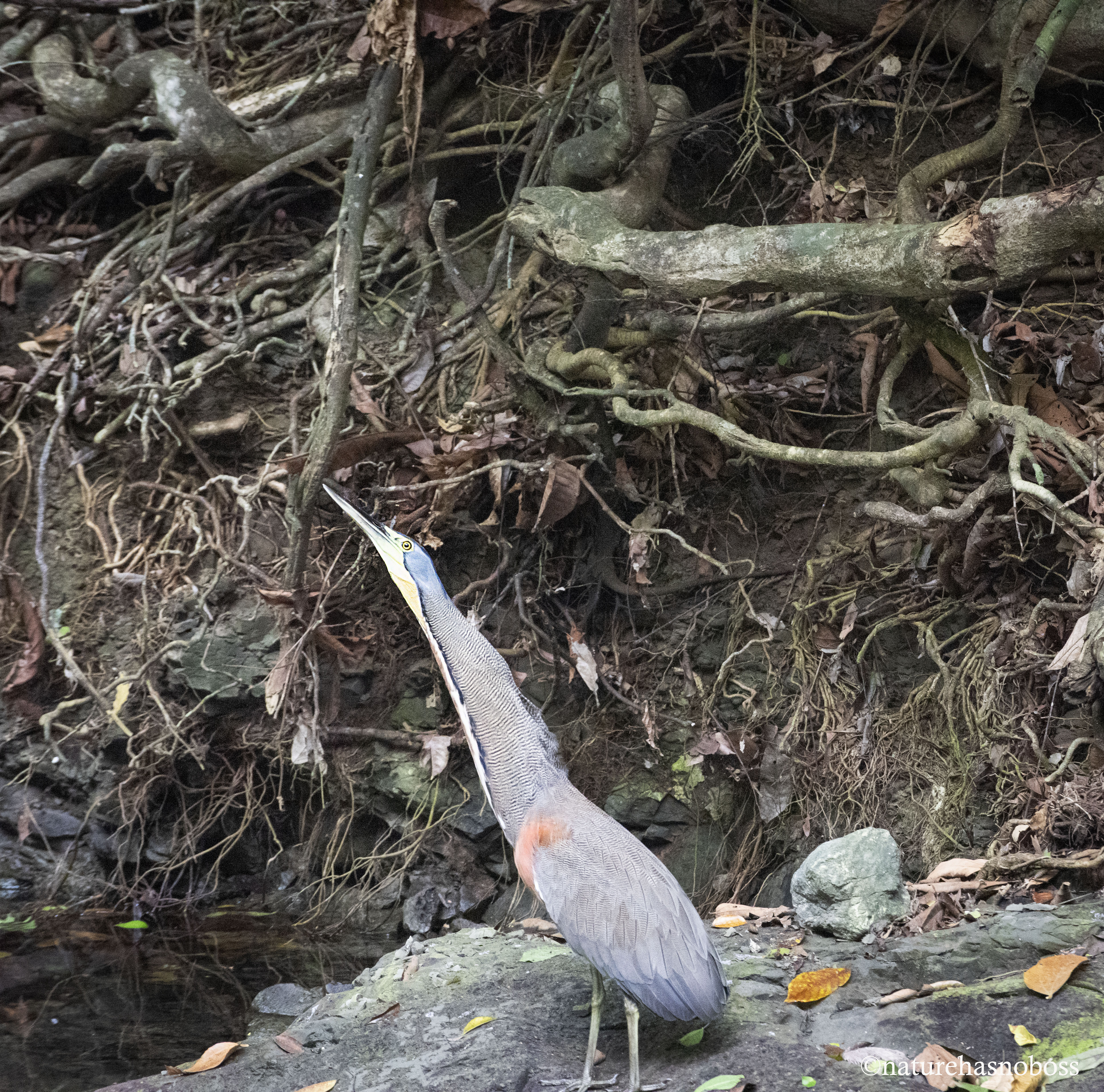
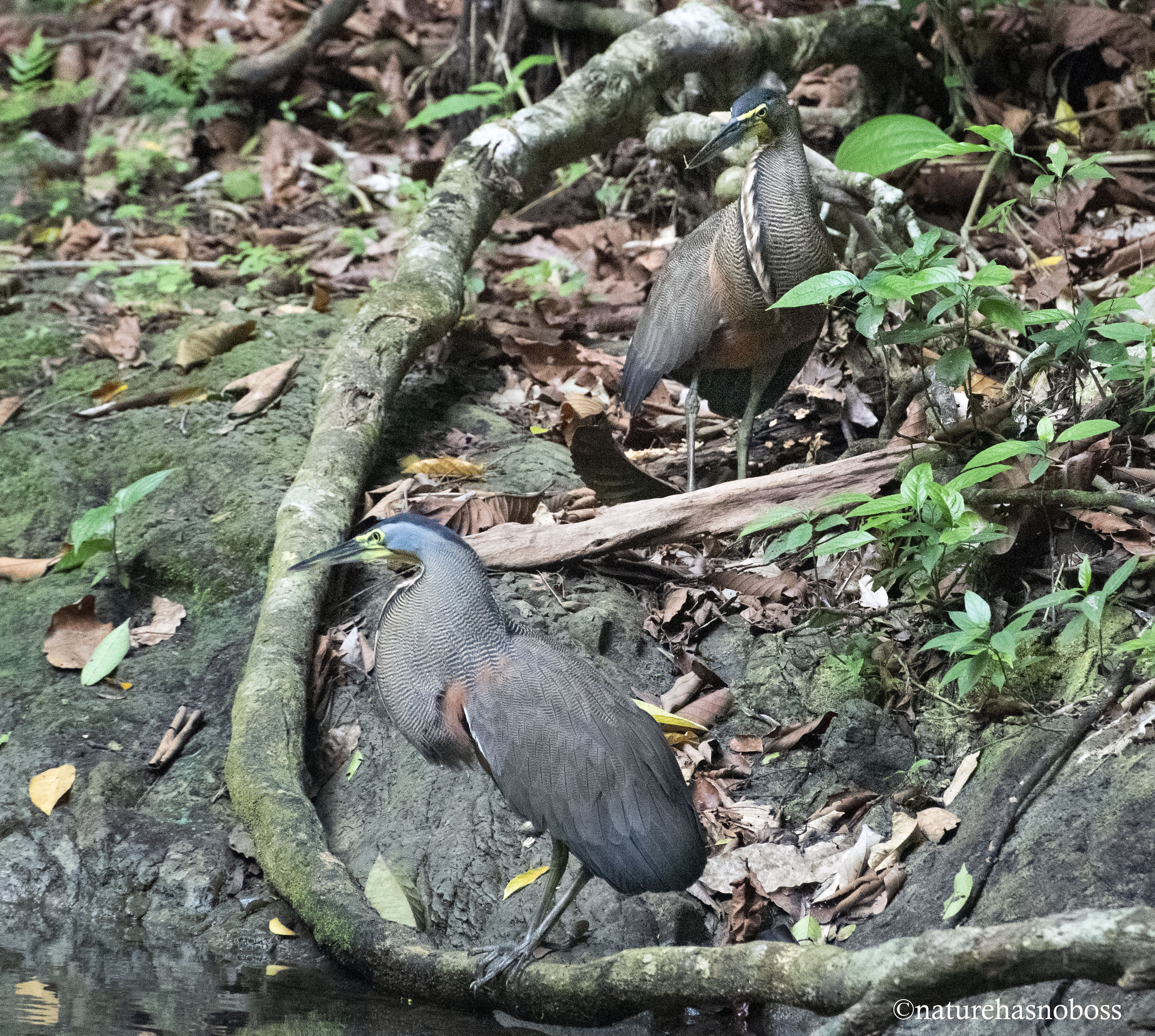
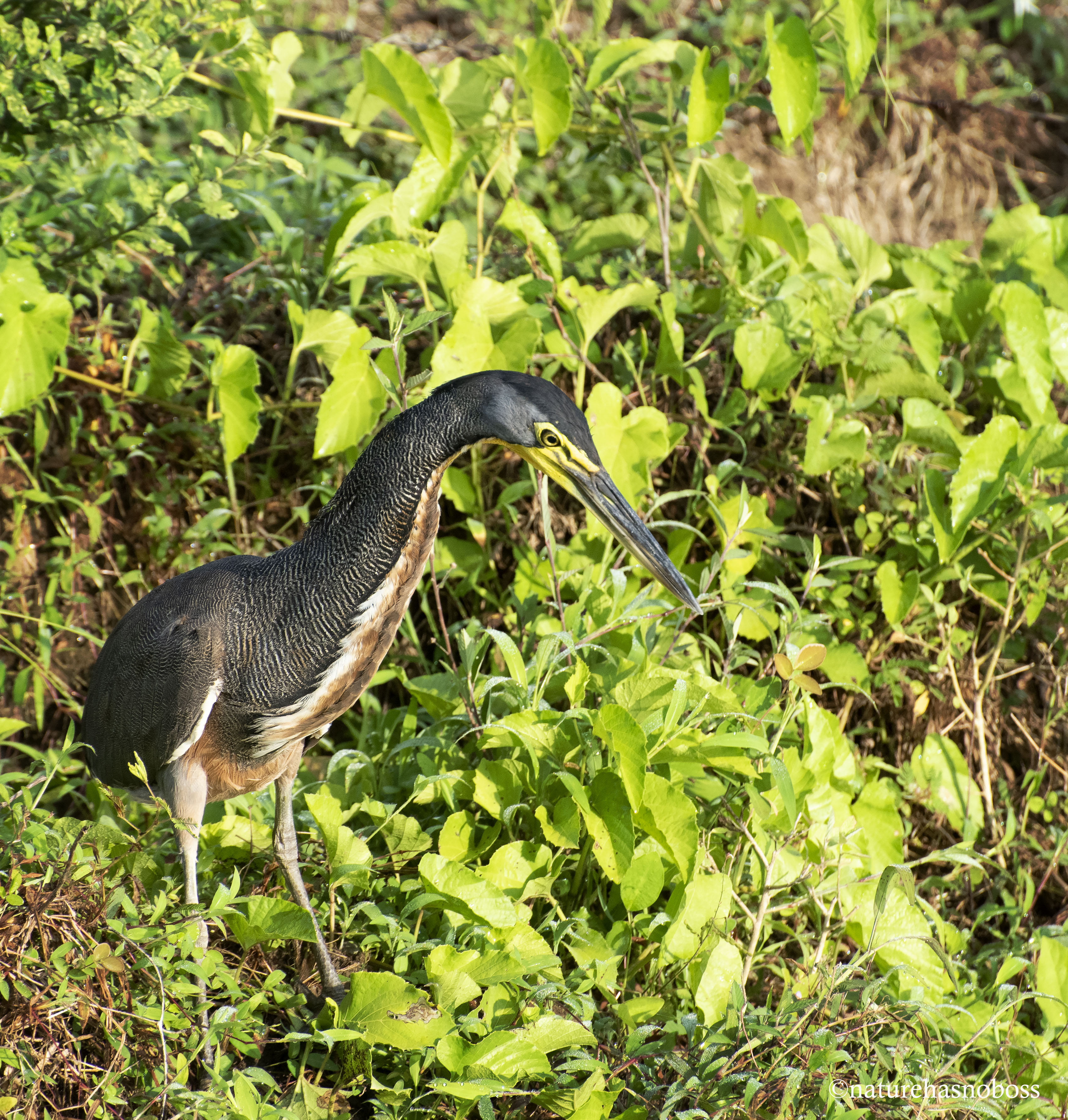
The Bare-throated Tiger Heron is a medium sized heron common to Central America. They are somewhat bulky and shaped a bit like a night-heron or Bittern with distinct baring and rufous on their breast.
This individual was displaying a behavior that indeed reminded us of the American Bittern.
The Bare-throated Tiger Heron forages along costal zones, brackish water and in inland marshes and swamps feeding mainly eating fish, frogs and crustaceans but has been known to consume small rodents.
Like many other Herons the bare-throated Tiger Heron hunts by remaining motionless and quickly striking when prey appears.
Reference:
Martínez-Vilalta, A., A. Motis, and G. M. Kirwan (2020). Bare-throated Tiger-Heron (Tigrisoma mexicanum), version 1.0. In Birds of the World (J. del Hoyo, A. Elliott, J. Sargatal, D. A. Christie, and E. de Juana, Editors). Cornell Lab of Ornithology, Ithaca, NY, USA. https://doi.org/10.2173/bow.btther1.01
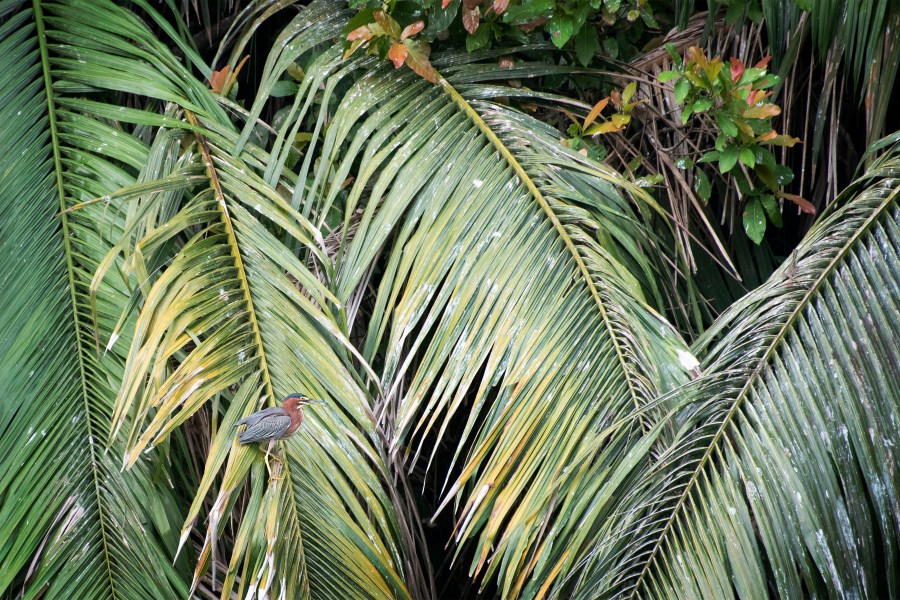
A Green Heron perches upon a gigantic palm frond making what we consider a fairly large bird look small by comparison. Photographing the Flora and Fauna as one always presents quite a challenge yet tells a story that’s important to hear.





 nature has no boss
You must be logged in to post a comment.