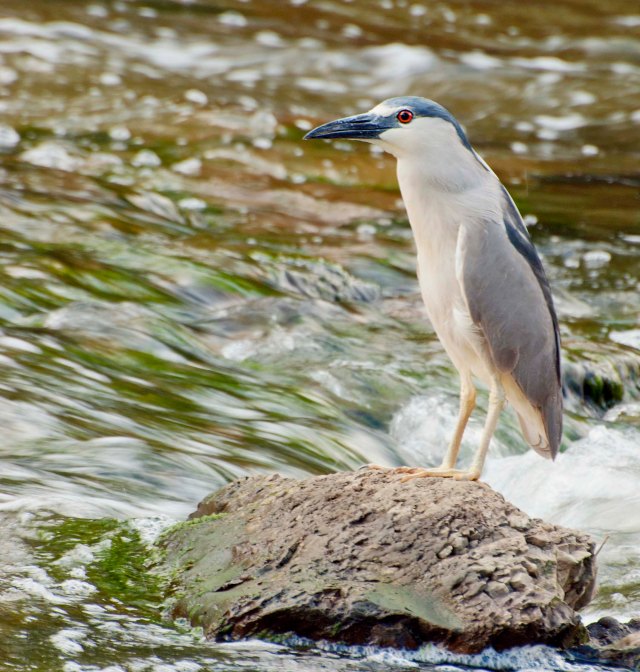
We see this Black Crowned Night Heron at the same spot along the South Platte river almost every evening in the summer patiently working the water for a meal.
We see this Black Crowned Night Heron at the same spot along the South Platte river almost every evening in the summer patiently working the water for a meal.
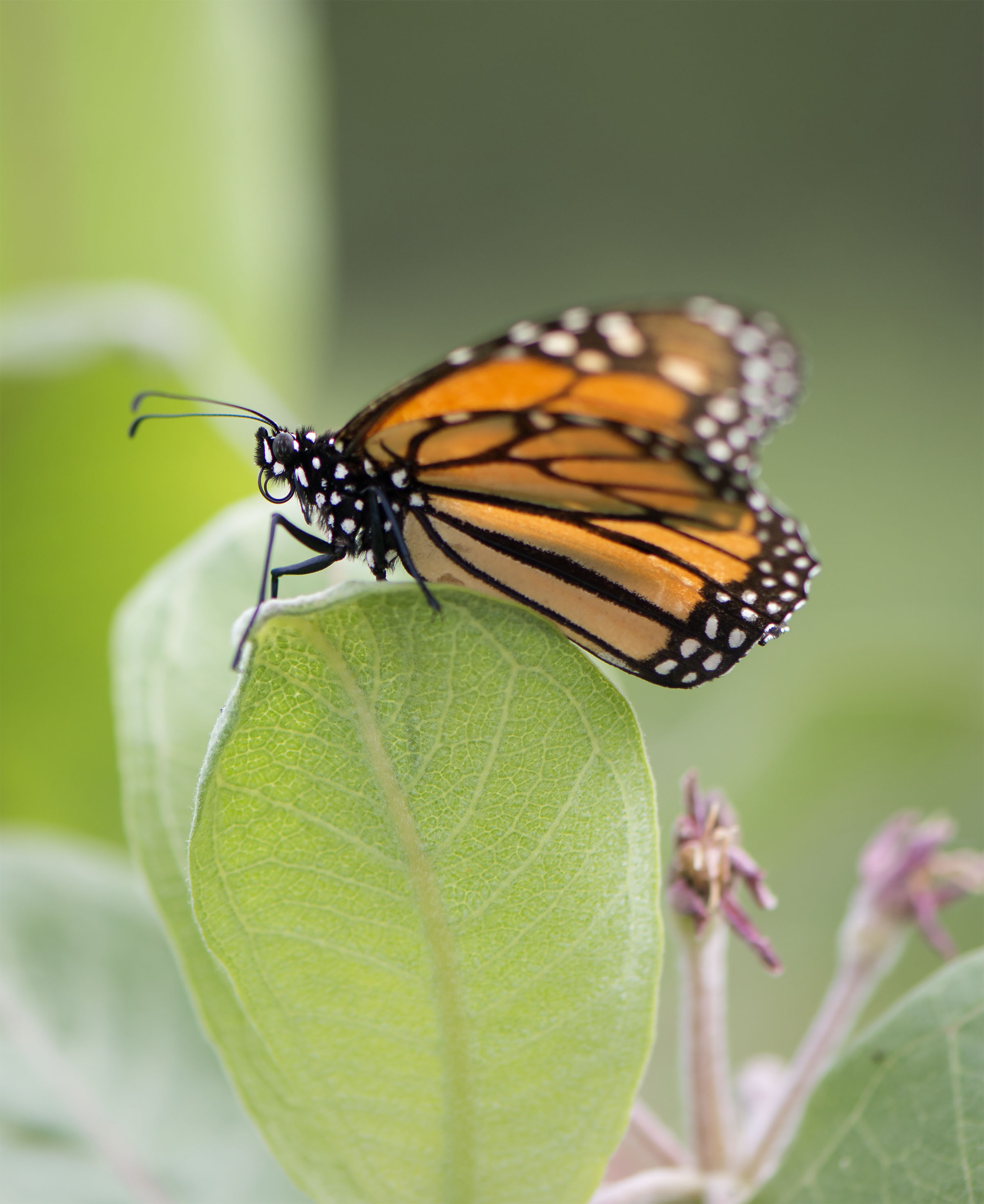
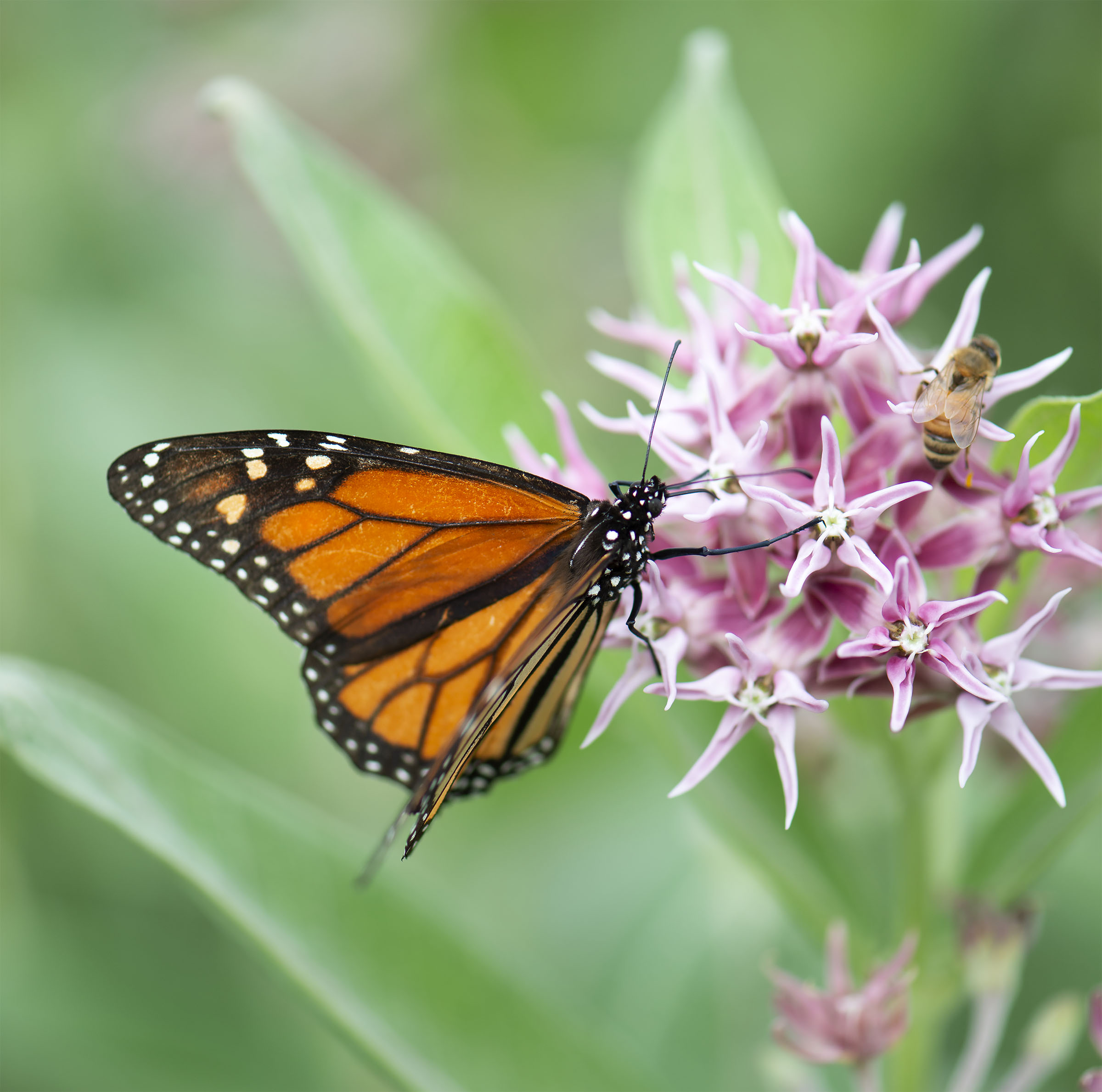
Two of a kind the Monarch Butterfly and its beautiful host plant Milkweed. It is well understood that loss Milkweed results in decreased numbers of Monarch Butterflies. A recent study by Bret Elderd and Matthew Faldyn from Louisiana State University suggest climate change can alter the chemical composition of Milkweed making it poisonous to Monarchs. Climate change, habitat loss and other human activities. Sometimes I wonder when the tipping point will come, if it has no already. Not just for Monarchs but for all life on earth.
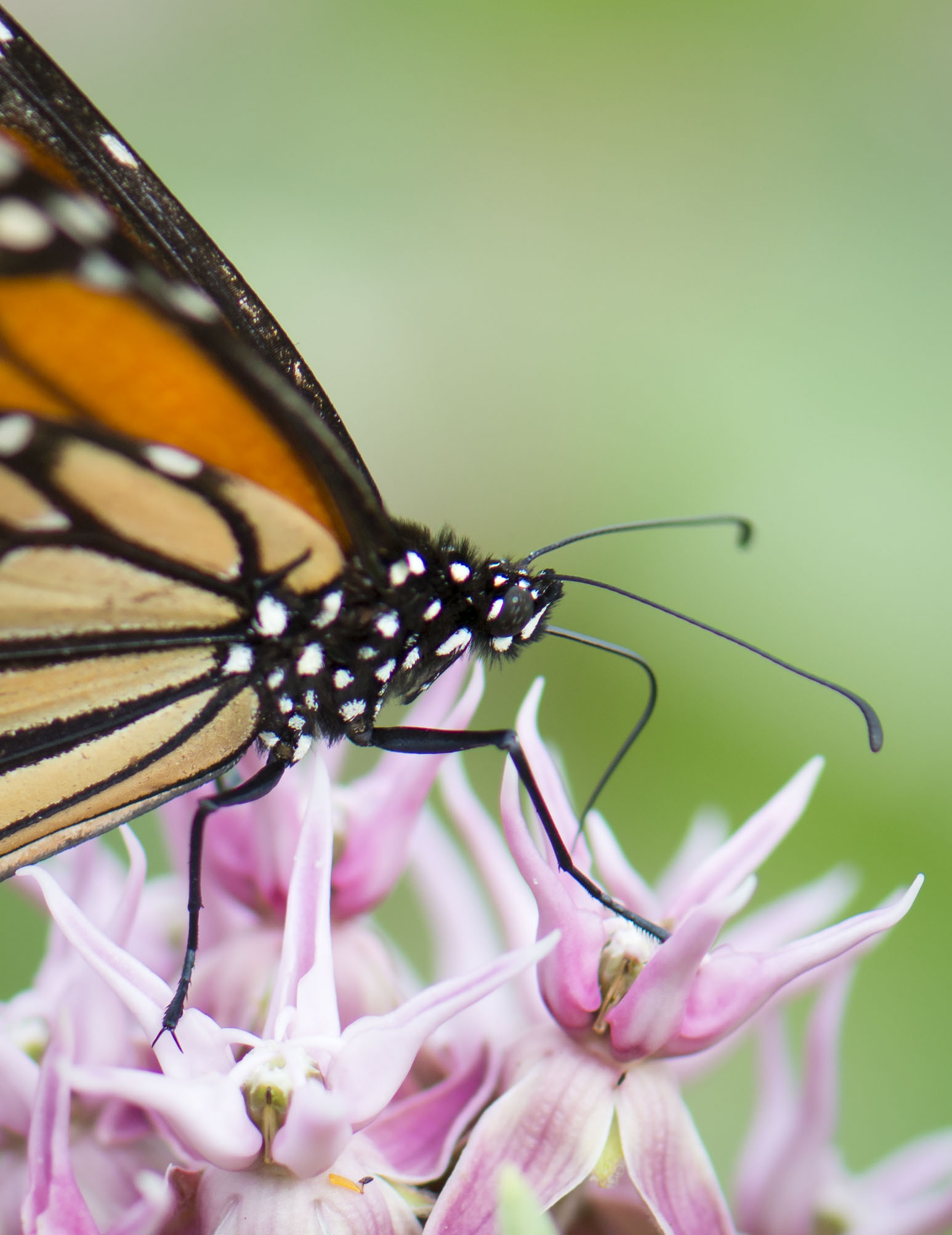

For more Monarch Butterfly research articles I might suggest science daily.

A Red Tailed Hawk sits patiently on a rainy summer afternoon waiting for the next opportunity.

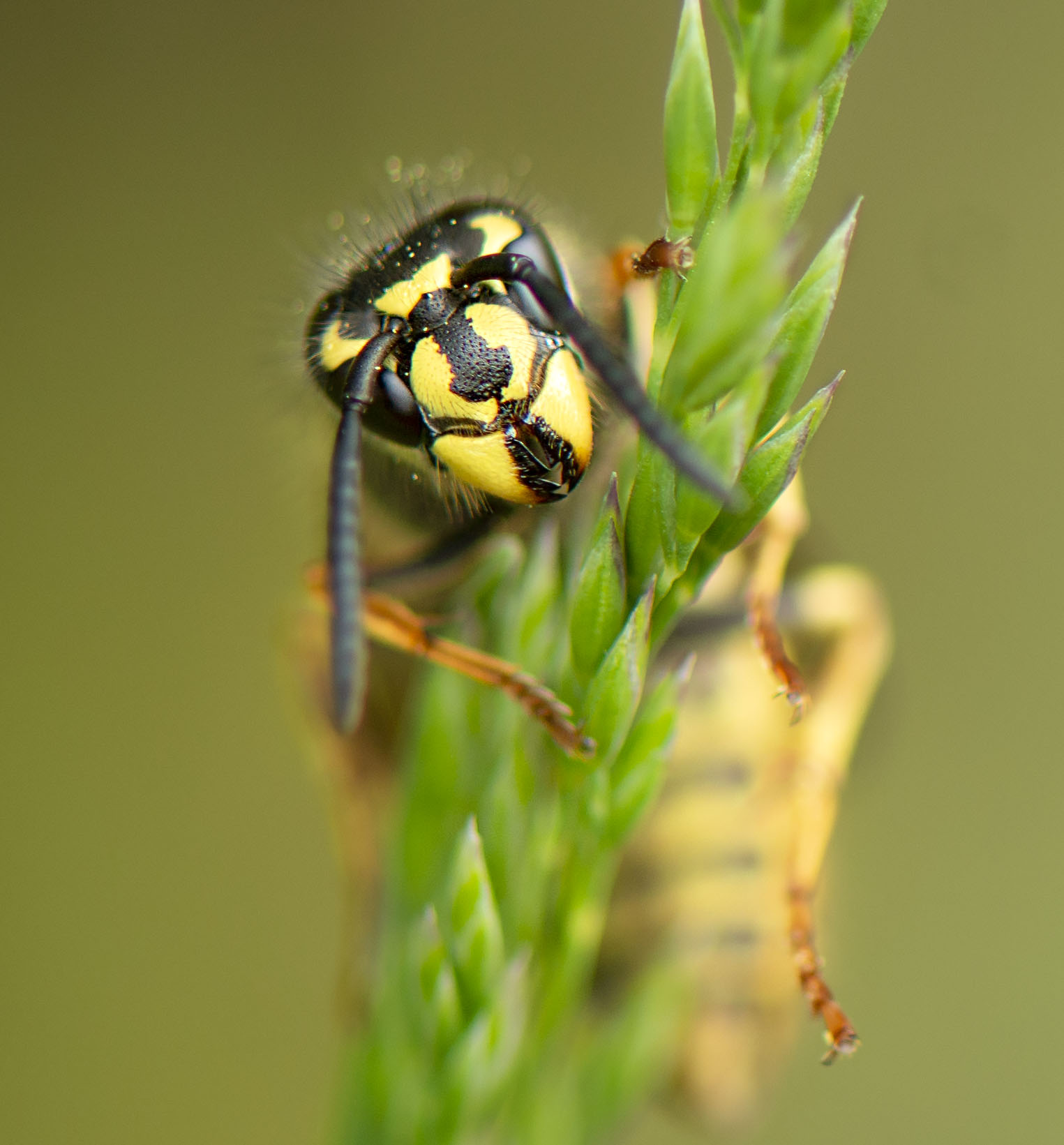
A little Yellow Jacket just hanging out doing what Yellow Jackets do.

I wonder if looking at the world upside-down makes it feel right side up. Might have to go lay in grass and give it try.
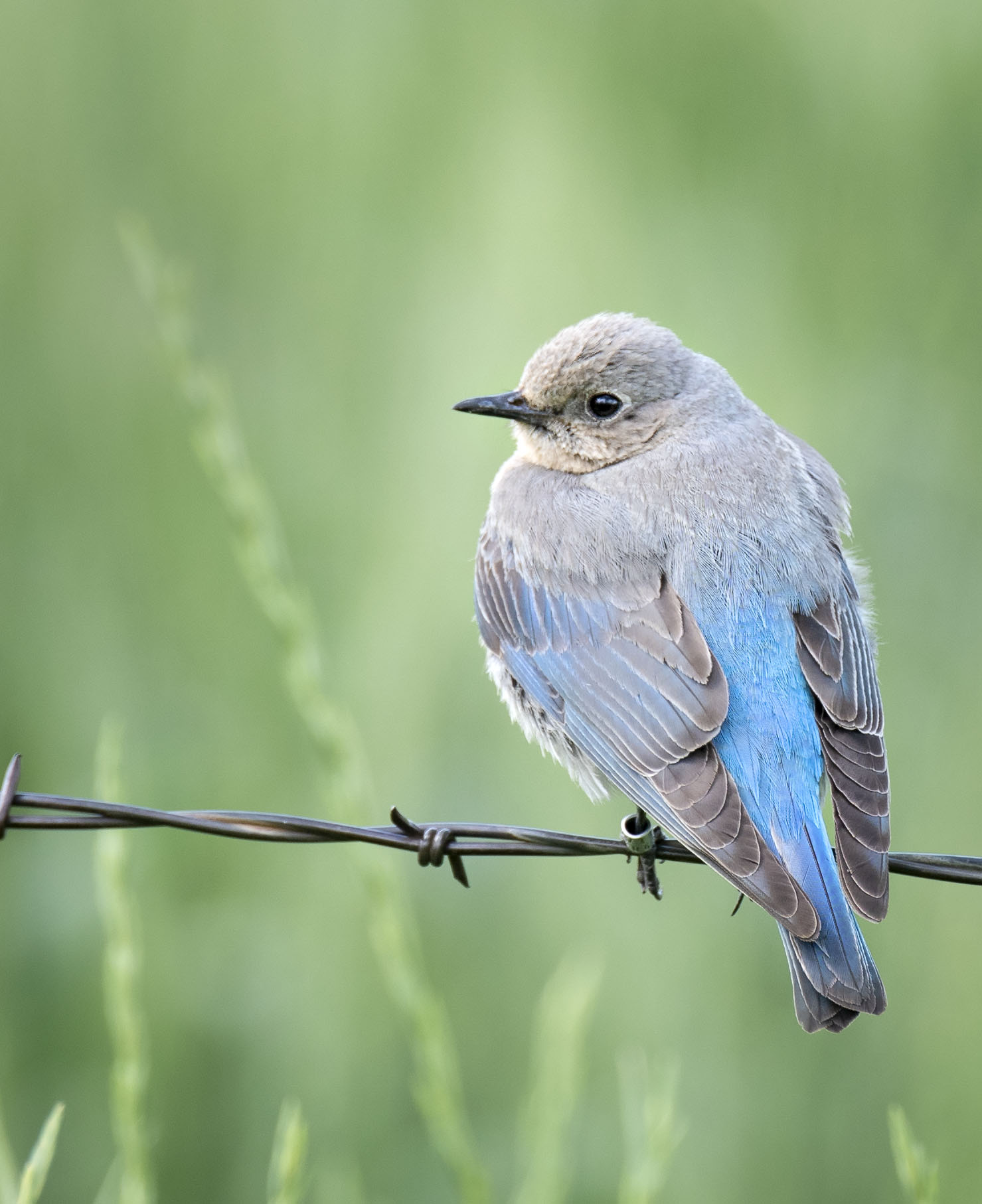
On the fence line near box 62A a Female Mountain Bluebird (Sialia currucoides) was taking a break from tending to her nest. Looks like she has been banded for study. Bluebirds populations while recovering are still threatened by loss of habitat and competition from introduced species such as the House Sparrow and European Starling both of which compete for nest boxes as well as natural nesting sites.
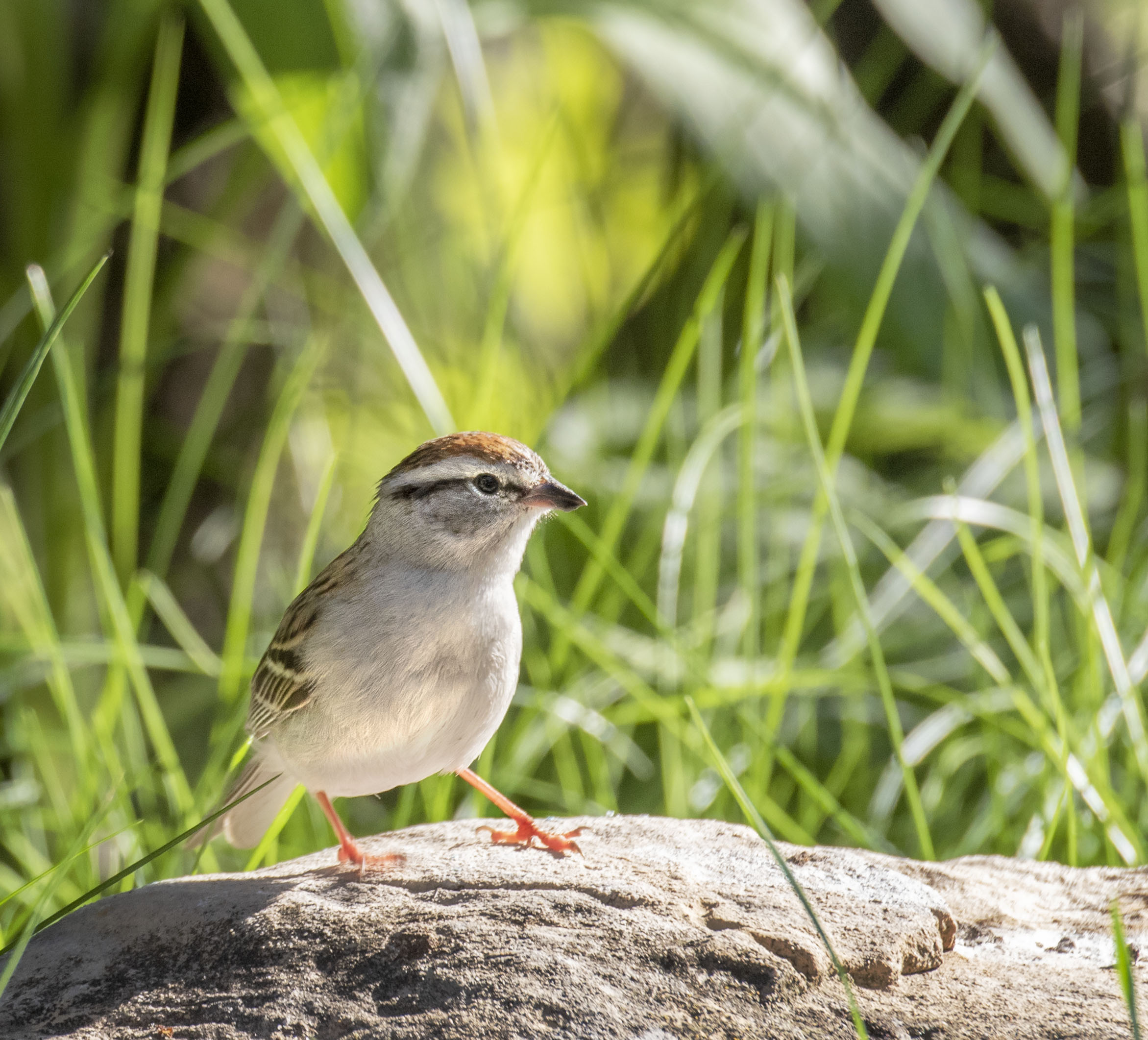
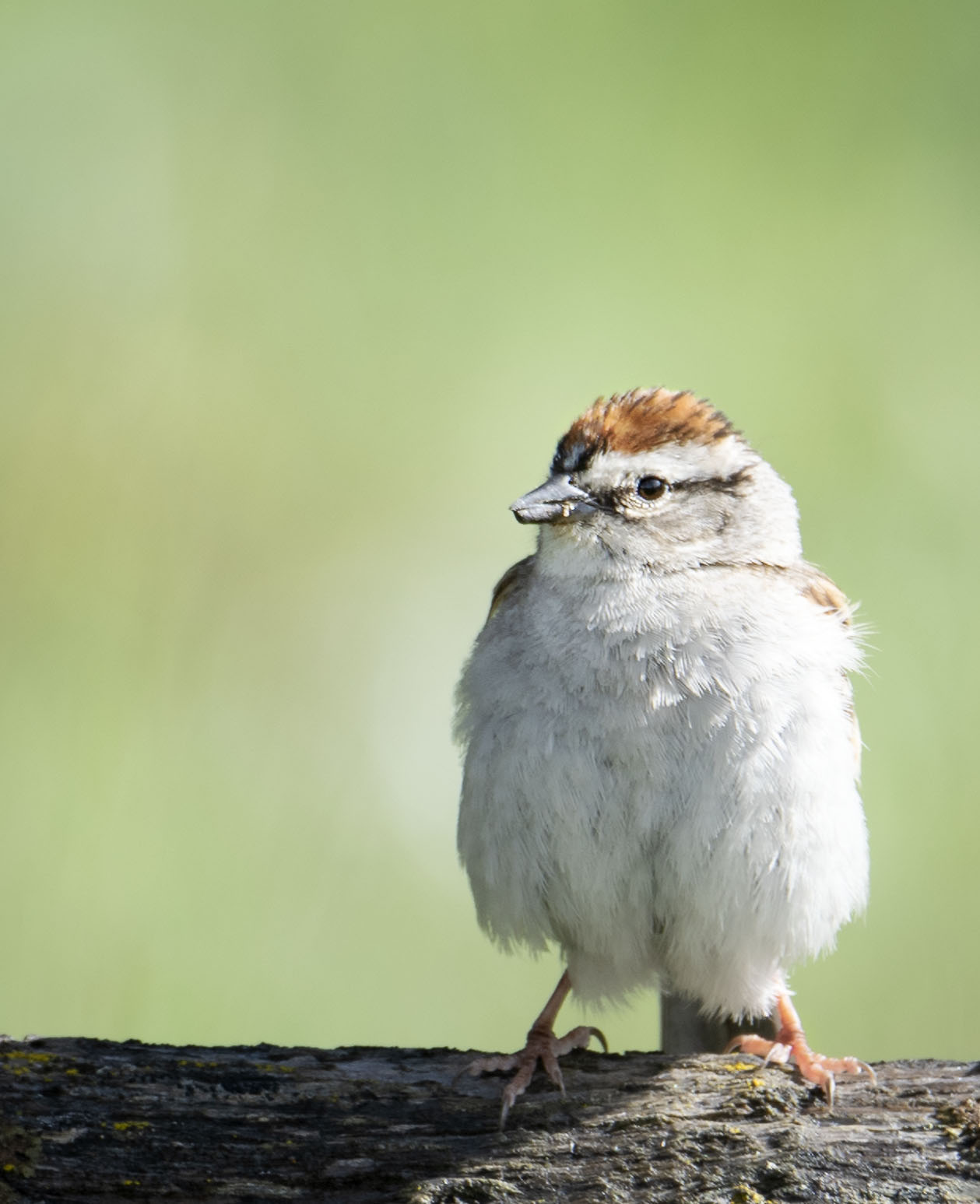
It wouldn’t seem like summer without the sounds of the Chipping Sparrows echoing through the trees in our area. A beautiful little sparrow with their rufous crown. We see the Chipping Sparrow foraging on branches, jumping around on the ground and hopping about in the both pine and deciduous tress each summer.
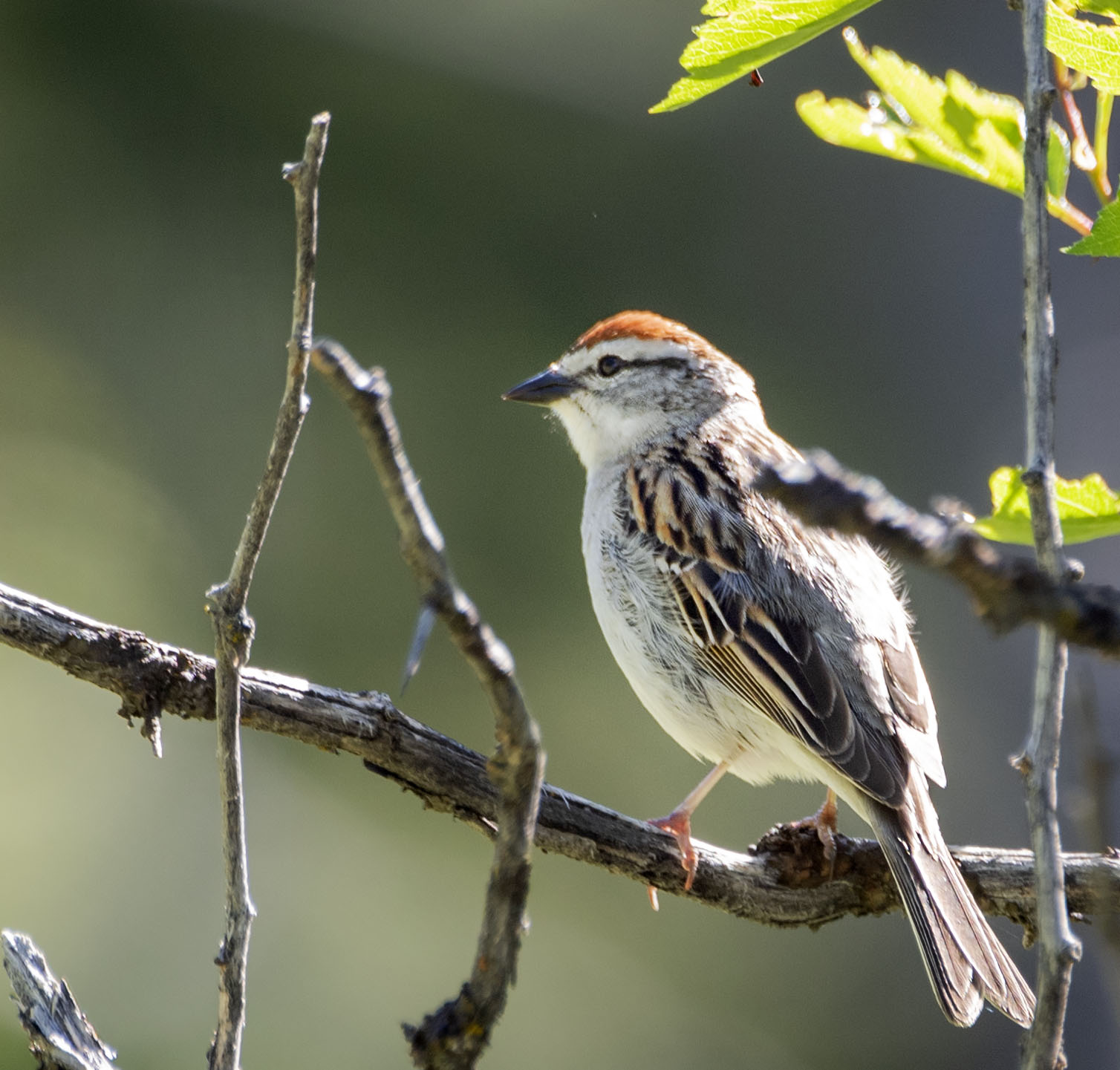
More often than not a hike through the forest in July is accompanied by their song echoing through the woods. A song we thoroughly enjoy.
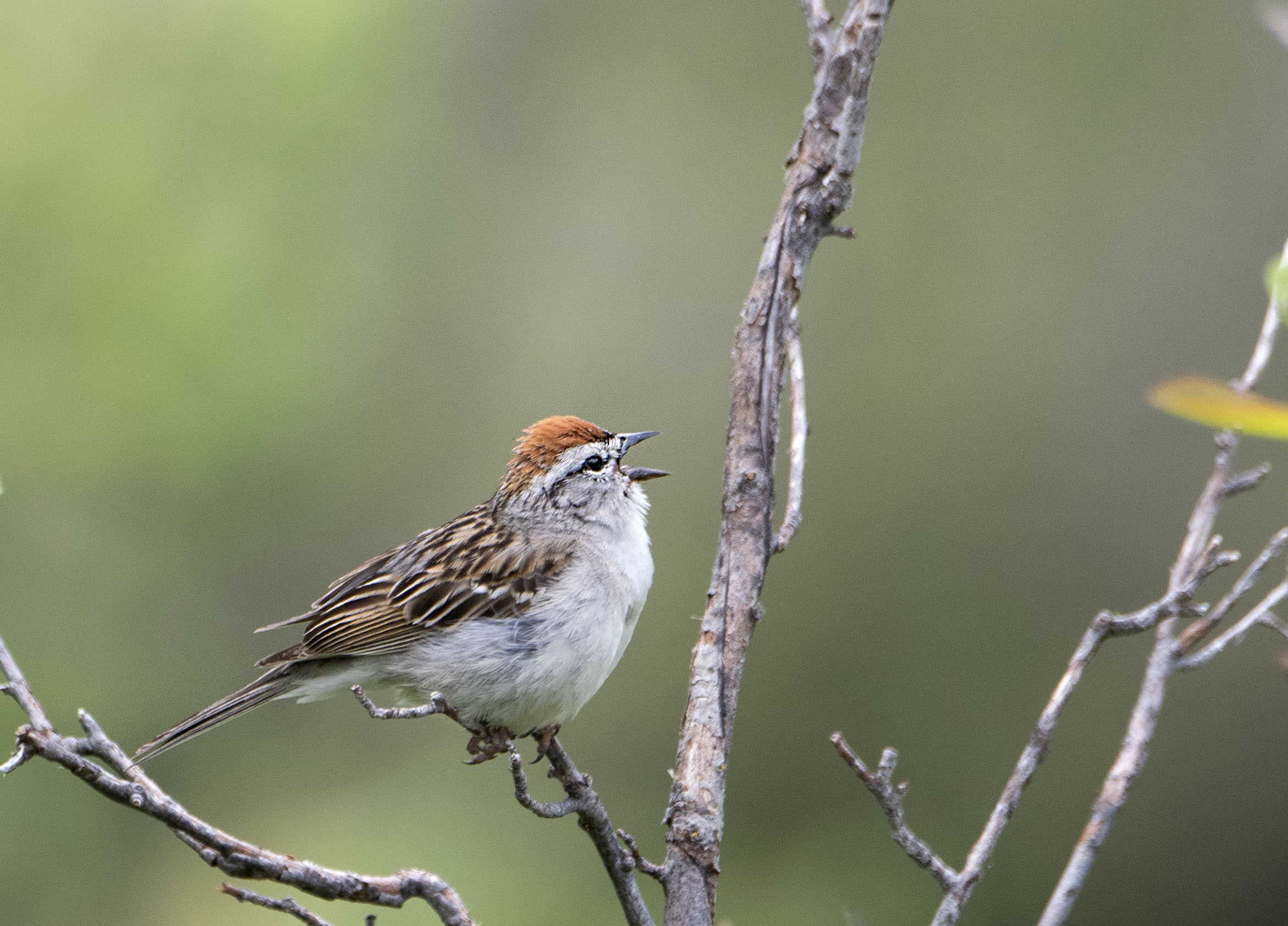
So here’s to the Chipping Sparrow a widespread, modest and wonderful summer companion.

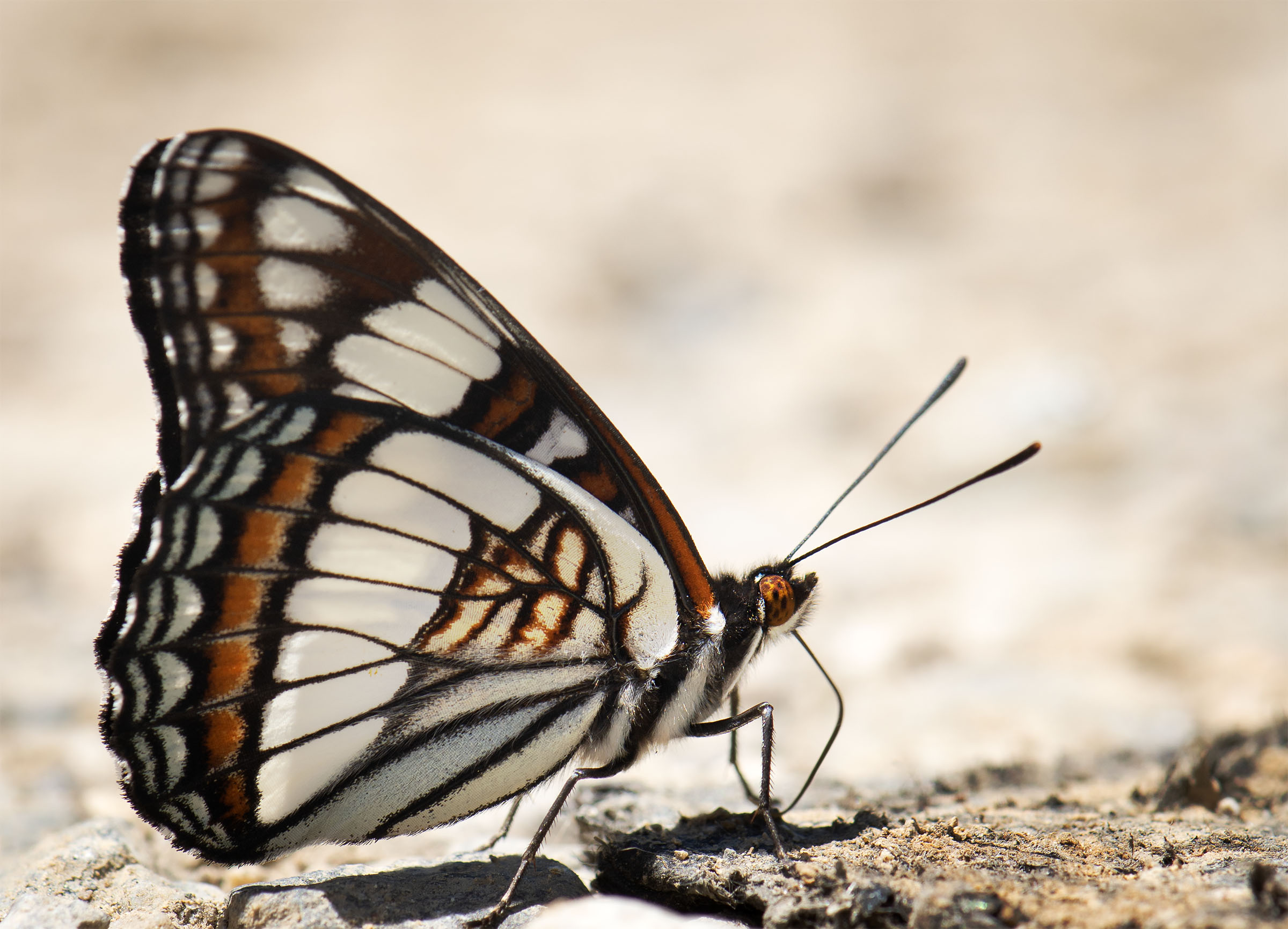
A wonderful butterfly to enjoy on a summers afternoon. The Lorquin’s Admiral is busy these days and a common companion along the trails nearby.


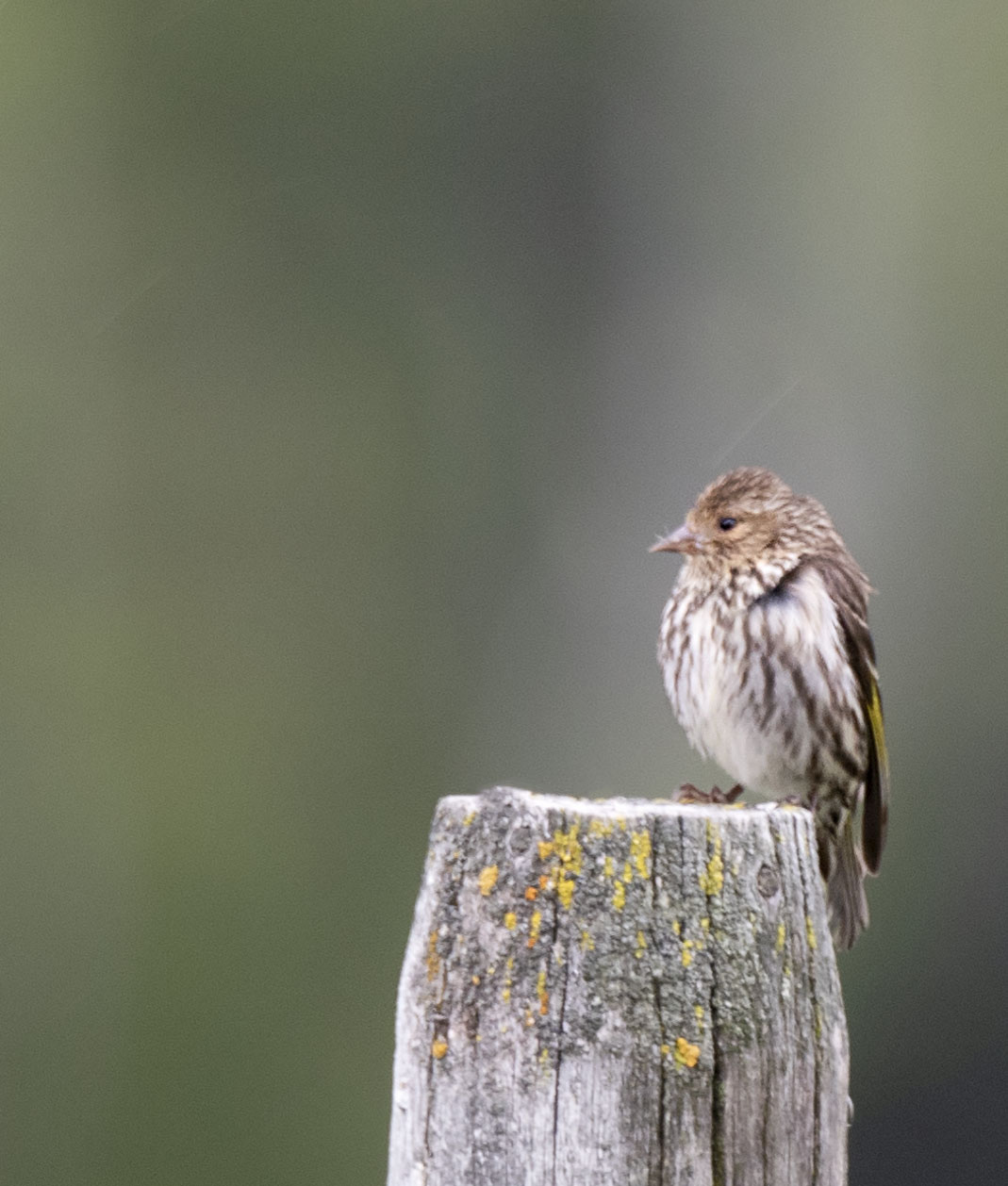
On a rainy afternoon we watched a flock of Pine Siskins hanging out along a ranch fence line in the light drizzle.
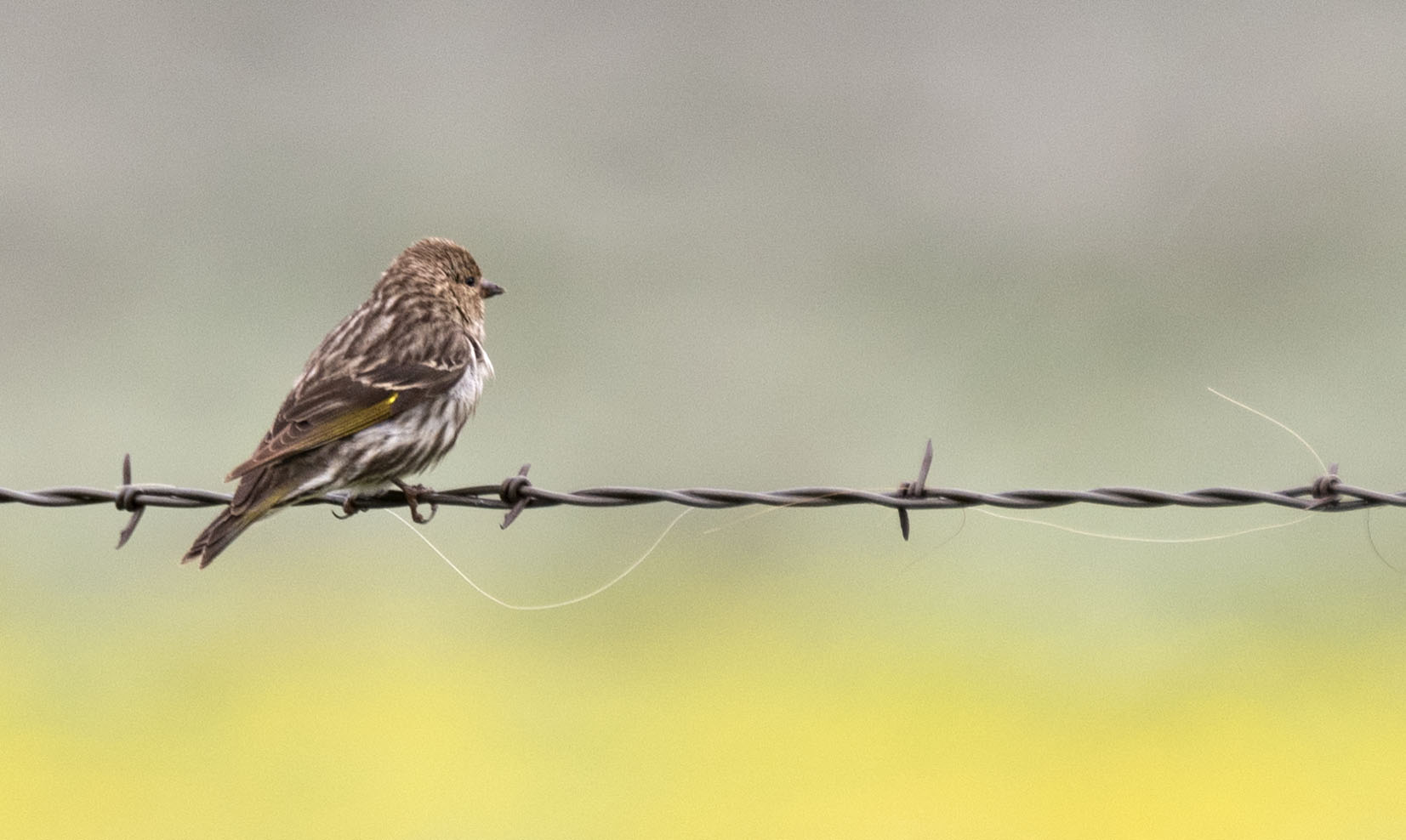
When they show up in large flocks to backyard feeders or your local forest it may not be apparent but Pine Siskins are a Common Bird in Steep Decline. Pesticides, loss of habitat and predation from domestic cats, red squirrels, hawks, jays, and crows are all contributing factors to the decline of this species.
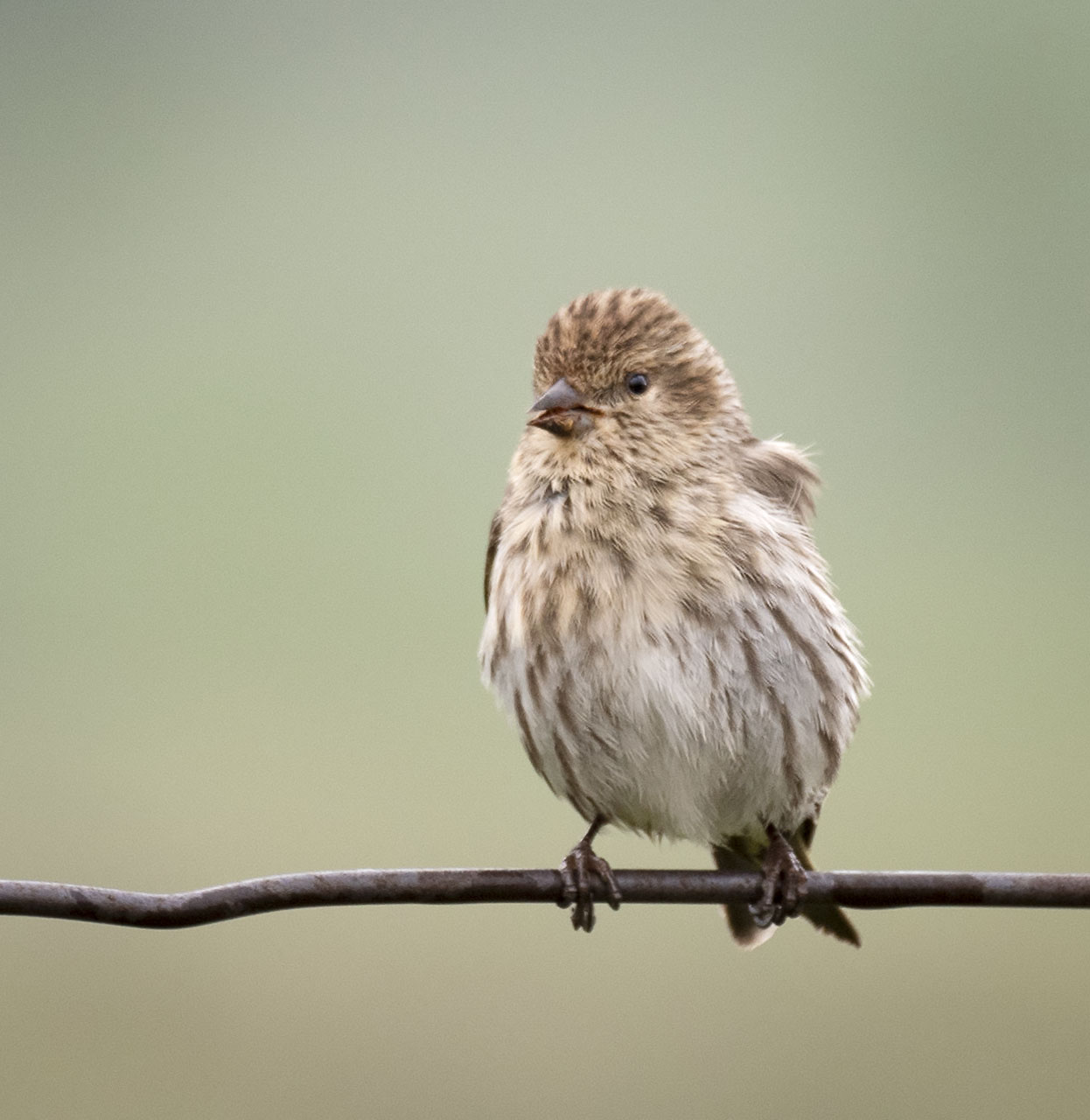
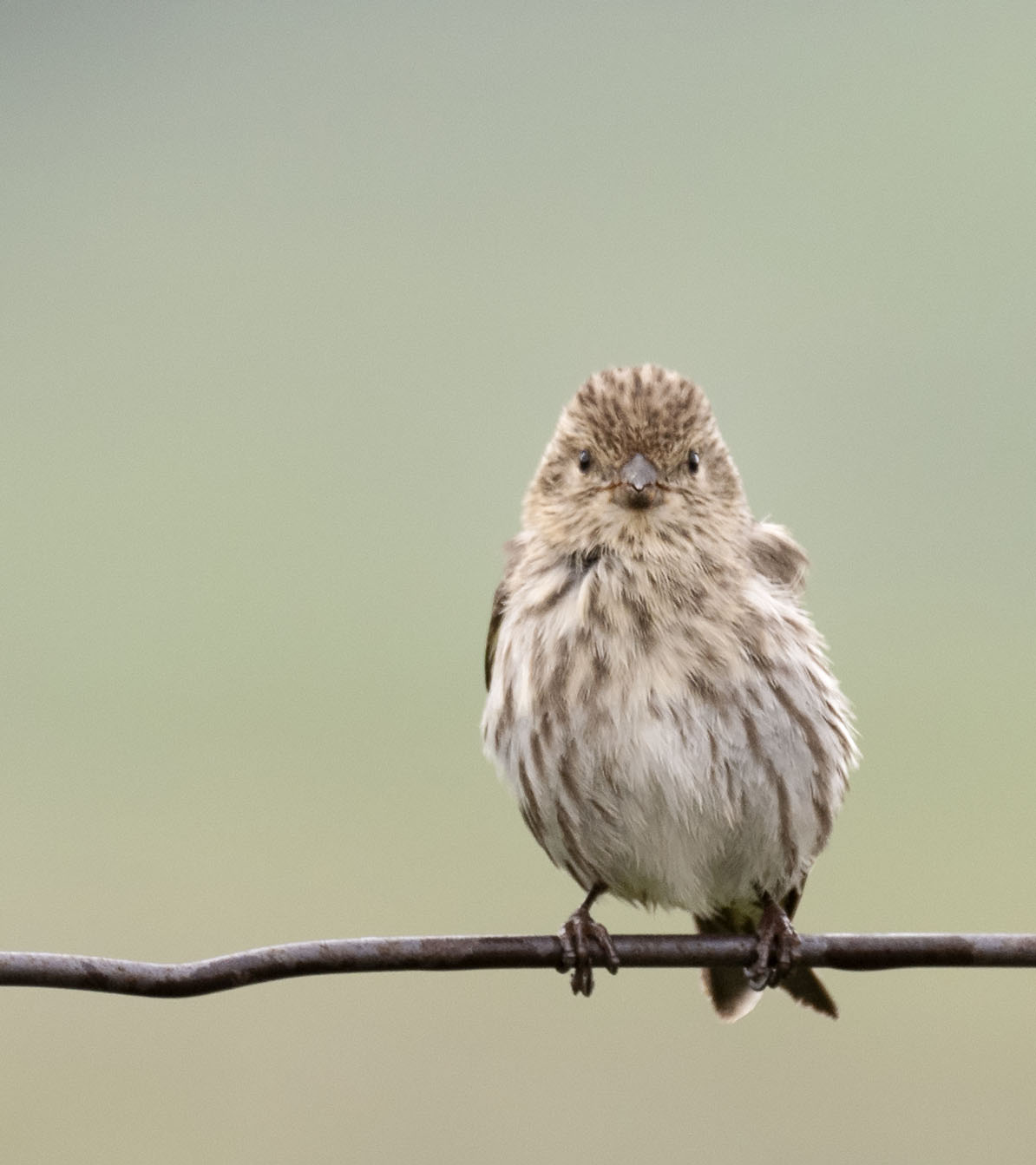
Since we typically hear them buzzing in the tree tops of pine forests seeing them lined up individually along the barbed wire on a quiet rainy day gave us a chance to know each on as a individual so to speak and it was nice to get to know them.

A wonderful little forest bird.

Getting a glimpse of a snake, or a root, or anything remotely snake like, from along the edge of the trail always makes one do that quick double take. This time it was in fact a Common Garter snake nestled down in a small patch of snake grass (or horsetail if you prefer) that elicited the snake-double take. Although the Garter snake is one of the most common and widespread reptiles in our area and by no means are we snake-lovers it is always nice to see one slither away as we walk the trails. I wonder if their numbers have decreased with the decline of amphibians as this was reported to be their main food source or they have shifted dietary habits?
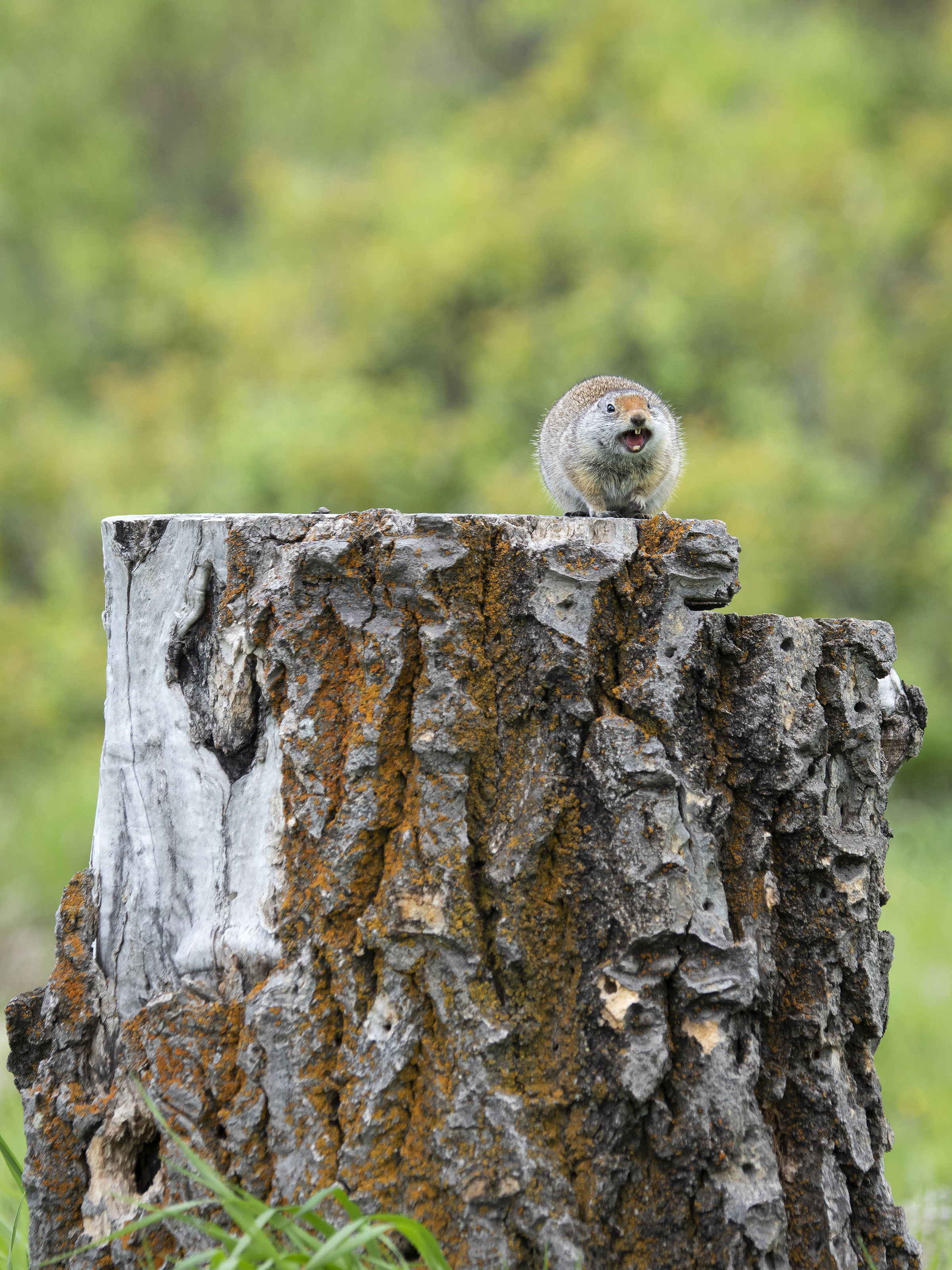
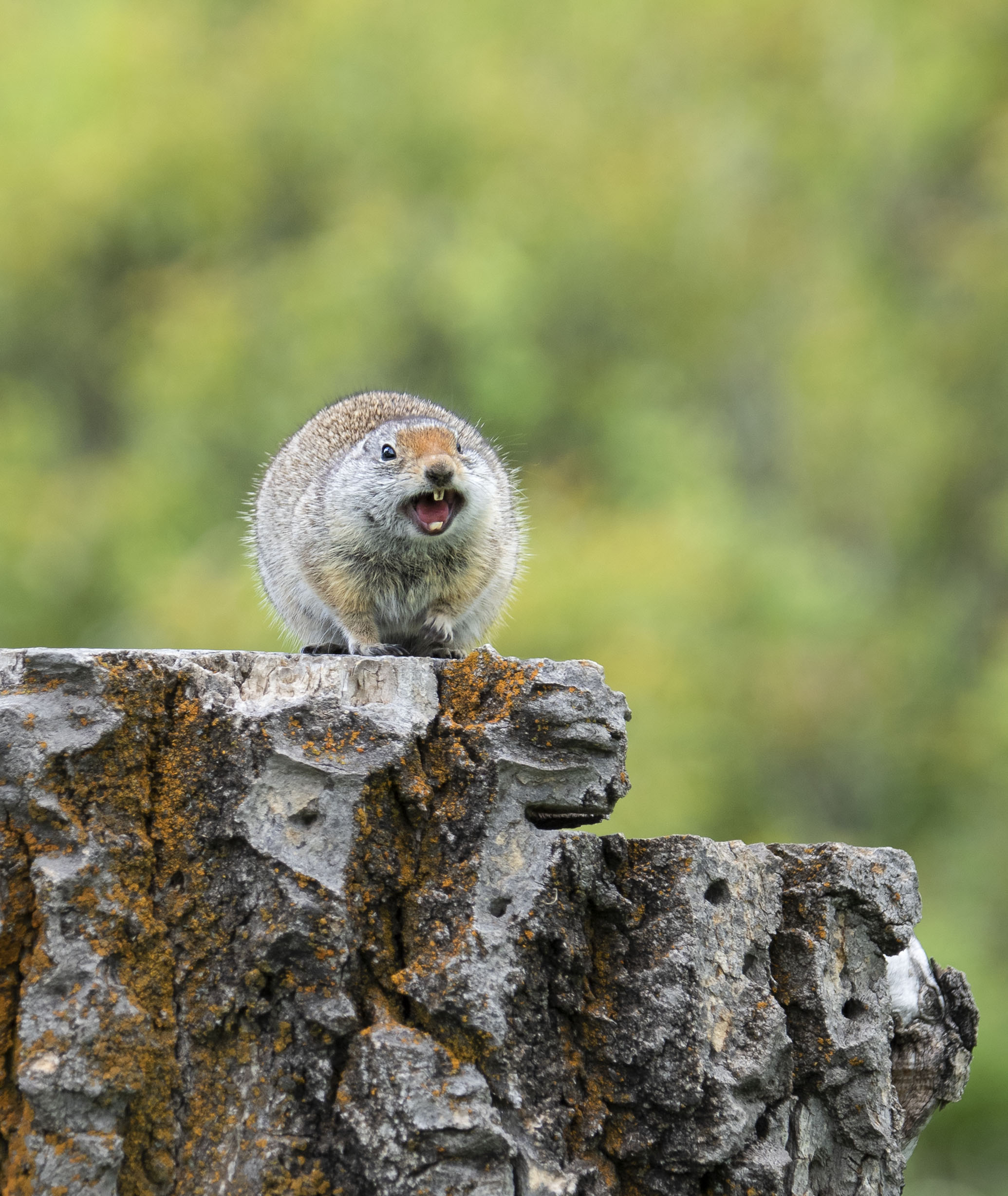
As we moved into our campsite for the evening this chubby ground squirrel let it be known loud and clear this was his stump and not to be used for a place to put our camp stove.
And in case we weren’t listening ….this is My Stump!
Have a great weekend.
 nature has no boss
You must be logged in to post a comment.