Three billion birds.

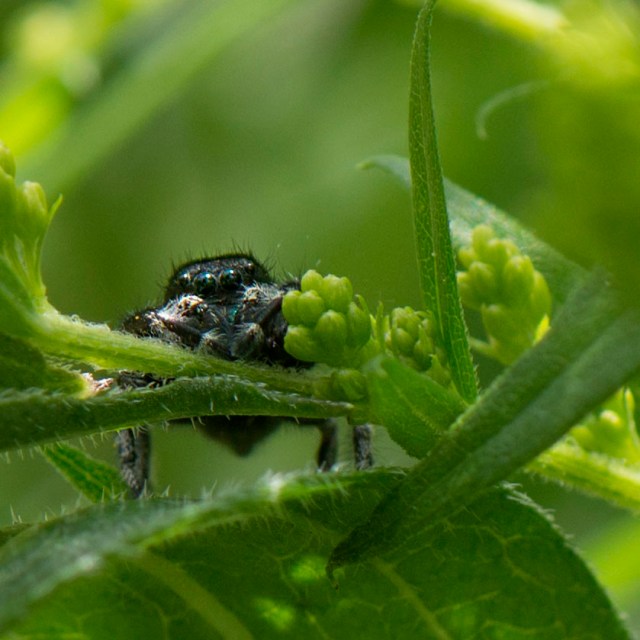
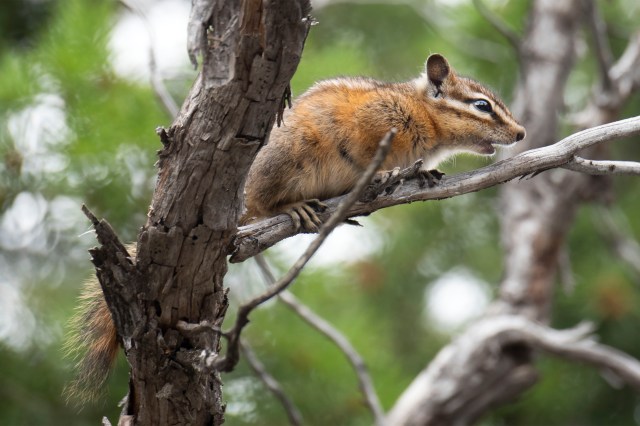
The findings of a study published yesterday in the Journal Science demonstrate that North America has lost 30% of it’s birds population since 1970. The authors of this study suggest that this loss of almost 3 billion birds is like a canary in the coal mine and conclude their abstract with the statement “This loss of bird abundance signals an urgent need to address threats to avert future avifaunal collapse and associated loss of ecosystem integrity, function and services.”

National Geographic summarizes the Science article well touching on the reasons why bird populations are in decline and why birds matter. 

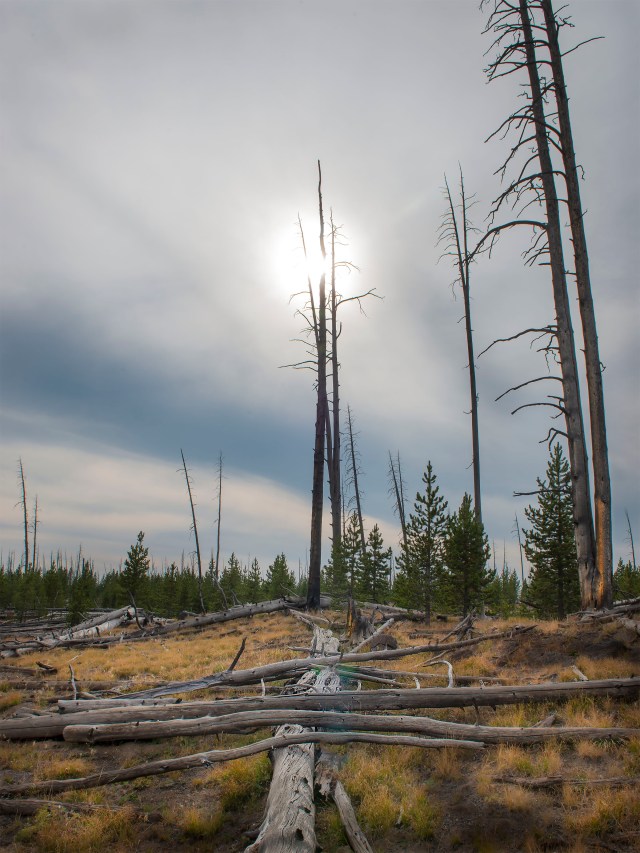
Habitat loss in the name of development another example of a fools progress.

Another strip mine, another strip mall.  The human population is striping the planet bare. Time to take action and make sure your local governmental representatives at all levels work to protect habitat, the environment and the future of every species that inhabit the planet.

The Boys Club

THe_boys_club_1

I could be mistaken but along the trail  and just down the hill  was a sign that read “Boys Only”  and perhaps that was so as a Mule Deer Buck and young Bighorn Ram hung out together under the comfort of large shade tree on a warm fall afternoon. This is the first time we have encountered both a Bighorn Sheep and Mule Deer together through the viewfinder. An unusual and interesting encounter.


More Purple

More_purple_1

Purple wildflowers in may shades filled the meadows all summer long. From the Bergamot or Bee Balm: Monarda fistulosa L. to the purple flowers in grass filled meadows.

More_purple_2

The Lupine in the alpine meadows offer a bit of pollen to the bees.

More_purple_3

And the Rocky Mountain Columbine. More_purple_4

All purple of a different shade and a wonderful way to remember a summer filled with flowers.

So just a bit more purple before all thought of summer fades.

Happy weekend to all.

A new one.

Bee_2546

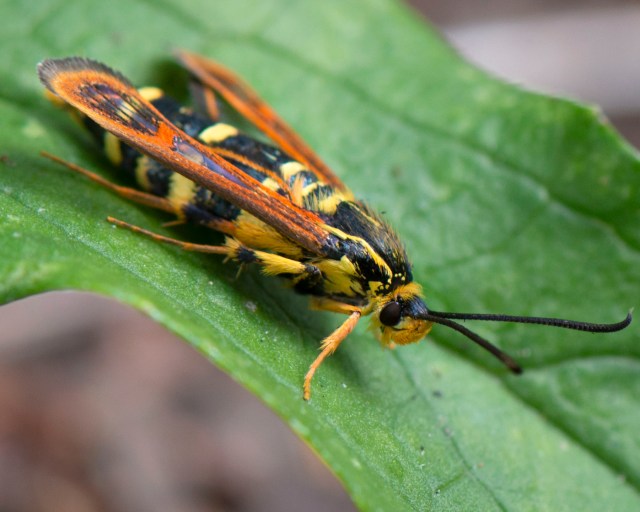
It is always fun to see a new one. Here are two views of a new and interesting looking insect which we think to be a bee but could well be a fly. It smaller than a honey bee, has long antennae,  a hairy body like a bee and interesting orange wings. This was the only one like this we have encountered and is not shown in the guide to local bees making me think it may be a bee-fly mimic.

Bee_3456

Yes, it is indeed fun to encounter a new species of any kind to reinforce just how wonderful the diversity of life on our planet.


Thanks for everyones help in identification of this insect. Looks to be a Hornet-Moth.