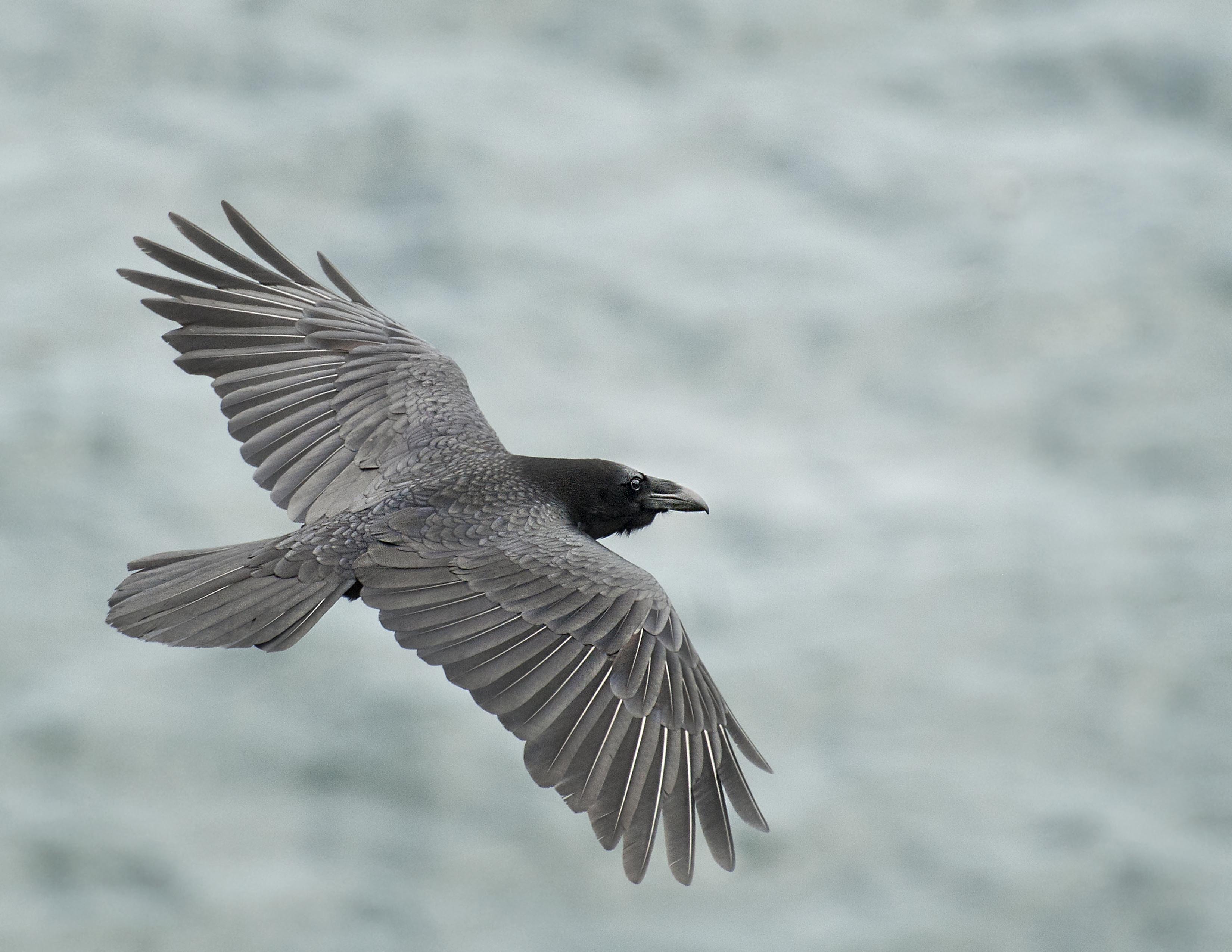
A Raven soars below as we walk above.
Freedom to roam is freedom indeed.
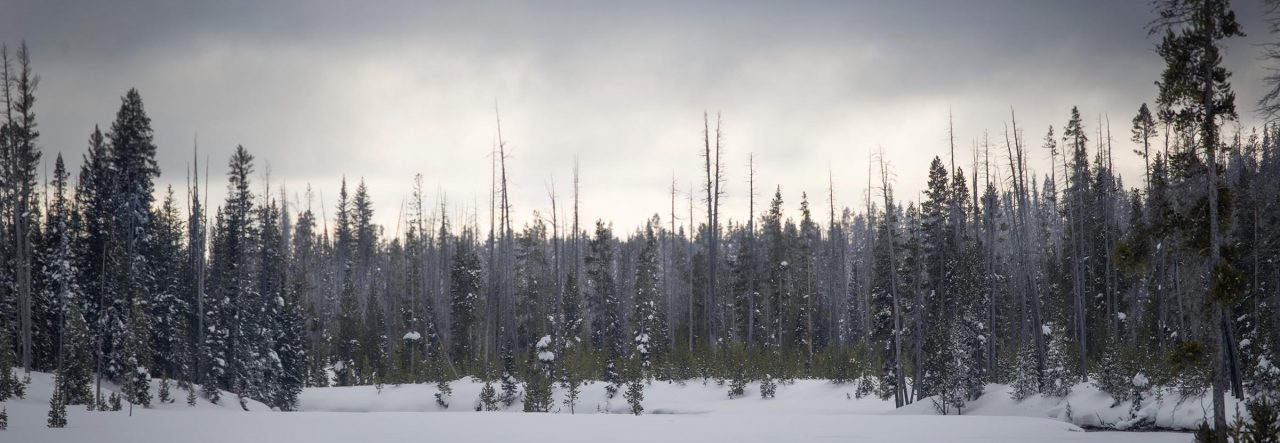
A Raven soars below as we walk above.
Freedom to roam is freedom indeed.
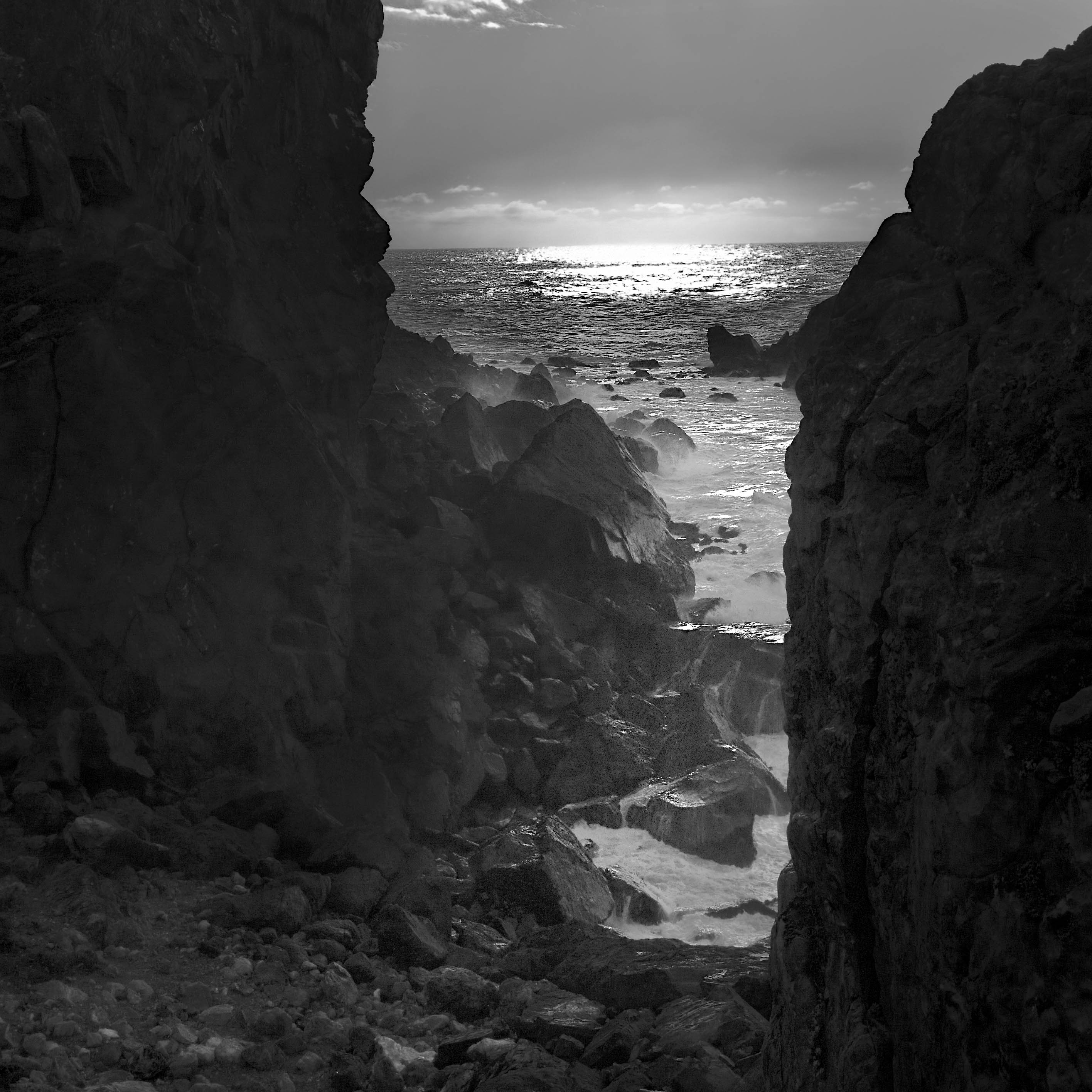
Peeking out through a slot in the rocks into the great pacific ocean. This days end was filled with light. Yashica A TLR and Kodak Tmax 100iso film.
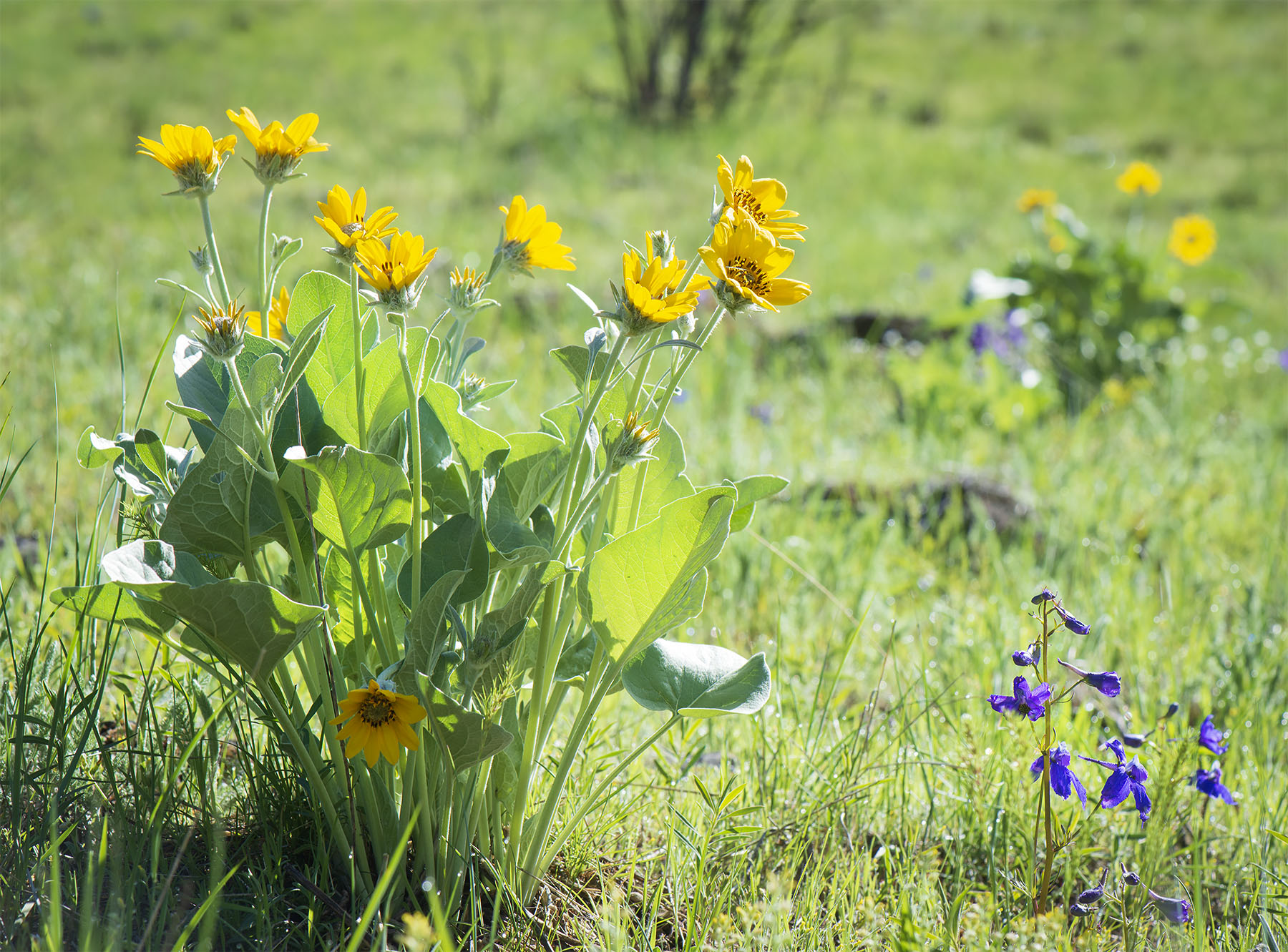
In early spring and up until early summer, both hillsides and open fields, meadows and prairies bask in the warm glow of a beautiful spring wildflower Arrowleaf Balsamroot.

According to the USDA website “The balsam root has a large, deep, thick taproot having a diameter the width of a hand and a branching root going several feet deep. The thicker portions are covered with bark. Above is a plant we noticed that obviously has seen many years and still is going strong.
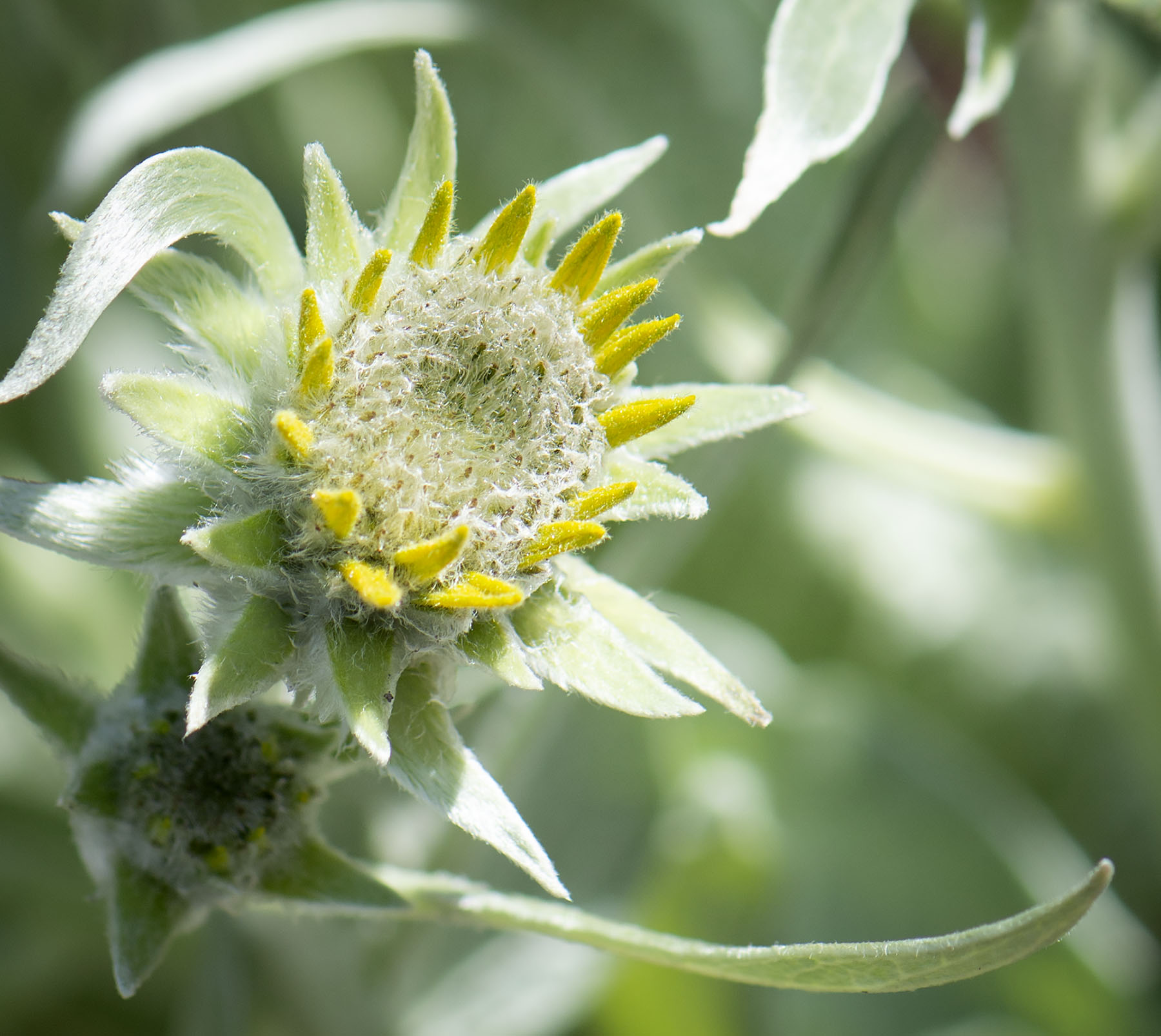
The Balsamroot first appeared in early May when the snow melted and started blooming about a month ago and are still going strong with new growth appearing especially in areas that were the last to thaw this year and in higher elevations.
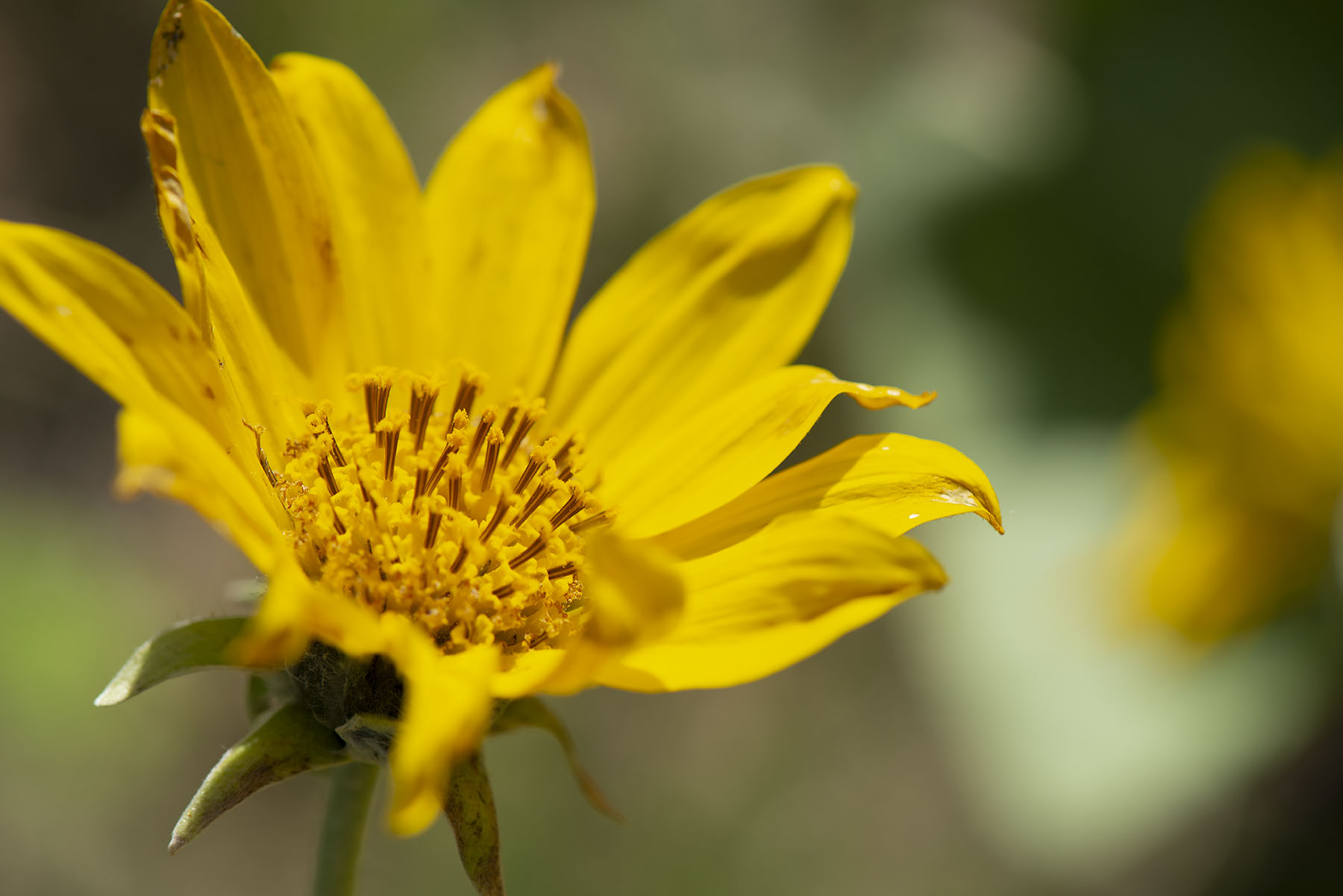
The flowers provide ample pollen and provide for pollinators early in the season.
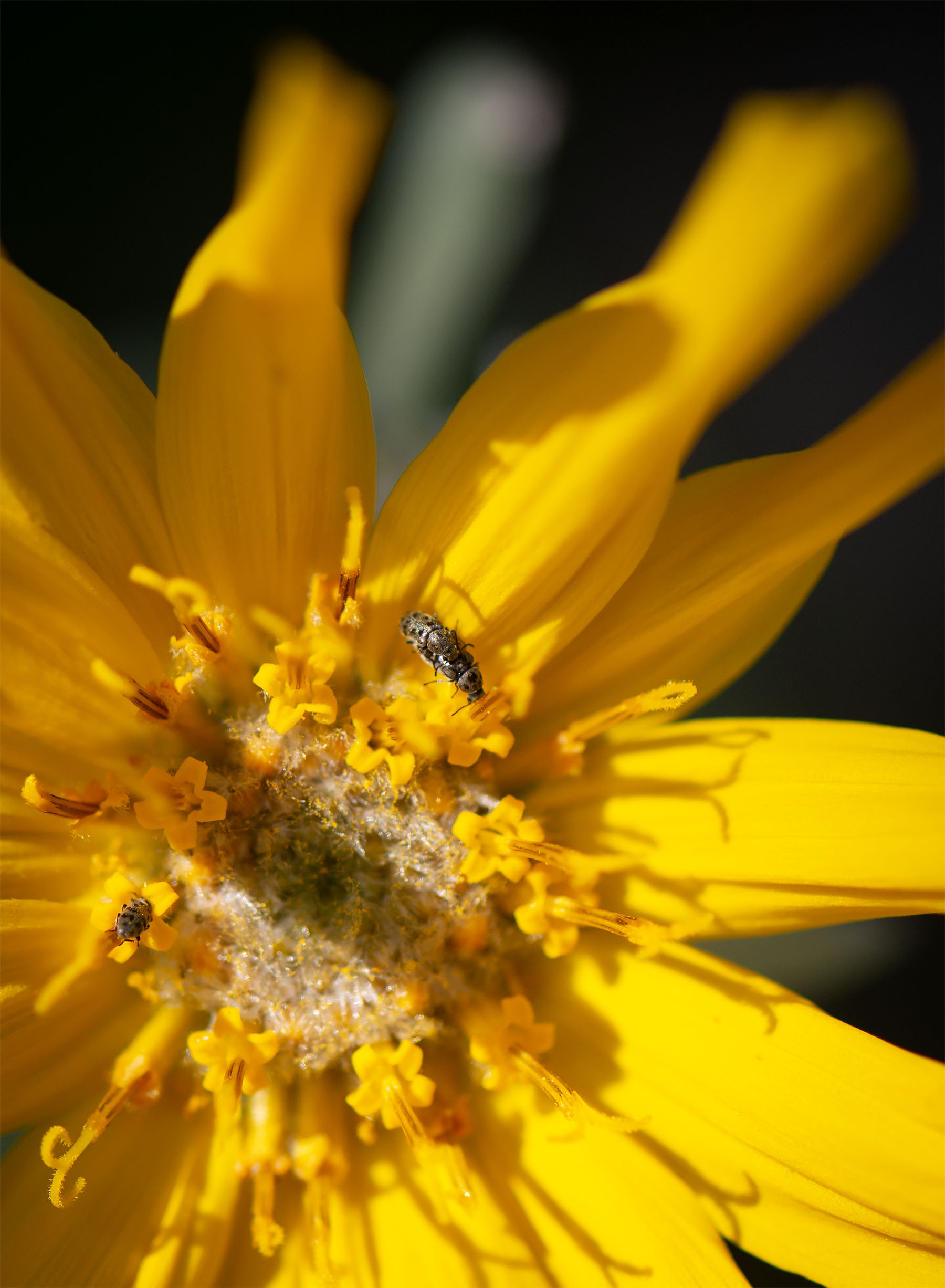
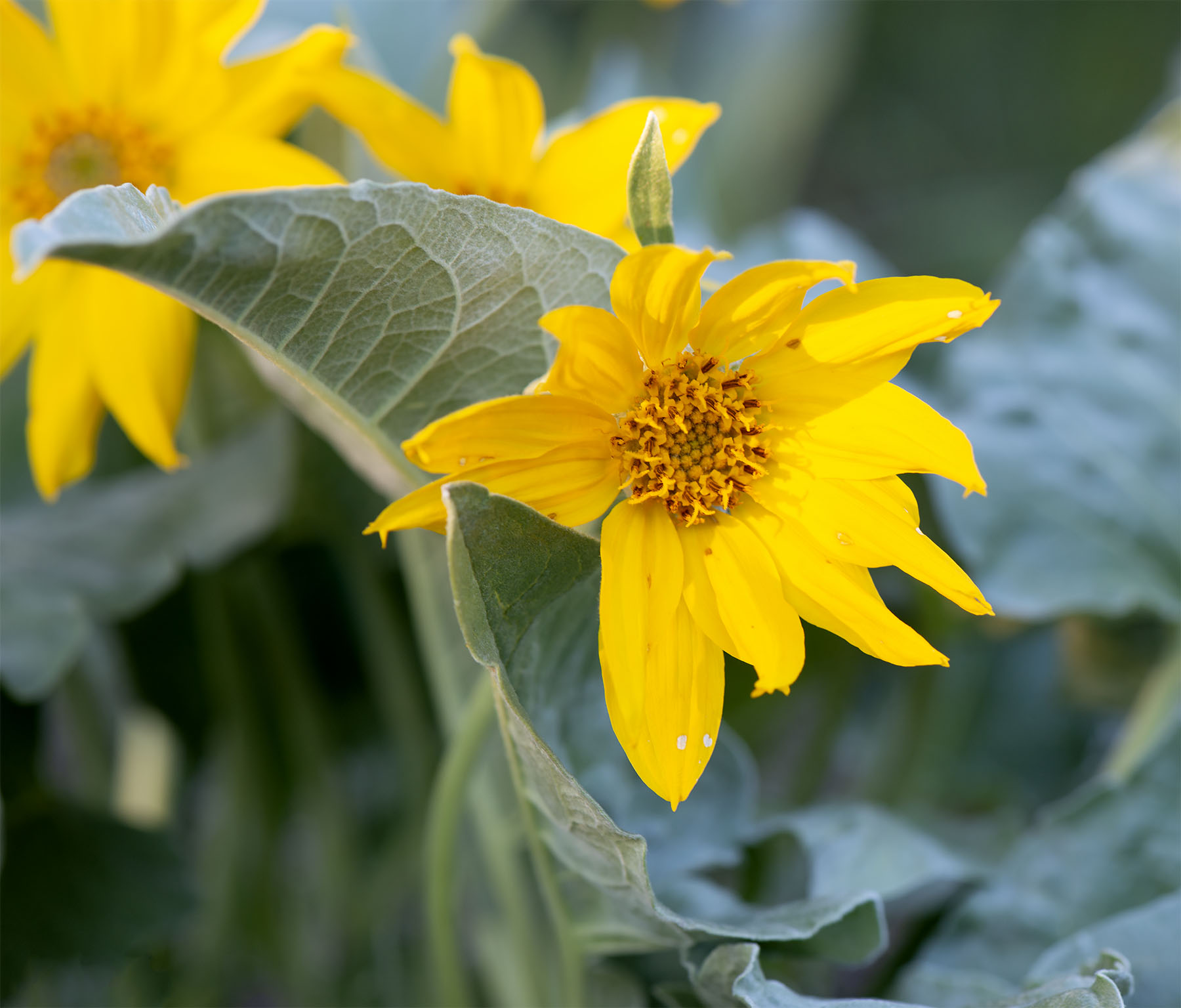
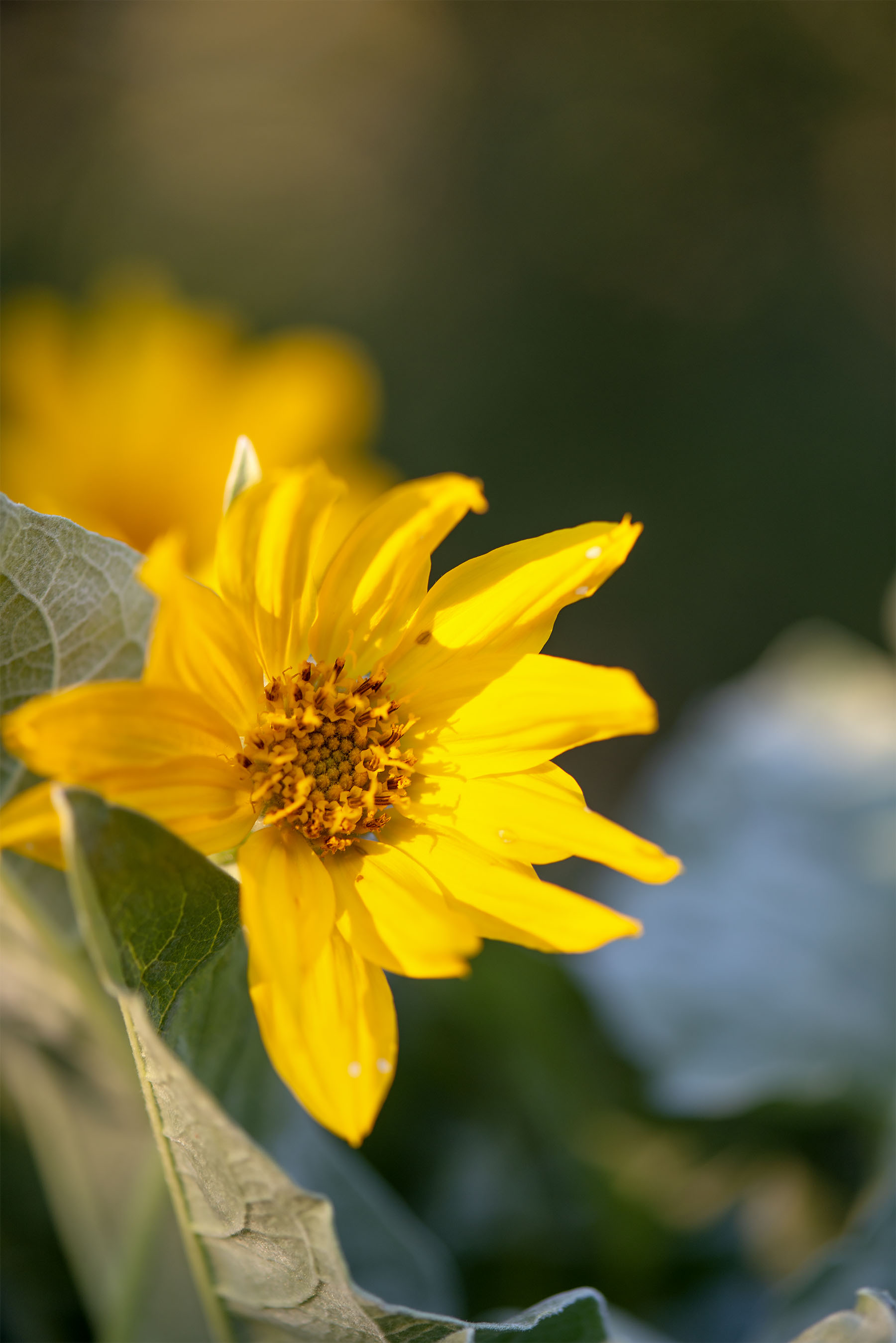
Beautiful in both morning and evening light every part of the plant provided Native Americans with food. The roots were baked or roasted, the flowers and seeds eaten and the root has been used as a coffee substitute.
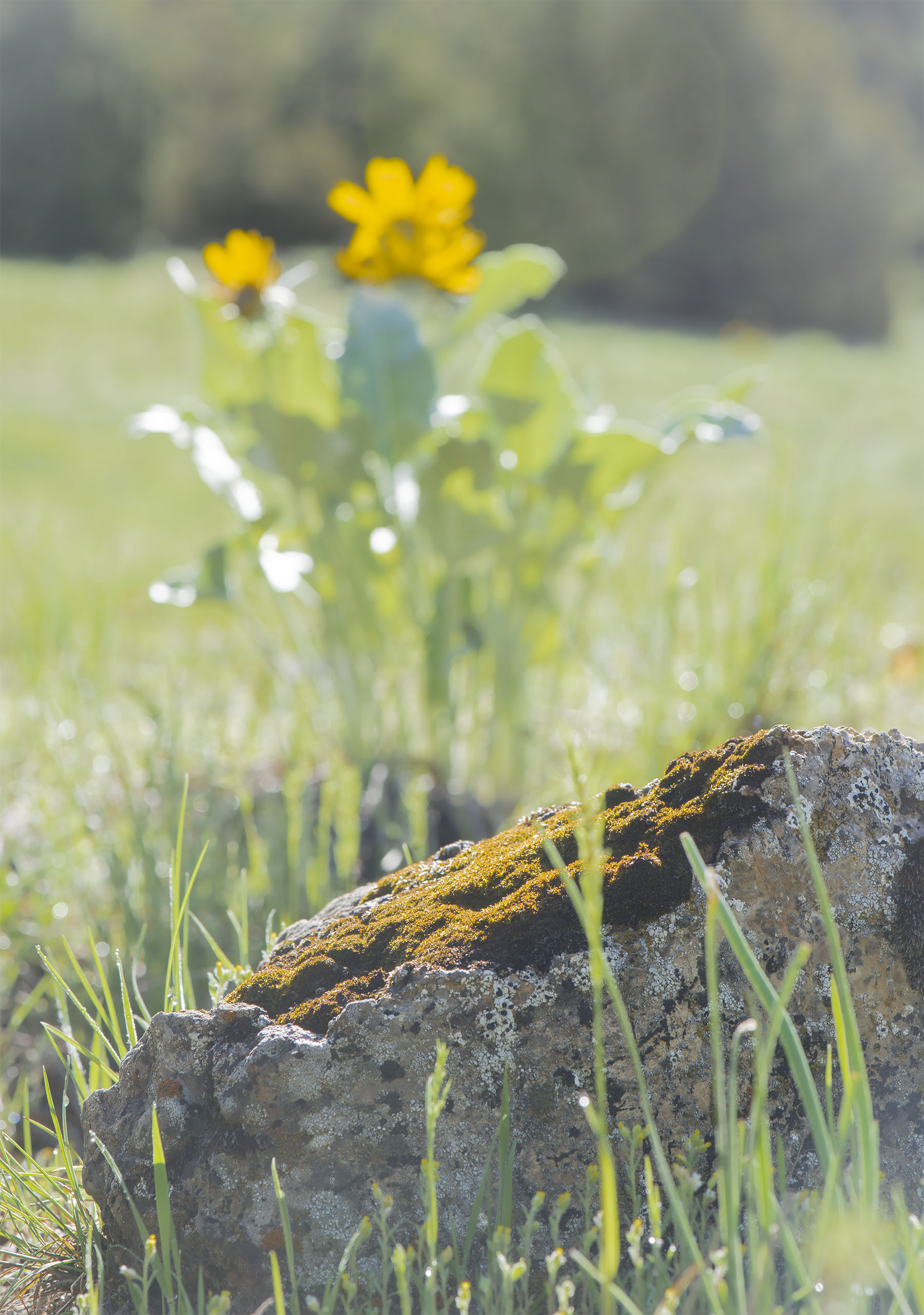
A beautiful spring wildflower indeed giving a nice golden glow to the fields as spring marches on.
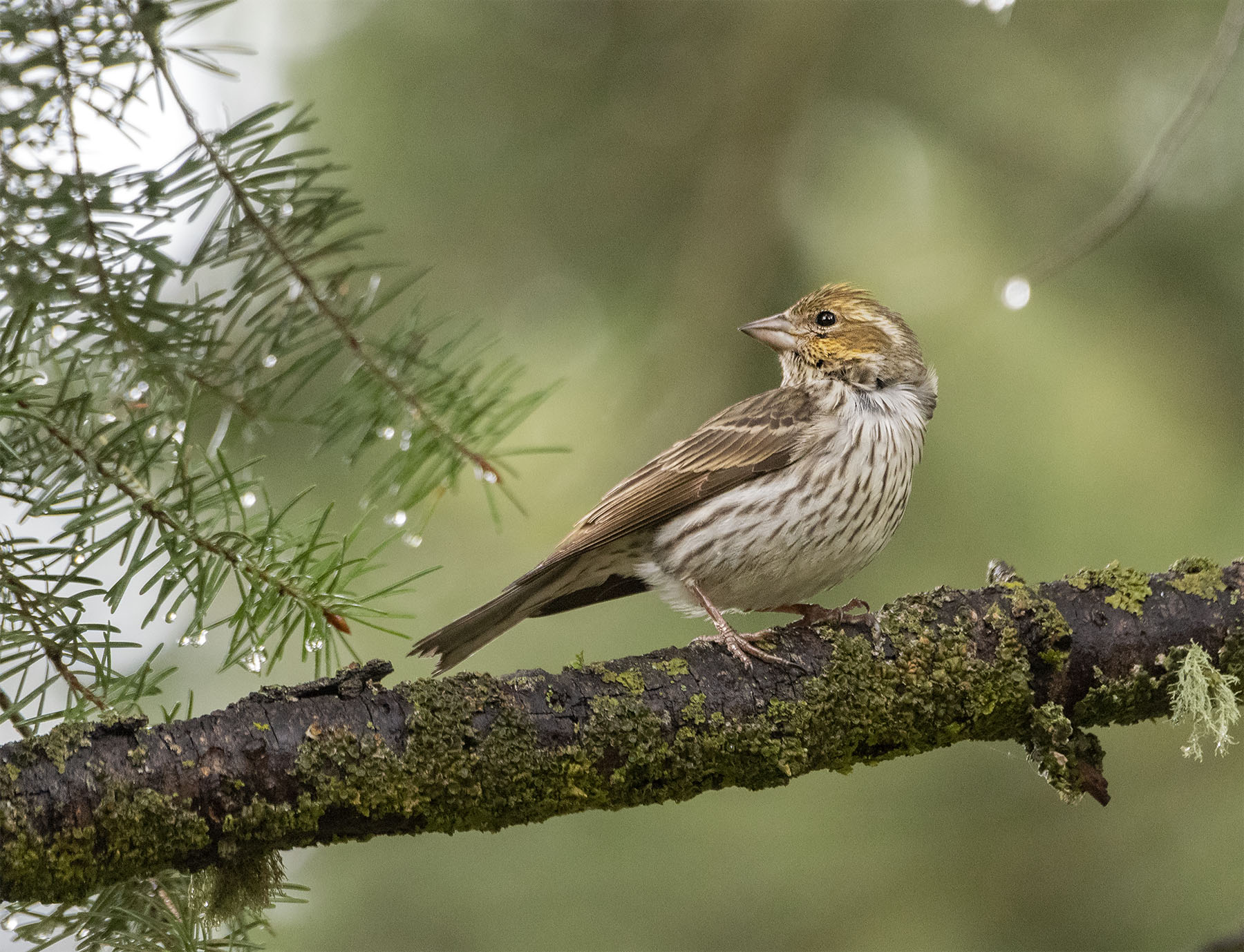
A female Cassin’s Finch finds ample shelter under a large spruce on a recent rain-soaked afternoon.
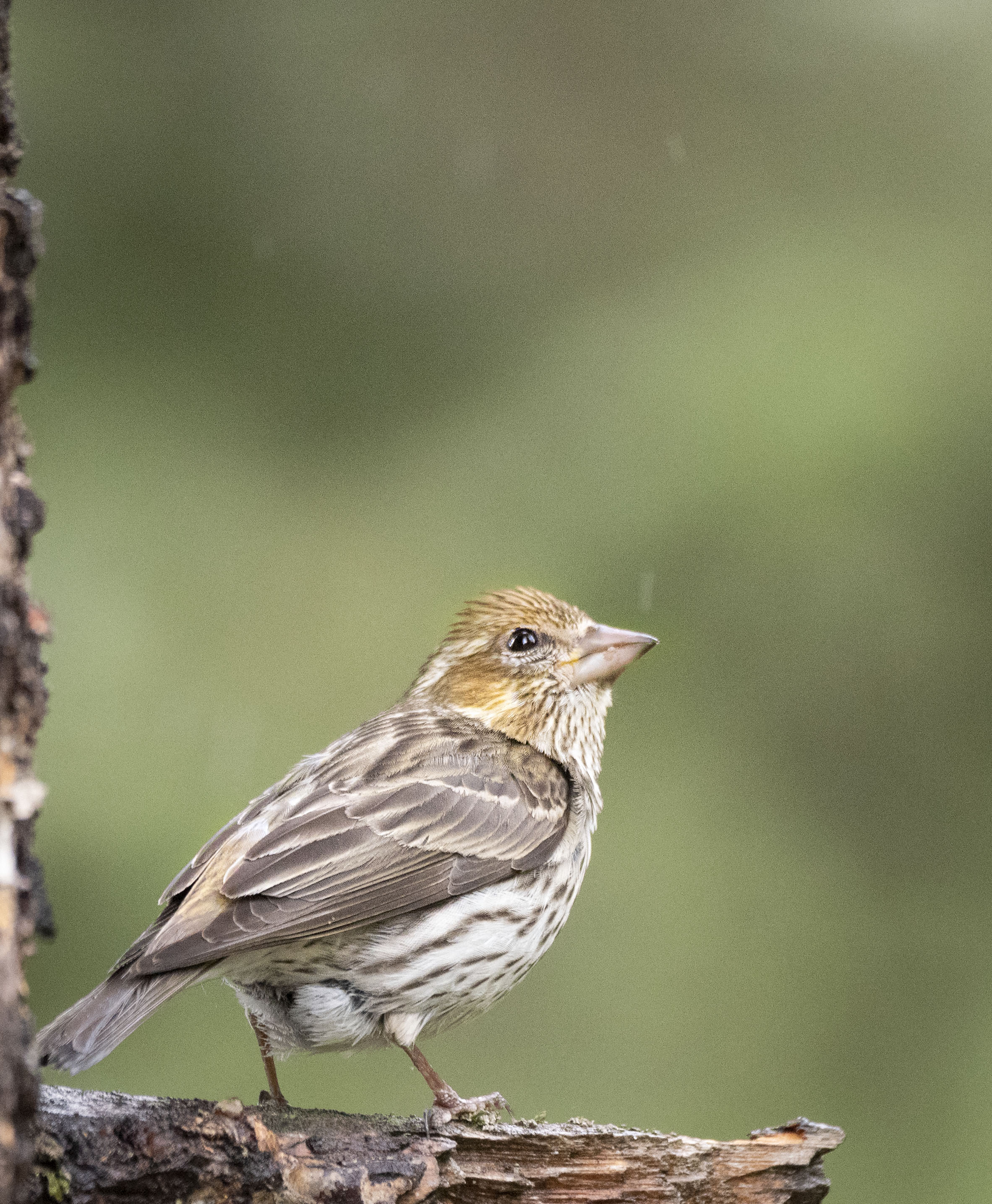
A quick look up and …hey the sky looks lighter to the west.
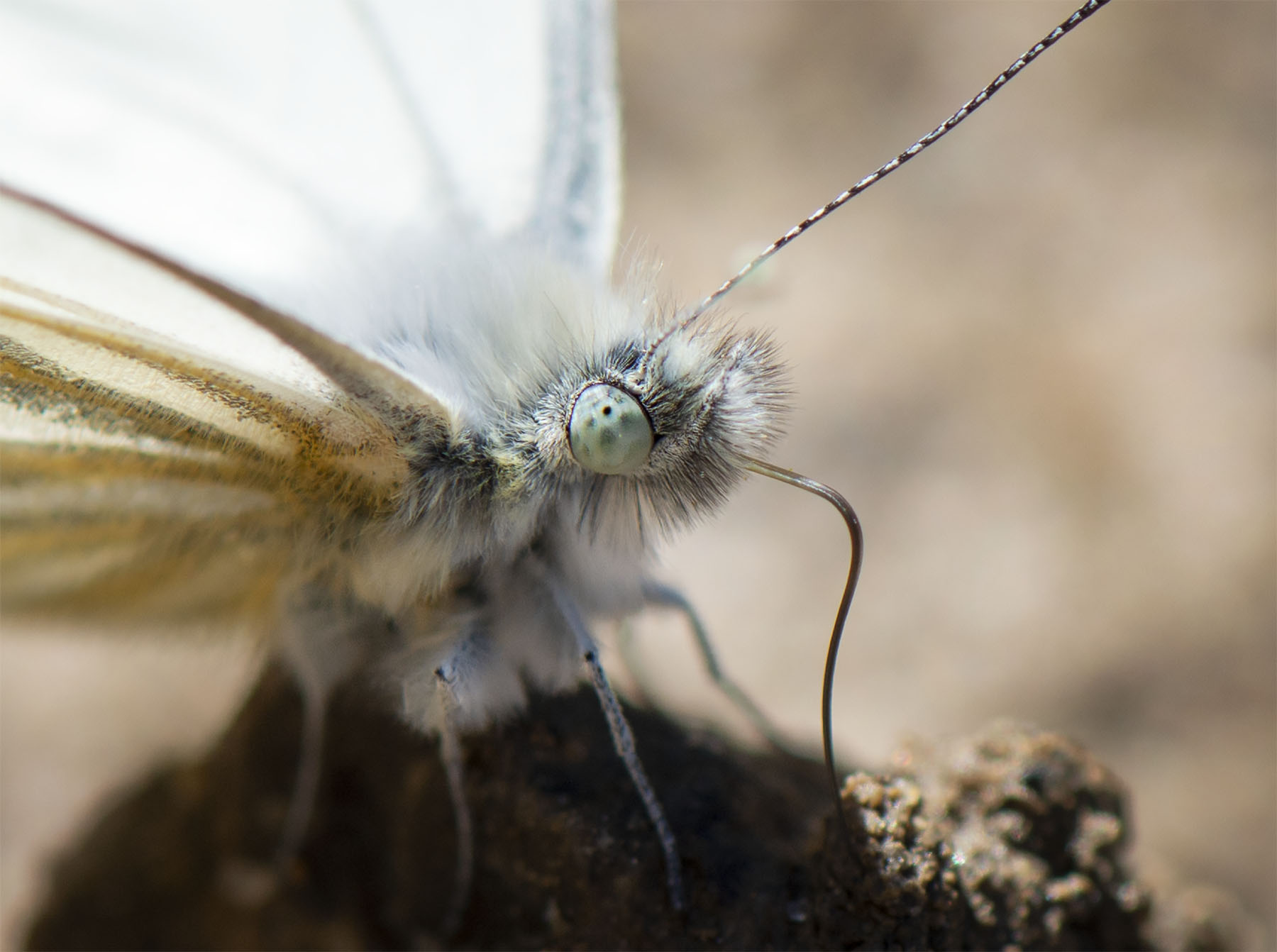
Looks like this little guy could use a shave but that will have to wait until he is done enjoying a nice cool drink.
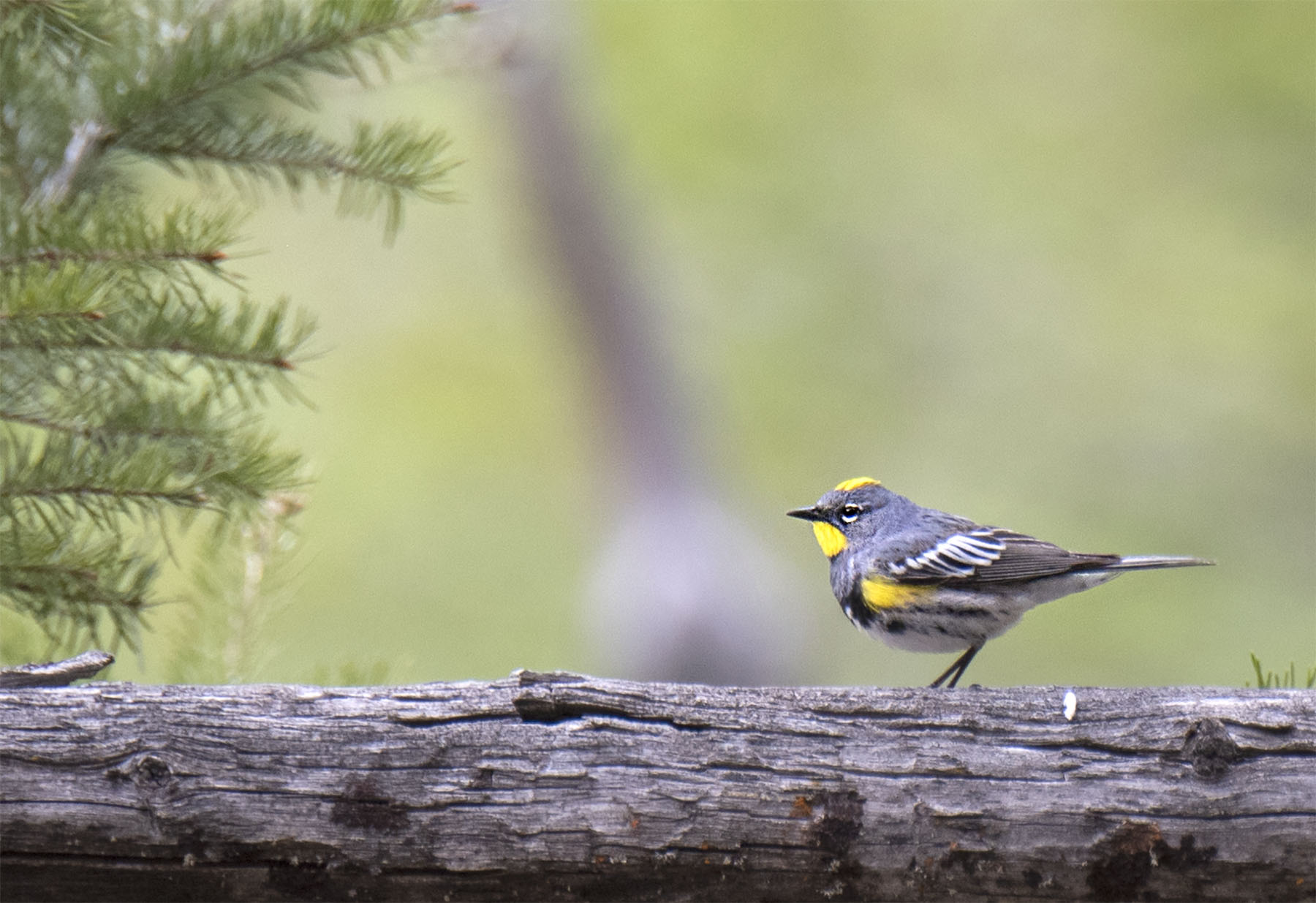
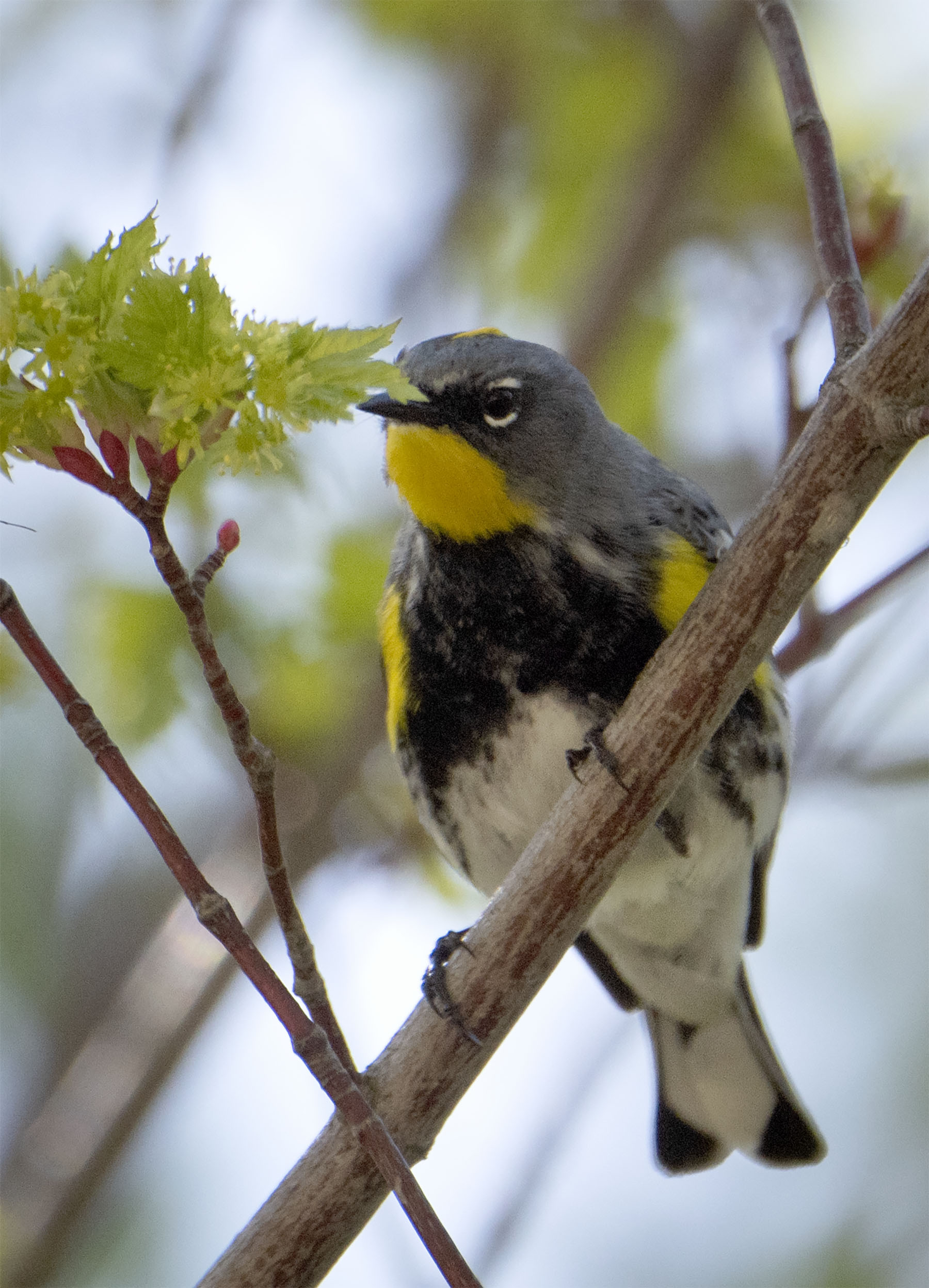
Nothing like the sound and the all to uncommon sight of a male Audobons Warbler on a cool overcast afternoon. All to often this bird spends most of its time up high in the canopy of the spruce trees in our area so it was nice to see him down low that afternoon.

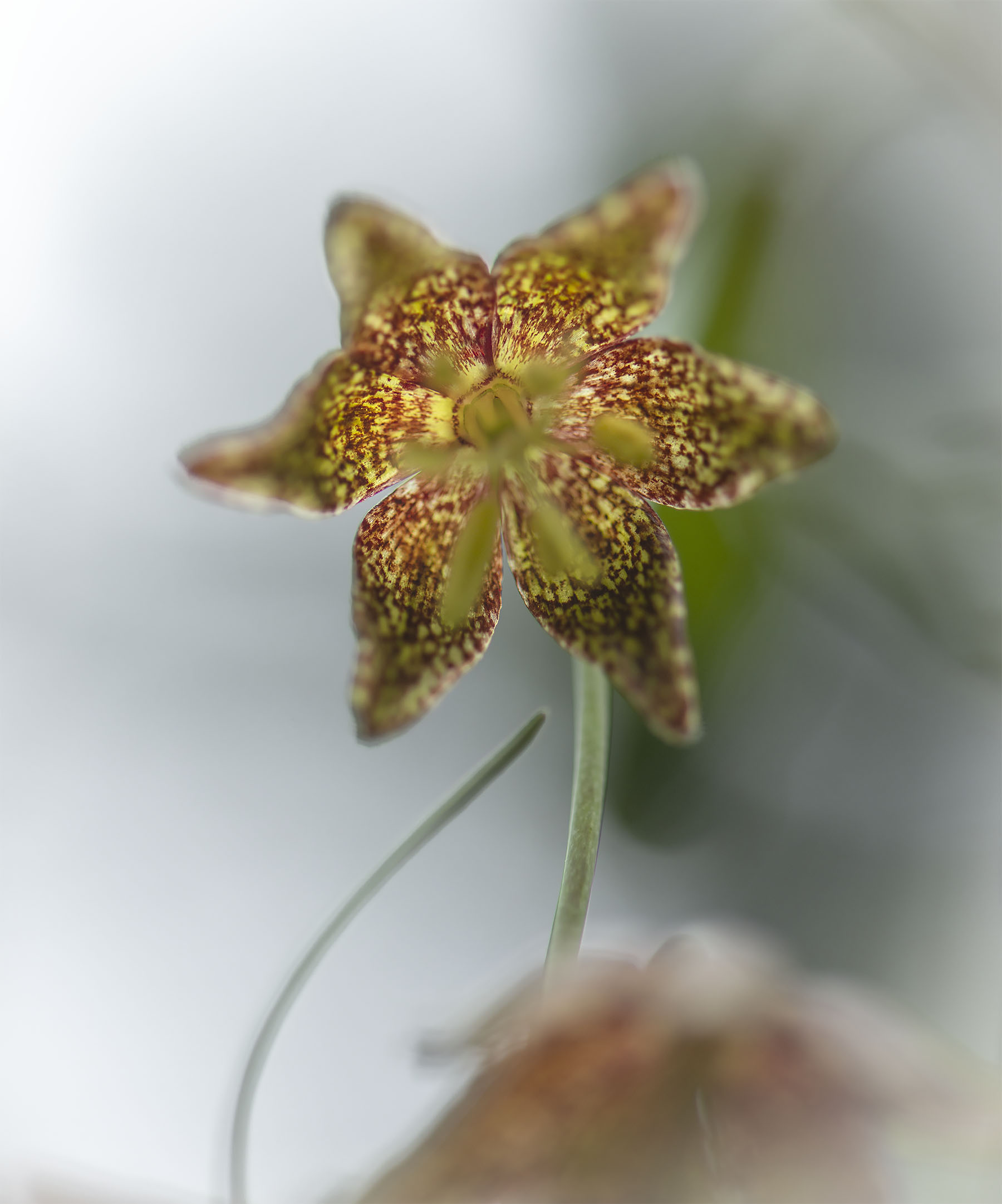
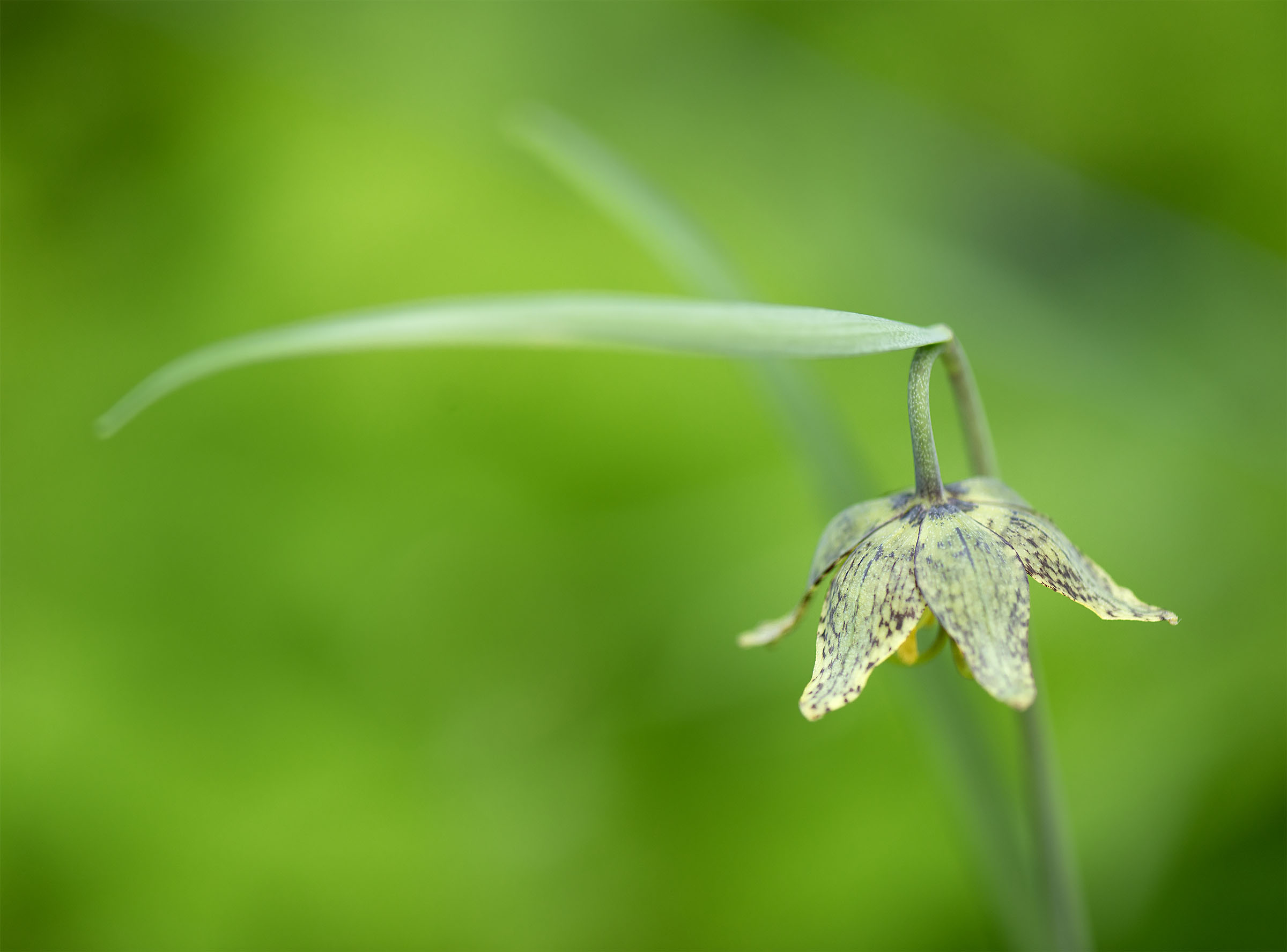
This year we have been lucky to find several of these wonderful Chocolate Lilies blooming on the trails nearby. I am a bit up in the air as to the specific species as two reliable websites list the chocolate lily as two species one being Fritillaria affinis var. affinis and the other lists the plant as Fritillaria atropurpurea.


The plant is fairly inconspicuous and without the flower not very showy at all. It is a beautiful plant and we were glad to come across it as according to Lady Bird Johnson Wildflower Center database it is one that frequently takes years off from flowering.
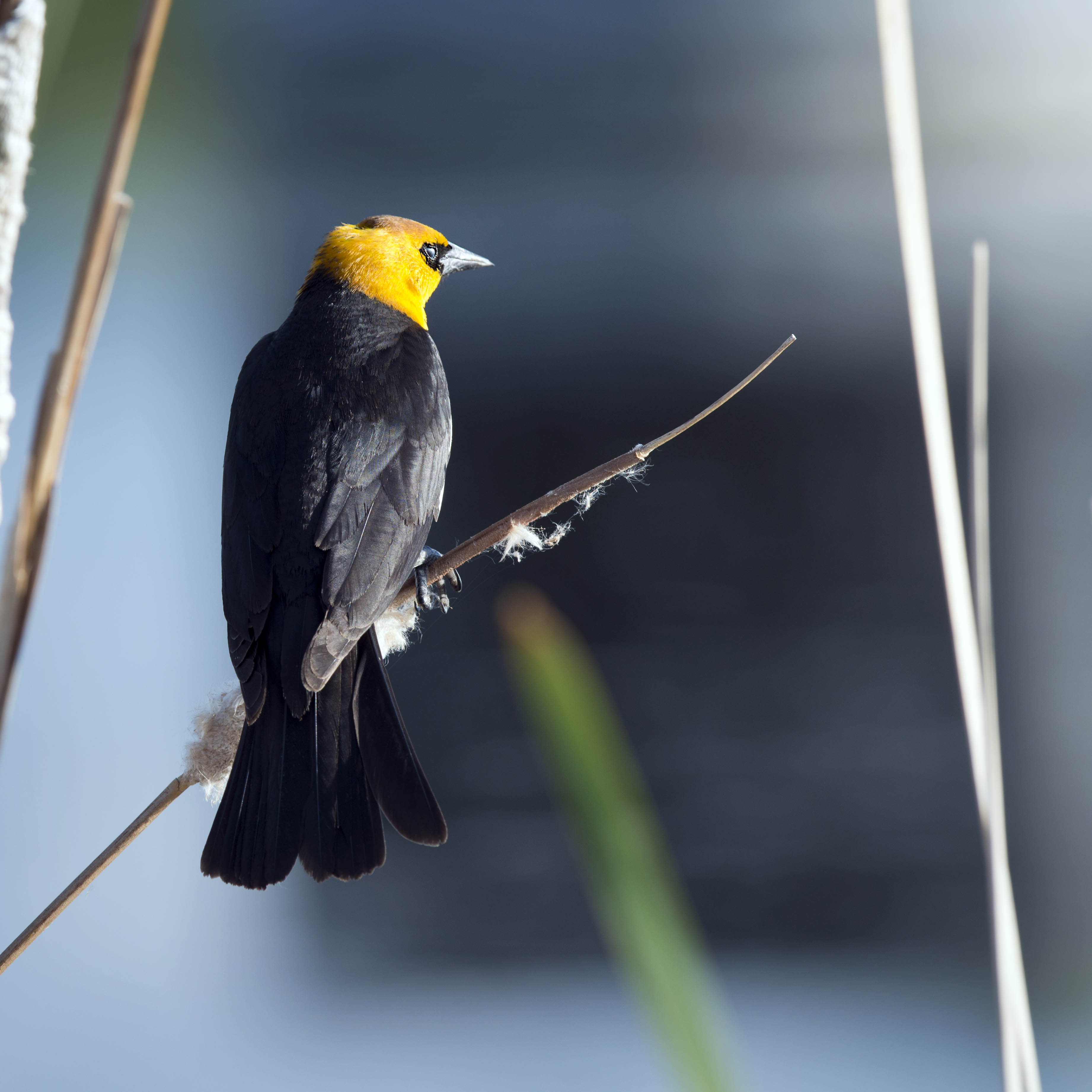
A male Yellow Headed Blackbird enjoying the evening light.
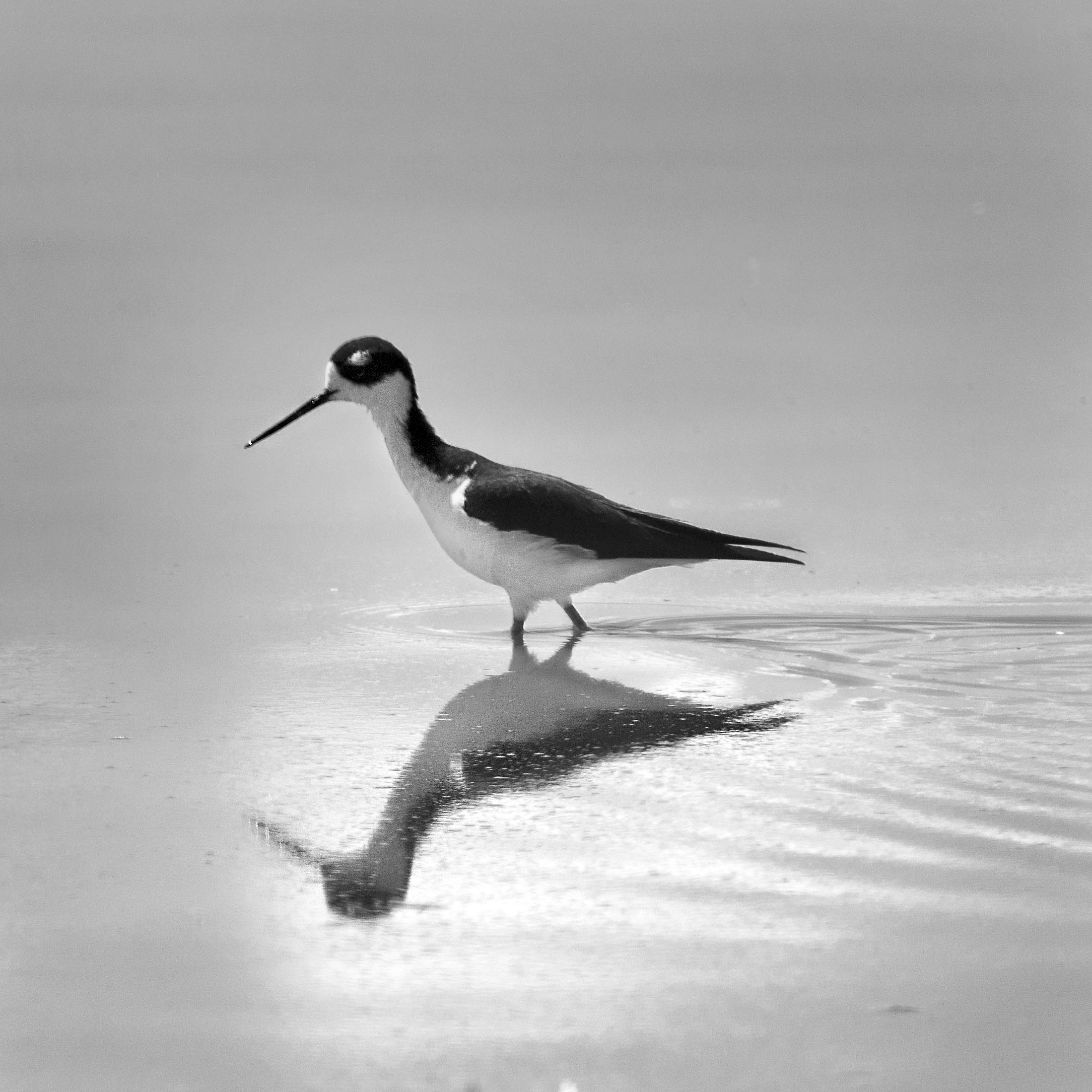
A Black Necked Stilt enjoying some quiet time alone in a temporary pond created by spring rains. Soon the pond will be gone and the Stilt will have moved on.

We have noticed an agile small hawk buzzing around the woods over the last month or so and when we finally got a good look it turned out to likely be this Sharp-shinned Hawk.
These small hawks are very agile fliers and able to ambush their main prey, unfortunately small songbirds, in dense woods. So the next time I see what looks like a hawk streak by in the woodlands nearby I’ll have a good idea who it is.


You must be logged in to post a comment.