One nut at a time

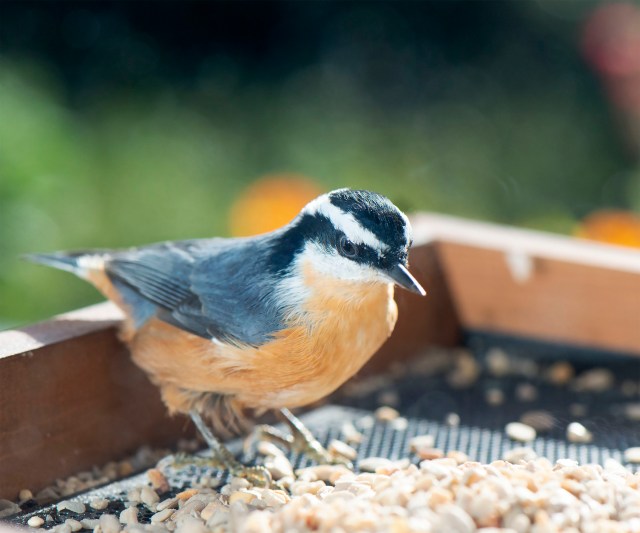
RBNM_2904

Working their way through a pile of sunflower seed one nut at a time. We love having the Red Breasted Nuthatches around as company. By mid-October  most of the migrating species have flown the coop for warmer climates but these little guys stick around all year long. Everything about them from their song to their perky behavior helps to brighten even the cloudiest day.

Sights and sounds

gloden_glow

The golden glow of the Aspens in the morning light.
Two chickadees singing a-dee-dee-dee with a nuthatch honking as the leaves rustle in the breeze.
The crows gurgling and woodpeckers pecking in the distance.
Sights and sounds of the forest on a morning hike.

October Robin

Fall_robin_1

An American Robin Enjoying the fall light in a forest of mixed colors. We have tons of Robing in our area in the spring and early summer and as the young fledge they are absent until Autumn begins. Glad to see they have returned.

Three billion birds.

The findings of a study published yesterday in the Journal Science demonstrate that North America has lost 30% of it’s birds population since 1970. The authors of this study suggest that this loss of almost 3 billion birds is like a canary in the coal mine and conclude their abstract with the statement “This loss of bird abundance signals an urgent need to address threats to avert future avifaunal collapse and associated loss of ecosystem integrity, function and services.”

National Geographic summarizes the Science article well touching on the reasons why bird populations are in decline and why birds matter. 

Habitat loss in the name of development another example of a fools progress.

Another strip mine, another strip mall.  The human population is striping the planet bare. Time to take action and make sure your local governmental representatives at all levels work to protect habitat, the environment and the future of every species that inhabit the planet.

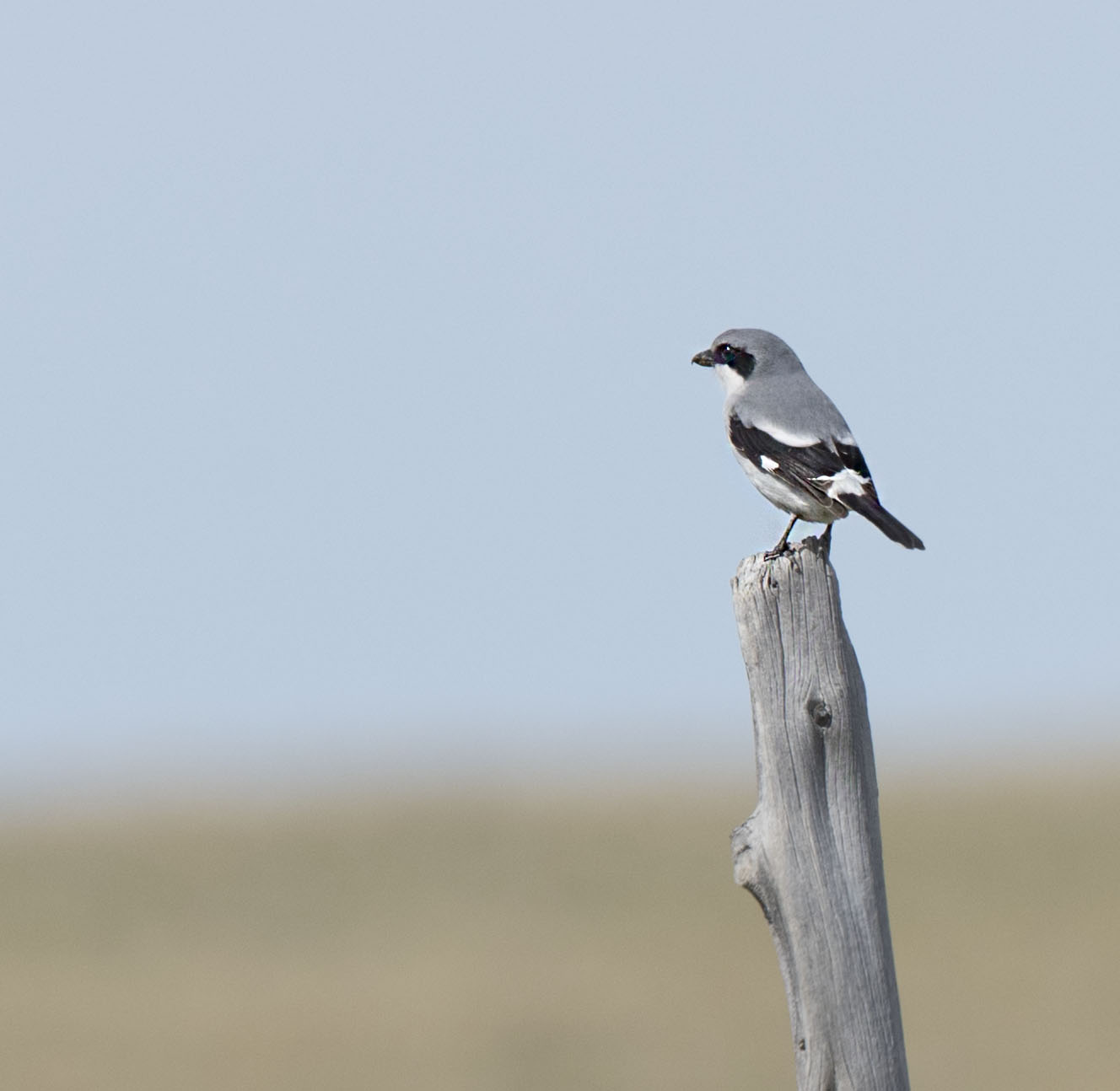
Loggerhead Shrike

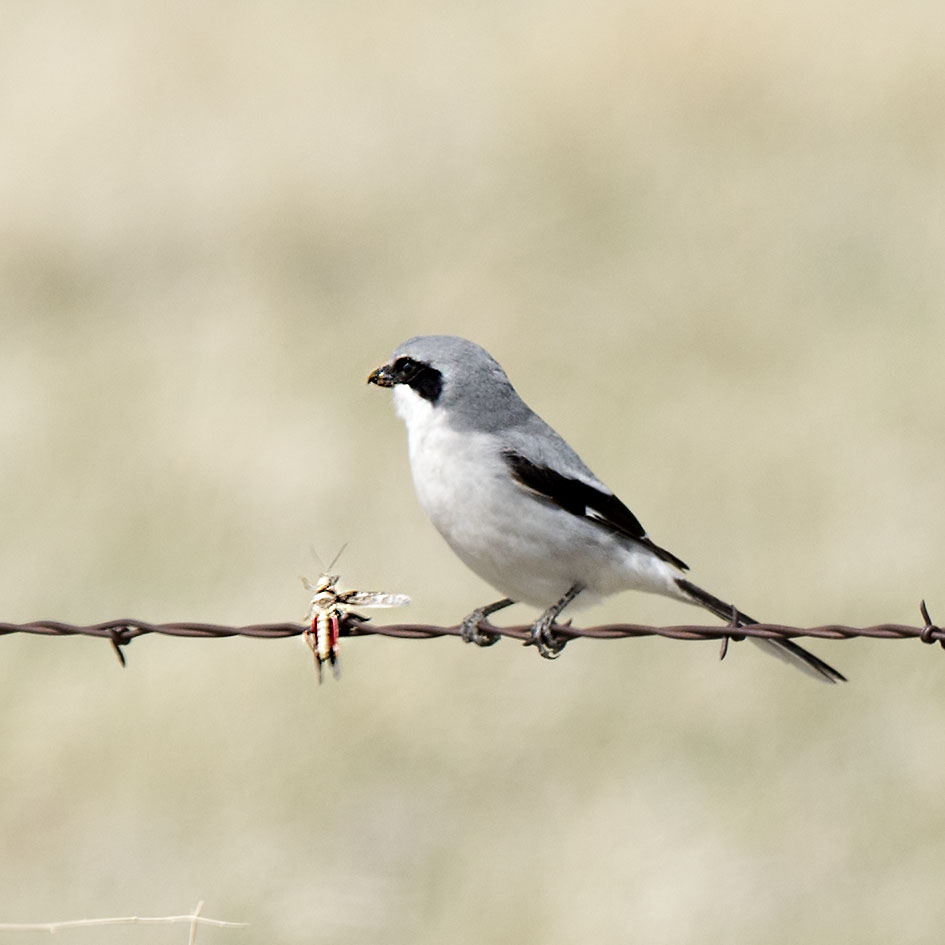
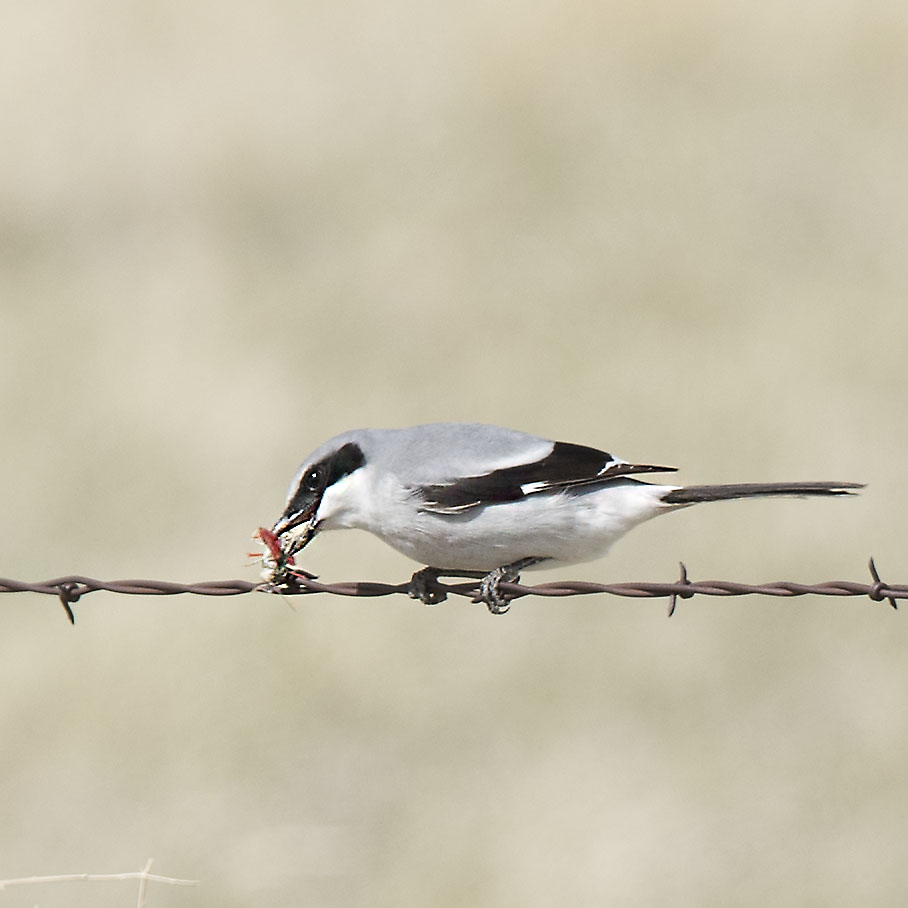
Sitting on a fence post looking for his next victim is a Loggerhead Shrike. “These birds sit on low, exposed perches and scan for rodents, lizards, birds, and insects. They eat smaller prey (such as ground beetles) right away, but they are famous for impaling larger items on thorns or barbed wire to be eaten later. The species often hovers. When flying it uses bursts of very rapid wingbeats.”

https://www.allaboutbirds.org/guide/Loggerhead_Shrike/id

This time the victim was a large Grasshopper.

Which the Shrike Caught and them impailed on this barbed wire fence.

The Shrike let the Grasshopper be for a minute but quickly went to town on his meal.

Laramie, WY.