Discoveries

Our world is vast and much is still to be discovered and described by science.

A recent article published in Science Daily reports on the discovery of 71 new species by researchers at the California Academy of Sciences in 2019. The article provides a nice overview of the species discovered and includes the following quote remaining us that there is much work to do to identify what we have on this wonderful planet. A nice short read if you can find the time.

“Despite decades of tirelessly scouring some of the most familiar and remote places on Earth,” says Shannon Bennett, PhD, and Academy Chief of Science, “biodiversity scientists estimate that more than 90% of nature’s species remain unknown. A rich diversity of plants and animals is what allows life on our planet to thrive: the interconnectedness of all living systems provides collective resilience in the face of our climate crisis. Each newly discovered species serves as an important reminder of the critical role we play in better understanding and preserving these precious ecosystems.”

References:

1.California Academy of Sciences. (2019, December 5). Scientists at the California Academy of Sciences describe 71 new species in 2019. ScienceDaily. Retrieved December 10, 2019 from http://www.sciencedaily.com/releases/2019/12/191205155818.htm

And just for fun a smattering of those species we already know.

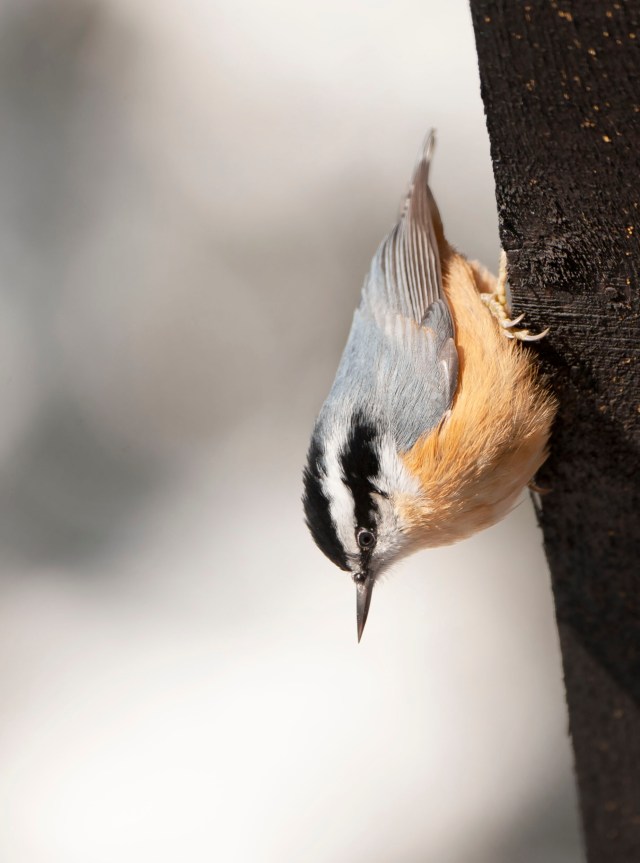
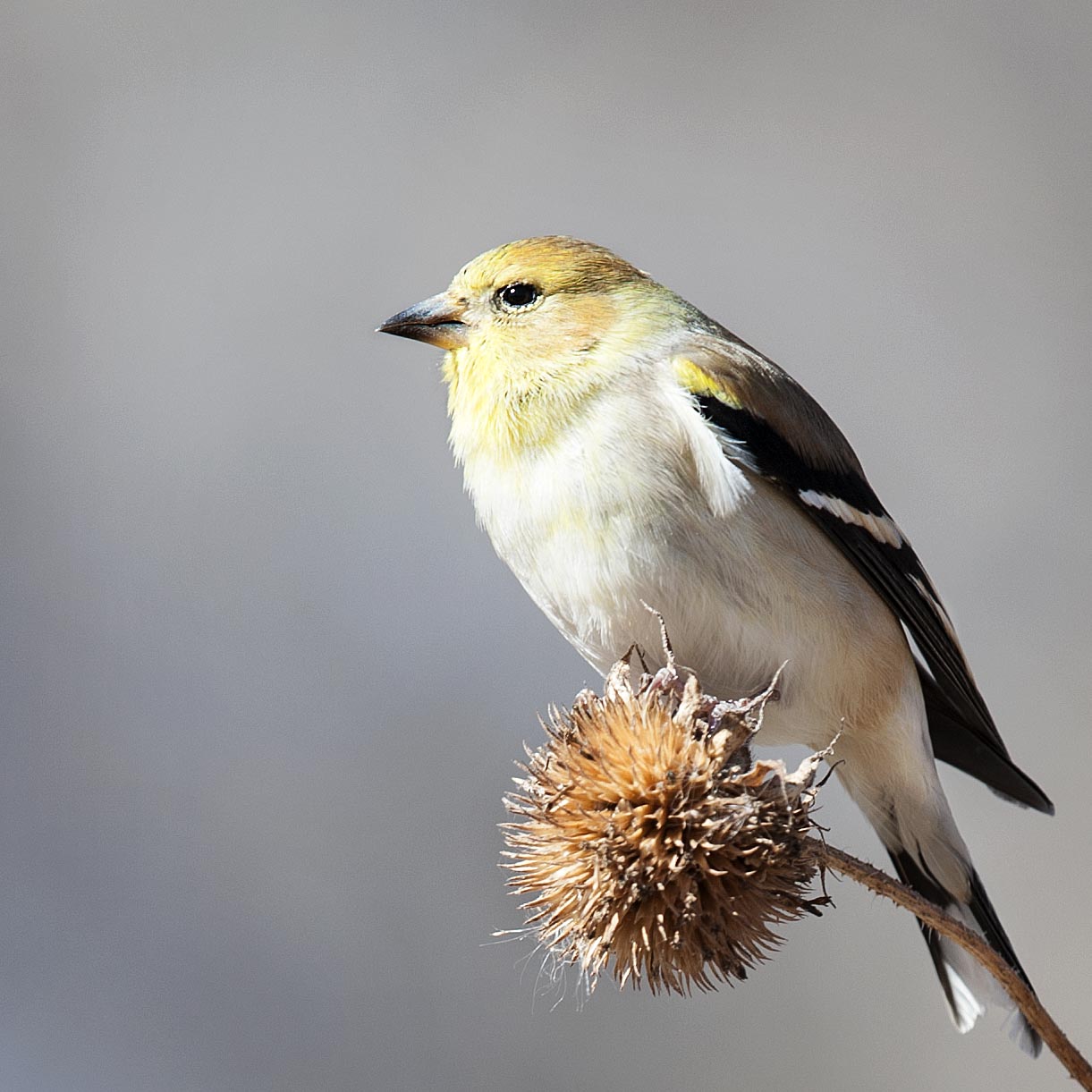
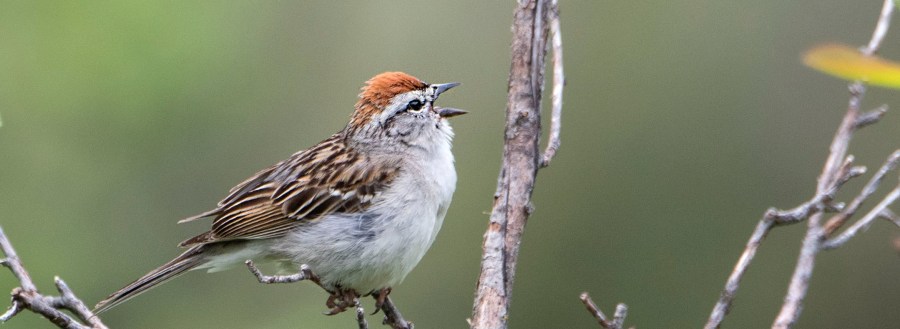
Song birds are shrinking

Bergmann’s rule posits that populations and species of larger sizes are found in colder regions while in warmer regions species are smaller.

A study published yesterday in the Journal Ecology Letters reports that over the pervious four decades there has been, on average, a 2.4 percent decrease in the size of the length of the tarsus bone, a standard marker for bird size,  in a sample population of over 70,000 birds from 52 species. The changes in tarsus length were correlated with the increase temperature. The lead authors of the study suggested two explanations for the decrease in body size.

“The first is developmental plasticity, in which individuals that mature in warmer temperatures tend to develop into smaller adults,” Weeks explained. “The second is natural selection, in which smaller birds tend to do better — in survival, reproduction, or both — in warmer temperatures, leading to a shift in the average size of individuals in a population.”

In addition, the study found consistent increases in the wing length of 1.3 percent in 40 of the species. The reason for in increase in wing length is unclear  but the authors hypothesized that increasing wing length may represent a compensatory adaptation to maintain migration as reductions in body size have increased the metabolic cost of flight. Like many of the consequences of climate change, the changes measured in bird size, are not perceptible to the naked eye.

There is a good summary of the study here by the Audubon society.

Click any image for slide show.


Beauty

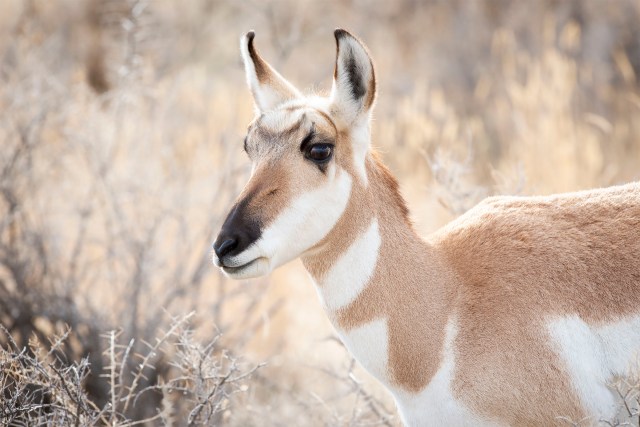
Pronhorn_231456

She’s a beauty don’t you think?

There is just something special, call it perfection if yo will,  about how pronghorn fit in so well with the dry fall grasses in their habitat. A beauty that is laid bare and obvious. A beauty in nature’s design. A beauty we could perhaps call truth.


Seeking Solutions: A global deal for nature

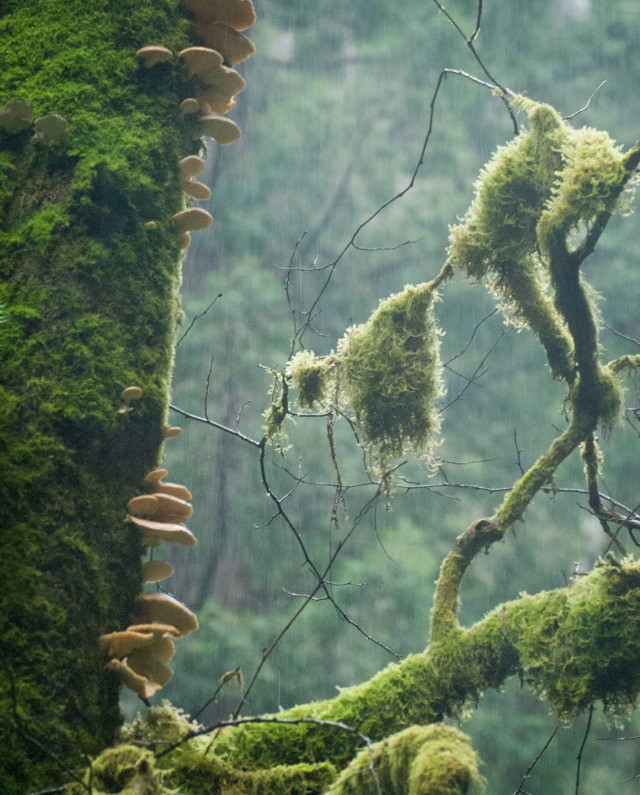
Wet_23

As humanity marches on seemingly ignorant, yet keenly aware, the earths climate continues to warm faster than predicted and the sixth-extinction event picks up momentum like a snowball rolling down hill one group of scientists recently published a paper titled “A Global Deal For Nature: Guiding principles, milestones, and targets” in the journal Science Advances proposing a solution to put a halt to our global crises.  In this paper the authors make the case that:

 “the most logical path to avoid the approaching crisis is maintaining and restoring at least 50% of the Earth’s land area as intact natural ecosystems, in combination with energy transition measures.”

The authors clearly state that measures to protect ecosystems, biodiversity and any aversion or mitigation of anthropogenic climate change is a time bound matter and action must come sooner than later.

The paper lists five major goals of the project:

(1) represent all native ecosystem types and successional stages across their natural range of variation—or “representation”

(2) maintain viable populations of all native species in natural patterns of abundance and distribution—or “saving species”

(3) maintain ecological function and ecosystem services

(4) maximize carbon sequestration by natural ecosystems

(5) address environmental change to maintain evolutionary processes and adapt to the impacts of climate change 

In addition the paper gives clear scientific evidence for their proposal and priorities that include: protecting biodiversity, mitigating climate change and reducing future threats. This is a well presented paper and one clearly worth reading.

A short article summarizing the project can be found here and is a good jumping off point prior to reading the whole study. It’s a beautiful world and diverse world and something too important to loose.

Click image to view slideshow.

References:
1) A Global Deal For Nature: Guiding principles, milestones, and targets.


The Fungus Among Us

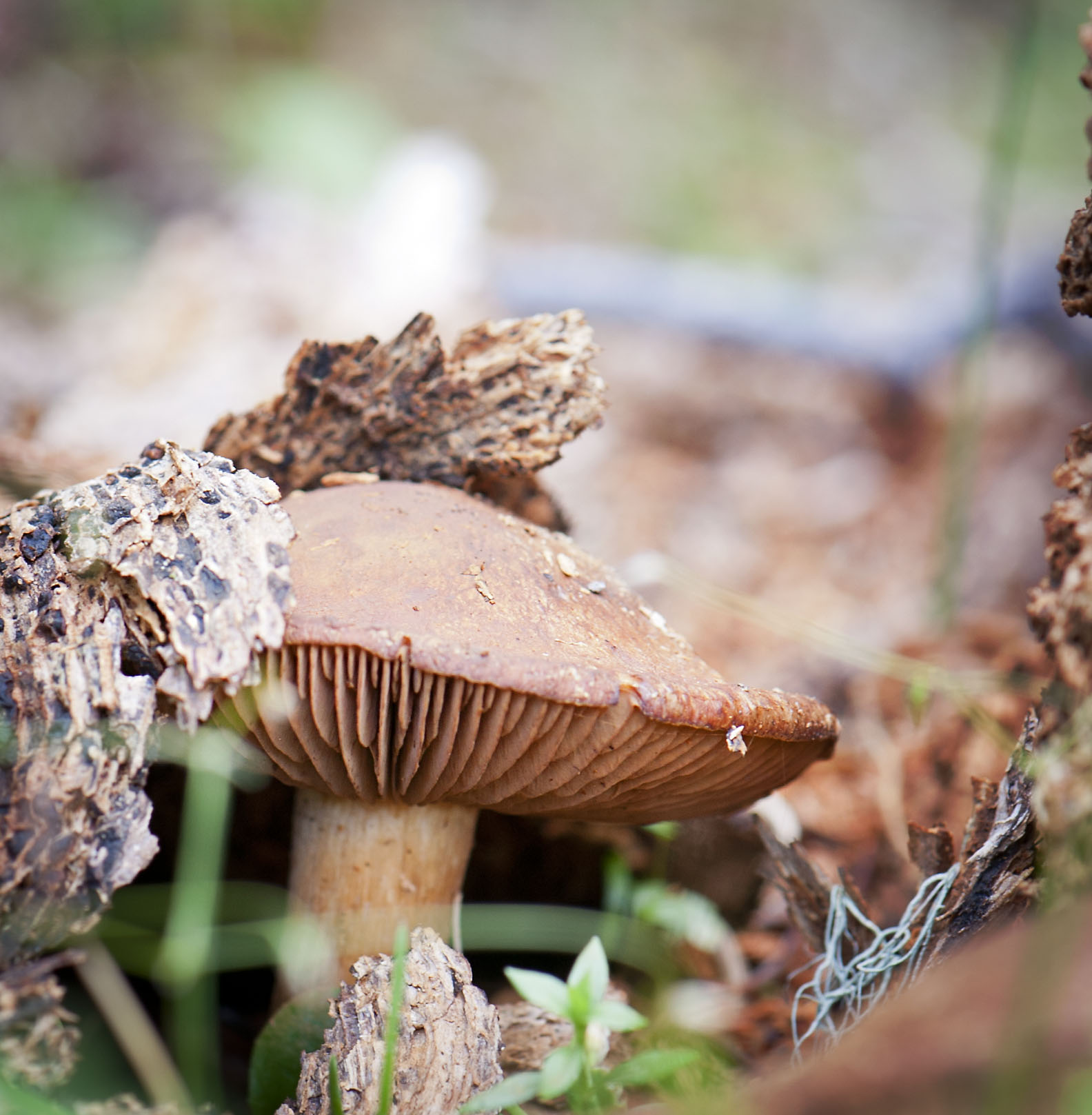
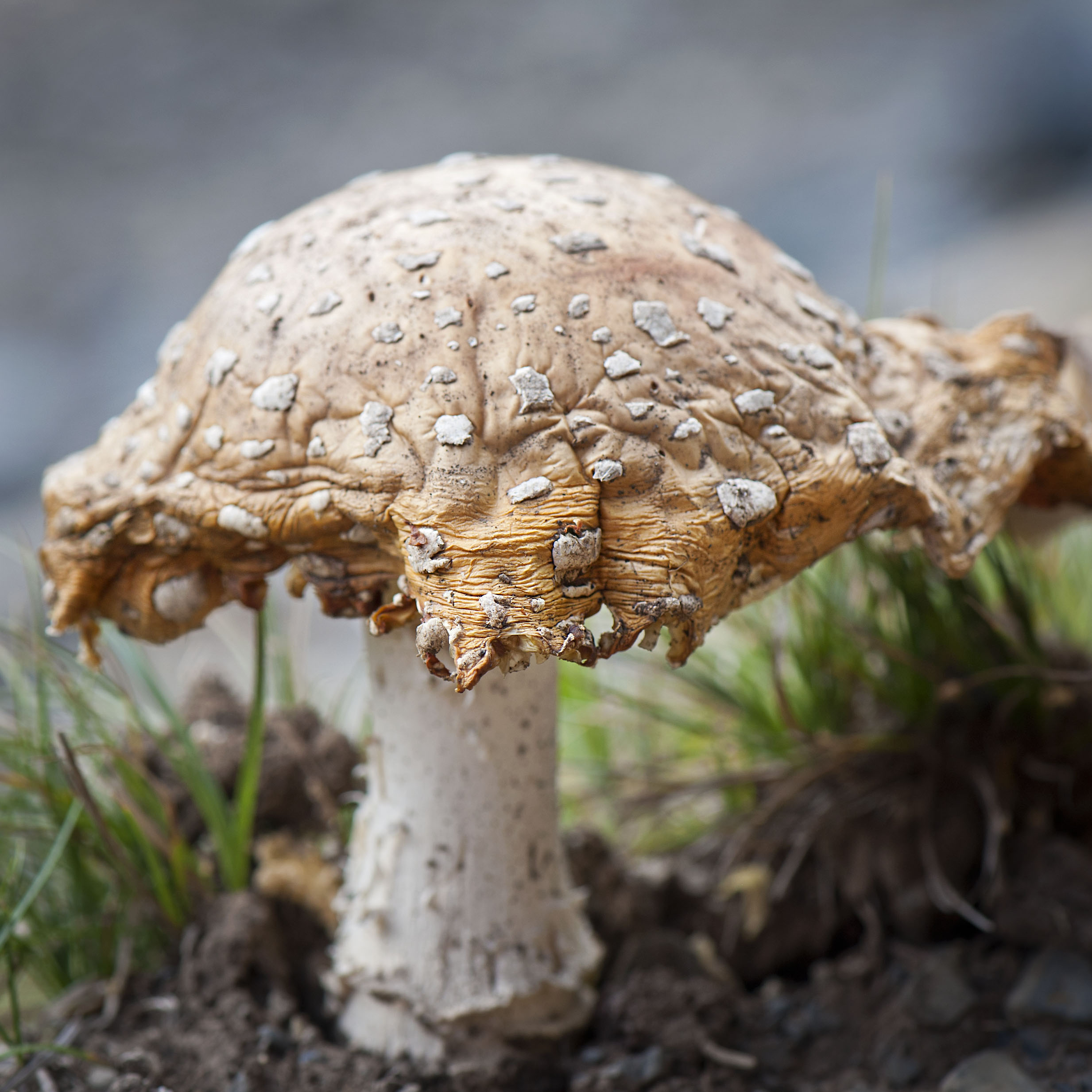
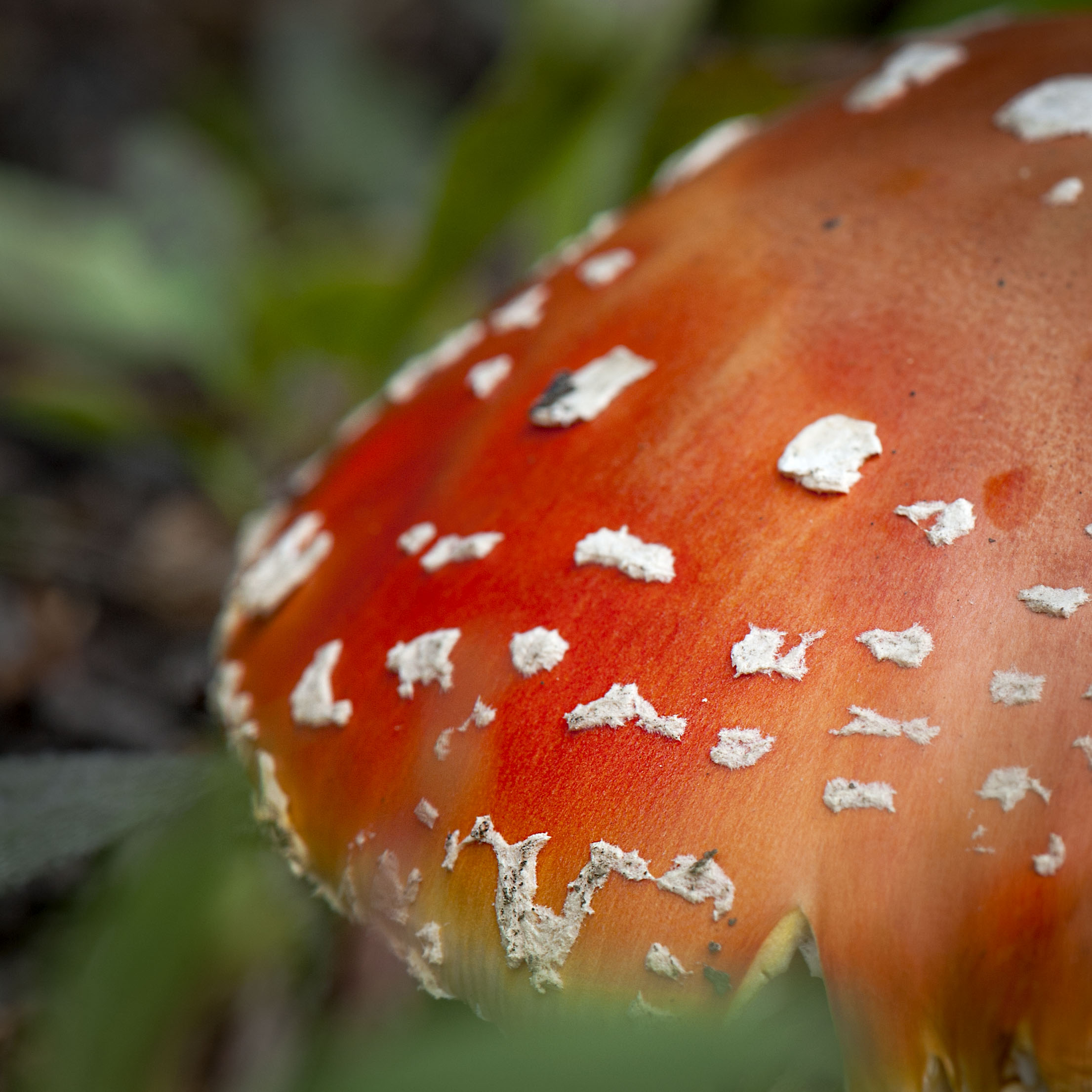
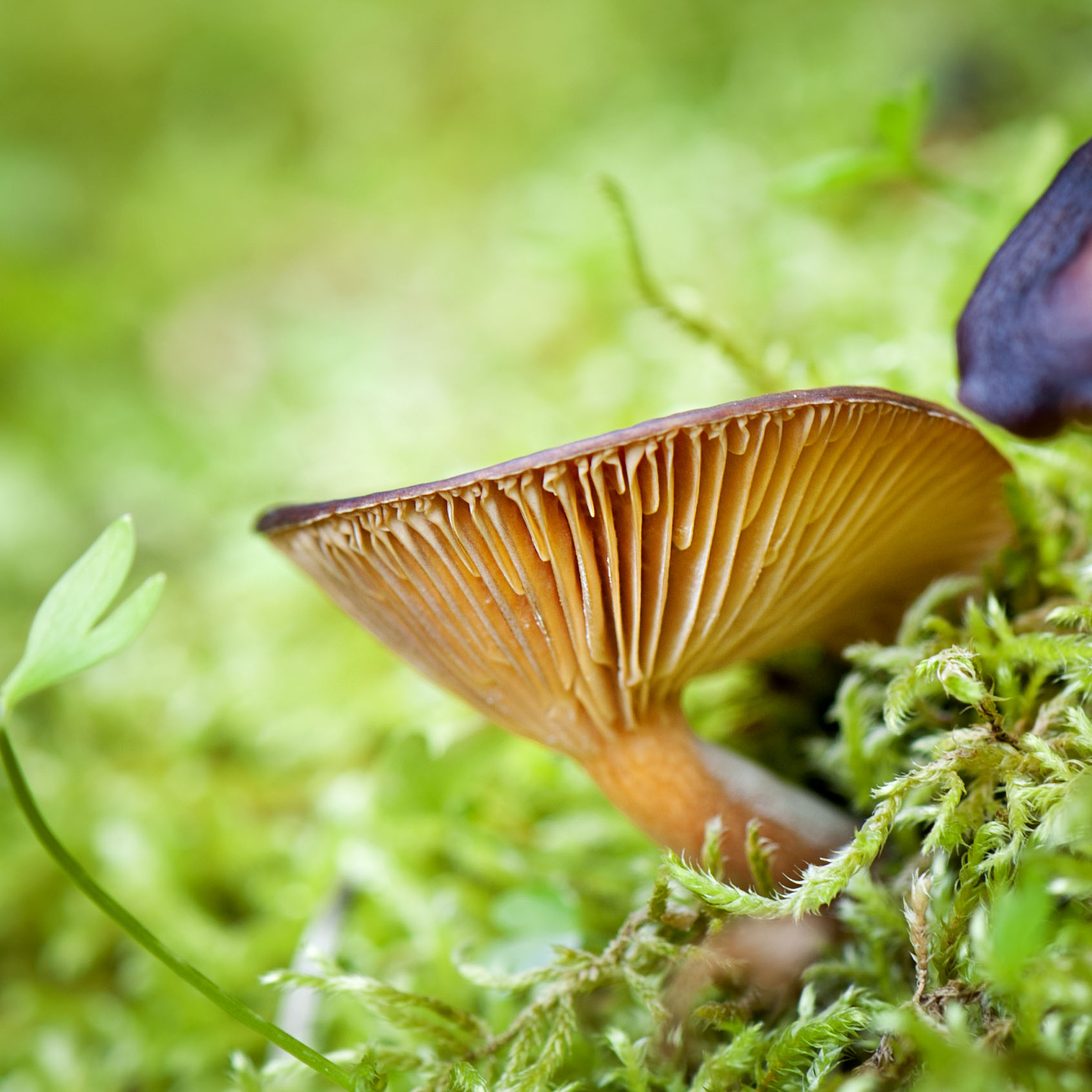
I have always found mushrooms fascinating life forms. Not plant, not animal yet vitally important for the health of both plants and animals. However, they are a bugger to photograph yet I never stop trying.

Paul Stamets wrote a great book on Fungus call “Mycellium Running” and delivered a very interesting TED talk several years ago:

Western Grebe

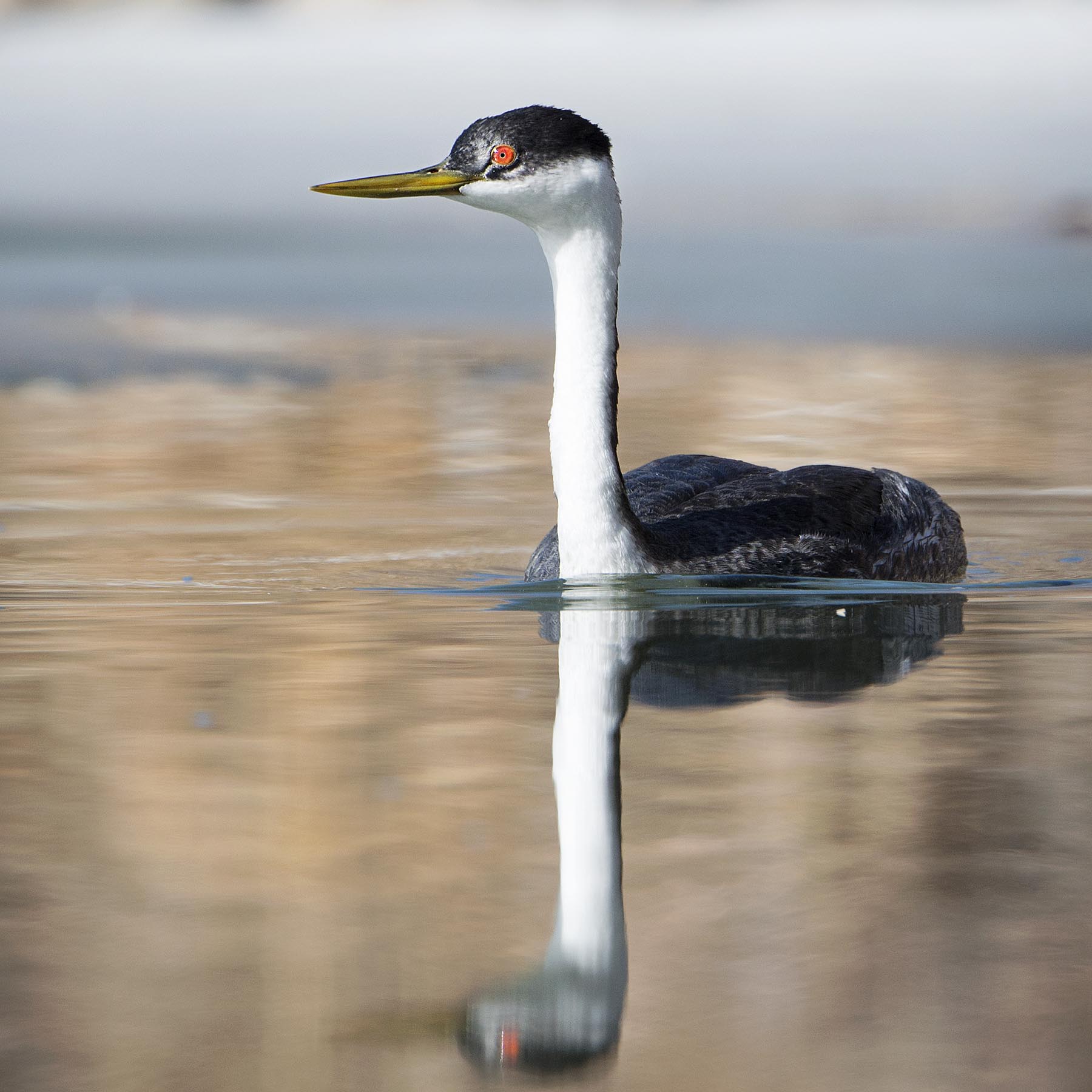
Western_grebbe_1

We usually do not see Grebes on the local pond during winter in our neck of the woods. However, last week, this Western Grebe was swimming in a small section of a local pond that remained unfrozen. Perhaps she if off course in migration and landed here to rest and refuel. Although it was a pleasure to see her, I hope she takes advantage of this weeks thaw to get back on track and is gone the next time I visit this pond.

At what cost?

A recent article presented on CNN titled “The insect apocalypse is coming: Here’s what you can do about it.” reports that up to 41% of insect species may face extinction in the coming decades. A major source for this article was a study authored by Dave Goulson at the University of Sussex in the UK. His report is titled “Insect Declines and Why They Matter.
Dr Goulsons report begins with a statement which will likely hit home to many of you

“In the last fty years, we have reduced the abundance of wildlife on Earth dramatically. Many species that were once common are now scarce. Much attention focusses on declines of large, charismatic animals, but recent evidence suggests that abundance of insects may have fallen by 50% or more since 1970. This is troubling, because insects are vitally important, as food, pollinators and recyclers amongst other things. Perhaps more frightening, most of us have not noticed that anything has changed. Even those of us who can remember the 1970s, and who are interested in nature, can’t accurately remember how many butterflies or bumblebees there were when we were children.”

We all know that insects, like em or leave em, are responsible for pollination of three quarters of our food crops. Thus we can expect to pay dearly if insect populations decline as predicted.

Dr Goulson is not alone in his assessment of the rate of potential insect decline. A review published by Francisco Sánchez-Bayo and Kris A.G.Wyckhuys titled “Worldwide decline of the entomofauna: A review of its drivers” reaches similar conclusions citing habitat loss, pesticide use, invasive species and climate change as primary drives of insect loss.1

Both studies suggest we can do a few things to stem the decline in insect populations like:

1 Plant a garden using plants that attract pollinators like bees and butterflies.

2.Create more insect habitat like a log or brush pile. These attract humble insects and invertebrates like woodlice, which recycle nutrients and act as food for birds and small mammals.

3.Voice your opinion to your local authorities. Push for planting native trees that flower on streets and parks and plant wildflowers in road medians.

4. Avoid using pesticides and encourage your friends, family and local government to do the same.

Besides their role in a functional ecosystem insects are darn cool to observe and photograph as well. At what cost we will begin see the beauty of life on earth.

Click on any photo to play slide show.

Reference:
1.https://doi.org/10.1016/j.biocon.2019.01.020

A few links on creating a pollinator friendly garden. Yes we are going into winter but it’s never too early to think about next years garden.

https://www.fws.gov/midwest/news/PollinatorGarden.html
https://www.fs.fed.us/wildflowers/pollinators/gardening.shtml