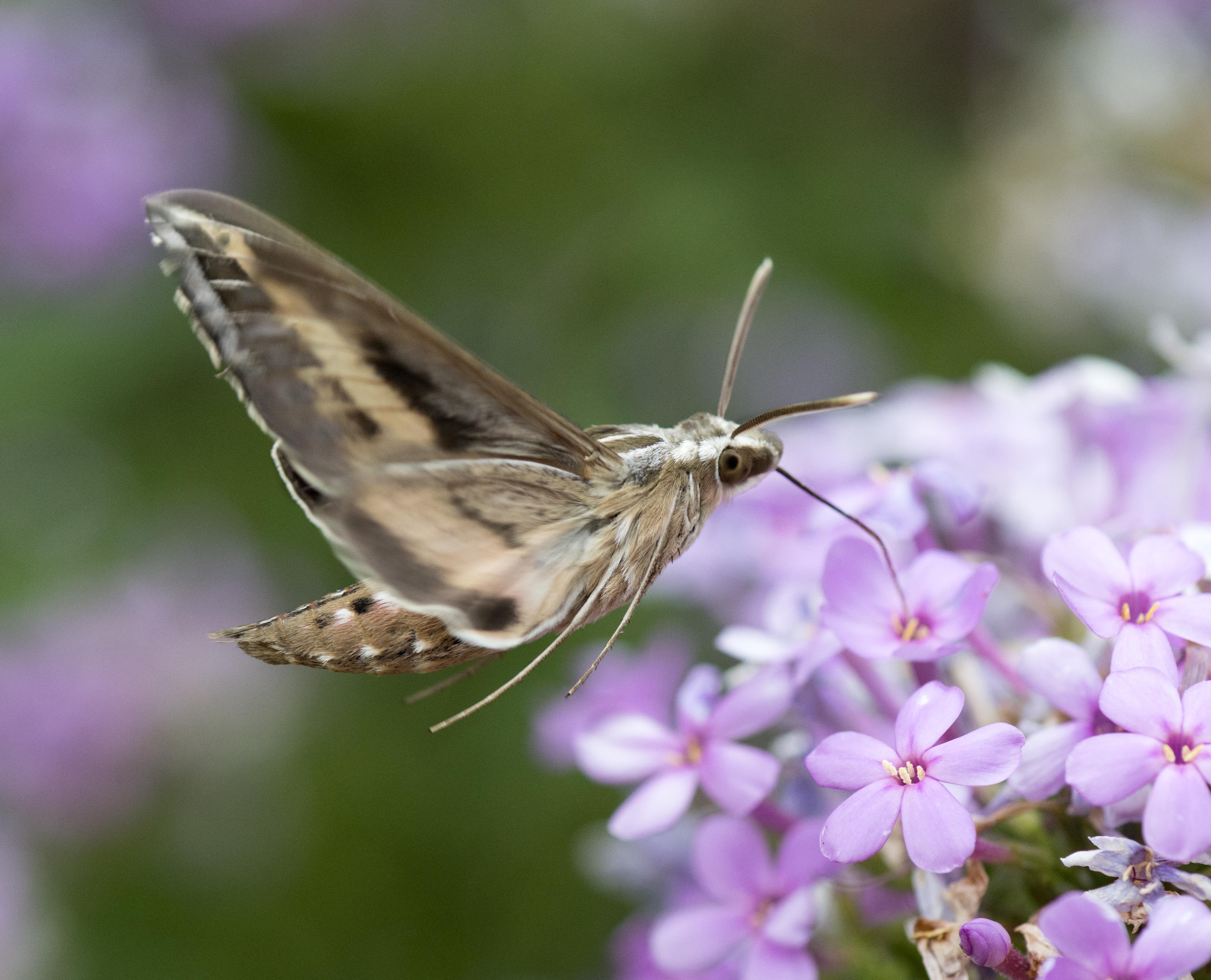
Well almost as big as a small hummingbird. A White Lined Sphinx Moth working it’s way around the flowers for a quick sip of nectar. The length of that tongue is amazing.
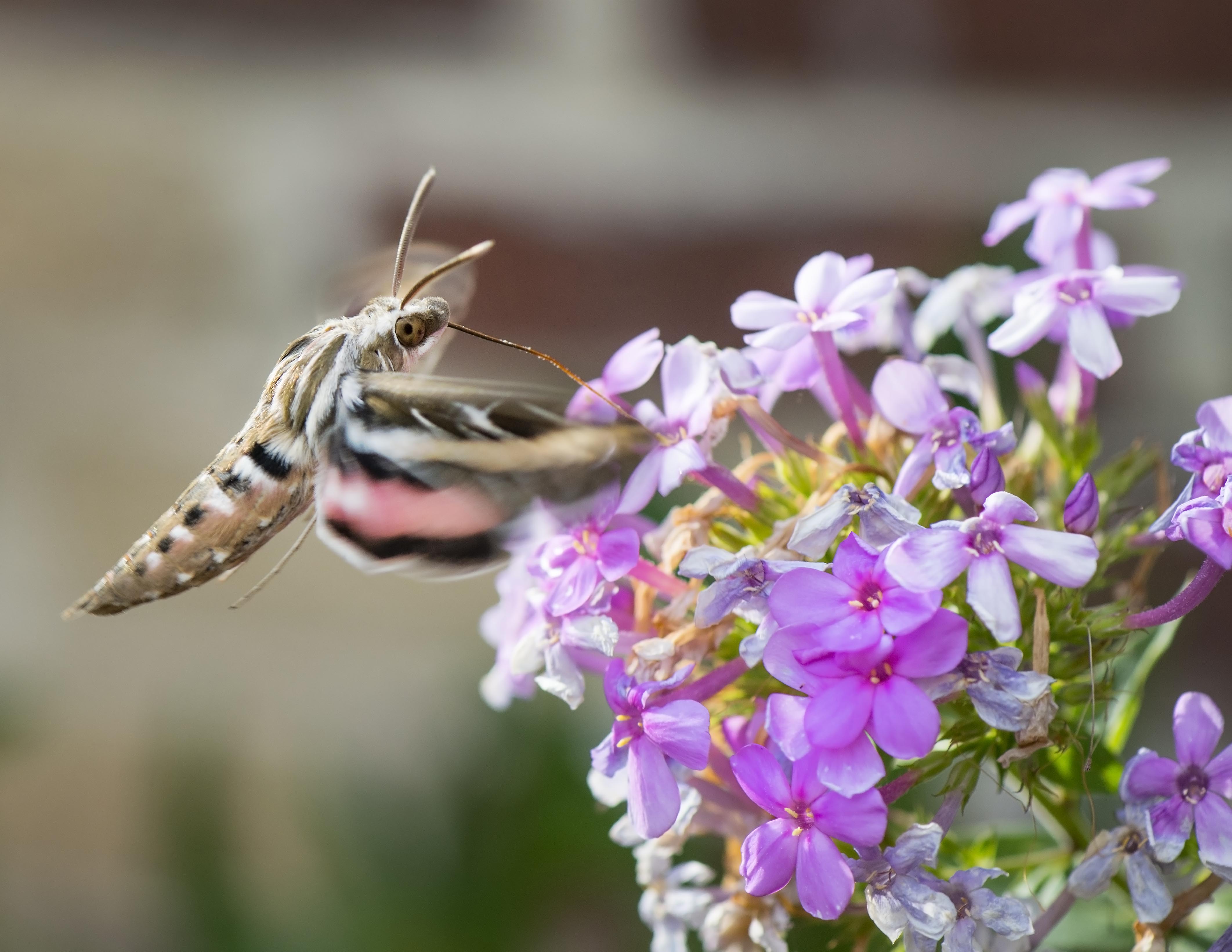
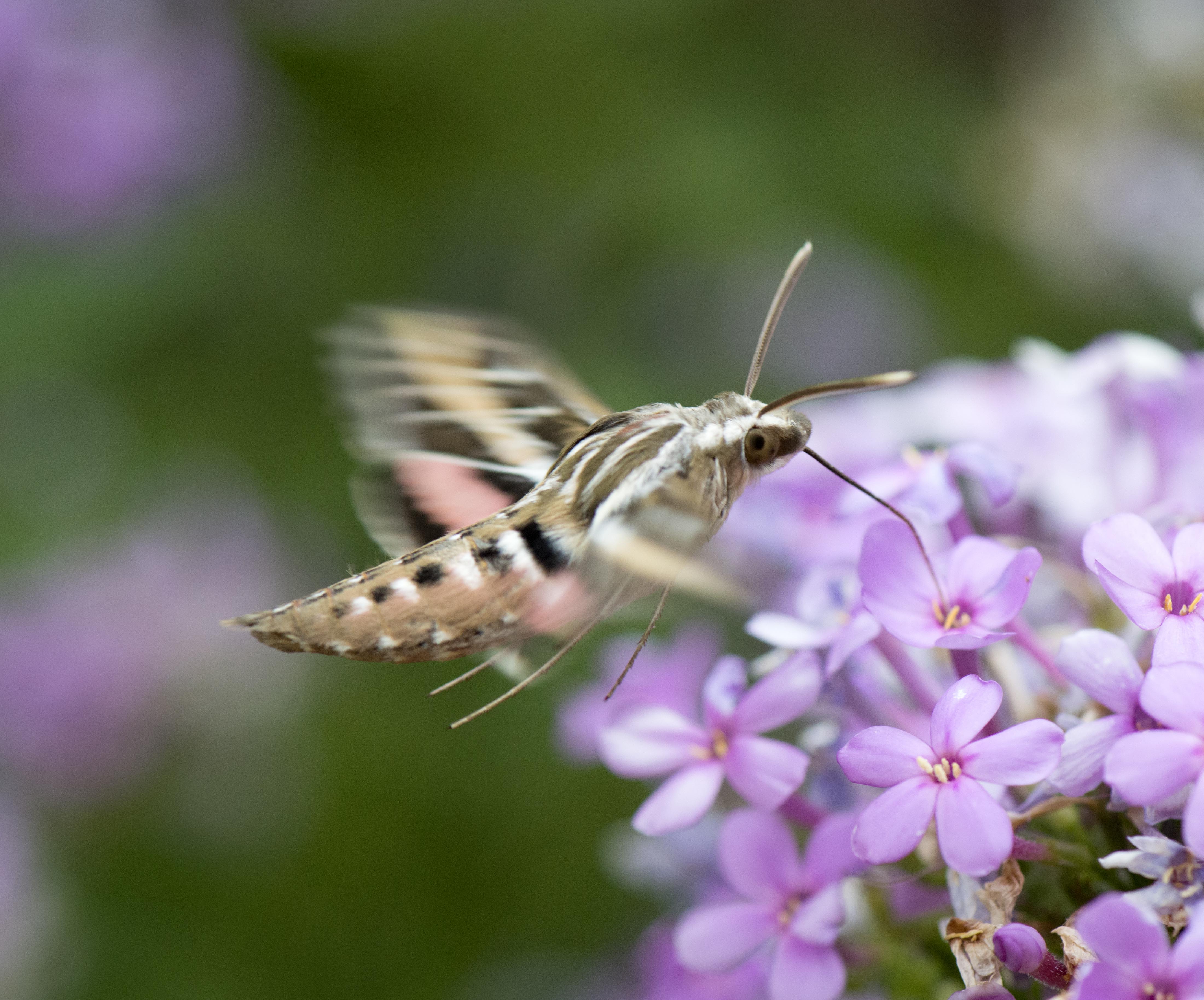

Well almost as big as a small hummingbird. A White Lined Sphinx Moth working it’s way around the flowers for a quick sip of nectar. The length of that tongue is amazing.
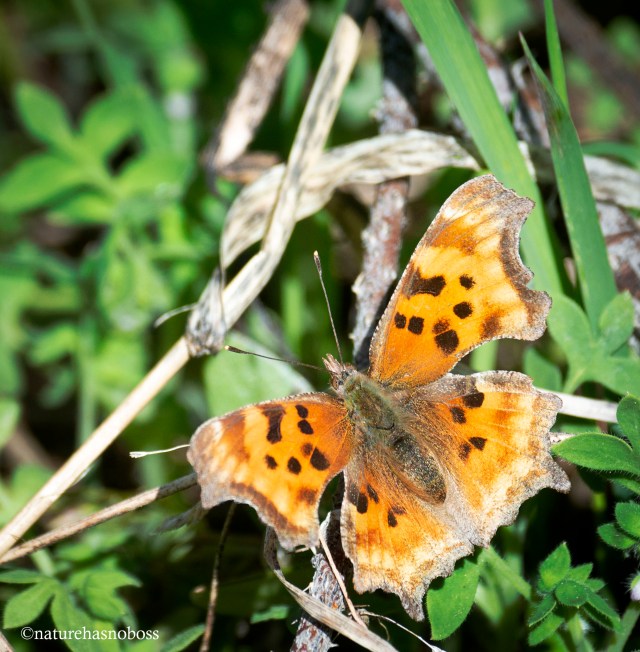
A short pause is in order today to just soak in the beauty of the Comma, butterfly, that is. One of the earlier butterfly species to grace the skies in our area each summer many of the earlier arrivals we observed actually overwintered as adults. Some finding refuge from the winters freeze deep in crevices of a trees bark.
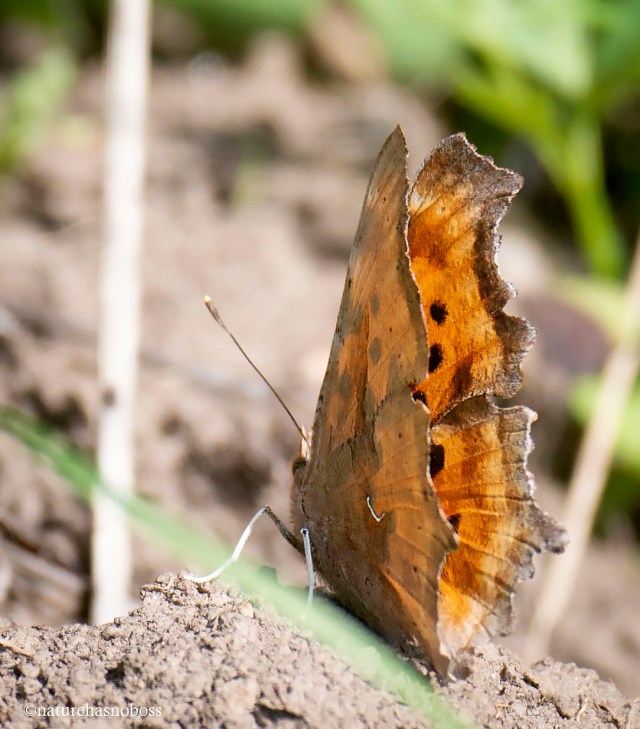
Some we found warming themselves collecting minerals from the moist soil on the forest floor.

Whereas others were often found feeding on the new growth of the trees and shrubs.

Yes, C is for Comma.
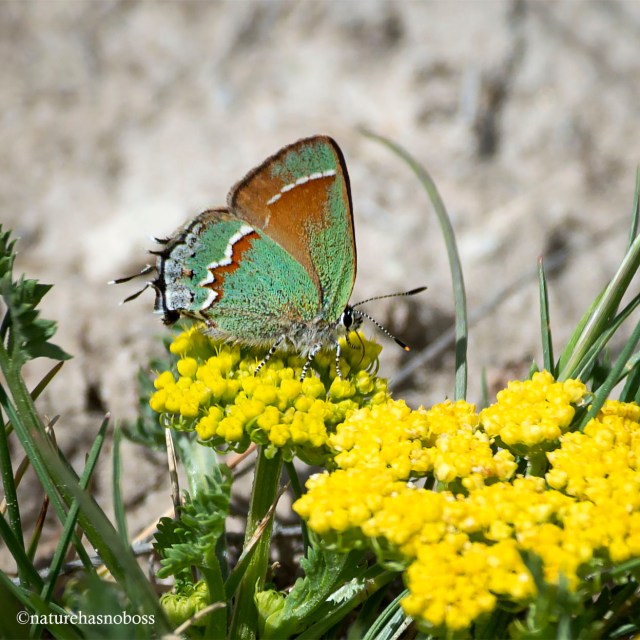
One of the most interesting butterflies found in our area is the beautiful and fancy in a non-fancy sort of way Juniper Hairstreak. Widely distributed across the United States this butterfly is often seen in old fields, bluffs, barrens, juniper and pinyon-juniper woodlands, and cedar breaks. This one was photographed feeding on biscuit root along the base of a cliff that had several areas of Juniper growing. The male will sit all day upon the ends of juniper branches to attract a female.
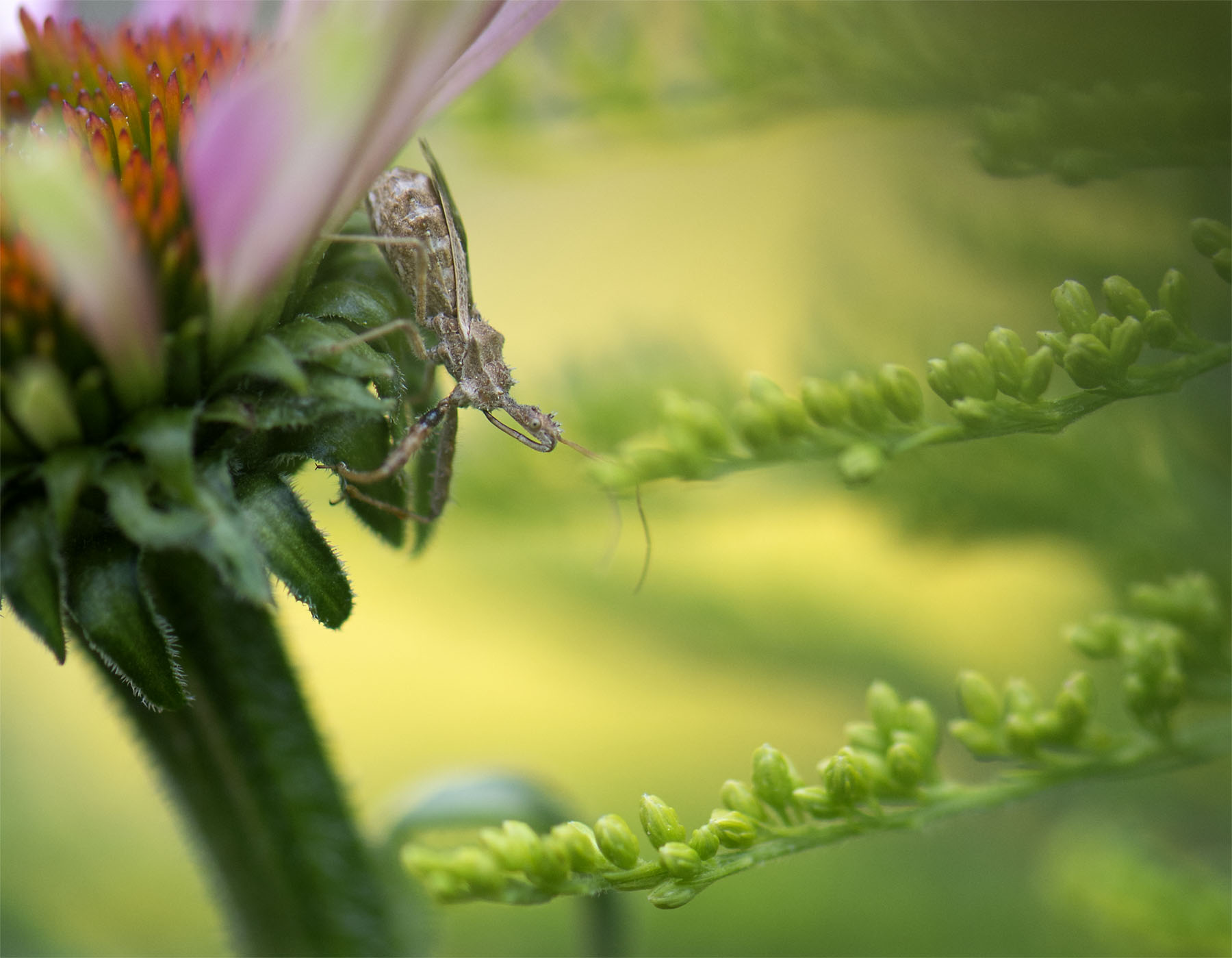
While checking out the Coneflowers the other day we came across this really cool insect called an Assassin bug.
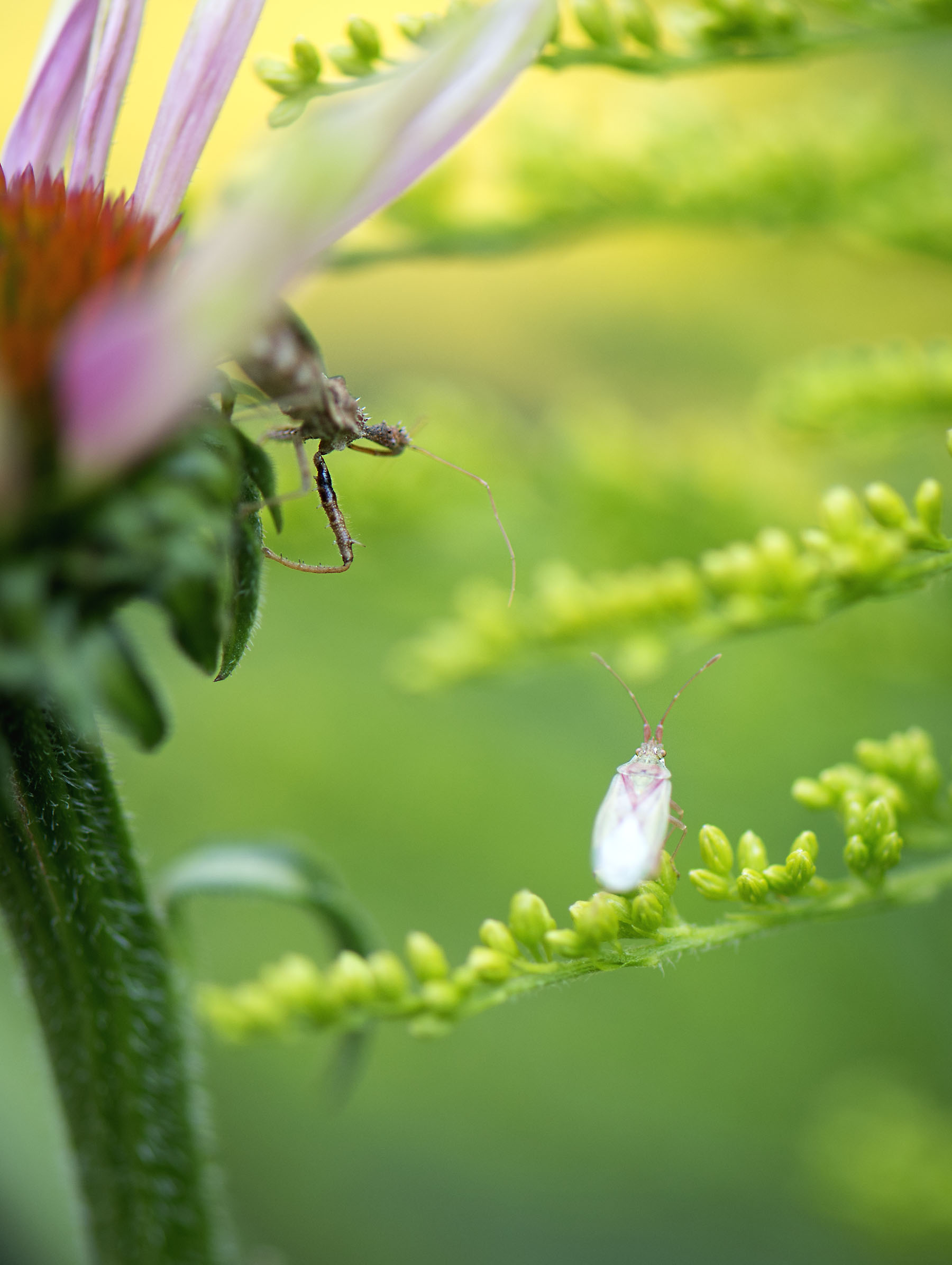
At one point we found them stalking prey in their world of flowers. The other insect noticed the Assassin on their trail and quickly hopped away avoiding becoming a meal.
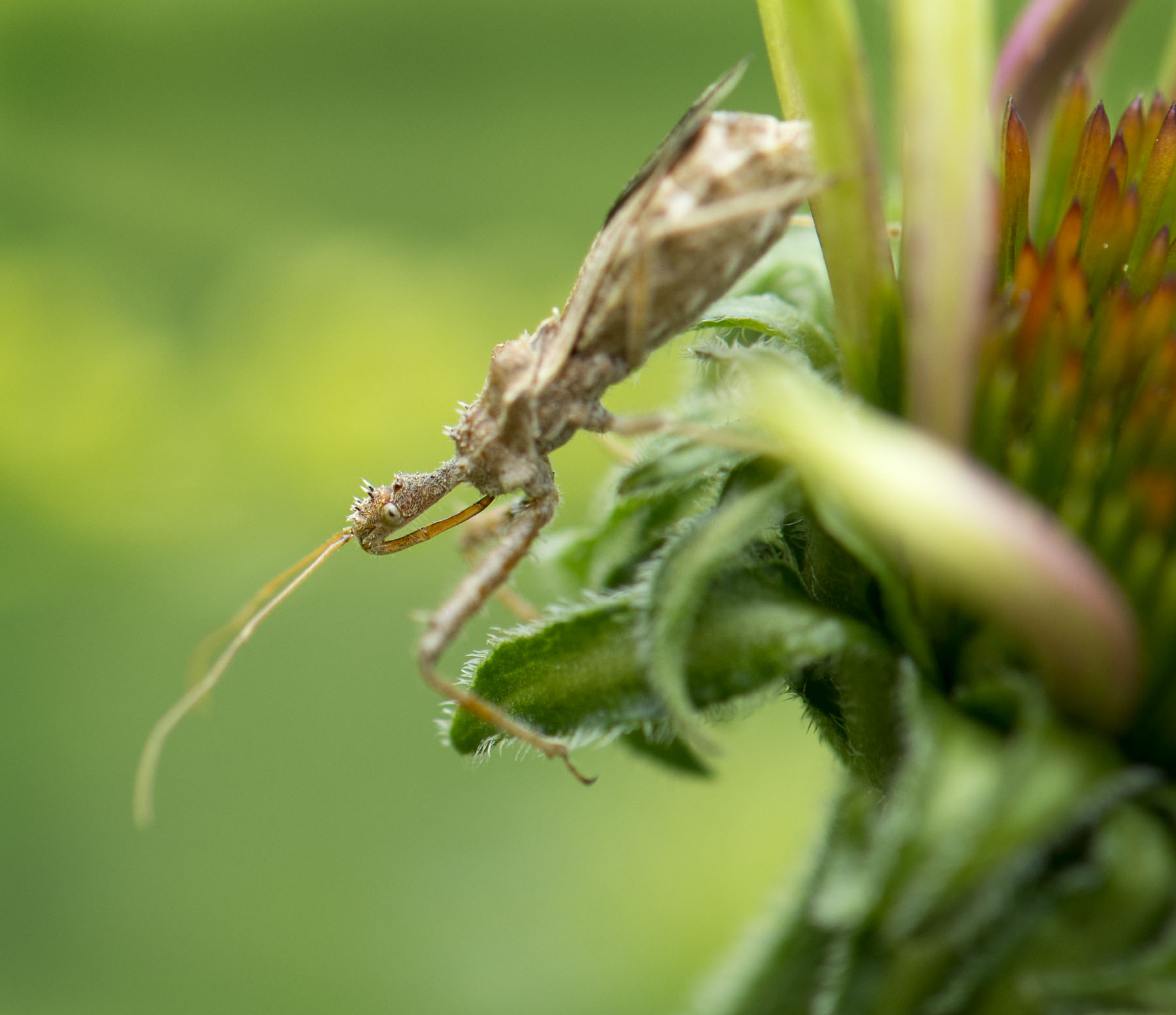
Assassin Bugs are ambush hunters that use their long rostrum to inject digestive enzymes into their prey. Their bite is said to be quite painful yet without long term consequences.
So from now on I will be keeping my eyes open and hands a safe distance from this guys home in the coneflowers as summer carries on.
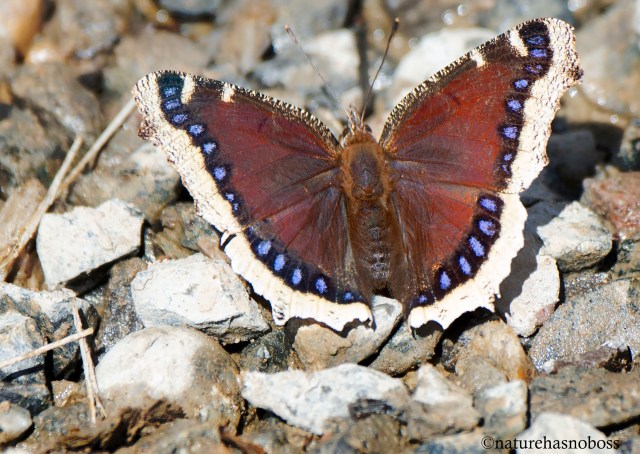
With snow still lingering in scattered spots and the landscape just deciding it’s O.K. to turn green butterflies are starting to spring up and brighten the day. One of the first is the beautiful Mourning Cloak which can always be found hanging out up at butterfly hill.
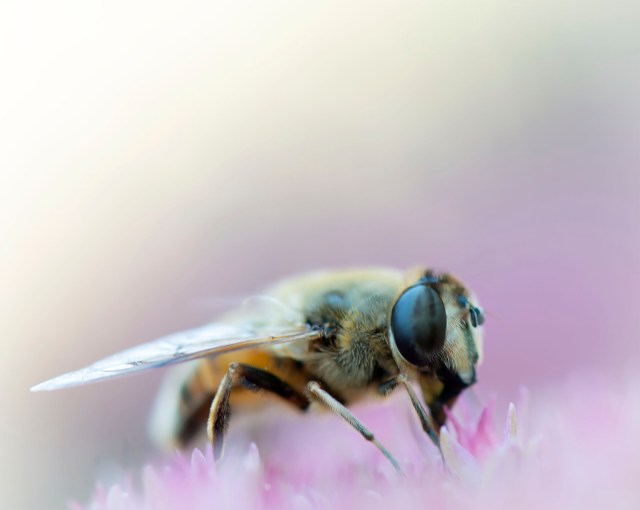
It is always a surprise when we look closely and find a flies eyes attached to what we thought was a bees body. Using Batesian mimicry to look like a bee when your really a fly a bee-fly mimic and yellow-jacket mmimic enjoy a sip of nectar from a late blooming sedum plant.
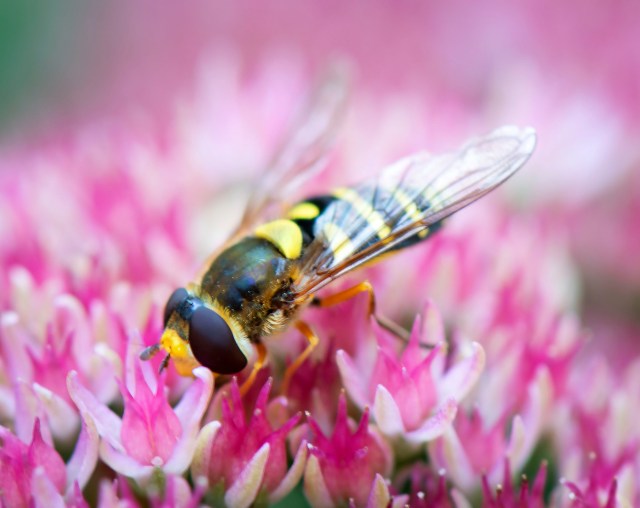
It is always a surprise and reason to take a closer look at the insects in the garden.
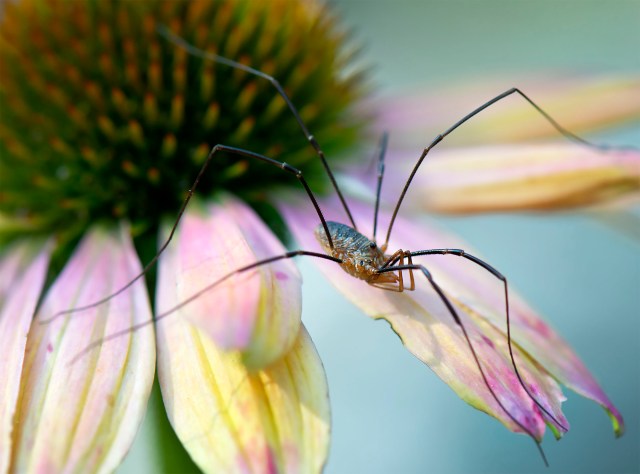
Hey daddy-o what’s up?
Just hanging out enjoying the flowers in the garden.
Given the huge number of species might explain why we see them running about everywhere in the yard and often in the house all the time.
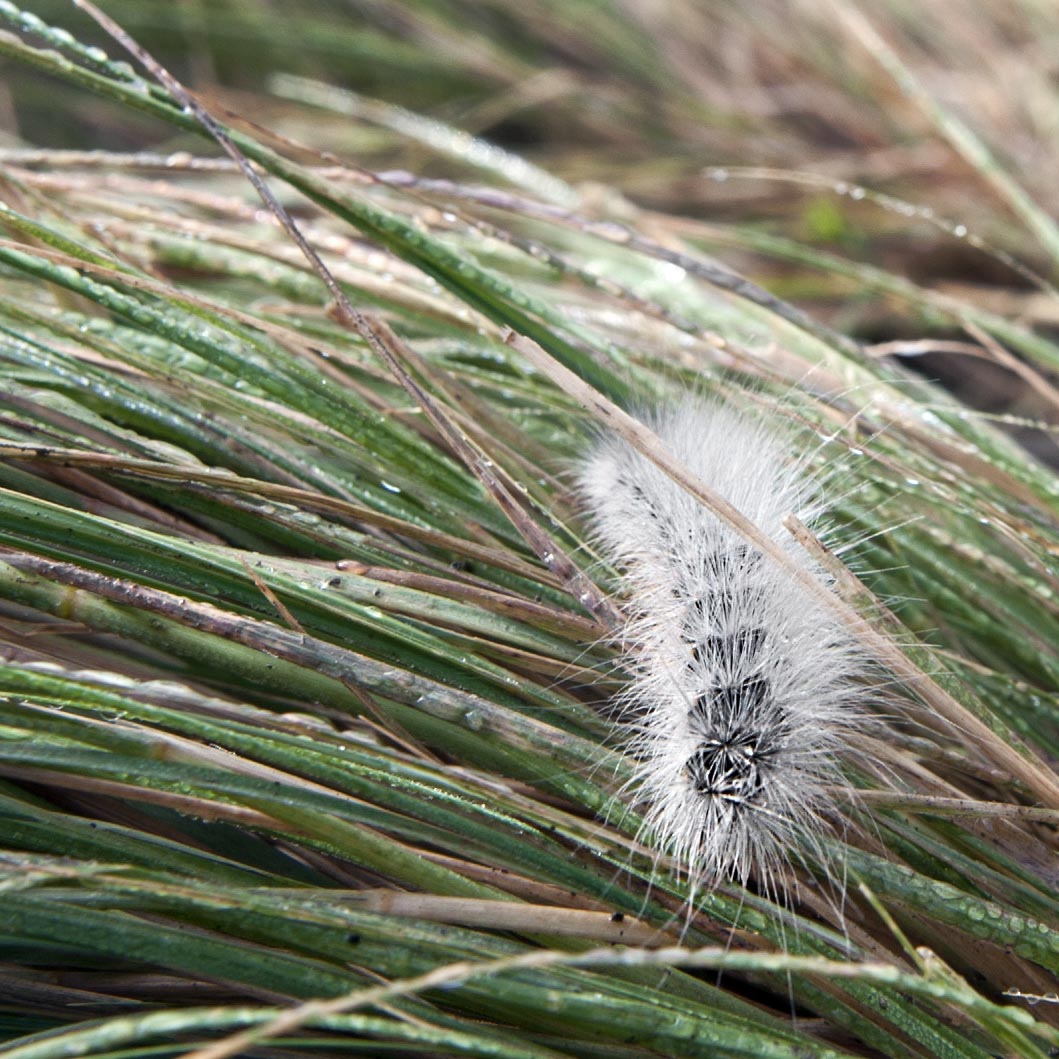
Just a little caterpillar making their way through the grass on dewy fall morning. Enjoy the journey and have a great day.

A favorite at picnics near and far.
Take three bees, an assortment of flowers, dash of pollen and splash of nectar, blend together and voila, a fine little dish recreating the bounty of summer.

Enjoy and have a wonderful weekend.
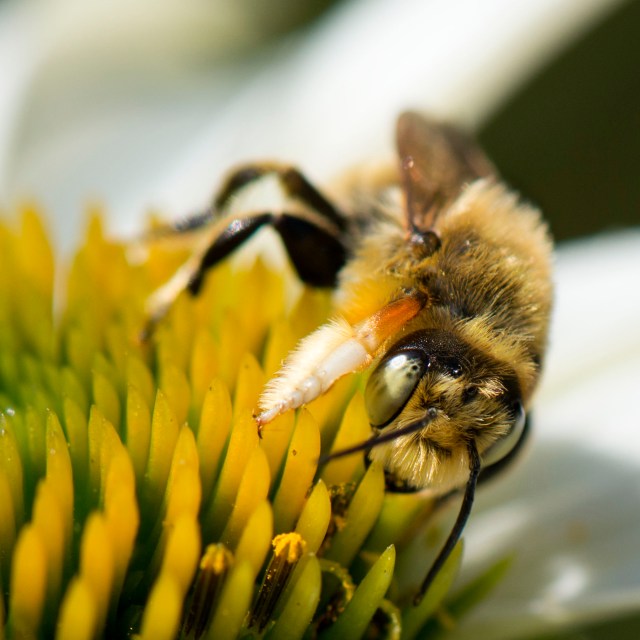
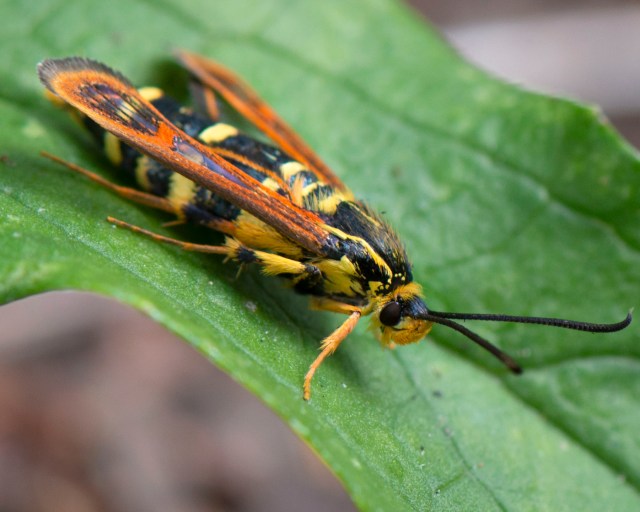
It is always fun to see a new one. Here are two views of a new and interesting looking insect which we think to be a bee but could well be a fly. It smaller than a honey bee, has long antennae, a hairy body like a bee and interesting orange wings. This was the only one like this we have encountered and is not shown in the guide to local bees making me think it may be a bee-fly mimic.

Yes, it is indeed fun to encounter a new species of any kind to reinforce just how wonderful the diversity of life on our planet.
Thanks for everyones help in identification of this insect. Looks to be a Hornet-Moth.
 nature has no boss
You must be logged in to post a comment.