Mormon Cricket: Anabrus simplex

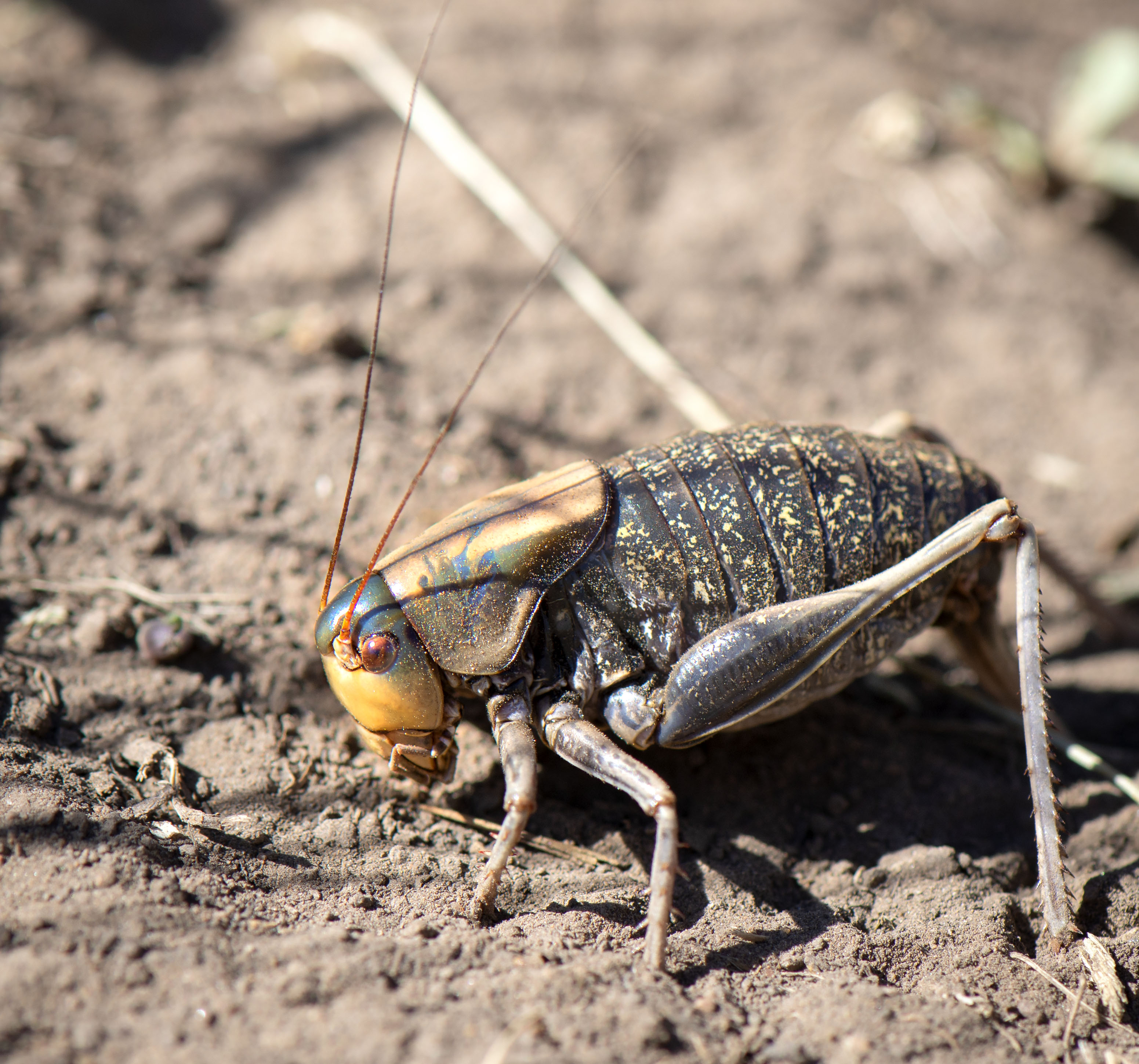
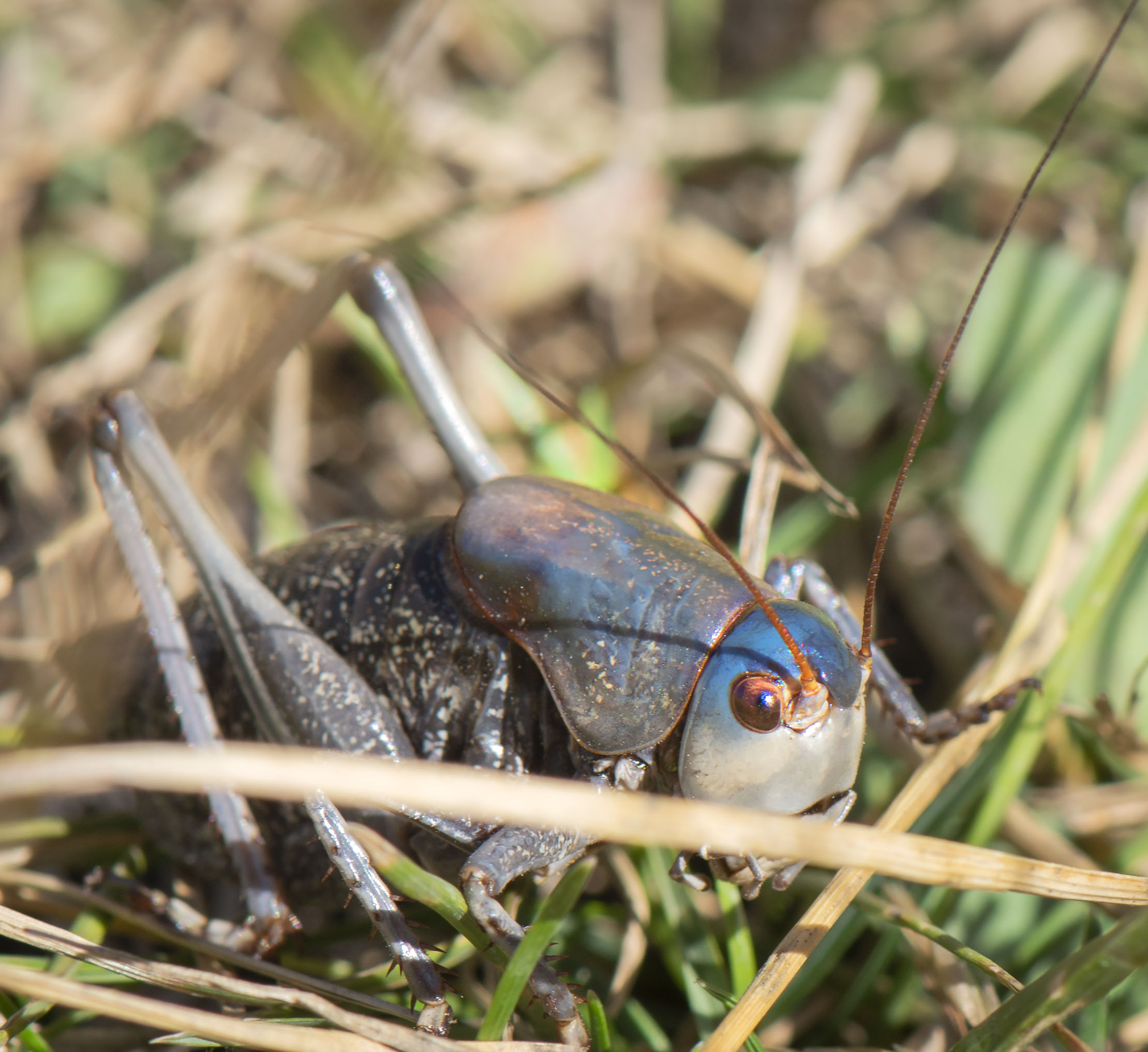
The Mormon cricket is actually not a true cricket, but rather a shield-backed katydid. The common name derives from an invasion of the crops of Mormon settlers in the Salt Lake area in the mid-1800s.

We ran across plenty of these katydids on a recent hike although not in the numbers depicted in this video https://www.youtube.com/watch?v=Yy3dQJYquoY. While these insects can be quite destructive to crops they do eat the grasses and plants in natural rangelands much as large grazing mammals do (or did). I also find them quite interning to look at as each has subtle color variations.

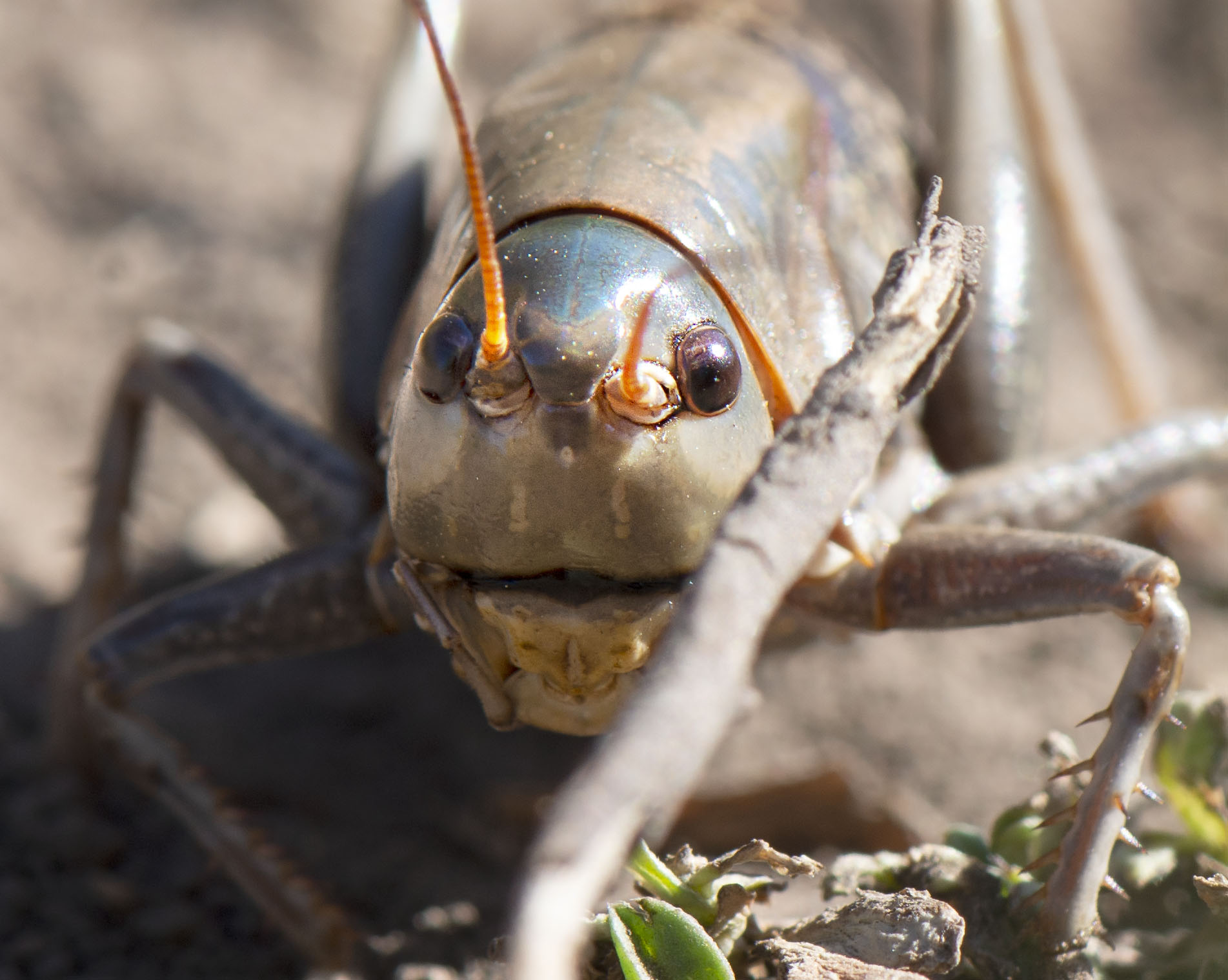
Given these were not marching across our hiking trail in plague proportions I enjoyed seeing them on a late fall afternoon moving through the already dry grasses.
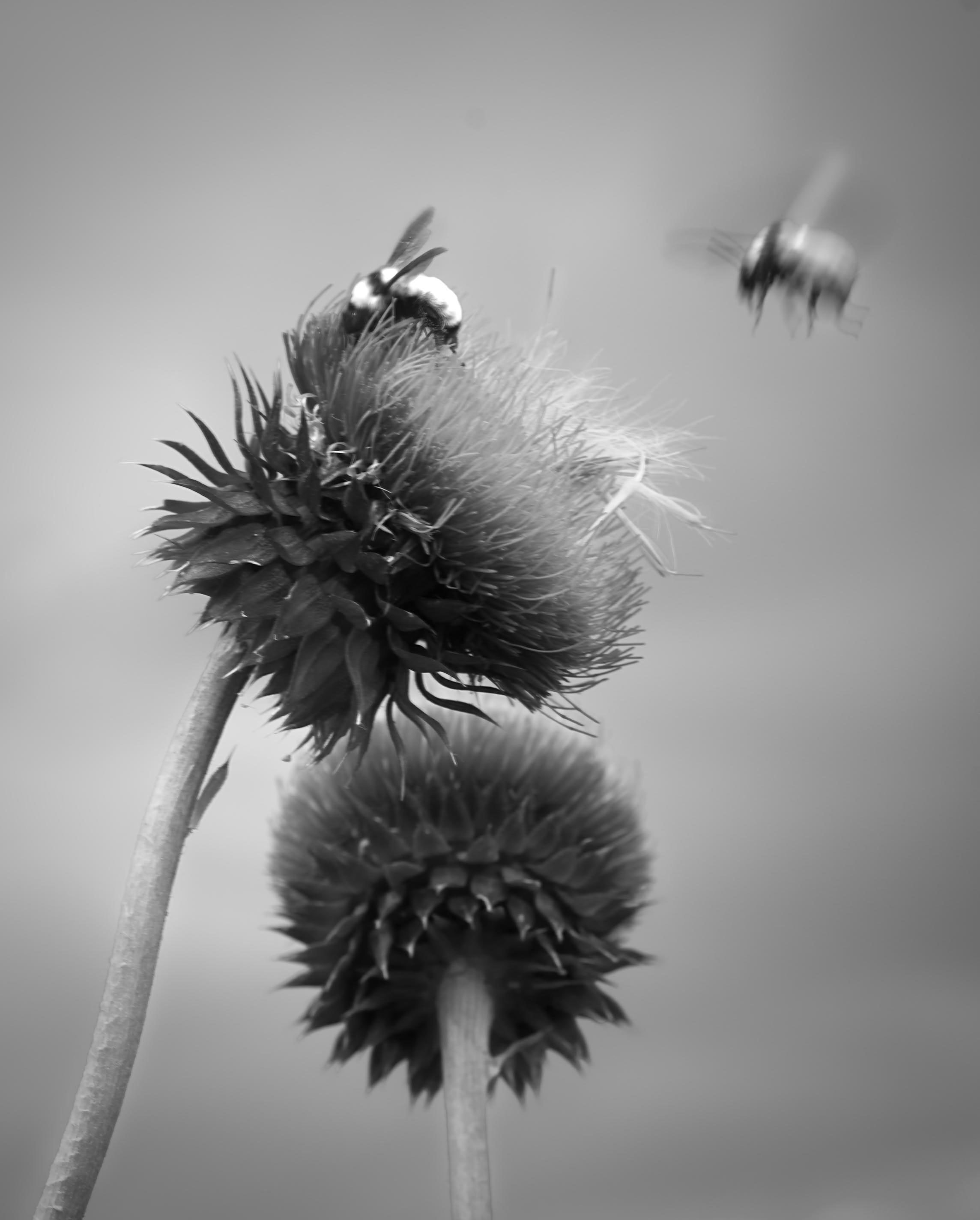
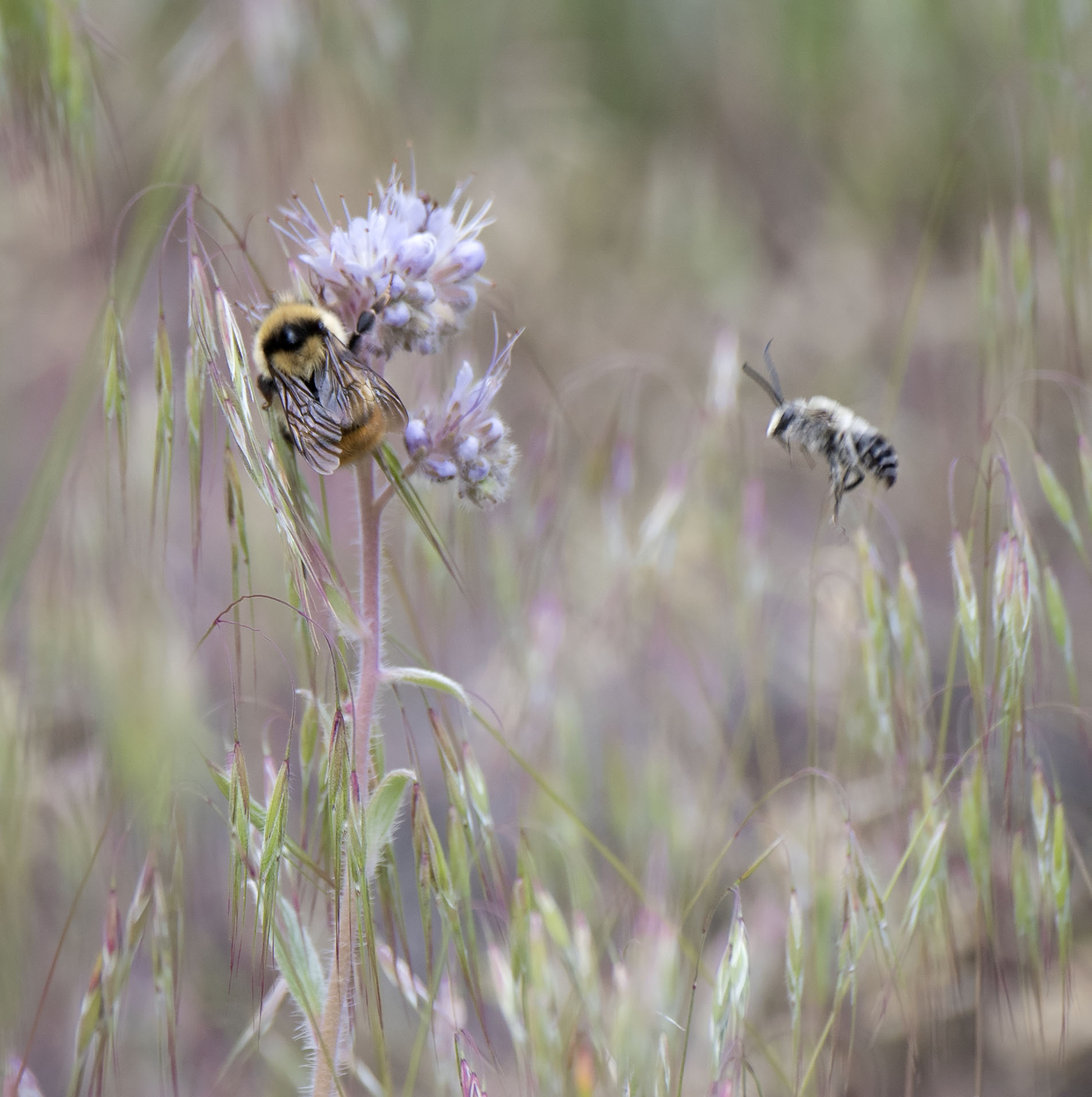
A job well done

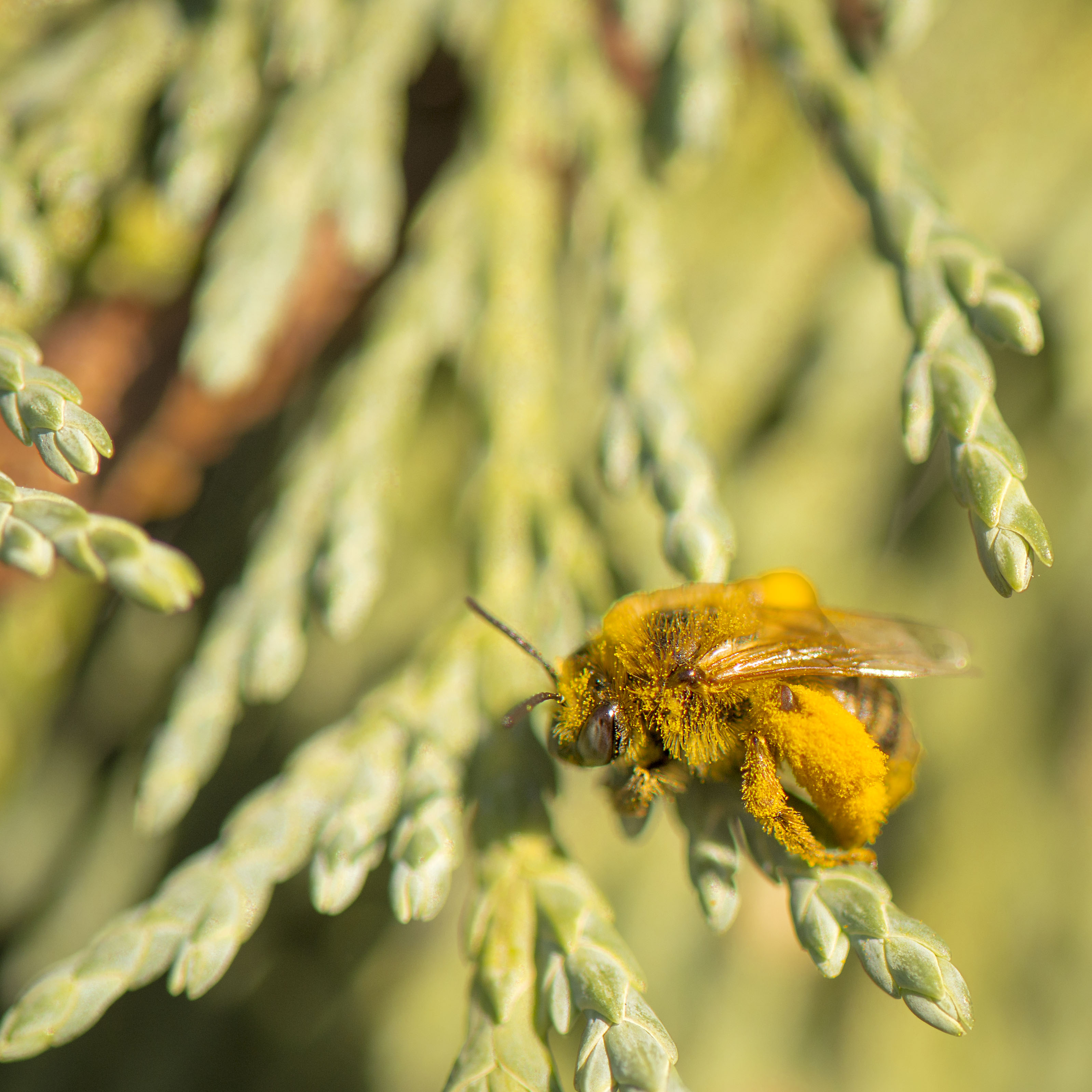
The other day I saw a yellow flash land in a nice cedar tree. Thinking it was an unusual insect I quickly went over to get a look. Alas, it was not a new insect but a Honey Bee and to say this one was covered in pollen might be an understatement. This little bee could hard fly with the load they had acquired. After a few minutes of rest they slowly lifted off and headed back to the hive. A job well done.

On a single thistle

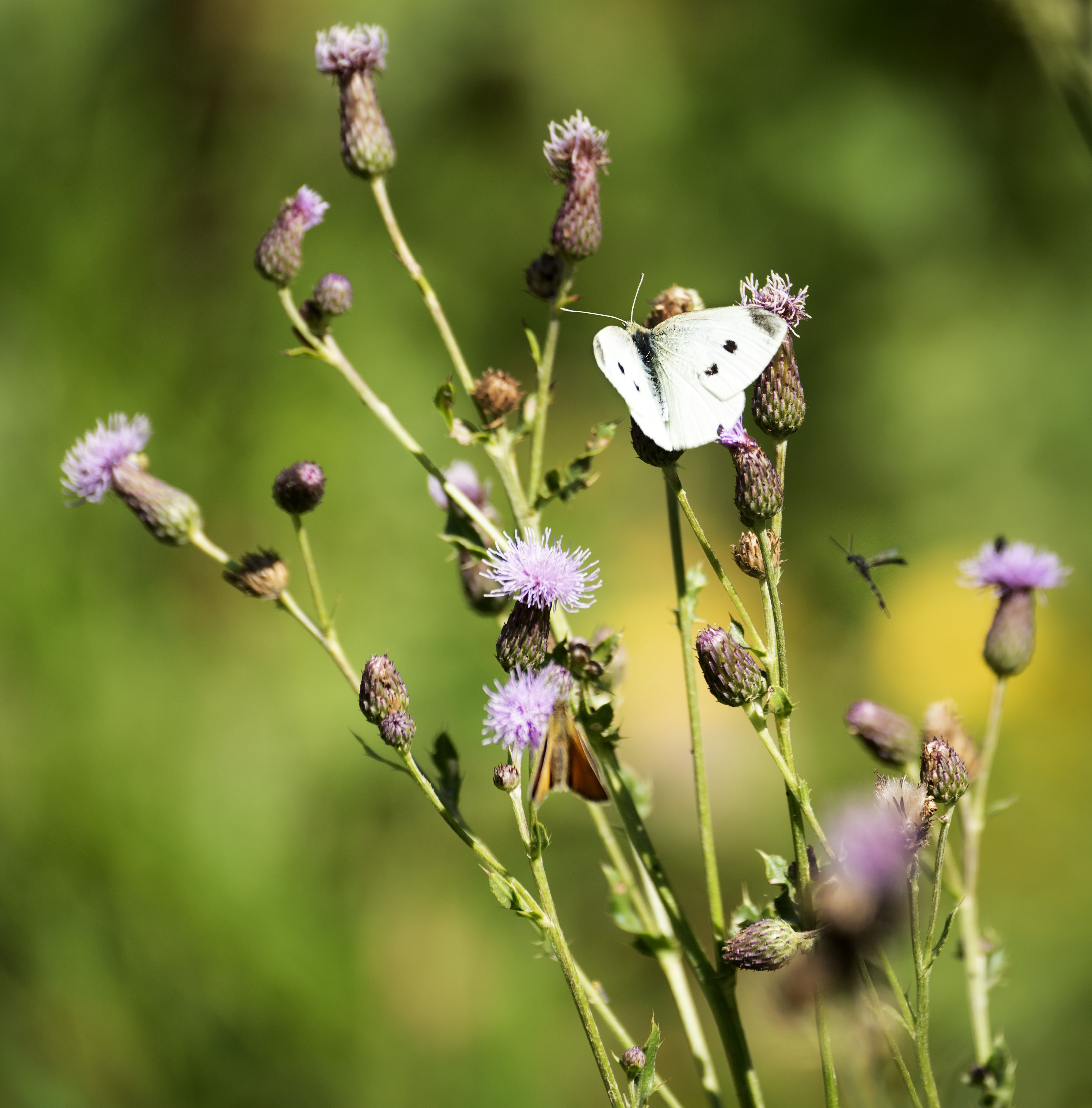
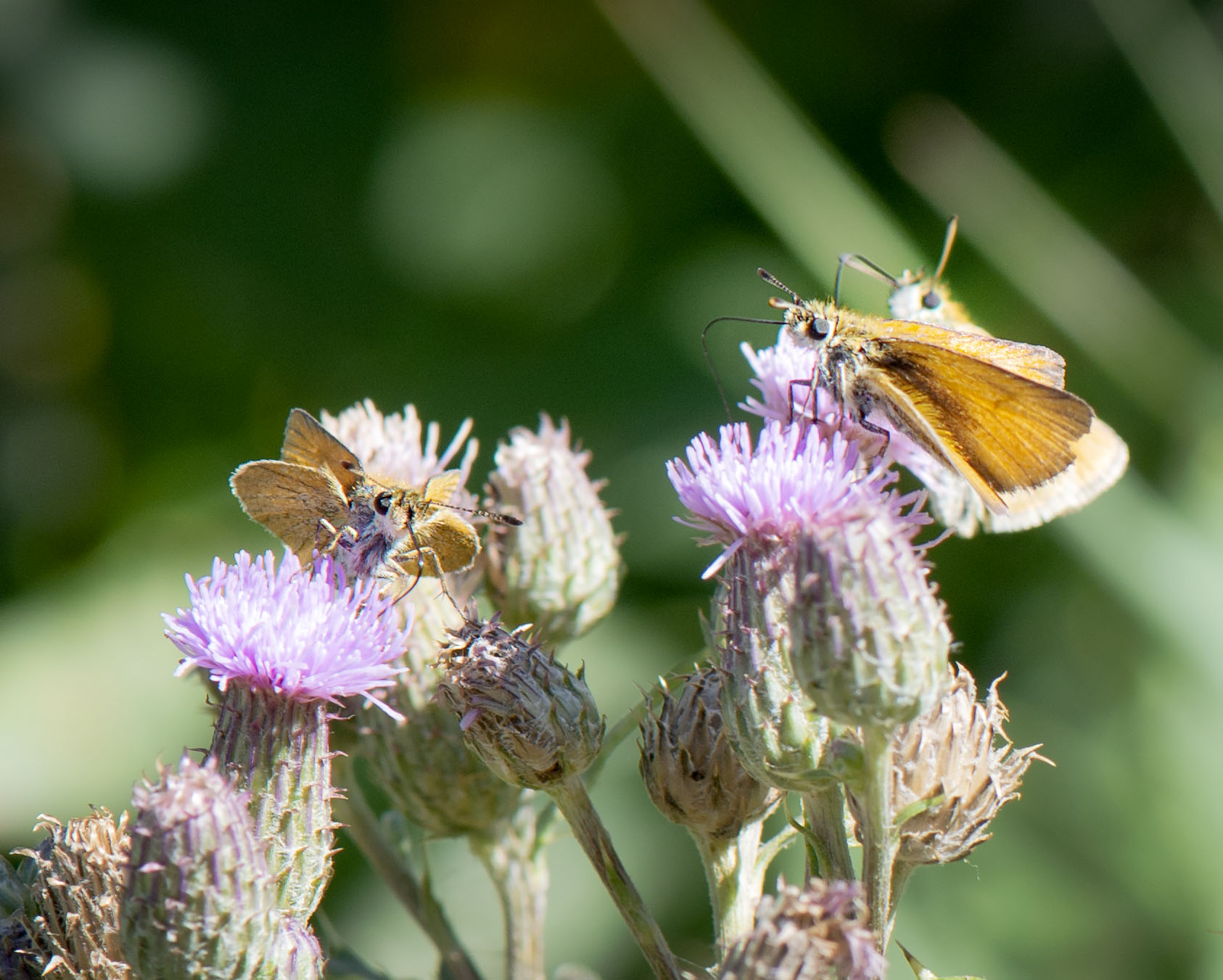
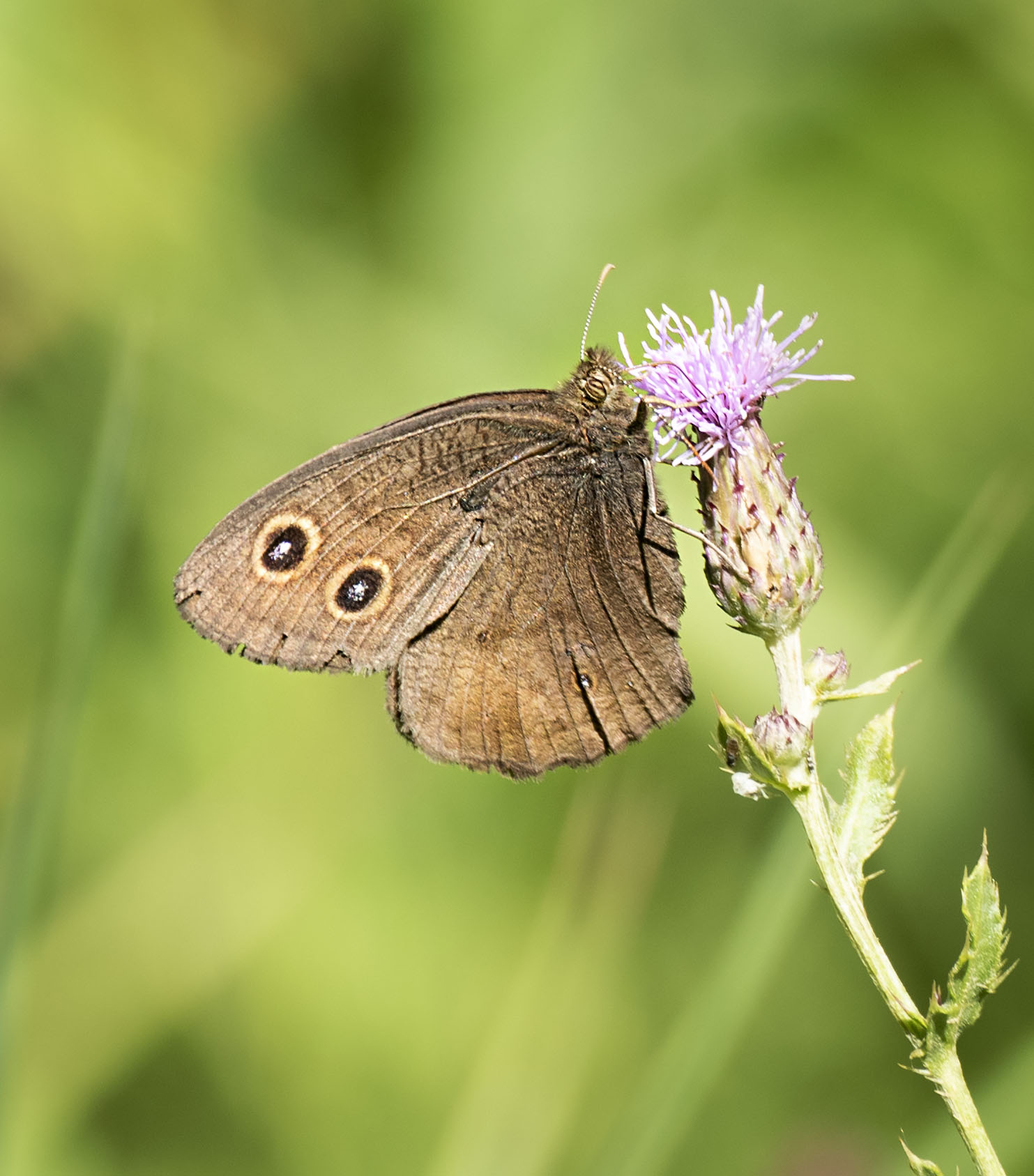
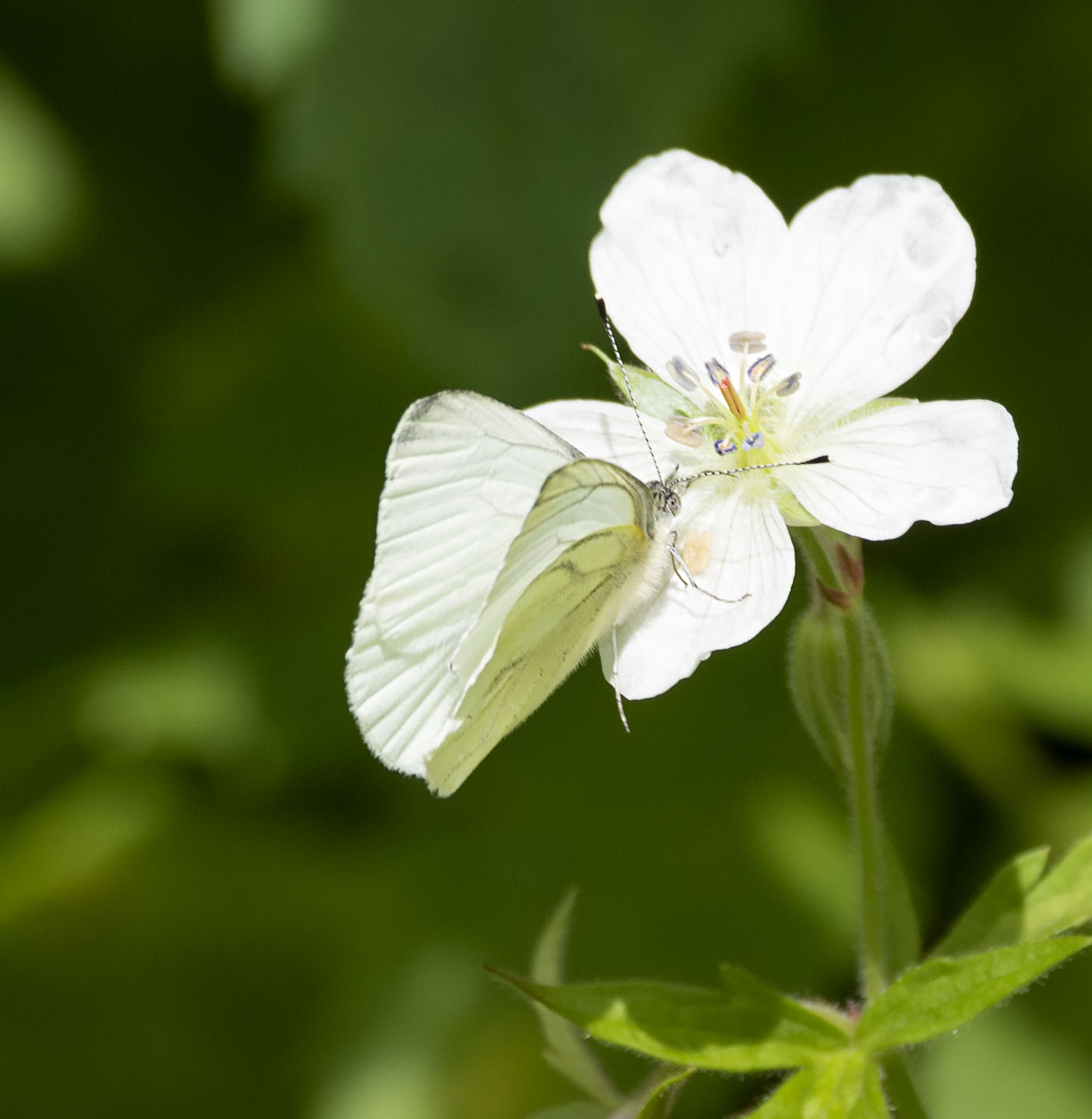
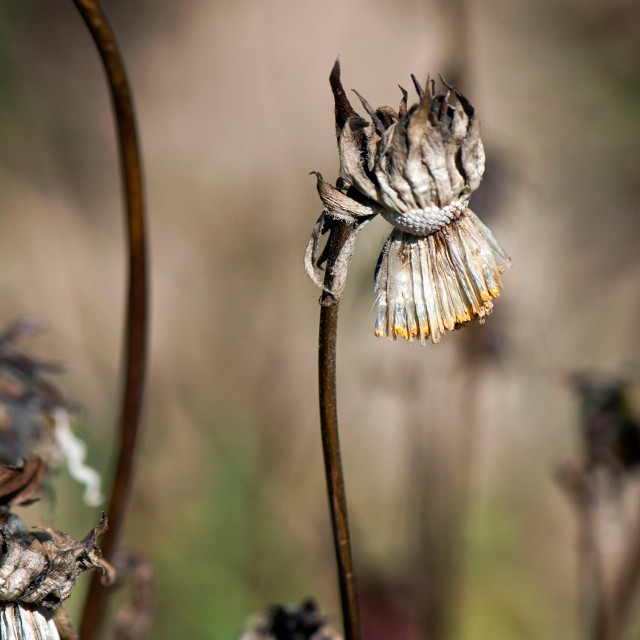
With all the other wildflowers long gone to seed a single thistle along the side of the road reminded me of one of those photos of the lone remaining watering hole in the Serengeti attracting animals from near and far for a nice cool drink. Only this thistle attracted the remaining nectar and pollen lovers in the area including skippers galore, whites and several alpine butterflies which all gathered to get that one last sip of nectar before summer slips away.

Woodland Pinedrops: Pterospora andromedea

Earlier this summer we ran across a peculiar plant making its way up through the earth in the forest. A strange striped asparagus? No Woodland Pinedrops: Pterospora andromeda.

According to Wikipedia “Like all members of the Monotriopoidiae , Pterospora andromedea lacks chlorophyll (trace amounts have been identified, but not enough to provide energy for the plant or to color it. Plants exist for most of their life as a mass of brittle, but fleshy, roots. They live in a parasitic relationship with mycorrhizal fungi, in which plants derive all their carbon from their associated fungus, but the relationship is not yet well understood.”

This makes it similar to several of the orchids we have encountered along the trail.

Now that summer has passed and fall is in the air the plant looks like this.

Somewhat like a small tree full of small pumpkins decorating the autumn forest.

A Summer Tail

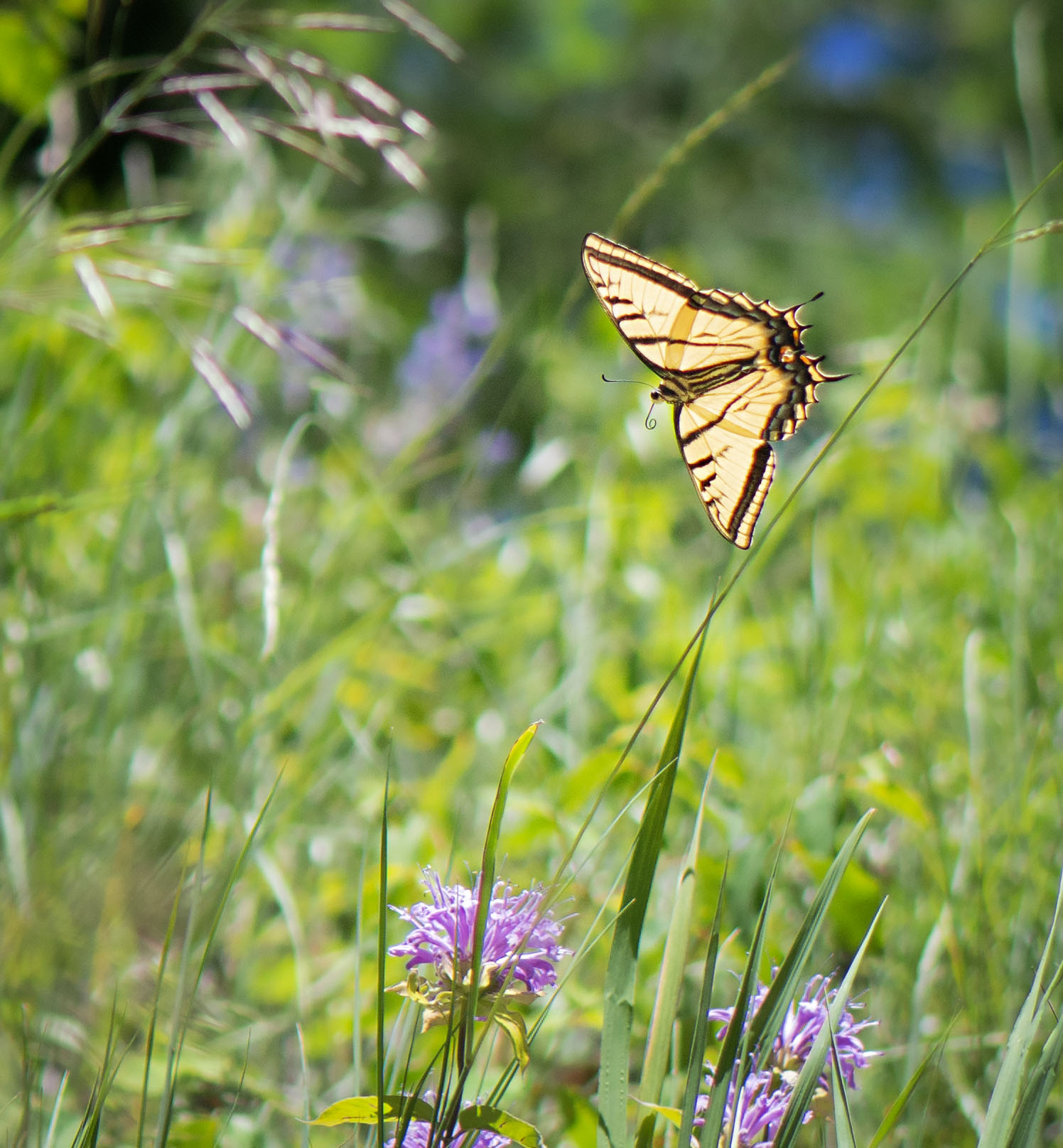
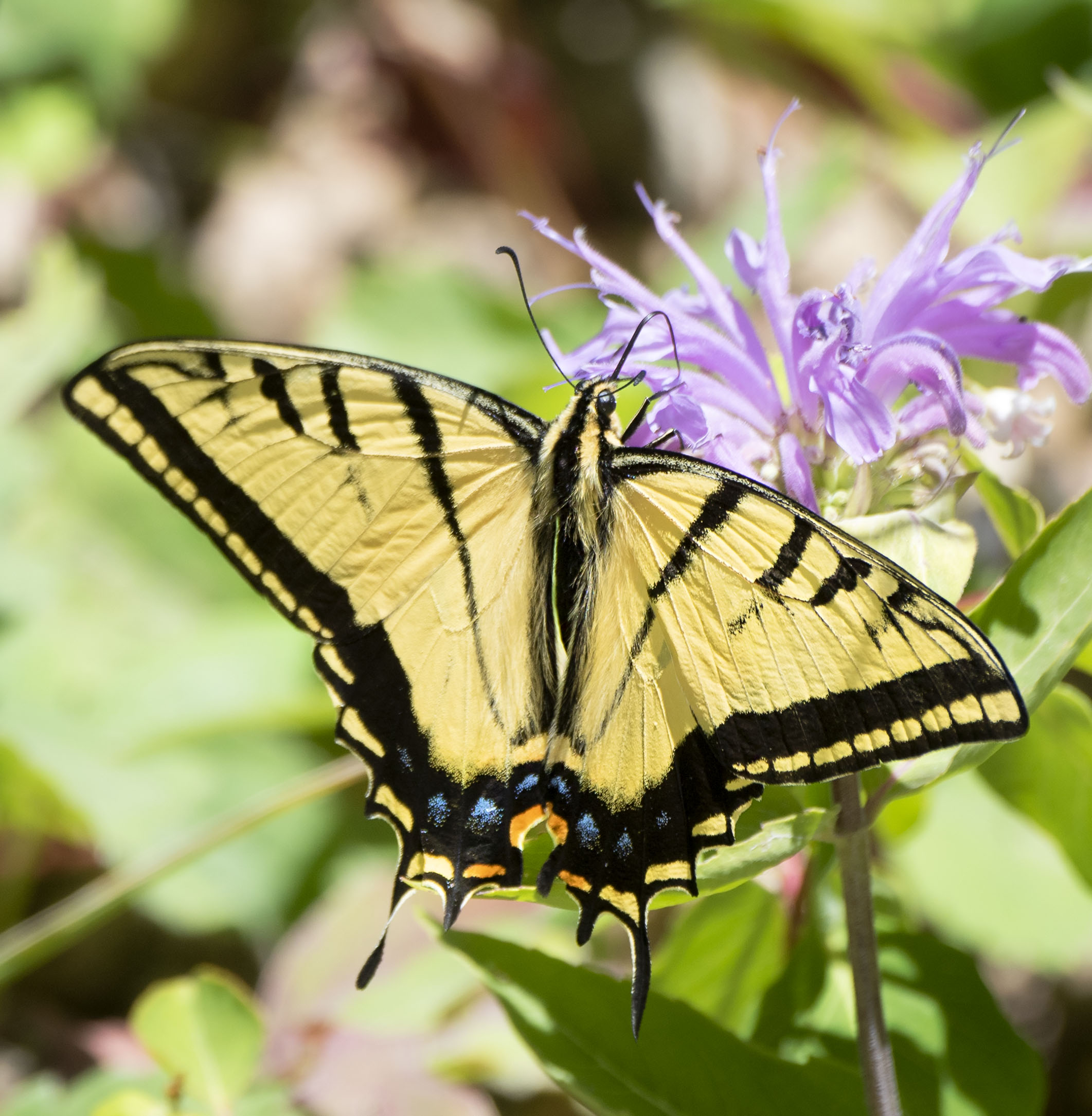
Until just a few weeks ago Swallowtails filled the air floating by often gliding up into the canopy and out of sight just as quickly as they appeared making photographs initially hard to come by.

However as days went on and with the butterfly bush calling the swallowtails in we got ample time to sit and observe at least three species of swallowtails in depth.

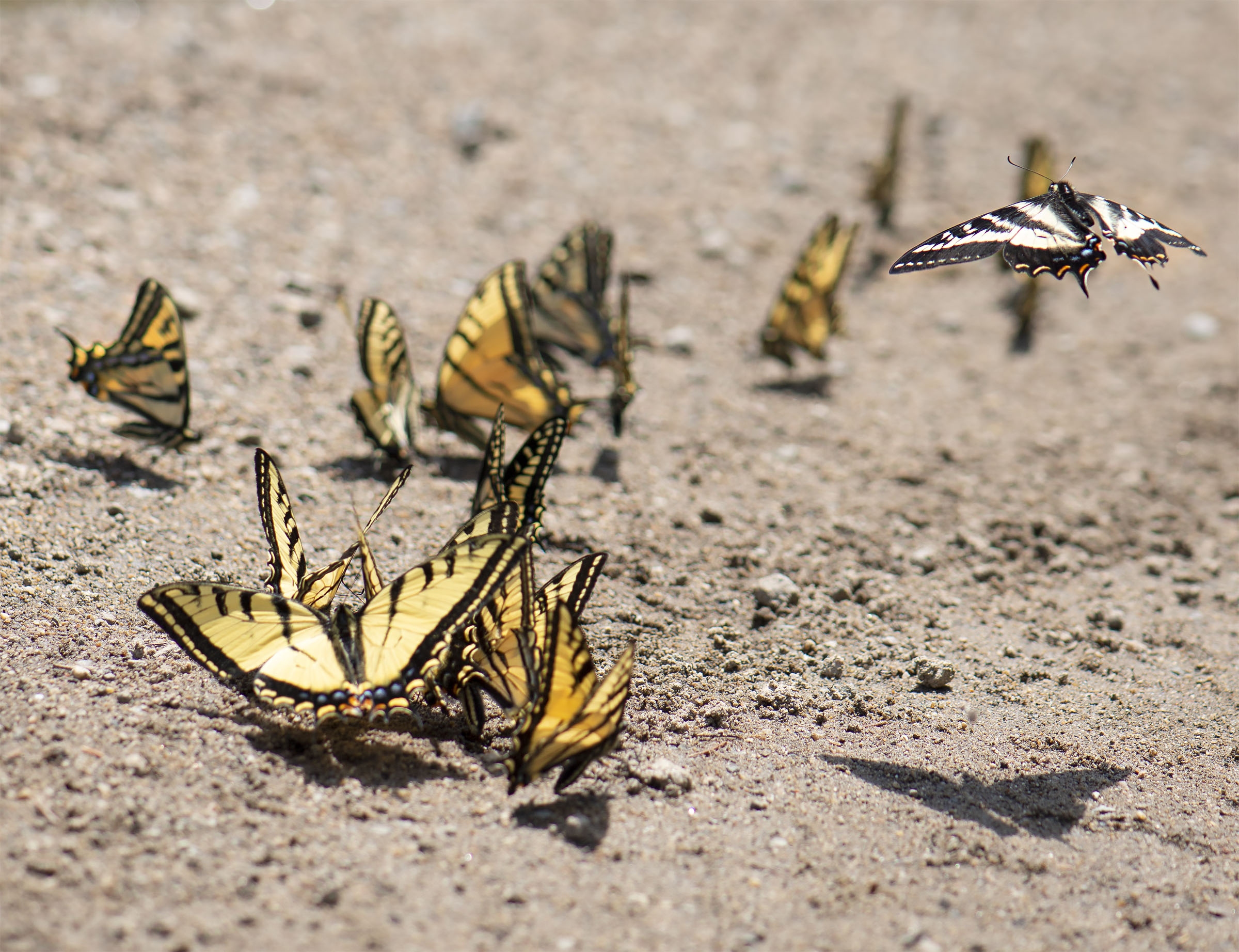
One one afternoons drive on a dusty old dirt road our path was even block by a congregation of Swallowtails which looked to include several species including the Pale Swallowtail, Western Tiger Swallowtail, Canadian Tiger Swallowtail and the Old-World Swallowtail.

Swallowtails block the way along an old dirt road.

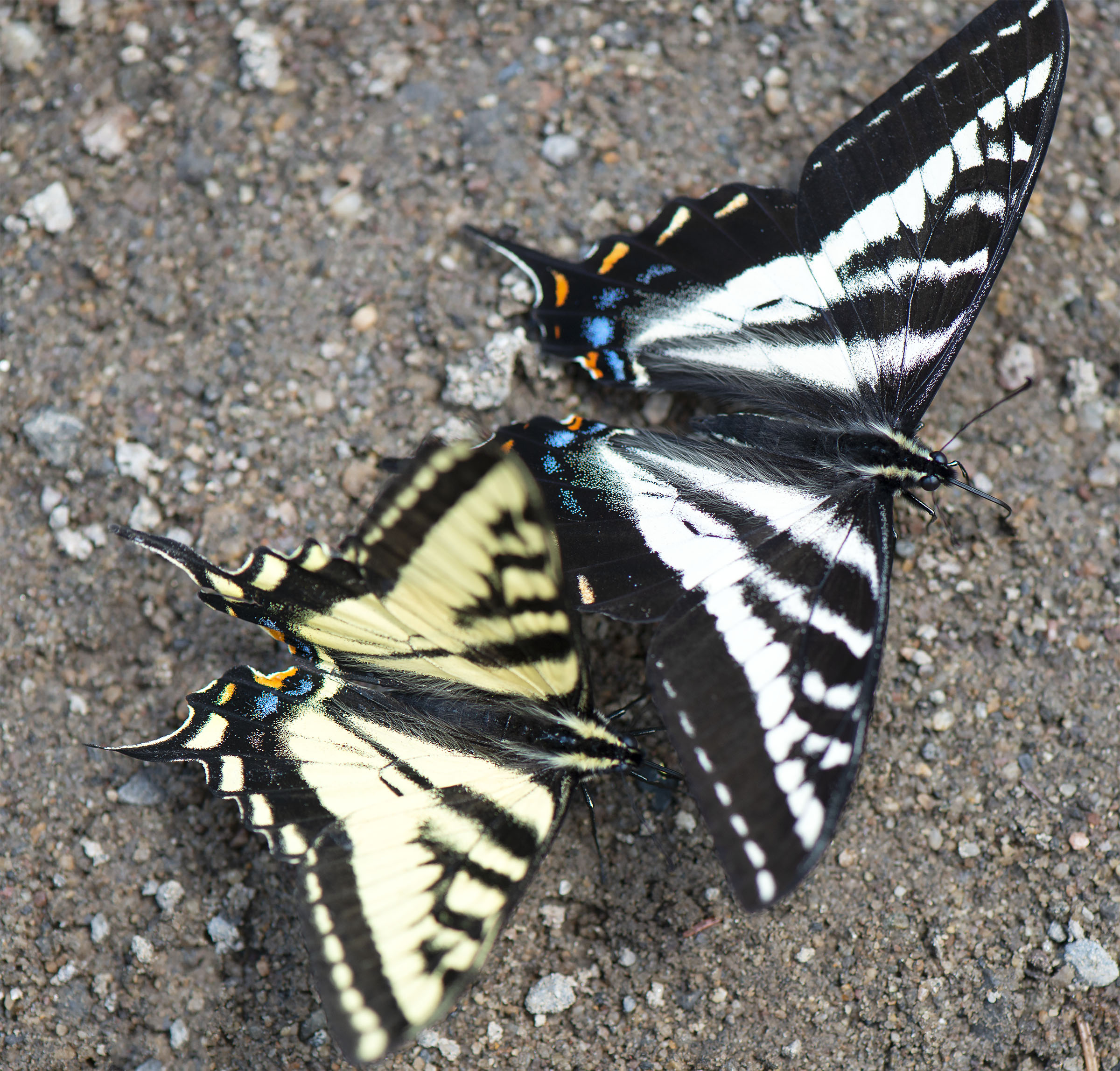
A Western Tiger and Pale Swallowtail getting acquainted.

Beetlemania

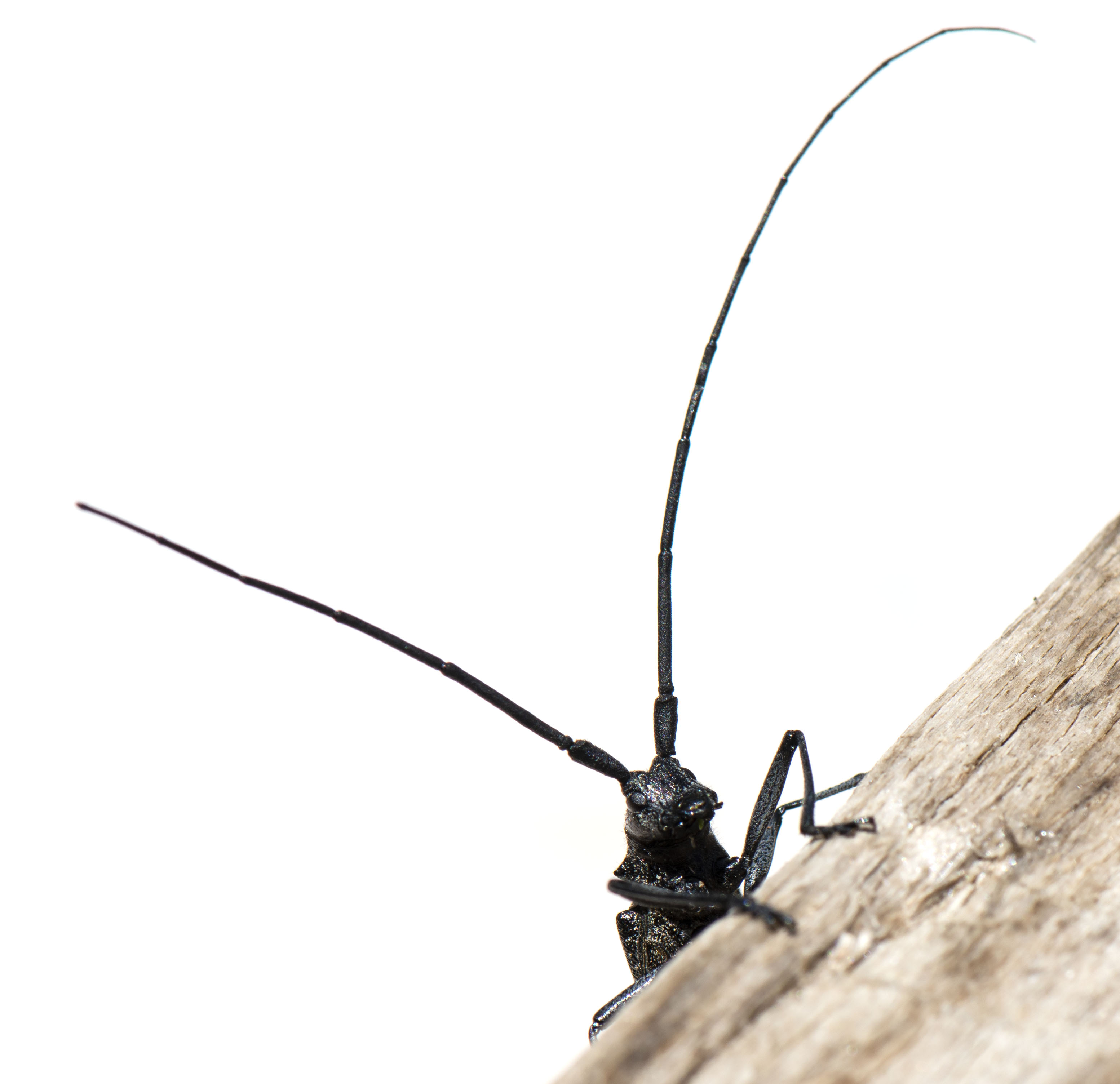
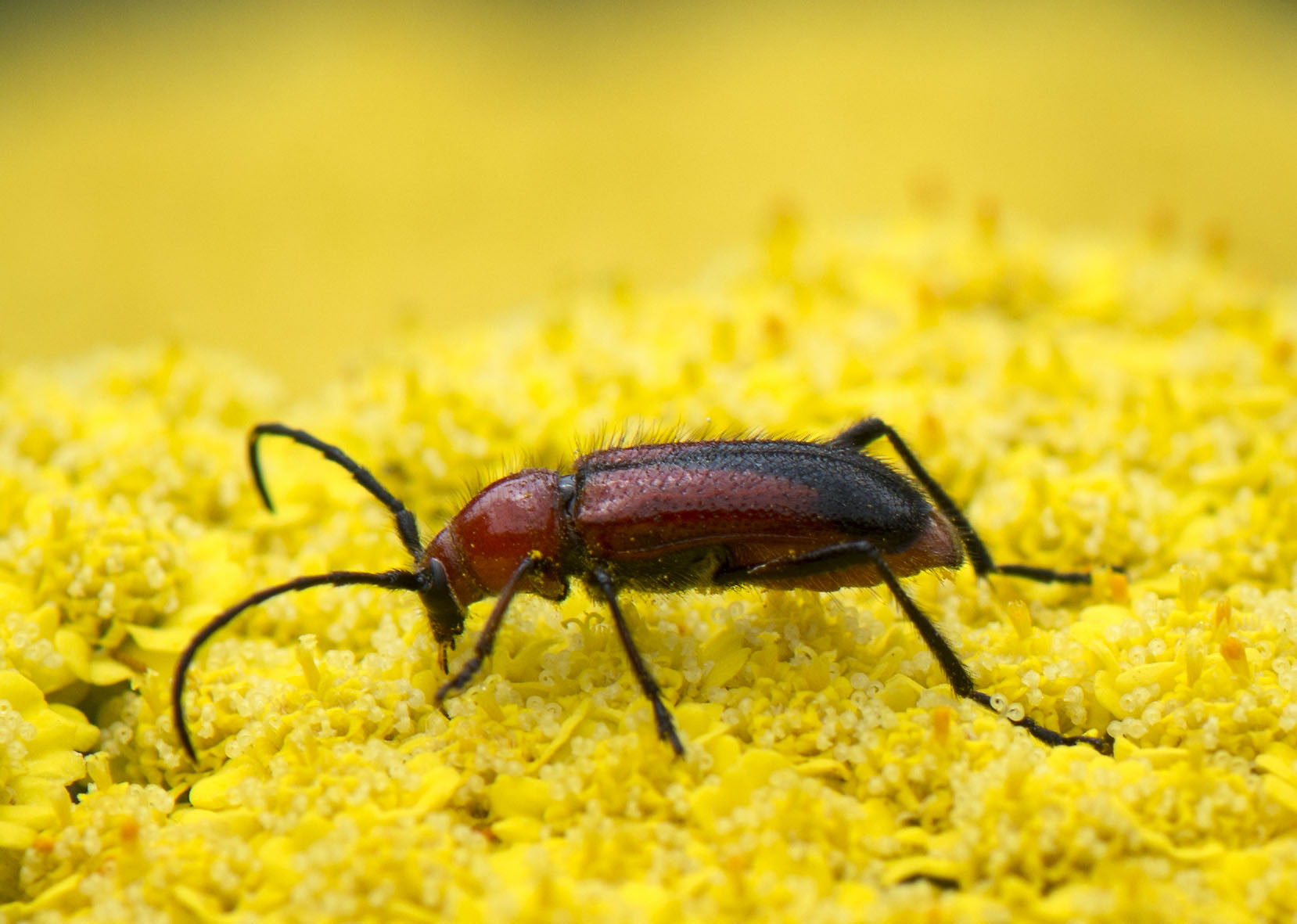
Not John, Paul, George and Ringo but a handsome looking group of Beetles nonetheless.

Various encounters with members of the order Coleoptera we photographed over the last couple of months.

Diverse adapted and ready for whatever is thrown their way. Beetle species number over 400,000 and a large number are probable still to be discovered.

Beetlemaina…catch it.