American Black Oil Beetle-Meloe americanus

Last week on our daily walks we noticed several of these black oil beetles along the road side and in the open fields near our home. They are very large and we were not sure what they were. A strange beetle or extremely strange ants?
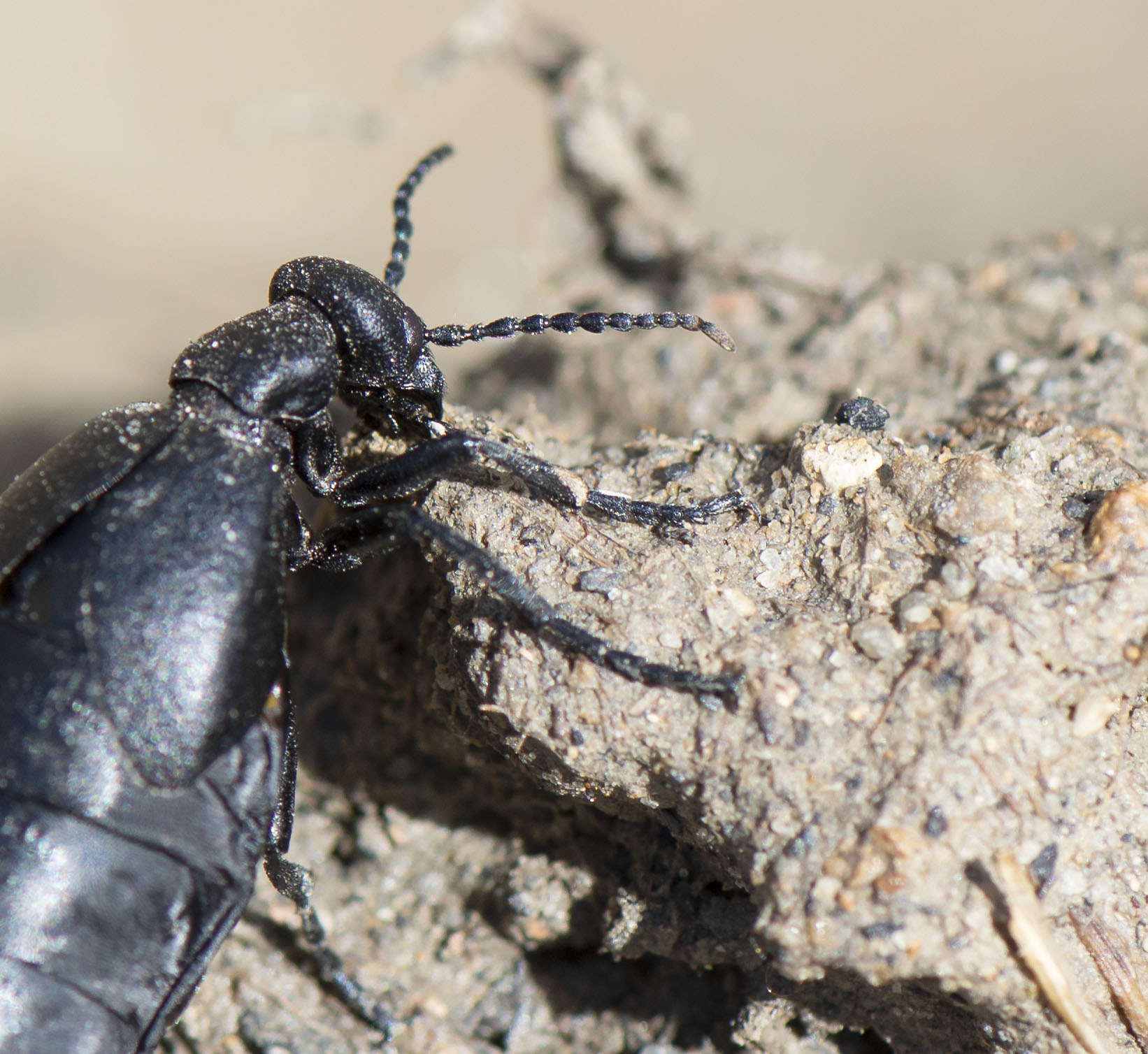
Upon researching what we found we were amazed to find these are flightless Beetles with a truly fascinating life cycle.

Encyclopedia of life describes the lifecycle as follows:

“Oil beetles have fascinating life-cycles. The larvae are parasites of a number of species of ground-nesting solitary bee. Towards the end of spring, female oil beetles dig burrows in the ground close to colonies of host bees, into which they lay around 1000 eggs. These eggs usually hatch the following year in order to coincide with the emergence of the bees. The oil beetle larvae (known as tringulins) are very active, and climb up onto flowers where they wait for a host bee. They attach themselves to the bee, and if they are lucky and attach to the right type of species they will be flown to the host’s burrow, where the tringulin oil beetle turns into a grub-like larva, and develops, feeding upon the pollen stores and eggs of the host. The larva pupates and the resulting adult beetle spends the winter inside the host’s burrow before emerging the following spring.”

We think this female might have been building a nest to lay her eggs?
Piotr Nasckrecki wrote a wonderful article on them on his blog The Smaller Majority which is altogether fascinating.
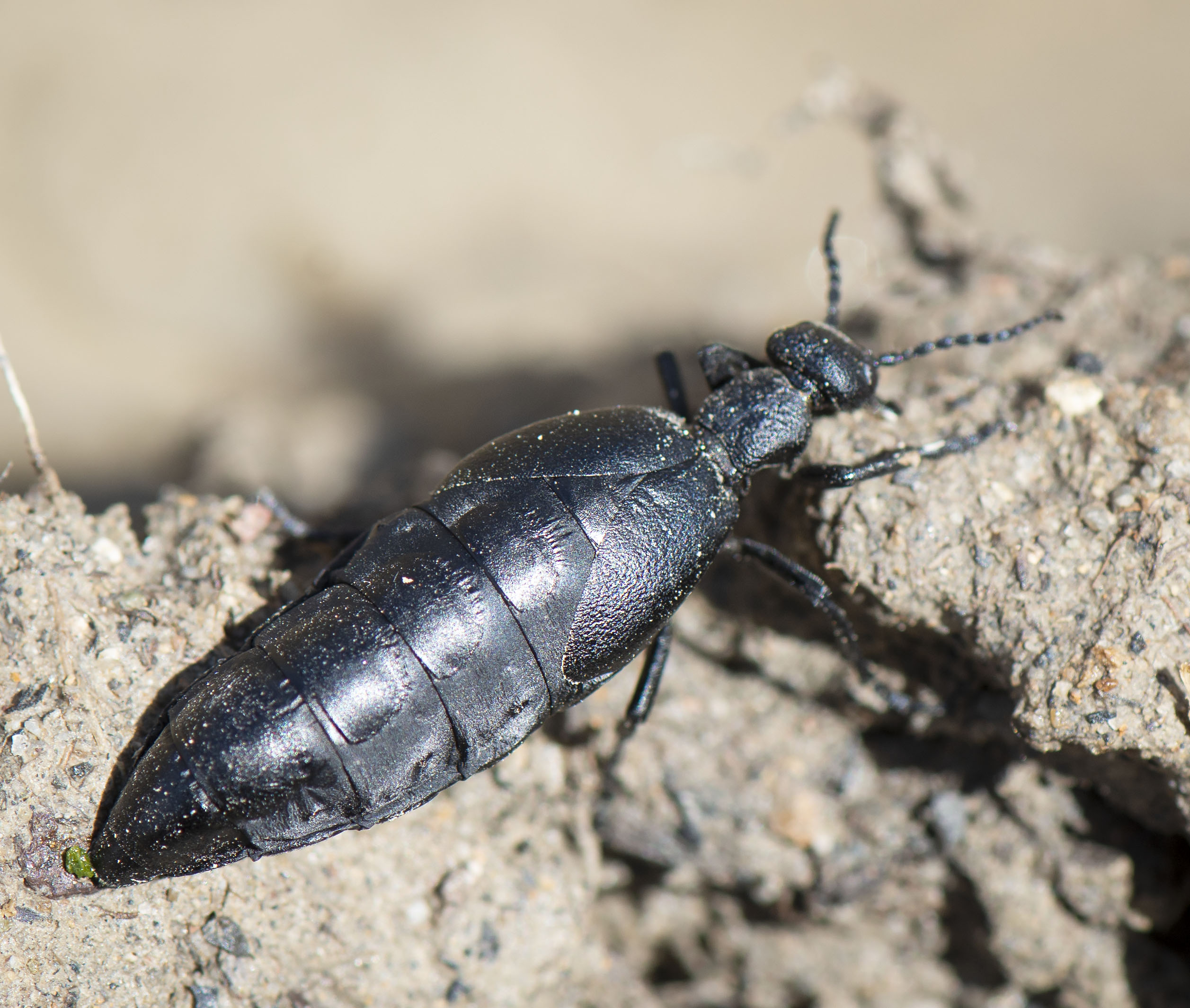

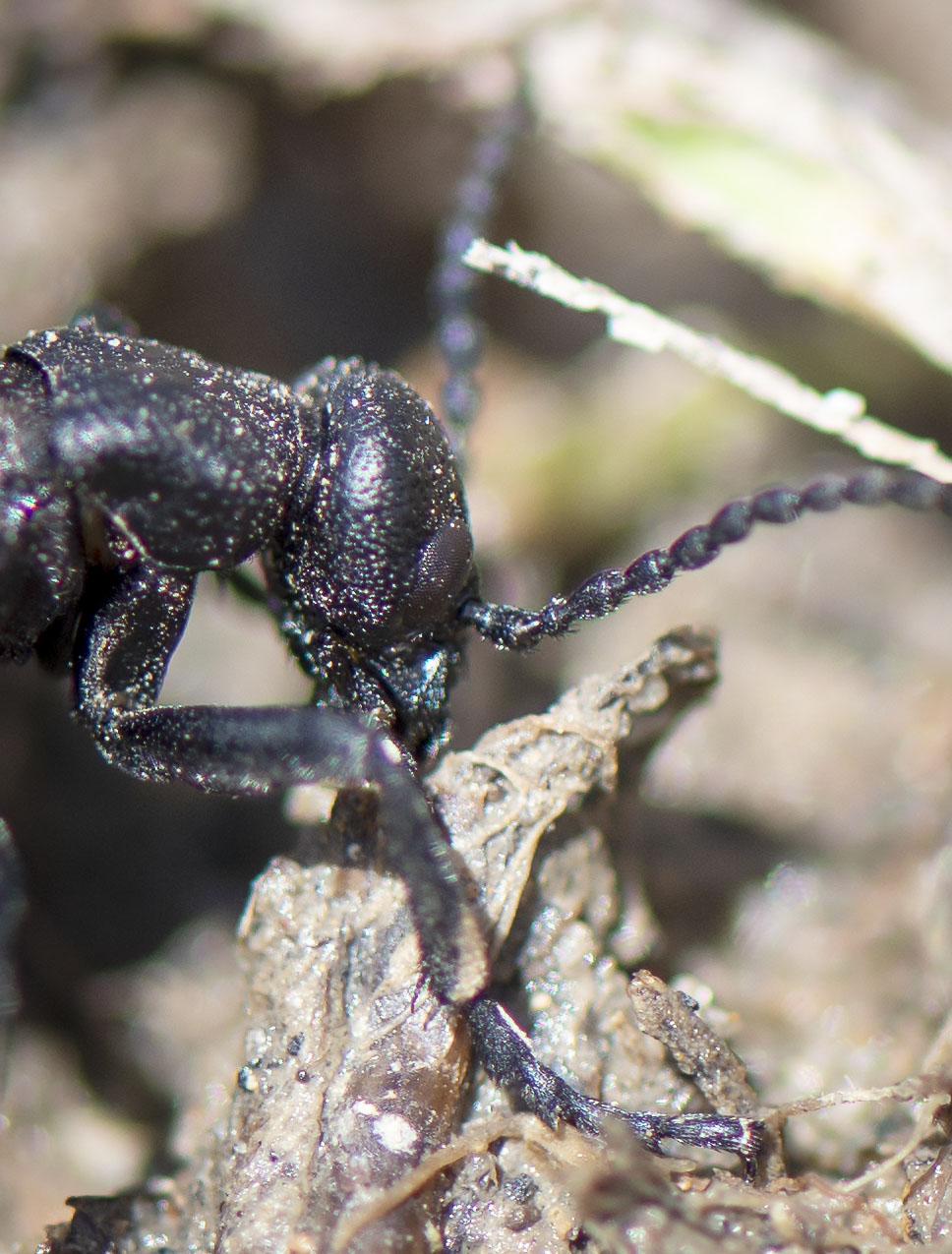
While we saw several oil beetles last week we only had the opportunity to photograph one, which like the others, was constantly on the move but moving slow enough for us to photograph.
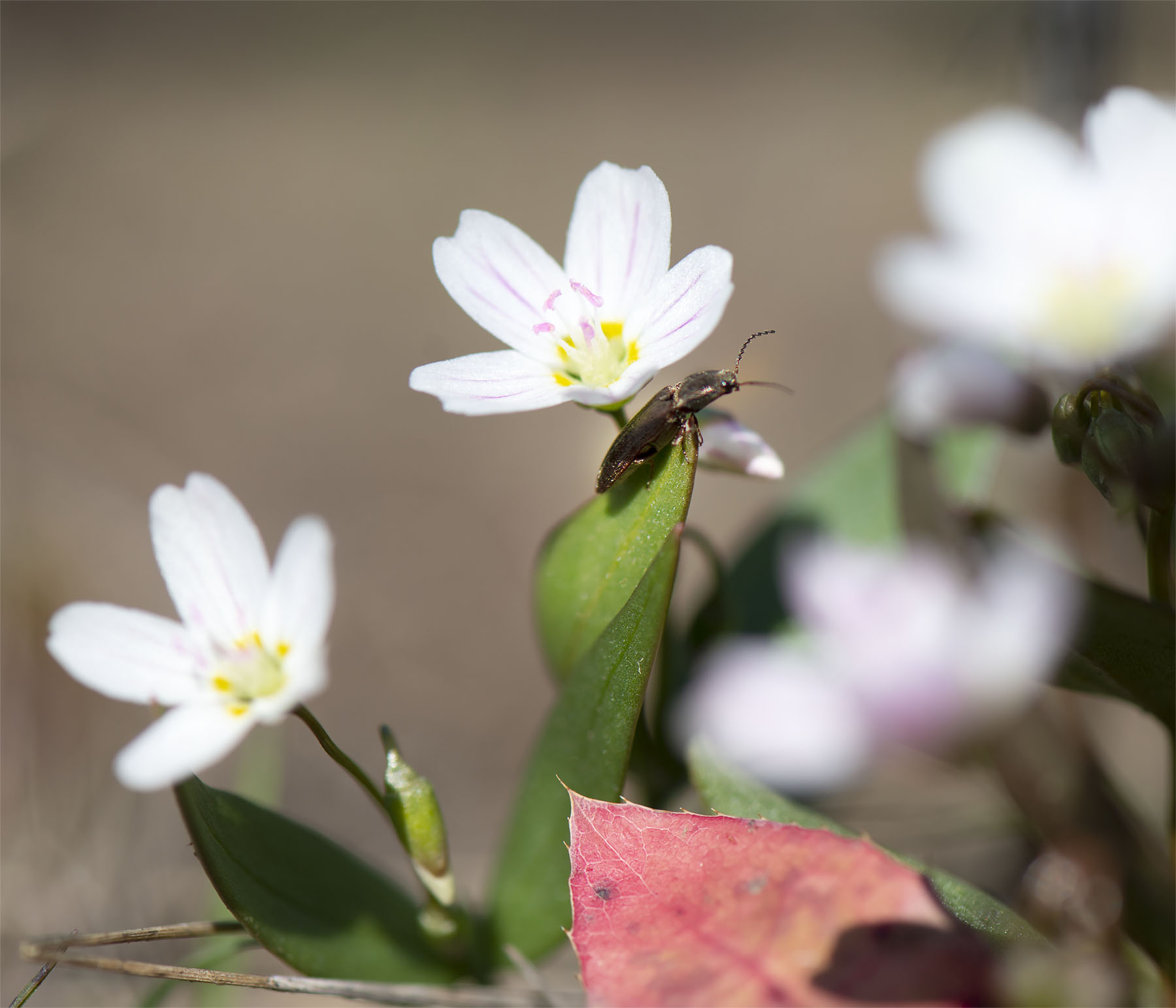
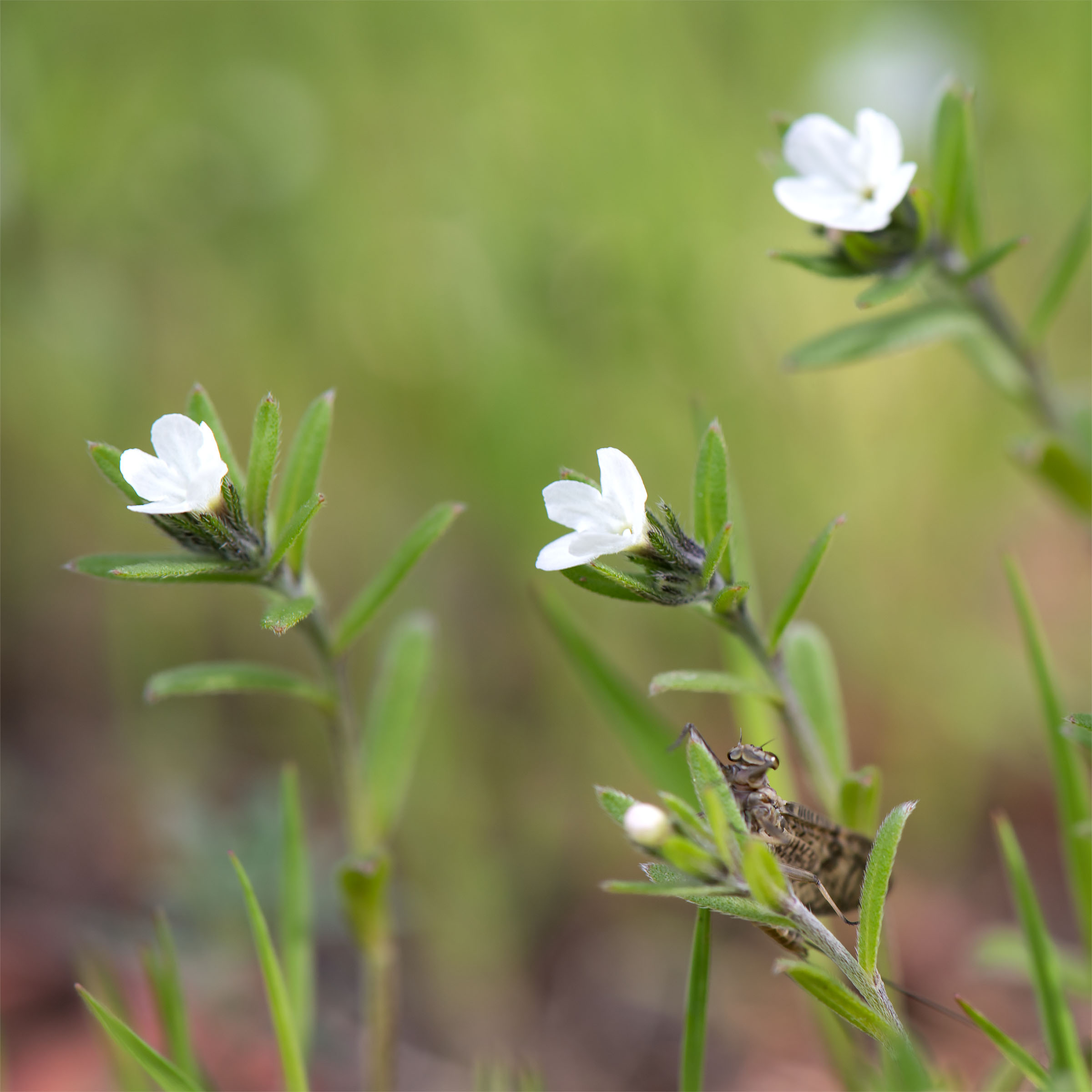
Small and smaller

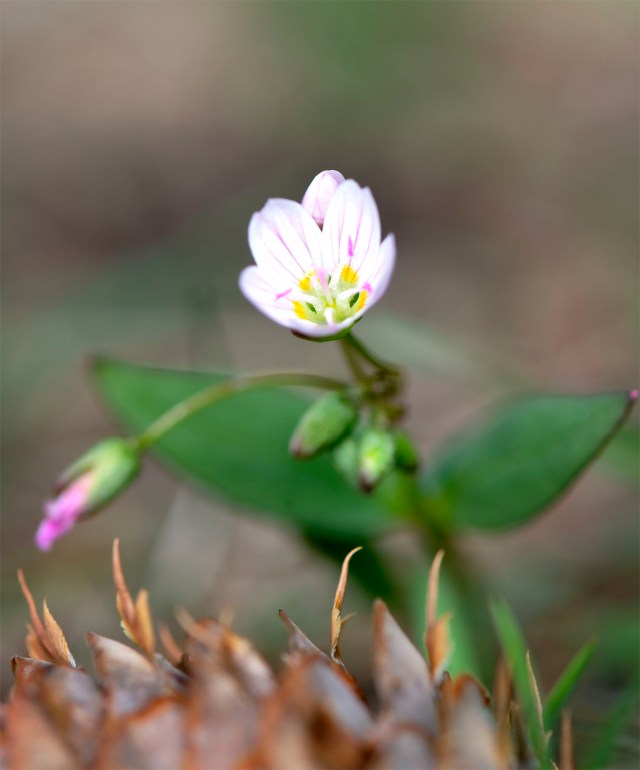
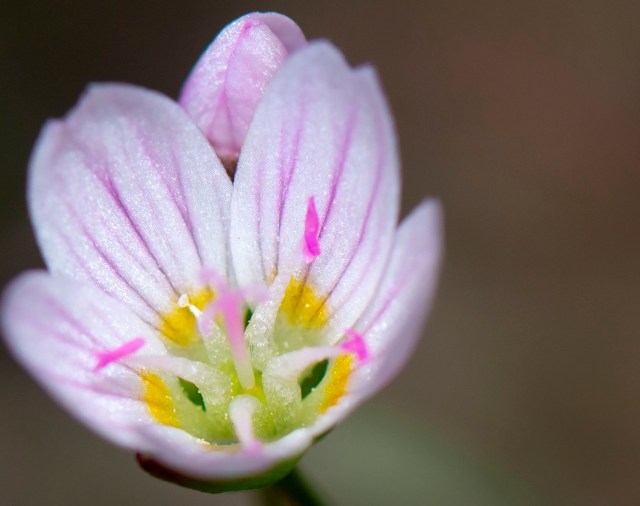
Tiny white wildflowers gracing the forest floor measuring no more than a quarter inch in diameter become a great big world to this tiny mantis that I did not even notice in the photograph until I downloaded the photos. just another reminder that the abundance of life one our wonderful planet is small and sometimes even smaller than we see.

On the earth day earth.

ED_1

Although spring had a calendar date of March 20th we have had an extended winter and this year earth day was the day that felt like spring had actually sprung.

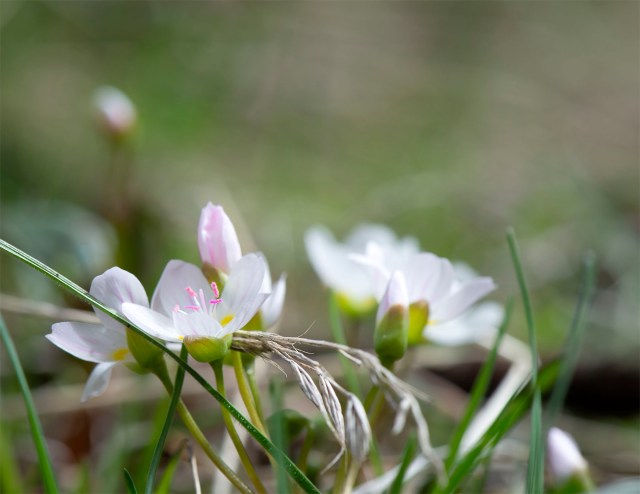
The sun had been out for several days in a row without a flake of snow falling and the temperatures were downright warm. The snow was receding at a rapid pace and the earth became exposed. Flowers were budding and blooming all of which were no more than several inches high.

The promise of spring seemed fulfilled at last.

ED_2

ED_3

Flowers blooming with life inviting the early season pollinators in for a drink.

ED_4
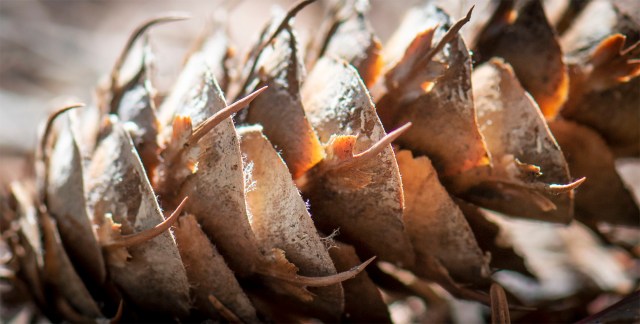
Pine cones alive on the forest floor and glow in the morning light.

ED_5

ED_6

ED_7

ED_8

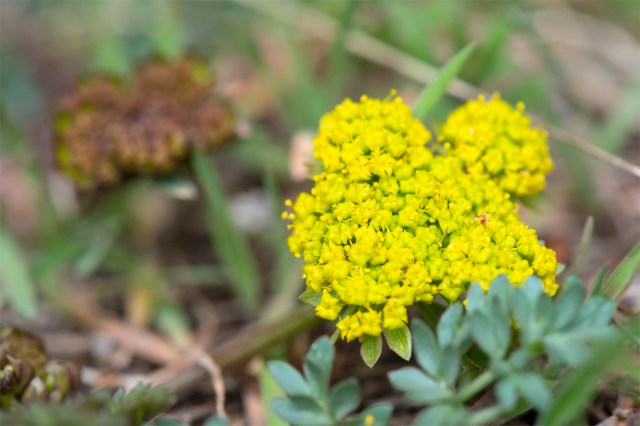
Not more than an inch in height the flowers came in yellow and white.

ED_9

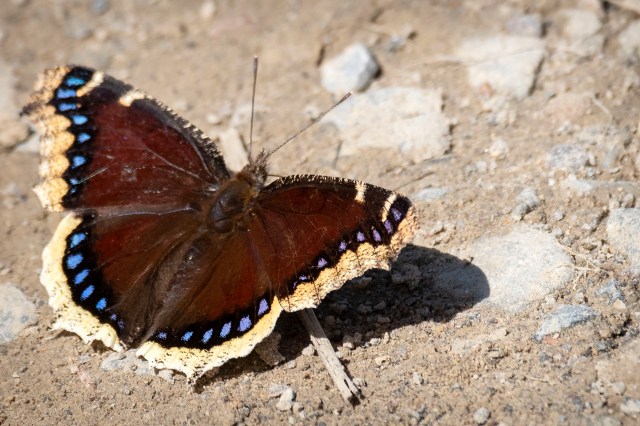
The state butterfly Nymphalis antiopa “Mourning Cloak” basks in the sunlight on a road which only a day or two ago was covered in snow.

ED_10

And then came the day after earth day…

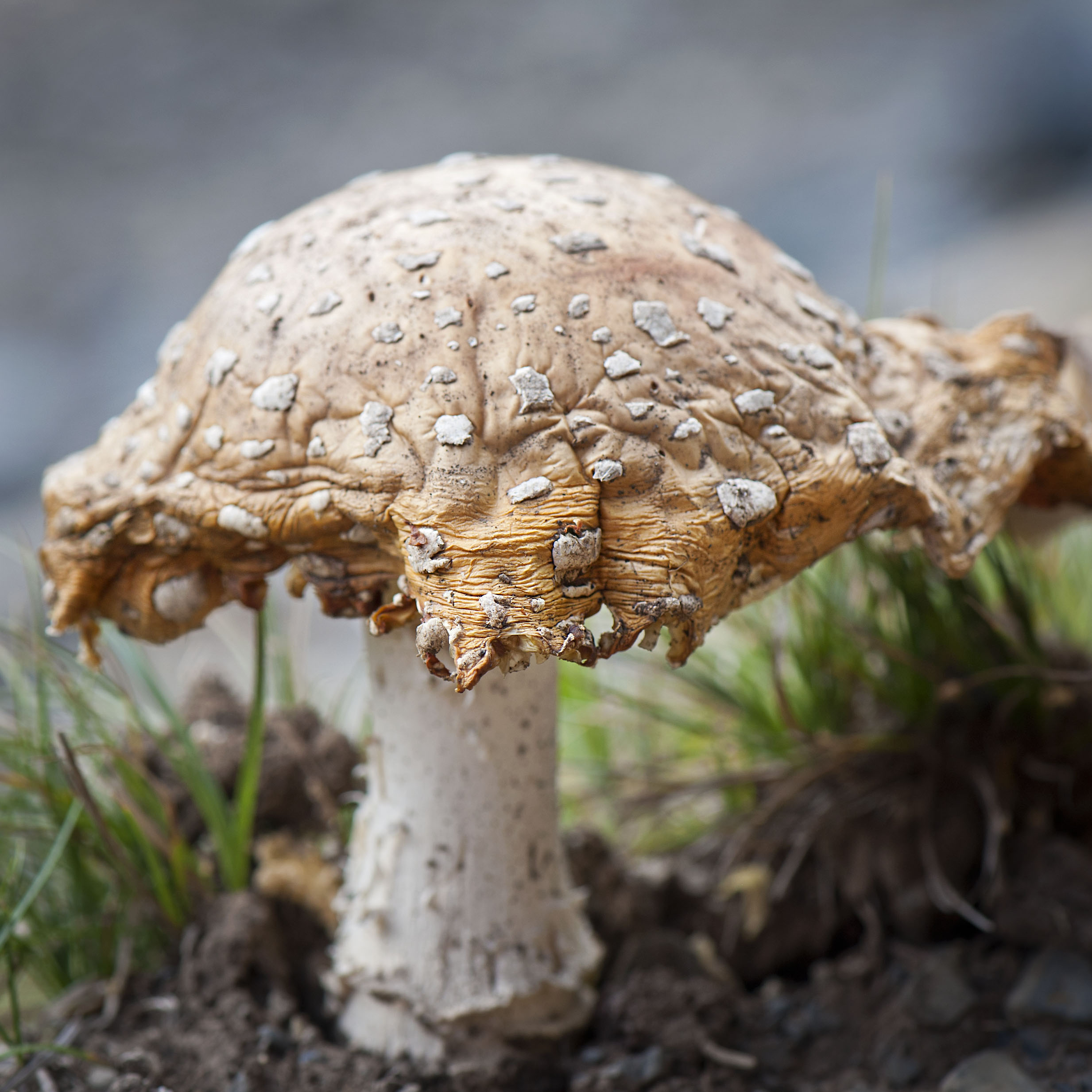
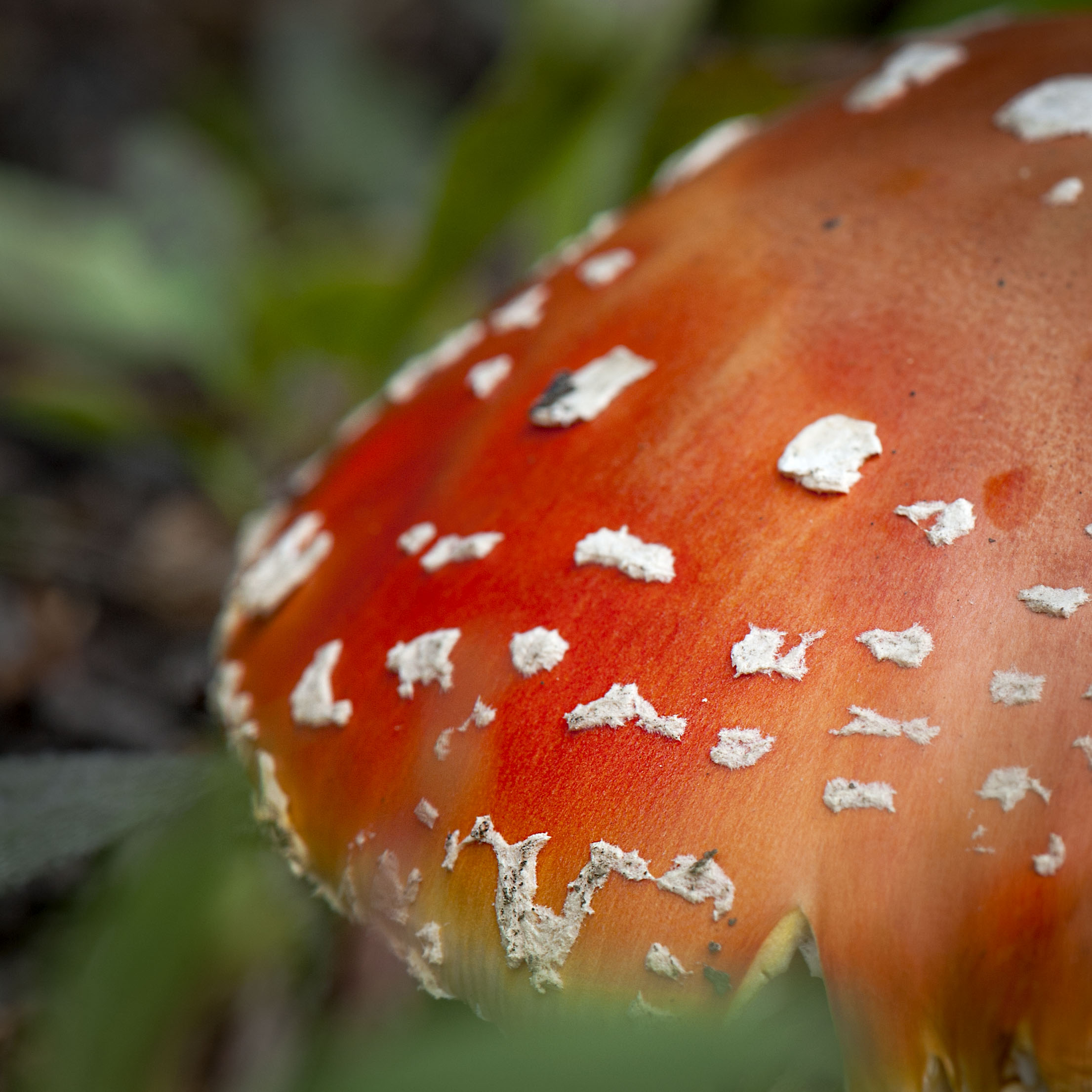
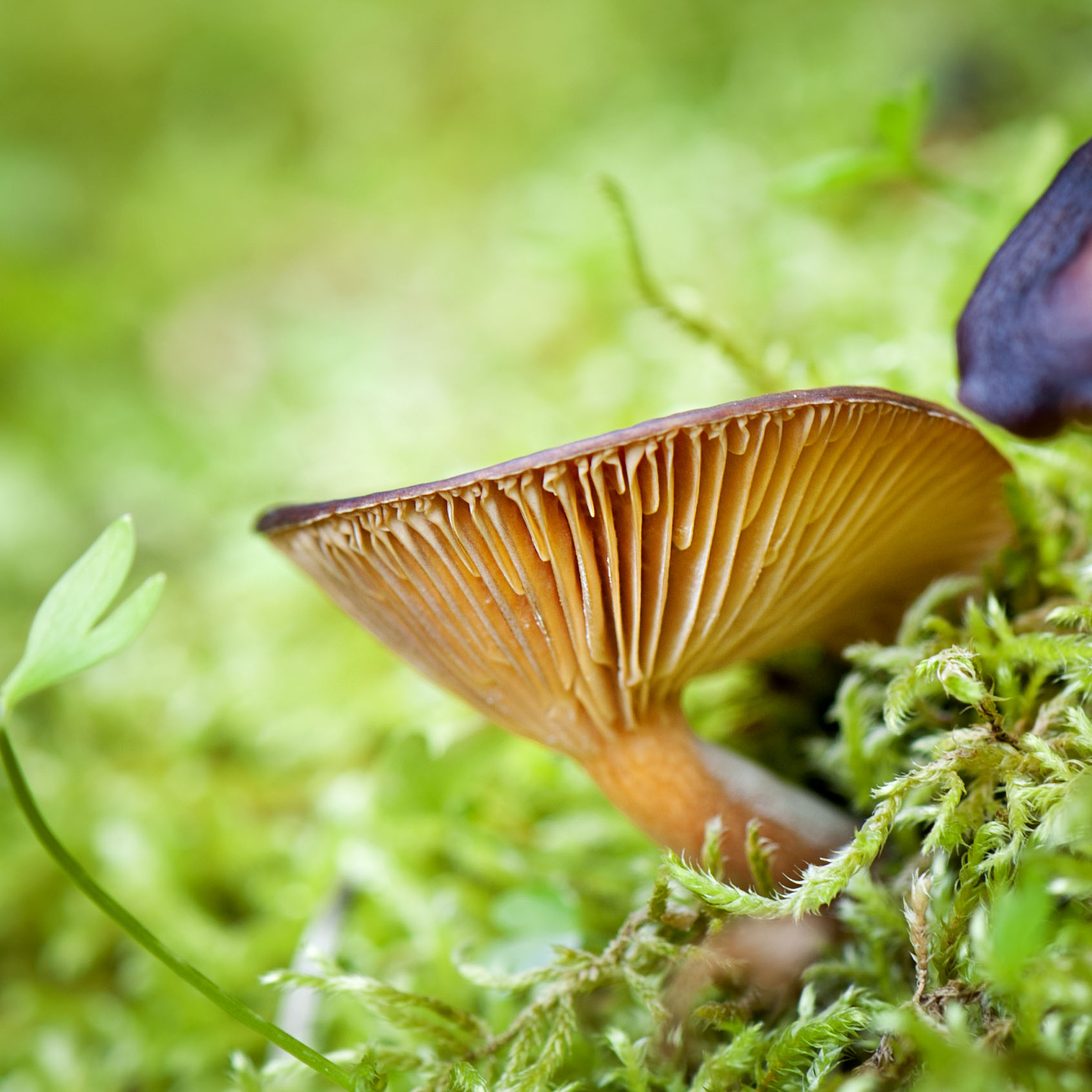
The Fungus Among Us

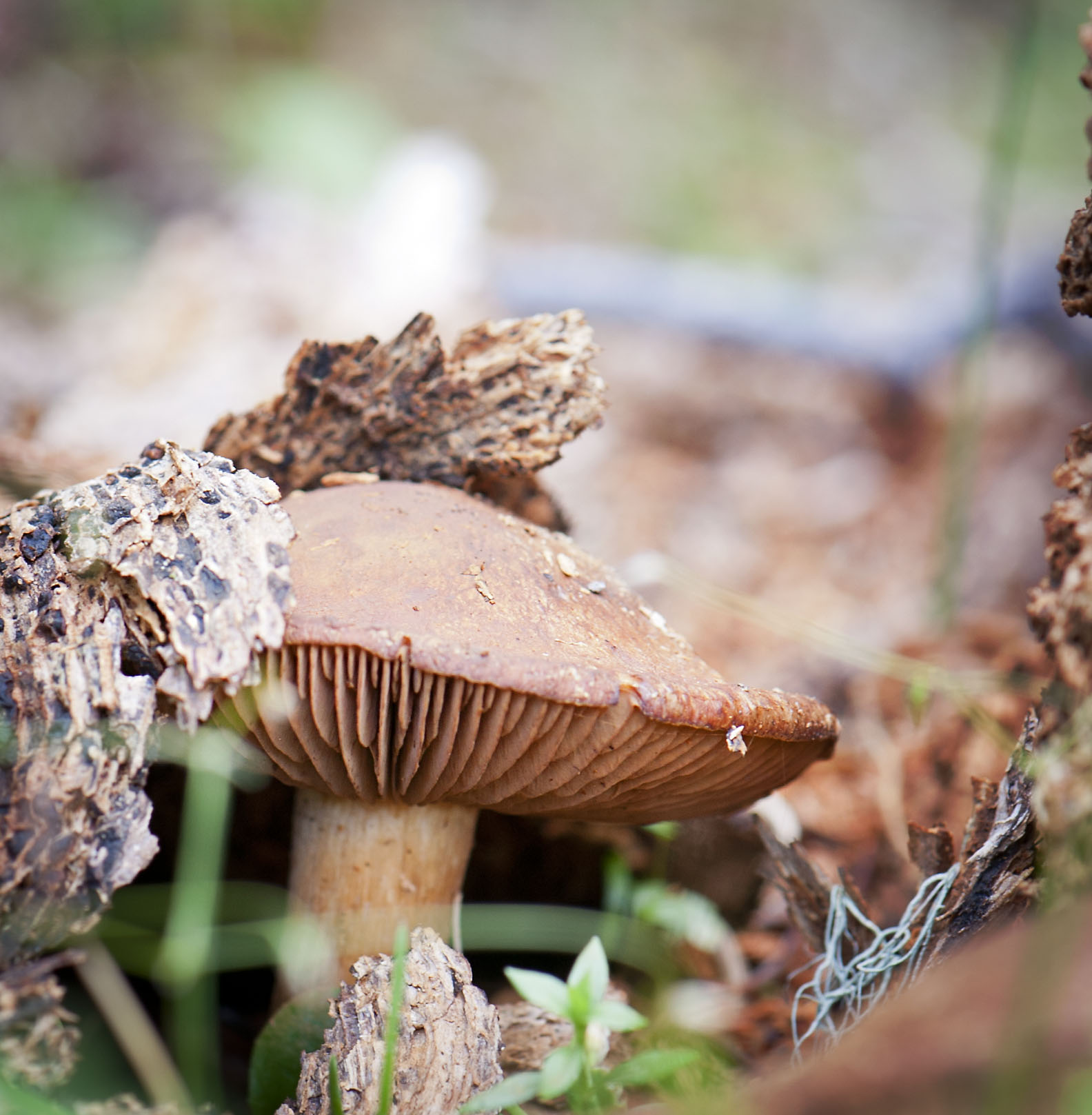
I have always found mushrooms fascinating life forms. Not plant, not animal yet vitally important for the health of both plants and animals. However, they are a bugger to photograph yet I never stop trying.

Paul Stamets wrote a great book on Fungus call Mycellium running and delivered this inserting TED talk several years ago:

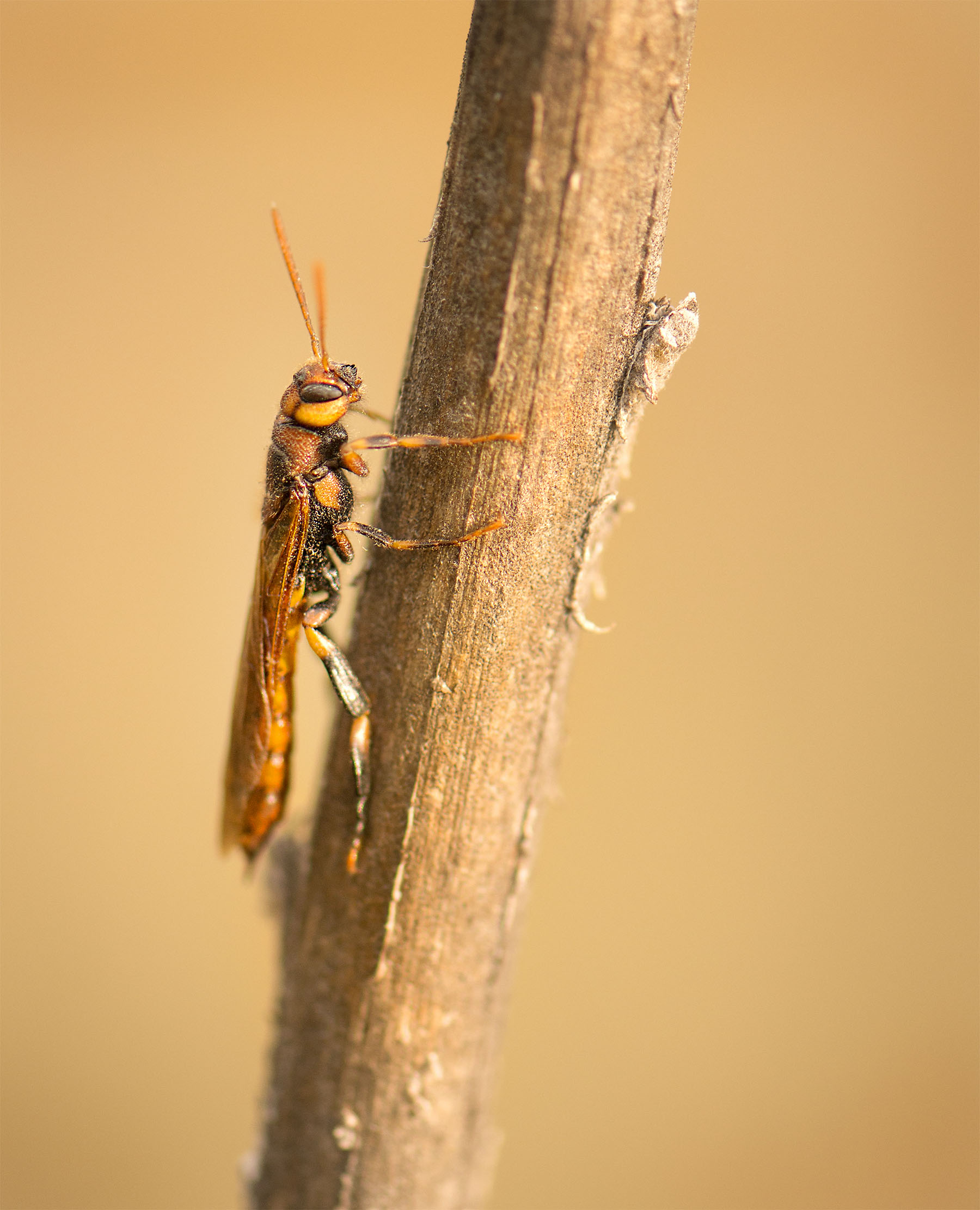
Pigeon Tremex Horntail

Looking a bit like a caped and masked superhero this Pigeon Tremex (horn tailed Wasp) was found resting on an Autumn afternoon. Although they look like they could do some damage these wasps are reported to be not naturally aggressive and only sting when provoked just like any good superhero.

For a detailed description I found the link below to do a great job describing them:

http://bugeric.blogspot.com/2012/09/wasp-wednesday-pigeon-tremex-horntail.html

Fur Coats

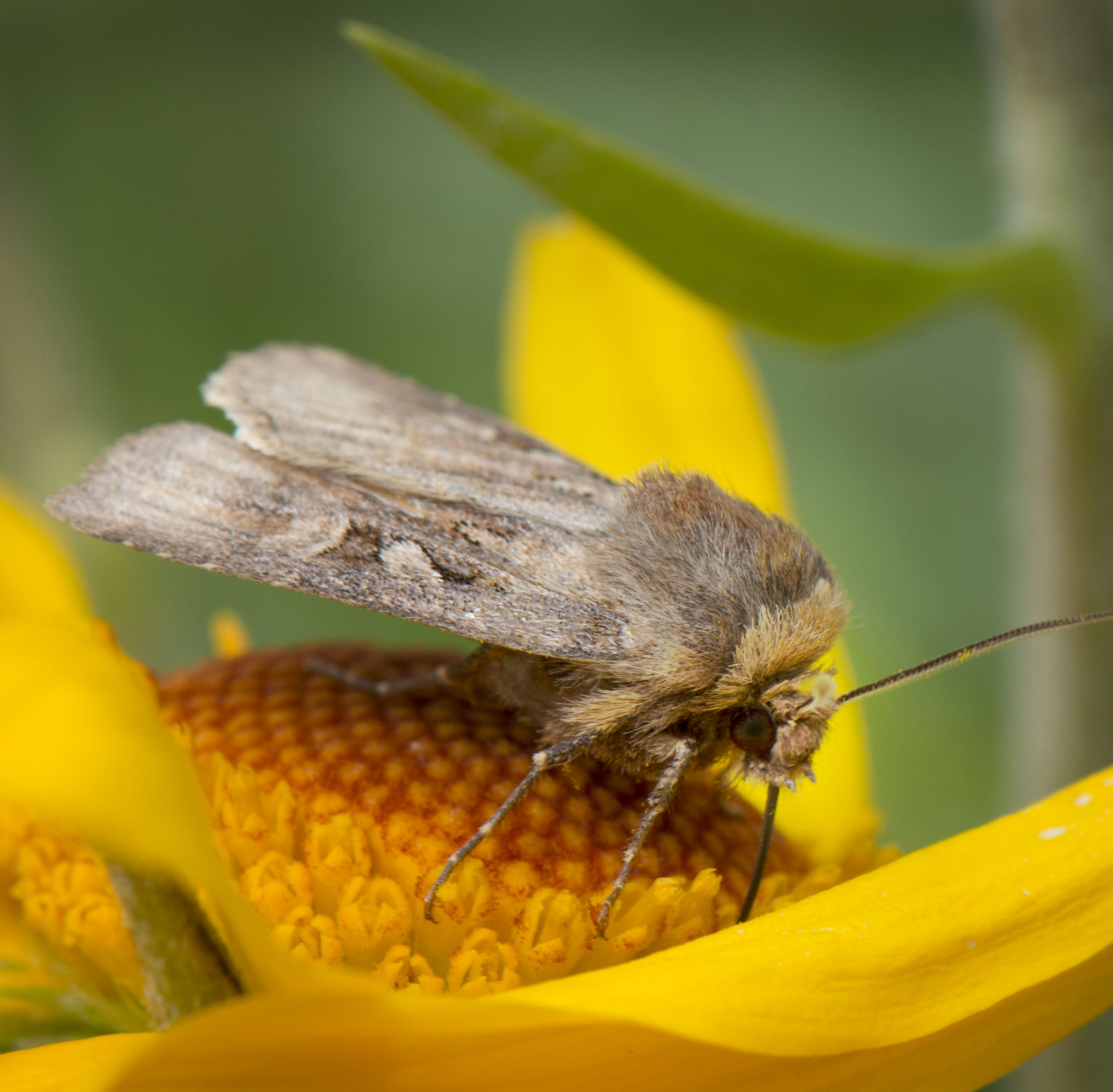
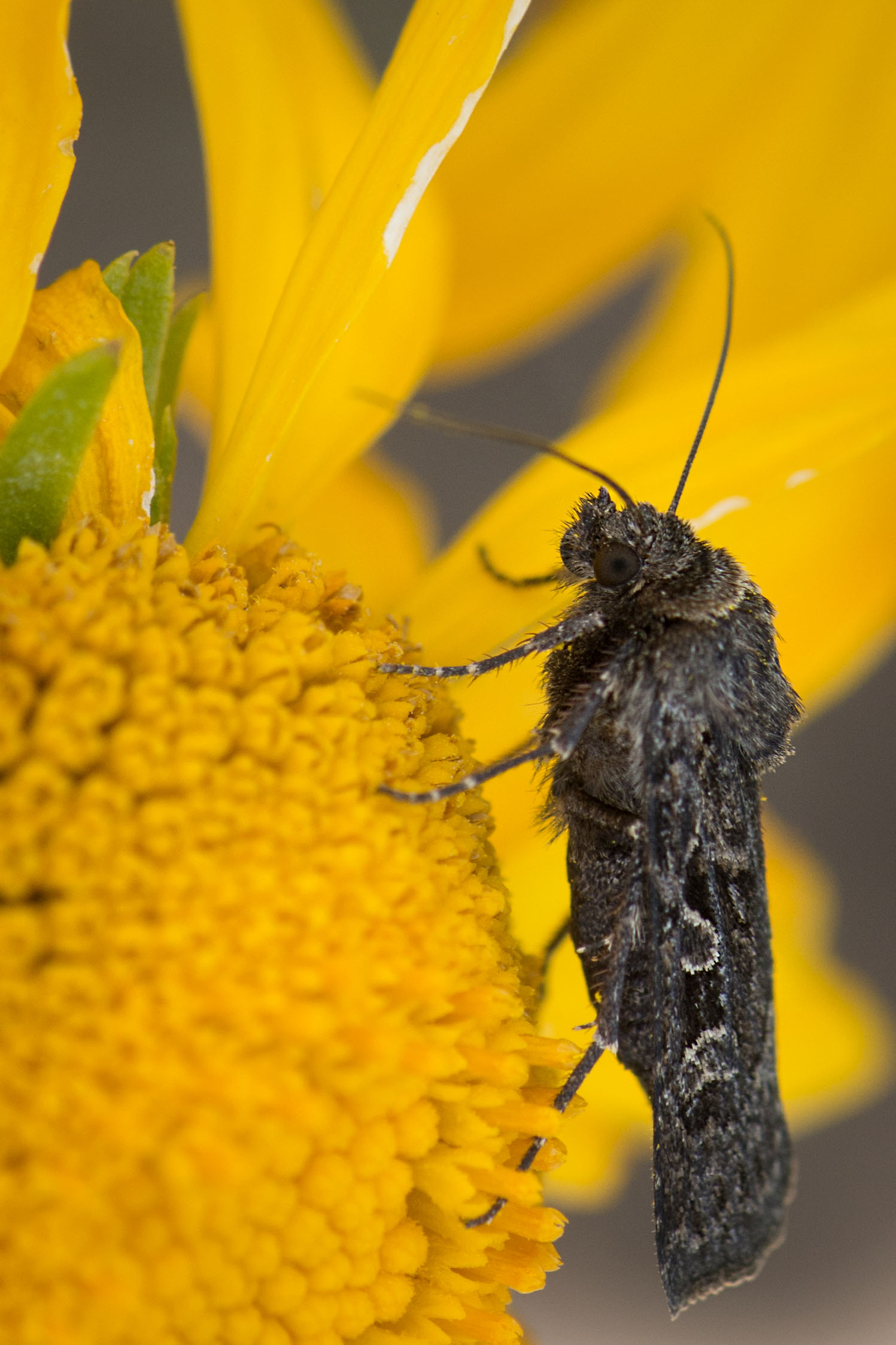
Tow different alpine moths each wearing fur coats forage up high in the mountains of central Colorado.

Photographed in early September.

Just an hour after posting this I came across a news story describing the decline of insects by 75% in Germany. I am sure this is happening globally to varying decrees. This sixth extinction caused by our human species will have consequences and is affecting life big and small. A link to the study is provided below:


http://journals.plos.org/plosone/article?id=10.1371/journal.pone.0185809


Fuzzy

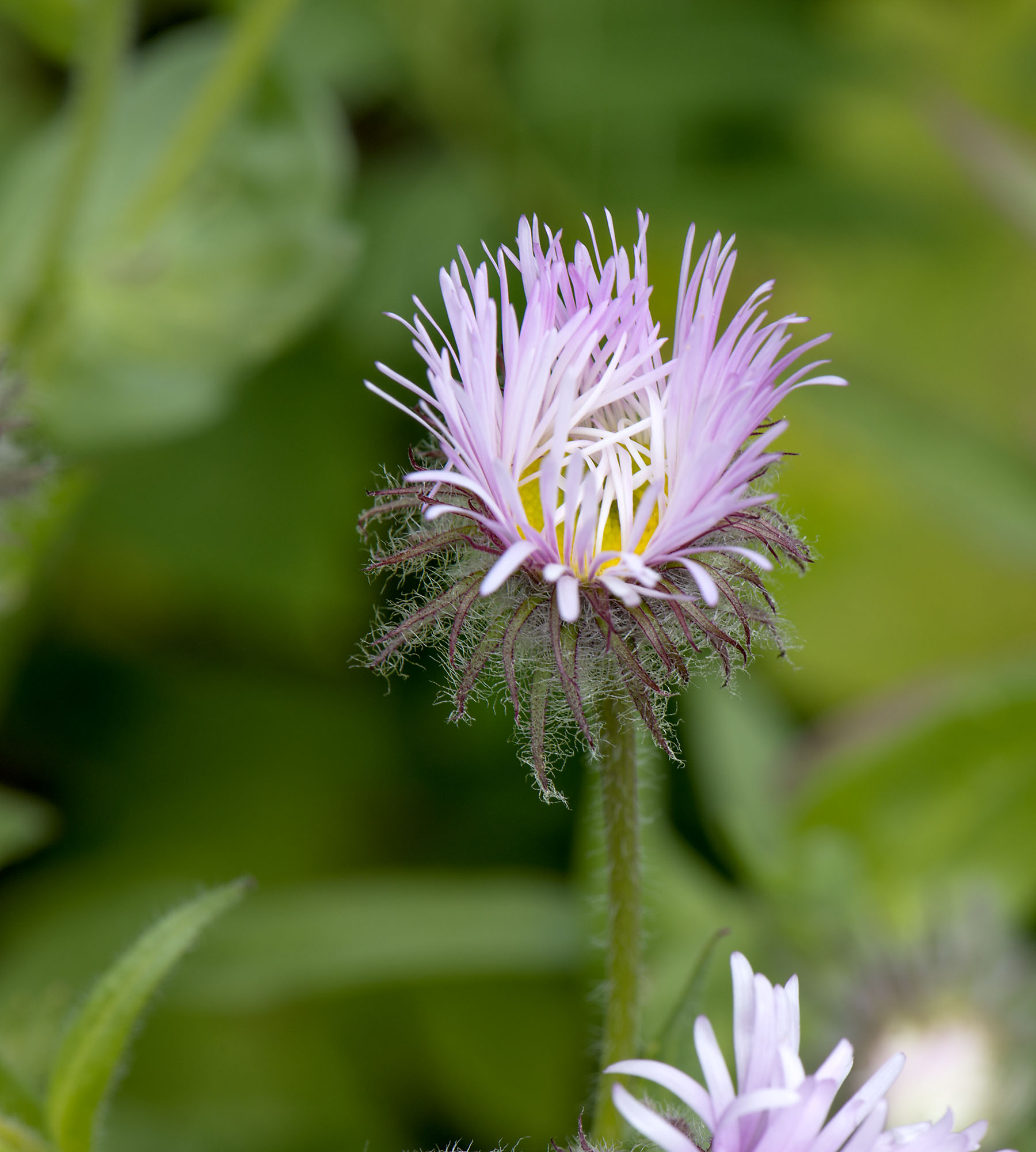
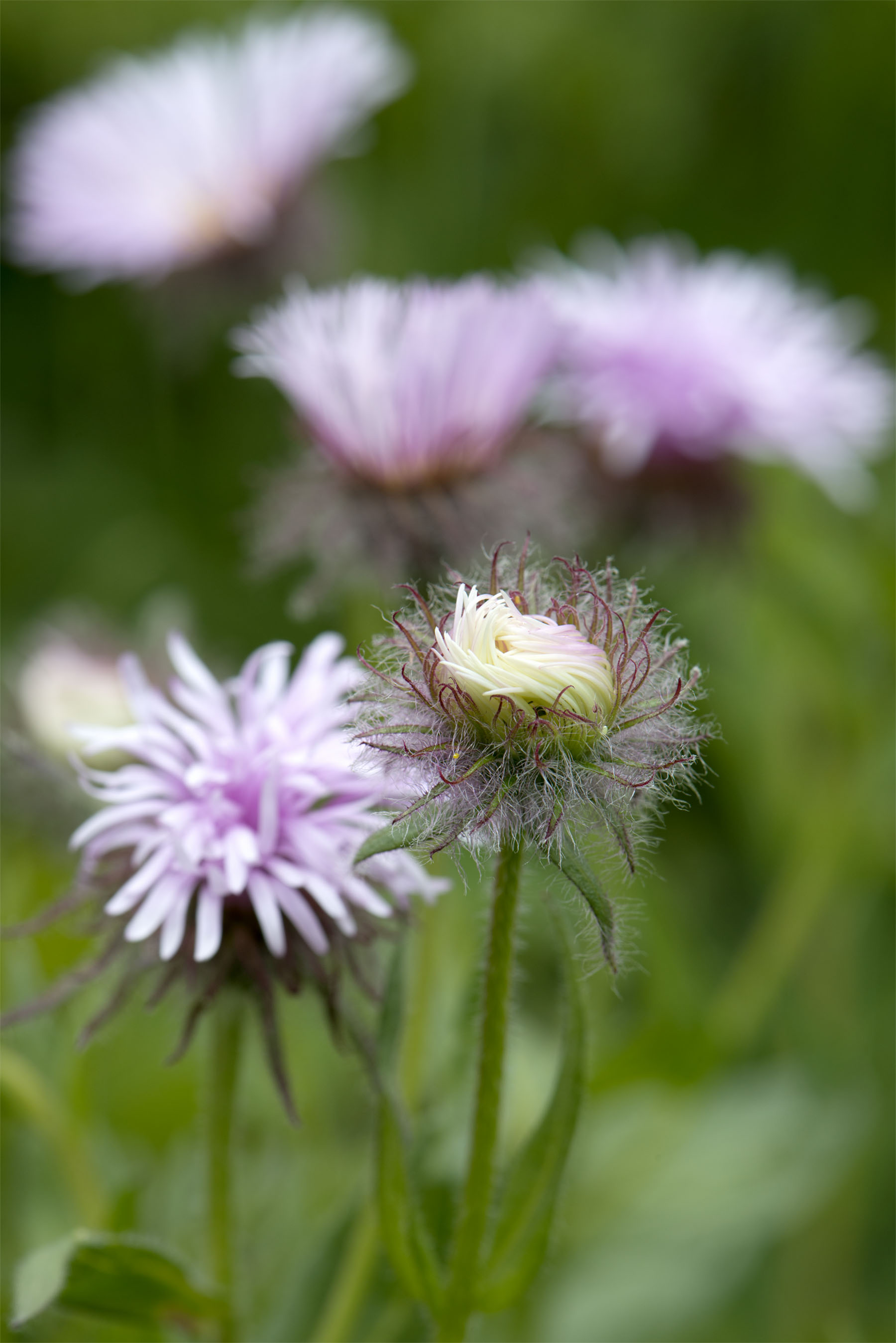
Fuzzy Purple Asters up high near tree line. It seems that when you ascend up towards the tundra the Asters become more fuzzy. A fur coat to protect against the chilly nights?

The butterflies like them as much as I do.

Photographed in August near tree-line in Central Colorado.