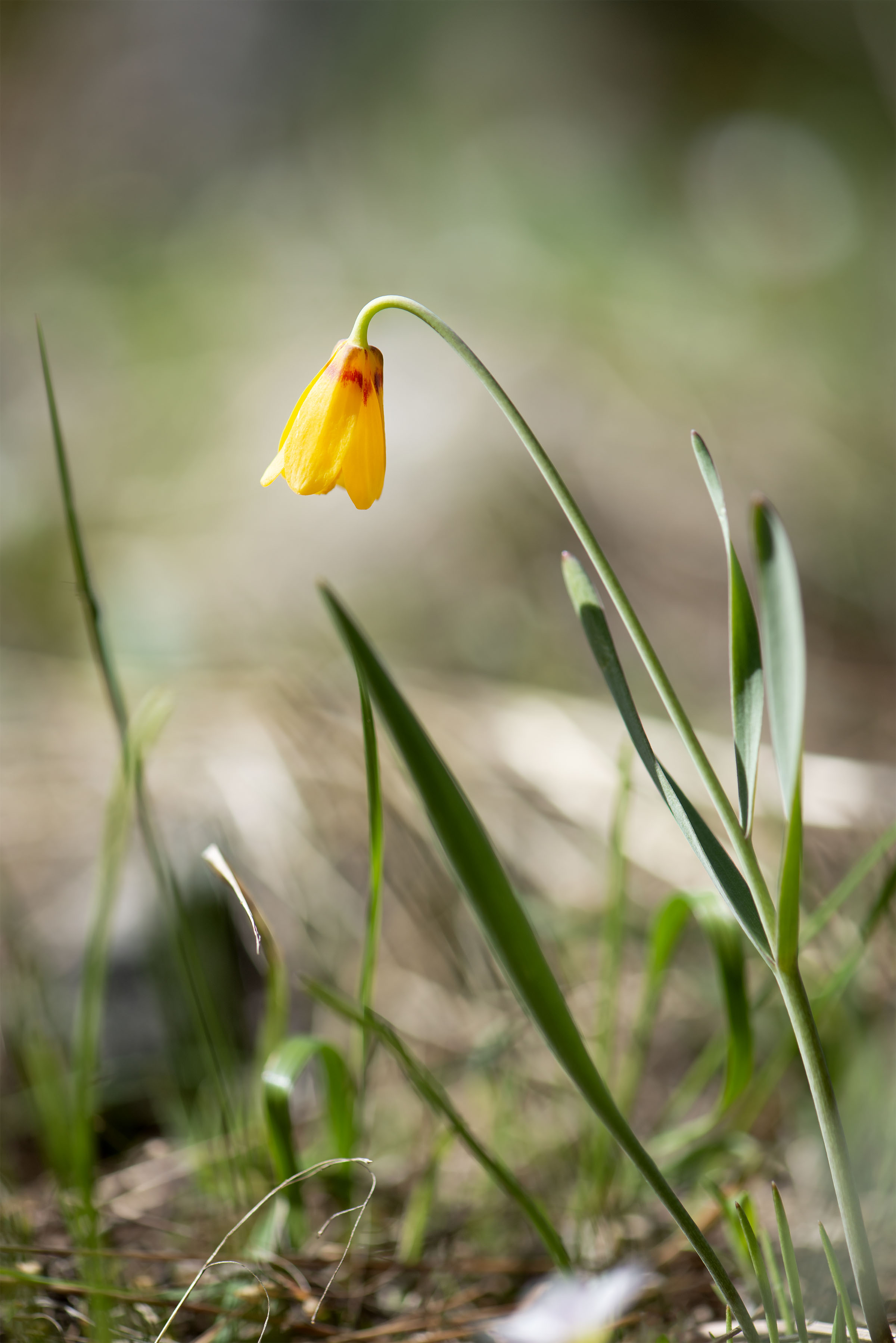
Yellow Bells:Fritillaria pudica

In addition to the Glacier Lillies carpeting the forest floor these small Yellow Bells, which are also in the Lilly family, have kept us company this spring. The plants are only 10-30cm tall and usually contain a single flower. They grow scattered in patches both in open areas as shown below and in more forested areas as well.

The bulb of yellowbells is edible, raw or cooked. It can also be dried for later use. Since it is rich in starch, it is best used in the autumn, however, many tribes picked them in May and boiled them alone or with bitterroot. The raw bulb tastes like potatoes, when cooked it tastes like rice. It can be eaten as a vegetable or be added to soups etc. Several tribes used them for food. The green seedpods can be eaten, boiled as a wild green, but are said to be bitter.

We found flowers that ranged from the typical yellow to some that were a deep orange.

A small treasure that springs from the ground and one to look forward to again.

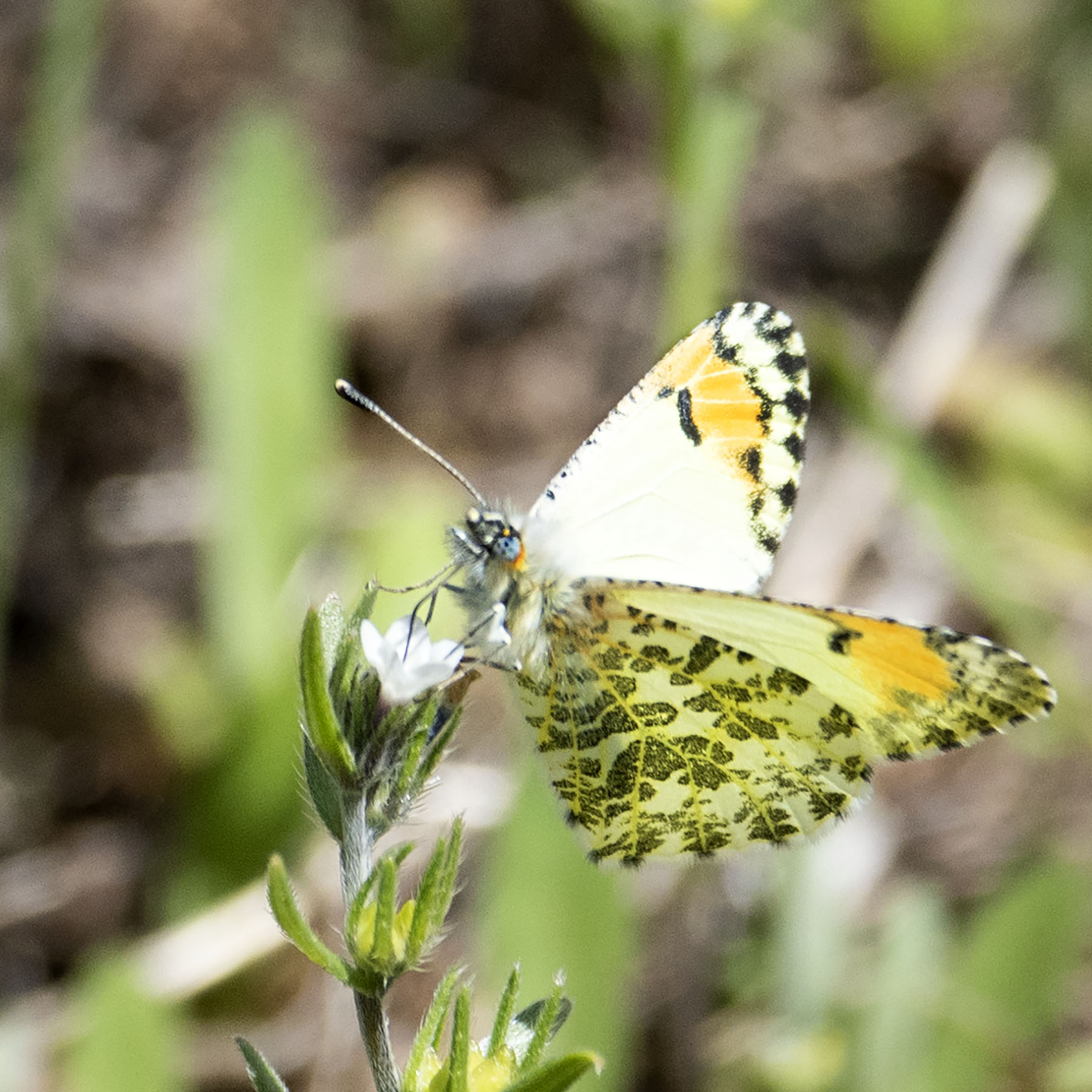
Stella Orangetip: Anthrocharis stella


We have followed Anthrocharis stella commonly known as Stella Orangetip up and down the trail the last few week with little luck photographing these butterflies that rarely seemed to land. No fooling, one must have flown 25yards in front of us for at least 1/4 mile along the trail last week keeping tis distance but never landing.

When we did see one touch down it was always far in the distance and to make matters worse the wind seemed to be blowing just enough to make focusing with a long telephoto lens somewhat difficult. They definitely seemed to be searching for something specific in their flights and perhaps it was the small white flower in the photo above as they were scattered along the trail and not present in great numbers. Perhaps these flowers will increase in numbers as spring rolls on and then we will get a chance for more close-up shots of this fine looking butterfly.

First Leaves

Along the creek with buds just breaking out a trees first leaves of spring were not leaves at all.

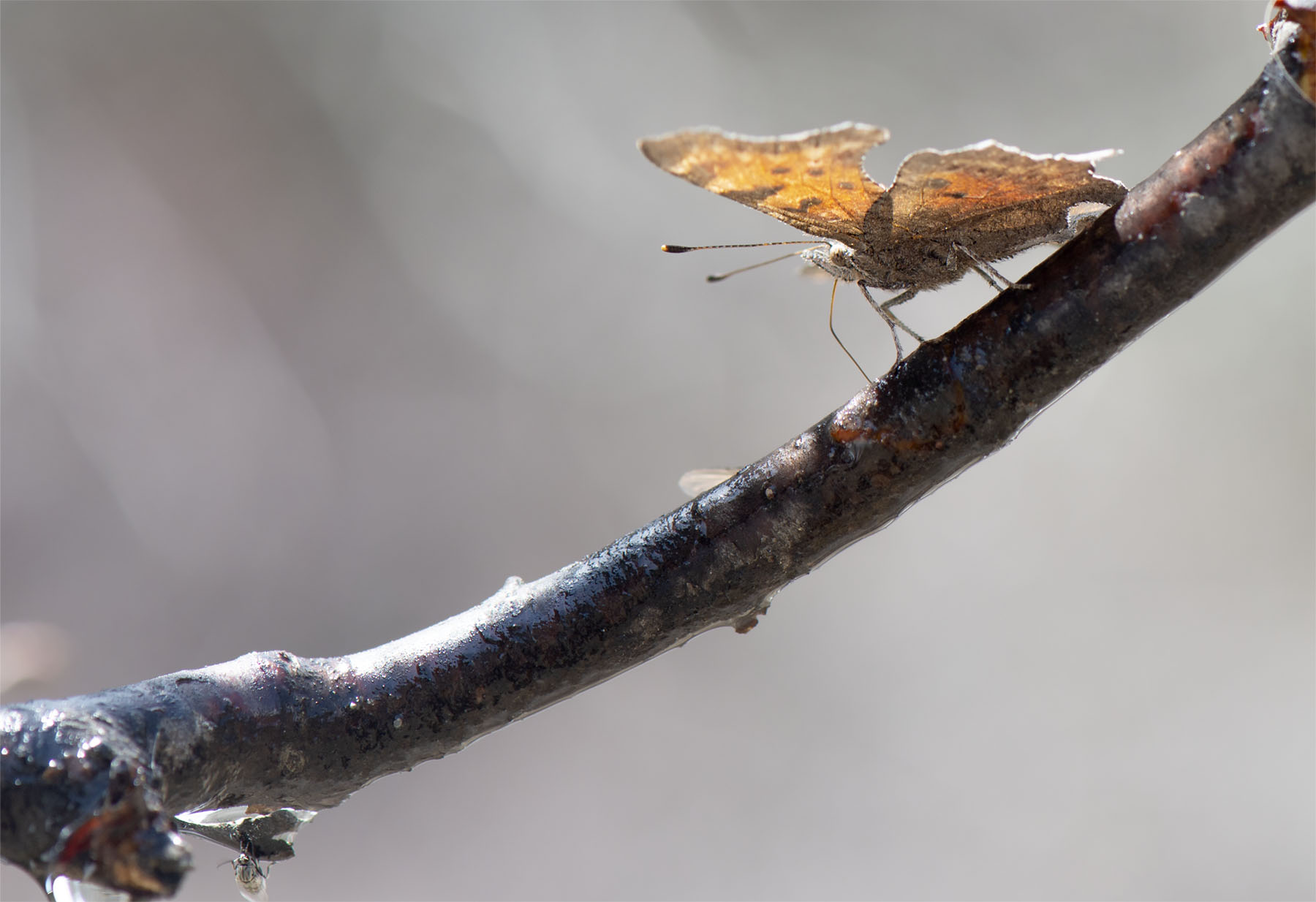
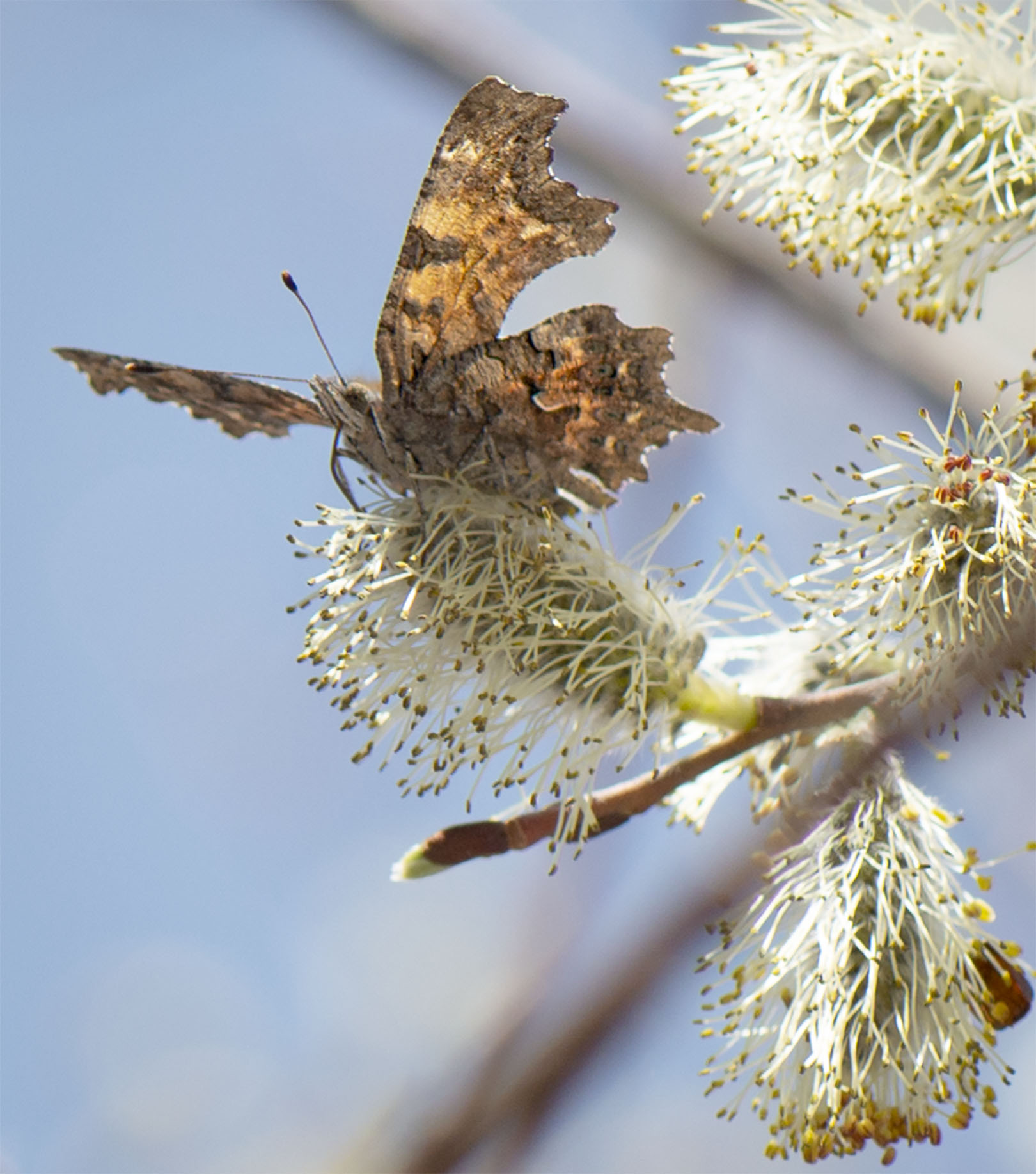
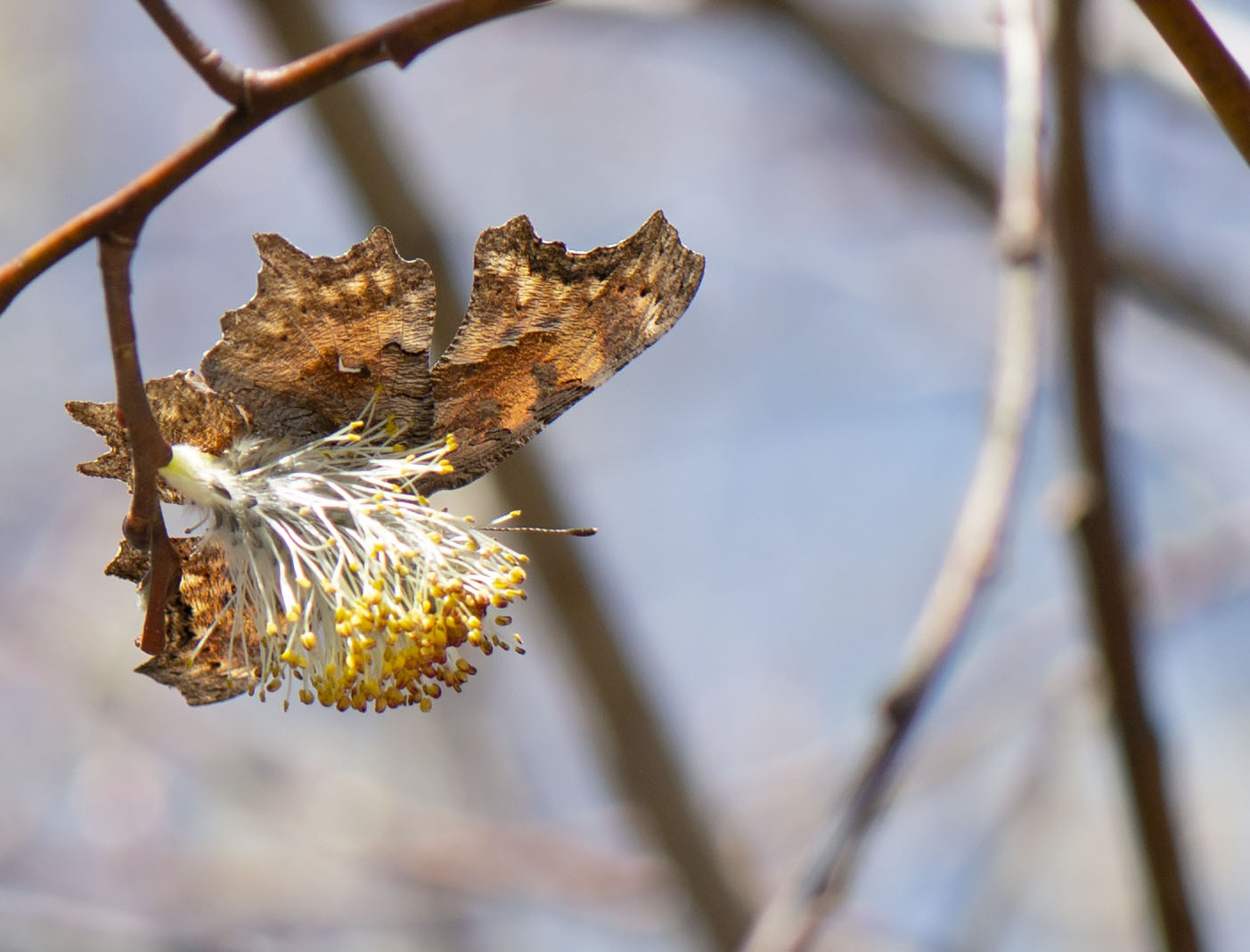
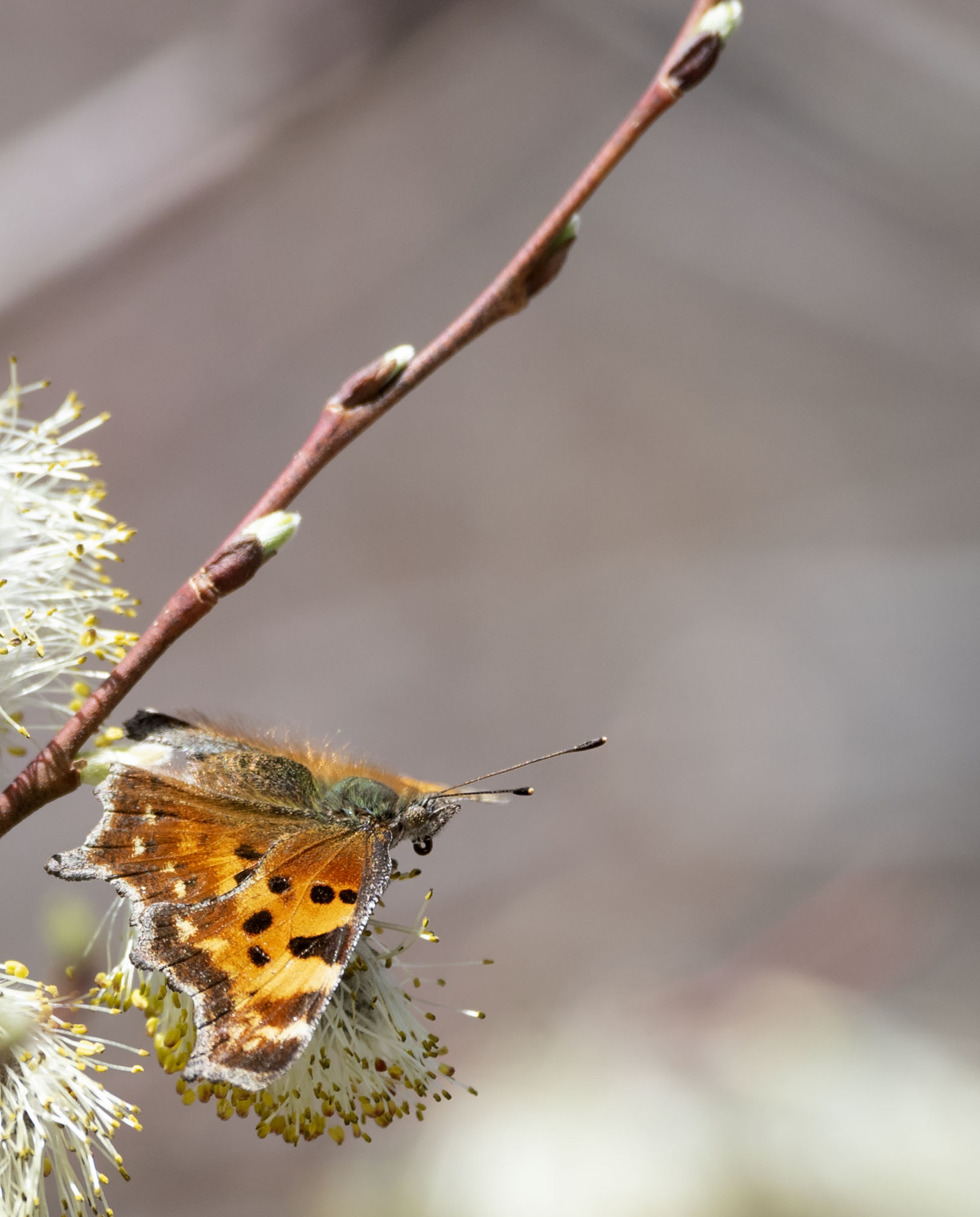
It appeared that sap was flowing and attracting Comma Butterflies (Polygonia comma) of either the Eastern, Satyr or Hoary varieties to these willows just a few weeks ago. In addition to sap the leafless Pussy Willows further up the road were providing an early spring meal of pollen and nectar for the pollinators as well.

The namesake comma, or little c,is visible on both of these guys above.

… and the star of the show and a beautiful lift leaf on any plant.

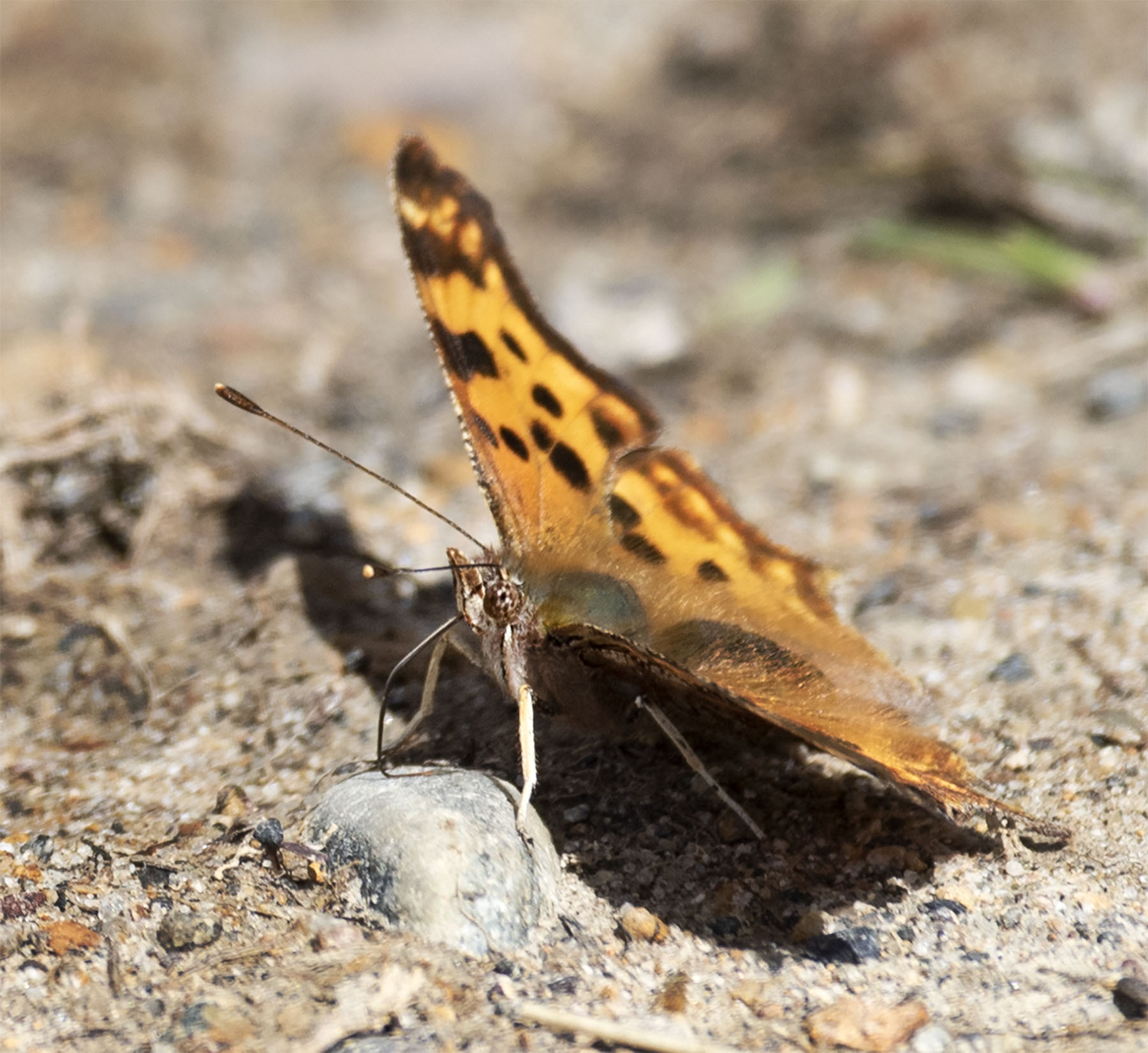
And after a meal full of nectar a well balanced butterfly diet should include a little mineral as well. This Comma is engaging in a behavior known as puddling which I have observed over and over again but first read about on Piotr Naskrecki’s blog the Smaller Majority in an article entitles What Butterflies Like.

Anyway those first leaves of spring were not leaves at all.

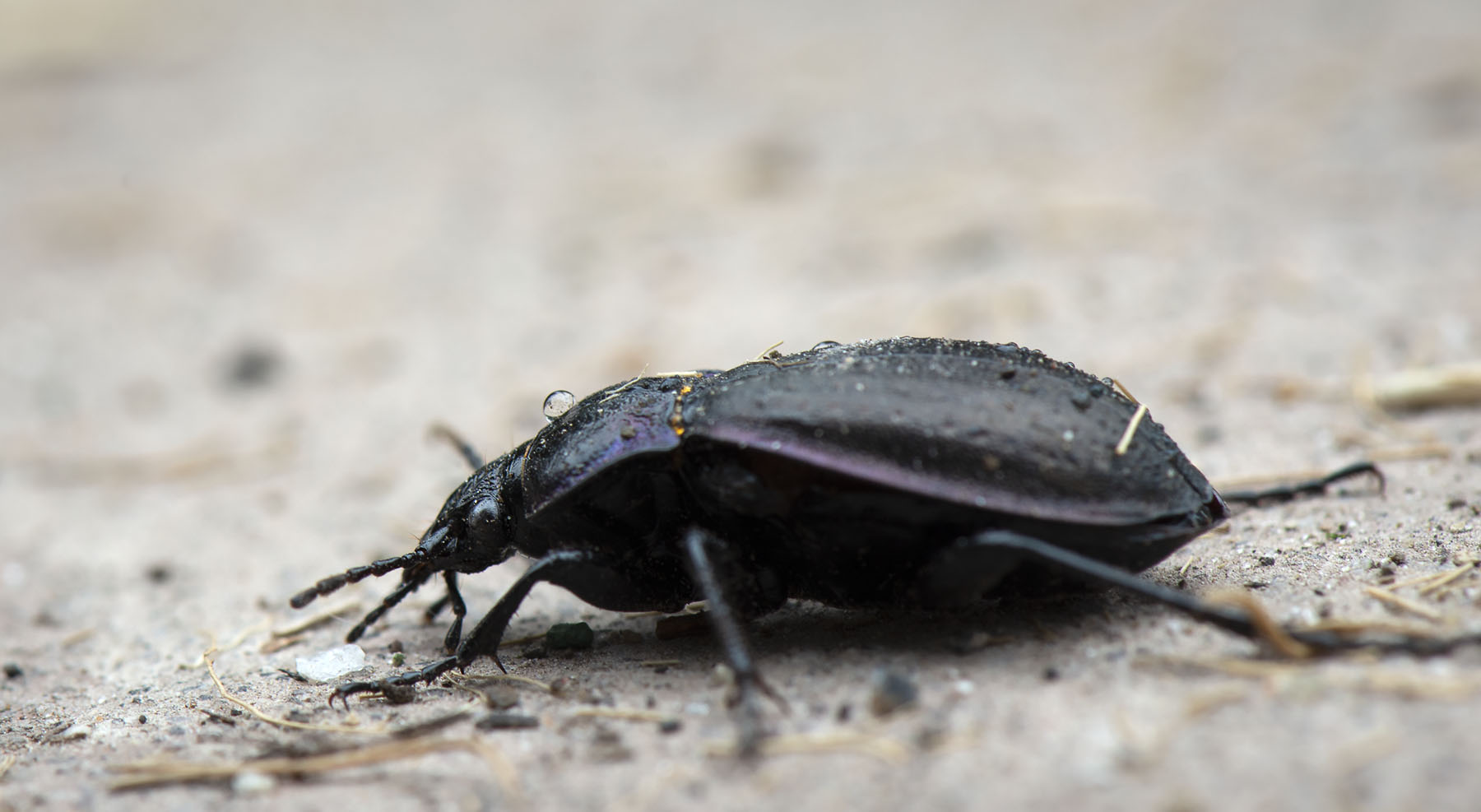
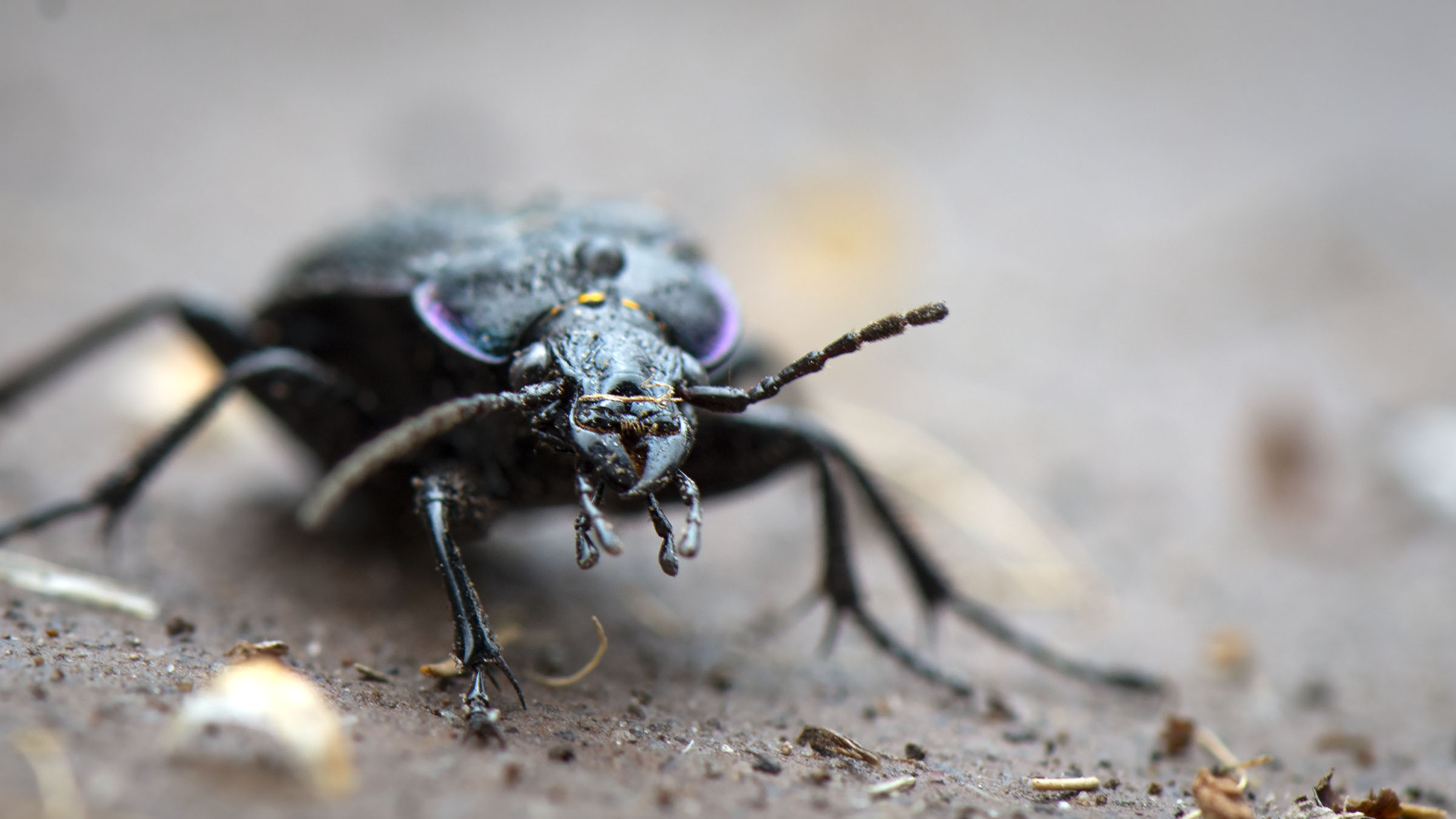
Woodland Ground Beetle: Carabus sylvosus


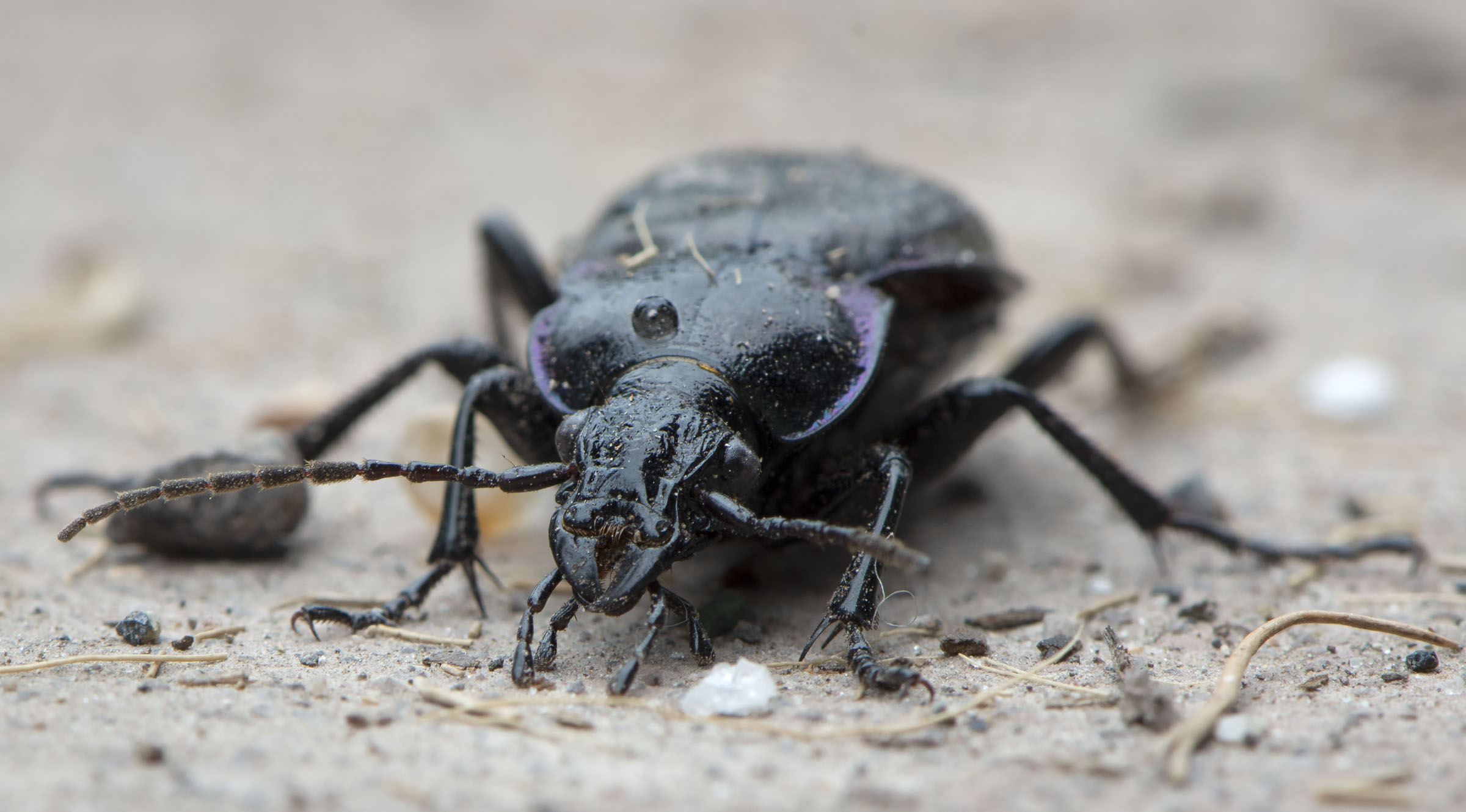
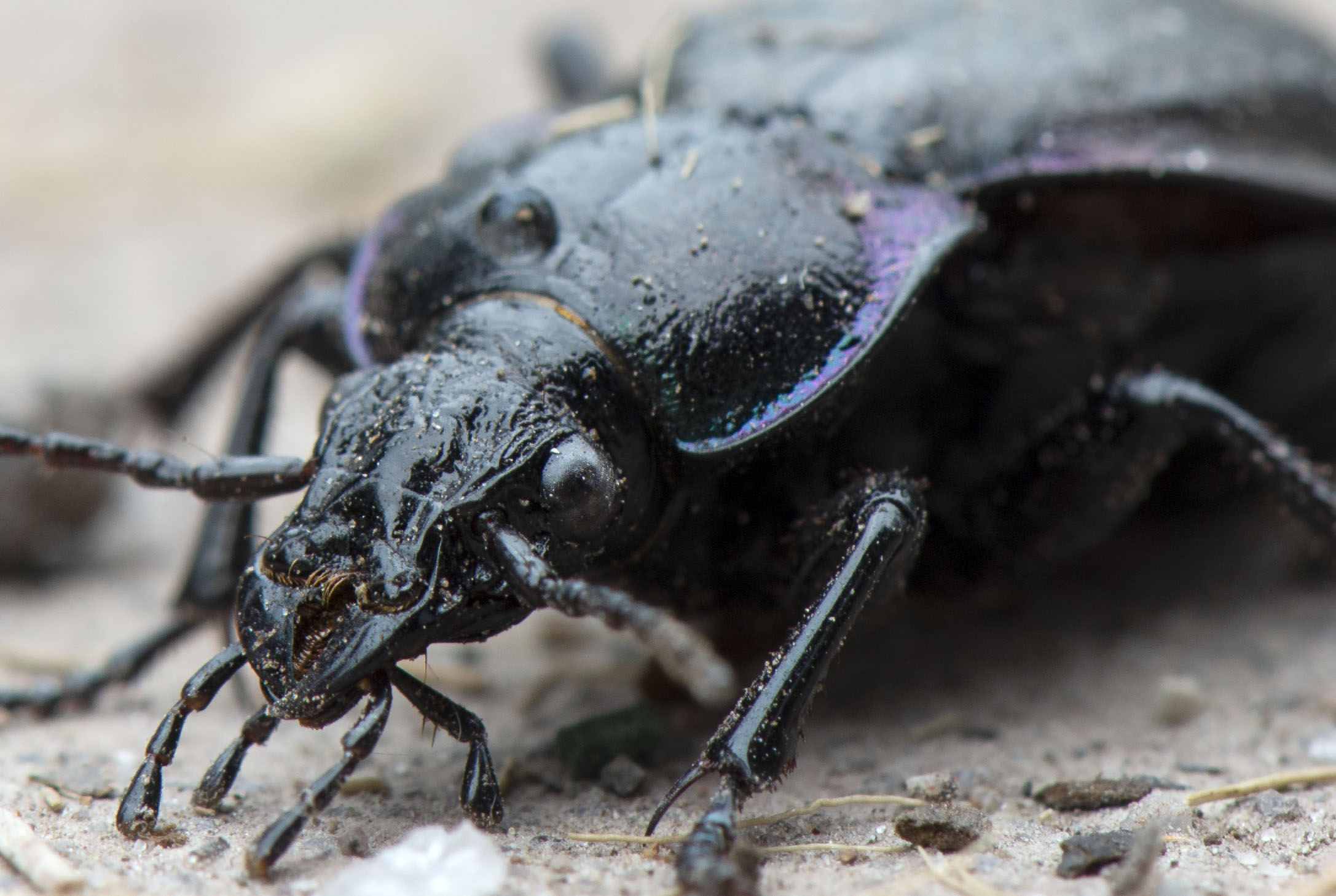
Carabus Sylvosus a Woodland Ground Beetle looking back at me as I uncovered them while cleaning the yard last week. Given that these beetles are nocturnal foragers I am sure it were not too pleased with my removing their cover from the daylight while cleaning up some yard debris.

Beetles are always fascinating to observe from the purple on their shell, the anatomy of their from limbs and what looks like special antennae in front that act as additional legs in some way.

Ground Beetles comprise a family of beetles with over 40,000 species so next time you are out in the forest turn over a rock or mess about in the leaf litter and chances are you might find one looking back at you.

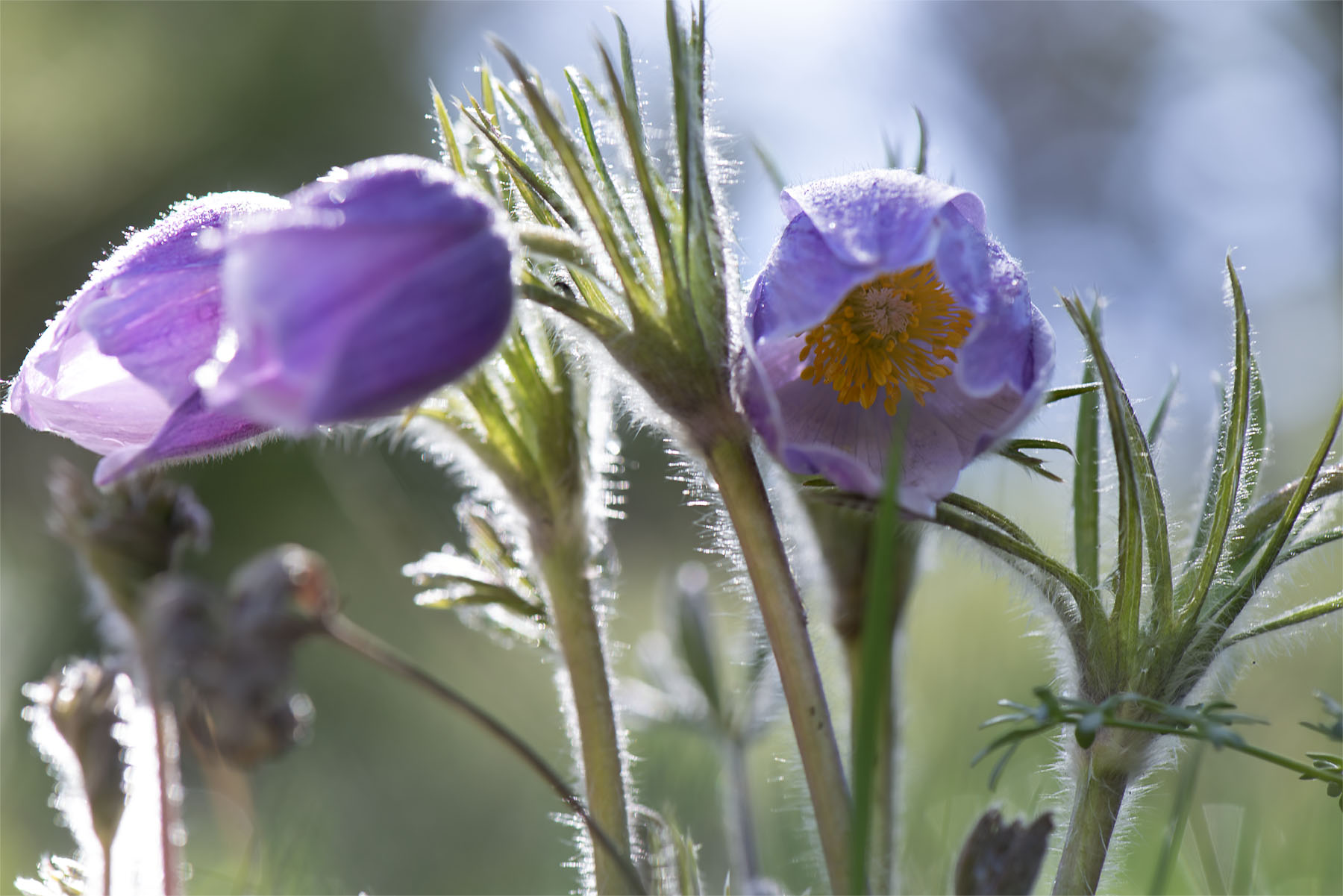
Pasque morning

This is the time of year for the magnificent Pasqueflowers to bloom and brighten the hillsides, forests and meadows near town.

These flowers are part of the genus Pulsitilla family which contains numerous species spread across the globe and are the state flower of South Dakota. We noticed two distinct species while on a recent walk with both growing along the sunny hillsides and one growing just about everywhere in both sun and shade.

Hope we can get back out before they are done blooming and wishing you all a Pasque morning.

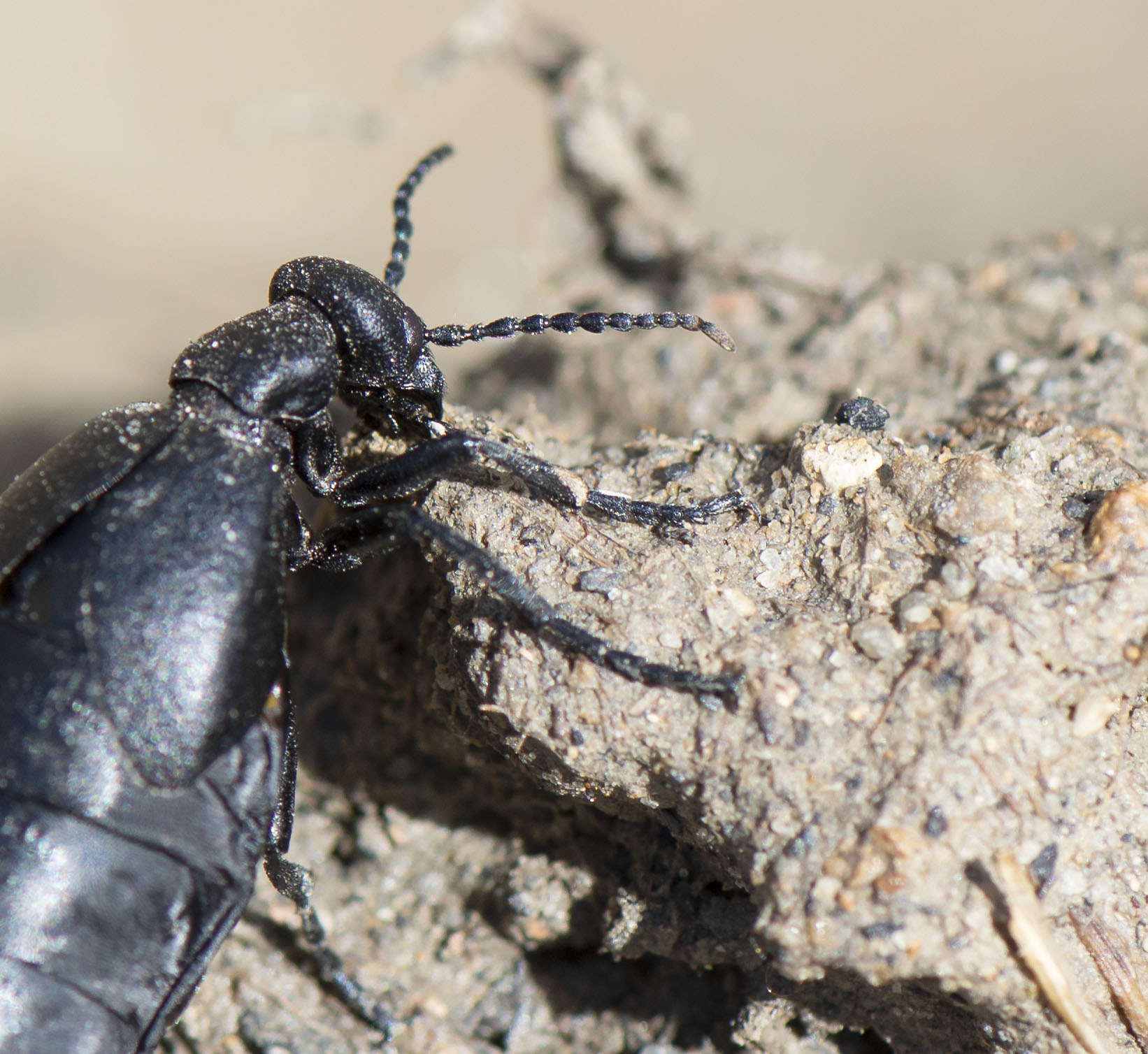
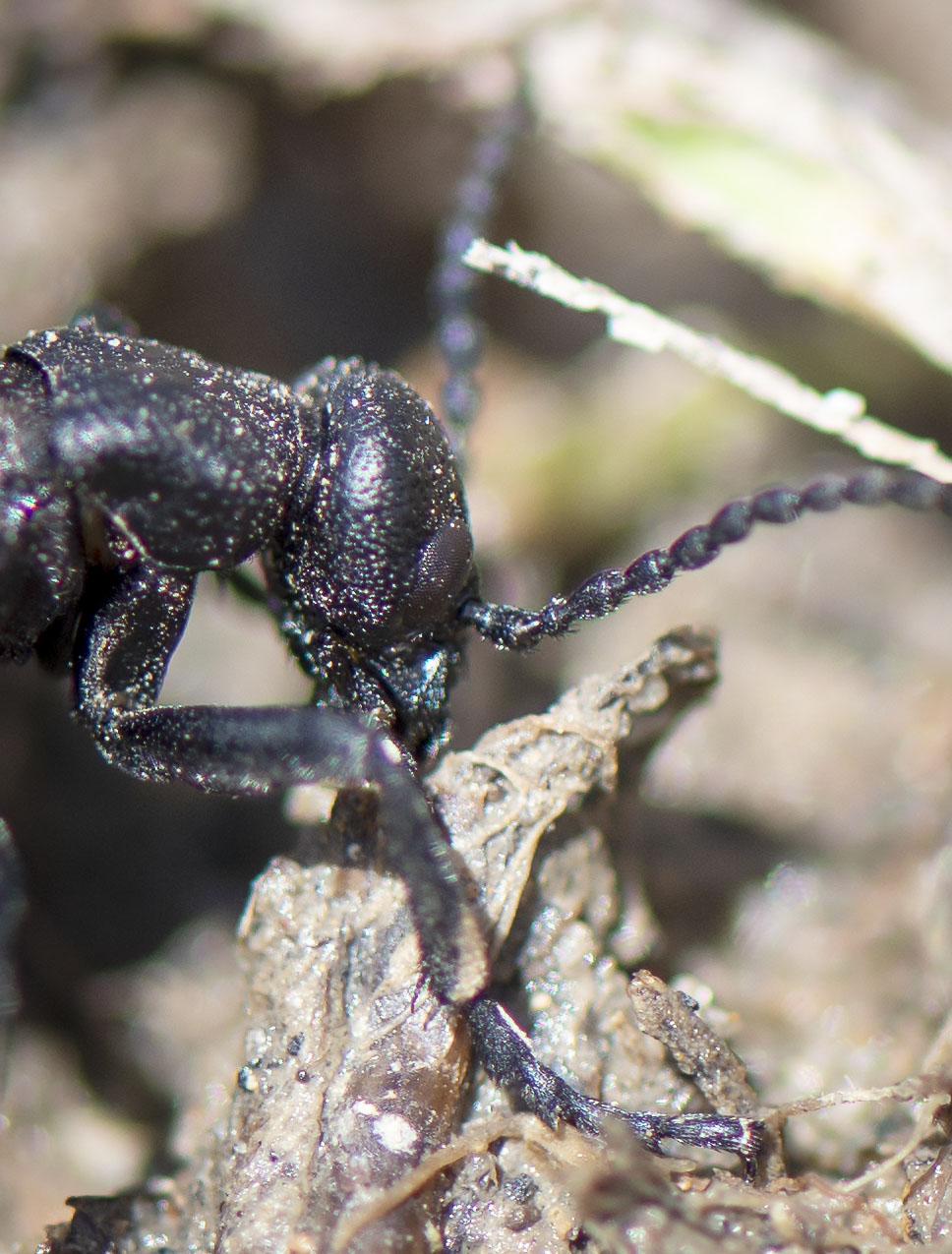
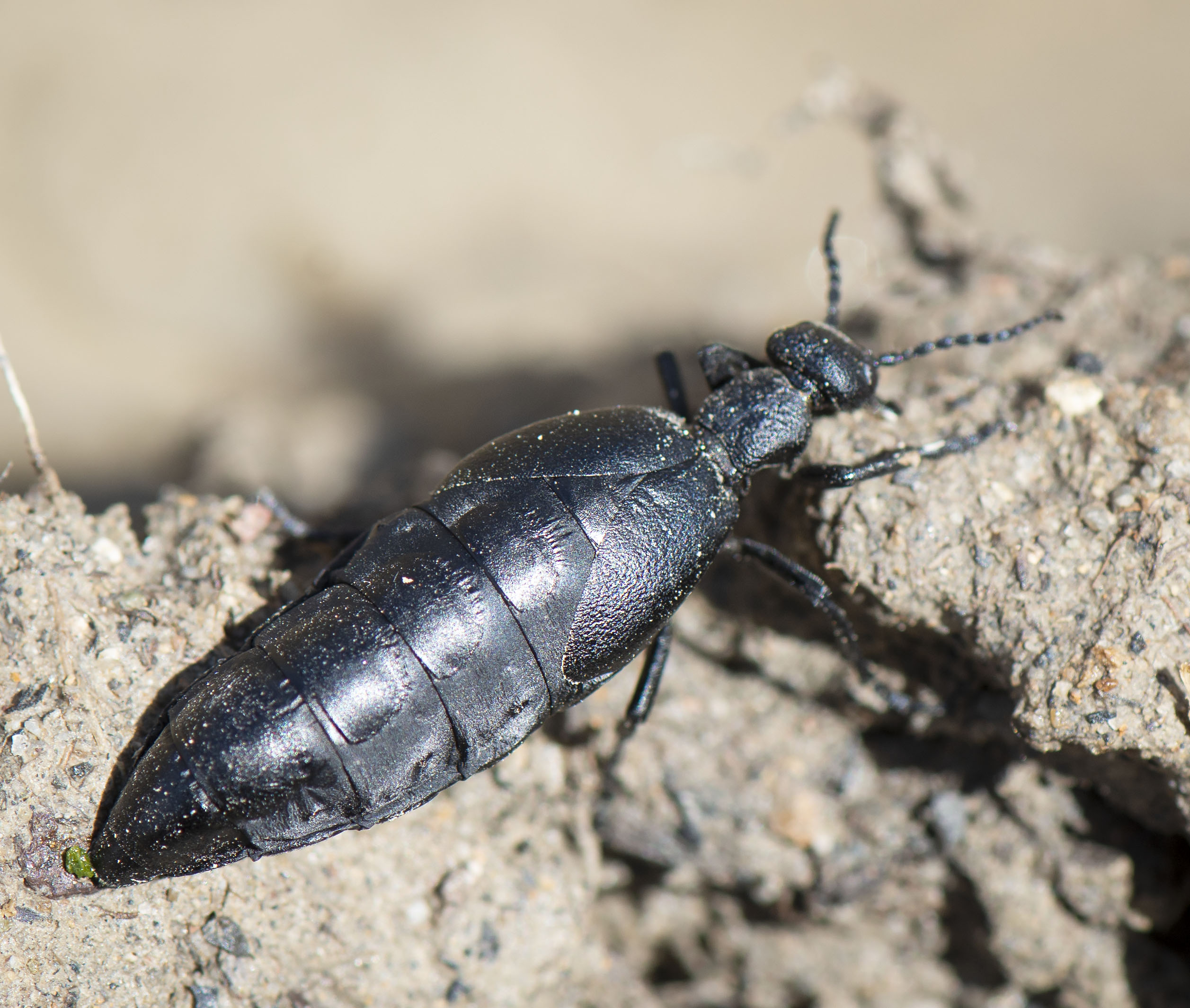
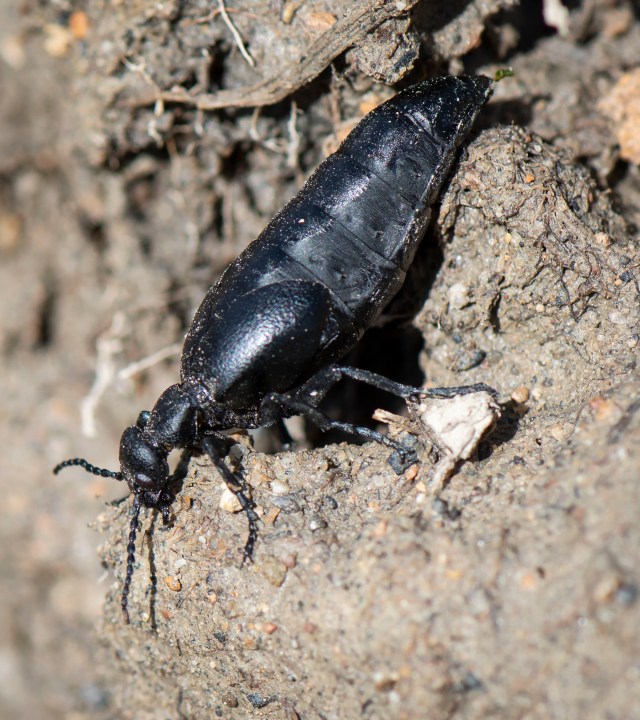
American Black Oil Beetle-Meloe americanus

Last week on our daily walks we noticed several of these black oil beetles along the road side and in the open fields near our home. They are very large and we were not sure what they were. A strange beetle or extremely strange ants?
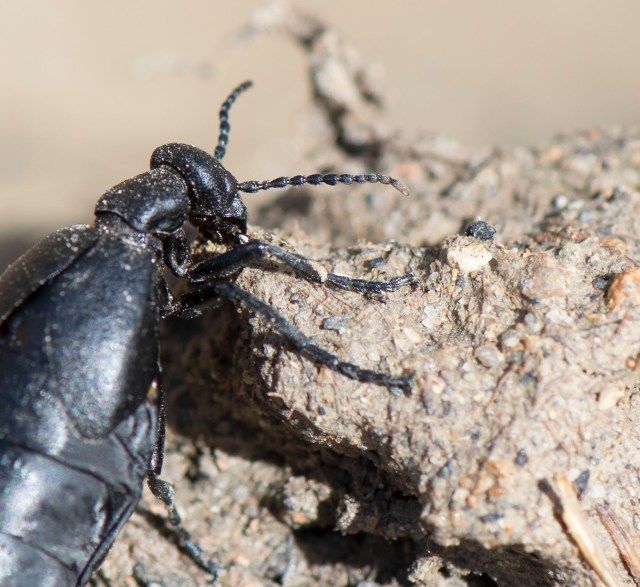
Upon researching what we found we were amazed to find these are flightless Beetles with a truly fascinating life cycle.

Encyclopedia of life describes the lifecycle as follows:

“Oil beetles have fascinating life-cycles. The larvae are parasites of a number of species of ground-nesting solitary bee. Towards the end of spring, female oil beetles dig burrows in the ground close to colonies of host bees, into which they lay around 1000 eggs. These eggs usually hatch the following year in order to coincide with the emergence of the bees. The oil beetle larvae (known as tringulins) are very active, and climb up onto flowers where they wait for a host bee. They attach themselves to the bee, and if they are lucky and attach to the right type of species they will be flown to the host’s burrow, where the tringulin oil beetle turns into a grub-like larva, and develops, feeding upon the pollen stores and eggs of the host. The larva pupates and the resulting adult beetle spends the winter inside the host’s burrow before emerging the following spring.”

We think this female might have been building a nest to lay her eggs?
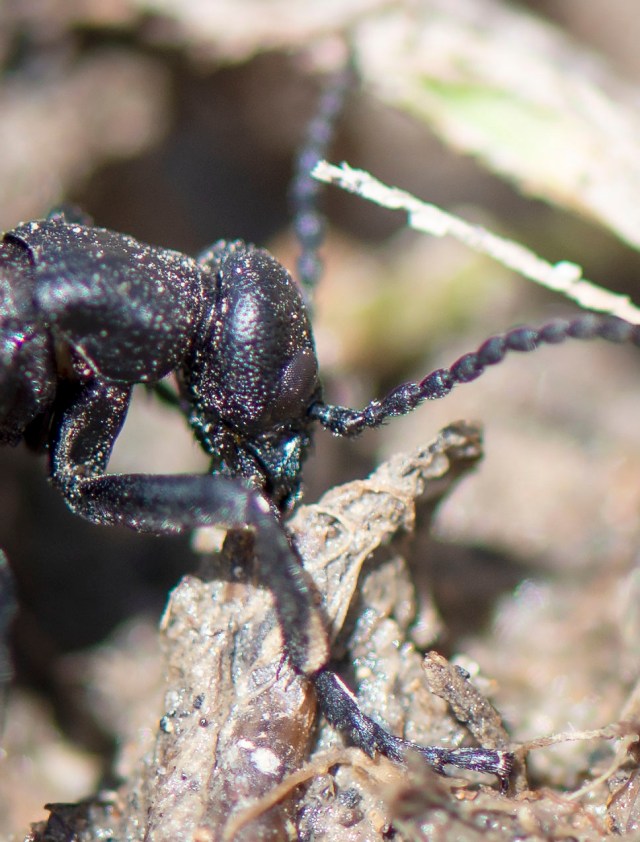
Piotr Nasckrecki wrote a wonderful article on them on his blog The Smaller Majority which is altogether fascinating.
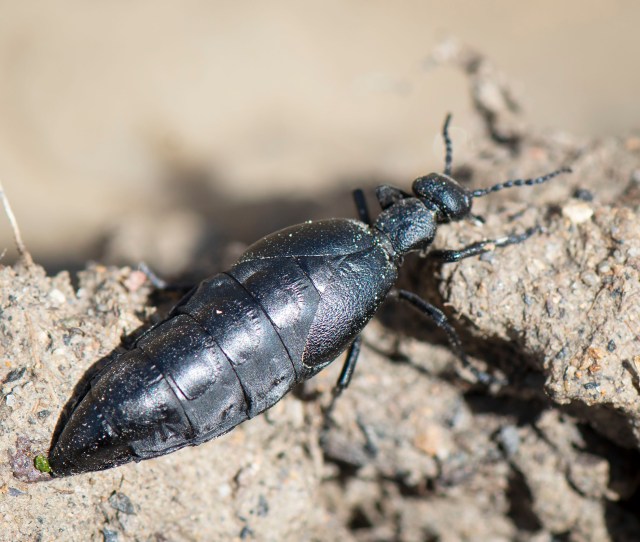

While we saw several oil beetles last week we only had the opportunity to photograph one, which like the others, was constantly on the move but moving slow enough for us to photograph.
Small and smaller

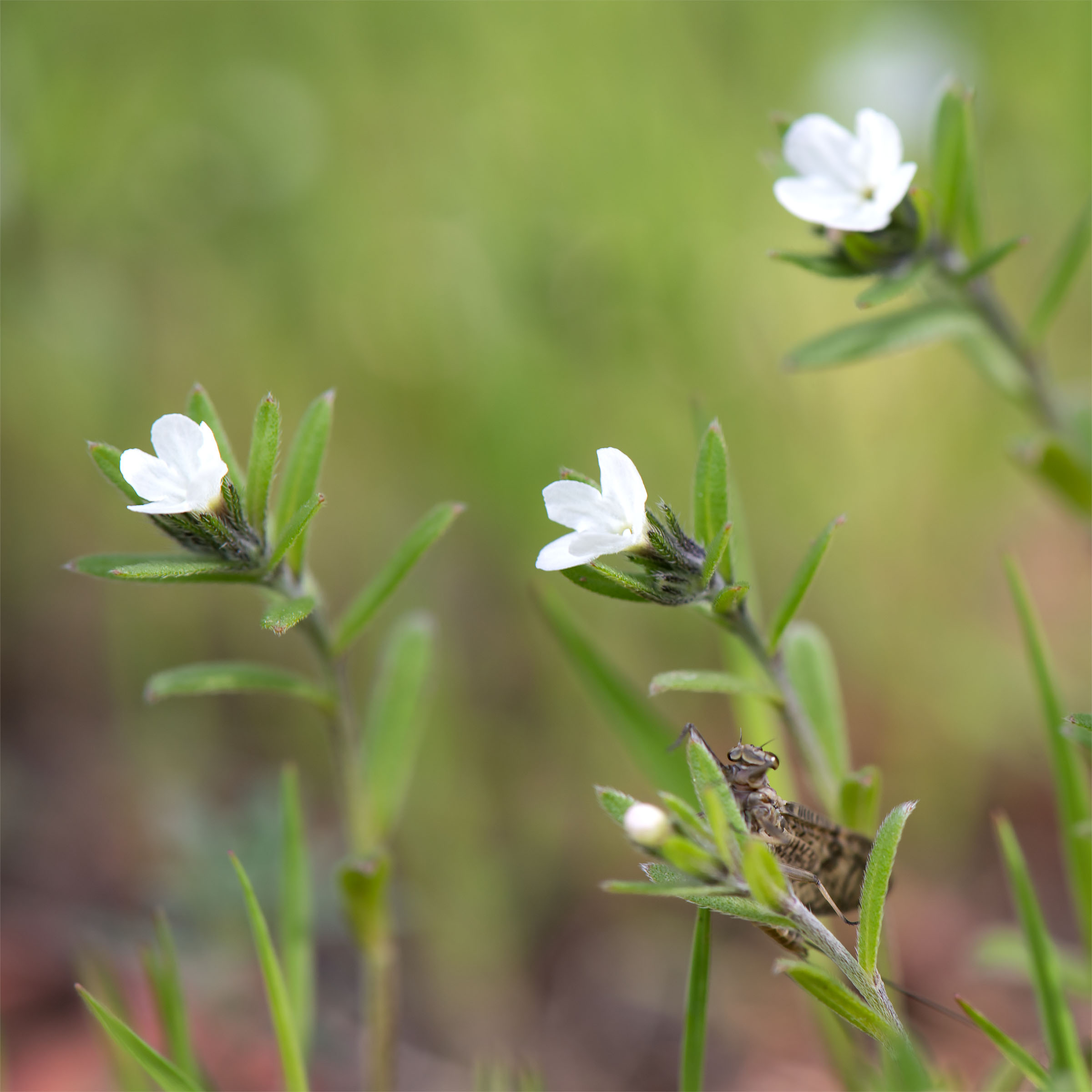
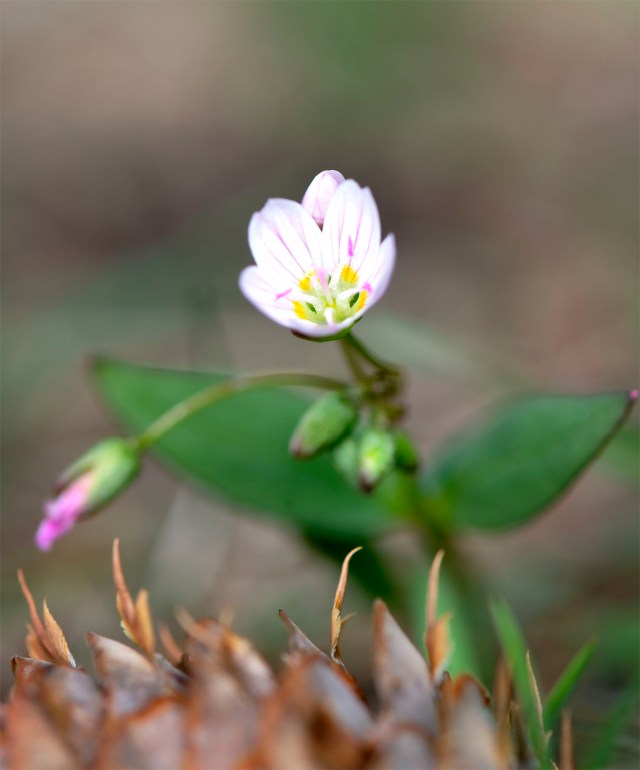
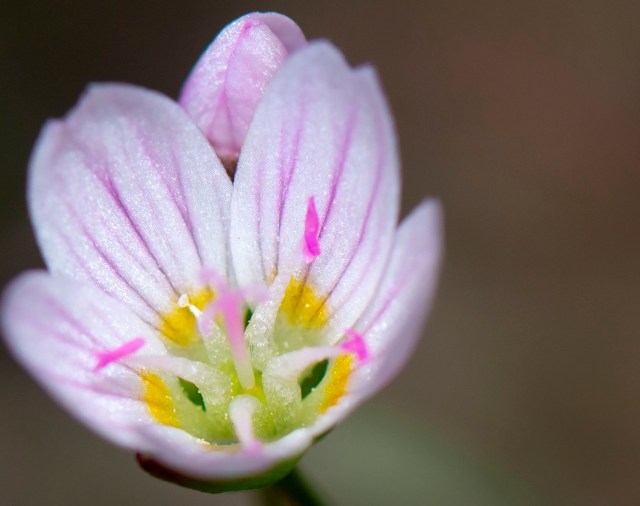
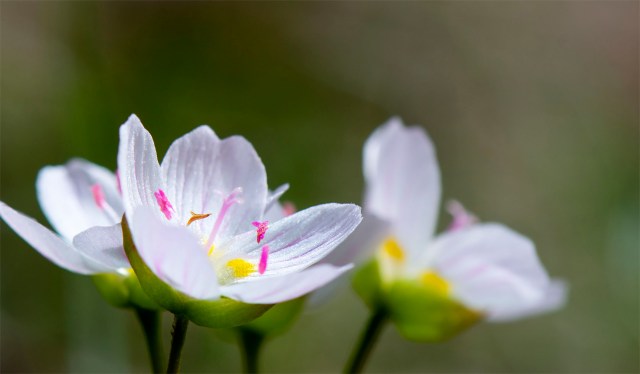
Tiny white wildflowers gracing the forest floor measuring no more than a quarter inch in diameter become a great big world to this tiny mantis that I did not even notice in the photograph until I downloaded the photos. just another reminder that the abundance of life one our wonderful planet is small and sometimes even smaller than we see.

On the earth day earth.
ED_1

Although spring had a calendar date of March 20th we have had an extended winter and this year earth day was the day that felt like spring had actually sprung.
The sun had been out for several days in a row without a flake of snow falling and the temperatures were downright warm. The snow was receding at a rapid pace and the earth became exposed. Flowers were budding and blooming all of which were no more than several inches high.

The promise of spring seemed fulfilled at last.

ED_2

ED_3

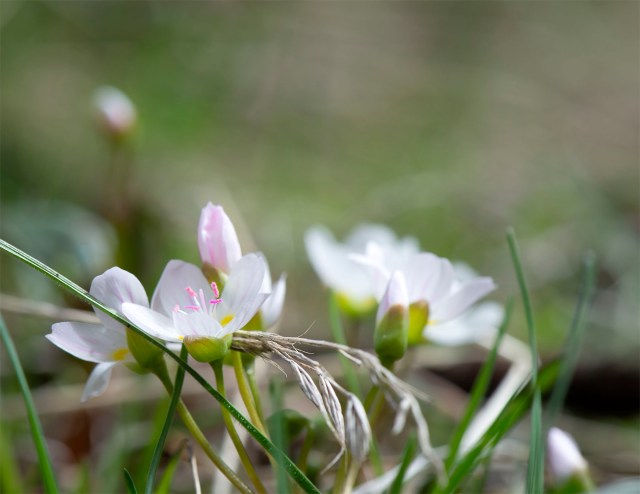
Flowers blooming with life inviting the early season pollinators in for a drink.

ED_4
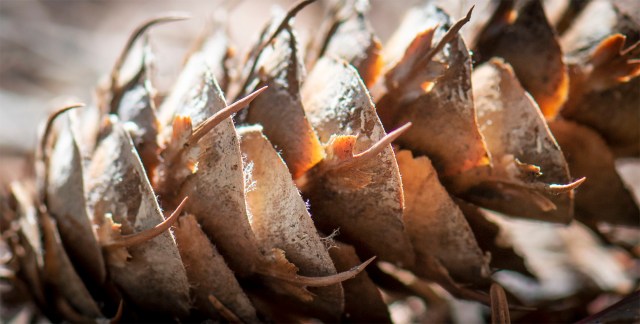
Pine cones alive on the forest floor and glow in the morning light.

ED_5

ED_6

ED_7

ED_8

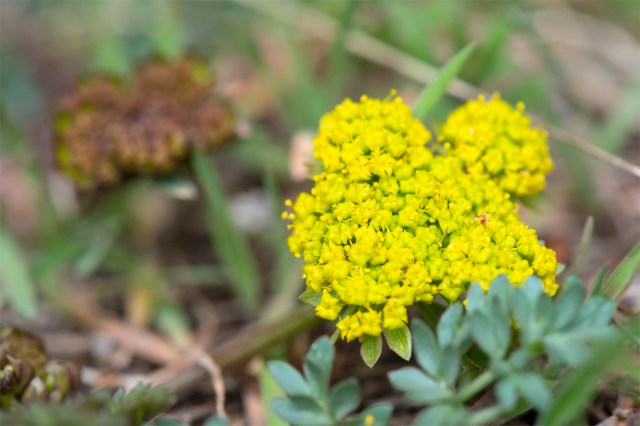
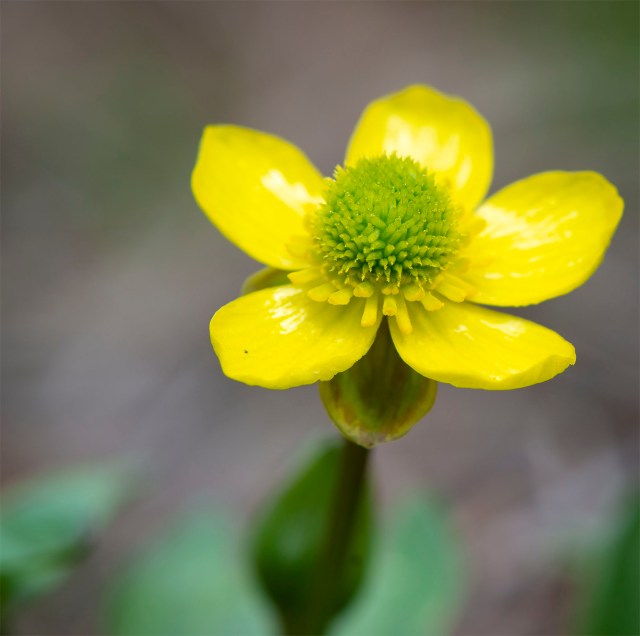
Not more than an inch in height the flowers came in yellow and white.

ED_9

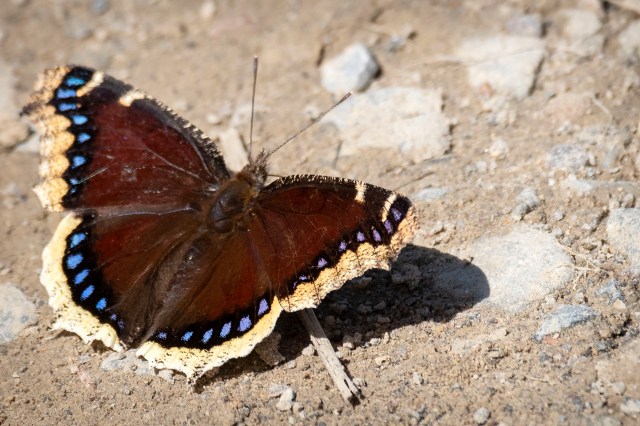
The state butterfly Nymphalis antiopa “Mourning Cloak” basks in the sunlight on a road which only a day or two ago was covered in snow.

ED_10

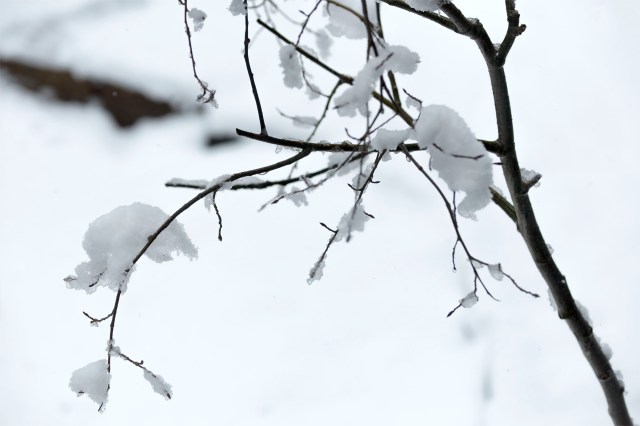
And then came the day after earth day…

The Fungus Among Us

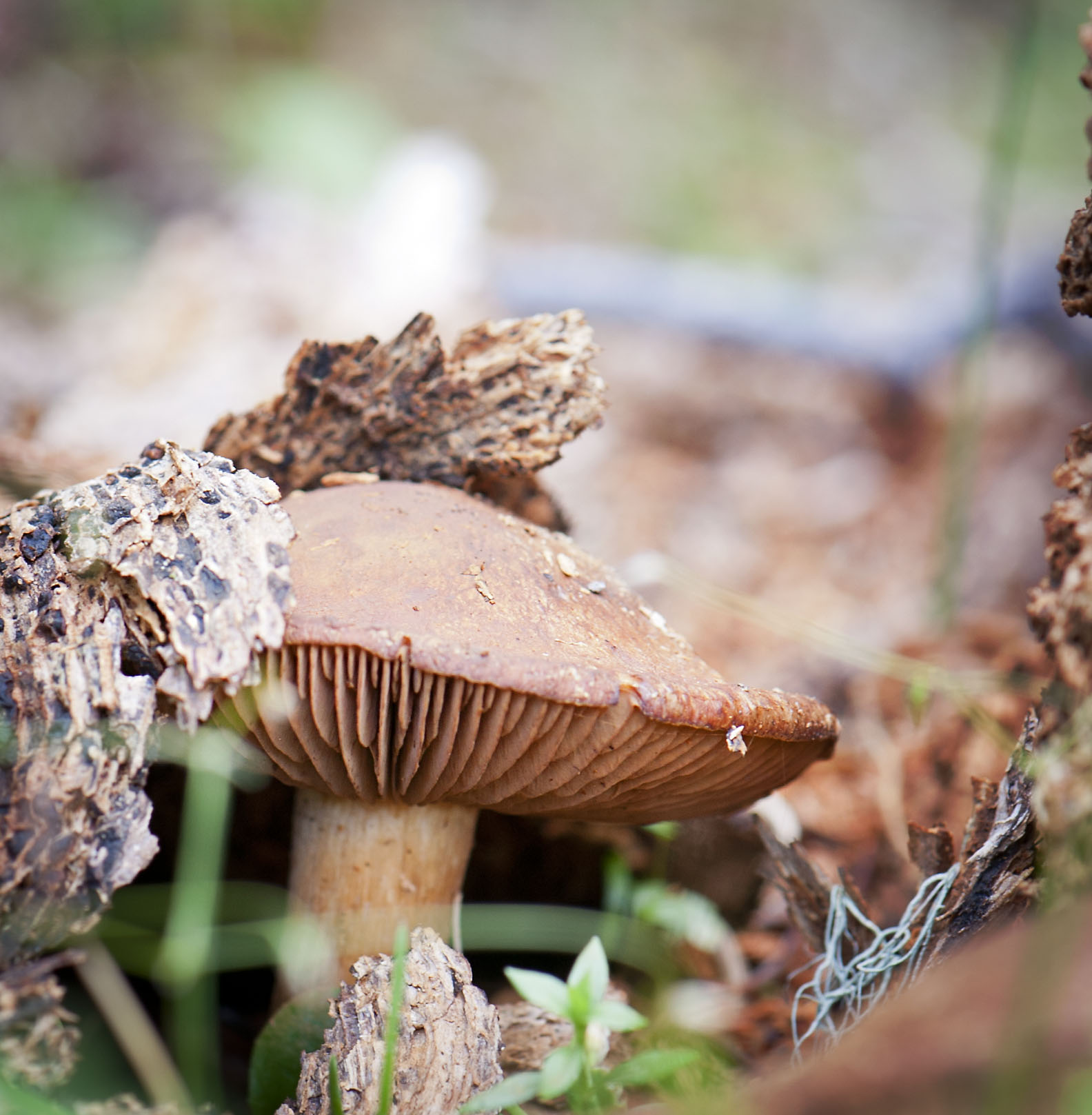
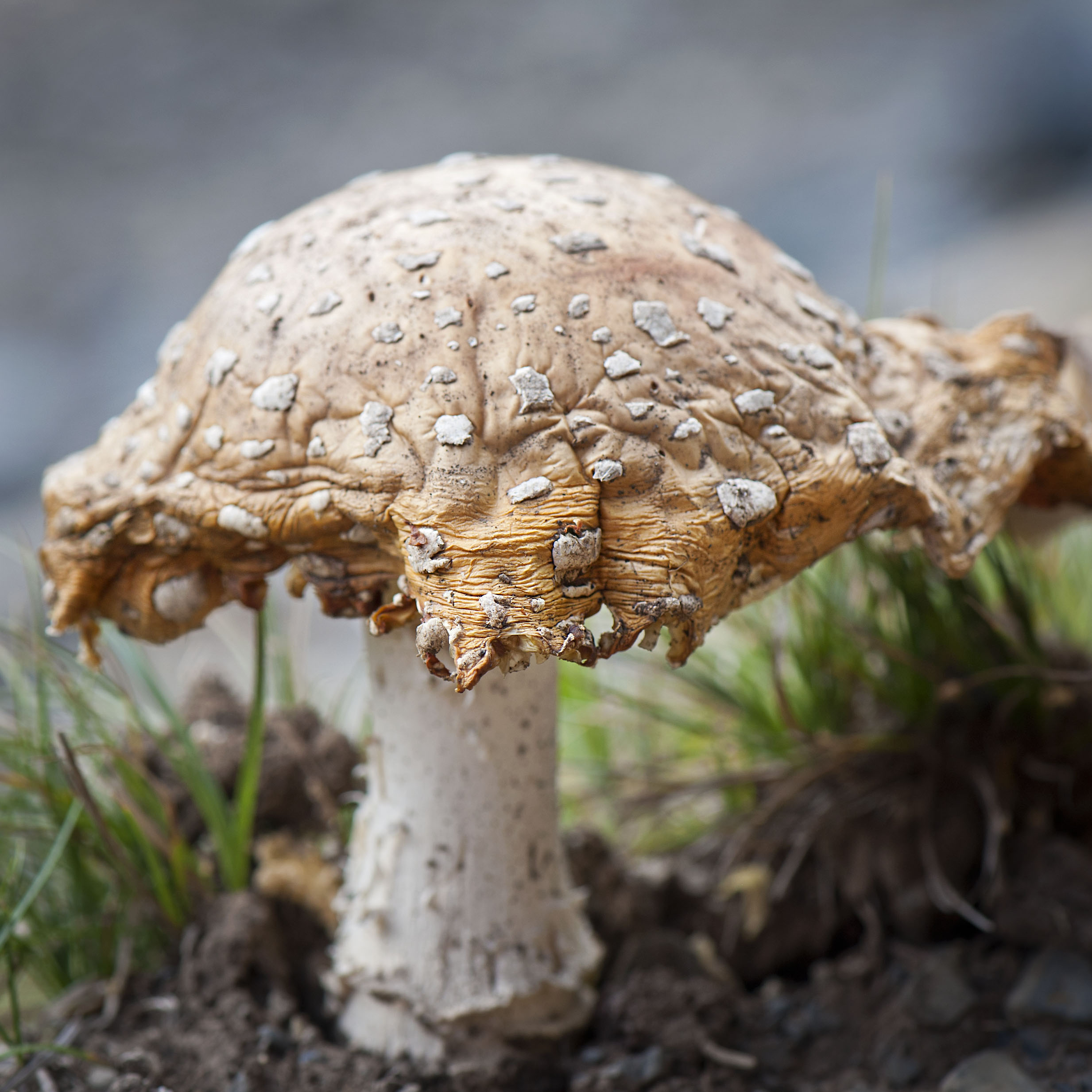
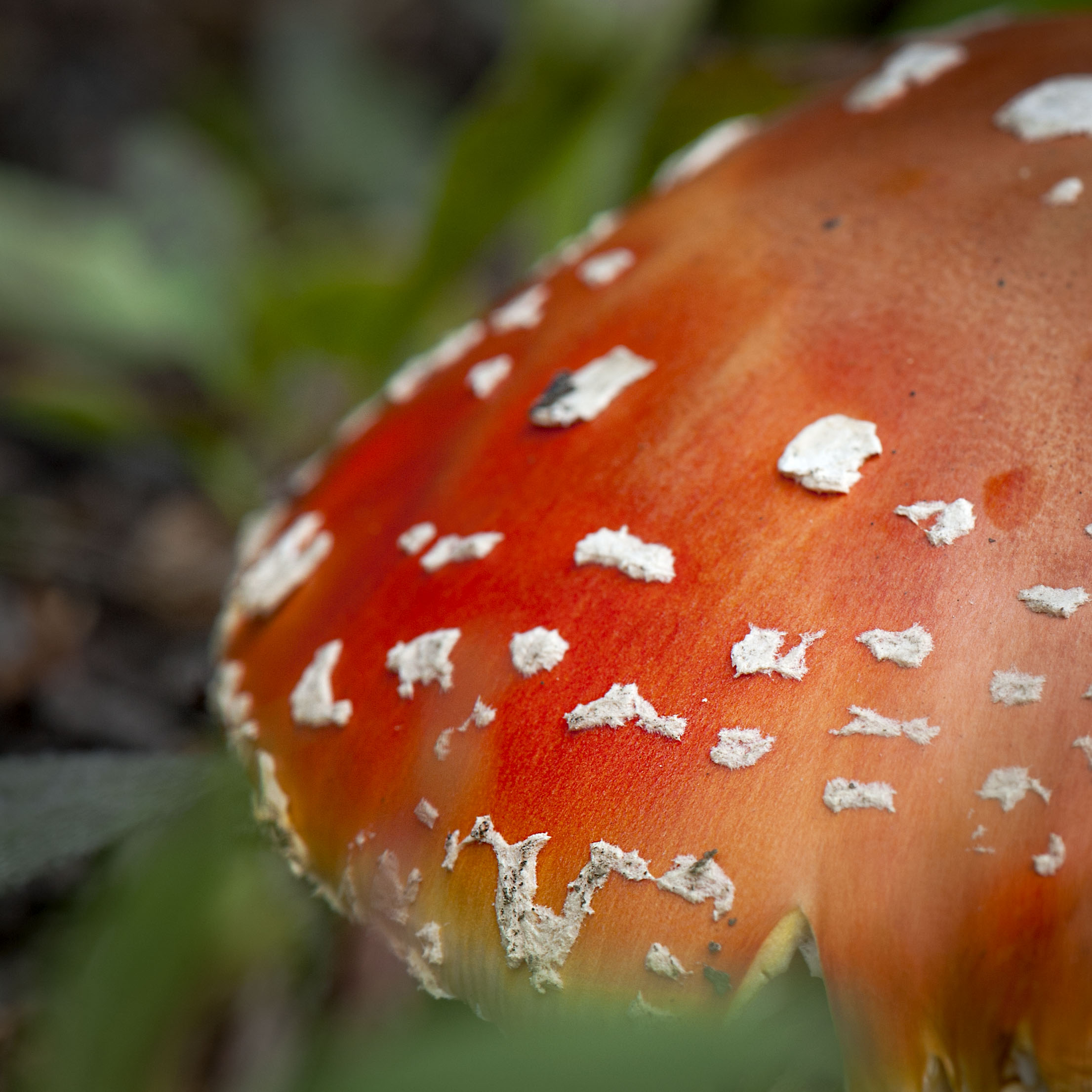
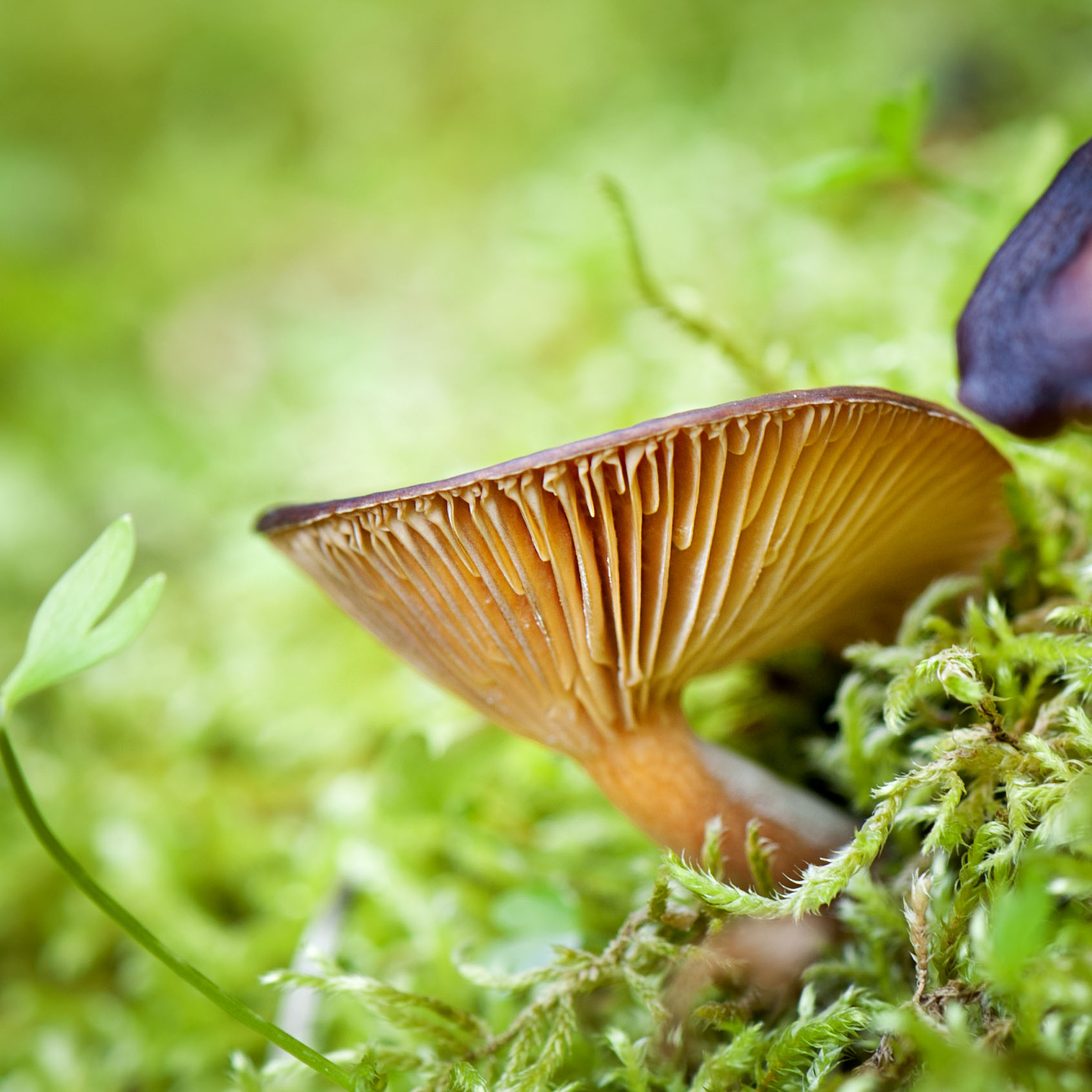
I have always found mushrooms fascinating life forms. Not plant, not animal yet vitally important for the health of both plants and animals. However, they are a bugger to photograph yet I never stop trying.

Paul Stamets wrote a great book on Fungus call Mycellium running and delivered this inserting TED talk several years ago: