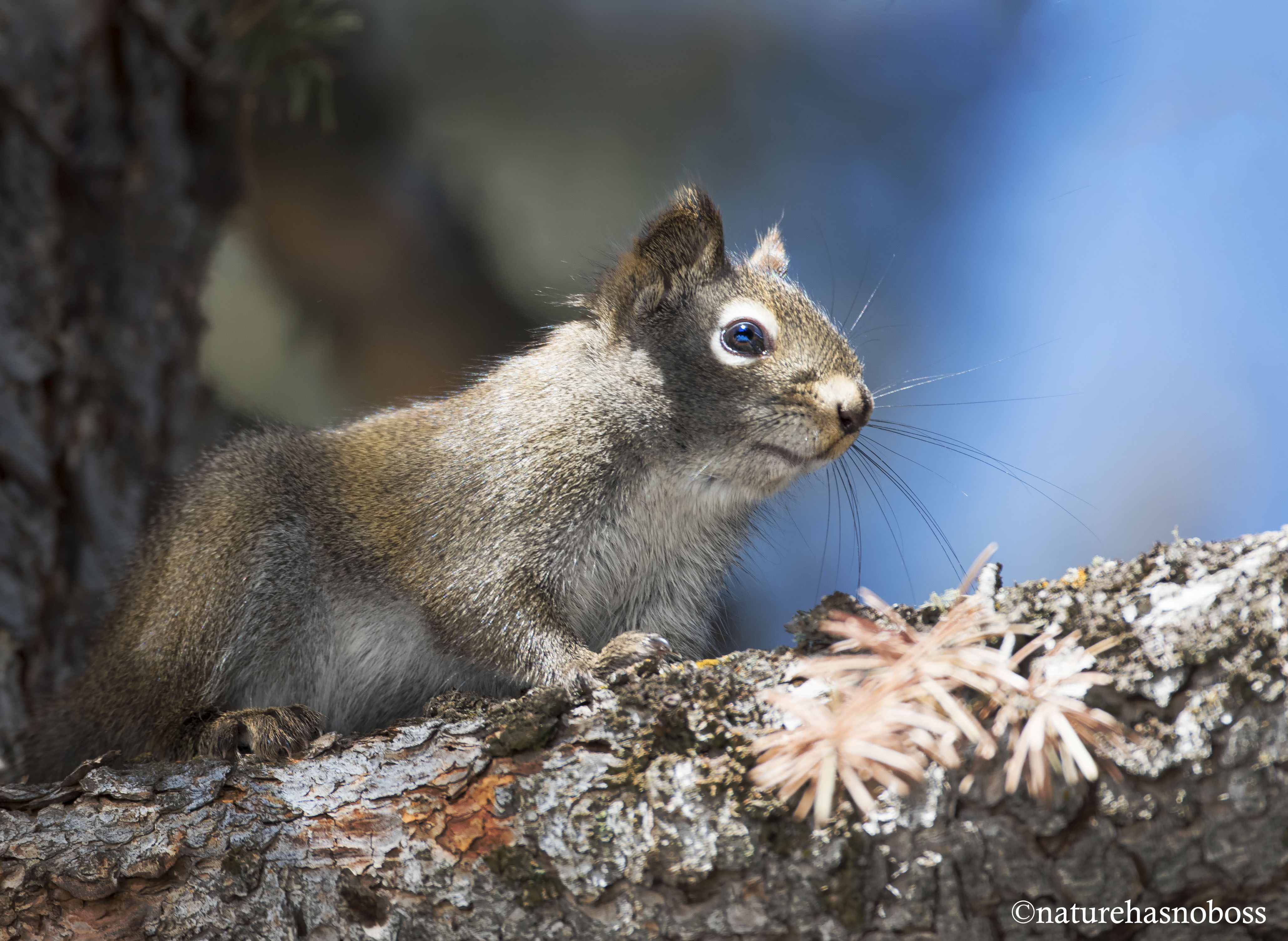
Perhaps our truce will continue into the spring ass who has time to quarrel when the sky is so blue.

Bluebird sky and sleeves rolled up.
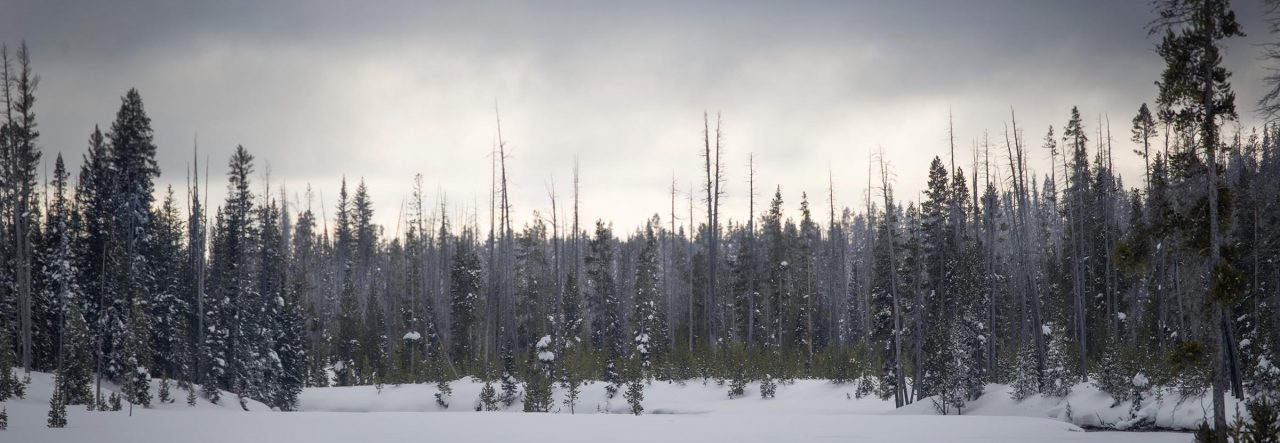
Although the snow is still piled high a day like this leaves no doubt spring is on its way.
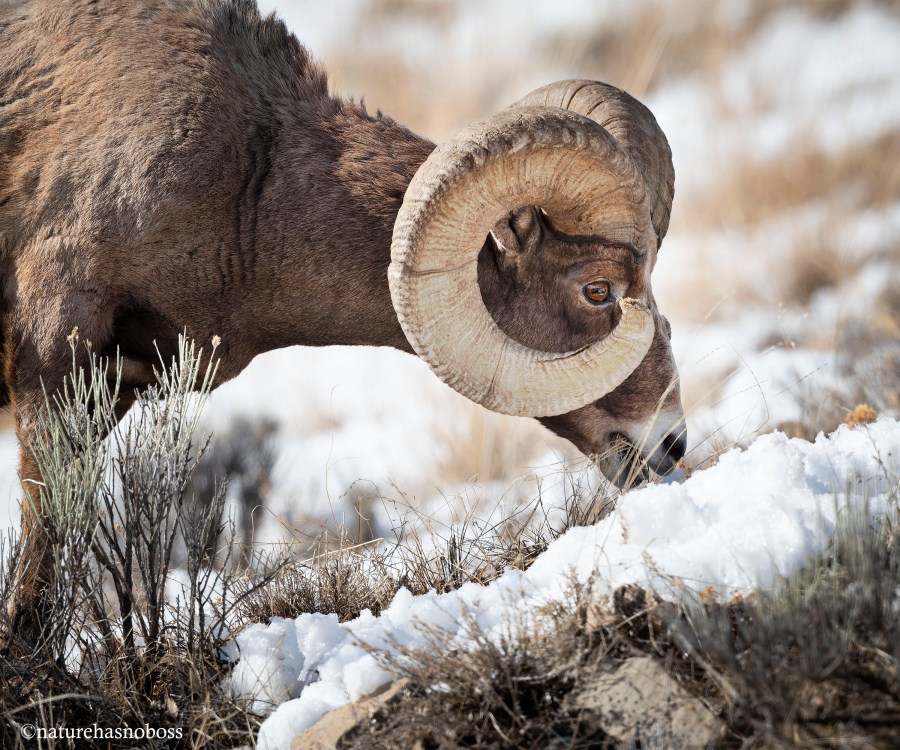
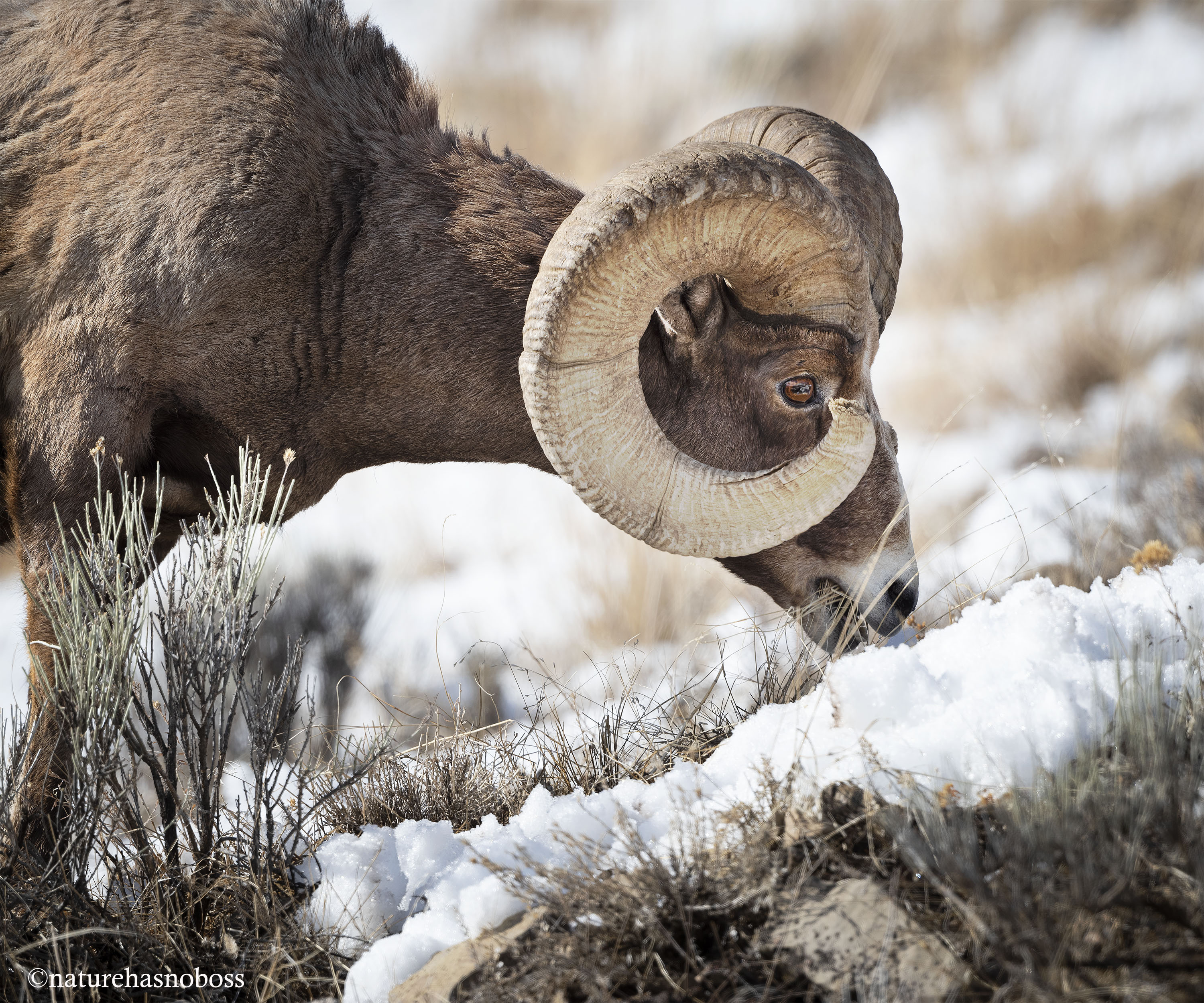
It’s only early March and no doubt more flakes will fly and cold will return but in the meantime grass long buried is exposed and a nice meal to be had.

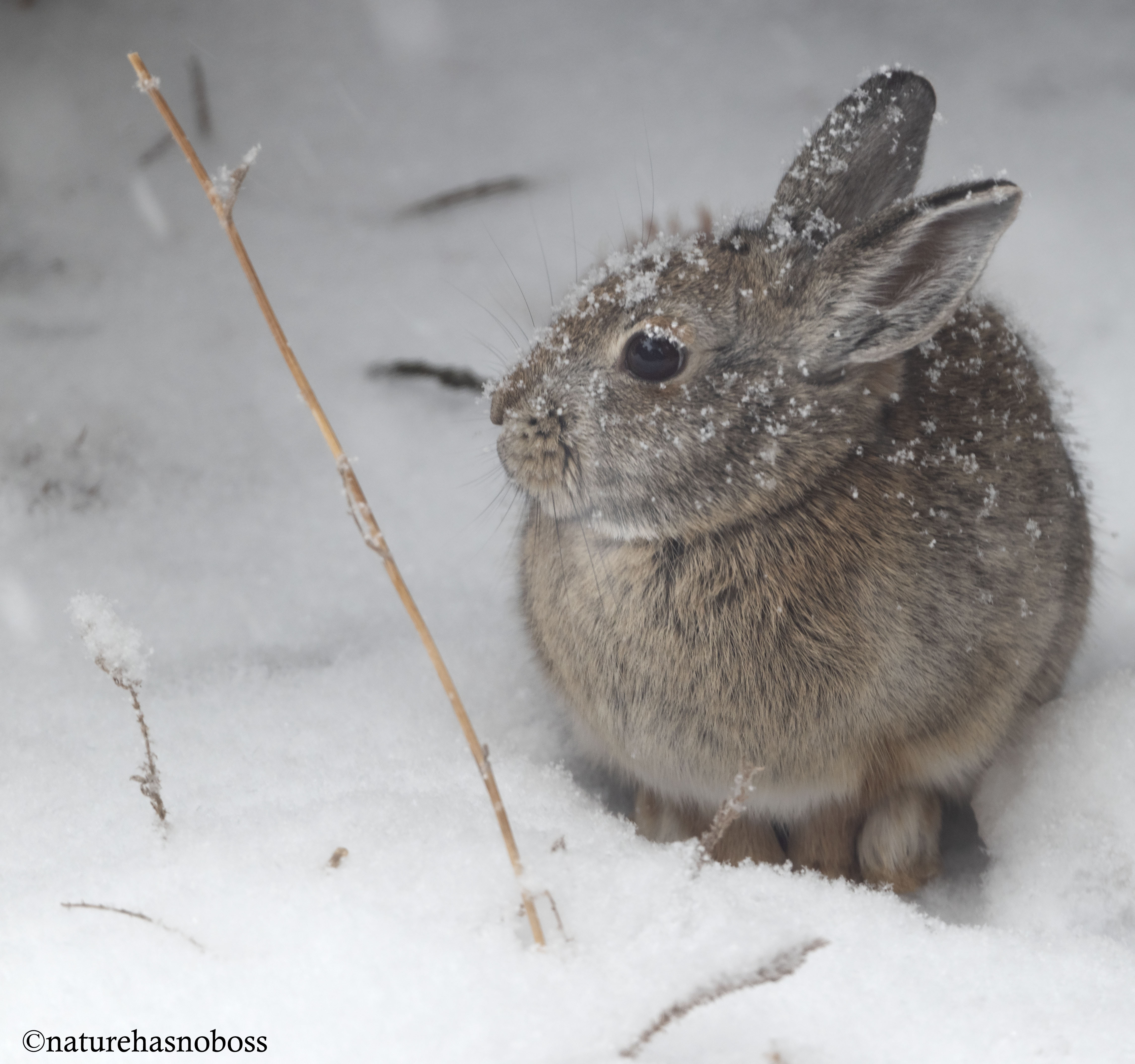
After a light snow the prior evening bunny tracks lead to a spot under a small spruce tree that was somewhat protected from the light snow that was now falling and much to ur delight we found her. Winter Bunn 2021 is her name on from what we have observed the lone Rocky Mountain Cottontail in our vicinity. Some winters there are many, some winters there are few and this winter she appears to be the only one.
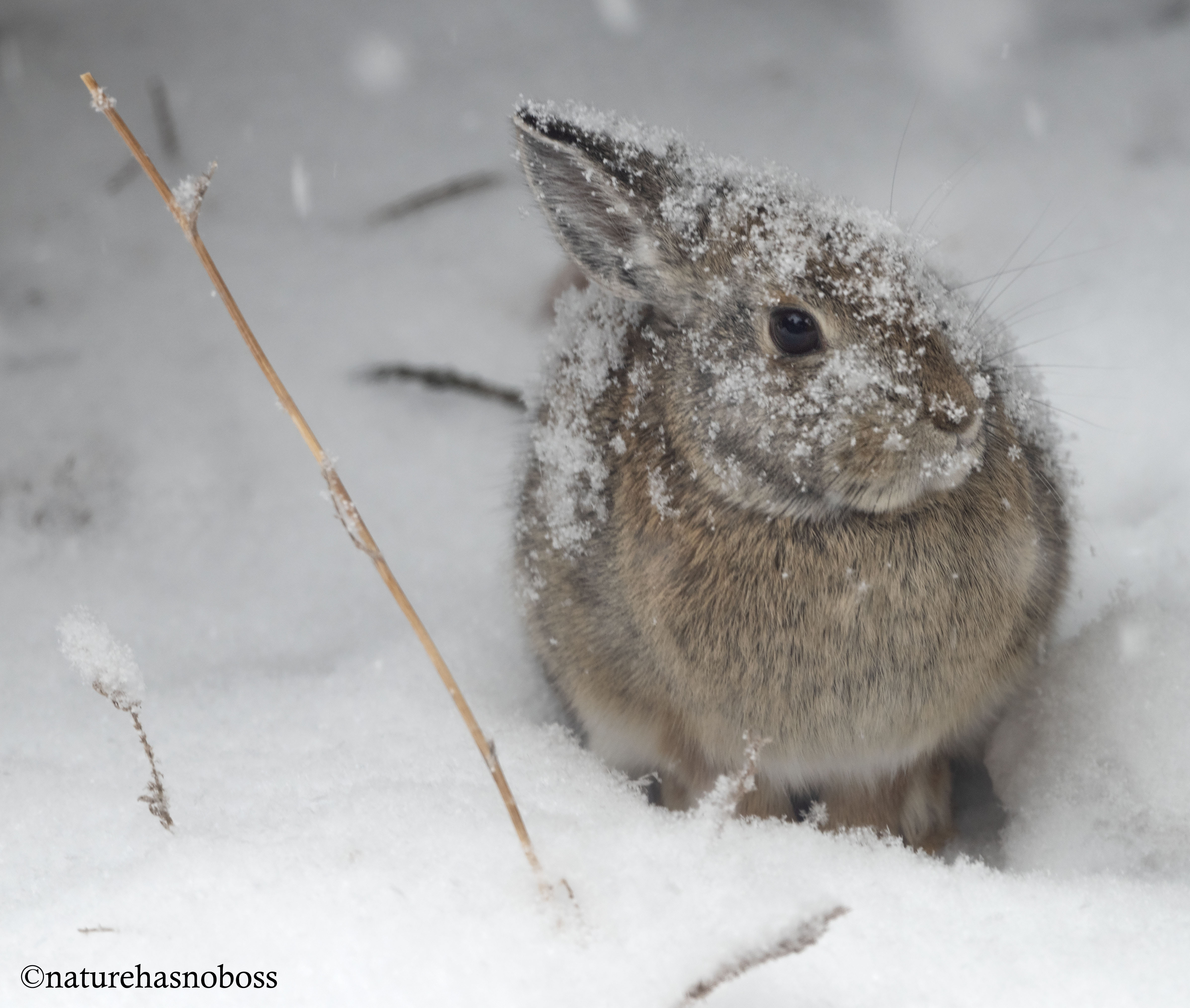
In the short time between seeing her hop into sight the snow flurries intensified into a snow shower and even under the protection of the spruce the flakes began to accumulated on her fur.
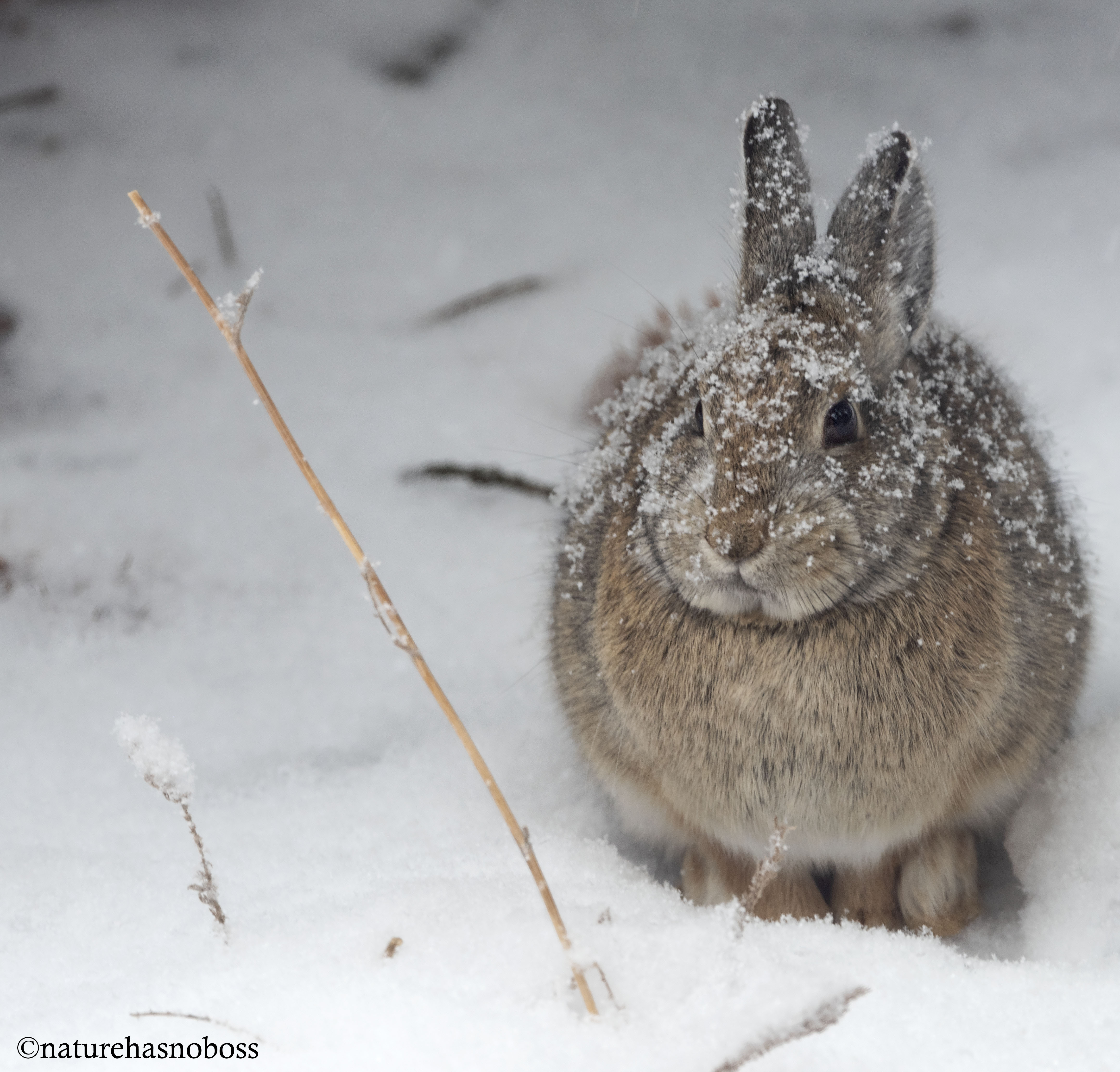
In a matter of minutes her face became covered with snow and she seemed to be taking it quite in stride.
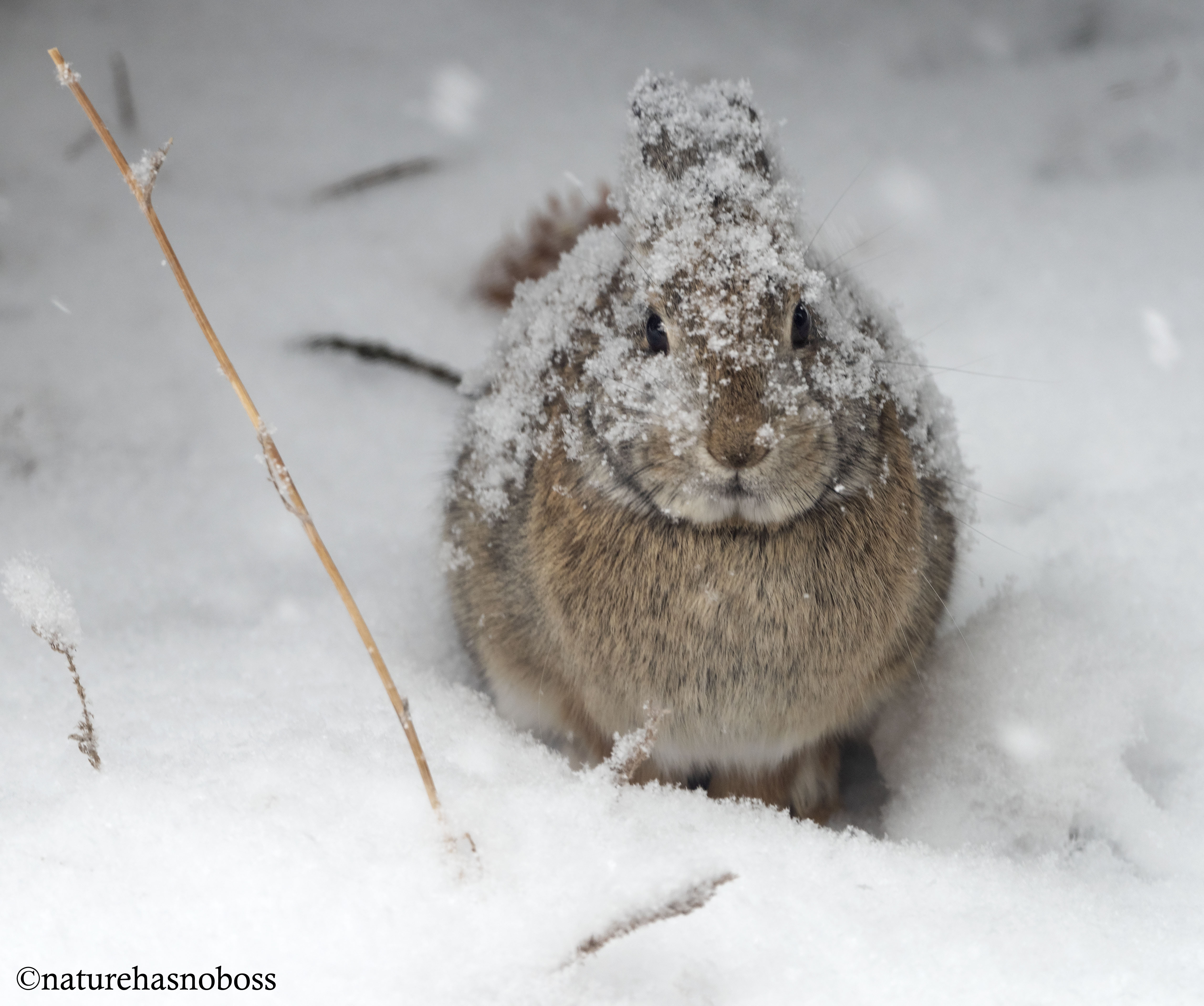
Now that her face was coved with s now she said enough is is enough an hopped away through the snow to the a thick stand of junipers that provided better protection.
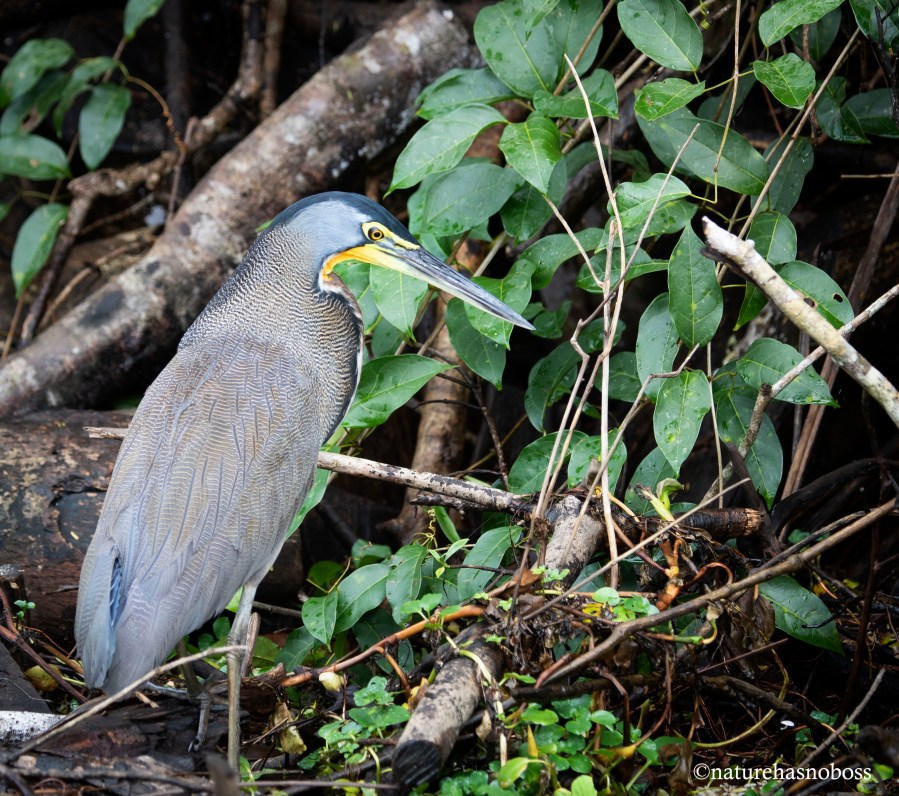
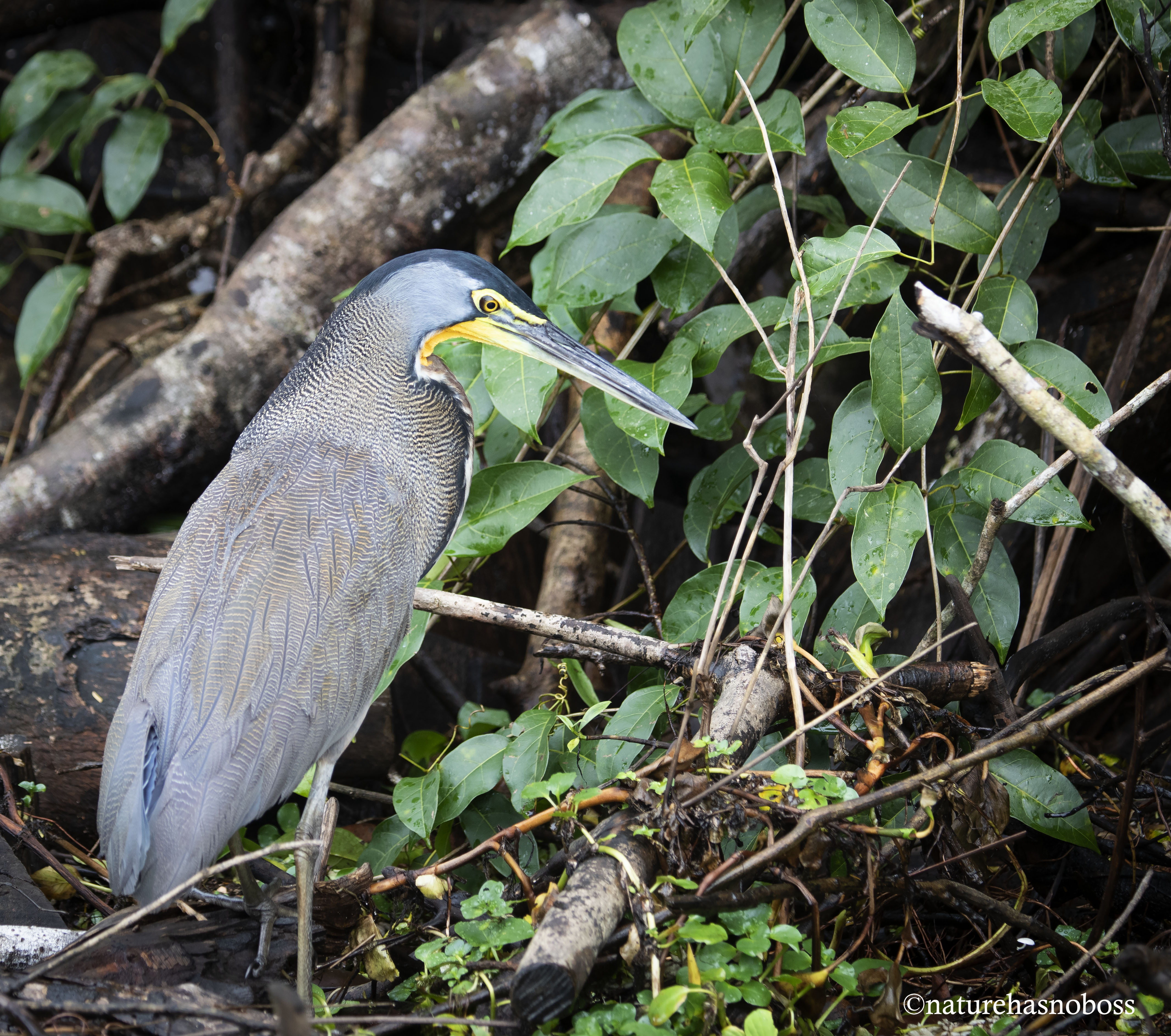
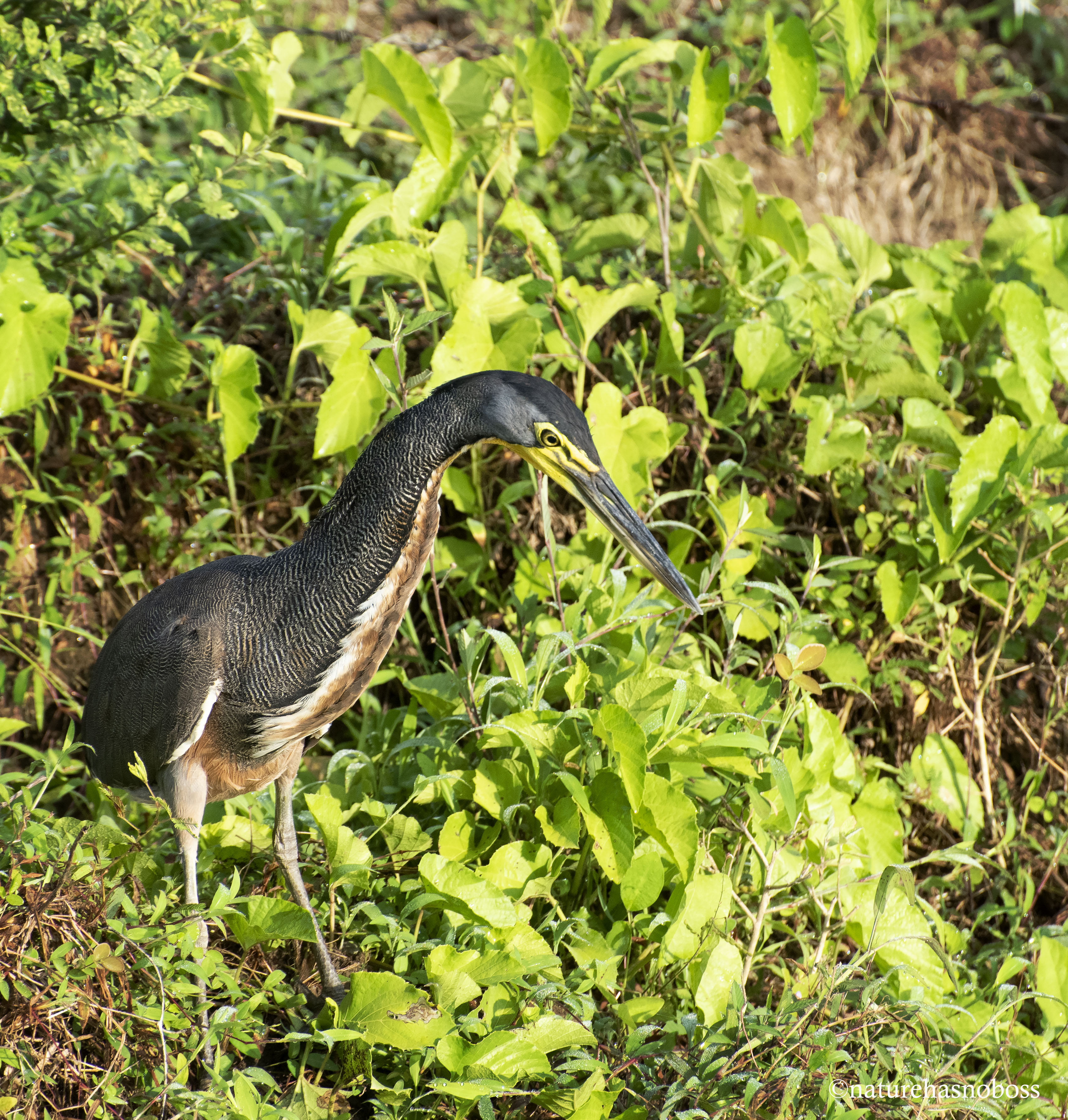
The Bare-throated Tiger Heron is a medium sized heron common to Central America. They are somewhat bulky and shaped a bit like a night-heron or Bittern with distinct baring and rufous on their breast.
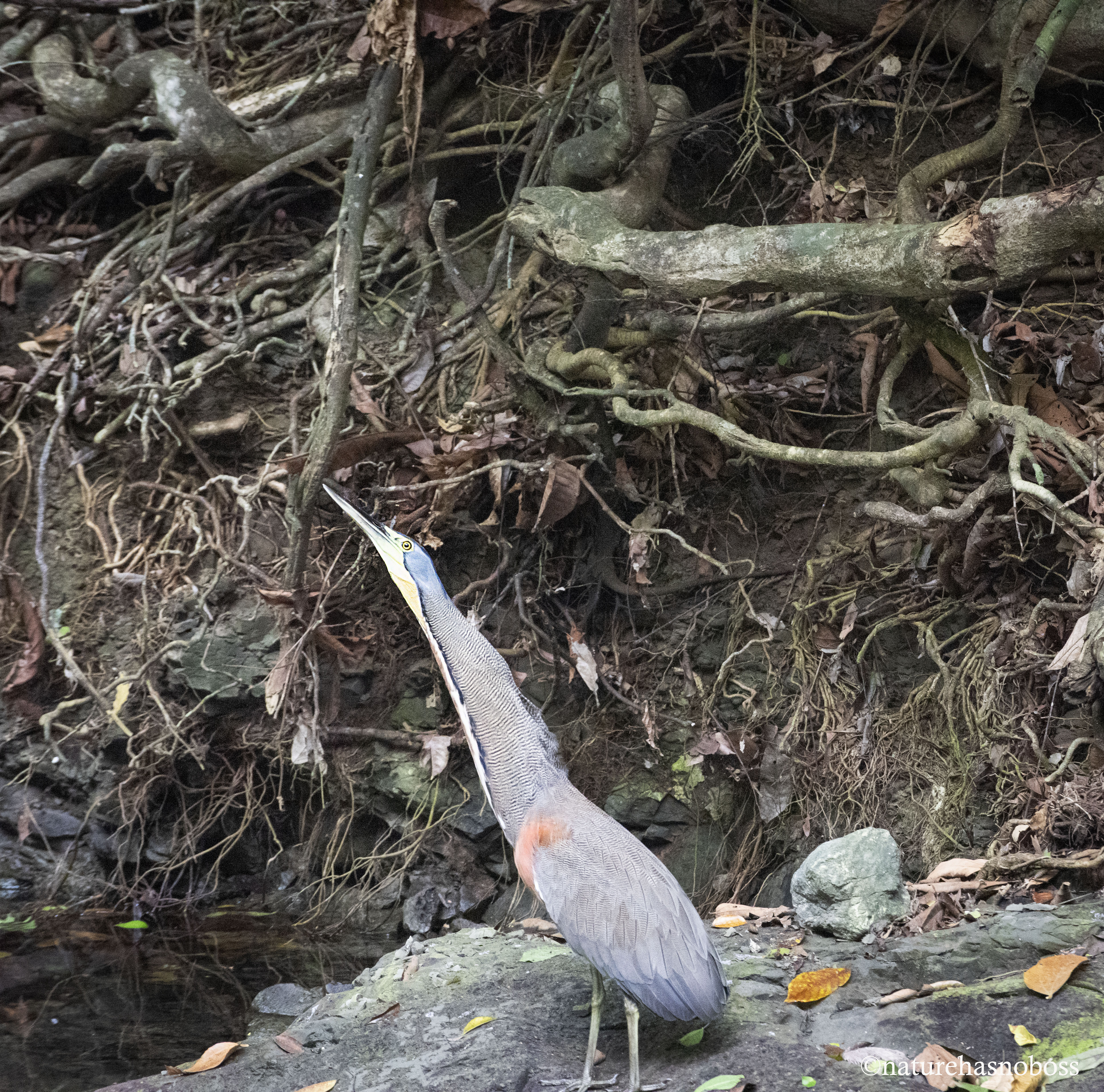
This individual was displaying a behavior that indeed reminded us of the American Bittern.
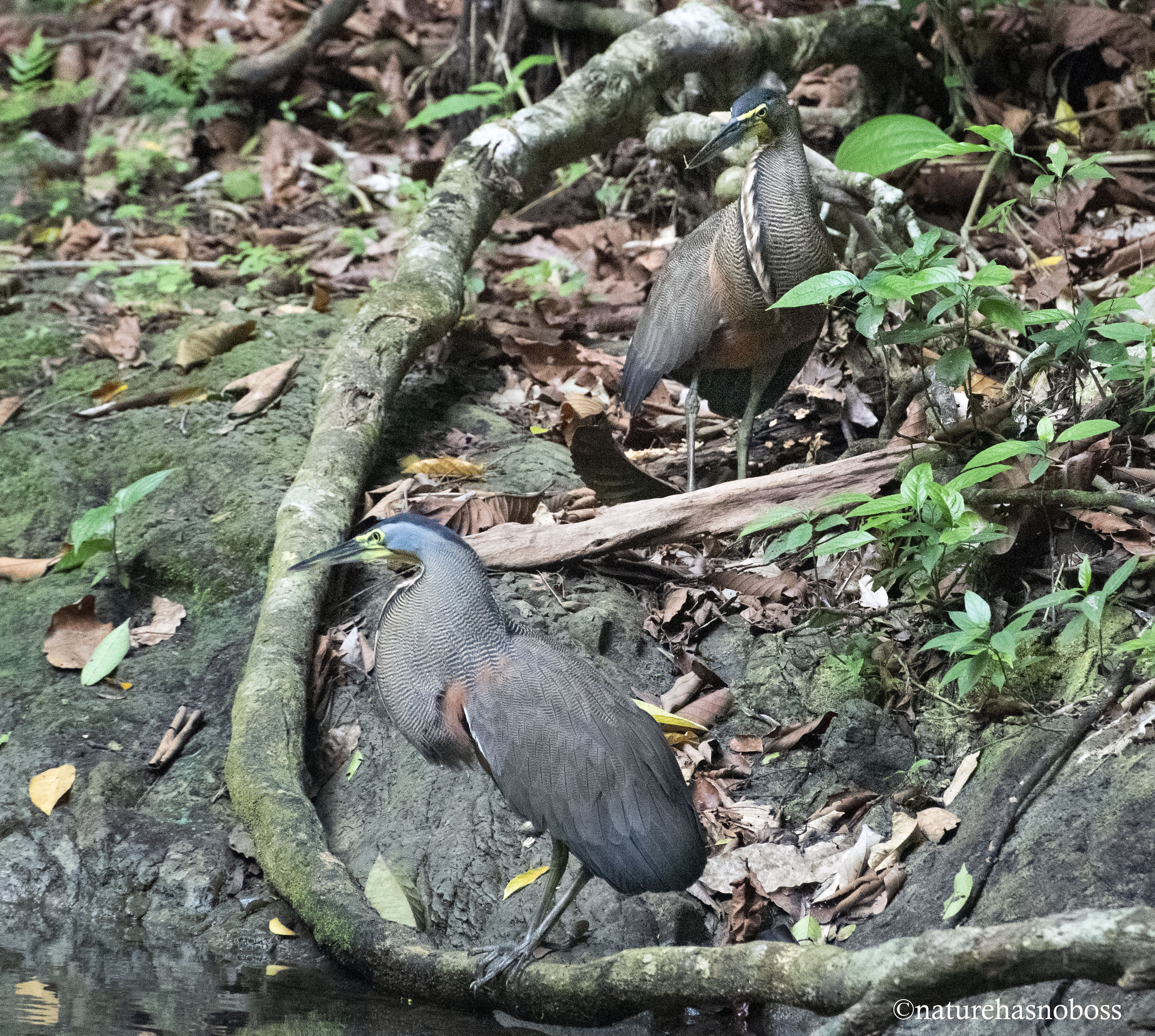
The Bare-throated Tiger Heron forages along costal zones, brackish water and in inland marshes and swamps feeding mainly eating fish, frogs and crustaceans but has been known to consume small rodents.
Like many other Herons the bare-throated Tiger Heron hunts by remaining motionless and quickly striking when prey appears.
Reference:
Martínez-Vilalta, A., A. Motis, and G. M. Kirwan (2020). Bare-throated Tiger-Heron (Tigrisoma mexicanum), version 1.0. In Birds of the World (J. del Hoyo, A. Elliott, J. Sargatal, D. A. Christie, and E. de Juana, Editors). Cornell Lab of Ornithology, Ithaca, NY, USA. https://doi.org/10.2173/bow.btther1.01
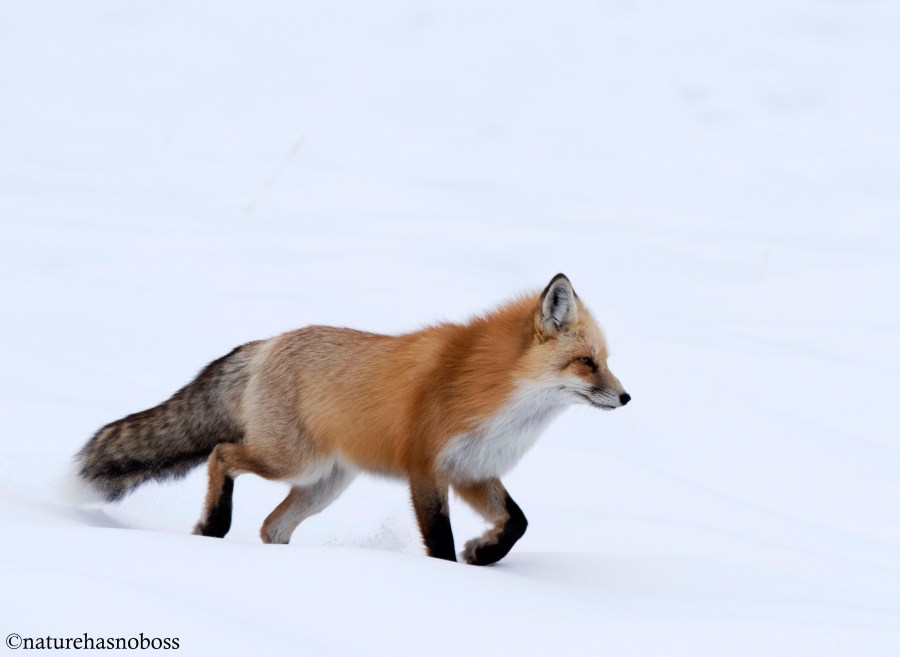
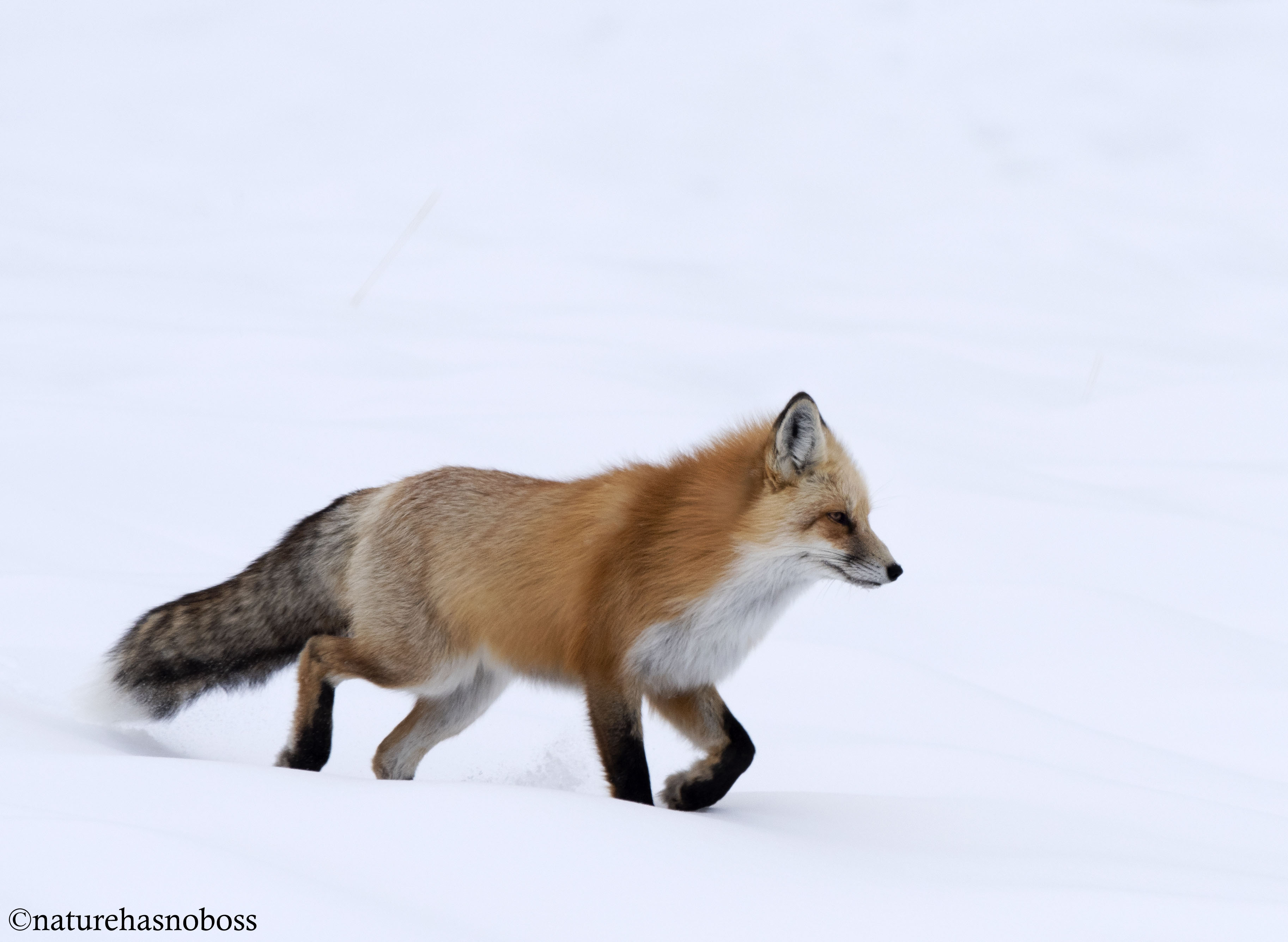
A Red Fox quickly passes by on a snowy winter afternoon. Dressed in a wonderful winter coat. A coat that is not just beautiful but one that keeps them warm on those cold winter nights.

The late rising winters sun mustered just enough power to cut through the morning clouds to give color to an American Bison on this somewhat overcast day. Roaming the sagebrush covered plateau was the order of the day for both man and Bison on a day that felt timeless in may ways.
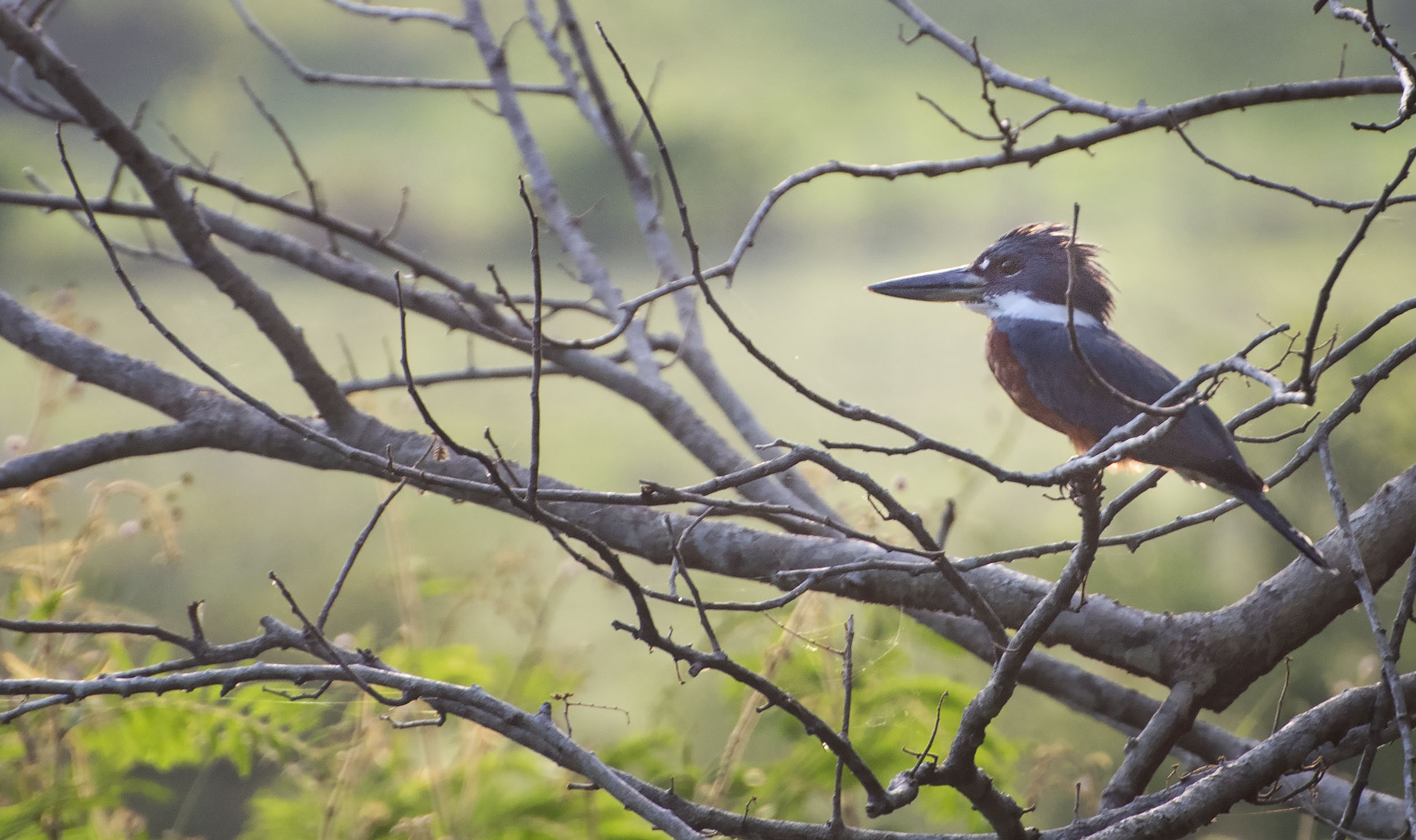
A couple of fine fishermen, just hanging out, doing what fine fishermen do. Waiting patiently and strike when the time is right. Above is the Ringed Kingfisher which is the largest species of Kingfisher in the Americas measuring about 16 inches making it about 2-3 inches larger than the similar looking Belted Kingfisher. The Ringed Kingfisher has gradually expended their habitat Northwards and now can be commonly seen along the lower Rio Grande in Texas.
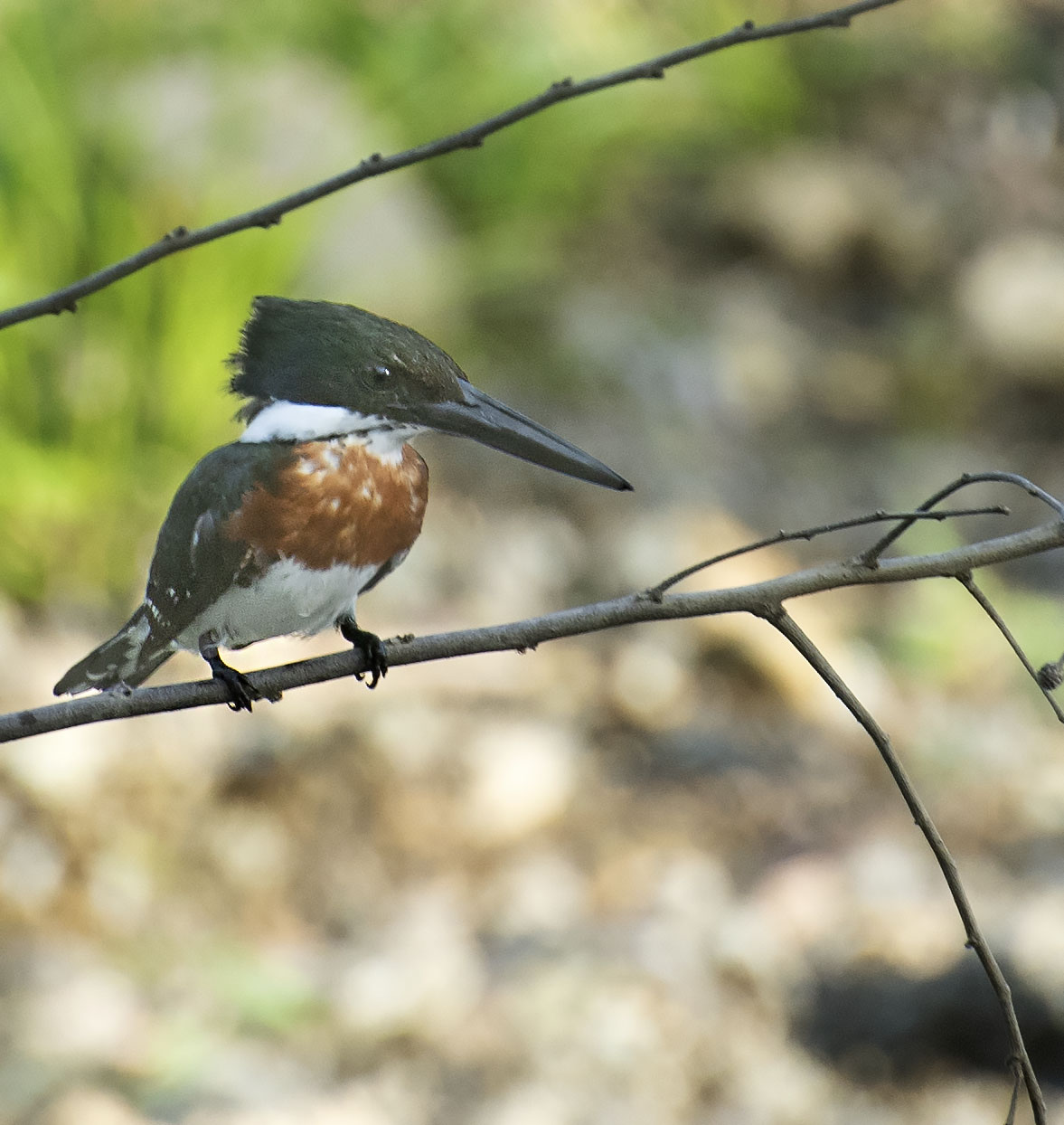
Another fine fisherman is the relatively small Green Kingfisher which is less than half the size of the Ringed Kingfisher photographed above. Unlike the Ringed Kingfisher the Green Kingfisher number may be on the decline as stream habitat is decreasing. A small bird with a large bill to say the least.

Putting another day to bed while taking a long look at what felt like a very short sunset. Now the lakes are frozen over and sunset comes all too soon yet each day brings something special. Looking back as a way of looking forward to today.


Rabbit brush blooming in a sea of sage and sandstone.
On a trail free of footprints.
Solitude found in sand and sky.
 nature has no boss
You must be logged in to post a comment.