Decisions Decisions

A new study reported on in Science Daily suggests that complex decision making occurs in at least one single celled organism. 1

Perhaps our first thoughts when considering single celled organisms is that they are primitive relics of the past with simple physiologies and perhaps only programmed behaviors. However we must consider the simple fact that for several billions of years single cell organisms lived and thrived on the planet and evolved into innumerable species and eventually into multicellular organisms.

Recently a team of researches at Harvard Medical School replicated a century old experiment demonstrating   that  Stentor roeselii  exhibits a complex hierarchy of avoidance behaviors. The evolutionary advantage for the development of this complex avoidance behavior in Stentor roeselii can only be hypothesized but the authors offer this speculation in the paper:

“Such behavioral complexity may have had an evolutionary advantage in protist ecosystems, and the ciliate cortex may have provided mechanisms for implementing such behavior prior to the emergence of multicellularity.”  2

This is an interesting article not only for demonstrating that life, in all it’s forms, may exhibit behaviors we have yet to document but also for the fact that there may be great scientific value in replicating  other forgotten studies from decades past.

Additionally, studies like this one make it clearer that all life is indeed life — and that– is something worth pondering.

References:

  1. Harvard Medical School. (2019, December 5). New study hints at complex decision making in a single-cell organism. ScienceDaily. Retrieved December 11, 2019 from www.sciencedaily.com/releases/2019/12/191205113129.htm
  2. Joseph P. Dexter, Sudhakaran Prabakaran, Jeremy Gunawardena. A Complex Hierarchy of Avoidance Behaviors in a Single-Cell Eukaryote. Current Biology, 2019; DOI: 10.1016/j.cub.2019.10.059
 

Under a full moon

Crested_butte_winter_2008

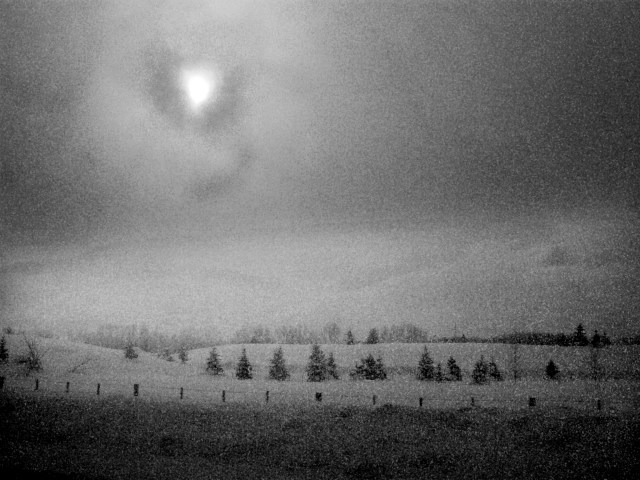
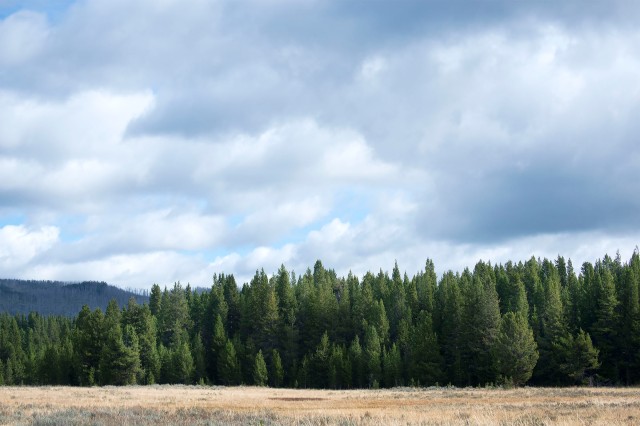
The moon was bright and full last night brightening the sky and even making the snow sparkle with color. Seeing the bright moonlight got us to wondering how moonlight nights might effect animal behavior.

There have been many studies effects so we thought it might be interesting to pass along just a few more recent observations we are aware of.

Several phenomenon related to animal behavior have been attributed to the full moon including increased spawning of corals and other reproductive behavior.

The Barau’s petrel, a tropical seabird species, uses the lunar cycle., unlike many other birds with use the sun or length of day, to time mating.

A recent study by Norevik et al. describes how the full moon synchronizes the initiation of the fall migration in the European Nightjar. The abstracts states:

We found that the daily foraging activity more than doubled during moonlit nights, likely driven by an increase in light-dependent fuelling opportunities. This resulted in a clear cyclicity also in the intensity of migratory movements, with occasionally up to 100% of the birds migrating simultaneously following periods of full moon. We conclude that cyclic influences on migrants can act as an important regulator of the progression of individuals and synchronize pulses of migratory populations, with possible downstream effects on associated communities and ecosystems.1

So as we enjoy another night of moonlight skies we can all ponder what other effects the lunar cycles have on the other inhabitants we share the planet with. So much to study and so much still unknown. Do we need to expand our ecosystem to include the moon? the show universe?

1) Norevik G, Åkesson S, Andersson A, Bäckman J, Hedenström A (2019) The lunar cycle drives migration of a nocturnal bird. PLoS Biol 17(10): e3000456. https://doi.org/10.1371/journal.pbio.3000456

When Clouds Move

Lamar_river_view_1

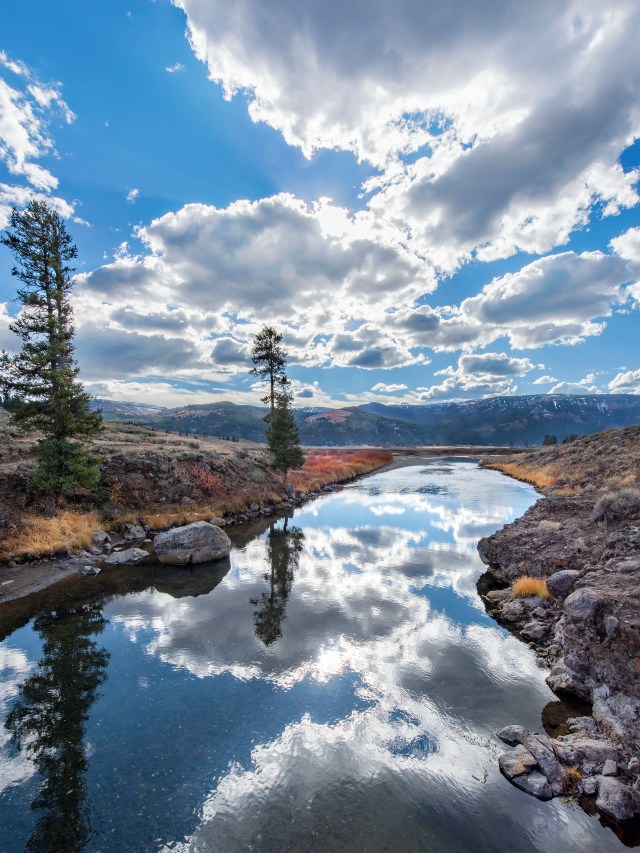
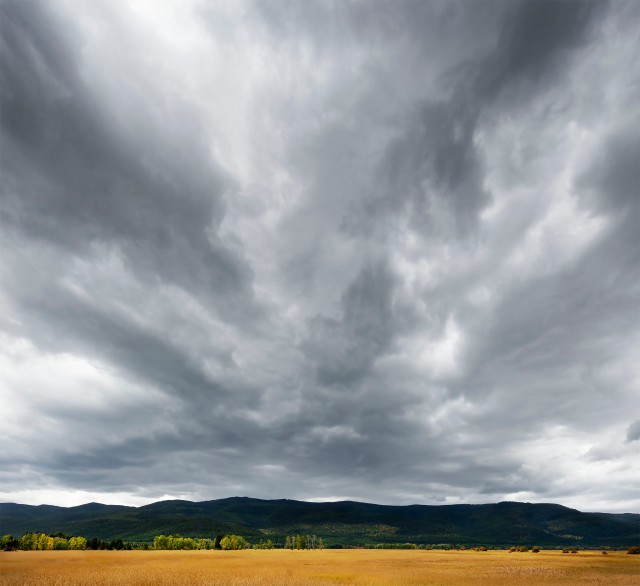
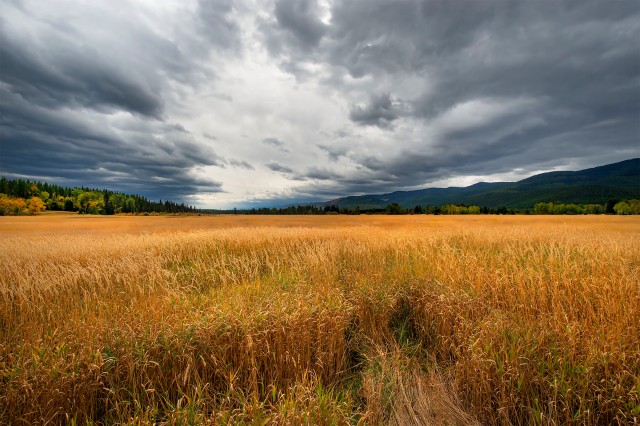
The October clouds just seem to move faster, get bigger and always seem just  a bit darker. A time between the bluebird skies of summer and the socked-in days of winter. A little of each yet nothing like either.

October clouds reflected in the Lamar Valley.


Happy Friday and a good weekend to all.

The fruits of their labor

Fruits_1

Working hard from spring through summer the plants have done their thing. Now all that hard work is  proudly on display.

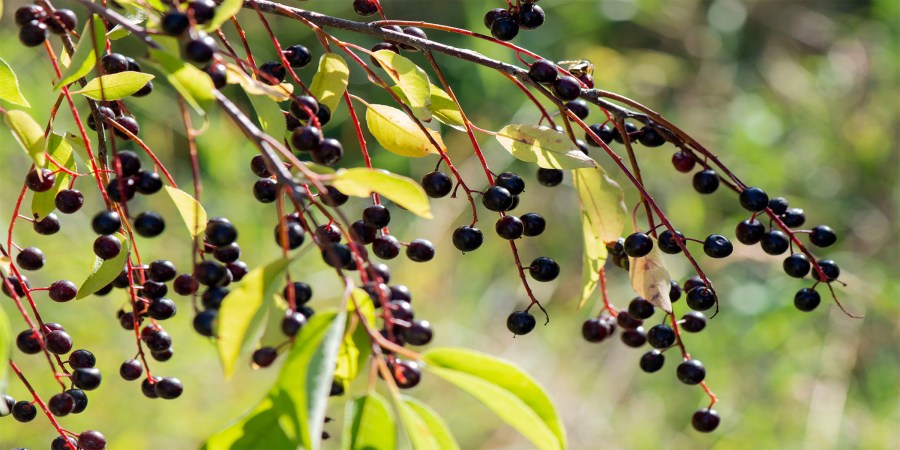
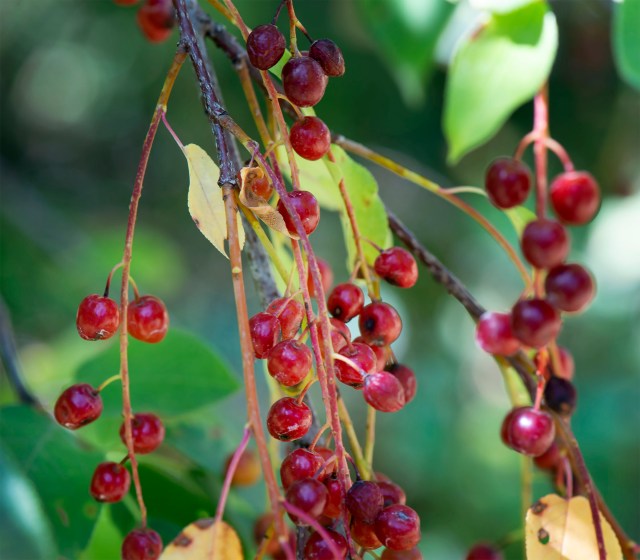
The Choke Cherries have ripened and will provide food for bears and birds and even a human or two.

Fruits_2

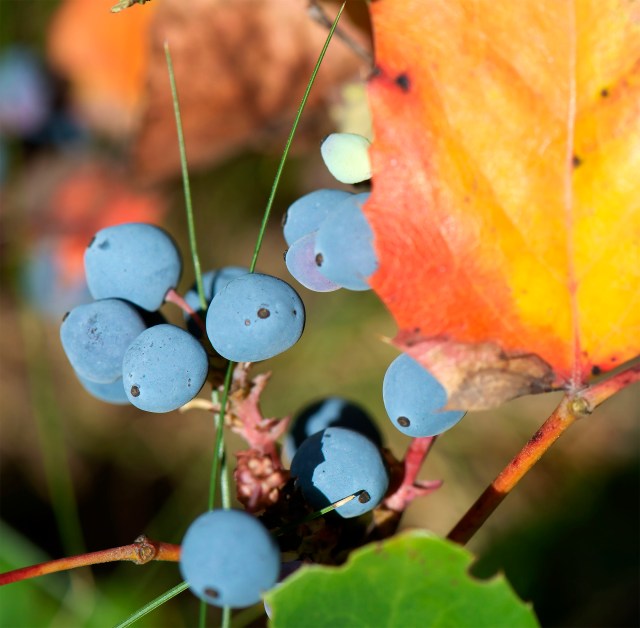
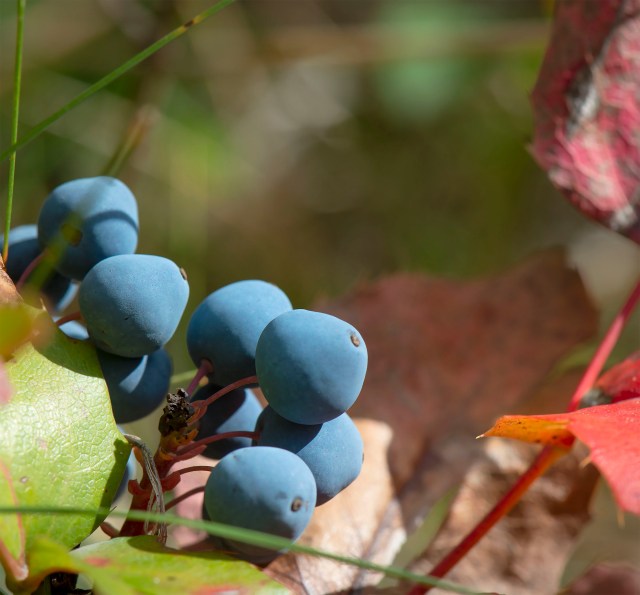
The Oregon Grape has produced berries of purple-blue that will help feed the grouse and pheasants as well as waxwings.

Fruits_3Fruits_4

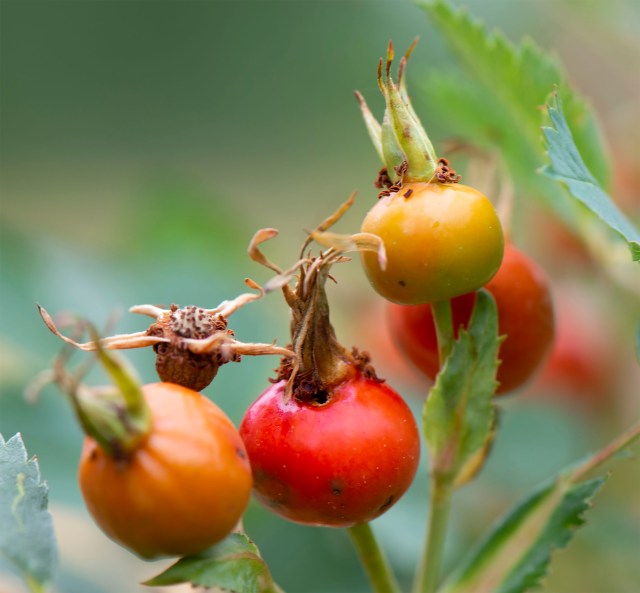
The wild rose has a a tough go of it as these bushes are a favorite food of deer. These Rose Hips were hanging high on the only branch not trimmed low to the ground by a local family of deer. A mother Mule Deer and her two fawns can really make quick work of a rose bush.

Fruits_5Fruits_6

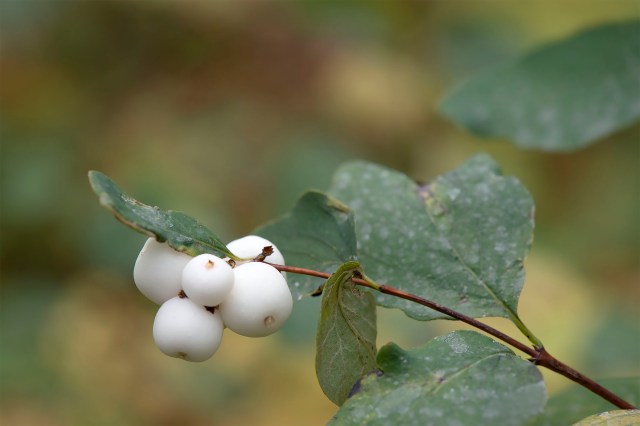
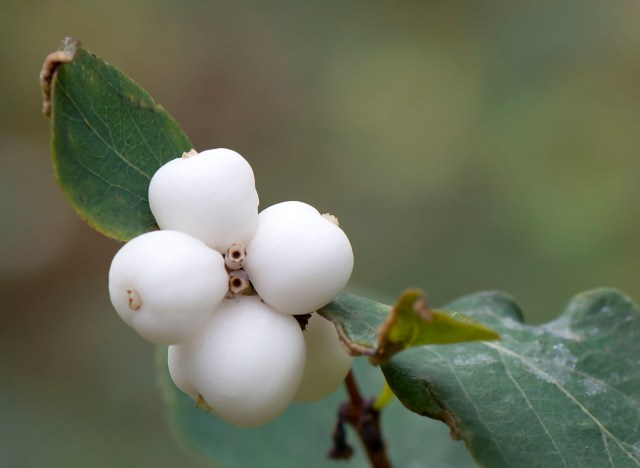
The snowberry bushes are numerous and cover the forest understory. This year they have done well and the berries will provide food for songbirds, game birds and many small mammals as winter rolls into town.

Fruits_7Fruits_8

The plants have been busy and the fruits of their labor show.