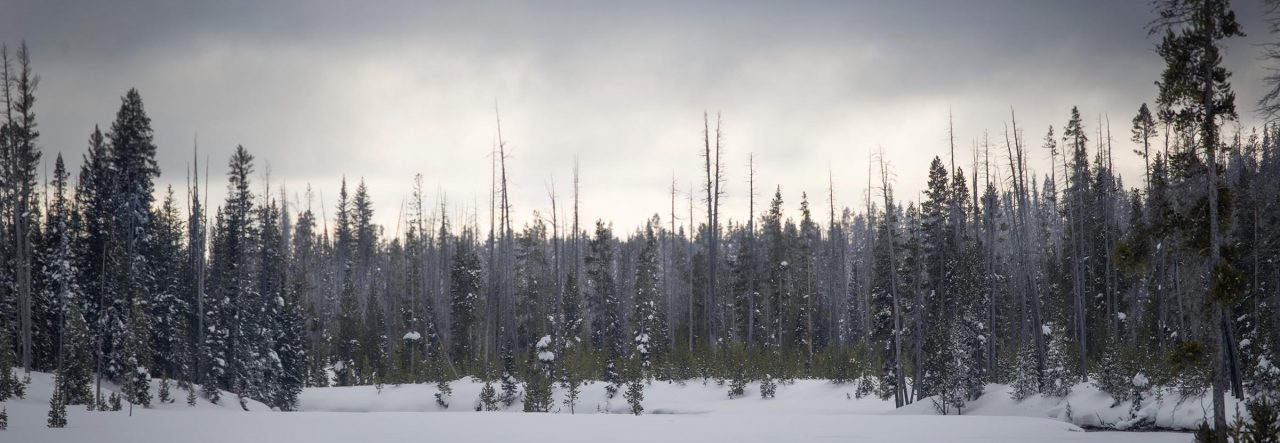
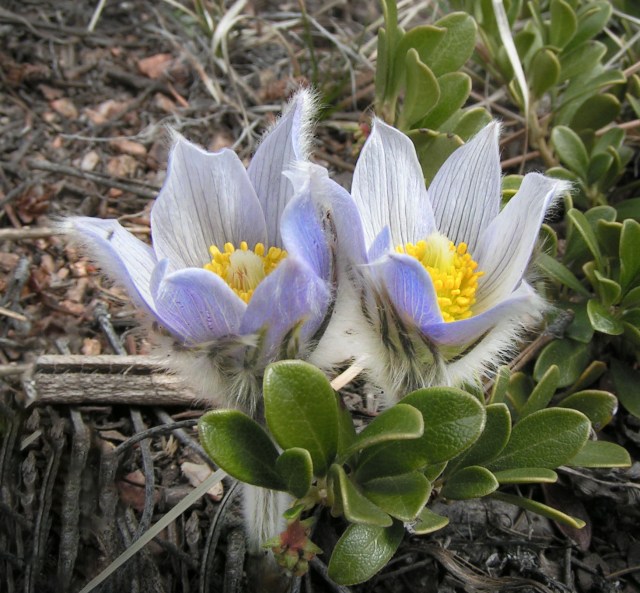
Identical no less with matching fur coats for those crisp spring mornings.
Tag: wildflowers
Western Spring Beauties:Claytonia lanceolata

This week the fields near home are full of the Western Spring Beauties. A beautiful wildflower when viewed up close but it can appear unassuming from a distance.
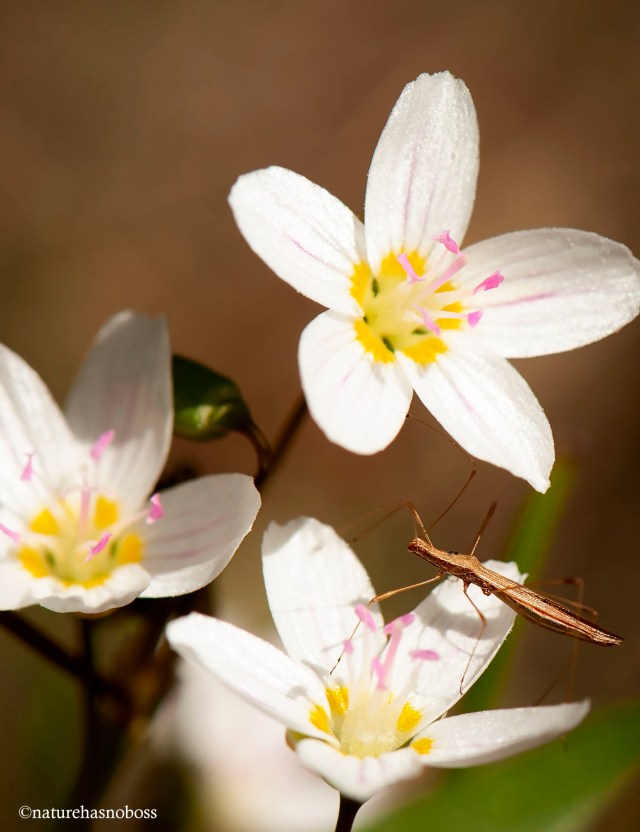
Native to much of the western United States Western Spring Beauty is a short flower only growing 2-3 inches tall in our area and it begins to bloom right about the time the last patch snow has melted from the ground.
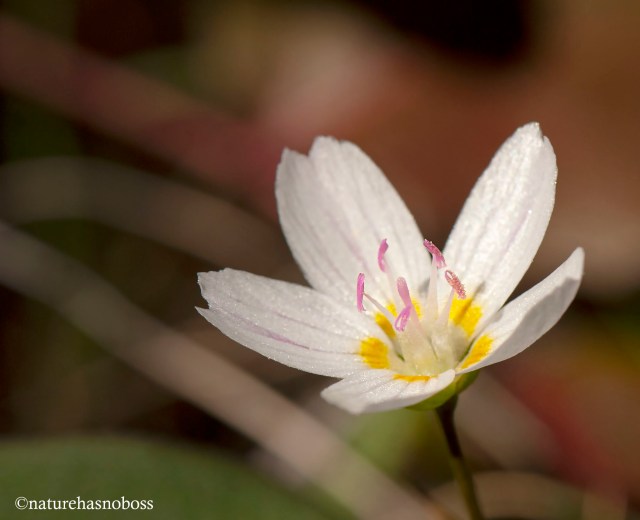
“As the name suggests, Western springbeauty blooms in the spring, barely waiting for the snow to melt. This perennial grows from a deeply buried, spherical, underground stem; when cooked, the stem tastes like a potato.” 1
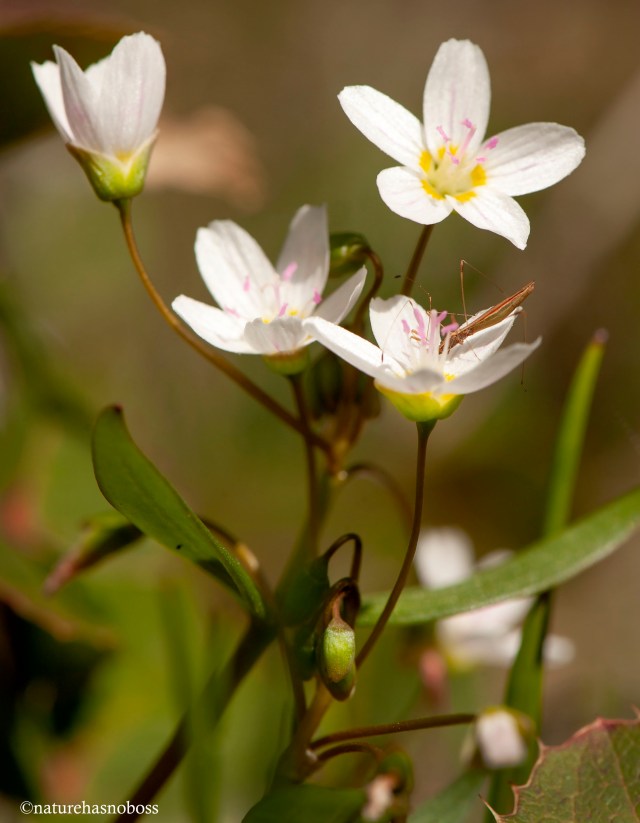
A beautiful flower and one we always look forward to seeing each spring.
Reference:
1. Wildflower.org The Lady Bird Johnson Wildflower Center.
First dance
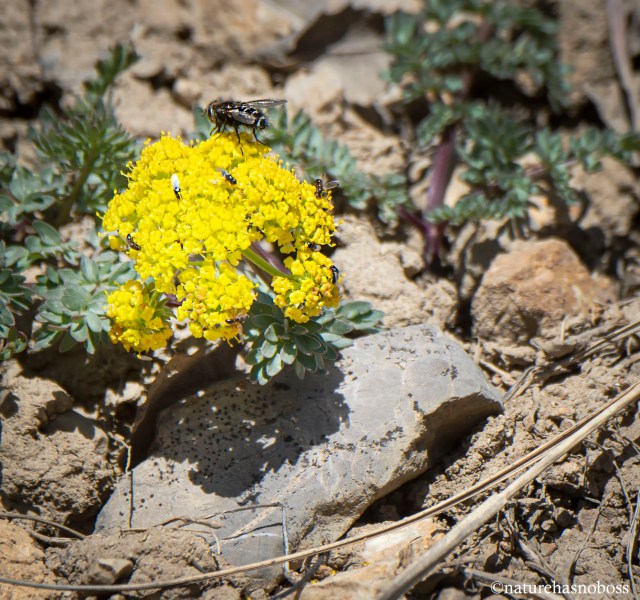
The first wildflowers are just poking up in our area yet just as fast as they start to bloom they have found partners for that lovely dance called pollination. Above a Biscuit Root flower only a couple inches wide and tall and just fully in bloom finds dance partners both big and small.
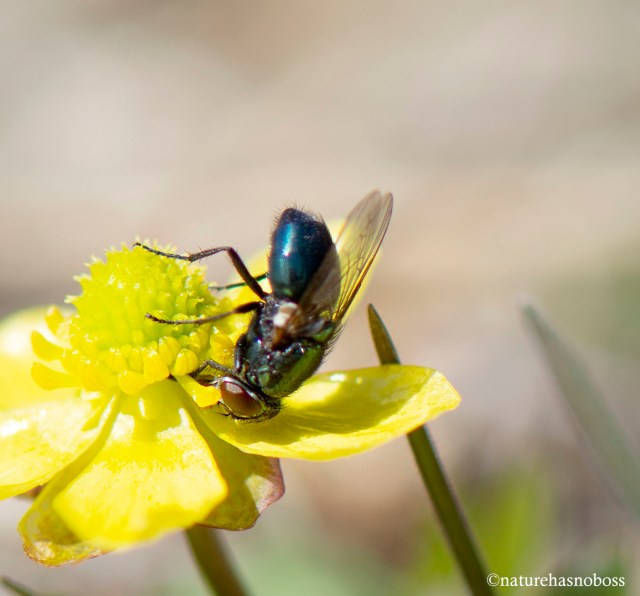
Above a fly asks a Sagebrush Buttercup for a quick spin around the dance floor.
Yes, let the dance begin.
From the forest floor
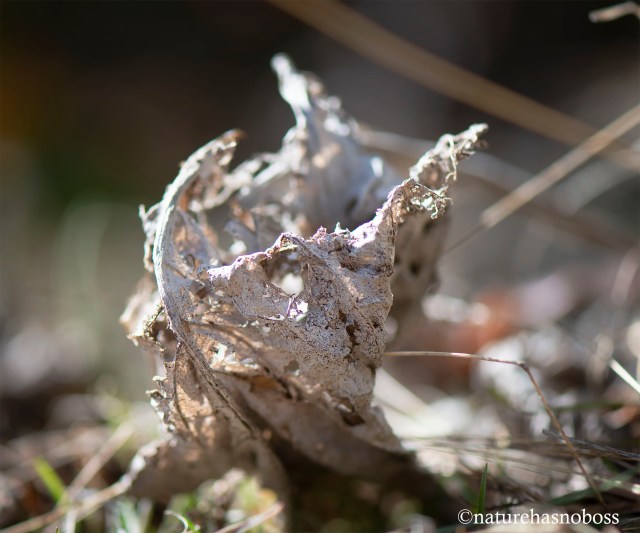
Todays post is brought to you courtesy of the forest floor. A place to discover wonders both large and small. Like the sculptural beauty of a leaf slowly working its way back to soil.
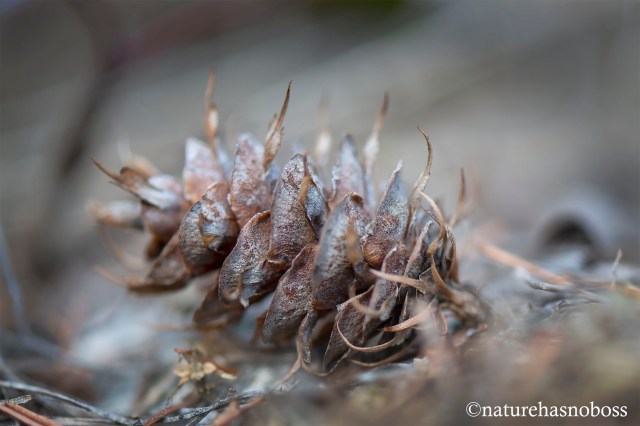
and a pine cone in all its’ glory.
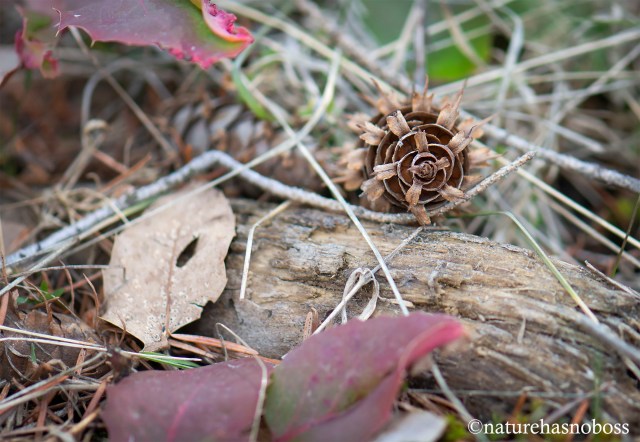
So much to see in a 8 inch square.
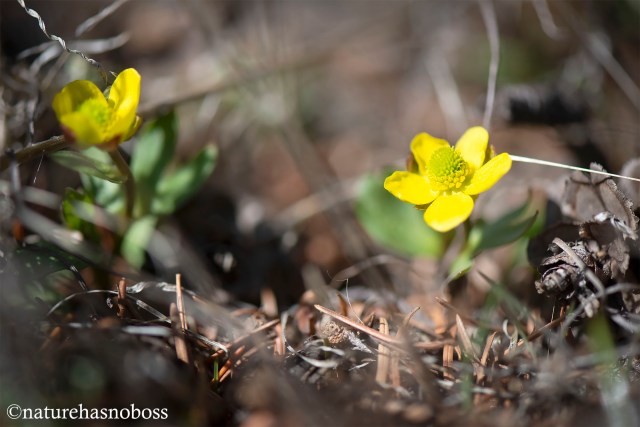
yes, so much to see on the forest floor.
Sagebrush Buttercups: Ranunculus glaberrimus
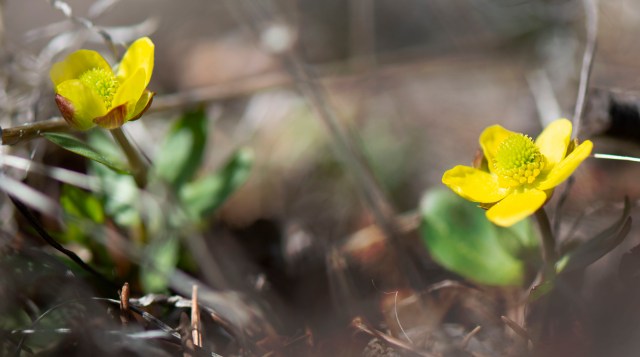
Just down the road, where the sun hits just right, is a small patch of earth warmed by the sun where the snow has melted and the Sagebrush Buttercups are already springing to life.
Growing low to the ground with their buttery shiny-waxy petals these wonderful little flowers are a challenge to photograph yet fun nonetheless. They are a bit poisonous to the touch so take care if handling them as they can cause blistering.

While a few were blooming most we still just on their way.

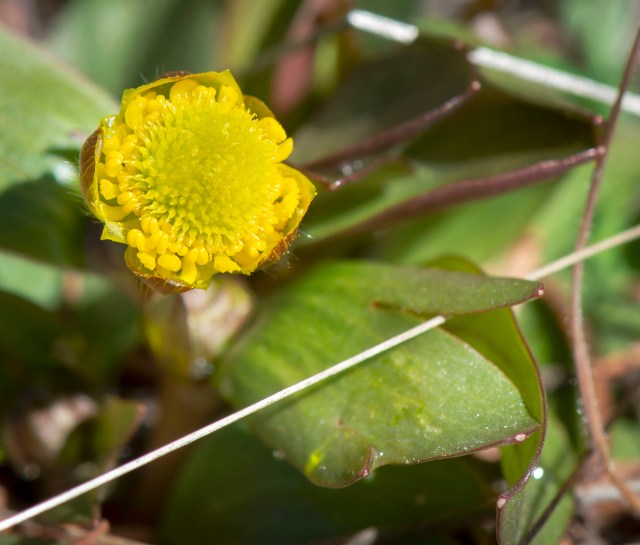
A wonderful sign that spring is indeed on it’s way despite the recent snows.

Hello Neighbor
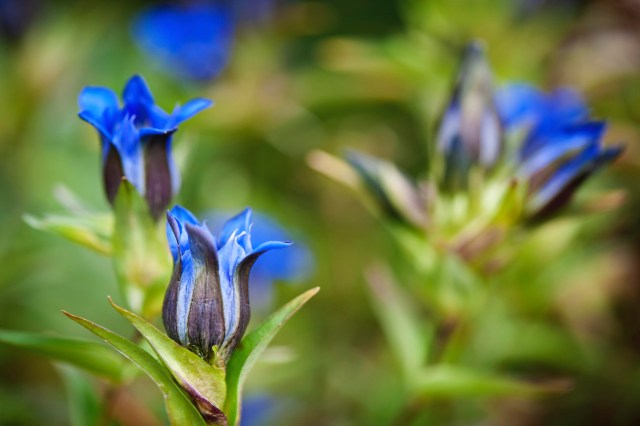
A recent report published in Science Daily describes the results of a recent research study published in the journal Current Biology supporting the hypothesis that when under attack from insect herbivores plants indeed communicate with each other.1
No, they don’t scream, but use chemicals called Volatile Organic Compounds and release them into the atmosphere and are detected by their neighbors.
One of the major findings from the study is that when plants are under attack the compounds released become more similar between species suggesting a type of cross species communication.
The Author of the study Andre Kessler describes the results of the study as follows:
“What we very often see when plants get attacked by pathogens or herbivores is, they change their metabolism,” Kessler said. “But it’s not a random change — in fact, those chemical and metabolic changes are also helping them cope with those attackers. It’s very much like our immune system: though plants don’t have antibodies like we have, they can fight back with pretty nasty chemistry.” 2
Interesting stuff.
The article in Science Daily is an easy read and a little splash of color to beat back a dull January day might be just what the doctor ordered.
Courtesy of none other than….Plants!


References:
1. Aino Kalske, Kaori Shiojiri, Akane Uesugi, Yuzu Sakata, Kimberly Morrell, André Kessler. Insect Herbivory Selects for Volatile-Mediated Plant-Plant Communication. Current Biology, 2019; 29 (18): 3128 DOI: 10.1016/j.cub.2019.08.011
2.Cornell University. “Plants alert neighbors to threats using common ‘language’.” ScienceDaily. ScienceDaily, 3 October 2019. .
Decembers Light
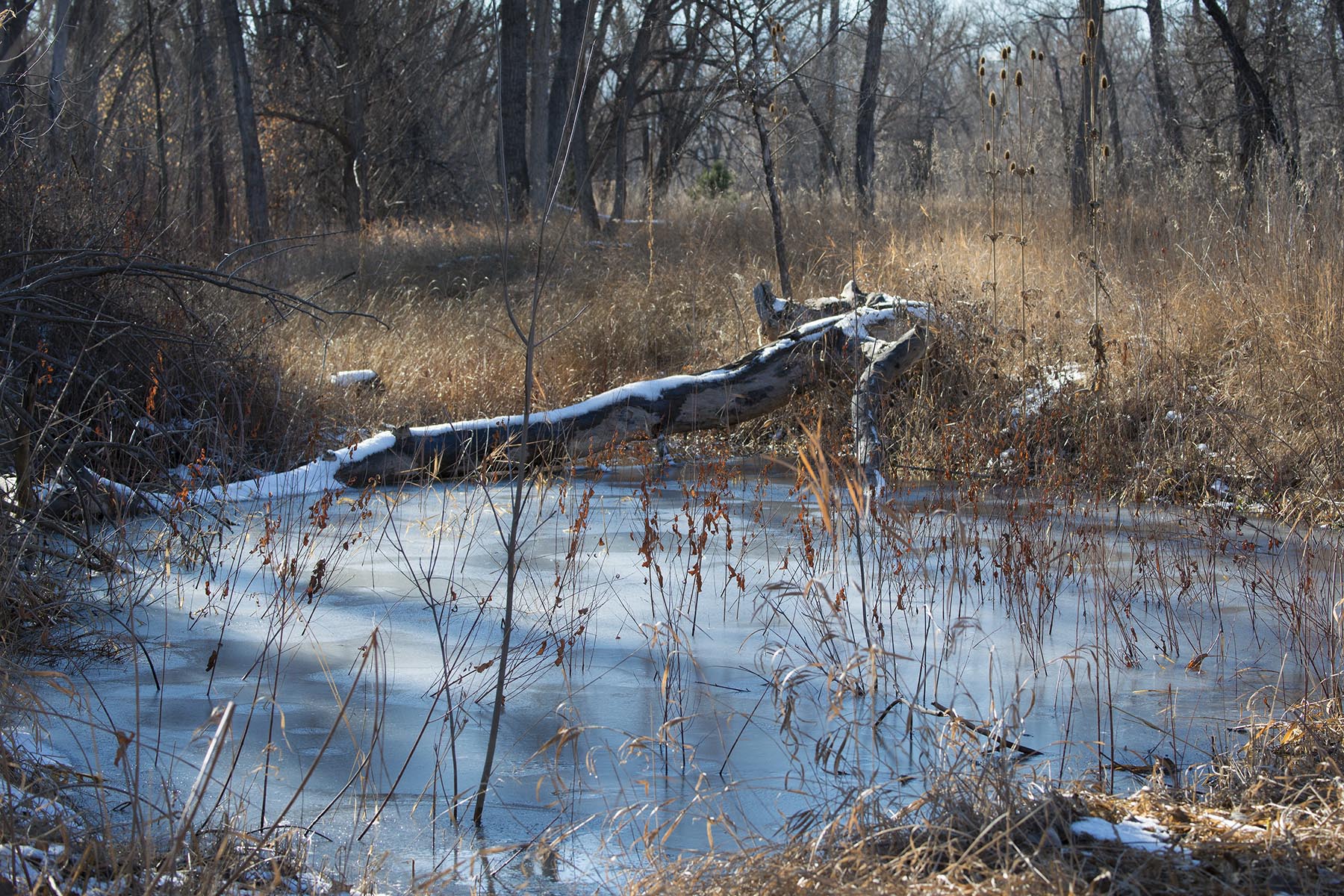
The mid-December sun, traveling low across southern sky casts long shadows on the icey blue face of a small pond and gently lights the landscape beyond. Decembers light is like no other and helps me keep track of the time like no wall calendar or wristwatch can.
The Fungus Among Us
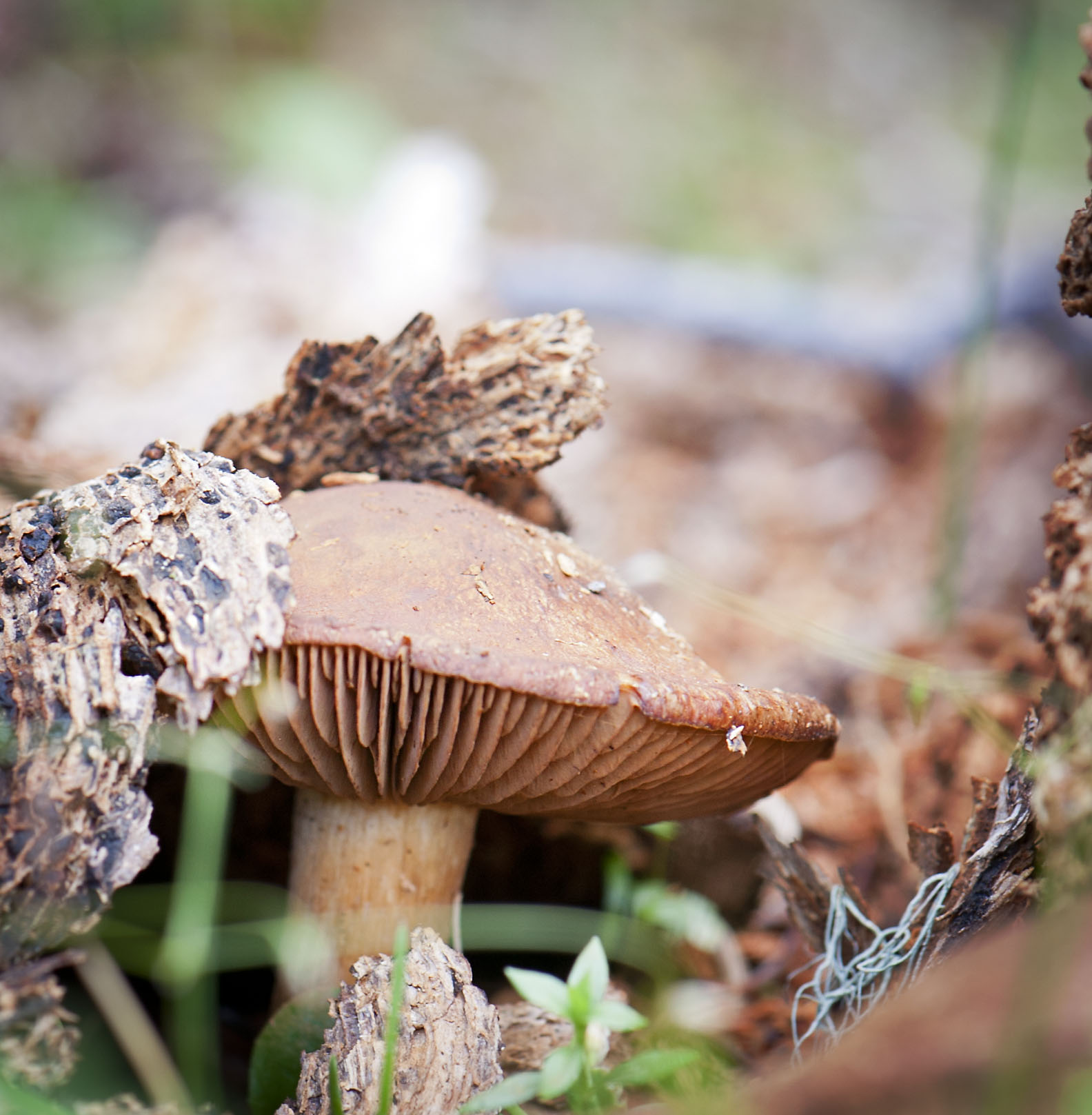
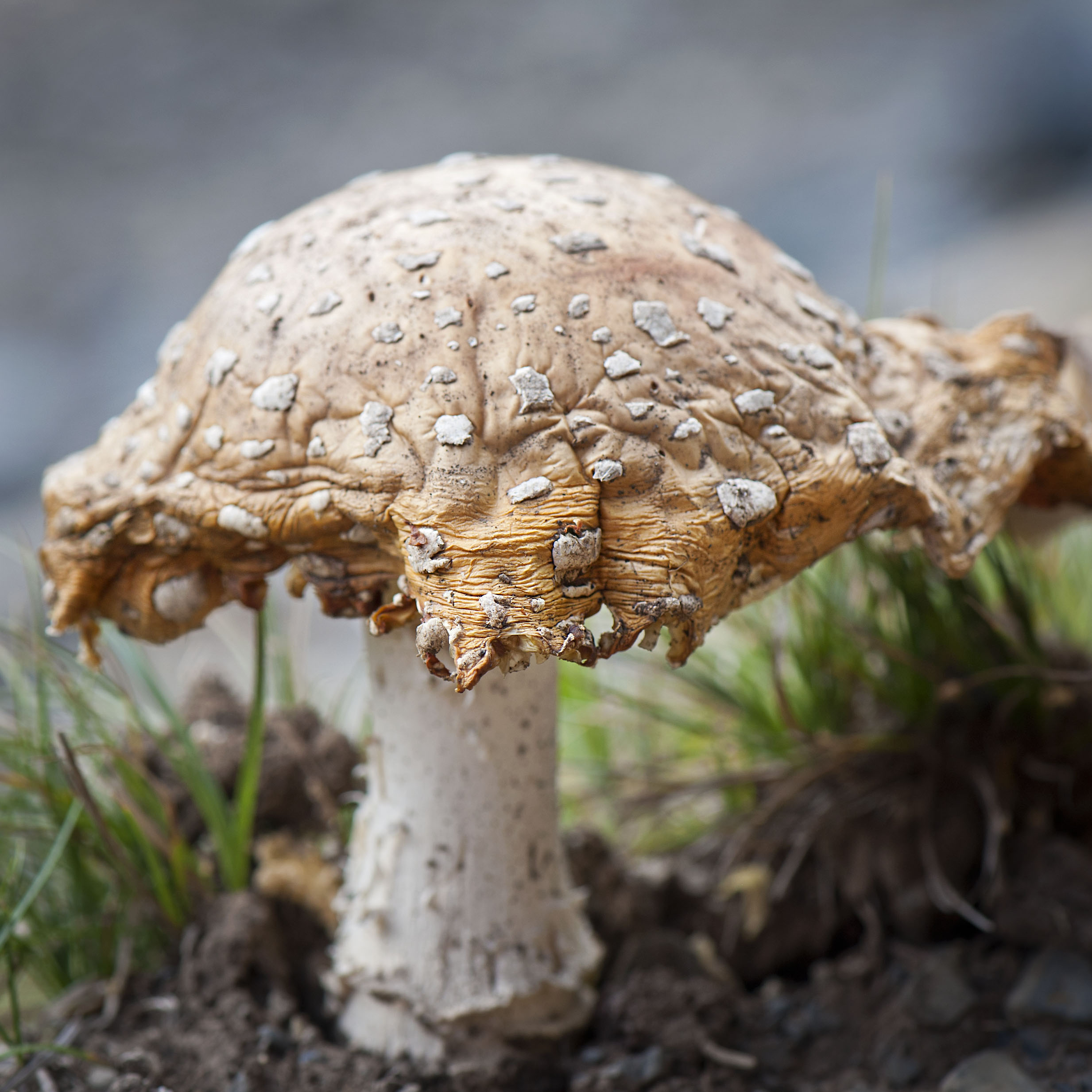
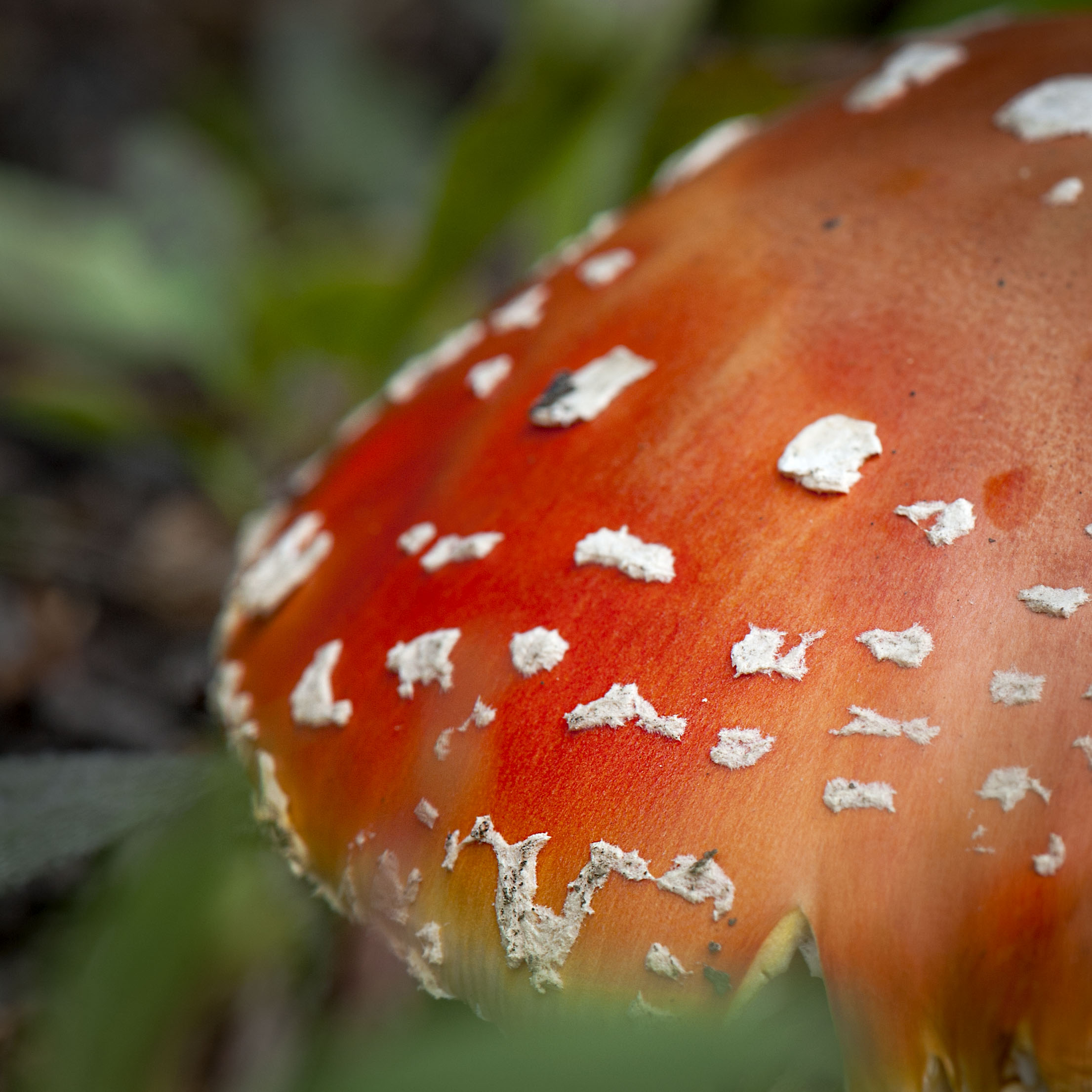
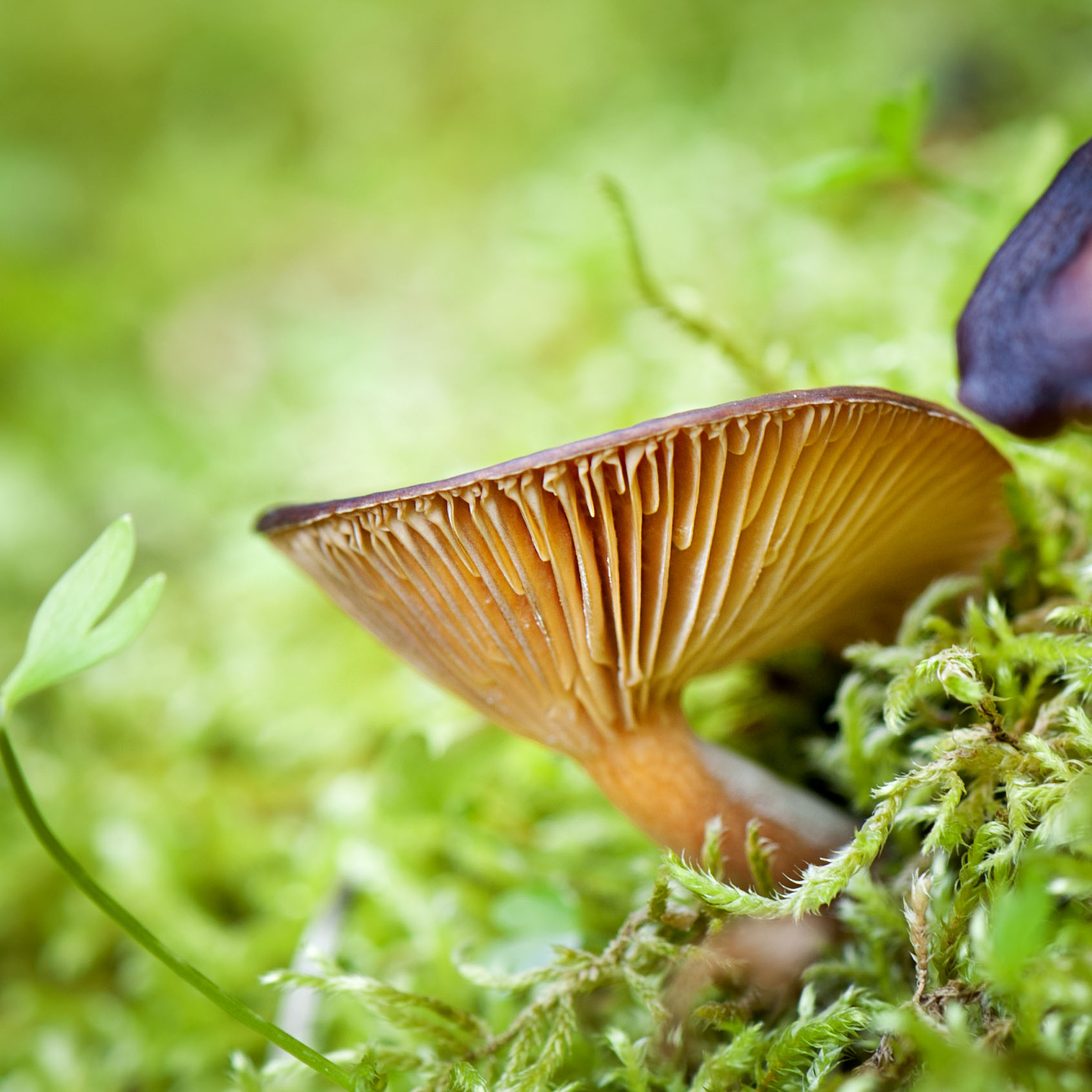
I have always found mushrooms fascinating life forms. Not plant, not animal yet vitally important for the health of both plants and animals. However, they are a bugger to photograph yet I never stop trying.
Paul Stamets wrote a great book on Fungus call “Mycellium Running” and delivered a very interesting TED talk several years ago:
Sights and sounds
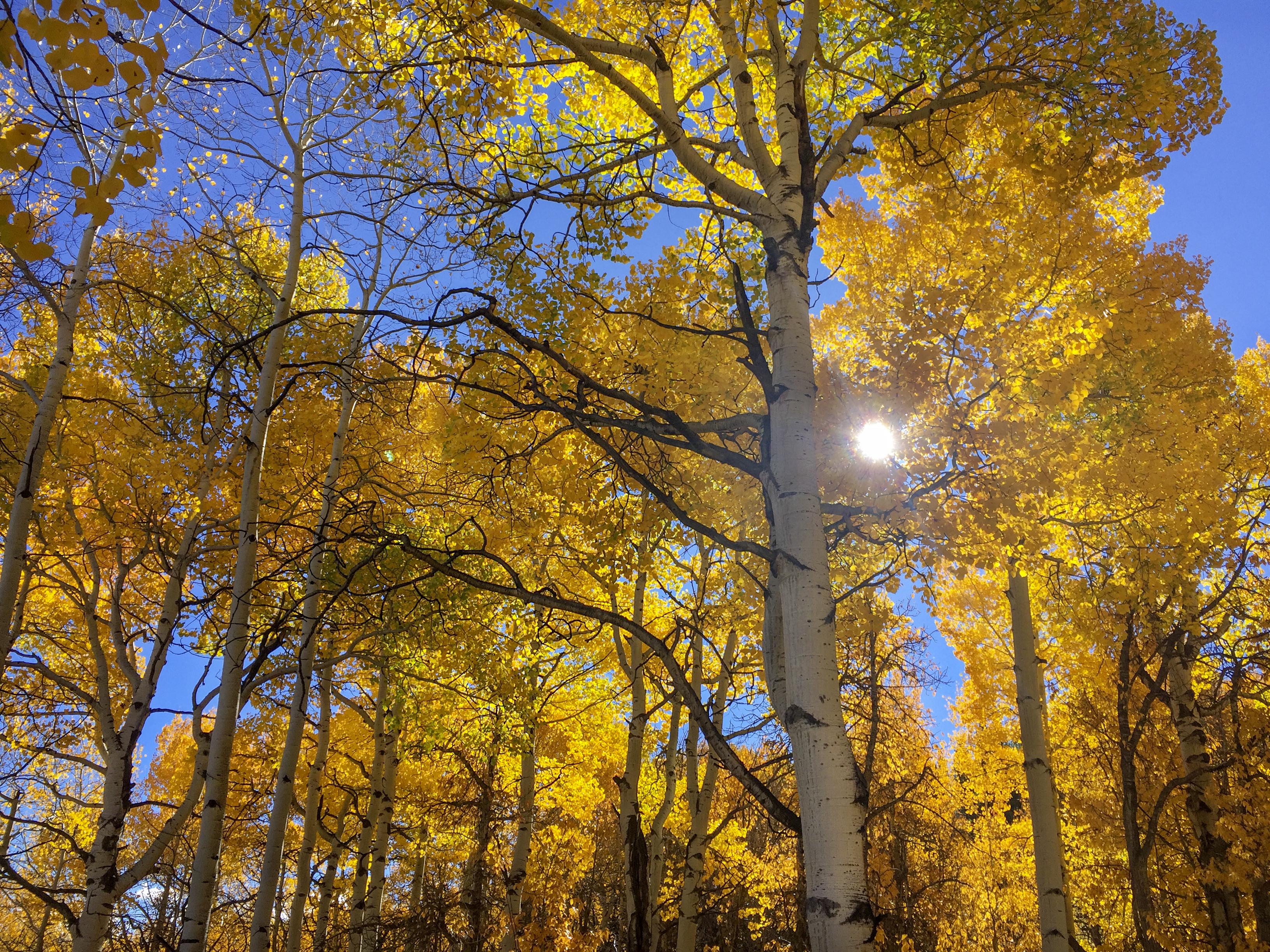
The golden glow of the Aspens in the morning light.
Two chickadees singing a-dee-dee-dee with a nuthatch honking as the leaves rustle in the breeze.
The crows gurgling and woodpeckers pecking in the distance.
Sights and sounds of the forest on a morning hike.
Three bee salad

A favorite at picnics near and far.
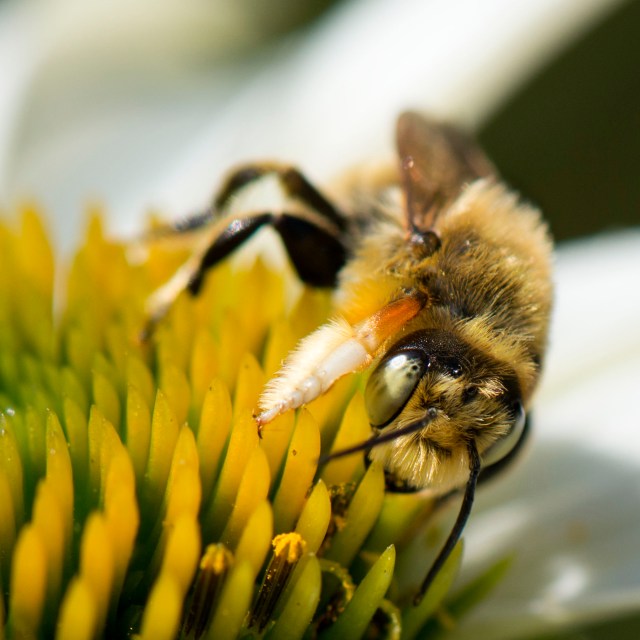
Take three bees, an assortment of flowers, dash of pollen and splash of nectar, blend together and voila, a fine little dish recreating the bounty of summer.

Enjoy and have a wonderful weekend.
 nature has no boss
You must be logged in to post a comment.