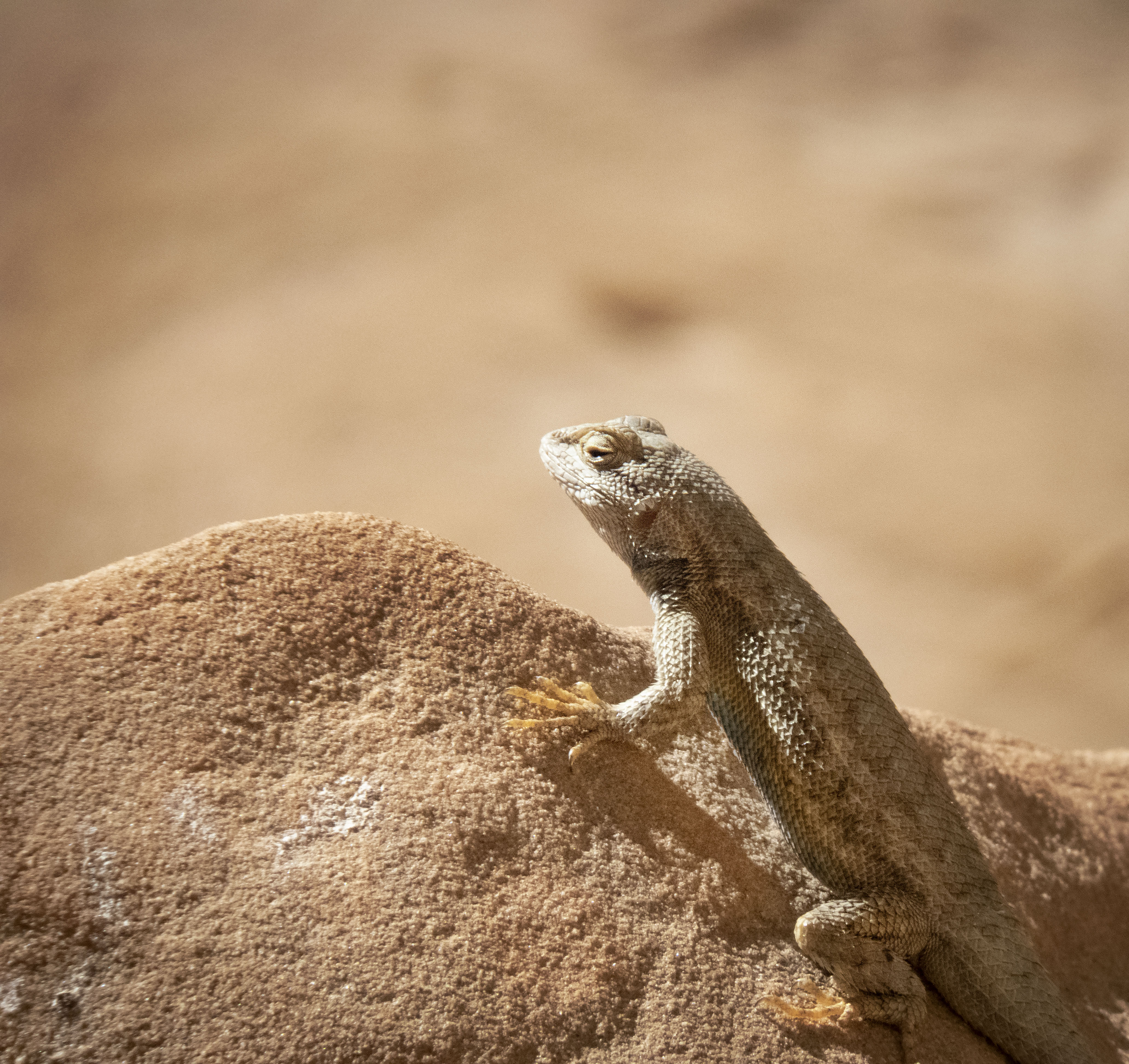
Just one thing…

There are days when the distinctions between between plants and rock, rock and animals and earth and sky seemingly disappear and all become just one thing. Lizards take on the colors and textures of the rocks in which they make their homes.
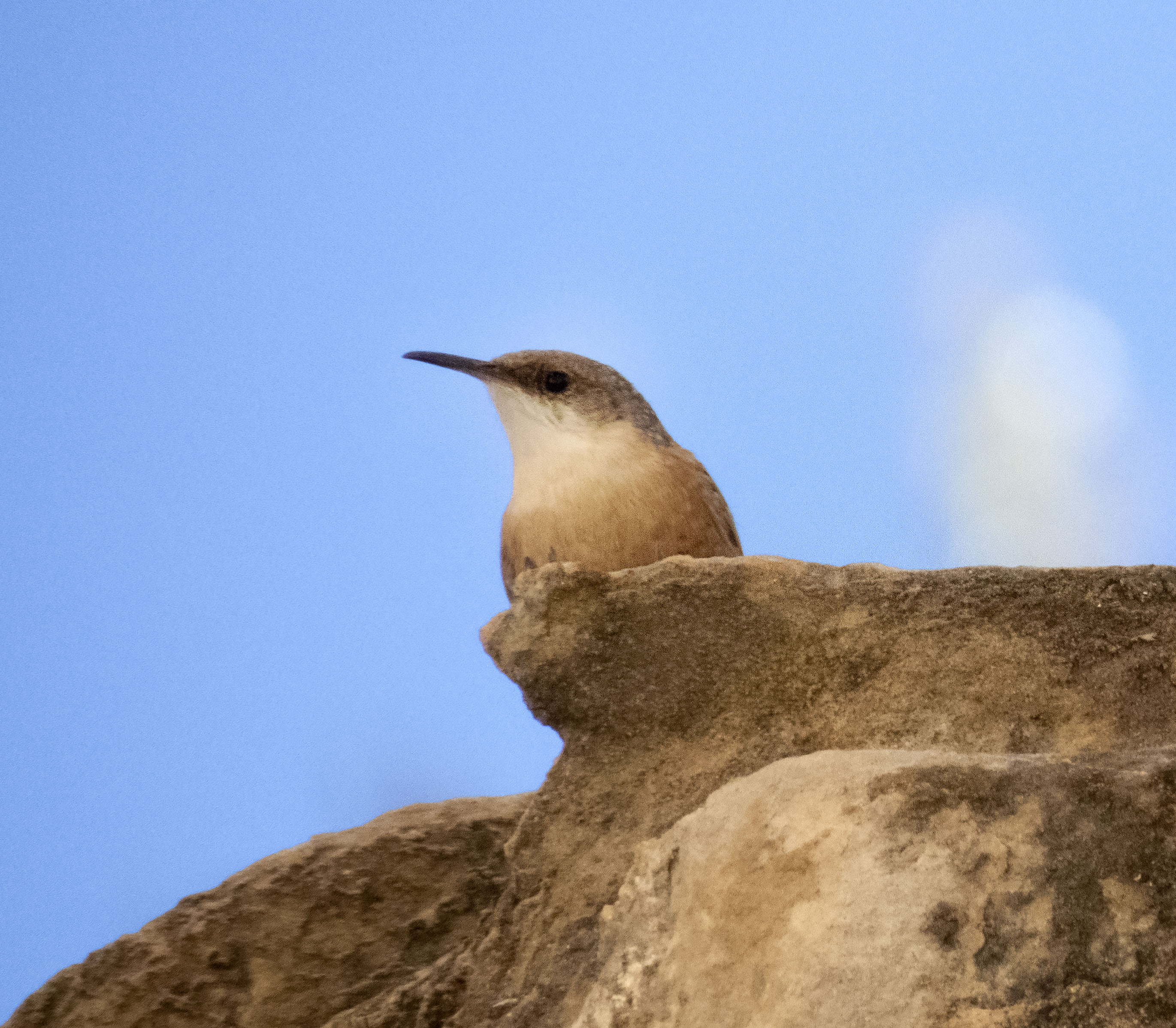
The song of a Canyon Wren fills the air along a canyon rim where bird stone and sky meld into one.
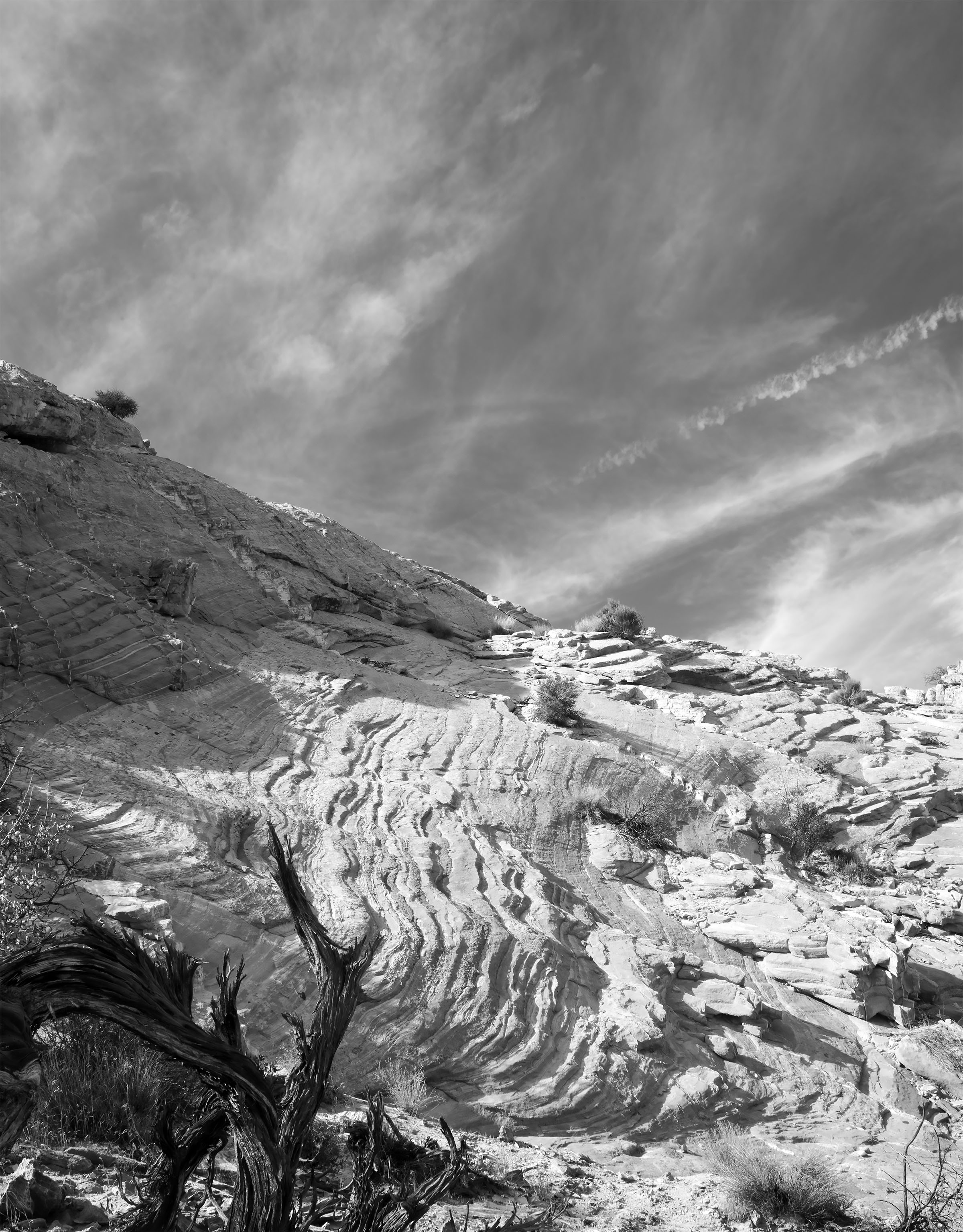
The stone of the landscapes waves as if water and becomes one with sky.
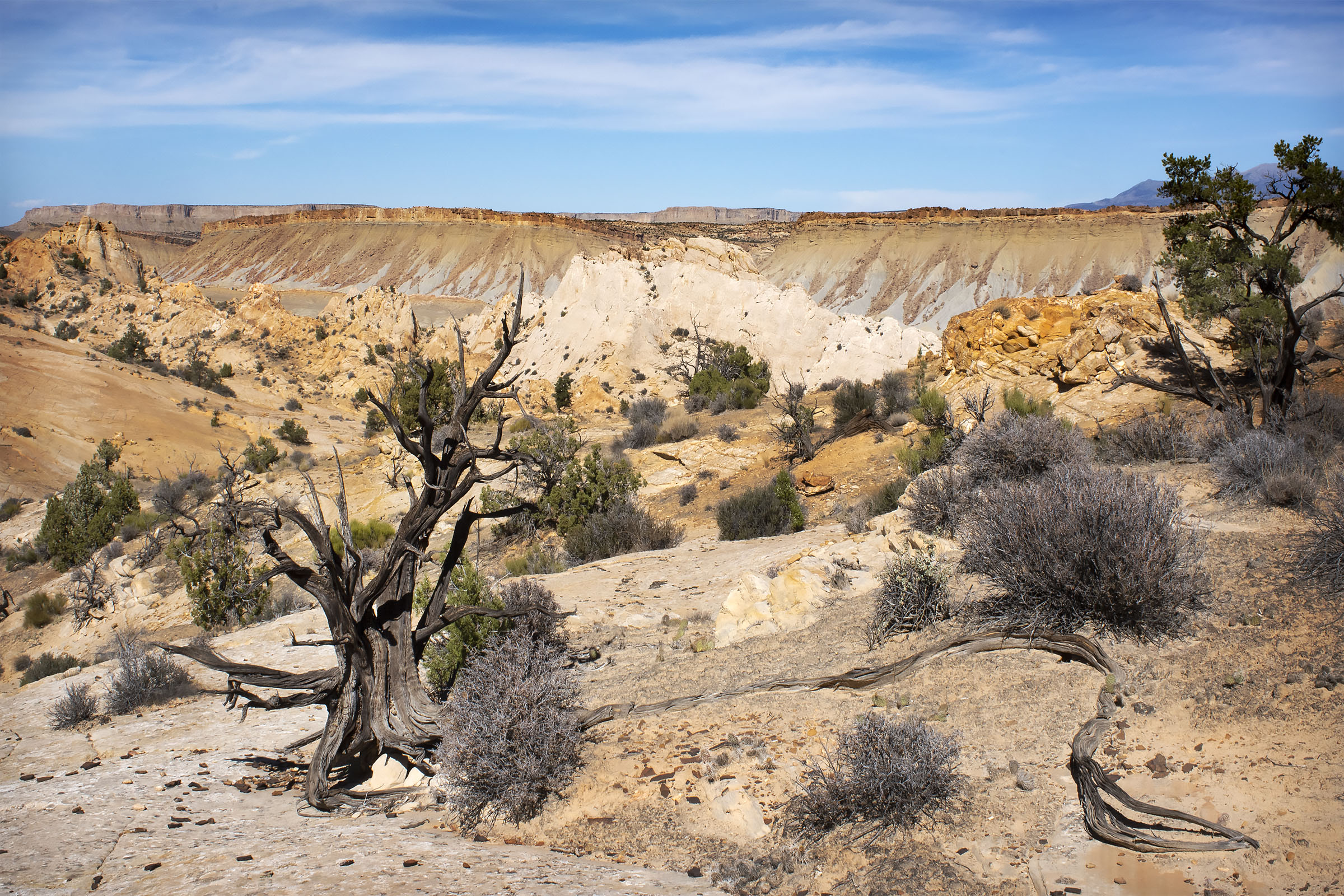
Textures, colors and shapes all just patterns in the landscape becoming a single thing.

Happy Friday and wishing you a wonderful weekend.
Here, there and everywhere

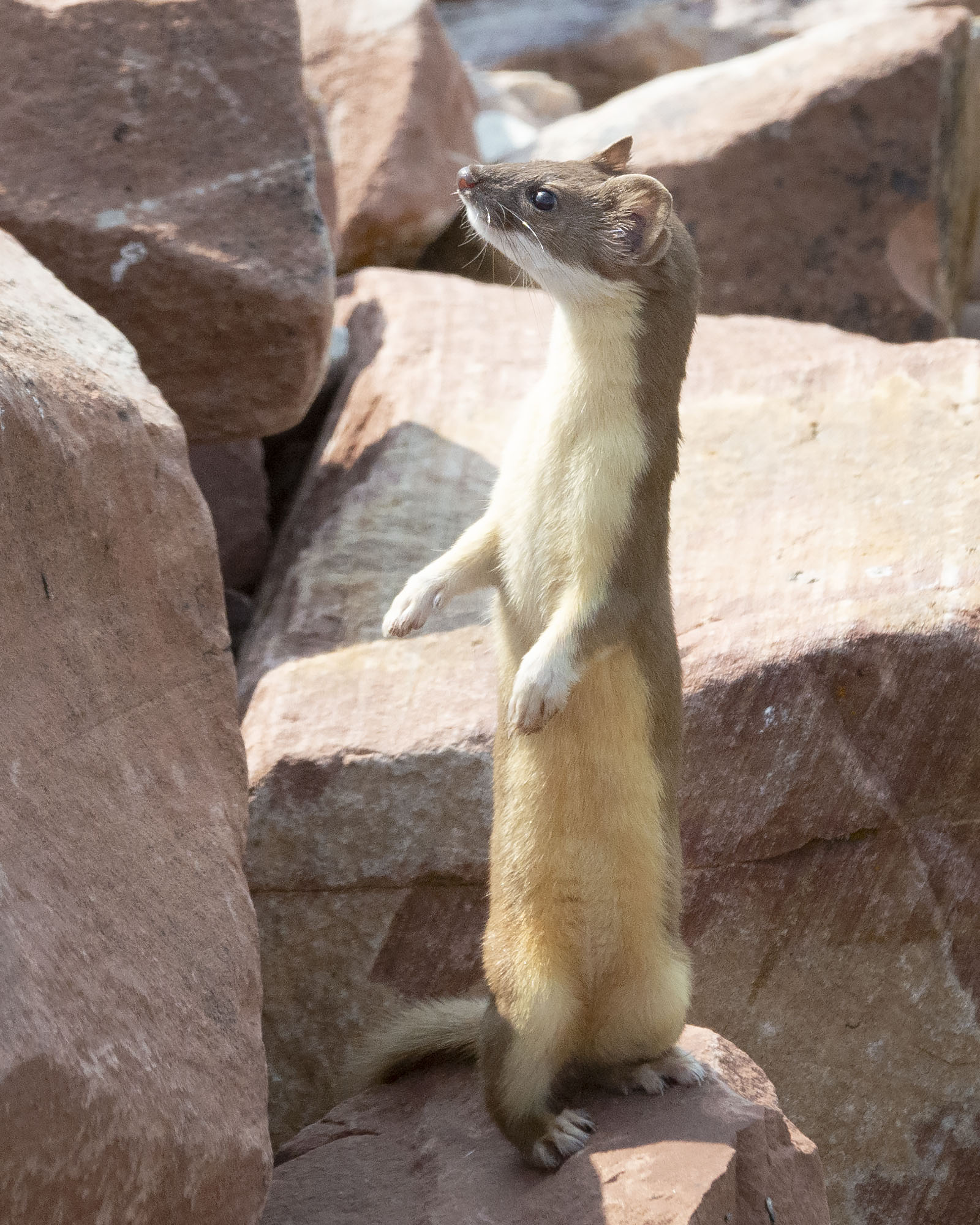
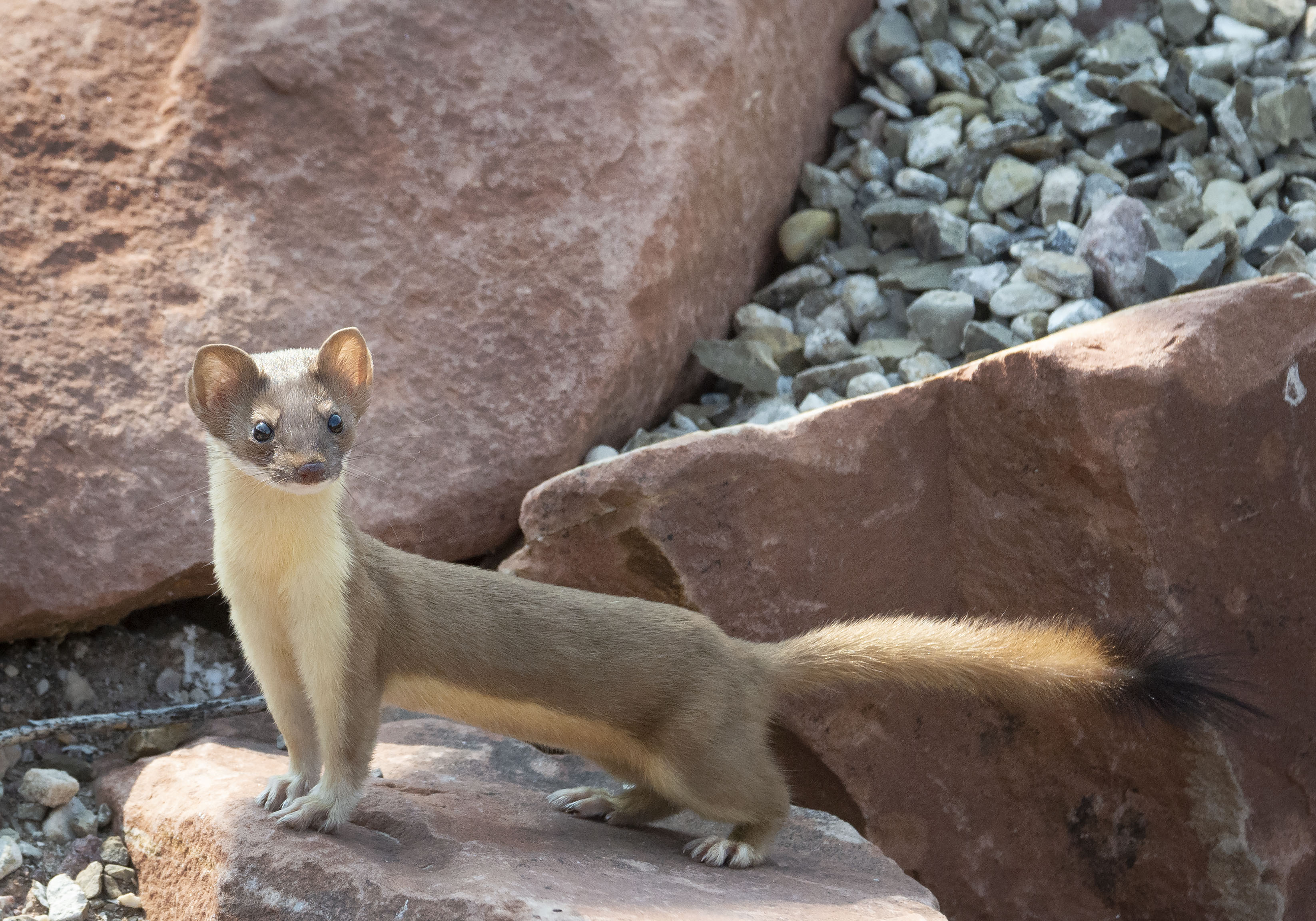
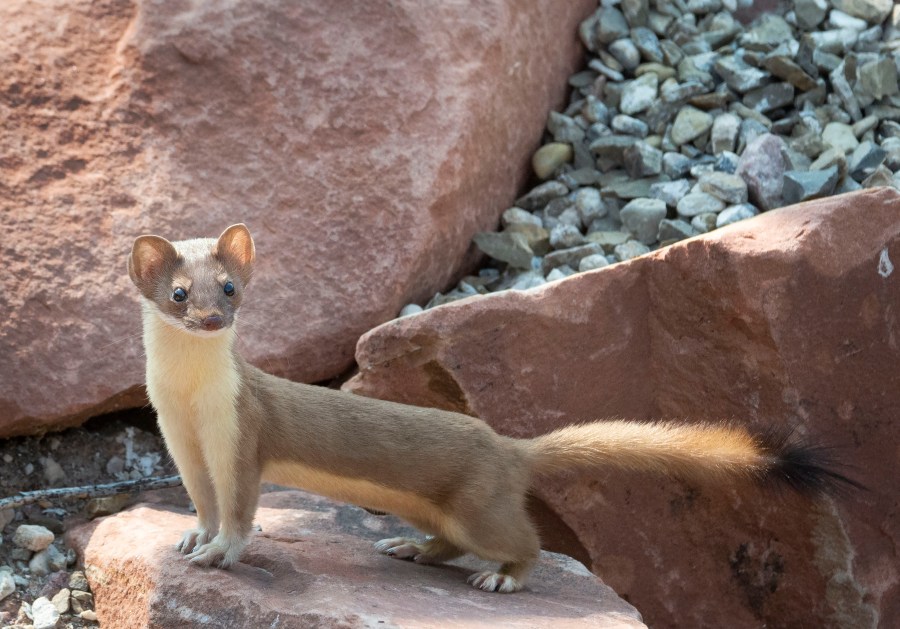
Still dressed in their summer coat this Ermine was doing what Ermines do. Looking and running and looking and running over here, over there just about everywhere in search of their next meal. Because an Ermine has such a long slender body and high metabolism they rapidly loose body heat needing a fairly constant caloric input. This means an Ermine needs to eat about 75% of their body weight in food every day. Thus they spend most of their waking hours in search of the next meal.

Anything over there?

When the hunting is good Ermines store food in their dens for the lean times.

Maybe over there?

Just about now this guy should have changed into their winter coat of pure white except for that black-tip on the tail. Seeing them bounding through the snow on a snowy winter day is a sight we look forward to.

Score

Score_1
Finding food sure can be hard work. Which reminds us it’s time to put out the feeder for these guys as winter is heading our way.

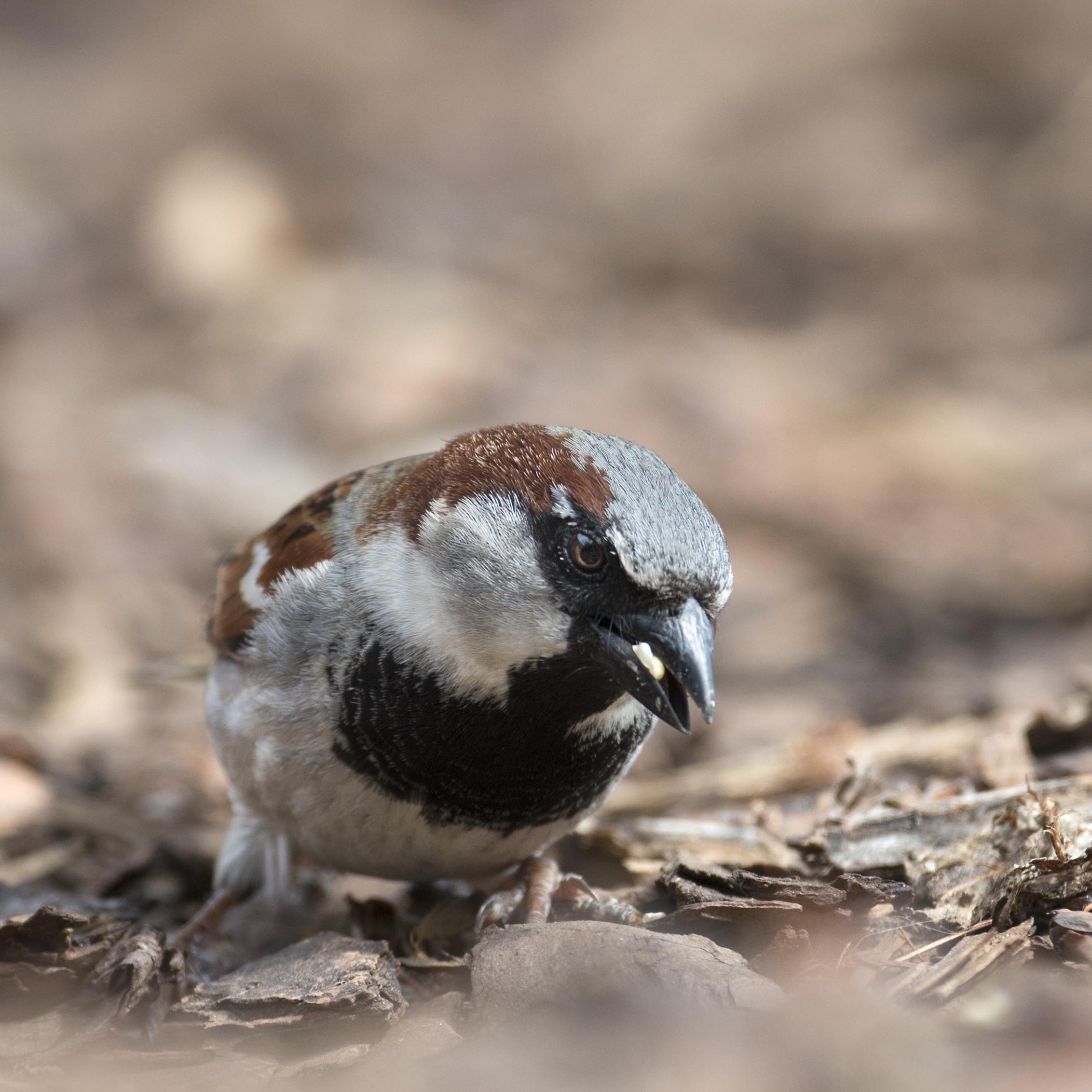
We were watching this House Sparrow search intently through the gravel and forest debris and score with what appears to be a tasty little seed.

A bite well earned.

Everybody loves Rabbit Brush

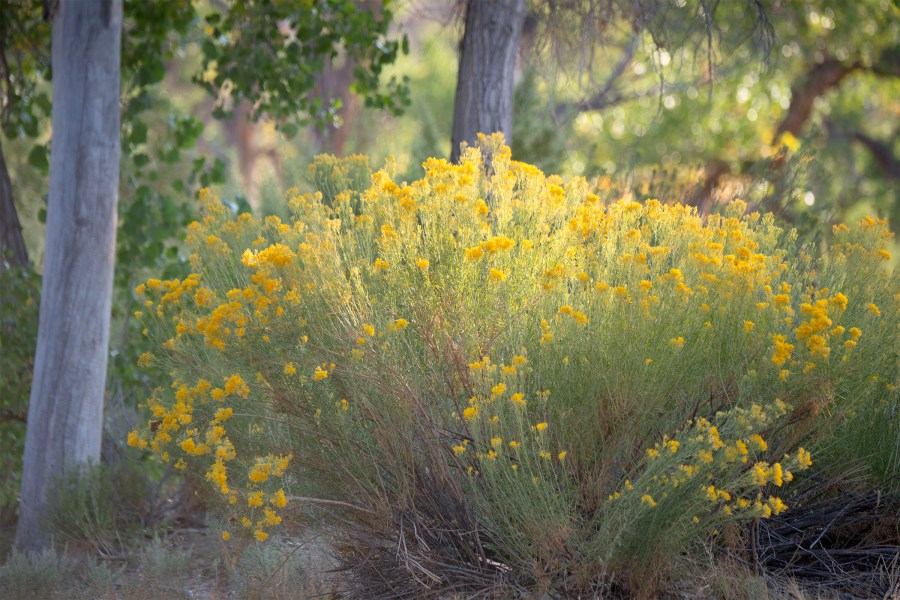
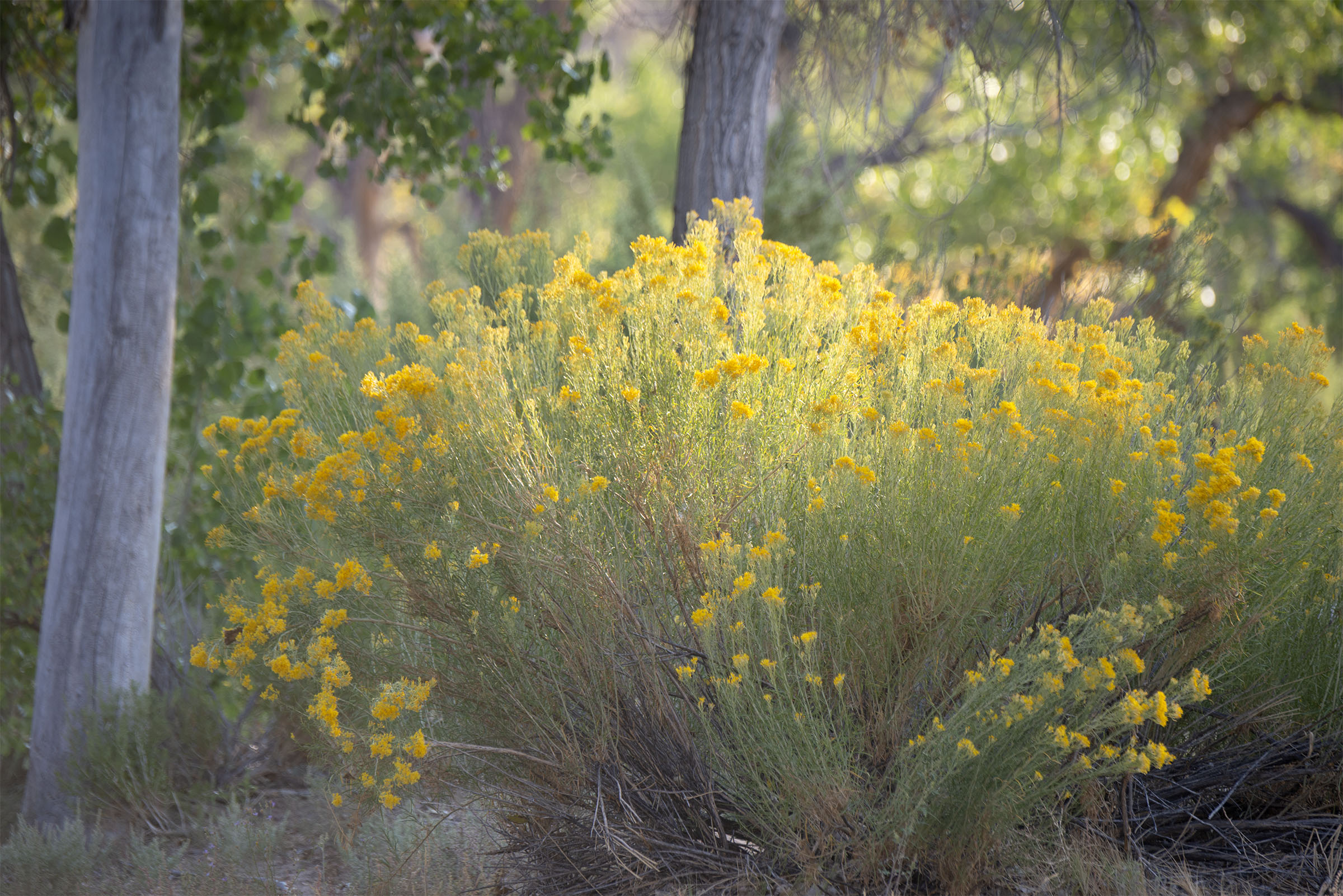
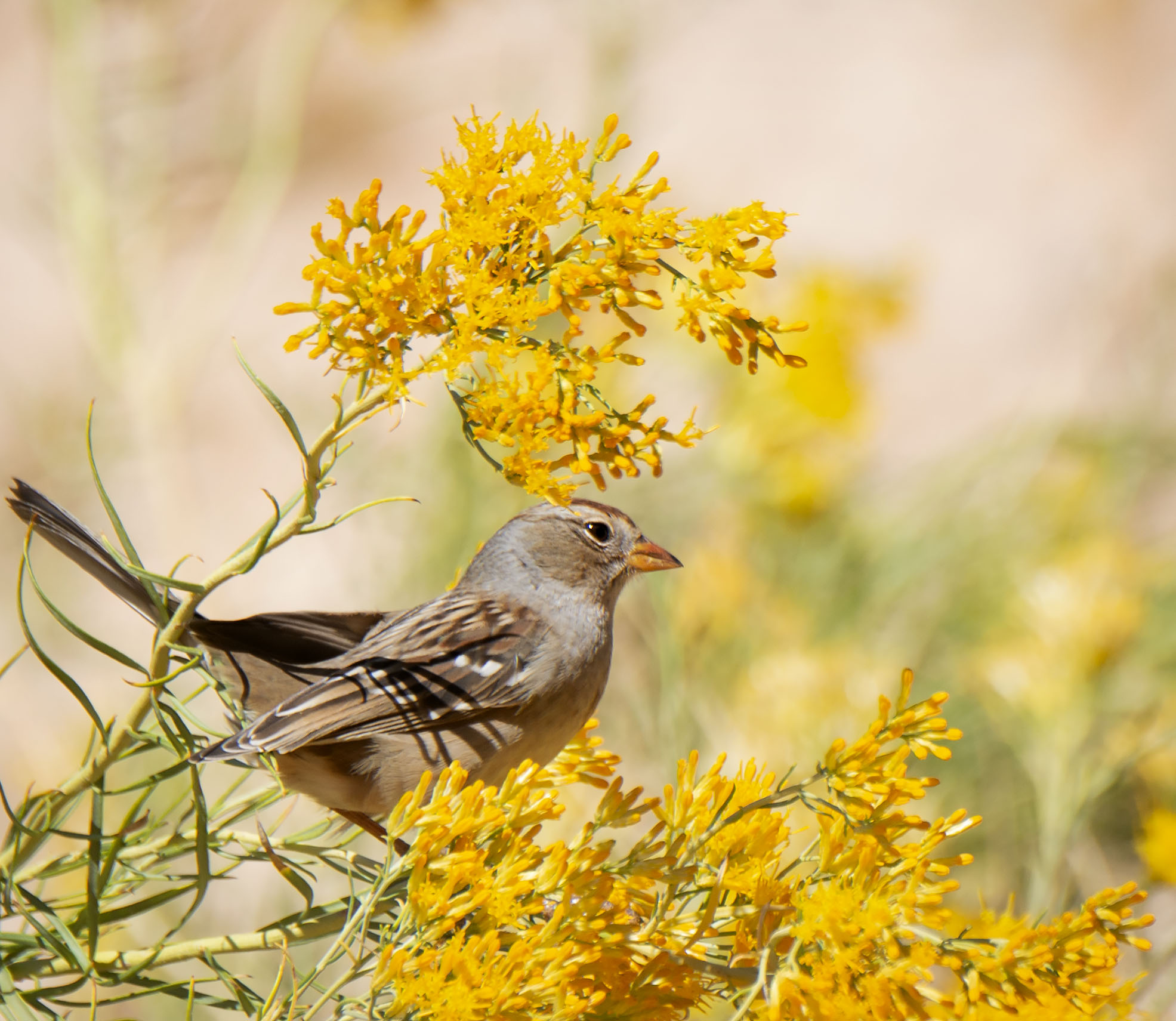
Just a few weeks ago the Rabbit Brush was in full bloom and hosting quite a party where everyone was invited. Rabbit Brush is a native plant found over much of the western United States that blooms in late fall providing one final burst of color before winter arrives. According to the USDA, Rabbit Brush:Chrysothamnus viscidiflorus, provides both nesting habitat and forage for a wide variety of birds, insects and small mammals. One of the more frequent visitors to the party were White Crowned Sparrows.

In this case an immature White-Crowned Sparrow seemed to be foraging for insects.

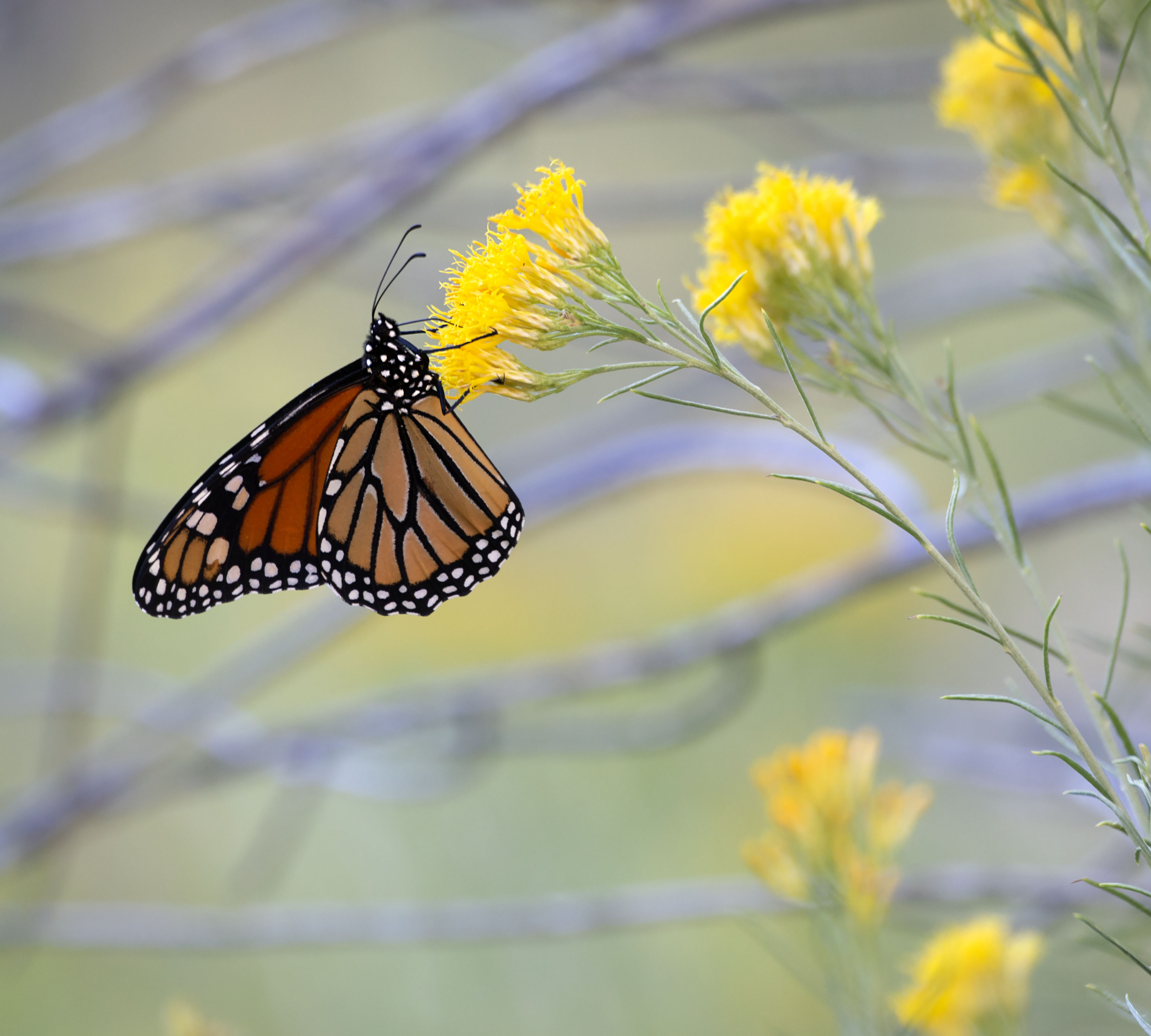
Another visitor we noticed on more than one occasion was the Monarch Butterly stopping by for a sip of nectar as they migrate south for the winter.

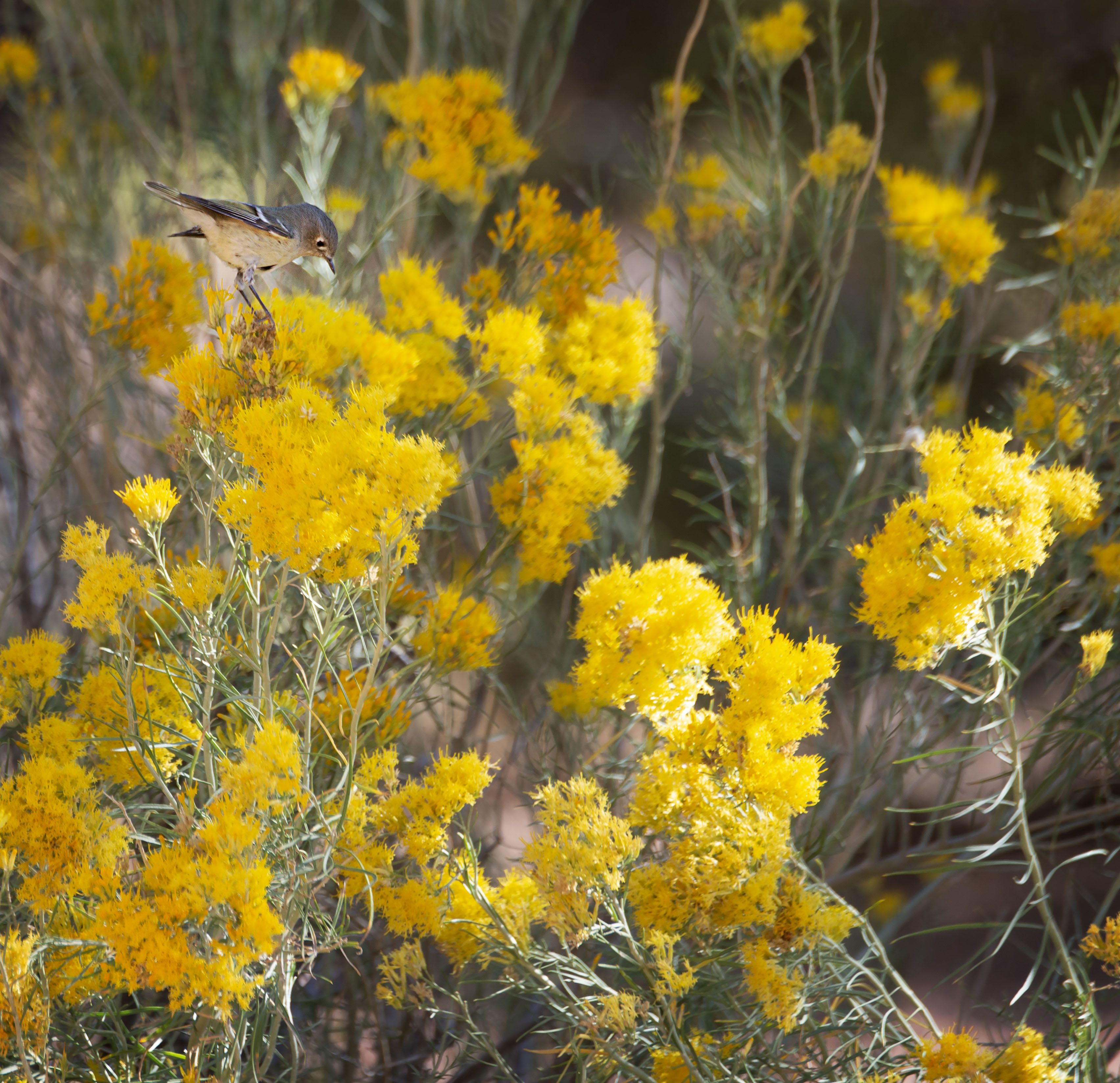
Last but not least the Ruby-crowned Kinglets found the party too good to ignore and we frequently saw them foraging through the bushes in each of a meal.

A beautiful plant and a welcome splash of color as snow is forecast for the weekend.

And speaking of weekends, have a great one.

Caught red handed

The flocks Pinyon Jays moved across the landscape in large numbers noisily calling to each other. On some mornings they would congregate in a flock easily numbering 100 individuals seemingly flying in from all four directions on the compass. An wonderful sight and one we don’t often experience.

In fact, according to All About Birds:

“Pinyon Jay social organization is complex, with permanent flocks that may include more than 500 individuals. Many birds spend their entire lives with the flock where they hatched.”

Seeing and hearing them was a daily occurrence yet getting a photograph was altogether another matter. Just once did they land close enough for a nice photo opportunities and as might be expected it was in a pinion tree with plenty of booty to be had.

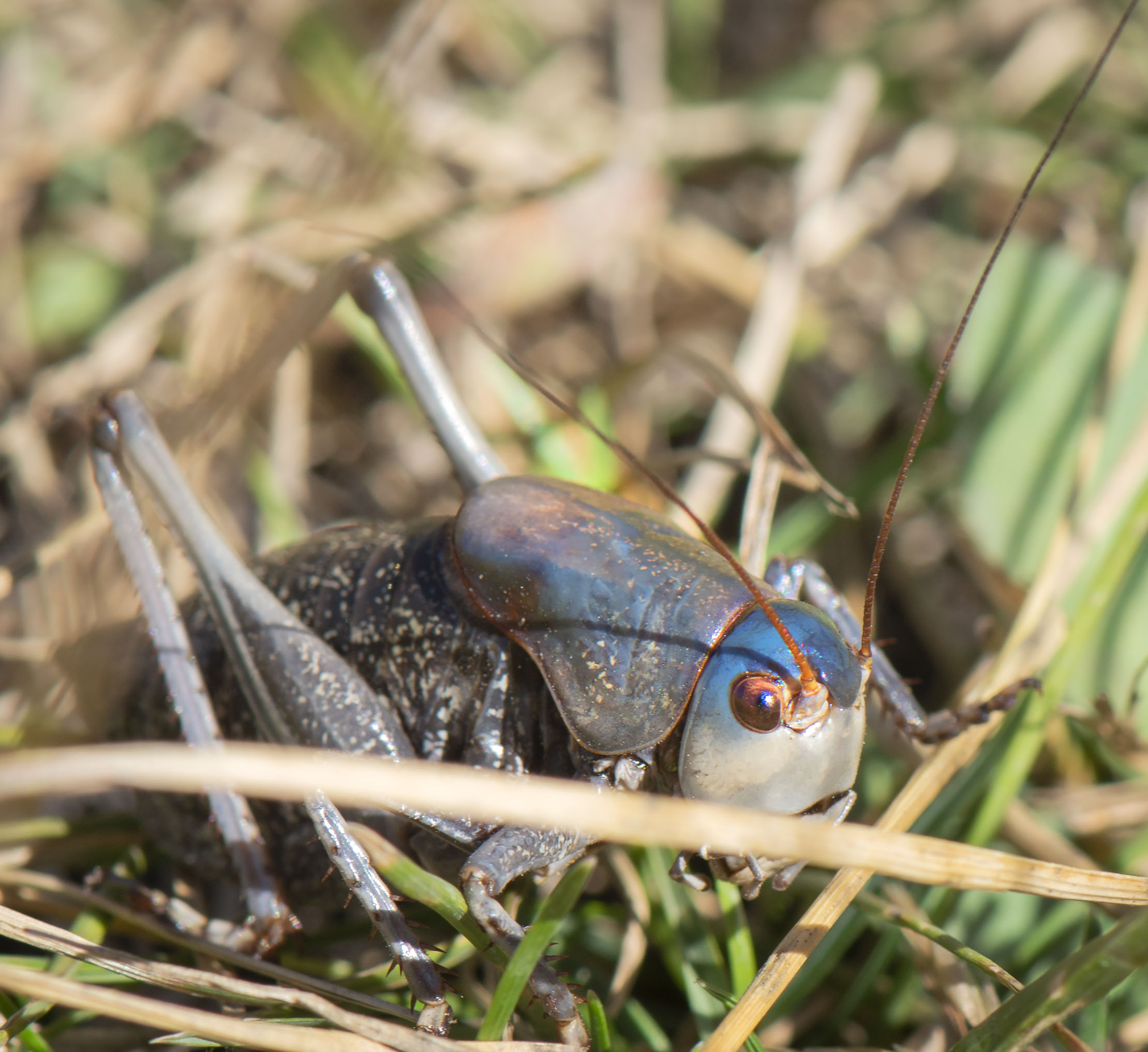
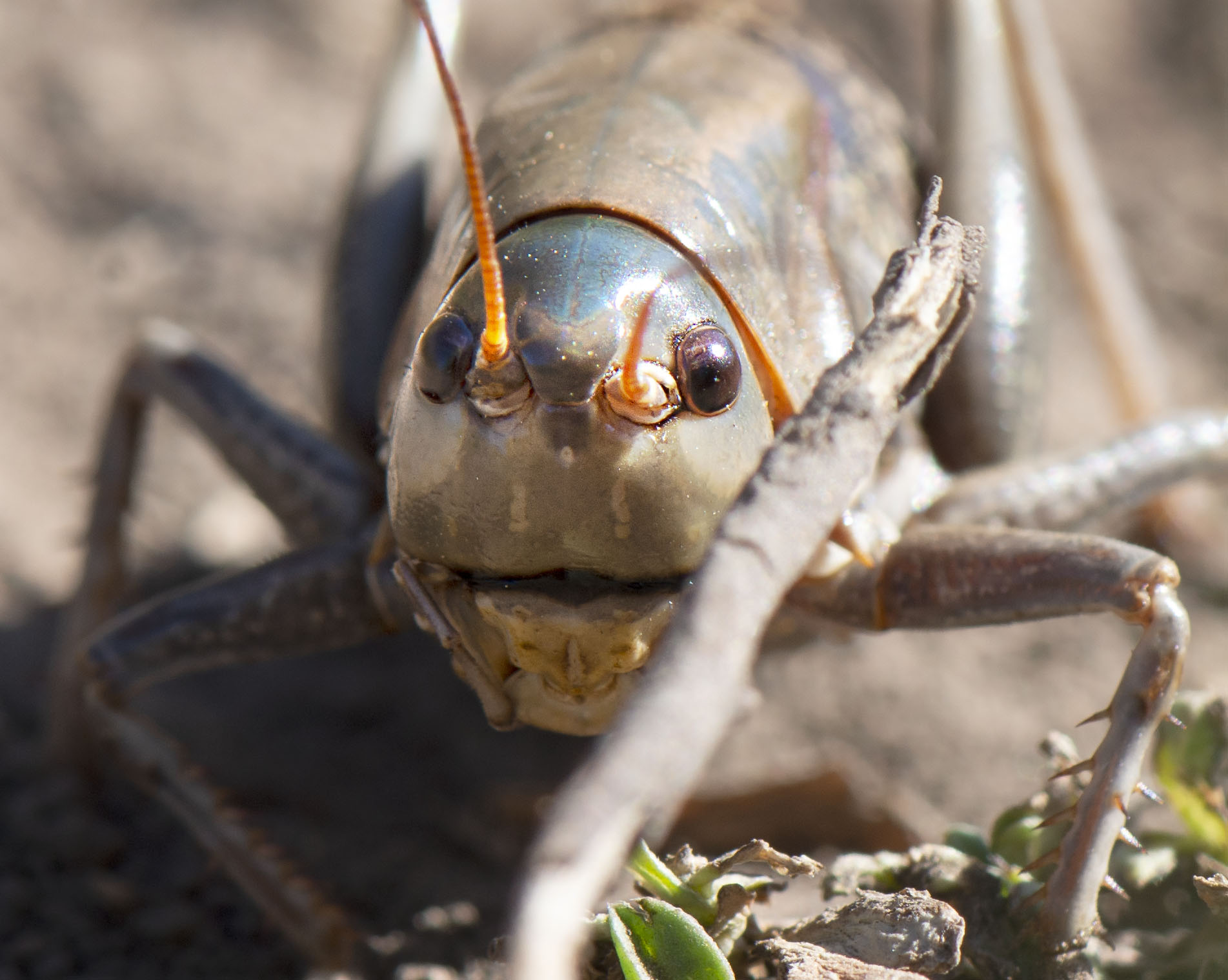
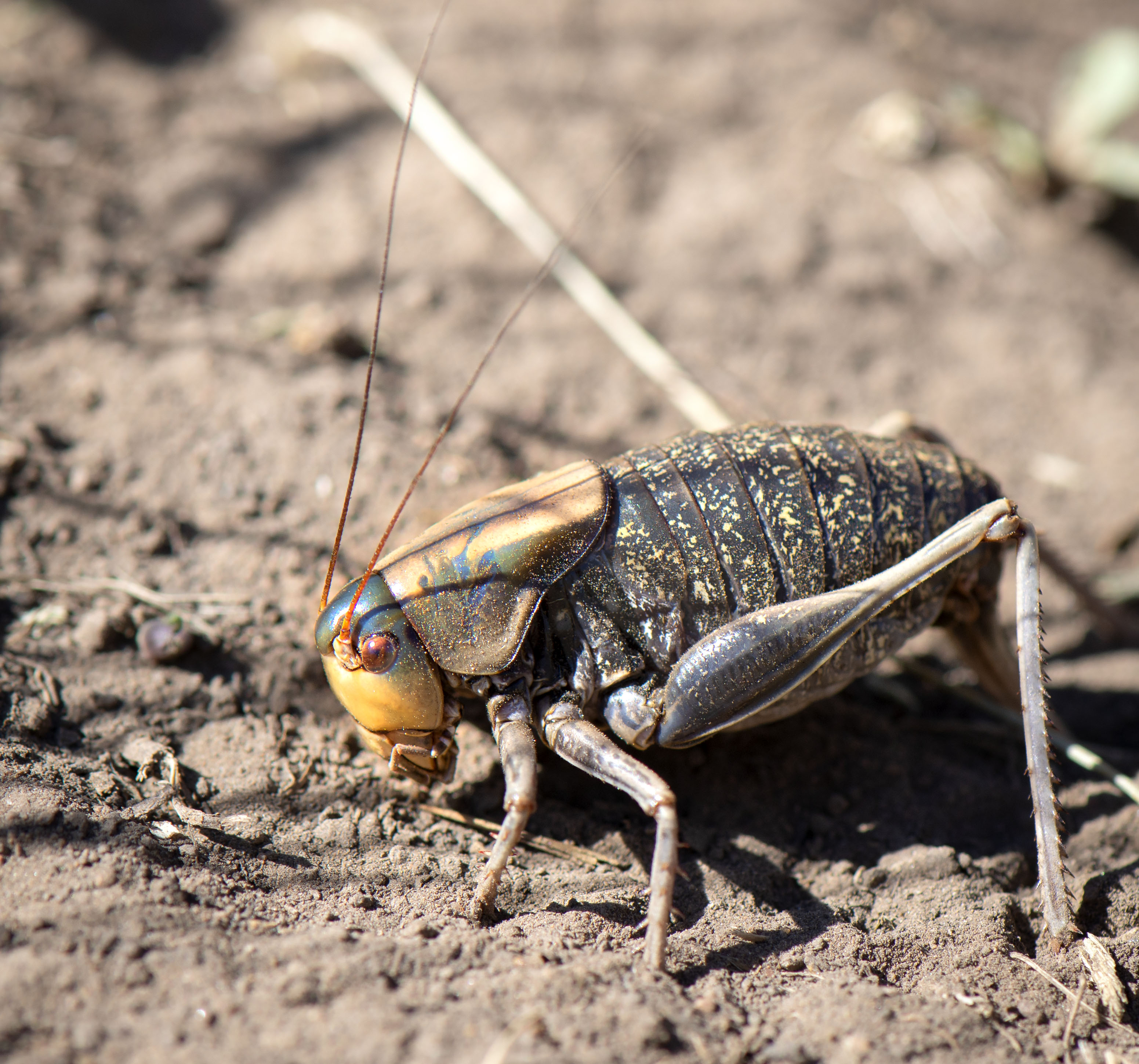
Mormon Cricket: Anabrus simplex

The Mormon cricket is actually not a true cricket, but rather a shield-backed katydid. The common name derives from an invasion of the crops of Mormon settlers in the Salt Lake area in the mid-1800s.

We ran across plenty of these katydids on a recent hike although not in the numbers depicted in this video https://www.youtube.com/watch?v=Yy3dQJYquoY. While these insects can be quite destructive to crops they do eat the grasses and plants in natural rangelands much as large grazing mammals do (or did). I also find them quite interning to look at as each has subtle color variations.

Given these were not marching across our hiking trail in plague proportions I enjoyed seeing them on a late fall afternoon moving through the already dry grasses.