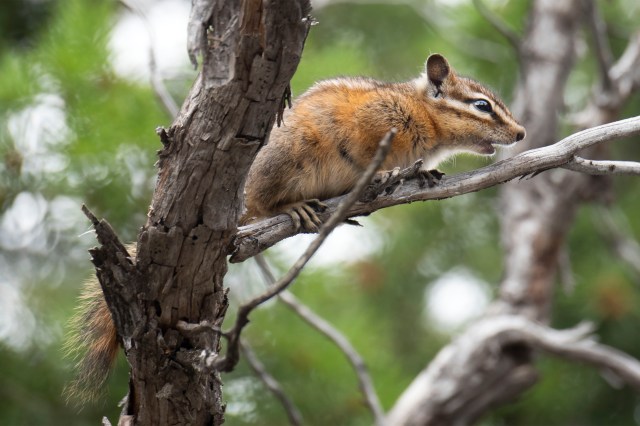
 Hey Chip, Chipmunk that is.
What you doing up high in that tree?
Although we see Chipmunks in trees frequently it is always seems surprising and a good surprise at that.
Hey Chip, Chipmunk that is.
What you doing up high in that tree?
Although we see Chipmunks in trees frequently it is always seems surprising and a good surprise at that.

I could be mistaken but along the trail and just down the hill was a sign that read “Boys Only” and perhaps that was so as a Mule Deer Buck and young Bighorn Ram hung out together under the comfort of large shade tree on a warm fall afternoon. This is the first time we have encountered both a Bighorn Sheep and Mule Deer together through the viewfinder. An unusual and interesting encounter.
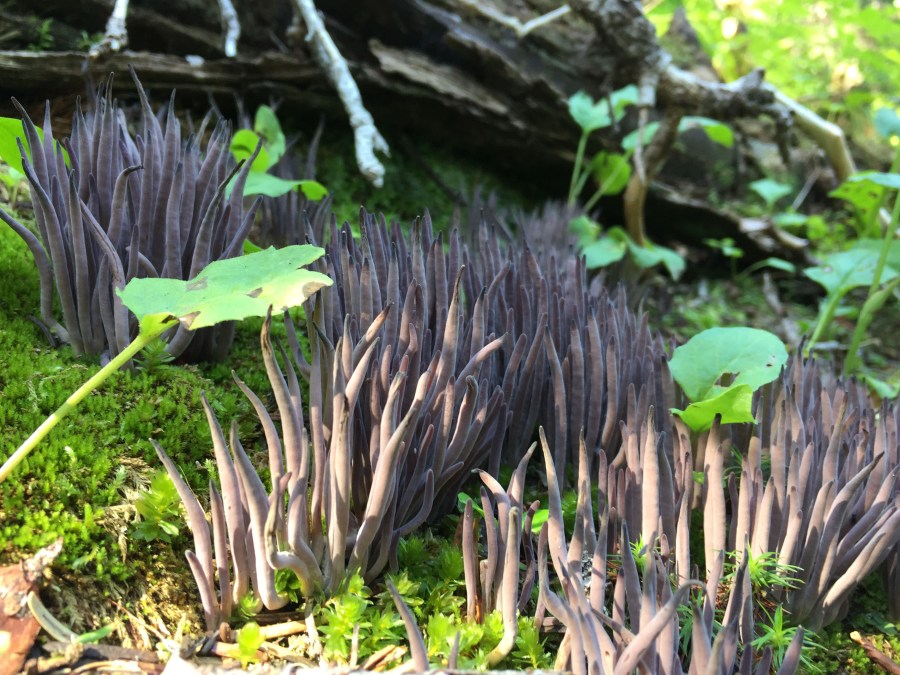

A wonderful and unusual fungus growing like fingers from the earth along the path of old tree decomposing lying just below the earths surface.

There were several cluster each with a wonderful beauty that made us ponder life myriad forms. Each form with a place and each important to the whole.

The diversity of life is natures greatest gift.
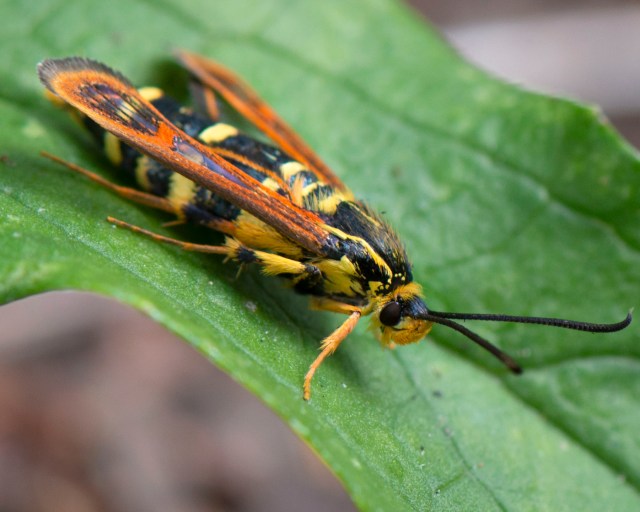
It is always fun to see a new one. Here are two views of a new and interesting looking insect which we think to be a bee but could well be a fly. It smaller than a honey bee, has long antennae, a hairy body like a bee and interesting orange wings. This was the only one like this we have encountered and is not shown in the guide to local bees making me think it may be a bee-fly mimic.

Yes, it is indeed fun to encounter a new species of any kind to reinforce just how wonderful the diversity of life on our planet.
Thanks for everyones help in identification of this insect. Looks to be a Hornet-Moth.

An American Dipper looks to take a morning dip along the shore of a local lake. Seeing him as we paddled around the shore was a bit unusual as I can’t recall actually seeing a Dipper along a lake shore. We previously have only seen them in rivers and streams both of which are considered more typical Dipper habitat. It was good to see this guy working the lakeshore and a nice way to start the day.
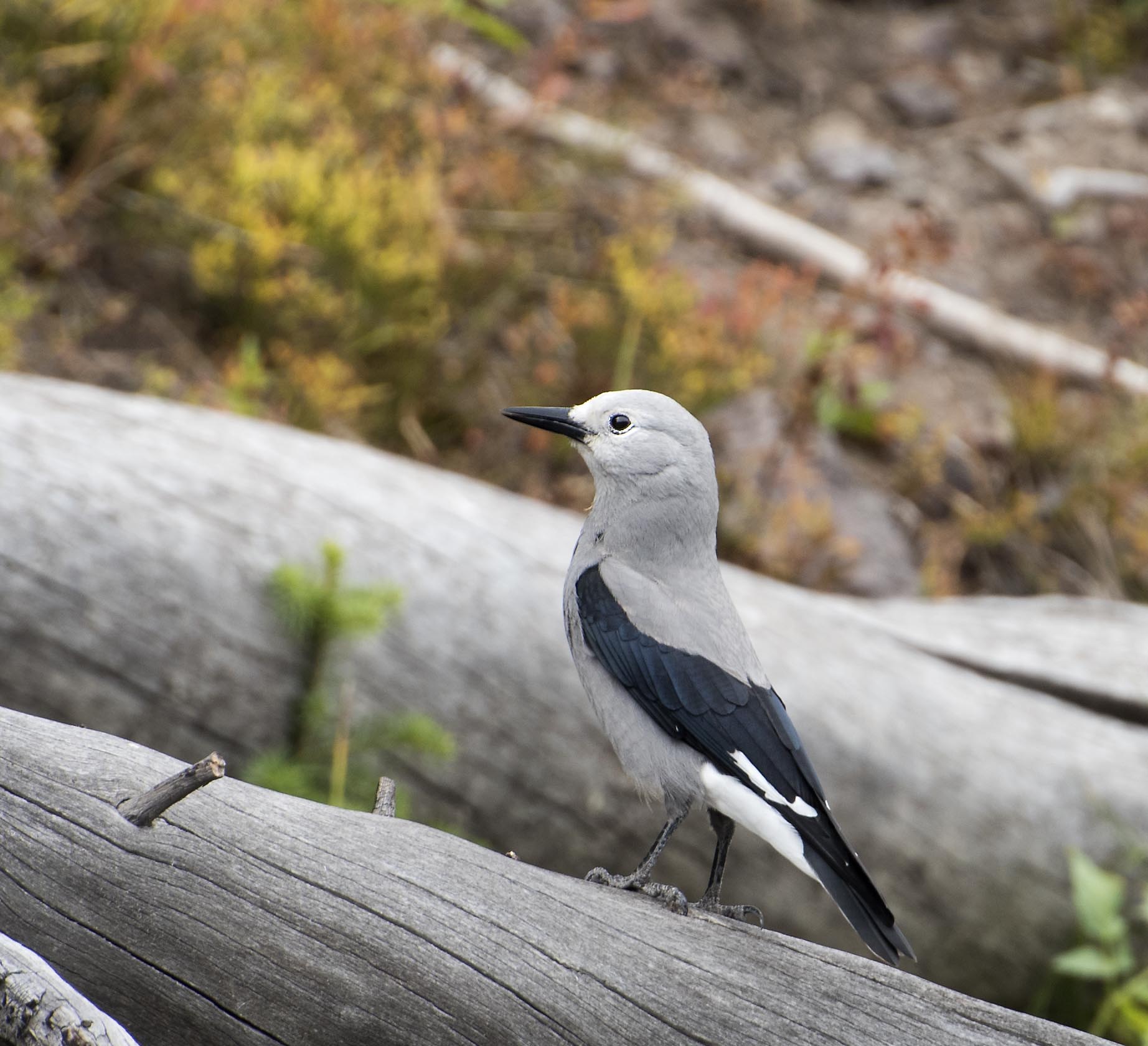
A Clark’s Nutcracker enjoying an early fall day along the Lewis River Channel in Yellowstone National Park.

Fall is here and it is time to fatten up. This little Chipmunk was spending their afternoon scurrying about finding and then quickly scarfing down small little nibbles along side of the trail. Yellowstone National Park.
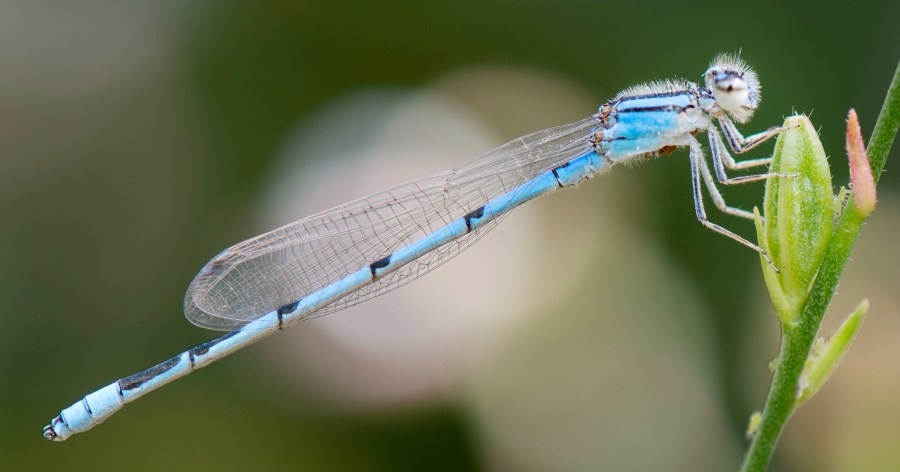
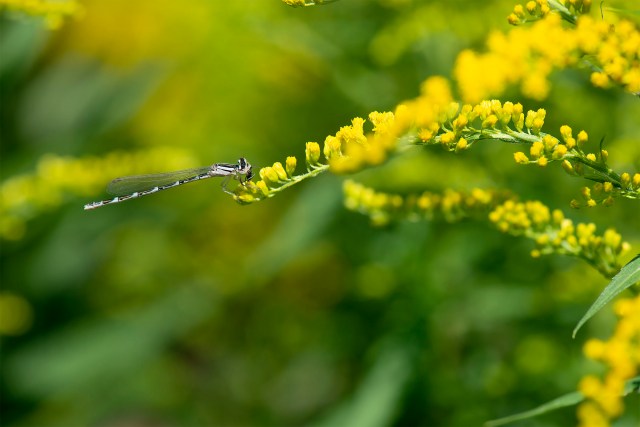
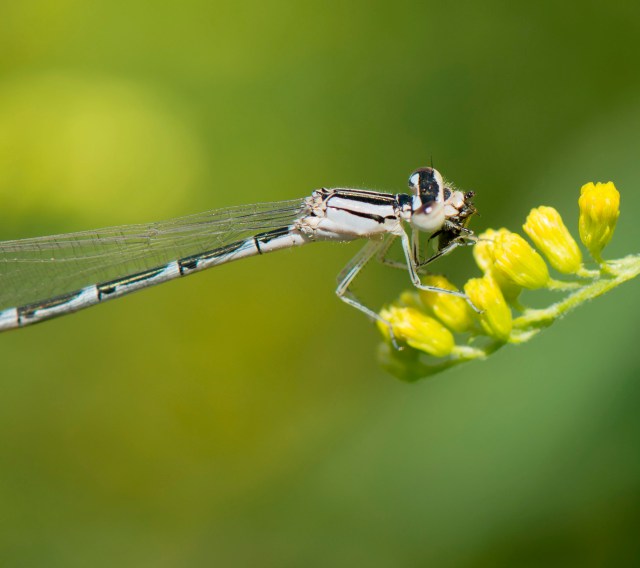
One sunny afternoon we noticed these little (less than an inch in length) Bluet Damselflies hovering and sometimes landing on the tiny flowers of a goldenrod plant. After taking a closer look and a few photos we discover why. They were hunting even smaller flies that were pollinating the flowers. The hunting forays appeared to be quite successful as they nabbed numerous meals on this one little stem.
Little hunters with a big appetite.
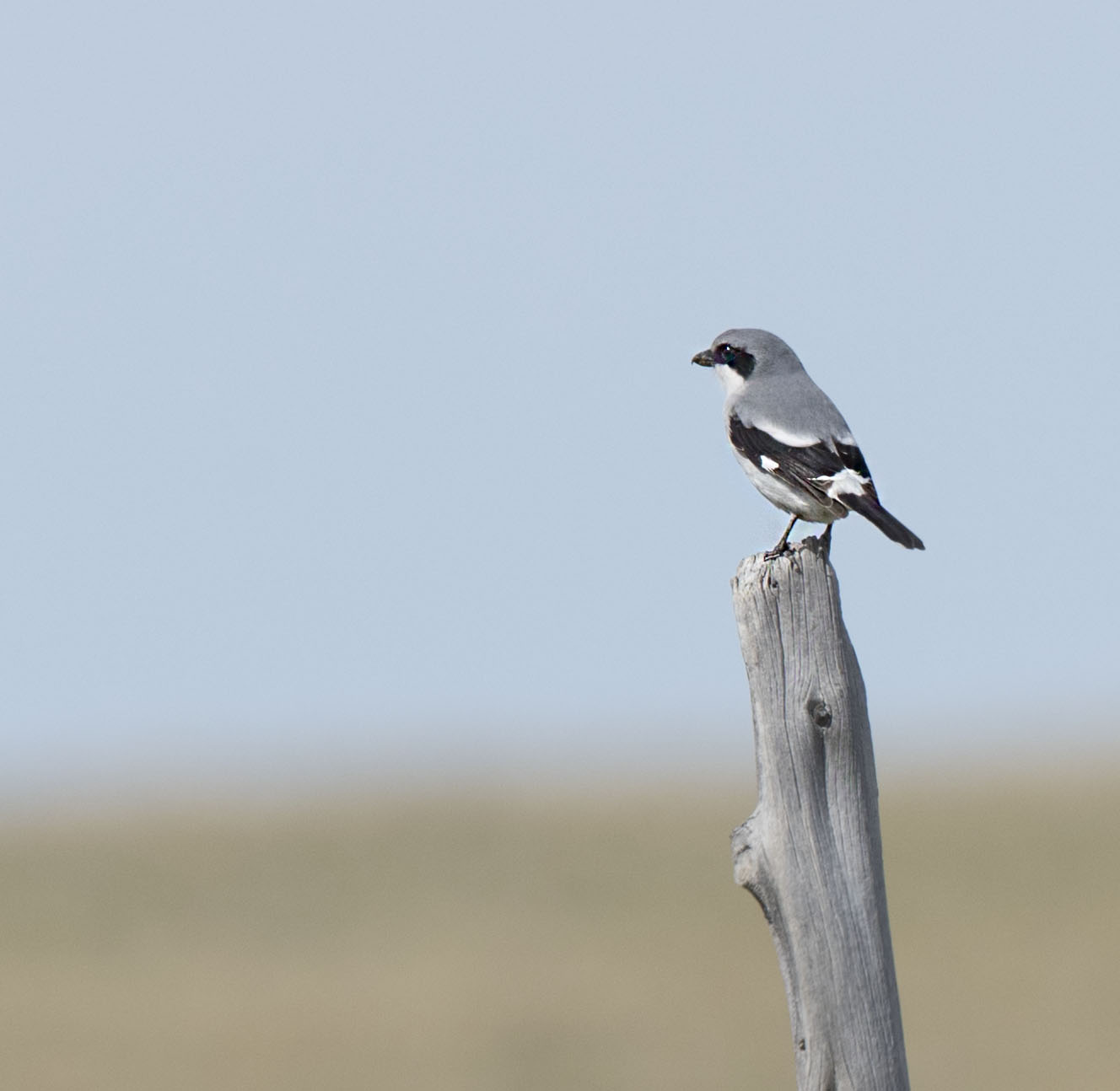
Sitting on a fence post looking for his next victim is a Loggerhead Shrike. “These birds sit on low, exposed perches and scan for rodents, lizards, birds, and insects. They eat smaller prey (such as ground beetles) right away, but they are famous for impaling larger items on thorns or barbed wire to be eaten later. The species often hovers. When flying it uses bursts of very rapid wingbeats.”
https://www.allaboutbirds.org/guide/Loggerhead_Shrike/id
This time the victim was a large Grasshopper.
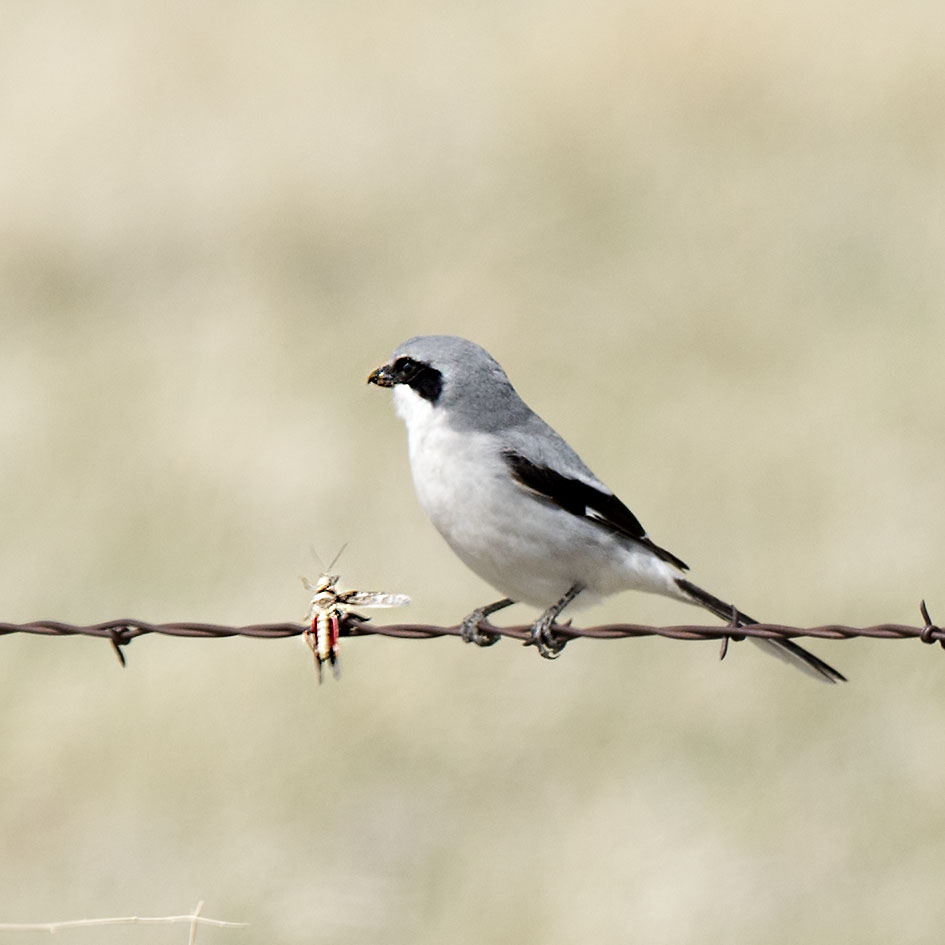
Which the Shrike Caught and them impailed on this barbed wire fence.
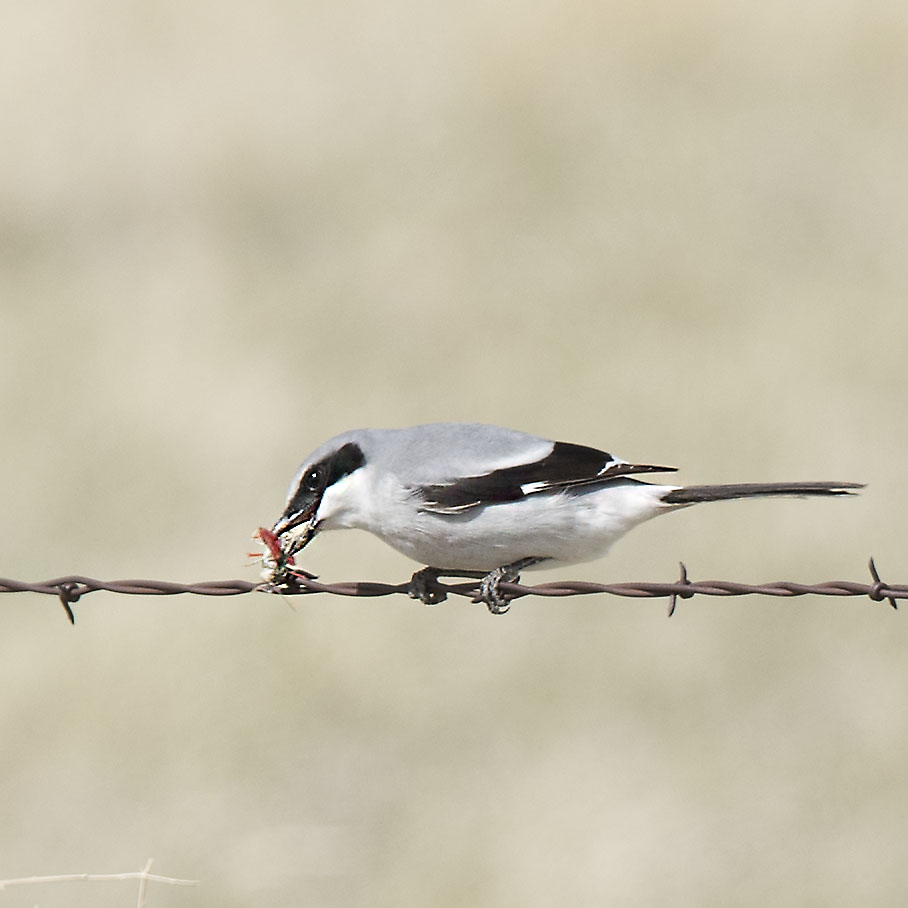
The Shrike let the Grasshopper be for a minute but quickly went to town on his meal.
Laramie, WY.
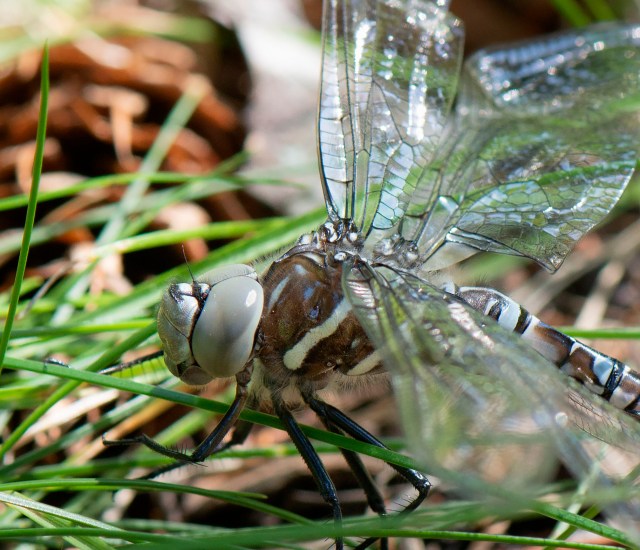
Along the waters edge a dragonfly sits.
 nature has no boss
You must be logged in to post a comment.