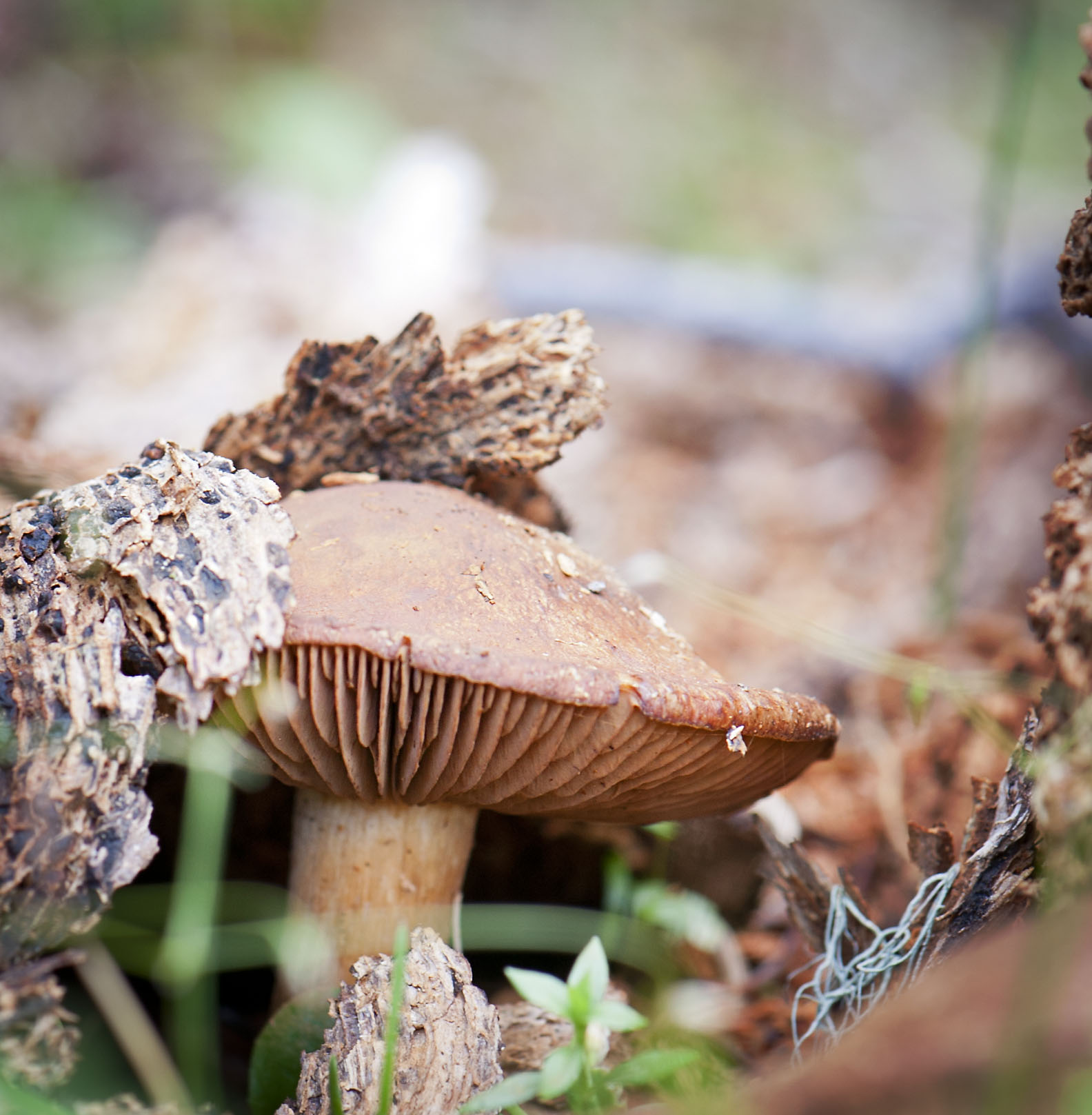
The Fungus Among Us

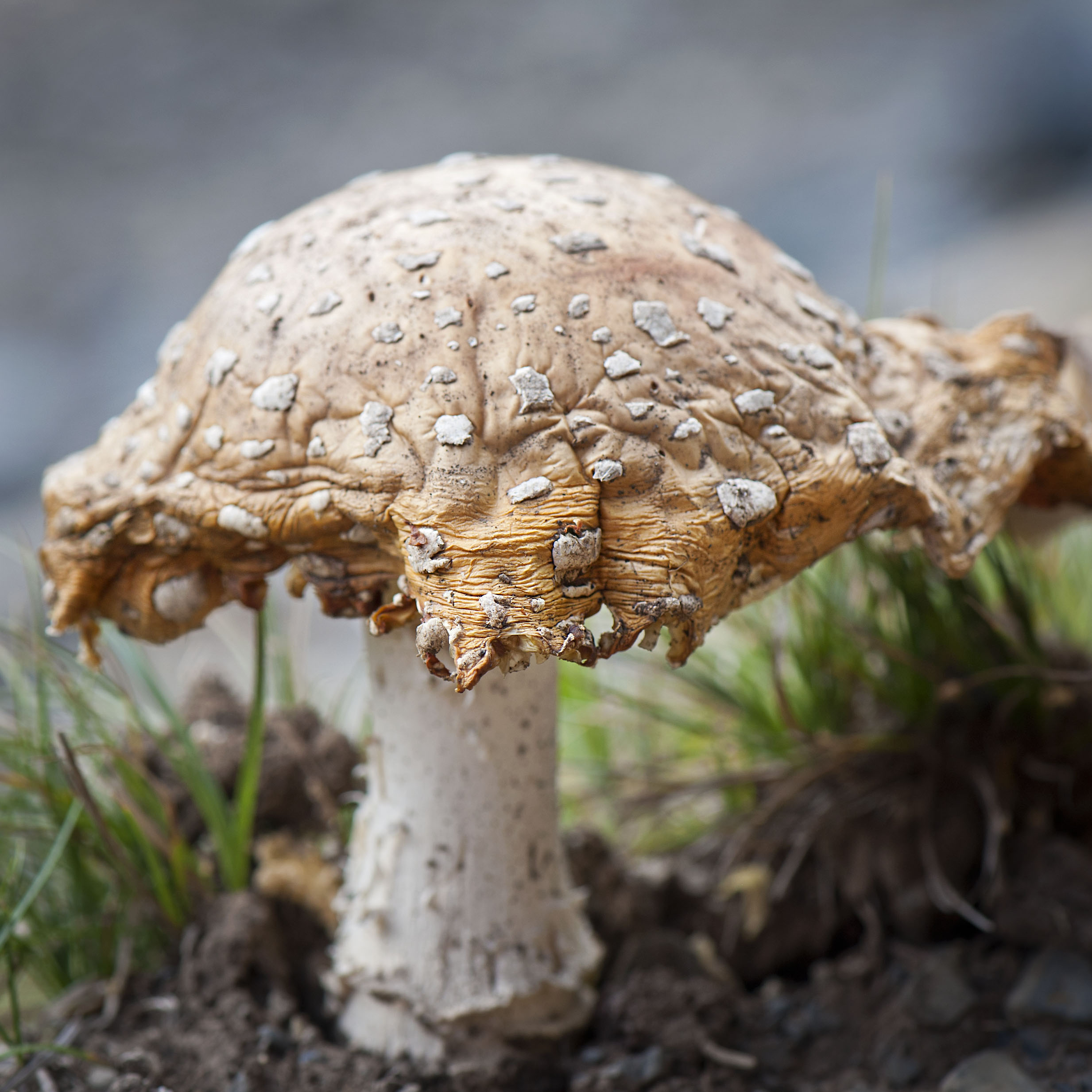
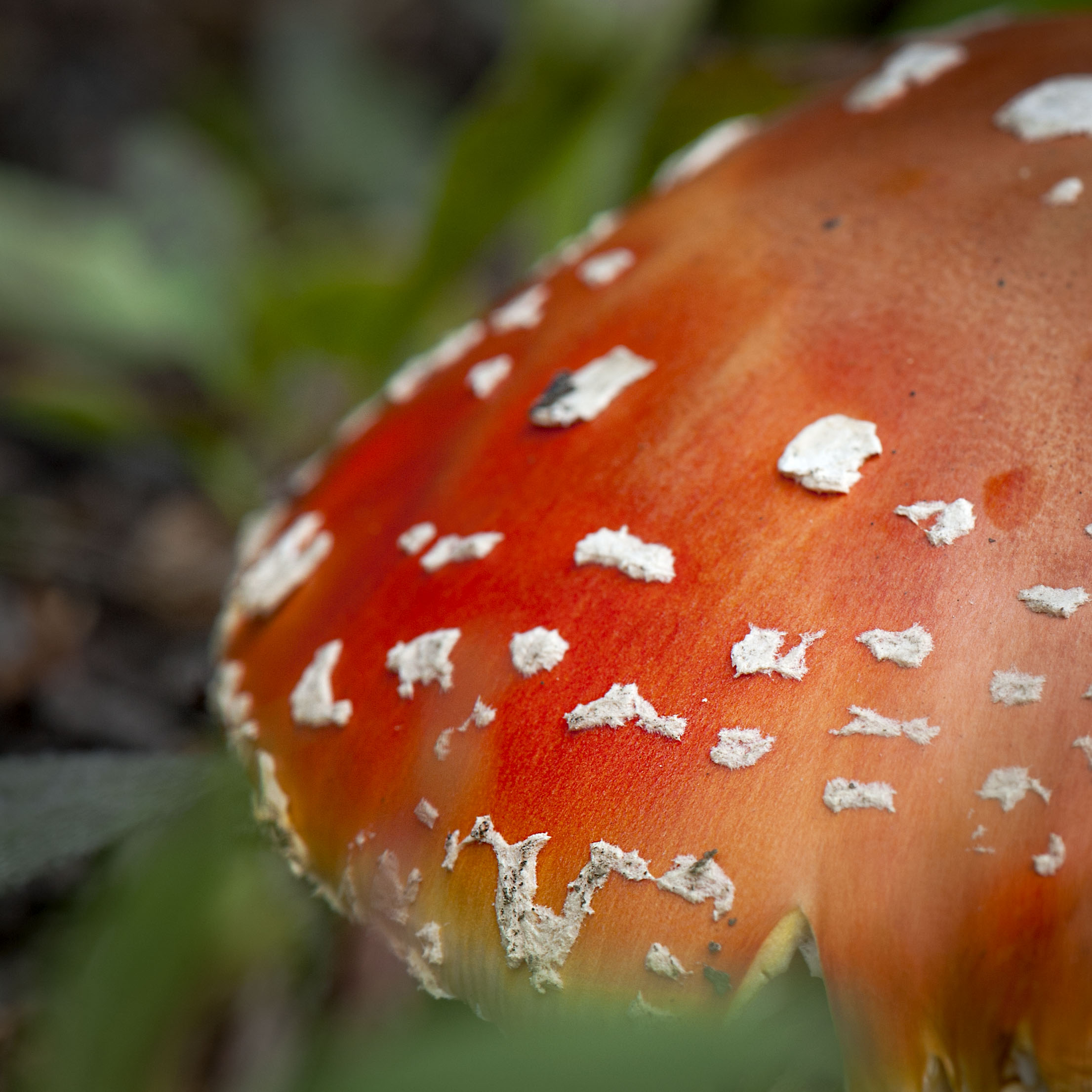
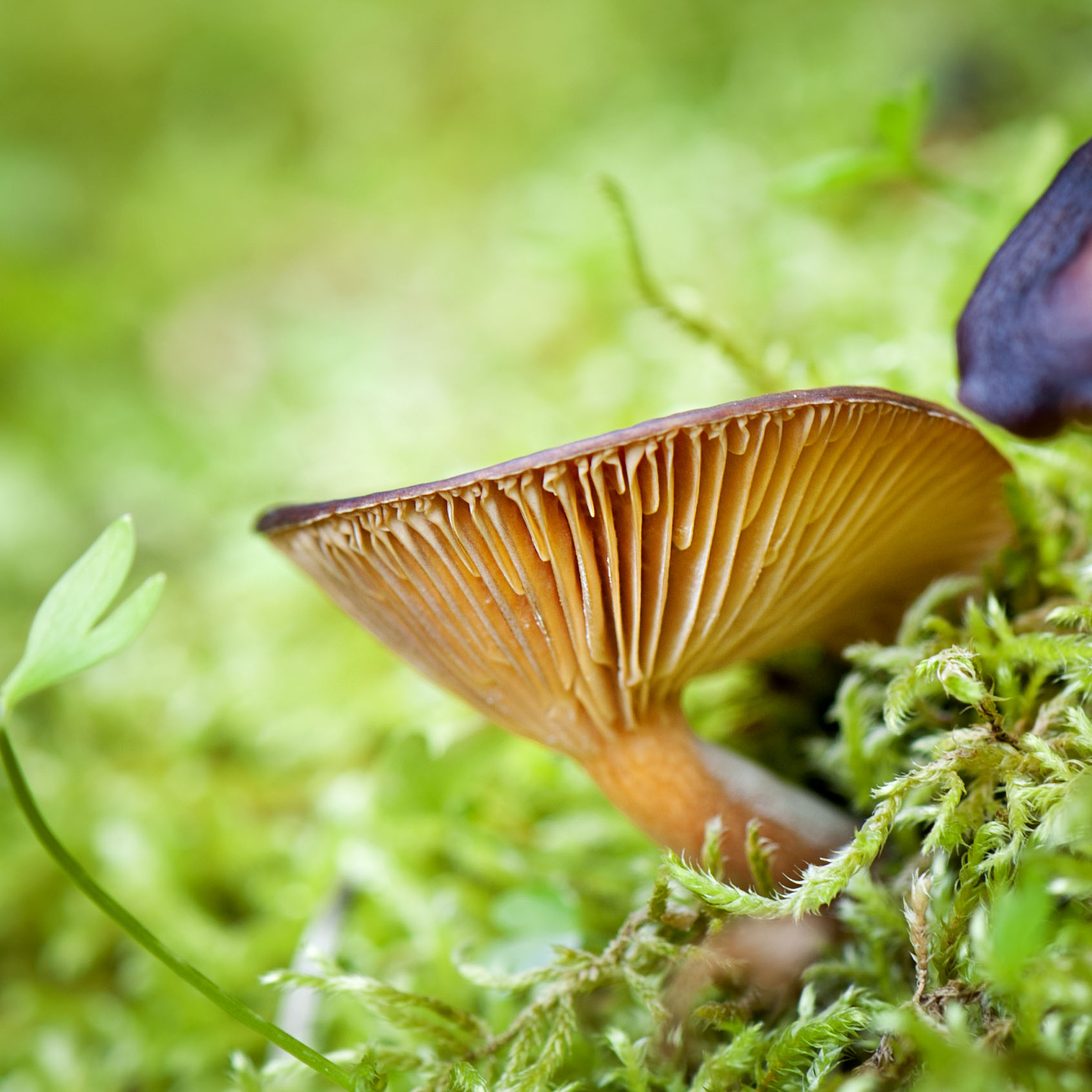
I have always found mushrooms fascinating life forms. Not plant, not animal yet vitally important for the health of both plants and animals. However, they are a bugger to photograph yet I never stop trying.

Paul Stamets wrote a great book on Fungus call “Mycellium Running” and delivered a very interesting TED talk several years ago:

Afternoon Stroll

November_walk_1

A stroll up the trail on a November afternoon. Will it be warm will it be cold, sunny or cloudy? Probably all of the above.

The trail was covered with a light layer of snow yet the creek flowed freely.

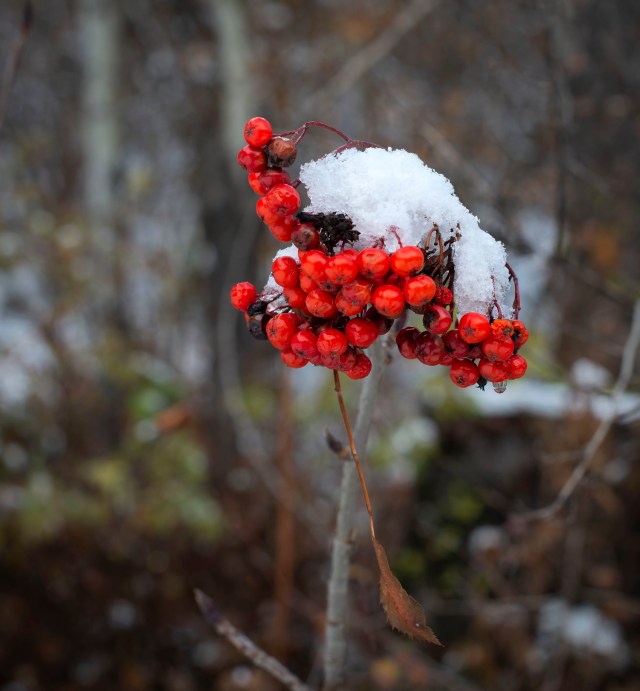
November_walk_2

Mountain Ash berries glowing a brilliant orange seem to scream “hey birds…what are you waiting for.”

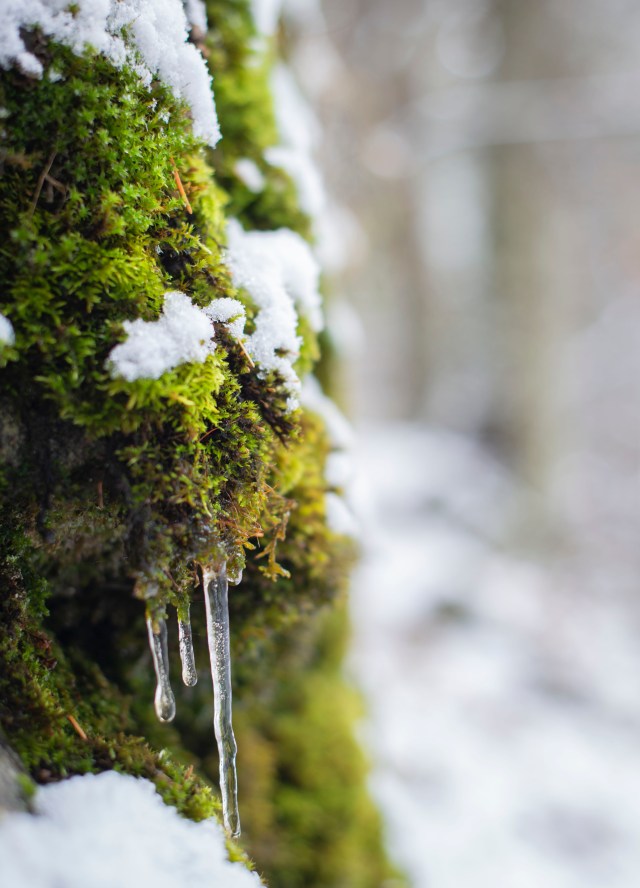
November_walk_3

Temperatures warmed along the way as icicles glued to moss began to thaw.

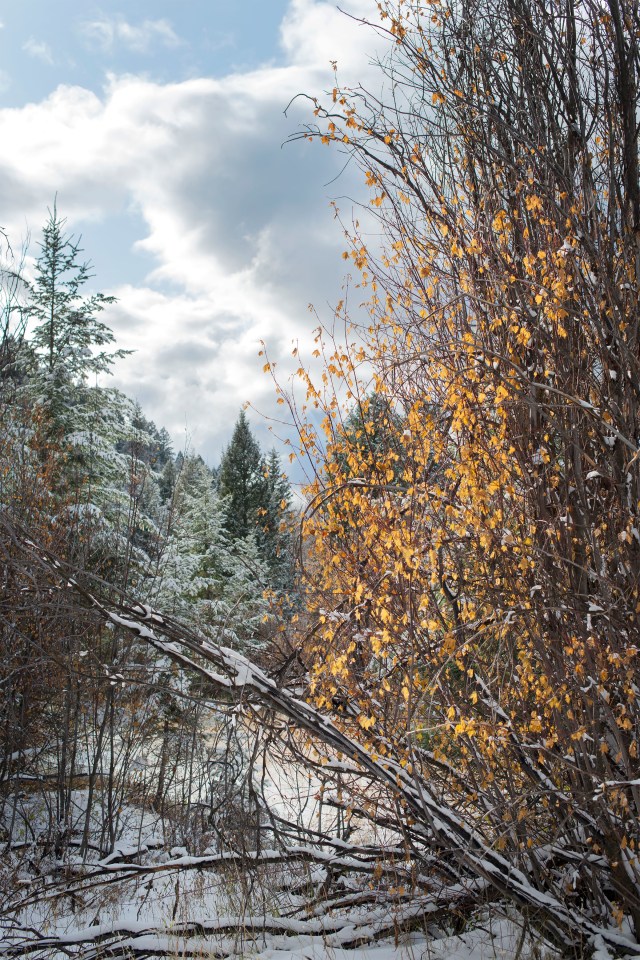
November_walk_4

…and what started a cloudy day become much less so on a slow and quiet afternoon stroll.

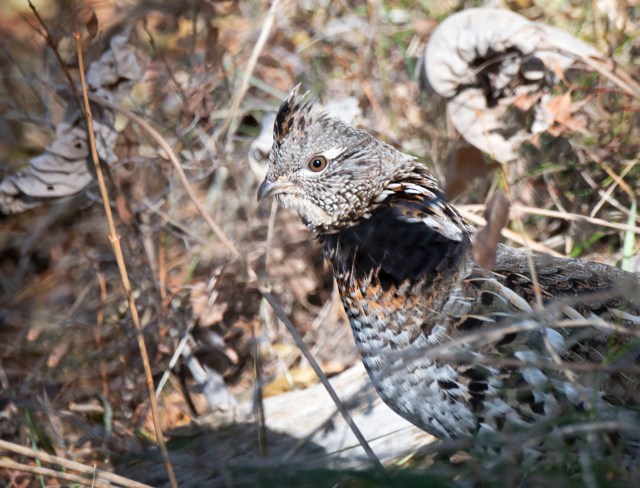
Male Ruffed Grouse: Bonasa umbellus

Male_ruffed_grouse_12094

We caught each other by surprise this afternoon. Both walking quietly through the woods me on the trail he through the brush. Once we eyed each other I reached for the camera and got a quick photo. Head held high gave me the once over before quickly flying off into the woods. A quick and satisfying encounter for me and given I was not a hunter for him as well.

According to the climate change model used by the Audubon Society this species is projected to shift mostly out of the conterminous 48 states if temperatures rise 3 degrees C.

Urge congress to take action on climate change.

Seeking Solutions: Half-Earth Project

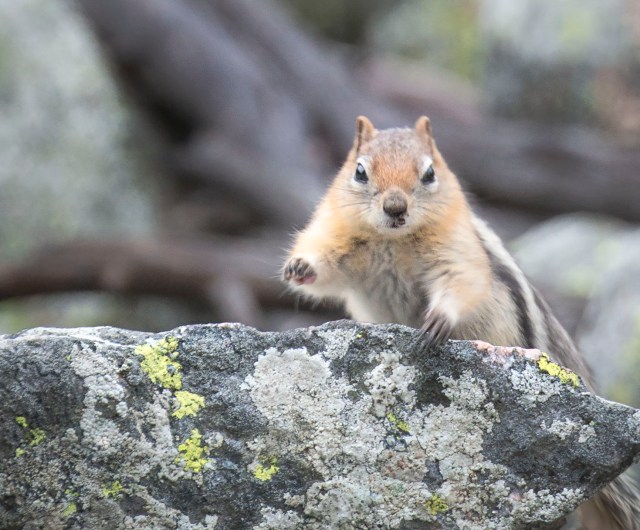
Golden_mantled_2314

In recent posts we have highlighted findings from a couple of recent studies describing the dramatic decline in avian populations in North America over the last  last 30-40 years. Like many of you, we see the decrease in avian population as a harbinger for the rest of life on earth predicting  a massive decline in biodiversity resulting from the mass extinction of species of all kinds. Protecting  ecosystems and thus the species that inhabit them will be no small task and indeed feels overwhelming.

IMG_6541

One group that is attempting to protect and preserve biodiversity is The Half Earth project founded by Edward O Wilson. Their stated mission is to:

“conserve half the land and sea in order to safeguard the bulk of biodiversity and ensure the long-term health of our planet.”

Half-Earth recently held their annual conference and have posted videos of the lectures on their website. We are working our way through the lectures and hope you can find the time to view a couple that interest you. Be it large or small we need to find time to seek solutions even though we may feel overwhelmed.

YRW_34567


The importance of wilderness

“Wilderness areas act as a buffer against species loss, as the extinction risk for species within wilderness communities is—on average—less than half that of species in non-wilderness communities.” 1

A recent study published in the Journal Nature titled “Wilderness Areas Half The Extinction Risk of Terrestrial Biodiversity” mapped several locations around the world where maintaining wilderness areas should be a priority. The first statement the authors make in the abstract in this paper really hit the nail on the head for me.

“Reducing the rate of global biodiversity loss is a major challenge facing humanity, as the consequences of biological annihilation would be irreversible for humankind. 1

In this single sentence the authors make clear that the steady march of human activity, as currently, conducted could potential be catastrophic to all life on earth.

“Wilderness areas act as a buffer against species loss, as the extinction risk for species within wilderness communities is—on average—less than half that of species in non-wilderness communities.” 1

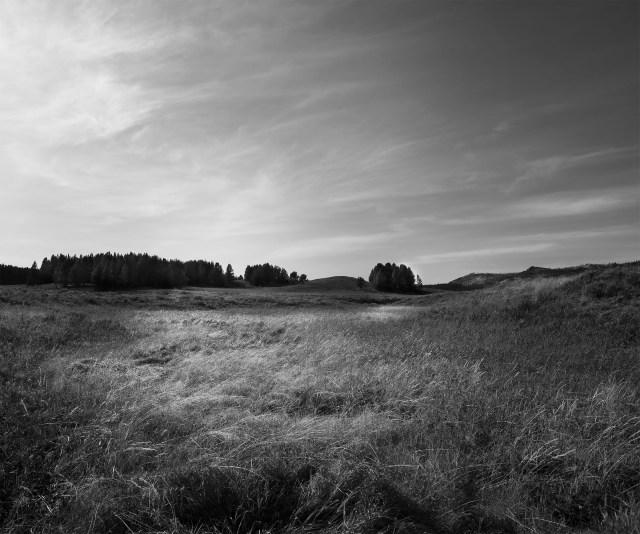
The paper points to several locations on the plant especially important to protect yet the authors also state that all wilderness areas have intrinsic conservation value thus we can all play a role by supporting local conservation efforts of wilderness area near to each of us. Below we showcase a few wilderness area we have recently spent time in. They are both beautiful as well as safe havens for biodiversity.

Click any photo for slide show.

Absoroka-Beartooh and Lee Metcalf wilderness areas.

References:

1. Reference: Di Marco, M., Ferrier, S., Harwood, T.D. et al. Wilderness areas halve the extinction risk of terrestrial biodiversity. Nature 573, 582–585 (2019) doi:10.1038/s41586-019-1567-7

For a short summary of the article visit Science daily.

A couple of groups that support the missions of wilderness as a buffer for biological diversity are:
The Wilderness Society
The Half-Earth Project
Tour Guide

Tour_guide_1

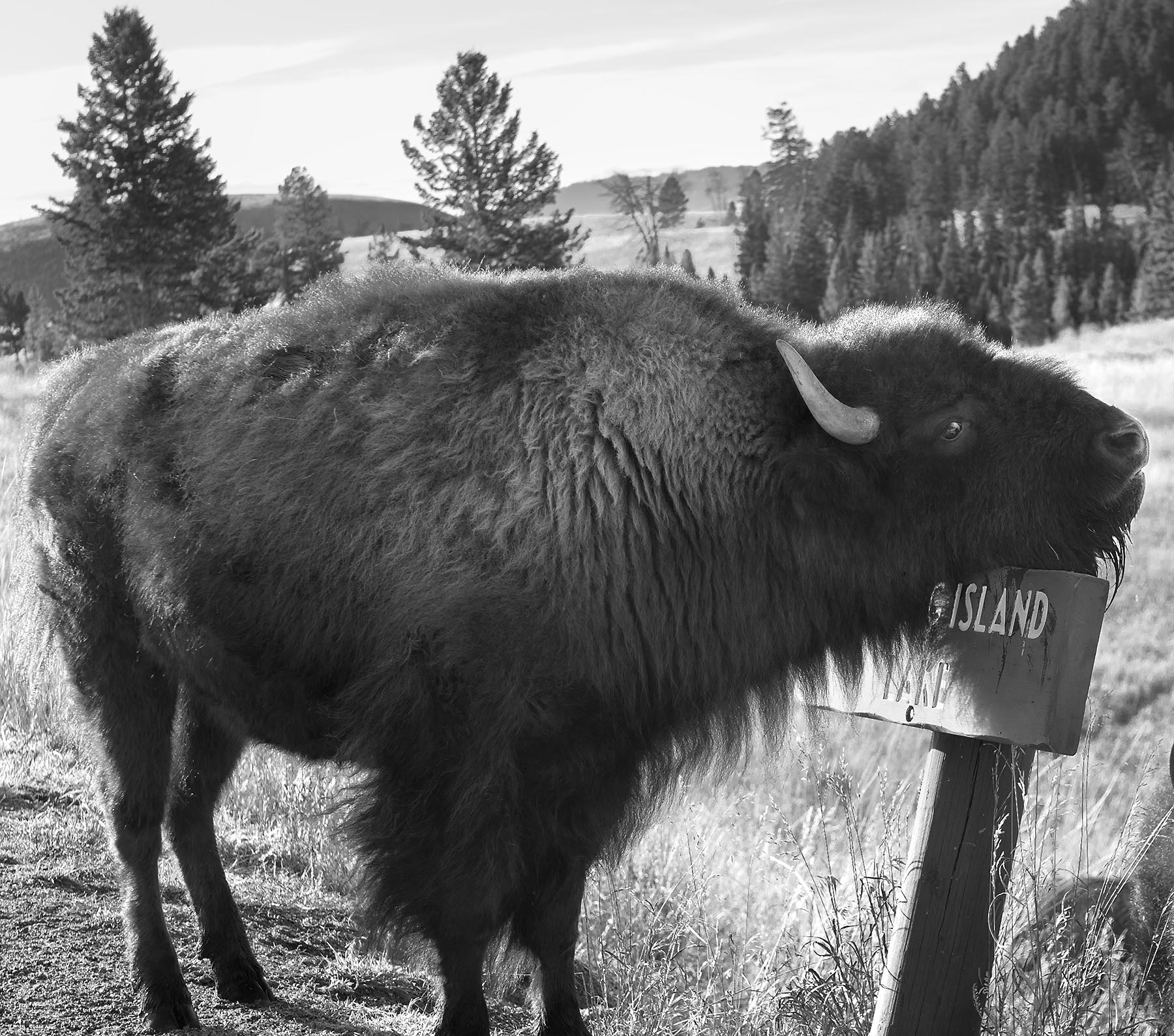
One of Yellowstone National Parks wonderful tour guides pointing out Floating Island Lake in the morning light. A little past due but November 1st was National Bison Day. We sure are lucky to still have these guys walking around free in a few spots on the globe.