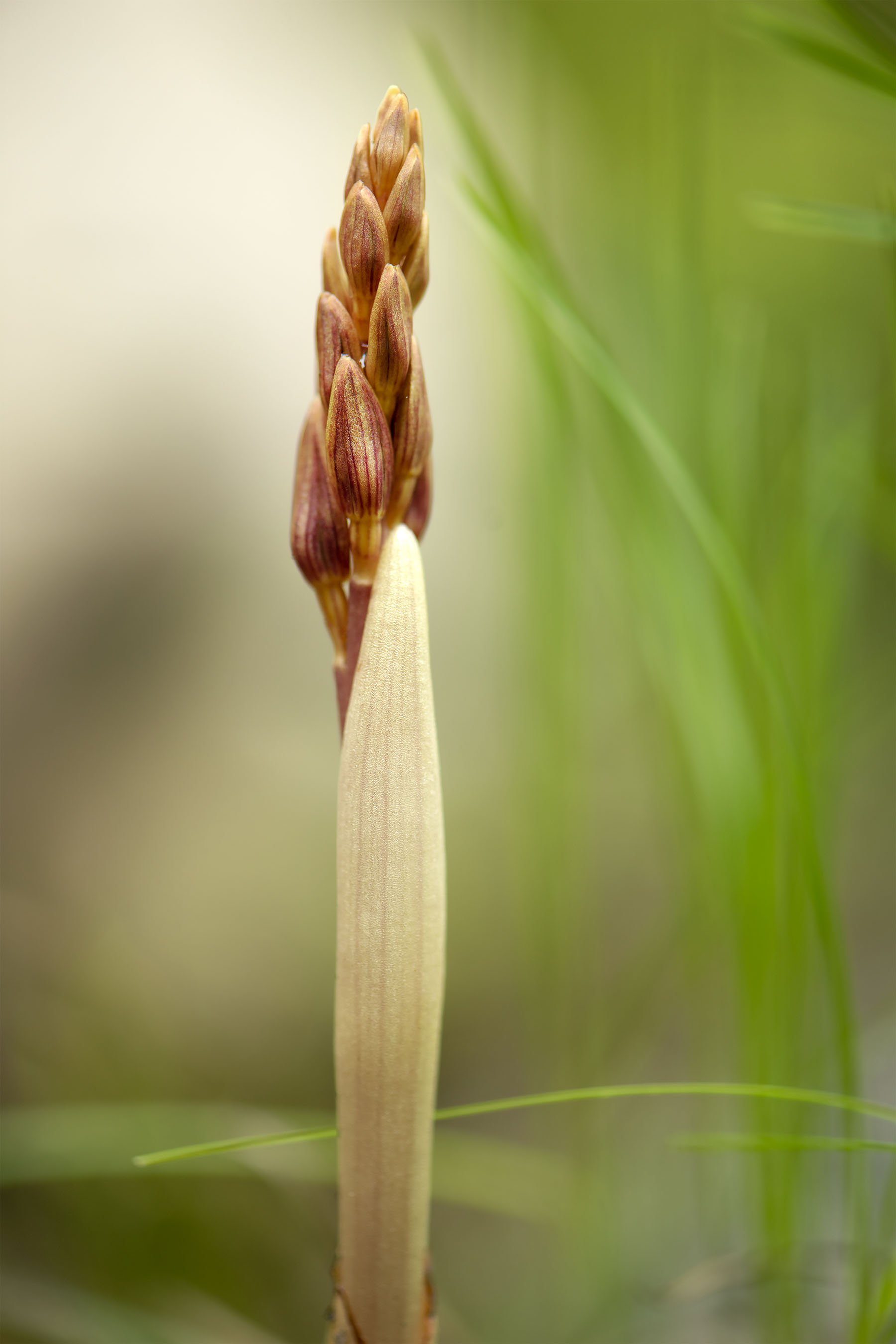
Striped Coralroot: Corallorhiza striata

Hidden deep in the forest, or happily saying hello in small forest clearings, this spring has brought an abundance of Striped Coralroot:Corallorhiza striata.

Corallorhiza striata is mycohetertrophic and uses fungus to provide nutrients for its own growth as Corallorhiza does not photosynthesize.
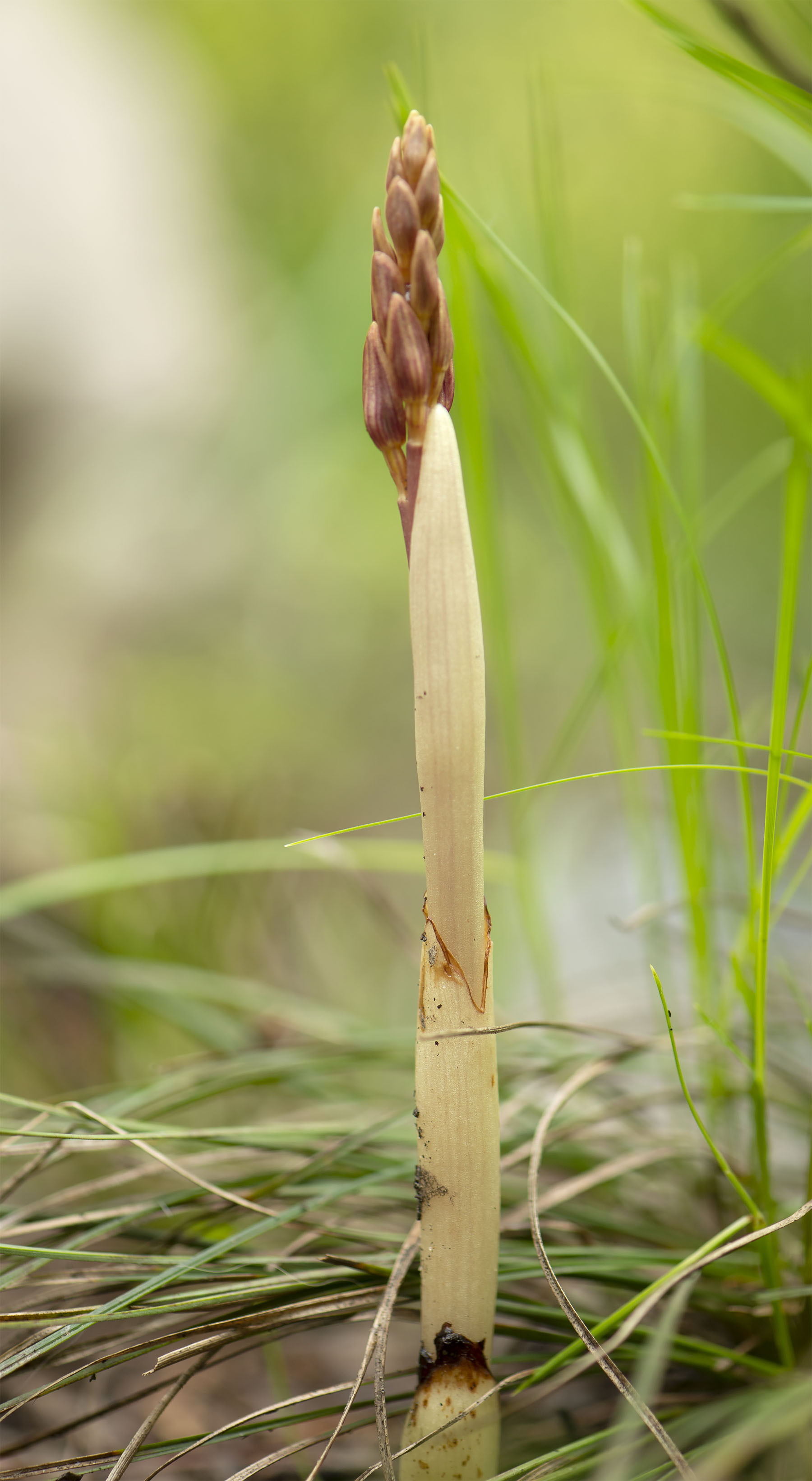
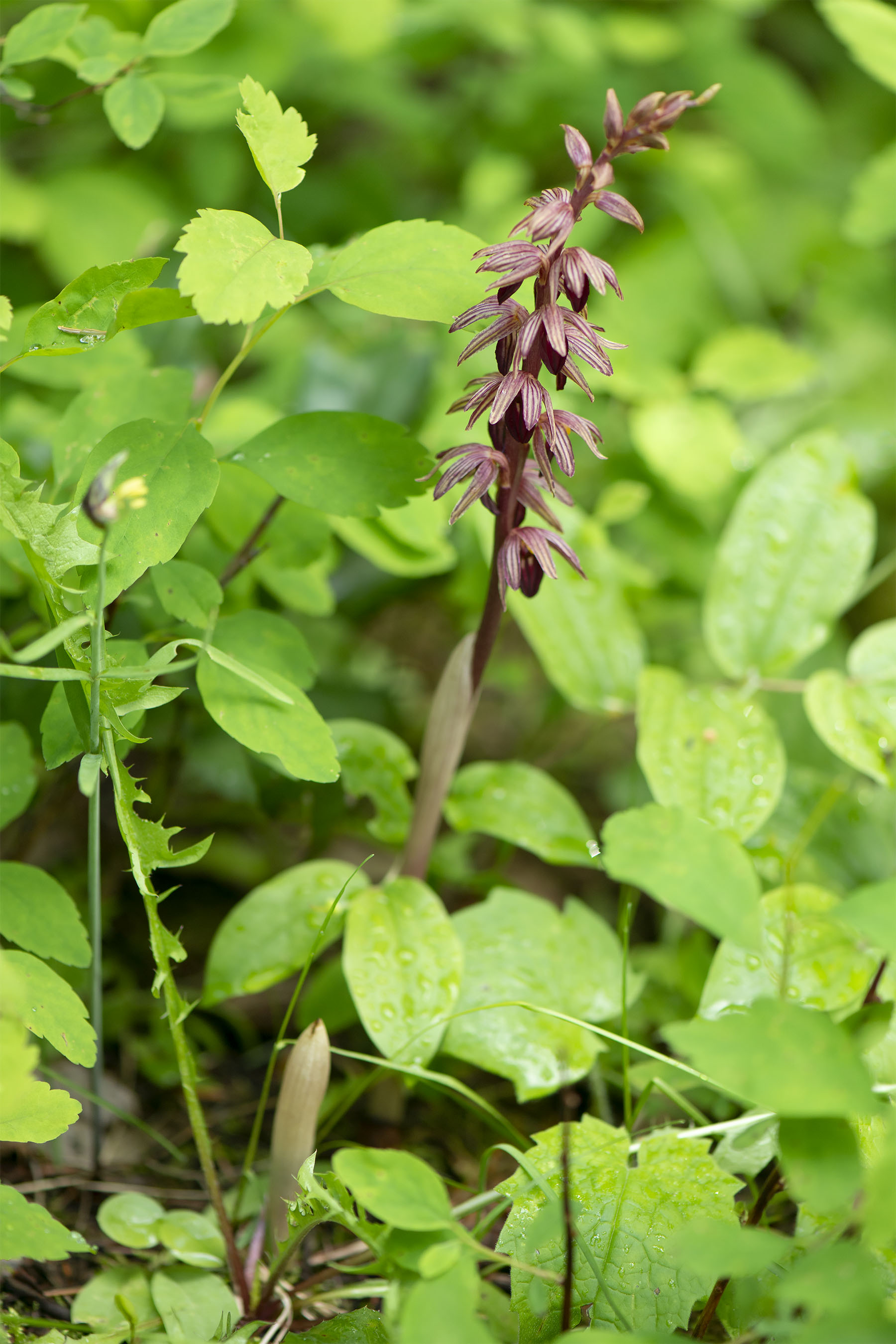
This orchid was just pushing up through the soil in a small clearing in the forest covered with grass.

Others were hidden in the dense undergrowth in the forest.
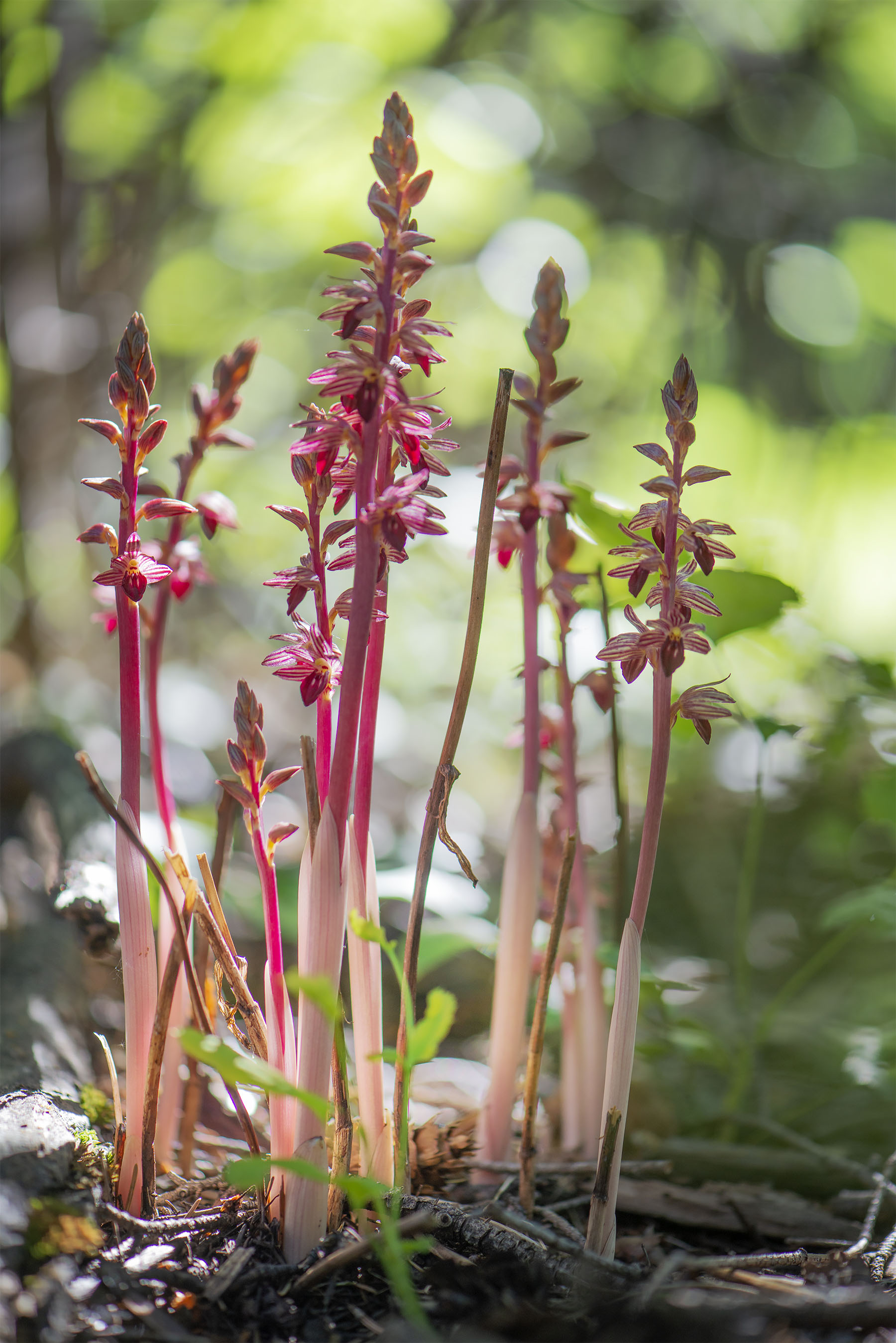
While many we found grew as single stalks or in groups of two or three some grew in larger clusters.

Corallorhiza striata is found in a wide geographical range encompassing all of Canada and most of the western United States and prefers cooler climates.
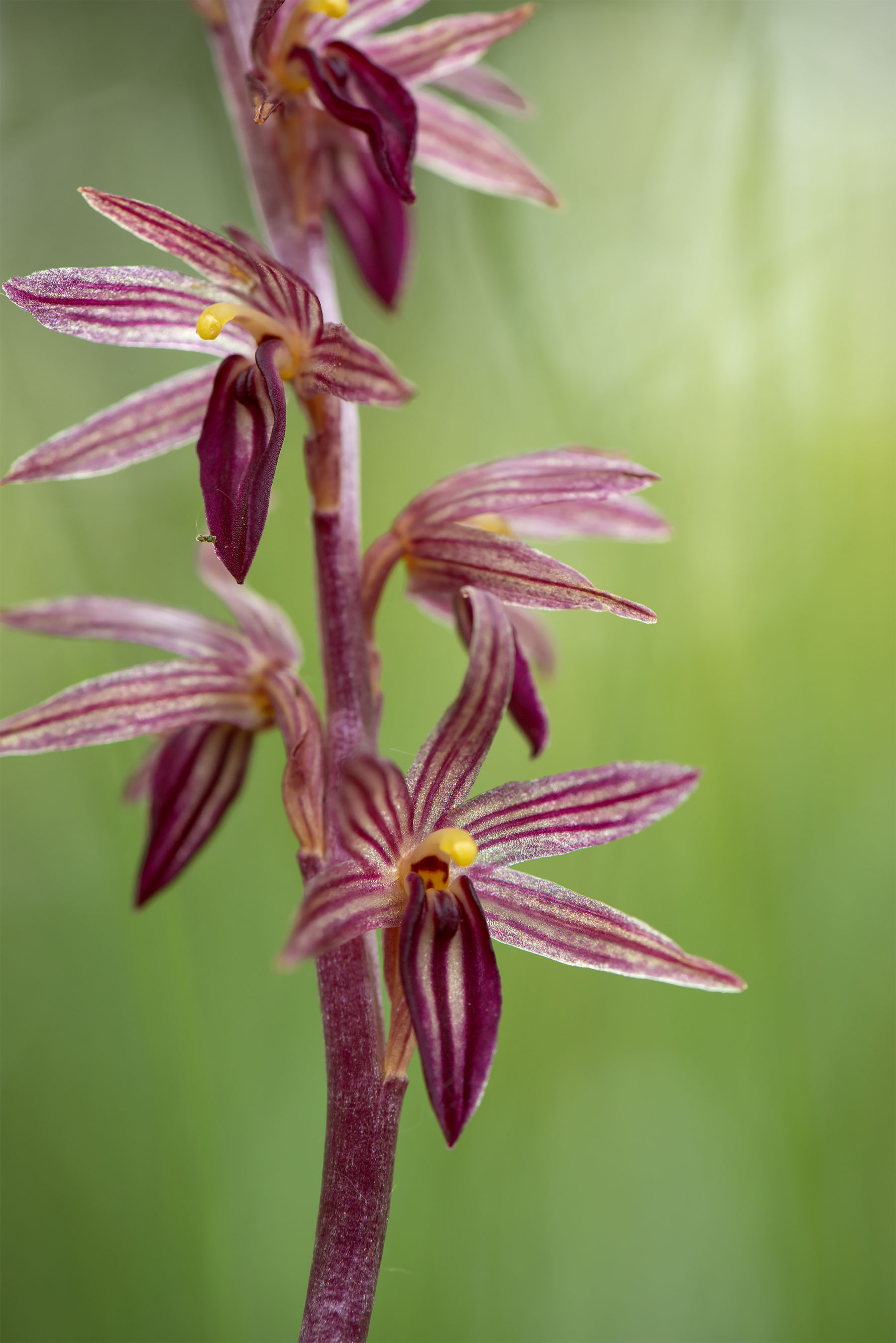
According to the Lady Bird Johnson Wildflower Center “After producing flower stalks, the rhizomes may remain dormant for several years so seeing them in bloom may not occurs again next year but I sure hope so.

Chocolate Lily


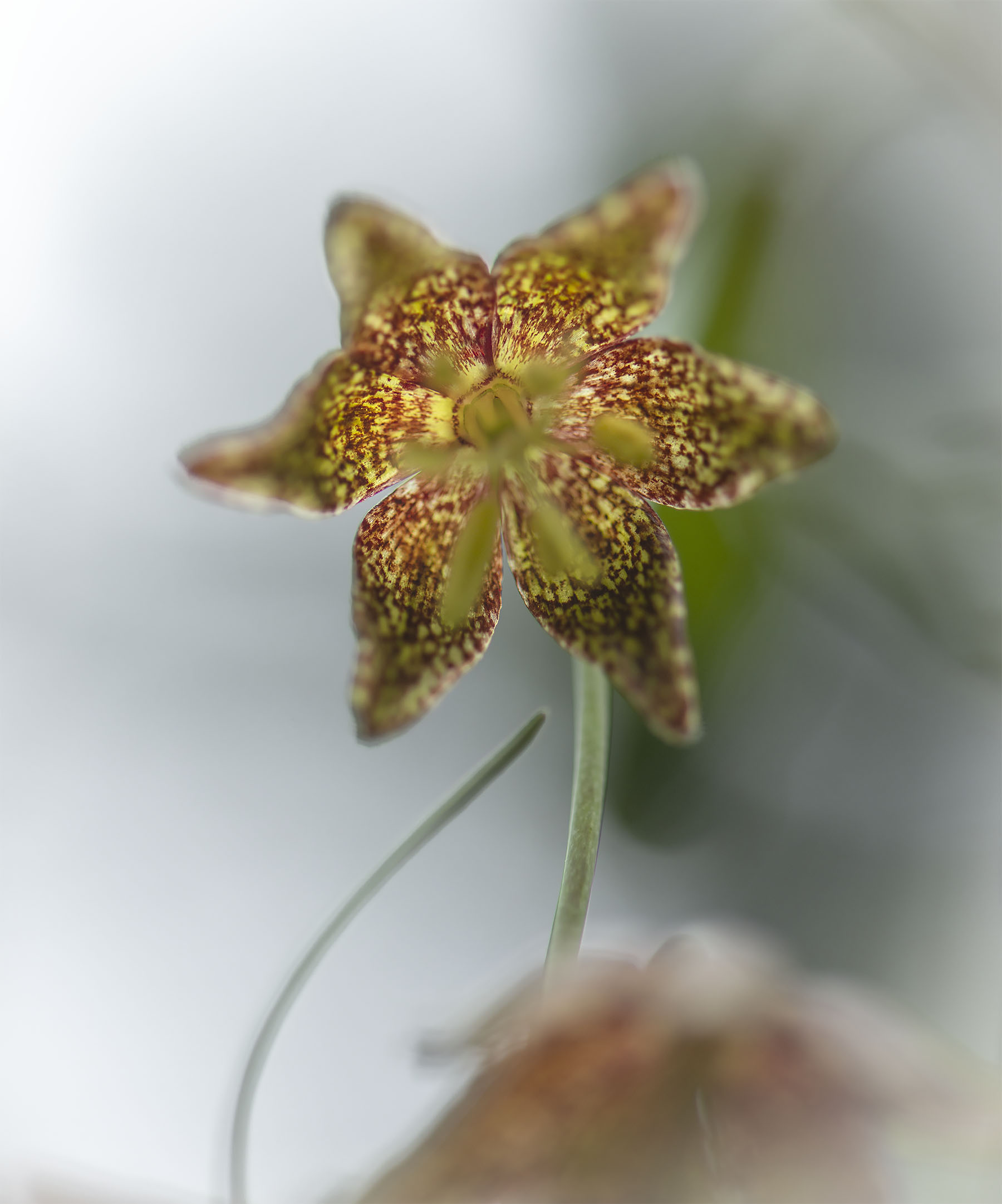
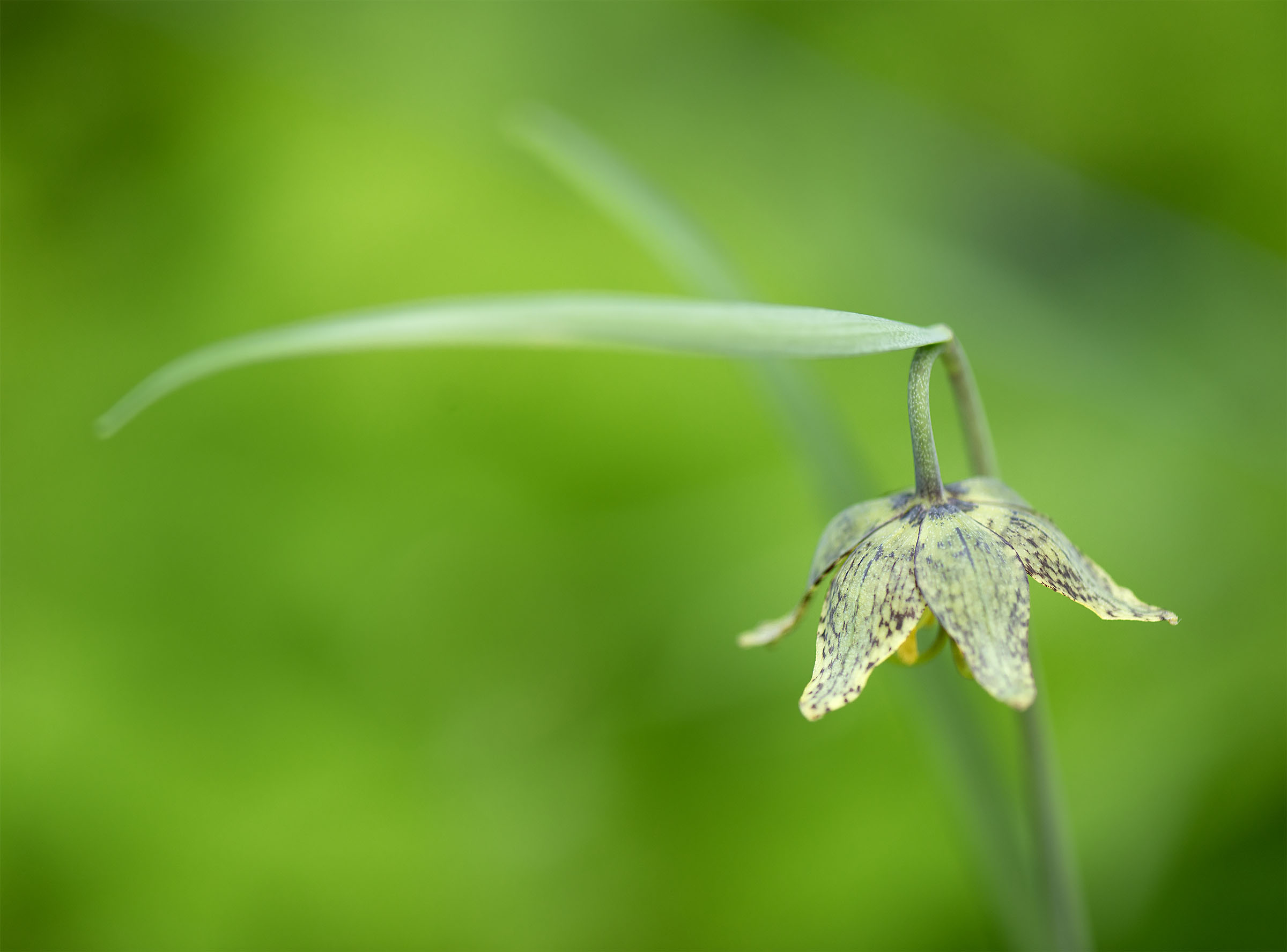
This year we have been lucky to find several of these wonderful Chocolate Lilies blooming on the trails nearby. I am a bit up in the air as to the specific species as two reliable websites list the chocolate lily as two species one being Fritillaria affinis var. affinis and the other lists the plant as Fritillaria atropurpurea.

The plant is fairly inconspicuous and without the flower not very showy at all. It is a beautiful plant and we were glad to come across it as according to Lady Bird Johnson Wildflower Center database it is one that frequently takes years off from flowering.

Glacier Lily: Erythronium grandiflorum

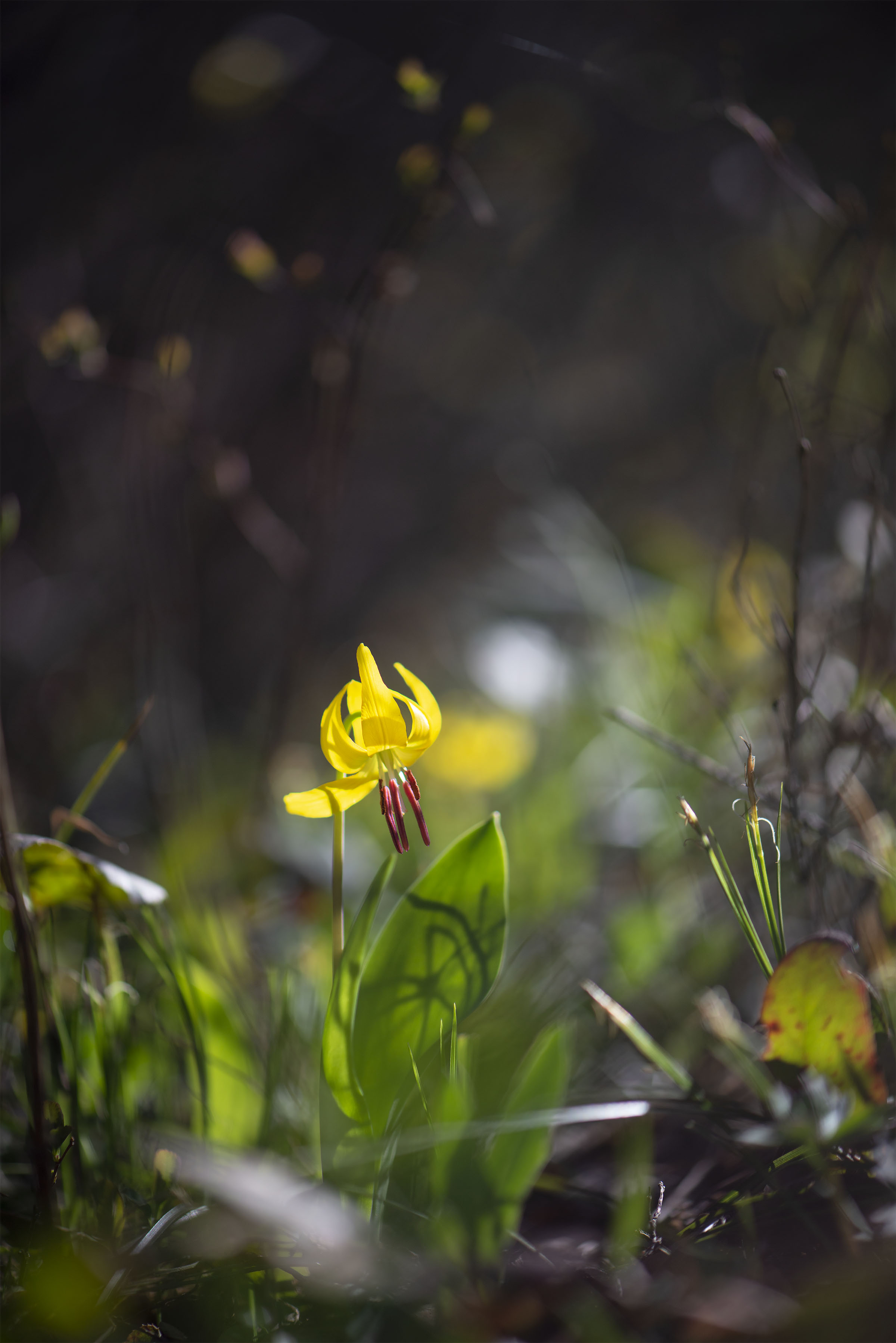
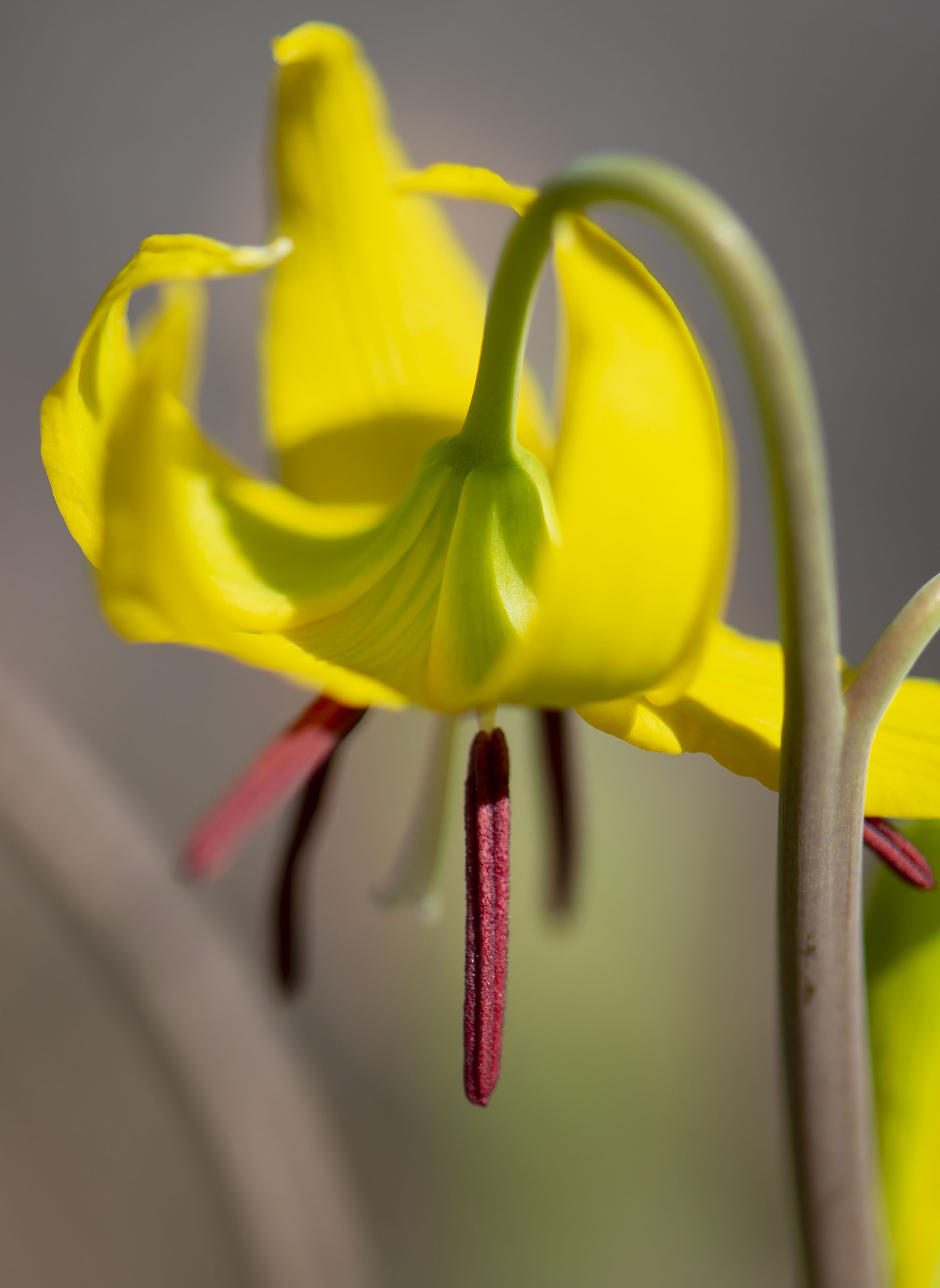
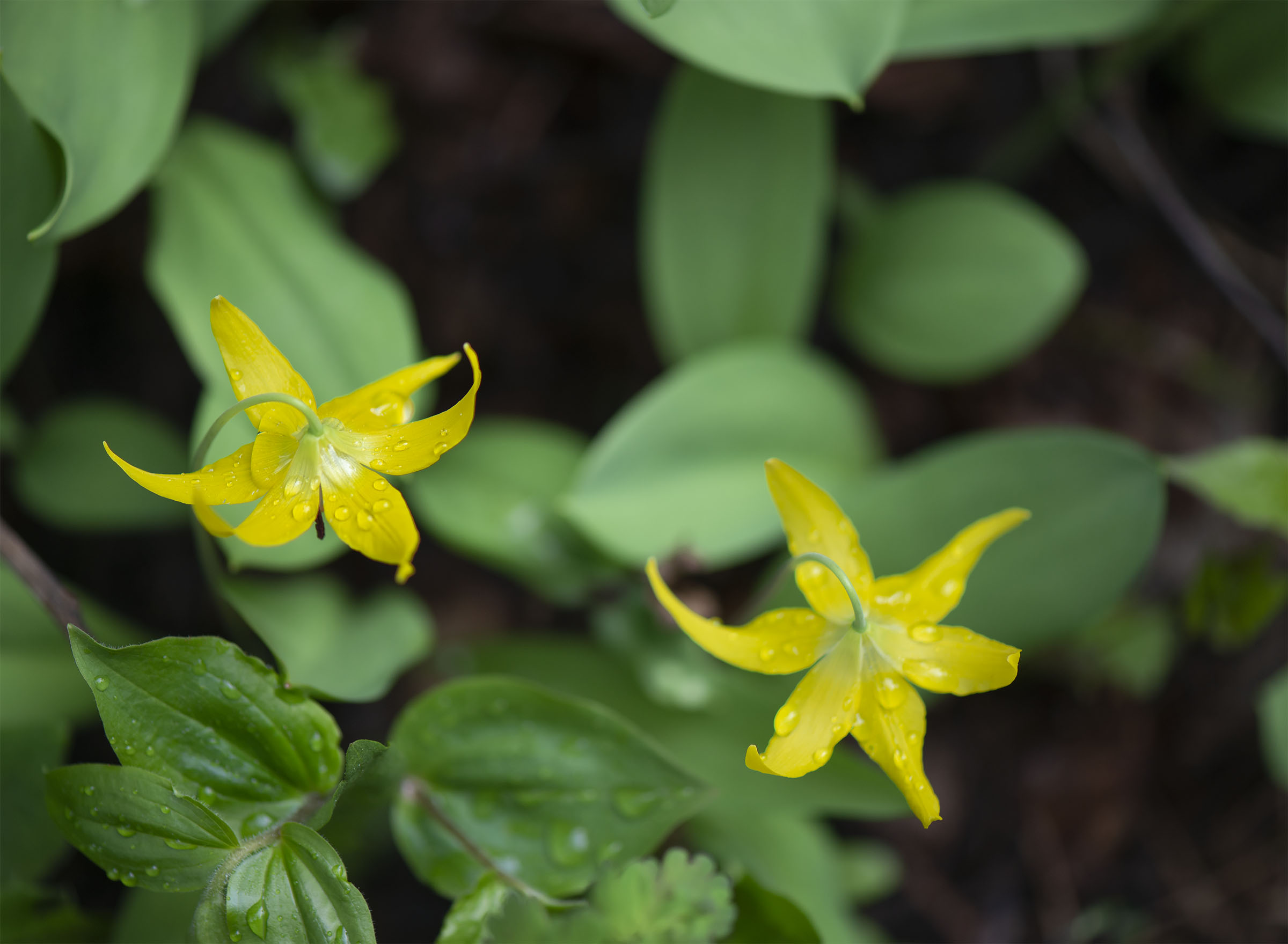
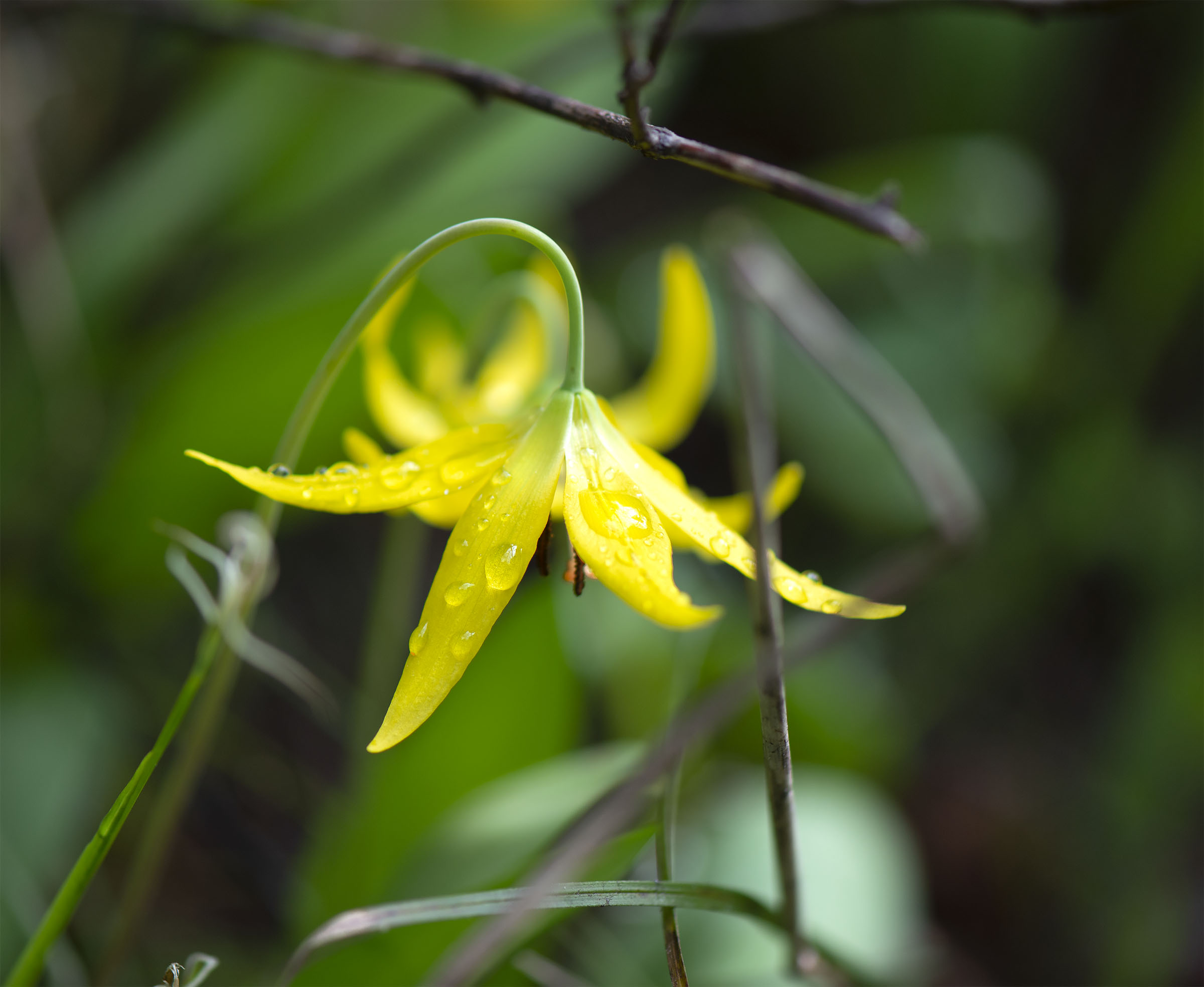
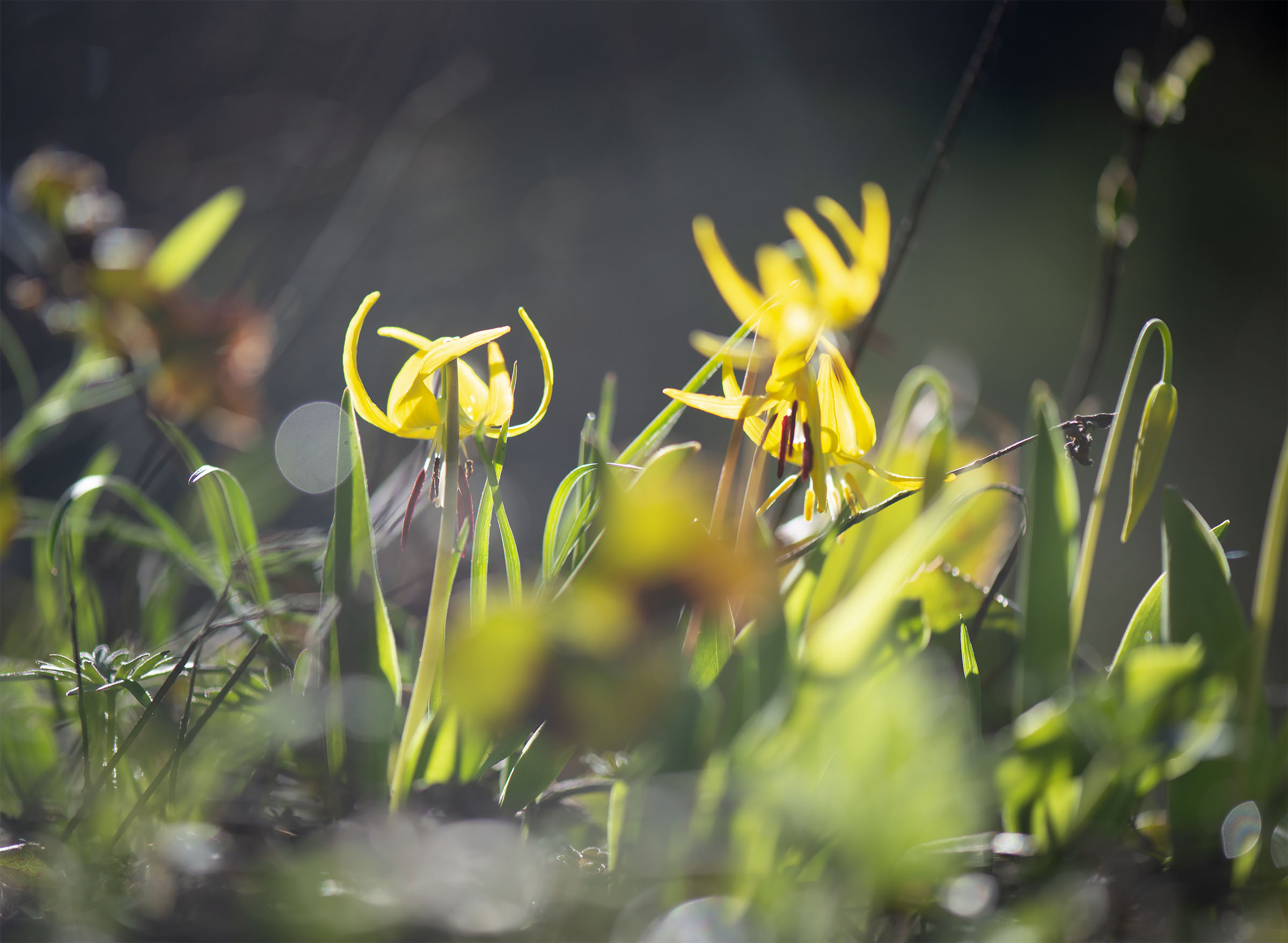
As quickly as the snow receded in early May the Glacier Lilies appeared to carpet the forest floor a beautiful yellow even before the grasses greened. Now only a month latter they have bloomed and done their thing. It’s hard to say how many photos we took of these wonderful flowers in just a few short weeks but they kept coming back to photograph them just a wee bit more more each and every day.

Here are a few chosen somewhat at random presented as a tribute to a wonderful wildflower.

All through May they kept us company on rainy days

And sunny days as well.

Bombylis major: Bee-fly mimic

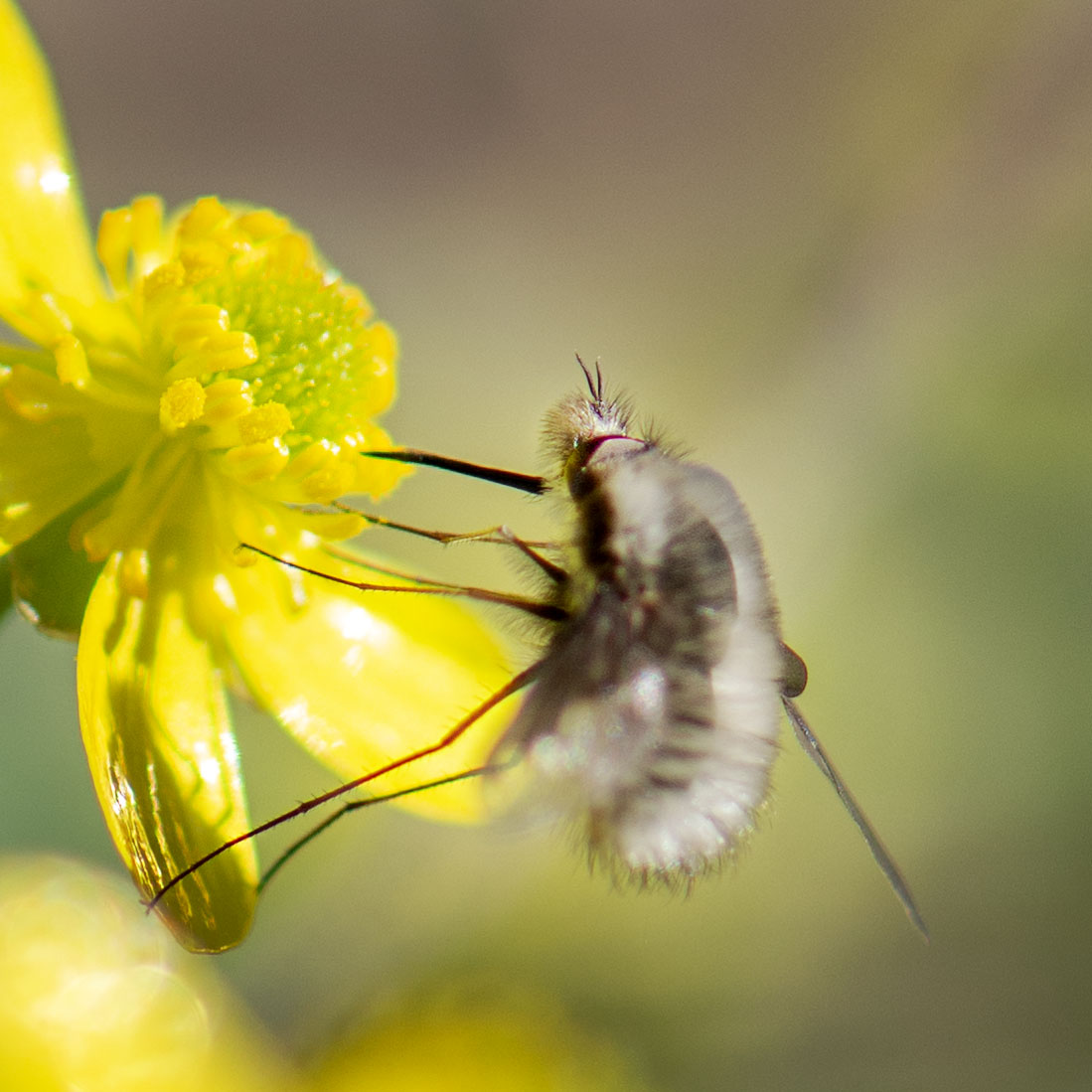
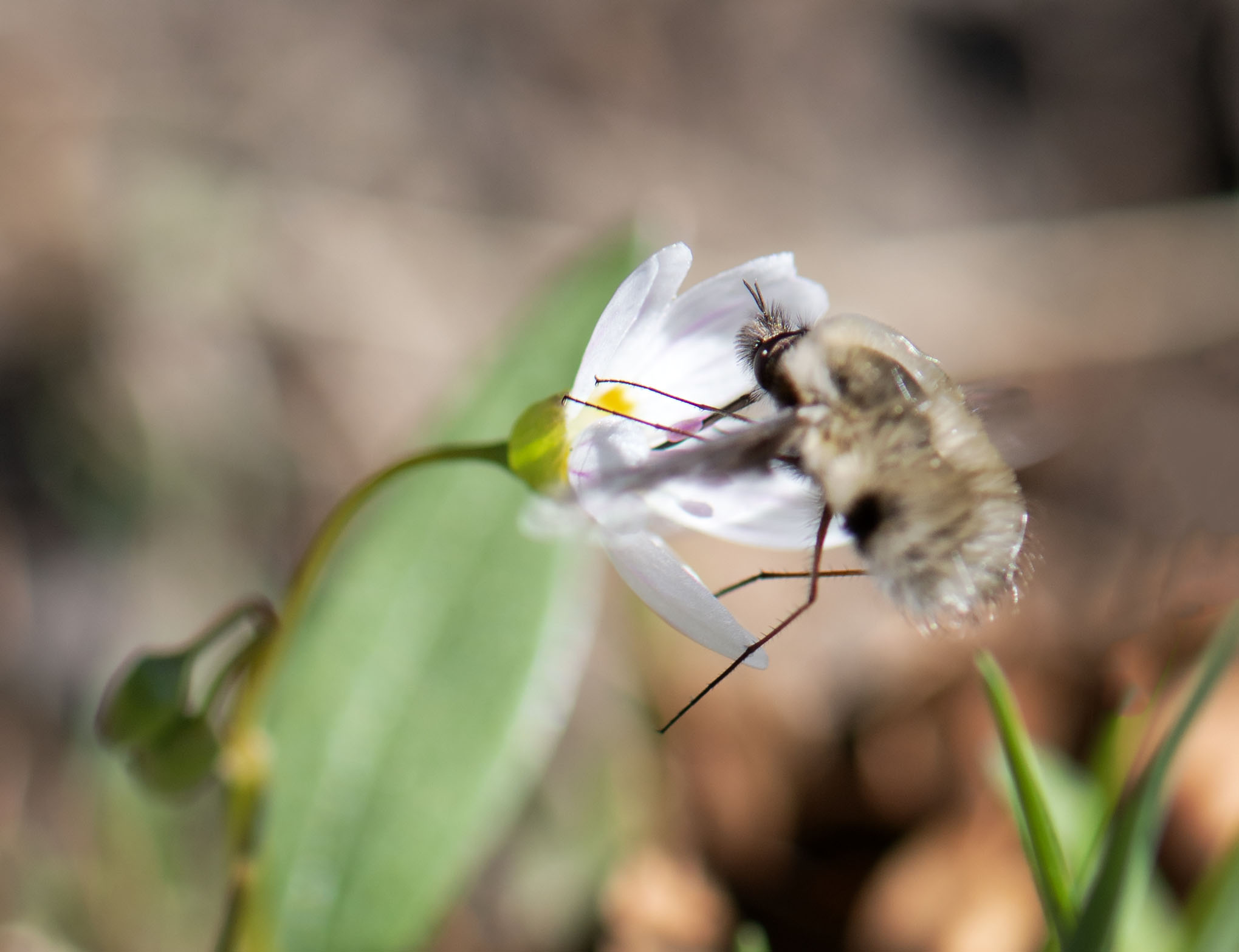
An early arrival as the first spring wildflowers spring is Bombylis major a bee-fly mimic. Bomblyis is about 1/2-3/4 inches long and fuzzy as a cuddly teddy bear. At first thought you might think that probosces is quite the stinger but it is harmless and used to collect nectar.

These guys move very quickly from flower to flower early in the spring and seem to be gone by July which coincides with the decrease ins spring wildflowers.

Gotta love these little guys with the long proboscis, spindly legs and fuzzball bodies pollinating the spring flowers.

Yellow Bells:Fritillaria pudica

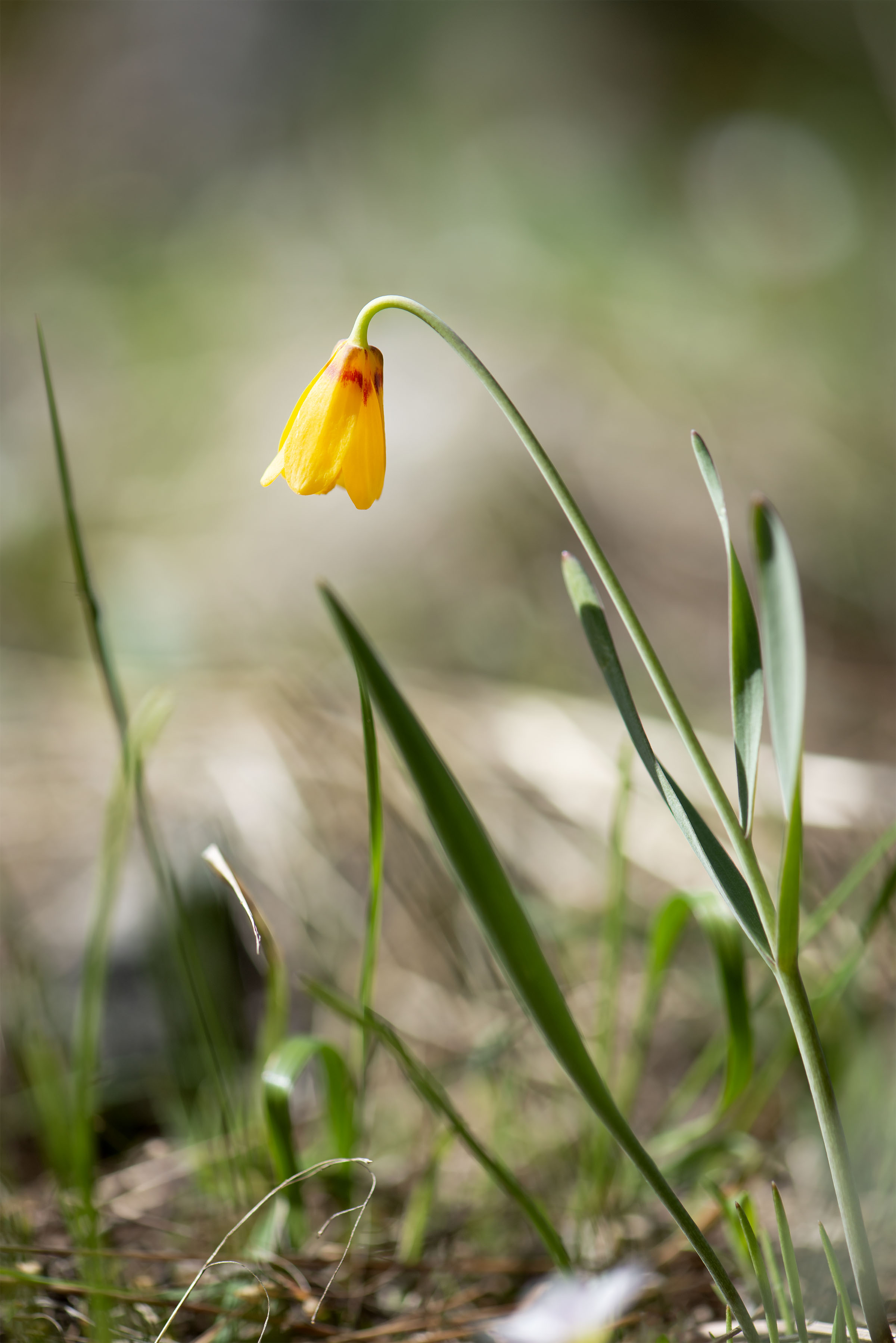
In addition to the Glacier Lillies carpeting the forest floor these small Yellow Bells, which are also in the Lilly family, have kept us company this spring. The plants are only 10-30cm tall and usually contain a single flower. They grow scattered in patches both in open areas as shown below and in more forested areas as well.

The bulb of yellowbells is edible, raw or cooked. It can also be dried for later use. Since it is rich in starch, it is best used in the autumn, however, many tribes picked them in May and boiled them alone or with bitterroot. The raw bulb tastes like potatoes, when cooked it tastes like rice. It can be eaten as a vegetable or be added to soups etc. Several tribes used them for food. The green seedpods can be eaten, boiled as a wild green, but are said to be bitter.

We found flowers that ranged from the typical yellow to some that were a deep orange.

A small treasure that springs from the ground and one to look forward to again.

Stella Orangetip: Anthrocharis stella


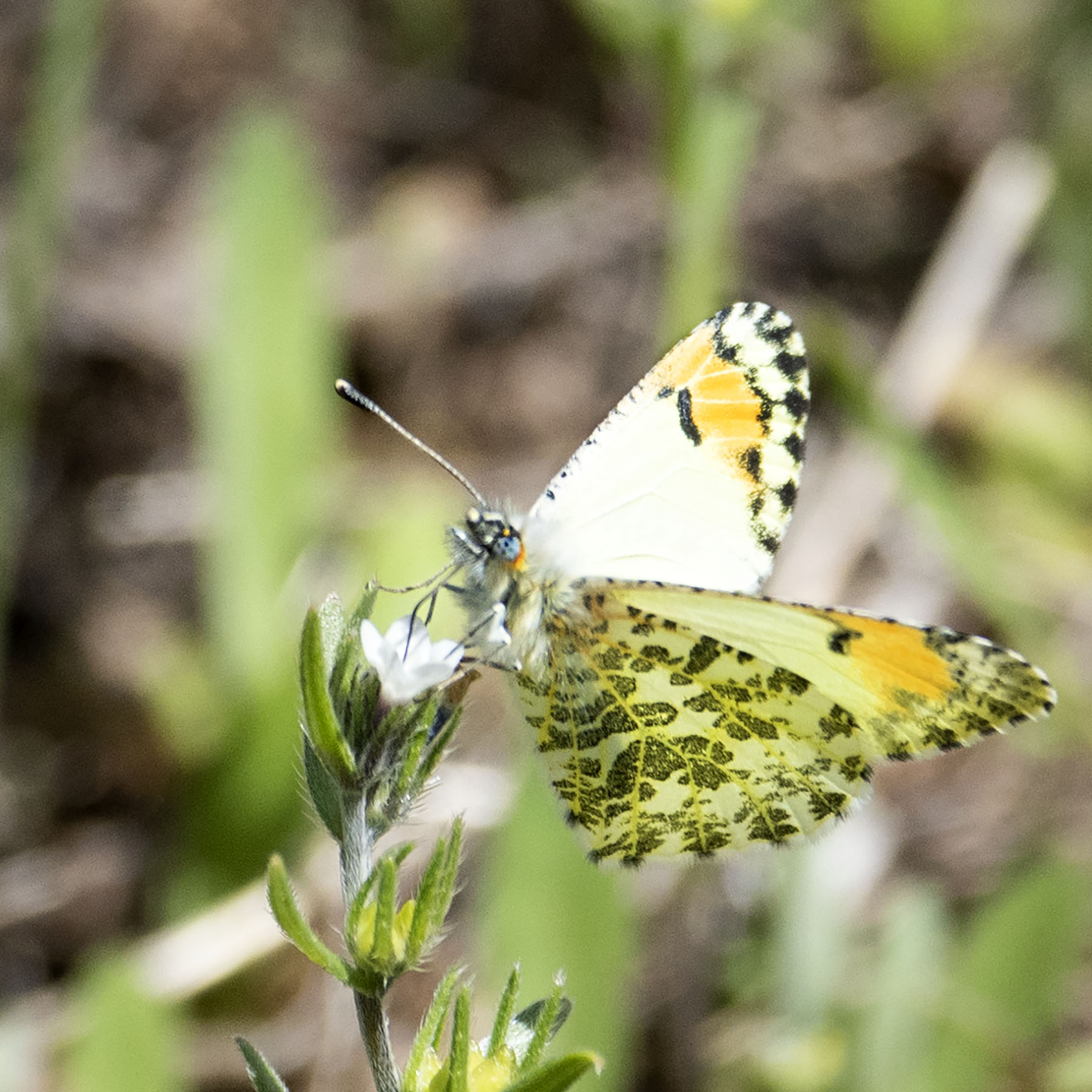
We have followed Anthrocharis stella commonly known as Stella Orangetip up and down the trail the last few week with little luck photographing these butterflies that rarely seemed to land. No fooling, one must have flown 25yards in front of us for at least 1/4 mile along the trail last week keeping tis distance but never landing.

When we did see one touch down it was always far in the distance and to make matters worse the wind seemed to be blowing just enough to make focusing with a long telephoto lens somewhat difficult. They definitely seemed to be searching for something specific in their flights and perhaps it was the small white flower in the photo above as they were scattered along the trail and not present in great numbers. Perhaps these flowers will increase in numbers as spring rolls on and then we will get a chance for more close-up shots of this fine looking butterfly.

Simply Spring

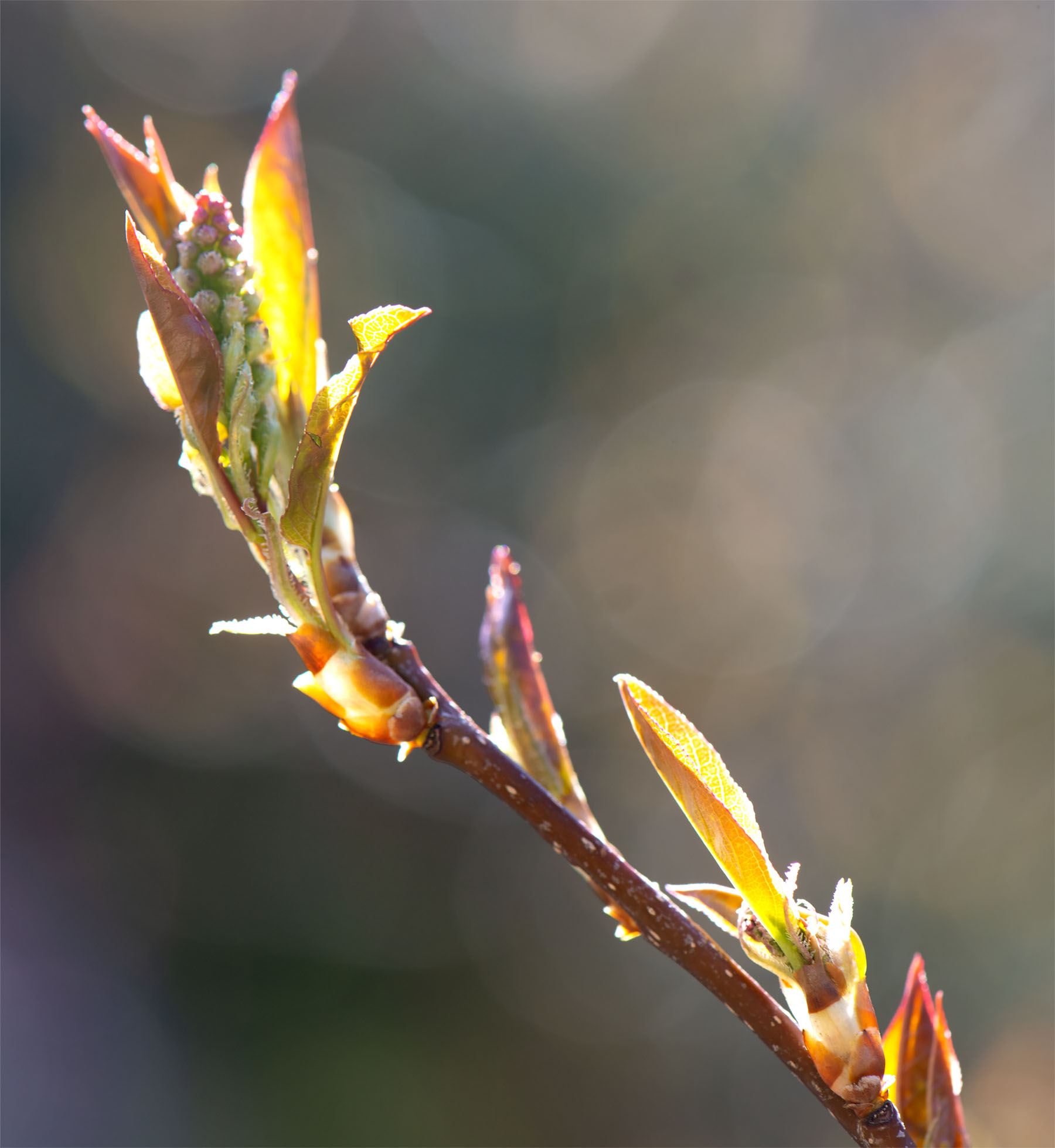
A morning walk springs to life as fresh new leaves and vibrant colors paint the still brisk morning air.

The surprise of the day was a Dragonfly lurking about on wild roses trimmed short by the deer. Not much prey for this little predator so early in the season but don’t worry the bugs will come.

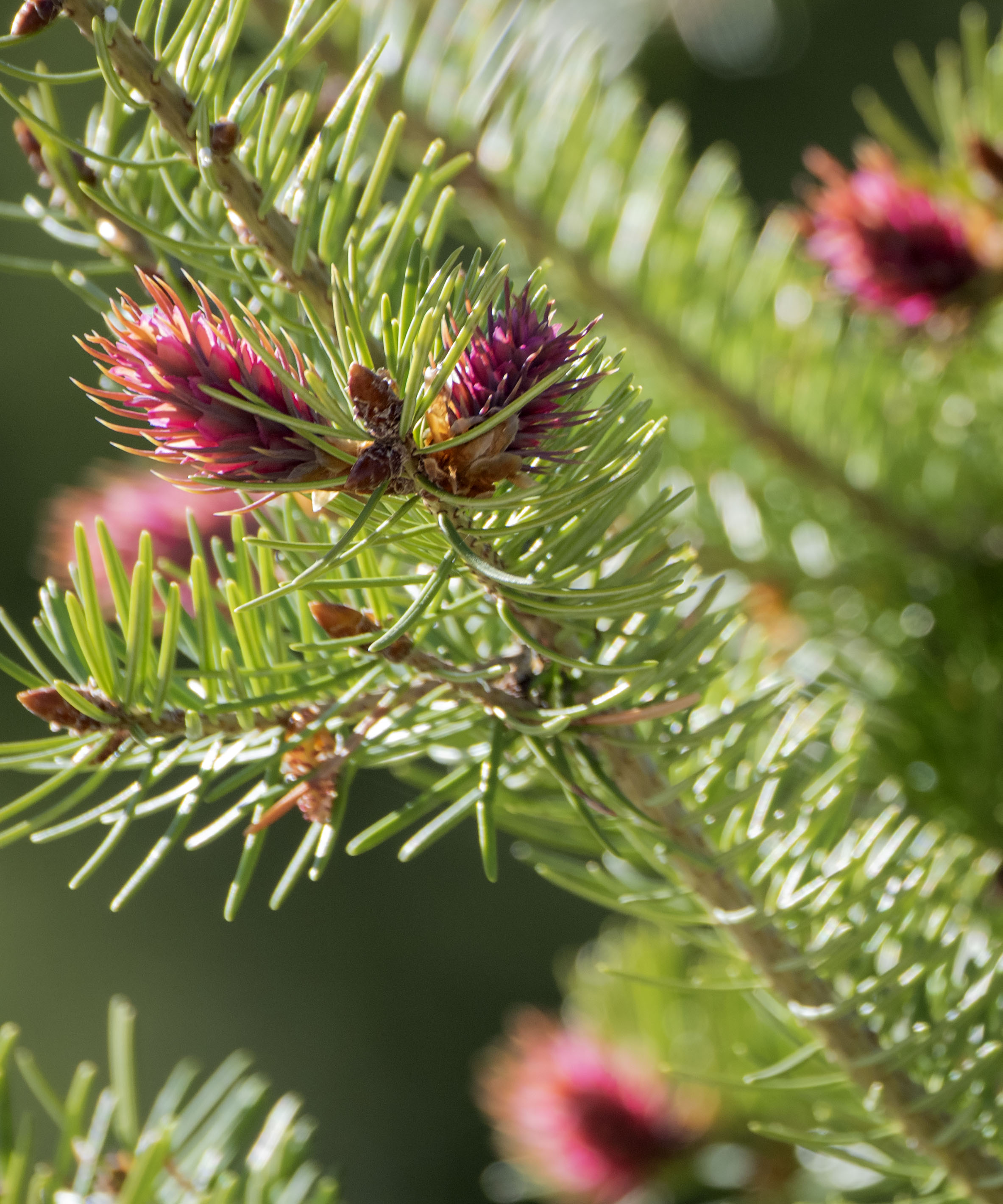
And even the coniferous trees were getting in on the action this morning.

Nothing fancy today….simply spring.

Pasque morning

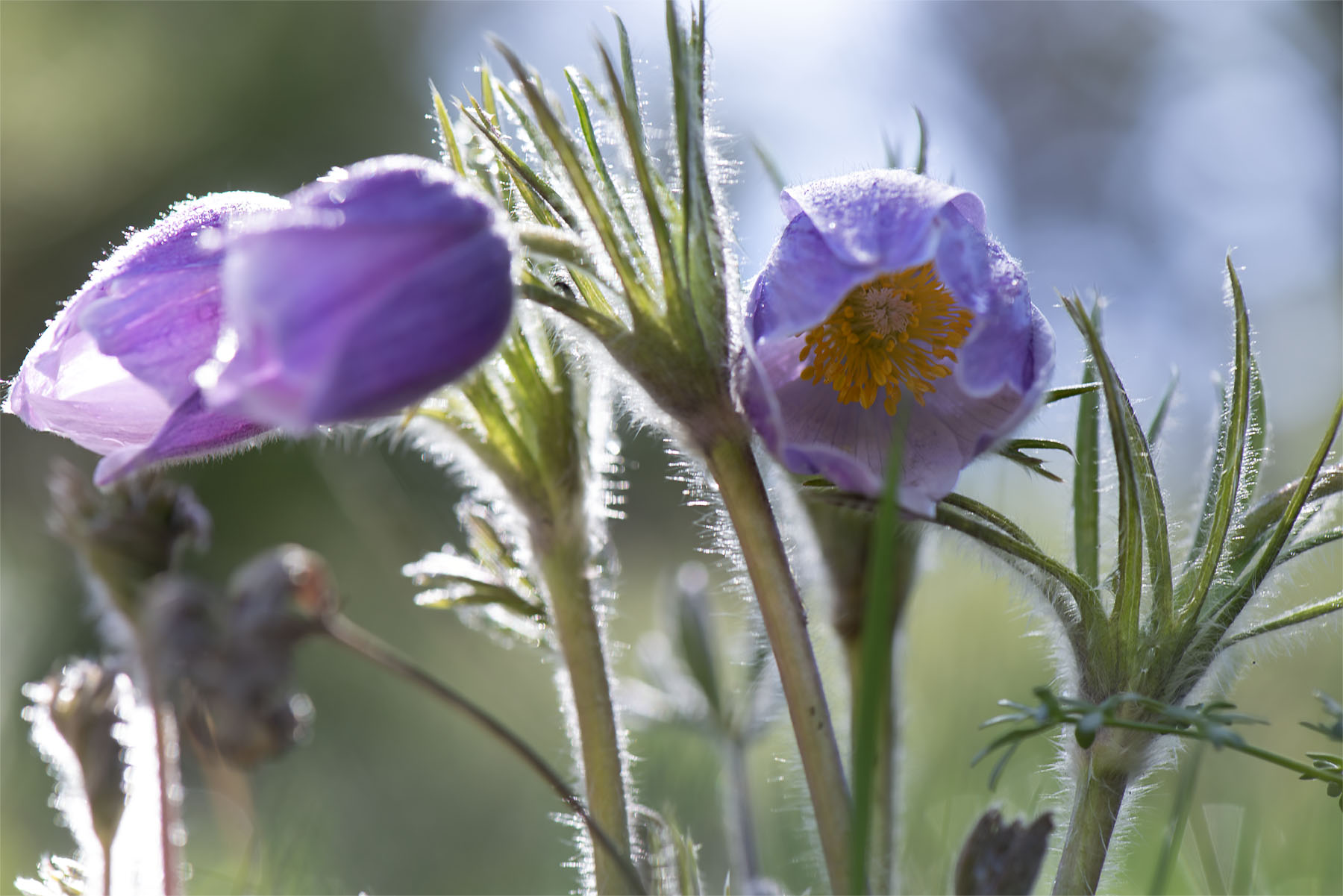
This is the time of year for the magnificent Pasqueflowers to bloom and brighten the hillsides, forests and meadows near town.

These flowers are part of the genus Pulsitilla family which contains numerous species spread across the globe and are the state flower of South Dakota. We noticed two distinct species while on a recent walk with both growing along the sunny hillsides and one growing just about everywhere in both sun and shade.

Hope we can get back out before they are done blooming and wishing you all a Pasque morning.