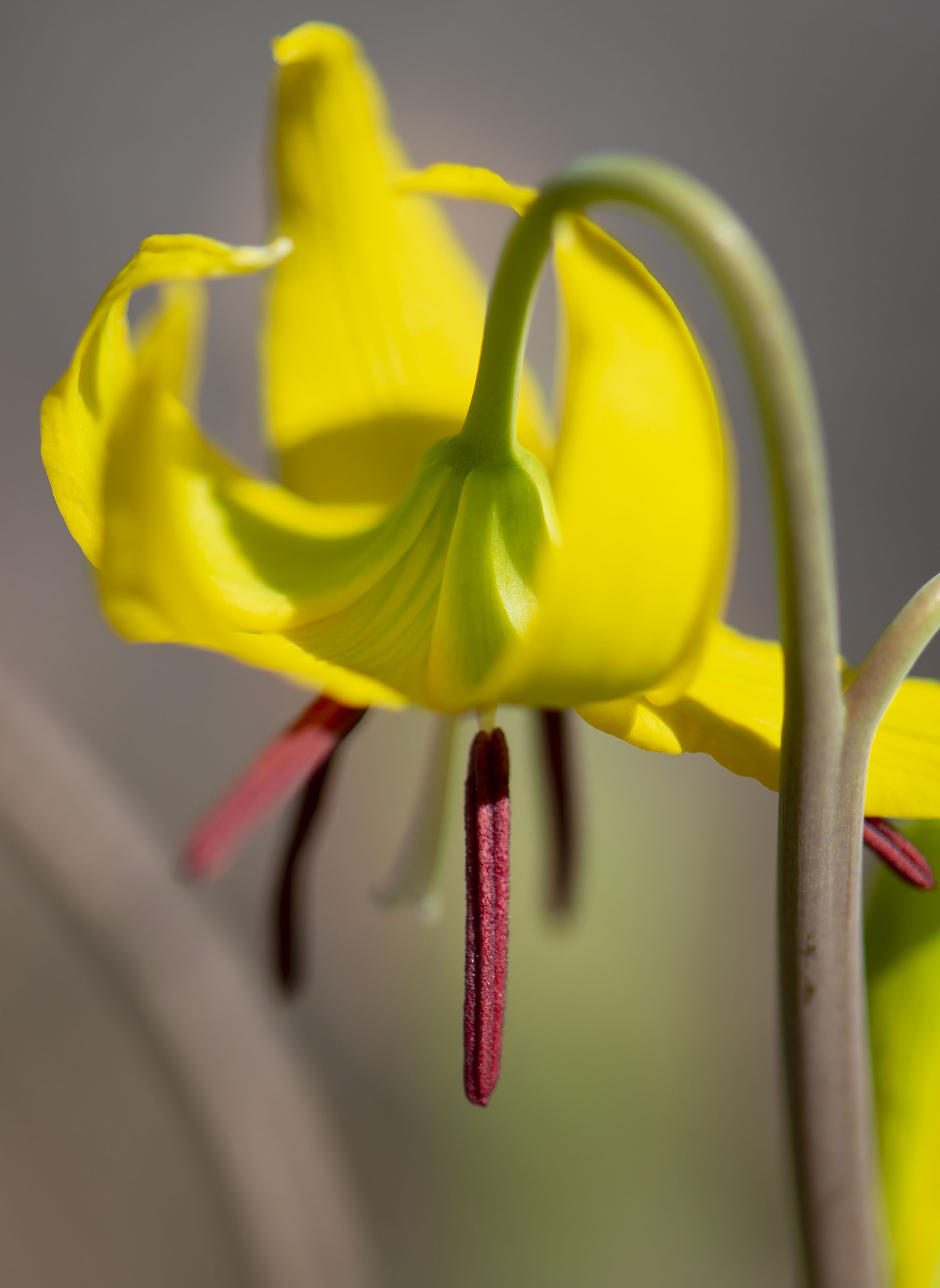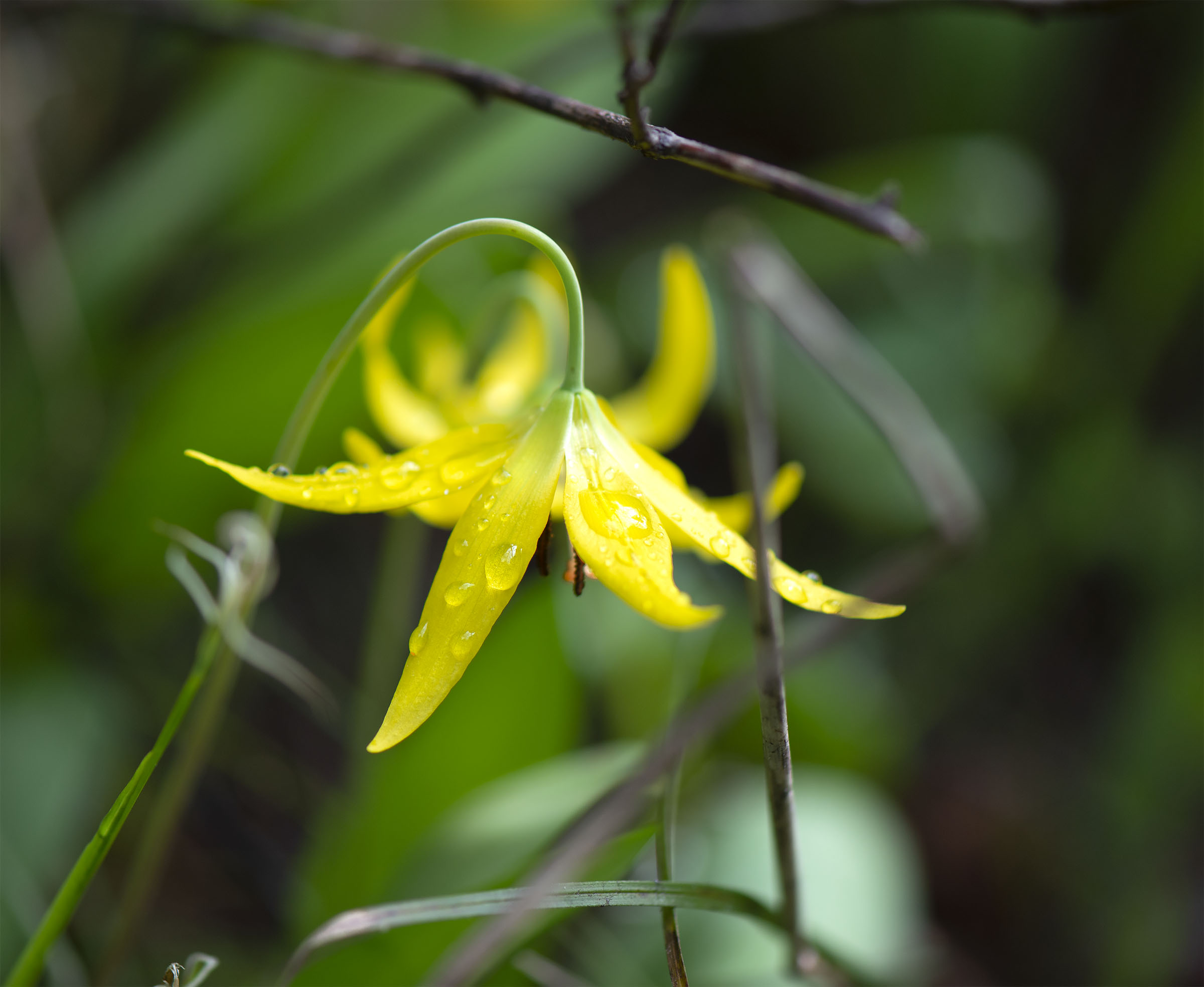
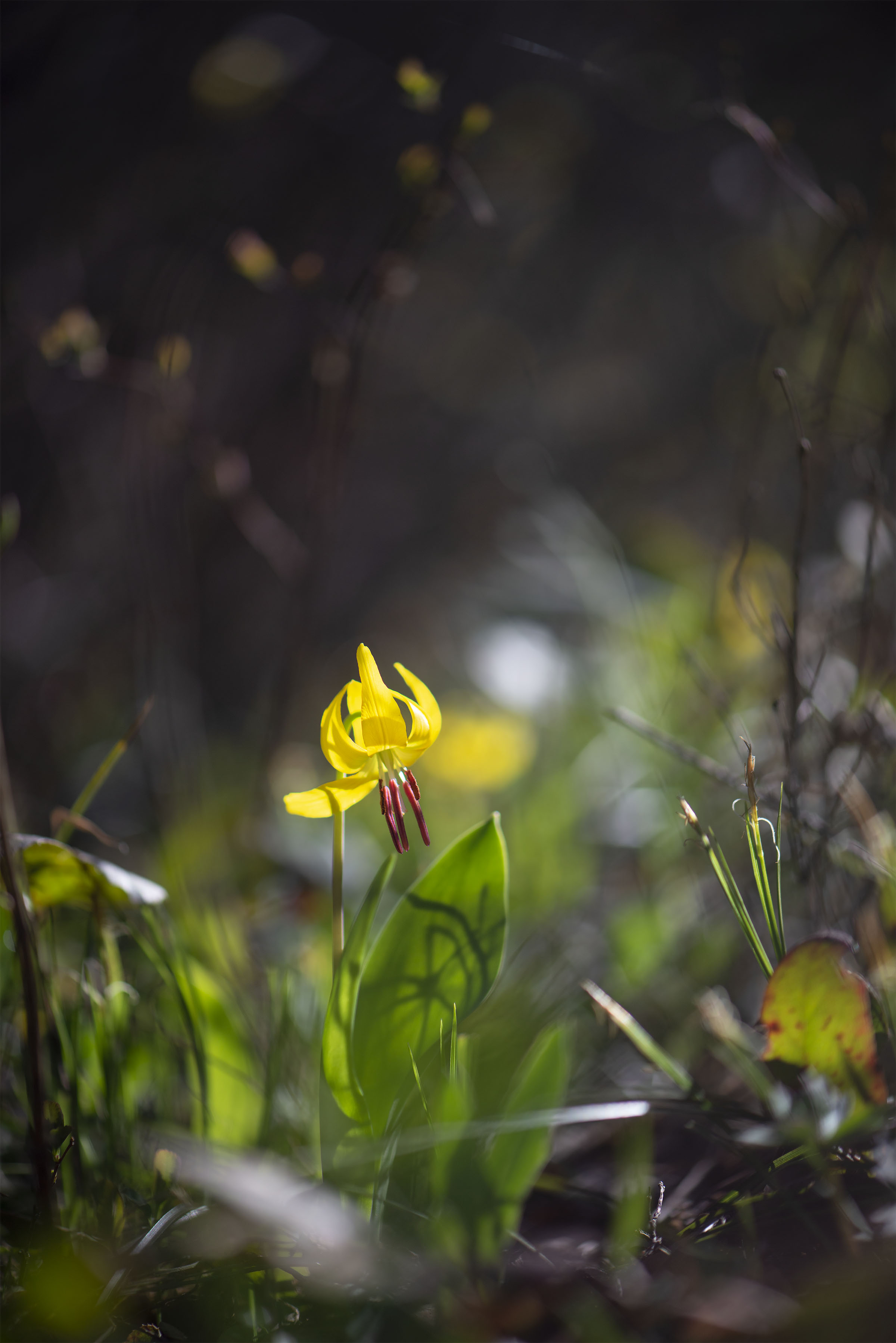
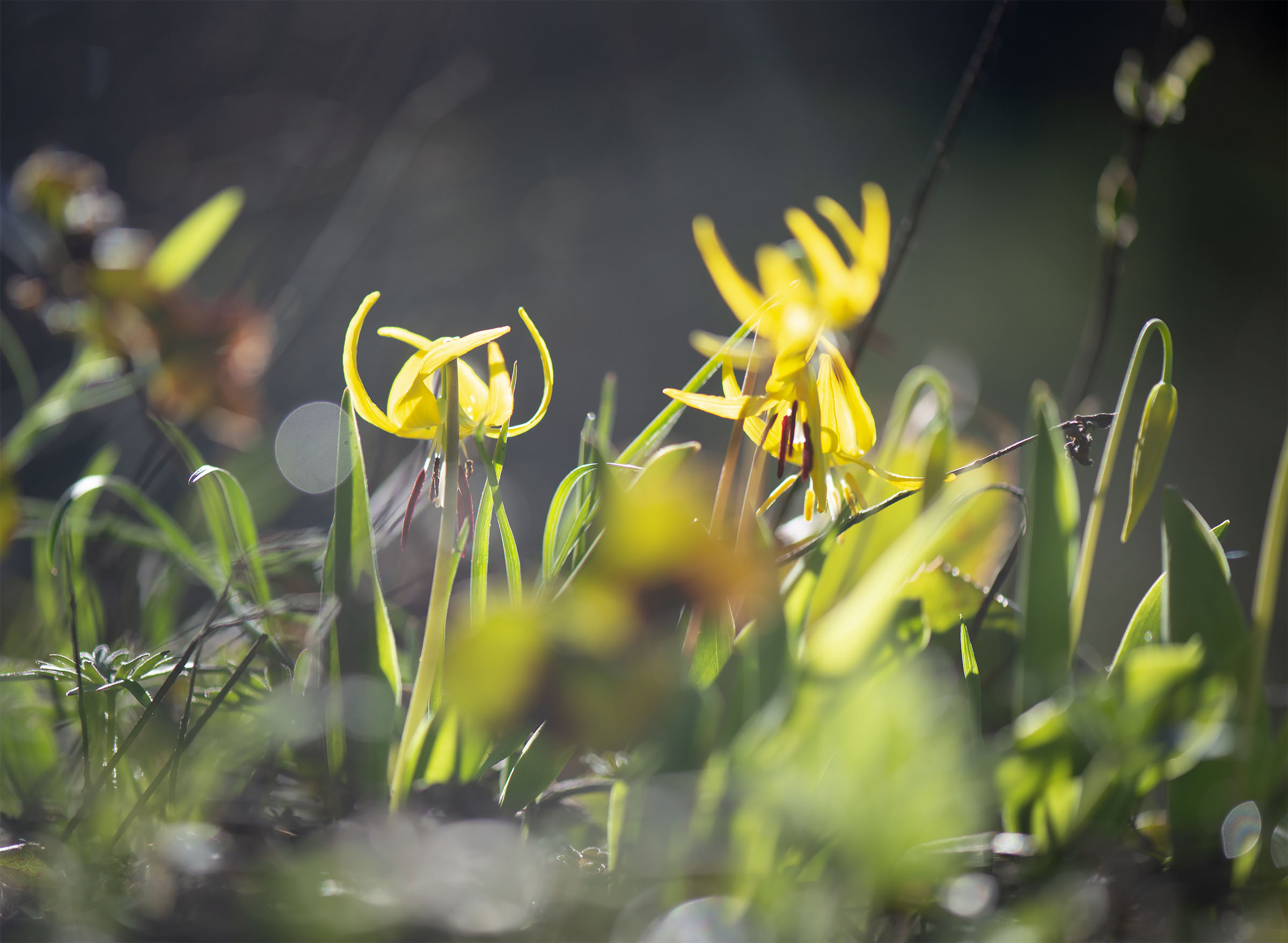
Glacier Lily: Erythronium grandiflorum

As quickly as the snow receded in early May the Glacier Lilies appeared to carpet the forest floor a beautiful yellow even before the grasses greened. Now only a month latter they have bloomed and done their thing. It’s hard to say how many photos we took of these wonderful flowers in just a few short weeks but they kept coming back to photograph them just a wee bit more more each and every day.

Here are a few chosen somewhat at random presented as a tribute to a wonderful wildflower.

All through May they kept us company on rainy days
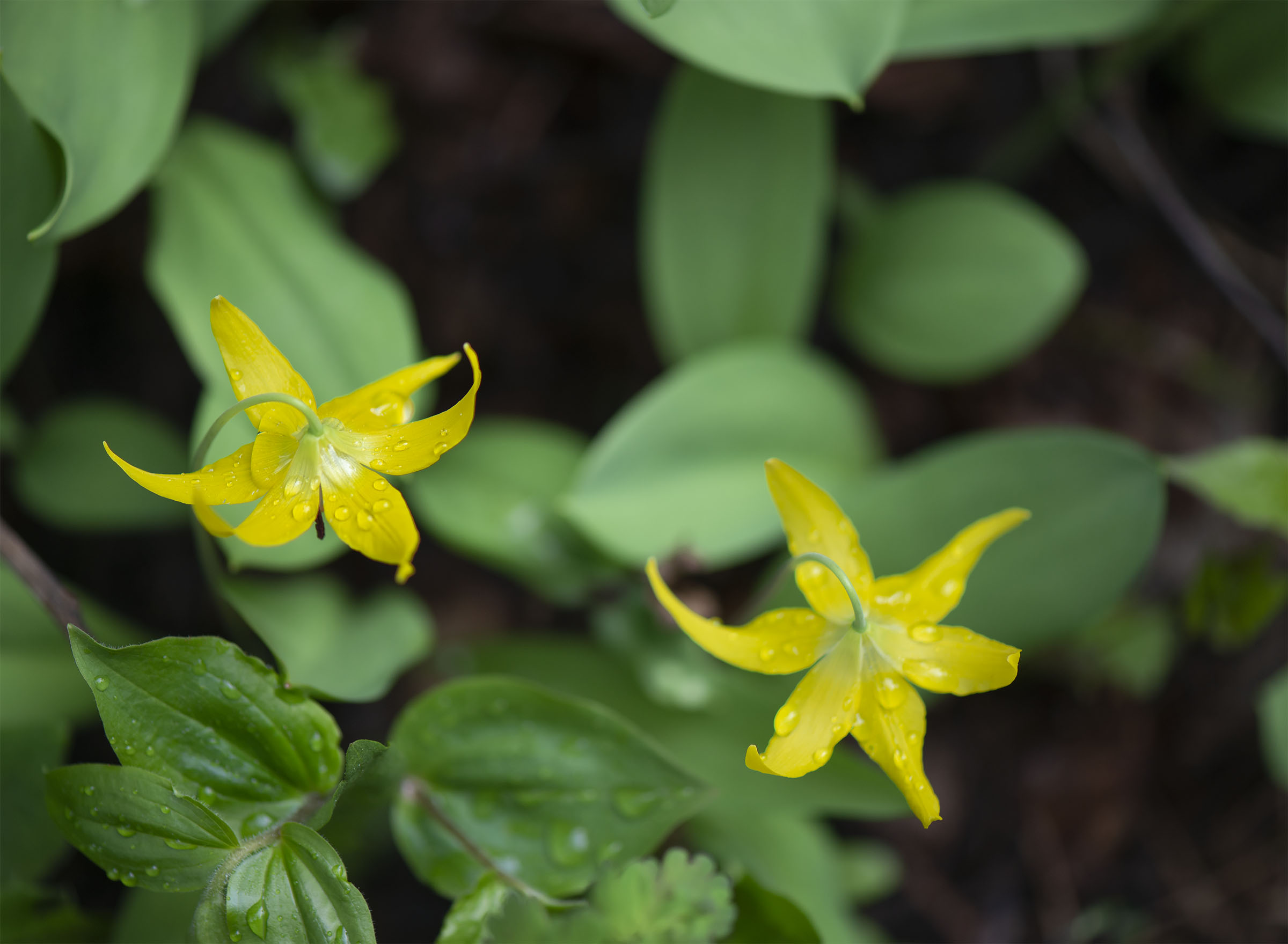
And sunny days as well.
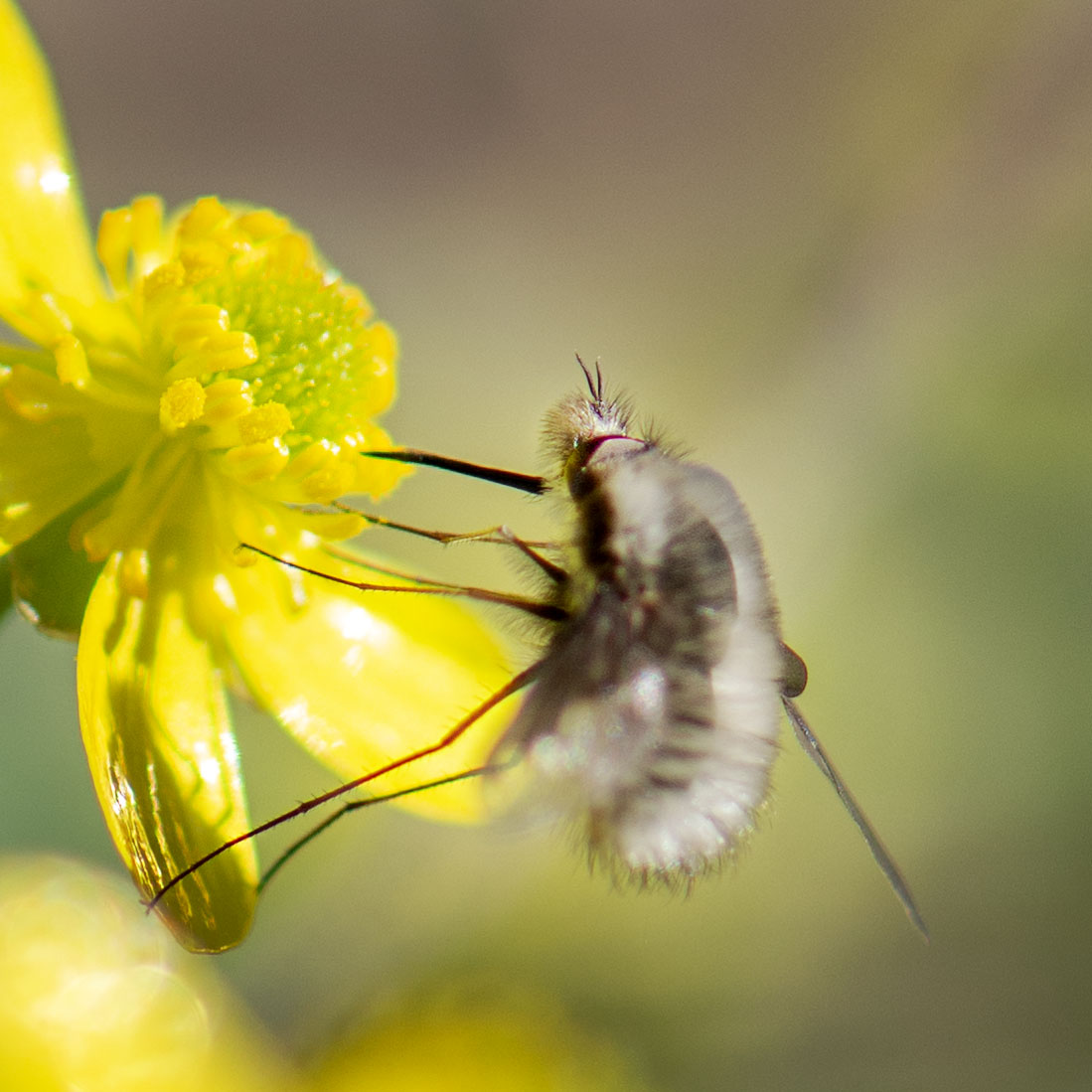
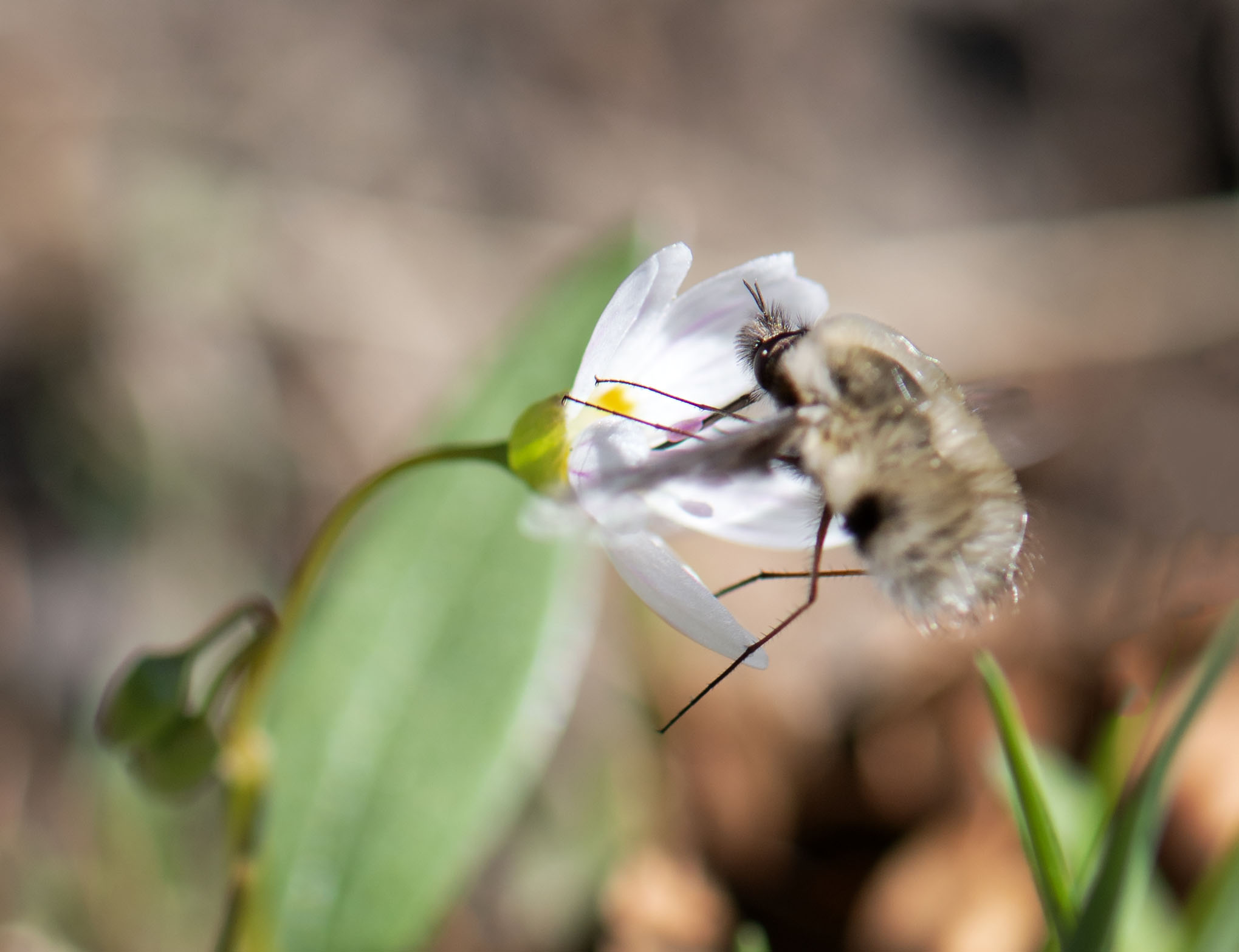
Bombylis major: Bee-fly mimic

An early arrival as the first spring wildflowers spring is Bombylis major a bee-fly mimic. Bomblyis is about 1/2-3/4 inches long and fuzzy as a cuddly teddy bear. At first thought you might think that probosces is quite the stinger but it is harmless and used to collect nectar.

These guys move very quickly from flower to flower early in the spring and seem to be gone by July which coincides with the decrease ins spring wildflowers.

Gotta love these little guys with the long proboscis, spindly legs and fuzzball bodies pollinating the spring flowers.

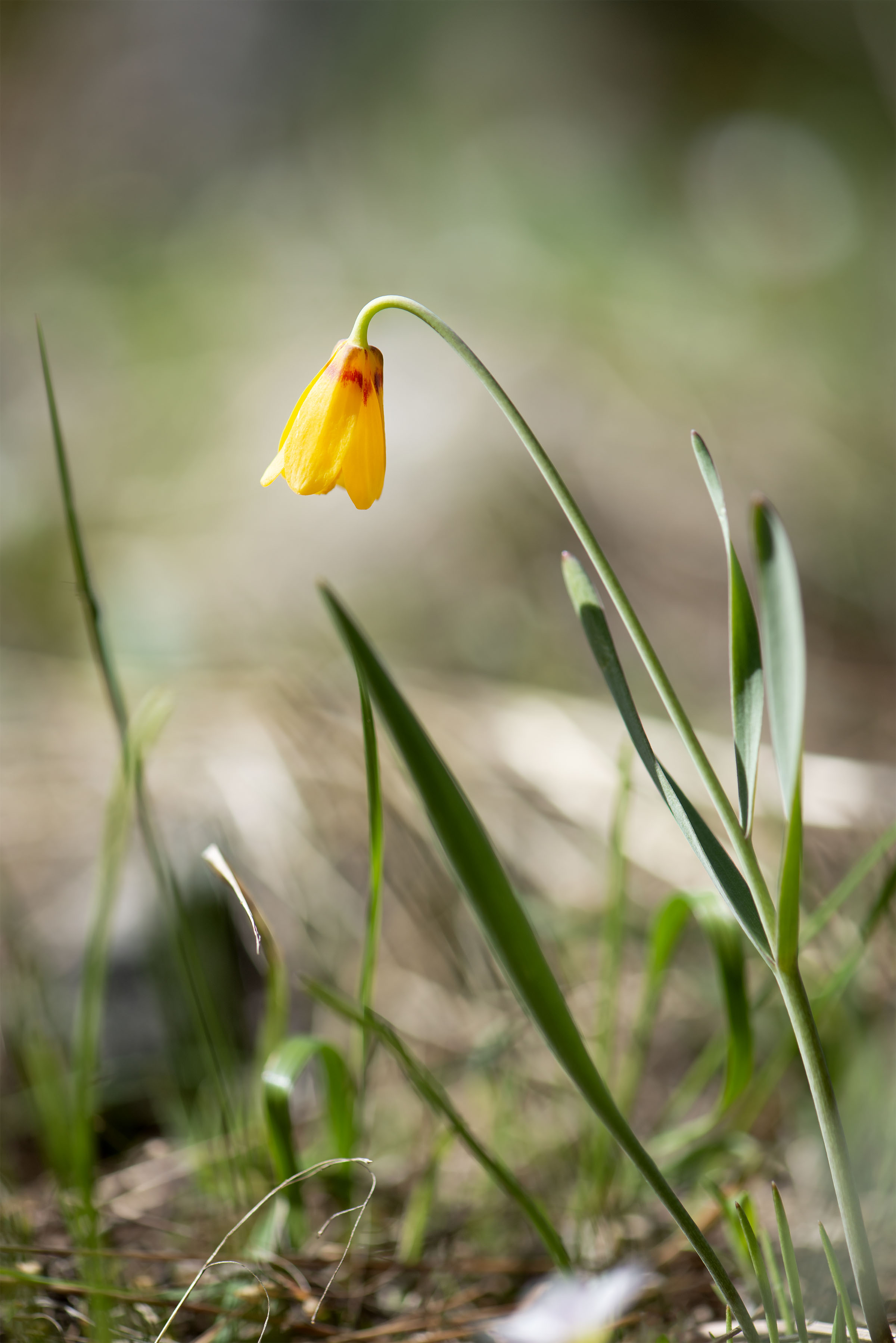
Yellow Bells:Fritillaria pudica

In addition to the Glacier Lillies carpeting the forest floor these small Yellow Bells, which are also in the Lilly family, have kept us company this spring. The plants are only 10-30cm tall and usually contain a single flower. They grow scattered in patches both in open areas as shown below and in more forested areas as well.
The bulb of yellowbells is edible, raw or cooked. It can also be dried for later use. Since it is rich in starch, it is best used in the autumn, however, many tribes picked them in May and boiled them alone or with bitterroot. The raw bulb tastes like potatoes, when cooked it tastes like rice. It can be eaten as a vegetable or be added to soups etc. Several tribes used them for food. The green seedpods can be eaten, boiled as a wild green, but are said to be bitter.

We found flowers that ranged from the typical yellow to some that were a deep orange.

A small treasure that springs from the ground and one to look forward to again.

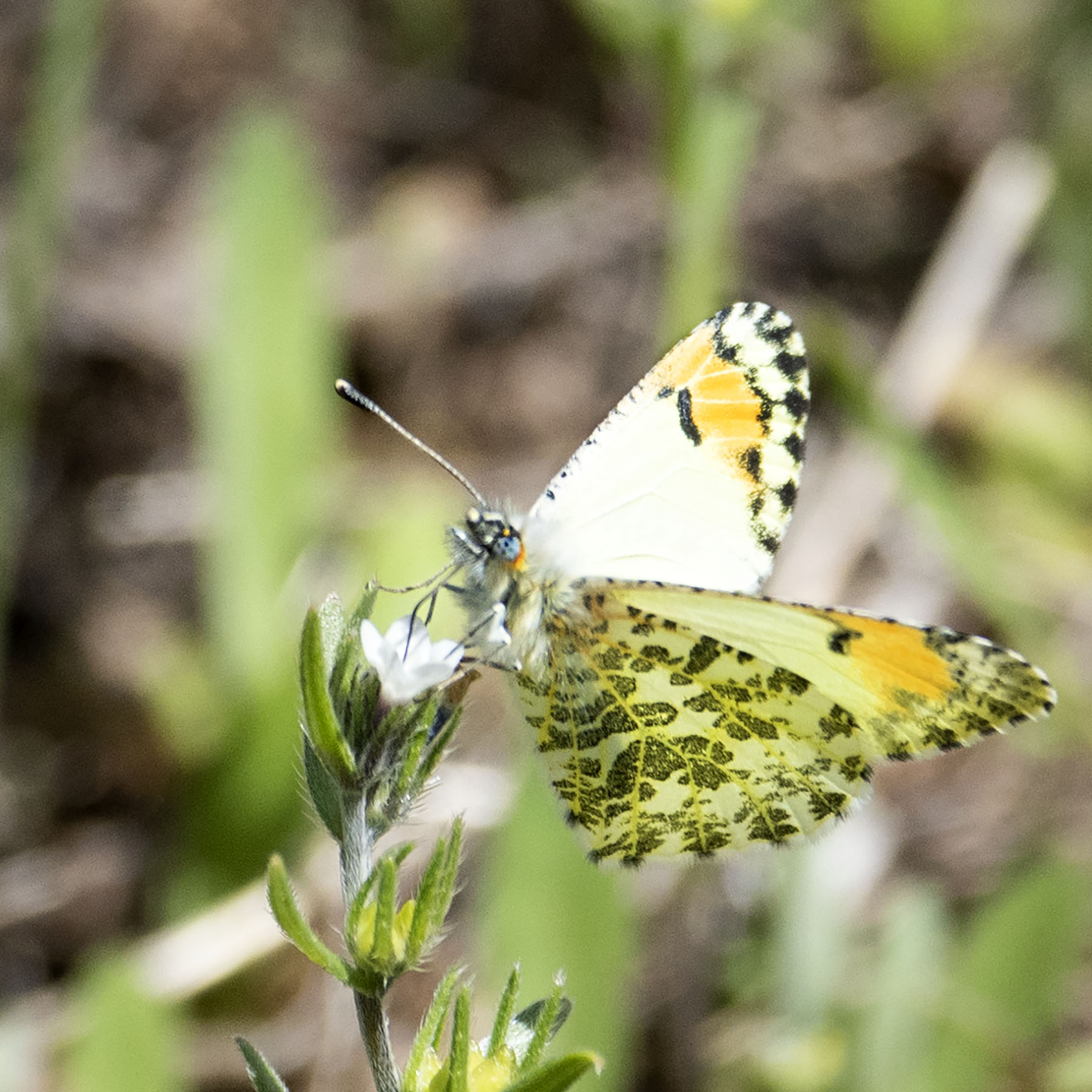
Stella Orangetip: Anthrocharis stella


We have followed Anthrocharis stella commonly known as Stella Orangetip up and down the trail the last few week with little luck photographing these butterflies that rarely seemed to land. No fooling, one must have flown 25yards in front of us for at least 1/4 mile along the trail last week keeping tis distance but never landing.

When we did see one touch down it was always far in the distance and to make matters worse the wind seemed to be blowing just enough to make focusing with a long telephoto lens somewhat difficult. They definitely seemed to be searching for something specific in their flights and perhaps it was the small white flower in the photo above as they were scattered along the trail and not present in great numbers. Perhaps these flowers will increase in numbers as spring rolls on and then we will get a chance for more close-up shots of this fine looking butterfly.

Simply Spring

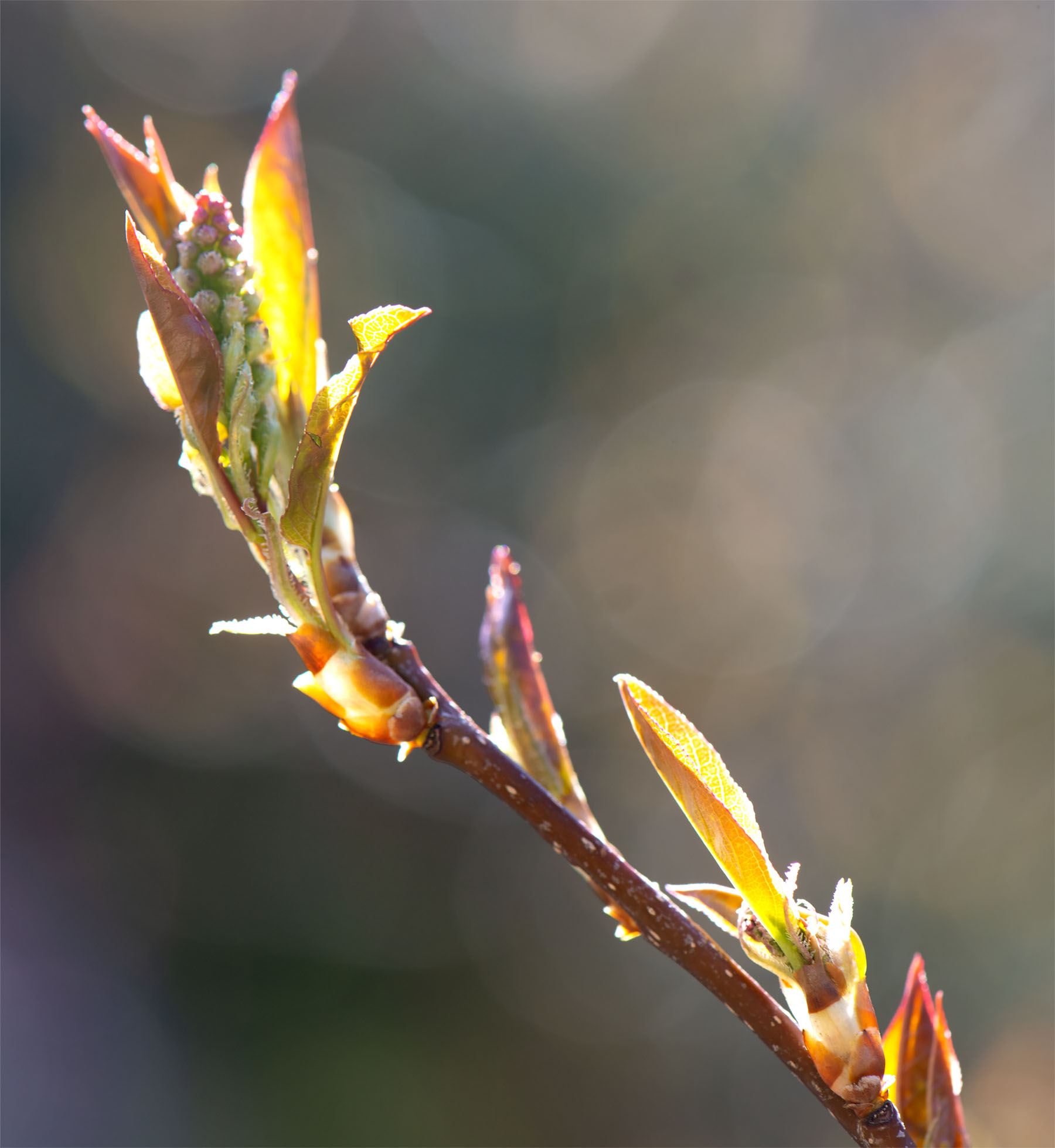
A morning walk springs to life as fresh new leaves and vibrant colors paint the still brisk morning air.

The surprise of the day was a Dragonfly lurking about on wild roses trimmed short by the deer. Not much prey for this little predator so early in the season but don’t worry the bugs will come.

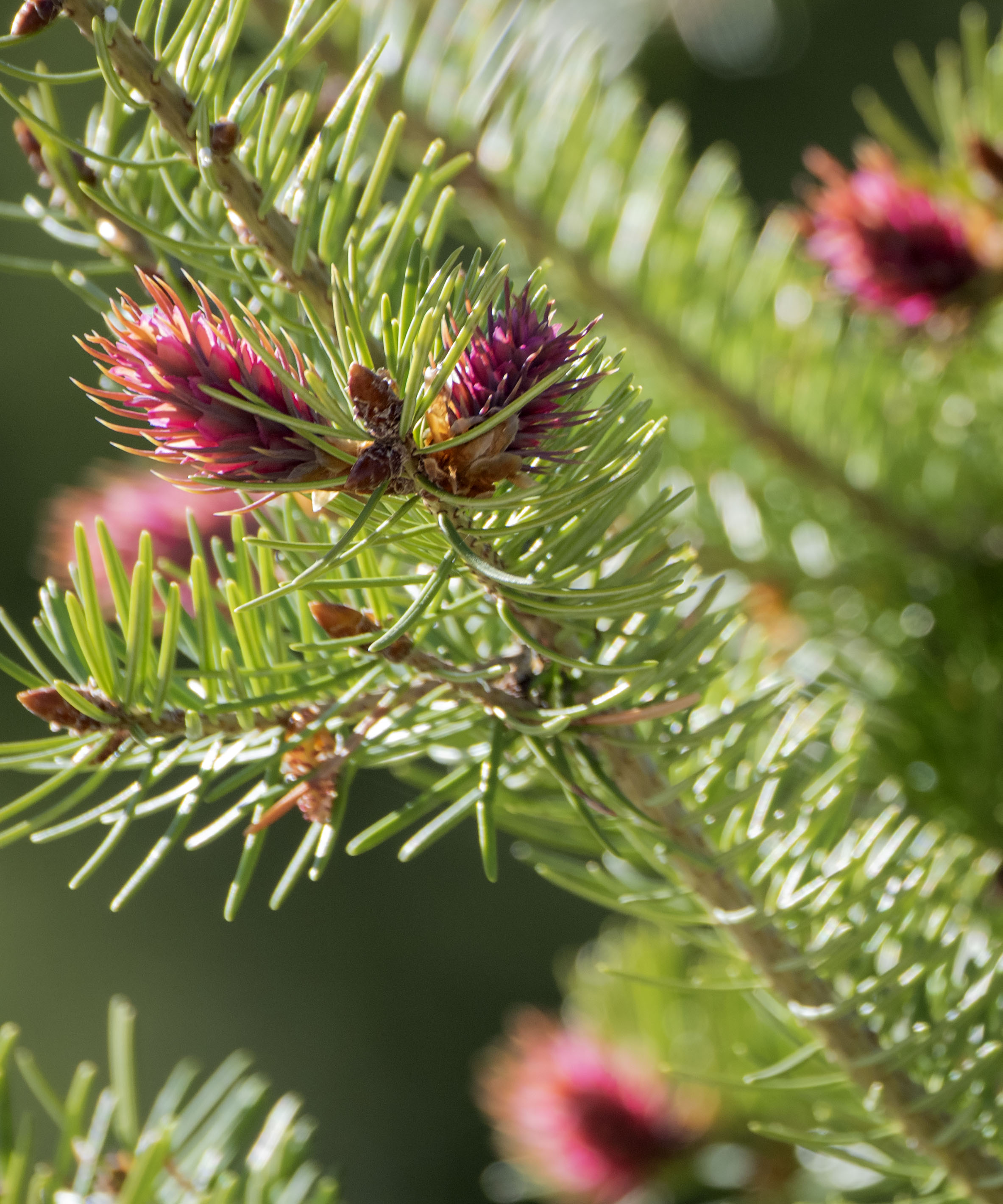
And even the coniferous trees were getting in on the action this morning.

Nothing fancy today….simply spring.

Pasque morning

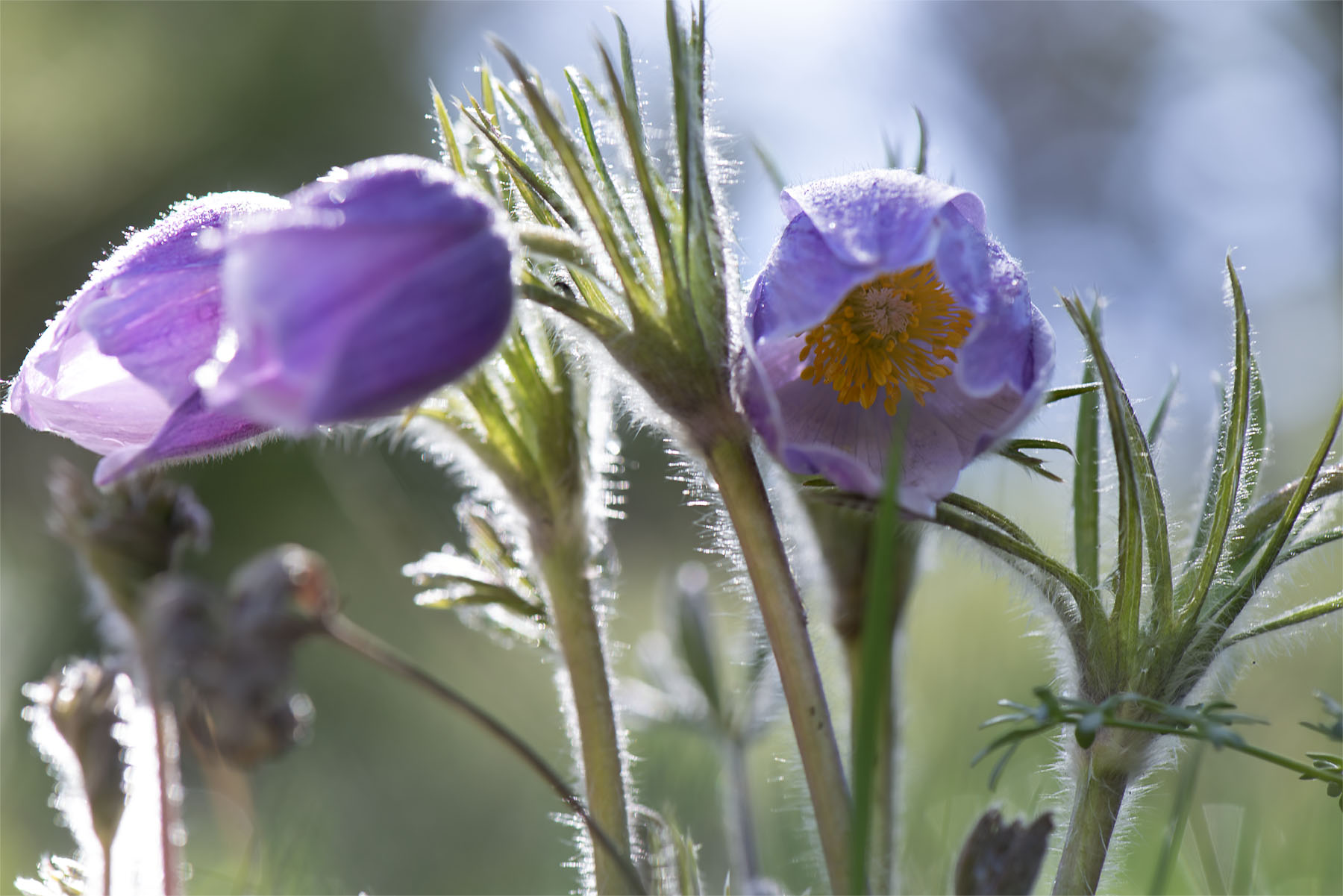
This is the time of year for the magnificent Pasqueflowers to bloom and brighten the hillsides, forests and meadows near town.

These flowers are part of the genus Pulsitilla family which contains numerous species spread across the globe and are the state flower of South Dakota. We noticed two distinct species while on a recent walk with both growing along the sunny hillsides and one growing just about everywhere in both sun and shade.

Hope we can get back out before they are done blooming and wishing you all a Pasque morning.

Small and smaller

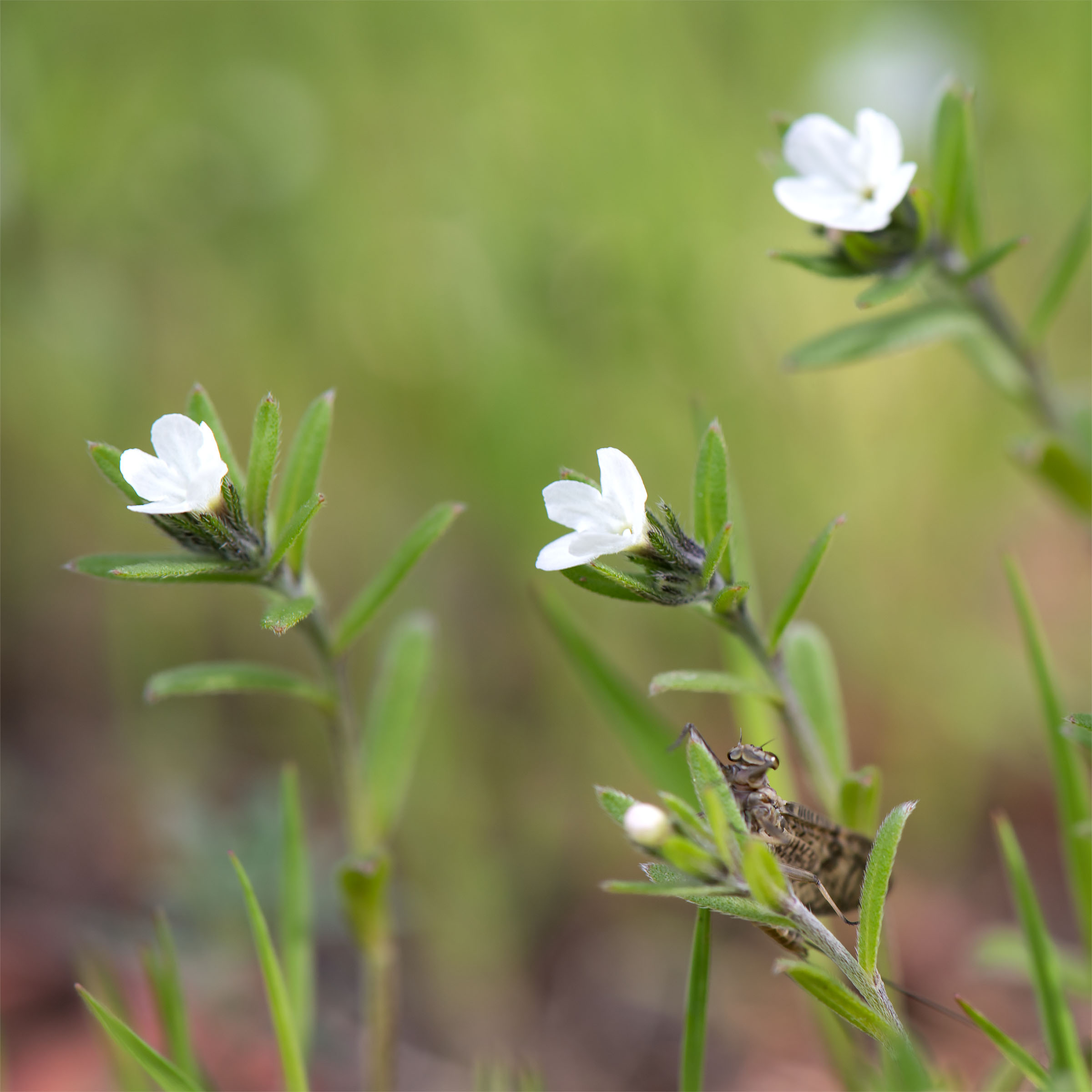
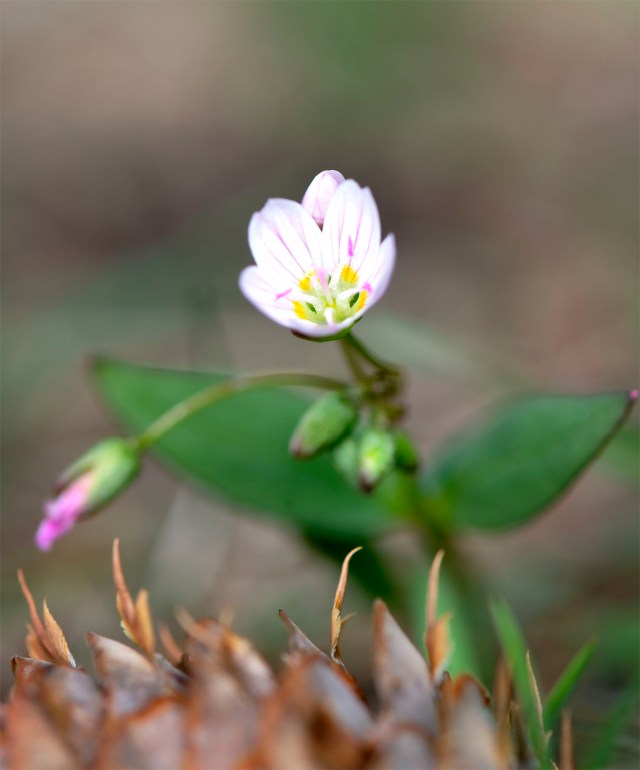
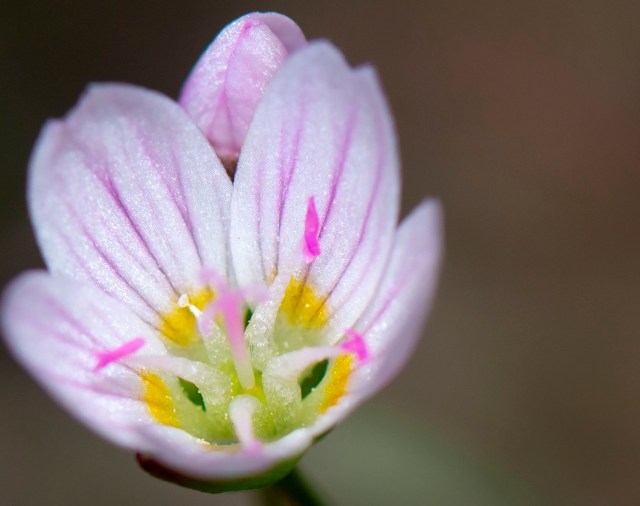
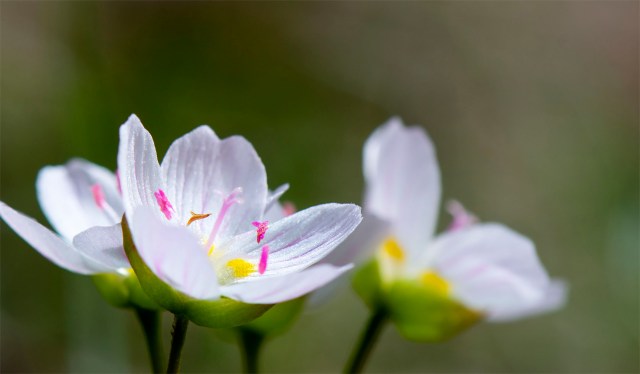
Tiny white wildflowers gracing the forest floor measuring no more than a quarter inch in diameter become a great big world to this tiny mantis that I did not even notice in the photograph until I downloaded the photos. just another reminder that the abundance of life one our wonderful planet is small and sometimes even smaller than we see.

On the earth day earth.

ED_1

Although spring had a calendar date of March 20th we have had an extended winter and this year earth day was the day that felt like spring had actually sprung.

The sun had been out for several days in a row without a flake of snow falling and the temperatures were downright warm. The snow was receding at a rapid pace and the earth became exposed. Flowers were budding and blooming all of which were no more than several inches high.

The promise of spring seemed fulfilled at last.

ED_2

ED_3

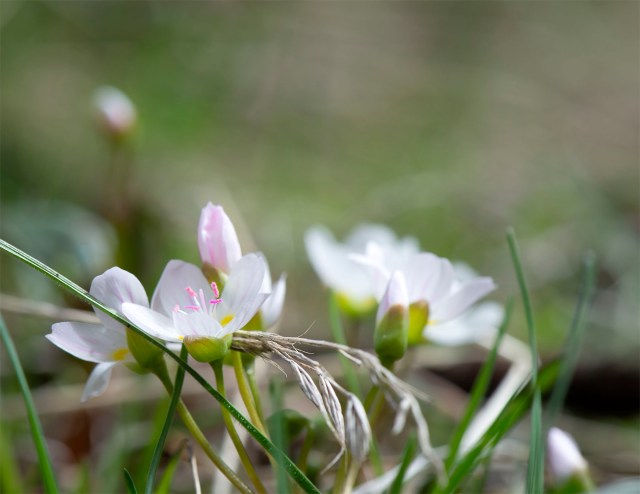
Flowers blooming with life inviting the early season pollinators in for a drink.

ED_4
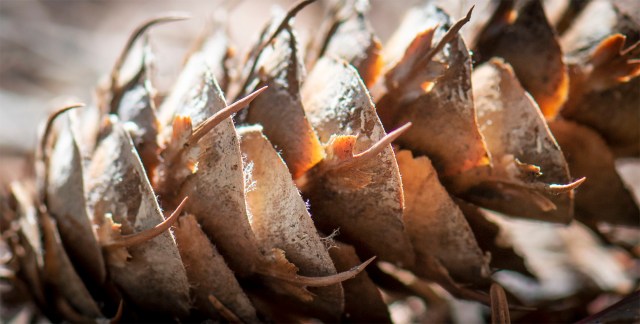
Pine cones alive on the forest floor and glow in the morning light.

ED_5

ED_6

ED_7

ED_8

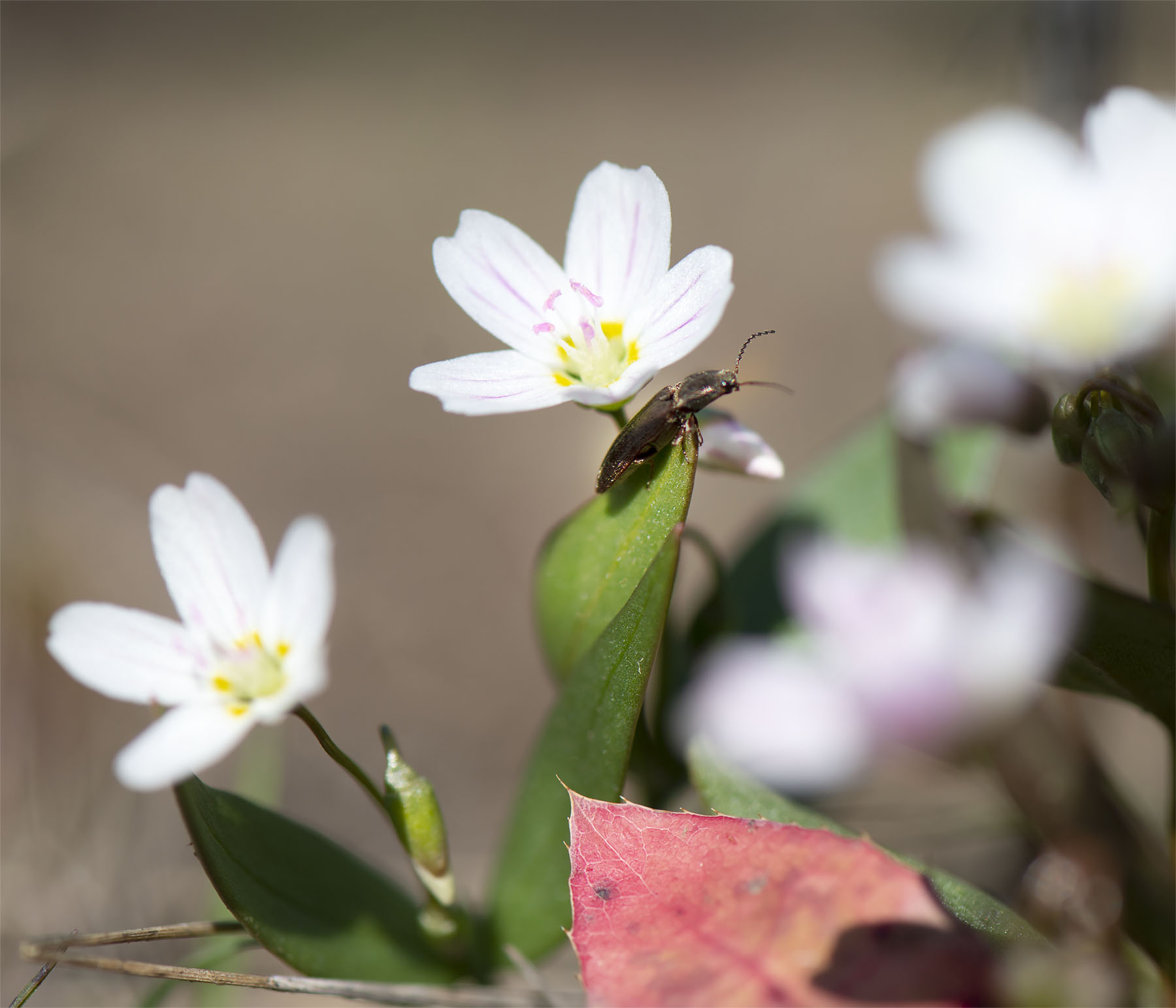
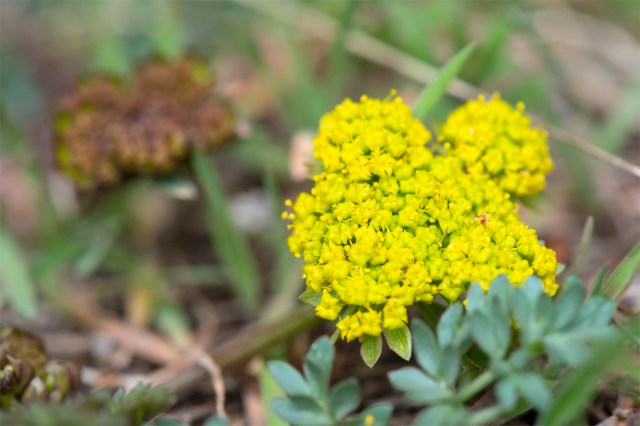
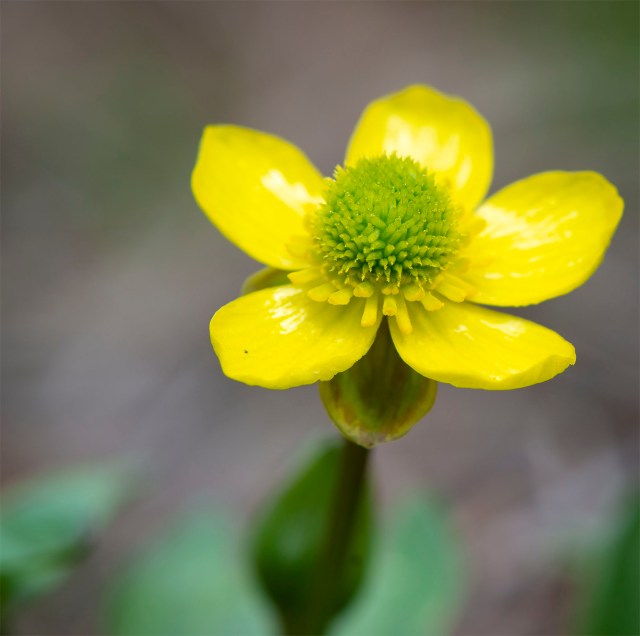
Not more than an inch in height the flowers came in yellow and white.

ED_9

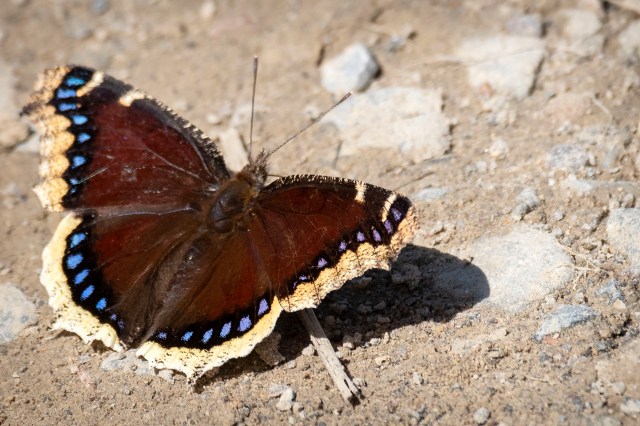
The state butterfly Nymphalis antiopa “Mourning Cloak” basks in the sunlight on a road which only a day or two ago was covered in snow.

ED_10

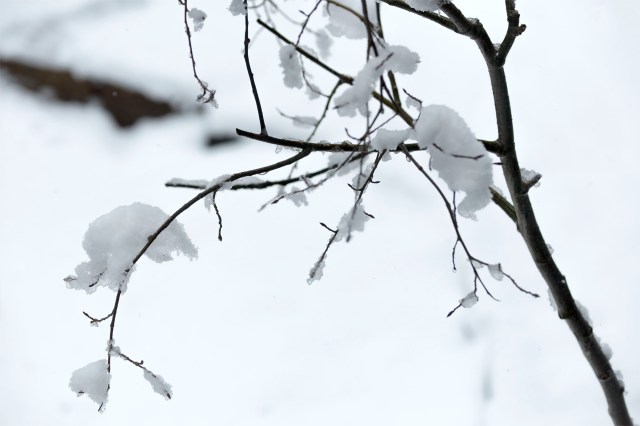
And then came the day after earth day…