Fuzzy

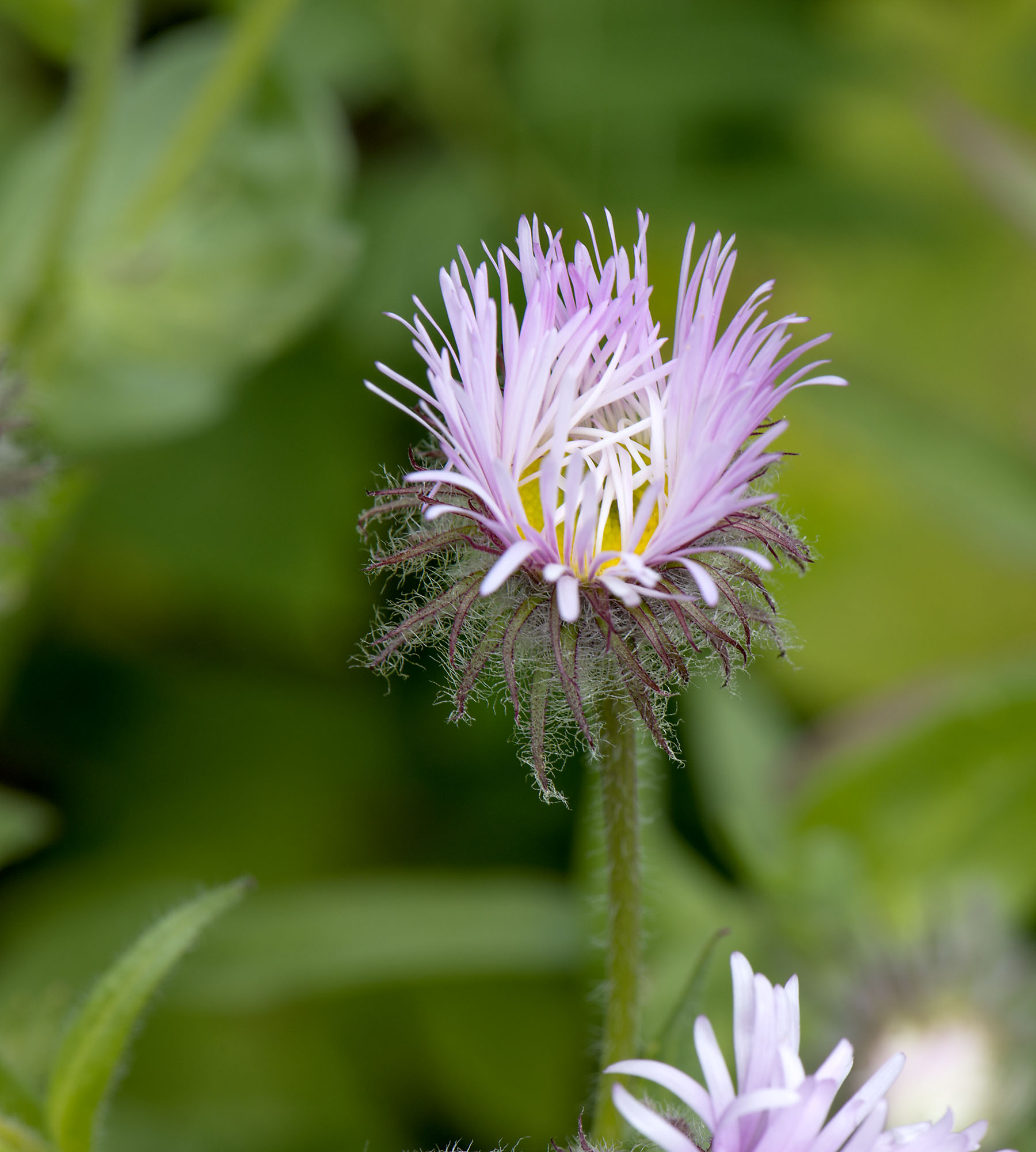
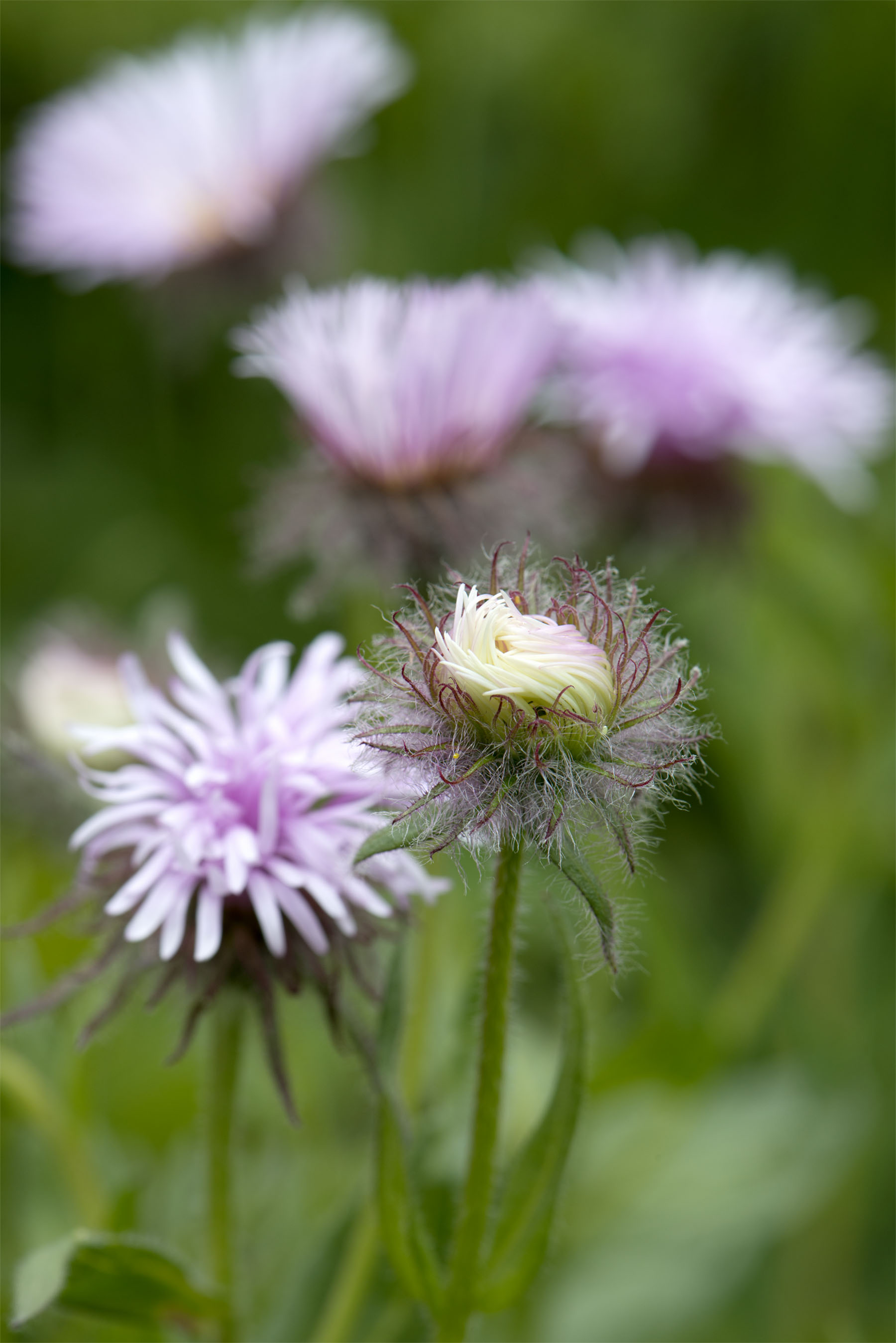
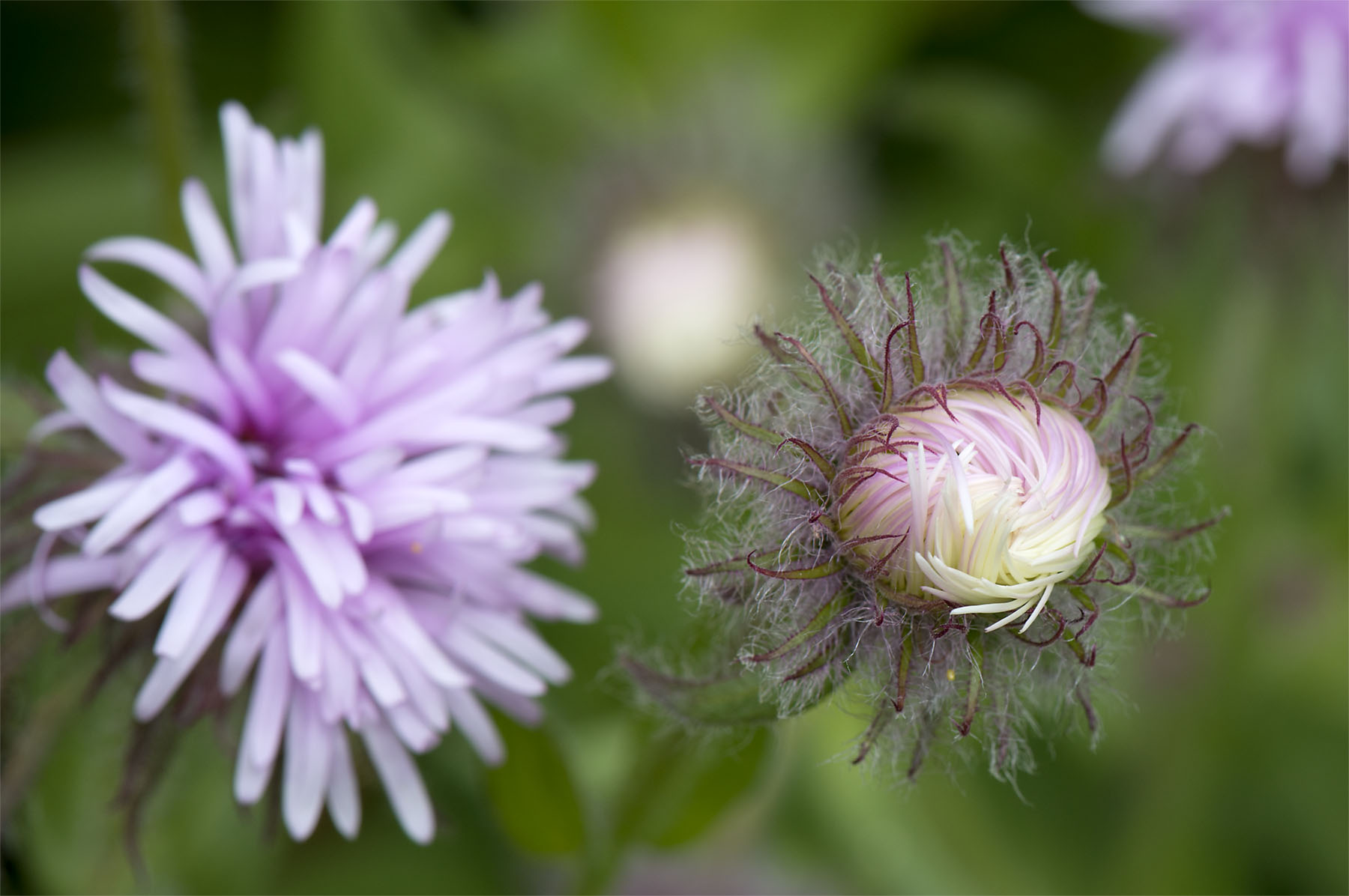
Fuzzy Purple Asters up high near tree line. It seems that when you ascend up towards the tundra the Asters become more fuzzy. A fur coat to protect against the chilly nights?

The butterflies like them as much as I do.

Photographed in August near tree-line in Central Colorado.

Aphids Beware

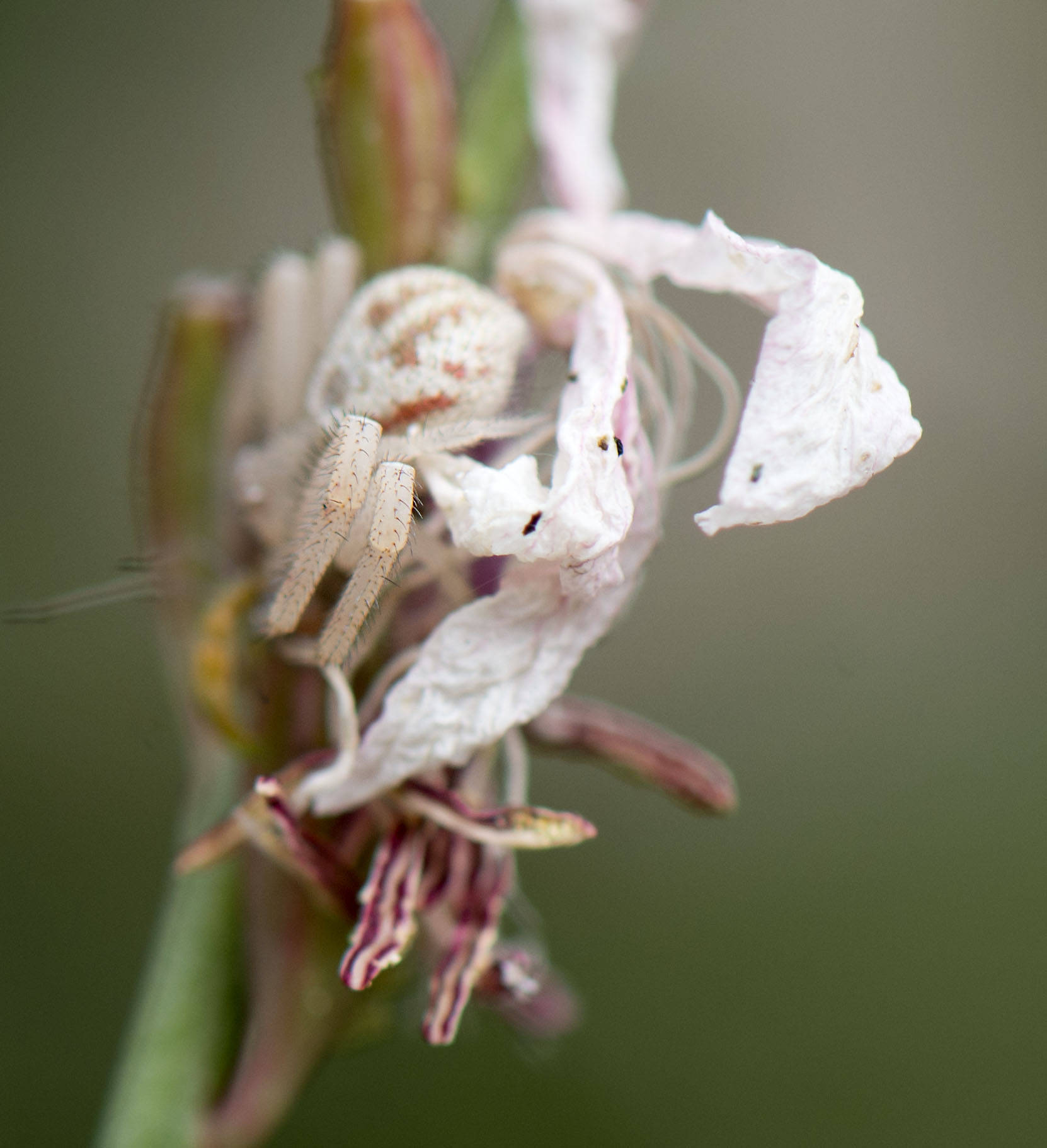
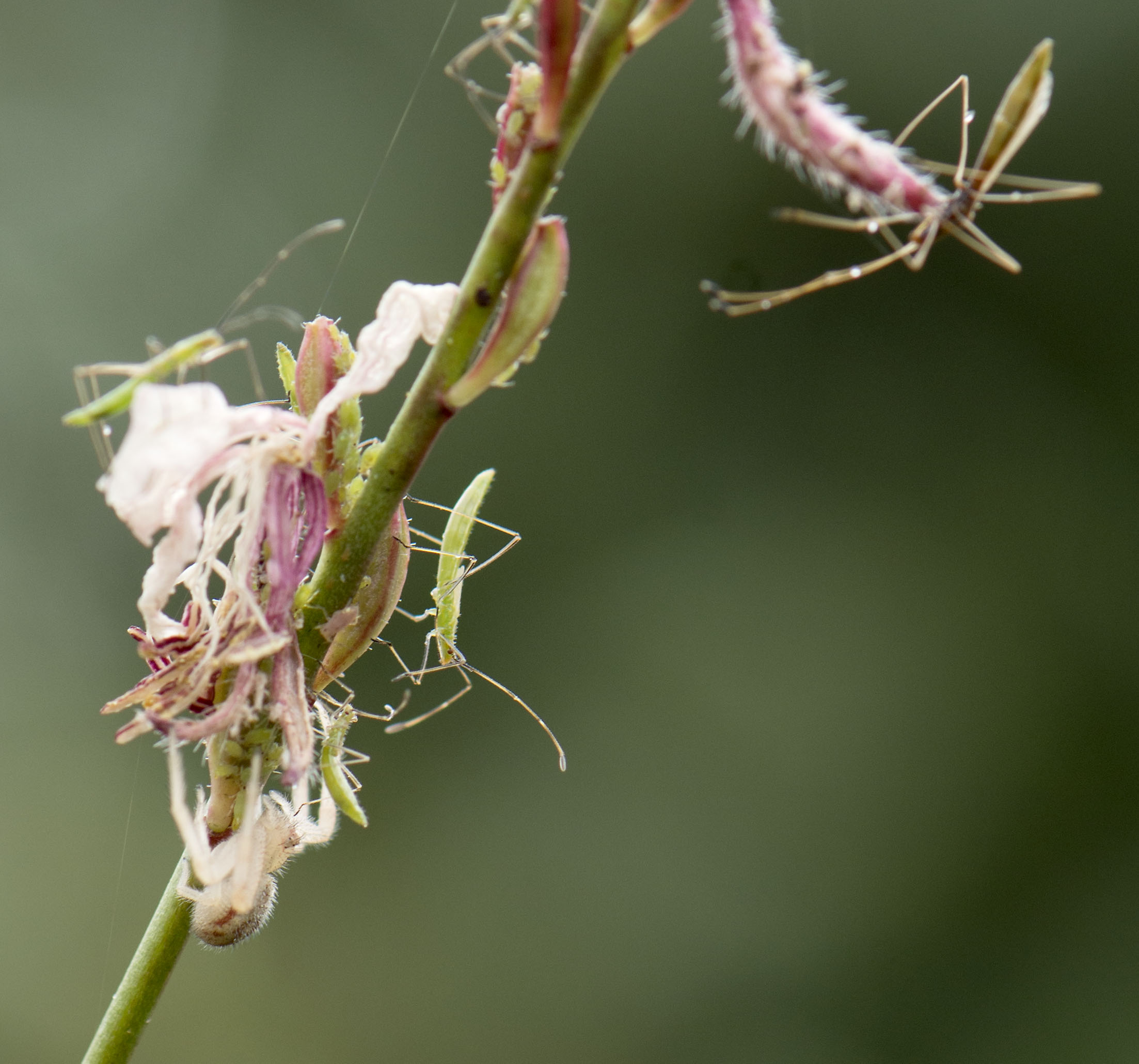
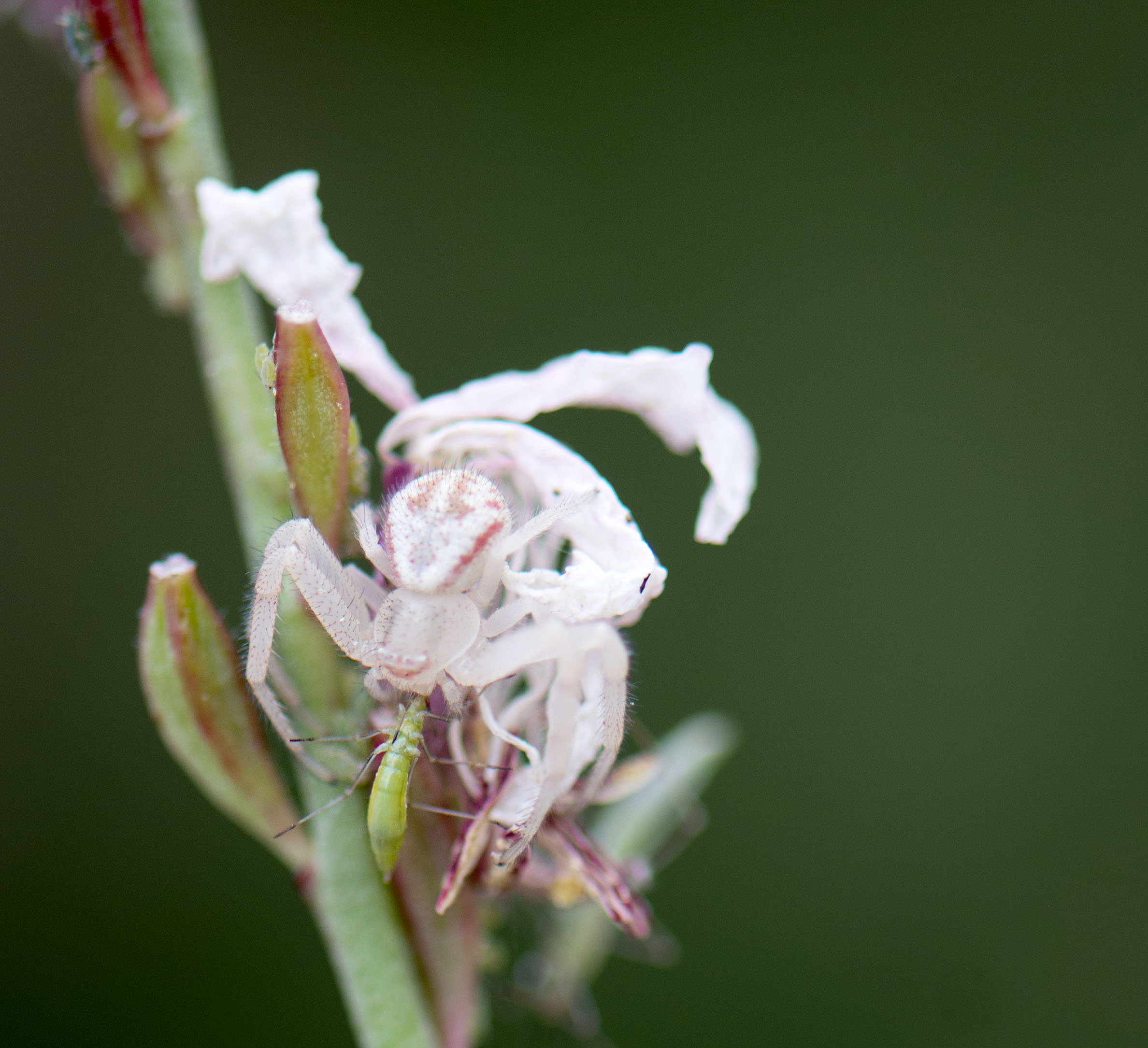
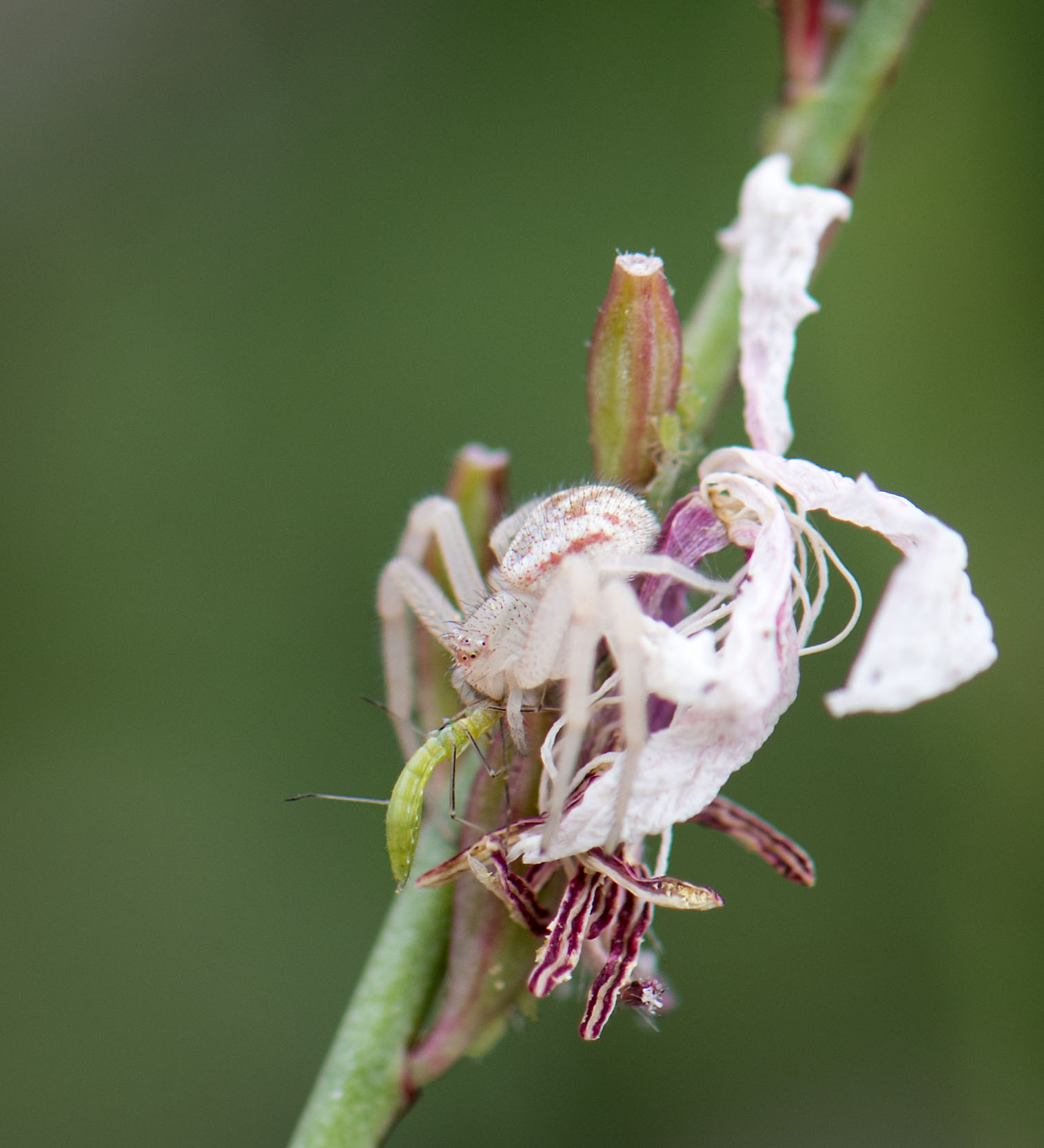
A few weeks ago one of the plants in our garden seemed to become infested with aphids of all sizes and shapes seemingly overnight. Also hidden within the plant and well camouflaged was a wonderful Aphid eating spider.

Once their prey was sighted the spider quickly moved in and made quick work of an medium sized green Aphid.

Given the number of Aphids present this guy will have quite a feast.

We also noticed numerous lady bugs and damselflies feasting away on the smaller aphids as well. Natural pest control at work.

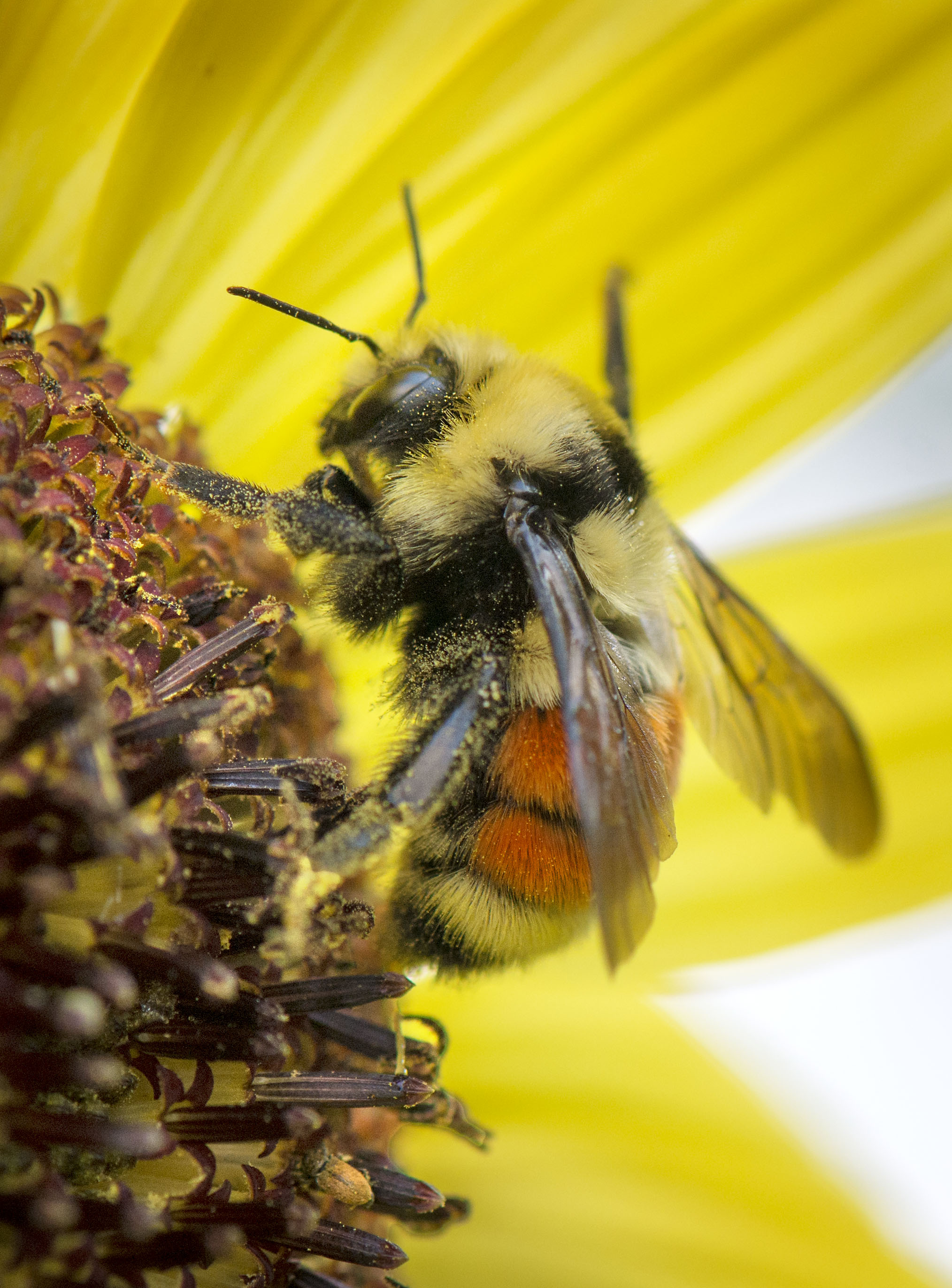
Bombus Ternarius: Tri-Colored Bee

It’s always nice to have these bess buzzing about and who doesn’t like saying Bombus Ternarius.

From Wikipedia “Bombus ternarius, commonly known as the orange-belted bumblebee or tricoloured bumblebee,[2] is a yellow, orange and black bumblebee. It is a ground-nesting social insect whose colony cycle lasts only one season, common throughout the northeastern United States and parts of Canada.[3] The orange-belted bumblebee forages on Rubus, goldenrods, Vaccinium, and milkweeds found throughout the colony’s range. Like many other members of the genus, Bombus ternarius exhibits complex social structure with a reproductive queen caste and a multitude of sister workers with labor such as foraging, nursing, and nest maintenance divided among the subordinates.”

To read more:https://en.wikipedia.org/wiki/Bombus_ternarius

Just for fun ….Bombus!
then and now

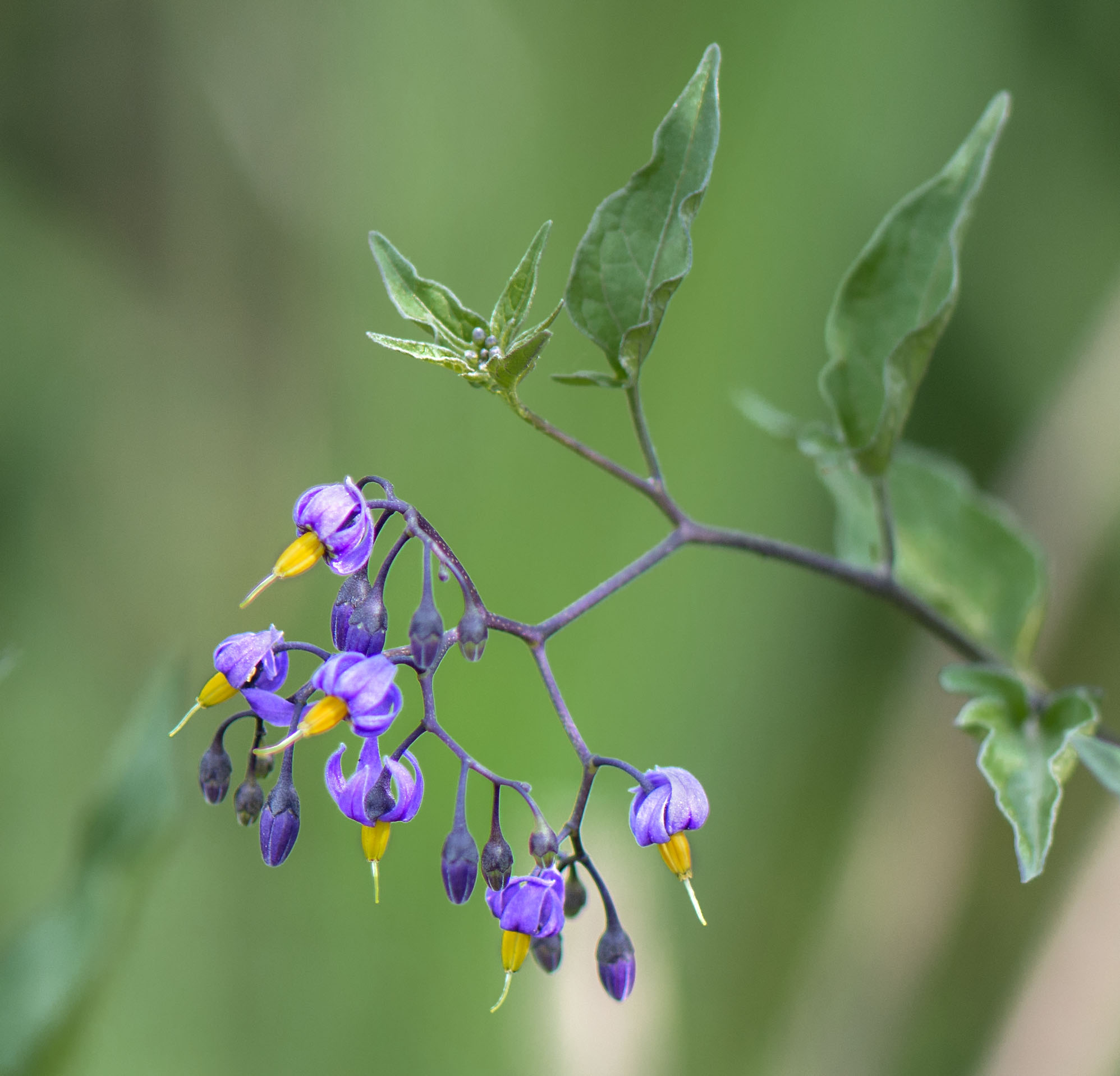
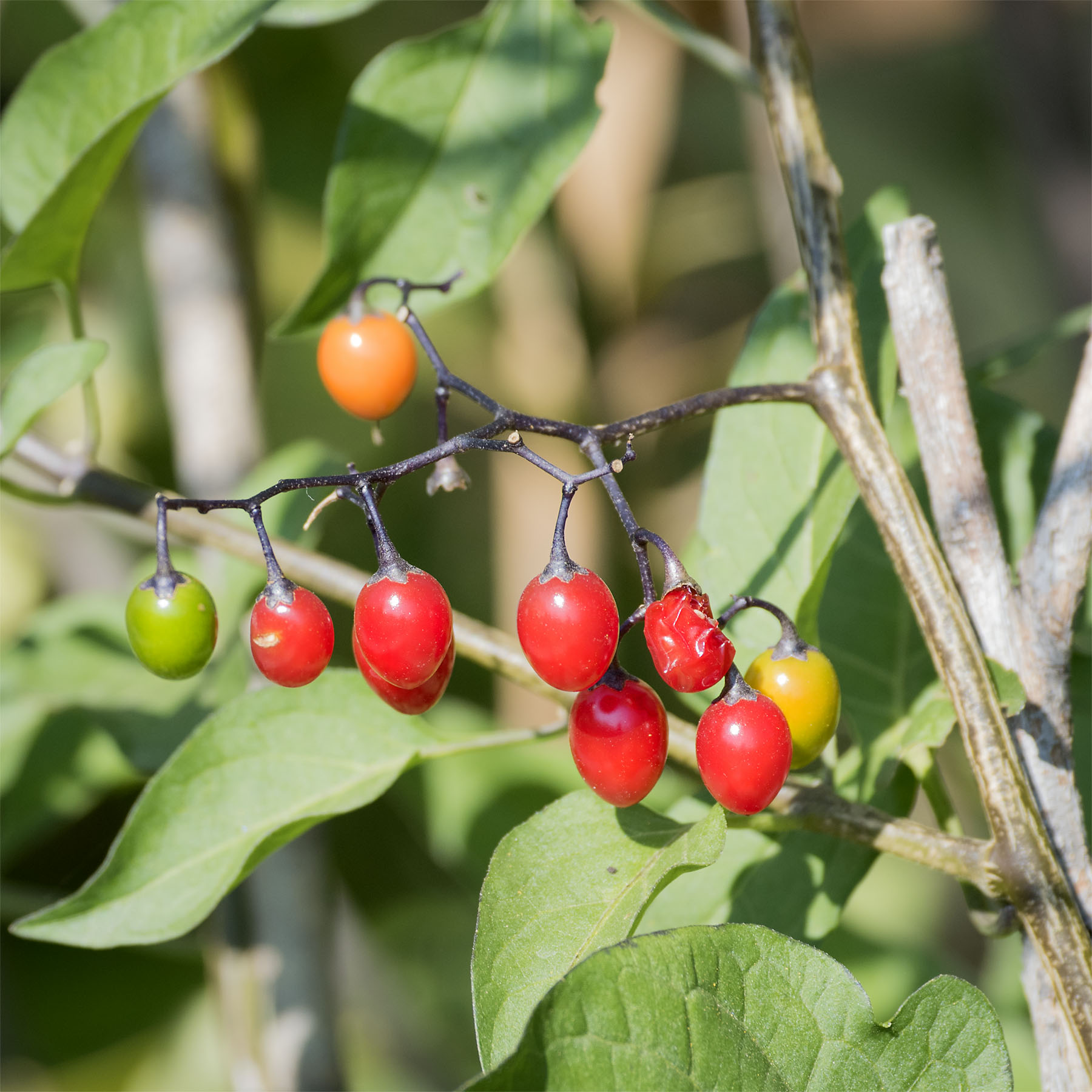
The sun has moved from north to south and the flowers have turned to berries.

Then and Now.

Although they’re one they’re not the same or at least it feels that way.

The flowers are beautiful but the berries are somewhat poisonous (depending on your species and I assume most of you reading this are human of course) and produced form a the pervasive and often considered to be invasive Bittersweet Nightshade vine.

https://en.wikipedia.org/wiki/Solanum_dulcamara

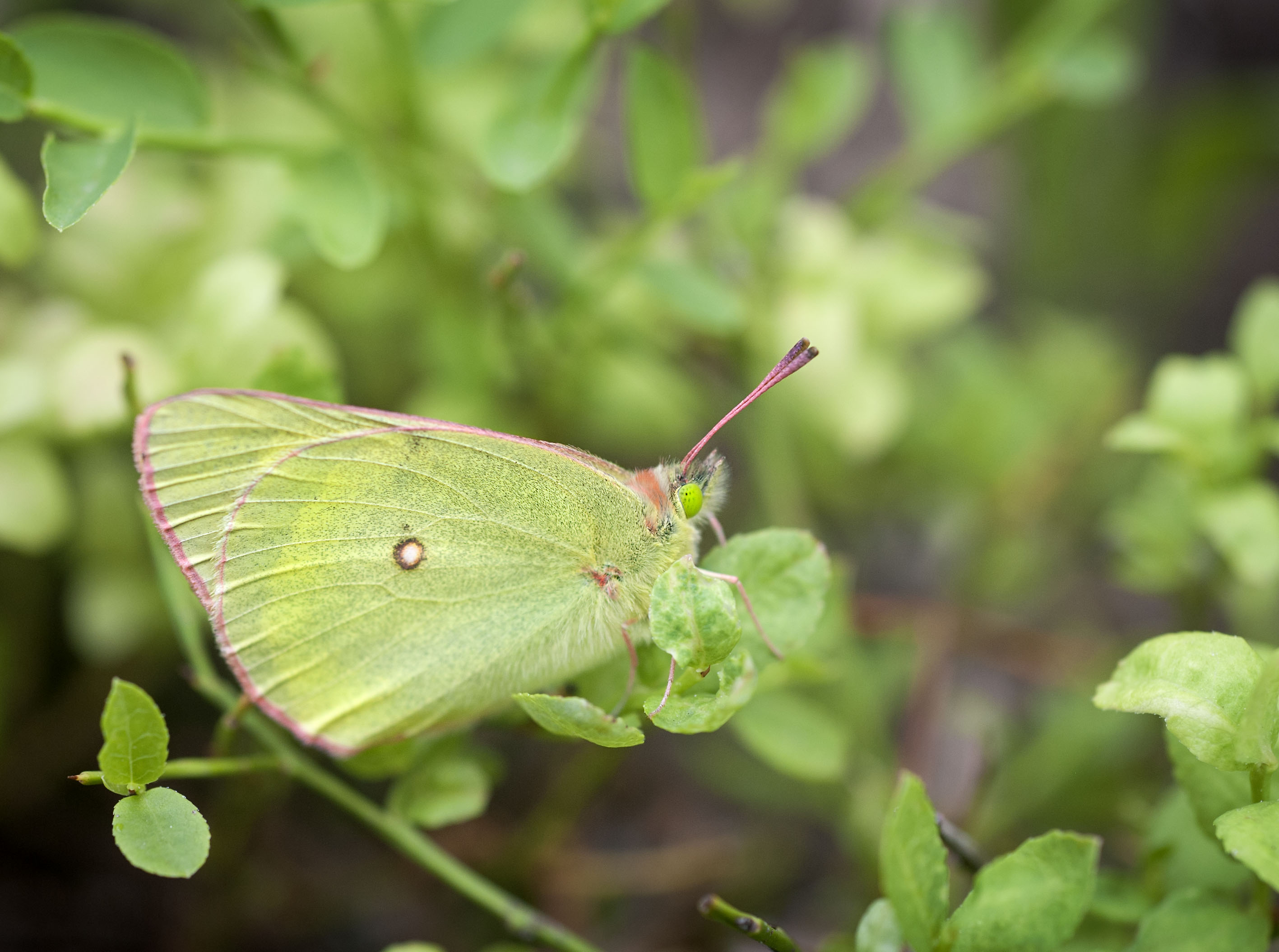
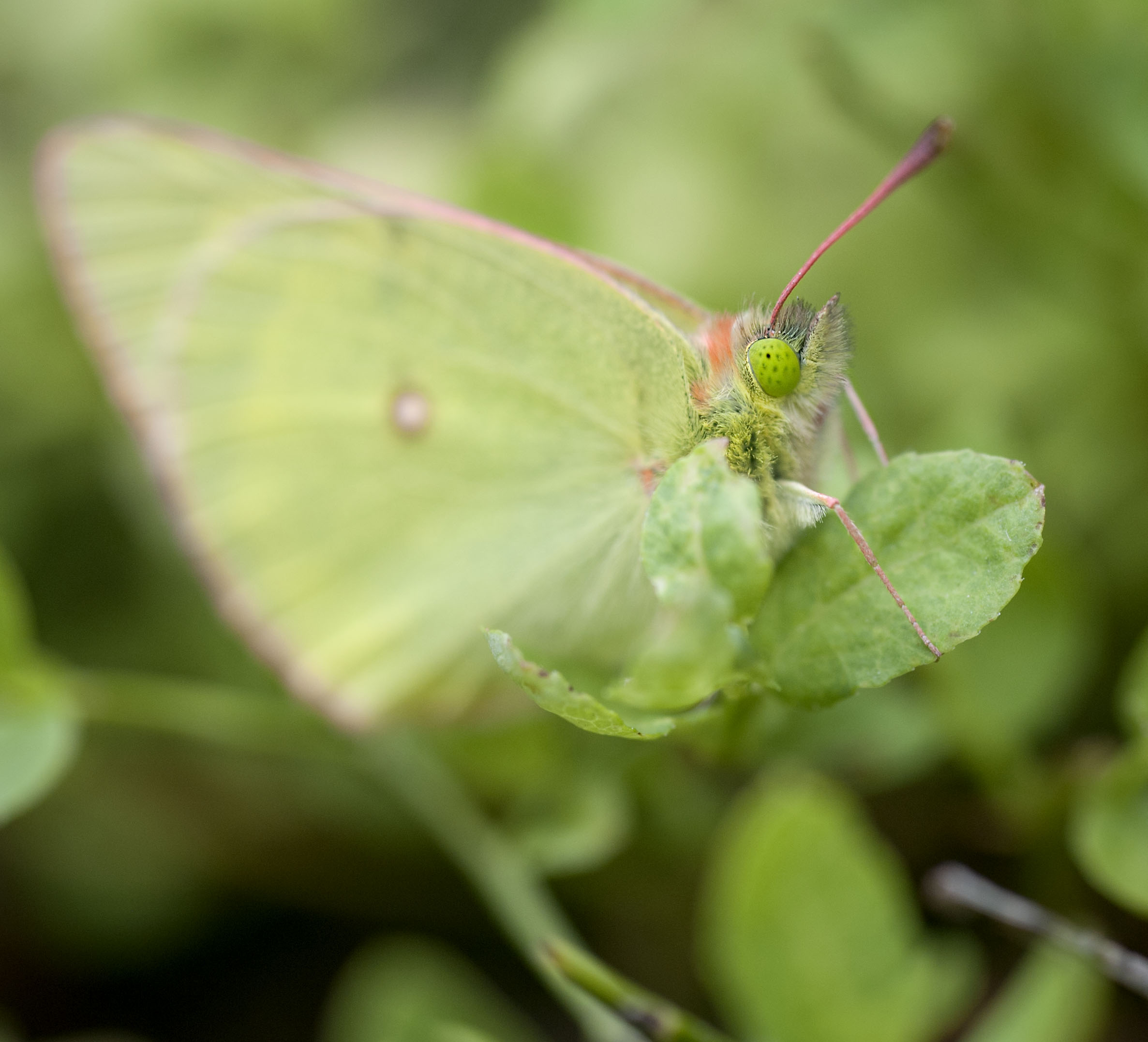
Pink Edged Sulfur

It’s always nice to have a little company while out on a hike and this day it seemed we always had one of these beautiful Pink Edged Sulfur butterflies  fluttering about either in front or along side of  us as we made our way along the trail.

They seldom seemed to take a break from their flight. Luckily one did and that gave us a chance for a close up look before they lifted off fluttered way.

A job well done

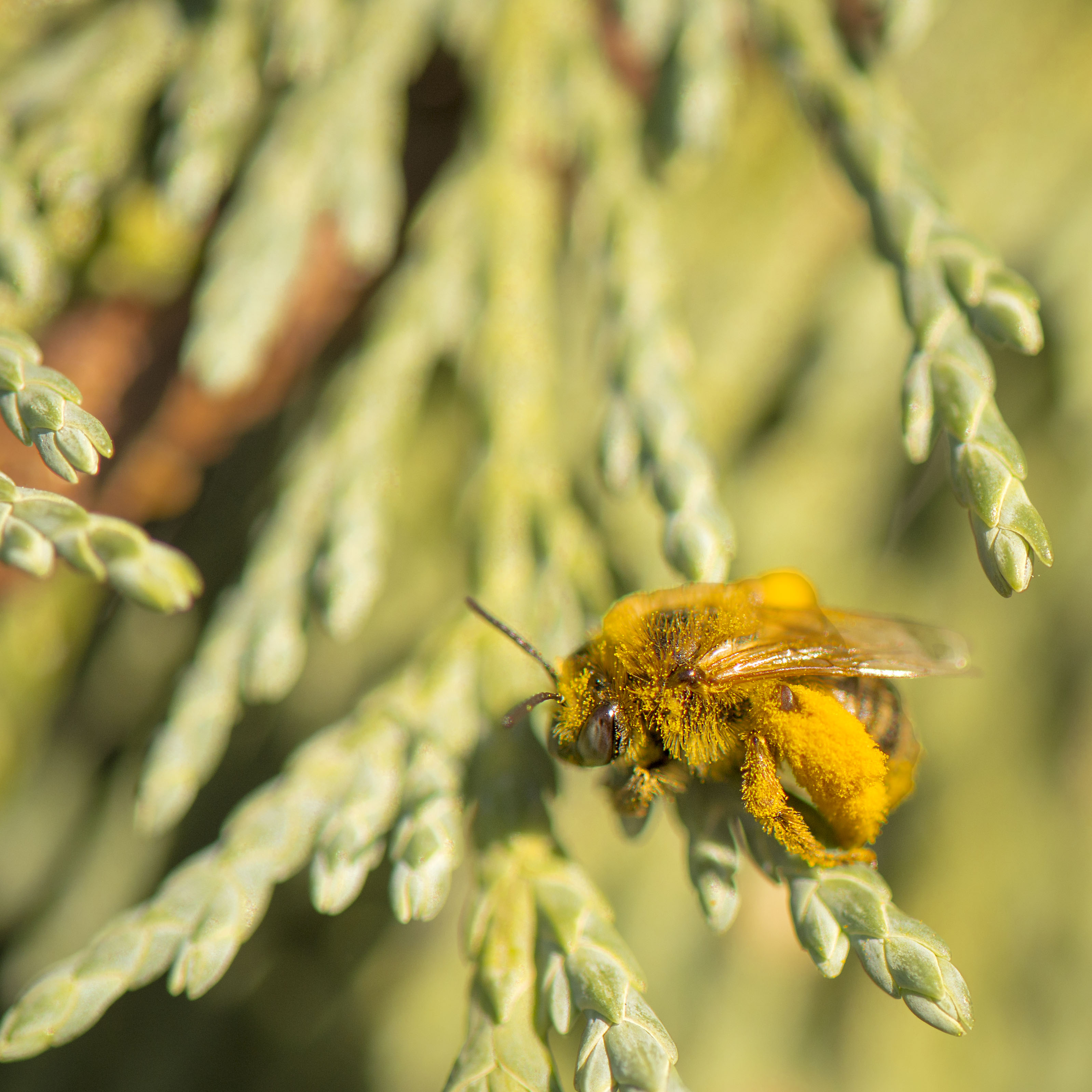
The other day I saw a yellow flash land in a nice cedar tree. Thinking it was an unusual insect I quickly went over to get a look. Alas, it was not a new insect but a Honey Bee and to say this one was covered in pollen might be an understatement. This little bee could hard fly with the load they had acquired. After a few minutes of rest they slowly lifted off and headed back to the hive. A job well done.

Prickly Poppies

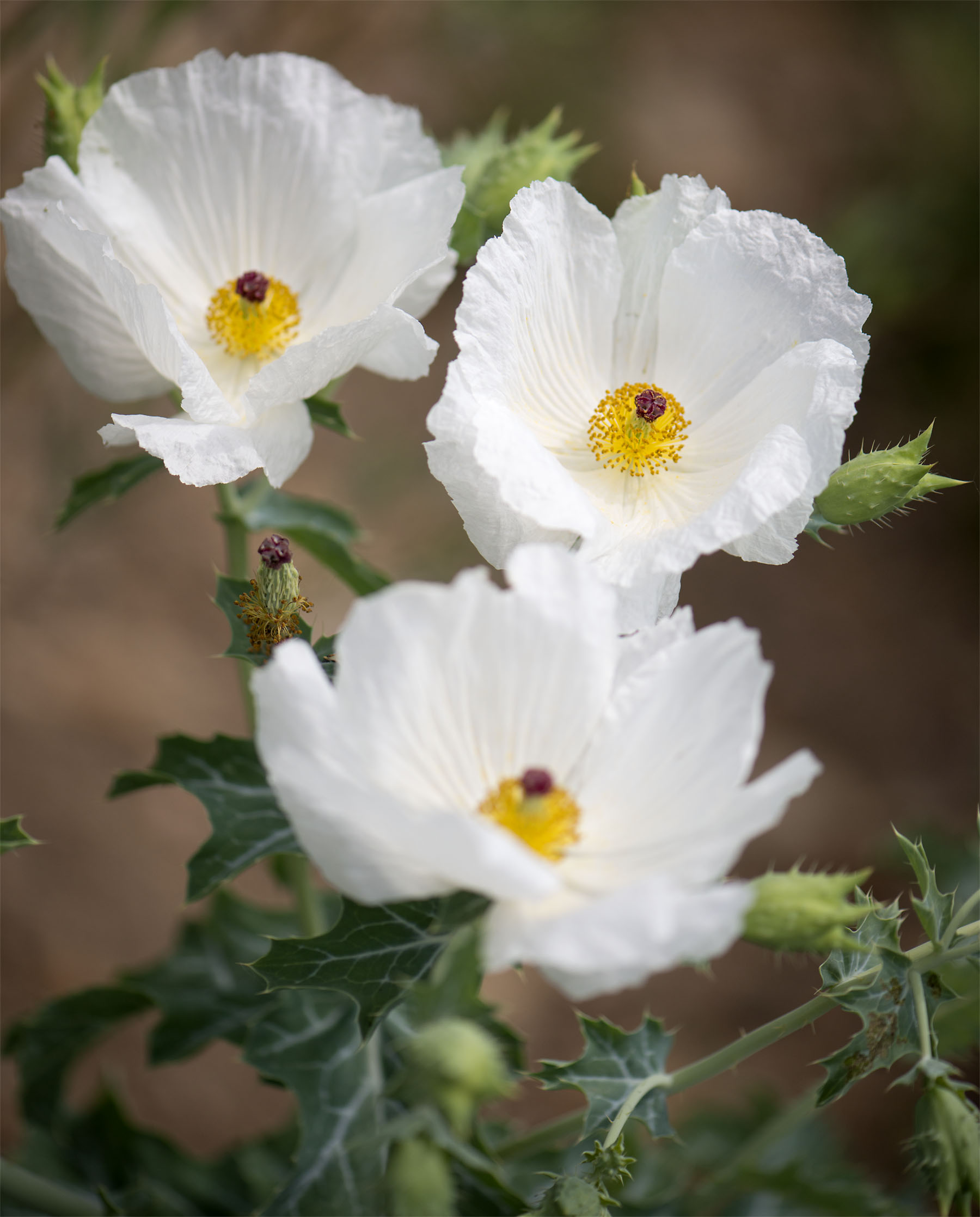
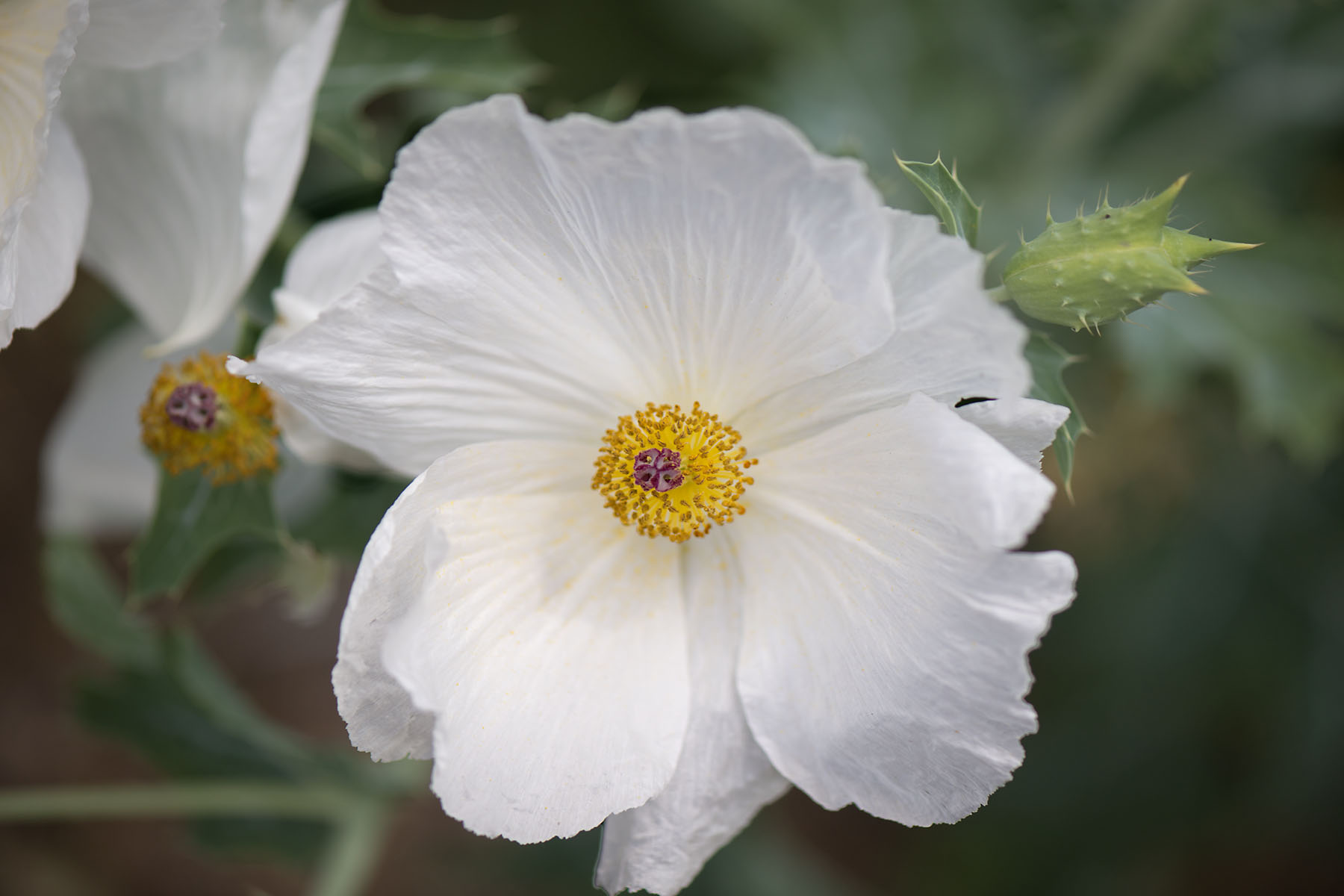
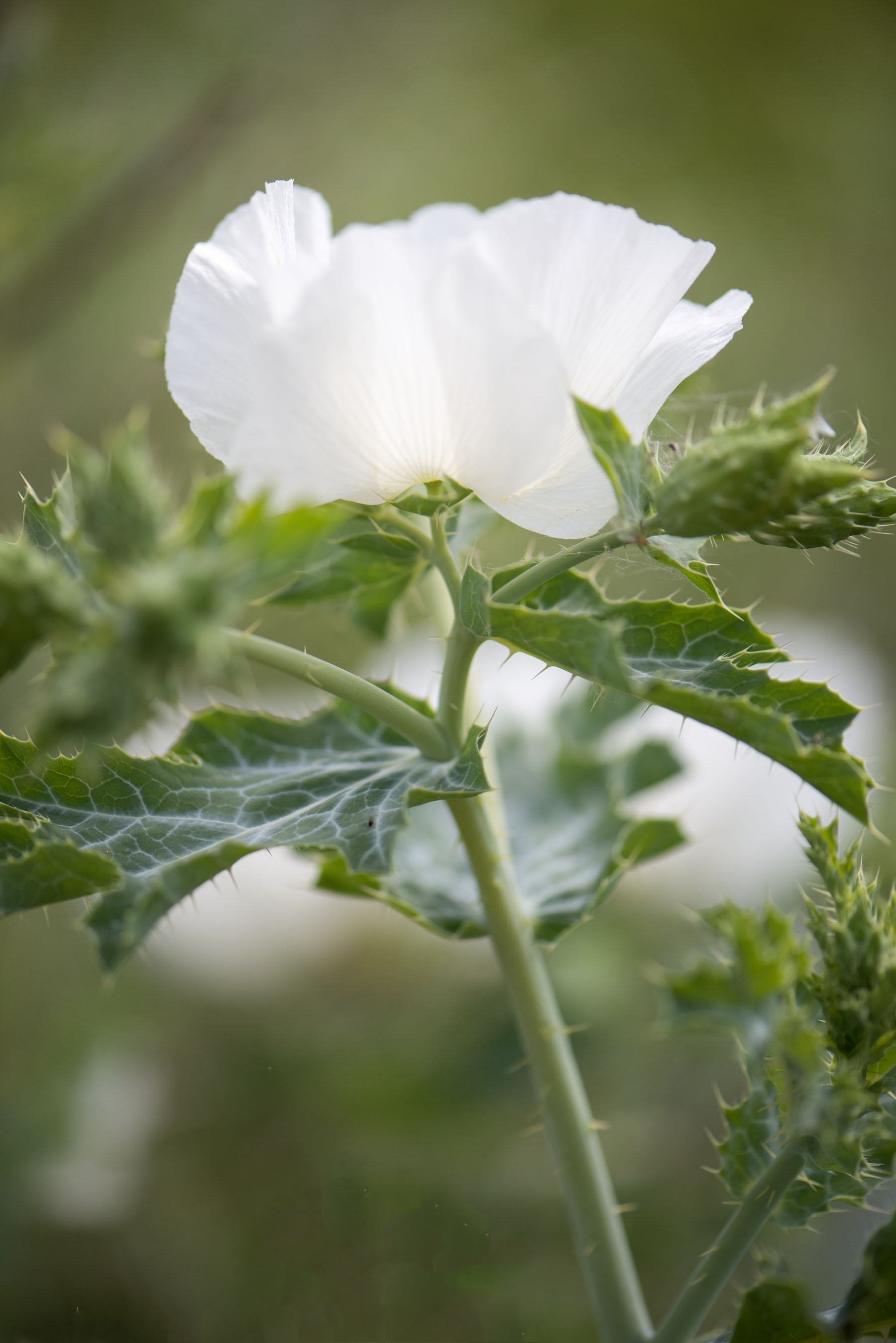
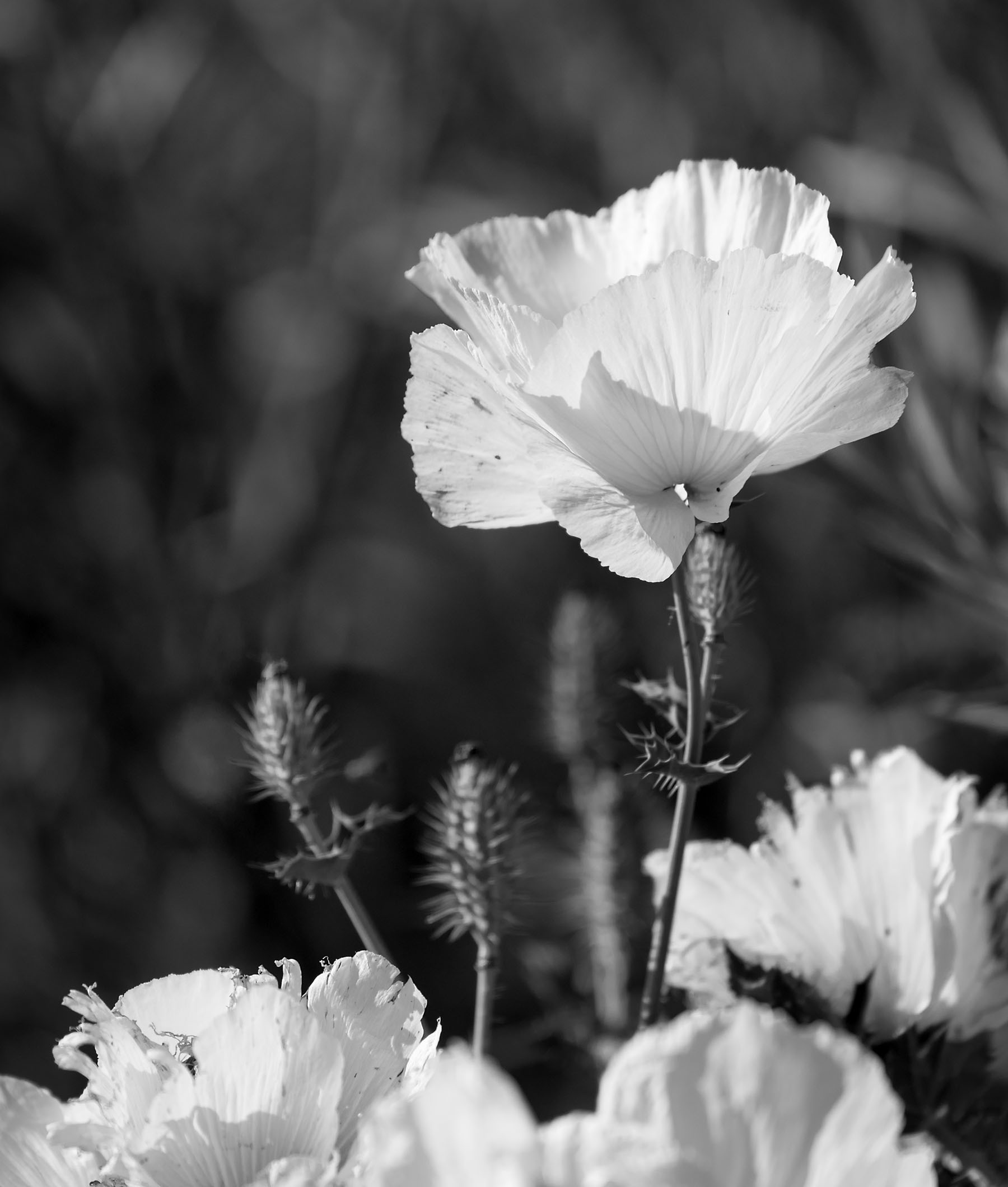
Prickly Poppies are a wonderful wildflower to have around. On our daily walks we can rest assured we will find some in bloom. Once found,  we can stop for a moment and enjoy the show as beetles, bees and ants do their work pollinating these delicate flowers. Even now, as fall approaches and most of the other wildflowers have lost their blooms, a few Prickly Poppies are still going strong.

They a treat for they eyes, like little whipped cream sundaes with a cherries on top.

Those little prickles protect such delicate yet tough flowers.

I am looking forward to see how long they continue blooming into the fall.

https://www.fs.fed.us/wildflowers/plant-of-the-week/argemone_pleiacantha.shtml

Denver, CO