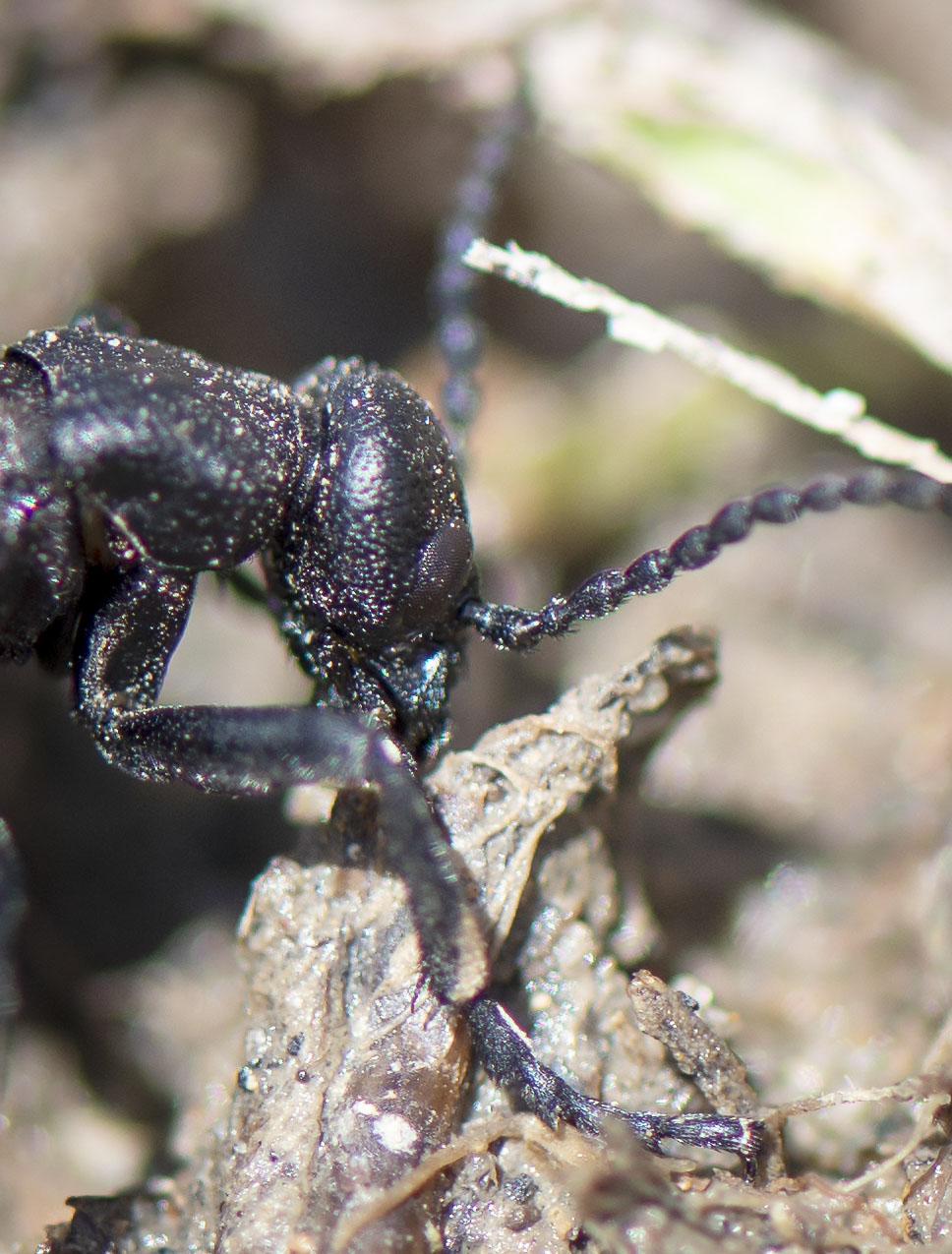
American Black Oil Beetle-Meloe americanus

Last week on our daily walks we noticed several of these black oil beetles along the road side and in the open fields near our home. They are very large and we were not sure what they were. A strange beetle or extremely strange ants?
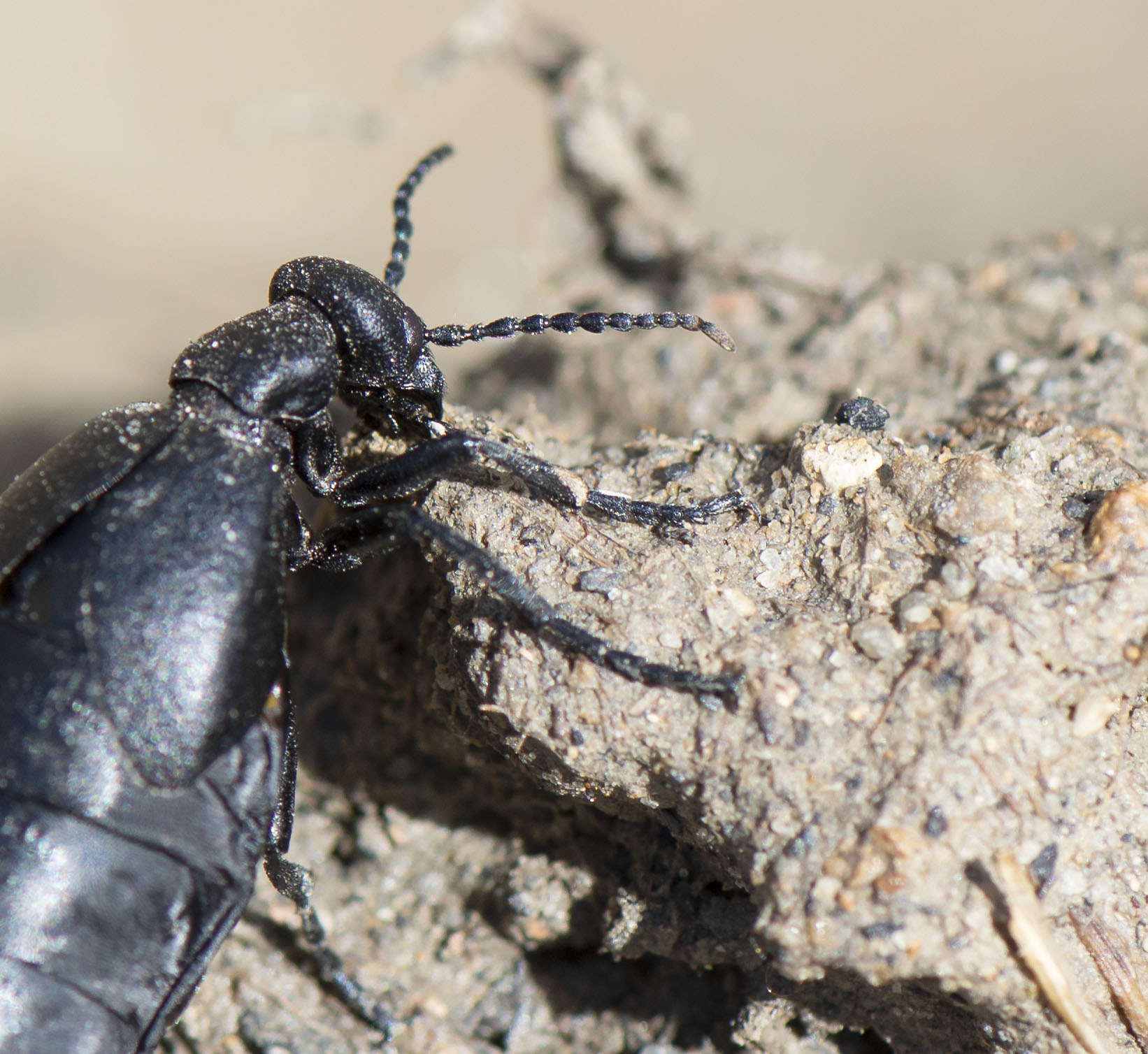
Upon researching what we found we were amazed to find these are flightless Beetles with a truly fascinating life cycle.

Encyclopedia of life describes the lifecycle as follows:

“Oil beetles have fascinating life-cycles. The larvae are parasites of a number of species of ground-nesting solitary bee. Towards the end of spring, female oil beetles dig burrows in the ground close to colonies of host bees, into which they lay around 1000 eggs. These eggs usually hatch the following year in order to coincide with the emergence of the bees. The oil beetle larvae (known as tringulins) are very active, and climb up onto flowers where they wait for a host bee. They attach themselves to the bee, and if they are lucky and attach to the right type of species they will be flown to the host’s burrow, where the tringulin oil beetle turns into a grub-like larva, and develops, feeding upon the pollen stores and eggs of the host. The larva pupates and the resulting adult beetle spends the winter inside the host’s burrow before emerging the following spring.”

We think this female might have been building a nest to lay her eggs?
Piotr Nasckrecki wrote a wonderful article on them on his blog The Smaller Majority which is altogether fascinating.
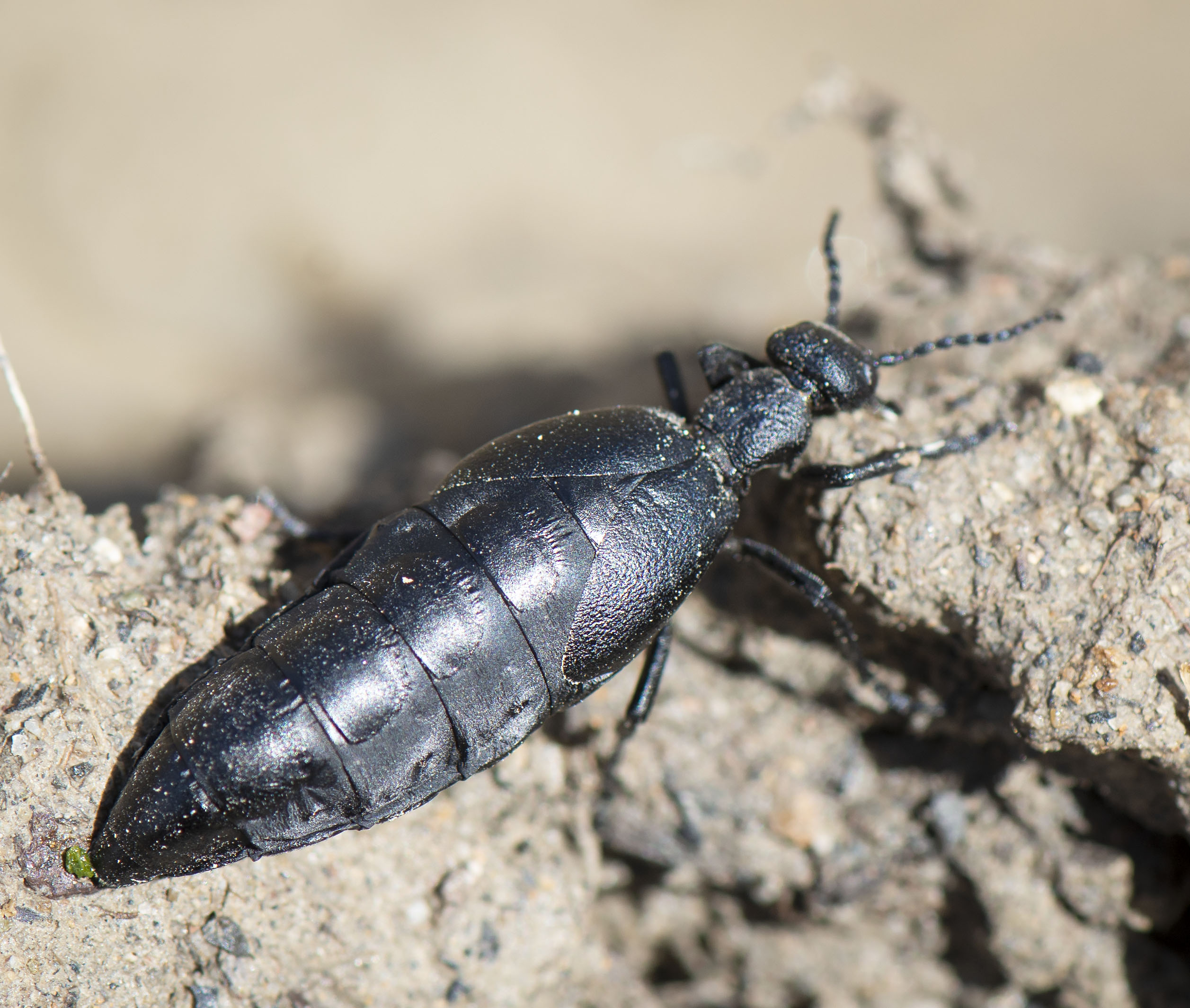

While we saw several oil beetles last week we only had the opportunity to photograph one, which like the others, was constantly on the move but moving slow enough for us to photograph.
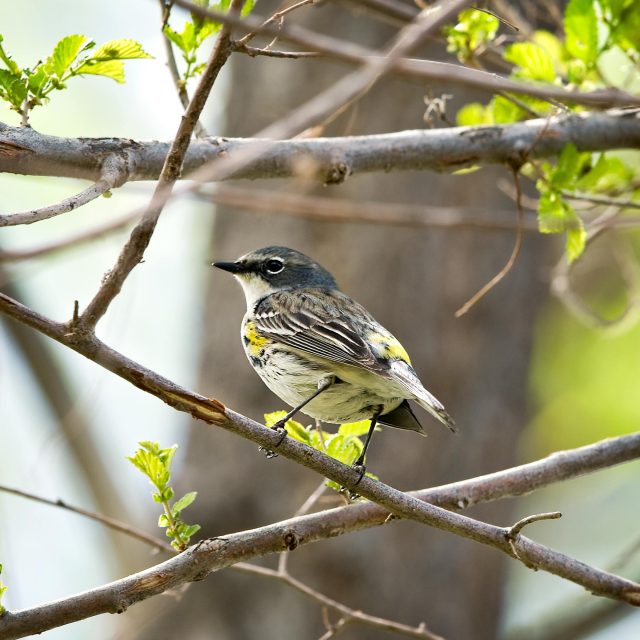
Yellow Rumped

Yellow Rumped

A female yellow rumped warbler enjoying the beginnings of this years deciduous forest. Once these trees completely leaf out getting photos of birds in the forest is another story altogether but for now I will enjoy the view while it lasts.

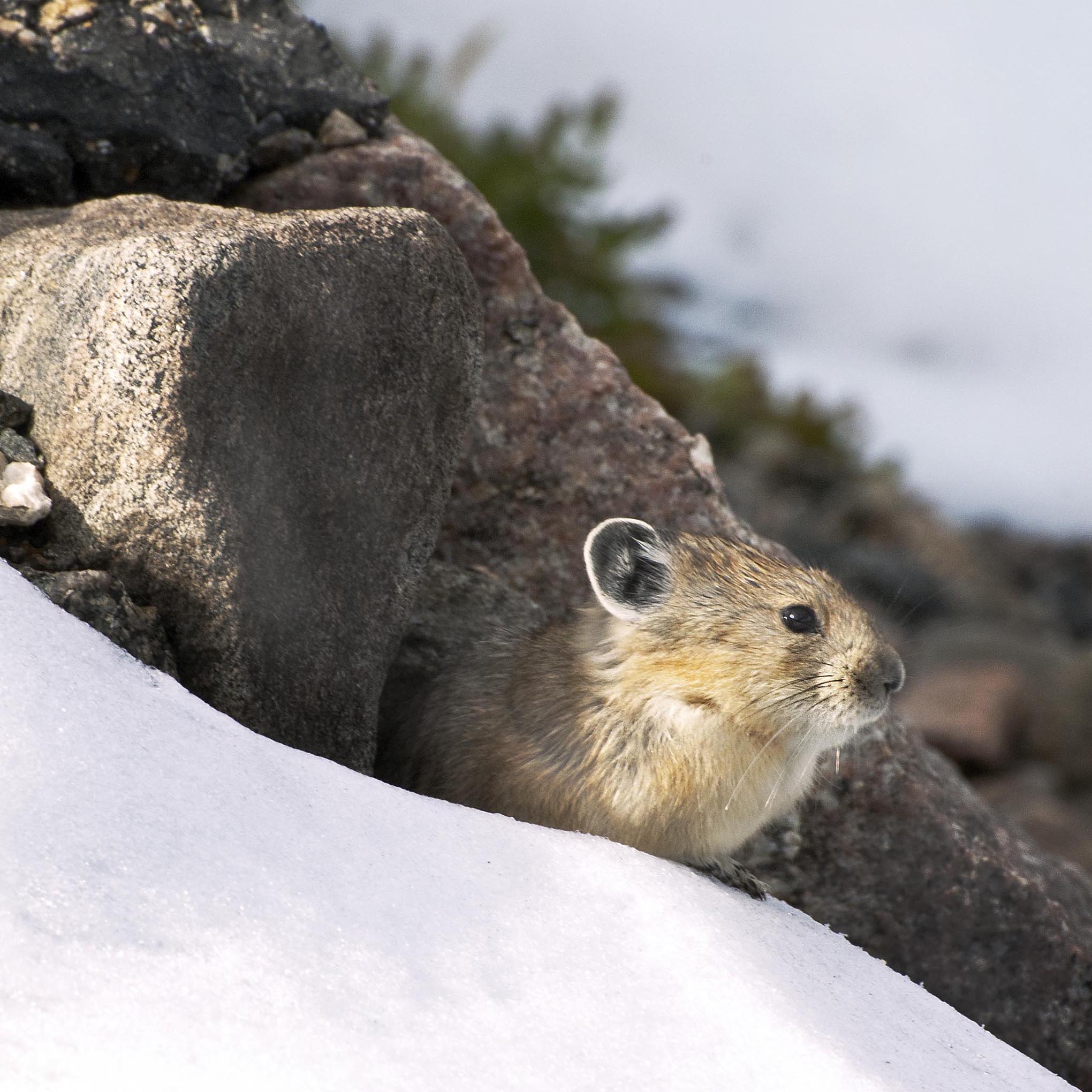
Pika

A little Pika peeking out from the last of winters snow surveying his domain.

The numbers of Pika are decreasing across the Western United States and climate change, habitat loss and other factors are likely involved. Hearing their chirps while hiking in the mountains is a sound I enjoy and I hope it does not just become a memory.

https://academic.oup.com/jmammal/article/97/6/1495/2628942
https://www.sciencedaily.com/releases/2018/05/180501085303.htm

Springing

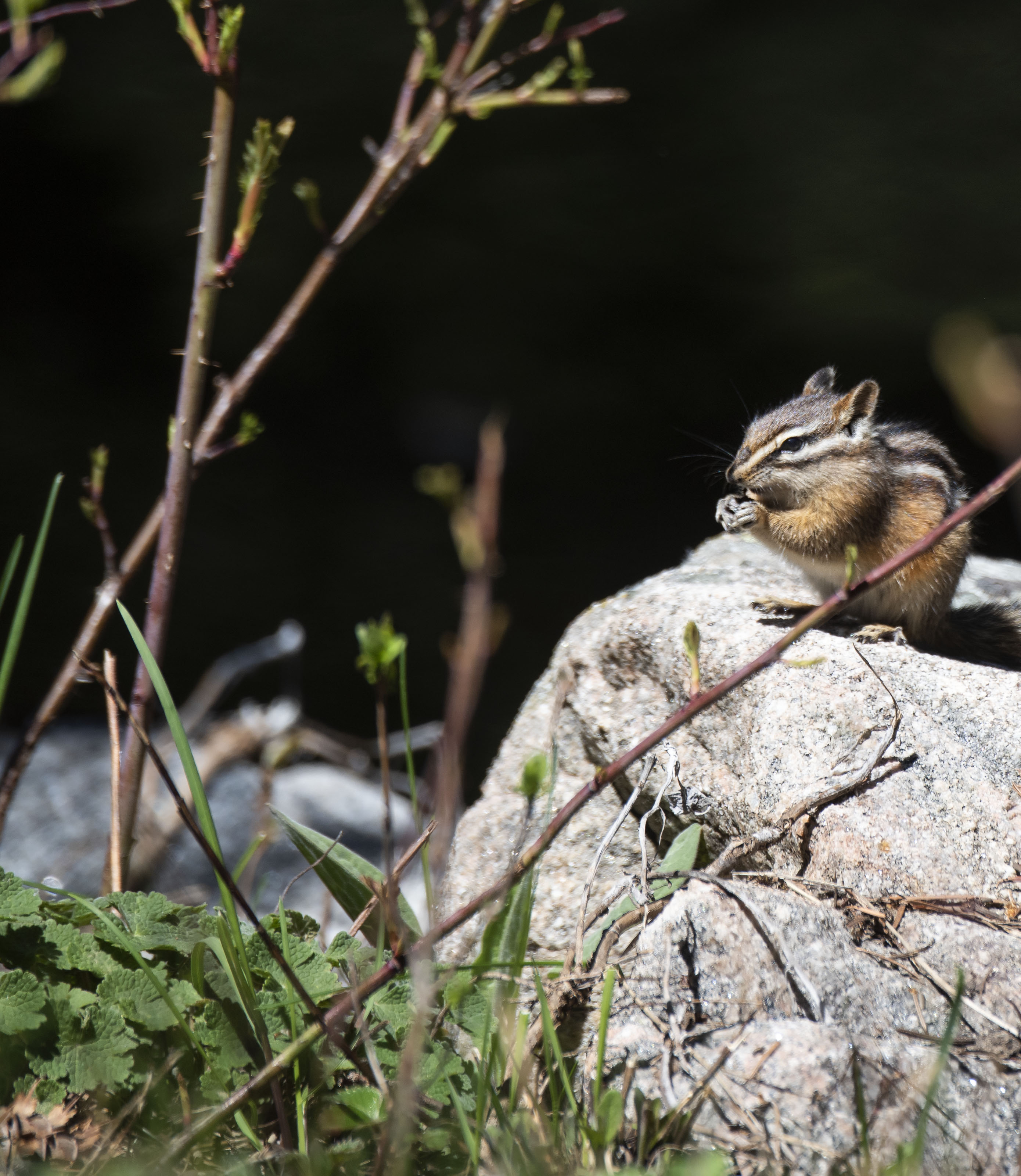
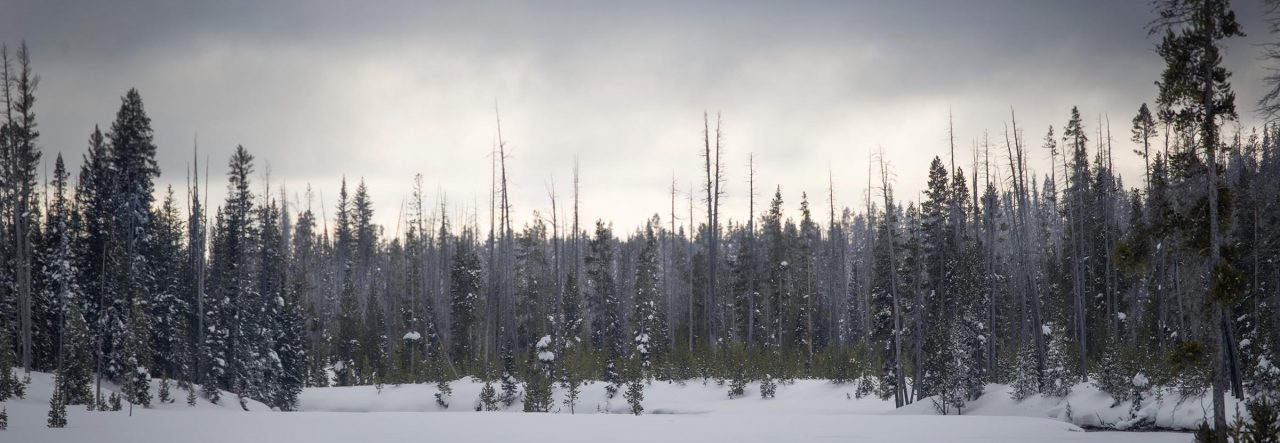
With the last of the snow melted life is springing up in all shapes and sizes. Flowers, tress, grasses and water rushing to fill the streams. In addition we sighted the first Chipmunk of the year a few days ago taking a break and enjoying their lunch as the sun warms the rocks.

Have a wonderful weekend.

Small and smaller

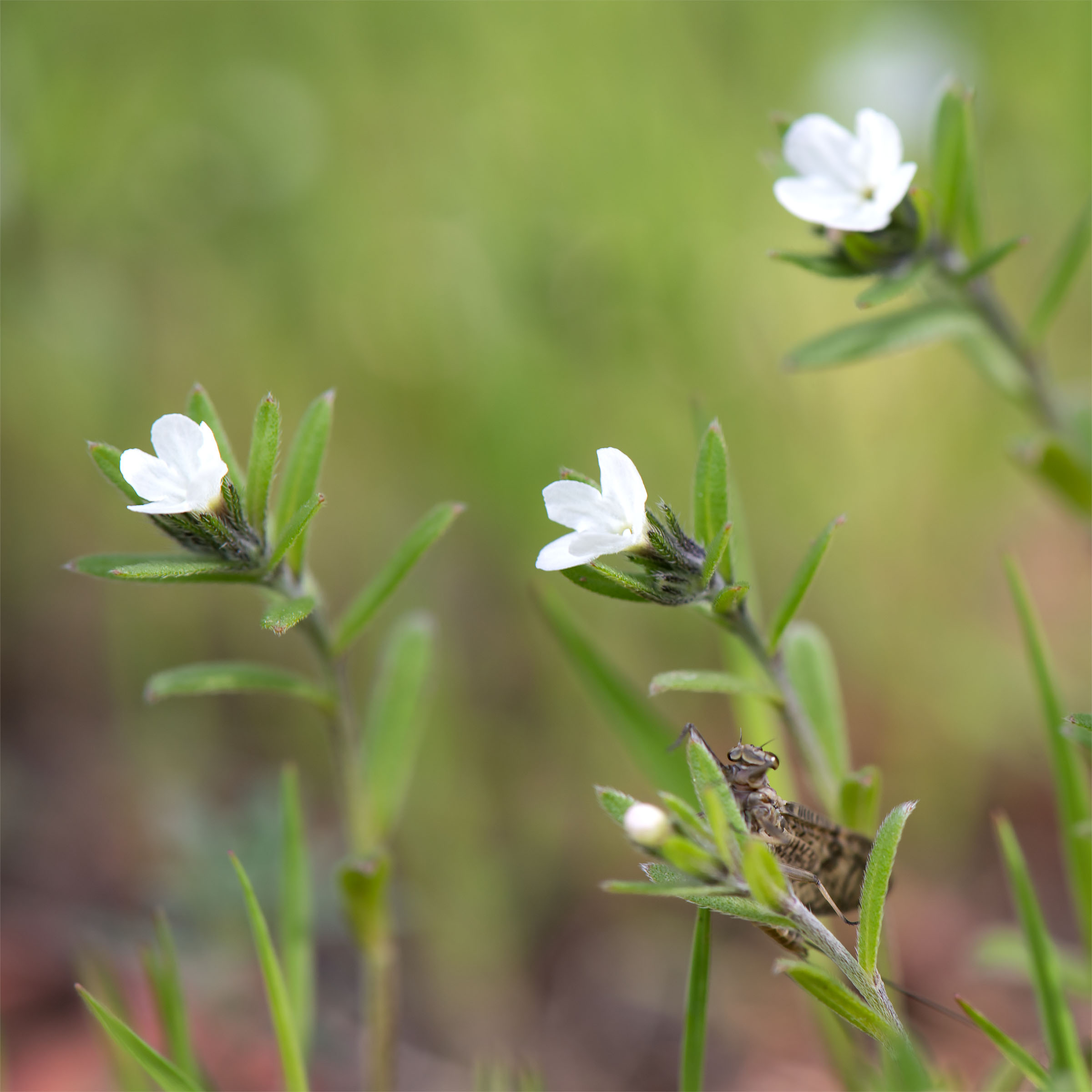
Tiny white wildflowers gracing the forest floor measuring no more than a quarter inch in diameter become a great big world to this tiny mantis that I did not even notice in the photograph until I downloaded the photos. just another reminder that the abundance of life one our wonderful planet is small and sometimes even smaller than we see.

Eared Grebe

An Eared Grebe in early season plumage gets ready to move across the pond. Maybe it’s those red eyes but I would not want to find myself alone in a dark alley with a flock of these birds.

Fledglings

Fledglings_1
(Multiple Photos)
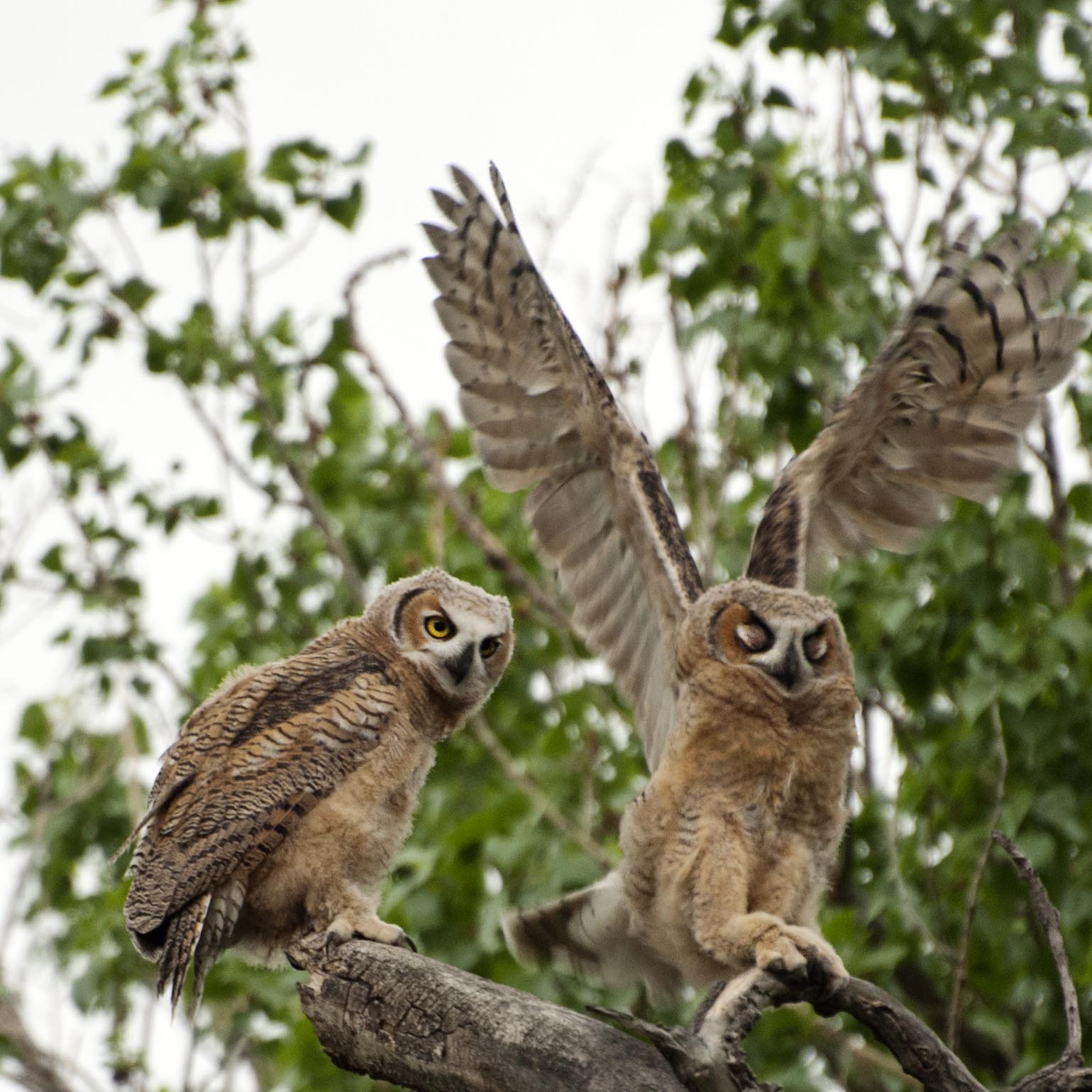
Well it had to happen. These two Great Horned Owl youngsters finally left the comfort of their nest cavity in an old Cottonwood tree. We first spotted a single young owl on this branch but just as we got out the camera a second flew down and joined the first. The second owl waddled around on the branch and got all cozy with their sibling who seemed a bit annoyed at having to share their perch.

Flight_school_1

A moment latter the owl in front took a leap of faith, with eyes fully closed, and landed clumsily on the perch below.

I am not sure how adult owls handle it but watching fledgling owls learn to fly is sure a nerve wracking experience for me.