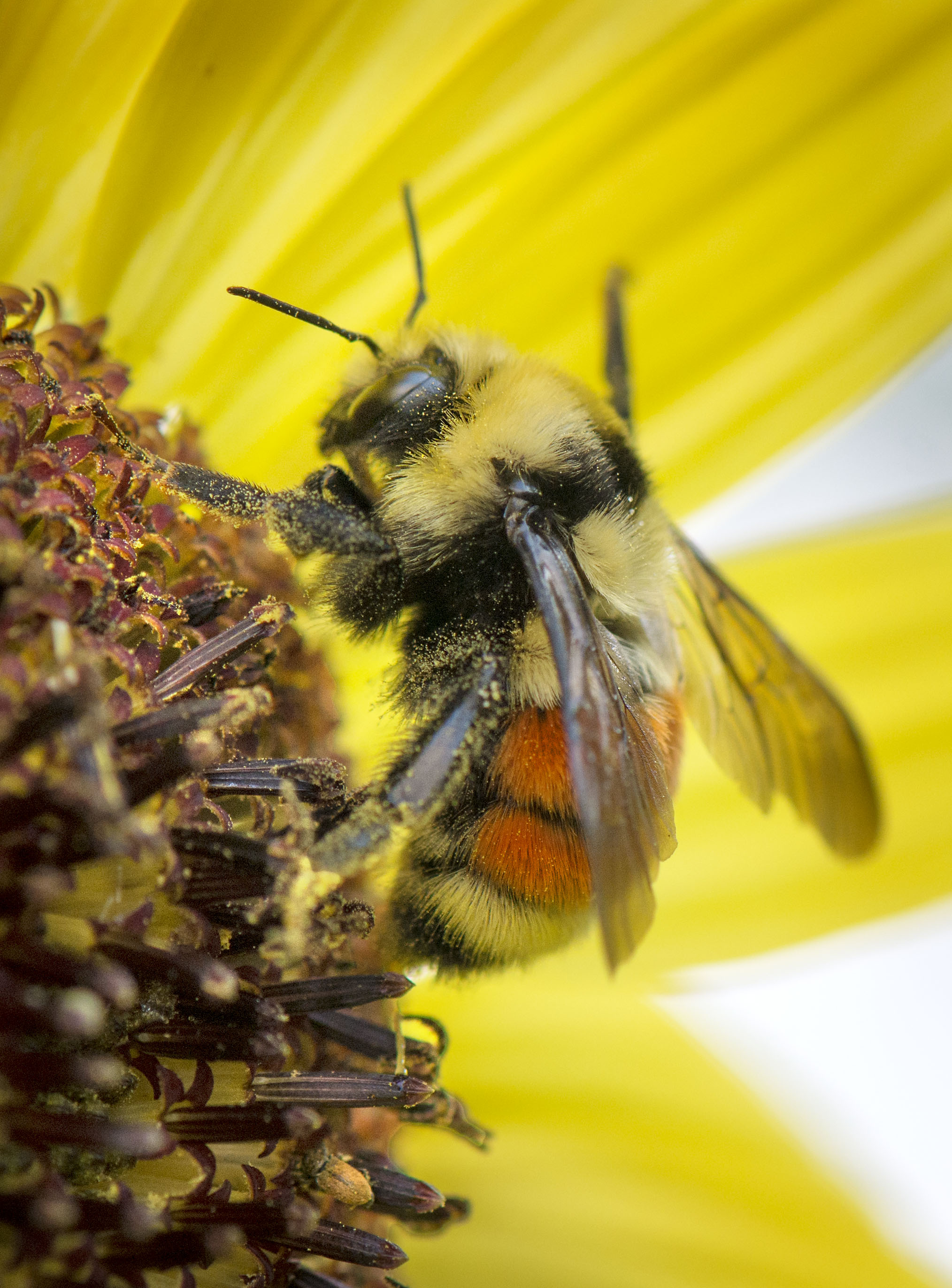
Bombus Ternarius: Tri-Colored Bee

It’s always nice to have these bess buzzing about and who doesn’t like saying Bombus Ternarius.

From Wikipedia “Bombus ternarius, commonly known as the orange-belted bumblebee or tricoloured bumblebee,[2] is a yellow, orange and black bumblebee. It is a ground-nesting social insect whose colony cycle lasts only one season, common throughout the northeastern United States and parts of Canada.[3] The orange-belted bumblebee forages on Rubus, goldenrods, Vaccinium, and milkweeds found throughout the colony’s range. Like many other members of the genus, Bombus ternarius exhibits complex social structure with a reproductive queen caste and a multitude of sister workers with labor such as foraging, nursing, and nest maintenance divided among the subordinates.”

To read more:https://en.wikipedia.org/wiki/Bombus_ternarius

Just for fun ….Bombus!
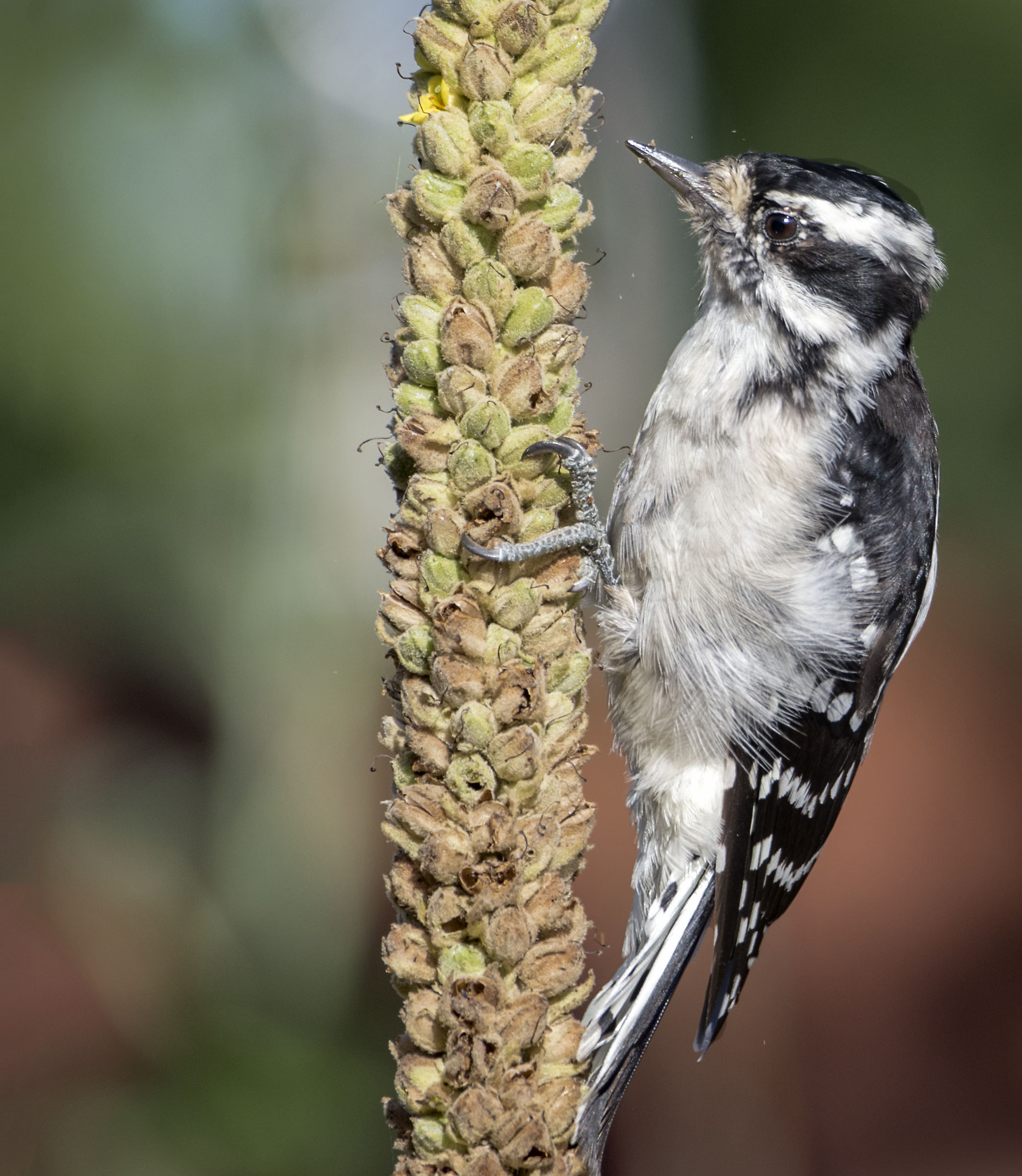
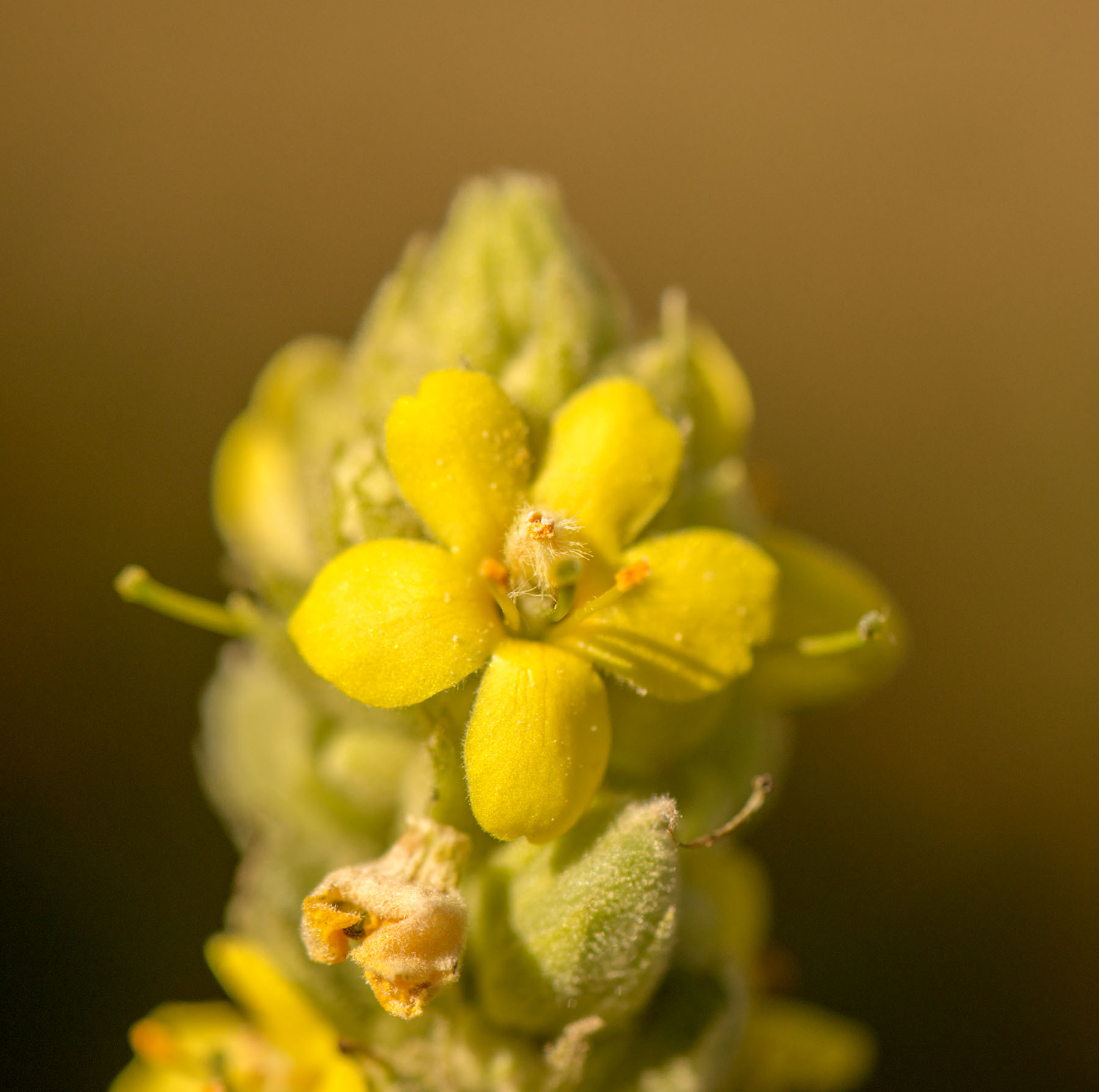
On the Mullen

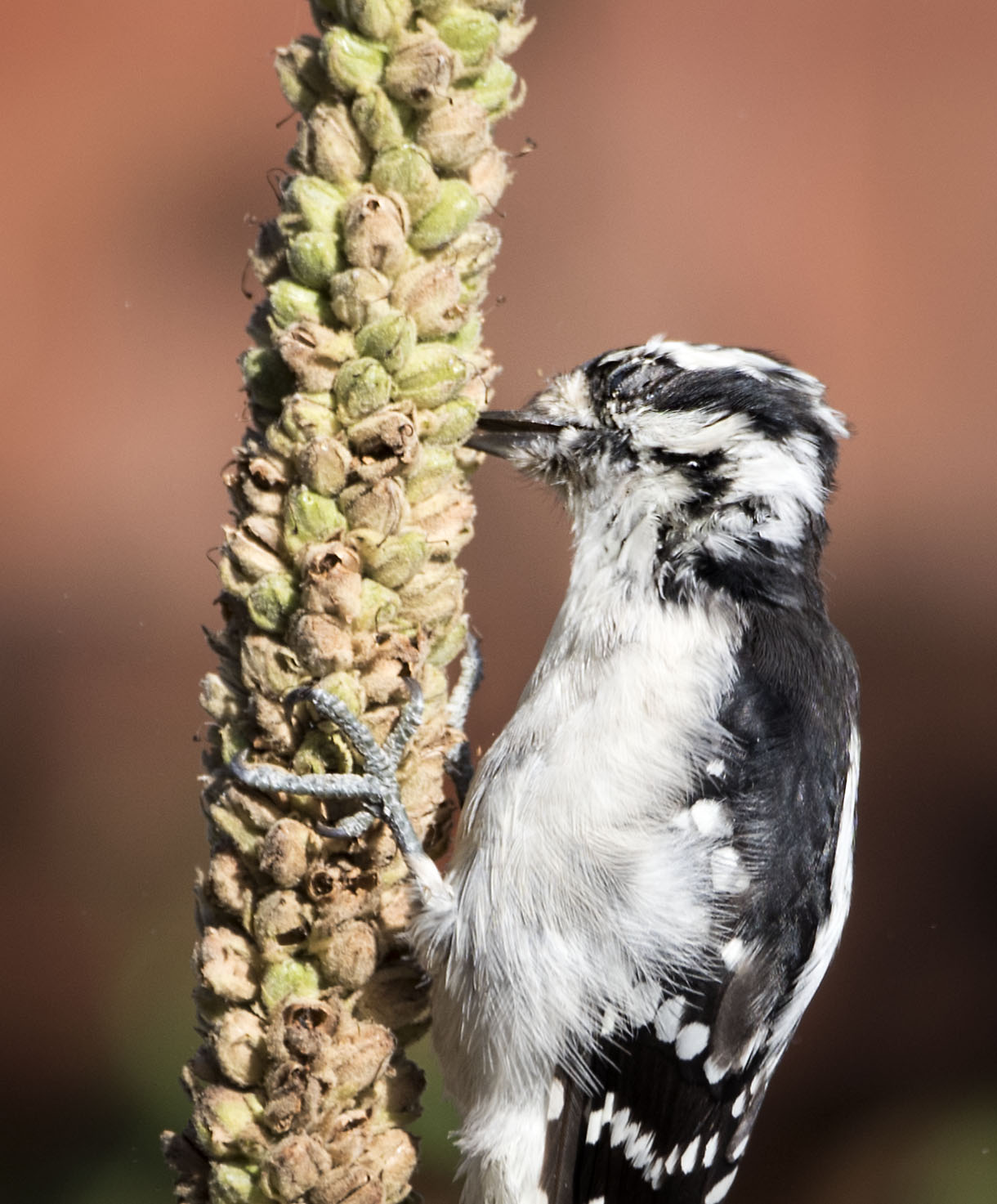
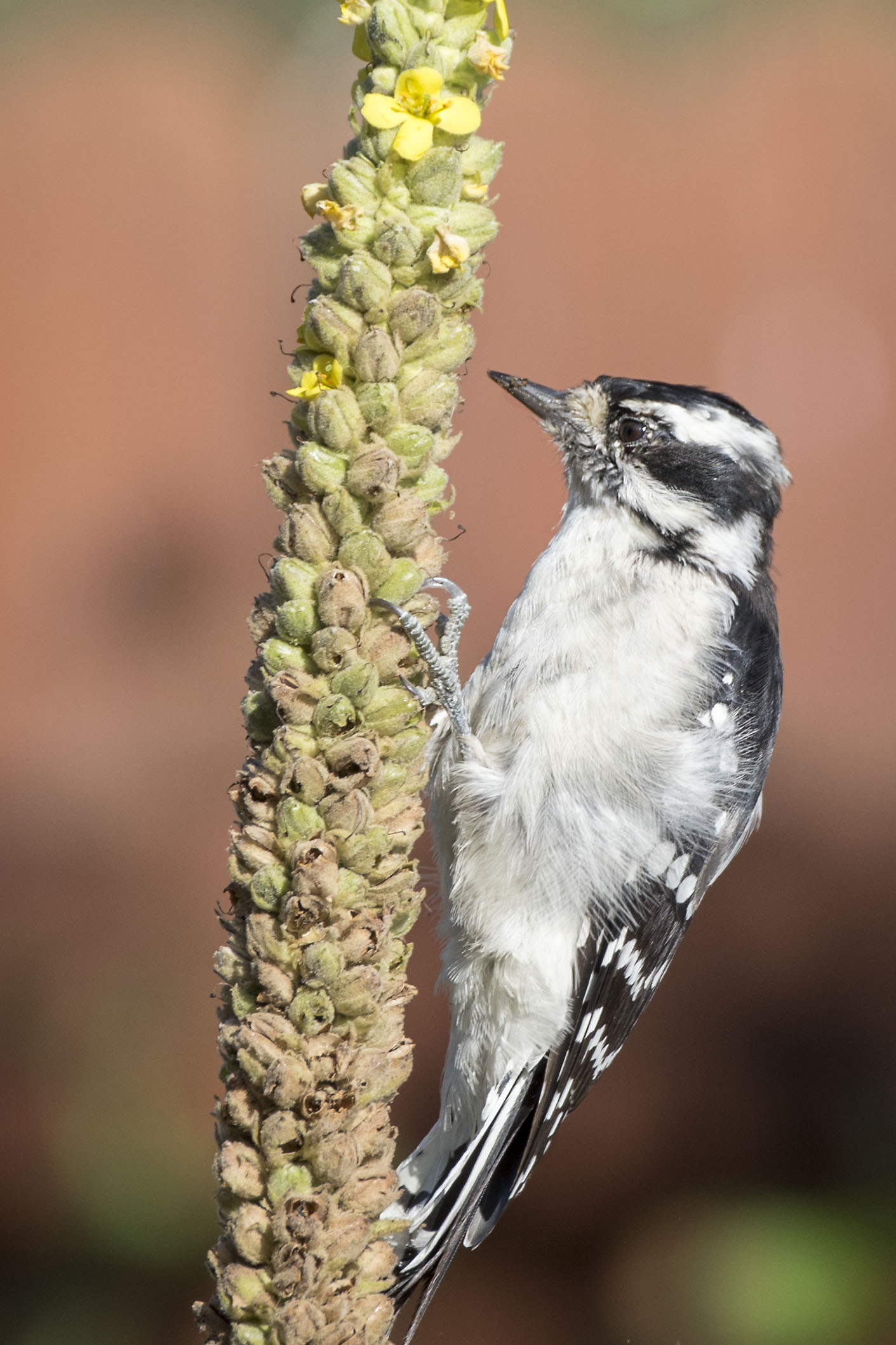
A female Downey Head Woodpecker found the Mullen plant to her liking this morning as she spent quite a bit of time hunting and then pecking away for a meal.

She inspected the plant then with target in sight and eyes closed tight she pecked away like only a woodpecker can peck.

Then back again for another round on the beautiful Mullen plant.

then and now

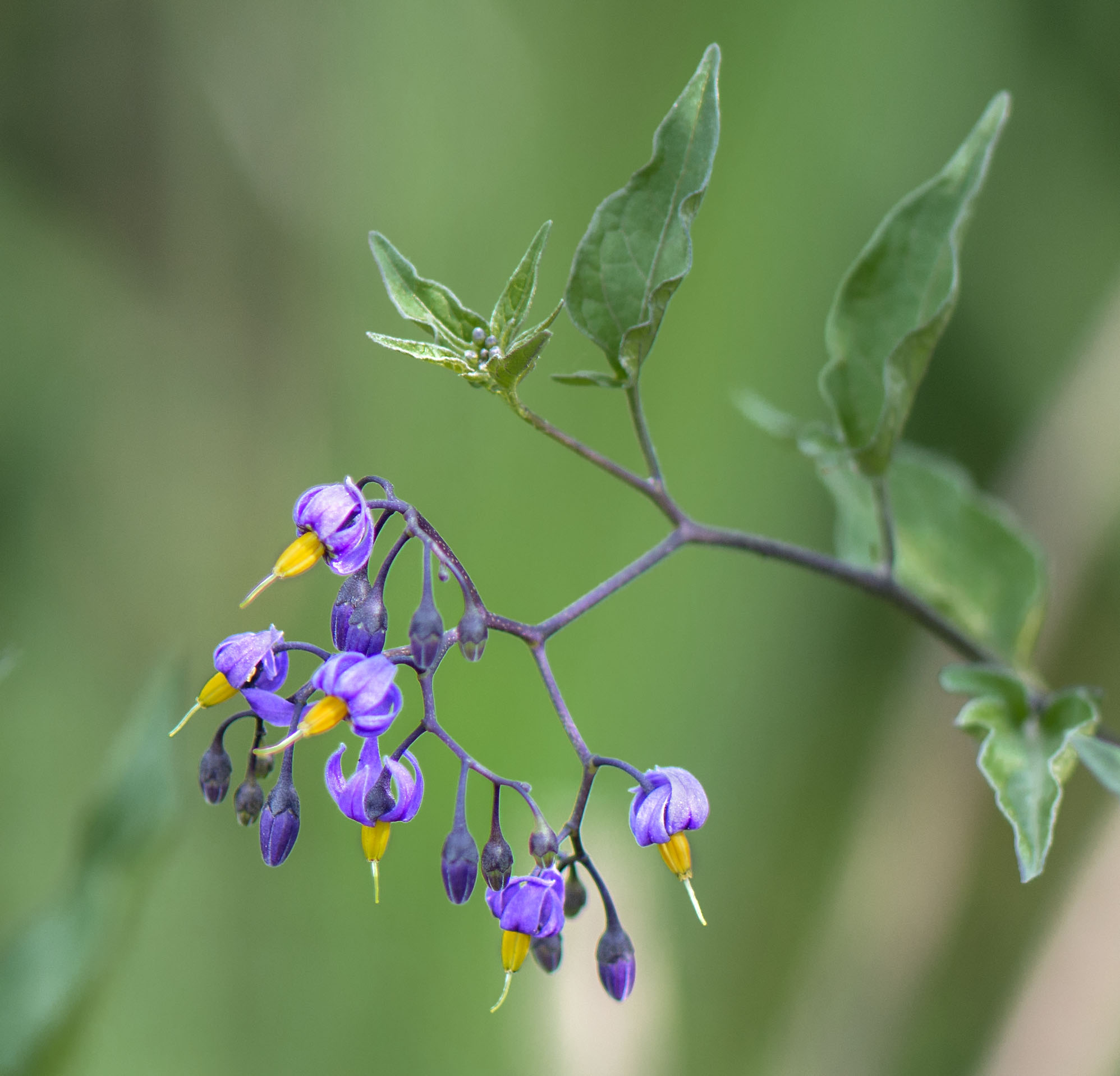
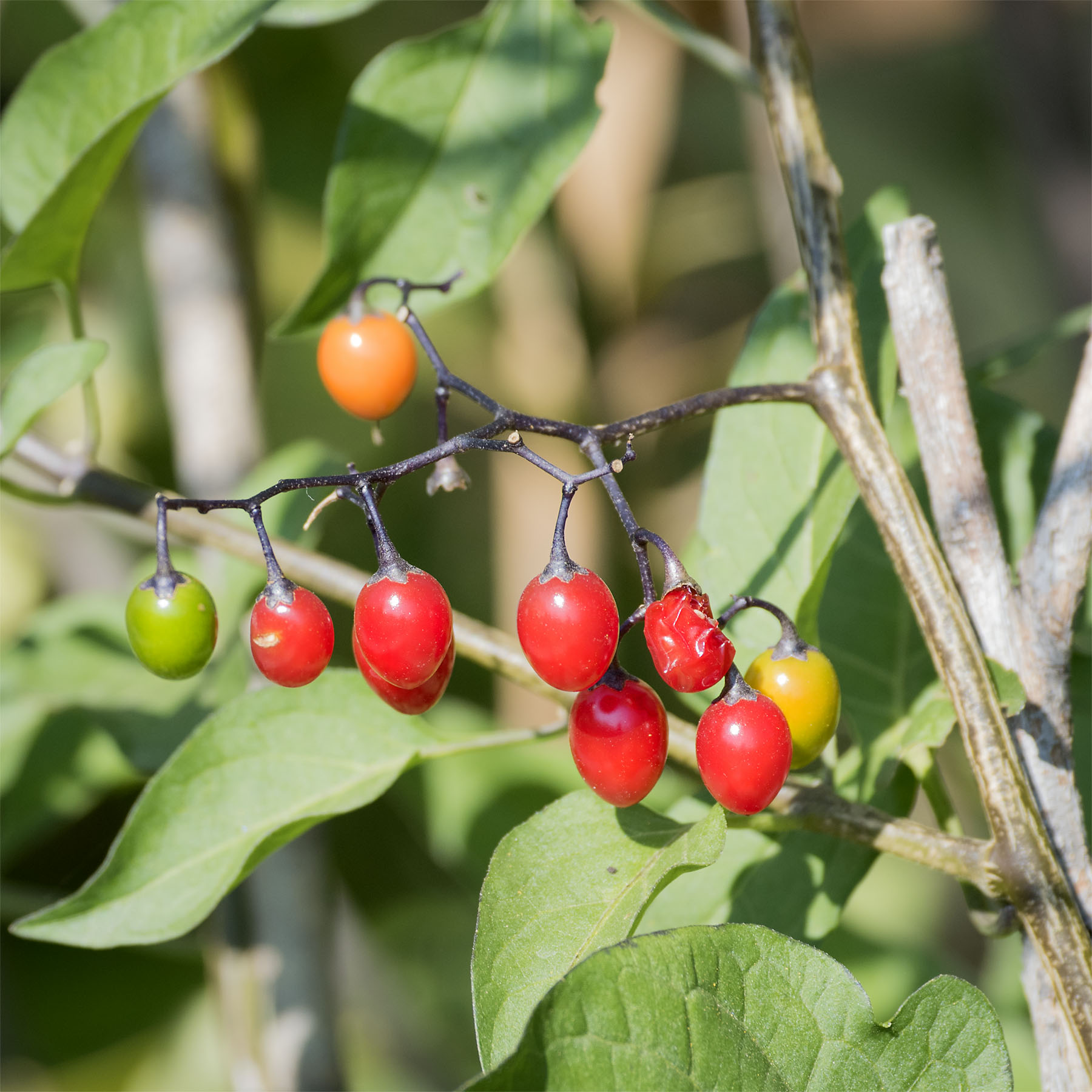
The sun has moved from north to south and the flowers have turned to berries.

Then and Now.

Although they’re one they’re not the same or at least it feels that way.

The flowers are beautiful but the berries are somewhat poisonous (depending on your species and I assume most of you reading this are human of course) and produced form a the pervasive and often considered to be invasive Bittersweet Nightshade vine.

https://en.wikipedia.org/wiki/Solanum_dulcamara

Feeding the family

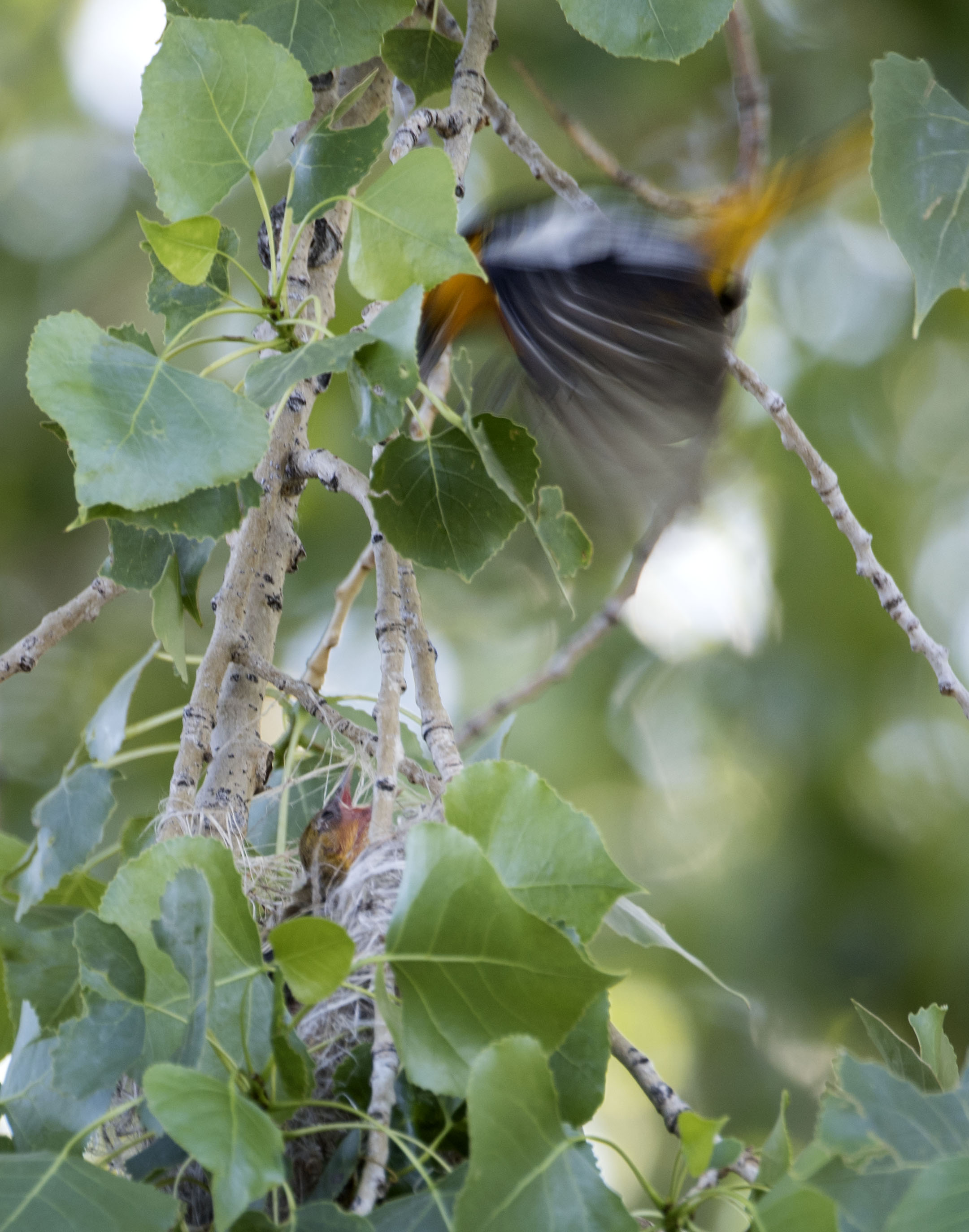
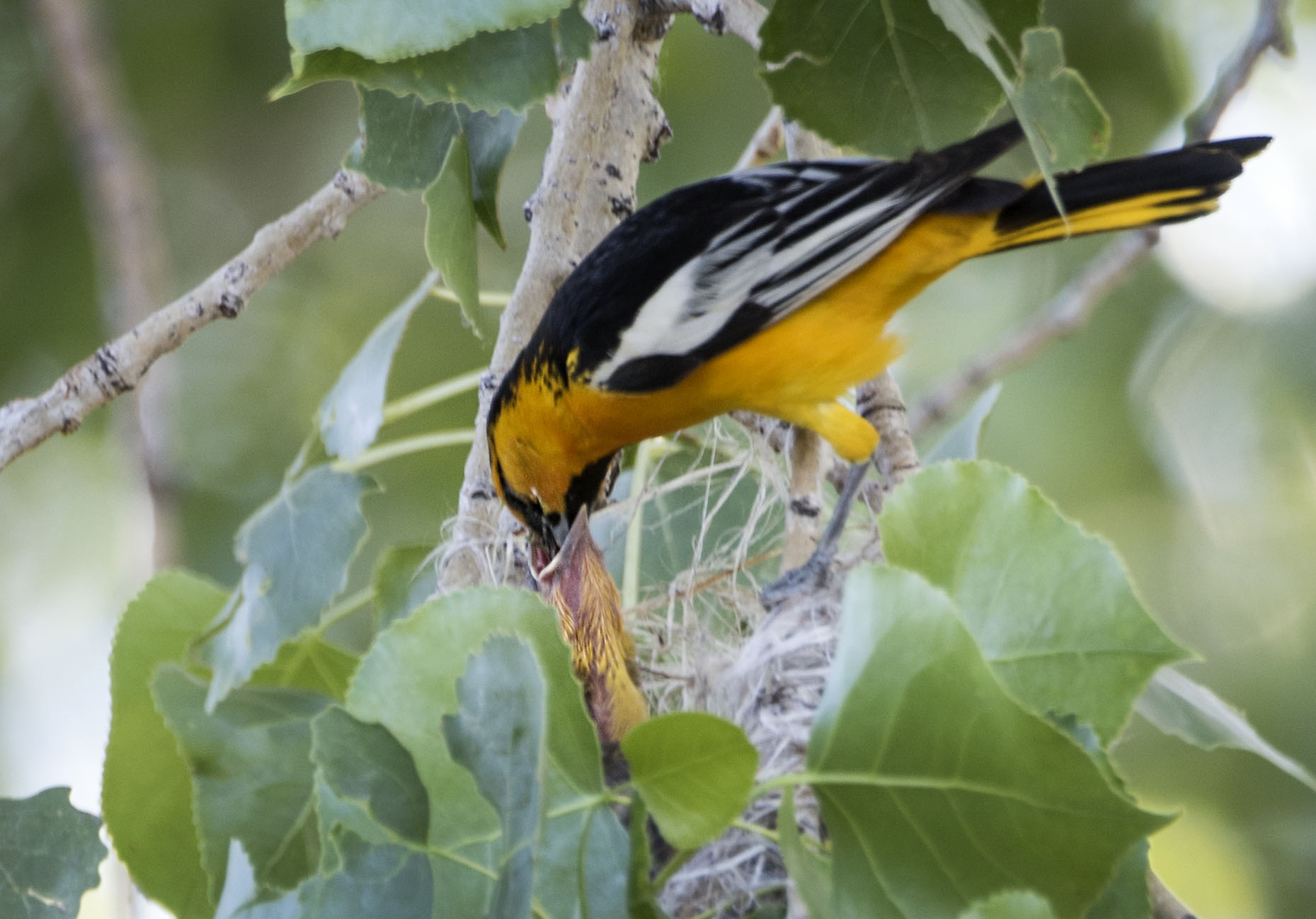
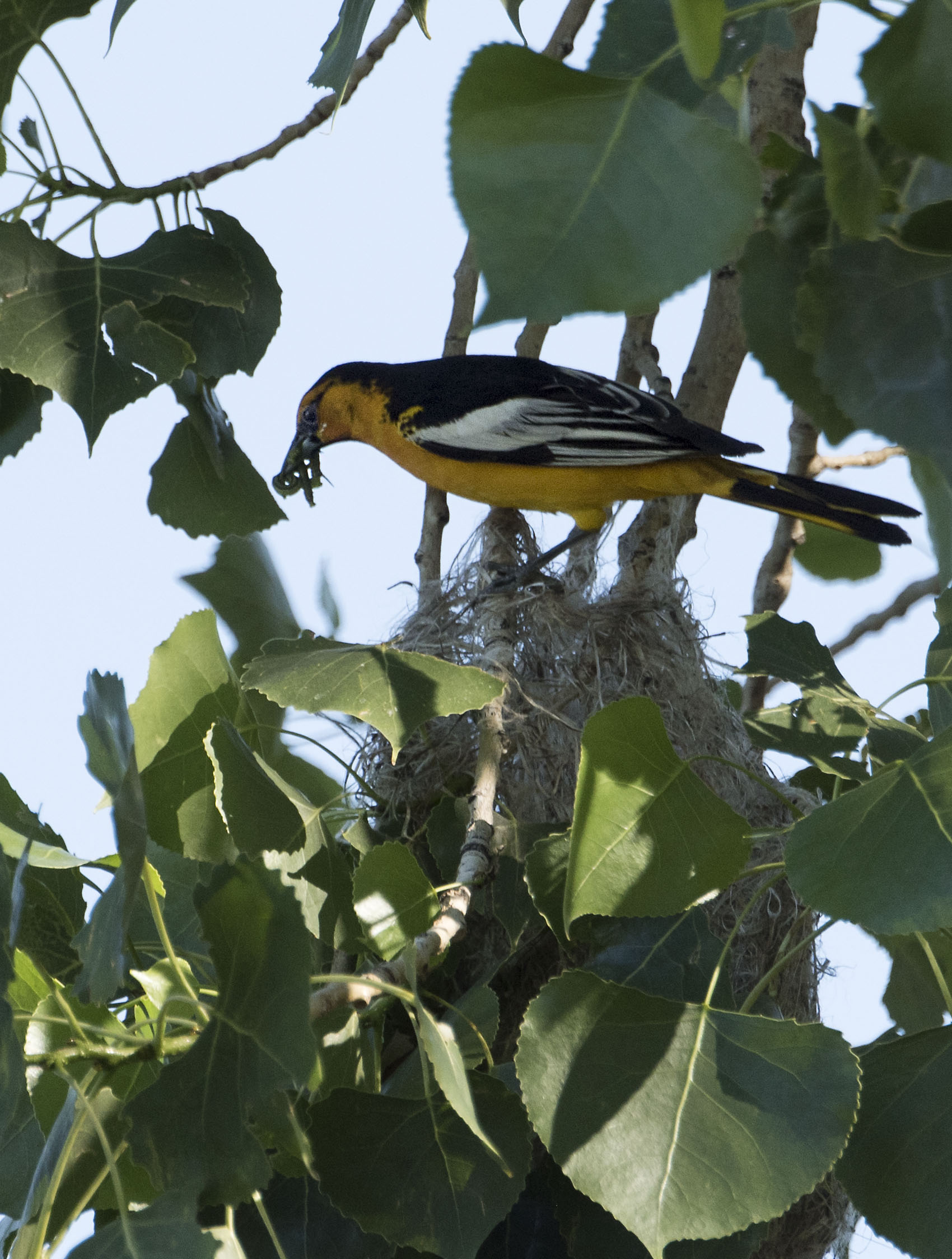
Earlier this summer we got lucky and happened to walk under a nice old cottonwood tree and heard the unmistakable sound of little newborn birds chirping away for food. The nest in the tree belong to a family of Bullocks Orioles and like all oriole nest was well hidden in the leaves of the tree. It was amazing how rapidly the parents would fly into the tree, deliver the meals, and then fly back out making it somewhat difficult to get a photo or two.

Both parents we equally active in delivering meals to the kids. Above the male delivers some freshly caught bugs.

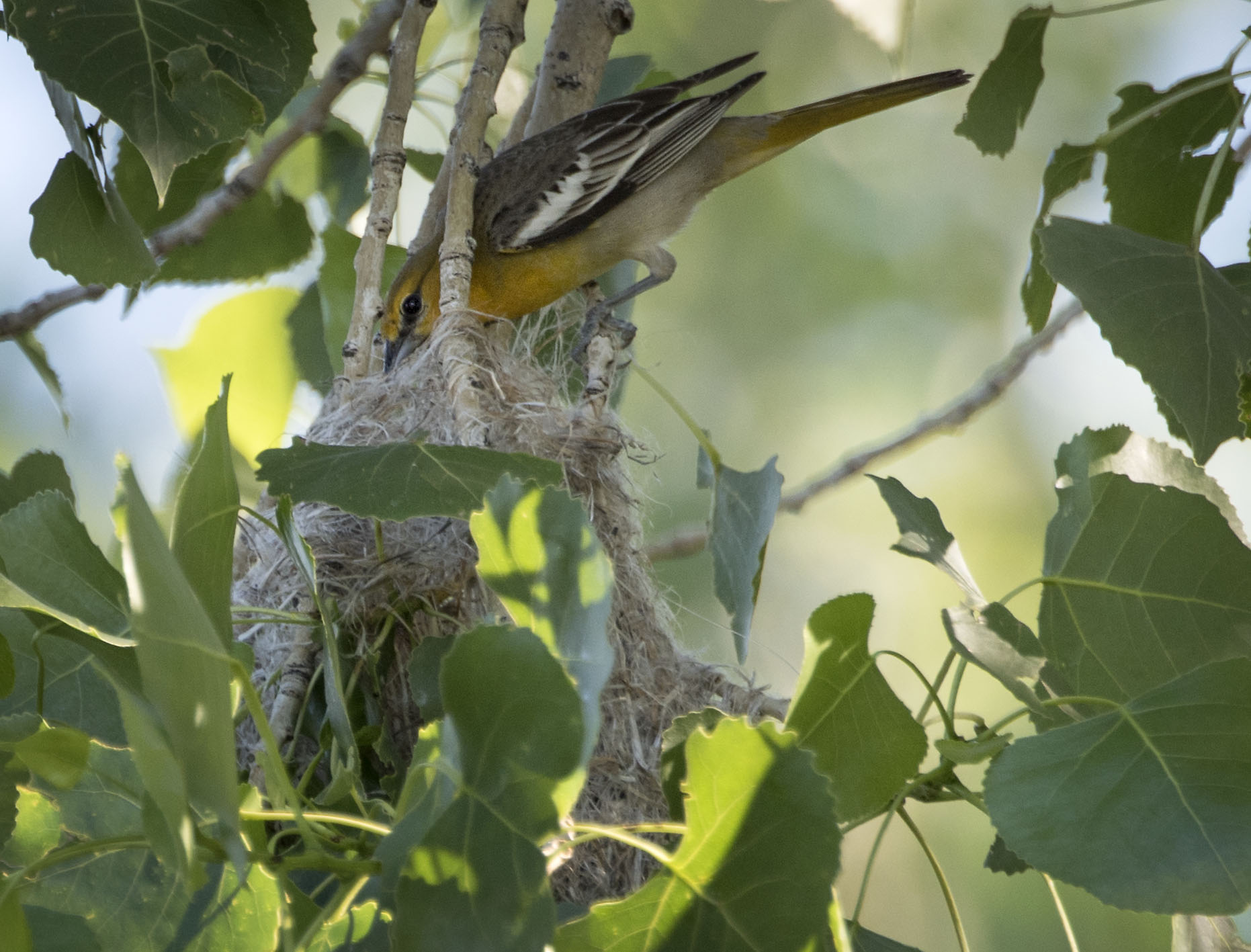
within minutes of the males departing Mom flew in and delivered another meal for to the growing chicks.

If this meal is any indiction of what the kids were eating I think the youngsters were well fed that day.

The youngsters have fledged and the nest is long empty now as another summer has come and gone.

Summer 2017 Denver, CO.

A job well done

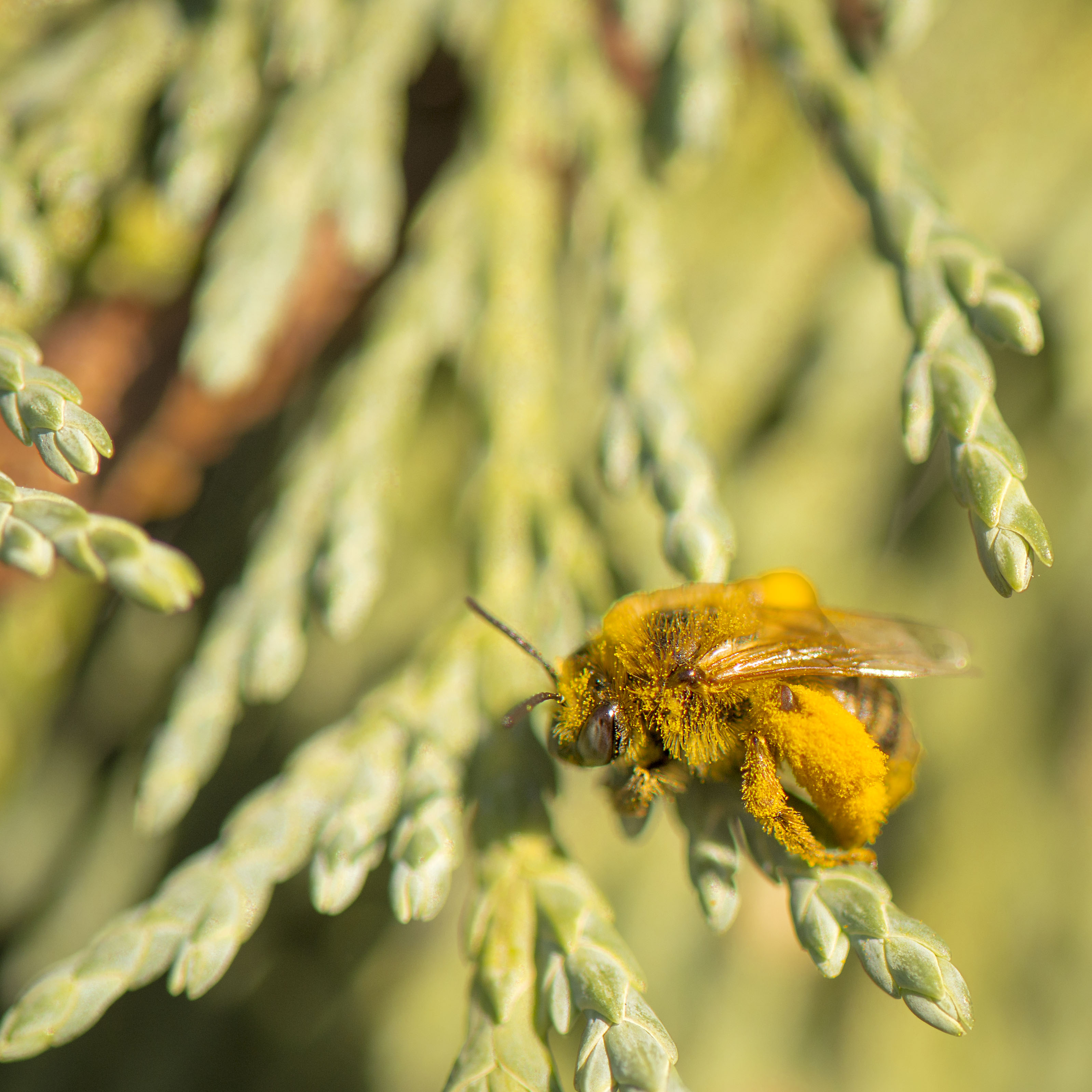
The other day I saw a yellow flash land in a nice cedar tree. Thinking it was an unusual insect I quickly went over to get a look. Alas, it was not a new insect but a Honey Bee and to say this one was covered in pollen might be an understatement. This little bee could hard fly with the load they had acquired. After a few minutes of rest they slowly lifted off and headed back to the hive. A job well done.

Prickly Poppies

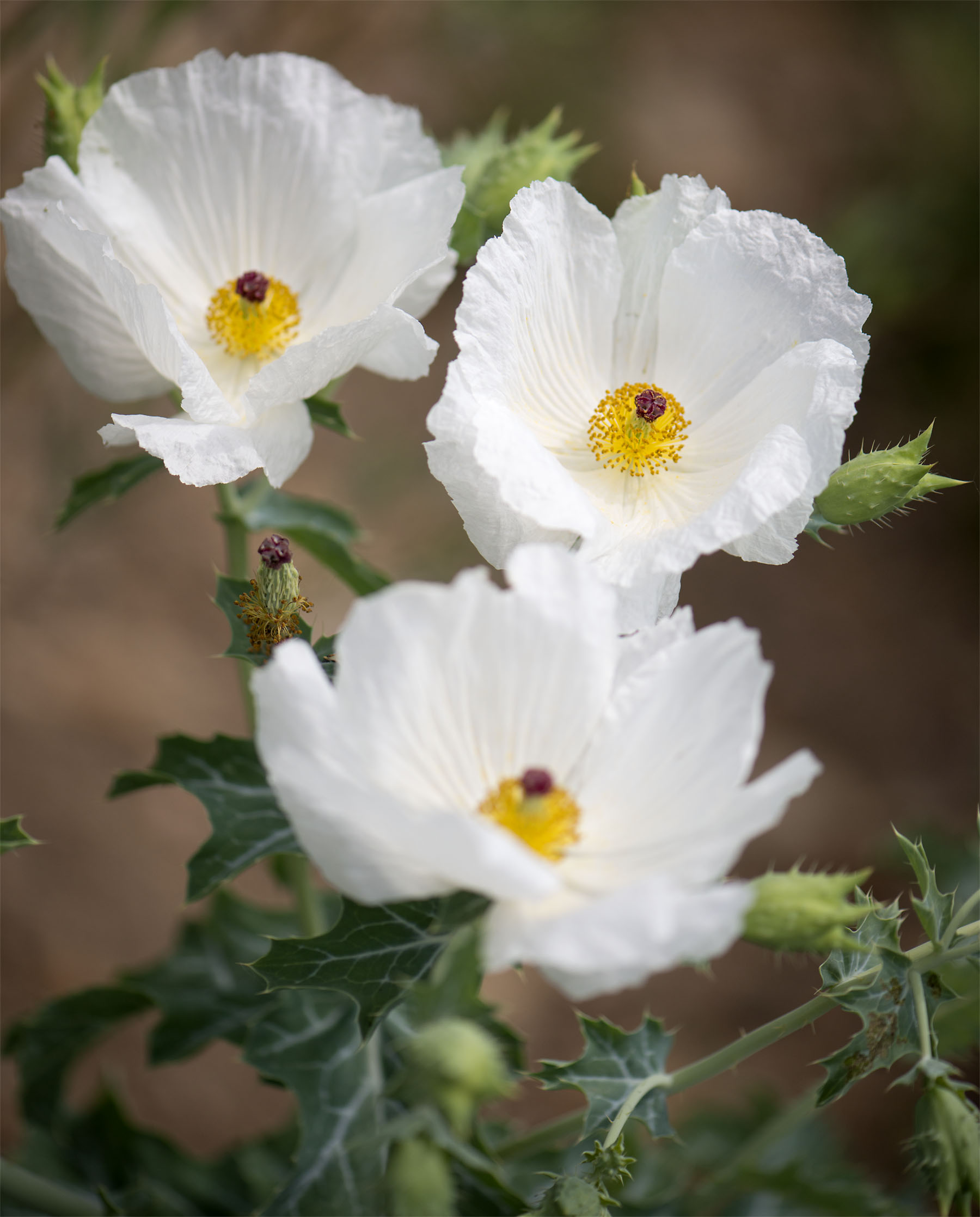
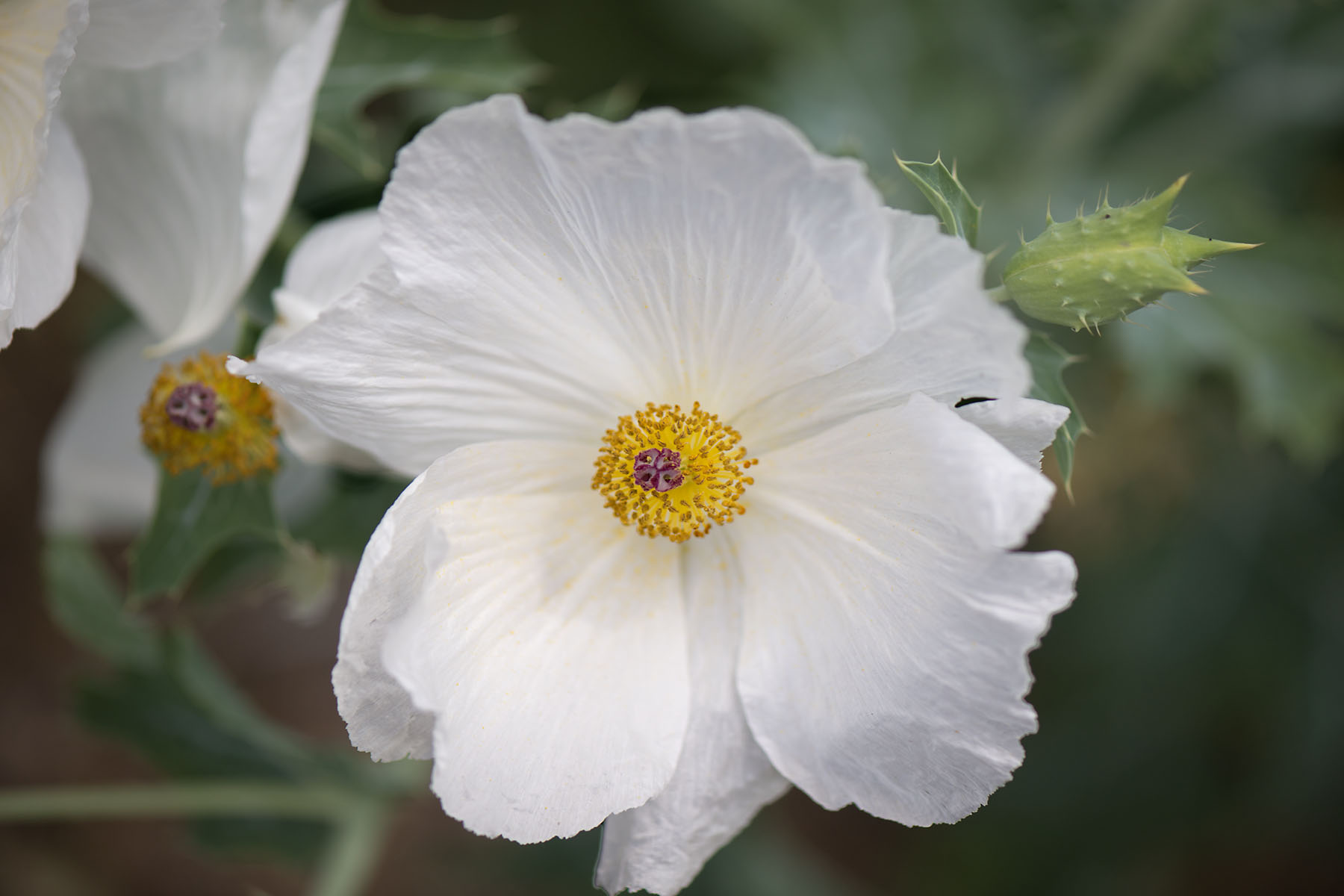
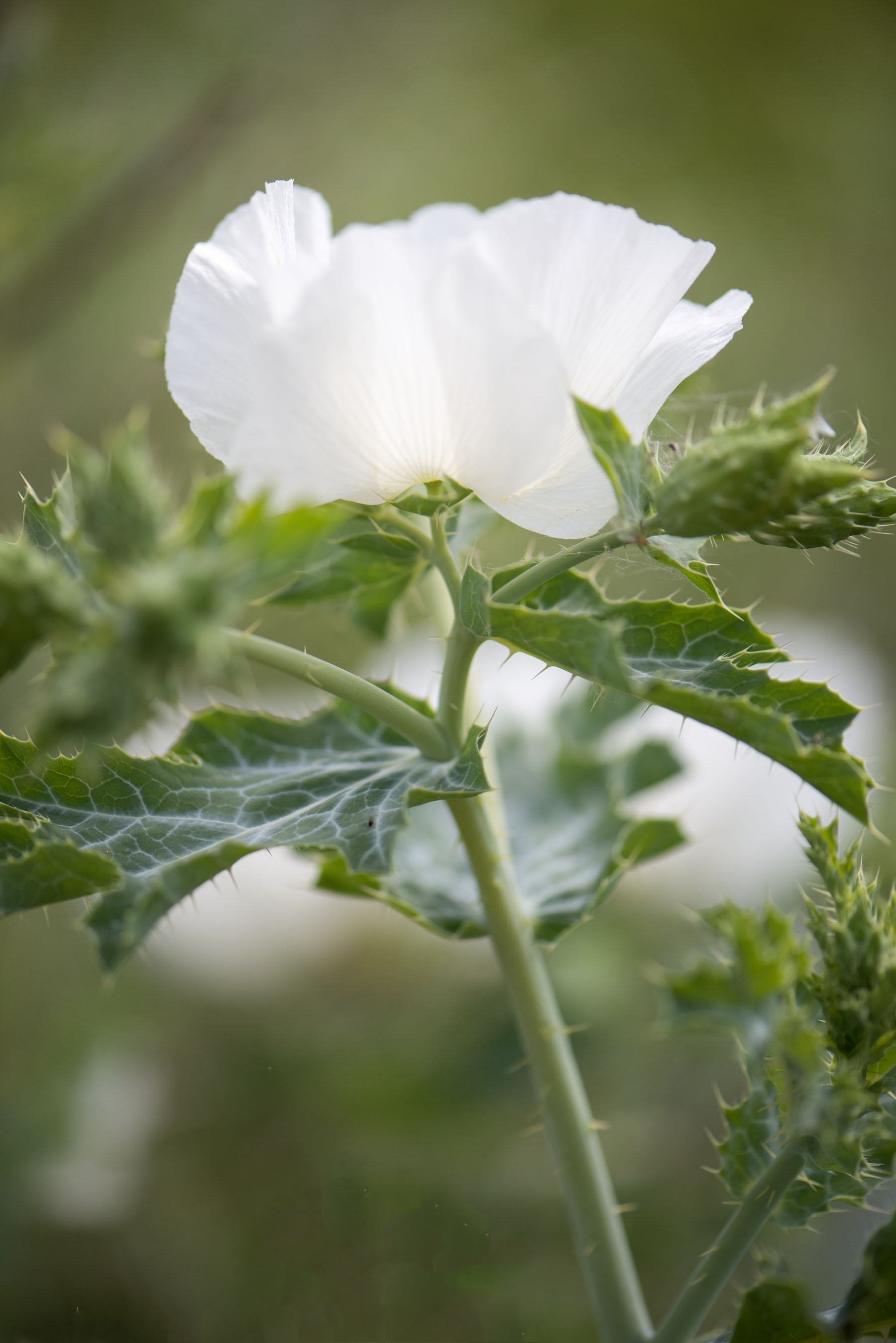
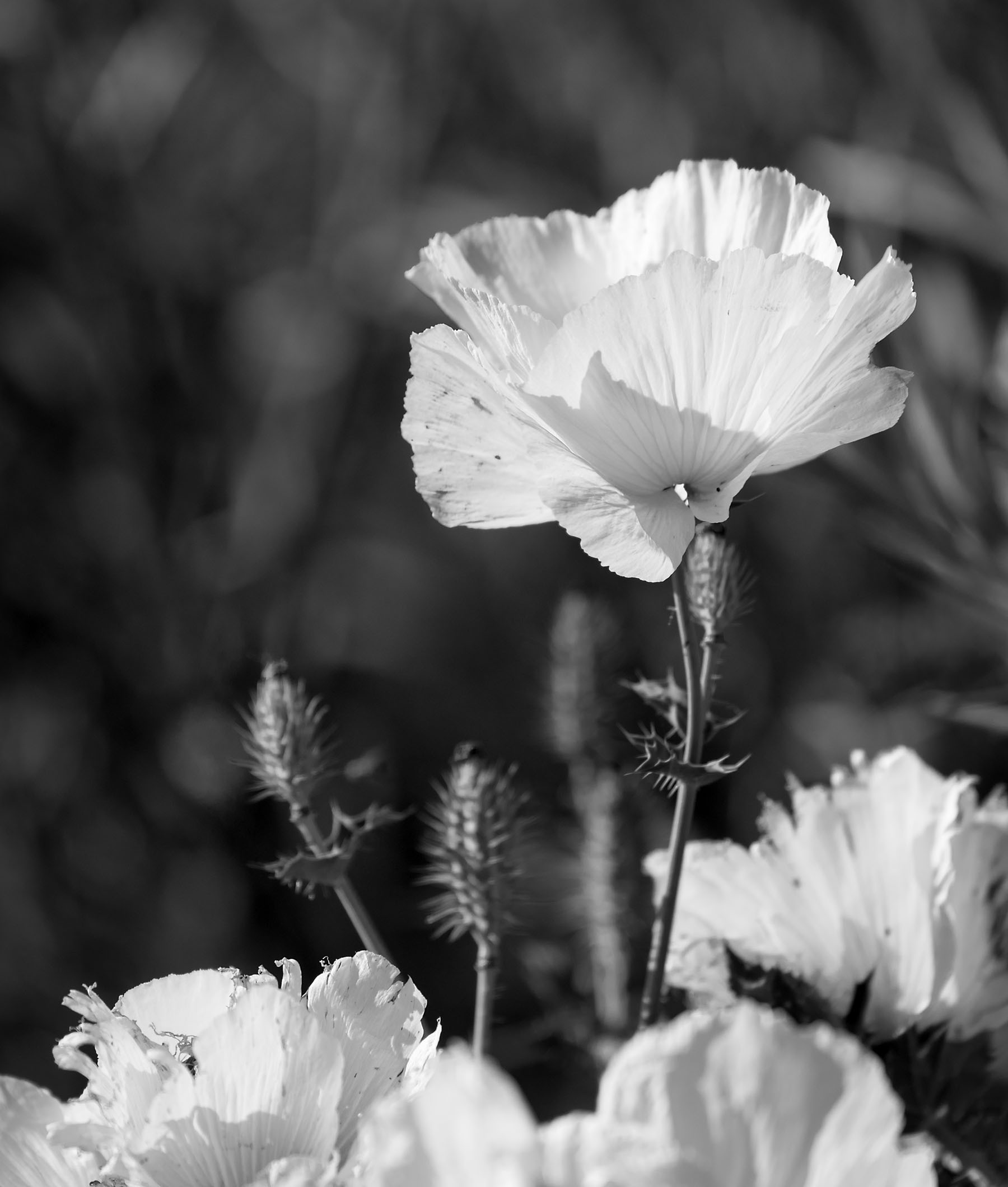
Prickly Poppies are a wonderful wildflower to have around. On our daily walks we can rest assured we will find some in bloom. Once found,  we can stop for a moment and enjoy the show as beetles, bees and ants do their work pollinating these delicate flowers. Even now, as fall approaches and most of the other wildflowers have lost their blooms, a few Prickly Poppies are still going strong.

They a treat for they eyes, like little whipped cream sundaes with a cherries on top.

Those little prickles protect such delicate yet tough flowers.

I am looking forward to see how long they continue blooming into the fall.

https://www.fs.fed.us/wildflowers/plant-of-the-week/argemone_pleiacantha.shtml

Denver, CO

Mantid Monday

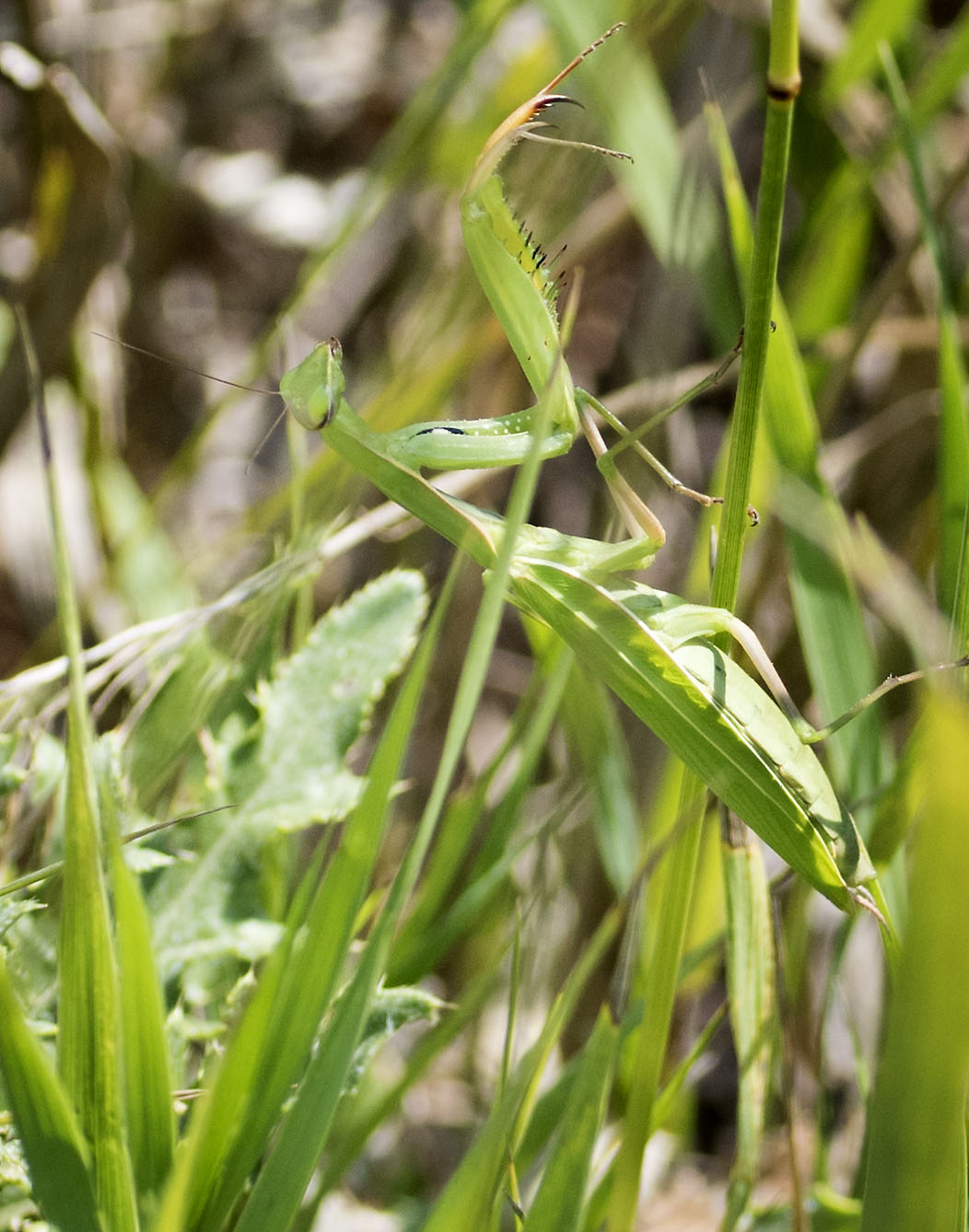
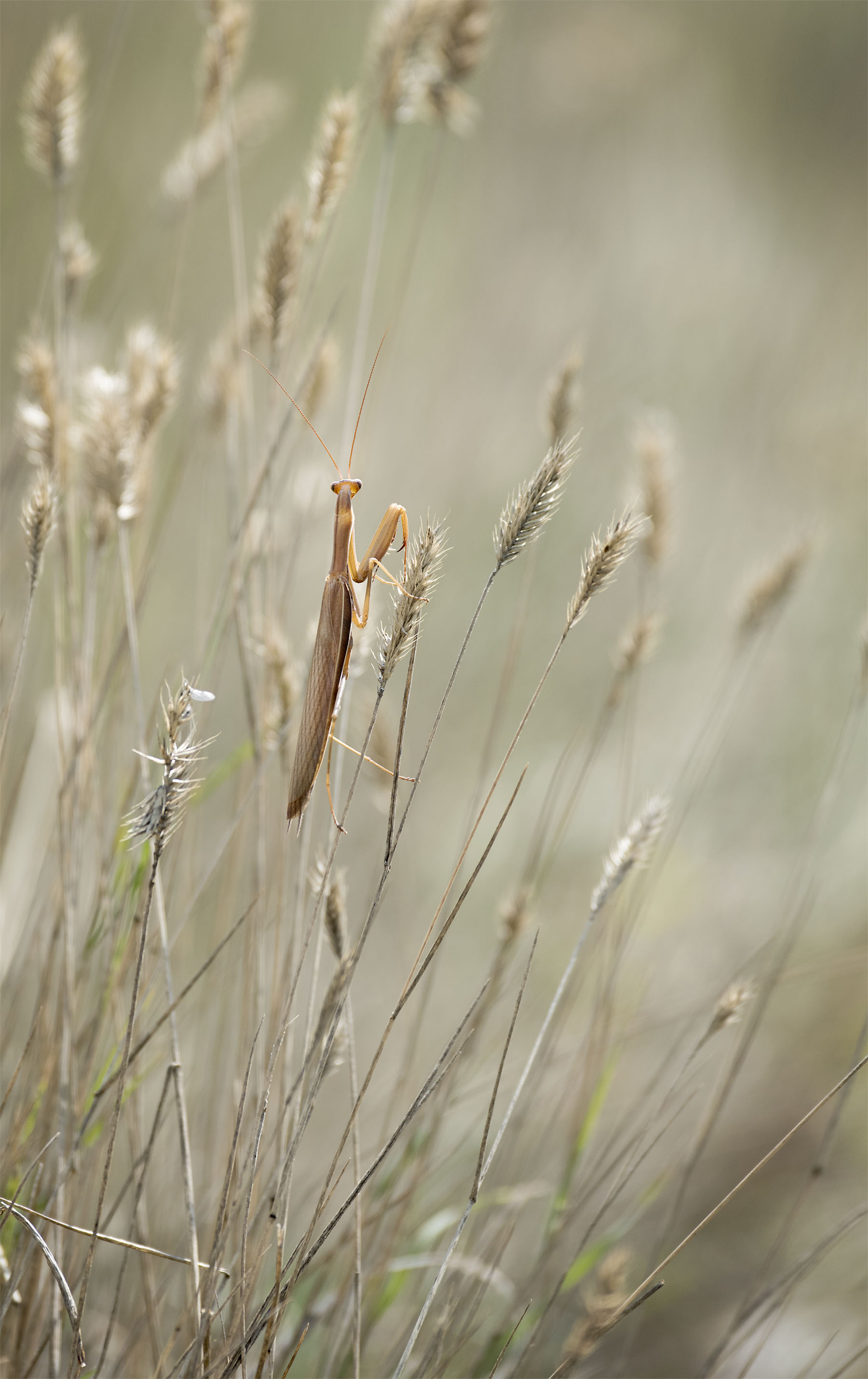
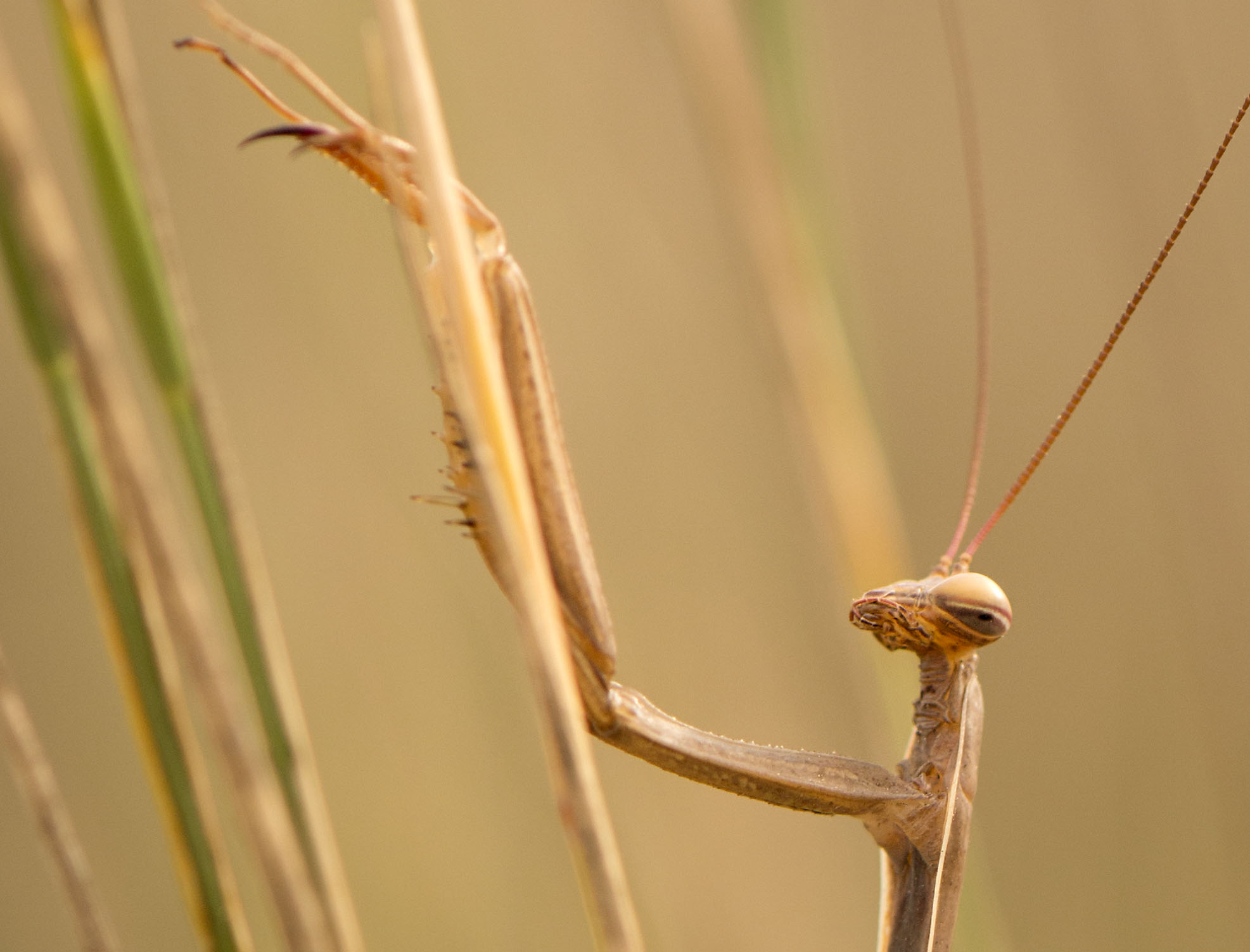
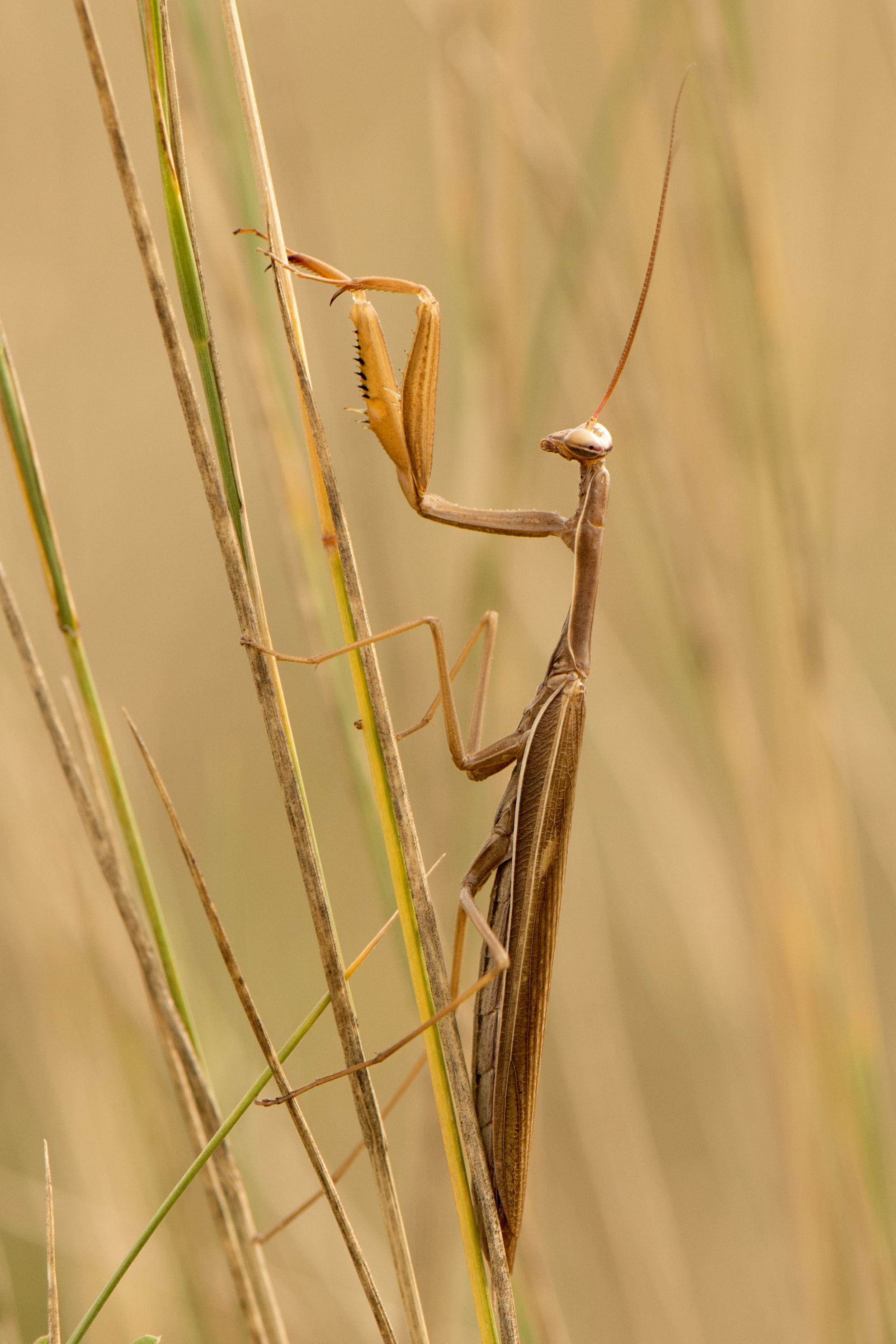
We typically see only a few Preying Mantis each summer either while out hiking or in our garden. Last week, while out on a hike, we saw numerous Mantids and each one matched the specific grasses they resided in. The Mantid above was in grasses that were a mix of green and brown and the Mantid was green and brown.

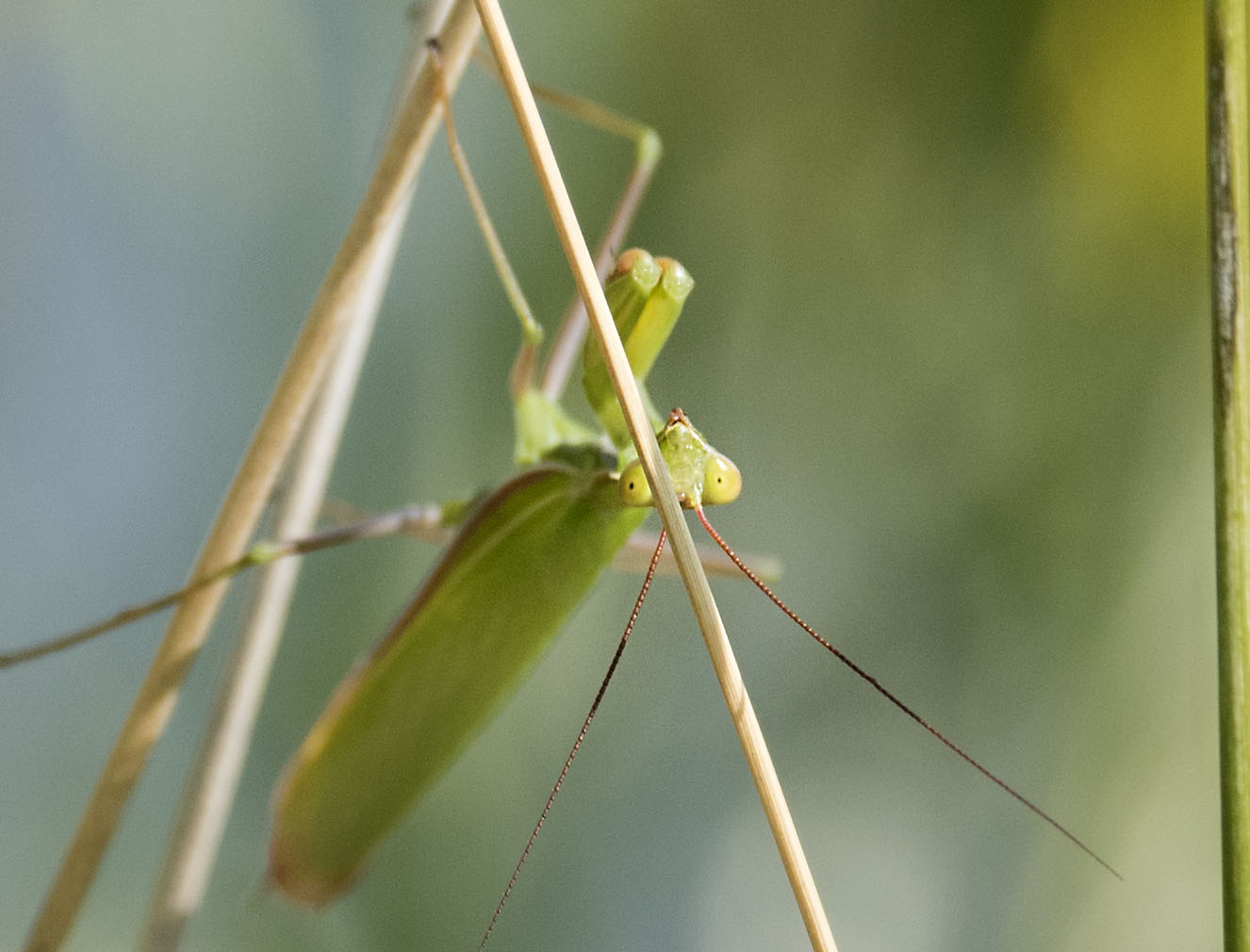
While the Mantid above resided in fresh green grass.

This Mantids above were right at home in a field of brown.

We even got a look at one Mantid hanging upside down.

Photographed in Denver, CO