Peeking out.

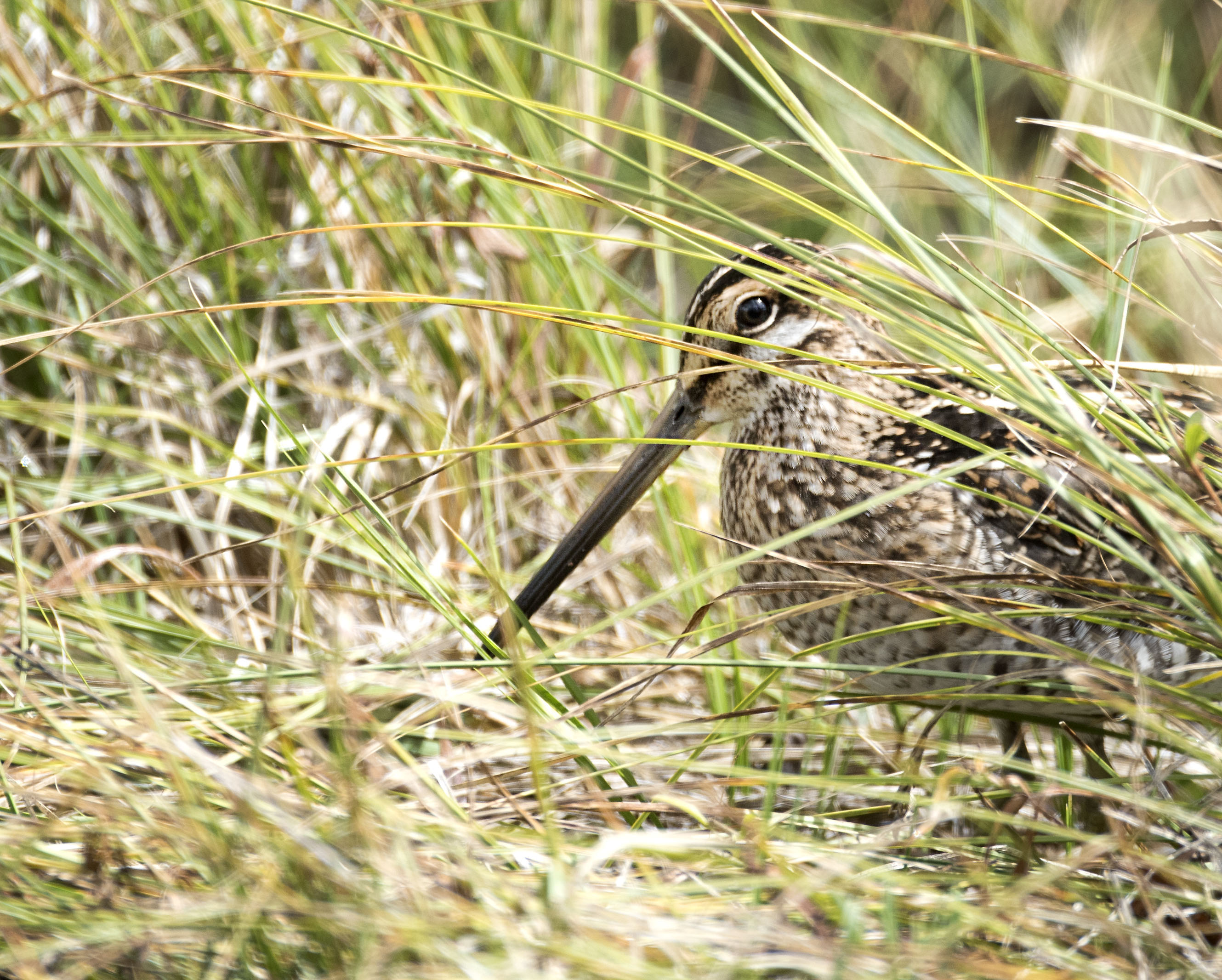
A Wilson’s Snipe peeking out from the grass in which they were very well hidden.

We saw and waited for quite some time for this guy to move out from behind the grasses in which we could just barely see them moving around foraging.

This is the most we captured but sometimes just a peek is more than enough.

In the Aspens

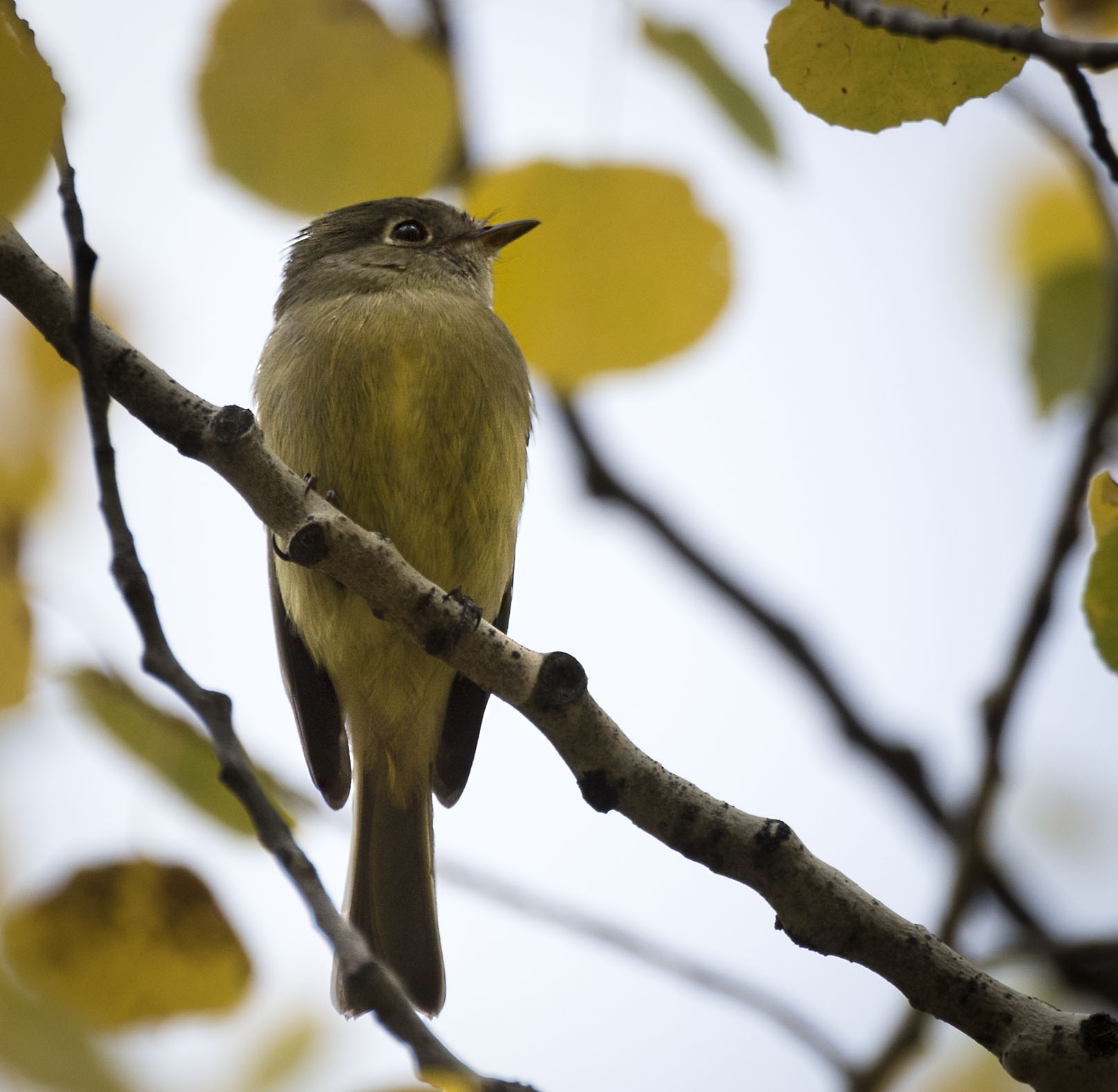
A little flycatcher, a willow or perhaps a yellow or least,  the exact type we are unable to determine sits quietly in the Aspens on a cloudy fall day in SW Colorado. If you are skilled at ID’ing these guys feel free to let us know what exact species you think it is.

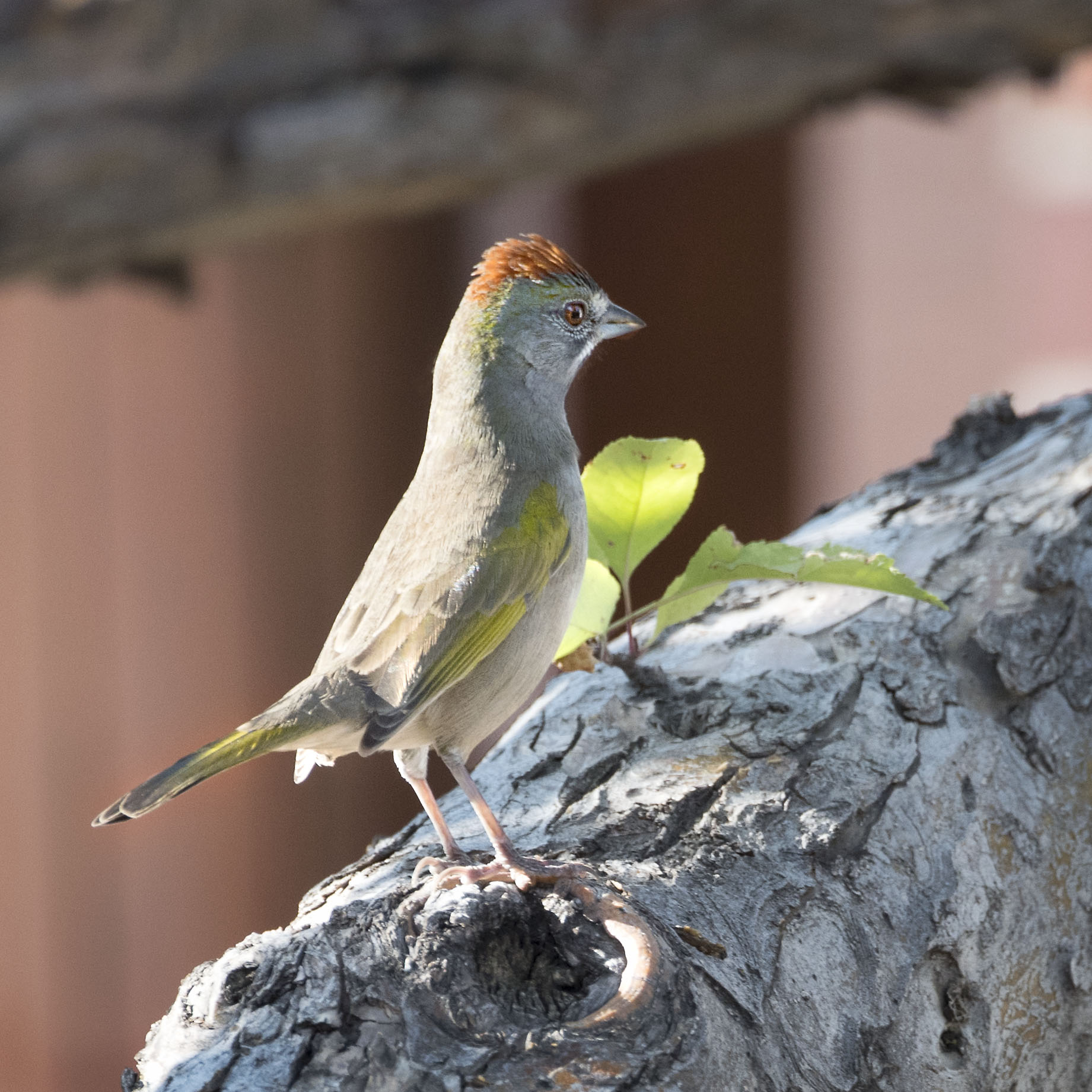
Green Tailed Towhee

The Green Tailed Towhee spends most of its time in dense low thickets, where it forages on the ground. Like other towhees, it scratches in the leaf-litter with both feet as it searches for food. It is somewhat secretive and difficult to see so we were thrilled to get a quick glimpse at this bird when it quickly flew from a berry thicket and landed on this tree for a few seconds.

https://www.allaboutbirds.org/guide/Green-tailed_Towhee/id
http://www.audubon.org/field-guide/bird/green-tailed-towhee

Aphids Beware

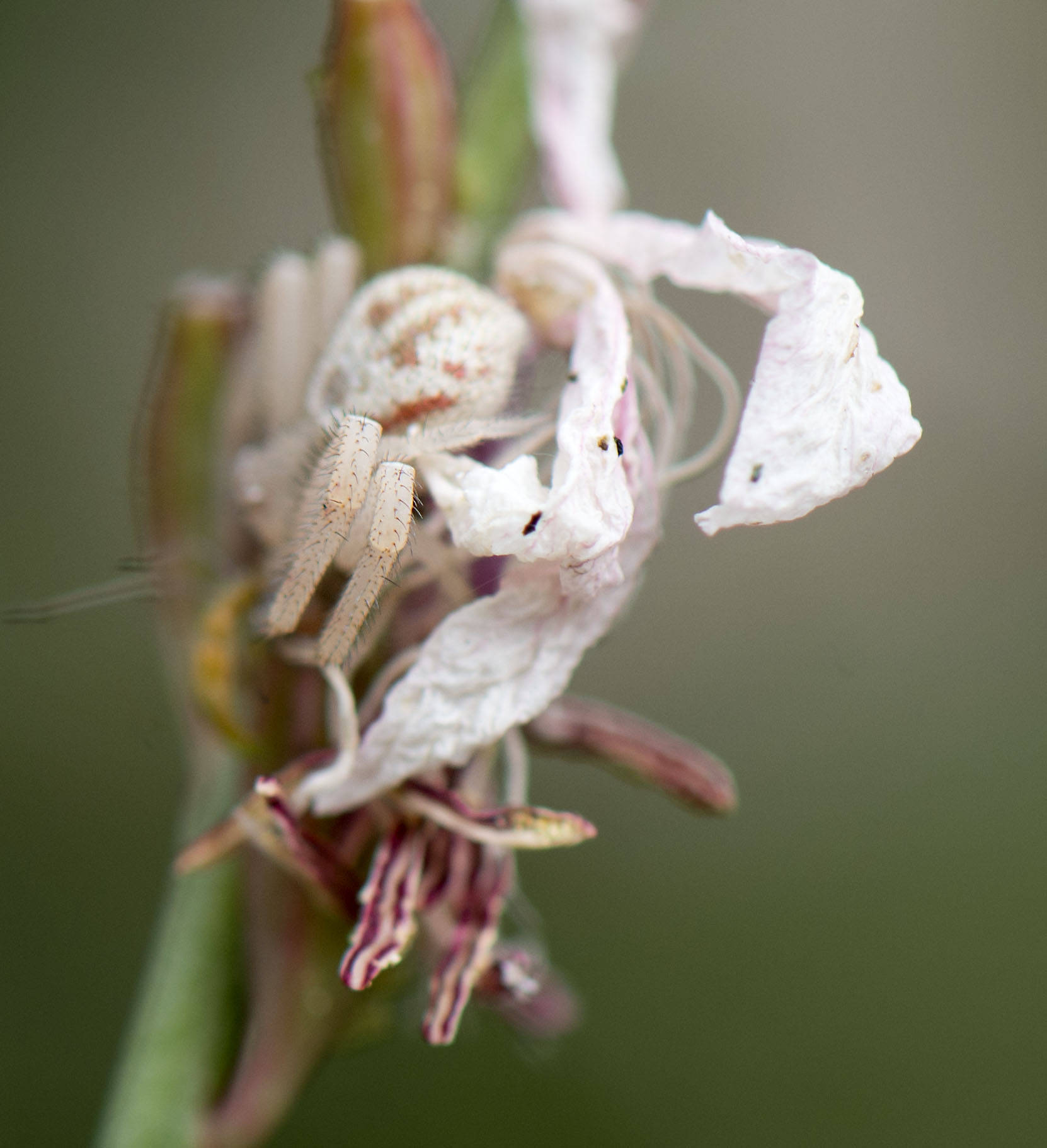
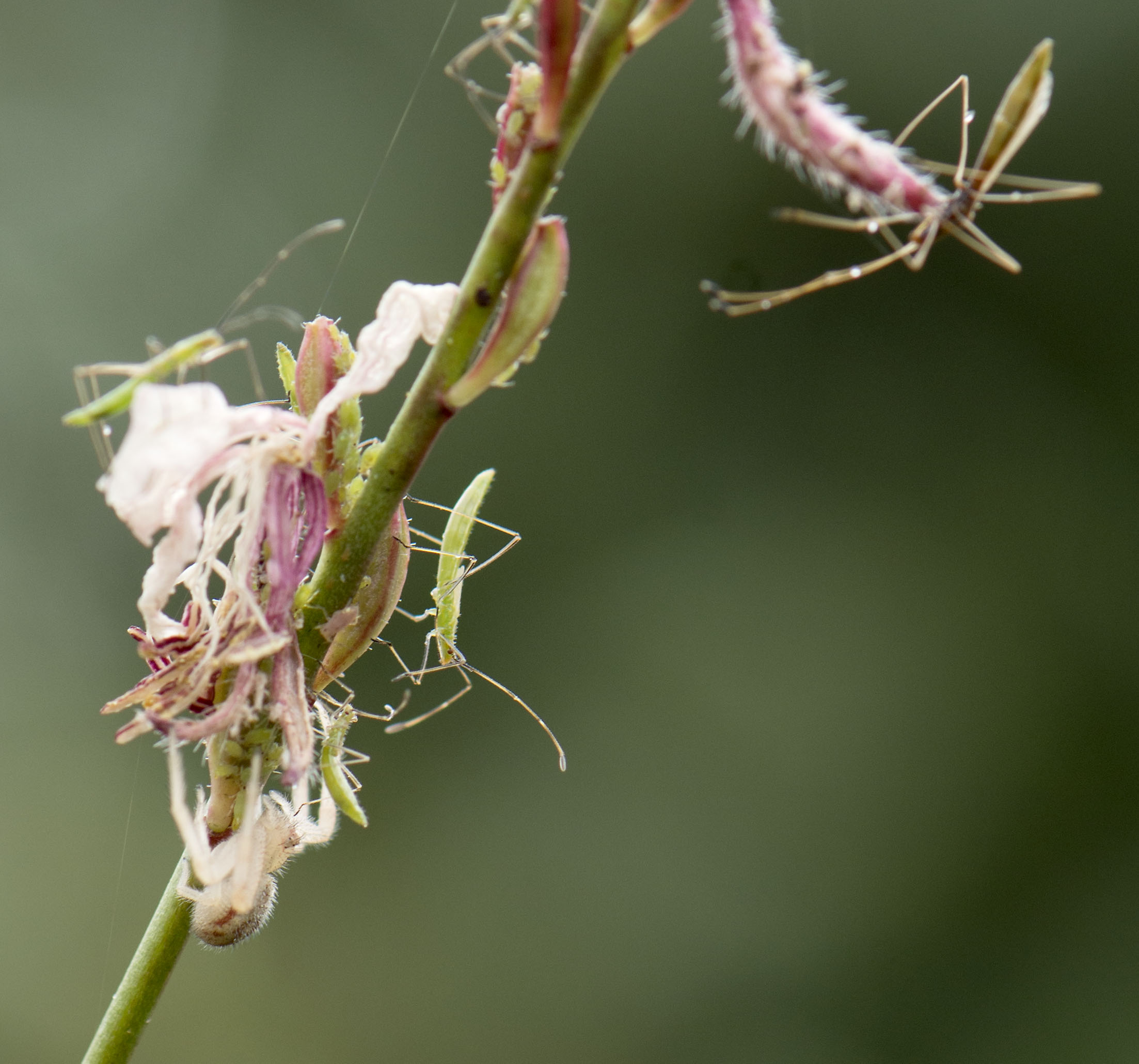
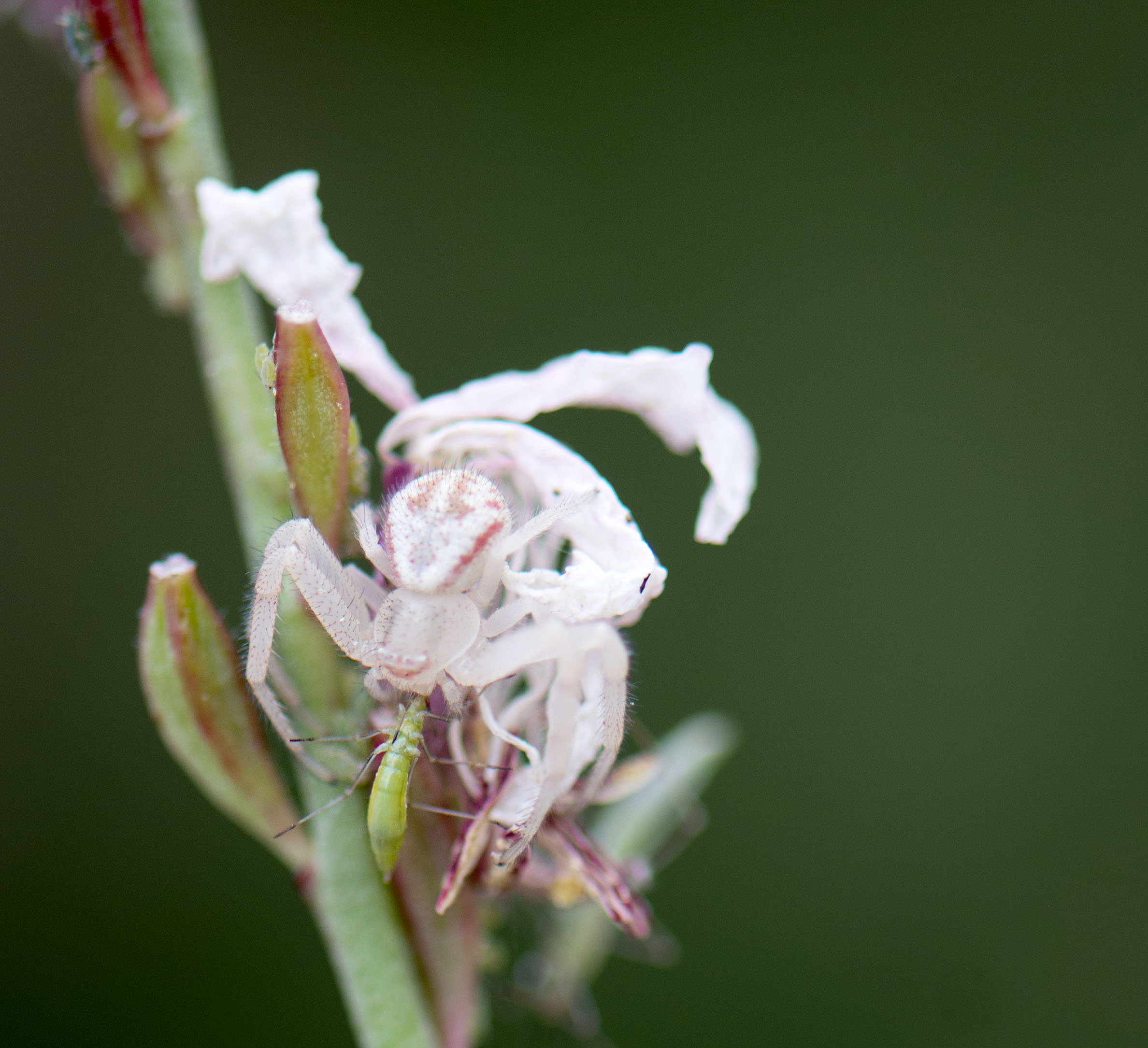
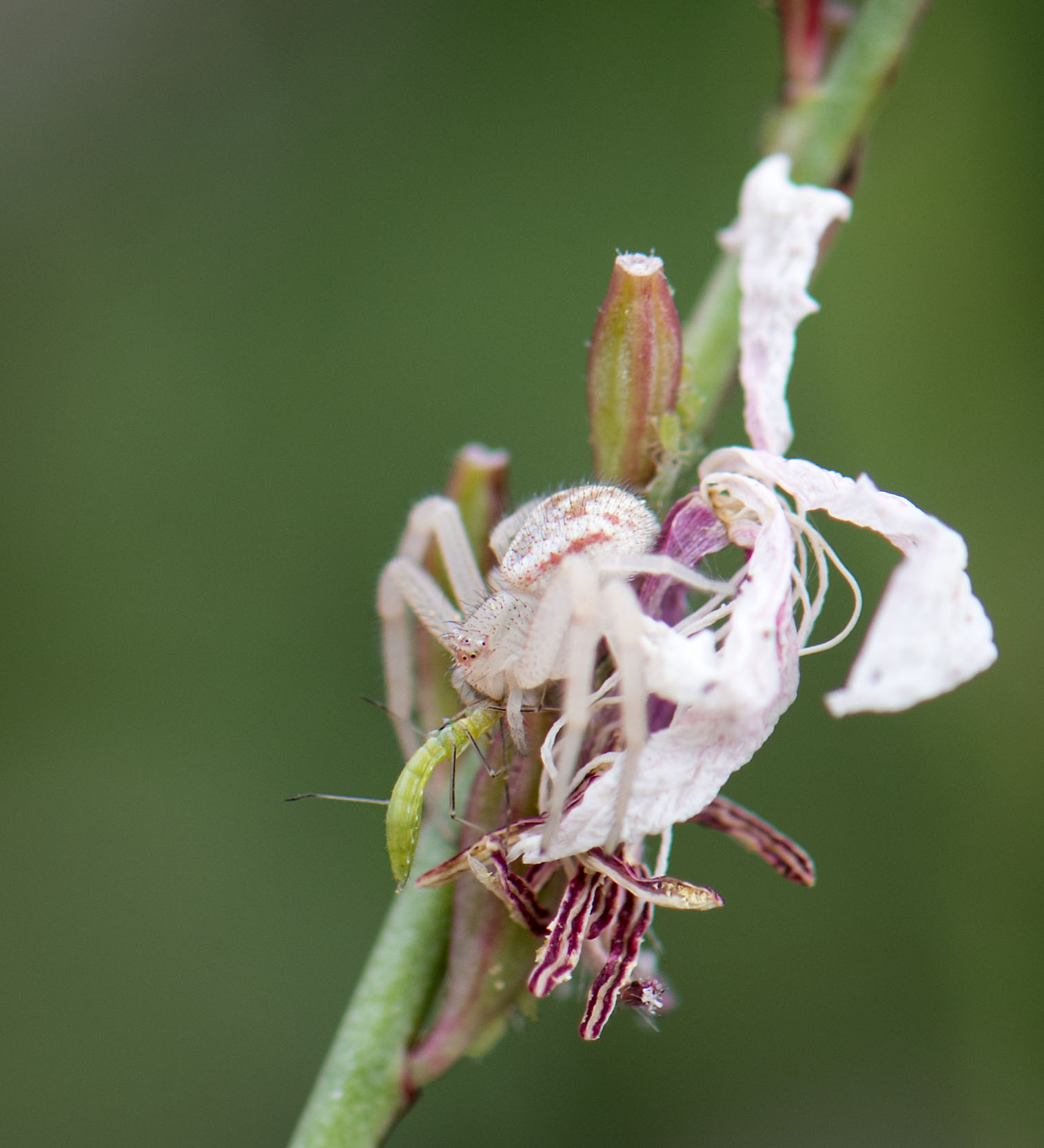
A few weeks ago one of the plants in our garden seemed to become infested with aphids of all sizes and shapes seemingly overnight. Also hidden within the plant and well camouflaged was a wonderful Aphid eating spider.

Once their prey was sighted the spider quickly moved in and made quick work of an medium sized green Aphid.

Given the number of Aphids present this guy will have quite a feast.

We also noticed numerous lady bugs and damselflies feasting away on the smaller aphids as well. Natural pest control at work.

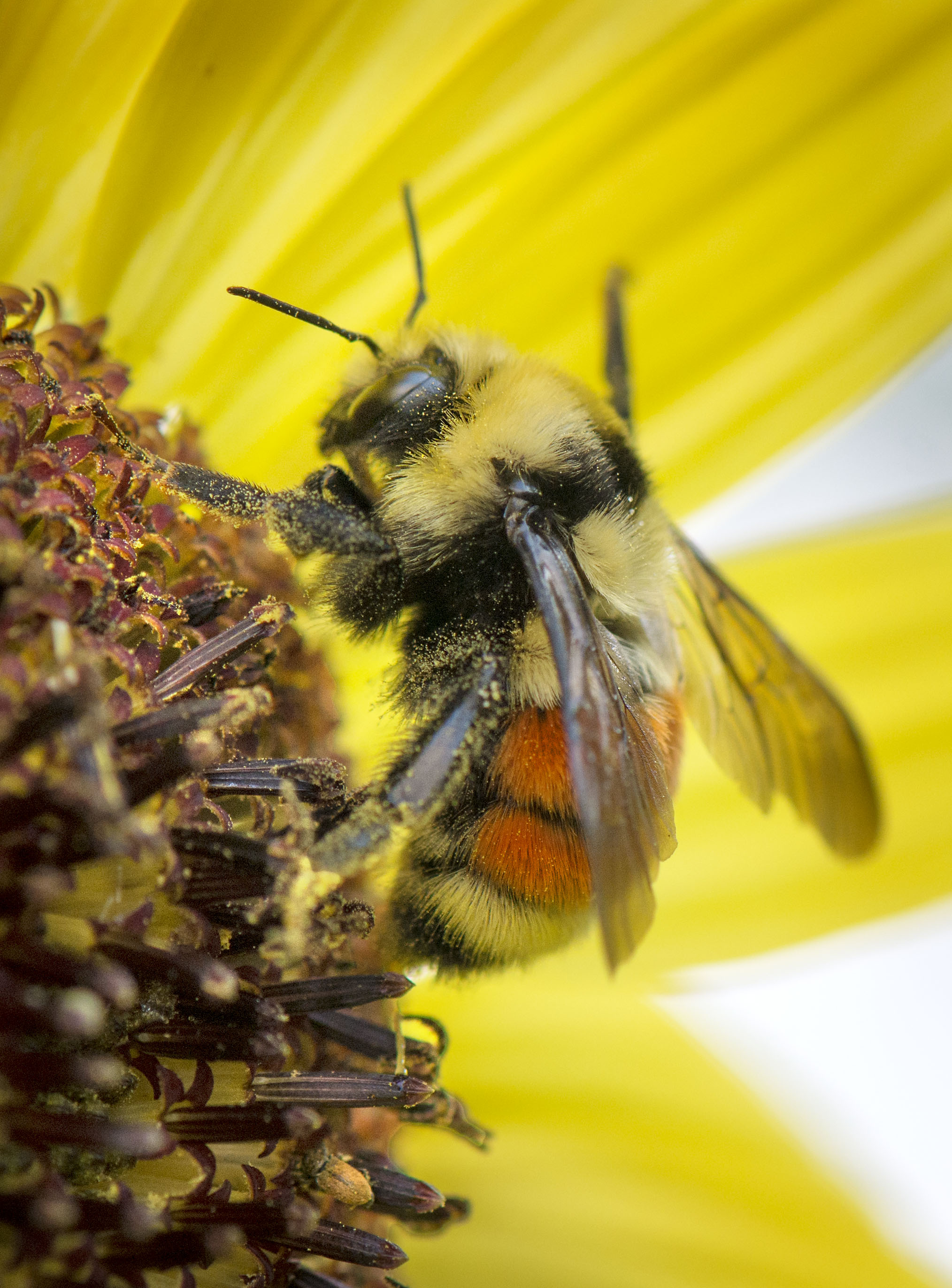
Bombus Ternarius: Tri-Colored Bee

It’s always nice to have these bess buzzing about and who doesn’t like saying Bombus Ternarius.

From Wikipedia “Bombus ternarius, commonly known as the orange-belted bumblebee or tricoloured bumblebee,[2] is a yellow, orange and black bumblebee. It is a ground-nesting social insect whose colony cycle lasts only one season, common throughout the northeastern United States and parts of Canada.[3] The orange-belted bumblebee forages on Rubus, goldenrods, Vaccinium, and milkweeds found throughout the colony’s range. Like many other members of the genus, Bombus ternarius exhibits complex social structure with a reproductive queen caste and a multitude of sister workers with labor such as foraging, nursing, and nest maintenance divided among the subordinates.”

To read more:https://en.wikipedia.org/wiki/Bombus_ternarius

Just for fun ….Bombus!
Scars of summer

As summer comes to a close a Lorquins Admirals wings tell the tale of a summer passed.

It’s safe to say those scared and faed wings have served them well. Flying strong with colors bright to find a mate and produce a new generation of butterflies we can look upon with wonder when summer returns again.