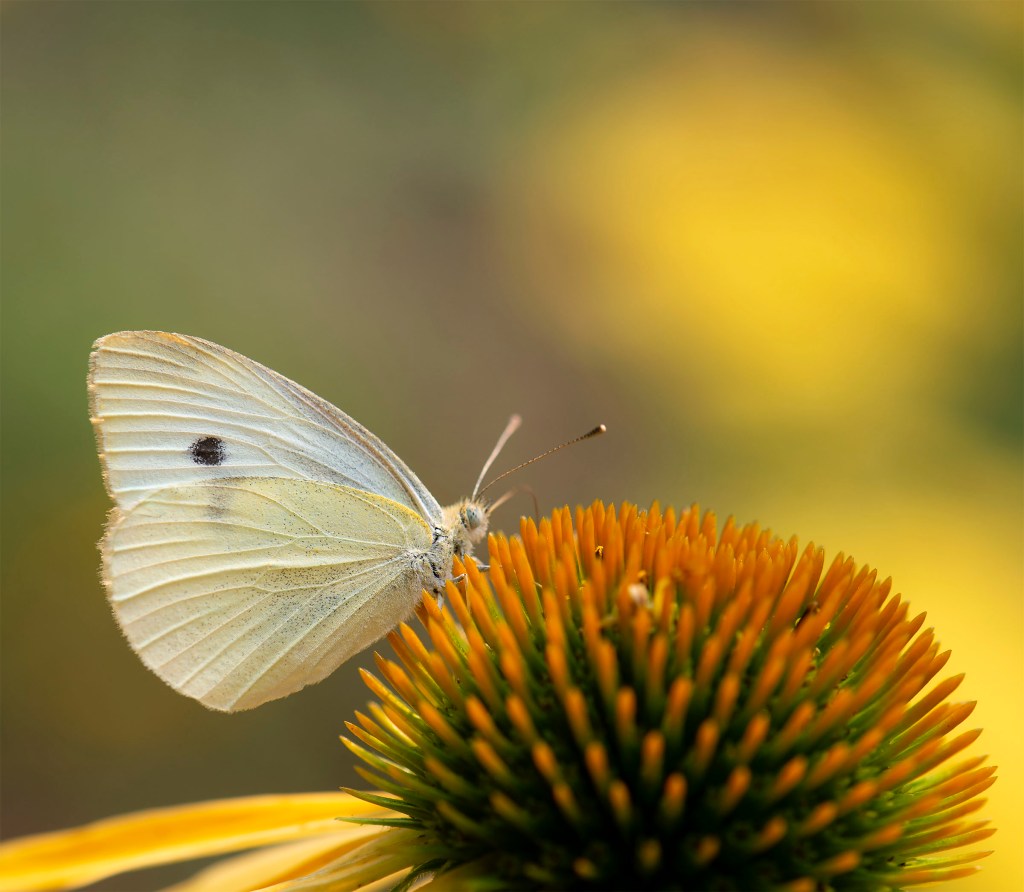
The coneflowers are one of the later bloomers in our area and provide a snack for some of the other late season visitors. In this case it’s a cabbage white butterfly getting a sip of nectar on late summer afternoon.
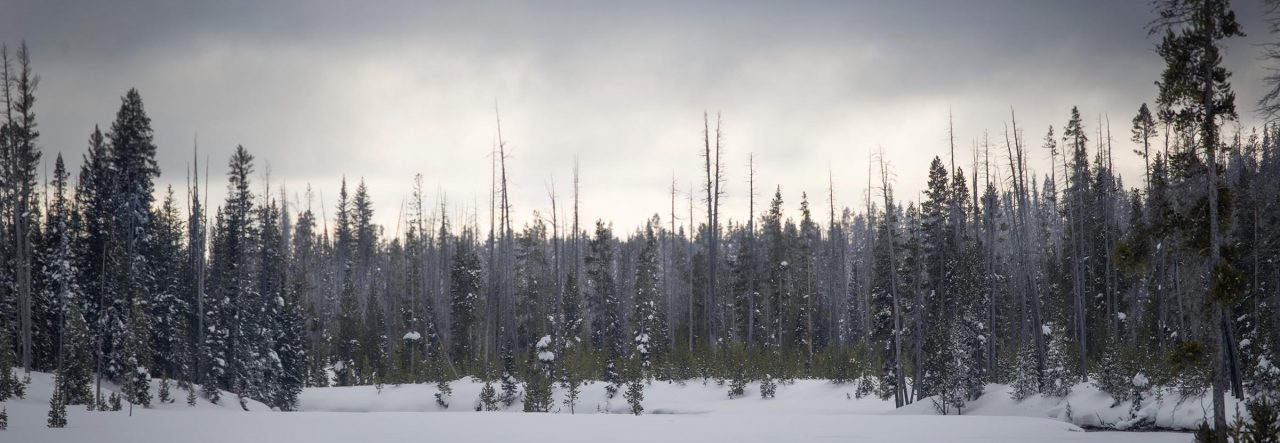
The coneflowers are one of the later bloomers in our area and provide a snack for some of the other late season visitors. In this case it’s a cabbage white butterfly getting a sip of nectar on late summer afternoon.
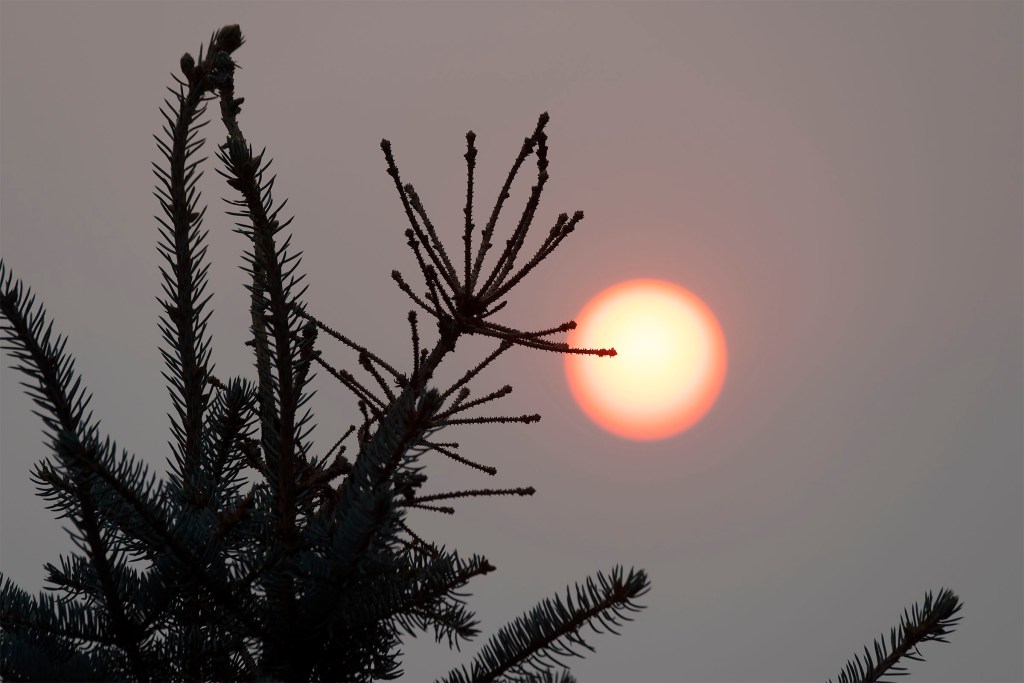
Smoke form wildfires, most burning over a thousand miles away, allowed us to look directly into the sun well before evening came our way. A not so subtle reminder the ecosystem we inhabit is indeed connected. All living things inhabiting the only planet we have.
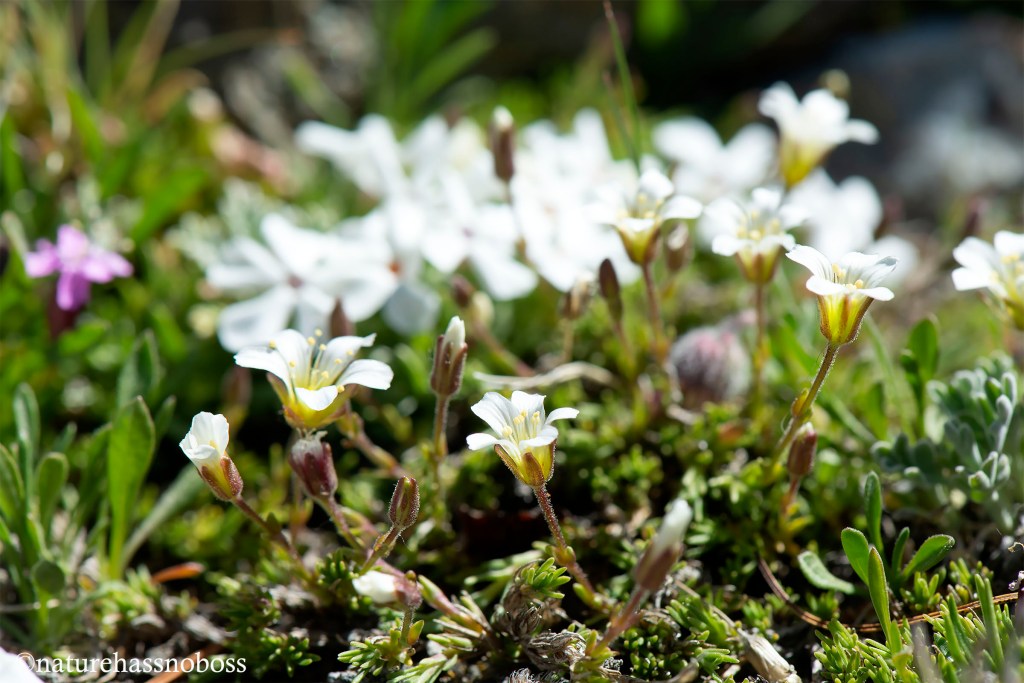
A few weeks ago we we lucky enough to take a hike along a ridge above tree-line once again filled with alpine wildflower. Most growing only inches tall yet the display of color was stunning.
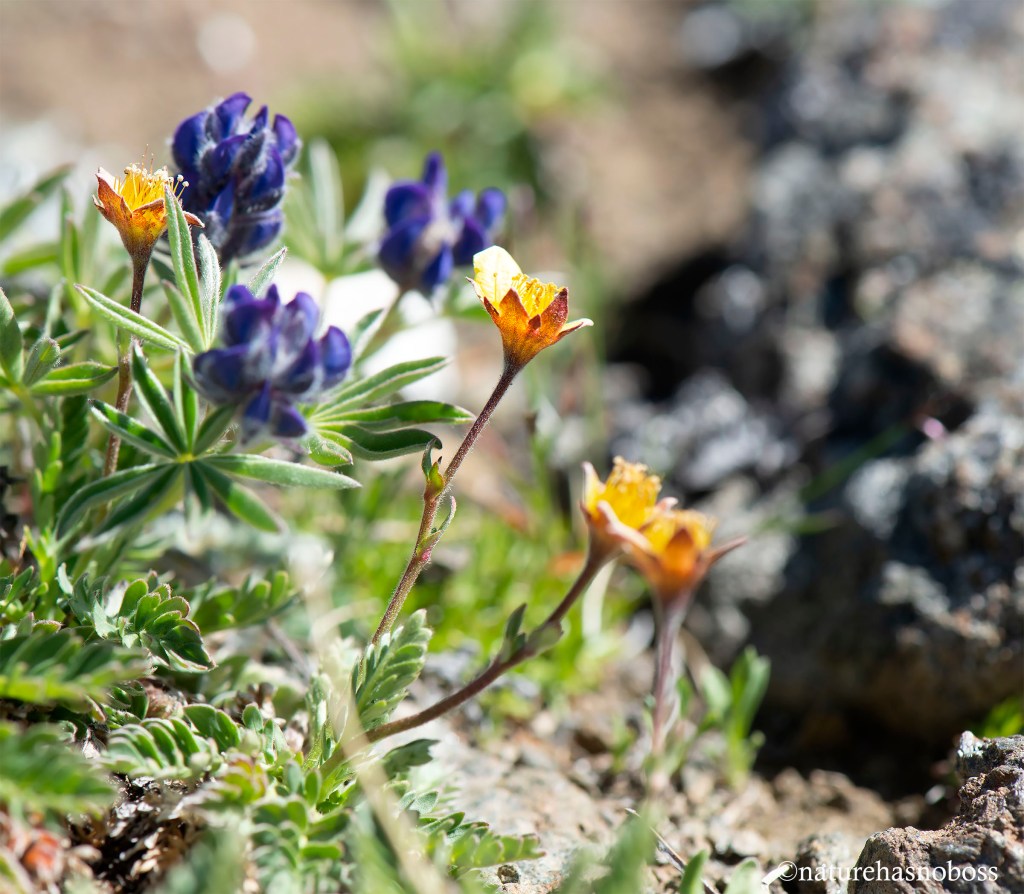
Carefully stepping from rock to rock to avoid smashing these fragile flowers that somehow thrive in a cold and windy environment.

Where sunflowers and lupine grown only inches tall.
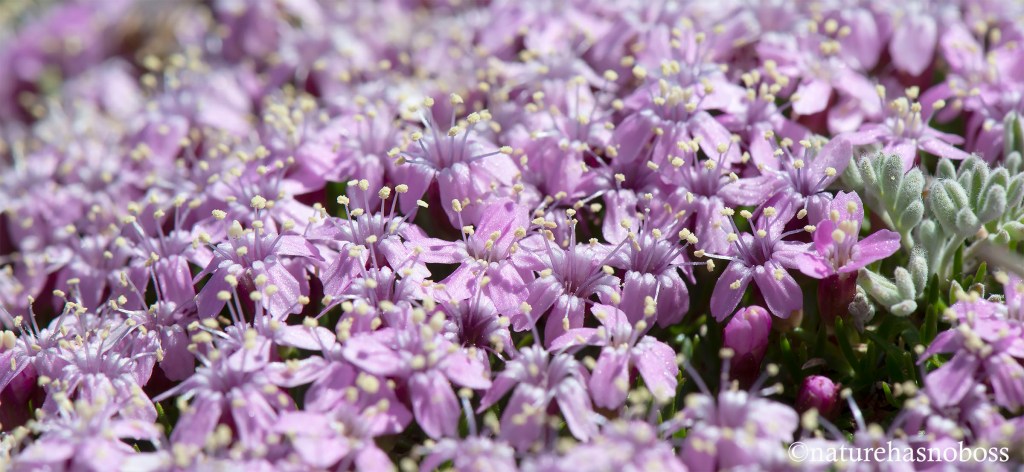
While other flower grew as if they were the earth itself.
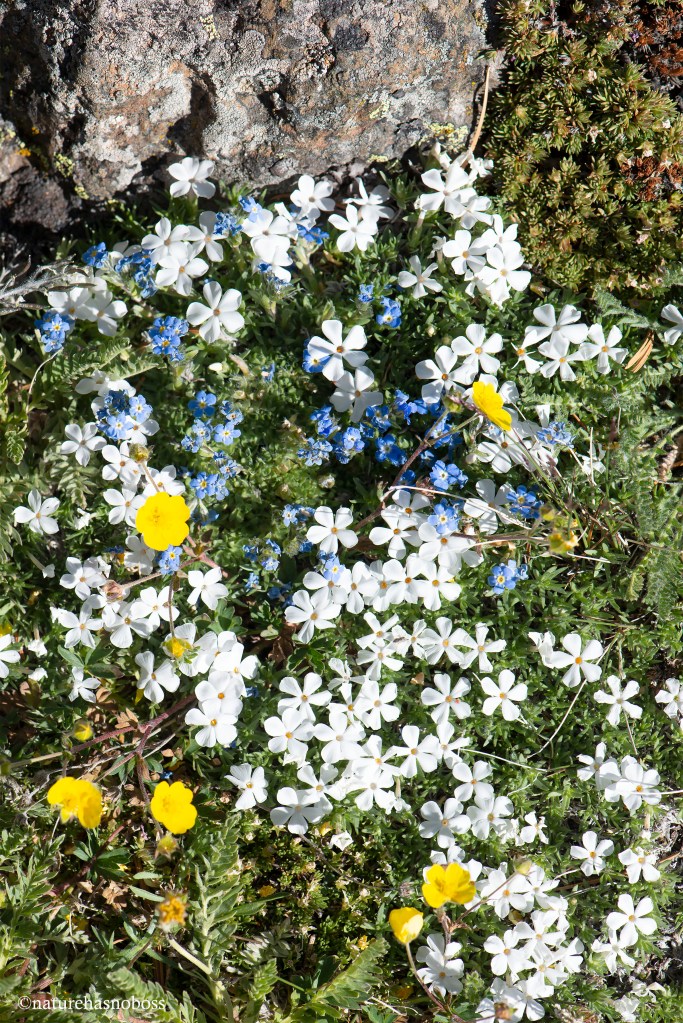

Happy Friday and wishing you a wonderful weekend.
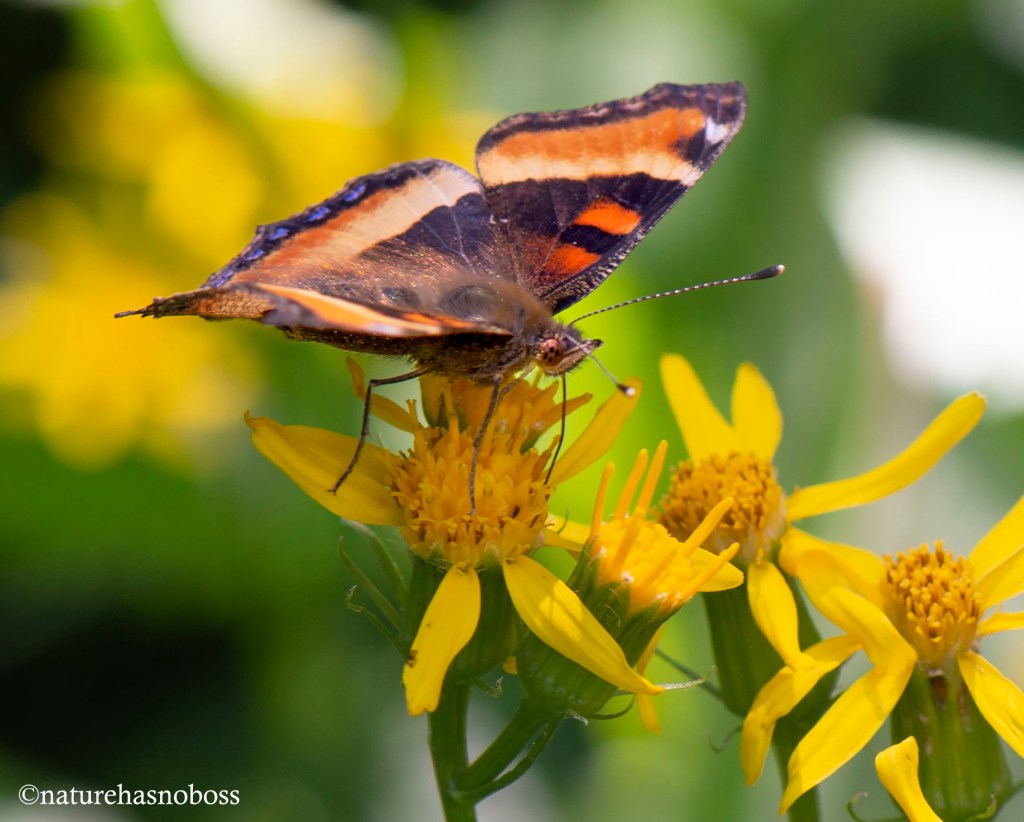
A Milbert’s Tortoiseshell Butterfly sips sweet nectar on an August afternoon. While many of the butterflies we see are present in great numbers through the summer there are some we only see a handful of and then only for a few weeks at the most. The Milbert’s is one of them.
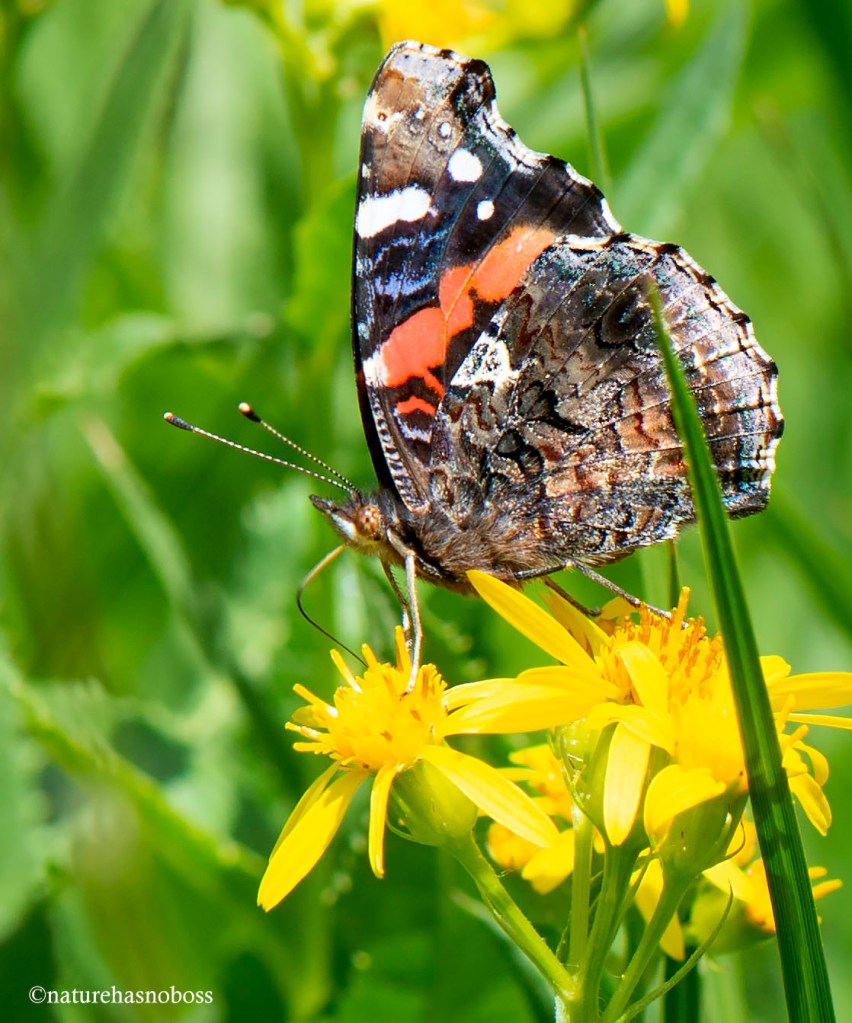
Another not so frequent observation is the Red Admiral.

The Pink-Edged Sulphur is always one of the most skittish and elusive of butterflies for us to photograph each summer. They seem to have that sixth sense and fly away even before we can get within range.

Another butterfly we only see a handful of each summer is not a butterfly at all but a moth. The Police-car Moth to be exact.
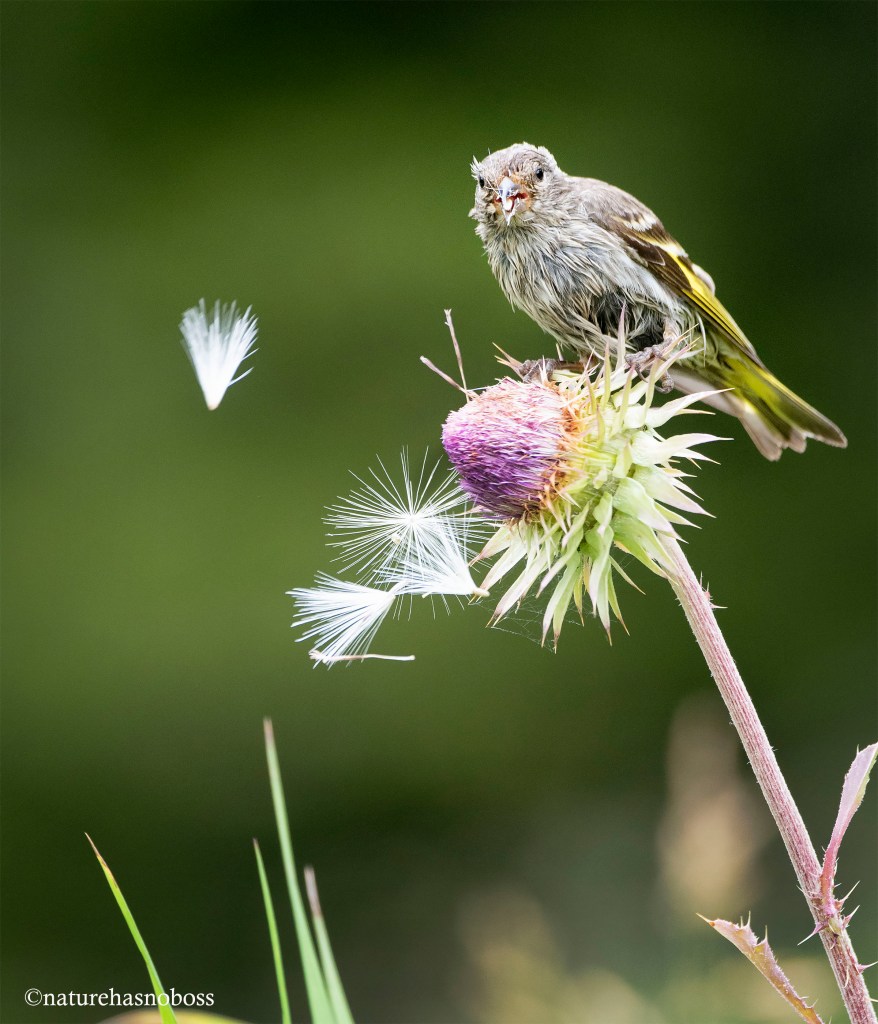
A Pine Siskin give a look that just screams What? while devouring some thistle.
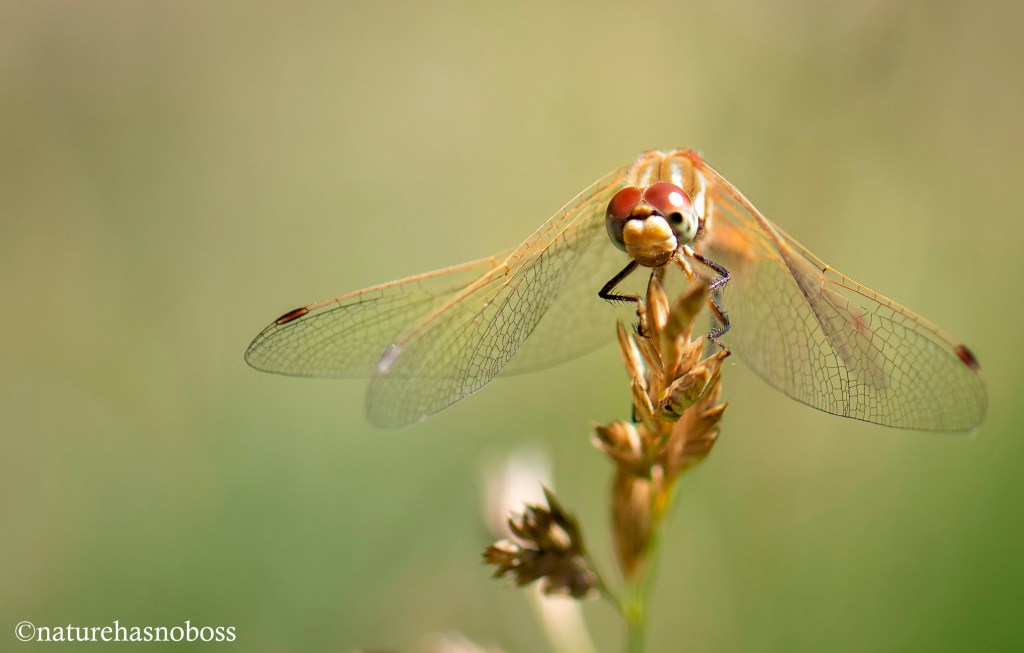
Seeing eye to eye with a dragonfly.
A fine way to start the day.
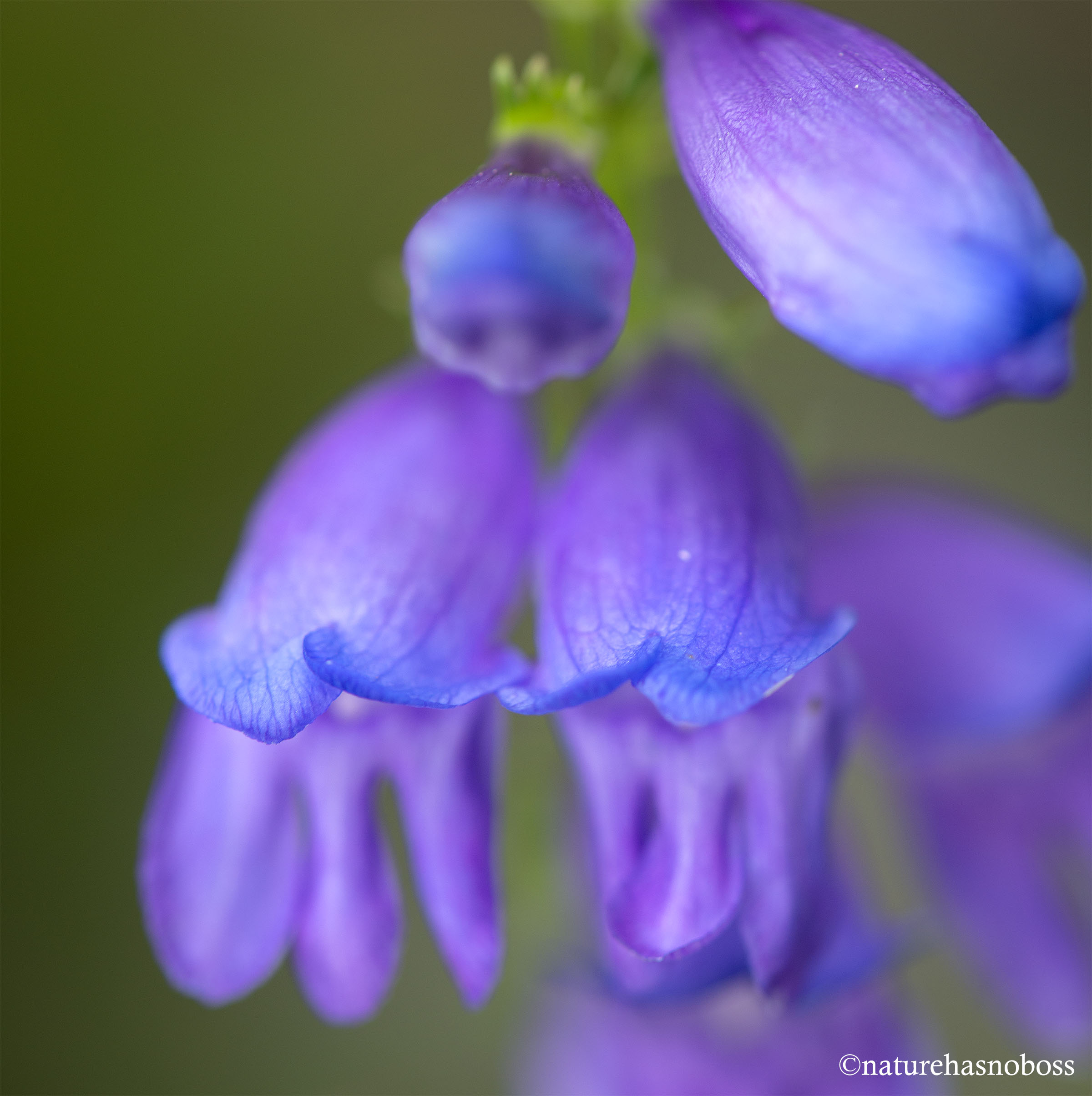
Rocky Mountain Penstemon.
Are they Blue?
Are they Purple?
Oh Heck, let’s just call them Blurple. Seeing them growing wild in the fields or in the garden around they house always bring a smile to our faces.
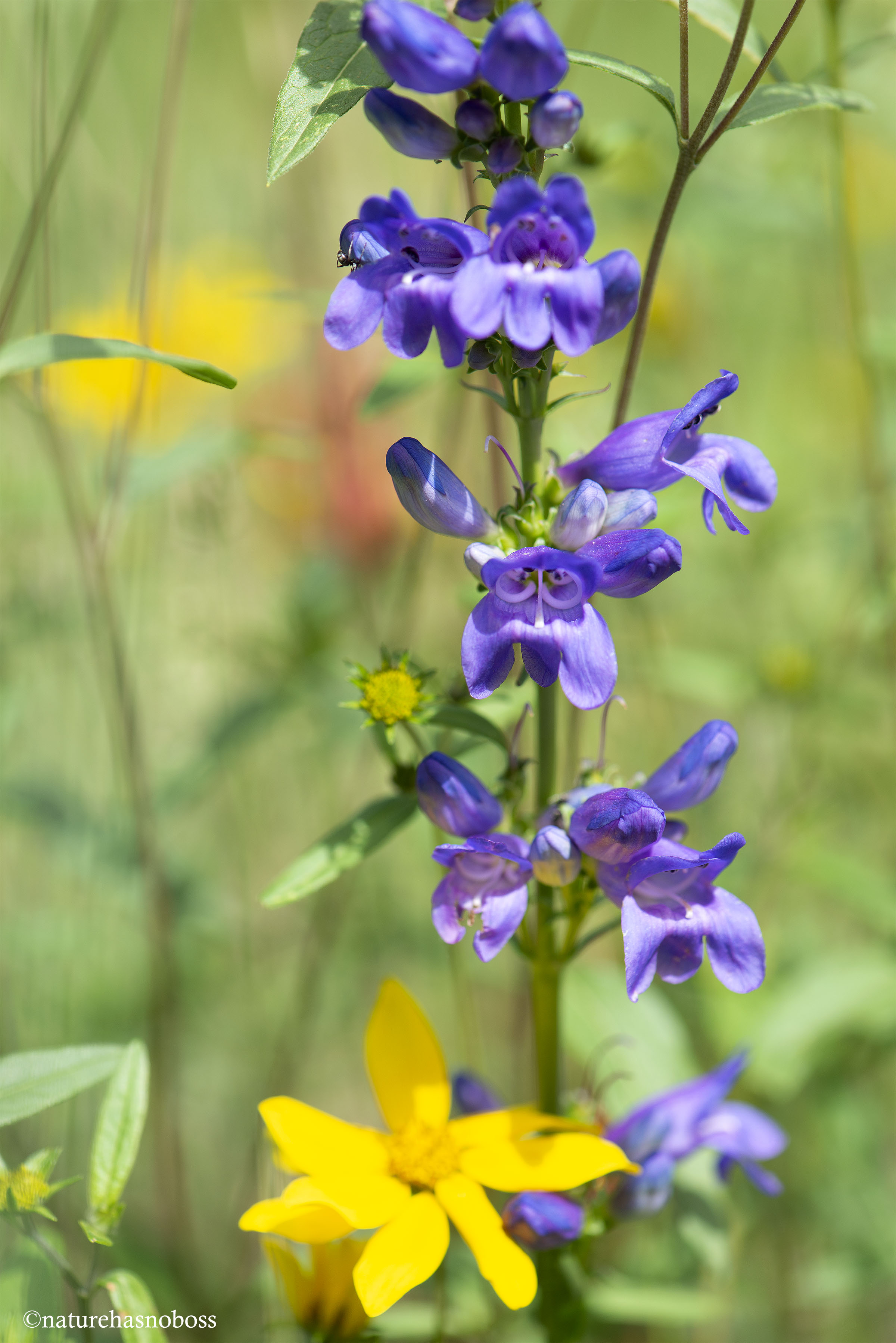
We are not sure there can be a more saturated color and the sculptural beauty just leaves one shaking their head.
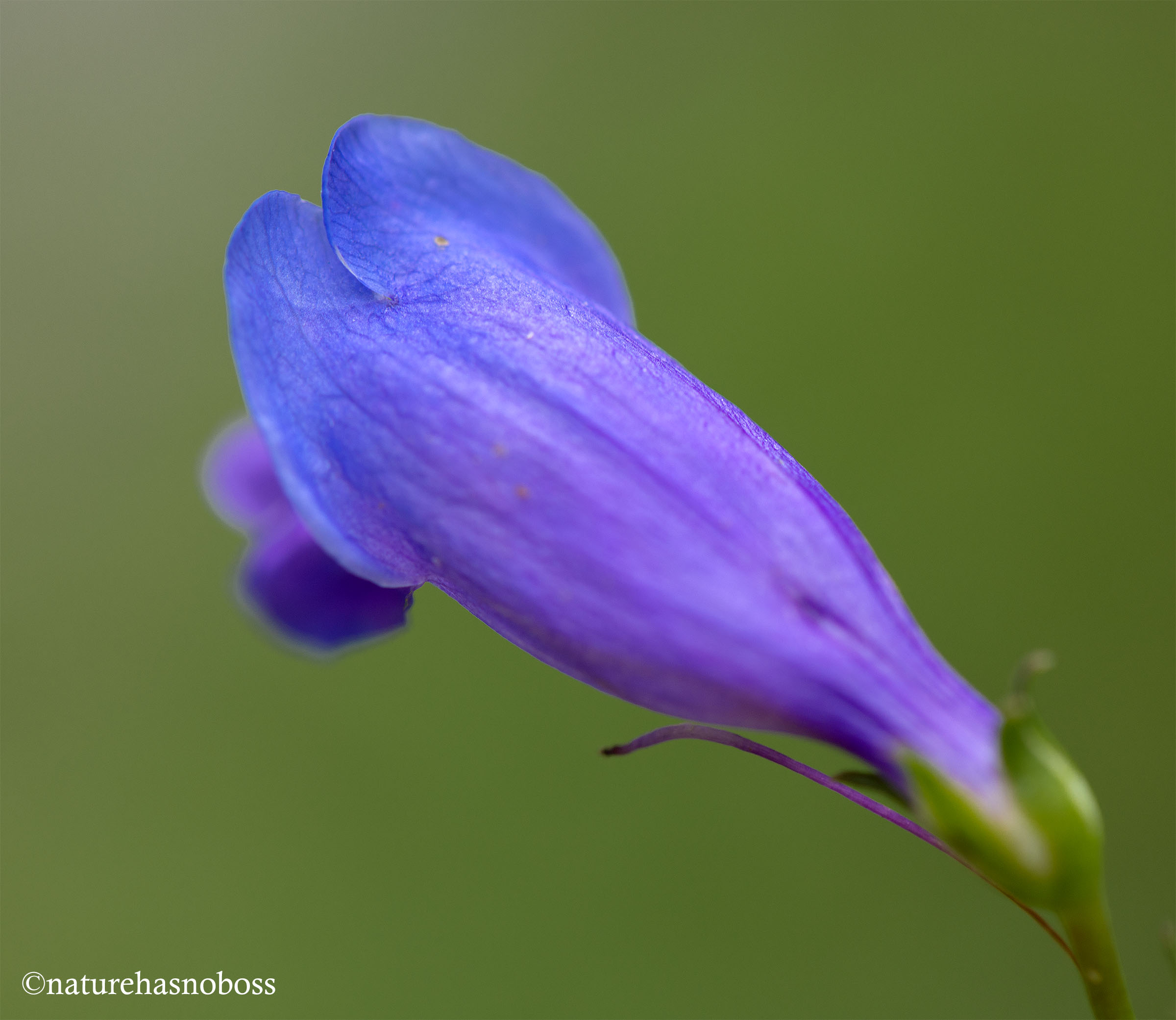
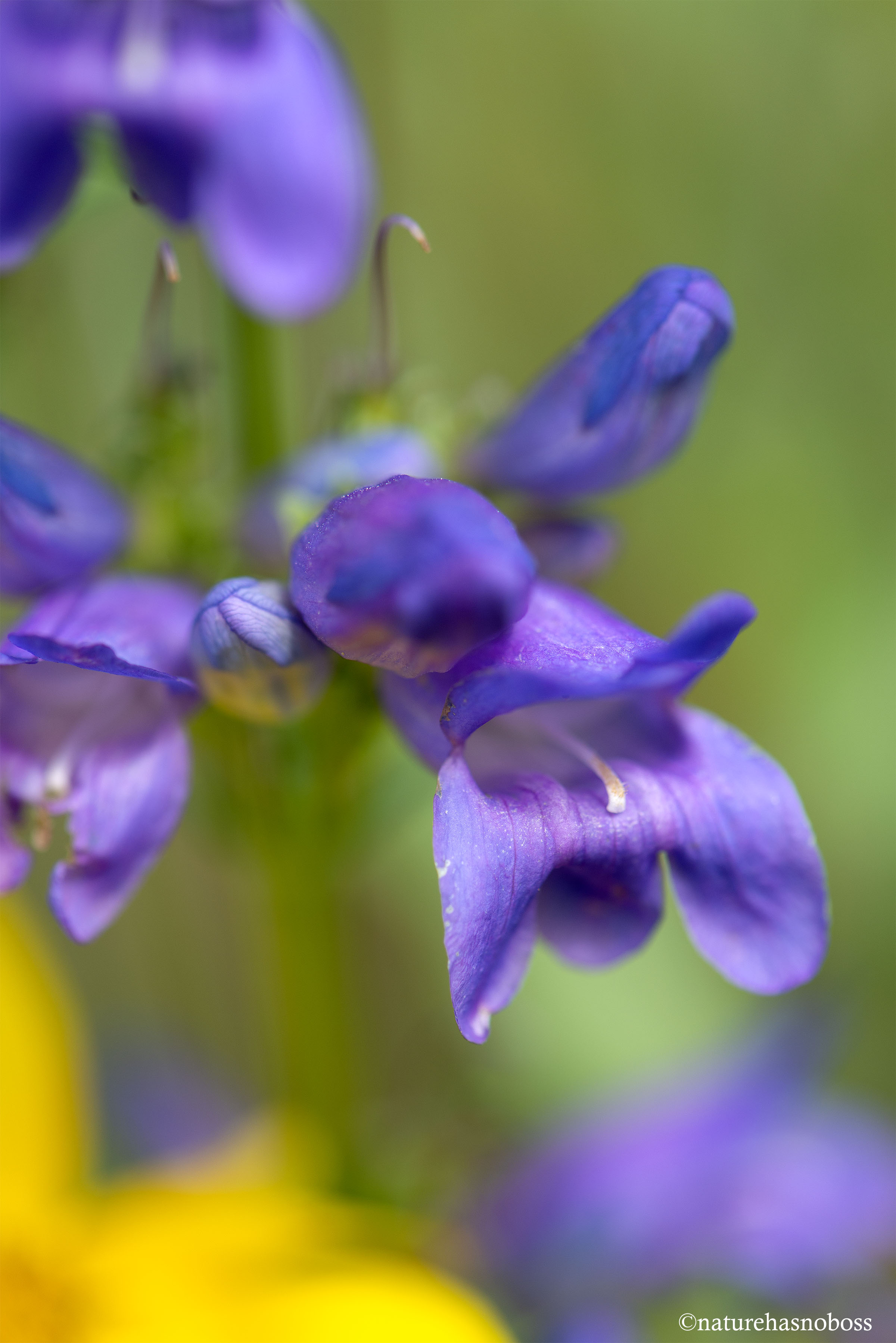
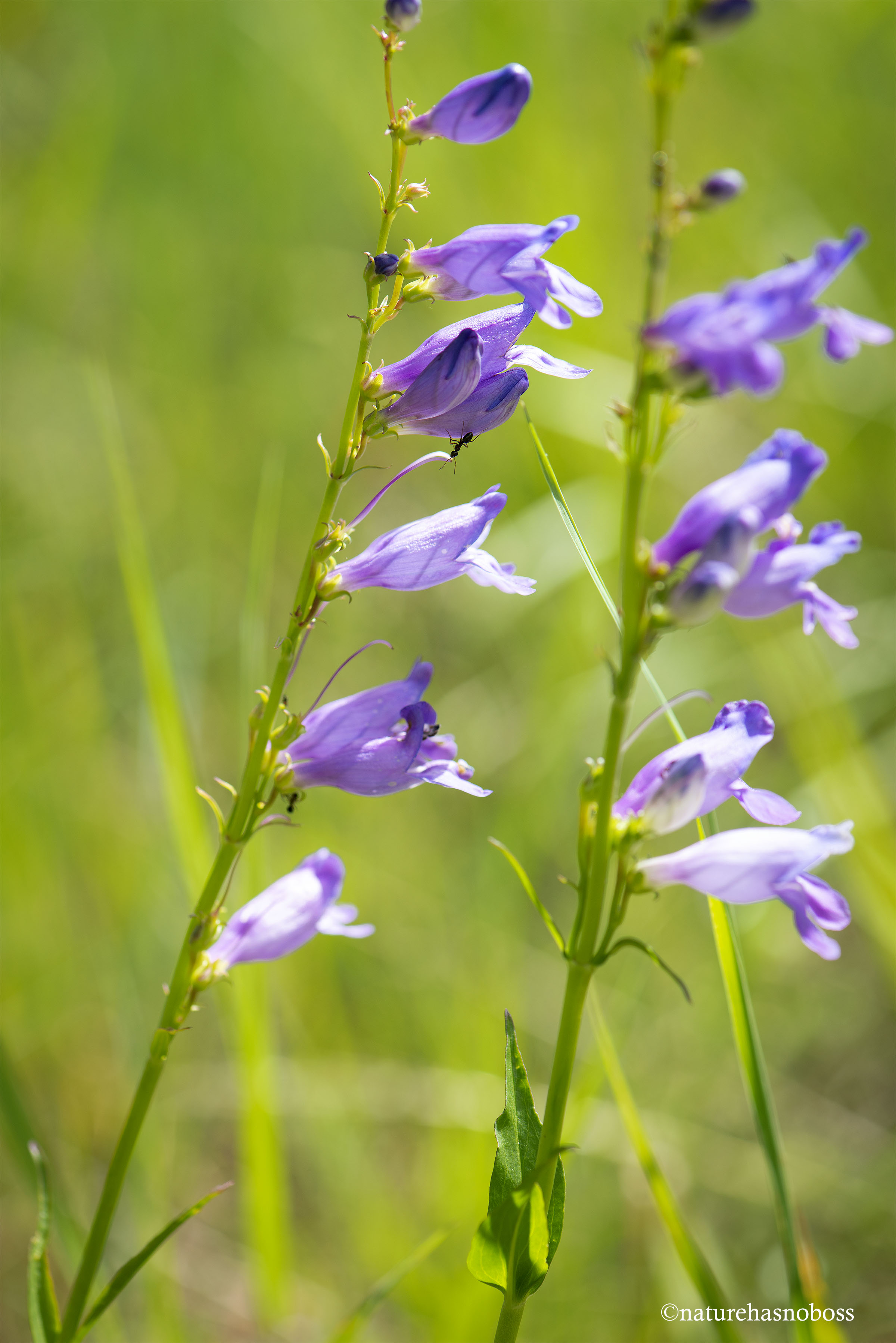
Blowing on the breeze as summer lingers on.

And the bees dig them as well.
Happy Monday and have a great week ahead.
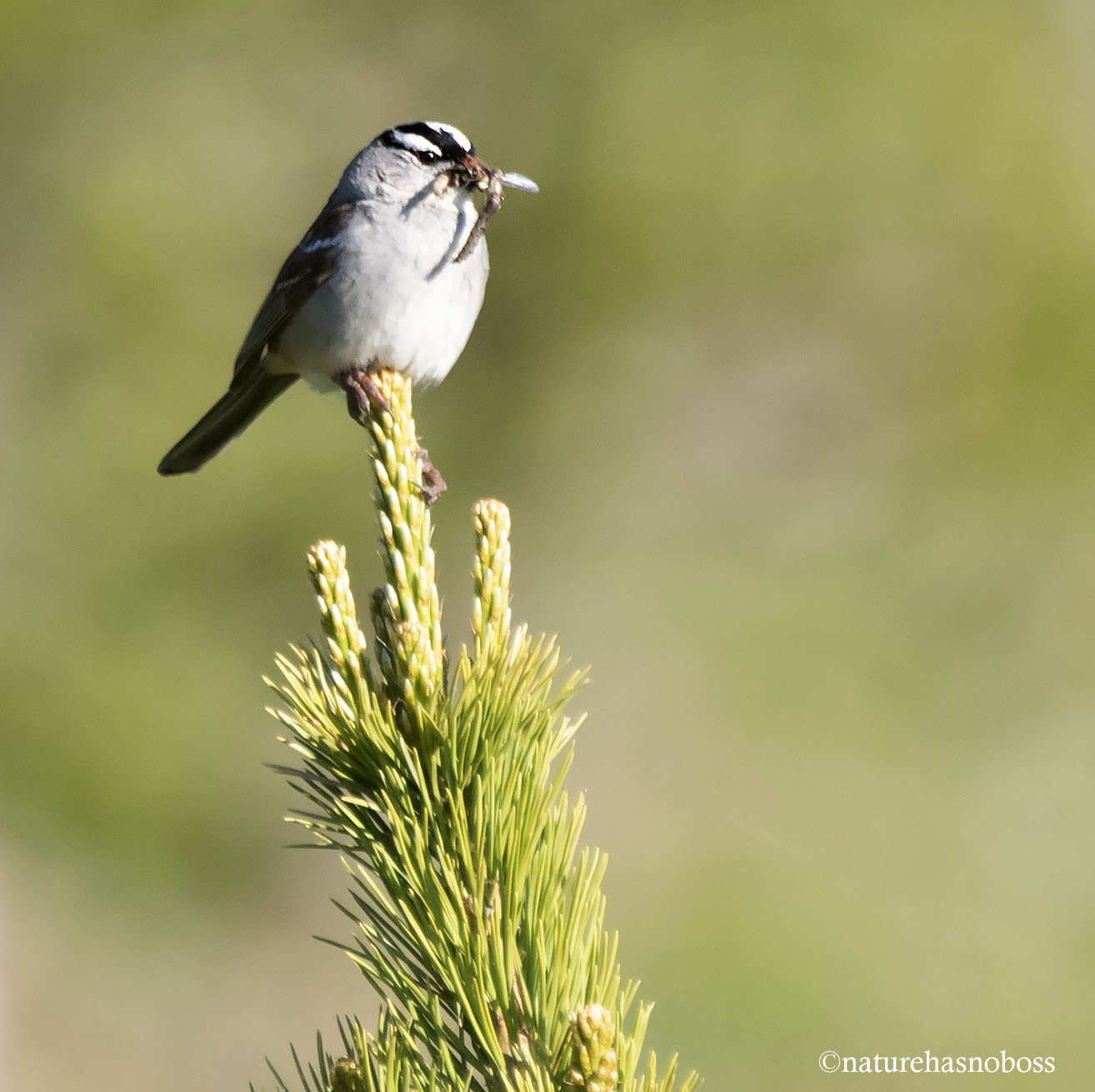
A White Crowned Sparrow enjoys a short break after a very successful hunting foray. The kids will eat well this morning.
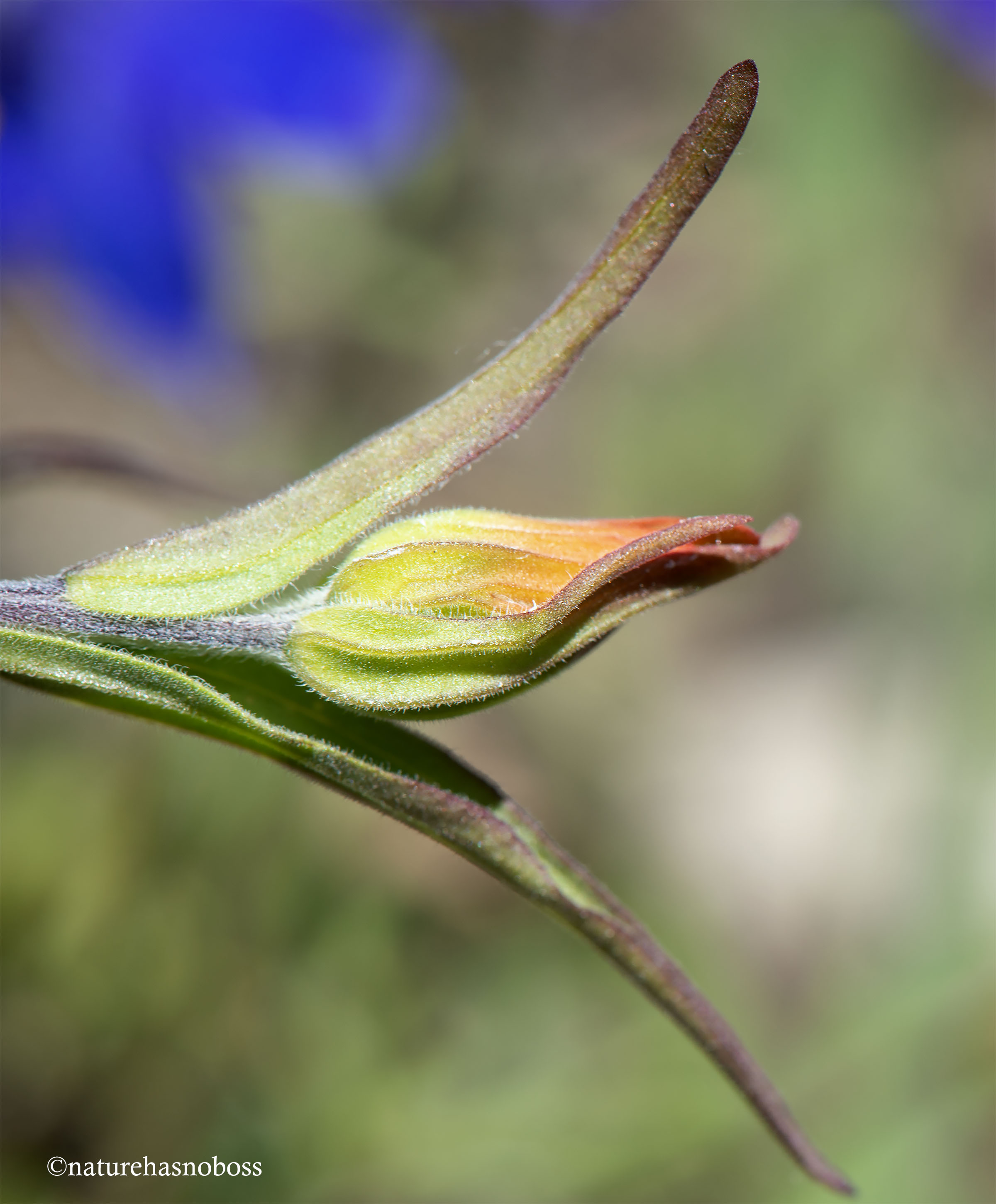
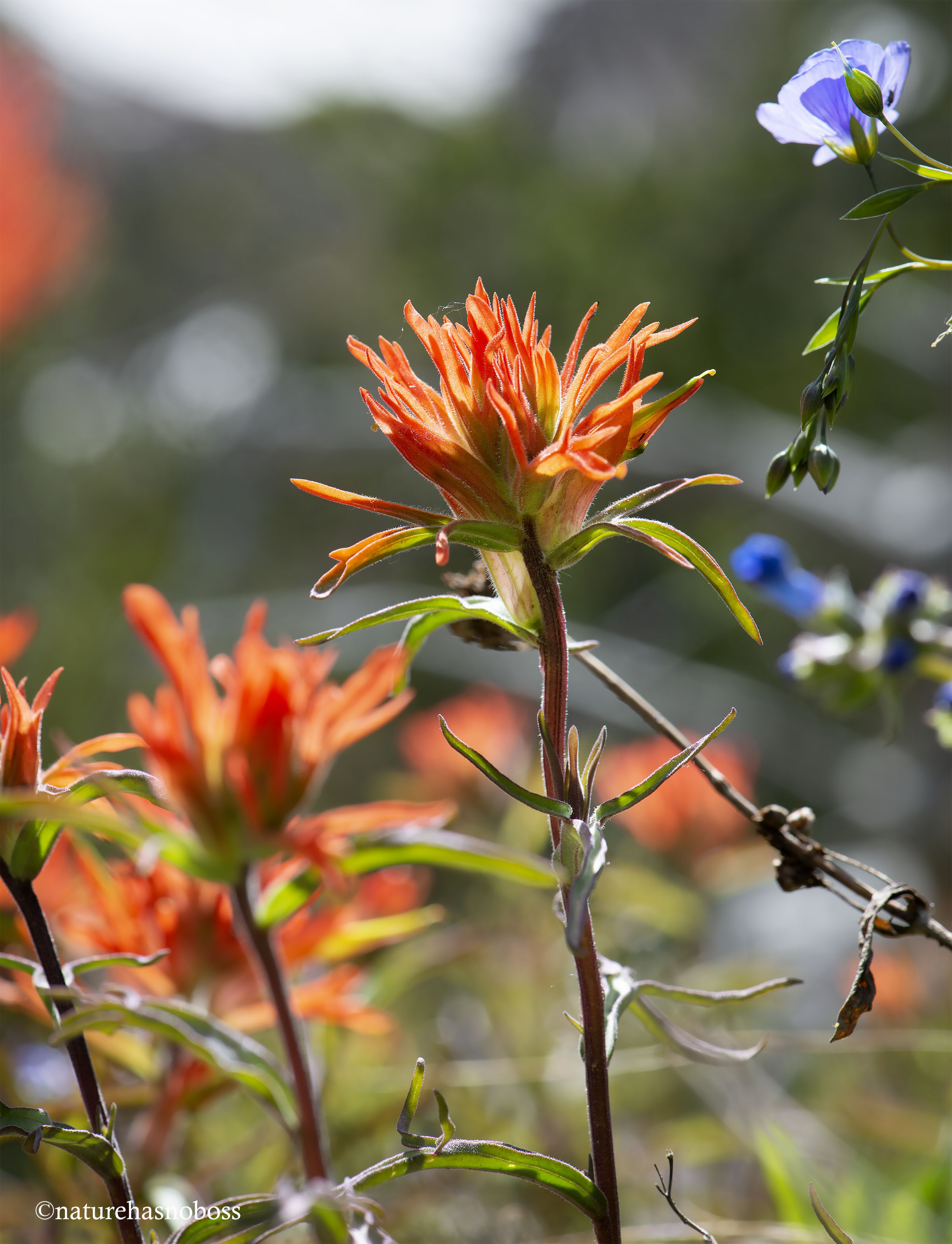
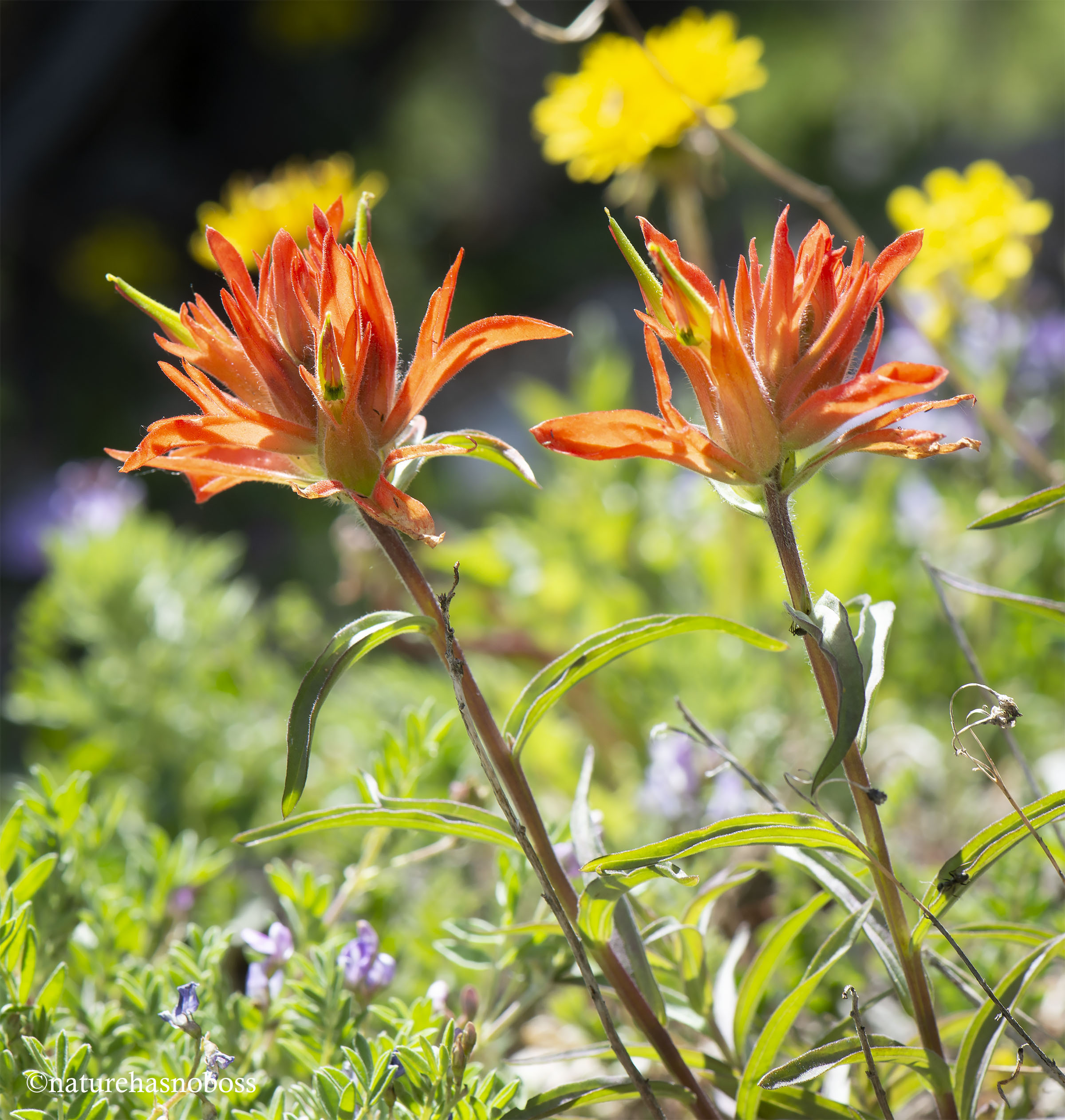
Our annual tribute to a perennial favorite wildflower of ours Painted Brush or Indian Paintbrush if you will. The plant belongs to the genus Castilleja of which there are over 200 documents species in the Americas. With 24 species in the Rocky Mountain region and with of those species nine in our local area we are always noting the subtle differences in colors, texture and shapes among these beautiful plants.
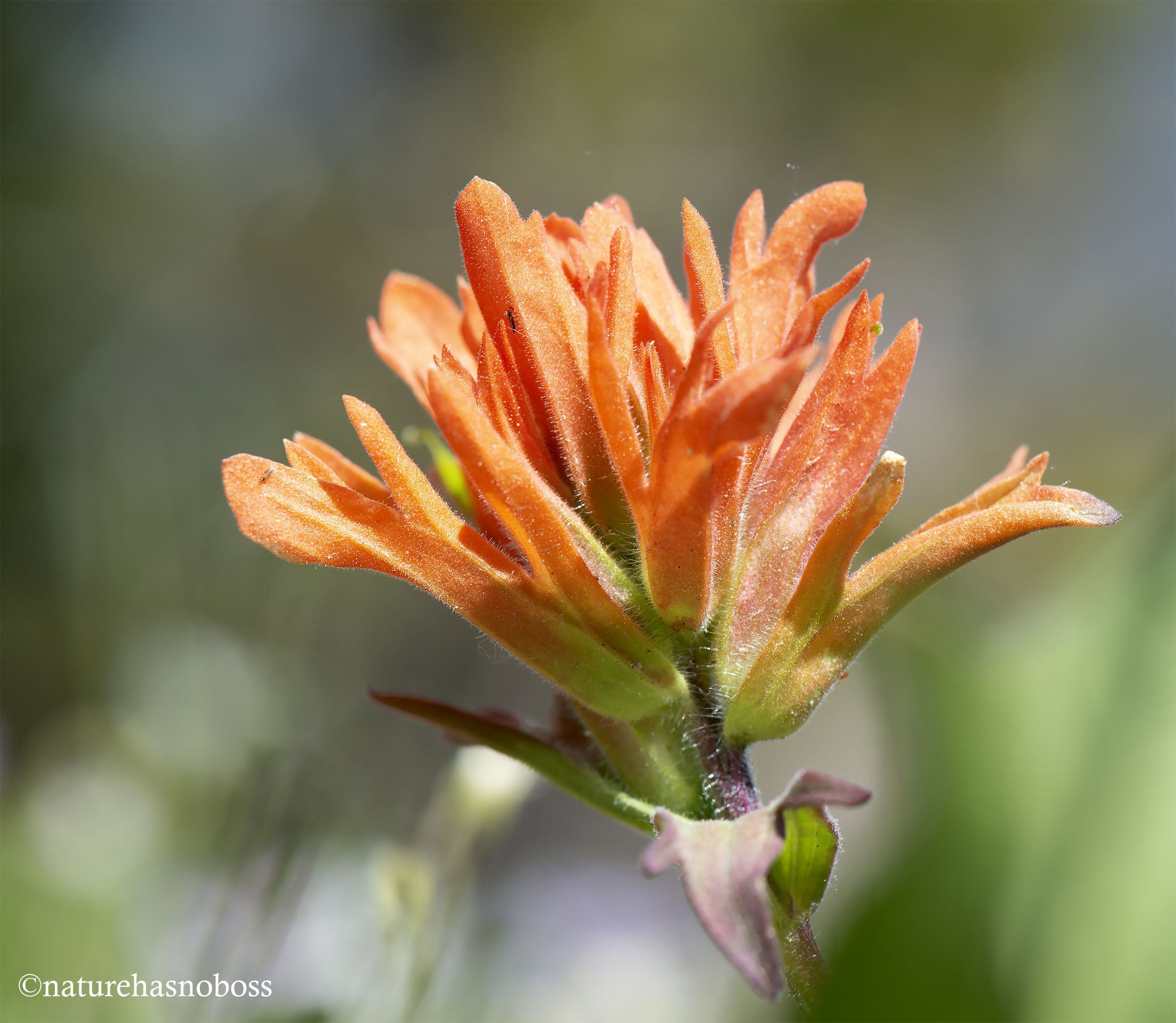
This years photos were taken on a hike up an alpine ridge with this beautiful orange-red variety being most prevalent that day.
Until we meet again.
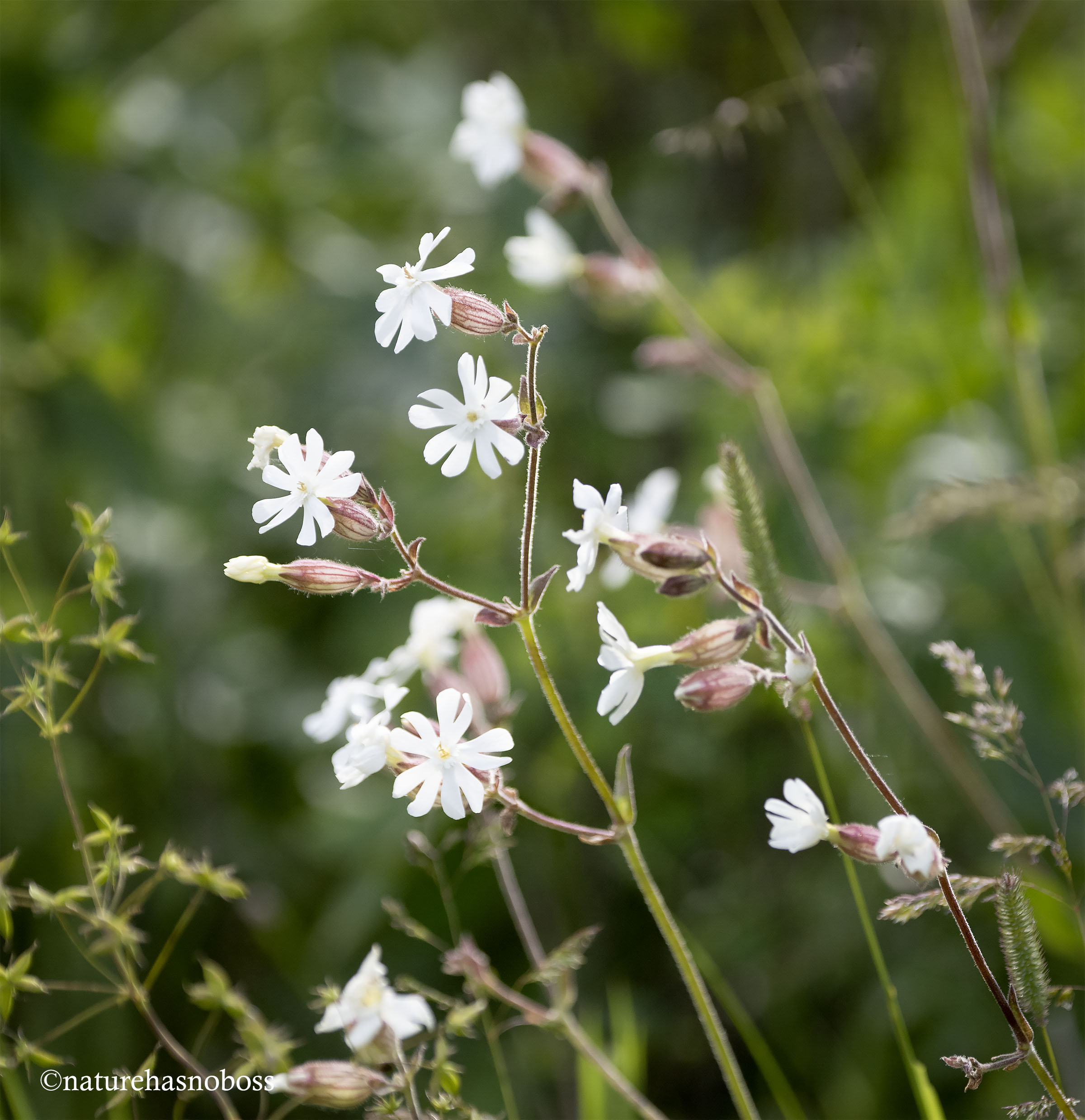
Campion or “bladder” flower is one of those weed or wildflower flowers. Our local agricultural extension classifies it as a nuisance. We have several species in our area and this one is either a Bladder Campion: Silene latifolia or Parry’s Campion: Silene parryi. My untrained eye is unable to distinguish between the two and even if it is a weed it is a fine looking weed.
 nature has no boss
You must be logged in to post a comment.